
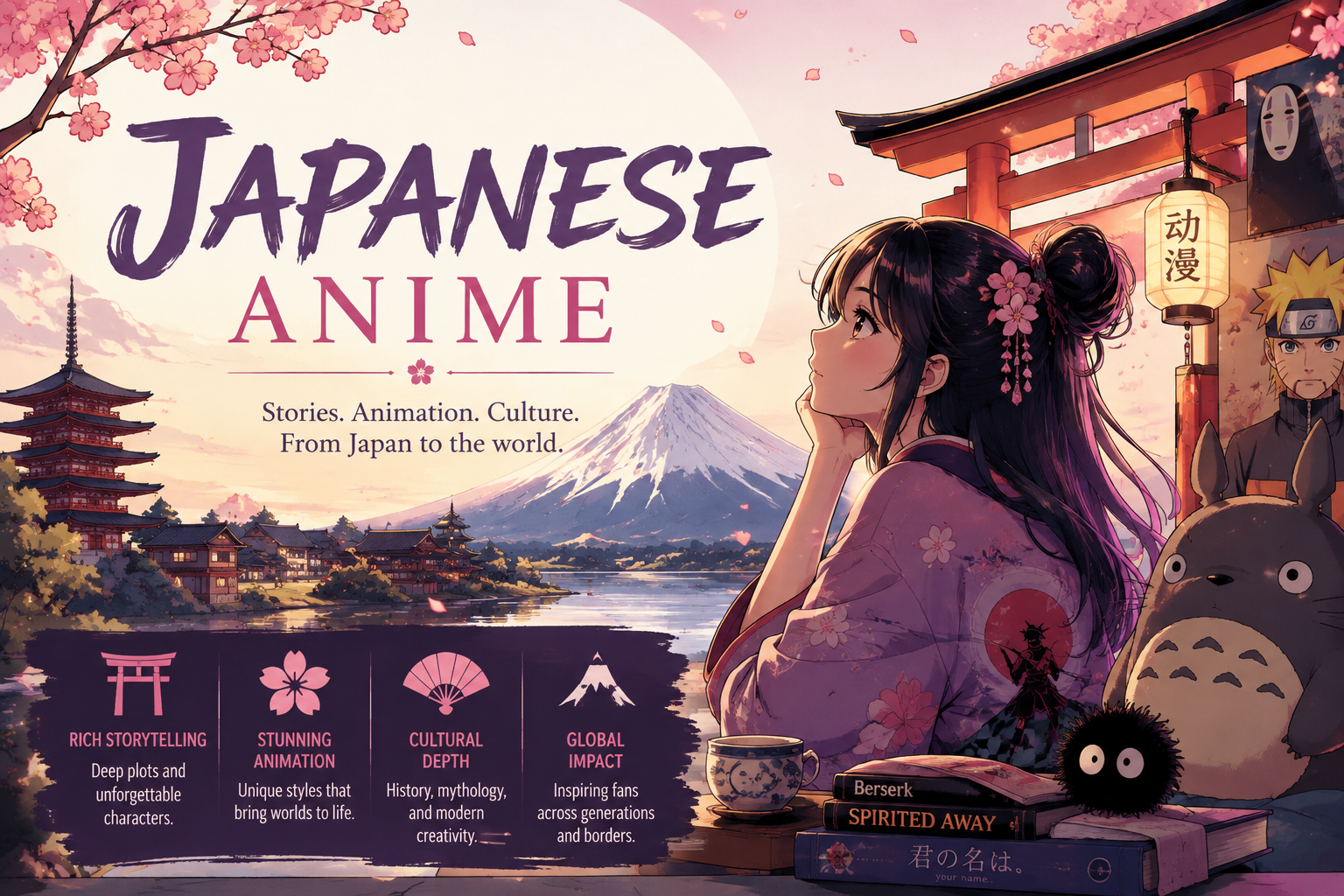
Japanese Anime
Japanese animation is much larger than one visual style, one age group, or one genre. The medium includes weekly television series, theatrical films, direct-to-video productions, internet releases, children’s programming, experimental animation, romance, horror, sports, comedy, fantasy, science fiction, historical drama, and stories that would become substantially less interesting if we tried to force them into one neat box.
This page stays focused on animation from Japan: the series and films, episode reactions and reviews, voice performers, publishing traditions, production structures, broadcast systems, release formats, and history that shaped Japanese anime into the enormous media ecosystem fans know today.
What is Japanese animation?
In English-language fandom, anime generally refers to animation produced in Japan. Inside Japan, the word comes from “animation” and can be used more broadly, which means the narrower international definition is partly something that developed as Japanese animation traveled overseas. That international usage is still useful because Japanese animation grew through a specific collection of studios, broadcasters, publishers, filmmakers, performers, distributors, technologies, and commercial systems that shaped how the medium developed.
The mistake happens when “anime” quietly becomes a genre. Battle anime gets treated like the definition because those series traveled well internationally. School romance becomes another shortcut. Then somebody discovers a slow historical drama, a devastating war movie, a children’s fantasy, an adult workplace comedy, or a strange experimental short and acts surprised that the work also counts. The surprise comes from the stereotype, not the medium. Anime is animation. The individual work still has to decide whether the story wants to be horror, romance, comedy, science fiction, sports drama, family film, political thriller, or whatever else somebody convinced a production team to make.
Japanese animation is also deeply connected to other media without being interchangeable with them. Manga and light novels provide source material for many adaptations, while games, novels, web fiction, toys, music projects, and original concepts can also become anime. Once a project crosses into animation, the story has to be rebuilt for a medium that controls movement, time, sound, editing, music, color, voice performance, and visual rhythm in ways a printed page cannot.
That larger ecosystem is why anime fandom has collected so many terms that sound suspiciously like everybody else attended orientation without us. A cour comes from television scheduling. Shōnen, shōjo, seinen, and josei come from manga publishing and readership rather than genre. A seiyuu is a Japanese voice performer whose career may extend far beyond one anime. OVAs grew from direct home-video distribution, ONAs came through internet-first release, and production committees help explain why the studio animating a series may be only one company inside a much larger project.
Japanese Anime Series
Television is one of the most visible ways Japanese animation reaches audiences, but “TV anime” still covers an absurd range of storytelling. Some series exist for one tightly planned cour. Others continue across multiple cours, return after long breaks, or grow into franchises large enough to require arc guides, filler maps, character directories, movies, OVAs, and a degree in release-order archaeology. A series can adapt a completed manga, chase an ongoing source, start from a light novel, come from a game, or exist entirely as an original production.
That structure affects how the audience experiences the story. A weekly broadcast creates rhythm. Seasonal breaks create anticipation and sometimes confusion. A manga adaptation may have to decide where one cour can stop without strangling the story. A long-running anime may eventually face the opposite problem and approach the source material faster than the source can be created. The result is that “anime series” is not just a shelf of titles. Each series carries its own production and release history behind the episode count.
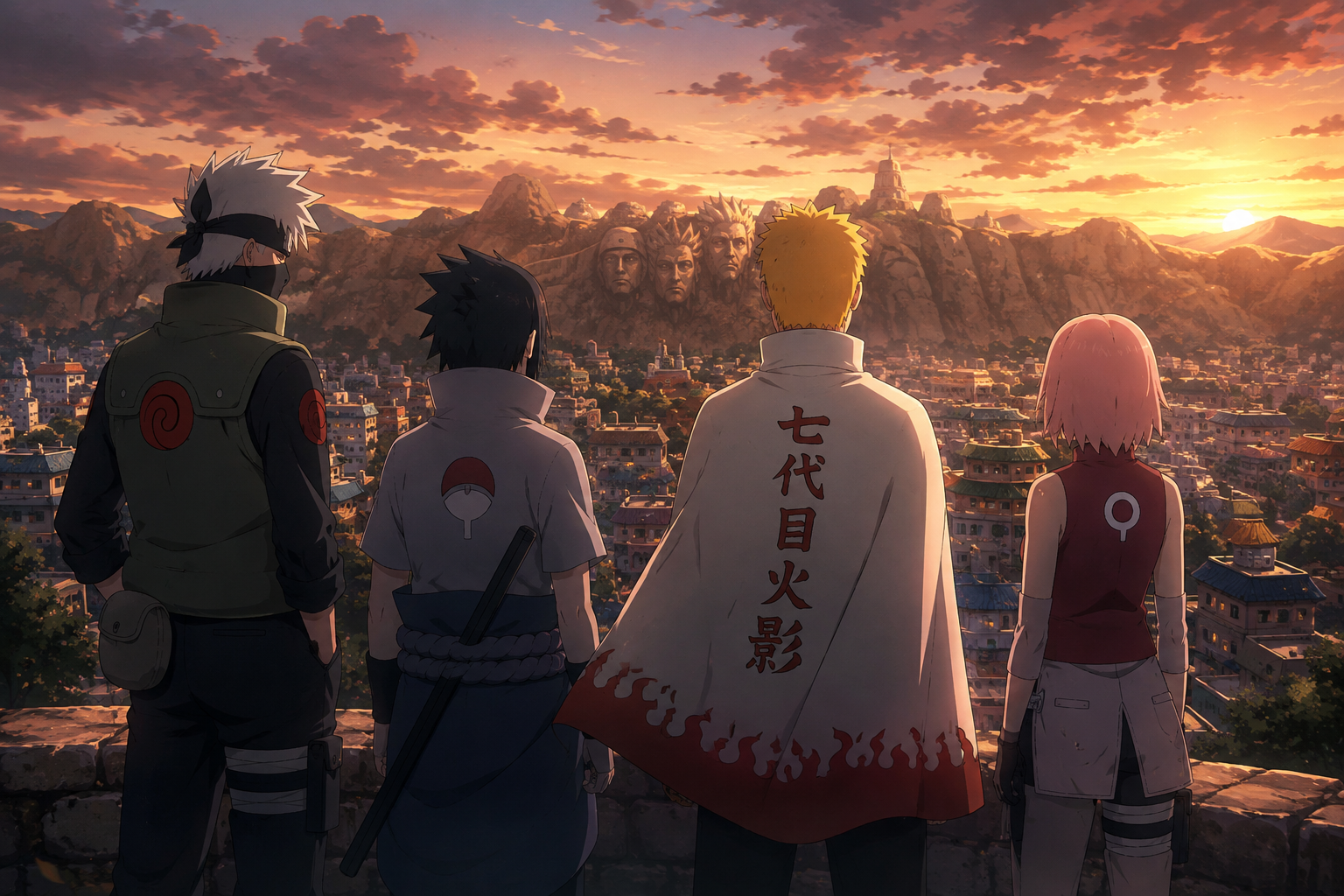
Series files, arcs, characters, voice actors, episode reactions, cultural context, filler guidance, and a truly impressive number of questionable institutional decisions made by adults around children.
Enter Naruto →
The growing guild-sized file for characters, magic, story arcs, episodes, voice performers, and the world’s most emotionally committed workplace with absolutely no recognizable HR department.
Enter Fairy Tail →Japanese Animated Movies
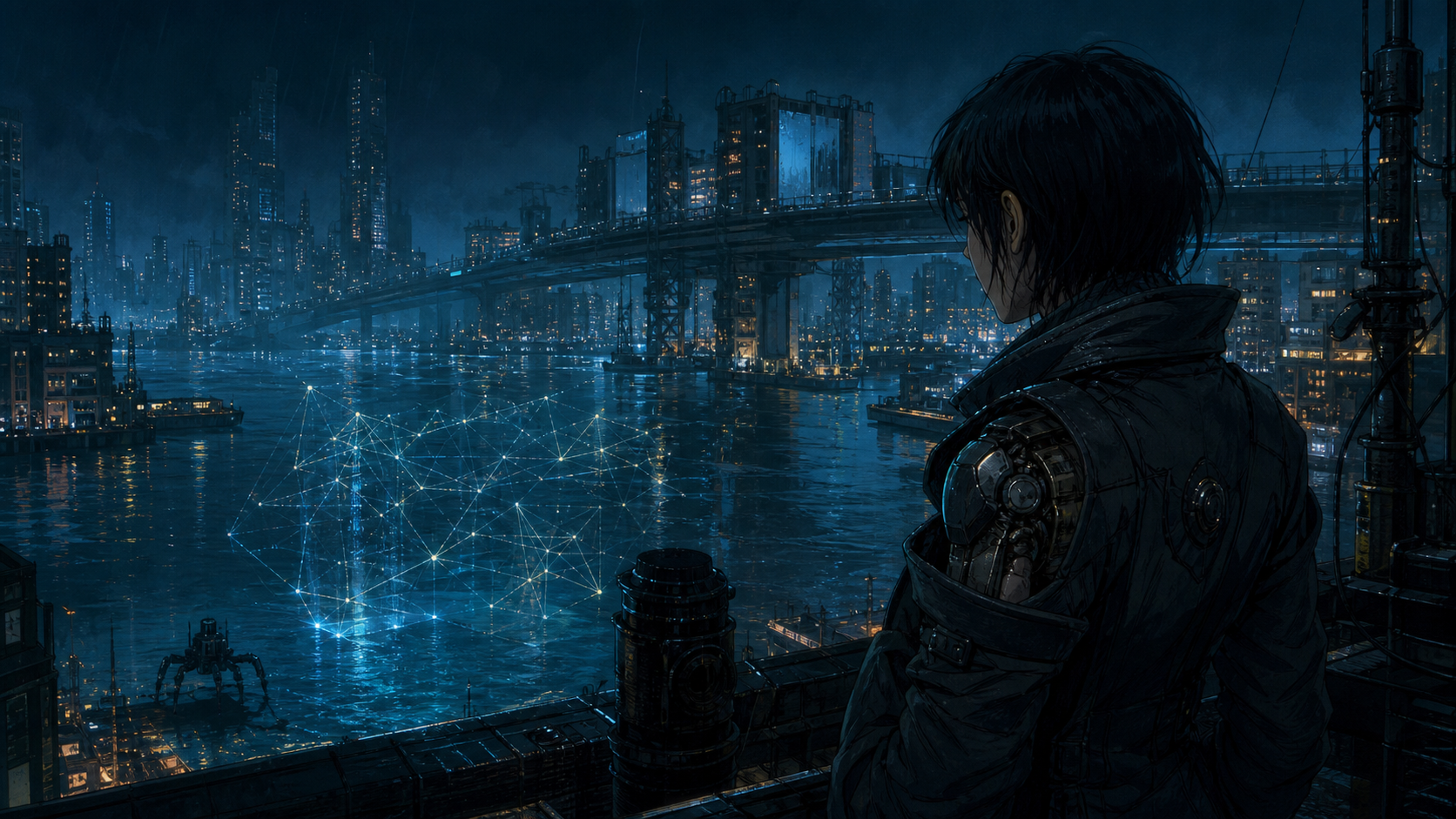
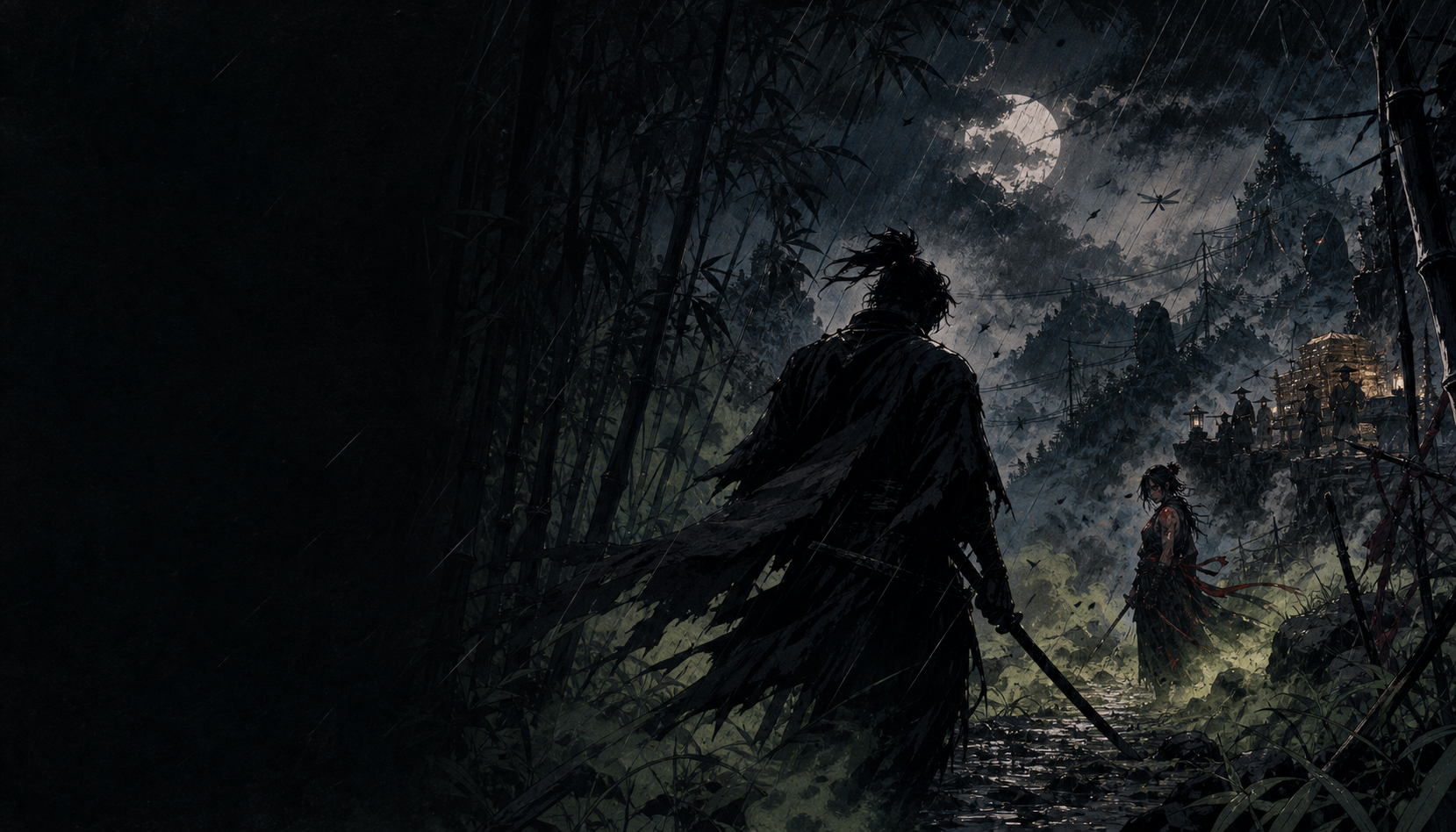
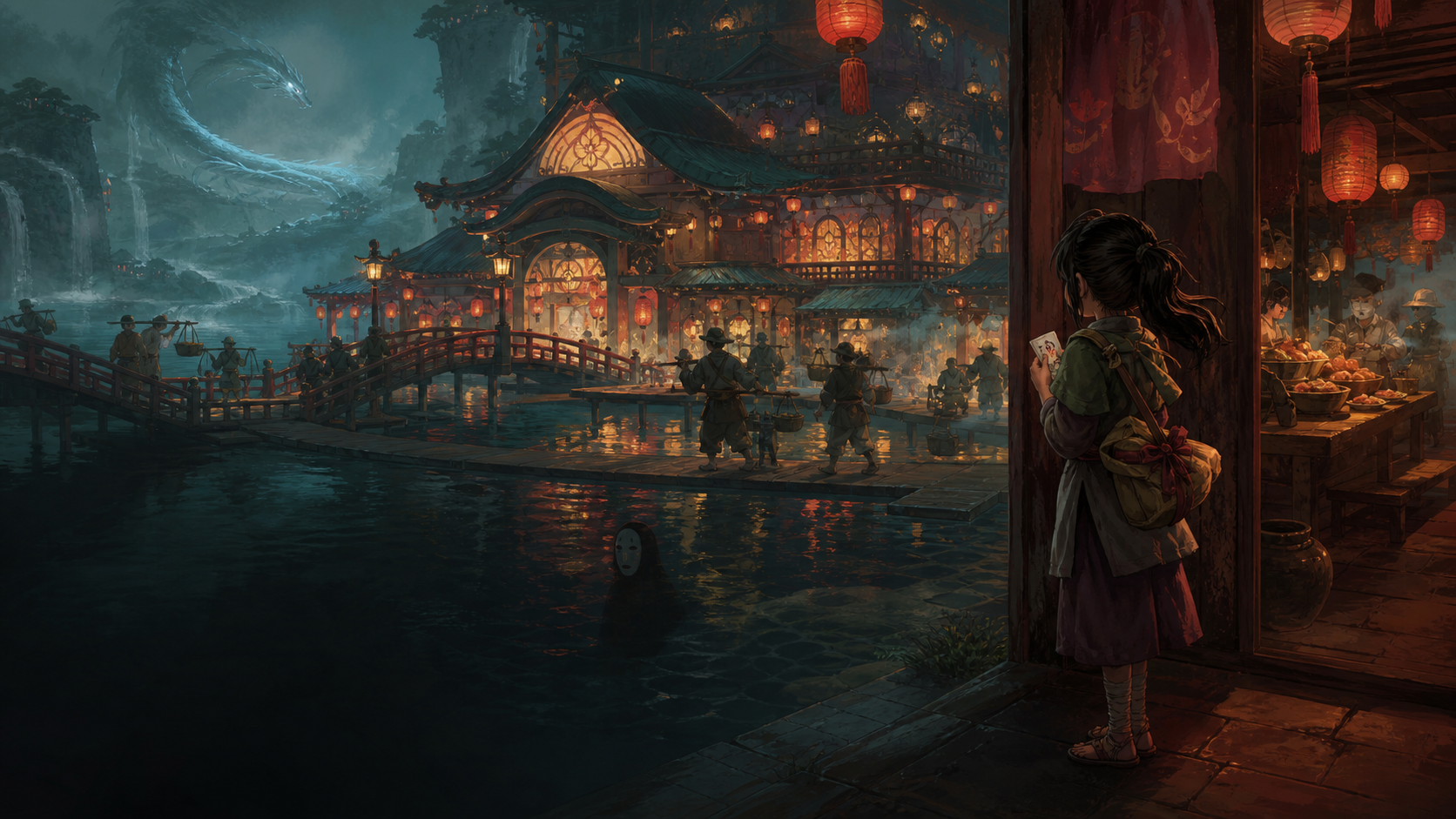
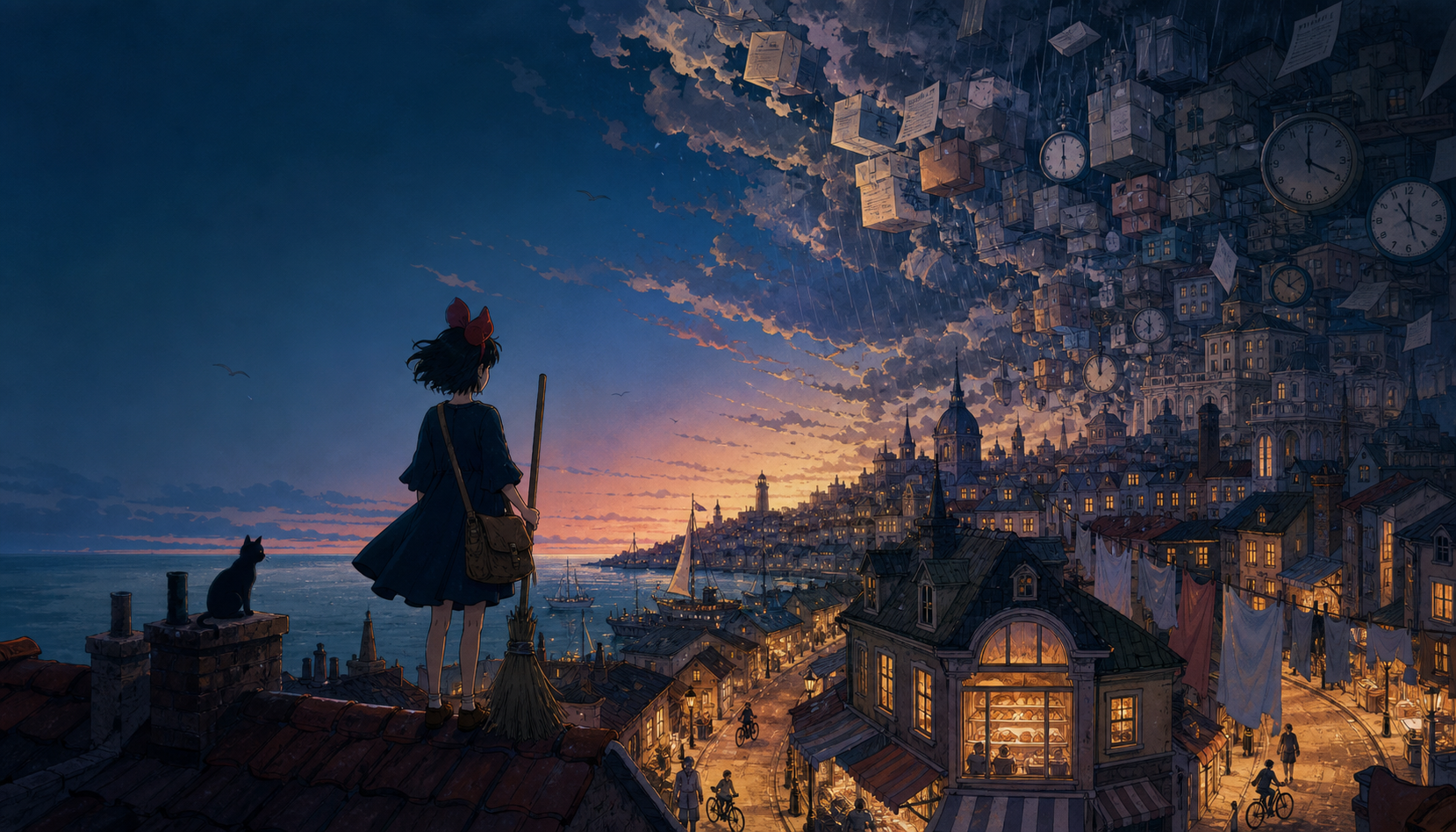
Japanese animated films have their own production histories, audiences, directors, pacing, financing, and release strategies. Some begin as original theatrical stories. Others adapt novels or manga, continue television franchises, retell familiar material, or take a side road through a much larger property.
The eight reviews below are the Japanese films currently finished in the CVM Sekai library. The shelf stays honest about what has been covered while giving every completed review a real image and working destination.
Reviews, Reactions & Rants
A review judges a finished movie, season, or series after the work has made its argument. A React stays close to the experience of watching one episode while the evidence is incomplete. A Rant takes the problem that keeps following RaeRae home and gives the complaint enough examples, culture, power, and consequences to stand on its own.


How Japanese anime actually gets made
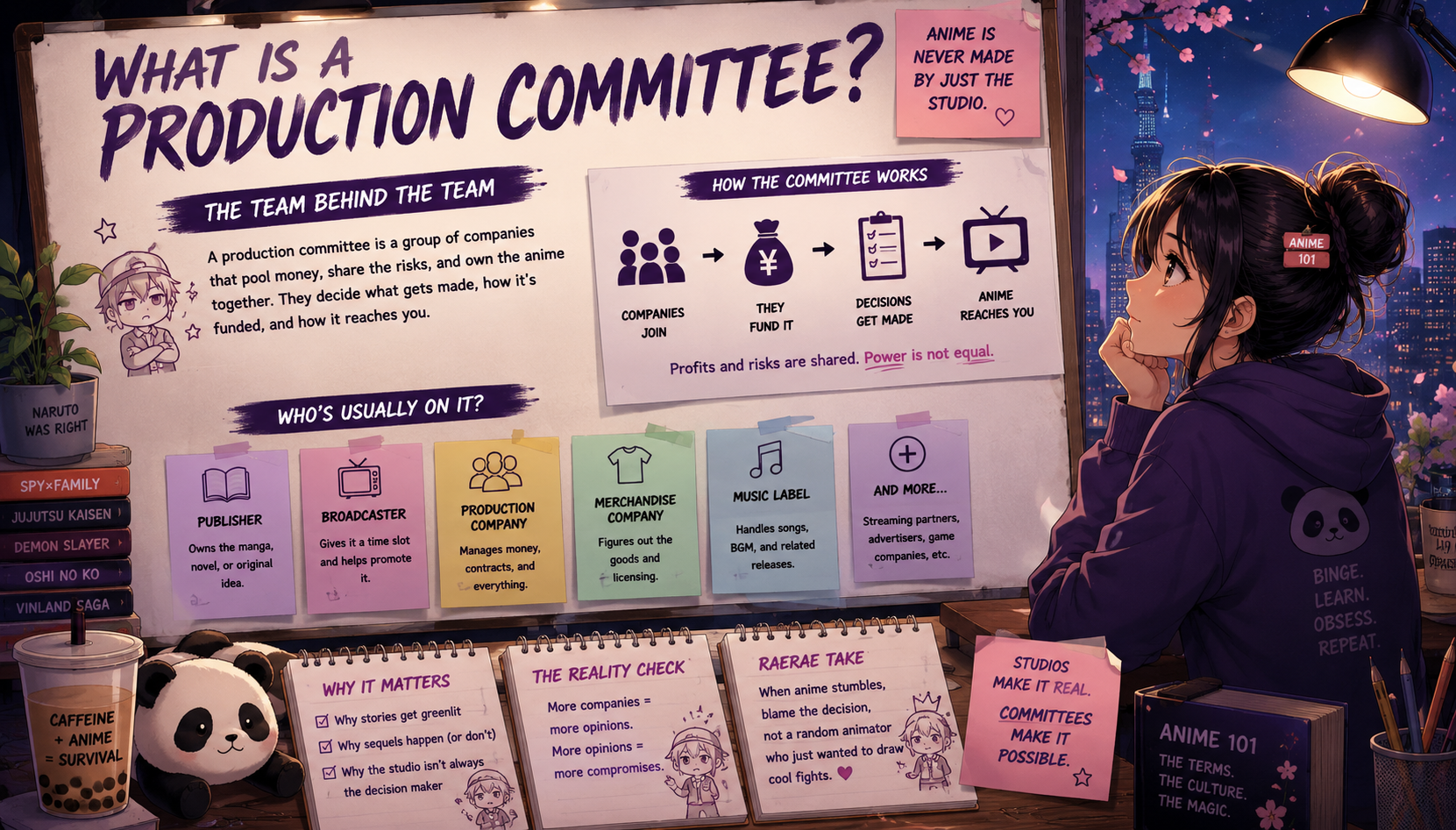
The studio name is only the most visible piece of an anime production. Before anyone animates a finished episode, the project has to exist as both a creative idea and a business proposition. Rights may need to be secured from a manga publisher or another owner. Producers organize financing and partnerships. A production committee may bring together companies with interests in publishing, broadcasting, music, home video, merchandising, games, advertising, or distribution. Original anime skips the source adaptation problem, but an original production still needs money, schedules, staff, rights, marketing, and somewhere to release the finished work.
The creative side is just as layered. Directors shape tone and audiovisual language. Series composition helps organize the larger narrative. Screenwriters turn plans or source material into episode scripts. Storyboard artists determine how those scripts become shots. Character designers create versions of the cast that can move through thousands of drawings. Key animators, animation directors, background artists, compositors, editors, sound teams, composers, seiyuu, and many other specialists contribute different pieces before the viewer ever sees the final episode.
Blaming every change on the studio can be a deeply lazy explanation. Studios matter enormously, but production decisions may involve producers, directors, writers, rights holders, committees, schedules, or circumstances that are invisible to the viewer. Even inside the studio, anime is not one artist making every frame. The credits are a reminder that the finished work is collaborative whether fandom remembers that during arguments or not.
Scheduling adds pressure to nearly every part of this process. Television deadlines do not care that Episode 9 contains the most difficult fight in the season. A spectacular sequence may depend on particular animators having enough time, while another project can be technically ambitious but badly organized. Production interviews and reliable reporting are therefore much better evidence than assigning every visible problem to whichever company logo we recognize.
The Japanese terms and systems worth actually understanding
You do not need to memorize vocabulary before watching anything. These guides are here for the moment the question starts bothering you. Why are there twelve episodes? Who actually finances the anime? Why did the adaptation remove half the protagonist’s thoughts? Why does the voice actor have a concert career? Why did a streaming service call Cour 2 a new season? The cards below are the deeper explanations behind the Japanese animation ecosystem.


Manga, Light Novels & the Adaptation Pipeline
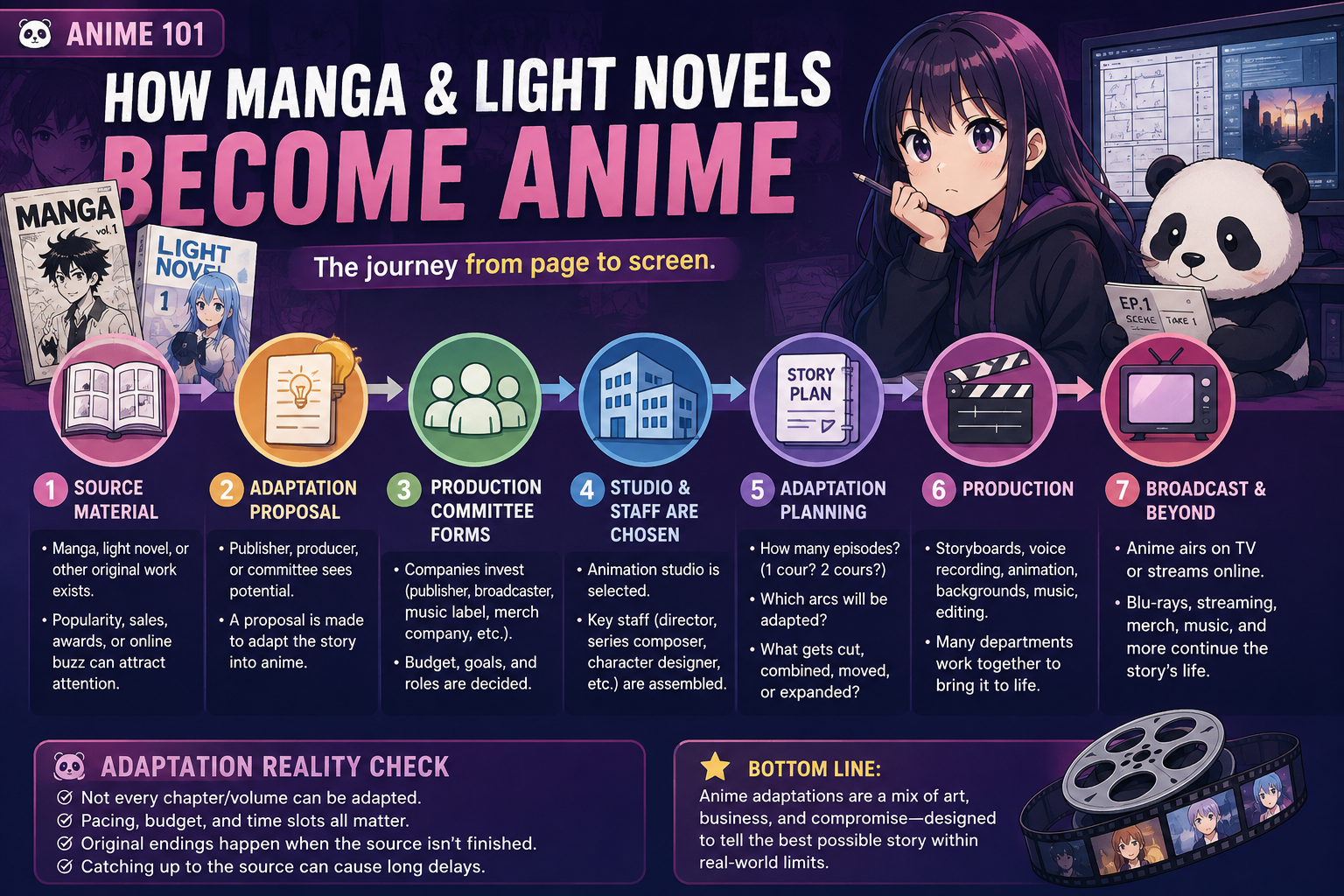
Anime and manga are different media, but Japanese animation is so often connected to publishing that international fandom regularly blends them together. Manga can serialize chapter by chapter before collected volumes appear. Light novels can build entire character arcs through narration and internal thought. Successful properties may accumulate readers for years before an anime introduces the same world to a much larger television or streaming audience.
Moving that story into animation creates decisions immediately. Manga gives the production visual composition, dialogue, expressions, and page rhythm, but the reader controls the speed. Anime fixes that timing and adds motion, voice performance, sound, editing, music, and color. Light novels create another problem because important information can exist inside a character’s head. Remove enough of that narration and the anime may keep the plot while quietly changing how intelligent, frightened, affectionate, or conflicted the character appears.
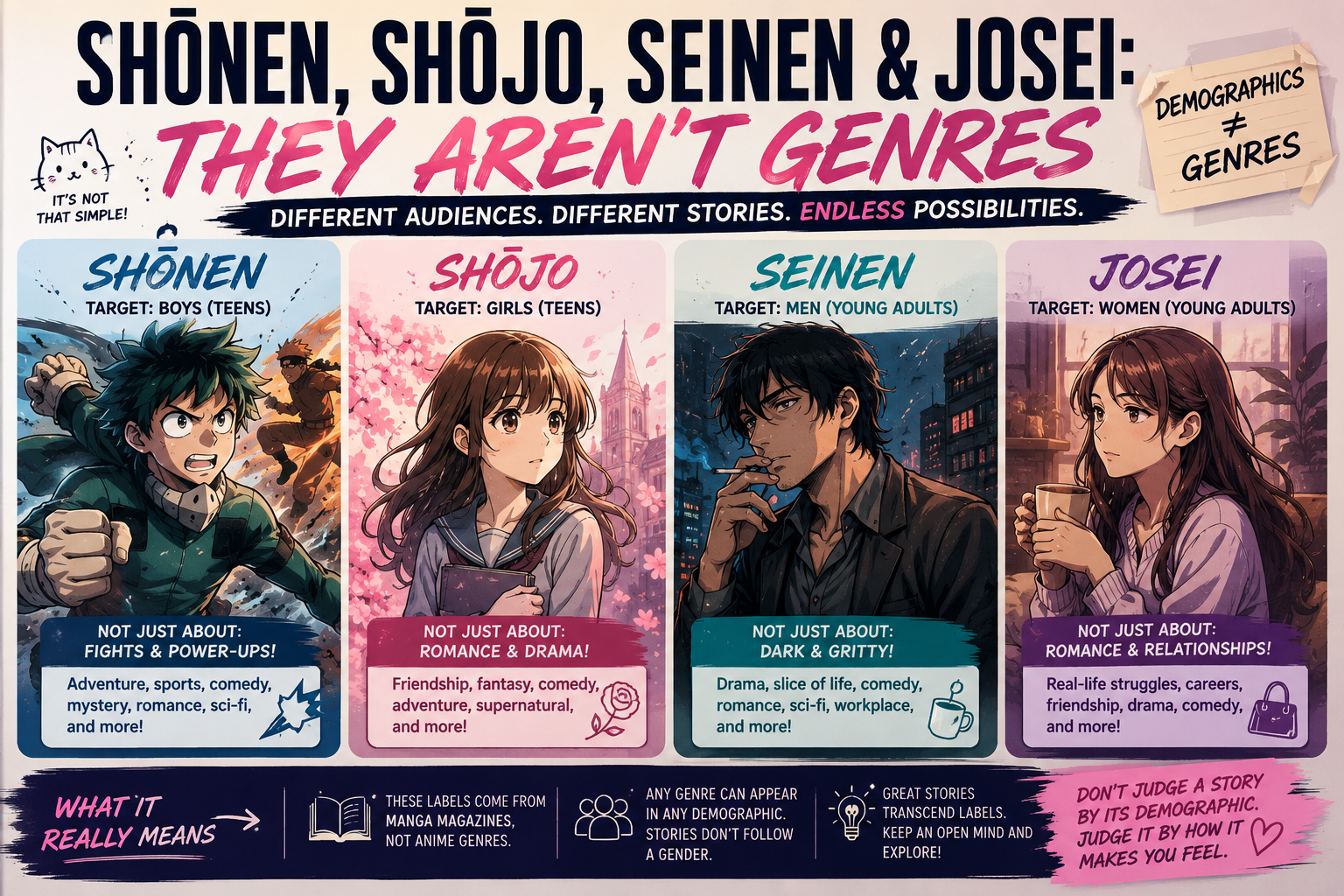
Publishing is also where fandom gets several famous labels wrong. Shōnen, shōjo, seinen, and josei describe broad manga readership and publishing contexts rather than four genres. Their stereotypical associations exist because certain types of stories became highly visible, but the publishing label does not imprison the story inside one genre.
Television, Cours, OVAs, ONAs & Streaming
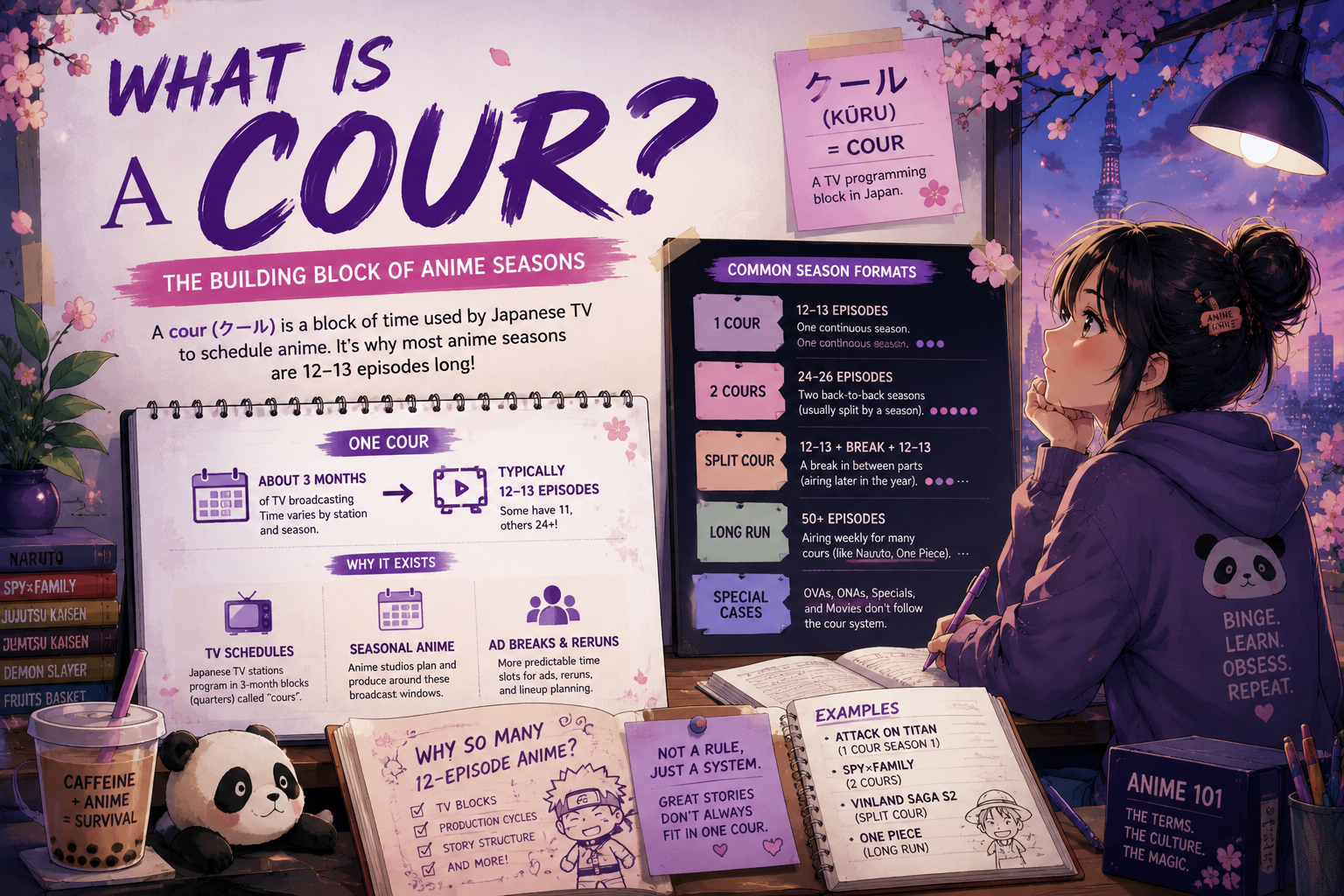
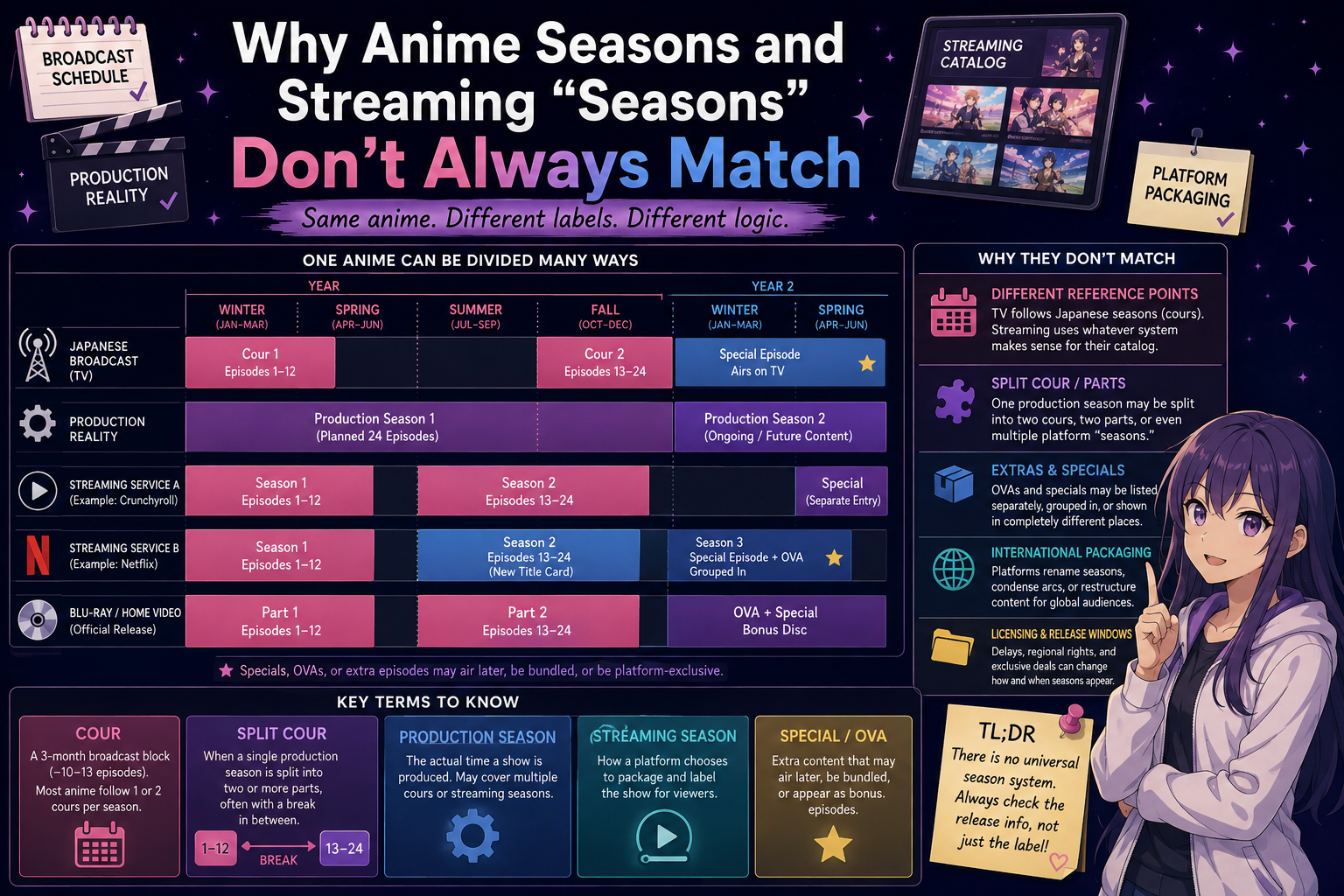
Japanese television scheduling is one reason anime fans encounter the same episode counts again and again. A cour is roughly one quarter of the television year, so weekly anime commonly occupy runs around twelve or thirteen episodes. A production can run for one cour, continue across two consecutive cours, or split a larger season into separate broadcast blocks with a break between them. That scheduling language describes the television calendar, not a universal law saying every twelve episodes create a new season.
Television was never the only path. Japan’s physical-media market helped build Original Video Animation, allowing anime to be produced directly for home video rather than beginning on television or in theaters. Internet distribution later created another route through Original Net Animation. Specials sit even more loosely outside normal episode structures and can contain side stories, recaps, bonus material, or other releases that refuse to behave nicely inside a numbered season.
Streaming makes those older distinctions less visible because television anime, old OVAs, films, and internet-first ONAs can all appear inside the same app. International platforms may also regroup Parts, cours, Specials, and seasons according to their own catalog systems. That is why one platform’s “Season 3” may be another database’s Season 2 Part 2 without anyone necessarily forgetting how counting works.
The people behind Japanese anime
Anime fandom naturally centers characters, but every character sits on top of human performance and craft. Directors shape the visual interpretation. Series-composition writers help structure the larger story. Character designers translate artwork into designs that can survive repeated animation. Key animators create major movement and acting. Composers, sound directors, editors, background artists, compositors, animation directors, and many other people decide how the finished world feels.
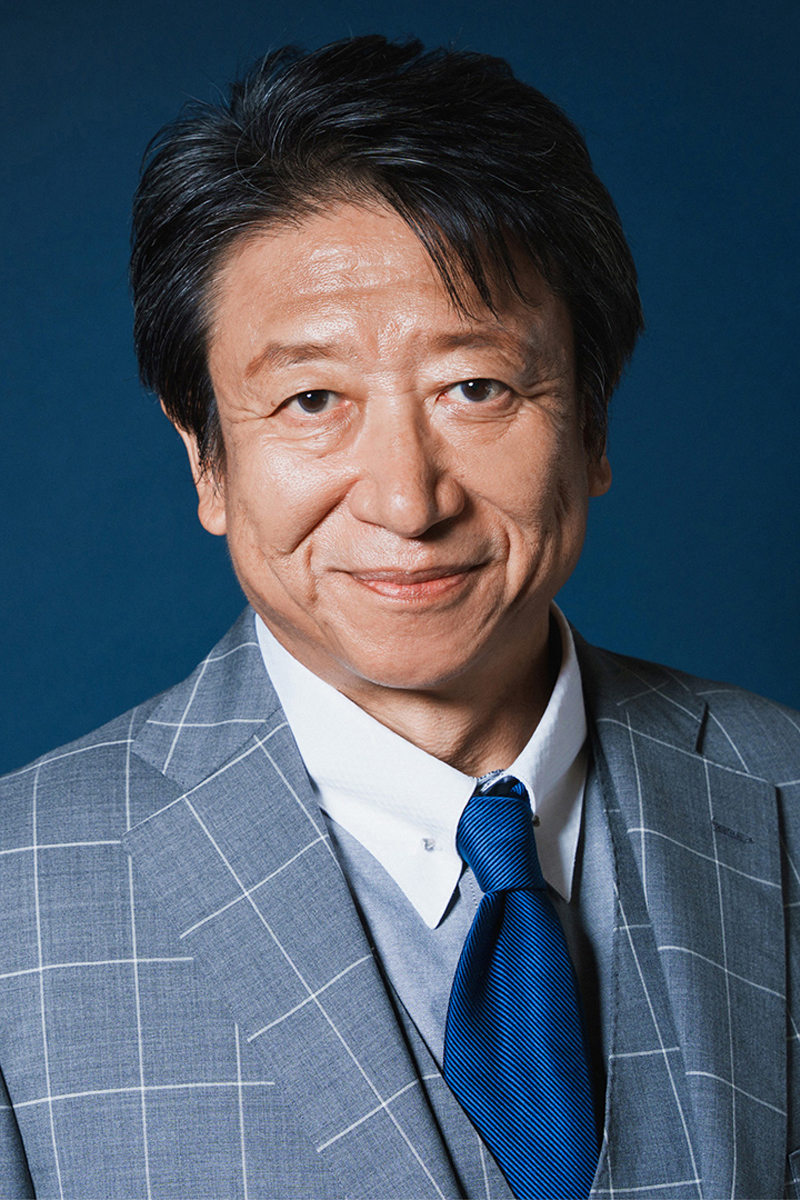
Seiyuu are particularly visible because the performer can follow fans outside the anime itself. A Japanese voice actor may work across television animation, films, games, foreign-media dubbing, narration, radio, music, character songs, and live events. Once you start following the actor instead of only the role, completely unrelated anime begin connecting through the same human voice.
That is why CVM Sekai keeps voice performers as their own profiles instead of burying their names as trivia at the bottom of a character page. Naruto introduces one performer. Sasuke introduces another. Their careers do not stop at the gates of Konoha.



Japanese animation existed long before most international fans discovered the medium
Japan experimented with animated film long before modern television anime existed. Early twentieth-century animators worked with techniques developing around the world while gradually building local production traditions. Animation appeared in theatrical shorts, educational material, commercial work, wartime media, and postwar film production. The industry that later produced the television anime familiar to global audiences did not arrive fully formed. The industry grew through changing technologies, studios, economics, artistic influences, and audiences.
Postwar theatrical animation helped establish larger-scale studio production, while the expansion of television created a very different demand: animation that could reach households every week. Television changed pacing, budgets, production techniques, episode structures, and the relationship between animation and advertising. Long-running series could now build familiarity across months and years rather than depending entirely on theatrical releases.
Manga publishing became especially important to that television ecosystem. Popular characters could move between magazines, collected volumes, television, toys, music, games, and merchandise, creating interconnected media properties instead of one isolated product. Anime did not become a synonym for manga adaptation, but the publishing relationship became strong enough to shape how fans still talk about adaptations today.
The home-video market created another major shift. Direct-to-video animation gave producers a route outside normal television scheduling and theatrical exhibition, helping fuel the OVA boom associated especially with the 1980s and 1990s. The format could support franchise extras alongside standalone work aimed directly at dedicated consumers. VHS and LaserDisc eventually gave way to DVD and Blu-ray, while the economic role of physical media continued changing around them.
Digital production transformed how anime was physically created, while the internet transformed how audiences found Japanese animation. International fandom once depended heavily on delayed television licensing, imported physical media, convention culture, fan communities, and unofficial distribution. Modern simulcasting and global streaming shortened the delay between Japanese broadcast and international viewing until overseas fans could participate in seasonal conversation while the show was still airing.
Streaming did not erase the older systems. Television cours still matter. Movies still matter. Physical releases still exist. Publishers continue adapting manga and novels. Seiyuu still move through anime, games, music, and events. Production committees still appear across many projects. Modern Japanese animation is layered because new technologies usually arrive on top of older structures rather than politely sweeping the entire previous industry off the table.
Keep Exploring Japanese Anime
Japanese anime coverage now stretches across franchise hubs, film reviews, episode Reacts, editorial Rants, production explainers, terminology guides, and Japanese performer profiles. These routes stay useful even when publication order changes.

Japanese anime is a medium, not a personality test or one giant genre
Naruto can bring somebody through the door, but Japanese animation does not end with battle series, school romances, or whichever title a streaming service pushed hardest that month. The medium includes family films, horror, workplace comedy, political science fiction, sports stories, children’s television, experimental shorts, historical drama, adaptations, and original work that does not fit the shortcuts international fandom keeps using.
The production side matters too. Characters exist because writers, directors, designers, animators, performers, editors, composers, sound teams, background artists, producers, publishers, broadcasters, and many other workers turned an idea into timed movement and sound. Understanding even one part of that process makes the finished animation easier to read and harder to reduce to a studio logo.
Come for the series or movie you already love. Leave with a larger map of Japanese animation than the recommendation algorithm gave you.

Boruto Episode 252: The Desire to Believe
Boruto Episode 252 React on Team 7 seeking Chojuro, Kajiki’s help, Ikada targeting Shinonome 1, infrastructure protection, mediation, and responsible belief.
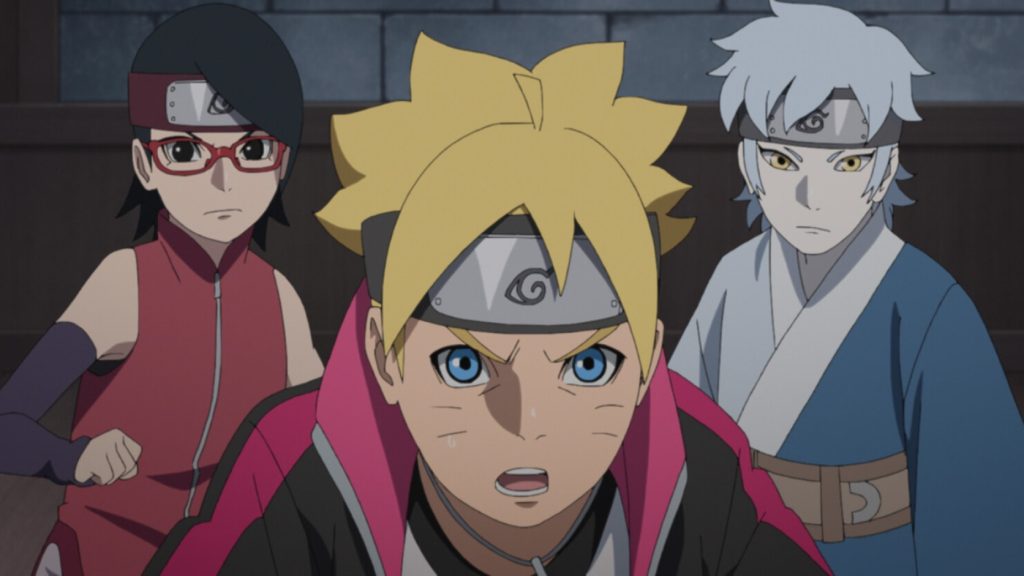
Boruto Episode 251: Their Resolve
Boruto Episode 251 React on Ikada leading the Funato, Araumi declaring war, Chojuro’s response, Boruto’s guilt, Team 7, mediation, and civilian protection.
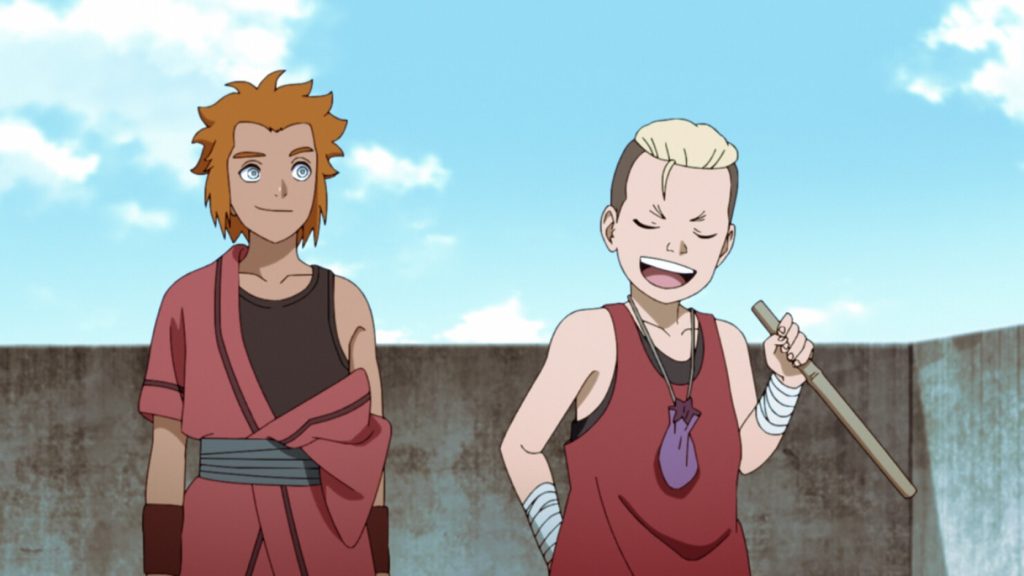
Boruto Episode 250: The Blood of the Funato
Boruto Episode 250 React on Ikada caring for Seiren, Araumi’s family pressure, Kobuna’s grief, Isari’s withdrawal plan, coercion, and the meaning of Funato blood.
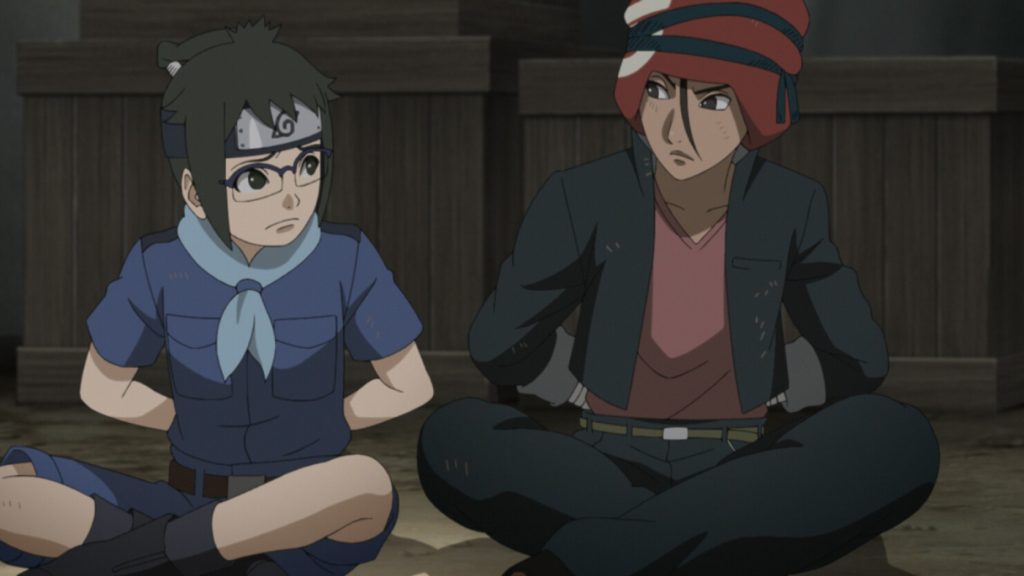
Boruto Episode 249: Burgeoning Hatred
Boruto Episode 249 React on Denki and Iwabe’s disappearance, Hebiichigo, Buntan, Kobuna, Funamushi, inherited revenge, and protecting children from war.

Boruto Episode 248: Another Fierce Battle
Boruto Episode 248 React on Denki and Iwabe’s capture, village children, Funamushi’s revenge for Seiren, hostage rescue, civilian safety, and grief.
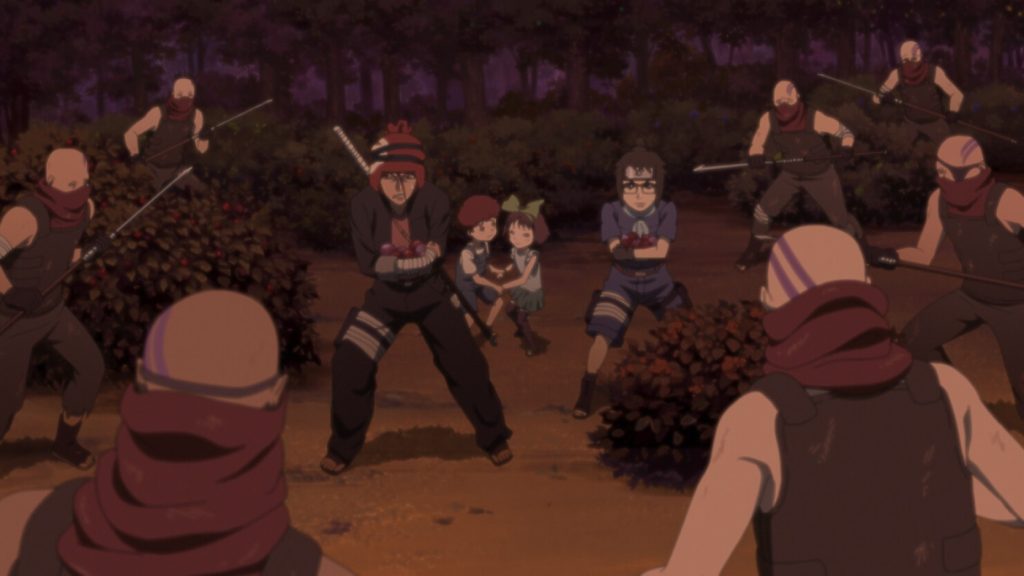
Boruto Episode 247: For Kagura
Boruto Episode 247 React on protecting children, the village food shortage, honoring Kagura through care, and Araumi turning grief into direct command.
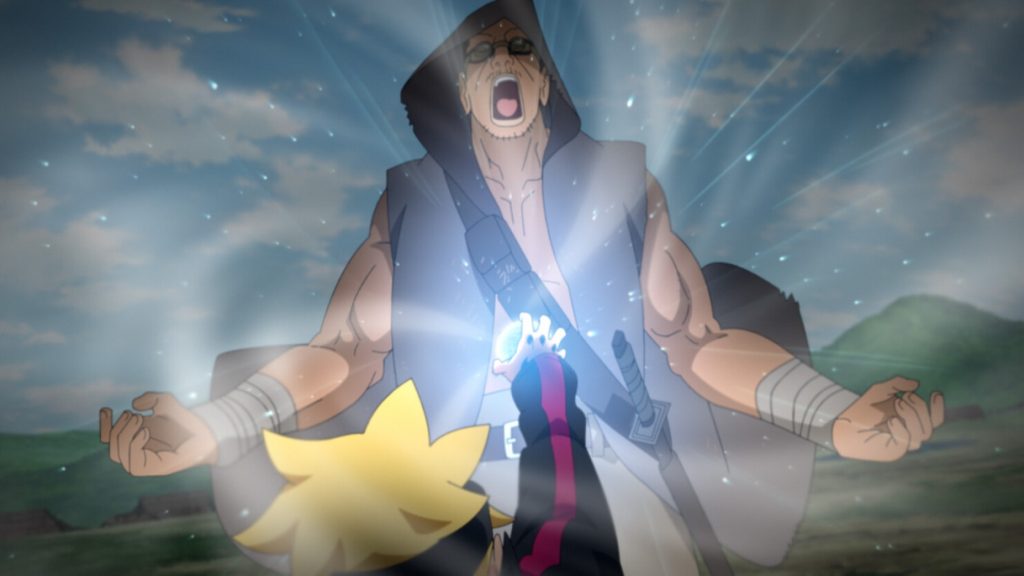
Boruto Episode 246: A Heavy Loss
Boruto Episode 246 React on Kagura’s fatal injury, Boruto’s Karma-fueled rage, Funamushi’s responsibility, grief care, and protecting Kagura’s final trust.
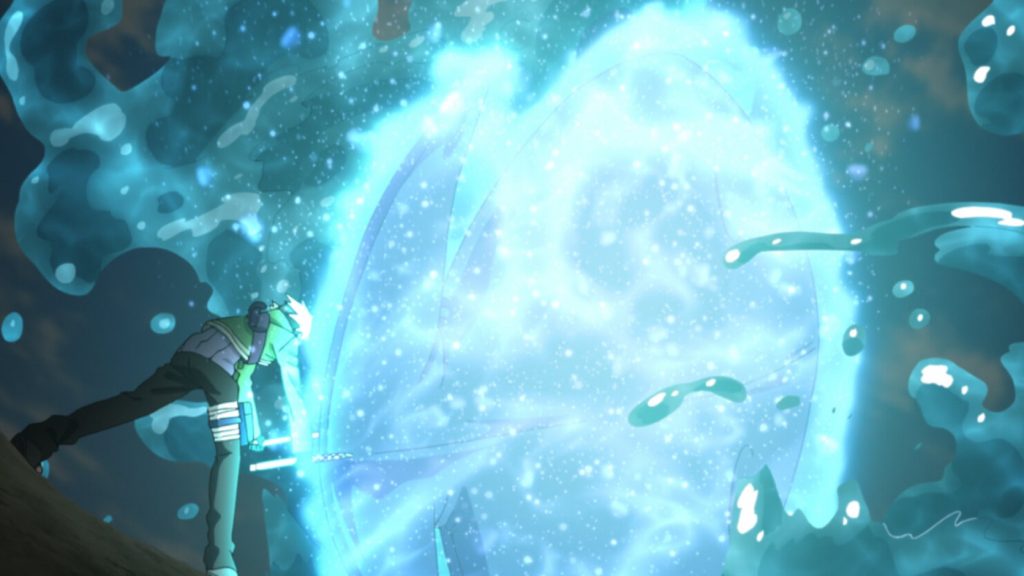
Boruto Episode 245: Funamushi’s Tenacity
Boruto Episode 245 React on Funamushi’s revenge, the failed trap plan, teamwork under overwhelming numbers, civilian danger, and the limits of tenacity.

Boruto Episode 244: Rift
Boruto Episode 244 React on Kagura removing the curse marks, the trio’s pressured consent, Funamushi’s advance, civilian defense, and permanent freedom.

Boruto Episode 243: Where I Belong
Boruto Episode 243 React on Kagura’s childhood village, the coded Funato warning, civilian consent, evacuation, community defense, and what belonging requires.

Boruto Episode 242: Seiren
Boruto Episode 242 React on Seiren’s retaliation, Funamushi’s hostage plan, Kagura and Hiramekarei, civilian shipbuilders, and the cost of collective punishment.

Boruto Episode 241: Ikada’s Secret
Boruto Episode 241 React on Seiren’s demand, Ikada’s autonomy, reduced-sentence promises, curse-mark coercion, family control, and institutional repair.
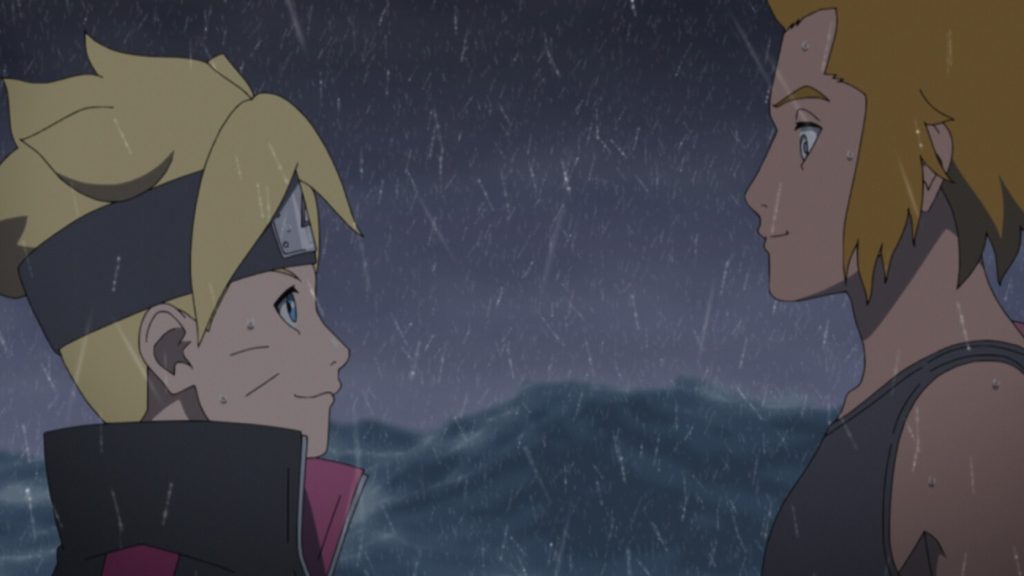
Boruto Episode 240: Ikada’s Dream
Boruto Episode 240 React on Ikada’s shipbuilding dream, maritime rescue, apprenticeship labor, family control, supply chains, and public infrastructure.
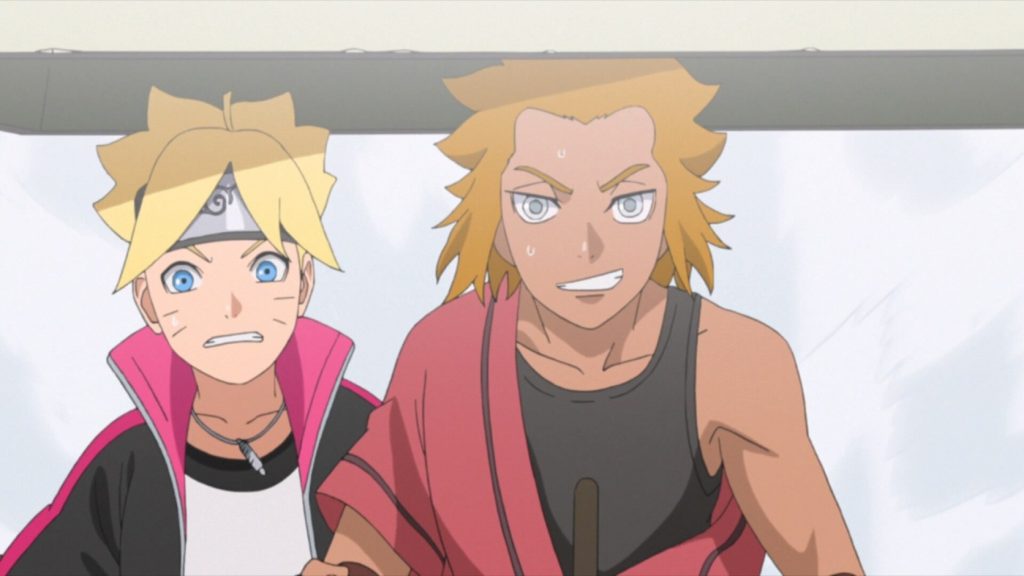
Boruto Episode 239: The Boy from the Isle of Shipbuilders
Boruto Episode 239 React on Ikada, Kajiki, shipbuilding labor, disabled transport, survivor care, maritime infrastructure, and wartime accountability.
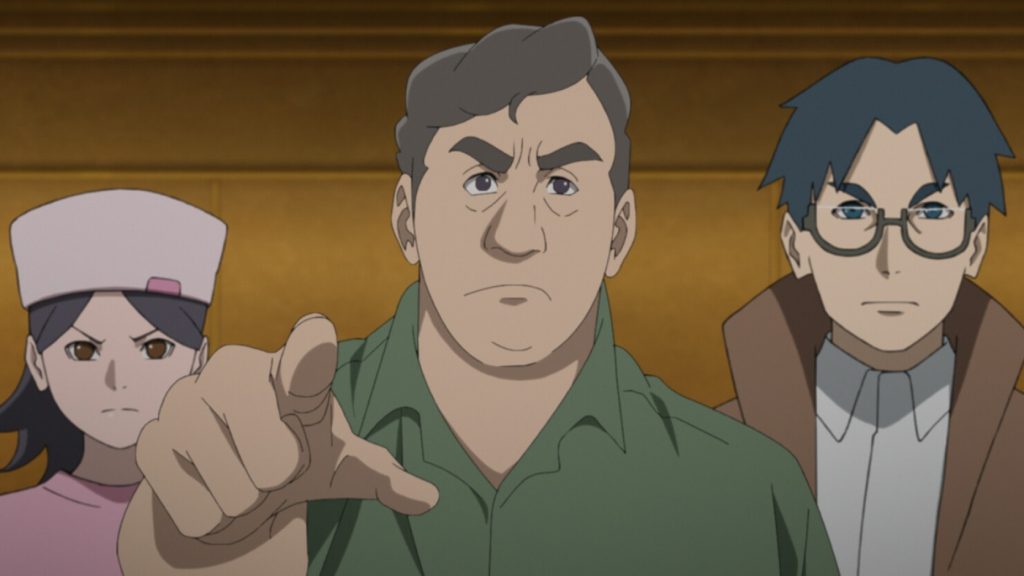
Boruto Episode 238: A Killer on the Ship
Boruto Episode 238 React on Kyoho’s false accusation, murder evidence, due process, shipboard trauma, curse marks, and investigative accountability.

Boruto Episode 237: The Mobile Fortress
Boruto Episode 237 React on the Funato mobile fortress cannon, Tenma, civilian evacuation, curse-mark coercion, and institutional accountability.

Boruto Episode 236: Cut and Run
Boruto Episode 236 React on the Funato mobile fortress, the Dotou Island rescue, forced labor, curse-mark coercion, and evacuation accountability.

Boruto Episode 235: Infiltrating Dotou Island
Boruto Episode 235 React on occupied Dotou Island, forced mining labor, Team 5’s rescue, curse-mark coercion, and what rehabilitation must owe people.
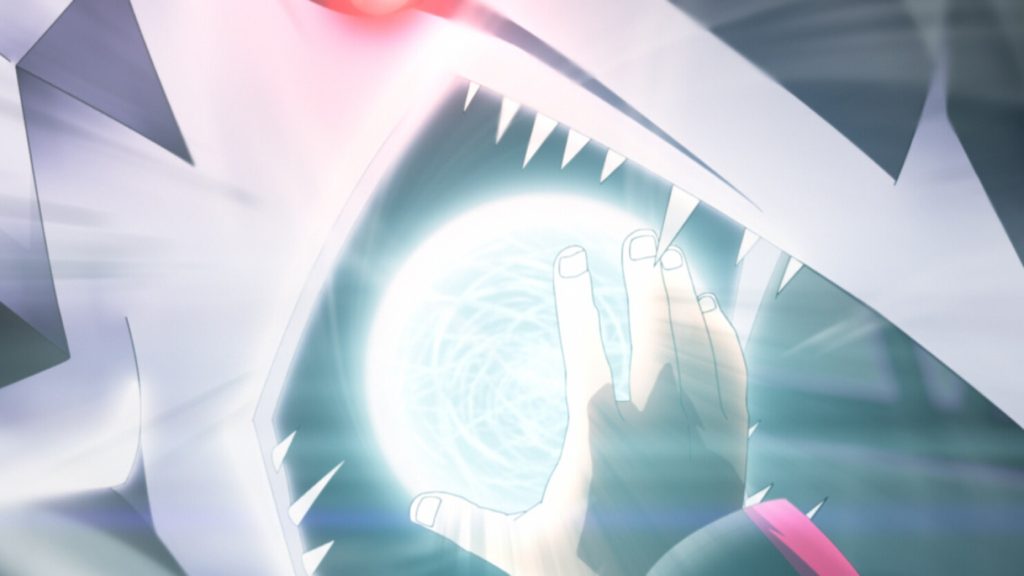
Boruto Episode 234: The Unleashed Villain
Boruto Episode 234 React on Araumi Funato’s prison escape, airship casualties, communications failure, occupied islands, and emergency accountability.

Boruto Episode 233: The New Team 7 Jumps Into Action
Boruto Episode 233 React on Kawaki joining Team 7, Sarada’s captaincy, Kagura’s prison role, the Shinonome ceremony, and the opening Funato attack.
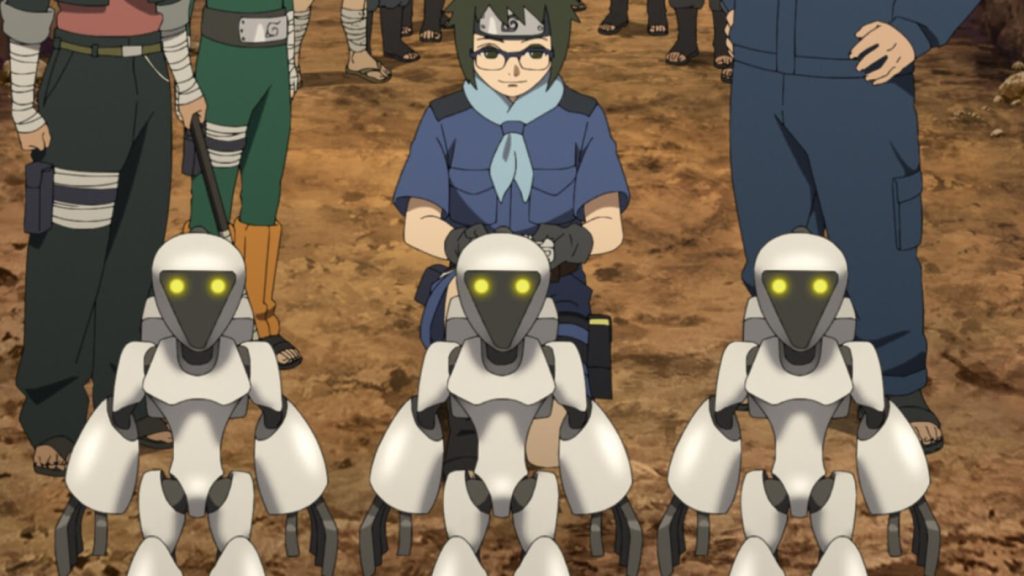
Boruto Episode 232: Captain Denki’s First Mission
Boruto Episode 232 React on Denki’s first command, automated mining puppets, physical-strength bias, worker safety, technology, and accountable leadership.
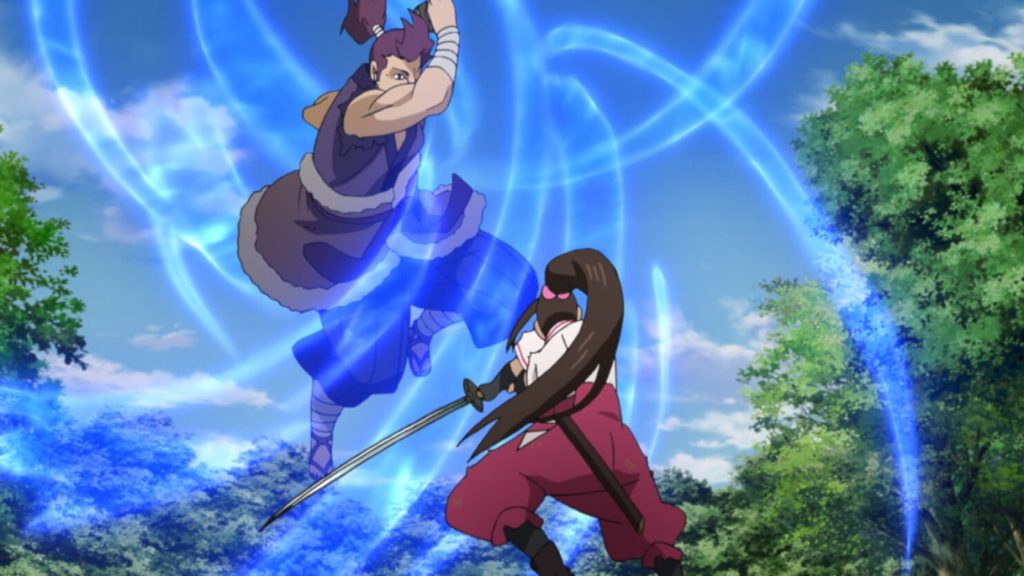
Boruto Episode 231: The Rusty Sword
Boruto Episode 231 React on Tsubaki, Sazanka, samurai pride, merchant safety, accountability, cultural belonging, and rehabilitation after violence.
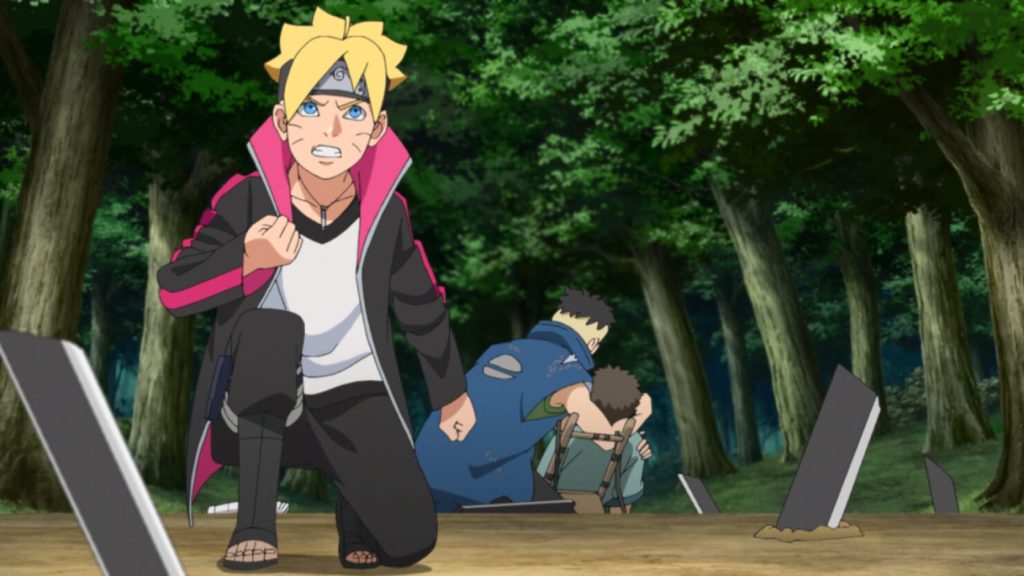
Boruto Episode 230: A Wish
Boruto Episode 230 concludes Mozuku’s mission and asks whether Konoha will honor his wish through public-health repair instead of using grief as Kawaki’s genin credential.

Boruto Episode 229: Breach of Orders
Boruto Episode 229 sends Kawaki with Shikadai and Cho-Cho to protect Mozuku, then asks when changing facts make a breach of orders responsible rather than reckless.
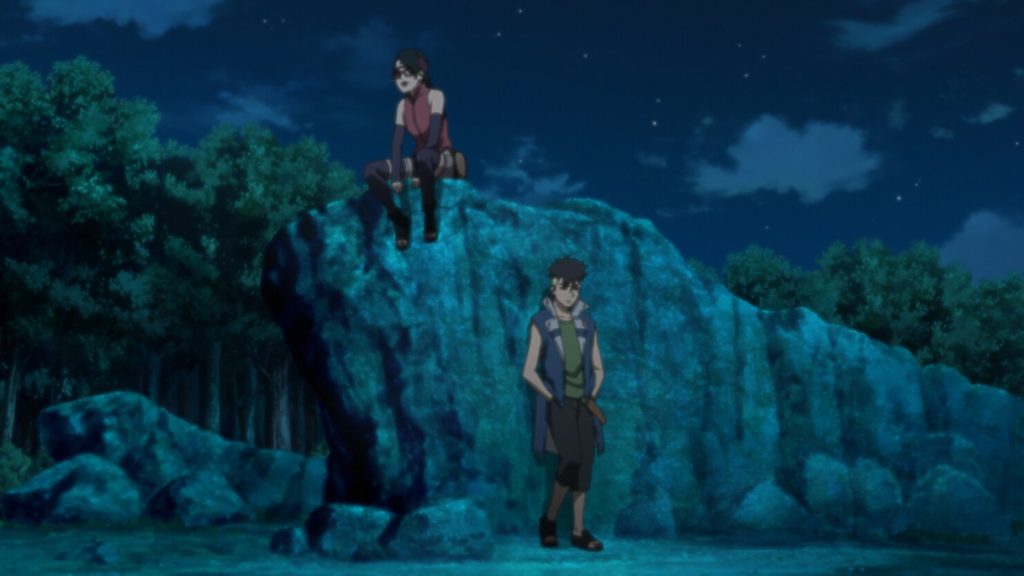
Boruto Episode 228: Kawaki’s Path to Becoming a Ninja
Boruto Episode 228 tests Kawaki through D-rank missions and asks whether Konoha can teach teamwork without making trauma perform instant trust.
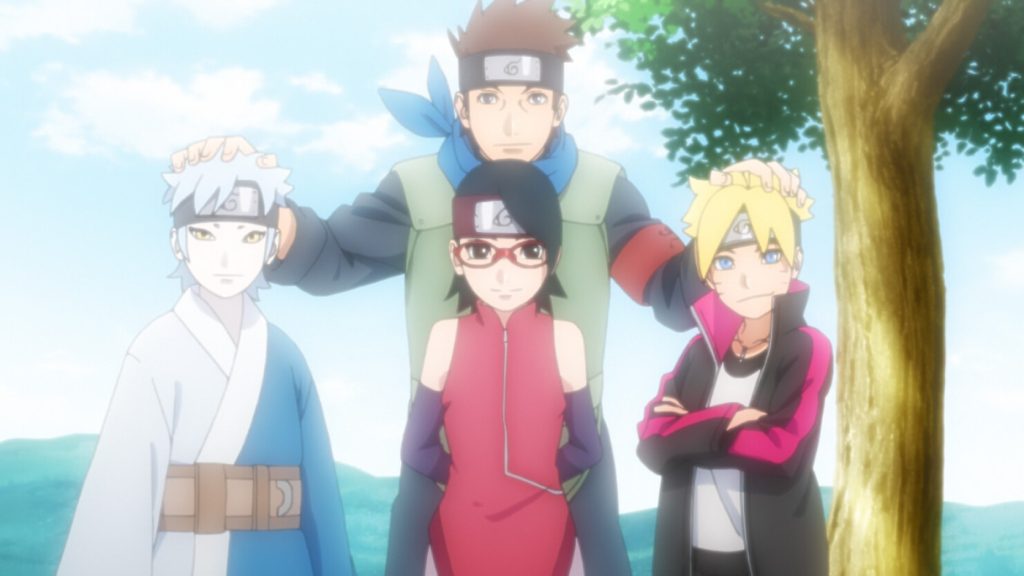
Boruto Episode 227: Team 7’s Last Mission?!
Boruto Episode 227 gives Team 7 one final mission under Konohamaru while Sarada’s promotion turns celebration, grief, mentorship, and command into the same transition.
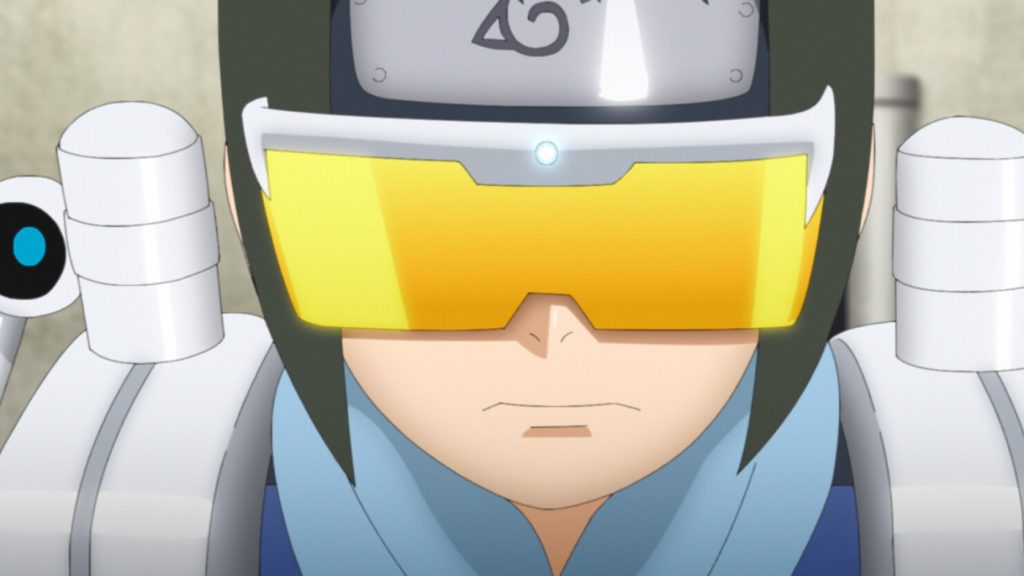
Boruto Episode 226: Samurai vs. Science
Boruto Episode 226 sets Denki’s engineering against Tsubaki’s samurai discipline while Boruto and Mitsuki face a fair consequence inside an incomplete system.
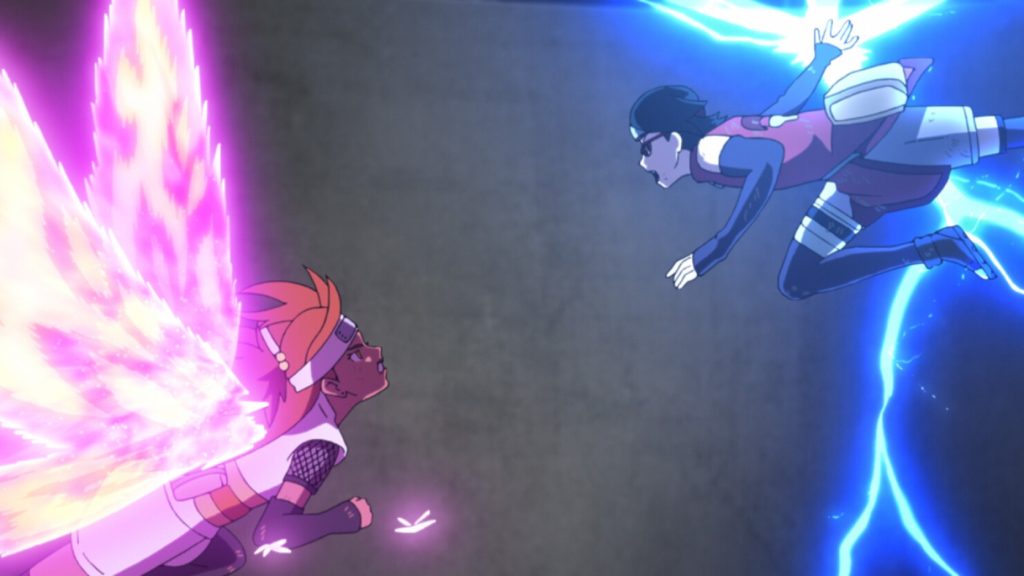
Boruto Episode 225: Showdown Between Best Friends
Boruto Episode 225 lets Sarada and Cho-Cho compete without making either girl shrink, turning friendship, ambition, body respect, and honest disappointment into the real test.
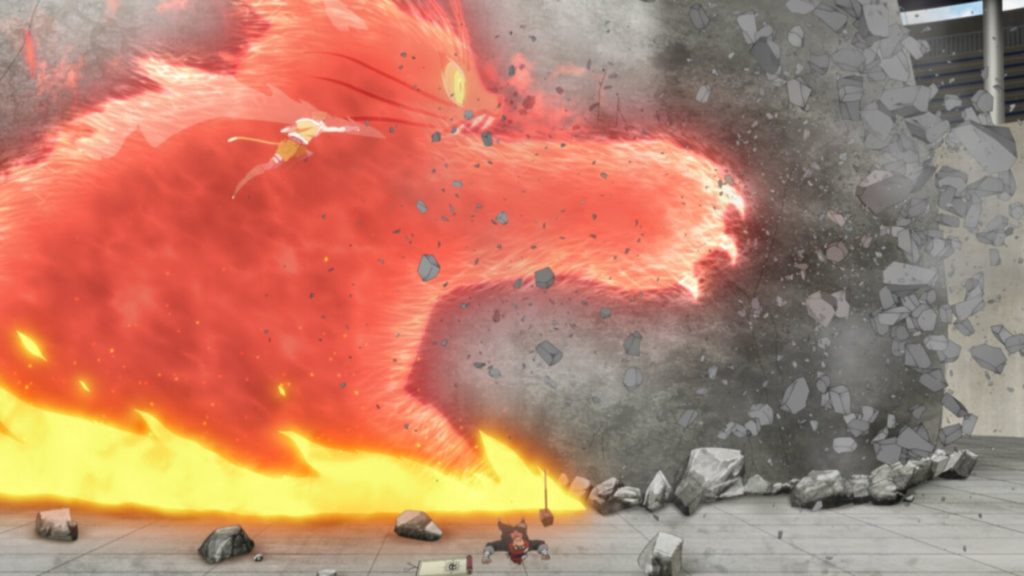
Boruto Episode 224: The Legend of the Monster Cat
Boruto Episode 224 turns Wasabi versus Iwabe into a story about clan reputation, family pressure, rivalry as care, and the burden created by a public breakthrough.
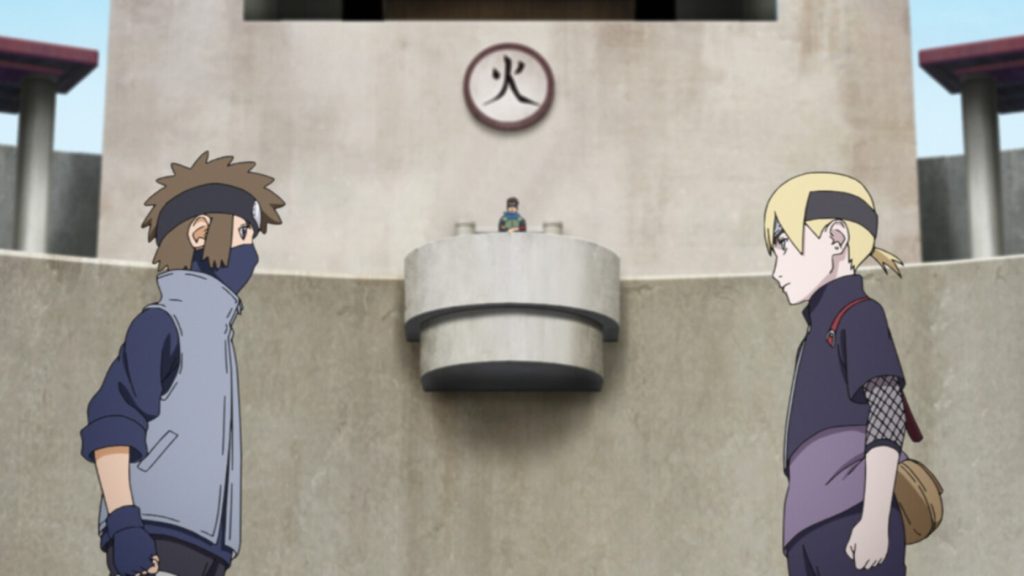
Boruto Episode 223: Inojin vs. Houki
Boruto Episode 223 pits Inojin against ANBU-trained Houki while Boruto and Mitsuki choose an unscheduled investigation over arriving at the arena.
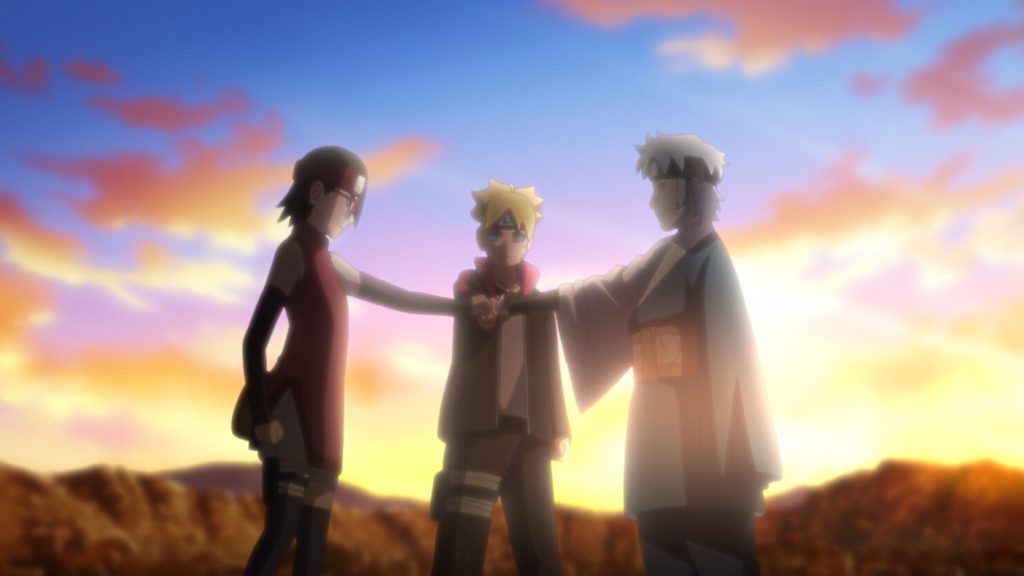
Boruto Episode 222: The Night Before the Final Round
Boruto Episode 222 gives the finalists one night to train, rest, face pressure, and navigate a Scientific Ninja Tool rule that needs disclosure and equal access.
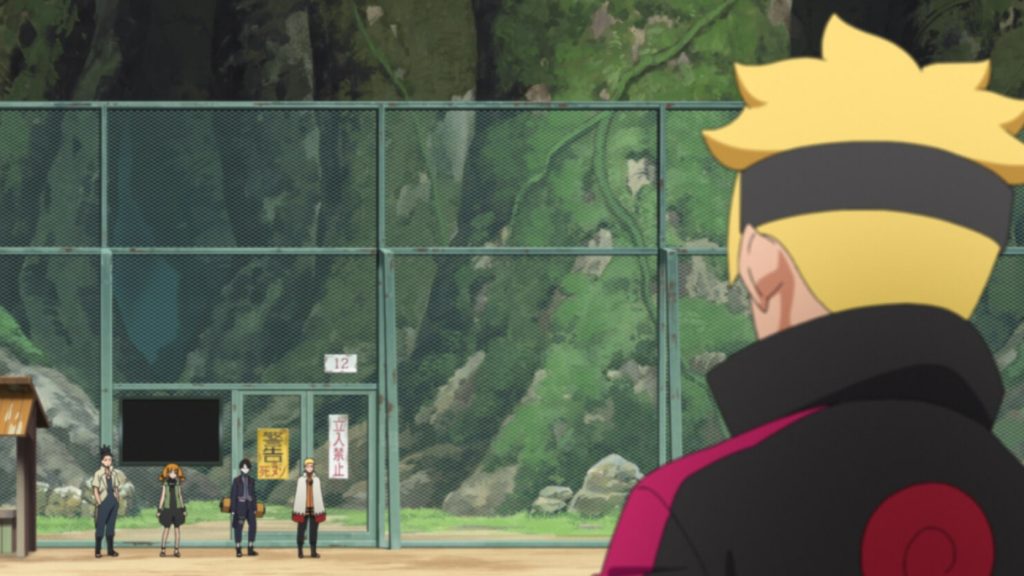
Boruto Episode 221: The Chunin Exams Resume
Boruto Episode 221 restarts the Chunin Exams for village morale and asks whether promotion can fairly measure judgment, rescue, teamwork, and leadership after crisis.
Boruto Episode 220: Remaining Time
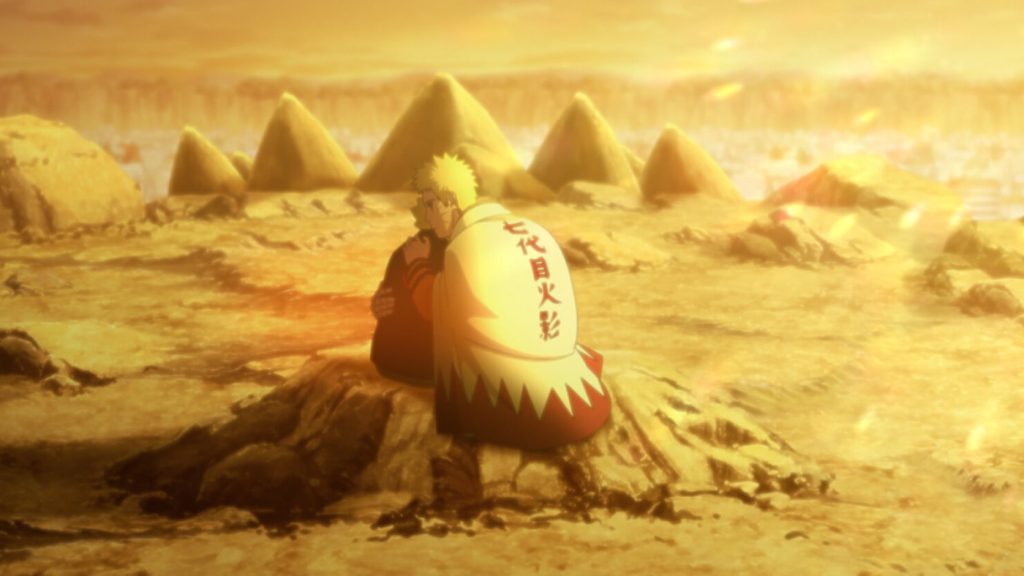
Boruto Episode 220 confronts sleepless possession fear, the Five Kage’s security debate, Amado’s medication, unknown side effects, and consent under a countdown.

Boruto Episode 219: Return
Boruto Episode 219 brings the survivors home while Boruto fears Momoshiki, Sasuke faces permanent injury, Naruto grieves Kurama, and Amado warns about Code.

Boruto Episode 218: Partner
Boruto Episode 218 ends Isshiki’s claim, confronts Momoshiki’s possession, and gives Naruto and Kurama a farewell built from love, sacrifice, and withheld truth.
Boruto Episode 217: Decision
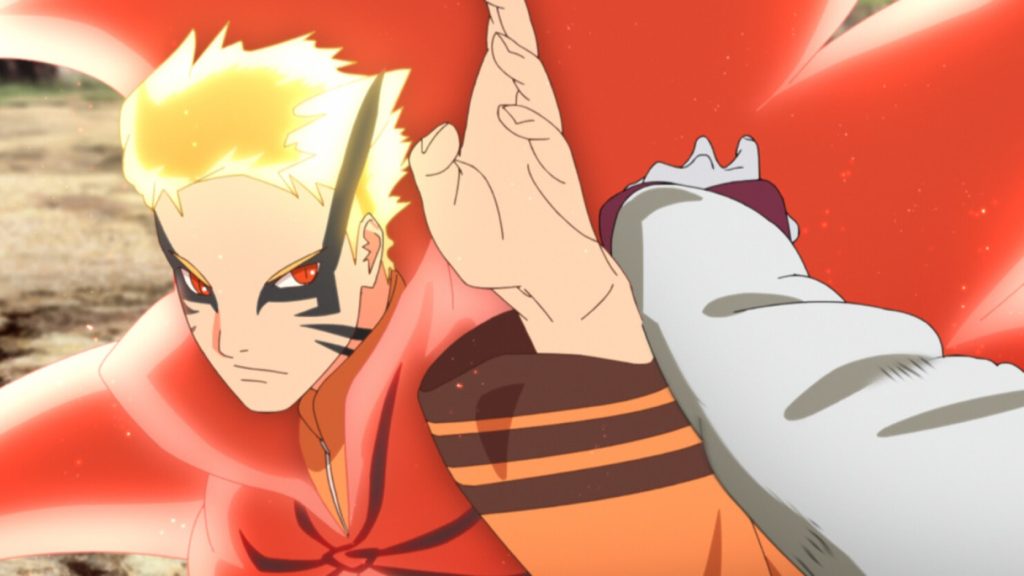
Boruto Episode 217 unleashes Baryon Mode, turns Isshiki’s deadline into a weapon, and asks whether Naruto and Kurama receive a fair choice about the cost.
Boruto Episode 216: Sacrifice
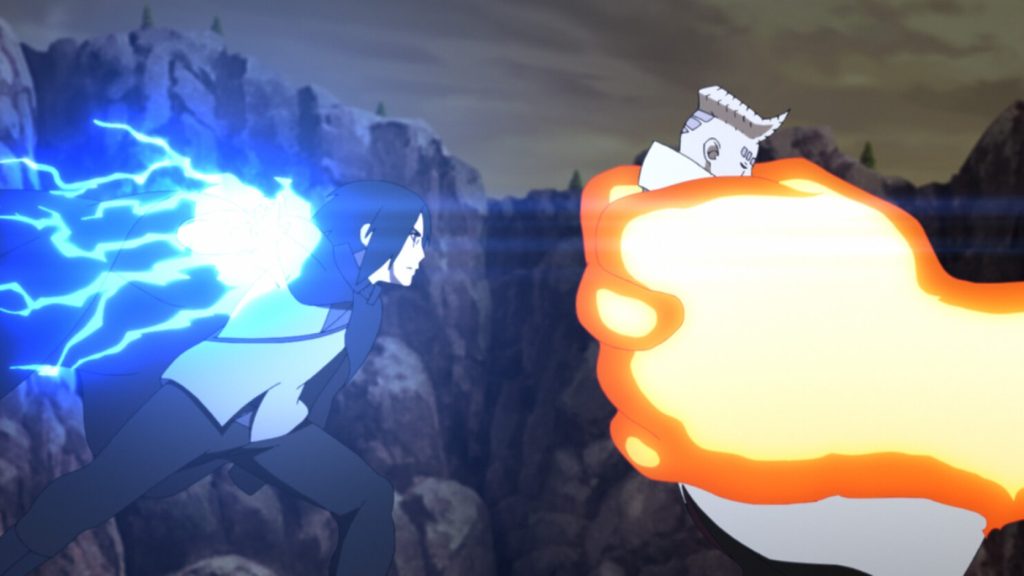
Boruto Episode 216 moves the fight away from Konoha and asks who owns the sacrifice when Boruto’s Karma makes him both the key and another endangered child.

Boruto Episode 215: Prepared
Boruto Episode 215 confronts Isshiki’s arrival, Konoha’s evacuation, Kawaki’s protection, and Boruto’s fear that Momoshiki could seize control again.
Boruto Episode 214: Predestined Fate
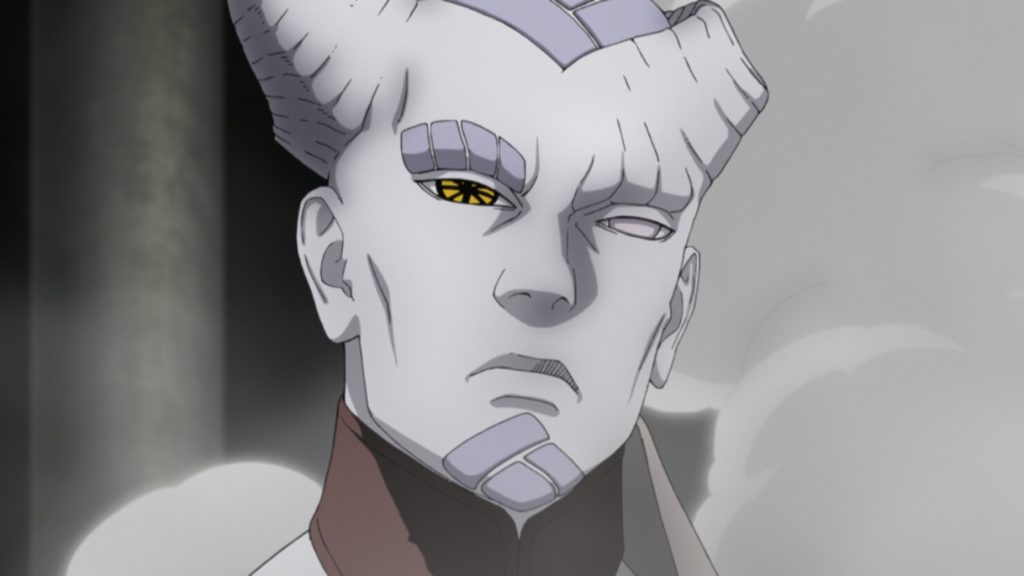
Boruto Episode 214 follows Koji’s natural-fire trap, Isshiki’s forced resurrection, Kawaki’s disappearing Karma, and the human choices hidden beneath predestined fate.
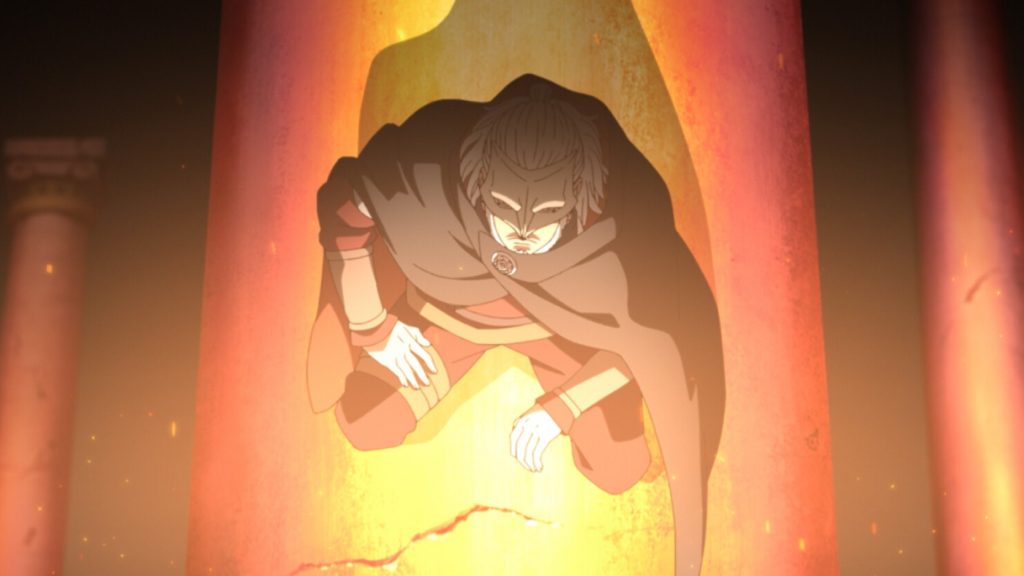
Boruto Episode 213: True Identity
Boruto Episode 213 reveals Isshiki inside Jigen, Karma as compressed resurrection data, Boruto and Kawaki’s danger, and Koji’s plan to force a defective rebirth.
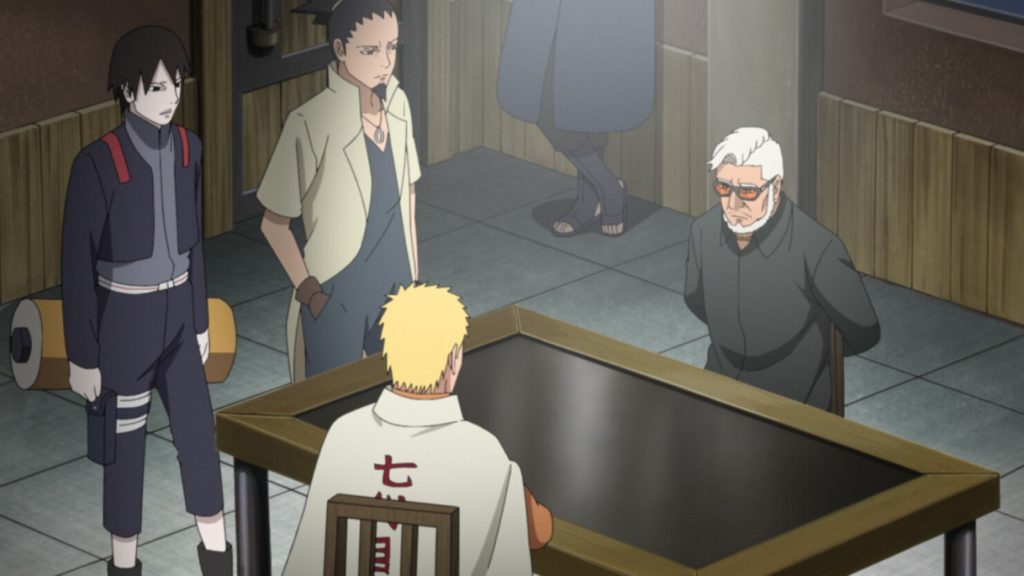
Boruto Episode 212: Amado’s Defection
Boruto Episode 212 brings Amado’s coerced asylum request, Shikadai’s explosive collar, Naruto and Shikamaru’s negotiation, and Koji’s live confrontation with Jigen.
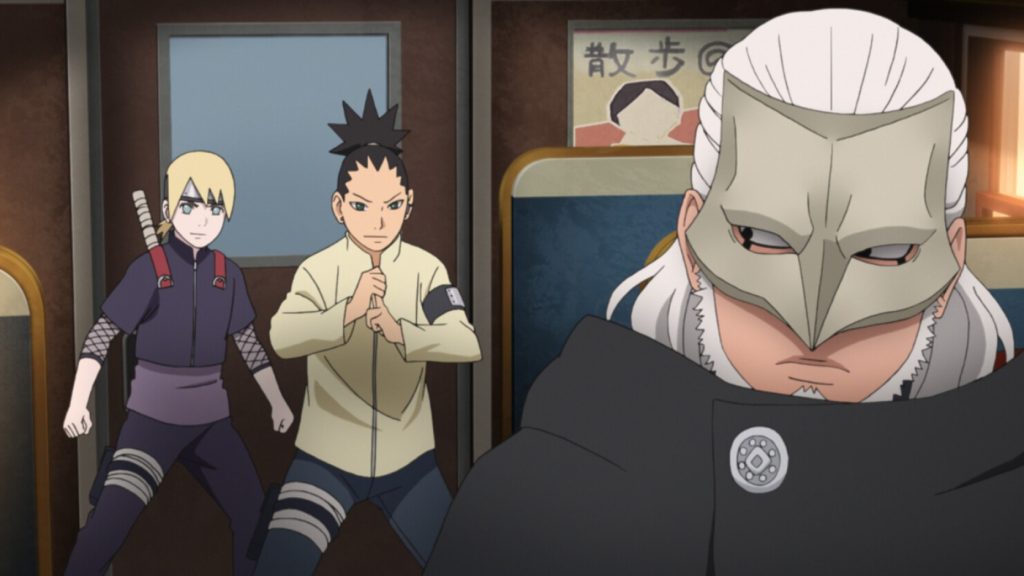
Boruto Episode 211: The Chase
Boruto Episode 211 follows Kashin Koji’s archive breach, Kakashi’s pursuit, Team 10’s investigation, a decoy chase, and the Kara fracture behind the stolen records.
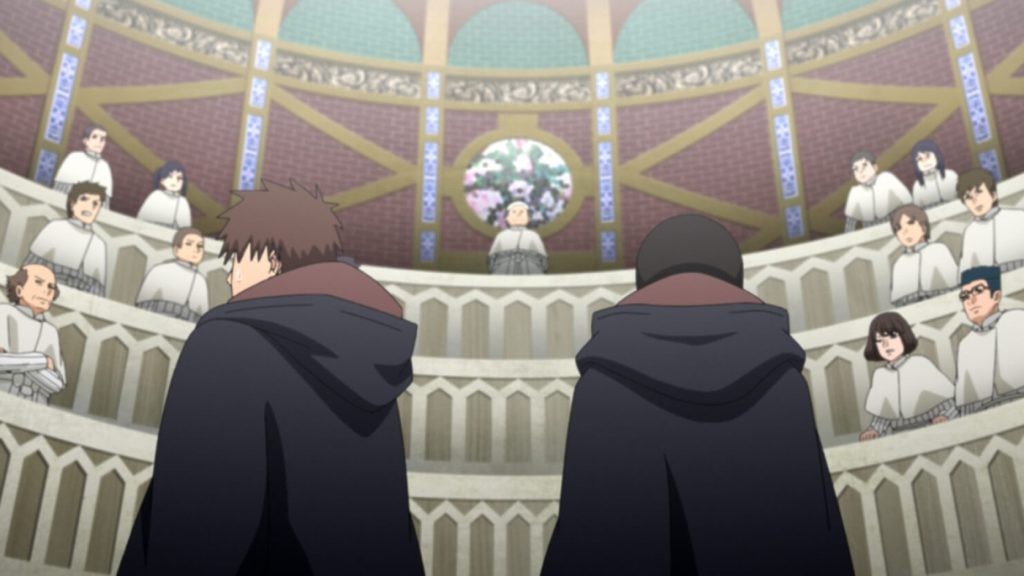
Boruto Episode 210: Clues to Kara
Boruto Episode 210 sends Sai and Konohamaru into Boro’s cult, where Kara’s clues are inseparable from followers exploited through medicine, grief, and belonging.

Boruto Episode 209: The Outcast
Boruto Episode 209 follows Kawaki’s plan to leave the Uzumaki family and Himawari’s care for Jaggy, an outcast wolf whose death makes belonging painfully real.
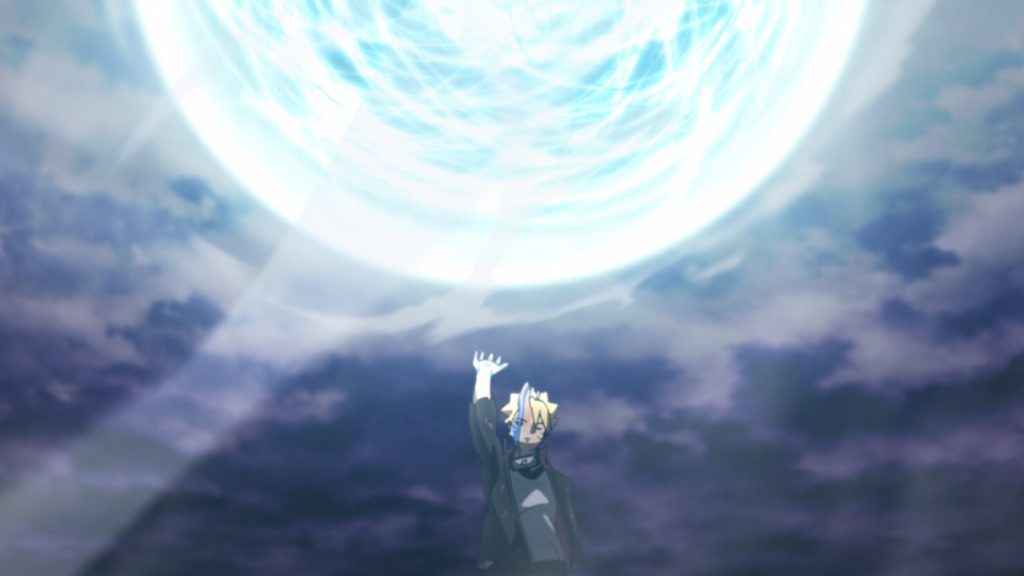
Boruto Episode 208: Momoshiki’s Manifestation
Boruto Episode 208 lets Momoshiki destroy Boro through Boruto’s unconscious body, rescuing Naruto while turning a victory into an urgent autonomy crisis.
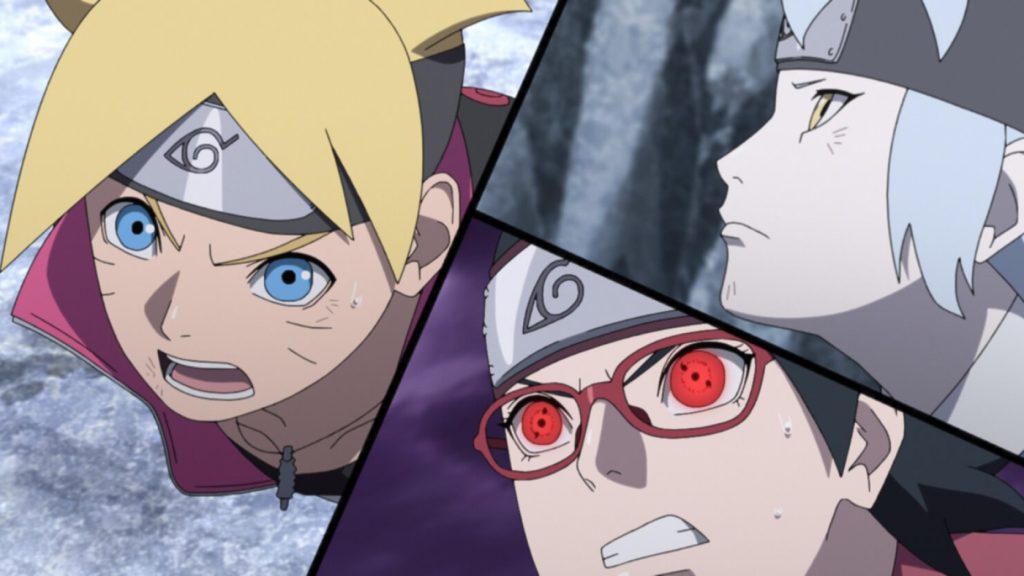
Boruto Episode 207: Regeneration
Boruto Episode 207 lets Sarada and Team Seven solve Boro’s regeneration before Momoshiki takes Boruto’s body, turning victory into a new autonomy crisis.
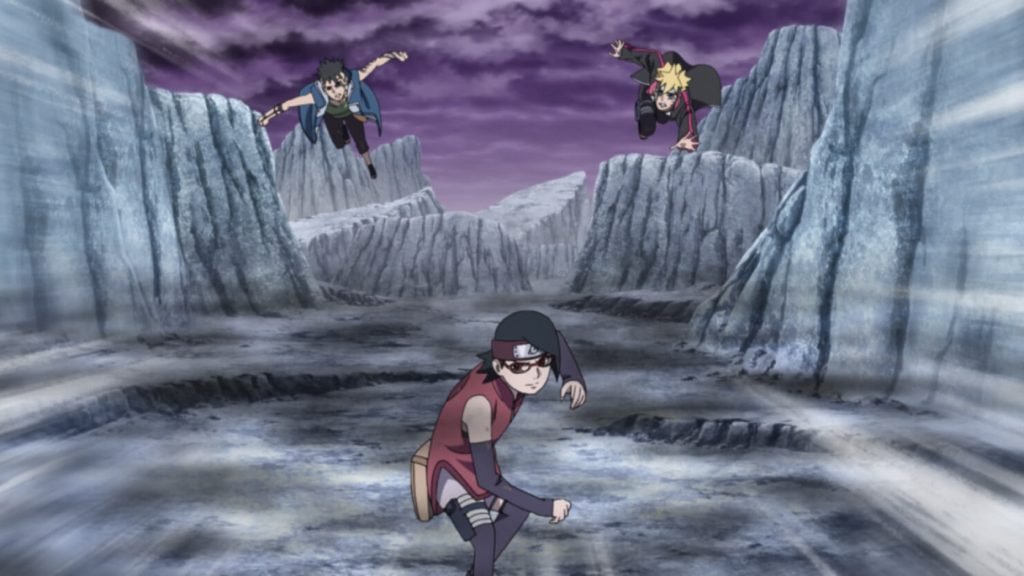
Boruto Episode 206: The New Team Seven
Boruto Episode 206 makes the new Team Seven real through Sarada’s command, Mitsuki’s medical analysis, Kawaki’s Kara knowledge, and Boruto’s willing coordination.

Boruto Episode 205: Proof
Boruto Episode 205 contains Kawaki after Naruto vanishes, then asks whether proof should measure a traumatized child’s worth or expose the system that used his body.

Boruto Episode 204: He’s Bad News
Boruto Episode 204 traps Naruto and Sasuke on Jigen’s terrain, where brilliant teamwork meets an enemy built to absorb power, control bodies, and deny escape.

Boruto Episode 203: Surprise Attack!
Boruto Episode 203 brings Jigen into the Uzumaki home through Kawaki’s Kāma, forcing Naruto and Sasuke to defend a child’s future against an abductor’s claim.