
The world changed the rules mid-sentence.
Fractured Horizons is modern life after powers, systems, and impossible new rules arrive without asking whether anyone finished paying rent.
The cities are still here. So are schools, jobs, governments, families, grudges, and people who will absolutely exploit a crisis before breakfast.
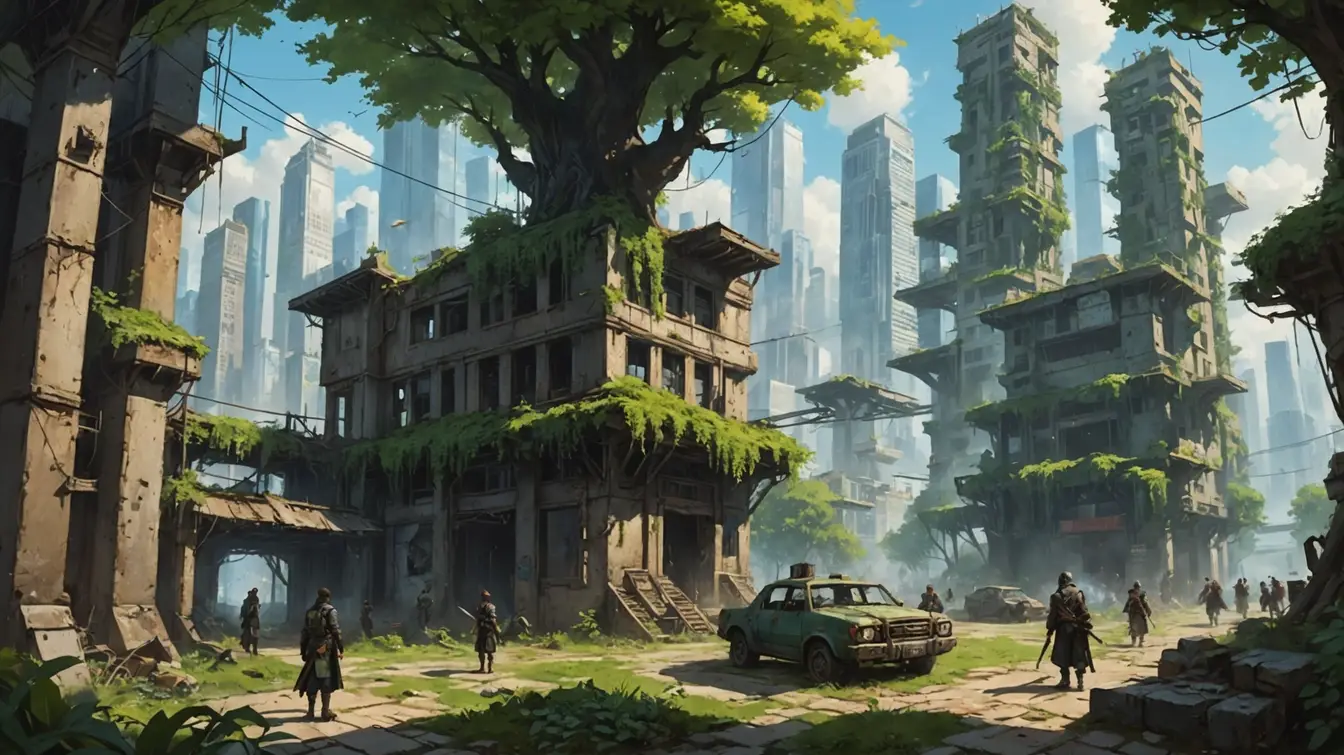
Not the end of civilization. The end of pretending civilization controls everything.
Fractured Horizons begins with a recognizable modern world and breaks its assumptions. Powers appear. Systems may start measuring people, assigning paths, or offering choices nobody fully understands. Places become unsafe or simply stop obeying familiar logic. Institutions remain, but every institution has to respond while the public is learning the same terrifying information in real time.
This is not a blank map where humanity conveniently vanishes so one overpowered survivor can collect supplies in peace. People remain the problem, the support system, the bureaucracy, the family group chat, and occasionally the reason survival is worth the trouble.
What changes when power becomes part of daily life
The interesting part is not merely who gets abilities. It is what happens when power arrives inside systems already shaped by money, fear, family, law, education, status, and very human levels of denial.
The rules arrive before the manual
People may receive abilities, paths, measurements, choices, or interfaces without a reliable explanation. The first interpretation is not automatically the correct one.
Unequal before anyone is ready
Talent does not arrive according to age, kindness, authority, or who believes they deserve it. Existing inequality does not vanish when a new kind appears.
Modern life keeps limping forward
Hospitals, schools, utilities, supply chains, communication, and governments still matter. Their failure is not decorative scenery; it changes who survives and who gets abandoned.
An ability is not a personality transplant
Power can magnify courage, insecurity, generosity, control issues, old wounds, and the unfortunate confidence of someone who has never been told no.
The world fractures in more than one place
The skyline can crack. So can trust, identity, family roles, law, and the quiet agreement that tomorrow will resemble today.
Survival versus community
Keeping yourself alive matters. So does deciding who counts as “your people” when resources, safety, and power are uneven.
Adaptation versus exploitation
Some people build new solutions. Others build toll booths. A crisis creates heroes, helpers, opportunists, and paperwork.
Growth versus becoming the threat
Progression is not automatically moral development. Becoming stronger and becoming better are two separate projects.
Knowledge versus certainty
The world changes faster than explanations can be tested. Rumors spread, bad theories become policy, and useful truth often arrives late.
Old life versus new identity
A person can change overnight while their obligations, relationships, history, and emotional baggage remain aggressively current.
Order versus legitimacy
Someone will claim authority. The harder question is whether anyone should listen—and what happens when power becomes its own credential.
Divergent Ascensions
Divergent Ascensions is the series name attached to Fractured Horizons. It is the place where the world’s systems, power shifts, survival pressures, and personal choices will become story instead of a neat list of concepts.
The title matters because growth will not follow one approved route. Different people may rise through different paths, for different reasons, with different costs. “Ascension” does not promise sainthood. It promises change.
The landing page is the doorway, not the junk drawer
Story material belongs in Fractured Horizons. Research, mechanics, cultural questions, discarded possibilities, and development notes belong Behind the Worlds. Shared terms can live in Story World 101 when they are genuinely useful beyond one book.