
The subtitles assumed you already knew.
A character says one word, everybody on screen understands the social earthquake that just happened, and I am sitting there wondering whether I accidentally skipped Anime Orientation.
Animation carries genre rules, religious references, school customs, historical baggage, mythology, power-system vocabulary, fandom language, and storytelling shorthand that rarely pauses to explain itself. Anime 101 is where we pause for it.
The goal is not to turn a fun show into homework. I just want enough context to understand why a title matters, why somebody used that honorific, why the fox statue keeps appearing, or why everyone except me apparently understood what “cour” meant.
Context, not a vocabulary landfill.
The shelf for everything the story did not stop to define.
Some things are specific to one series. Others travel everywhere. Honorifics show up across hundreds of titles. Daoist ideas can wander from donghua into cultivation stories, games, novels, and other parts of CVM Sekai. Mythology, folklore, historical periods, genres, and storytelling devices do not care which menu you happened to enter through. So this shelf follows the concept, not an imaginary border between fandom sections.
What lives in Anime 101?
The labels help organize the shelf, but plenty of entries naturally overlap. A myth can become a character archetype. A historical custom can shape a modern school scene. A genre term can also tell you exactly what kind of emotional damage you have signed up for.
Some terms refuse to stay in one section.
If a concept appears in anime, Chinese animation, webnovels, wuxia, cultivation stories, games, or another CVM Sekai space, I am not going to rewrite the same explanation five times just so every category can claim its own copy.
The main reference entry explains the concept once. From there, individual series and worlds can link back to it and add their own specific interpretation. That keeps the definition consistent while still leaving room to explain how one story uses the idea differently from another.
Find a Term
Search a genre, custom, myth, historical idea, power-system term, storytelling device, or whatever word the subtitles tossed onto the screen and then abandoned. You can also browse alphabetically if you have accepted that this is apparently research now.
Showing the complete Anime 101 library.
Open the Reference Shelf
Entries can connect to more than one series, fandom, or story world when the concept genuinely travels. Tags describe the idea itself: genre, culture, myth, history, belief, or story machinery. They do not exist to list every title that happened to use the word once.
Learn the shared idea here, then follow the links into the specific worlds that use it.
- Adam, Lilith, and Why Humanity Counts as an Angel
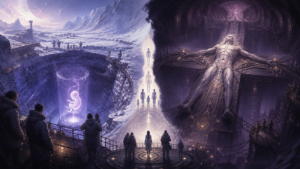 Adam and Lilith are Seeds of Life whose collision makes Earth’s history an accident. This guide explains Angels, Lilin, souls, moons, and why humanity counts as the final Angel.
 - Akira Lore and Neo-Tokyo
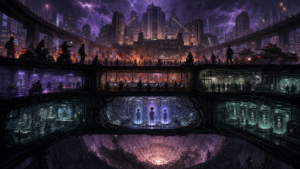 A fan-focused guide to Neo-Tokyo, psychic power, military control, youth rebellion, adaptation choices, and the buried systems that make Akira more than a cyberpunk spectacle.
 - Anime Voice Actors
 Anime Binge · Behind the Worlds · Cast & Creators You knew the voice before you knew the name. One character starts talking and suddenly you are staring… Read more: Anime Voice Actors
 - AT Fields Explained: The Wall Between One Self and Another
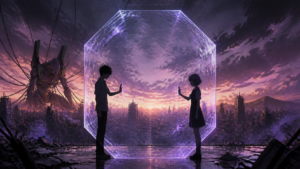 AT Fields are defensive barriers, soul boundaries, and one of Evangelion’s central metaphors. This guide explains who creates them, how they break, and why every person has one.
 - Closed-Door Cultivation (闭关)
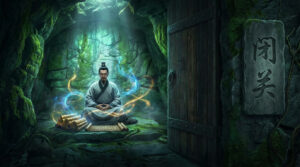 Closed-Door Cultivation (闭关) Seclusion Training • Breakthrough Retreats • Deep Meditation in Xianxia Closed-Door Cultivation (闭关) is one of the most iconic practices in the cultivation world. It’s… Read more: Closed-Door Cultivation (闭关)
 - Cultivation Stages (境界 / 体系)
 Cultivation Stages (境界 / 体系) The Real Daoist Path • Ancient Chinese Inner Alchemy • The Origin of All Cultivation Before webnovels. Before Golden Cores. Before modern Xianxia… Read more: Cultivation Stages (境界 / 体系)
 - Dao (道)
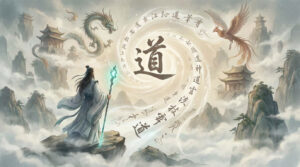 Dao (道) The Path • The Way • The Guiding Principle Behind Everything Dao (道) is one of the most important — and most misunderstood — concepts in… Read more: Dao (道)
 - Demonic Cultivation (魔道 / 邪道)
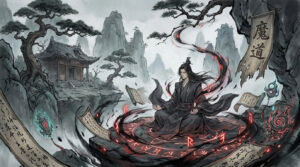 Demonic Cultivation (魔道 / 邪道) Corrupted Power • Forbidden Methods • The Path of Desire and Chaos Demonic Cultivation (魔修) is one of the most dramatic, misunderstood concepts… Read more: Demonic Cultivation (魔道 / 邪道)
 - Evangelion Angels Explained
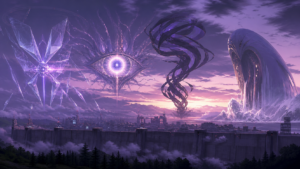 Evangelion’s Angels are not one species with one strategy. This guide explains their names, bodies, attacks, goals, and connection to Adam, Lilith, and humanity.
 - Evangelion Units Explained: Not Robots, Not Quite Gods
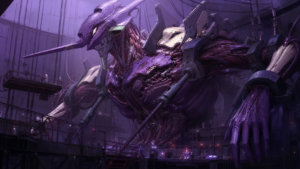 Evangelion Units look like giant robots, but armor hides living bodies, human souls, and biological systems. This guide explains what each Eva actually is.
 - Evangelion World, Lore & Guides
 Explore Evangelion’s organizations, Angels, Eva units, Impacts, Instrumentality, AT Fields, artifacts, and hidden systems through connected lore guides.
 - Face-Slapping 101: When the Receipts Do the Hitting
 No hands required. Face-slapping is the public reversal where arrogance meets evidence, the underestimated character finally controls the room, and the receipts do all the hitting.
 - Family Restoration 101: Fix the Roof, Then Fix the Trust
 Family restoration is not one apology and a repaired roof. It is the slow work of rebuilding trust, routines, safety, and a household that learned to survive without believing anybody would stay.
 - Fate & Heavenly Mandate (天命)
 Fate & Heavenly Mandate (天命) Cosmic Order • Destiny Threads • The Will of Heaven in Cultivation Stories Fate & Heavenly Mandate (天命) is one of the deepest,… Read more: Fate & Heavenly Mandate (天命)
 - First, Second, Third, and Near Third Impact Explained
 Evangelion’s First, Second, Third, and Near Third Impacts are different disasters with different triggers. This guide separates the names, timelines, and continuities.
 - Forbidden Manuals (禁术)
 Forbidden Manuals (禁术) Taboo Techniques • Dangerous Knowledge • Paths Mortals Were Not Meant to Touch Forbidden Manuals (禁术) appear everywhere in Xianxia and Wuxia — locked in… Read more: Forbidden Manuals (禁术)
 - Gendo Ikari: Grief Does Not Excuse Governance
 Gendo’s grief explains his obsession. His grief does not excuse using Shinji, Rei, NERV, and Instrumentality to make private pain everybody else’s government.
 - Ghost in the Shell Lore
 Explore cyberbrains, ghosts, shells, artificial personhood, Section 9, surveillance, memory hacking, refugees, and continuity across Ghost in the Shell.
 - How Chinese Web Novels & Manhua Become Donghua
 Chinese Donghua 101 · Adaptation & Production How Chinese Web Novels & Manhua Become Donghua A Chinese story can begin as millions of words published chapter by chapter… Read more: How Chinese Web Novels & Manhua Become Donghua
 - How Manga and Light Novels Become Anime
 How do manga and light novels become anime? Follow the adaptation process from source rights and planning through scripts, production, broadcasting, and streaming.
 - Jianghu (江湖)
 Jianghu | 江湖 NOVEL WORLD 101 · ANIME 101 · STORY WORLD 101 Jianghu (江湖): The World Between Rivers, Laws, and Other People’s Grudges Not merely a martial… Read more: Jianghu (江湖)
 - Jianghu vs Wuxia
 STORY WORLD 101 · NOVEL WORLD 101 Jianghu vs Wuxia: The World Is Not the Genre Wuxia and Jianghu belong in the same conversation, but they are not… Read more: Jianghu vs Wuxia
 - Jianghu vs Xianxia
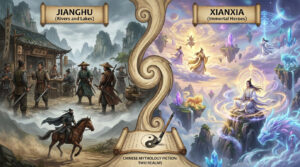 STORY WORLD 101 · NOVEL WORLD 101 Jianghu vs Xianxia: One Is a Social World. One Is a Fantasy Genre. The fastest bad explanation says Jianghu is “the… Read more: Jianghu vs Xianxia
 - LCL Explained: Blood, Breath, Memory, and Return
 LCL fills the entry plug, carries breath and signals, and becomes the sea of shared human existence. This guide explains its biology, symbolism, and role in Instrumentality.
 - Master & Disciple Hierarchy
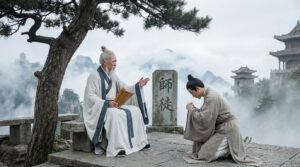 Master & Disciple Hierarchy Respect • Responsibility • Teaching Lineage • Martial Family Structure Shifu / Shizun / Shixiong / Shimei The Master–Disciple relationship is one of the… Read more: Master & Disciple Hierarchy
 - Meridians (经络)
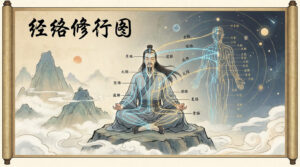 Meridians (经络) The Highways Your Qi Uses to Power Everything NOVEL WORLD 101 · ANIME 101 · STORY WORLD 101 Meridians (经络) The body map that translators call… Read more: Meridians (经络)
 - Naruto Anime 101
 Naruto 101 · ninja world reference library The ninja world has rules. The children inherit the bill. Chakra, jutsu, villages, clans, ranks, missions, bloodlines, seals, language, food, folklore,… Read more: Naruto Anime 101
 - Naruto Arcs
 Naruto franchise · story arc directory Three generations. One ninja world that keeps sending children the bill. Follow the major arcs across Naruto, Naruto: Shippuden, and Boruto. Every… Read more: Naruto Arcs
 - Naruto Chakra Explained: Control, Reserves, Nature and Meaning
 Naruto 101 · power system Chakra: the energy that turns a body, a memory, and a will into power Chakra is not “anime mana.” It is produced, shaped,… Read more: Naruto Chakra Explained: Control, Reserves, Nature and Meaning
 - Naruto Characters
 Naruto people file · completed profiles Every bond leaves a mark. The living Naruto character directory: shinobi, civilians, mentors, rivals, victims and antagonists, organized by the relationships and… Read more: Naruto Characters
 - Naruto Chūnin Exams Arc
 Naruto Arc File · Episodes 20-67 · Full-Series Spoilers The Chūnin Exams A promotion test becomes intelligence operation, survival trial, tournament spectacle, invasion prelude, and predator’s hunting ground.… Read more: Naruto Chūnin Exams Arc
 - Naruto Clans, Hiden and Kekkei Genkai Explained: Inheritance, Secrets and Power
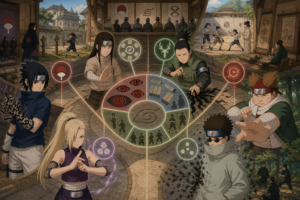 Naruto 101 · Families, Knowledge and Inheritance Clans, Hiden & Kekkei Genkai A clan can preserve a biological trait, guard a teachable technique, control land and marriage, run… Read more: Naruto Clans, Hiden and Kekkei Genkai Explained: Inheritance, Secrets and Power
 - Naruto Folklore, Buddhism and Japanese Myth Explained: Foxes, Sannin, Six Paths and Divine Names
 Naruto 101 · transformed sources, symbols and story memory Folklore, Buddhism & Japanese Myth Nine-tailed foxes, giant toads, white snakes, wrathful guardian forms, death gods, reincarnating brothers and… Read more: Naruto Folklore, Buddhism and Japanese Myth Explained: Foxes, Sannin, Six Paths and Divine Names
 - Naruto Hidden Villages Explained: Countries, Kage and Politics
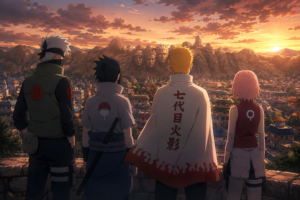 Naruto 101 · geopolitics Hidden Villages: home, army, employer, symbol, and unfinished peace project Konohagakure is inside the Land of Fire; it is not another name for the… Read more: Naruto Hidden Villages Explained: Countries, Kage and Politics
 - Naruto Jinchūriki and Tailed Beasts Explained: Hosts, Seals, Politics and Meaning
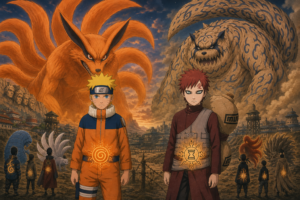 Naruto 101 · Bodies, Beasts and Village Power Jinchūriki & Tailed Beasts The ninja world calls them containers, hosts and weapons before it calls them children. This file… Read more: Naruto Jinchūriki and Tailed Beasts Explained: Hosts, Seals, Politics and Meaning
 - Naruto Jutsu Explained: Types, Hand Seals, Ranks and Meaning
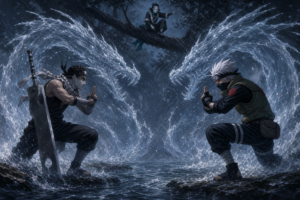 Naruto 101 · techniques Jutsu: how chakra becomes a method, a weapon, a tradition, or a secret Chakra is the available energy. A jutsu is a reproducible technique:… Read more: Naruto Jutsu Explained: Types, Hand Seals, Ranks and Meaning
 - Naruto Konoha Crush Arc
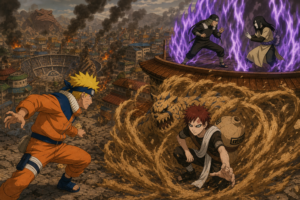 Naruto Arc File · Episodes 68-80 · Full-Series Spoilers Konoha Crush The tournament was never only a tournament. Genjutsu drops the audience, Sand and Sound strike, a teacher… Read more: Naruto Konoha Crush Arc
 - Naruto Land of Waves Arc
 Naruto arc file · Episodes 6-19 · full spoilers Land of Waves: the mission that taught Naruto what a shinobi costs A bridge, a lie about a mission… Read more: Naruto Land of Waves Arc
 - Naruto Mission Classifications Explained: D-Rank to S-Rank
 Naruto 101 · shinobi labor Mission classifications: the paperwork that decides who is expected to risk what D through S ranks classify an assignment’s anticipated danger, complexity, political… Read more: Naruto Mission Classifications Explained: D-Rank to S-Rank
 - Naruto Sasuke Recovery Mission Arc
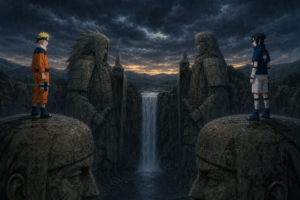 Naruto Arc File · Episodes 107–135 · Full-Series Spoilers Sasuke Recovery Mission Five genin chase a coffin through the forest because one teammate mistakes power for freedom. Every… Read more: Naruto Sasuke Recovery Mission Arc
 - Naruto Seals and Fuinjutsu Explained: Formulas, Cursed Marks, Containment and Consent
 Naruto 101 · written power, containment and consent Seals & Fūinjutsu A seal can imprison a tailed beast, lock away a technique, suppress another seal, store weapons, bind… Read more: Naruto Seals and Fuinjutsu Explained: Formulas, Cursed Marks, Containment and Consent
 - Naruto Search for Tsunade Arc
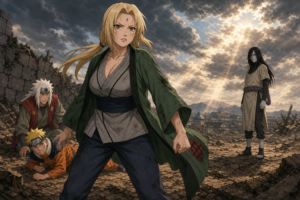 Naruto Arc File · Episodes 81–100 · Full-Series Spoilers Search for Tsunade Konoha goes looking for a Hokage and finds a woman who has survived too much to… Read more: Naruto Search for Tsunade Arc
 - Naruto Shinobi Ranks Explained: Genin, Chūnin, Jōnin and Kage
 Naruto 101 · shinobi institutions Shinobi ranks: responsibility, authority, and who gets ordered into danger Genin, chūnin, jōnin, Kage, ANBU, specialist, missing-nin,Naruto’s labels organize work and command. They… Read more: Naruto Shinobi Ranks Explained: Genin, Chūnin, Jōnin and Kage
 - Naruto Shinobi, Kunoichi and Nindo Explained: Language, Gender and the Ninja Way
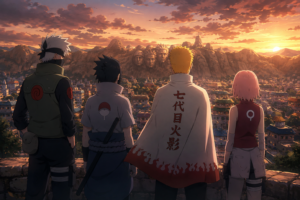 Naruto 101 · language, labor and chosen identity Shinobi, Kunoichi & Nindō “Ninja” sounds like a costume. “Shinobi” names a profession, a history of concealment and a person… Read more: Naruto Shinobi, Kunoichi and Nindo Explained: Language, Gender and the Ninja Way
 - Naruto Survival Test Arc
 Naruto arc file · Episodes 1-5 · full spoilers Survival Test: how four lonely people accidentally become Team 7 Before the bridge, the exams, and the wars, Naruto… Read more: Naruto Survival Test Arc
 - Naruto Village Symbols and Forehead Protectors Explained: Allegiance, Missing-Nin and Meaning
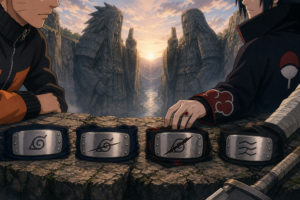 Naruto 101 · allegiance, uniform and visible dissent Village Symbols & Forehead Protectors A metal plate and strip of cloth can certify graduation, identify an army, protect an… Read more: Naruto Village Symbols and Forehead Protectors Explained: Allegiance, Missing-Nin and Meaning
 - Neigong (内功)
 Neigong (内功) Internal Power • Breath Work • Qi Refinement If cultivation has a “technique you can practice every day,” it’s Neigong (内功). Neigong is the internal training… Read more: Neigong (内功)
 - Neigong vs Waigong
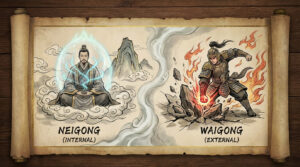 Neigong (内功) vs Waigong (外功) Internal Power vs External Strength — Why Cultivators Need Both In cultivation stories (and in real internal/external martial arts), you’ll hear the terms… Read more: Neigong vs Waigong
 - NERV and SEELE Explained
 NERV fights the Angels while SEELE controls the scenario behind the curtain. This guide maps the factions, leaders, money, secrets, and competing apocalypse plans.
 - NERV Manufactures Compliance
 NERV calls child deployment protection. RaeRae follows the coercion, hazardous labor, surveillance, and adult systems that make refusal almost impossible.
 - Ninja Scroll World, Lore & Guides
 Ninja Scroll lore explained through the Eight Devils, plague conspiracy, Tokugawa intelligence, clan service, historical fantasy, and the separate Dragon Stone series route.
 - Qi (气 / 氣)
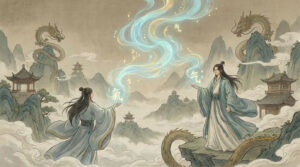 Qi (气 / 氣) The Life Energy That Powers… Literally Everything NOVEL WORLD 101 · ANIME 101 · STORY WORLD 101 Qi (气 / 氣) The word translators… Read more: Qi (气 / 氣)
 - Qinggong (轻功)
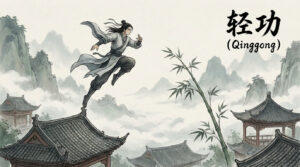 Qinggong (轻功) Lightness Skill • Speed • Agility • Graceful Movement Qinggong (轻功) is one of the most iconic, most misunderstood, and most misrepresented concepts in all of… Read more: Qinggong (轻功)
 - Rebirth 101: The Second Life Comes With Receipts
 Rebirth returns a character to their own past with memory intact. The second life brings leverage, grief, unfinished relationships, and the uncomfortable question of whether knowing better means doing better.
 - Rei Ayanami, the Dummy System, and Manufactured Personhood
 Rei Ayanami is a person living inside a replacement system. This guide explains her bodies, soul, memories, Lilith connection, dummy plugs, and the difference between access and identity.
 - Sects (门派)
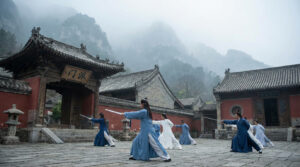 Sects (门派) Martial Schools • Lineage • Tradition • Power Structures of the Wuxia World Sects (门派) are some of the most iconic pillars of wuxia and cultivation… Read more: Sects (门派)
 - Shōnen, Shōjo, Seinen & Josei: They Aren’t Genres
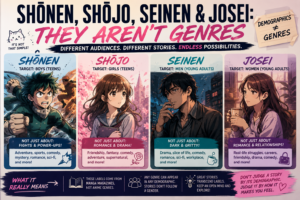 Shōnen, shōjo, seinen, and josei are publishing demographics, not genres. Learn what each label means, how editors use them, and why stories overlap.
 - Spirit Beasts (妖兽 / 灵兽)
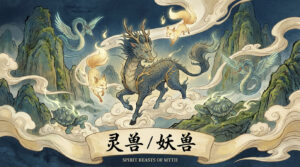 Spirit Beasts (妖兽 / 灵兽) Mythical Creatures • Guardians • Companions • Sacred Forces in Cultivation Worlds Spirit Beasts (灵兽) are one of the most beloved and misunderstood… Read more: Spirit Beasts (妖兽 / 灵兽)
 - Spiritual Medicine (丹药 / 丹术)
 Spiritual Medicine & Alchemy (丹药 / 丹术) Pills • Elixirs • Herbs • Alchemy Arts in the Cultivation World Spiritual Medicine (丹药) and Alchemy (丹术) are pillars of… Read more: Spiritual Medicine (丹药 / 丹术)
 - Synchronization Ratios and Entry Plugs
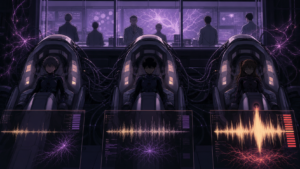 Synchronization links a pilot’s mind and body to an Eva through the entry plug. This guide explains ratios, contamination, pain feedback, compatibility, and the human cost of higher numbers.
 - The Body (躯体)
 The Body (躯体) Cultivation The physical foundation that keeps every breakthrough from becoming a medical emergency. NOVEL WORLD 101 · ANIME 101 · STORY WORLD 101 Body Cultivation… Read more: The Body (躯体)
 - The Dead Sea Scrolls and SEELE’s Scenario Explained
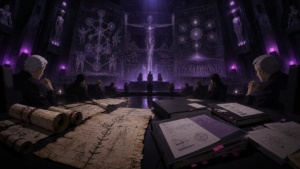 Evangelion’s Secret Dead Sea Scrolls guide SEELE’s scenario without functioning like a simple prophecy. This explainer separates plans, predictions, and manipulation.
 - The Naruto Food File: Ichiraku Ramen, Soldier Pills, Barbecue and the Meaning of Being Fed
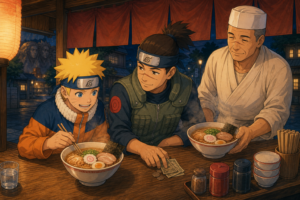 Naruto 101 · hunger, hospitality and military fuel The Naruto Food File Ramen gives an orphan a regular seat. Barbecue gives a team somewhere to become friends after… Read more: The Naruto Food File: Ichiraku Ramen, Soldier Pills, Barbecue and the Meaning of Being Fed
 - The Soul Inside an Eva: Yui, Kyoko, and Unit Identity
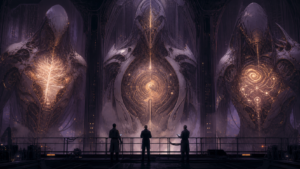 An Evangelion needs more than biology and machinery. This guide explains the human souls inside the Evas, Yui, Kyoko, Unit identity, protection, rejection, and berserk action.
 - The Spear of Longinus and Evangelion’s Control Weapons
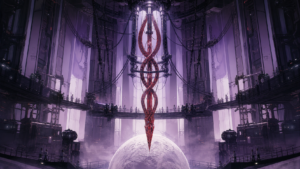 The Spear of Longinus can restrain Seeds of Life, pierce AT Fields, and reshape an Impact. This guide tracks the weapon across the original and Rebuild continuities.
 - The Spirit (神识)
 The Spirit (神识) Awareness, perception, and the mind behind cultivated power. NOVEL WORLD 101 · ANIME 101 · STORY WORLD 101 Shénshí (神识 / 神識) The “spiritual sense”… Read more: The Spirit (神识)
 - Tokyo-3, GeoFront, and the City Built for the End
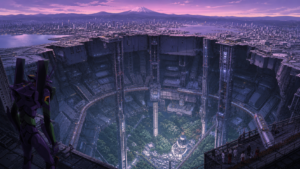 Tokyo-3 is a fortress city above the GeoFront, built to retract, fight, and hide NERV’s deepest secrets. This guide maps the city, defenses, schools, shelters, and underground world.
 - Tribulation Lightning (天劫)
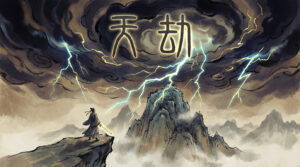 Tribulation Lightning (天劫) Heavenly Trials • Breakthrough Tests • Divine Judgment in Xianxia Tribulation Lightning (天劫) is one of the most dramatic and feared moments in any cultivation… Read more: Tribulation Lightning (天劫)
 - Waigong (外功)
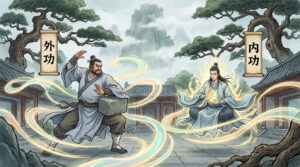 Waigong (外功) External Strength • Physical Training • Combat Power If Neigong (内功) is the quiet, internal training of breath and qi… then Waigong (外功) is the loud,… Read more: Waigong (外功)
 - Webnovel Traditional Xianxia Cultivation Stages
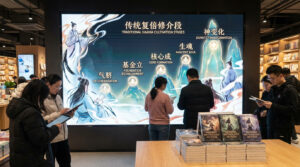 Modern Xianxia Cultivation Stages The Webnovel Power System • Realms, Breakthroughs & Your Favorite OP Protagonists Before Golden Cores were cool. Before dantians exploded like lightbulbs. Before MCs… Read more: Webnovel Traditional Xianxia Cultivation Stages
 - Webnovel Xianxia Cultivation (Modern) vs Ancient Chinese Mythology Fiction (Classical)
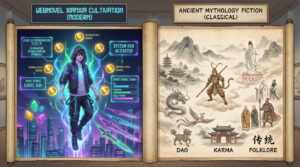 Webnovel Xianxia Cultivation (Modern) vs Ancient Chinese Mythology Fiction (Classical) AKA: Why I Don’t Write Webnovel-Style “System Slap” Cultivation (…But I Still Love It) So here’s the thing:… Read more: Webnovel Xianxia Cultivation (Modern) vs Ancient Chinese Mythology Fiction (Classical)
 - What Human Instrumentality Actually Is in Evangelion
 Human Instrumentality promises an end to loneliness by removing the boundaries between people. This guide explains the plan, competing versions, and emotional cost.
 - What is a Japanese Anime Production Committee?
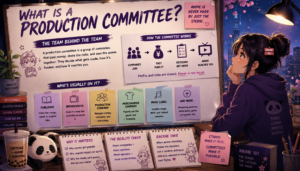 What is a Japanese anime production committee? Learn who finances anime, how companies divide rights and risk, and why the animation studio may not control every decision.
 - What Is a Seiyuu?
 What is a seiyū? Learn how Japanese voice actors work across anime, games, dubbing, music, agencies, auditions, recording, and live events.
 - What Is an OVA, ONA & Anime Special?
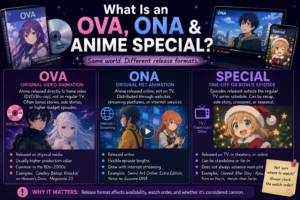 What is an OVA, ONA, or anime special? Learn how these Japanese anime formats differ by release route, episode purpose, continuity, and production history.
 - What is Cour?
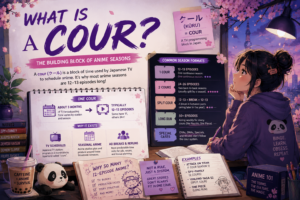 What is a cour in anime? Learn why 12- and 13-episode runs keep appearing, how split cours work, and why a cour is not the same as a season or part.
 - What Is Donghua?
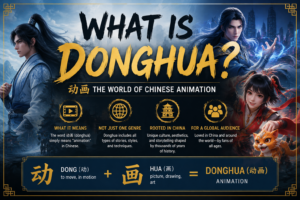 Chinese Donghua 101 · Start Here What Is Donghua? If somebody told you donghua means “Chinese anime,” they gave you an answer that is useful for approximately thirty… Read more: What Is Donghua?
 - What Is Isekai? Another-World Stories Explained
 Isekai means “another world,” but the portal is only the beginning. Learn how transportation, reincarnation, summoning, reverse isekai, light novels, anime adaptation, and real worldbuilding fit together.
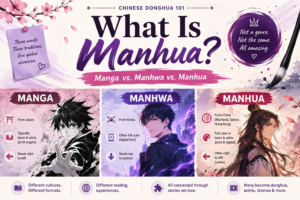
 - What Is Manhua? Manga vs. Manhwa vs. ManhuaChinese Donghua 101 · Comics & Publishing What Is Manhua? Manga vs. Manhwa vs. Manhua Manga. Manhwa. Manhua. Three words that look close enough to make a new… Read more: What Is Manhua? Manga vs. Manhwa vs. Manhua
- Who Knew Naruto Was Minato’s Son? The Complete Classified Parentage File
 RaeRae Rants · Naruto · Classified Family File Who Knew Naruto Was Minato’s Son? Several powerful adults knew the truth about Naruto’s parents. The harder question concerns why… Read more: Who Knew Naruto Was Minato’s Son? The Complete Classified Parentage File
 - Why Anime Seasons and Streaming “Seasons” Don’t Always Match
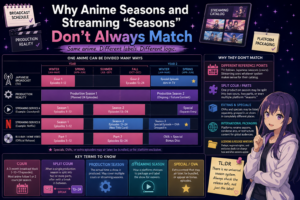 Why don’t anime seasons match streaming seasons? Learn how cours, licensing, episode numbering, platform packaging, and regional releases create confusion.
 - Wugong (武功)
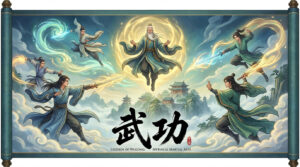 Wugong (武功) Martial Skill • Technique • Form • Practical Combat Ability Wugong (武功) is one of those terms everyone thinks they understand… until they try to define… Read more: Wugong (武功)
 - Wushu (武术)
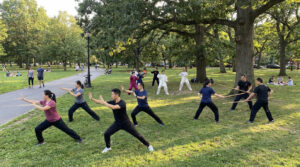 Wushu|武术 NOVEL WORLD 101 · ANIME 101 · STORY WORLD 101 Wushu (武术): Chinese Martial Arts, Traditional Lineages, and Modern Sport The word is broader than one style,… Read more: Wushu (武术)
 - Wushu vs Wuxia
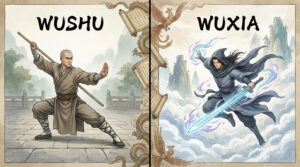 STORY WORLD 101 · NOVEL WORLD 101 Wushu vs Wuxia: Practice and Storytelling Share a Root, Not a Definition Wushu names Chinese martial arts and, in a narrower… Read more: Wushu vs Wuxia
 - Wuxia (武侠)
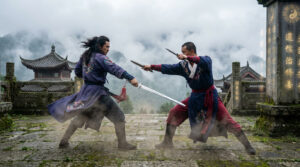 Wuxia|武侠 NOVEL WORLD 101 · ANIME 101 · STORY WORLD 101 Wuxia (武侠): Swords, Justice, Jianghu, and Extremely Personal Grudges Chinese martial-hero fiction where skill can look impossible,… Read more: Wuxia (武侠)
 - Wuxia vs Xianxia
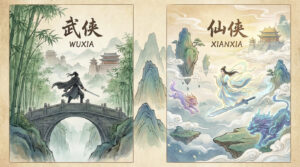 Wuxia (武侠) vs Xianxia (仙侠) Novel World 101 · Anime 101 · Story World 101 Wuxia vs Xianxia: The Swords Look Related. The Universes Are Not. Both genres… Read more: Wuxia vs Xianxia
 - Wuxia vs. Xianxia vs. Xuanhuan: What’s the Difference?
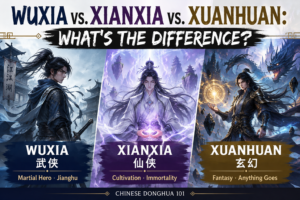 Chinese Donghua 101 · Fantasy & Storytelling Wuxia vs. Xianxia vs. Xuanhuan: What’s the Difference? You start watching Chinese fantasy and everything seems reasonably manageable. There are swords.… Read more: Wuxia vs. Xianxia vs. Xuanhuan: What’s the Difference?
 - Xianxia (仙侠)
 Xianxia|仙侠 NOVEL WORLD 101 · ANIME 101 · STORY WORLD 101 Xianxia (仙侠): Immortals, Swords, Sects, and the Very Long Argument With Heaven Chinese fantasy where the heroic… Read more: Xianxia (仙侠)
 - Xuanhuan (玄幻)
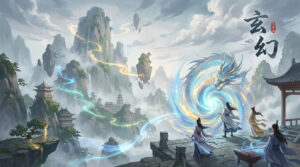 Xuanhuan | 玄幻 Chinese fantasy built for hybrid worlds, invented systems, and very ambitious power ladders. NOVEL WORLD 101 · ANIME 101 · STORY WORLD 101 Xuanhuan (玄幻)… Read more: Xuanhuan (玄幻)