
The Lion King’s Photoreal Branch
The 2019 remake, Mufasa, and the animation everybody keeps calling live action.
The photoreal branch is animation even when the marketing gets nervous about the word
The 2019 Lion King is a photoreal animated adaptation. D23 calls it exactly that, which clears up the strange habit of filing it as live action simply because the digital animals imitate photographed wildlife. No lion performed a scene for a camera. Artists built bodies, landscapes, light, weather, fur, crowds, and facial movement through a production pipeline designed to make animation feel physically captured.
That distinction matters because animation labor disappears when realism succeeds too well. The audience sees a savanna and starts discussing cameras as if a documentary crew waited beside Pride Rock. What looks natural was selected, modeled, rigged, simulated, lit, framed, voiced, edited, and revised. Calling the branch animation is not a technicality. It is how the people who made every visible animal remain in the sentence.
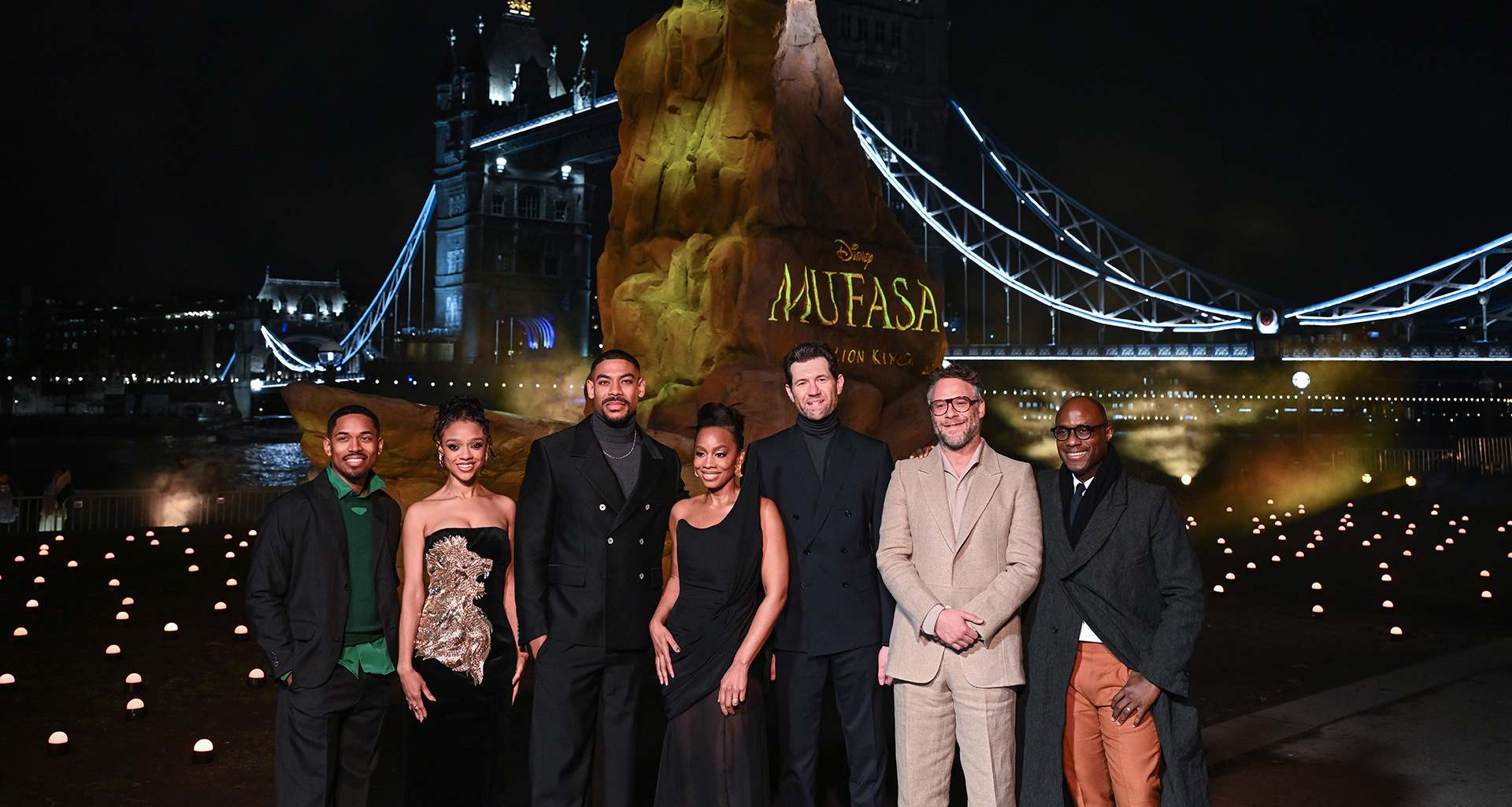
The branch includes Jon Favreau’s 2019 retelling and Barry Jenkins’s 2024 Mufasa. They share a visual language, returning performers, digital technology, and a corporate desire to keep the franchise legible across generations. They do not have the same dramatic purpose. One remakes a familiar film. The other invents a disputed history for characters whose past once lived mainly in implication.
Start with 1994 before deciding what 2019 changes
The 2019 film follows the 1994 structure closely enough that memory becomes part of every scene. The sunrise, presentation, elephant graveyard, stampede, exile, return, and final ascent arrive with the pressure of earlier images already living in the audience. A faithful beat can feel reassuring to one viewer and unnecessary to another because both reactions begin with recognition.
A remake has to answer a brutal question: what can this form express that the earlier one could not? Photoreal scale can make the herd feel dangerous, the landscape vast, and animal movement physically persuasive. It can also narrow expression because a realistic lion face cannot stretch, recoil, grin, or collapse into graphic shapes as freely as hand-drawn animation. Gain and loss happen in the same shot.
The cleanest watch order is therefore release order, not fictional chronology. Watch 1994, then 2019, then Mufasa. That sequence lets the viewer understand what the remake quotes and what the prequel later rewrites. Chronological order makes the new origin appear foundational when it was actually created after two different versions of Simba’s story.
Realism changes the emotional contract
The 1994 film asks viewers to accept expressive design. Eyes, brows, mouths, silhouettes, and color carry feeling before dialogue explains it. The 2019 film asks viewers to admire apparent physical truth. Fur responds to light, paws carry weight, landscapes hold atmospheric depth, and bodies move according to a studied animal logic. The craft achievement is obvious, but the emotional price deserves equal attention.
When Scar sings or Simba grieves, the performance must travel through a face committed to zoological credibility. Voices can supply irony, panic, grief, and affection that the image only lightly supports. Sometimes the restraint creates intimacy. Sometimes it feels as if the soundtrack is begging the face to meet it halfway. Photorealism is not emotionless, but it relocates expression into posture, pacing, editing, sound, and vocal rhythm.
The problem becomes sharpest during musical numbers. Songs invite theatrical exaggeration, visual metaphor, and changes in rhythm that realism may resist. A world that looks governed by natural law has to decide how far it will bend when characters sing. The 2019 film often chooses coherence over invention, and that choice makes familiar music feel safer than it should.
The voice cast carries what the faces cannot
Donald Glover’s Simba, Beyoncé Knowles-Carter’s Nala, Chiwetel Ejiofor’s Scar, Alfre Woodard’s Sarabi, Billy Eichner’s Timon, Seth Rogen’s Pumbaa, John Kani’s Rafiki, and James Earl Jones’s returning Mufasa create a cast with enormous tonal range. Their voices do more than accompany animation. They provide much of the specificity the realistic faces withhold.
Beyoncé’s Nala receives more vocal presence and a larger sense of political urgency than the earlier film allowed. Woodard gives Sarabi authority that makes her confrontation with Scar land as leadership rather than background resistance. Ejiofor does not imitate Jeremy Irons. His Scar sounds less delighted by his own wickedness and more corroded by grievance, which suits the branch’s reduced theatricality.
Jones returning as Mufasa connects the remake to 1994 so directly that the voice becomes an ancestral object inside the production. Familiarity gives the scenes weight, yet it also demonstrates the remake’s central tension. The movie wants renewal and continuity at once. Every new interpretation must share space with a performance the franchise already treated as definitive.
The hyenas reveal what tone was lost and what politics remain
The 2019 hyenas are less vaudevillian and more threatening. Shenzi becomes a focused leader voiced by Florence Kasumba, while Azizi and Kamari carry a different comic rhythm from the 1994 trio. The change removes disability-coded mockery attached to Ed, but it does not fully repair the story’s political use of hyenas as an excluded population that becomes proof of disorder.
Realistic design makes the species division look more like natural history, which can hide the fact that the borders are political. Lions control the prosperous territory. Hyenas are associated with scarcity and danger. Scar uses their exclusion, then their labor, then their hunger. The remake can adjust personalities without escaping the monarchy and resource system underneath the conflict.
A deeper adaptation would ask who created the shortage, how territory is governed, and why predation by royal lions represents balance while predation by hyenas represents collapse. The films speak about a Circle of Life, but the circle keeps a throne in the middle. Photorealism makes the ecosystem convincing enough that its unequal rules deserve more scrutiny, not less.
Mufasa turns an icon into an immigrant orphan
Barry Jenkins’s Mufasa begins from a premise that changes the emotional architecture of the franchise. Mufasa is not born into the royal bloodline. He is lost, adopted, displaced again, and eventually becomes king through relationship, survival, courage, and a story told after his death. The orphan origin makes belonging something negotiated rather than inherited.
That revision can feel generous because it releases greatness from blood. It can also feel calculated because a corporate prequel explains a character whose mystery once gave him scale. The film has to make a person out of an icon without shrinking him into a checklist of origin answers. Its best material lives in vulnerability, especially when young Mufasa does not yet know which family, land, or future will claim him.
Rafiki tells the story to Kiara while Timon and Pumbaa interrupt, so the past arrives as narration rather than neutral record. That frame matters. Legends organize grief for the living. The account may be emotionally true while shaped for a child who needs to understand her grandfather, her father, and the burden waiting around her own name.
Taka makes brotherhood the wound instead of the excuse
The prequel introduces Taka as heir to a royal line and Mufasa as the outsider he helps. Their bond gives the later betrayal a history of affection, imbalance, resentment, and choices made over time. Scar is no longer only the bitter brother standing outside a presentation ceremony. He was once a child capable of attachment before envy became identity.
The danger is turning explanation into absolution. Pain can clarify why somebody becomes cruel without making cruelty inevitable or acceptable. Taka experiences parental pressure, fear, romantic jealousy, and the humiliating possibility that the adopted outsider embodies the leadership he was promised. None of that forces him to betray others. Character lives in the point where wound meets decision.
The stronger reading refuses the lazy sentence that Mufasa stole everything. Sarabi has agency. Communities respond to demonstrated leadership. Taka’s birthright was already part of an unequal system, not a morally neutral possession. His tragedy is not simply losing a crown. It is choosing entitlement over the brother who once expanded his world.
Sarabi cannot be treated as a prize between brothers
A prequel built around Mufasa and Taka risks reducing Sarabi to the woman whose preference converts brotherly tension into villainy. Tiffany Boone’s performance and the character’s competence push against that trap. Sarabi reads danger, contributes to survival, and makes judgments about leadership that should belong to her, not to whichever male character feels chosen or rejected.
Romantic rivalry is narratively cheap when it treats a woman’s decision as property transferred between men. The useful question is not which brother deserves Sarabi. It is what Sarabi sees, values, refuses, and risks. Her relationship with Mufasa matters because it develops through shared action and compatible responsibility, not because destiny placed a queen beside the future king.
The franchise still organizes her future around monarchy, marriage, and motherhood. A serious character reading has to hold both facts: she possesses intelligence and agency, and the story gives that agency a narrow institutional destination. Admiring Sarabi should not require pretending the frame around her is wider than it is.
Barry Jenkins brings tenderness into a franchise machine
Jenkins directing Mufasa creates an unusual meeting between a filmmaker associated with intimate interiority and one of Disney’s most valuable franchise systems. The official company history emphasizes the digital technology inherited from 2019. The film itself is more interesting when technology serves touch, hesitation, memory, and the fragile formation of trust.
A large effects production can swallow directorial personality beneath continuity requirements. Pride Rock must look recognizable. Songs must become products outside the film. Characters must remain available to children, marketing, parks, and future stories. Within those constraints, moments of quiet become evidence of authorship because they resist the franchise’s need to keep announcing importance.
The result is not a secret independent film wearing a lion costume. It remains a corporate prequel with lore assignments, spectacle, and familiar comic relief. Jenkins’s contribution is visible in the attention paid to chosen family, displacement, emotional inheritance, and the distance between the legend others need and the frightened person who had to become it.
Music has to survive comparison with inherited songs
Lin-Manuel Miranda writes new songs for a world already haunted by Elton John, Tim Rice, Hans Zimmer, and Lebo M. That is an unfair assignment because the audience does not hear a new melody in neutral space. It hears the absence of songs memorized across decades. New music must create character while competing with nostalgia before the first chorus finishes.
The brotherhood material works when repetition becomes relationship instead of exposition. Songs can compress how two cubs move from encounter into shared identity. Later numbers carry pursuit, ambition, warning, and communal movement. The music is most effective when it belongs to this story’s emotional problem rather than trying to manufacture another anthem by force.
Lebo M’s continued presence matters because the franchise’s sound cannot be discussed as anonymous African atmosphere wrapped around famous Western names. Credit is part of criticism. Choirs, languages, vocal arrangements, instrumental choices, and performers shape the emotional world. If the audience calls everything “Disney music,” the corporation receives praise that should remain attached to artists.
The technology is impressive and still not the whole review
The 2019 production helped establish the digital method that Mufasa continues: virtual environments, simulated cinematography, detailed character assets, physically informed light, and an animation process aimed at the sensation of photographed animals. The achievement deserves specific respect because realism requires thousands of decisions that viewers are meant not to notice.
Technical difficulty does not settle artistic value. A perfectly simulated mane cannot decide whether a scene has emotional rhythm. A beautiful landscape cannot decide whether a remake needs to exist. Innovation describes how a result was produced. Criticism asks what the result communicates, what possibilities the method opens, and what expressive options it quietly removes.
The most useful behind-the-scenes question is not whether the animals look real. They often do. Ask what realism lets the filmmakers stage that drawn animation could not, and whether the movie uses that possibility. Scale, weather, landscape continuity, bodily danger, and subtle physical interaction offer answers. Recreated compositions that merely imitate 1994 do not.
Box office success explains continuation, not meaning
Disney reported that the 2019 film earned about $1.6 billion worldwide, and company materials repeatedly connect that success to the continuation represented by Mufasa. The number explains why the branch exists inside a business strategy. It does not prove that every creative decision worked or that audiences shared one reason for buying a ticket.
People attend remakes for nostalgia, curiosity, family ritual, casting, spectacle, music, cultural conversation, or the simple fact that a familiar title dominates screens. Revenue combines those motives into one total and then tempts executives to call the total love. A critic has to separate commercial power from dramatic accomplishment without pretending popularity is meaningless.
The branch also demonstrates how Disney treats successful animation as infrastructure. A film becomes a reusable system of assets, technologies, performers, songs, and audience recognition. Mufasa is a story, but it is also an extension of that infrastructure. Both facts belong in the review because art and industry occupy the same frame.
The monarchy still needs an audit
Making Mufasa an outsider weakens the claim that leadership belongs naturally to a bloodline, yet the story still ends by validating a king. Personal virtue becomes the justification for concentrated authority. The community recognizes courage and care, but the political outcome remains one ruler whose descendants will inherit symbolic ownership of the land.
The films ask viewers to distinguish good kings from bad claimants rather than question why the ecosystem needs a throne. That framework can produce moving family drama while narrowing political imagination. Scar’s failure proves he is cruel. It does not prove monarchy is wise. Simba’s goodness proves he cares. It does not create public accountability.
Children understand fairness well enough to notice who speaks, who eats, who patrols, who crosses borders, and who gets punished. The branch becomes richer when adults do not wave those questions away as overthinking. Fables teach political feelings even when they do not name institutions. The Circle of Life is beautiful language carrying rules about power.
What to watch after the credits
Return to the 1994 film for expressive design, then watch the 2019 version with attention to what photorealism changes rather than treating it as a replacement. Follow with Mufasa and notice how the prequel revises birthright, brotherhood, Sarabi, Rafiki, and the meaning of the royal line. The comparison is the point.
The stage musical belongs beside this branch because Julie Taymor chooses the opposite solution to adaptation. Theatrical masks and puppets reveal construction while photoreal animation hides it. One says imagination completes the animal. The other says digital craft can make the animal appear physically present. Both expose how medium changes meaning.
The Lion Guard adds another useful contrast by giving the next generation institutions, borders, predator politics, injury, and a wider community. The franchise is not one timeline with equal authority everywhere. It is a set of adaptations arguing with one another about inheritance. Watch the arguments, not only the chronology.
RaeRae’s branch verdict
The photoreal branch earns its own hub route because it is not merely two extra movie cards. It contains a full debate about realism, animation labor, remake culture, corporate memory, Black performance, African cultural credit, monarchy, chosen family, and whether an origin story deepens a legend or explains away its power. That conversation needs room.
The 2019 film remains most impressive as craft and most frustrating as interpretation. Its realism can turn wonder into demonstration, and its loyalty to 1994 often prevents the technology from discovering a new dramatic language. The performances keep supplying warmth, menace, humor, and political weight when the animal faces stay carefully restrained.
Mufasa is messier and more alive because it risks new history. I do not accept every answer, especially when Sarabi becomes leverage in male pain or monarchy receives another emotional renovation. Still, the orphaned outsider, broken brotherhood, narrated legend, and attention to chosen family give the branch something beyond imitation. My verdict is not “better than the original.” It is finally worth arguing about on its own terms.
Why this branch belongs in the animation library
The filing decision is part of the criticism. Putting these films under live action teaches readers that animation stops counting when its surfaces resemble photography. That erases the medium at the exact moment its labor becomes most technically elaborate. The animals are performances assembled through voice, reference, modeling, rigging, animation, simulation, lighting, compositing, editing, and sound. A virtual camera can imitate the habits of physical cinematography without turning a digital lion into a photographed actor.
Keeping the branch in the animation library also makes comparison possible. Readers can move from hand-drawn 1994 expression to 2019 photoreal restraint, then to the inherited technology and new character history of Mufasa. The category is not a purity test. It is a route through changing tools, aesthetics, labor, and storytelling choices. If the visible world was animated, it belongs here, even when a marketing department prefers the prestige or novelty attached to another label.
The hub card therefore leads to this guide instead of dropping readers at a generic reviews section. A branch with two major films, distinct directors, evolving technology, returning performers, new songs, and a fight over what counts as animation deserves a direct door. That door can later hold separate long reviews without making the franchise map wait for them. Organization should reveal the conversation already present, not pretend the newest films are footnotes because their fur looks convincing.
Sources and receipts
D23’s official record identifies the 2019 film as a photoreal animated adaptation and documents its release, direction, cast, runtime, and story framing. Walt Disney Company production and anniversary materials document the shared digital technology, the 2019 film’s reported worldwide gross, Barry Jenkins’s role, Lin-Manuel Miranda’s songs, the returning cast, and the prequel’s orphaned-Mufasa premise.
The official December 2024 cast feature documents Aaron Pierre as Mufasa, Kelvin Harrison Jr. as Taka, Tiffany Boone as Sarabi, Kagiso Lediga as young Rafiki, Blue Ivy Carter as Kiara, and the performers returning from 2019. Company sources establish production facts. The analysis of realism, monarchy, adaptation, gender, labor, and corporate memory is RaeRae’s editorial reading.
Read the branch as criticism, not a substitute for watching the films or learning from the credited artists. The useful fandom habit is to keep receipts close and certainty loose. A franchise this large survives because people remember different versions, argue from different emotional homes, and keep finding new questions inside a story they thought they already knew.