
Animated Movies
One movie can build a whole world, wreck a city, start a family argument, and leave RaeRae staring at the credits before dinner gets cold. This shelf opens complete animation franchise hubs. Each hub keeps its films, sequels, live-action and CGI branches, characters, reviews, rants, cultural context, production history, and viewing routes connected without turning this page into a duplicate Reviews directory.
One franchise gets one front door here. Standalone movies receive their own hub, while franchises with sequels, series, OVAs, specials, or live-action branches stay consolidated so the shelf remains clean as the library grows.
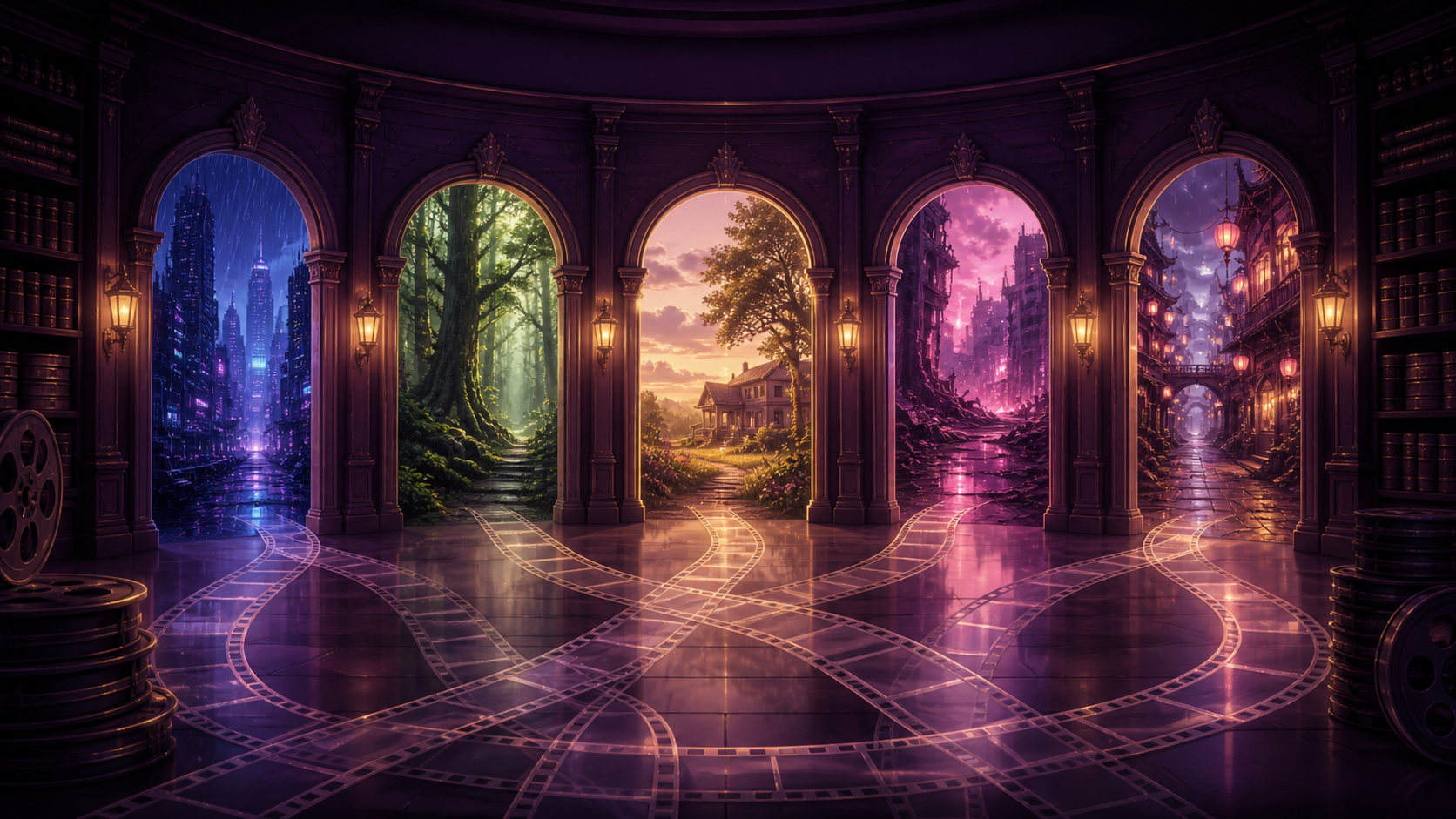
The movie shelf
Every card opens a complete film conversation. Pick the movie that left you staring at the credits, then follow the story, characters, craft, cultural context, criticism, and ending as far as the questions go.
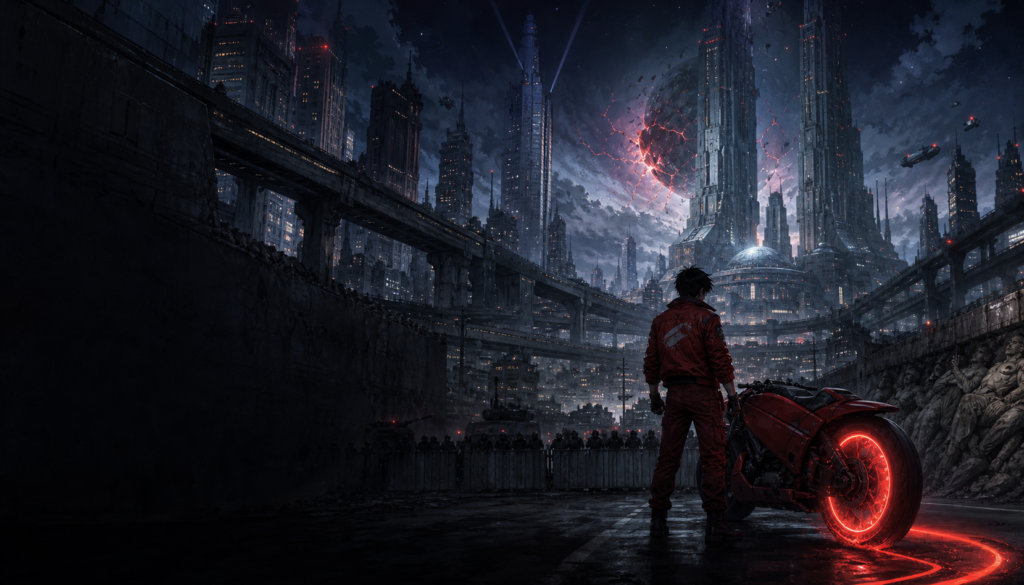
Akira
Akira explained through Neo-Tokyo, Tetsuo, body horror, animation innovation, postwar memory, the ending, and the film’s global anime legacy.
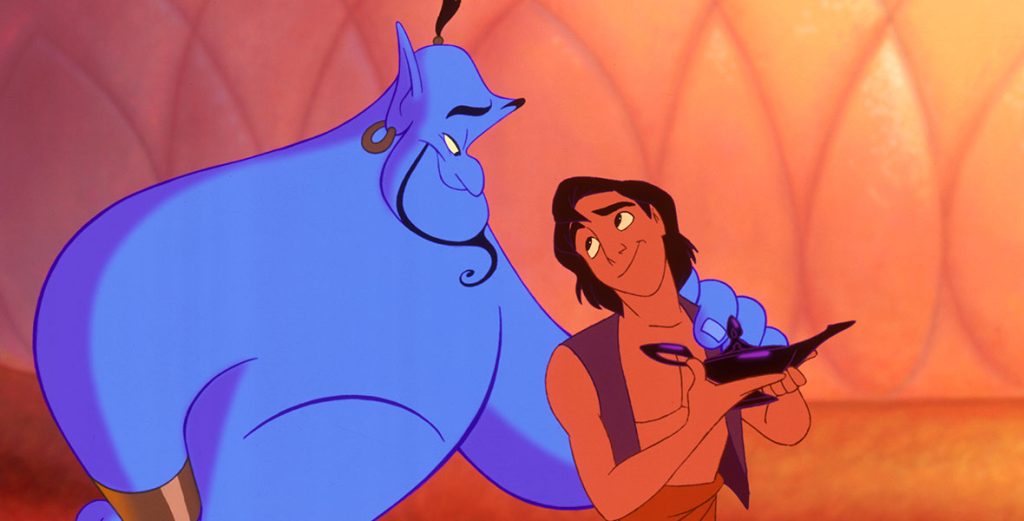
Aladdin
The complete Aladdin franchise hub connecting the animated films, television series, characters, reviews, Reacts, Rants, lore, guides, remake, stage, and expanded worlds.
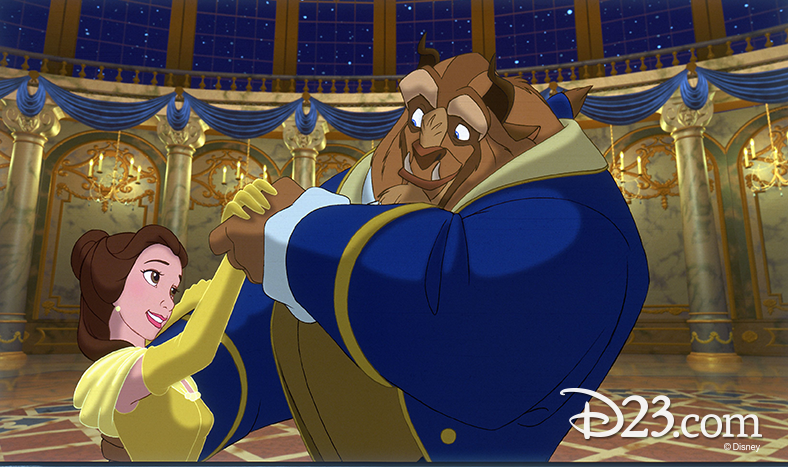
Beauty and the Beast
The Beauty and the Beast hub connects the animated film, sequels, live-action remake, characters, songs, reviews, and adaptation rants.
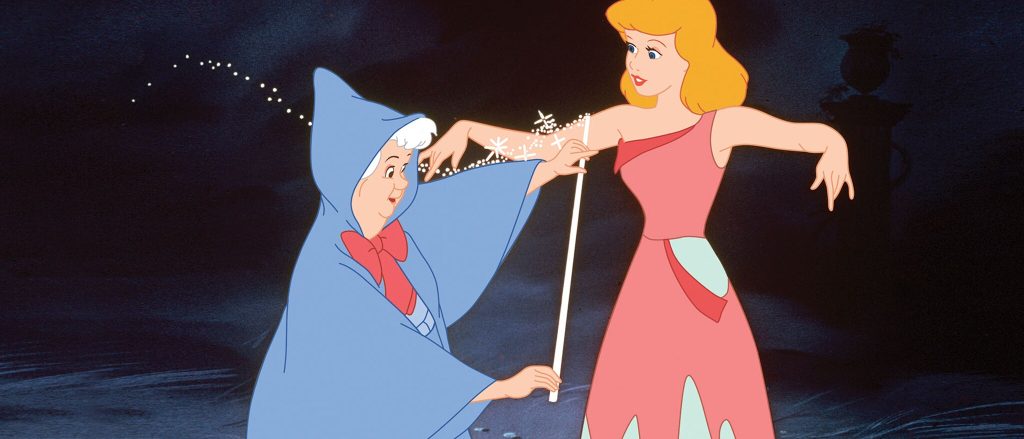
Cinderella
The Cinderella franchise hub for the 1950 animated film, both animated sequels, the 2015 live-action adaptation, characters, reviews, rants, fairy-tale history, and…
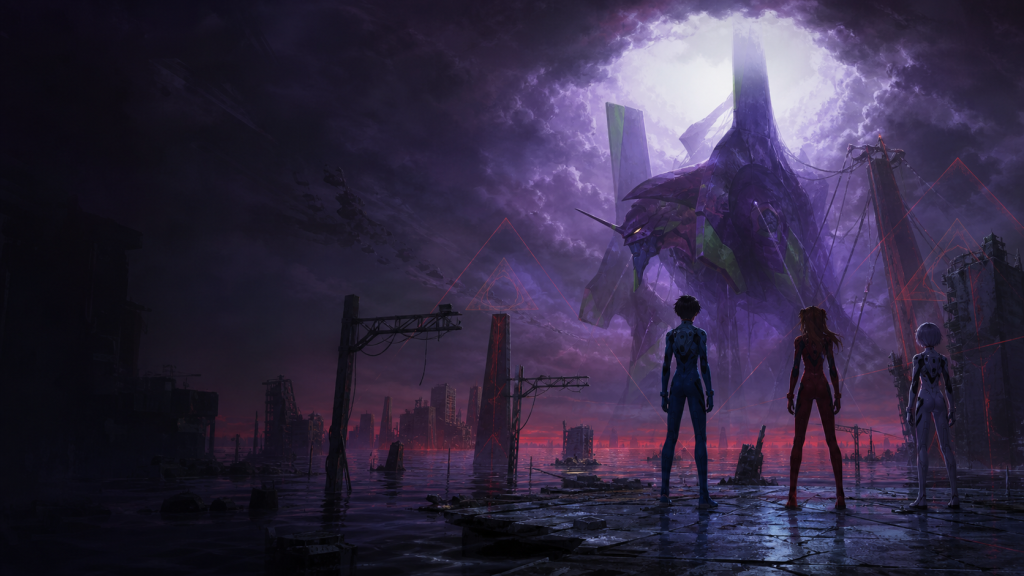
Evangelion
Enter Evangelion through its 26-episode series, original theatrical ending, six-film road, characters, voice cast, reviews, reactions, rants, lore, and confirmed news.
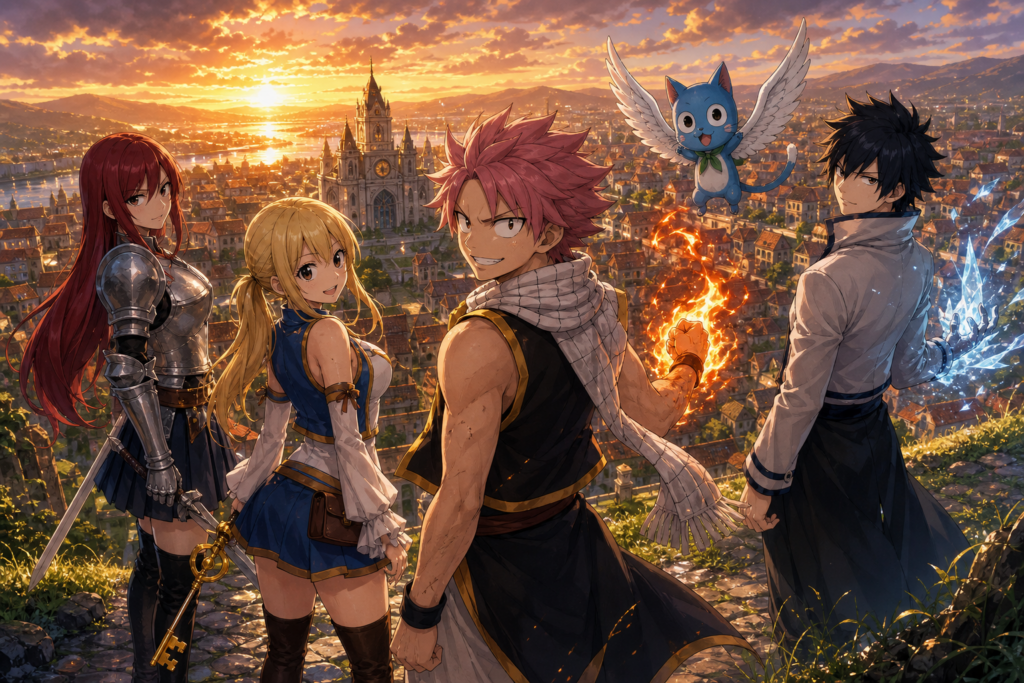
Fairy Tail
Fairy Tail is loud about friendship, but the interesting part is what its characters do when loyalty becomes work, grief becomes policy,…
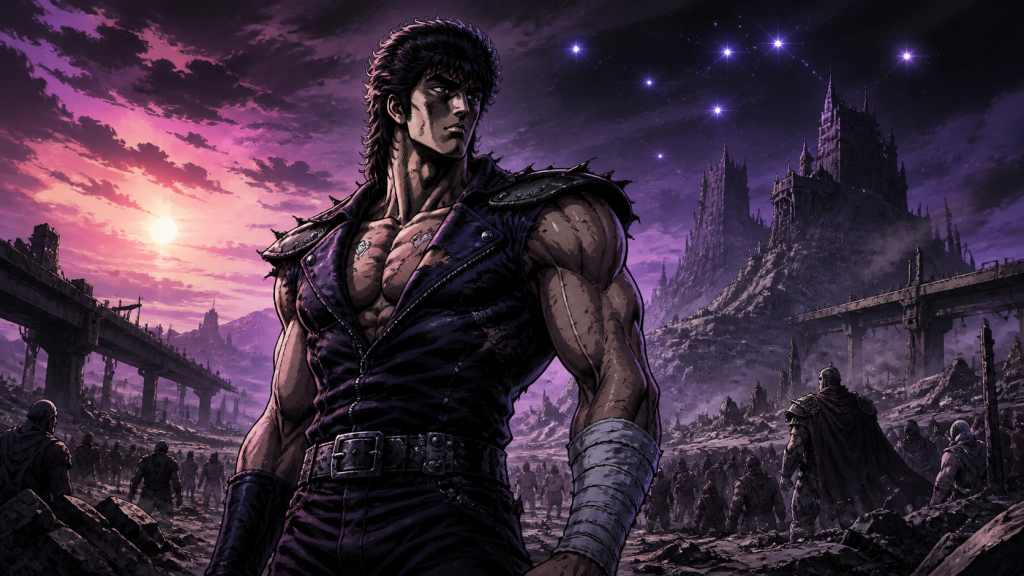
Fist of the North Star
A complete Fist of the North Star anime hub with seven clearly labeled branches, episode Reacts, Reviews, characters, voice actors, lore, and…
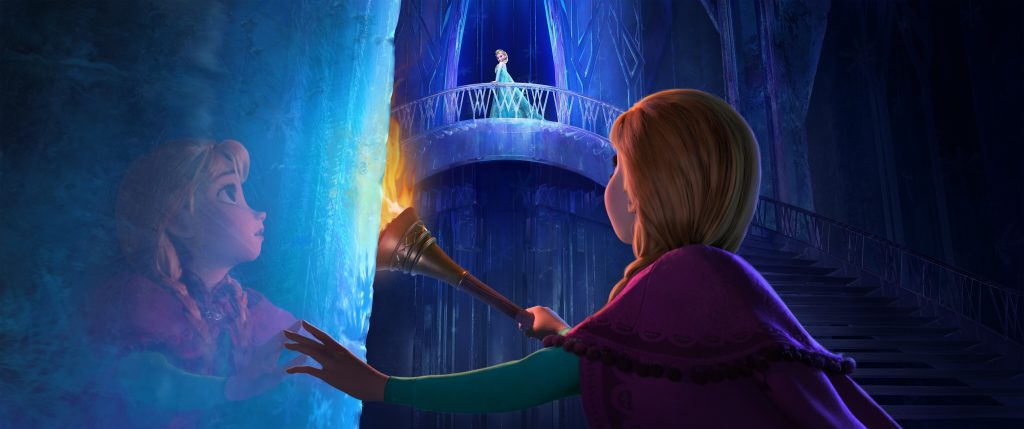
Frozen
The complete Frozen franchise hub for films, shorts, characters, reviews, rants, reactions, lore, cultural context, and the road to Frozen 3.
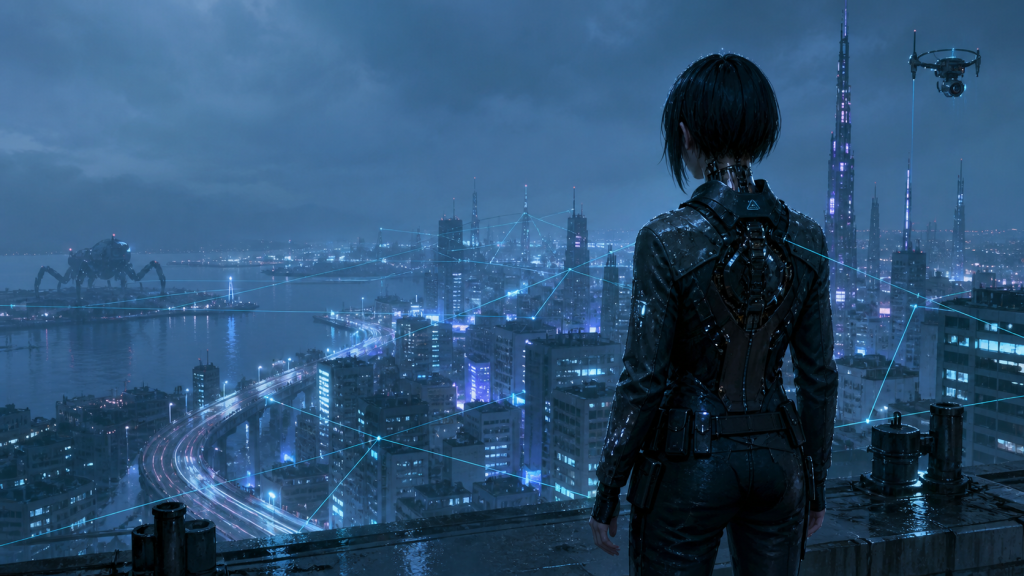
Ghost in the Shell
Enter Ghost in the Shell through its films, series, characters, cyberbrains, public-security systems, voice performances, and arguments about personhood.

Kiki’s Delivery Service
Follow Kiki’s Delivery Service through its Review, characters, performances, coastal-city lore, creative burnout, work, independence, and confirmed production history.
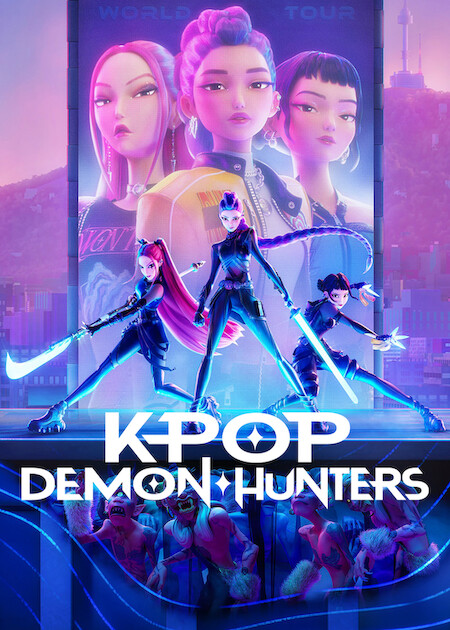
KPop Demon Hunters
The KPop Demon Hunters franchise hub connects the movie review, HUNTR/X, the Saja Boys, songs, cultural context, and future rants without filing…
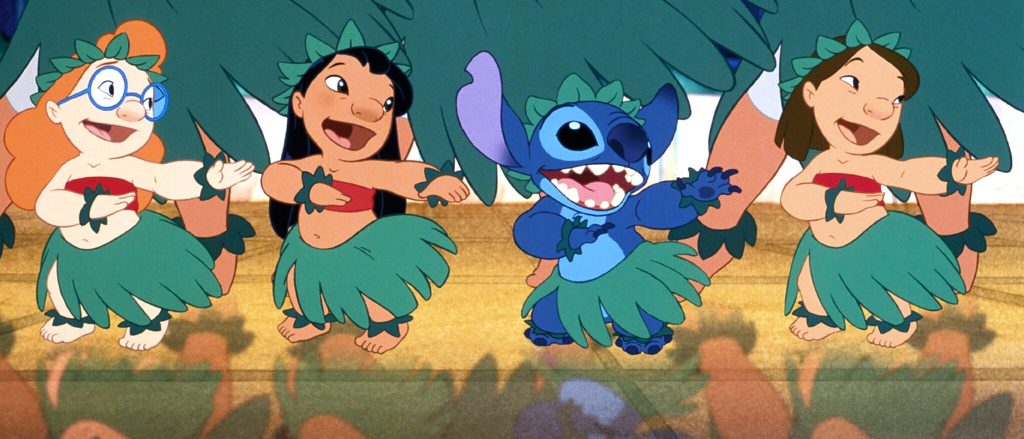
Lilo & Stitch
The complete Lilo & Stitch franchise hub for the films, 65-episode Hawaiian series, Japanese anime, Chinese donghua, characters, reviews, Reacts, rants, and…
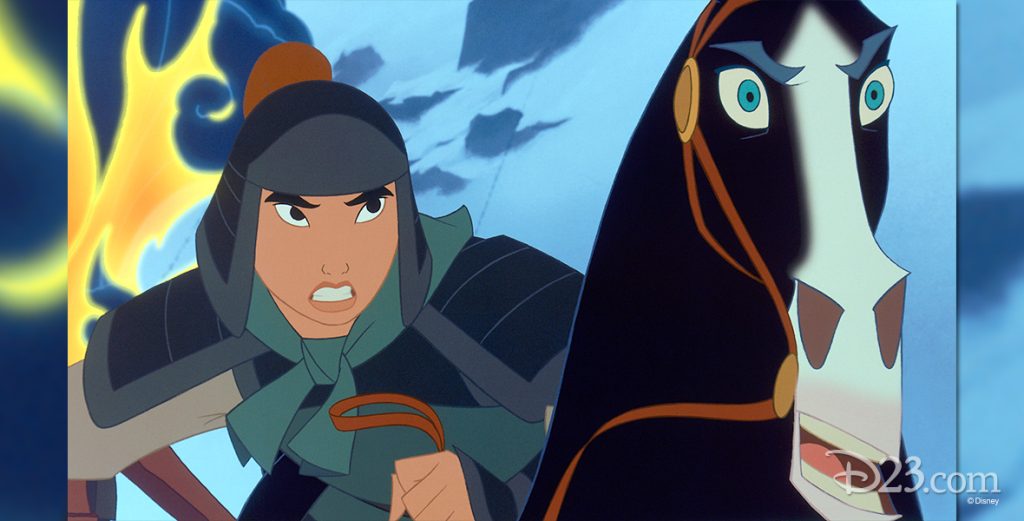
Mulan
The complete Mulan franchise hub for films, characters, full reviews, rants, cultural context, lore, and future guides across animation and live action.
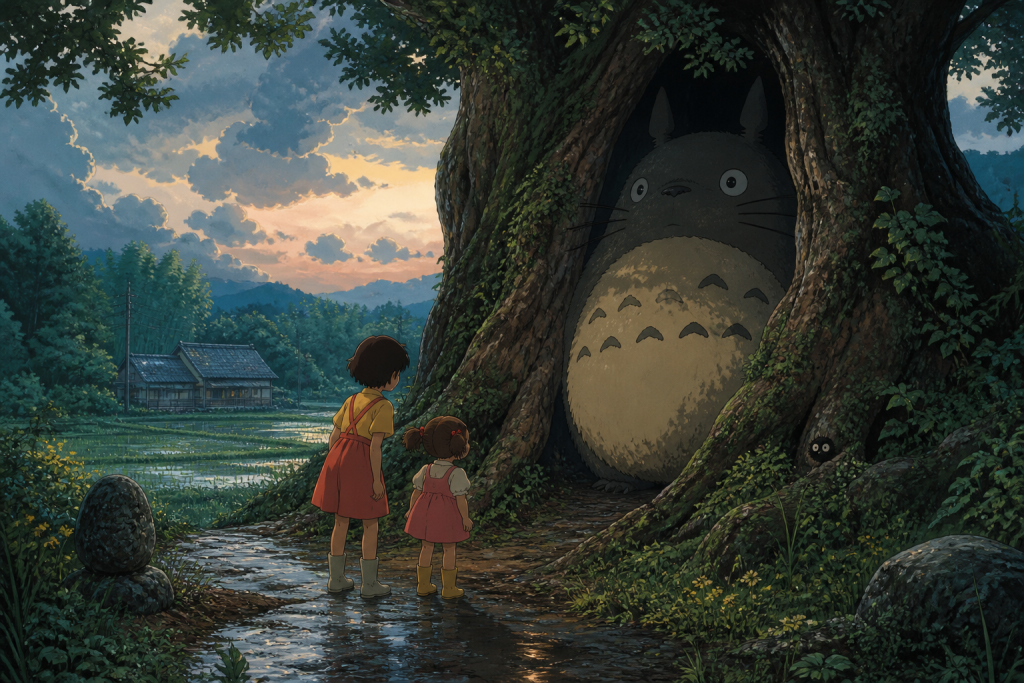
My Neighbor Totoro
Explore My Neighbor Totoro through its Review, characters, Japanese performances, rural family life, illness, childhood fear, nature, and confirmed franchise history.
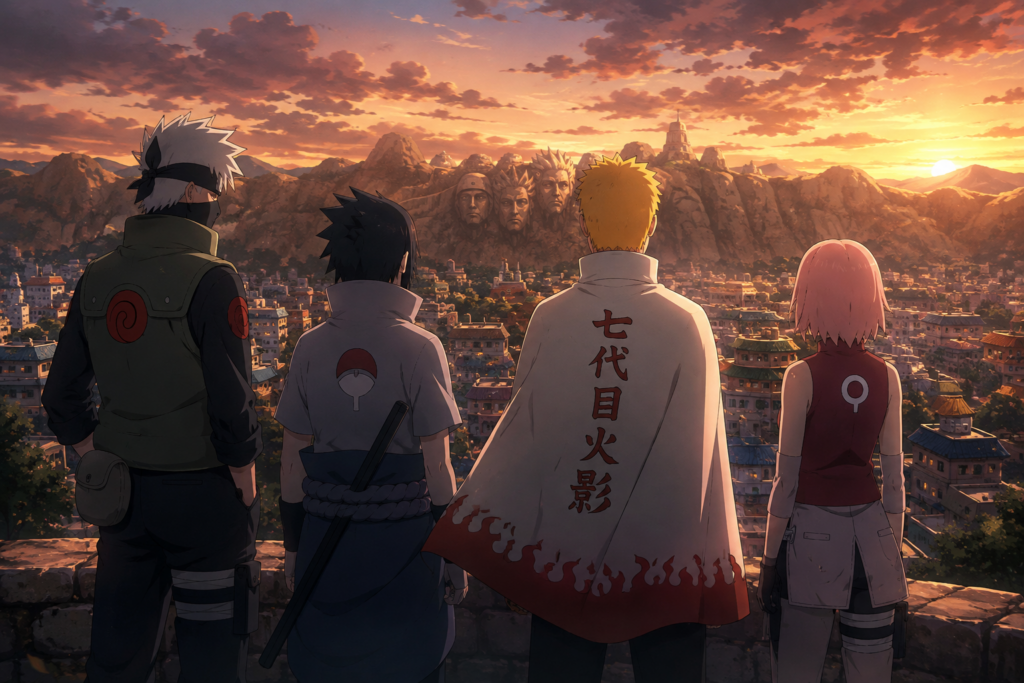
Naruto
Naruto anime series profile with the complete viewing order, major story arcs, character guide, filler notes, official links, and RaeRae’s episode recaps.
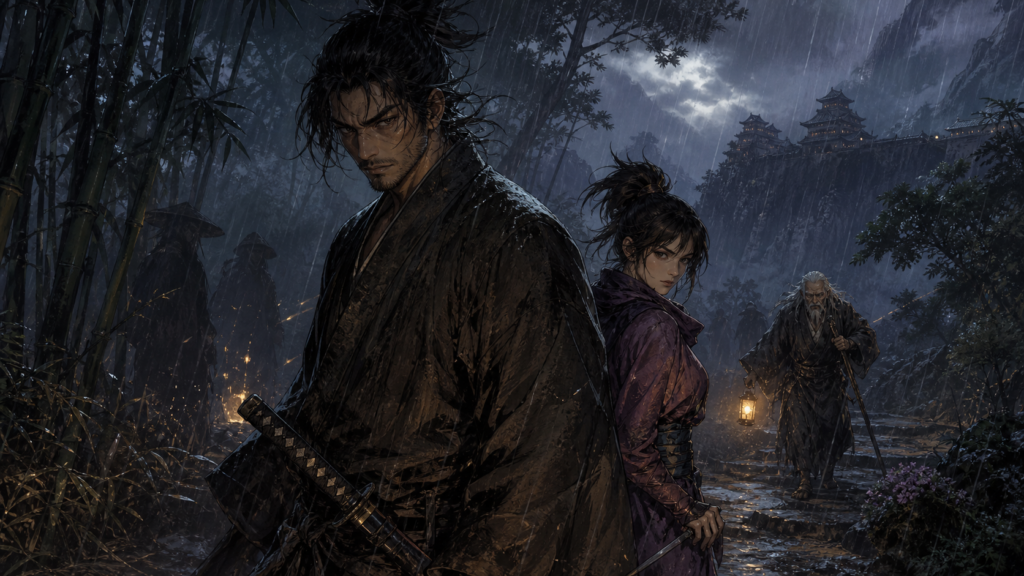
Ninja Scroll
Ninja Scroll maps the 1993 movie, its separate animated-series route, characters, voice cast, lore, reviews, rants, and restoration news without flattening the…
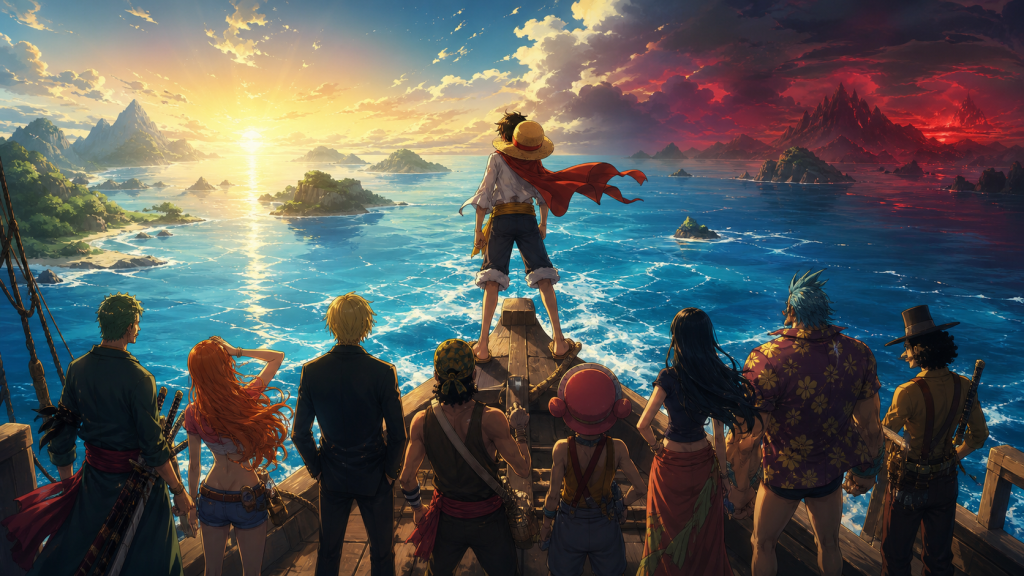
One Piece Anime Hub
The complete CVM Sekai One Piece anime hub: characters, episode Reacts, sagas, arcs, films, specials, reviews, editorials, Tea, and Rants in finite…
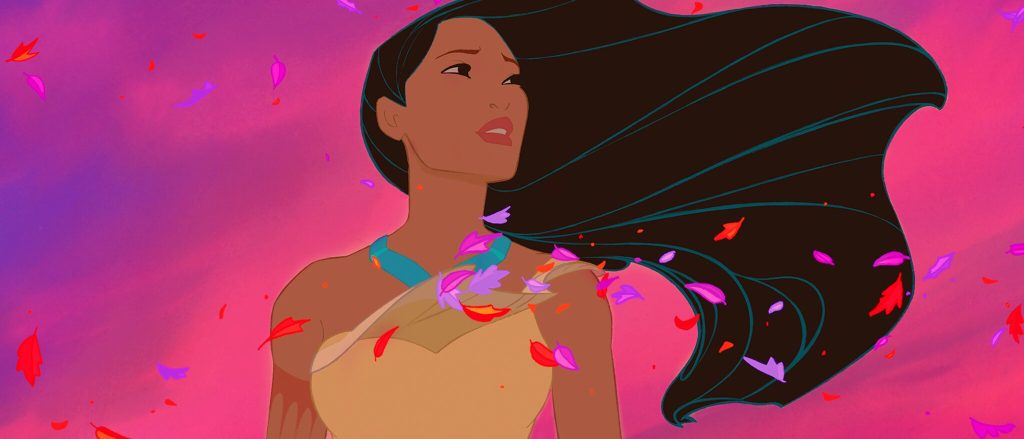
Pocahontas
The Pocahontas franchise hub for both animated films, fictional characters, documented history, deep reviews, rants, music, lore, and cultural guides.
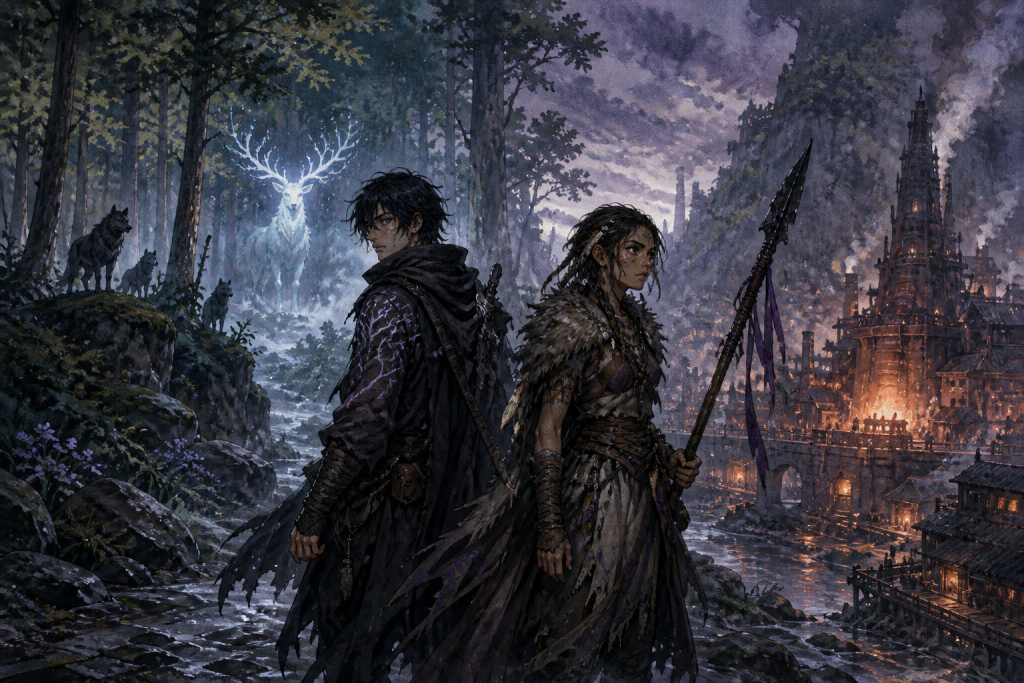
Princess Mononoke
A complete Princess Mononoke hub for the review, characters, Japanese voice actors, forest and Iron Town lore, editorials and confirmed news.
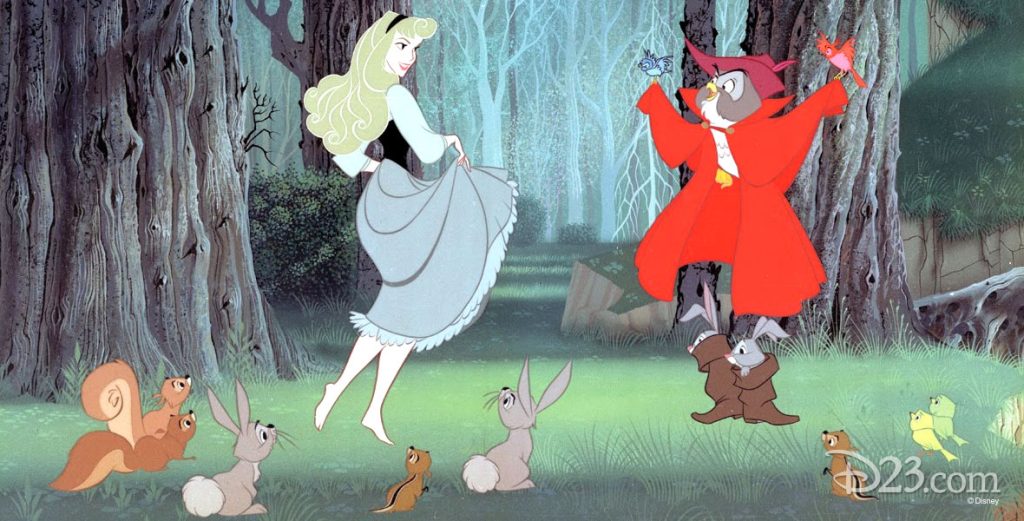
Sleeping Beauty
The Sleeping Beauty franchise hub for the 1959 animated film, both Maleficent films, characters, deep reviews, rants, fairy-tale history, curse rules, production…
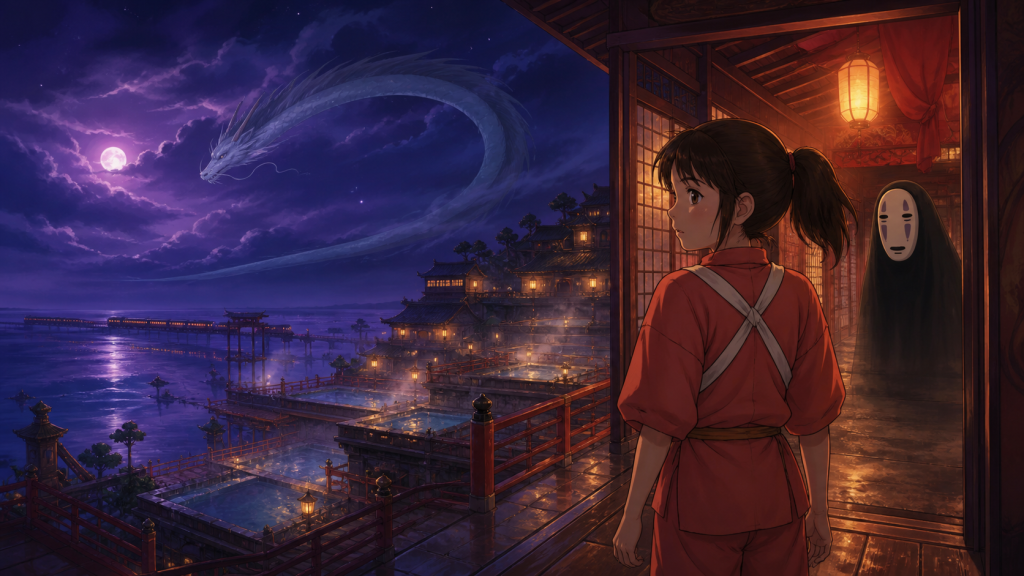
Spirited Away
A complete Spirited Away hub for the long review, characters, Japanese voice actors, bathhouse lore, editorials and confirmed production history.
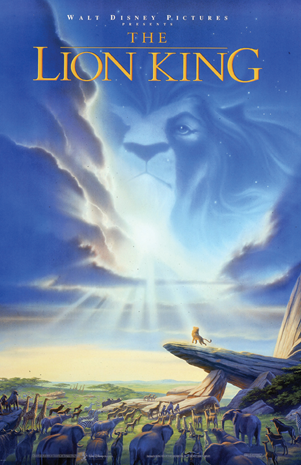
The Lion King
The Lion King franchise hub connects every animated film and series, the photoreal 2019 and Mufasa branch, characters, reviews, Reacts, production history,…
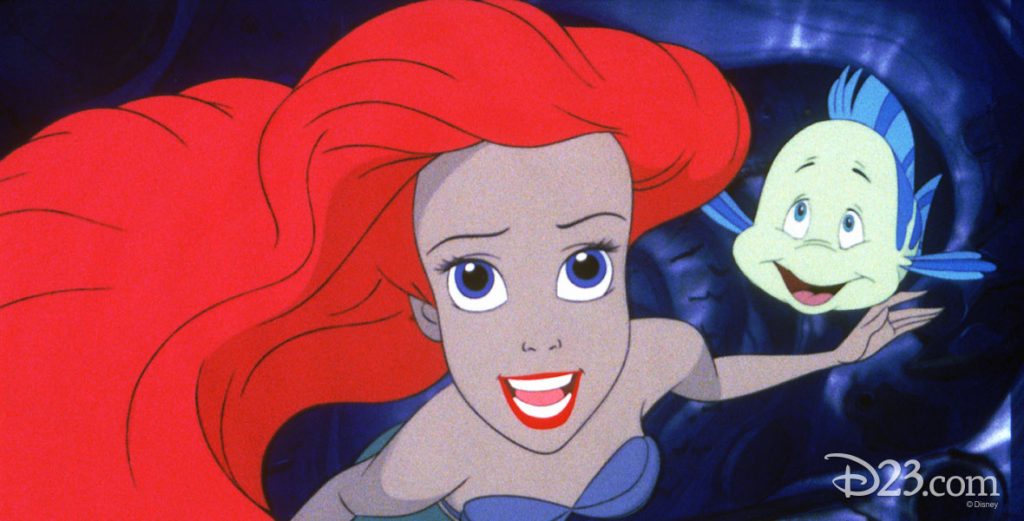
The Little Mermaid
The complete Little Mermaid franchise hub for films, the animated series, characters, reviews, rants, reactions, folklore, music, and production guides.
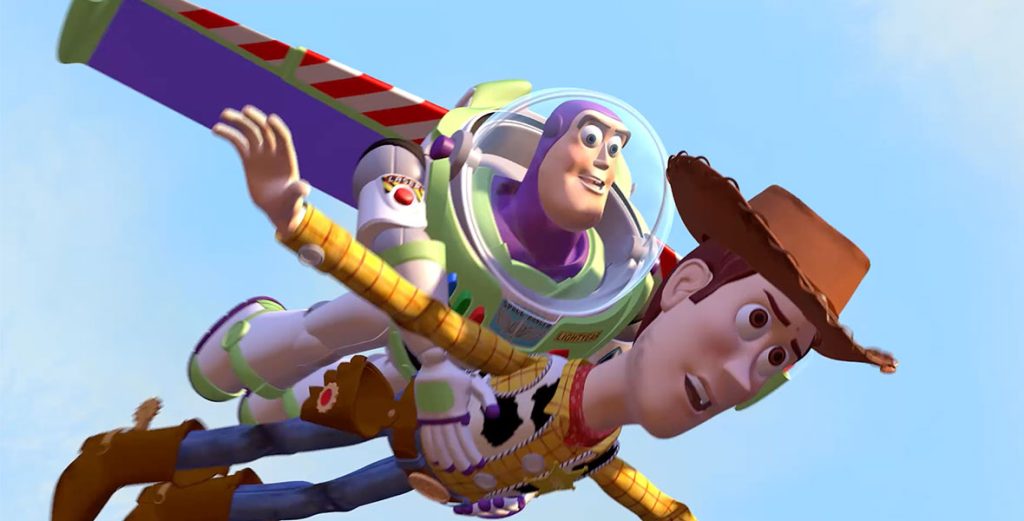
Toy Story
The Toy Story franchise hub connects every main film, Lightyear, shorts, specials, characters, reviews, production history, and future CGI branches.
Standalone film or one chapter in a bigger world?
A standalone movie should not make readers climb through a franchise index that adds nothing. Akira, Ninja Scroll, and other self-contained films open straight into their full reviews. A connected movie needs two doors. Someone browsing by format can find the individual review on this shelf, while someone following Naruto, Evangelion, Toy Story, Frozen, or another long-running world can reach the same film through that franchise’s viewing order.
That distinction keeps the library useful as coverage grows. Movie titles remain separate because each film has its own production, themes, ending, reception, and legal viewing routes. Franchise hubs provide the larger map without collapsing every sequel, OVA, television season, recap, character profile, and rant into one endless page. Readers get the exact review they asked for and a clear path outward when the surrounding world matters.