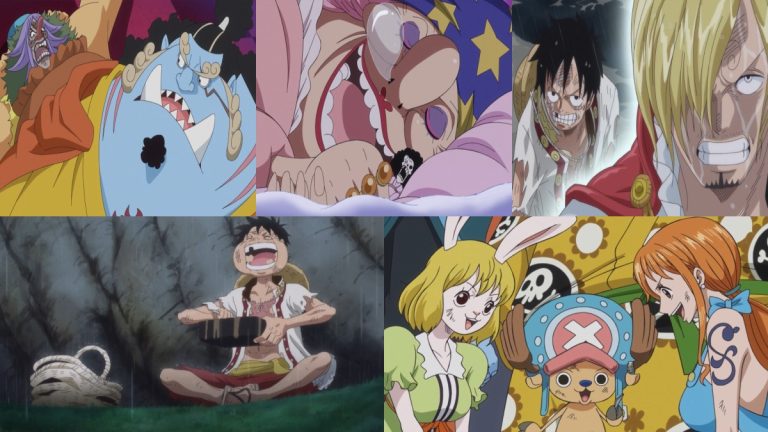
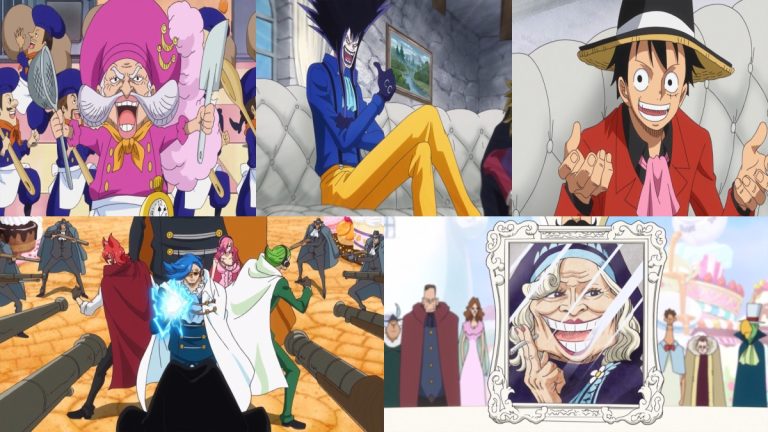
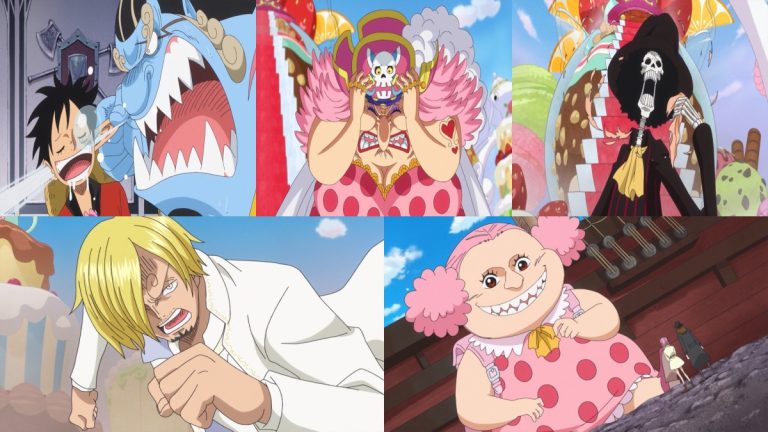
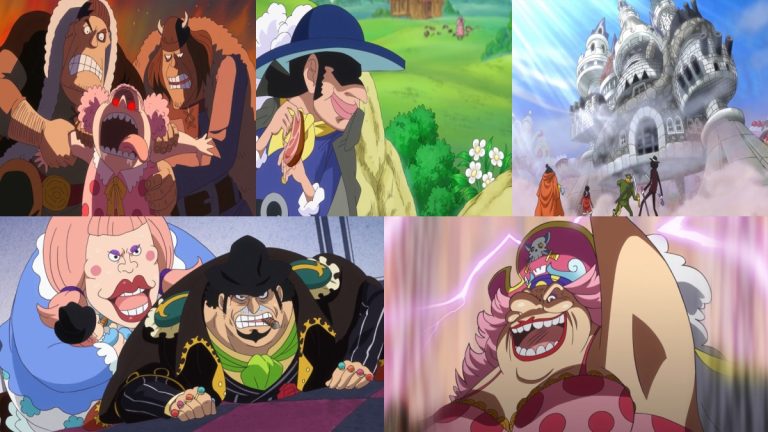
Powered by vibes, caffeine, and questionable life choices. 💀
CVM SEKAI ANIME HUB
One Piece
One reckless captain, a crew full of private dreams, and an ocean where freedom means very different things depending on who owns the food, the law, the history books, and the right to call somebody a criminal.
This is the complete CVM Sekai route through the One Piece anime: television series, episode Reacts, saga guides, characters, movies, specials, viewing order, politics, Tea, and Rants. Every shelf uses finished image cards so readers can choose a direction without digging through an endless recent-post feed.
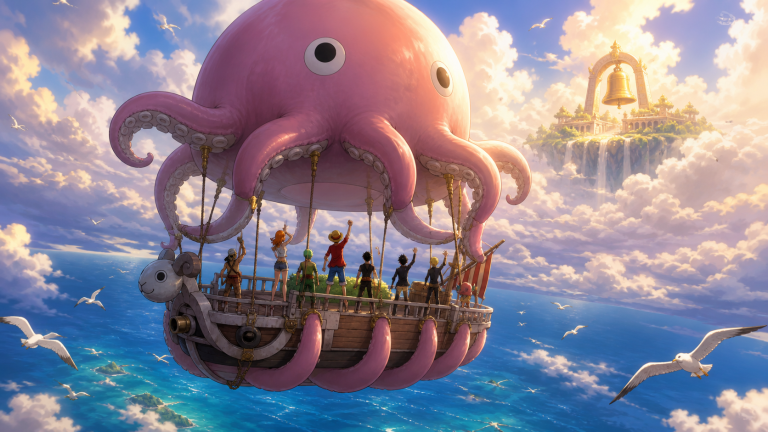
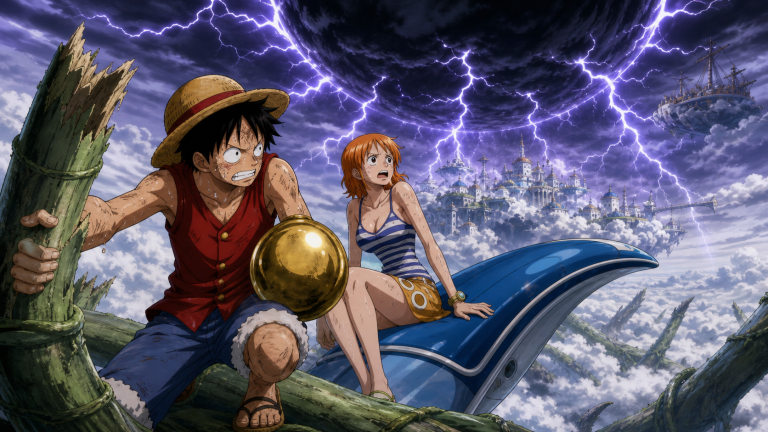
Luffy wants the freest life on the sea, and every island makes him prove what freedom costs
Monkey D. Luffy leaves East Blue to find the One Piece and become Pirate King. The goal sounds simple until every island reveals another person deciding who may eat, travel, remember, speak, work, inherit, or call themselves free. Luffy rarely arrives with a policy plan. He notices the person forced to live inside somebody else’s rules, gets angry, and then makes the local power structure everybody’s problem.
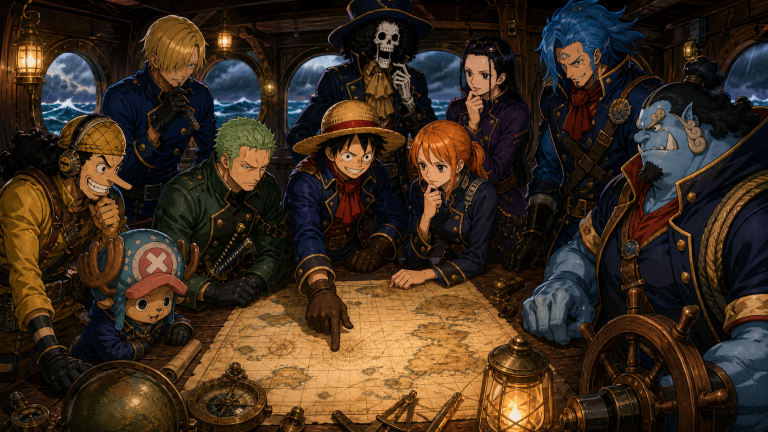
That approach can be liberating and reckless at the same time. Luffy gives people room to name what they want, but his speed often transfers tactical labor to the crew behind him. Nami has to read the weather and the room. Zoro protects the line when plans collapse. Sanji notices hunger and hidden motives. Chopper sees patients where institutions see monsters. Robin recognizes the historical violence under official language. Franky understands ships, labor, and the cost of turning invention into a weapon. Brook remembers what decades of isolation do to a person. Jinbe brings political memory Luffy cannot improvise.
One Piece works because freedom never stays an empty slogan. The story keeps asking who pays for another person’s adventure, who cleans up after a heroic entrance, and whether liberation lasts after the pirate ship leaves. Some arcs answer those questions better than others. CVM Sekai keeps the affection and the criticism in the same room.
The Straw Hats stay together because every member carries a separate dream. They do not become supporting furniture around the captain. Their skills keep the ship alive, their histories shape the injustice they recognize, and their disagreements stop freedom from becoming one loud man doing whatever he wants.
The crew also changes through people who travel beside them without occupying a permanent bunk. Vivi remains part of the emotional map after Alabasta. Ace changes Luffy’s understanding of family, grief, and helplessness. Law, Kin’emon, Momonosuke, Bon Clay, and many others enter for specific stretches without becoming honorary Straw Hats merely because fandom loves them. Relationship labels stay honest here.
Found family does not erase conflict. Usopp leaves over the Going Merry because grief, pride, money, usefulness, and leadership collide. Robin surrenders because twenty years of pursuit taught her that attachment creates targets. Sanji tries to protect the crew by returning to the family system that harmed him. The crew survives those ruptures when people stop speaking for one another and finally say what they want.
WATCH THE FRANCHISE
Choose the route you actually need
Start with the numbered television story if you want the full adaptation in broadcast order. Use the episode directory when you want a bounded set of RaeRae Reacts with exact previous and next navigation. Use the saga route when more than a thousand episode numbers feel like homework and you need the larger structural map first.
Movies, television specials, OVAs, and ONAs sit on separate shelves because “One Piece animation” does not mean one continuity. Some films fit loosely beside a television era. Some use canon characters inside stories that do not become manga history. Some specials recap material with new framing. Every page identifies the relationship instead of selling all animation as equally canonical.
The viewing-order guide is the practical route. The series guide is the reference route. Reviews judge complete works with hindsight. Episode Reacts stay close to the experience of watching one installment. Choose the job you need, then follow the image cards below.
Completed One Piece character profiles, relationships, powers, political context, performance notes, and RaeRae’s analysis will appear as bounded image cards.
Browse One Piece episode Reacts through bounded saga and season directories. Every finished episode receives its own local canonical image and static card.
The simplest One Piece viewing order follows numbered television episodes, then adds movies and specials at spoiler-safe breaks without treating them as required canon
Every episode gets a real argument, not a plot-summary receipt
Episode Reacts stay in broadcast order and follow the viewing experience through character choices, production work, political consequences, Japanese credits, and the exact moment RaeRae stopped pretending a terrible plan was fine. A React needs more than “this was emotional” pasted beneath twenty headings. The emotion has to connect to the scene, performance, direction, history, relationship, or system that caused the reaction.
The newest finished Reacts appear here as a curated preview. The complete archive stays divided into bounded saga and story-era directories, with unique local images and static cards. Episodes are never filed as Anime Reviews. Reviews belong to complete series, seasons, movies, and the franchise itself.
First meaningful character mentions connect to finished profiles. Official episode pages and lawful viewing routes remain visible. Rumor, fandom reading, production fact, visible evidence, and RaeRae’s interpretation stay separate, because confidence is not a receipt.
One Piece keeps putting politics at the table, hiding violence inside official language, and handing fandom enough receipts to argue until the Den Den Mushi gives up. These longer editorials pull one issue out of the adventure and follow the consequences.
Rants state the complaint early and build the case with scenes, patterns, adaptation choices, or industry behavior. Tea separates confirmed facts from reports, rumors, theories, and RaeRae’s take. Anime 101 pieces explain a subject without sanding away the weirdness that made fans care. None of those jobs belongs on the Reviews shelf merely because the post contains an opinion.
The first finished political editorials appear below. More cards will join the shelf only after the writing, canonical image, metadata, relationships, and responsive layout are complete.
Reviews judge a complete work, not a single episode. Start with CVM Sekai’s full television-anime review, then move through the films that earned a separate argument of their own. Every card below points to an actual long-form review with a local canonical image used consistently as the featured image, hero, and landing card. Episode-by-episode reactions stay in RaeRae Reacts where they belong.
One Piece can be wildly generous about freedom, hunger, grief, and found family while still testing a viewer’s patience with pacing, repetition, and choices about whose body becomes the joke. These reviews keep the love and the criticism in the same room. No plot-summary receipts. No pretending a famous title is beyond critique.
A complete One Piece television anime review about freedom, found family, food politics, the World Government, performance, pacing, and why the voyage still earns another horizon.
The image-card directories below cover every completed One Piece episode React from Episode 1 through Episode 1176, including clearly labeled television specials, crossover specials, recap specials, film tie-ins, crew-location episodes, and anime-original arcs. Choose a story-era shelf, then open any episode card without digging through a wall of links.
Follow One Piece Episodes 62 through 135 from Reverse Mountain and Whiskey Peak through Little Garden, Drum Island, Alabasta, and the crew stories that close the saga.
A bounded image-card directory for One Piece Episodes 136 through 143, covering Zenny and Goat Island before the Rainbow Mist traps the crew in Ruluka’s stolen history.
A bounded static image-card directory for One Piece Episodes 144 through 152, following the search for Sky Island through Jaya, Mock Town, Mont Blanc Cricket, and Bellamy’s dreamless violence.
A bounded static image-card directory for One Piece Episodes 153 through 176, from the White Sea and Heaven’s Gate through Angel Island, Upper Yard, and the opening survival struggle.
A bounded static image-card directory for One Piece Episodes 177 through 195, from the White-Barbed Death Match through the final battle for Skypiea and the golden bell.
A bounded image-card directory for all eleven One Piece G-8 episode Reacts, from the Merry’s impossible landing through the Straw Hats’ escape from Navarone.
A bounded static image-card directory for all thirteen One Piece Long Ring Long Land episode Reacts, from Tonjit’s return to the final Davy Back Fight consequences.
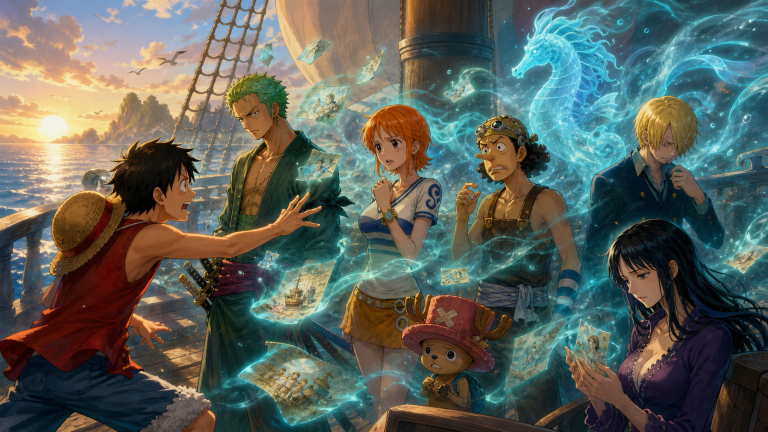
A bounded static image-card directory for all five One Piece Ocean's Dream episode Reacts, from the crew's stolen memories through the seahorse's final attempt to become a dragon.
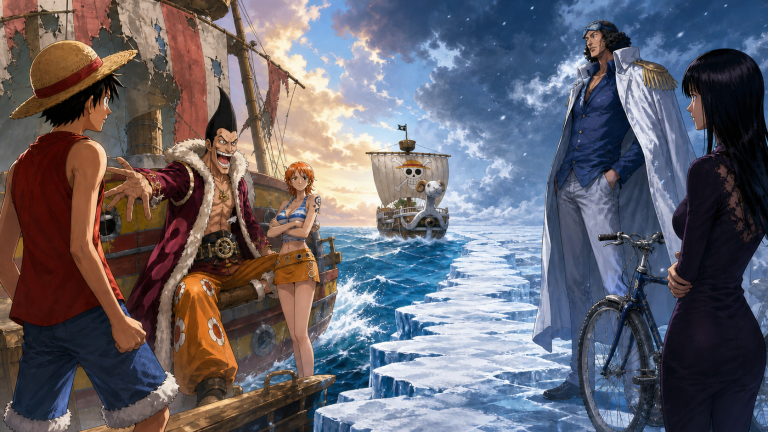
A bounded static image-card directory for four One Piece episode Reacts, from Foxy's last grab for authority through Aokiji's freezing warning about Robin.
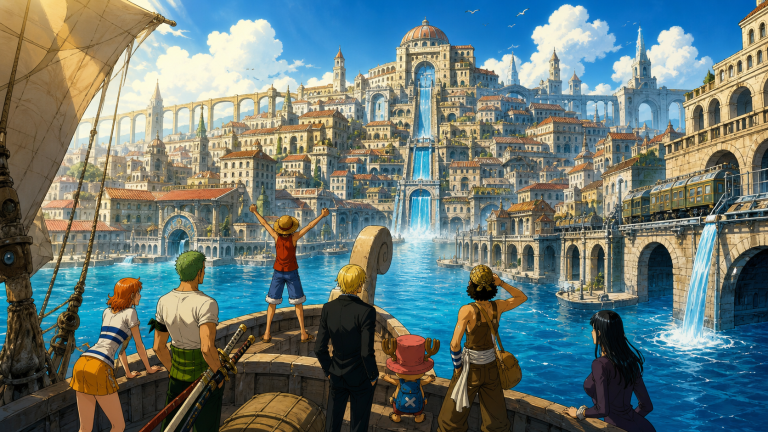
Eight One Piece episode Reacts covering the Straw Hats arriving in Water 7, the Going Merry verdict, Usopp leaving the crew, and the duel that makes everybody hurt.
Five One Piece episode Reacts covering Iceburg naming Robin, Franky versus Luffy, Water 7 hunting the crew, Robin saying goodbye, and Luffy choosing the missing truth.
Five One Piece episode Reacts covering CP9’s identity reveal, Franky’s secret bond with Iceburg, Robin’s refusal, Rokushiki, and Lucci’s leopard transformation.
Five One Piece episode Reacts covering Spandam’s betrayal, the giants’ stolen history, the King Bulls’ sacrifice, Blueno’s Six Powers, and Luffy’s Gear Second debut.
Five One Piece episode Reacts covering Robin’s refusal, Olvia’s return, Ohara’s destruction, Saul’s final promise, and the declaration that she wants to live.
Five One Piece Reacts examining the Enies Lobby recap run through Luffy, Zoro, Usopp, Nami, Sanji, Chopper, Robin, and the crew’s reasons for choosing one another.
Three One Piece Reacts covering Kaku and Jabra’s Zoan reveals, the consequences of Sanji’s refusal to fight Kalifa, and Franky’s cola-powered battle with Fukurou.
Two One Piece Reacts covering Zoro’s improvised Sogeking sword, Franky’s waterfall recovery, and Chopper’s dangerous second Rumble Ball against Kumadori.
Four One Piece Reacts covering Kalifa’s soap trap, Spandam’s accidental Buster Call, Nami’s mirage counterattack, and the effort to stop Monster Point Chopper.
Four One Piece Reacts covering Sogeking’s impossible rescue shot, Robin’s broken handcuffs, the Grand Jipang cherry-blossom special, and Gear Third’s debut.
Four One Piece Reacts covering Lucci’s dark-justice childhood, Kokoro’s mermaid rescue, the Buster Call striking allies, and the Bridge of Hesitation defense.
Five One Piece Reacts covering Oars crushing the General Zombies, Sanji interrupting Absalom’s wedding, Moria’s Doppelman defense, and Usopp exposing Perona’s ghostly trick.
Five One Piece Reacts covering Zoro and Ryuma’s rooftop finish, Chopper rejecting Hogback, Oars hunting the crew, and Nami waking inside Absalom’s forced wedding.
Five One Piece Reacts covering Robin refusing the crew docking gag, Kuma’s arrival, Blackbeard’s Warlord appointment, Moria entering Oars, and Robin losing her shadow.
Five One Piece Reacts covering Nightmare Luffy against Oars, the crew’s finishing combination, Moria’s thousand shadows, sunrise, and Kuma’s Ursus Shock.
Five One Piece Reacts covering the Spa Island showdown, Brook finding his place aboard the Sunny, the Red Line, Camie and Pappag, and Duval’s first attack.
Five One Piece Reacts covering Rayleigh freeing Camie, Kizaru deploying to Sabaody, the three captains breaking the Marine cordon, Roger’s history, and a light-speed reckoning.
Five One Piece Reacts covering Hancock’s Gorgon secret, Marguerite’s petrification, the snake-sister arena battle, Conqueror’s Haki, and the sisters’ enslavement history.
Five One Piece Reacts covering Luffy’s decision to save Ace, Hancock’s love sickness, and the scattered Straw Hats on Weatheria, Karakuri, Torino, Kamabakka, Tequila Wolf, and Greenstone.
Five One Piece Reacts closing the scattered Straw Hat destinations with Zoro and Brook, then opening Impel Down through Hancock, Buggy, Crimson Hell, Wild Beast Hell, and Magellan.
Five One Piece Reacts covering the four clearly labeled Little East Blue and Strong World tie-in television specials, then returning to Impel Down for Jinbe, Galdino, and the Sphinx.
Five One Piece Reacts covering the Pacifista encirclement, Squard’s betrayal, Whitebeard’s forgiveness, the siege walls, and Crocodile stopping Ace’s execution.
Five One Piece Reacts covering Luffy’s collapse, the second hormone injection, Koby’s stand, Conqueror’s Haki, Inazuma’s bridge, and Luffy versus Garp.
Five One Piece Reacts covering the sake oath, the brothers’ secret base, Naguri’s training, the giant tiger, and Sabo’s forced return to Goa’s nobility.
Five One Piece Reacts covering Gray Terminal’s fire, Sabo’s voyage and letter, Ace leaving Mt. Colubo, Dadan confronting Garp, and Luffy remembering his crew.
Five One Piece Reacts covering the Straw Hats learning about Ace, Rayleigh’s proposal, Nami and Franky’s escape plans, Zoro and Brook’s obstacles, and Ivankov returning to Sanji.
Six One Piece Reacts covering Luffy’s Marineford return, the 3D2Y message, the New World, the crew’s training decisions, Zoro’s bow, and Rayleigh beginning Haki training.
Five One Piece Reacts covering the Straw Hats returning after two years, the Fake Straw Hat crew, Brook leaving stardom, the Marine rally, and Luffy’s Haki-powered Pacifista victory.
Five One Piece Reacts covering the complete crew reunion, Kuma’s final protection, Caribou’s failed ambush, the Kraken battle, the monster trio’s separation, and the undersea volcanic escape.
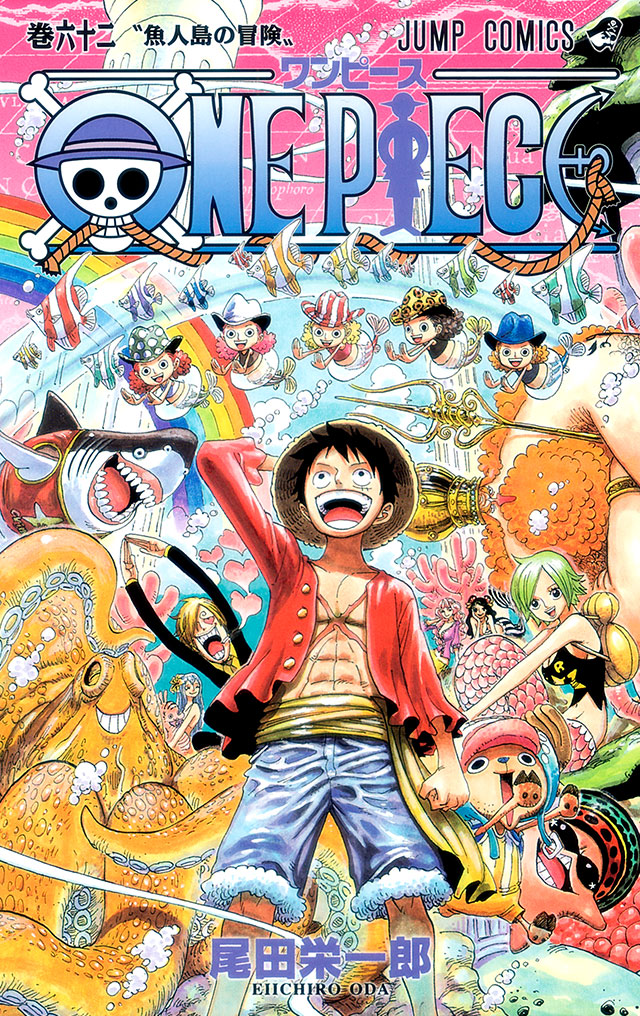
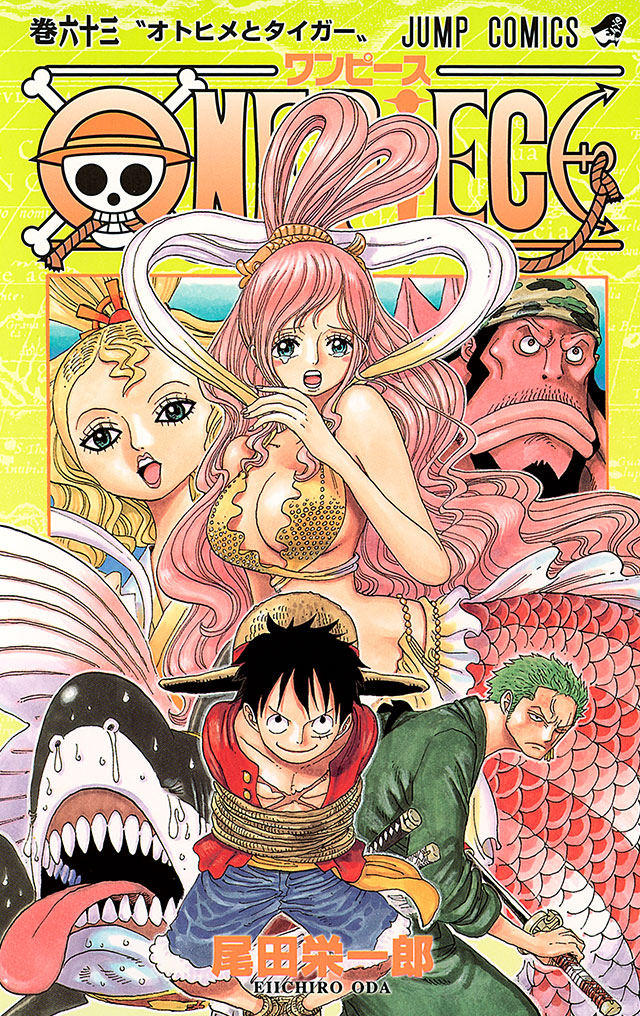
Five One Piece Reacts covering the forced island entry, Sanji’s blood crisis, Shyarly’s prophecy, Neptune’s invitation, Ryugu Palace, and Luffy meeting Princess Shirahoshi.
Five One Piece Reacts covering Decken’s pursuit, Hody’s palace takeover, Nami and Jinbe confronting Arlong’s history, Fisher Tiger’s liberation of Mary Geoise, and the Sun Pirates facing Kizaru.
Five One Piece Reacts covering the explicitly labeled Episode 542 Toriko crossover special, Fisher Tiger’s death, Jinbe and Arlong’s split, Otohime saving Mjosgard, and the queen’s assassination.
Five One Piece Reacts covering Nami’s answer to Jinbe, Neptune’s execution order, Luffy and Jinbe’s strategy fight, Hody’s Energy Steroid transformation, and the opening of the Gyoncorde Plaza battle.
Five One Piece Reacts covering Hody’s Otohime confession, Shirahoshi calling Luffy, Conqueror’s Haki dropping fifty thousand enemies, the crew’s post-timeskip showcase, and Franky’s Sunny vehicles.
Five One Piece Reacts covering General Franky, Noah falling toward Fish-Man Island, Shirahoshi drawing the ark away, Luffy battling Hody underwater, and the Straw Hats facing the New Fish-Man officers.
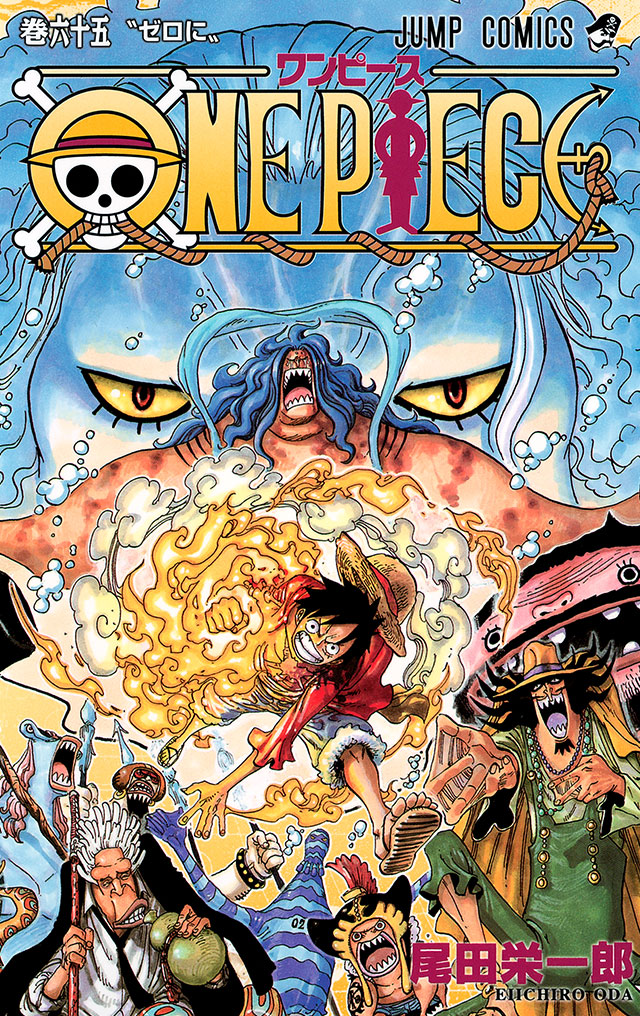
Five One Piece Reacts covering Hody’s underwater advantage, the revelation that humans did nothing to him, Fukaboshi’s plea for zero, Luffy’s Red Hawk, and the final defeat of Hody and his officers.
Five One Piece Reacts covering Elephant Gatling against Noah, the Sea Kings and Jinbe’s transfusion, Shirahoshi as Poseidon, Akainu and Blackbeard’s rise, and Luffy challenging Big Mom over Fish-Man Island.
Five One Piece Reacts covering the Fish-Man Island farewell, the New World entrance, and the explicitly labeled non-canon opening of the Z’s Ambition Film Z tie-in.
Five One Piece Reacts covering the explicitly labeled non-canon Z’s Ambition Film Z finale and the canon opening of Punk Hazard with its distress call, dragon, and severed-head samurai.
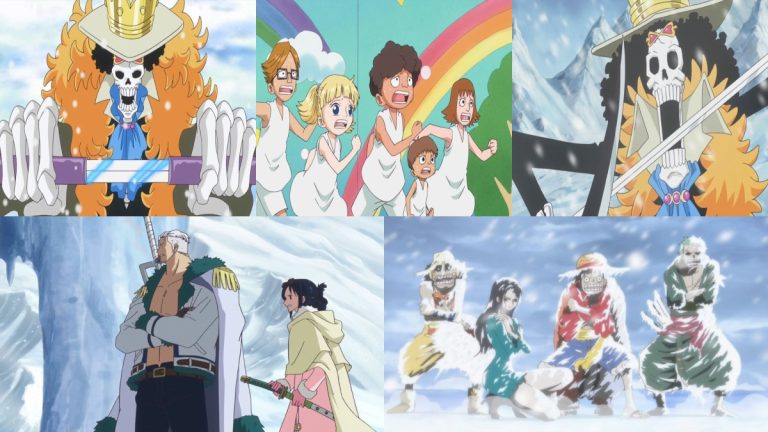
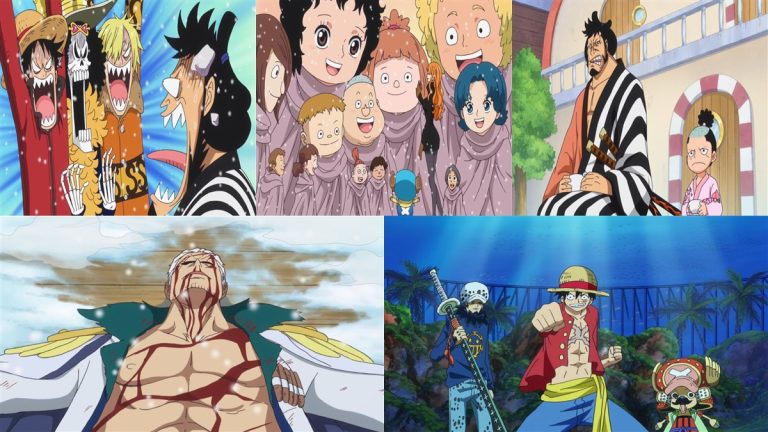
Five canon One Piece Punk Hazard Reacts covering the island’s fire-and-ice secret, the giant children’s rescue, Kin’emon’s wandering torso, Trafalgar Law’s return, and Luffy’s freezing-lake crisis.
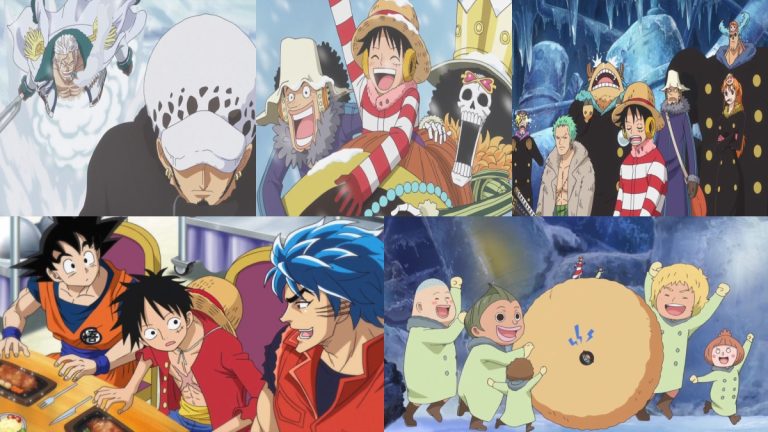
Five One Piece Reacts covering Law versus Smoker, Luffy and Law’s reunion, Caesar Clown’s reveal, the explicitly labeled non-canon Toriko and Dragon Ball Z crossover, and Chopper exposing the child experiments.
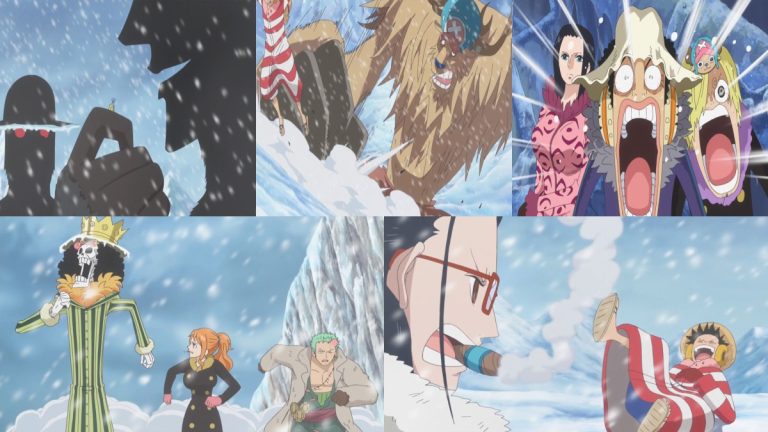
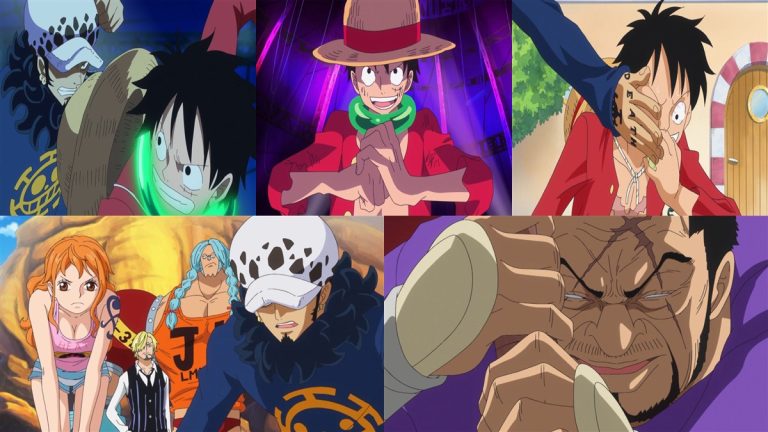
Five canon One Piece Punk Hazard Reacts covering the Yeti Cool Brothers’ ambush, Nami’s rescue, Luffy and Law’s alliance against Kaido, the Caesar capture operation, and Smiley’s arrival.
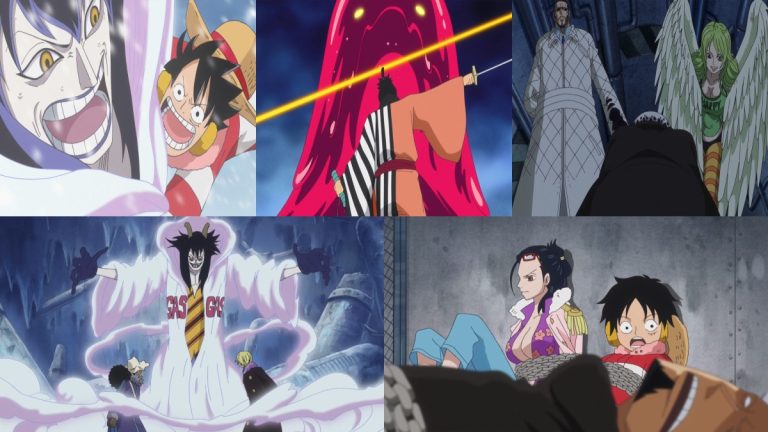
Five canon One Piece Punk Hazard Reacts covering Caesar’s oxygen attack, Kin’emon’s Foxfire restoration, Vergo’s G-5 betrayal, the children’s recapture, and the Shinokuni weapons broadcast.
Five canon One Piece Punk Hazard Reacts covering Shinokuni’s activation, Law’s cage escape, the charge toward Building R, G-5’s sacrifice, and Sanji’s battle with Vergo.
Five canon One Piece Punk Hazard Reacts covering Luffy versus Caesar, Doflamingo’s response, Monet’s snow trap, Smoker versus Vergo, and Momonosuke’s dragon reveal.
Five canon One Piece Punk Hazard Reacts covering Zoro and Tashigi versus Monet, Mocha’s sacrifice, Brownbeard’s testimony, and Smoker’s strategy against Vergo.
Five One Piece Reacts covering the Punk Hazard reunion and departure, Doflamingo versus G-5, Aokiji’s intervention, and the labeled non-canon Caesar Retrieval opening.
Five One Piece Reacts covering the labeled non-canon Caesar Retrieval finale and the canon transition into Dressrosa, Fujitora, and the Corrida Colosseum.
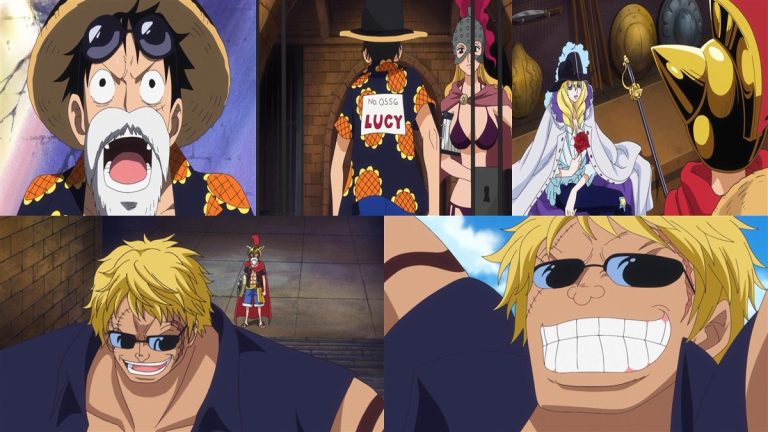
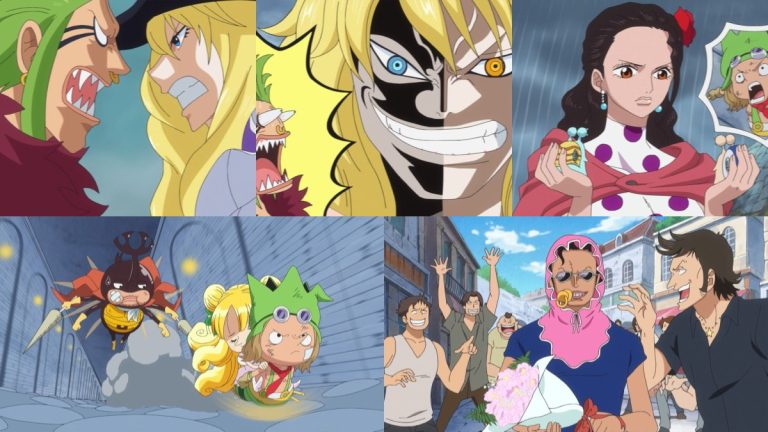
Five canon One Piece Dressrosa Reacts covering Violet and Sanji, Lucy’s registration, Cavendish and Rebecca, Bellamy’s return, and Bartolomeo’s B-block barrier.
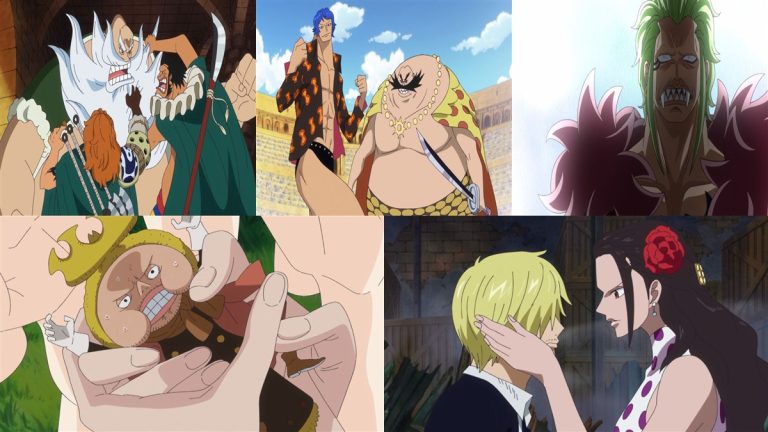
Five canon One Piece Dressrosa Reacts covering Fujitora’s decision, the colosseum final, Pica’s moving palace, Sabo’s Dragon Claw, and the Tontatta charge.
Five canon One Piece Dressrosa Reacts covering Kyros’s restored body, Sabo inheriting Ace’s fire, the Revolutionary Army, Birdcage, and God Usopp’s bounty.
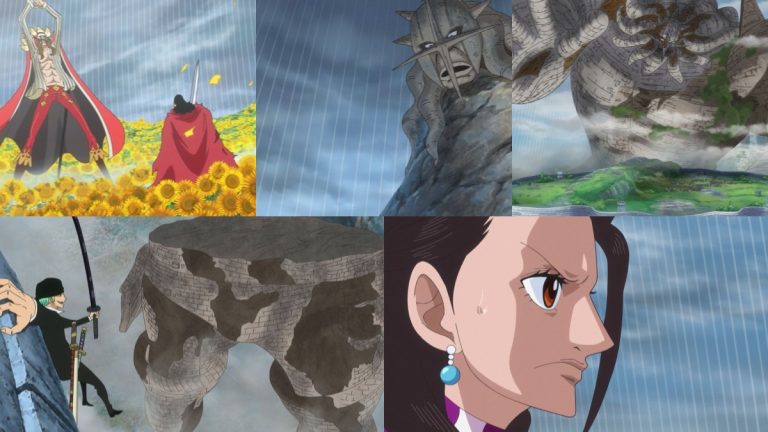
Five canon One Piece Dressrosa Reacts covering Zoro versus Pica, captive Mansherry, the Headcracker Dolls, Luffy as the coalition’s trump card, and Rebecca’s reunion with Kyros.
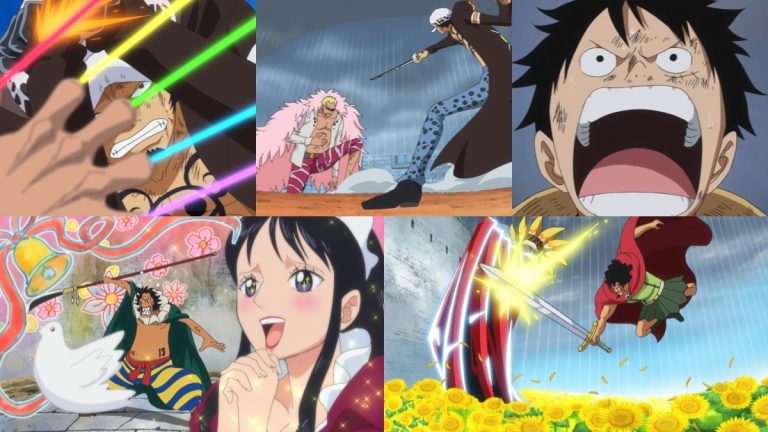
Five canon One Piece Dressrosa Reacts covering Zoro’s decisive cut, Luffy and Law’s counterattack, Doflamingo’s origins, the Op-Op Fruit secret, and Law’s White Town childhood.
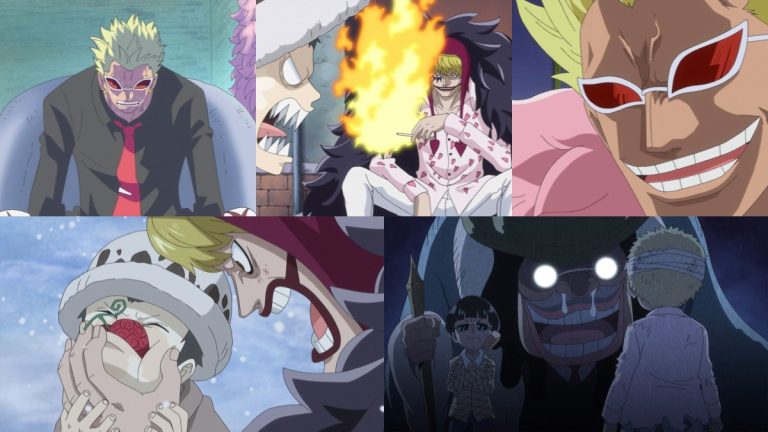
Five canon One Piece Dressrosa Reacts covering Doflamingo’s childhood, Corazon’s search for Law’s cure, the Op-Op Fruit heist, and the farewell that saves Law.
Five canon One Piece Dressrosa Reacts covering Law’s fight for freedom, Hajrudin’s giant stand, Sai and Baby 5’s battle of love, and Bellamy’s last charge.
Five canon One Piece Dressrosa Reacts covering Law’s Gamma Knife, Luffy and Doflamingo’s Haki clash, Trebol’s secret, shared responsibility, and Gear Fourth Bounce-Man.
Five canon One Piece Dressrosa Reacts covering Doflamingo’s awakening, Leo Bazooka, Luffy’s Haki recovery, Mansherry’s healing, and the country pushing against the Birdcage.
Five canon One Piece Dressrosa Reacts covering the final countdown, King Kong Gun, Dressrosa’s freedom, Fujitora’s apology, and the Worst Generation’s response.
Five canon One Piece Dressrosa Reacts covering Sabo’s Revolutionary path and reunion, Kaido’s entrance, Fujitora’s siege, and Rebecca’s apparent kidnapping.
Five canon One Piece Dressrosa Reacts covering Rebecca’s family choice, Luffy versus Fujitora, the Straw Hats’ escape, the Grand Fleet, and New World fallout.
Five canon One Piece Zou Reacts covering Pekoms’s homecoming, Bege’s arrival, Sanji’s arranged marriage, his farewell note, and Luffy’s rescue decision.
Five canon One Piece Zou Reacts covering the rulers’ voyage with Oden, Jack’s return, Zunesha’s counterattack and treatment, and the departure for Sanji.
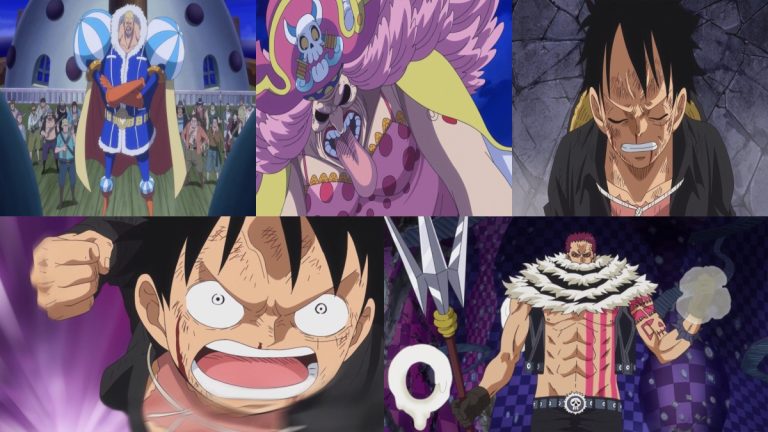
Five canon One Piece Whole Cake Island Reacts covering Pudding’s offer, Big Mom’s hunger rampage, Jinbe’s request, Pedro’s mission, and the Seducing Woods.
Five canon One Piece Whole Cake Island Reacts covering the Luffy and Sanji duel, Big Mom’s Enraged Army, Pudding’s proposal scene, and Luffy’s capture.
Five canon One Piece Whole Cake Island Reacts covering the book prison, Road Poneglyph operation, Lola’s marriage history, Pudding’s whisper, and Pedro’s eye.
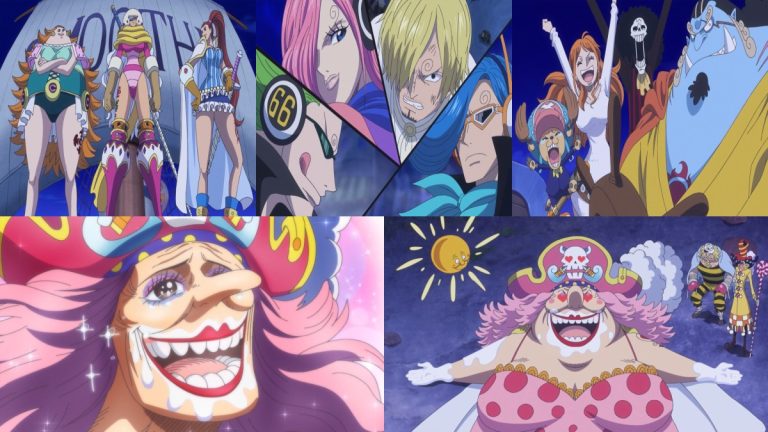
Five canon One Piece Whole Cake Island Reacts covering Chiffon’s chosen family, Bege’s assassination plan, the underworld guests, and the wedding entrance.
Five canon One Piece Whole Cake Island Reacts covering Sanji’s compliment, Jinbe’s sake cup, the delayed scream, Germa’s rescue, and Linlin’s Elbaf childhood.
Five canon One Piece Whole Cake Island Reacts covering Carmel’s disappearance, the failed assassination, Big Father, Germa’s rear guard, and Sanji’s boundary with Judge.
Five canon One Piece Whole Cake Island Reacts covering the Tamatebako explosion, chateau collapse, Big Mom’s pursuit, King Baum, and Nami’s Zeus strike.
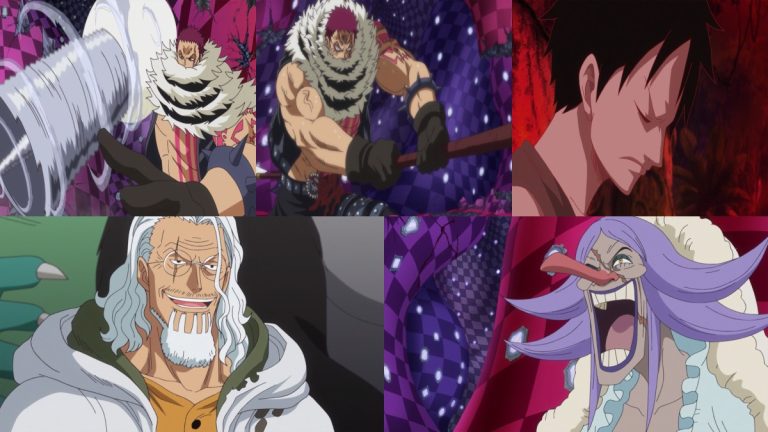
Five canon One Piece Whole Cake Island Reacts covering the cake team, Sunny defense, Pedro’s dawn, Coup de Burst, and Luffy entering Mirror World against Katakuri.
Five canon One Piece Whole Cake Island Reacts covering Sanji’s cake kitchen, Jinbe’s Green Room, Mogura, Katakuri’s awakening, and the forbidden merienda.
Five canon One Piece Whole Cake Island Reacts covering Katakuri’s weakness, Praline’s sabotage, Chiffon’s rebellion, Bege’s return, Pound, and the cake escape.
Five canon One Piece Whole Cake Island Reacts covering Carrot’s Sulong, Big Mom boarding the Sunny, Brook cutting Zeus, Luffy’s future sight, and Sanji’s return.
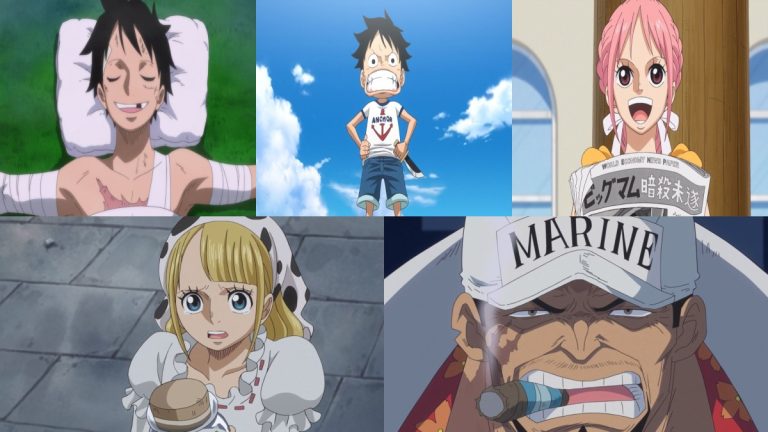
Five canon One Piece Reacts covering Pudding’s farewell, Morgans’s fifth-emperor headline, Koby and Rebecca, the Revolutionary commanders, and Sakazuki.
Five canon One Piece Reverie Reacts covering Marineford’s legacy, Shirahoshi seeing the sun, Vivi and Rebecca, the giant straw hat, and Charloss’s attack.
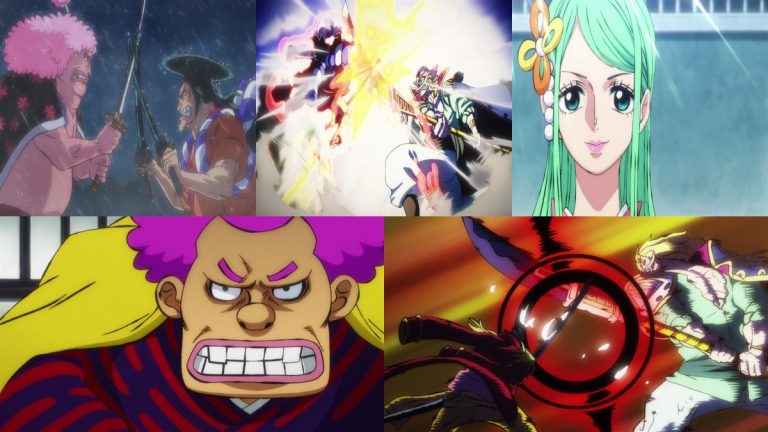
Five One Piece Reacts covering the alternate-story Romance Dawn special, Okobore’s feast, Wano’s propaganda, Oden’s fall, and the Fire Festival raid plan.
Five canon One Piece Wano Reacts covering Tonoyasu and Zoro, Big Mom reaching Wano, King’s interception, Soba Mask, Page One, Robin, and the Oniwabanshu.
Five canon One Piece Wano Reacts covering Tonoyasu’s kindness, Ushimitsu Kozo, Yasuie’s execution, the truth of failed SMILE, and Zoro and Sanji protecting Toko.
Five canon One Piece Wano Reacts covering the execution-ground battle, Kid and Killer, Big Mom invading Udon, Queen’s defeat, and Luffy awakening Ryuo.
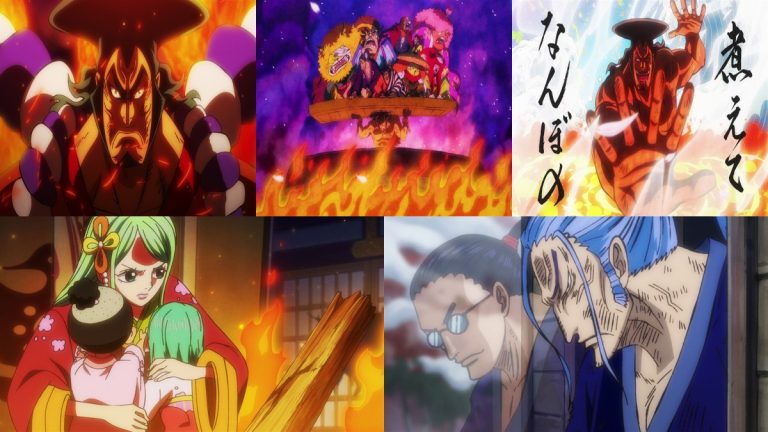
Five canon One Piece Wano Reacts covering Yasuie’s burial, Hiyori and Kawamatsu, Onimaru, Enma, Apoo’s betrayal, the Emperor alliance, and final raid preparations.
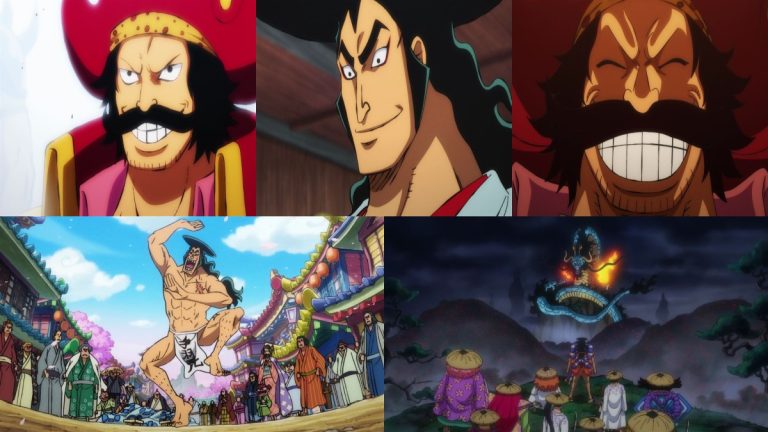
Five canon One Piece Reacts covering Roger’s final route, Laugh Tale, the Pirate King crew’s farewell, Oden’s return, and the first raid against Kaido.
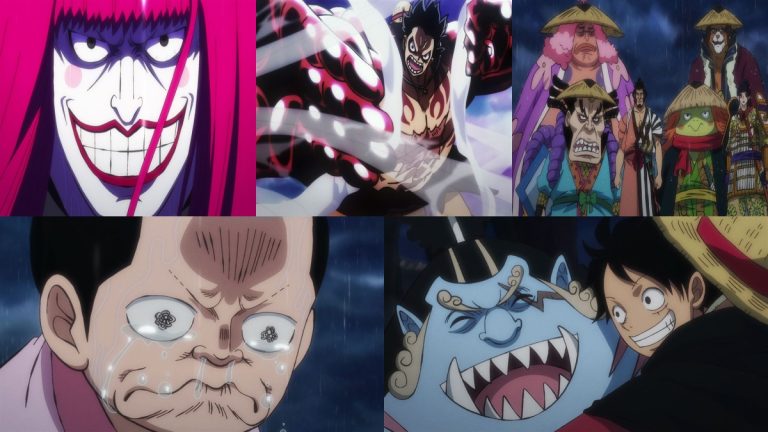
Five canon One Piece Reacts covering Yamato’s Oden identity, Kiku against Kanjuro, Kaido’s coup, Momonosuke’s declaration, and the beginning of total war.
Five canon One Piece Reacts covering the Worst Generation’s rooftop assault, Tama’s dango network, Sanji asking Robin for help, and Robin rejecting Kaido’s ownership.
Five canon One Piece Reacts covering Chopper’s Ice Oni cure, Kanjuro’s false Oden, Ashura’s sacrifice, Hakai, and the plan to separate Big Mom from Kaido.
Five One Piece Reacts covering Ginny’s farewell, Kuma raising Bonney, Sorbet’s revolution, Saturn’s bargain, Bonney’s escape, and Kuma’s final message.
Five One Piece Reacts covering Vegapunk’s global message, the Five Elders assembling, the giants rescuing Luffy, and Stussy and Edison protecting the escape.
Five One Piece Reacts covering Vegapunk’s sinking-world warning, Joy Boy and the Void Century, the D message, Bonney’s freest future, and Emeth awakening.
Five One Piece Reacts covering Nami’s block castle, Road’s fake Sun God country, the Elbaf reveal, Loki beneath Treasure Tree Adam, and Shanks entering the bargain.