The television journey, checked August 31, 2026
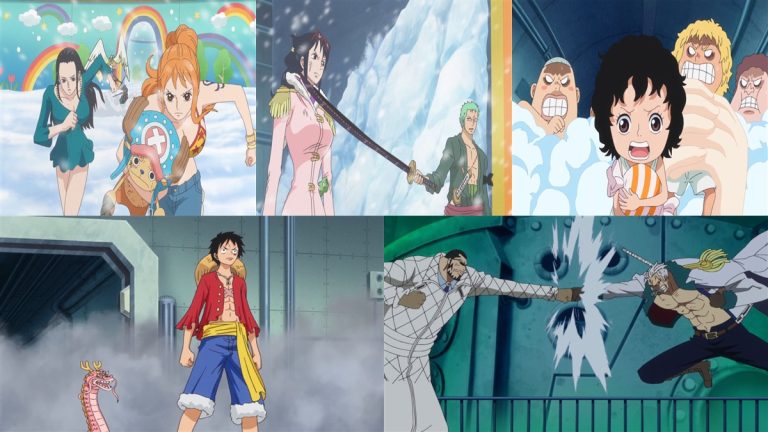
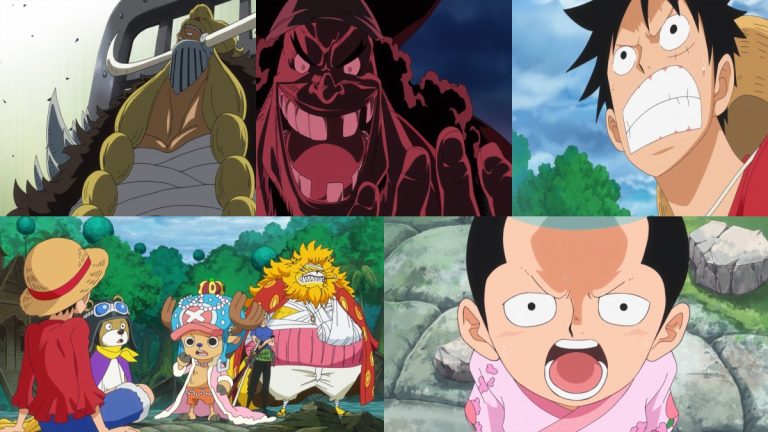
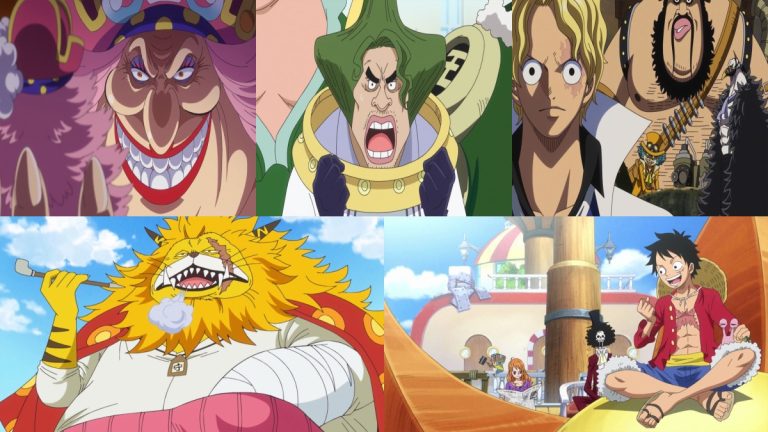
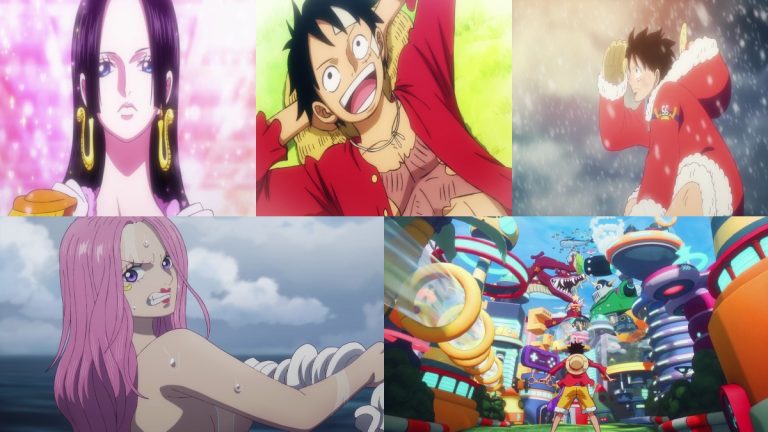
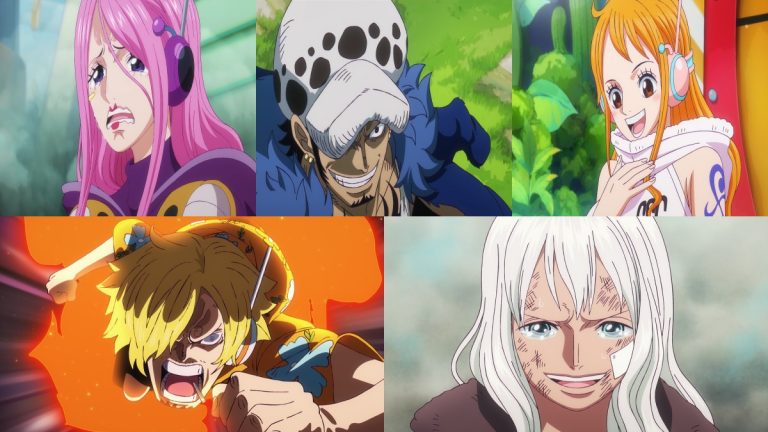
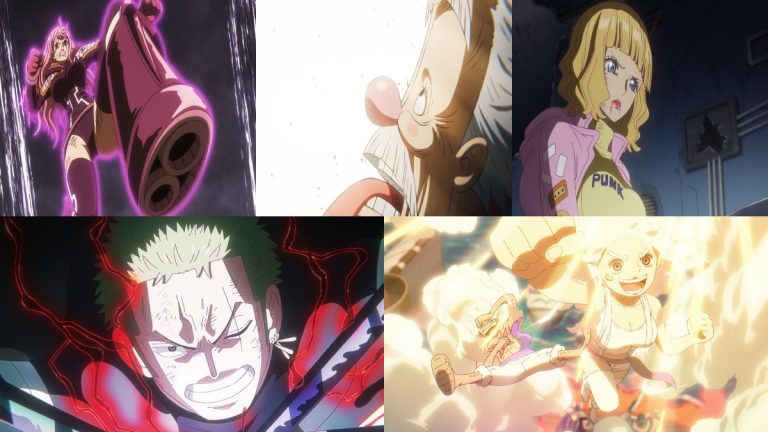
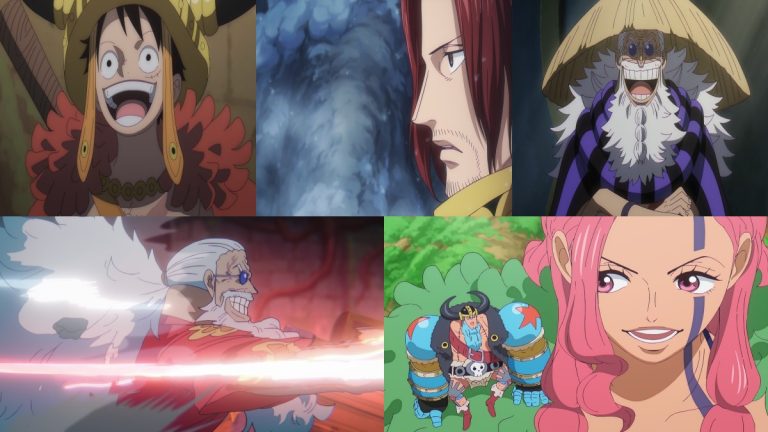
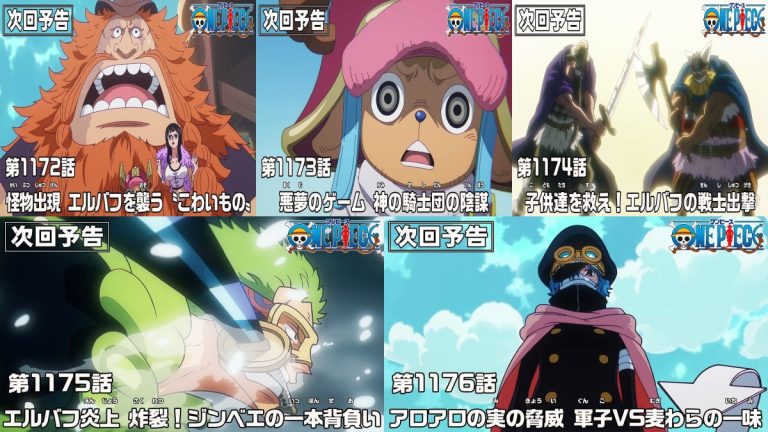
Toei Animation’s One Piece television series premiered in Japan on October 20, 1999. Episode 1175 is the latest numbered episode aired as of this page’s status date. Episode 1176 is scheduled for August 30, so a future listing should never be presented as already broadcast. The current Elbaf Arc began with Episode 1156 on April 5, 2026.
The official ONE PIECE.com anime archive and story index are the source of record for Japanese episode dates and arc ranges. Distributor season labels change across services and countries. CVM Sekai therefore organizes the anime by numbered episode and story arc, two identifiers viewers can carry between platforms.
What changed after Egghead
Egghead concluded with Episode 1155 on December 28, 2025. The anime paused from January through March 2026 before beginning Elbaf. Toei’s announced production approach targets no more than 26 episodes during 2026 and aims toward roughly one manga chapter adapted per anime episode.
The change matters because weekly production speed and adaptation density affect the viewing experience. Fewer annual episodes can allow schedules, storyboards, animation supervision, and post-production more room. A chapter-per-episode target is a direction rather than a promise that every installment will have identical pacing.
There is one main TV anime, not a clean set of Western seasons
The long-running series uses continuous episode numbering. Some streaming services divide the same material into seasons for catalog management, licensing, dubbing, or interface design. Those packages do not consistently match Japanese story arcs or one another.
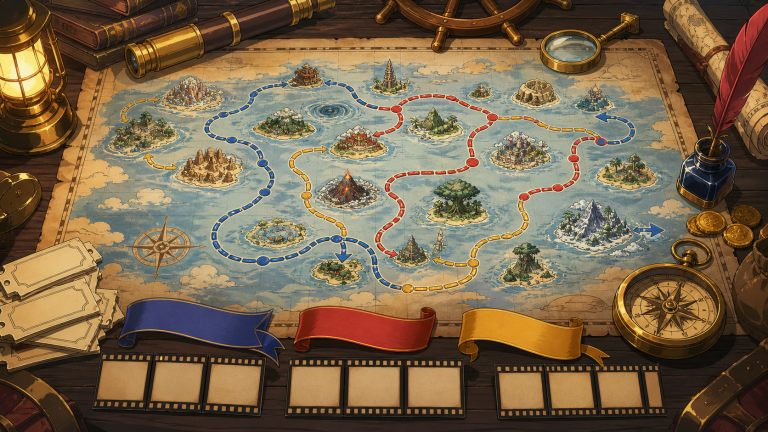
A viewer searching for “Season 12” can land in different parts of the voyage depending on the service. Episode 229 and the Water 7 label communicate more reliably. CVM Sekai uses saga directories for scale, arc names for story position, and episode numbers for exact order.
The official story ranges
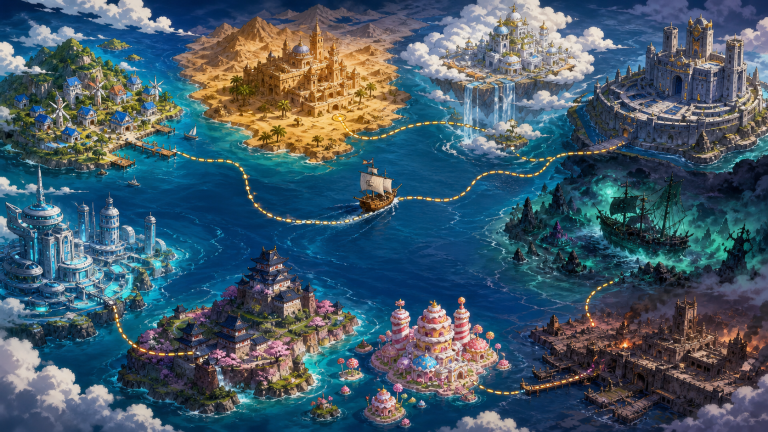
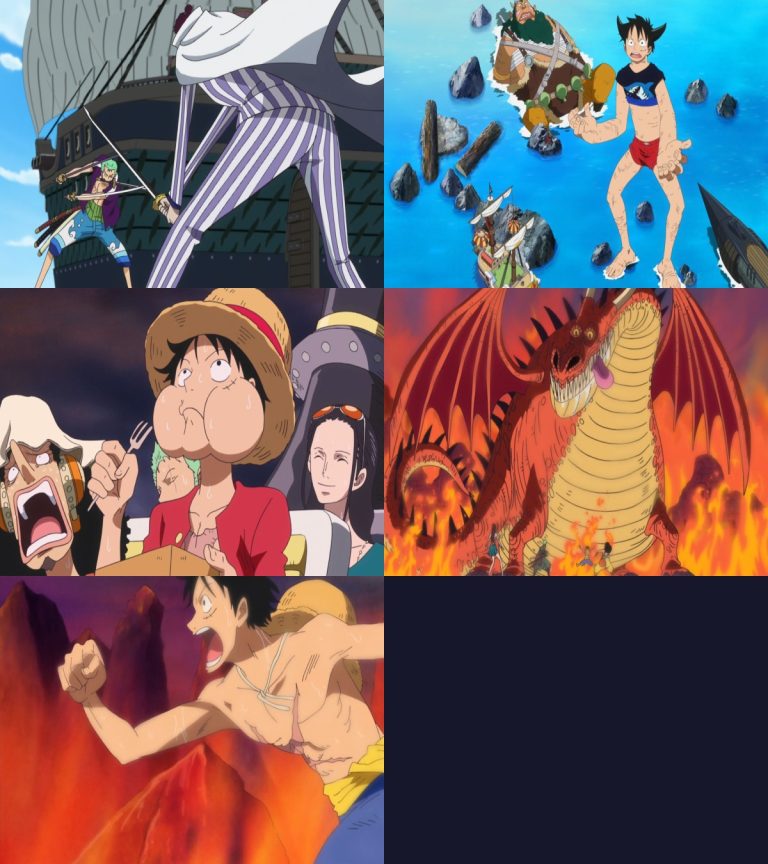
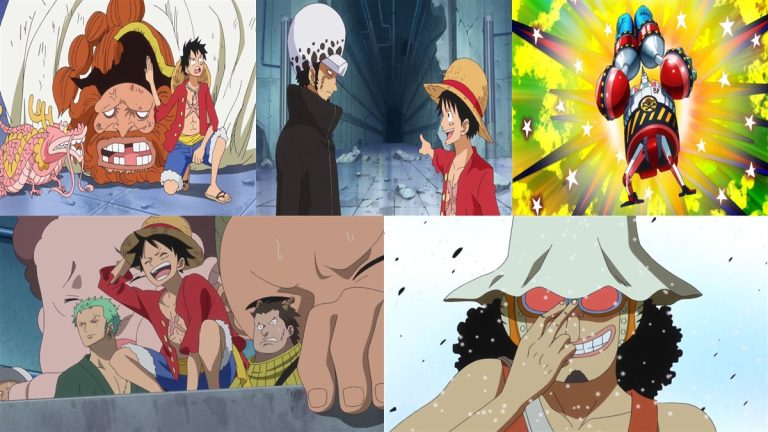
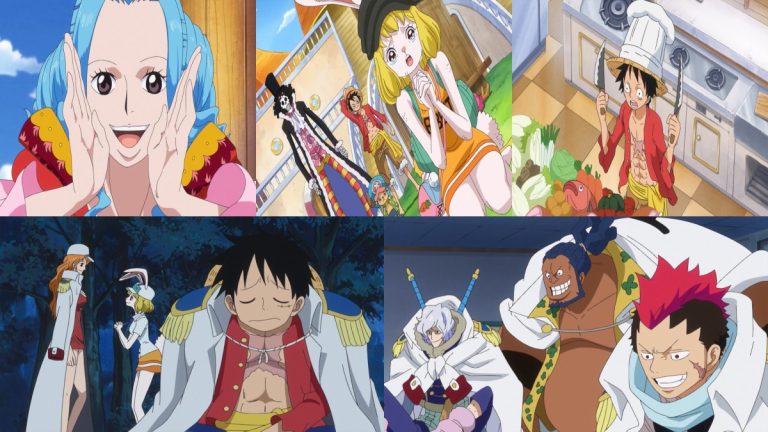
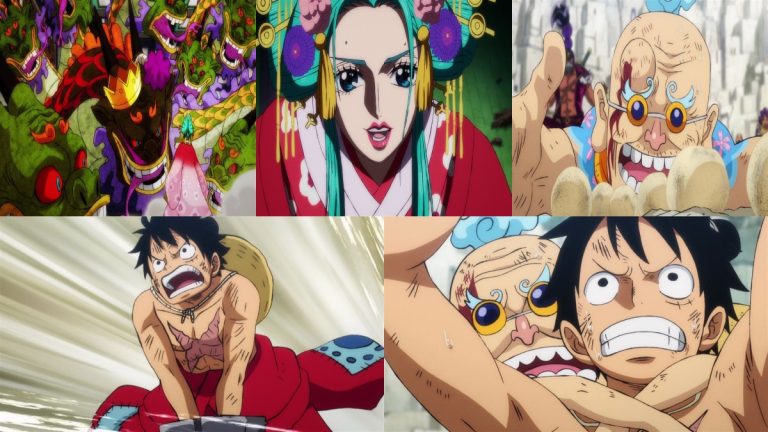
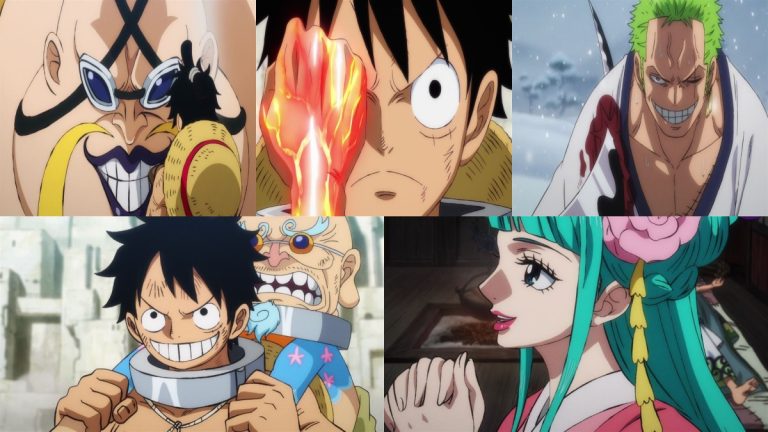
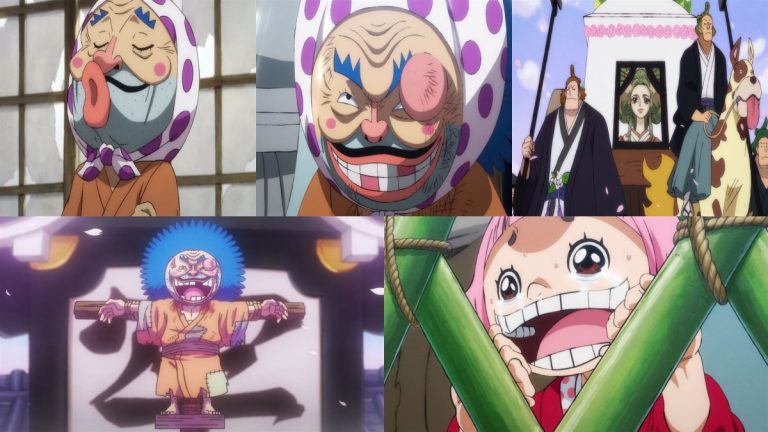
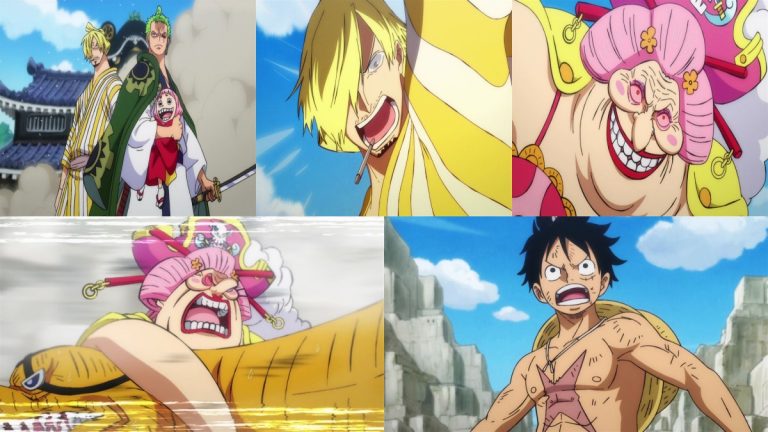
ONE PIECE.com groups Episodes 1 through 61 as East Blue and Episodes 62 through 130 as Alabasta. Later official ranges include Skypiea from 144 through 195, Davy Back Fight from 207 through 228, Water 7 from 229 through 263, Enies Lobby from 264 through 325, and Thriller Bark from 337 through 381.
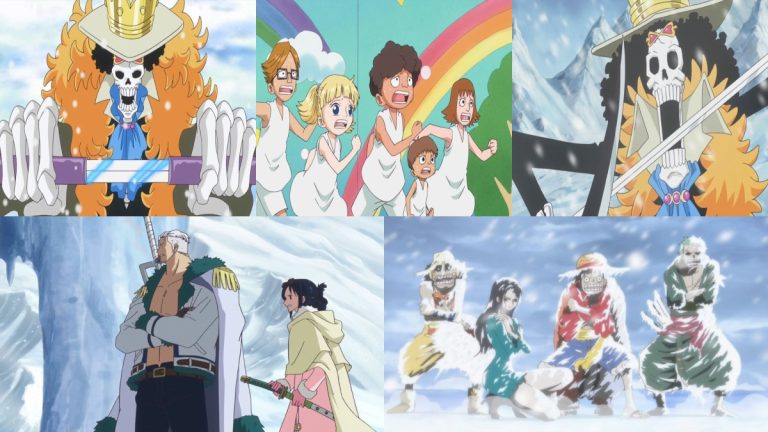
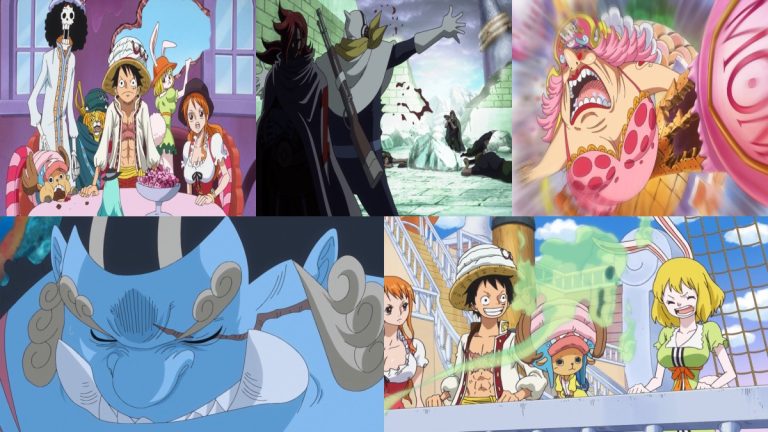
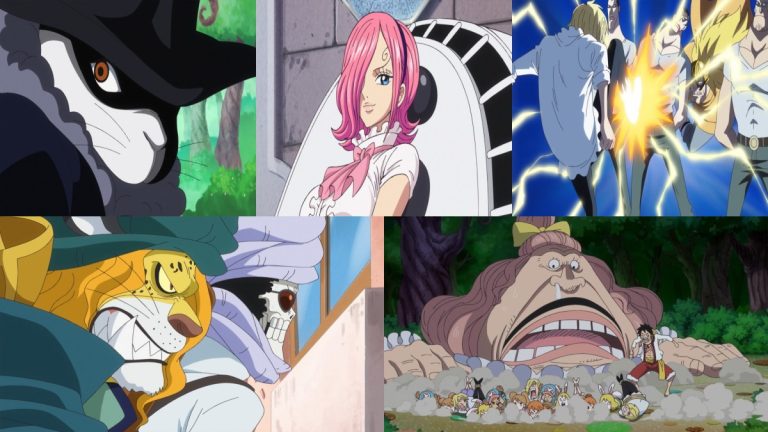
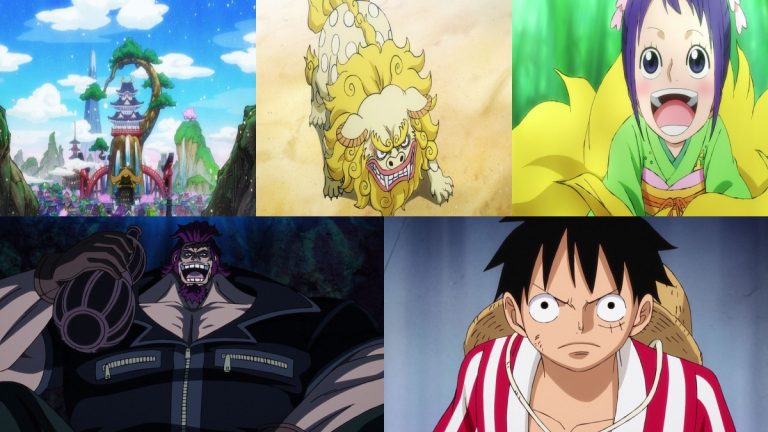
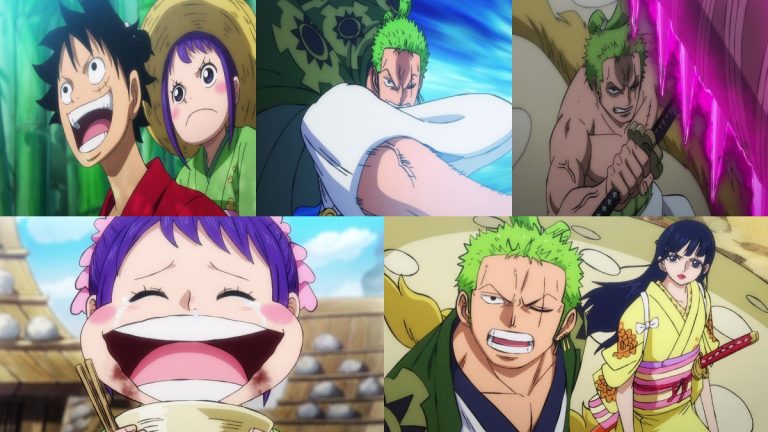
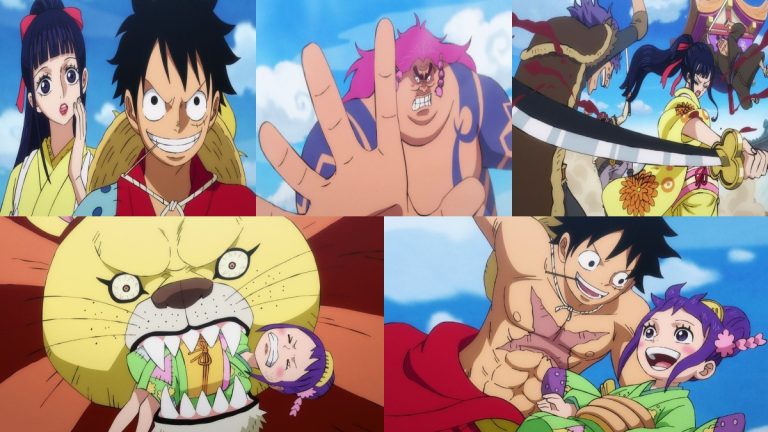
Sabaody runs from 382 through 405, Amazon Lily from 408 through 421, Impel Down from 422 through 458, and the Marineford grouping from 459 through 516. Fish-Man Island covers 517 through 574, Punk Hazard 579 through 628, Dressrosa 629 through 746, Zou 751 through 779, Whole Cake Island 783 through 877, Reverie 878 through 891, Wano 892 through 1088, and Egghead 1089 through 1155.
Why some numbers sit outside the official arc ranges
Gaps contain anime-original runs, transition episodes, crossover broadcasts, recaps, or material grouped differently by official catalog pages. A gap does not mean an episode is missing from the series. The number still belongs in broadcast order.
The guide labels anime-original material instead of silently removing those installments. Some viewers want every broadcast. Others want the manga-derived route. Both choices need accurate information, not a moral ranking where “canon” automatically means good and “filler” automatically means worthless.
East Blue establishes the crew grammar
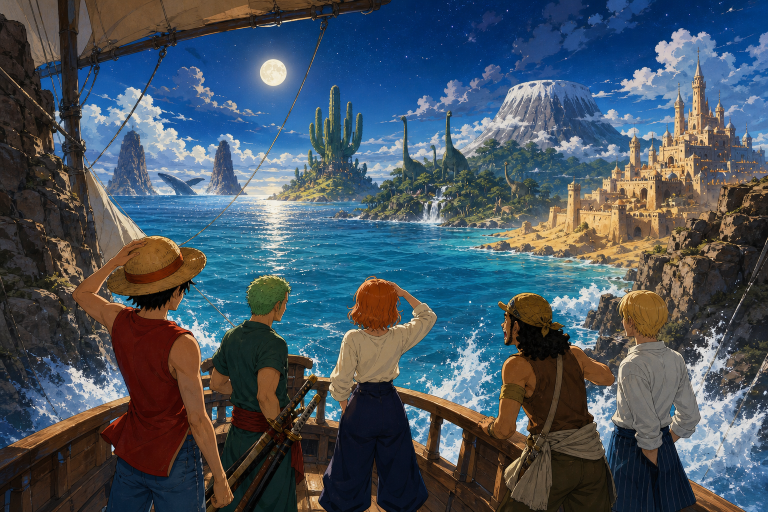
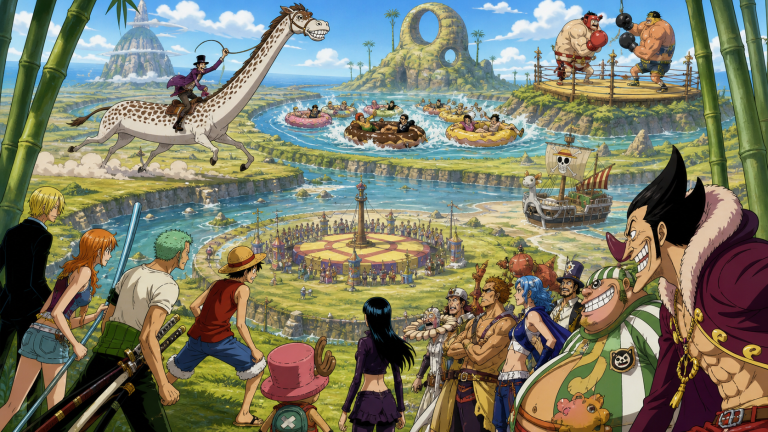
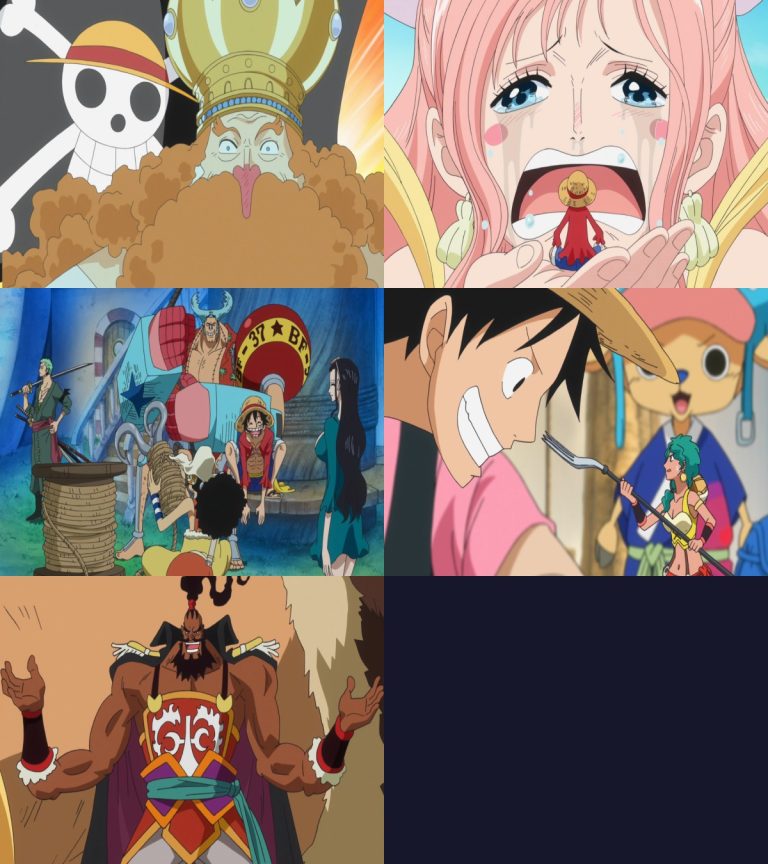
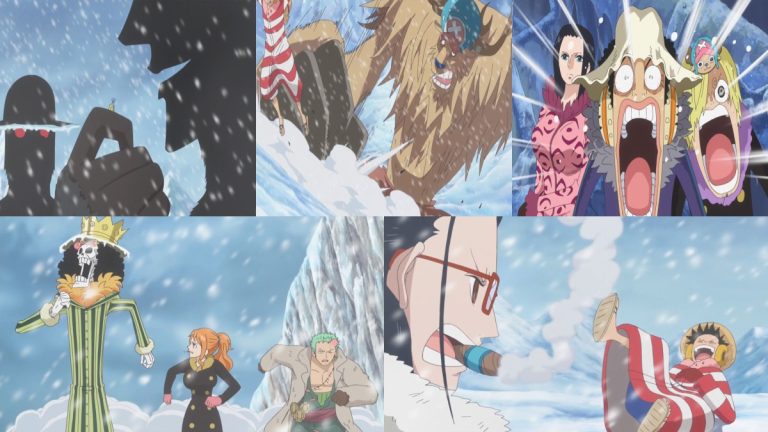
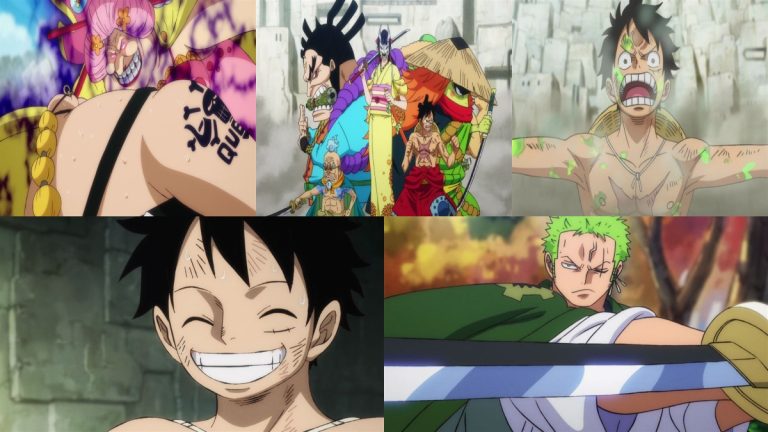
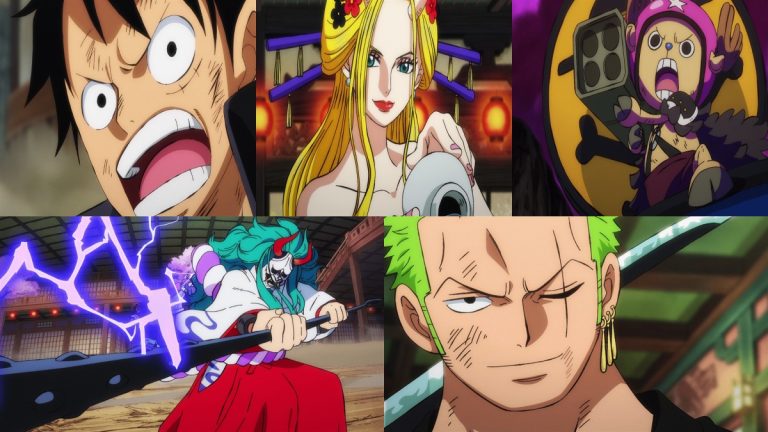
Episodes 1 through 61 introduce Luffy, Zoro, Nami, Usopp, and Sanji, then move through Shells Town, Orange Town, Syrup Village, Baratie, Arlong Park, Loguetown, and the Warship Island anime-original run. The saga establishes recruitment as more than collecting fighters.
Each member brings skilled labor and a separate dream. Navigation, cooking, marksmanship, swordsmanship, repair, and command determine whether a voyage can continue. Arlong Park also makes clear that freedom cannot mean one powerful person ignoring the conditions under which everybody else works.
Alabasta expands adventure into political systems
Episodes 62 through 130 take the crew into the Grand Line through Laboon, Whiskey Peak, Little Garden, Drum Island, and Alabasta. Vivi’s attempt to stop civil war connects rumor, drought, state legitimacy, private military power, and information control.
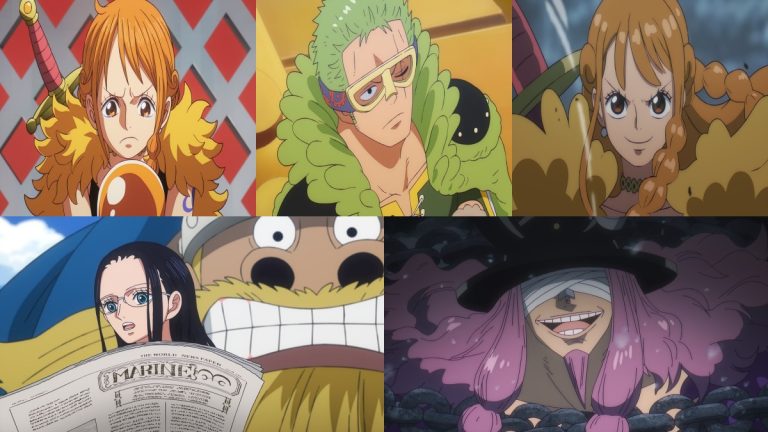
Chopper joins as a doctor, Robin enters after the conflict, and the World Government’s sanctioned Warlord system becomes impossible to treat as neutral background. The saga proves One Piece can remain funny while examining how institutions manufacture enemies.
From Skypiea through Water 7, history becomes infrastructure
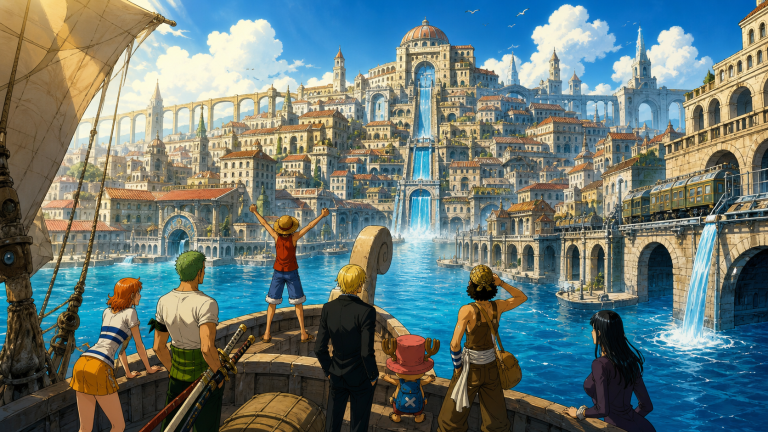
Skypiea places colonial conquest, faith, land theft, and erased history inside a sky adventure. Long Ring Long Land uses games and crew theft to test belonging. Water 7 turns ship repair, labor guilds, money, and the Going Merry’s condition into emotional stakes.
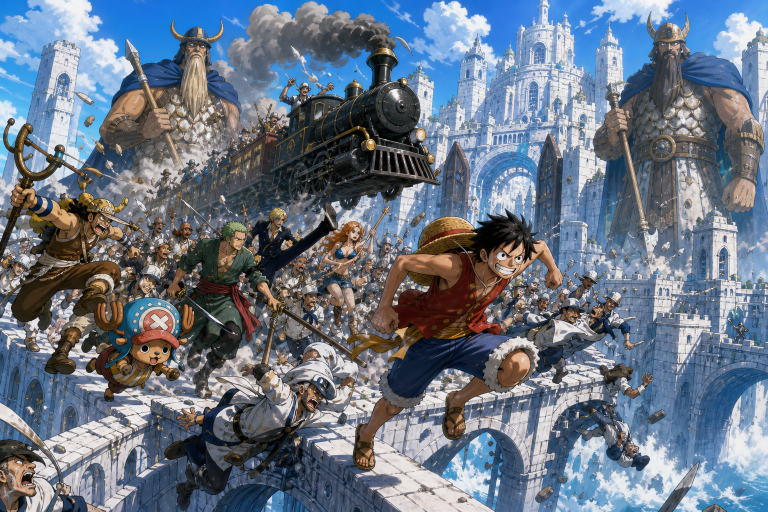
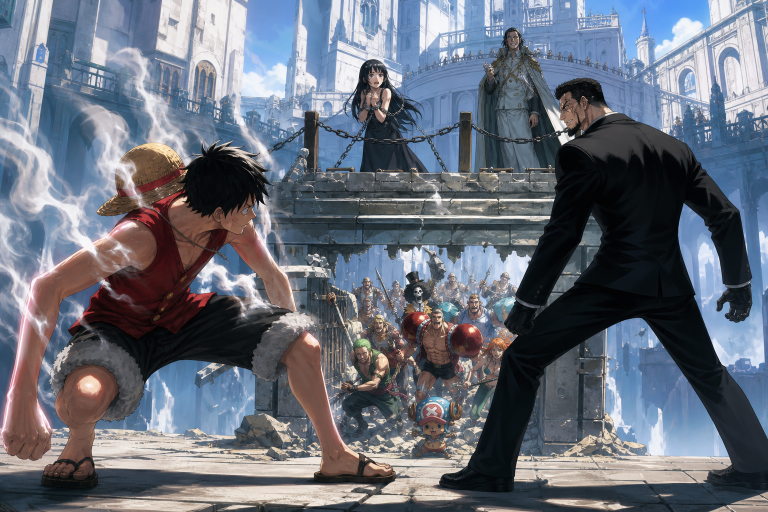
Enies Lobby makes the government’s control of historical knowledge personal through Robin. Franky joins after the crew declares war on the institution willing to erase her. The story’s scale grows because earlier skills and promises remain active, not because islands become disposable levels.
Thriller Bark through Marineford breaks the crew apart
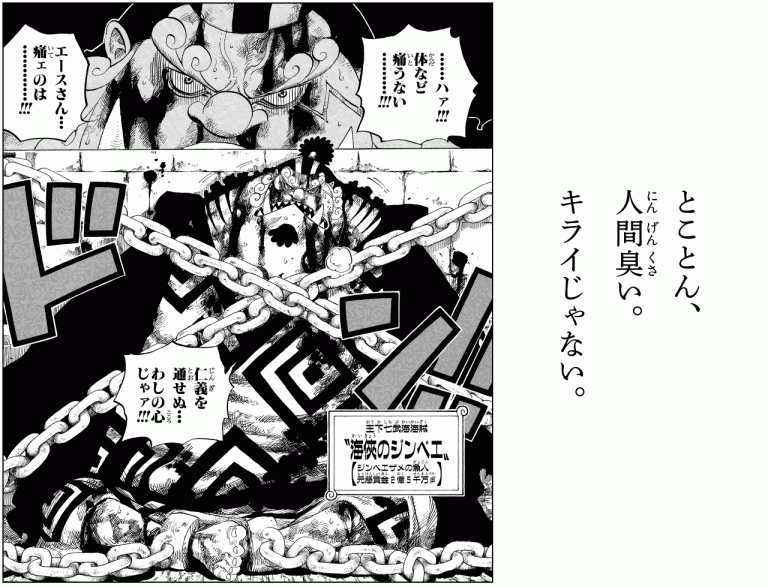
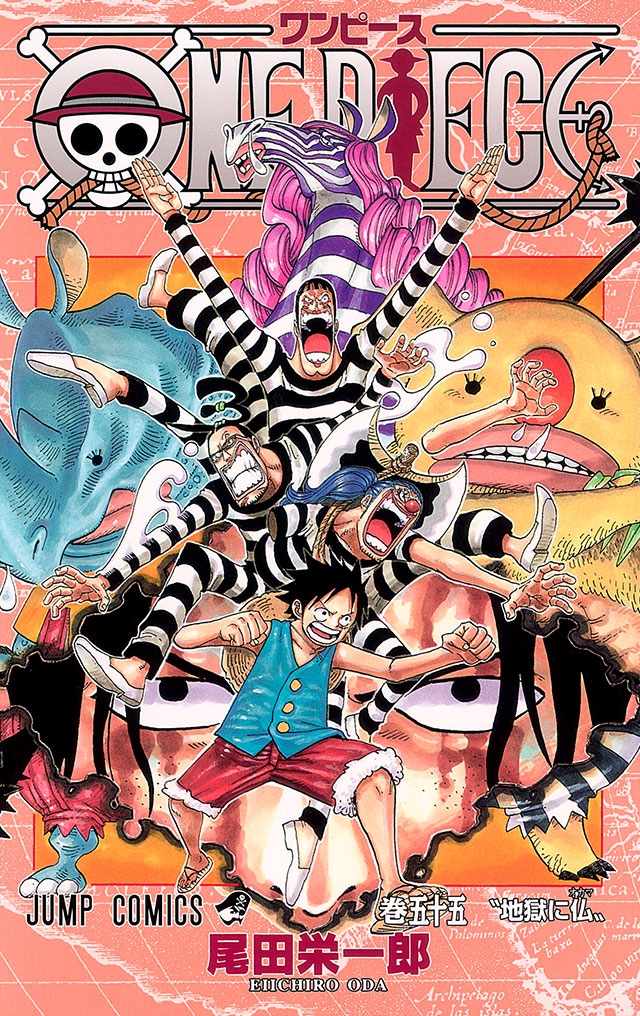
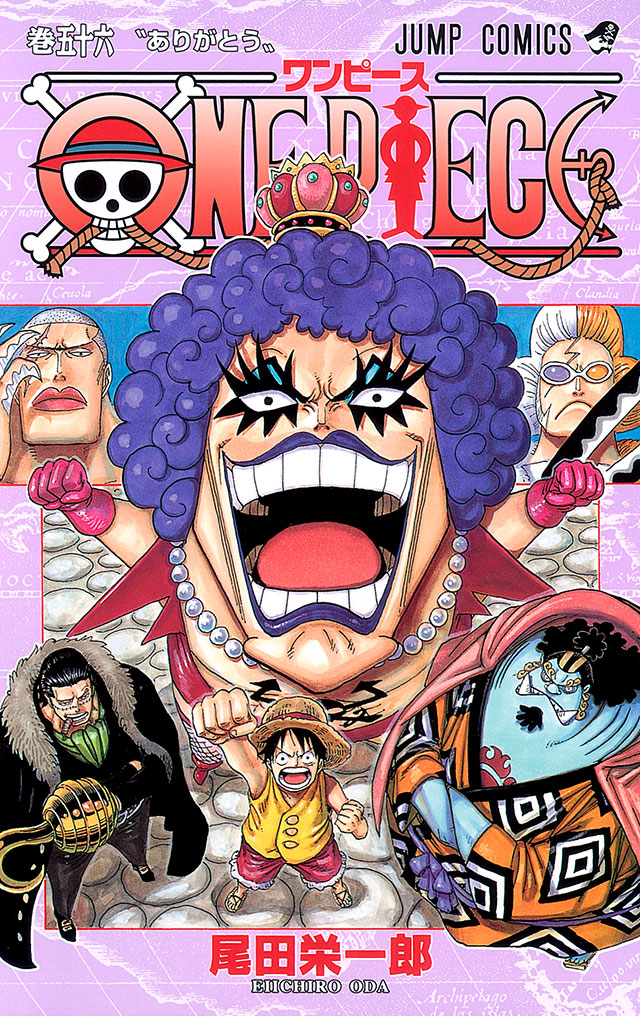
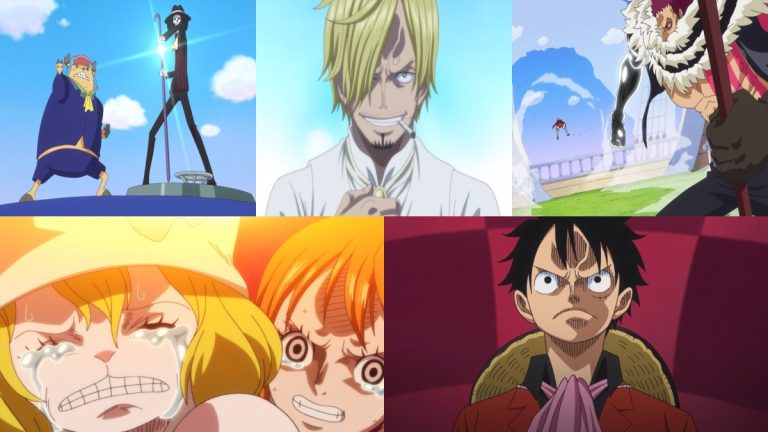
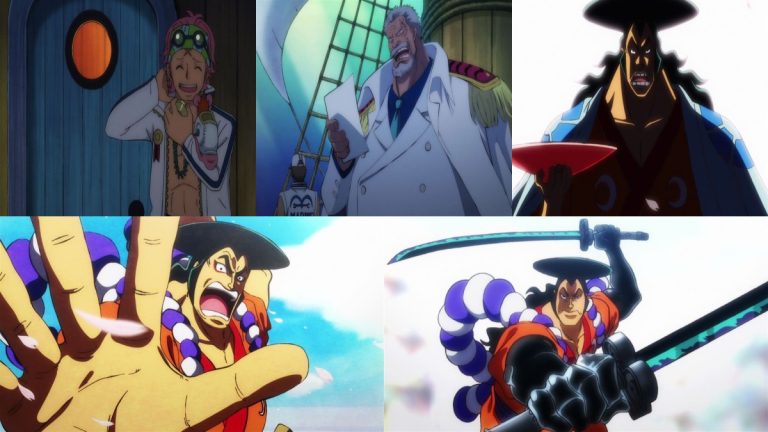
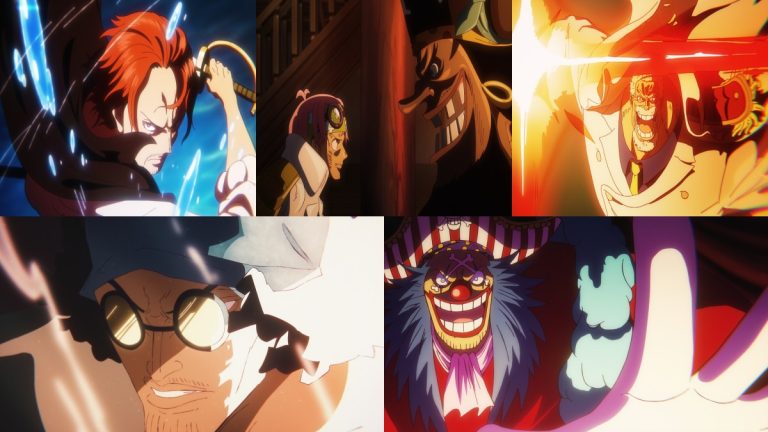
Brook’s recruitment carries fifty years of grief and a promise to Laboon. Sabaody then exposes slavery and the Celestial Dragons before Kuma separates the Straw Hats. Amazon Lily, Impel Down, and Marineford follow Luffy without the full crew.
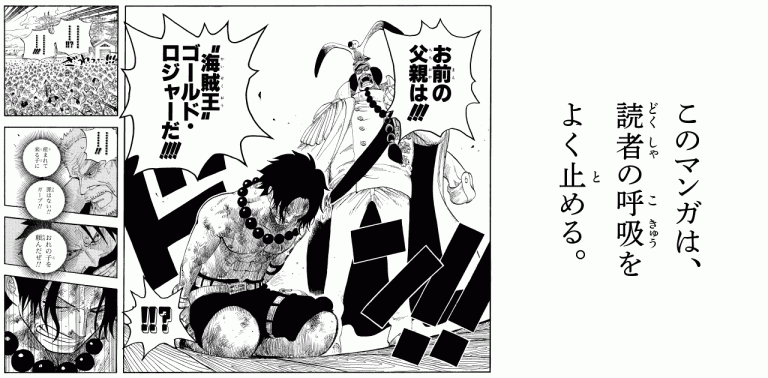
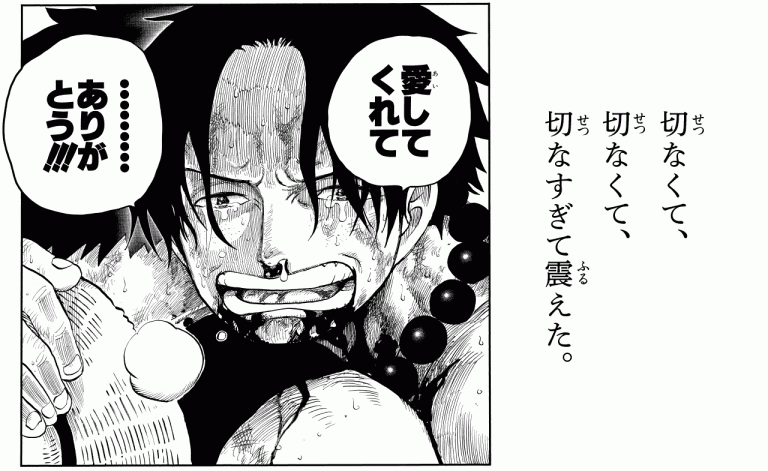
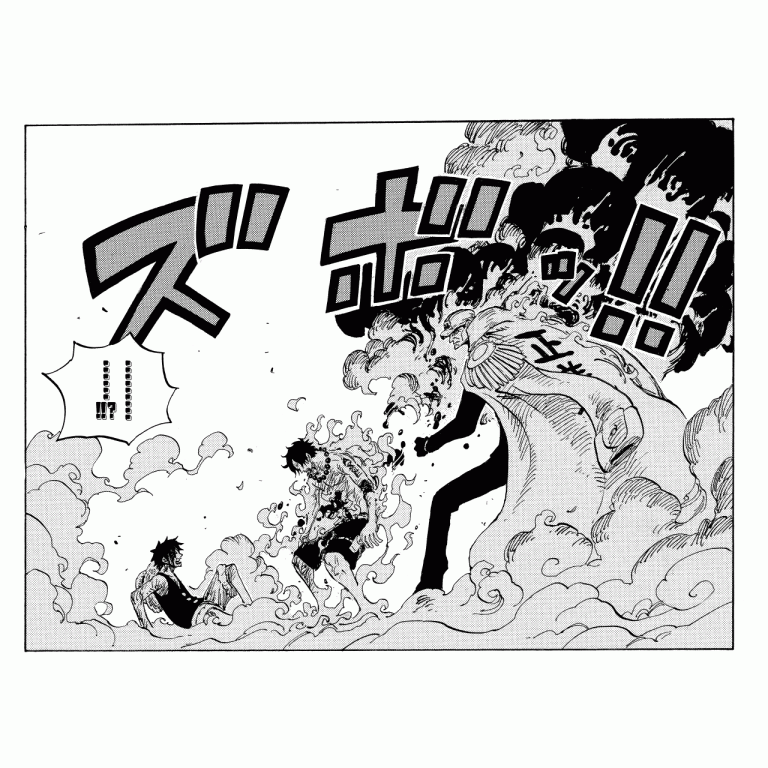
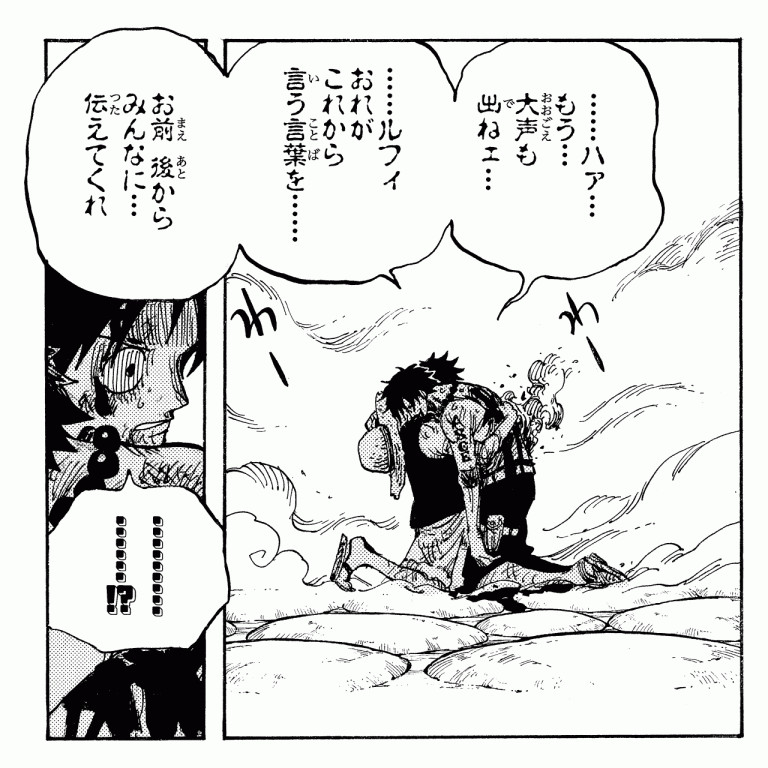
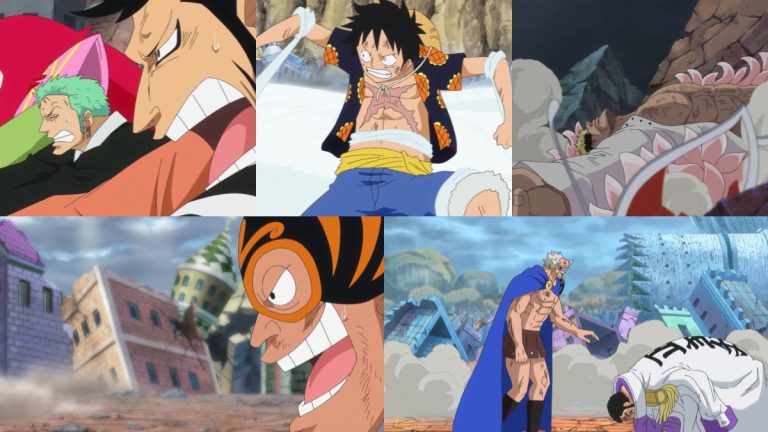
Ace’s execution turns lineage into state theater. The war ends with catastrophic loss, and the time skip begins only after Luffy recognizes that survival requires training rather than another immediate charge forward.
The New World tests alliances and inherited power
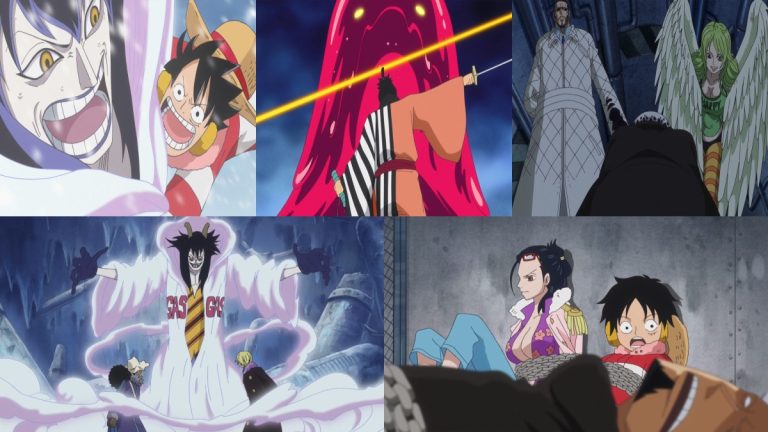
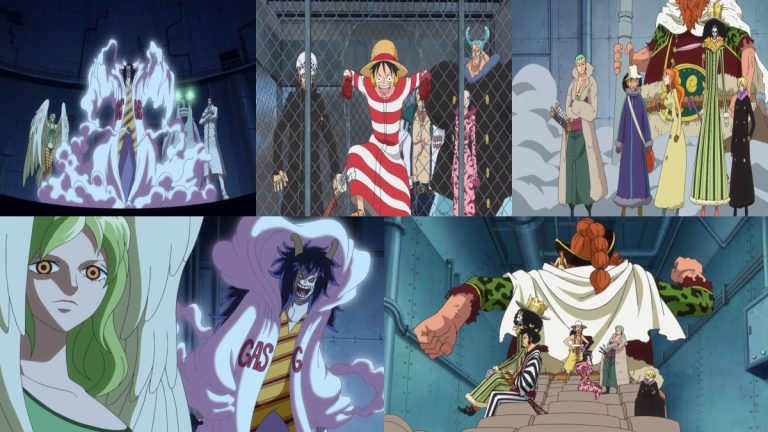
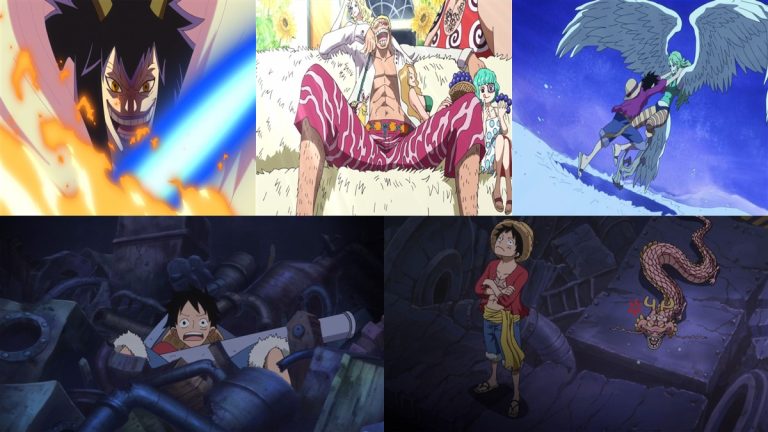
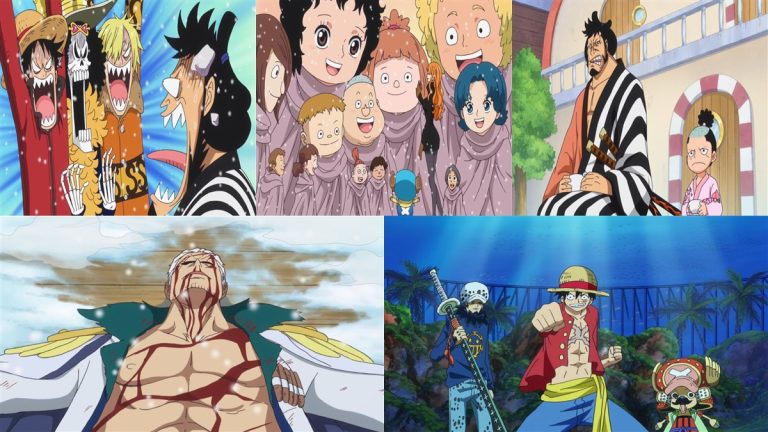
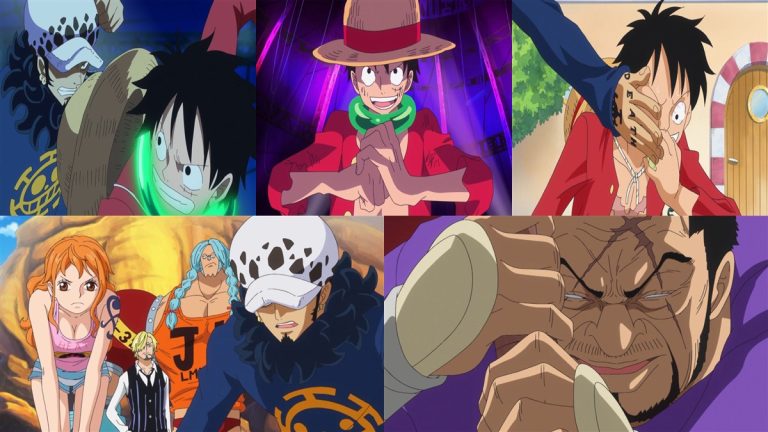
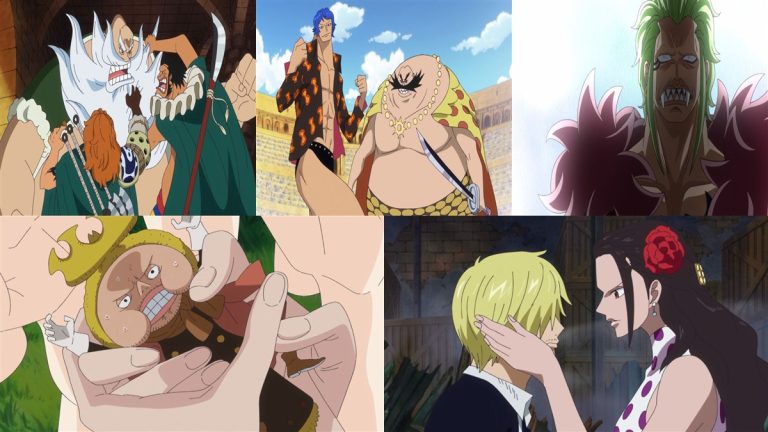
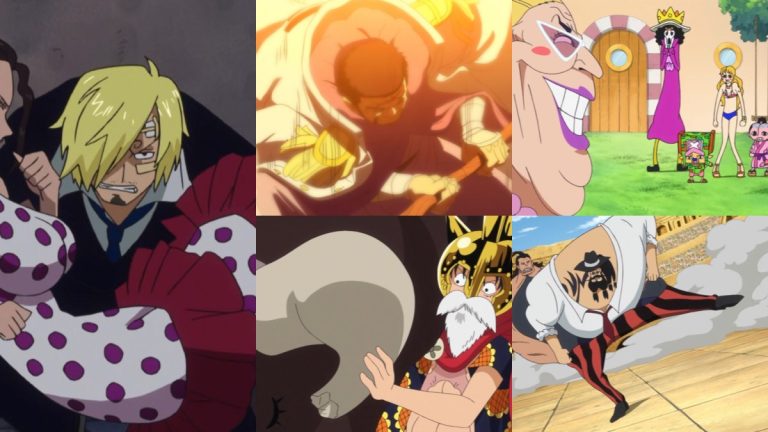
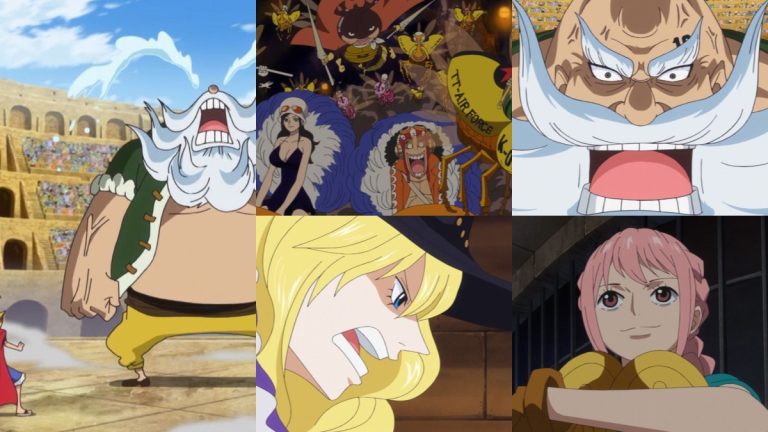
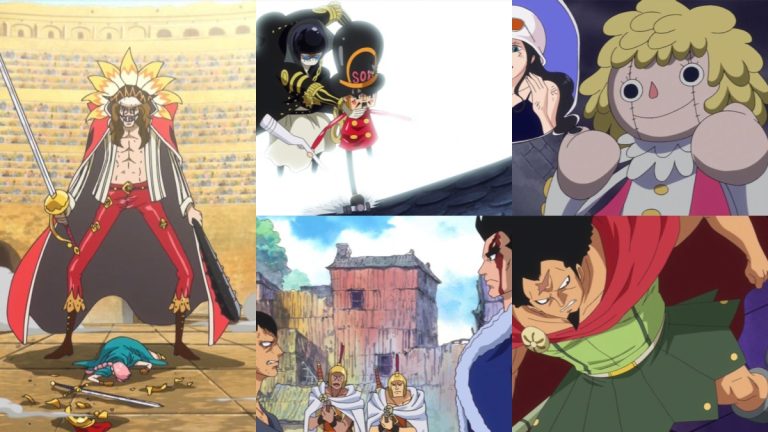
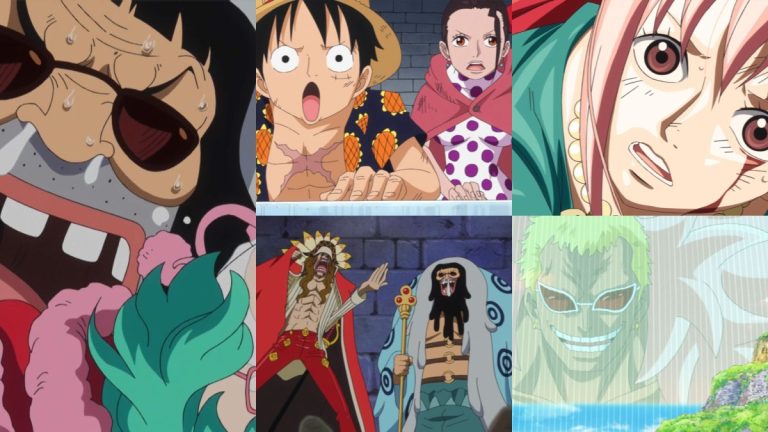
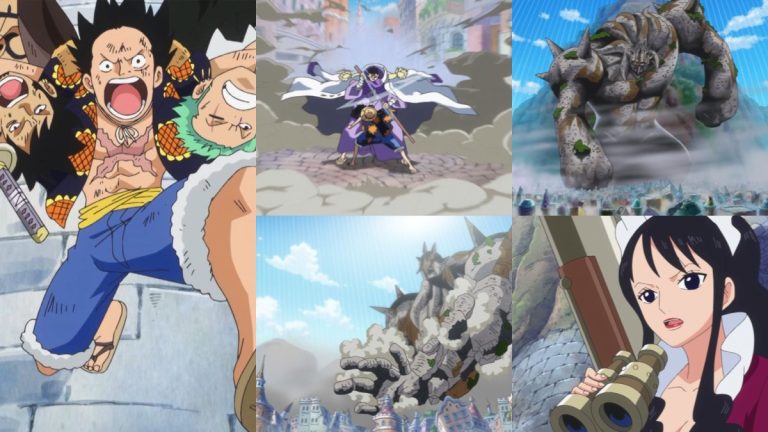
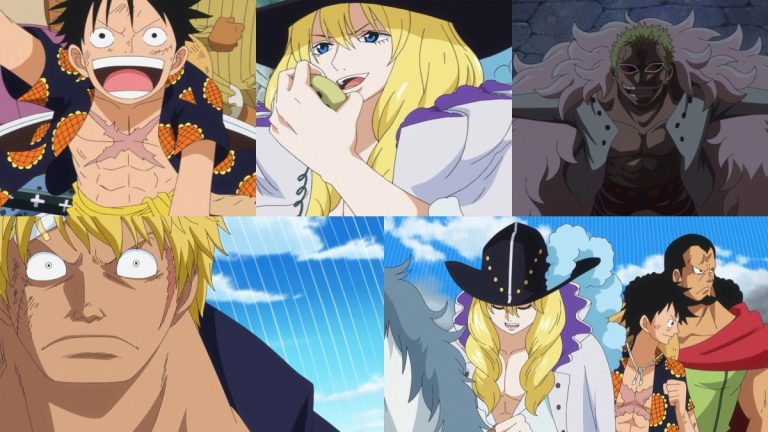
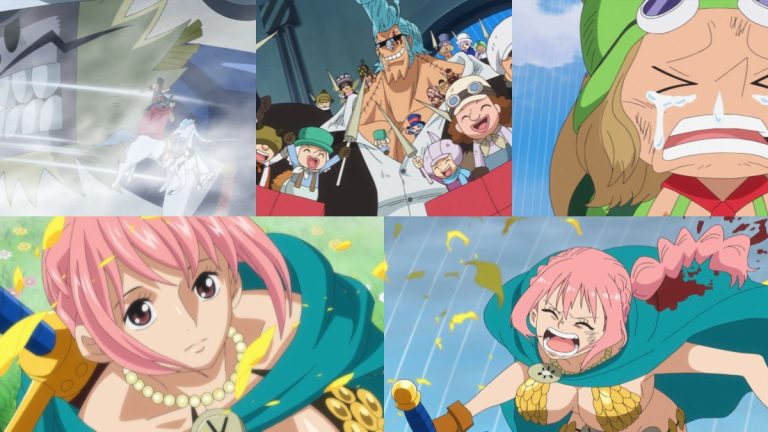
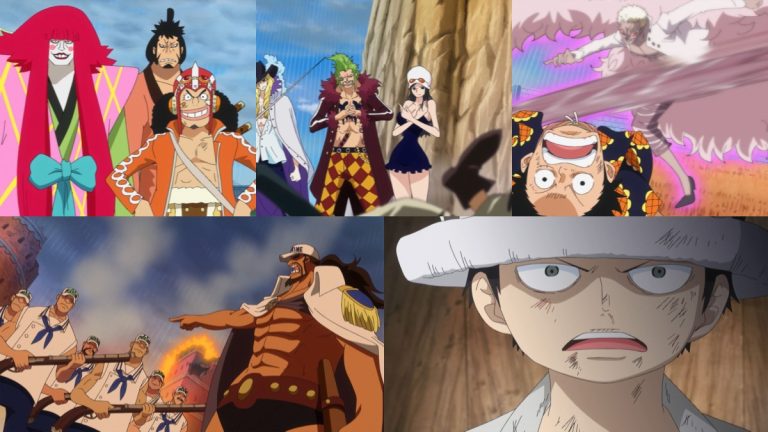
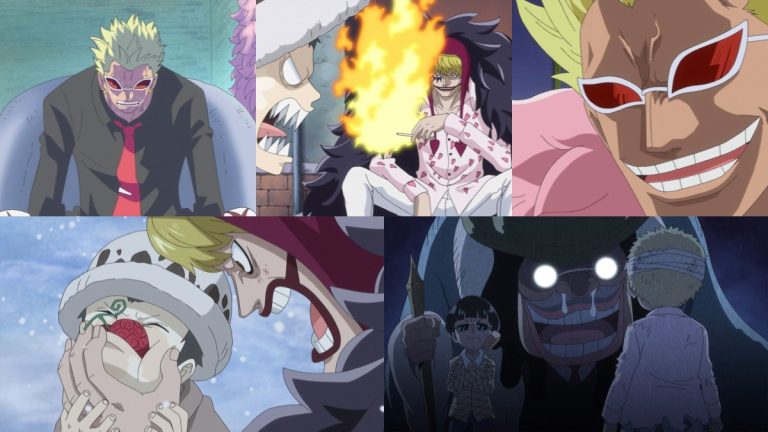
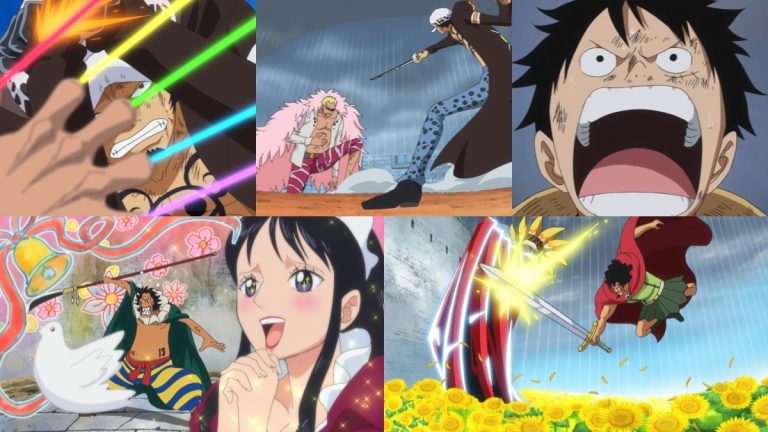
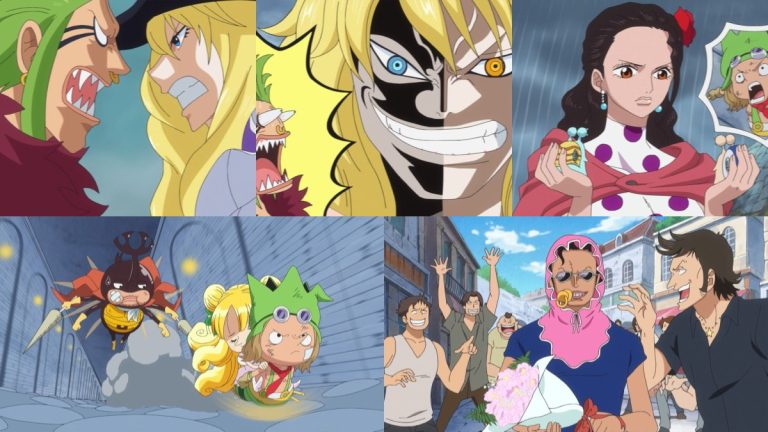
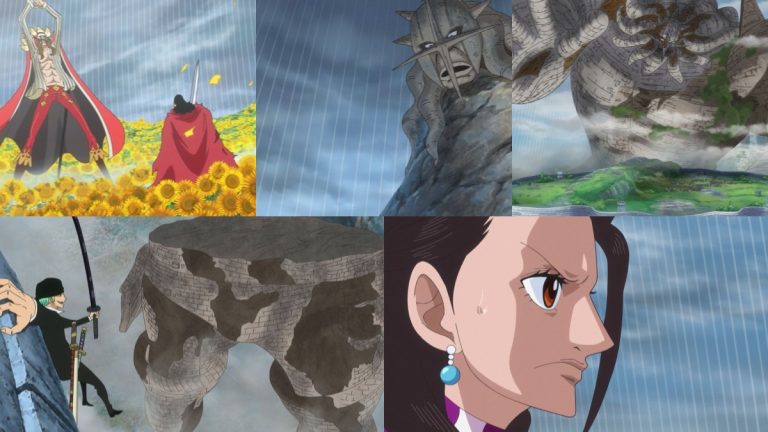
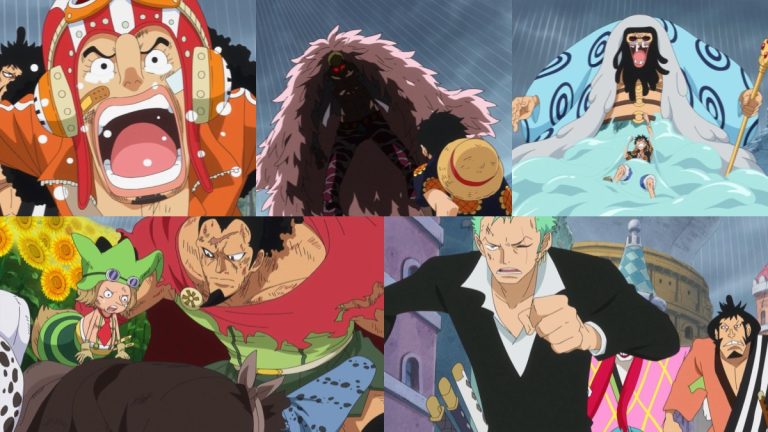
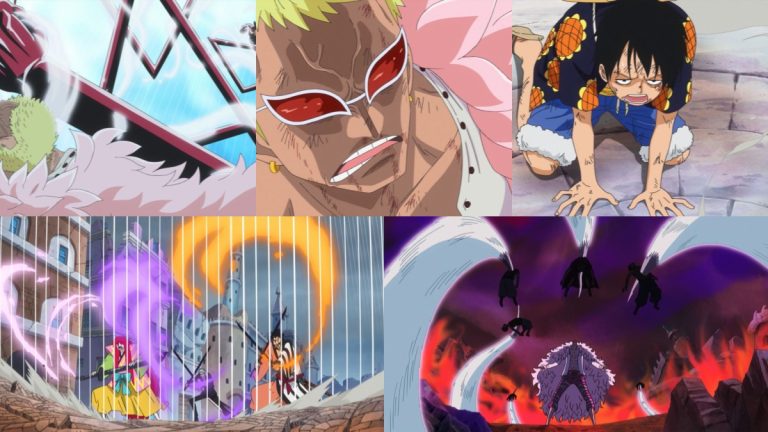
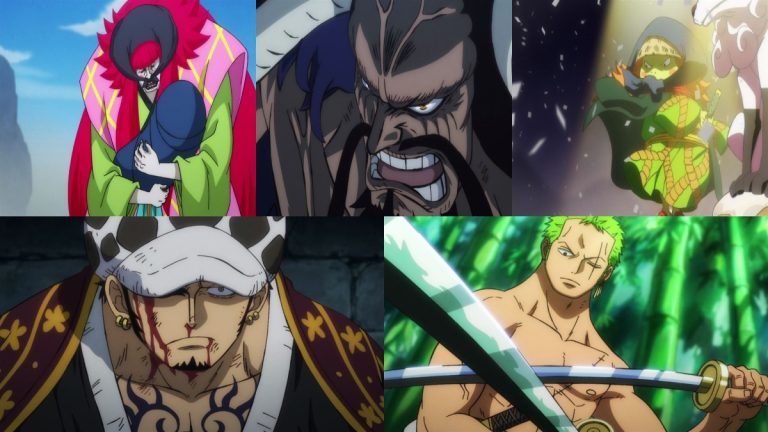
Fish-Man Island returns to racism, slavery, migration, and inherited hatred. Punk Hazard links scientific abuse to the alliance with Law. Dressrosa shows a nation whose memory and labor have been literally reorganized around Doflamingo’s rule.
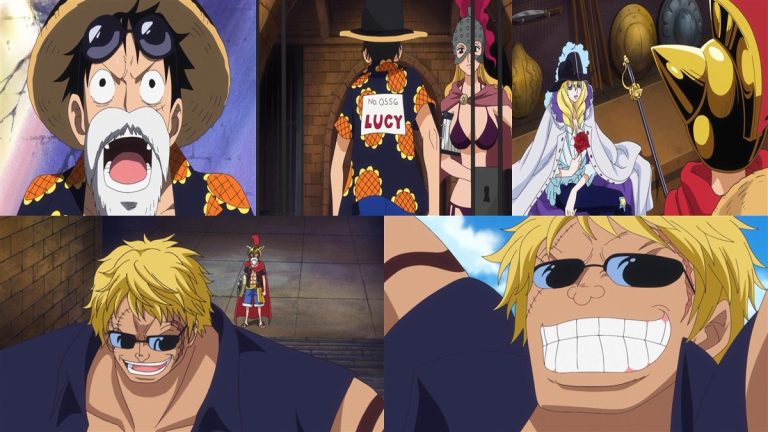
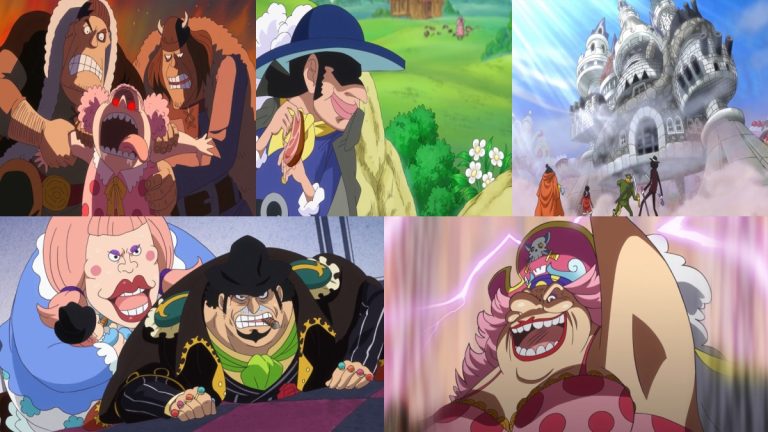
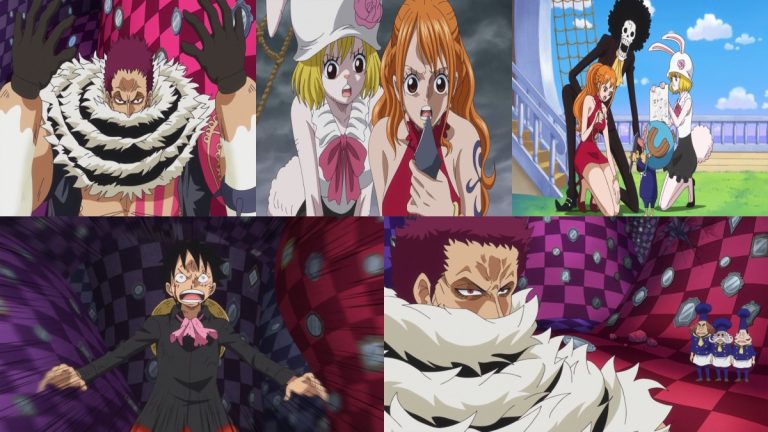
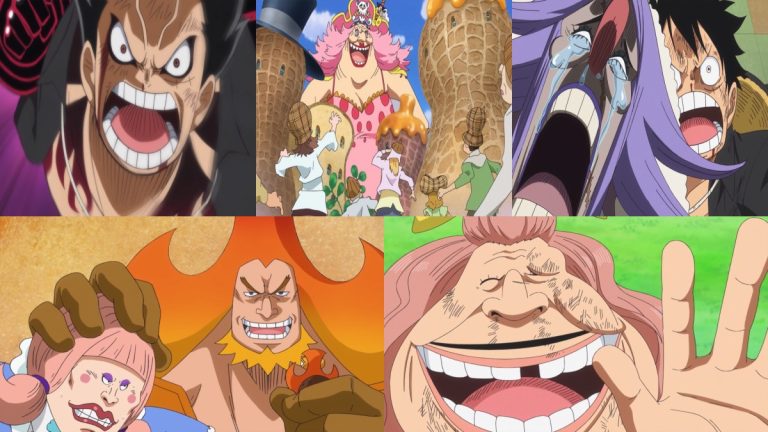
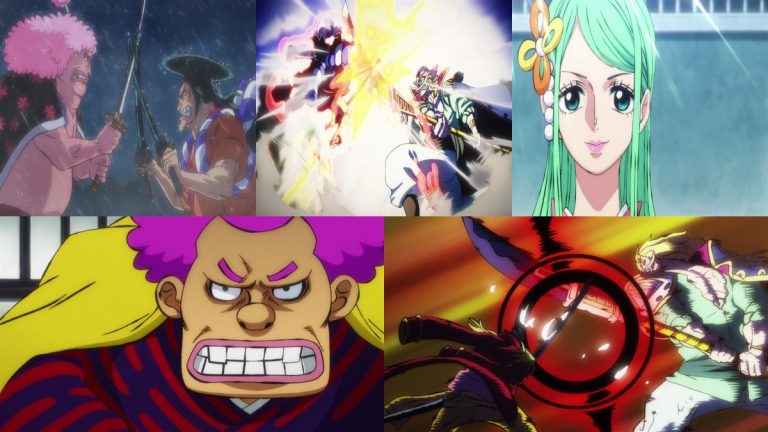
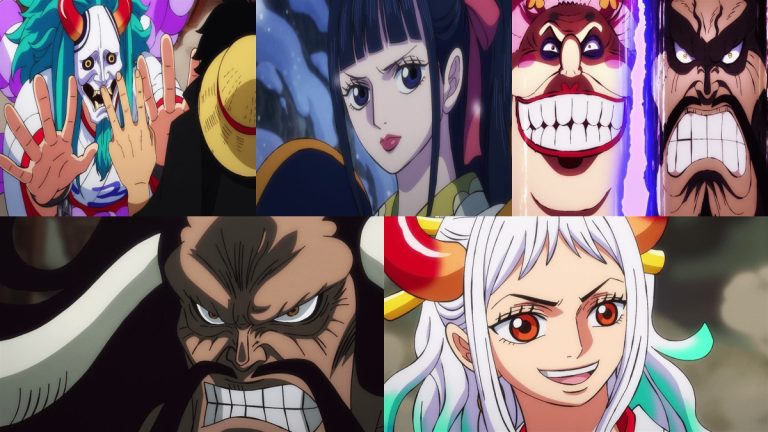
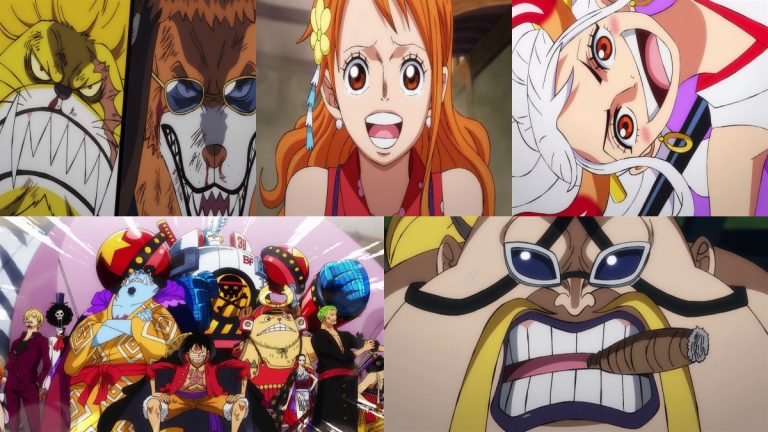
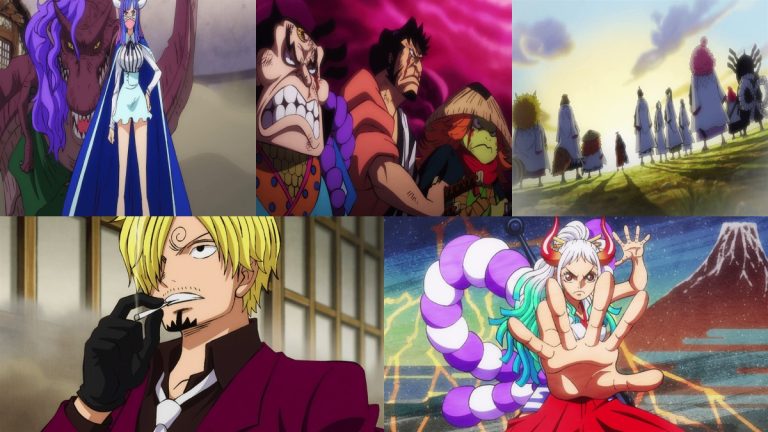
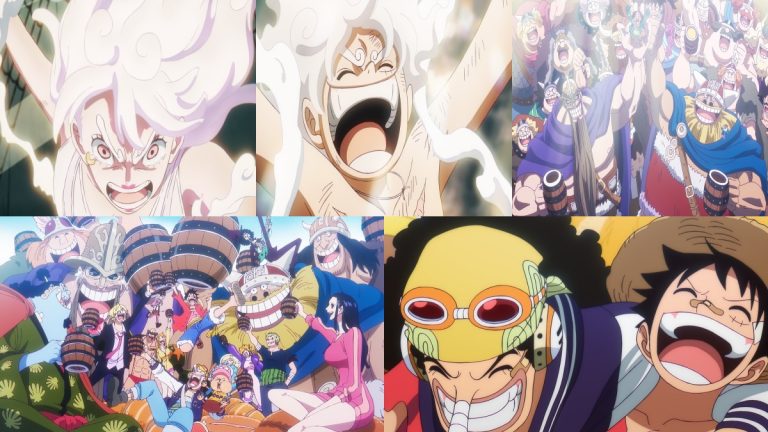
Zou reveals Road Poneglyphs and the Minks’ loyalty. Whole Cake Island treats marriage, family, hunger, and coercion as weapons. Reverie pulls national leaders toward the global argument, while Wano joins closed borders, environmental exploitation, forced labor, inherited office, and the return of Joy Boy.
Egghead and Elbaf move suppressed history to the front
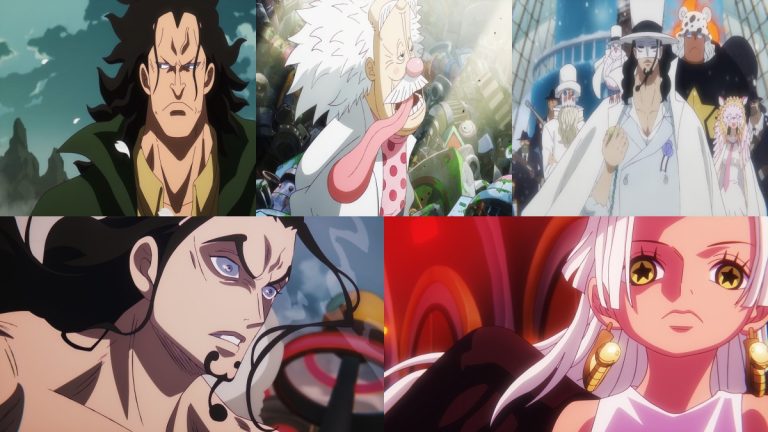
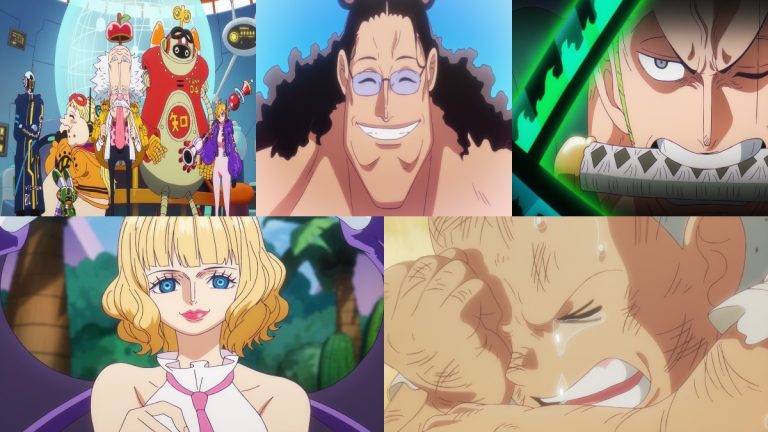
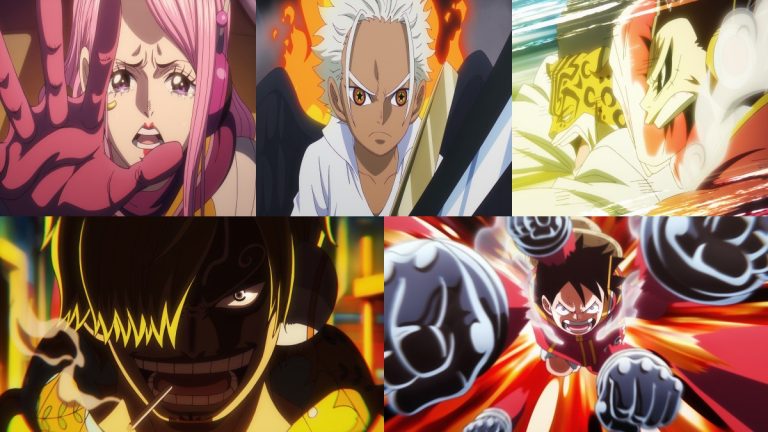
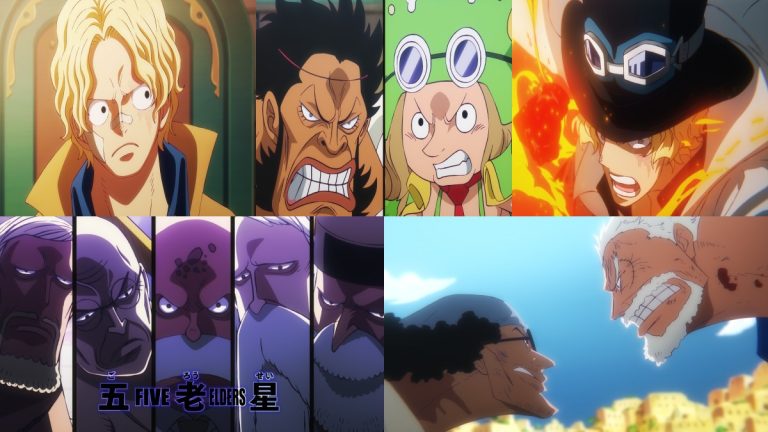
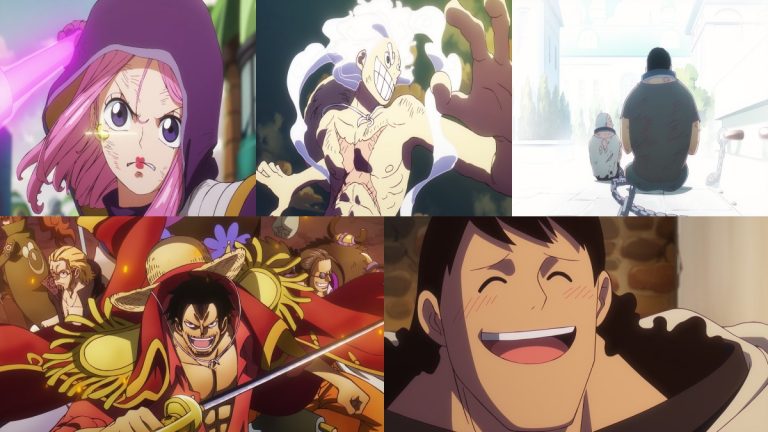
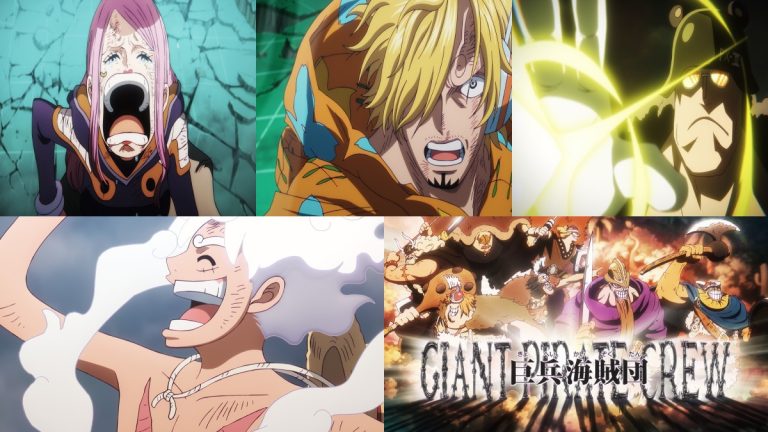
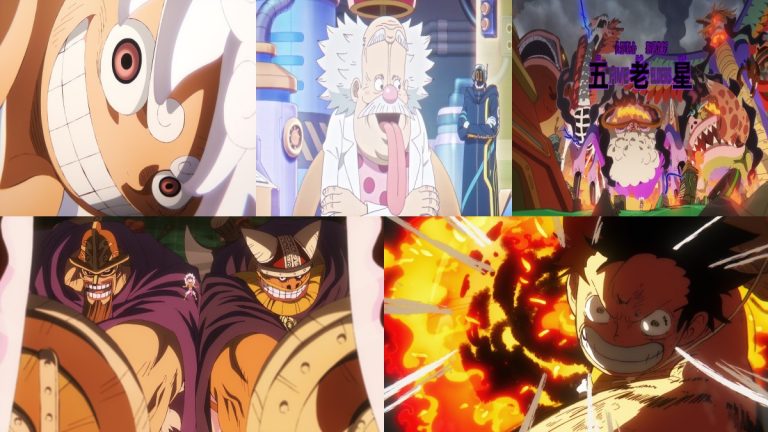
Egghead surrounds Vegapunk’s research with Bonney’s search for Kuma, the cost of Pacifista technology, the Five Elders, and a broadcast capable of changing public knowledge. The official range closes at Episode 1155.
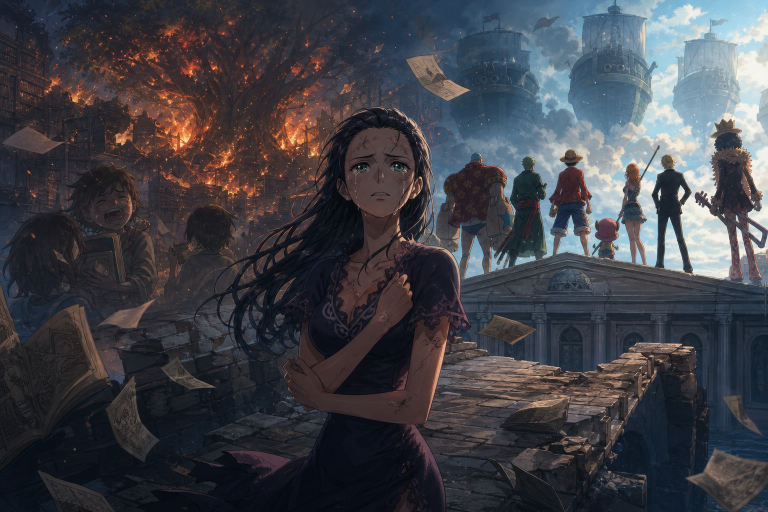
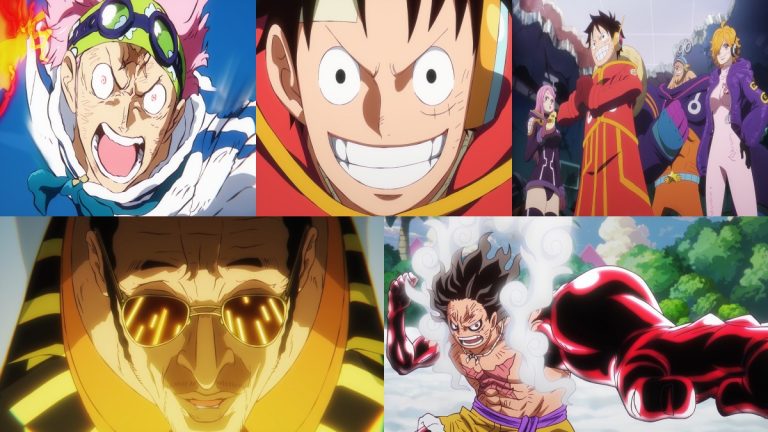
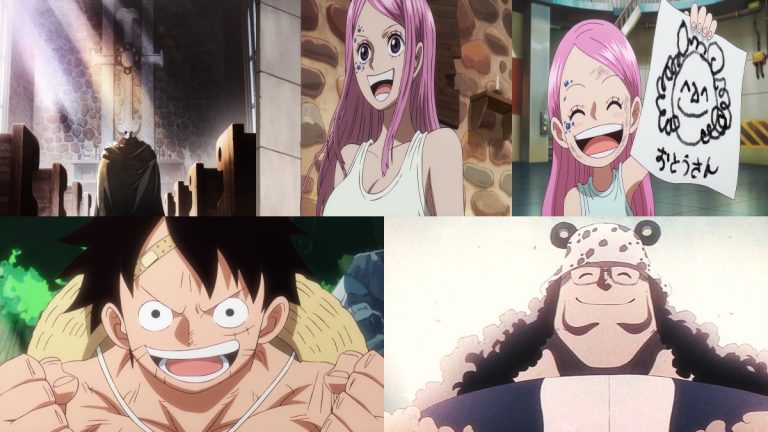
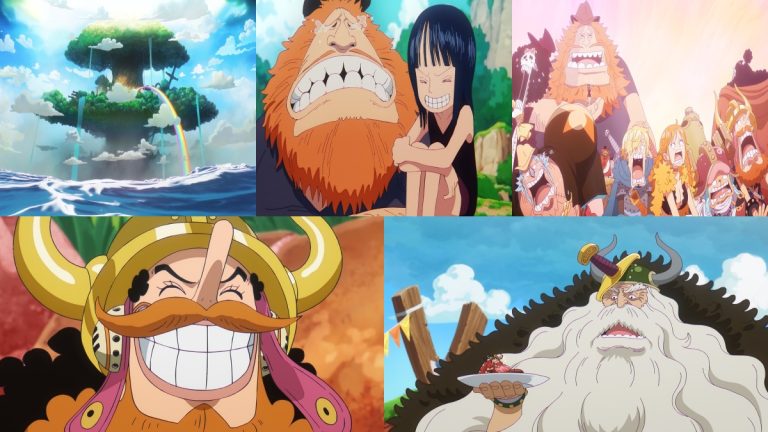
Elbaf begins at Episode 1156. The island carries giants, books rescued from Ohara, Robin’s history, Usopp’s long dream, and conflicts that remain active in the current broadcast. This guide dates current facts rather than pretending an unfinished arc already has a settled verdict.
Japanese audio, English dubs, and release gaps
Japanese broadcast, subtitled streaming, and English dubbing do not always arrive together. Catalog availability varies by country, and licensing can split arcs across services. A platform’s missing season does not change the canonical episode number.
Use the number shown in the player, confirm the arc, and check the platform’s own current listing. CVM Sekai links official and licensed routes but does not promise that a service carries the same catalog in every region or on every date.
How CVM Sekai builds episode coverage
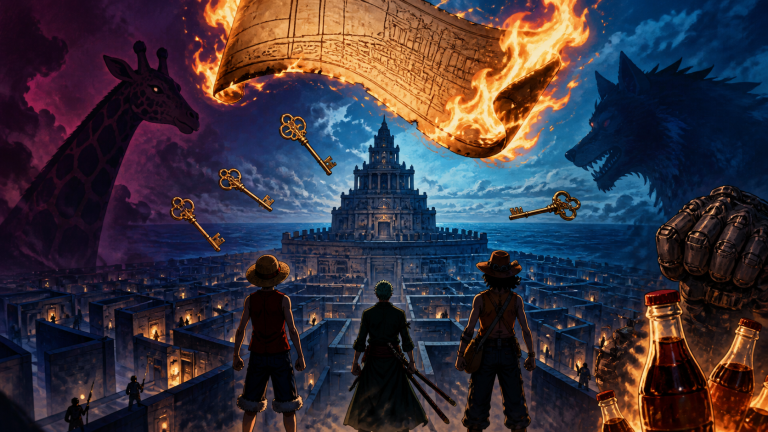
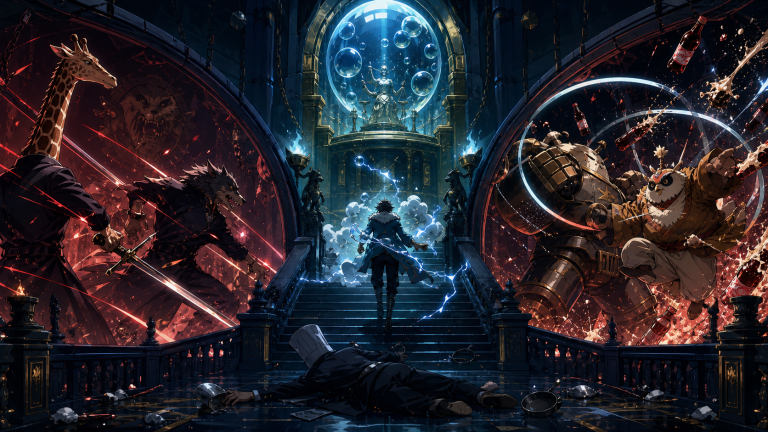
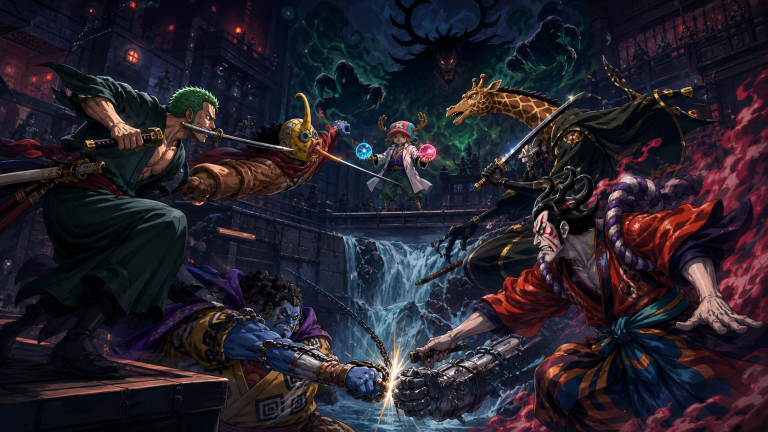
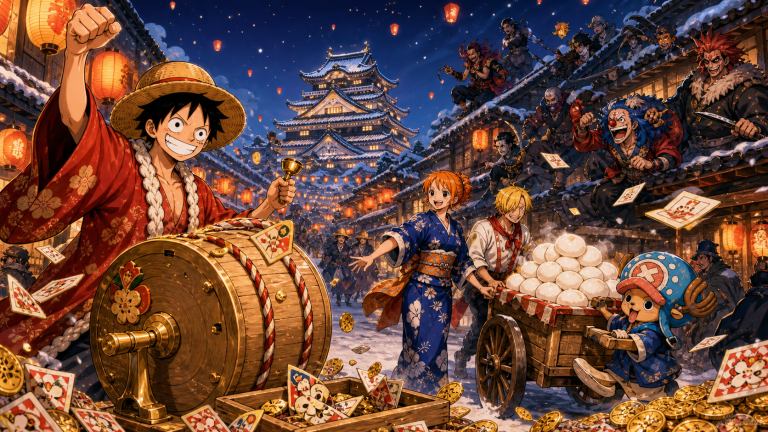
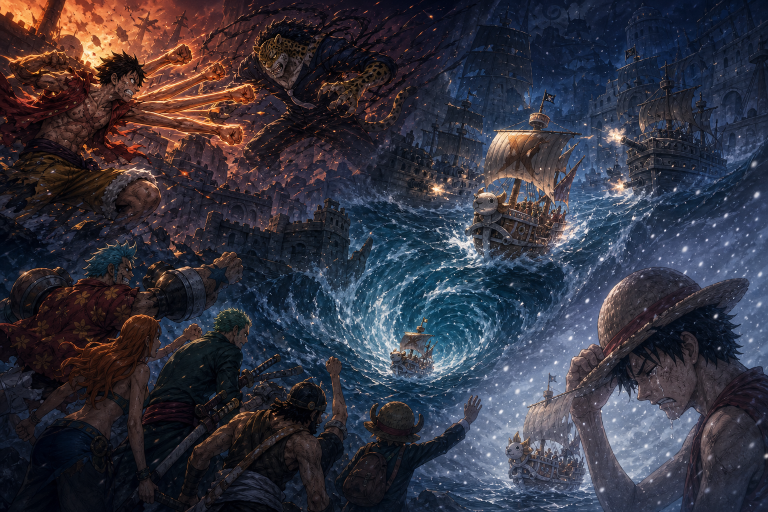
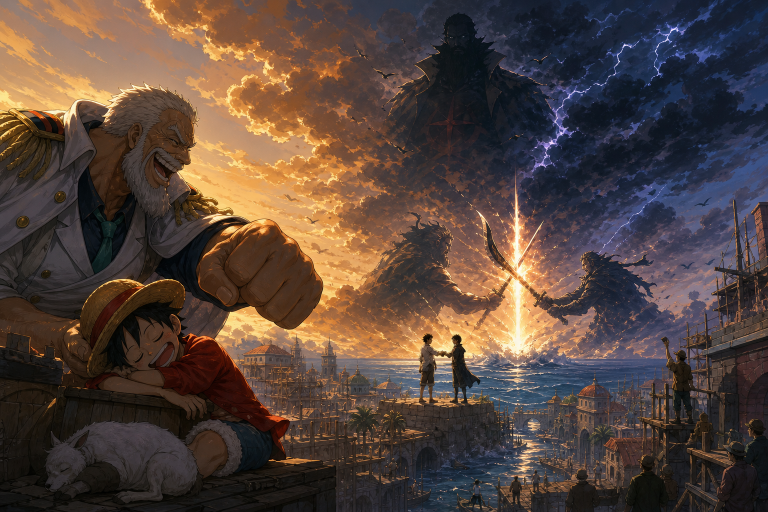
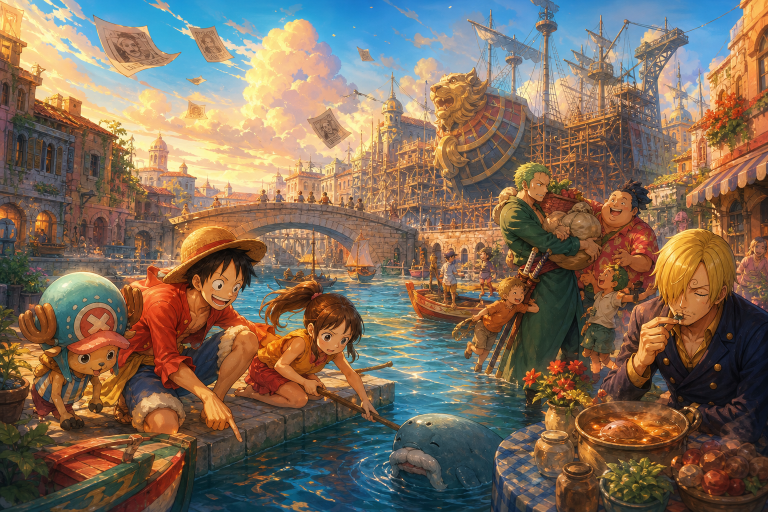
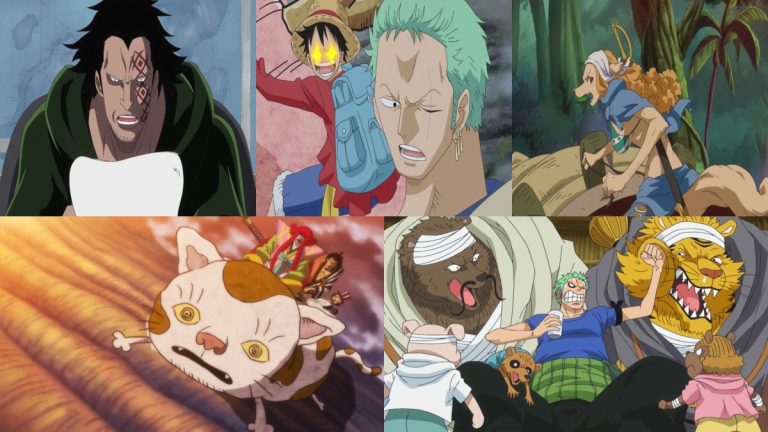
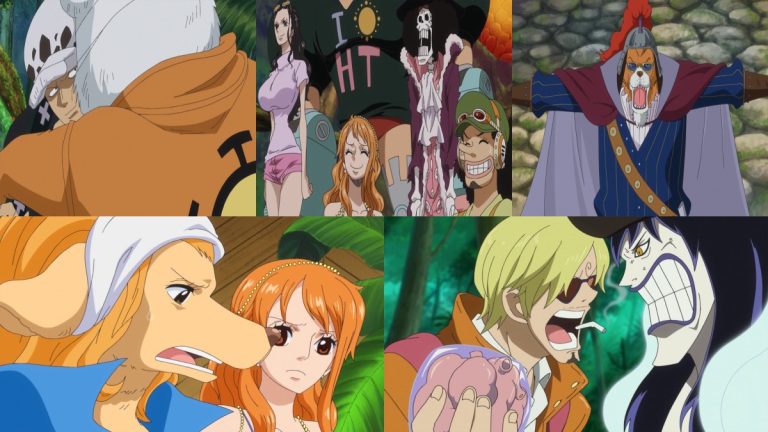
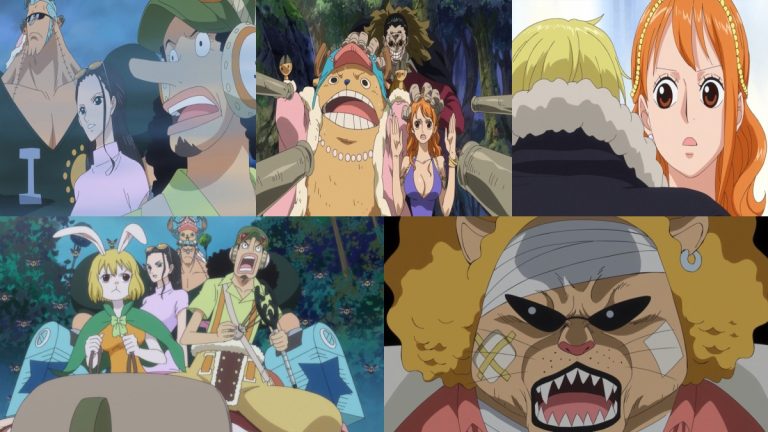
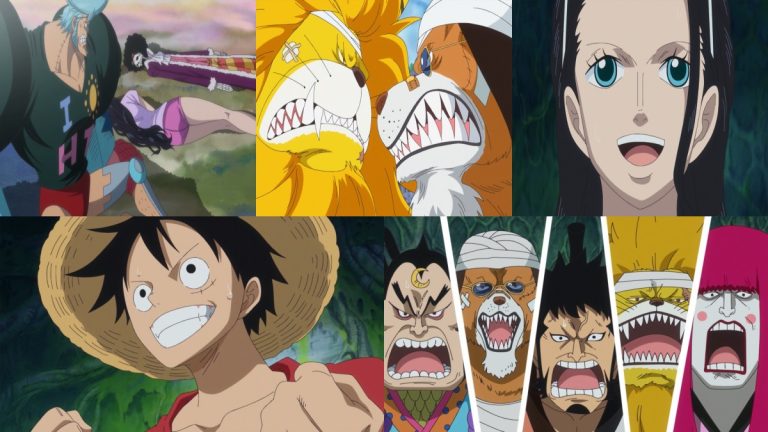
Every completed React is a full post with one unique locally stored image used consistently for the featured image, hero, static directory card, and social metadata. The React discusses character decisions, production work, Japanese credits, political consequences, and RaeRae’s actual argument about the episode.
Directories remain bounded to 24 visible cards per page. East Blue and Alabasta have their own episode shelves so readers never face a thousand-link wall. Later saga directories expand as coverage advances.
Where to start
First-time viewers should begin with Episode 1 and follow numbered broadcast order. Readers returning for one storyline can use the saga and arc directory. Viewers adding movies and television specials should consult the viewing-order guide because most films are companion experiences rather than replacements for numbered continuity.
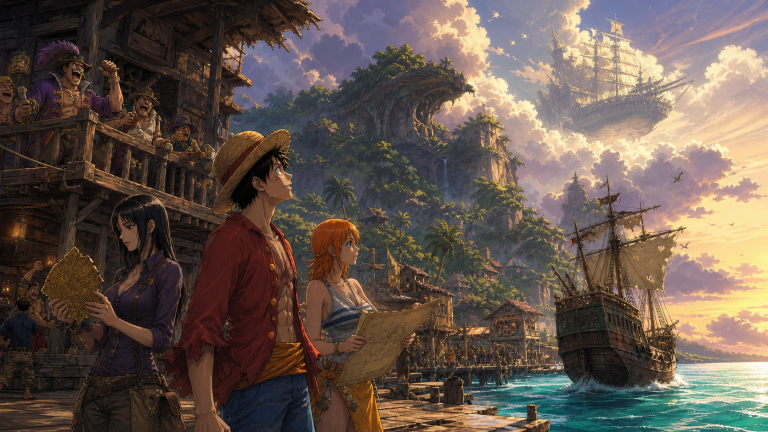
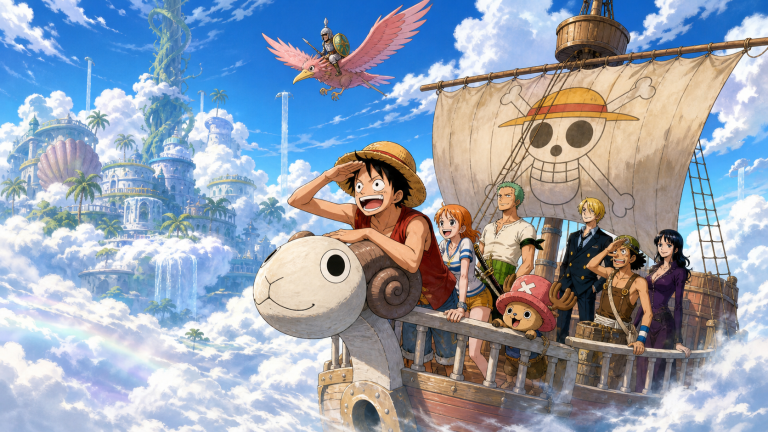
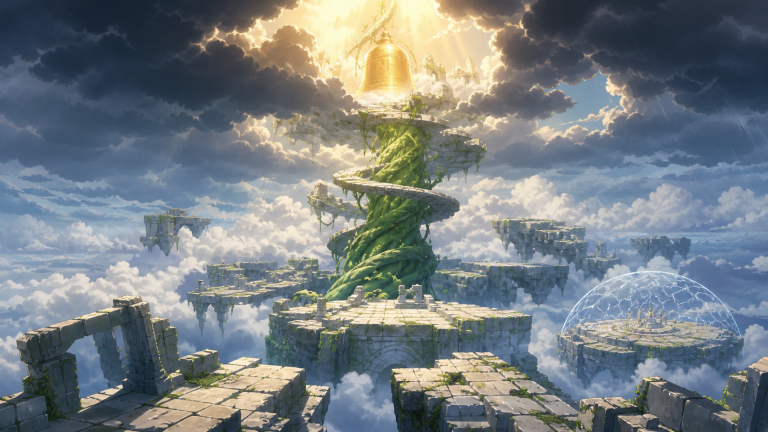
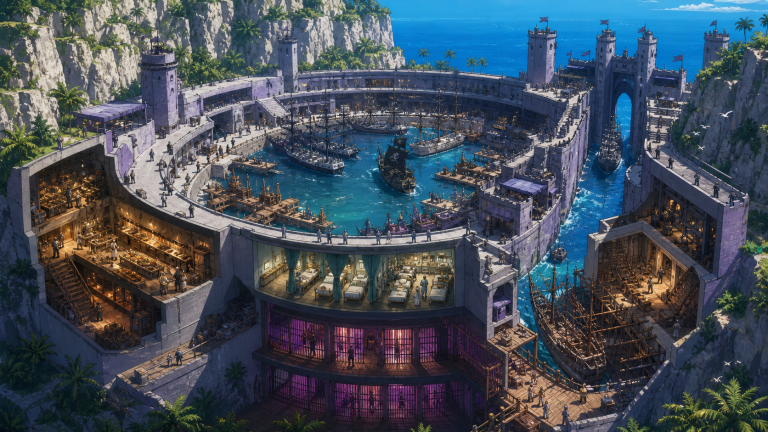
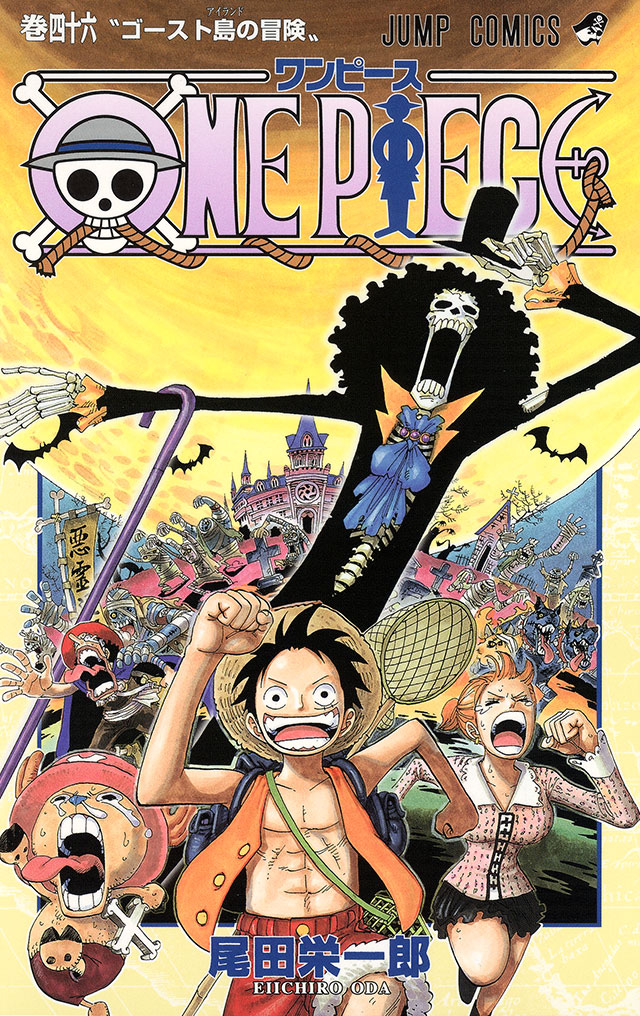
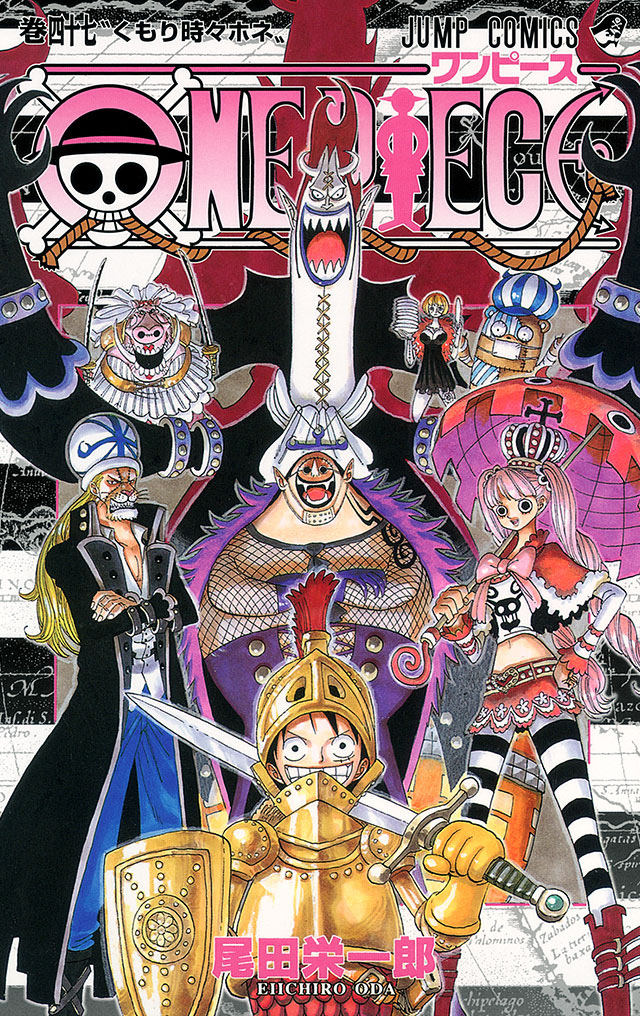
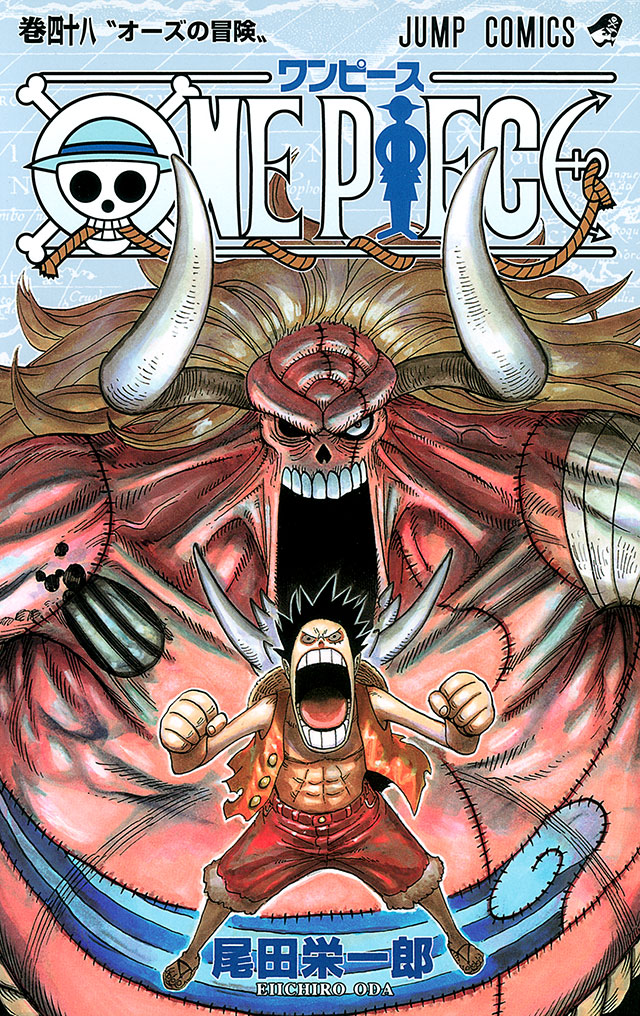
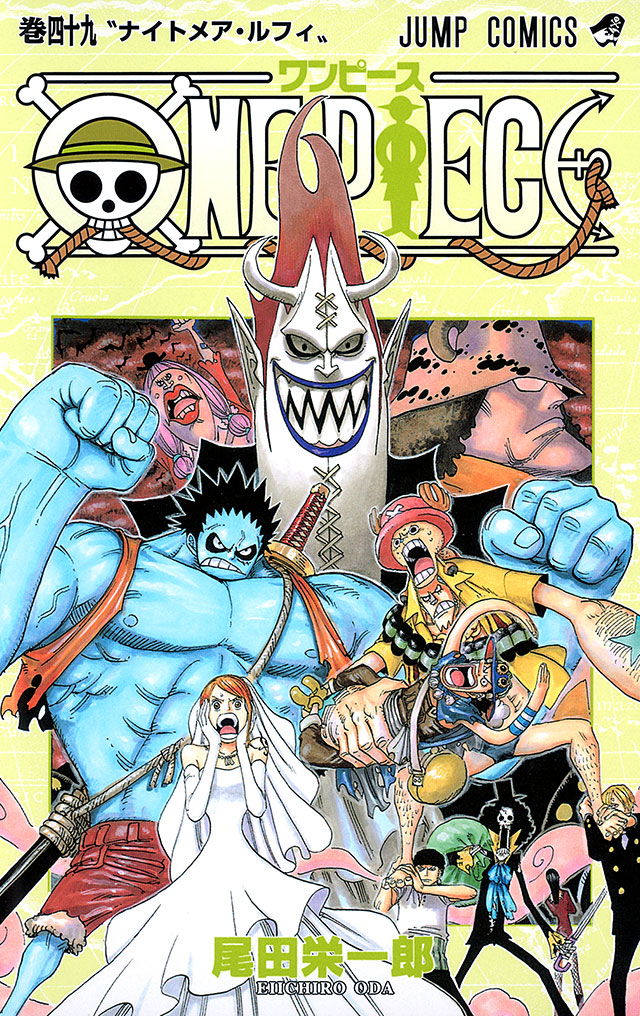
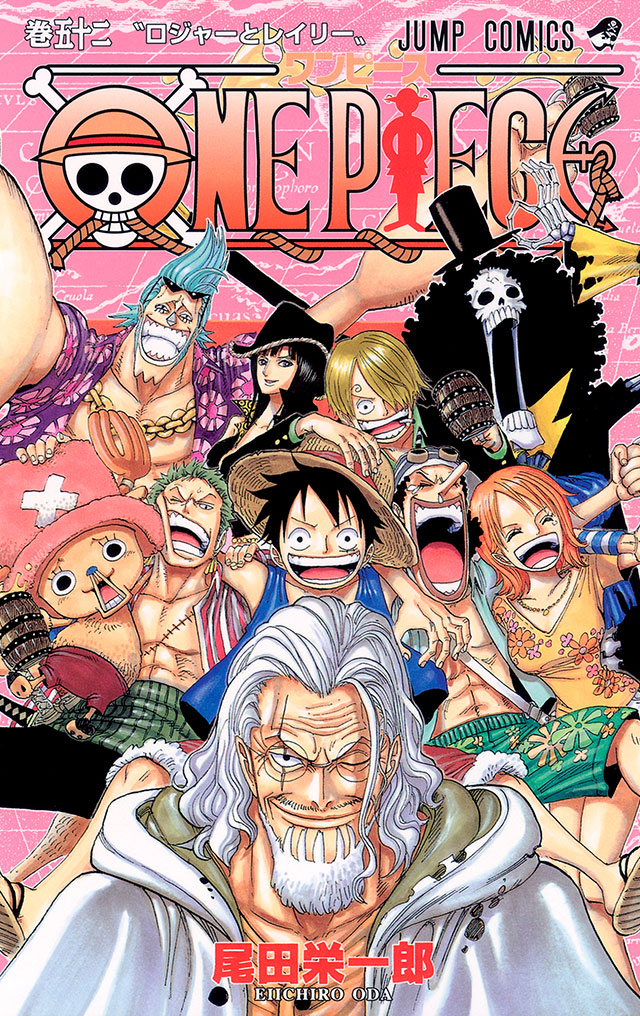
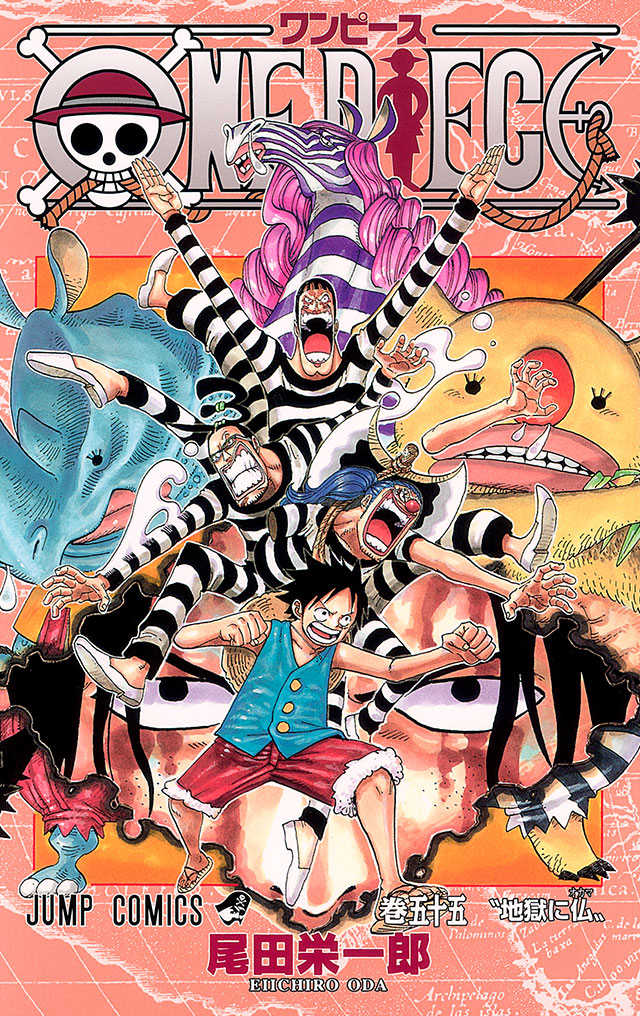
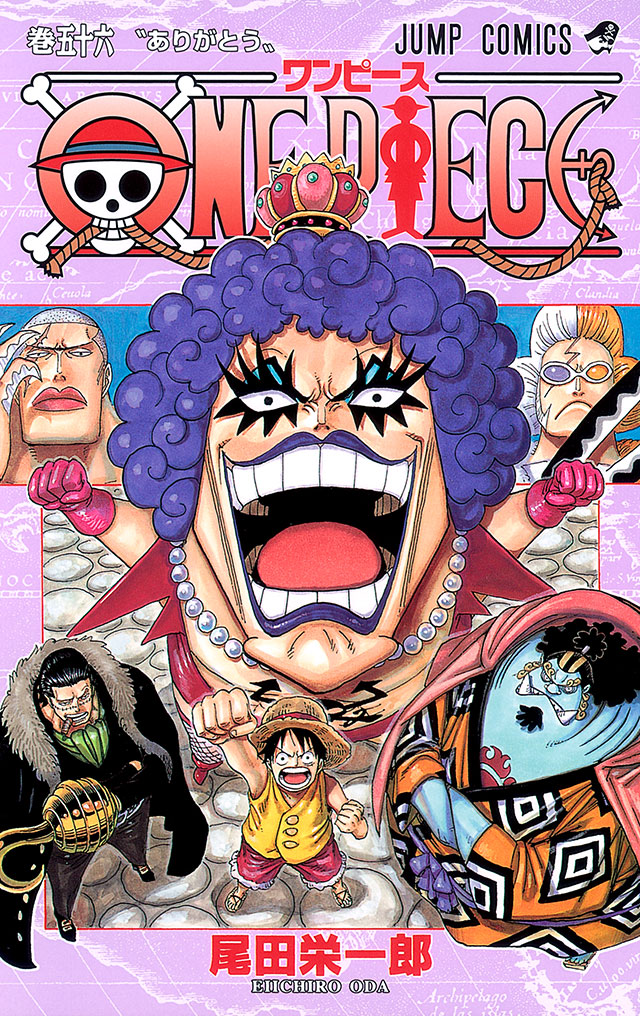
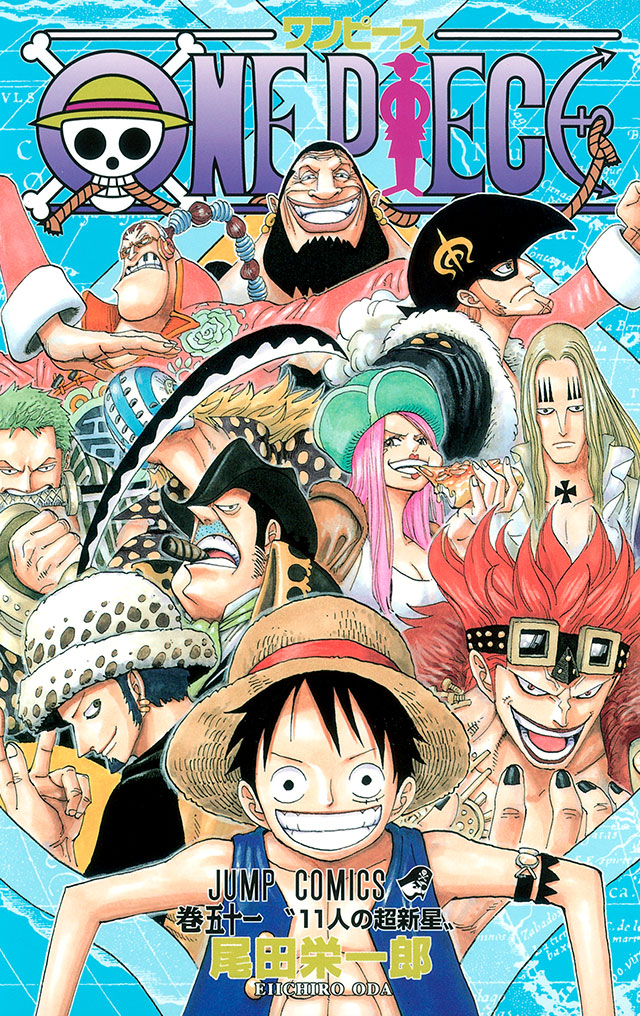
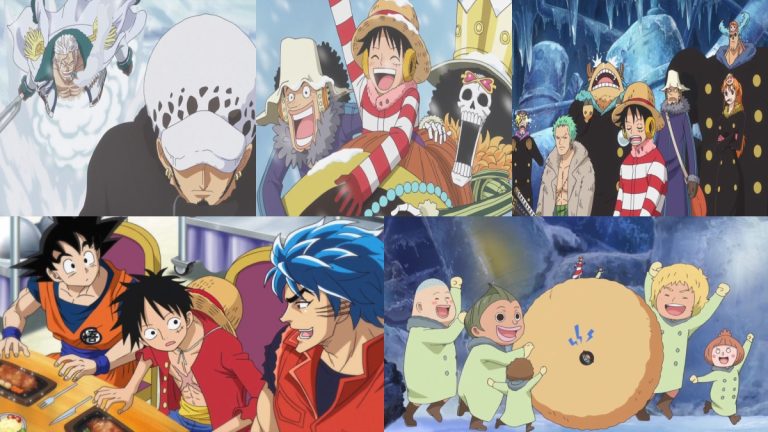
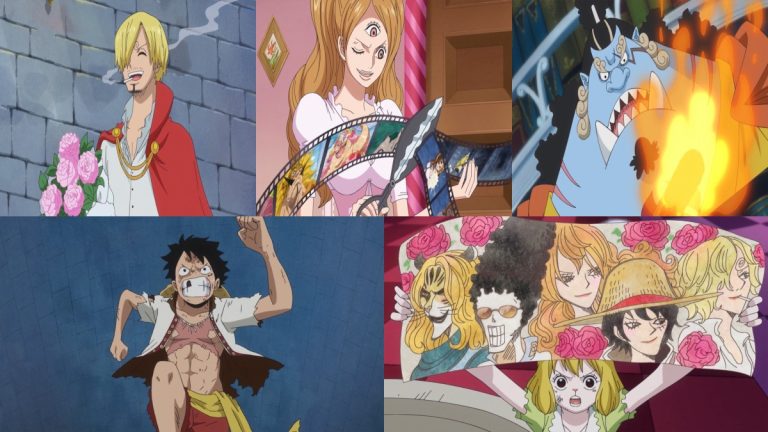
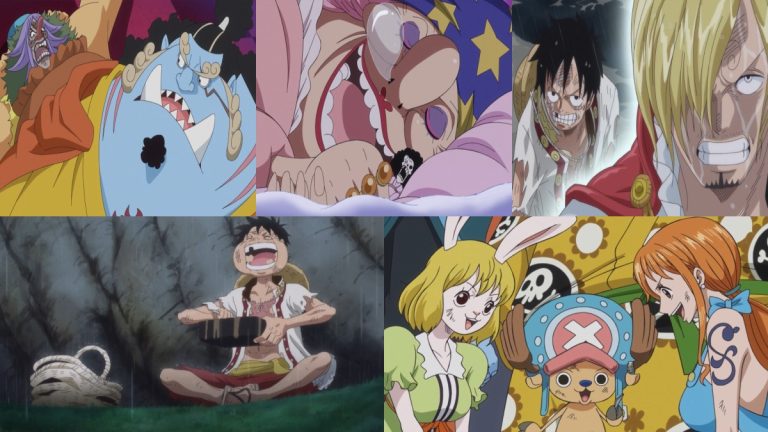
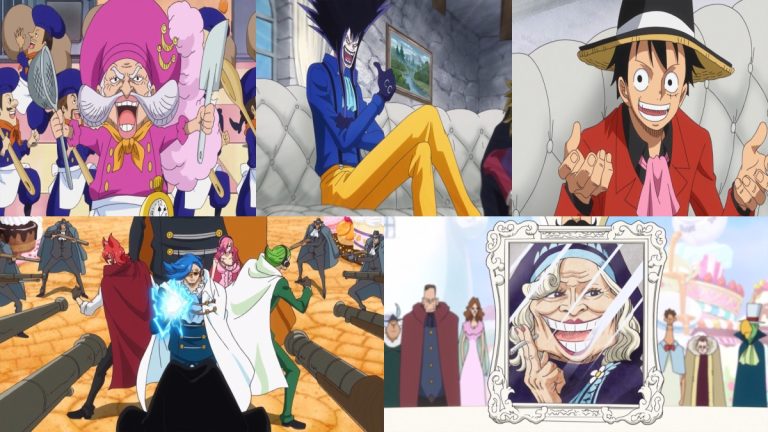
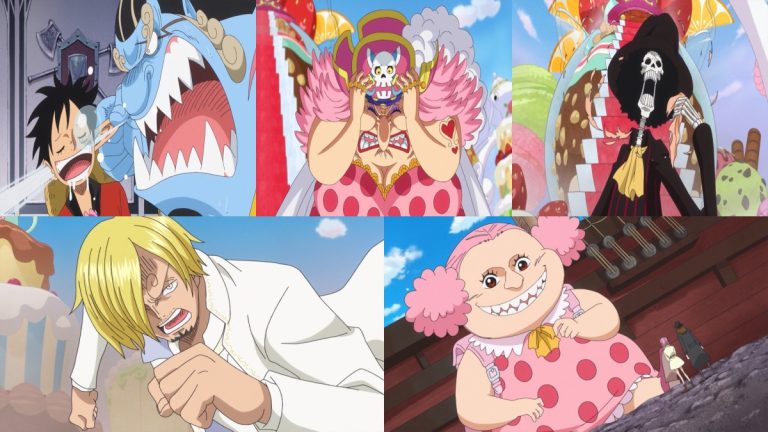
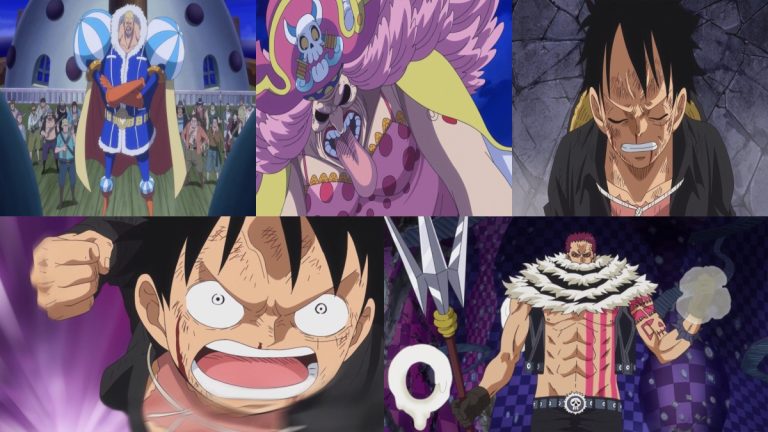
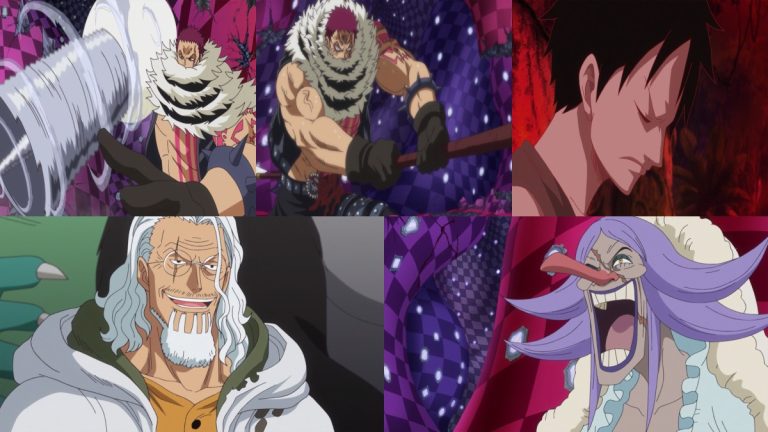
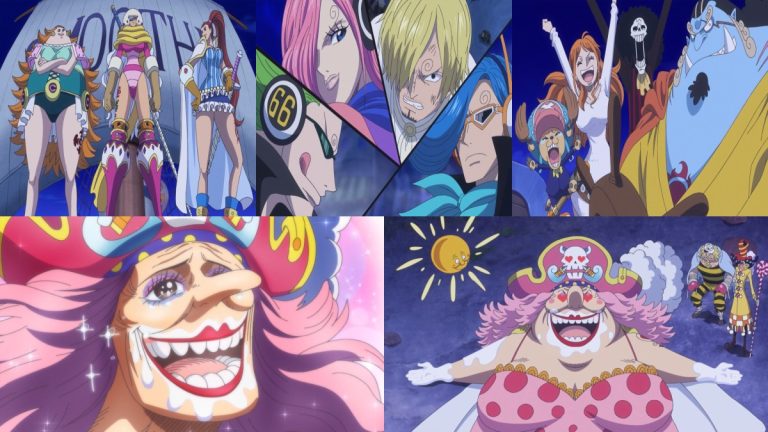
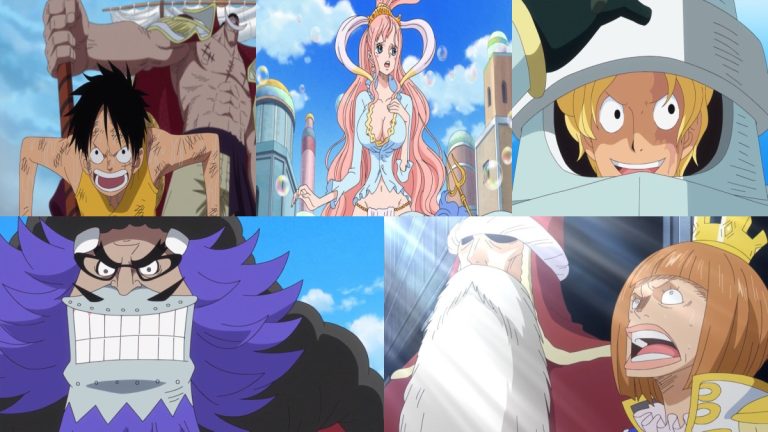
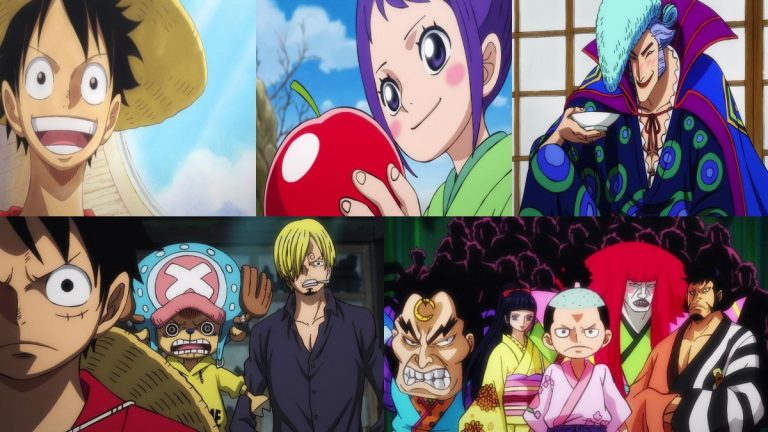
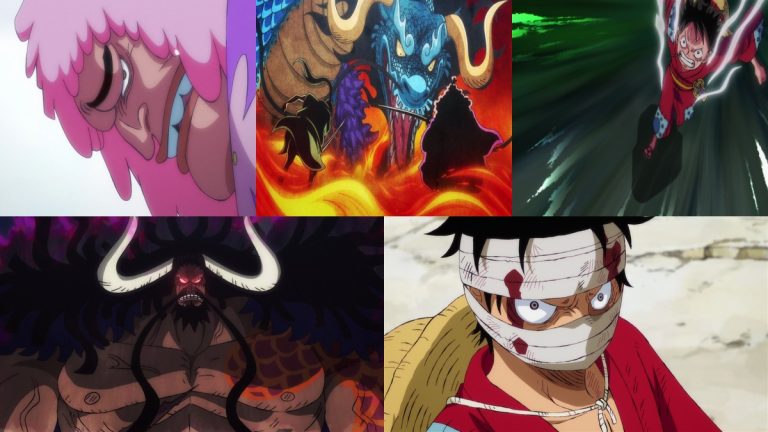
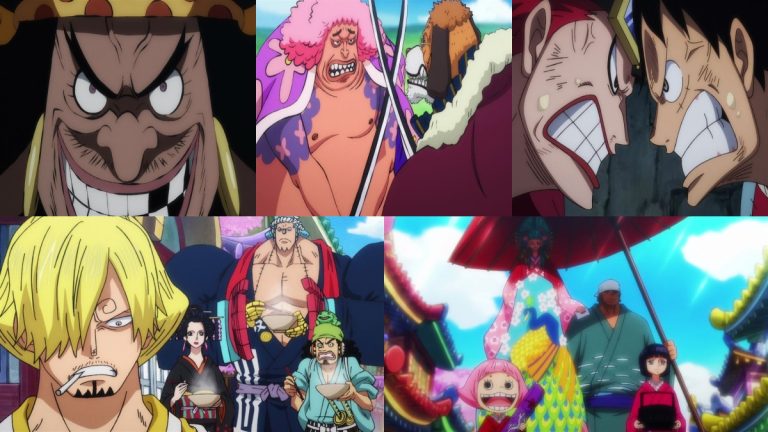
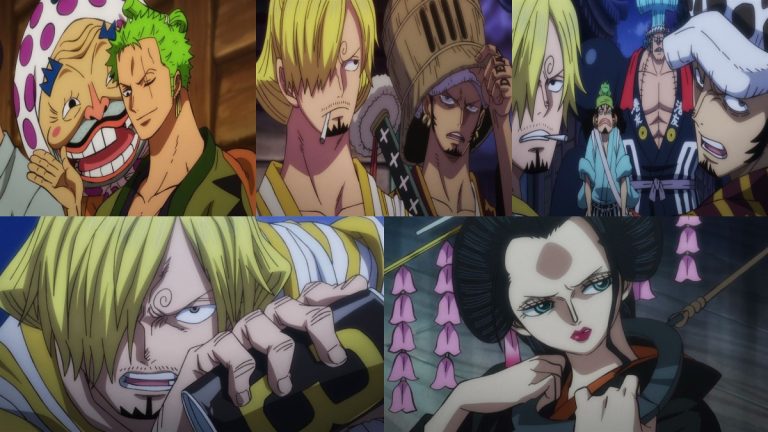
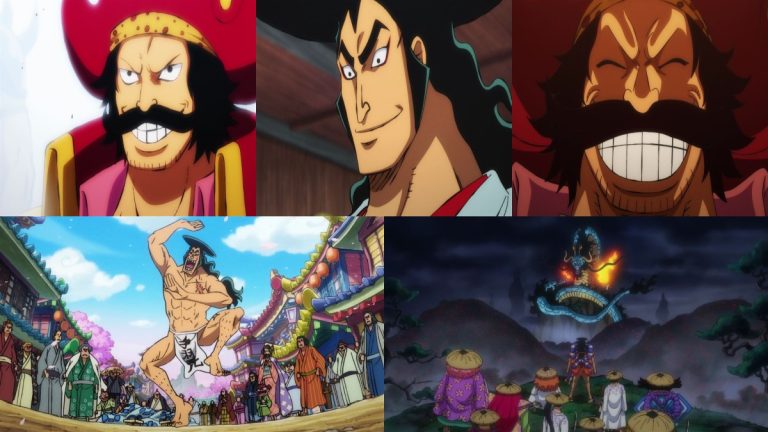
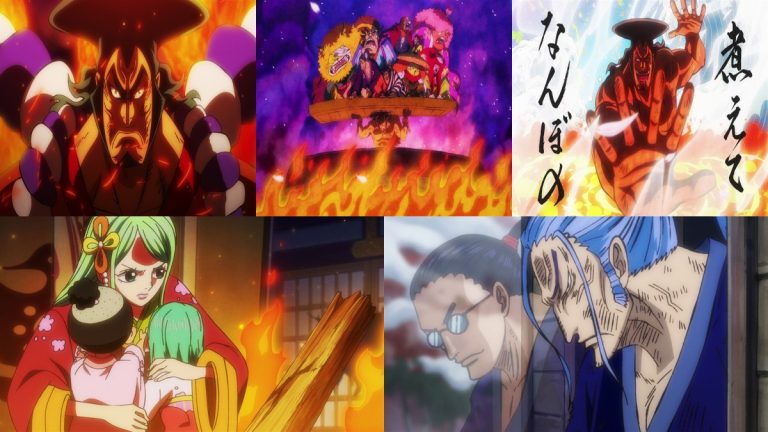
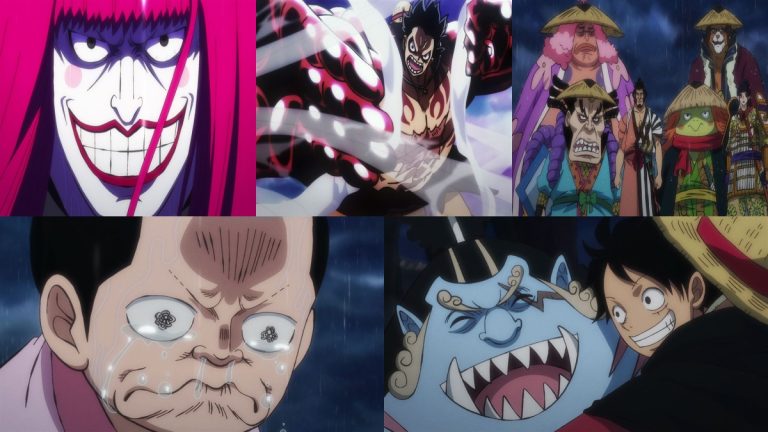
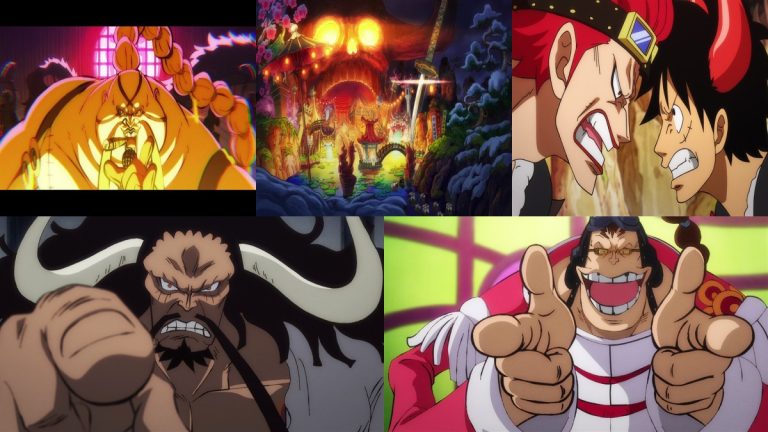
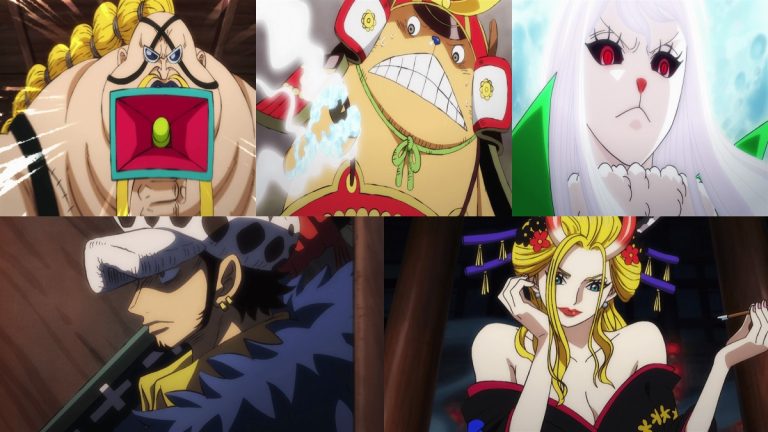
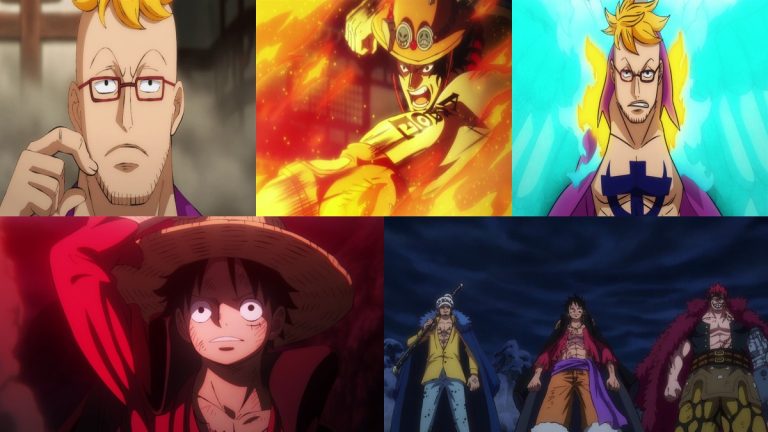
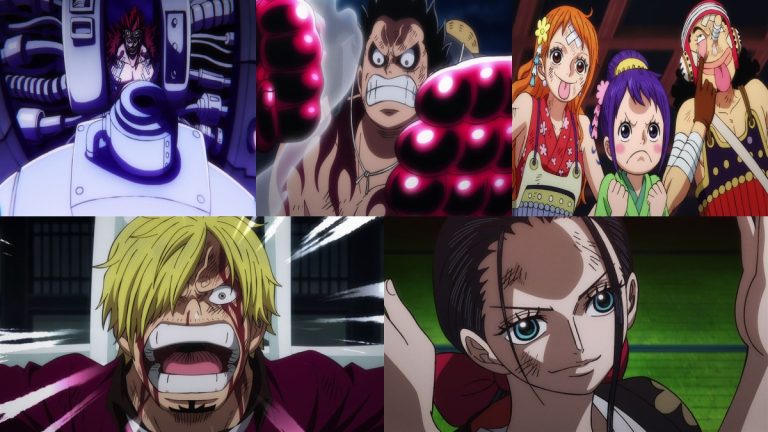
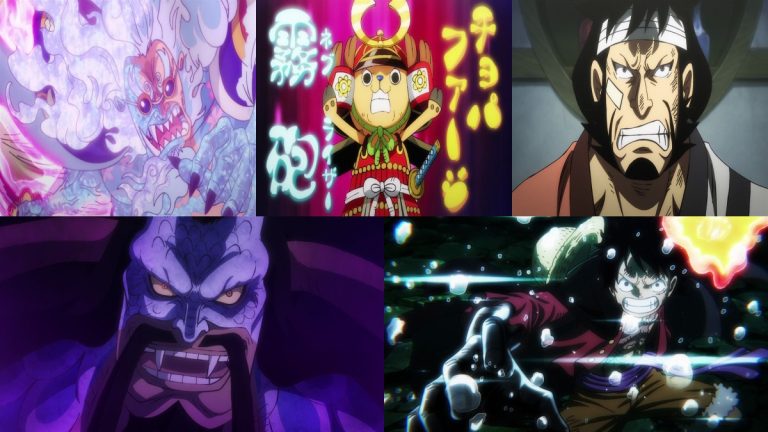
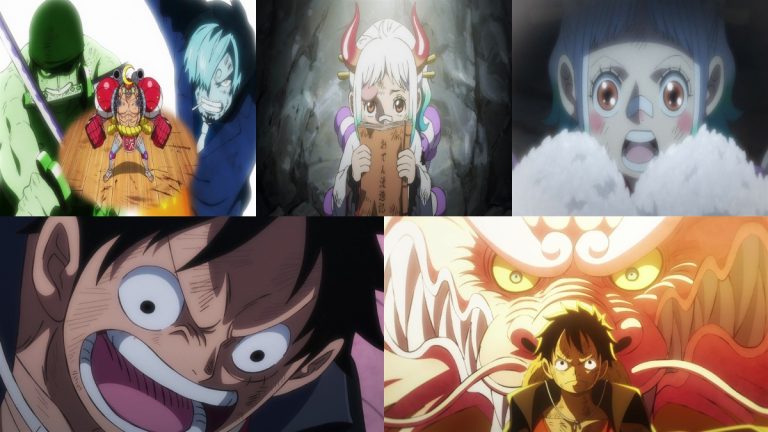
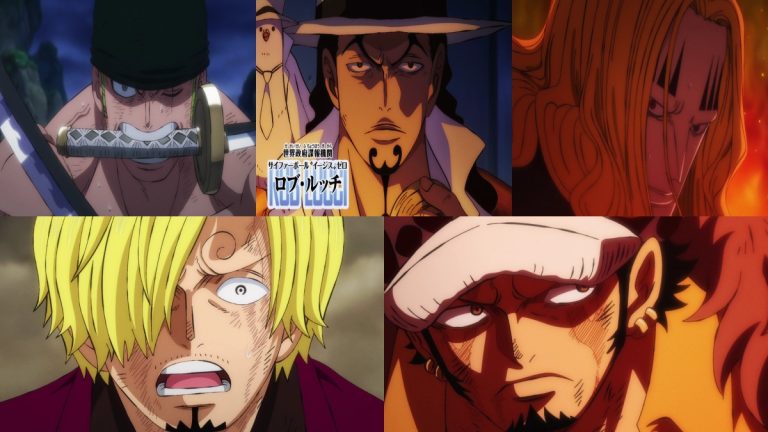
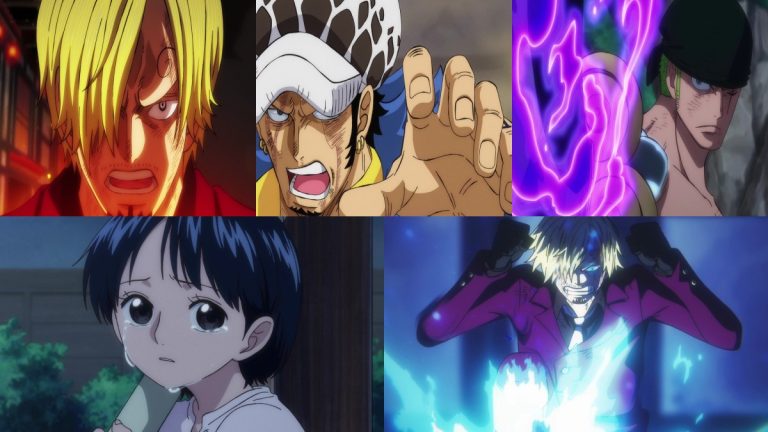
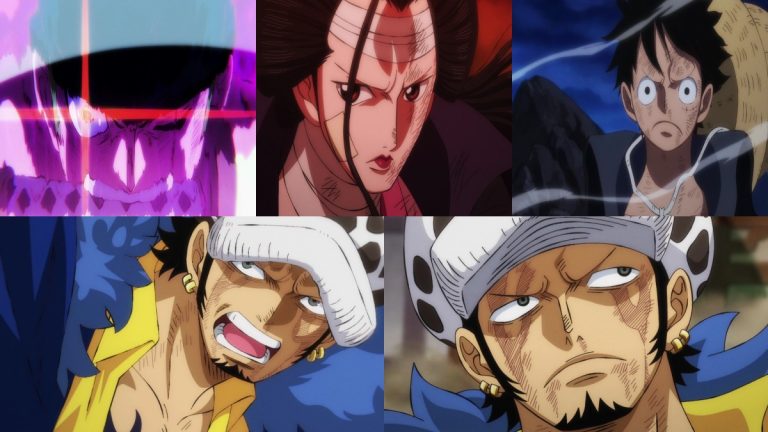
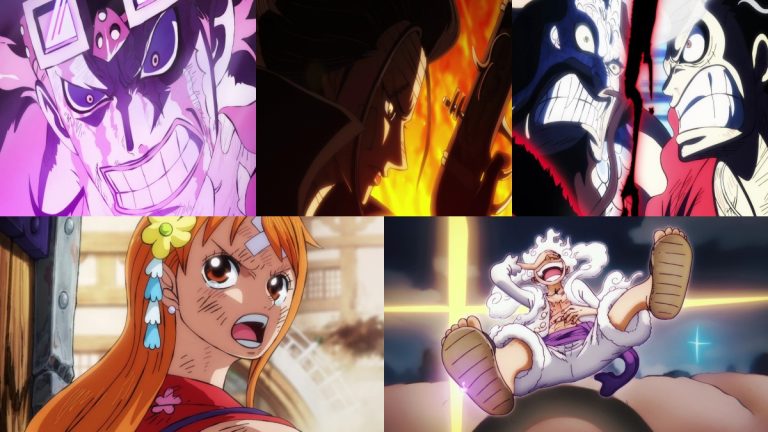
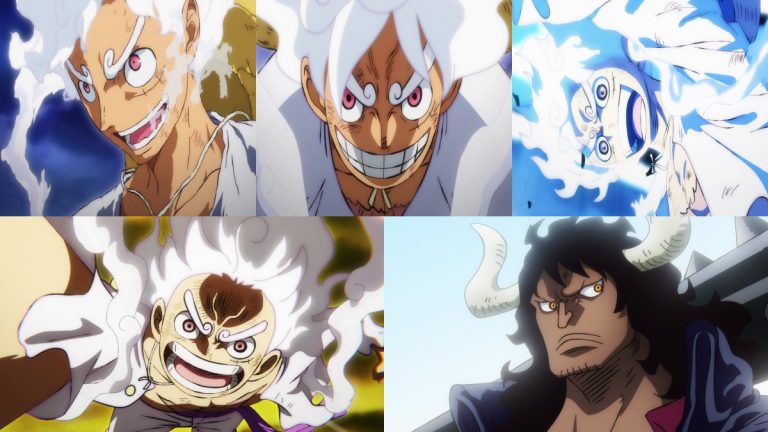
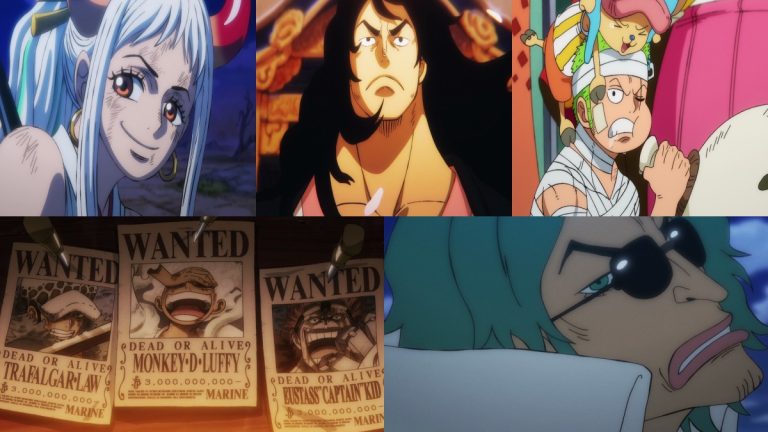
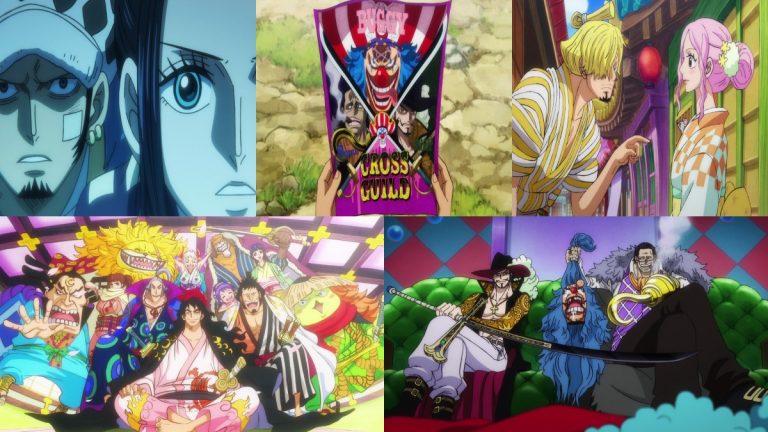
The cards below route to the completed episode shelves and the viewing-order guide. Each reference remains visible as an image card, matching the CVM Sekai hub standard.
ONE PIECE HEROINES is companion animation, not Episode 1177
ONE PIECE HEROINES aired a Nami-focused adaptation on July 5, 2026. The project comes from the ONE PIECE novel HEROINES line and explores women’s stories outside the main numbered-episode sequence.
Place the Nami installment after viewers know her post-time-skip life. The companion anime does not replace a numbered arc and should not be inserted as though Elbaf paused for an ordinary television episode.
THE ONE PIECE is a separate remake
WIT Studio’s THE ONE PIECE begins again from East Blue rather than continuing Toei Animation’s episode numbering. The official June 24, 2026 announcement placed the Netflix world release in February 2027 and revealed first-episode art for the new adaptation.
That production belongs on a separate branch. A new viewer may eventually choose Toei’s continuing series, WIT’s remake, or both. Episode 1 of THE ONE PIECE will not retroactively become another season label for the 1999 anime.
RaeRae’s verdict
One Piece is not hard to understand because the premise is complicated. Navigation becomes difficult when distributors package one continuous voyage into incompatible seasons and search results treat an upcoming episode like an aired episode.
Numbers, dated status notes, official arc ranges, and bounded image-card directories solve the practical problem without pretending the story is small. Start at the beginning, skip material only with honest labels, and never let a streaming interface convince you that catalog administration is story structure.
Official sources and routes
ONE PIECE.com: official TV anime archive
ONE PIECE.com: official story and episode ranges
ONE PIECE.com: 2026 production schedule announcement
Watch One Piece on Crunchyroll
ONE PIECE.com: THE ONE PIECE first-episode art and February 2027 release announcement
ONE PIECE.com: ONE PIECE HEROINES broadcast announcement
What the series guide does not replace
The route cards below organize the television anime into bounded story coverage. Episode Reacts remain close to one broadcast installment and name the exact production work, performance, and choices visible there. Saga guides use hindsight across a larger movement. Reviews judge complete series, films, or specials. Keeping those jobs separate prevents the same summary from being republished under four labels.
The television series is ongoing, so current episode totals and broadcast status carry a checked date. Future updates must preserve the date, official source route, local canonical image, Japanese Anime relationship, and the distinction between confirmed anime material and manga-only knowledge.
A dated guide stays honest
Episode totals, broadcast breaks, platforms, and active arcs change. Every future revision must state the check date and preserve earlier coverage rather than rewriting an ongoing series as a finished object.