Powered by vibes, caffeine, and questionable life choices. 💀
Search
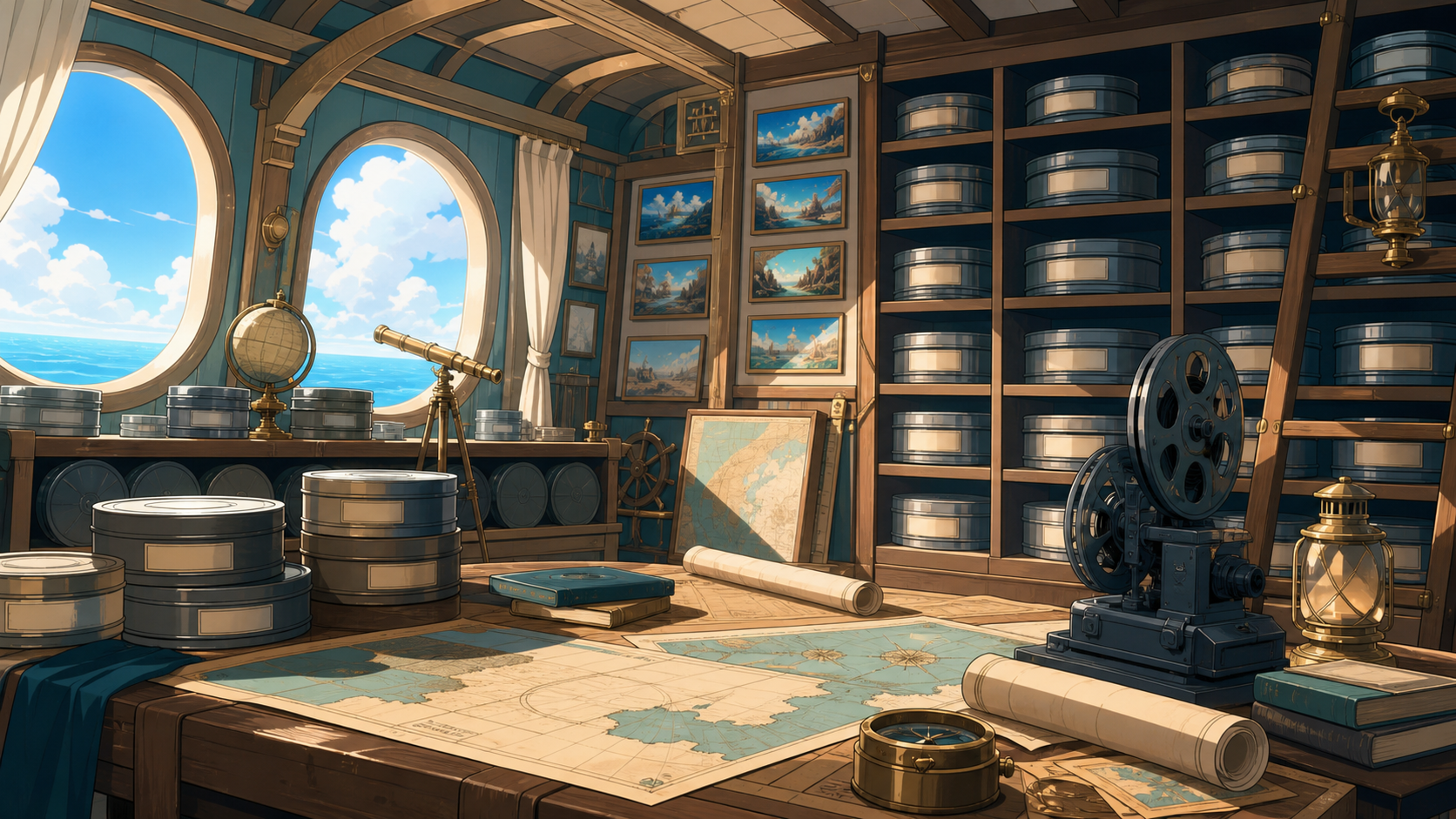
A bright shipboard archive stores film canisters, projection equipment, and maps

One Piece Anime Specials and OVAs

What belongs here

One Piece has television specials, original video animations, festival shorts, crossover episodes, recap features, and promotional animation. These works vary sharply in length, availability, and relationship to the main continuity.

Original adventures

Some specials build self-contained conflicts for the current crew. Their placement is easiest to understand through which members, ships, and abilities appear rather than by forcing every event into a canon timeline.

Episode of remakes

The Episode of specials retell major arcs with new animation and compressed structure. They are alternate summaries, not substitutes for the full arcs, and omissions can significantly change character emphasis.

Crossovers and promotional works

Crossover broadcasts and event shorts prioritize celebration over continuity. This directory labels that purpose plainly so viewers do not mistake a franchise collaboration for a missing canonical chapter.

Archive discipline

Every completed entry receives its own card, release information, format label, duration when verifiable, continuity note, and unique local image. Only finished pages appear below, keeping the route bounded and honest.

Availability

Specials are often harder to stream legally than numbered episodes or theatrical films. Availability notes must name a region and date rather than claiming a work is universally accessible.

Format labels matter because the archive is messy

A television special, theatrical short, OVA, event animation, crossover, recap remake, and promotional tie-in may all run longer than an episode without becoming the same type of work. Each Review identifies the original release context and avoids using “special” as a bucket for anything outside the numbered broadcast.

The relationship to continuity also varies. An Episode of remake compresses familiar material with new animation and altered emphasis. An original adventure may fit beside a crew era without becoming manga history. A crossover joins franchises for an event. A promotional short may exist to support a game, film, attraction, or anniversary. Labels tell readers what kind of promise the work makes.

Recap animation still makes editorial choices

Knowing the original arc does not make a recap Review unnecessary. Compression decides which relationships survive, which political causes remain legible, which performances are rerecorded, and which images replace slower television development. A remake can look polished while losing the patience that made the original turn believable.

CVM Sekai compares the finished special with the material being reshaped without demanding shot-for-shot loyalty. The question is whether the new version understands the emotional and structural work carried by the scenes removed, combined, or rewritten.

The shelf stays static, bounded, and visible

All 39 completed works appear as image cards below. No infinite horizontal carousel hides later entries. Every non-profile card uses “Read More,” and every Review carries a unique local canonical image with complete attachment metadata.

New specials, OVAs, ONAs, festival shorts, or promotional works join only after the Review, source record, release classification, taxonomy, local media, SEO, internal links, desktop layout, and mobile layout pass. Announcements and rumors do not receive finished Review cards.

ONE PIECE HEROINES belongs on this shelf

The 2026 ONE PIECE HEROINES animation is filed with specials rather than theatrical movies or numbered episode Reacts. The classification follows the released format. The separate Review judges the finished work, while announcements and production news remain supporting receipts.

One Piece Fan Letter also demonstrates why short-form animation deserves a full Review. Runtime does not determine significance. Direction, perspective, animation, sound, performance, adaptation choice, and the relationship to the television story can create a complete critical object without feature length.

Crossovers need franchise boundaries

A crossover appearance does not merge every participating canon. Reviews identify the event premise and the production context without importing powers, relationships, or consequences back into the main One Piece anime. Promotional fun stays enjoyable without becoming false continuity.
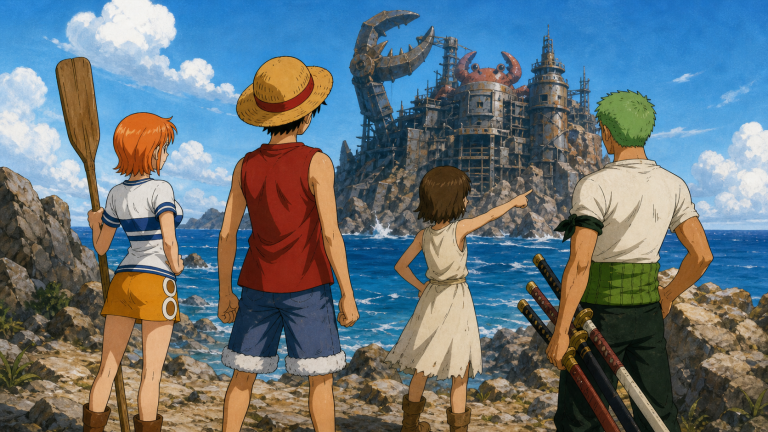
Pirate Ganzack was One Piece’s first animated adaptation, a 1998 Production I.G OVA with a different cast, an occupied island, and a road not taken.
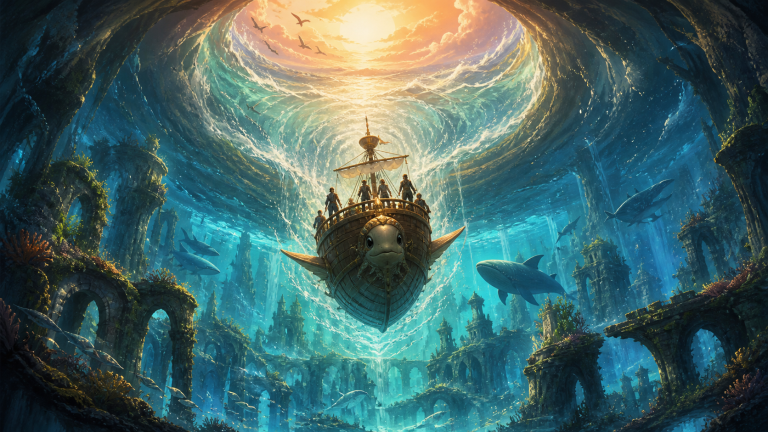
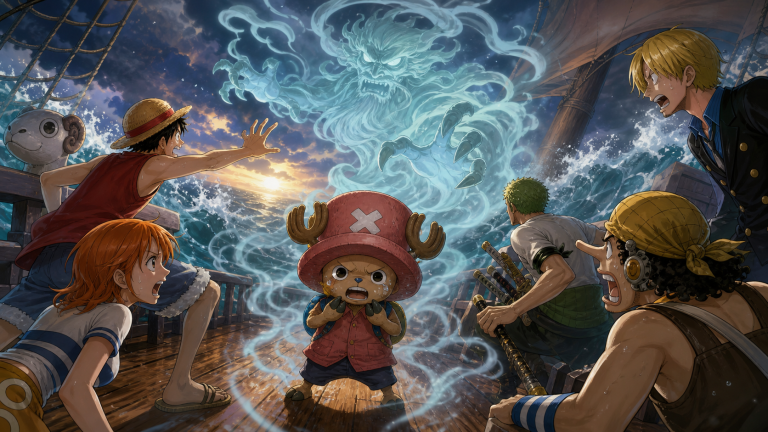
Adventure in the Ocean’s Navel sends the early Straw Hats beneath a giant ocean drain for monsters, wish-granting treasure, and a family argument adventure cannot erase.
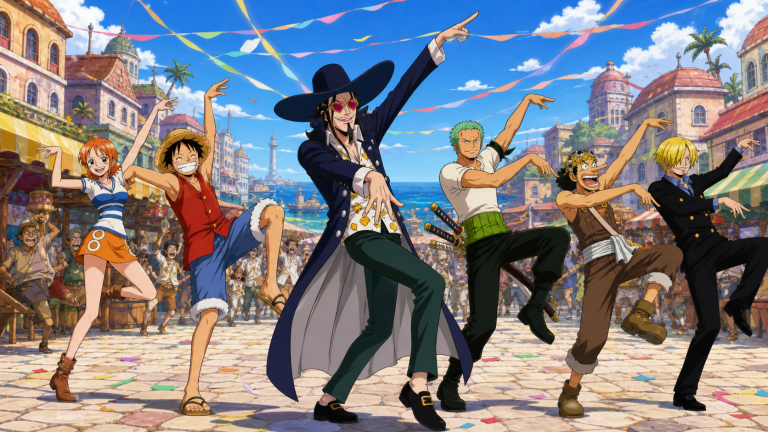
Jango's Dance Carnival turns a Marine chase into six minutes of hypnotic musical chaos and early One Piece theatrical charm.
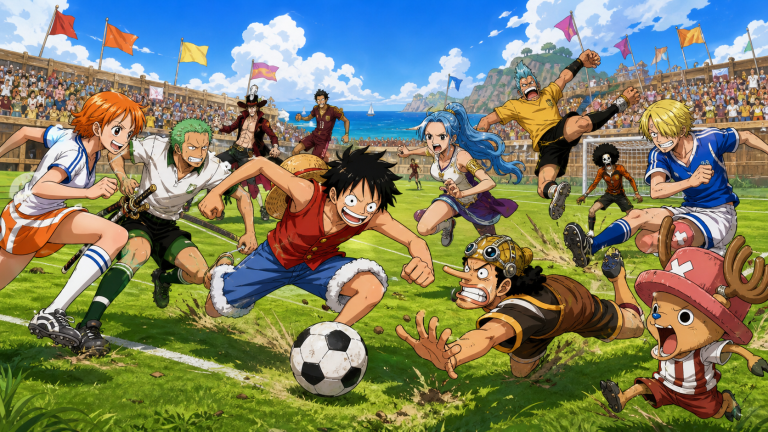
Dream Soccer King turns a 2002 World Cup-era penalty shootout into six minutes of pirate powers, villain cameos, and sideline nonsense.
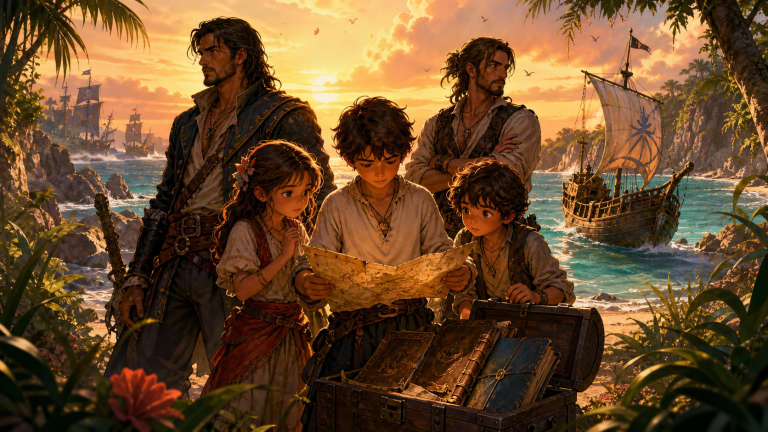
A Father’s Huge, HUGE Dream turns a pirate treasure hunt into Amanda’s argument about inherited dreams, absent parents, and the cost children carry.
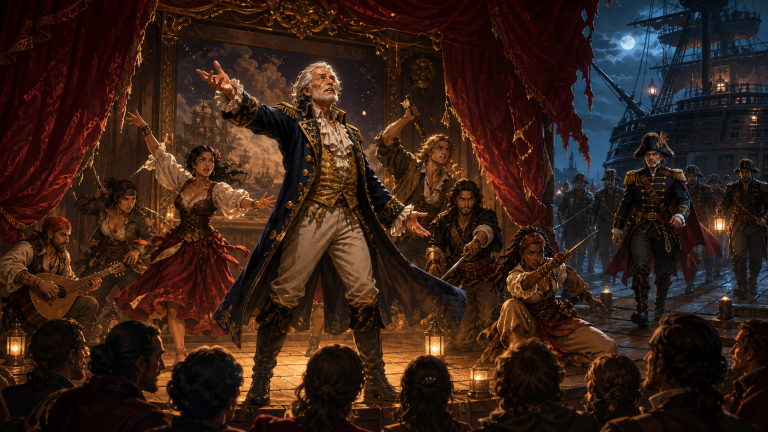
Protect! The Last Great Stage turns emergency casting and Randolph’s final performance into a fight over retirement, reputation, and corrupt authority.
The Adventure in Grand Line turned Chopper, the Going Merry, early 3D CGI, moving seats, and sensory effects into a rare 2002 Puroland attraction.
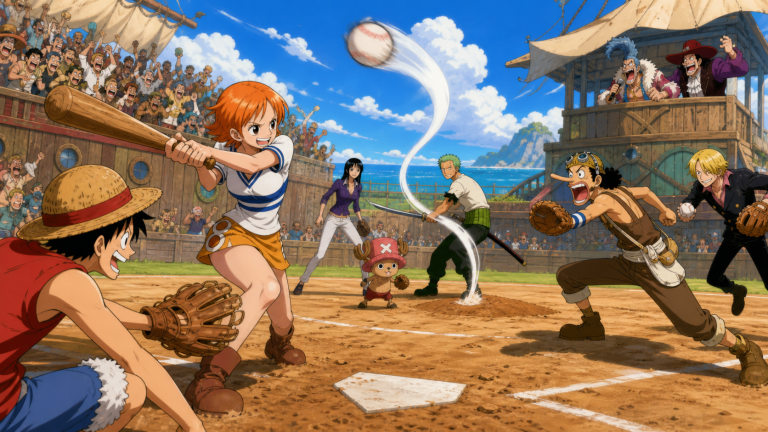
Pirate Baseball King gives the Straw Hats six minutes to wreck organized baseball while Buggy and Bon Clay call every ridiculous play.
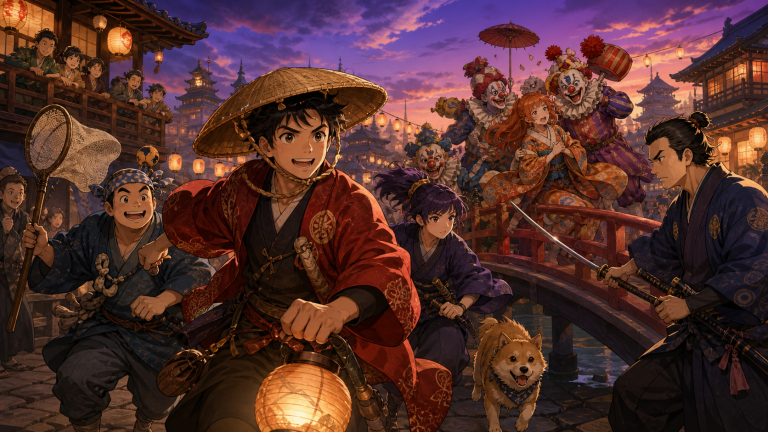
Chief Straw Hat Luffy’s Detective Story recasts the One Piece ensemble inside a lantern-lit historical comedy built around rescue, community, and Buggy’s ego.
Romance Dawn Story remixes Oda’s first pirate prototype through Silk, Gally, the post-Thriller Bark Straw Hats, and competing definitions of treasure.
Strong World Episode 0 adapts Oda’s Chapter 0 through the Edd War, Roger’s execution, Shiki’s capture, and the first Impel Down escape.
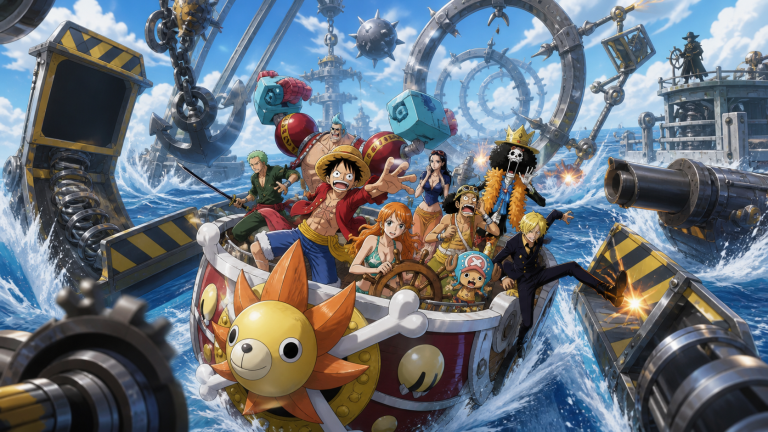
Trap Coaster sends the post-timeskip Straw Hats and Thousand Sunny through twelve minutes of stereoscopic machinery, venue spectacle, and archival frustration.
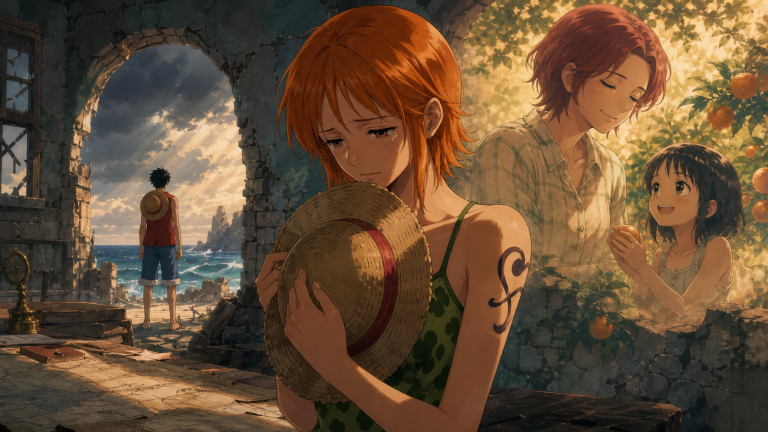
Episode of Nami retells Arlong Park through Nami’s forced labor, Bellemere’s sacrifice, the broken bargain, and the crew’s answer to her request for help.
Episode of Luffy explores Hand Island through Diego’s craft, abusive Marine rule, Coby and Helmeppo’s return, and a newly animated memory of Shanks.
Glorious Island gives the Straw Hats eleven minutes of Sunny downtime before Film Z, alongside mobile exclusivity and promotional fan-service choices.
Episode of Merry remembers the Straw Hats’ first ship through Usopp, Water Seven, Enies Lobby, the klabautermann, and a farewell built on gratitude.
One Piece 3D2Y turns Luffy’s hidden training years into a story about grief, patience, Rayleigh’s mentorship, and choosing reunion over reckless return.
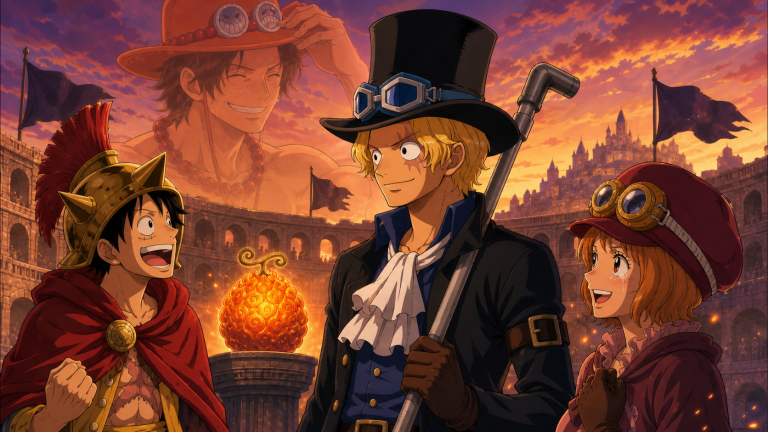
Episode of Sabo reframes Dressrosa through Sabo’s lost memories, reunion with Luffy, Revolutionary duty, and inheritance of Ace’s fire.
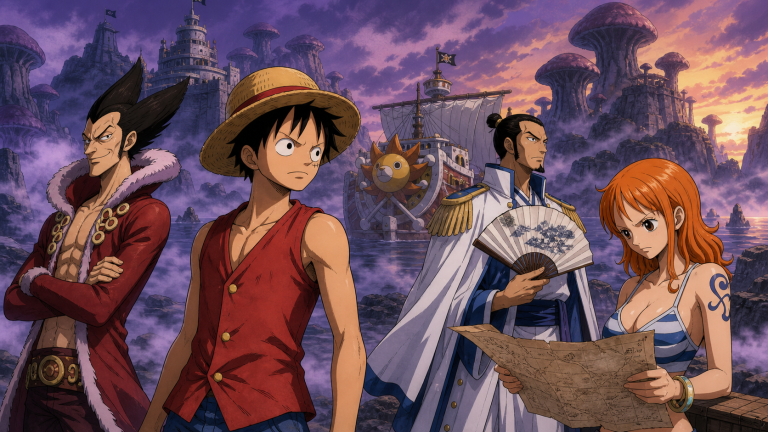
Adventure of Nebulandia turns Foxy into an unlikely ally when Marine strategist Komei weaponizes mushrooms, ego, loyalty, and Devil Fruit weakness.
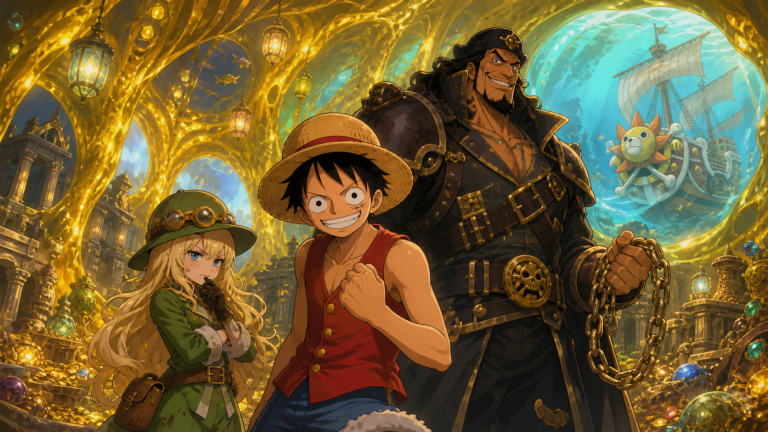
Heart of Gold follows Olga, Pure Gold, and Mad Treasure through a giant fish while exposing how parental secrecy can turn protection into abandonment.
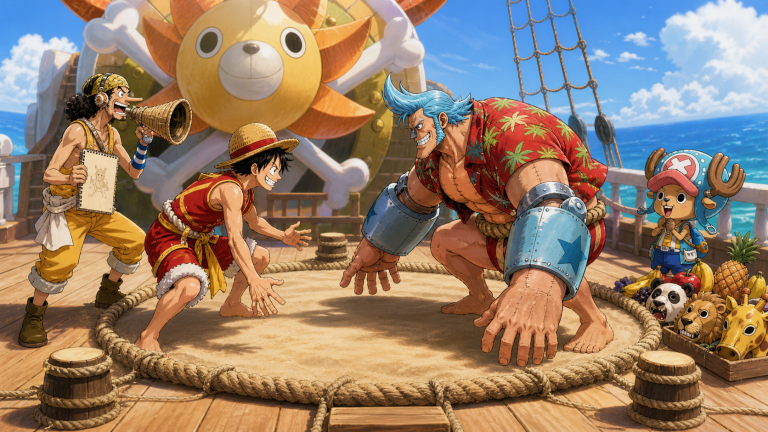
Film Gold Episode 0 follows Usopp’s fundraiser, Luffy and Franky’s sumo match, and a 7-Eleven campaign that placed access behind a receipt code.
Episode of East Blue celebrates the first five Straw Hats with polished animation while proving why their full origin arcs need more than two hours.
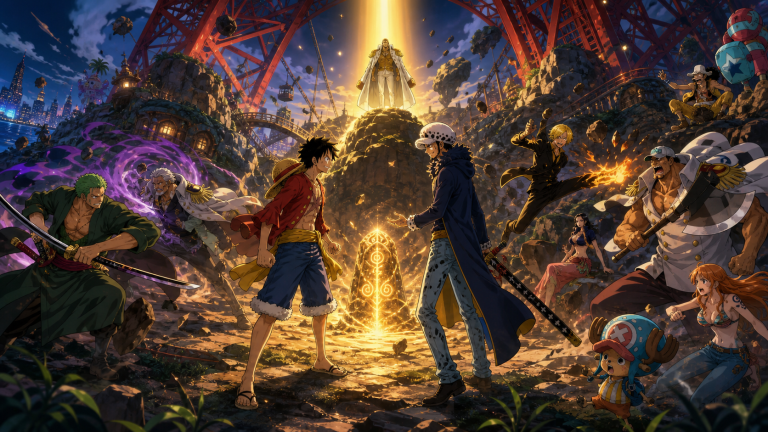
The Great Treasure of Tongari Island used three screens, 4D effects, impossible Marine matchups, and a Luffy–Law mystery inside Tokyo One Piece Tower.
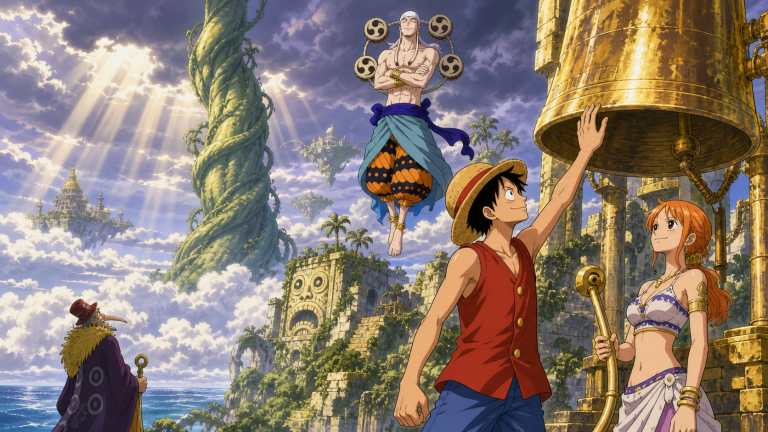
Episode of Skypiea preserves the golden bell and inherited promise while showing how much politics, culture, and history disappear inside a two-hour recap.
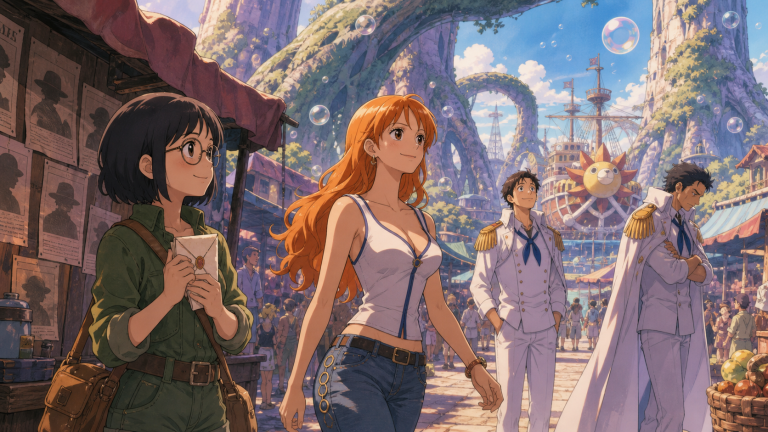
One Piece Fan Letter celebrates twenty-five years through ordinary fans and Marines whose lives change around heroes who may never know their names.
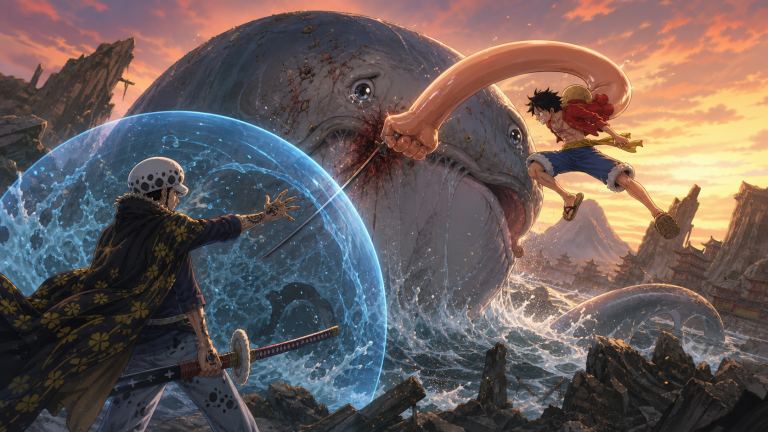
Luffy, Law turns five post-Onigashima minutes into a sharp rescue story about reckless compassion, surgical control, and trust hidden inside irritation.
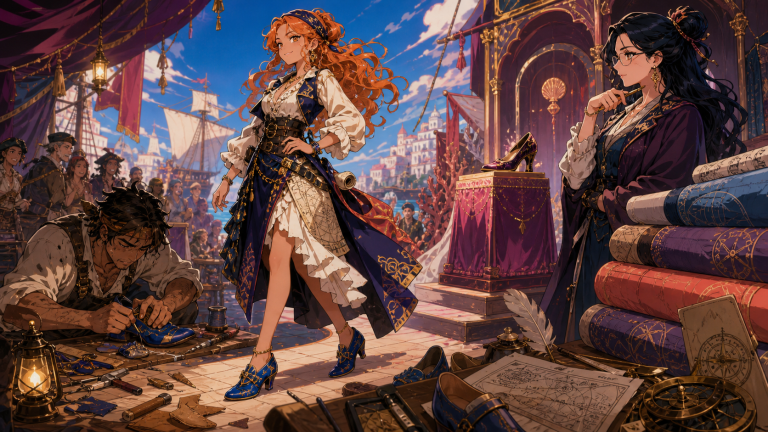
ONE PIECE HEROINES gives Nami a fashion-world fight over painful shoes, hidden labor, stolen credit, and who gets to own the spotlight.
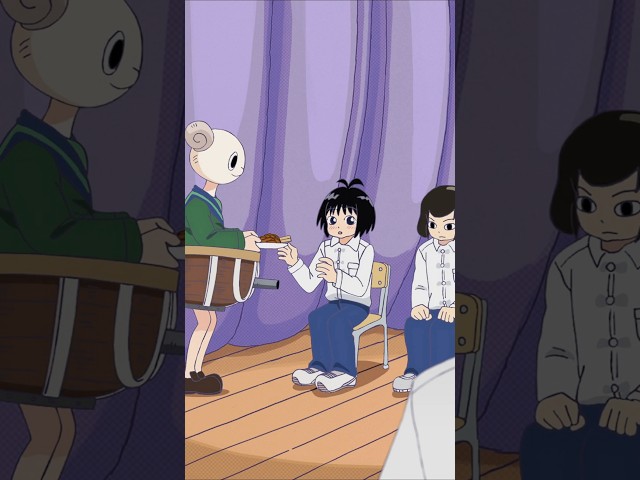
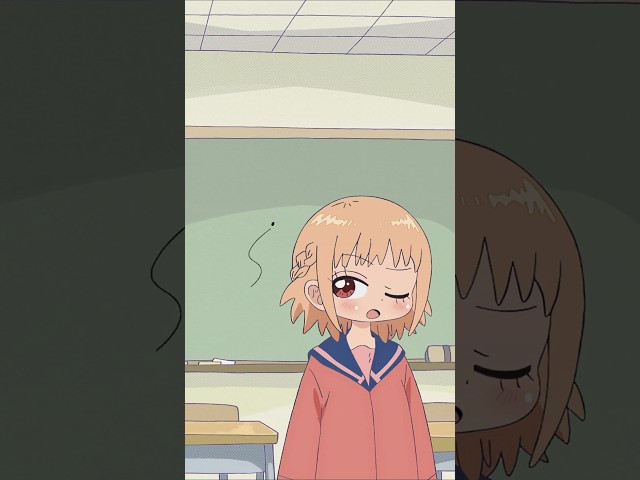
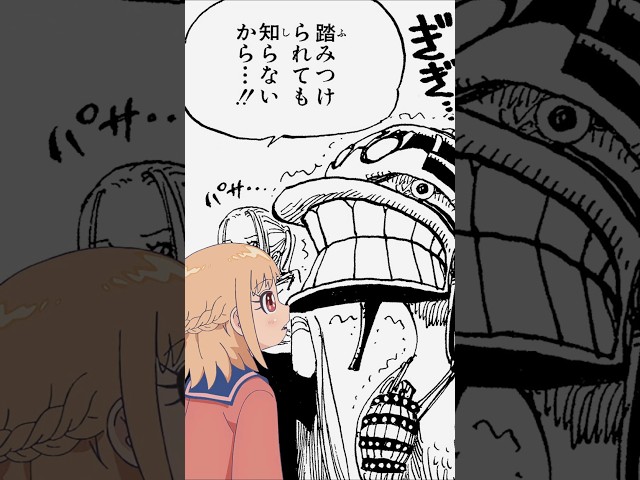
Love Romance: Dawn of Love turns One Piece fandom, school-club chaos, and teenage awkwardness into a sharp vertical anime comedy.
The Zoo turns One Piece fandom, school-club chaos, and teenage awkwardness into a sharp vertical anime comedy.
Versus Biology Club turns One Piece fandom, school-club chaos, and teenage awkwardness into a sharp vertical anime comedy.
One Piece in Love Side Story turns One Piece fandom, school-club chaos, and teenage awkwardness into a sharp vertical anime comedy.
The Book-Book Fruit turns One Piece fandom, school-club chaos, and teenage awkwardness into a sharp vertical anime comedy.
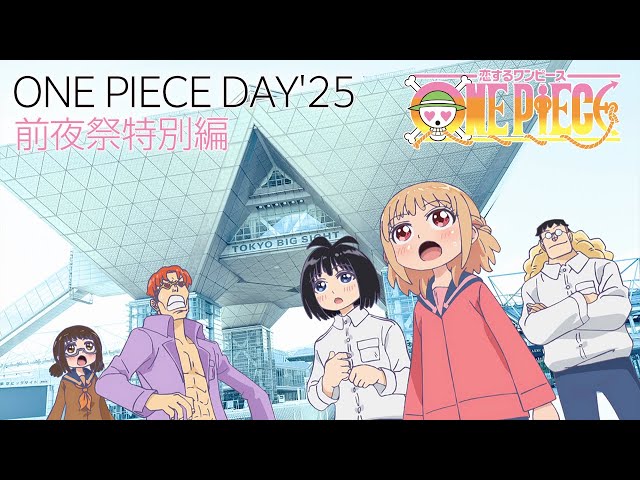
ONE PIECE DAY '25 Festival Eve Special turns One Piece fandom, school-club chaos, and teenage awkwardness into a sharp vertical anime comedy.
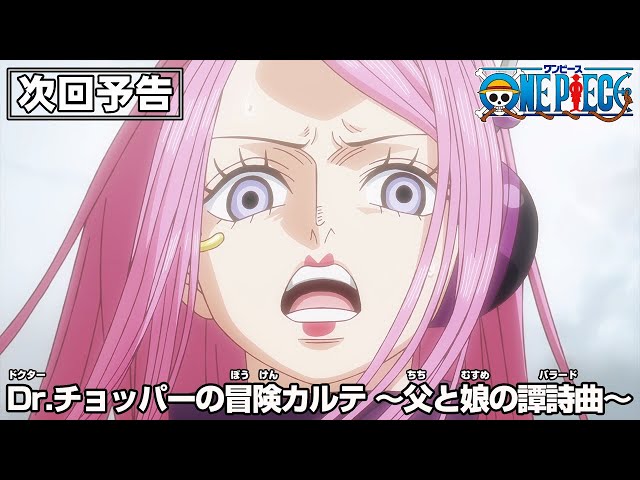
The Ballad of a Father and Daughter revisits the people, choices, and buried history shaping One Piece at Egghead.
Good Friends at a Crossroad revisits the people, choices, and buried history shaping One Piece at Egghead.
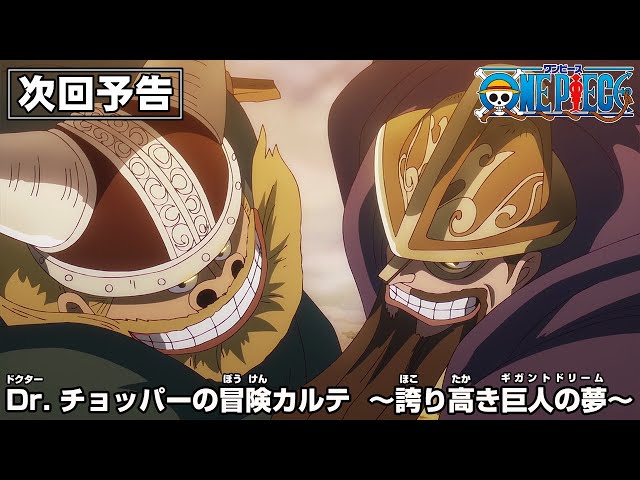
The Proud Dream of the Giants revisits the people, choices, and buried history shaping One Piece at Egghead.
Traitors' Masquerade revisits the people, choices, and buried history shaping One Piece at Egghead.
The Last Records That a Genius Left Behind revisits the people, choices, and buried history shaping One Piece at Egghead.
Egghead Arc Part 1 Recap Special revisits the people, choices, and buried history shaping One Piece at Egghead.

Leave a Reply