Powered by vibes, caffeine, and questionable life choices. 💀
CVM Sekai Animation Hub
Akira
One movie, one unfinished national argument, and one city that keeps rebuilding the machinery that hurt its children. Start with the film, then follow Neo-Tokyo through its characters, performance, history, hidden systems, and the questions that never stayed inside 1988.
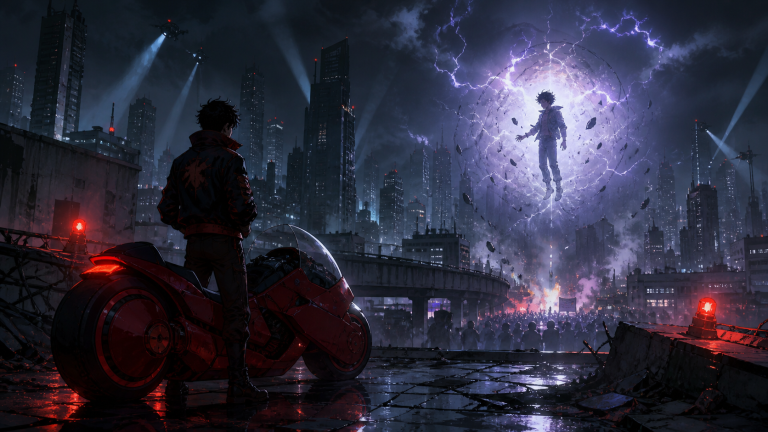
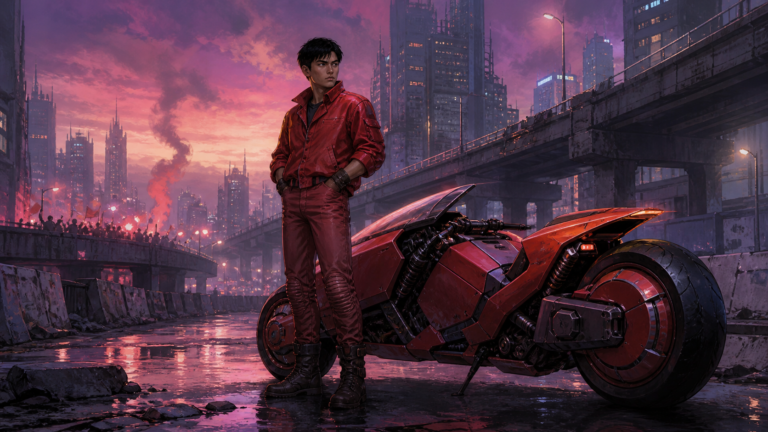
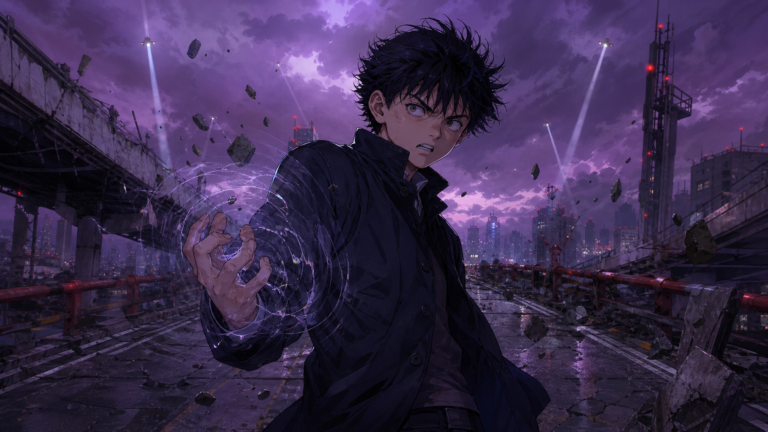
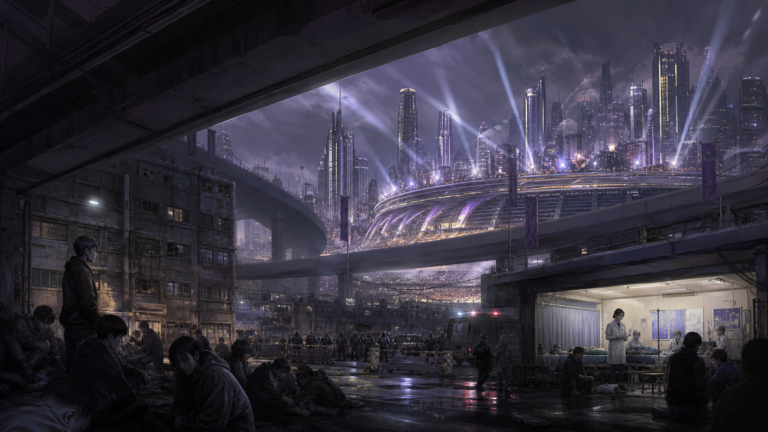
Akira begins with a city that has already survived the end of the world and learned almost nothing useful from the experience. Neo-Tokyo has highways, stadiums, laboratories, riot police, corrupt officials, religious panic, and teenagers who know that nobody in charge has made room for them. Kaneda rides through that city like the road belongs to him. Tetsuo spends the same night learning how quickly the state can turn an injured child into classified property.
The red motorcycle is not the point. The psychic explosion is not the point. Even Akira is not the point in the usual monster-at-the-center sense. The real engine is a country that confuses control with safety, strength with maturity, and rebuilding concrete with repairing people. Tetsuo gains impossible power, but the power only enlarges every humiliation, fear, and need he never learned how to name.
This hub keeps the ecosystem together without flattening the movie into a plot recap. The film review handles the full verdict and ending. Character files track the people trapped inside Neo-Tokyo’s systems. The lore and voice shelves explain the history, institutions, animation, sound, and performances. The rants pull the movie into arguments about childhood, friendship, public power, and cities that can fund everything except trust.
The Franchise Road
The 1988 animated film is the complete screen route. Katsuhiro Otomo’s six-volume manga, published from 1982 to 1990, is the larger body: more political factions, more life after catastrophe, and far more space for Akira as a living force. The adaptation compresses that wider social collapse into one theatrical strike without becoming a lesser experience.
A complete Akira Review of Neo-Tokyo, Kaneda and Tetsuo, state violence, body horror, animation innovation, cultural impact, criticism, and the ending.
Akira works because the people inside the disaster want painfully ordinary things: respect, safety, recognition, love, control, and a way to stop feeling small. The finite cards below open each completed record, and the directory expands automatically as more speaking characters are published.
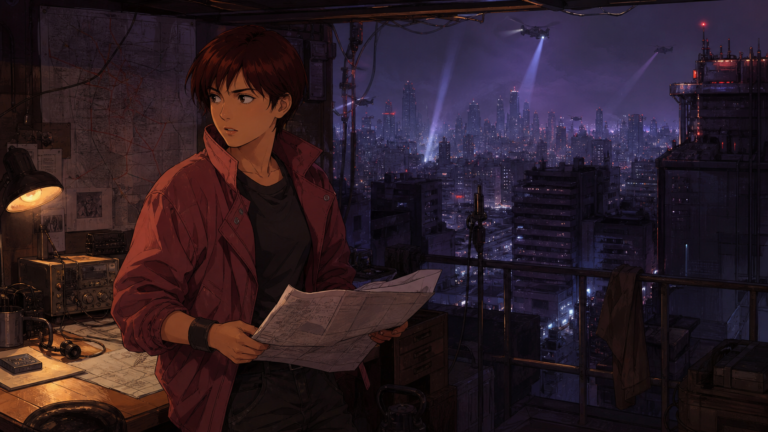
Kei is Akira’s resistance fighter, political witness, and psychic conduit. Her profile follows the people, power, and betrayals that shape her Neo-Tokyo story.
Tetsuo Shima turns Akira’s psychic spectacle into a tragedy about humiliation, institutional abuse, friendship, and power that grows faster than a child can control.
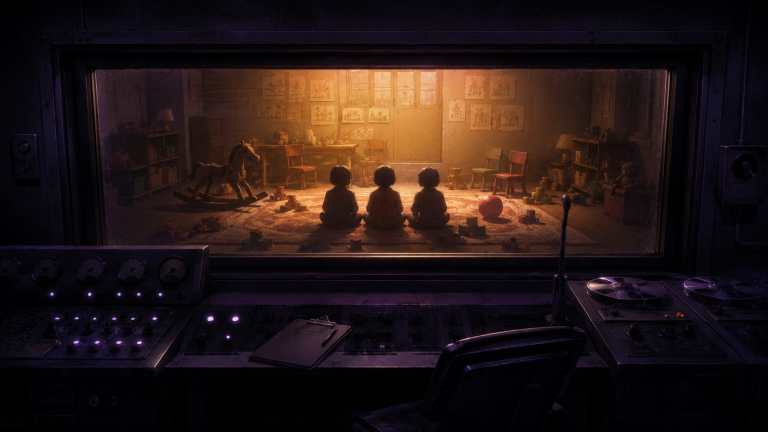
Kiyoko, Takashi and Masaru are numbered 25, 26 and 27. Akira is 28. They are the children the state took, tested, and kept, and they are the evidence for every argument the film makes about power. Here is what the program was, what it did to them, and why the playroom is the most disturbing set in the movie.
A complete Akira Review of Neo-Tokyo, Kaneda and Tetsuo, state violence, body horror, animation innovation, cultural impact, criticism, and the ending.
These arguments belong here because Akira and its characters are discussed directly. They are not generic trope posts wearing an Akira tag for decoration.
Akira turns Neo-Tokyo into a warning about cities that rebuild stadiums, towers, and security systems before rebuilding public trust, youth support, and accountability.
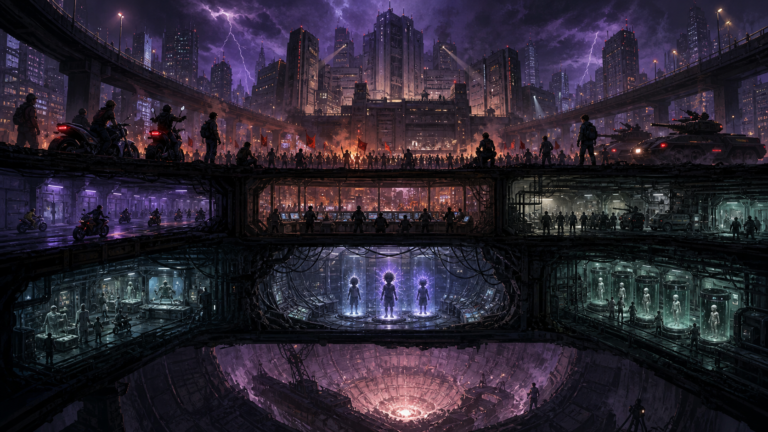
The lore route follows the systems beneath the explosions: Neo-Tokyo, the Akira Project, the Espers, military control, psychic evolution, protest, reconstruction, and the adaptation decisions that reshape the manga.
A fan-focused guide to Neo-Tokyo, psychic power, military control, youth rebellion, adaptation choices, and the buried systems that make Akira more than a cyberpunk spectacle.
Katsuhiro Otomo published the Akira manga across six volumes from 1982 to 1990. The film arrived in 1988, two years before the story finished, so Otomo adapted roughly the first third of his own unfinished work and wrote a different ending for the screen. Here is what the manga has that the movie could never fit.
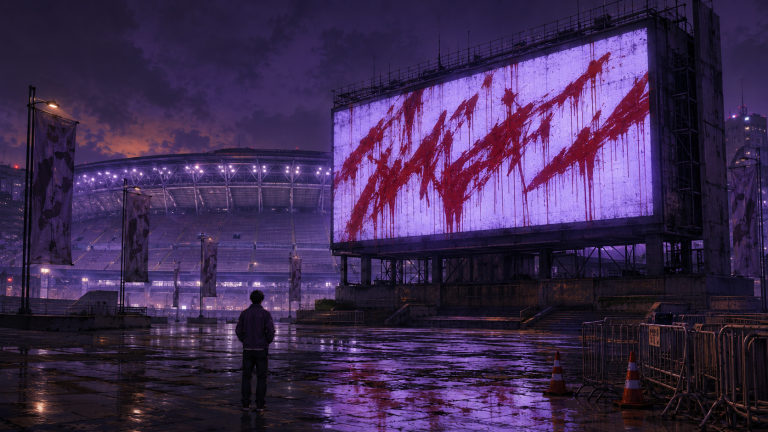
Akira is set in 2019 and puts an Olympic countdown board in the background with protest graffiti across it. Tokyo really did win 2020, the Games really were postponed, and on the exact day the film's counter would have read 147, the graffiti trended on Japanese Twitter. Here is what actually happened and what people made up afterward.
More than 160,000 hand-painted cels, a palette of 327 colors, a budget near 1.1 billion yen, and dialogue recorded before the animation existed. Akira held the record for the most expensive Japanese animated film until Spirited Away. Here is what those numbers actually bought.
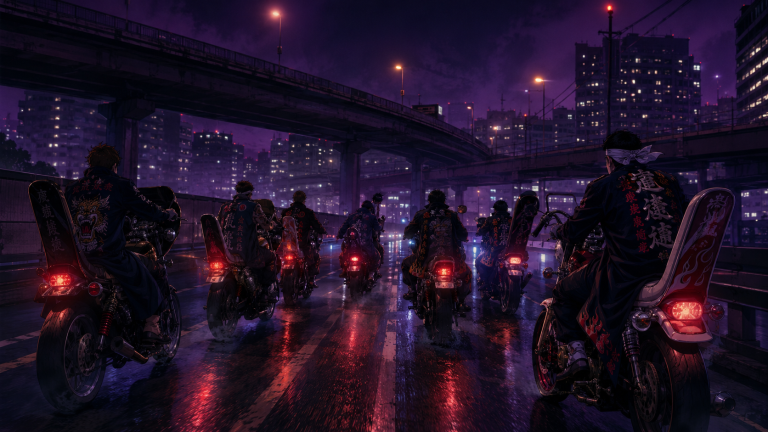
Bosozoku were real Japanese motorcycle gangs, mostly boys aged 17 to 20, who ran modified bikes through Tokyo at night in embroidered tokko-fuku coats. Katsuhiro Otomo lived where he could watch them, and then he drew them. The Capsules are documentary before they are science fiction.
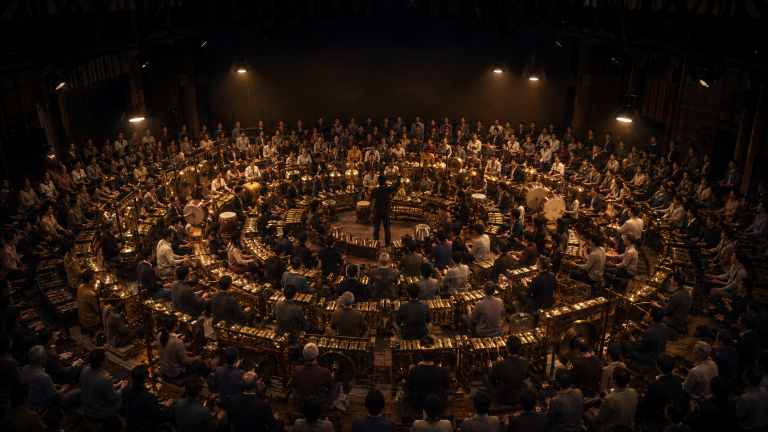
The most recognizable score in anime was performed by Geinoh Yamashirogumi, a collective of several hundred people who mostly held day jobs in science, business and education. They used Balinese gamelan, Noh voice, Buddhist shomyo chant and Tibetan percussion, and Shoji Yamashiro wrote the main pieces without seeing any footage.
Kanye West restaged the hospital sequence in a music video. The Duffer brothers named Otomo as a direct influence on Stranger Things. Kaneda's bike appears in Ready Player One and Cyberpunk 2077 ships a copy of it. Here is the documented trail, separated from the things fans merely assume.
Kiyoko, Takashi and Masaru are numbered 25, 26 and 27. Akira is 28. They are the children the state took, tested, and kept, and they are the evidence for every argument the film makes about power. Here is what the program was, what it did to them, and why the playroom is the most disturbing set in the movie.
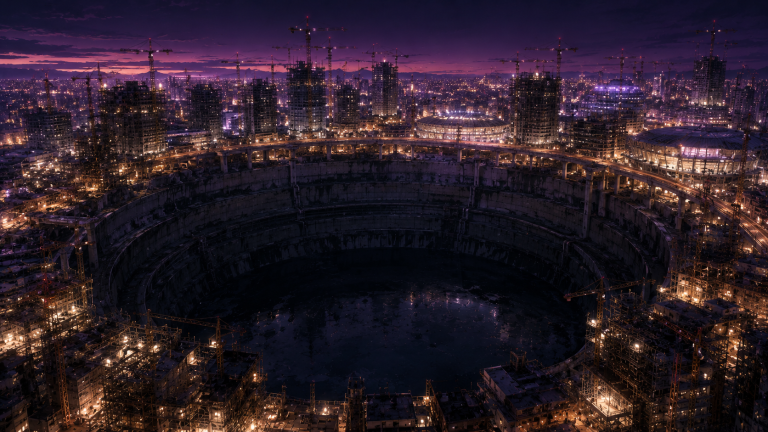
Akira opens with a city erased by white light, then jumps thirty-one years to a society rebuilt on the crater by the institutions that caused it. Otomo drew that story through the peak of Japan's bubble economy and released the film in 1988, roughly two years before the money stopped. Both halves are load-bearing.
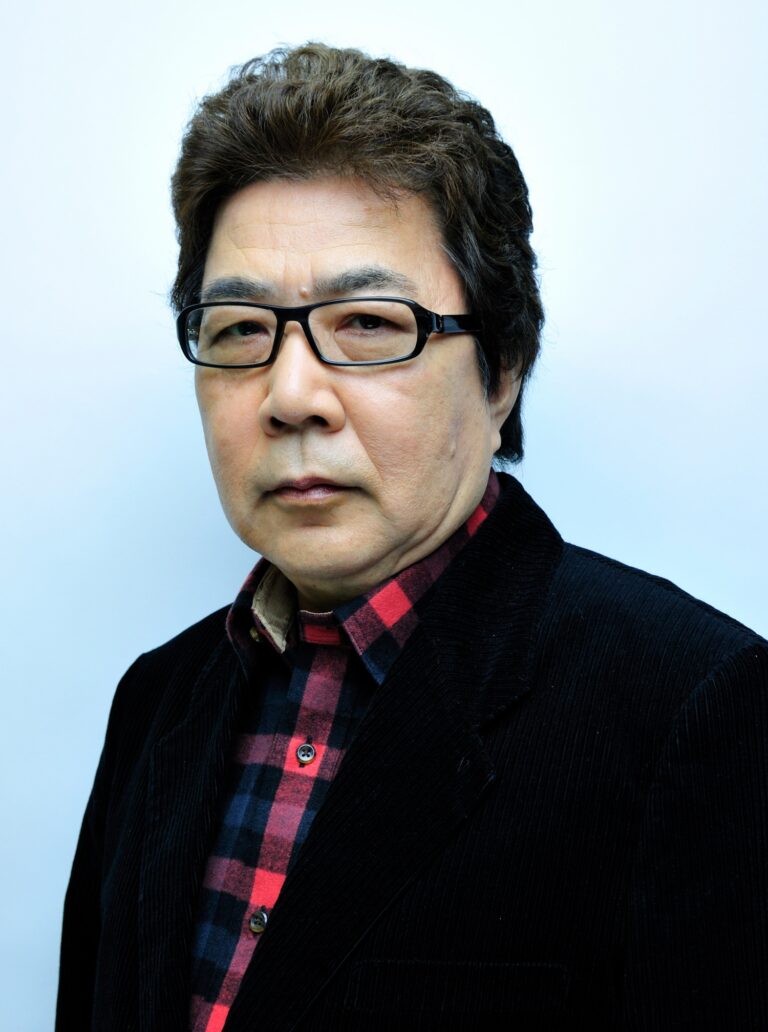
The Japanese cast gives the movie its rough teenage rhythm and adult pressure. Each performer card uses a real photograph and opens a full profile connecting actor, character, and performance.
Tessho Genda gives Akira’s Ryu disciplined authority, political fatigue, and the hard voice of resistance after every clean revolutionary fantasy disappears.
Akira belongs to animation history because the movie never treats history as finished. The city rebuilds, the institutions return, and another generation inherits the same fear with better machines. That is why this hub keeps expanding outward from one film instead of reducing the film to a famous bike and a famous scream.