
Akira Voice Actors
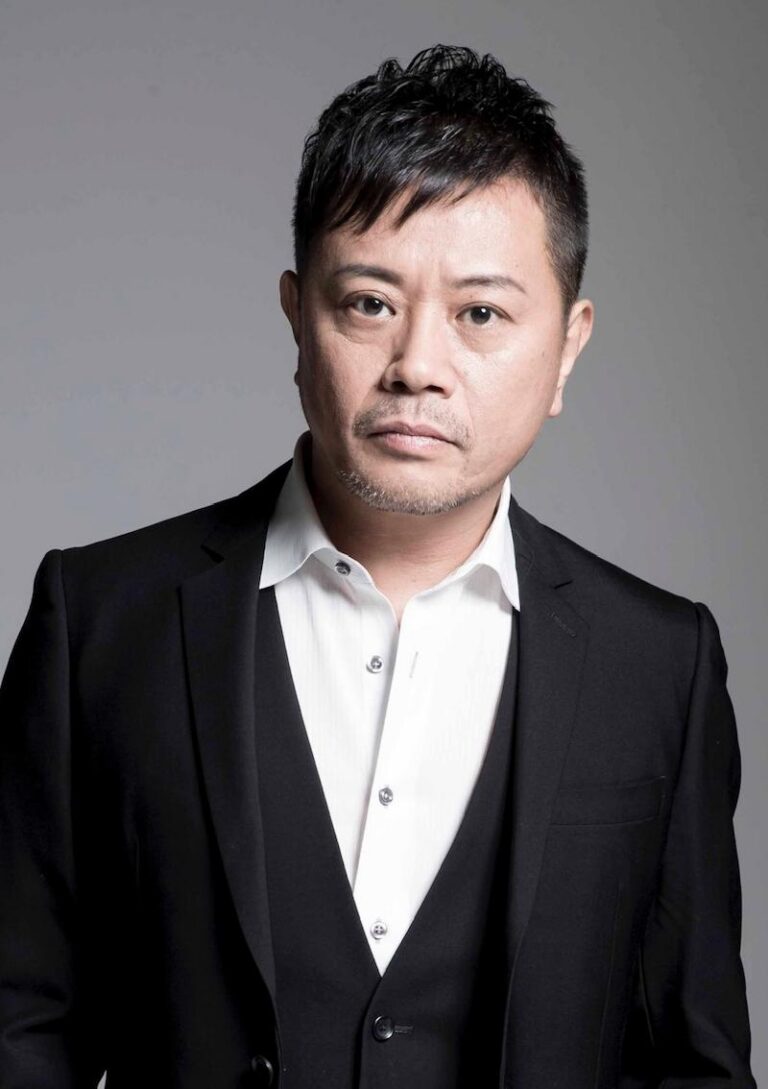
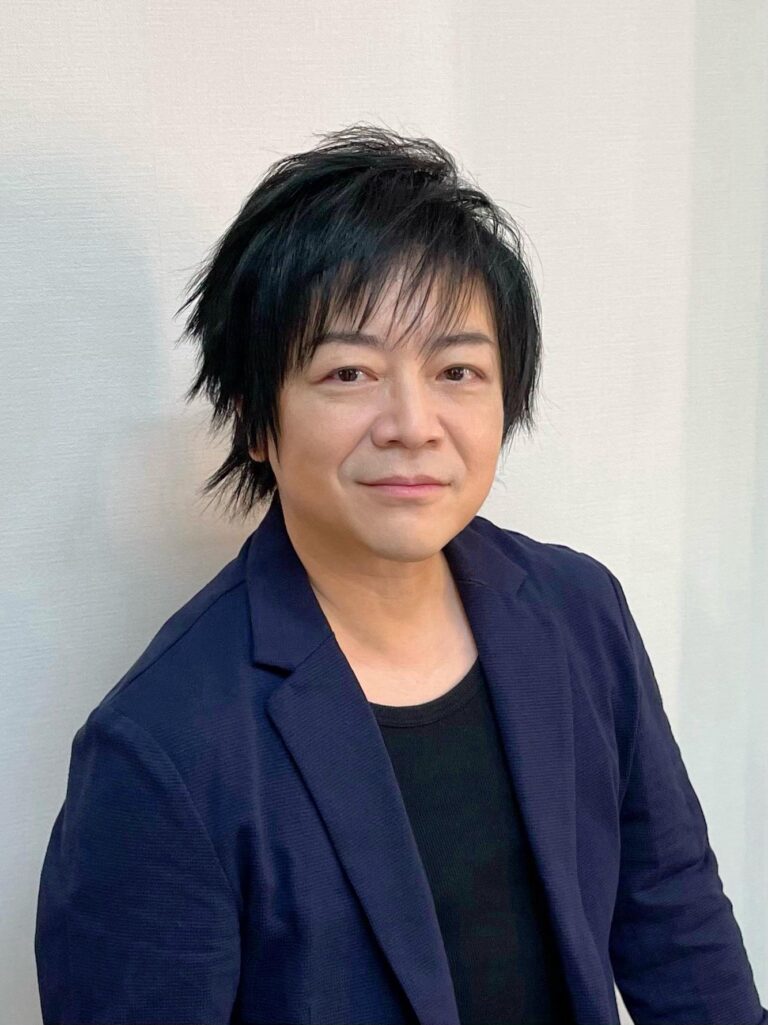
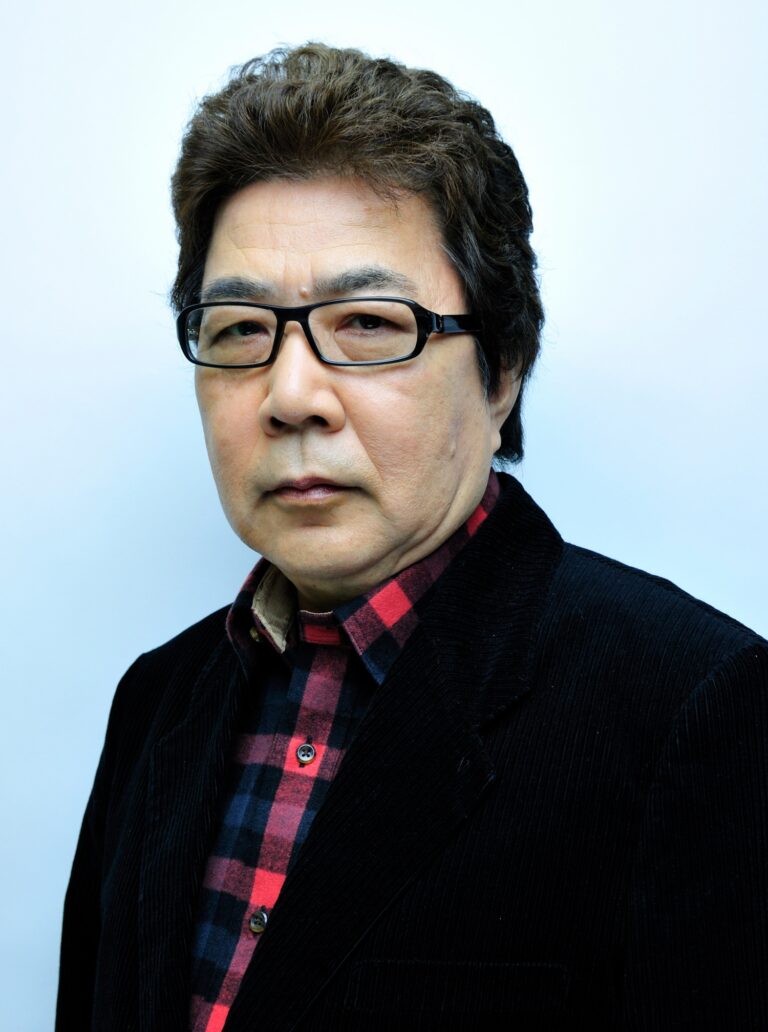
The voices behind Kaneda, Tetsuo, Kei, and Ryu make Neo-Tokyo sound young, reckless, frightened, political, and dangerously alive. Every card uses a real performer photograph and opens the full profile.
The cast sounds trapped inside the city
Akira does not give its actors much room for polished speeches. Kaneda talks before thinking. Tetsuo’s voice keeps trying to sound larger than his fear. Kei speaks like someone who already understands that the government can erase a person and call the disappearance necessary. Ryu carries the worn-down urgency of an adult who has spent too long fighting a machine that knows how to survive every scandal.
The Japanese cast recorded dialogue before much of the final animation was completed, an unusual production choice for anime at the time. That process gave the animators room to match faces and movement to breath, interruption, laughter, panic, and hesitation. A shout changes a body. A pause changes a relationship. A cracked voice can make a psychic catastrophe feel painfully human.
Featured Japanese Performers
Use the visible image cards to move through this Akira collection without scrolling through anonymous text links. Every card opens a focused profile or guide, keeps its canonical local artwork, and returns readers to the larger Neo-Tokyo ecosystem.

The cast reaches beyond four names
Taro Ishida gives Colonel Shikishima the weight of a soldier who distrusts politicians yet still commands the machinery that cages the psychic children. Mizuho Suzuki plays Doctor Onishi with clinical fascination that keeps sliding toward worship. Yuriko Fuchizaki gives Kaori a small but devastating place inside Tetsuo’s collapse. Hiroshi Otake’s Nezu shows how easily opposition politics can reproduce the greed and cowardice of the government. Koichi Kitamura’s Lady Miyako voice survives mainly as a glimpse in the film, a reminder of how much the adaptation compressed from Katsuhiro Otomo’s manga.
Those supporting performances matter because Akira never treats catastrophe as the work of one villain. Neo-Tokyo is full of adults who know part of the truth, children used as evidence, teenagers turned into collateral damage, and officials who keep calling control a form of safety.
Sources
Official cast order: TMS Entertainment’s Akira production page. Performer biographies and portraits: Mitsuo Iwata, Nozomu Sasaki, Mami Koyama, and Tessho Genda.