Powered by vibes, caffeine, and questionable life choices. 💀
Search
Neo-Tokyo city plans, psychic research files, and reconstruction maps arranged as an Akira lore archive

Akira Lore and Neo-Tokyo

How to use this directory

Akira does not become legible through plot summary alone. Neo-Tokyo carries the memory of wartime destruction, student revolt, state experimentation, youth subculture, economic spectacle, and a future imagined from the unstable edge of 1988. These guides separate documented production history from interpretation while keeping both available to the reader.

Begin with whichever pressure point brought you here: the Capsules and real bosozoku culture, the film’s relationship to 1945 and 1988, the Olympic countdown, the numbered children, production and sound, the manga’s larger architecture, or the influence Akira left across global popular culture. Every card opens a complete illustrated guide; none of these subjects is reduced to a decorative text link.

Full illustrated guides

Use the visible image cards to move through this Akira collection without scrolling through anonymous text links. Every card opens a focused profile or guide, keeps its canonical local artwork, and returns readers to the larger Neo-Tokyo ecosystem.

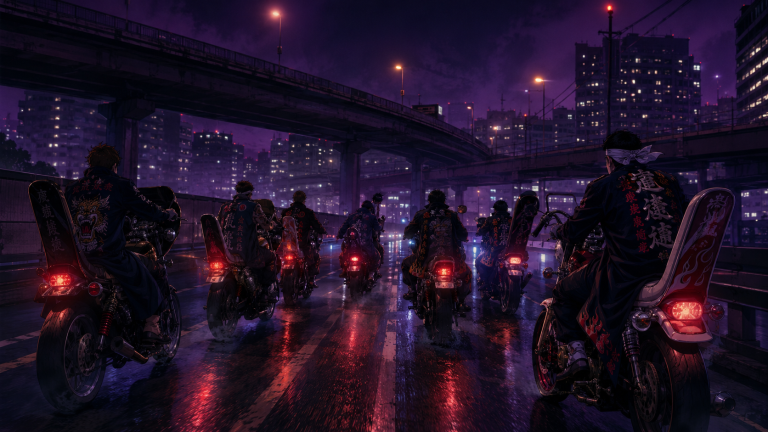
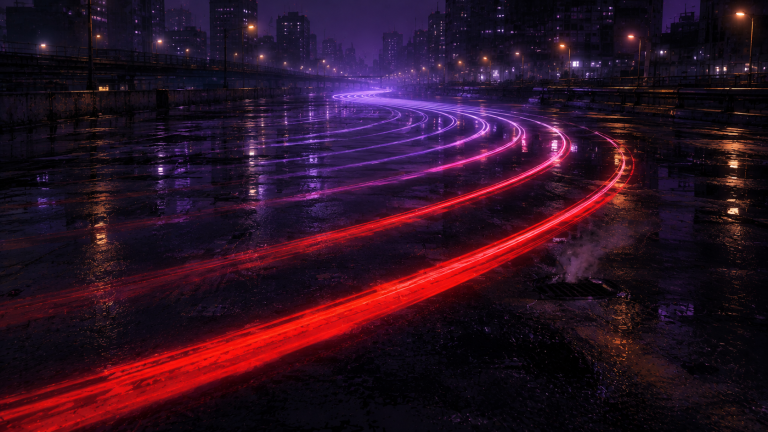
Bosozoku were real Japanese motorcycle gangs, mostly boys aged 17 to 20, who ran modified bikes through Tokyo at night in embroidered tokko-fuku coats. Katsuhiro Otomo lived where he could watch them, and then he drew them. The Capsules are documentary before they are science fiction.
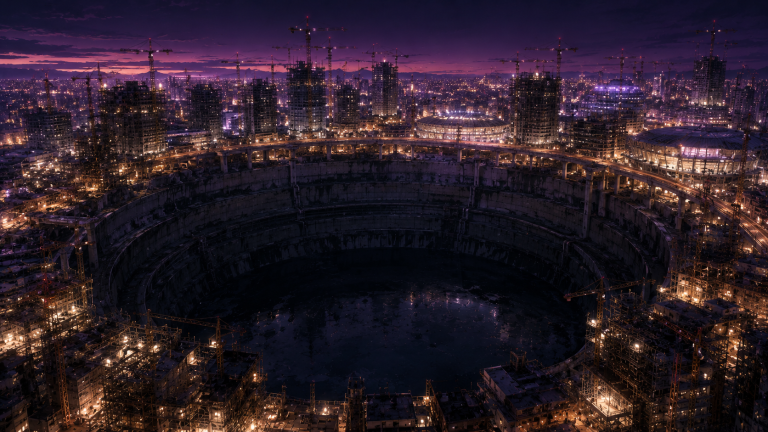
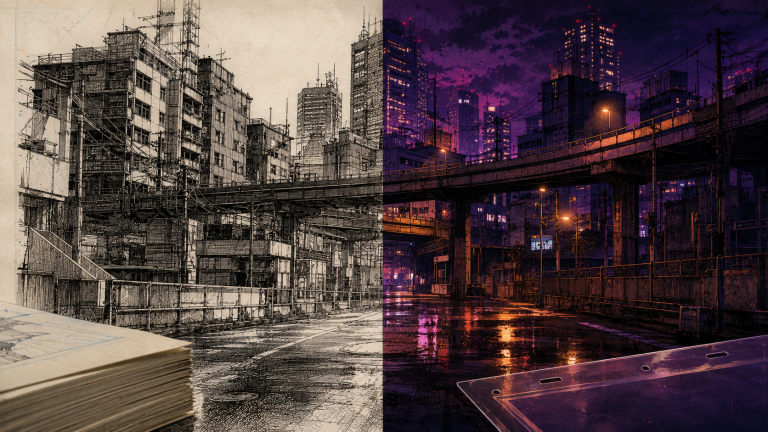
Akira opens with a city erased by white light, then jumps thirty-one years to a society rebuilt on the crater by the institutions that caused it. Otomo drew that story through the peak of Japan's bubble economy and released the film in 1988, roughly two years before the money stopped. Both halves are load-bearing.
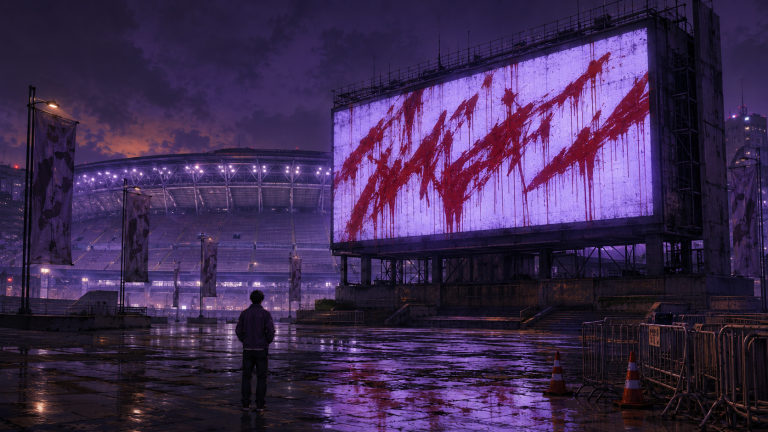
Akira is set in 2019 and puts an Olympic countdown board in the background with protest graffiti across it. Tokyo really did win 2020, the Games really were postponed, and on the exact day the film's counter would have read 147, the graffiti trended on Japanese Twitter. Here is what actually happened and what people made up afterward.
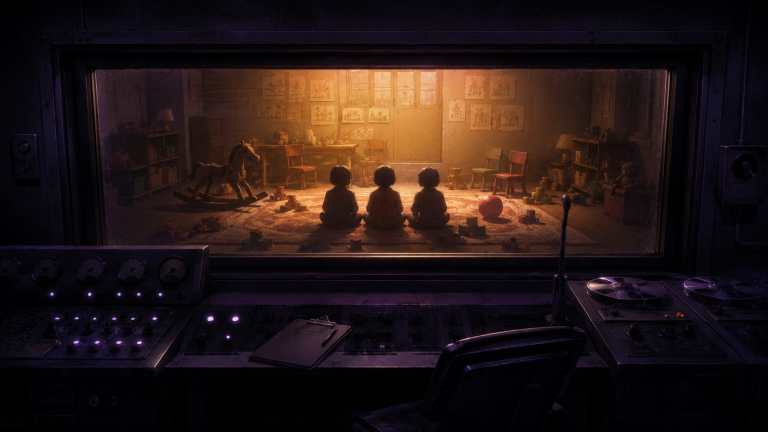
Kiyoko, Takashi and Masaru are numbered 25, 26 and 27. Akira is 28. They are the children the state took, tested, and kept, and they are the evidence for every argument the film makes about power. Here is what the program was, what it did to them, and why the playroom is the most disturbing set in the movie.
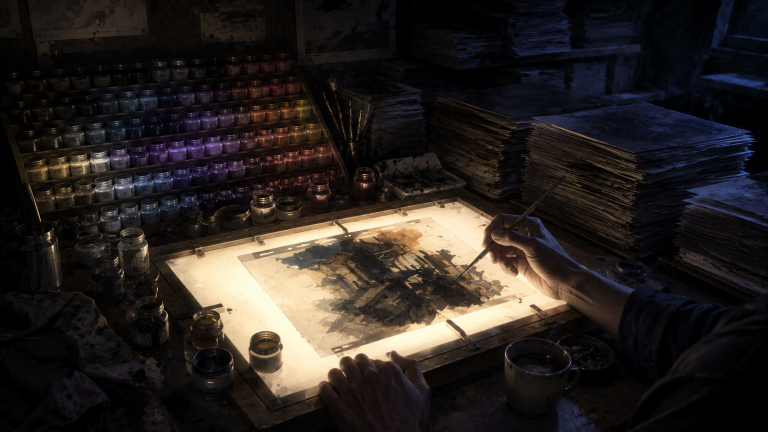
More than 160,000 hand-painted cels, a palette of 327 colors, a budget near 1.1 billion yen, and dialogue recorded before the animation existed. Akira held the record for the most expensive Japanese animated film until Spirited Away. Here is what those numbers actually bought.
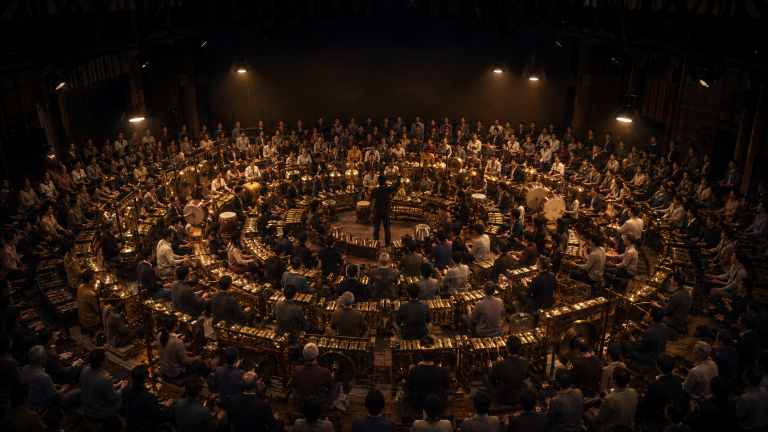
The most recognizable score in anime was performed by Geinoh Yamashirogumi, a collective of several hundred people who mostly held day jobs in science, business and education. They used Balinese gamelan, Noh voice, Buddhist shomyo chant and Tibetan percussion, and Shoji Yamashiro wrote the main pieces without seeing any footage.
Katsuhiro Otomo published the Akira manga across six volumes from 1982 to 1990. The film arrived in 1988, two years before the story finished, so Otomo adapted roughly the first third of his own unfinished work and wrote a different ending for the screen. Here is what the manga has that the movie could never fit.
Kanye West restaged the hospital sequence in a music video. The Duffer brothers named Otomo as a direct influence on Stranger Things. Kaneda's bike appears in Ready Player One and Cyberpunk 2077 ships a copy of it. Here is the documented trail, separated from the things fans merely assume.

The RaeRae take

The most useful Akira lore does not hunt for one secret key that turns the film into a solved puzzle. It restores the historical and material pressures the imagery already assumes: young people inheriting national trauma, institutions converting children into research assets, and a city preparing a global spectacle while refusing to examine what was buried beneath its reconstruction.

That context makes the psychic destruction more human, not less mysterious. Power expands until private injury becomes public architecture. Neo-Tokyo falls because the systems calling themselves orderly have spent decades arranging catastrophe and naming the arrangement security.

Leave a Reply