
Why Akira Is About 1945 and 1988 at Once

Akira opens with a city erased by white light, then jumps thirty-one years to a society rebuilt on the crater by the institutions that caused it. Otomo drew that story through the peak of Japan’s bubble economy and released the film in 1988, roughly two years before the money stopped. Both halves are load-bearing.
Everything Akira Touched: The Influence Trail, Verified
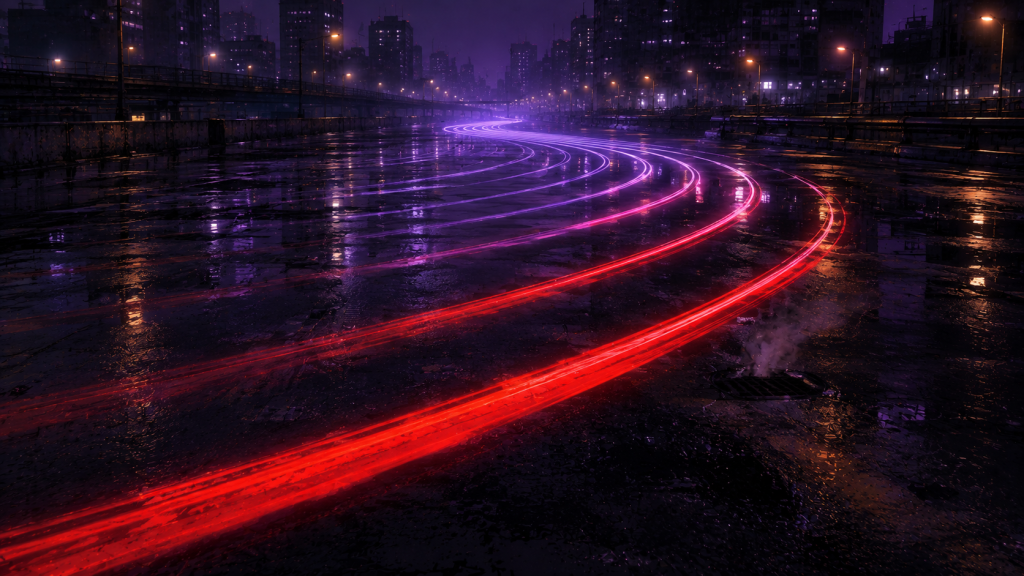
Kanye West restaged the hospital sequence in a music video. The Duffer brothers named Otomo as a direct influence on Stranger Things. Kaneda’s bike appears in Ready Player One and Cyberpunk 2077 ships a copy of it. Here is the documented trail, separated from the things fans merely assume.
Akira Manga and Film Compared: What the Movie Left Out
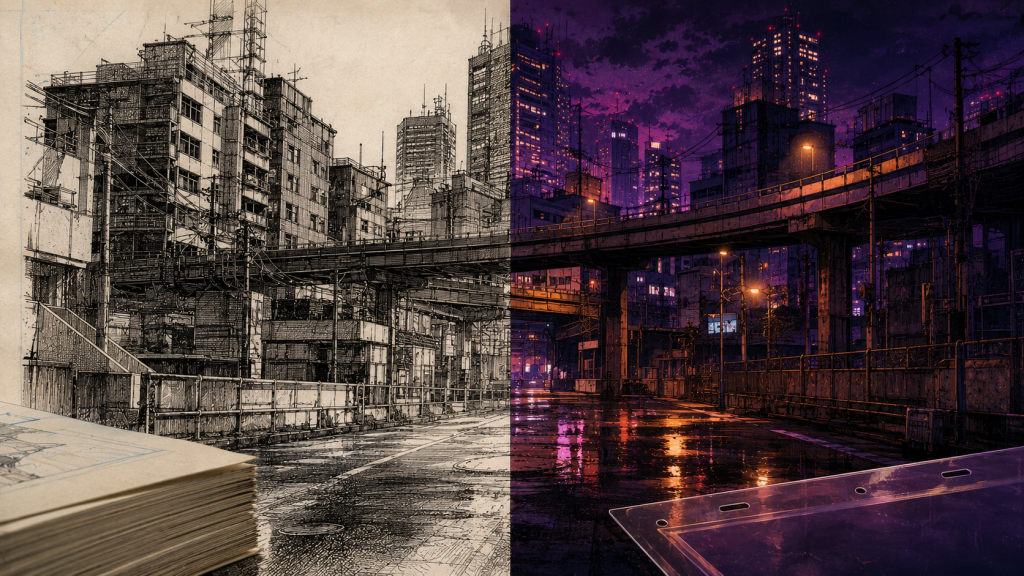
Katsuhiro Otomo published the Akira manga across six volumes from 1982 to 1990. The film arrived in 1988, two years before the story finished, so Otomo adapted roughly the first third of his own unfinished work and wrote a different ending for the screen. Here is what the manga has that the movie could never fit.
Akira’s Score Explained: Geinoh Yamashirogumi and 200 Amateurs
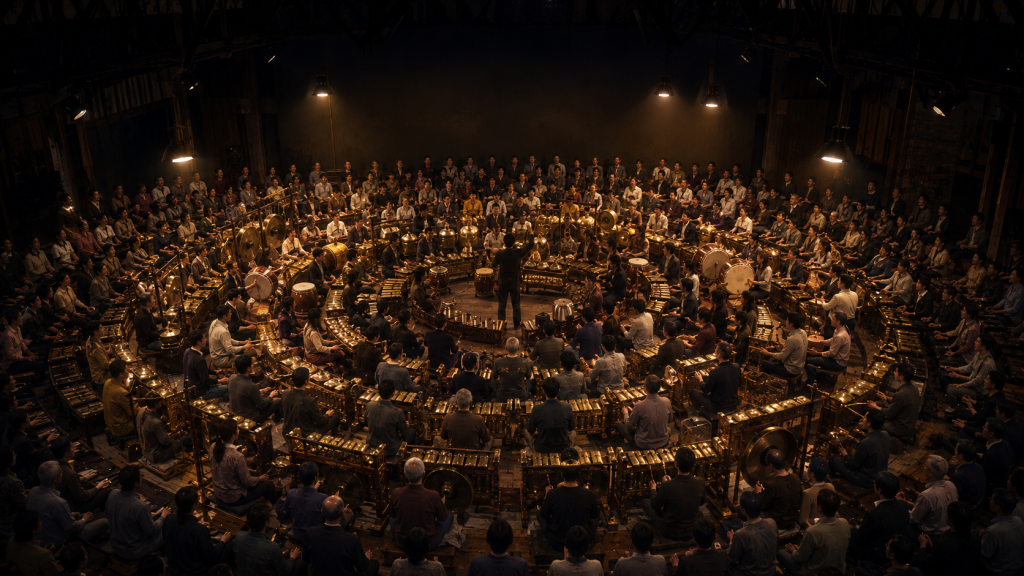
The most recognizable score in anime was performed by Geinoh Yamashirogumi, a collective of several hundred people who mostly held day jobs in science, business and education. They used Balinese gamelan, Noh voice, Buddhist shomyo chant and Tibetan percussion, and Shoji Yamashiro wrote the main pieces without seeing any footage.
Akira’s Animation Explained: 160,000 Cels and 327 Colors

More than 160,000 hand-painted cels, a palette of 327 colors, a budget near 1.1 billion yen, and dialogue recorded before the animation existed. Akira held the record for the most expensive Japanese animated film until Spirited Away. Here is what those numbers actually bought.
The Numbers Explained: Kiyoko, Takashi, Masaru and Akira
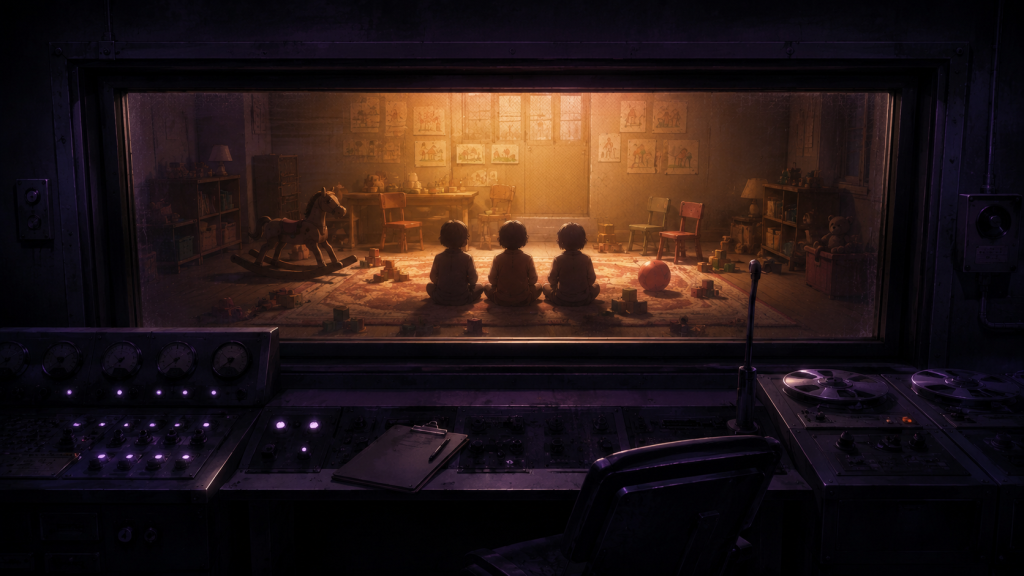
Kiyoko, Takashi and Masaru are numbered 25, 26 and 27. Akira is 28. They are the children the state took, tested, and kept, and they are the evidence for every argument the film makes about power. Here is what the program was, what it did to them, and why the playroom is the most disturbing set in the movie.
Akira’s 2019 and the Olympic Countdown Explained
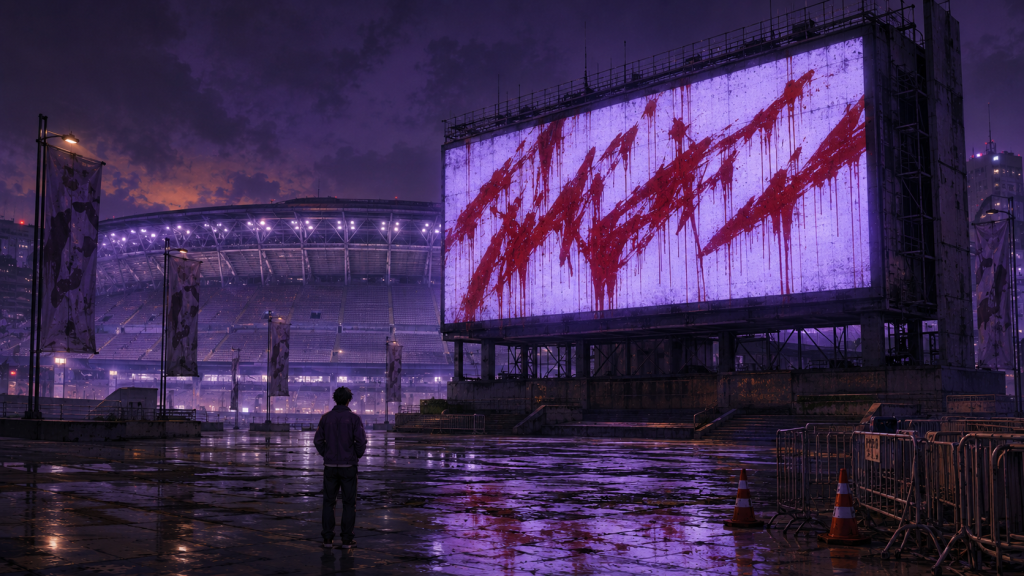
Akira is set in 2019 and puts an Olympic countdown board in the background with protest graffiti across it. Tokyo really did win 2020, the Games really were postponed, and on the exact day the film’s counter would have read 147, the graffiti trended on Japanese Twitter. Here is what actually happened and what people made up afterward.
Akira’s Bosozoku Explained: The Real Gangs Behind the Capsules
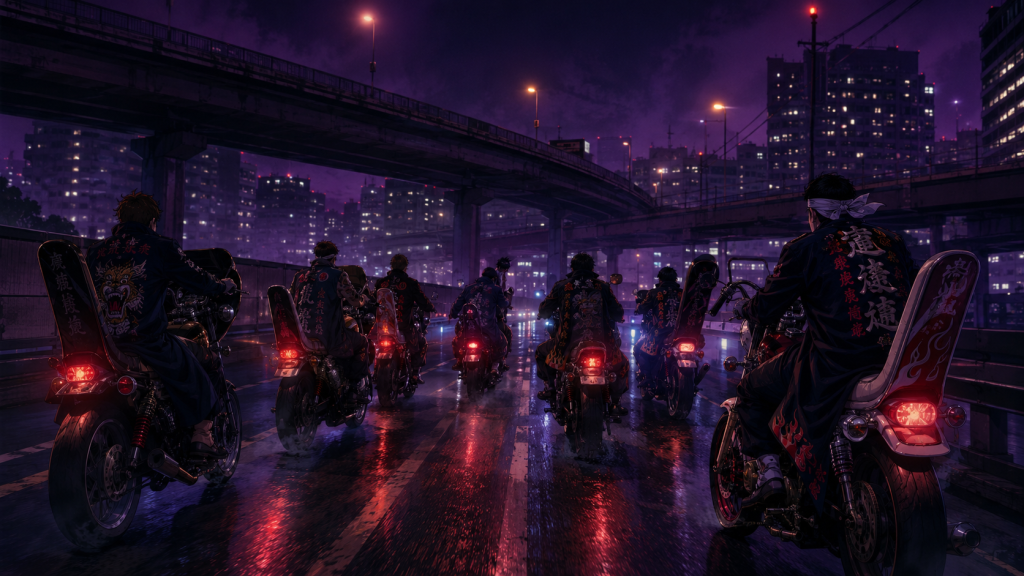
Bosozoku were real Japanese motorcycle gangs, mostly boys aged 17 to 20, who ran modified bikes through Tokyo at night in embroidered tokko-fuku coats. Katsuhiro Otomo lived where he could watch them, and then he drew them. The Capsules are documentary before they are science fiction.
Ryu
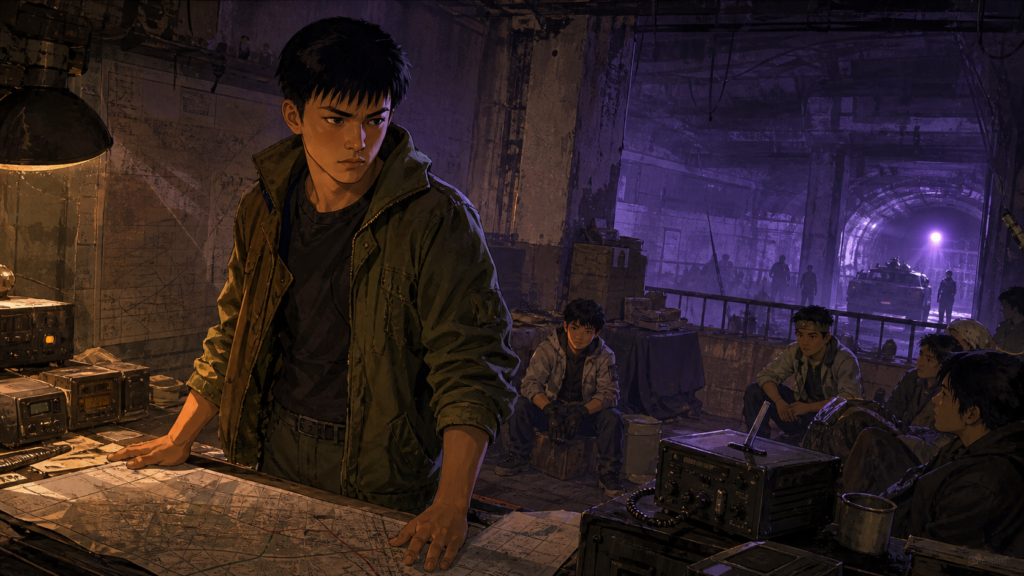
Ryu is Akira’s disciplined resistance organizer, caught between Kei’s trust, Nezu’s manipulation, military secrecy, and Neo-Tokyo’s collapse.
Akira Review
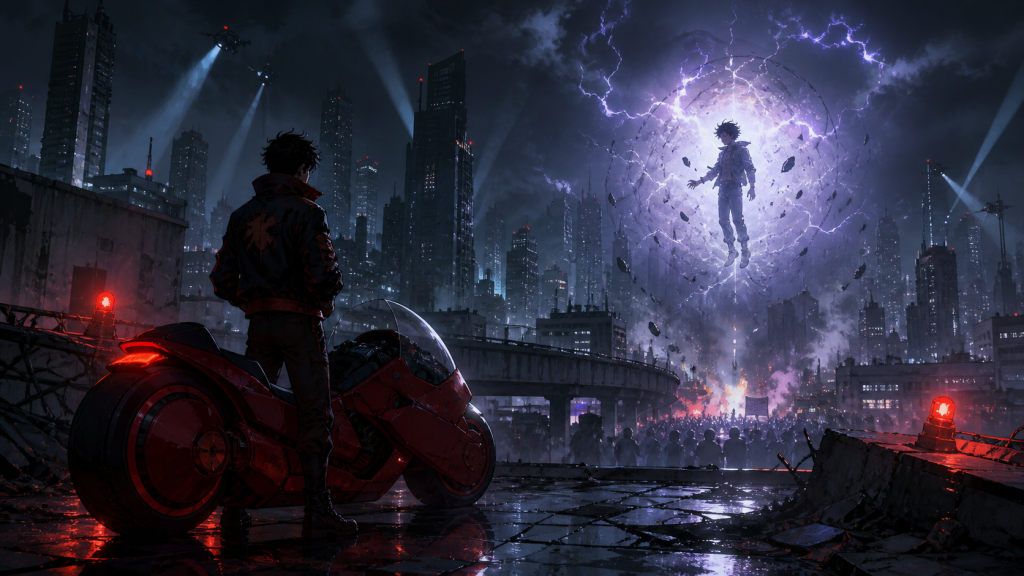
A complete Akira Review of Neo-Tokyo, Kaneda and Tetsuo, state violence, body horror, animation innovation, cultural impact, criticism, and the ending.
Kei
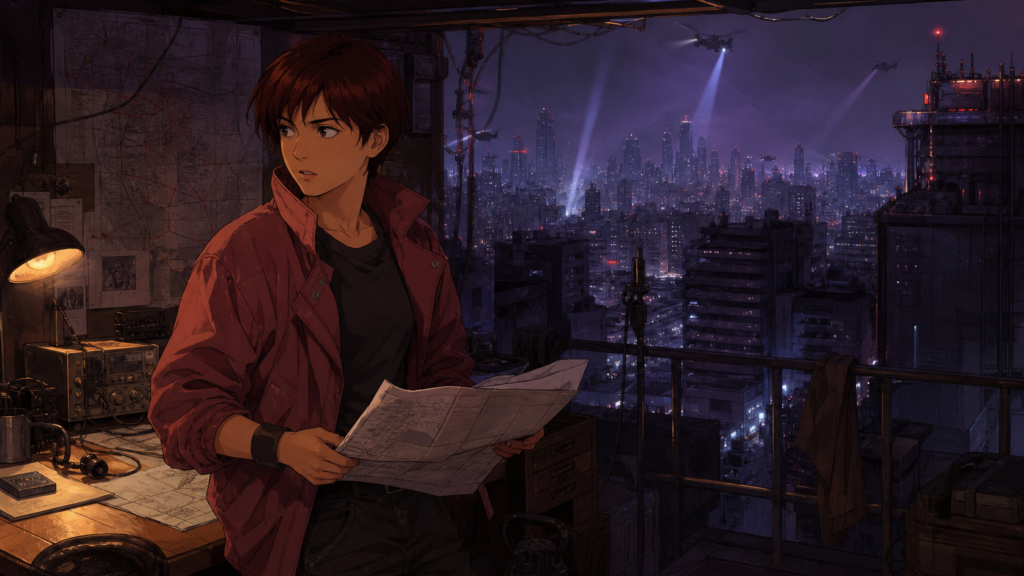
Kei is Akira’s resistance fighter, political witness, and psychic conduit. Her profile follows the people, power, and betrayals that shape her Neo-Tokyo story.
Tetsuo Shima

Tetsuo Shima turns Akira’s psychic spectacle into a tragedy about humiliation, institutional abuse, friendship, and power that grows faster than a child can control.
Shotaro Kaneda

Shotaro Kaneda leads Akira’s Capsules with swagger, reckless loyalty, and a refusal to let Neo-Tokyo’s military project claim Tetsuo without a fight.
Akira Returns to IMAX in 4K
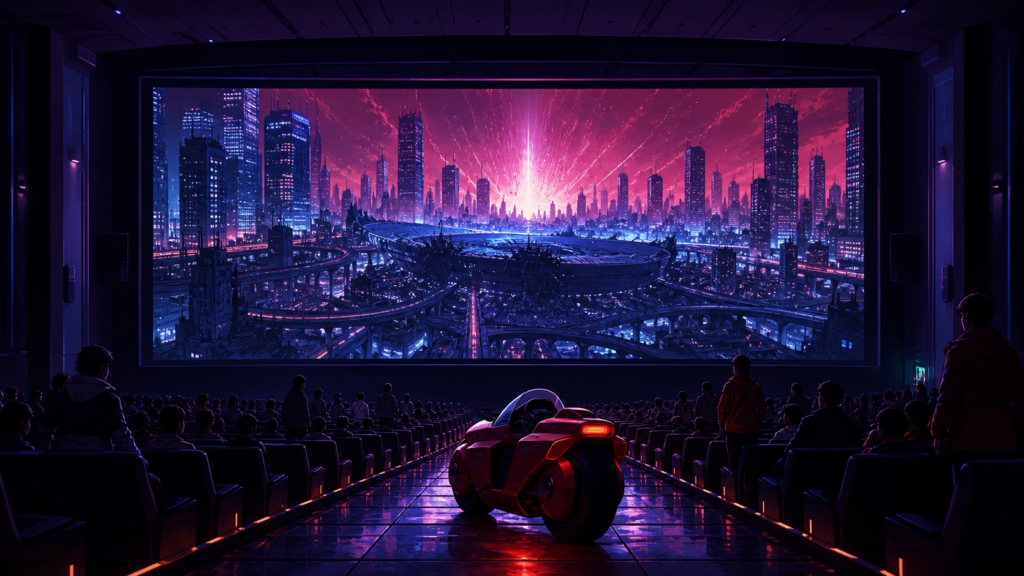
Akira returns to North American theaters in 4K and IMAX on September 4, 2026. Here is what fans should know before choosing a screening.
Akira Rebuilds Concrete Before Trust
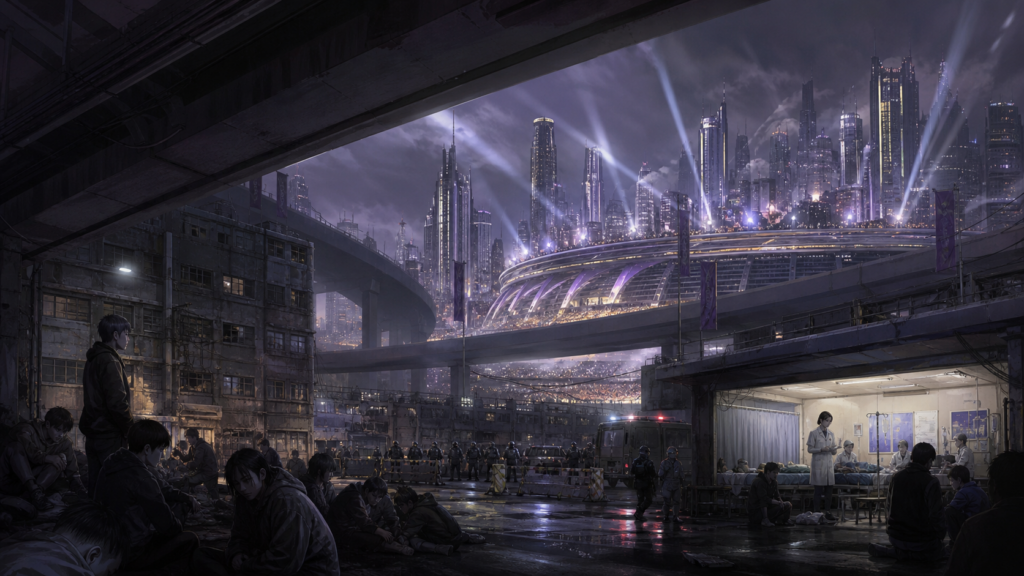
Akira turns Neo-Tokyo into a warning about cities that rebuild stadiums, towers, and security systems before rebuilding public trust, youth support, and accountability.
Akira and the Friendship Boys Cannot Admit They Need

Akira turns Kaneda and Tetsuo’s friendship into a brutal argument about masculinity, hierarchy, humiliation, and the help boys are taught to refuse.
Akira and the Lie of Protecting Gifted Children
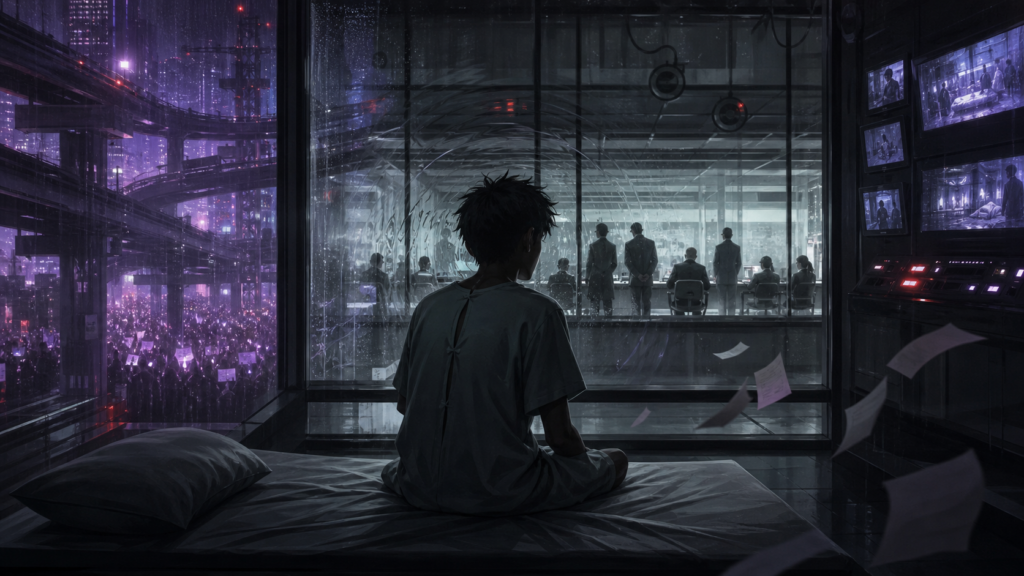
Akira exposes the lie behind protecting gifted children when governments, schools, and experts turn fear into ownership and call the cage care.
Akira Voice Actors
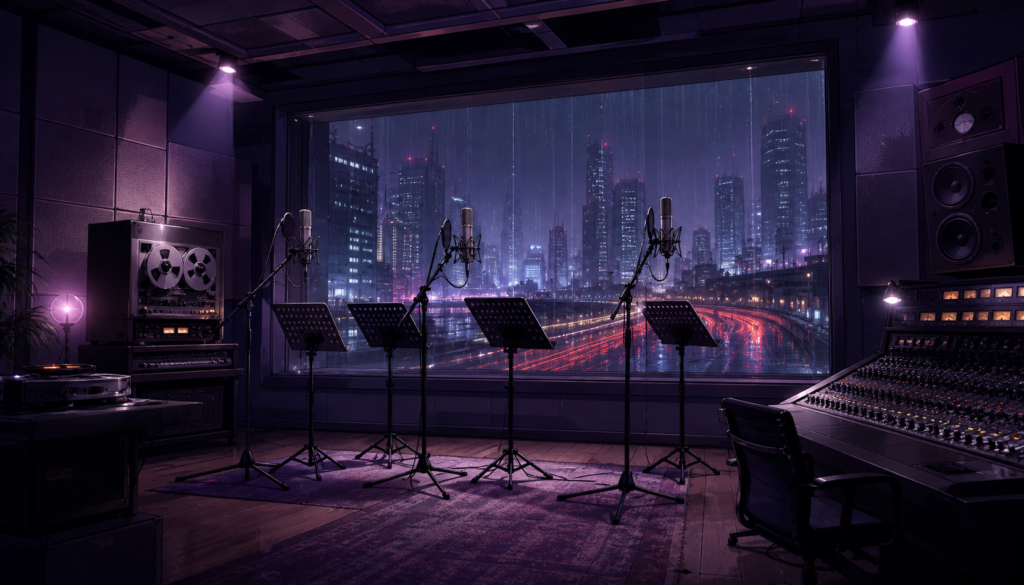
Meet the Japanese voice actors behind Akira, including the performances that make Kaneda, Tetsuo, Kei, and Ryu sound dangerously alive.
Akira Lore and Neo-Tokyo
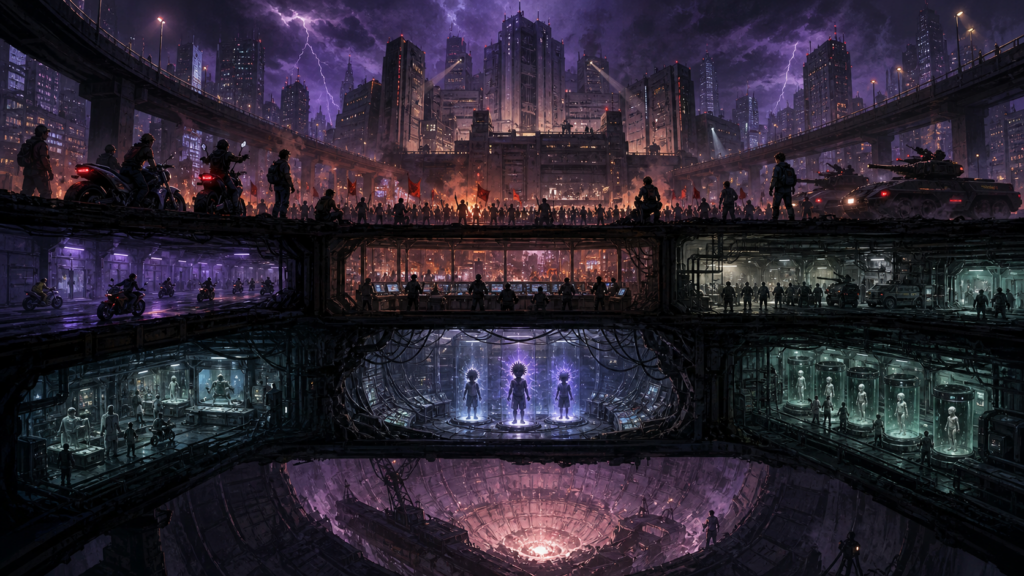
A fan-focused guide to Neo-Tokyo, psychic power, military control, youth rebellion, adaptation choices, and the buried systems that make Akira more than a cyberpunk spectacle.
Akira Characters
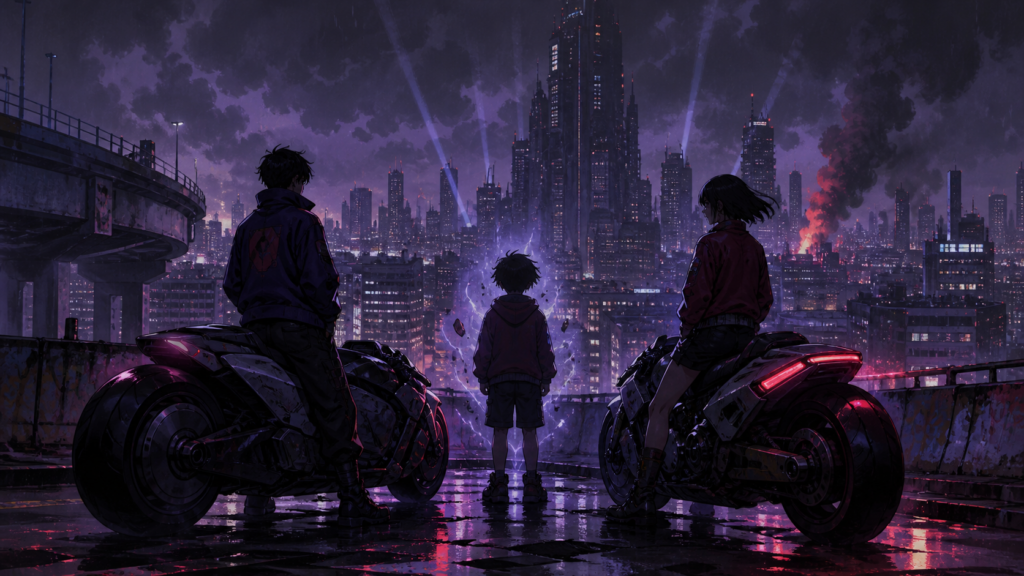
A fan-focused Akira character directory covering Kaneda, Tetsuo, Kei, the Capsules, the espers, the resistance, and the adults who turned Neo-Tokyo into a laboratory.
Akira
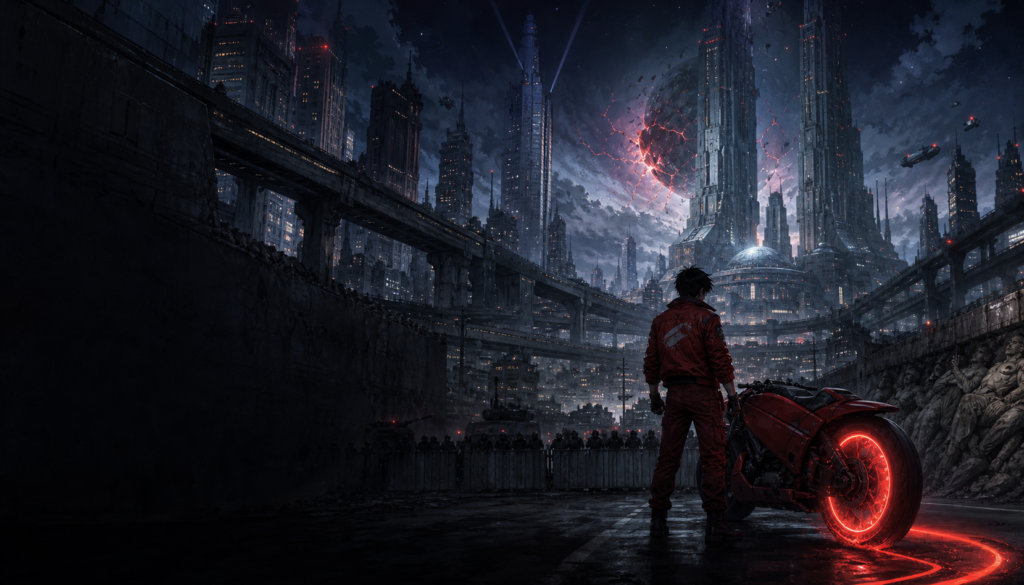
Akira explained through Neo-Tokyo, Tetsuo, body horror, animation innovation, postwar memory, the ending, and the film’s global anime legacy.