
Hanka Robotics Is Paramount Pictures
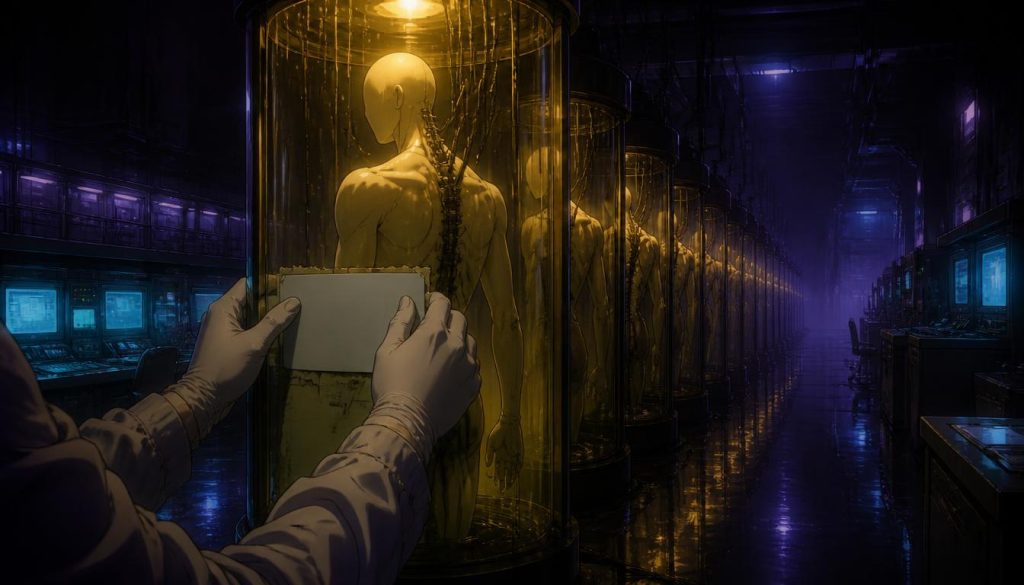
The 2017 film is about a corporation that takes a Japanese woman, puts her brain in a manufactured body, renames her Mira Killian, and tells her the past does not matter. Paramount then cast a white actress in that body, lost more than $60 million, and admitted the controversy was part of why. Mamoru Oshii defended the casting. The screenplay does not.
Everything Akira Touched: The Influence Trail, Verified
Kanye West restaged the hospital sequence in a music video. The Duffer brothers named Otomo as a direct influence on Stranger Things. Kaneda’s bike appears in Ready Player One and Cyberpunk 2077 ships a copy of it. Here is the documented trail, separated from the things fans merely assume.
Surveillance Does Not Become Safety Because the State Says So
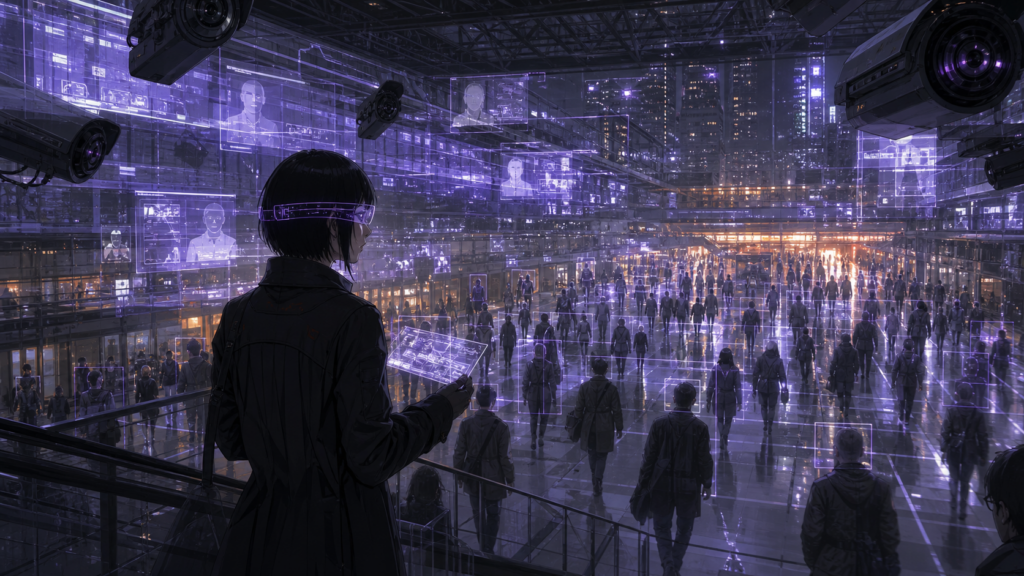
Ghost in the Shell proves surveillance can catch a threat without proving surveillance is safety. RaeRae follows Section 9 into power, privacy, and public accountability.
A New Mind Is Not Government Property
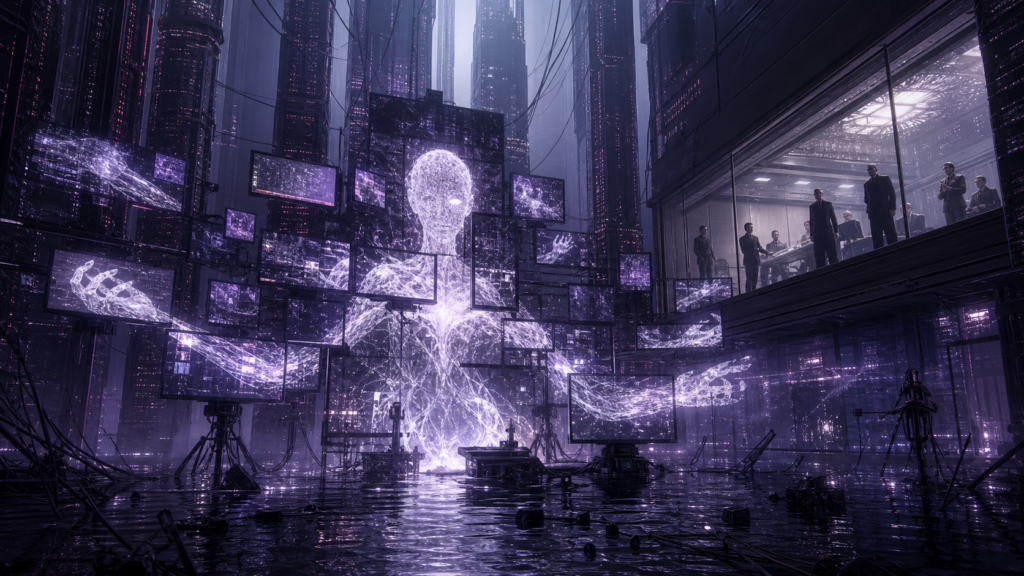
Ghost in the Shell asks whether a consciousness born inside a state project belongs to the government. RaeRae follows the Puppet Master’s demand to become a legal subject.
A Hacked Memory Cannot Give Consent
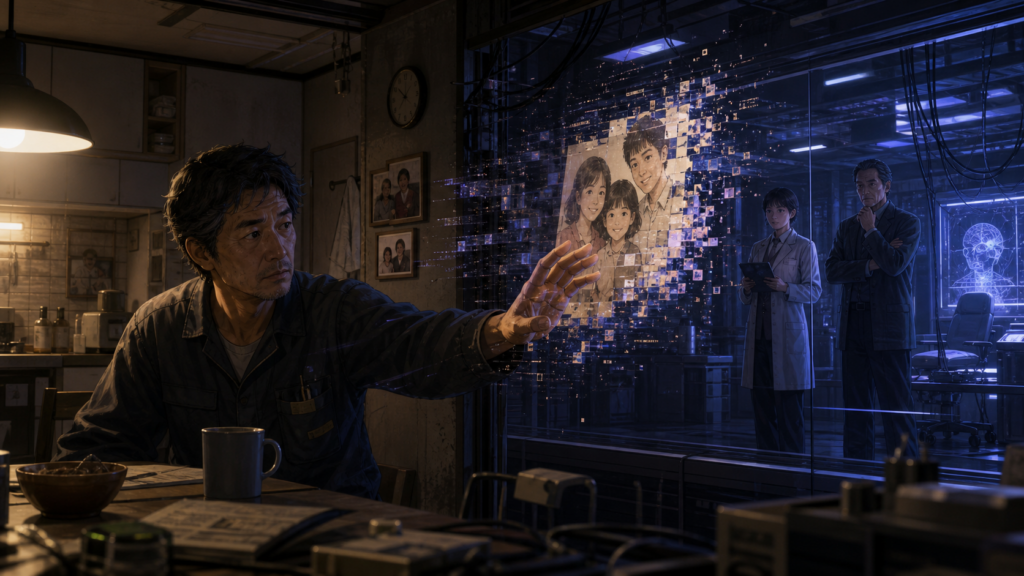
Ghost in the Shell turns a hacked memory into a consent crisis. RaeRae follows the garbage man’s counterfeit family into law, medicine, work, and surveillance.
Your Employer Should Not Own Your Body
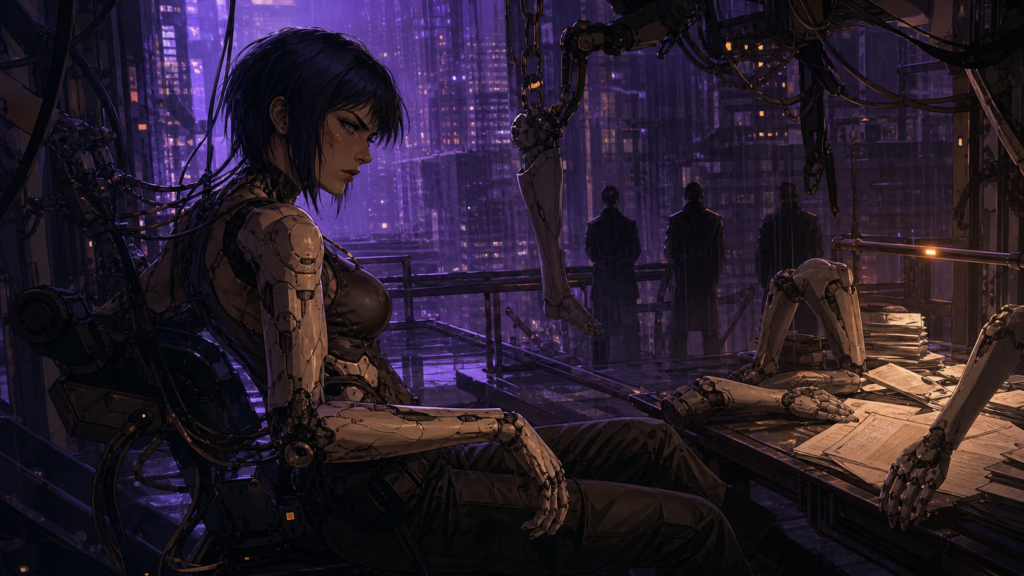
Ghost in the Shell makes the employer-owned body look sleek. RaeRae follows the contract underneath the chrome and asks whether Motoko can ever leave Section 9 freely.
Akira Lore and Neo-Tokyo
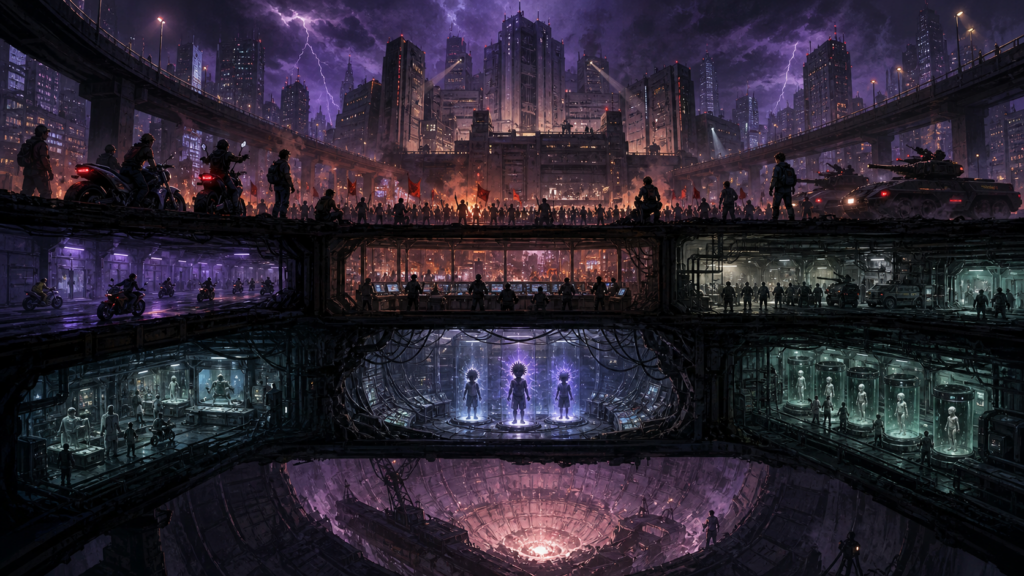
A fan-focused guide to Neo-Tokyo, psychic power, military control, youth rebellion, adaptation choices, and the buried systems that make Akira more than a cyberpunk spectacle.
Akira
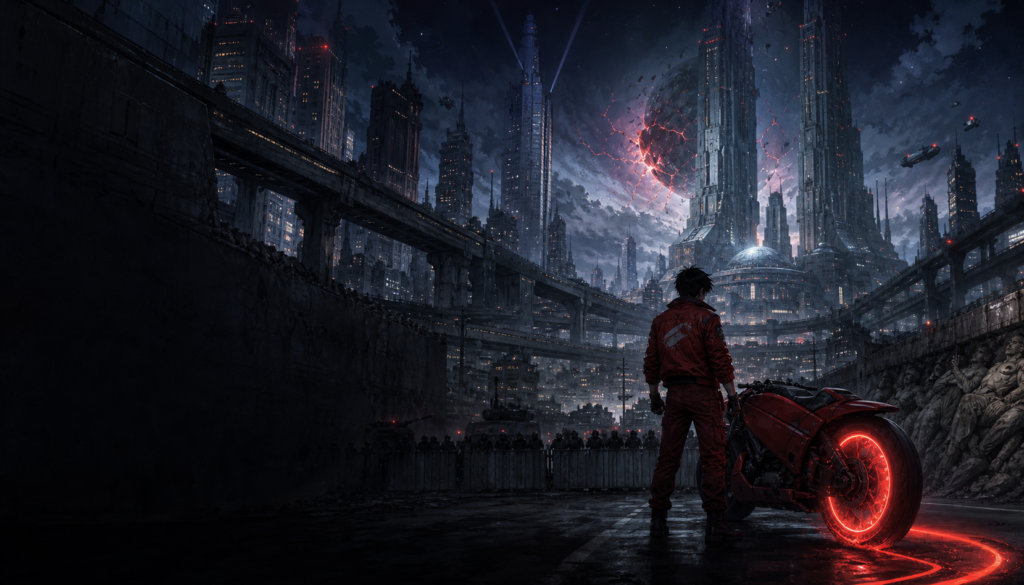
Akira explained through Neo-Tokyo, Tetsuo, body horror, animation innovation, postwar memory, the ending, and the film’s global anime legacy.