
Why Akira Is About 1945 and 1988 at Once
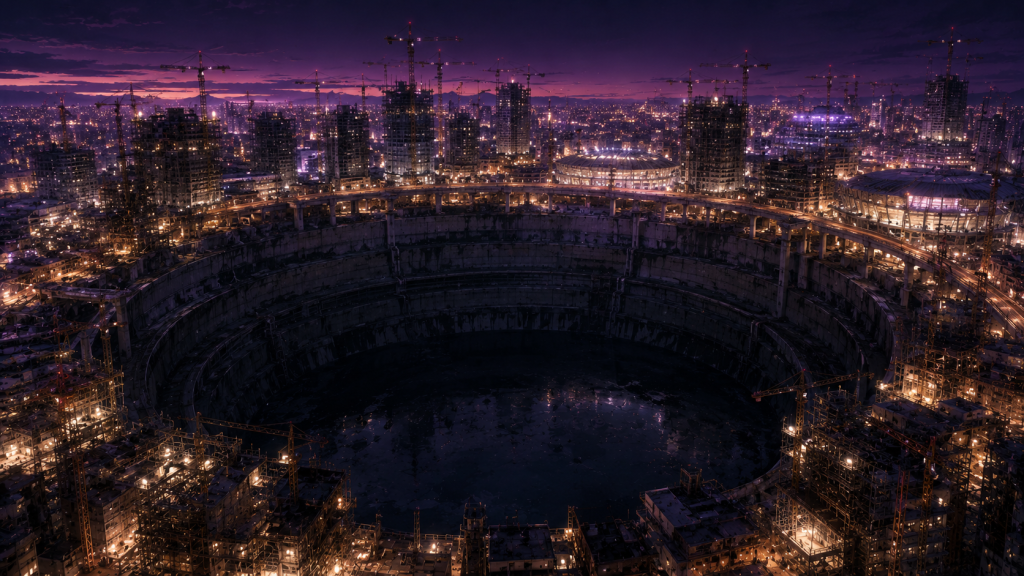
Akira opens with a city erased by white light, then jumps thirty-one years to a society rebuilt on the crater by the institutions that caused it. Otomo drew that story through the peak of Japan’s bubble economy and released the film in 1988, roughly two years before the money stopped. Both halves are load-bearing.
Akira’s 2019 and the Olympic Countdown Explained
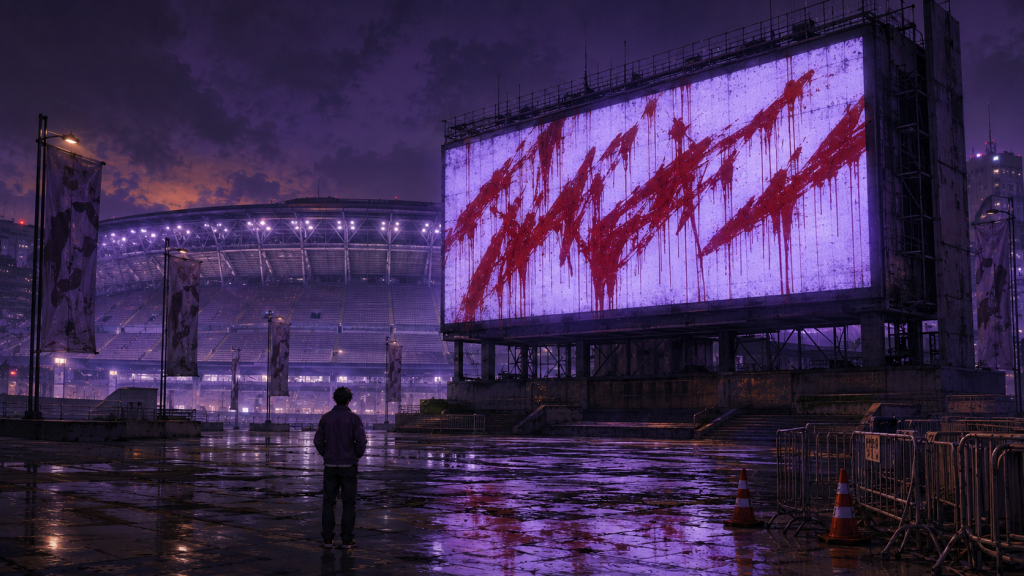
Akira is set in 2019 and puts an Olympic countdown board in the background with protest graffiti across it. Tokyo really did win 2020, the Games really were postponed, and on the exact day the film’s counter would have read 147, the graffiti trended on Japanese Twitter. Here is what actually happened and what people made up afterward.
Akira’s Bosozoku Explained: The Real Gangs Behind the Capsules
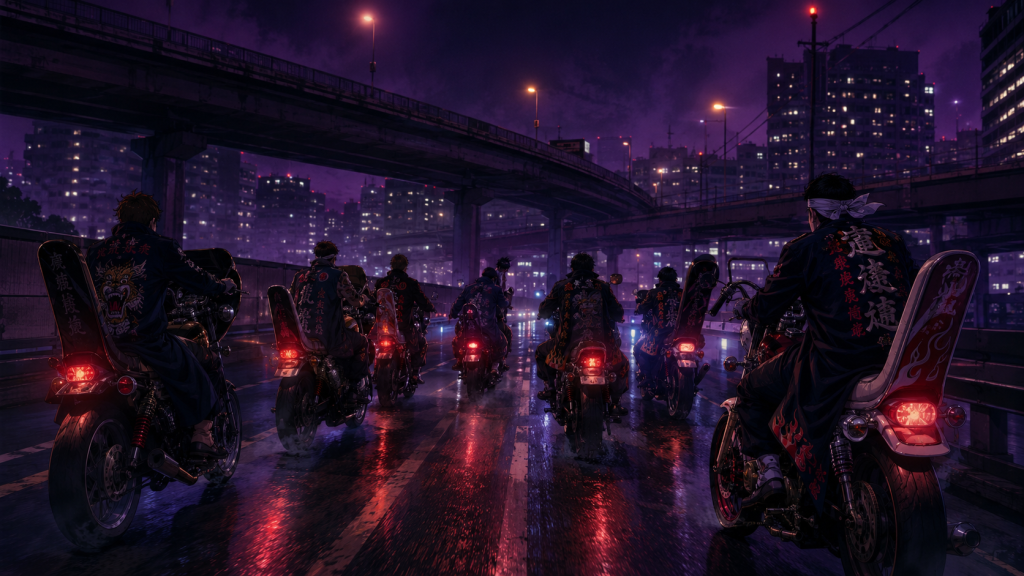
Bosozoku were real Japanese motorcycle gangs, mostly boys aged 17 to 20, who ran modified bikes through Tokyo at night in embroidered tokko-fuku coats. Katsuhiro Otomo lived where he could watch them, and then he drew them. The Capsules are documentary before they are science fiction.
Akira Rebuilds Concrete Before Trust
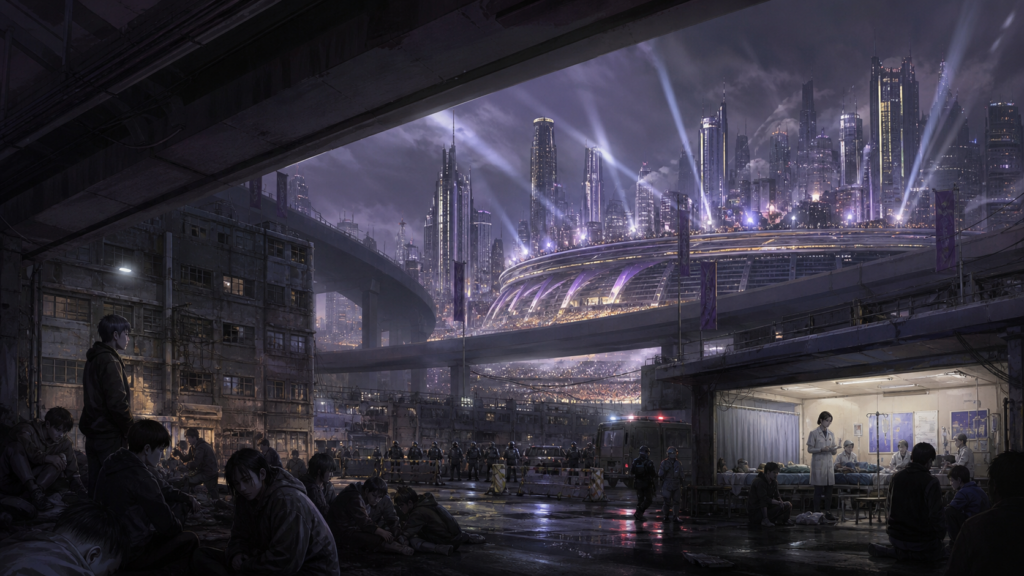
Akira turns Neo-Tokyo into a warning about cities that rebuild stadiums, towers, and security systems before rebuilding public trust, youth support, and accountability.
Akira and the Friendship Boys Cannot Admit They Need

Akira turns Kaneda and Tetsuo’s friendship into a brutal argument about masculinity, hierarchy, humiliation, and the help boys are taught to refuse.
Akira Lore and Neo-Tokyo
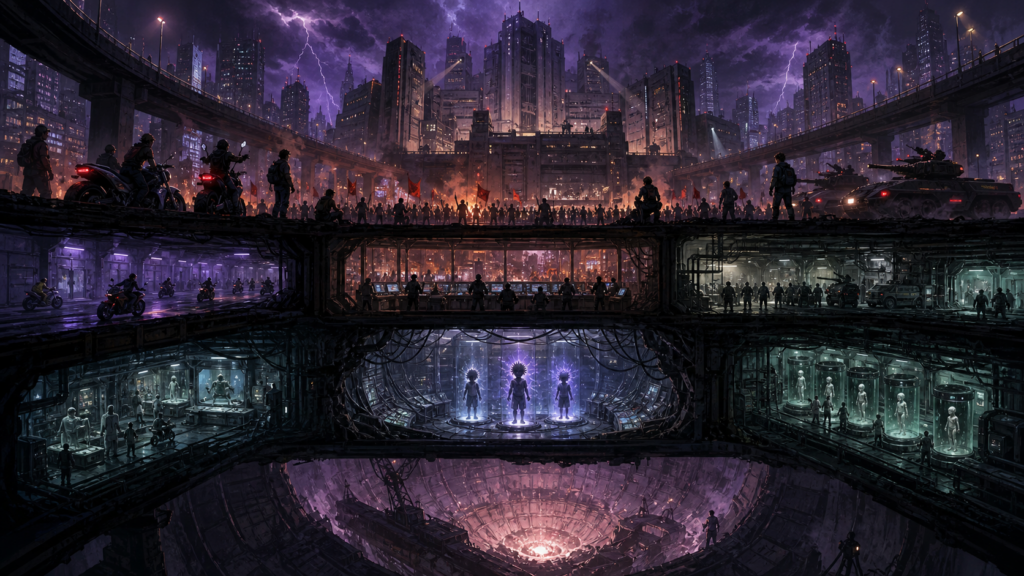
A fan-focused guide to Neo-Tokyo, psychic power, military control, youth rebellion, adaptation choices, and the buried systems that make Akira more than a cyberpunk spectacle.