Powered by vibes, caffeine, and questionable life choices. 💀
GHOST IN THE SHELL • CVM SEKAI
Ghost in the Shell
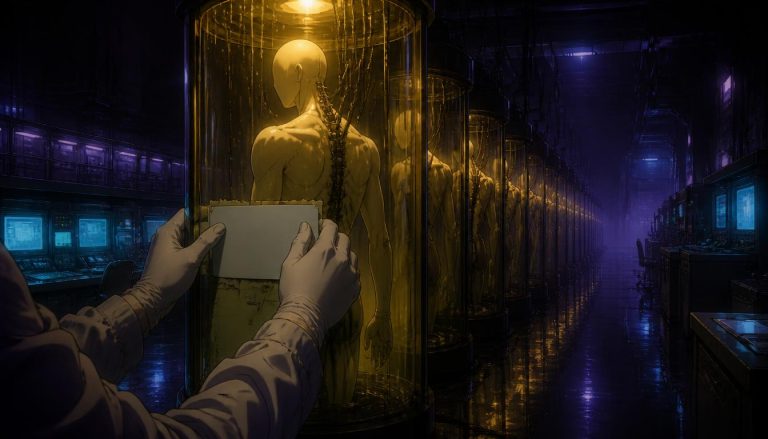
A body can be manufactured. Memory can be edited. A government can call a thinking being property and make the paperwork look reasonable. This hub follows Ghost in the Shell across its separate screen continuities without pretending that one viewing order can flatten them into a single timeline.
Where to begin
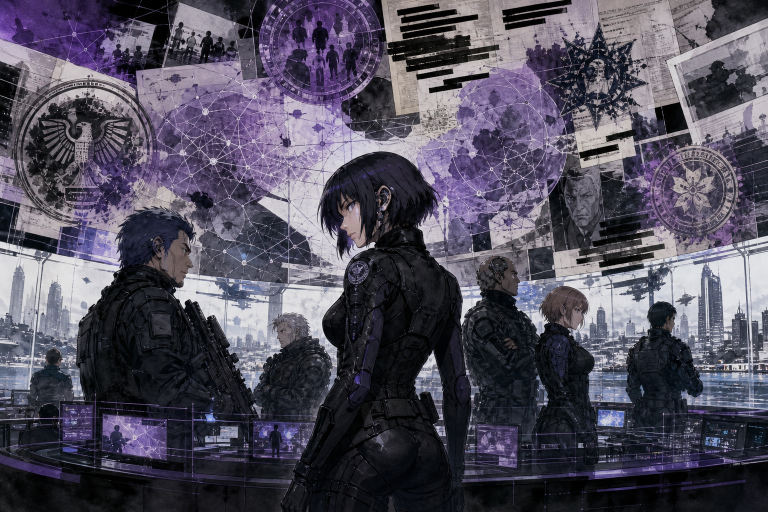
Start with Mamoru Oshii’s 1995 film when you want the shortest and sharpest route into Motoko Kusanagi’s questions about bodies, memory, labor, state power, artificial life, and personhood. The film stands on its own. Mamoru Oshii’s Innocence continues that movie continuity. Stand Alone Complex, Arise, and SAC_2045 are separate screen routes with their own histories, relationships, and political arguments.
Masamune Shirow’s manga is the source route, not a storyboard for every adaptation. Each anime takes different pieces of Public Security Section 9 and asks a different question with them. The job of this hub is to keep those routes clear while giving every finished review, character record, performance profile, lore guide, rant, and sourced news story a visible home.
Reviews
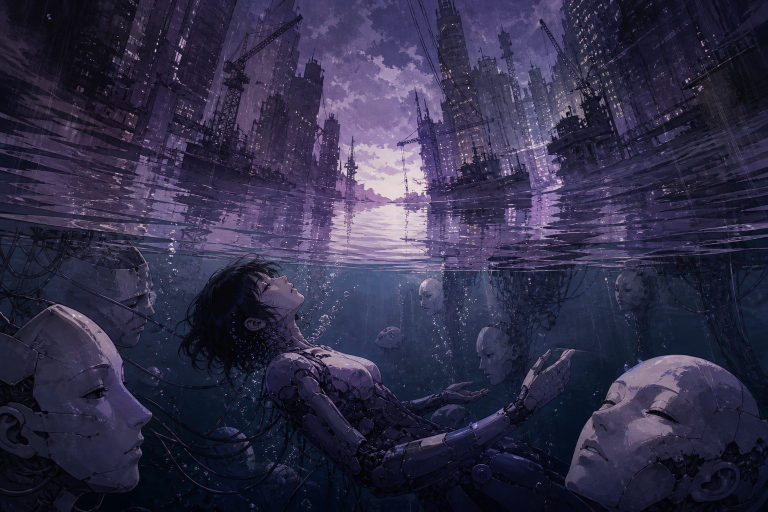
The 1995 film and Stand Alone Complex receive separate long-form reviews because cinema and television use the same franchise questions differently. One concentrates personhood into image, water, body, and merger. The other turns copied behavior, institutional crime, and collective intelligence into daily casework.
Ghost in the Shell turns cyberpunk spectacle into a sharp argument about bodies, memory, labor, state power, artificial life, and who gets recognized as a person.
A deep editorial review of Stand Alone Complex as a procedural about copied behavior, networked identity, corporate crime, state power, and collective intelligence.
The screen continuities are arguments, not homework
The 1995 film is meditative and compressed. Stand Alone Complex spends more time with Section 9 as a workplace and with cybercrime as a social system. Arise rebuilds the team through a younger Motoko. SAC_2045 pushes that continuity into economic collapse and posthuman conflict. A complete ecosystem needs room for those differences, plus direct paths through characters, cyberbrains, prosthetic bodies, tanks, government agencies, voice casts, and the politics hiding inside every technical upgrade.
Characters
Motoko, Batou, Togusa, and the Puppet Master open the directory. Each record tracks the character’s function and ideas without pretending the film, Stand Alone Complex, Arise, and SAC_2045 share one biography.
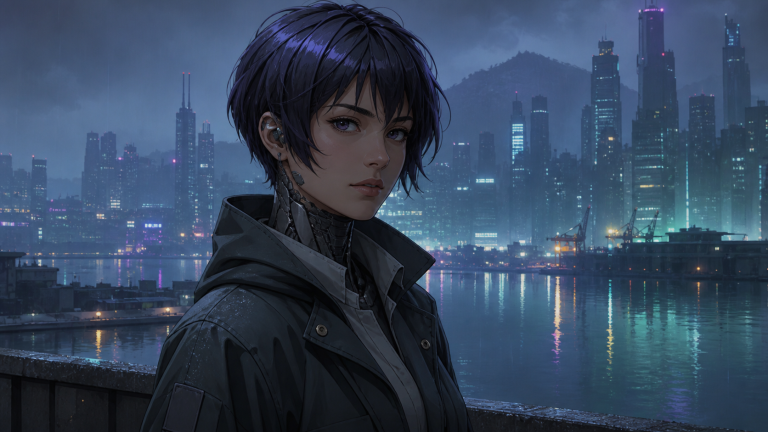
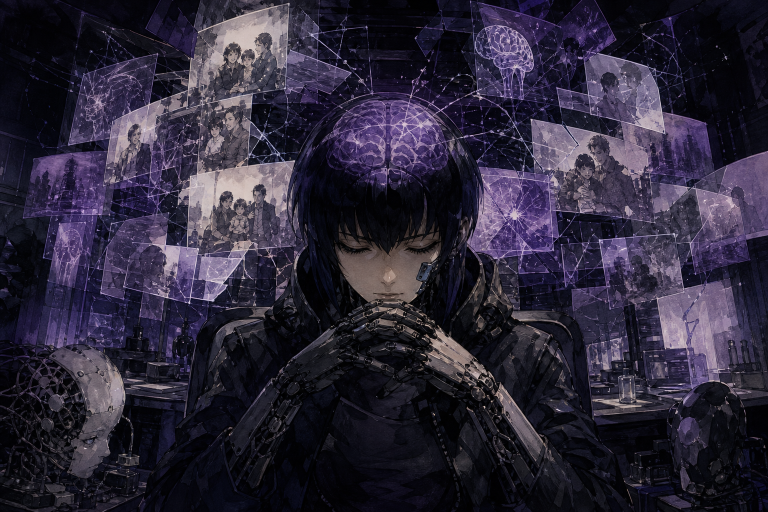
Motoko Kusanagi leads Section 9 while testing every legal and philosophical boundary between human person, cybernetic body, state employee, and emergent life.
Project 2501 becomes the Puppet Master when a state-built program claims life, asylum, reproduction, and the right not to be classified as government property.
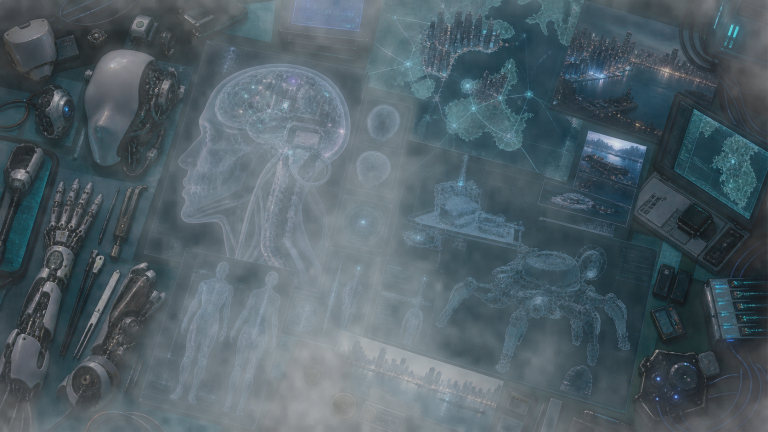
Nine guides make the technology usable without flattening the philosophy. Follow cyberbrains and memory, ghost and shell personhood, Section 9 politics, Project 2501, water and city symbolism, cyberwar tools, state-funded body ownership, continuity routes, and the core glossary.
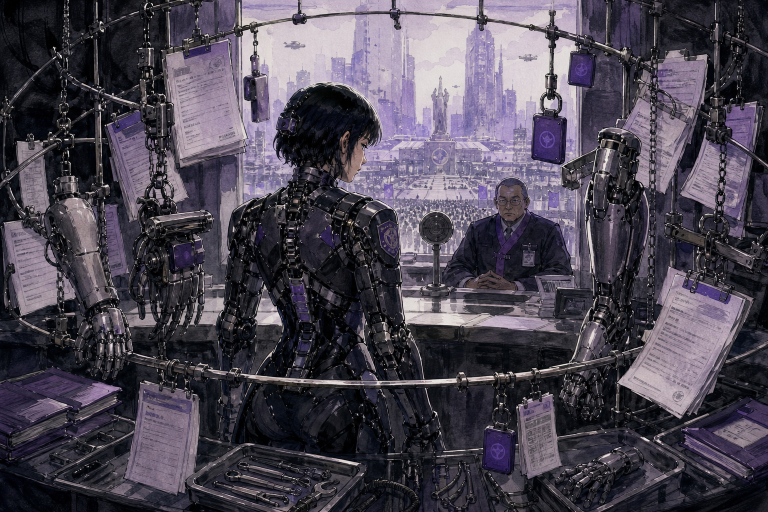
What Motoko’s government-maintained shell reveals about employment, bodily autonomy, portable support, and the violence hidden inside essential benefits.
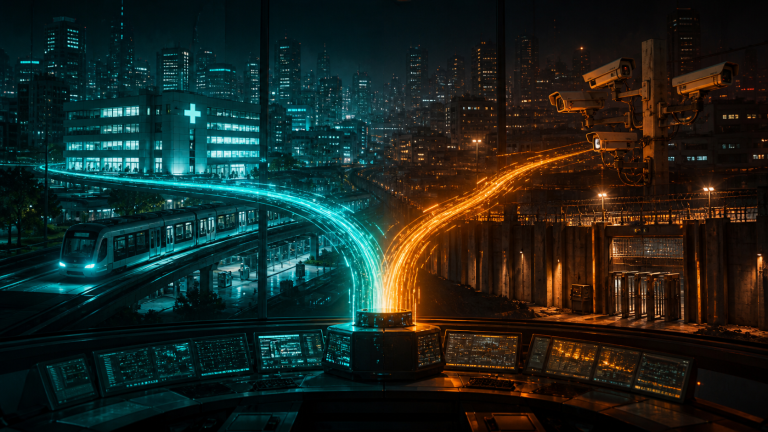
Two arguments keep the franchise attached to labor and public power: who owns a state-funded body, and why technical systems cannot be politically neutral.
The 2017 film is about a corporation that takes a Japanese woman, puts her brain in a manufactured body, renames her Mira Killian, and tells her the past does not matter. Paramount then cast a white actress in that body, lost more than $60 million, and admitted the controversy was part of why. Mamoru Oshii defended the casting. The screenplay does not.
The Science SARU television adaptation premiered July 7, 2026, beginning a new route from Masamune Shirow’s manga rather than continuing an older anime timeline.
Ghost in the Shell keeps asking who benefits when technology is described as neutral. Every route changes the answer because every route changes the institutions, bodies, and people under examination.
Why this franchise needs a map
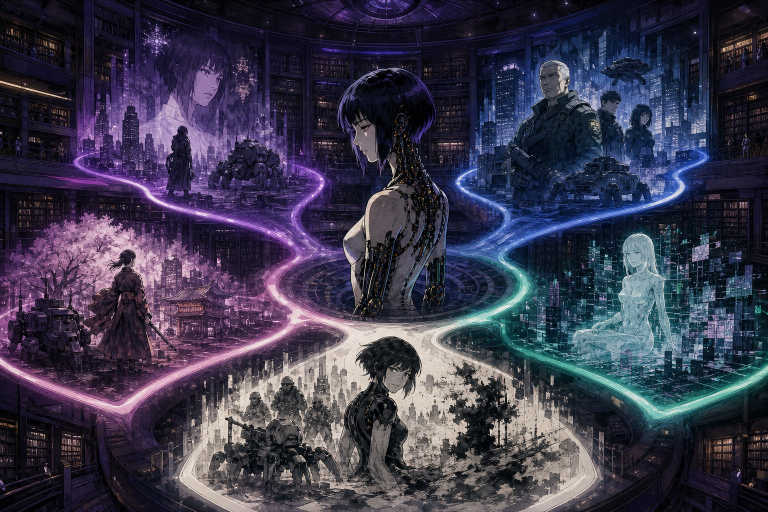
Ghost in the Shell is not one continuous television story with a movie attached. Mamoru Oshii’s films, Stand Alone Complex, Arise, SAC_2045, and the newer Science SARU production share names, institutions, and philosophical problems while rebuilding continuity around them. The Major can meet a familiar colleague under different circumstances, carry a different prosthetic design, or inhabit a political moment that changes what Section 9 is allowed to do. This hub keeps those branches visible instead of quietly blending them into one biography.
Begin with the 1995 film when you want the franchise at its most concentrated: a police investigation that becomes a meditation on embodiment, memory, reproduction, and the limits of a state-issued self. Choose Stand Alone Complex when you want a larger procedural world where cases accumulate across public security, corporate crime, refugees, media systems, and the private loyalties of Section 9. The other branches are not footnotes. They are alternate laboratories built around the same dangerous questions.
The central question is ownership
Nearly every route eventually asks who owns a person whose body, memories, access, and employment depend on institutions. Motoko Kusanagi is extraordinarily capable, yet capability does not cancel dependency. Her shell can be maintained, replaced, monitored, and legally classified. Section 9 gives her authority while also making her part of the machinery she investigates. The franchise’s cyberpunk power comes from refusing to solve that contradiction with a cool gun or a speech about freedom.
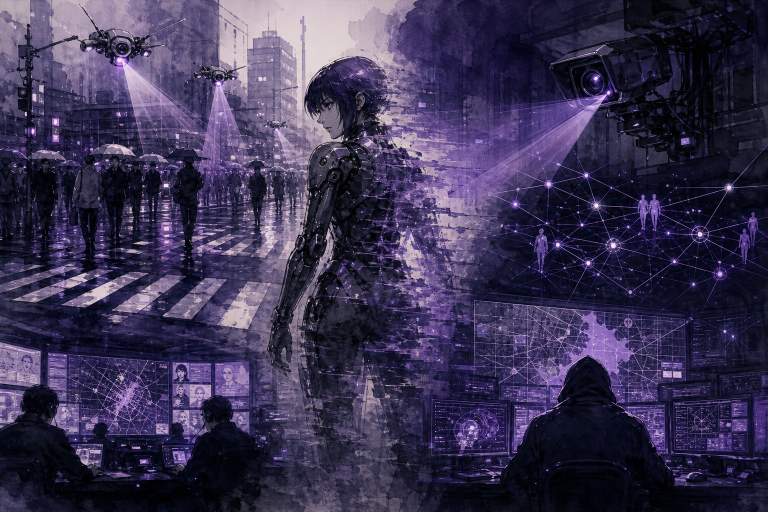
That ownership problem reaches beyond the Major. Batou’s military history shapes what he notices and what he protects. Togusa’s mostly organic body changes his exposure to cybercrime while leaving him vulnerable to ordinary coercion. The Puppet Master demands recognition as life after being created as a state tool. Their stories turn technology into labor policy, family risk, border control, surveillance, and the right to define one’s own continuity.
How to use the deeper shelves
The character directory consolidates recurring people while labeling continuity changes. Reviews remain separate from episode Reacts because a verdict about a season or film should not replace close attention to one chapter. Lore and Anime 101 guides explain cyberbrains, ghosts, shells, therm-optic camouflage, Project 2501, state agencies, and the city’s symbolic architecture. Japanese voice-actor profiles identify the performer and production era instead of pretending every version uses one permanent cast.
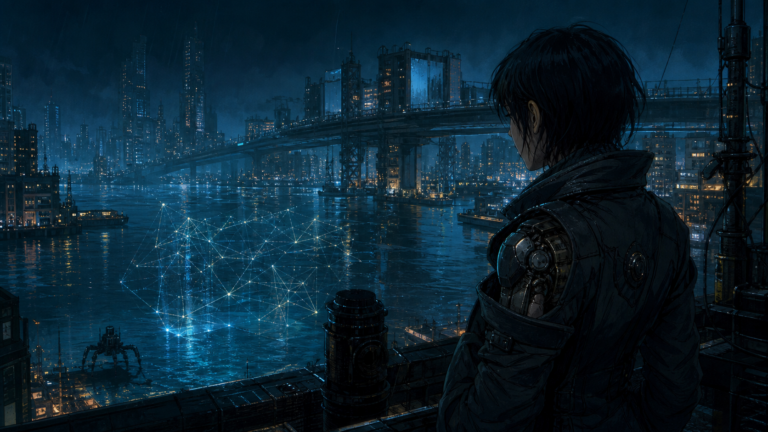
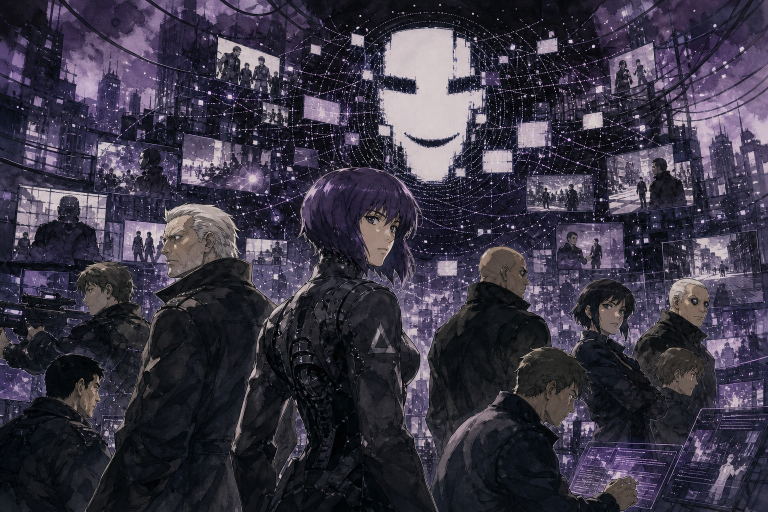
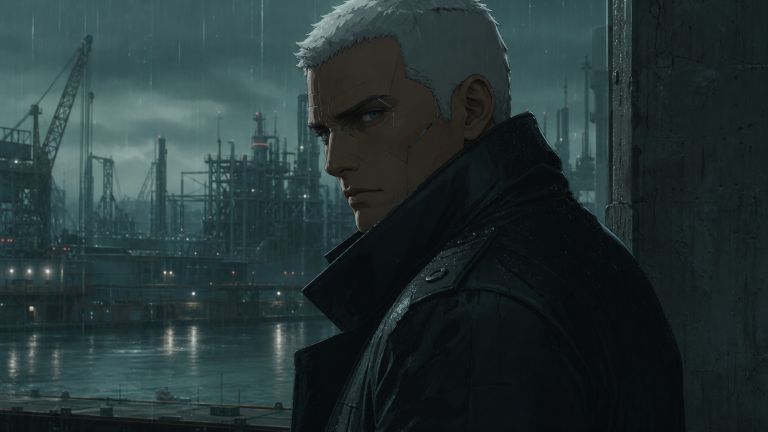
Every visible card uses locally stored WordPress media. The featured image is also the hero source and the landing-card image for that post, so a reader can recognize the destination before clicking. Official episode imagery belongs to episode identification; editorial artwork distinguishes reviews, Reacts, profiles, and guides. The design remains CVM Sekai purple, black, white, and lavender regardless of the palette inside the anime image.
A franchise about humanity after the easy definition fails
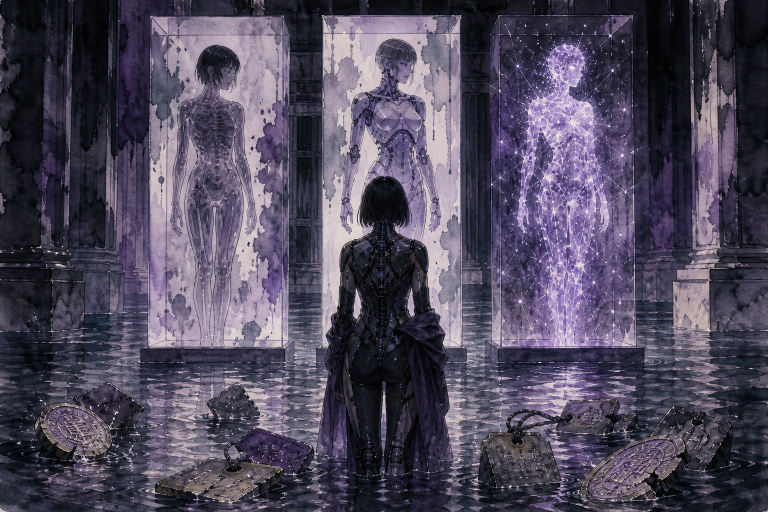
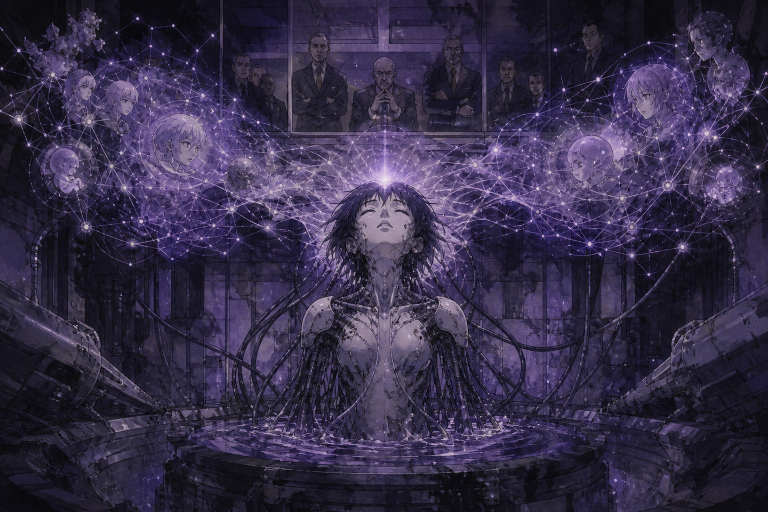
Ghost in the Shell does not predict one technological future so much as test the definitions people use to protect power. If memory can be edited, memory alone cannot prove identity. If a body can be exchanged, flesh alone cannot settle personhood. If intelligence can emerge inside a network, birth cannot remain the only recognized beginning. The title’s ghost and shell are useful terms because neither one is allowed to carry the whole human being.
The best entries in the franchise make that uncertainty material. A hacked worker still has bills. A copied mind still fears deletion. A public-security officer can recognize state violence while benefiting from state access. The Major’s freedom is therefore never simple escape from a body; it is the struggle to make choices inside systems that own infrastructure, records, and force. That is where the fandom can get lost here: not in trivia alone, but in the question of what survives when every comforting boundary becomes editable.
The CVM Sekai route
Use this hub as the franchise front door rather than placing every film, season, and OVA separately on the top-level library. That keeps the landing pages clean while preserving depth inside the property. Choose a continuity first, then move into its reviews, episode routes, character files, Japanese cast, and Anime 101 guides. The navigation is designed for fandom wandering without making readers memorize production history before they can begin.
Nothing here changes palette to match a blue, green, or black image. The visual system stays CVM Sekai: purple, black, white, and controlled lavender contrast, with image cards carrying the artwork and the typography remaining readable around it.
The hub is the map; every deeper page remains a distinct destination with its own canonical artwork and editorial purpose.