
Hanka Robotics Is Paramount Pictures
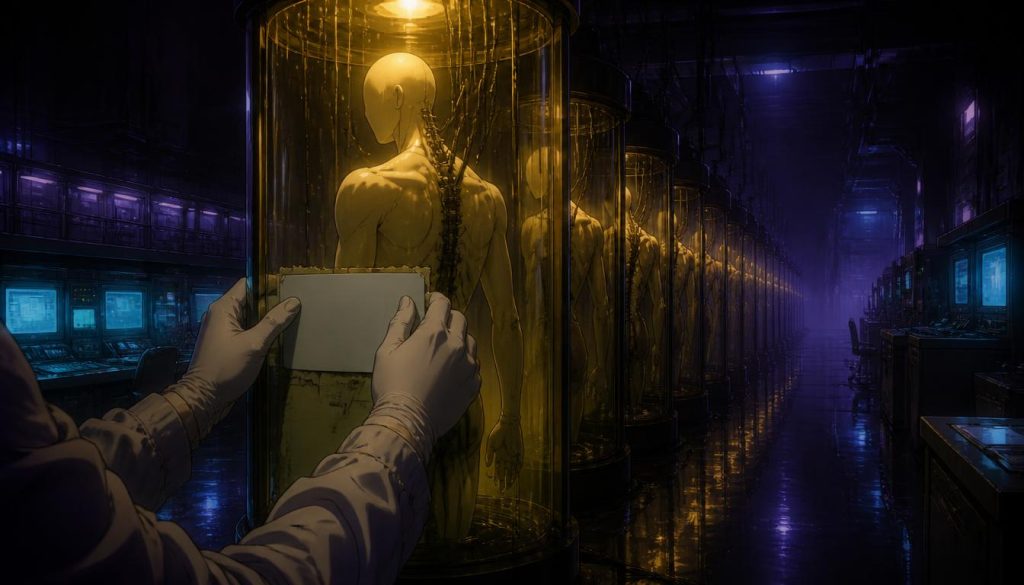
The 2017 film is about a corporation that takes a Japanese woman, puts her brain in a manufactured body, renames her Mira Killian, and tells her the past does not matter. Paramount then cast a white actress in that body, lost more than $60 million, and admitted the controversy was part of why. Mamoru Oshii defended the casting. The screenplay does not.
Ghost in the Shell Technology Glossary
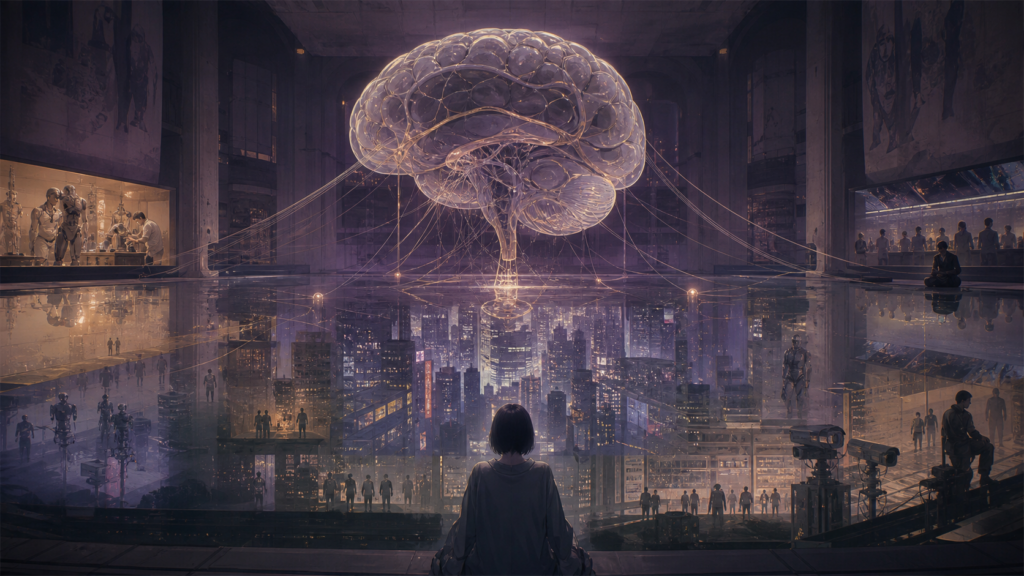
A practical guide to cyberbrains, ghosts, shells, therm-optic camouflage, Section 9, government networks, artificial life, and separate continuities.
Ghost in the Shell: Who Owns a Body Paid for by the State?

Motoko’s government-funded shell turns employment into bodily custody and exposes how quickly maintenance can become ownership.
Ghost in the Shell: Technology Is Never Neutral

Cyberbrains can heal, connect, surveil, falsify memory, and police a city because every technical system carries institutional choices.
The Ghost in the Shell Begins a New Science SARU Anime

The Science SARU television adaptation premiered July 7, 2026, beginning a new route from Masamune Shirow’s manga rather than continuing an older anime timeline.
Atsuko Tanaka

Atsuko Tanaka gave Motoko Kusanagi authority, intelligence, restraint, and the emotional room to question every border around personhood.
Akio Otsuka
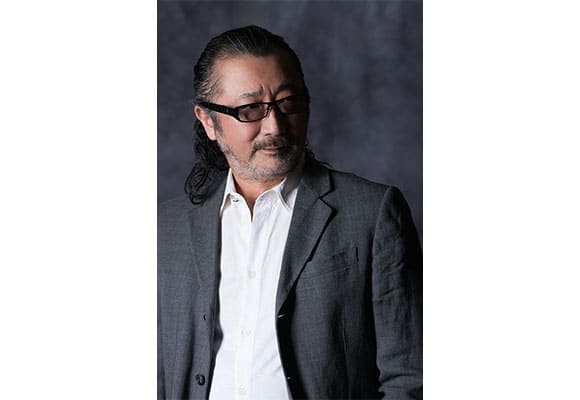
Akio Otsuka gives Batou physical weight, skeptical humor, moral anger, and care that never needs to become possession.
Koichi Yamadera
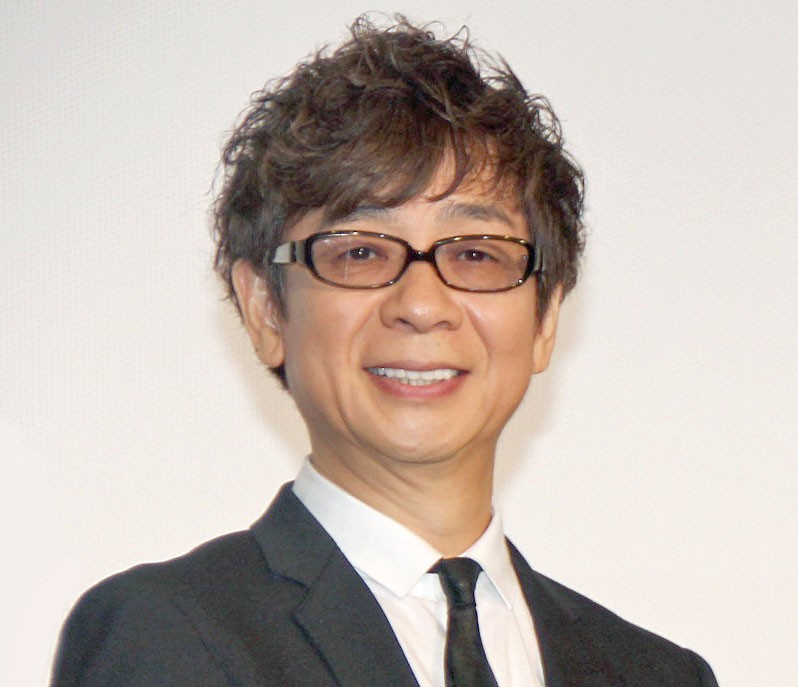
Koichi Yamadera makes Togusa sound alert, human, stubborn, and credible inside a unit where almost everyone has more cybernetic power.
Iemasa Kayumi
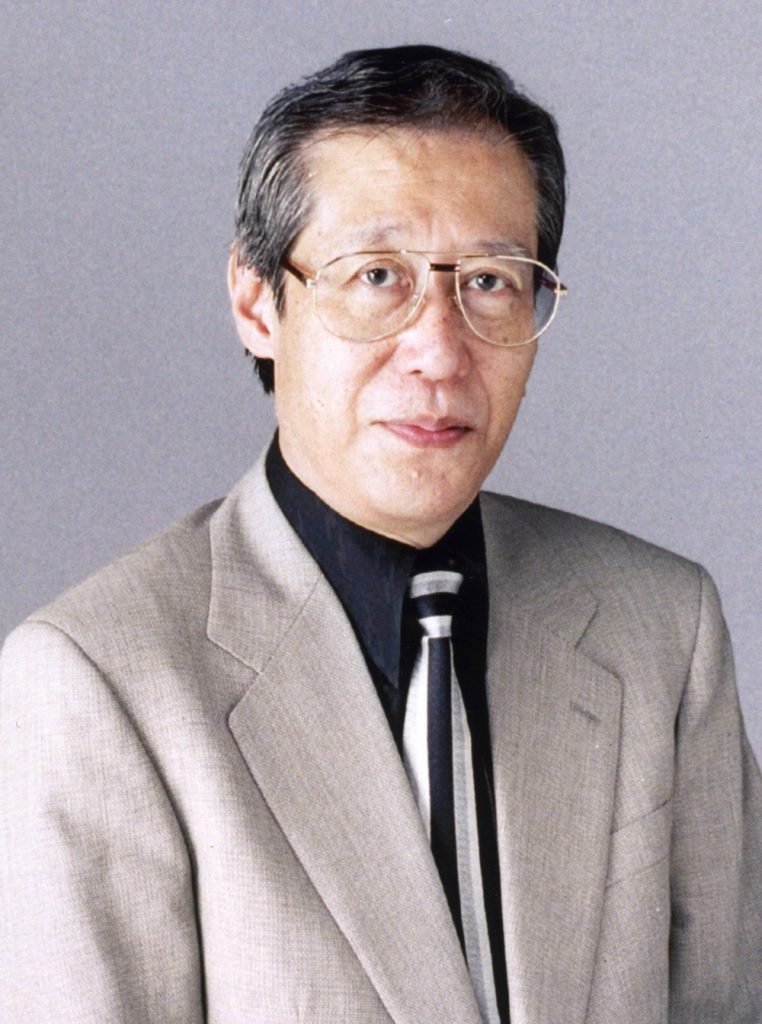
Iemasa Kayumi voices the Puppet Master with calm legal precision, turning a state-built program’s claim to life into the film’s central challenge.
Ghost in the Shell Japanese Voice Actors

Meet the Japanese performers who gave Motoko, Batou, Togusa, and the Puppet Master their defining voices.
Motoko Kusanagi

Motoko Kusanagi leads Section 9 while testing every legal and philosophical boundary between human person, cybernetic body, state employee, and emergent life.
Batou

Batou is Section 9’s force, skepticism, humor, and stubborn care, a heavily cyberized operative who keeps personhood grounded in daily choices.
Togusa

Togusa brings an almost fully human body, detective habits, family obligations, and useful skepticism into Section 9’s heavily cyberized workplace.
The Puppet Master

Project 2501 becomes the Puppet Master when a state-built program claims life, asylum, reproduction, and the right not to be classified as government property.
Ghost in the Shell Characters

Meet Section 9, the Puppet Master, and the people whose bodies, memories, labor, and choices define every Ghost in the Shell continuity.
Ghost in the Shell

Enter Ghost in the Shell through its films, series, characters, cyberbrains, public-security systems, voice performances, and arguments about personhood.
Ghost in the Shell Voice Actors

Meet the Japanese voice actors behind Motoko Kusanagi, Batou, Togusa, Aramaki, and Section 9 across the Ghost in the Shell franchise.
Surveillance Does Not Become Safety Because the State Says So

Ghost in the Shell proves surveillance can catch a threat without proving surveillance is safety. RaeRae follows Section 9 into power, privacy, and public accountability.
A New Mind Is Not Government Property

Ghost in the Shell asks whether a consciousness born inside a state project belongs to the government. RaeRae follows the Puppet Master’s demand to become a legal subject.
A Hacked Memory Cannot Give Consent
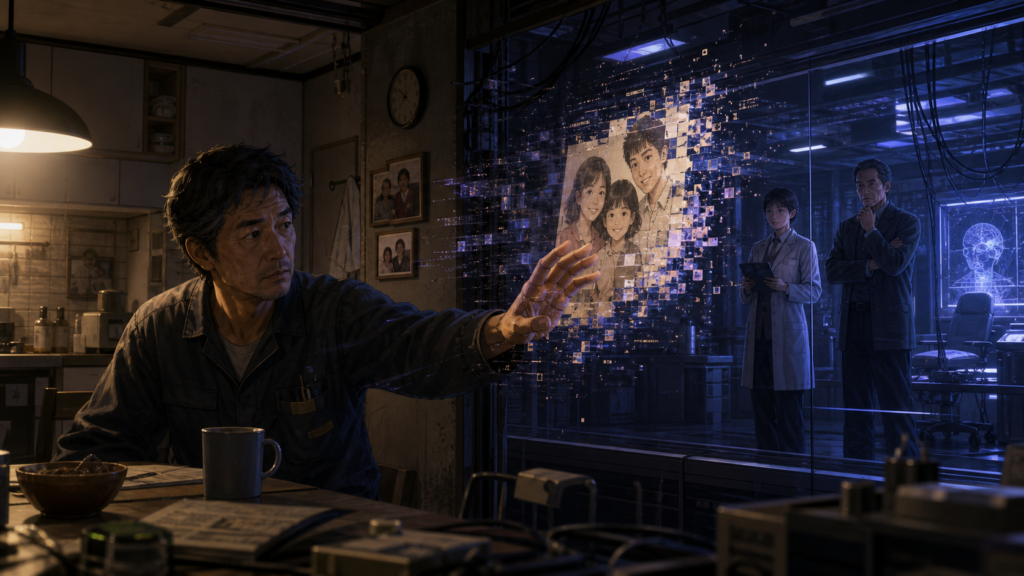
Ghost in the Shell turns a hacked memory into a consent crisis. RaeRae follows the garbage man’s counterfeit family into law, medicine, work, and surveillance.
Your Employer Should Not Own Your Body

Ghost in the Shell makes the employer-owned body look sleek. RaeRae follows the contract underneath the chrome and asks whether Motoko can ever leave Section 9 freely.
Ghost in the Shell Review

Ghost in the Shell turns cyberpunk spectacle into a sharp argument about bodies, memory, labor, state power, artificial life, and who gets recognized as a person.