
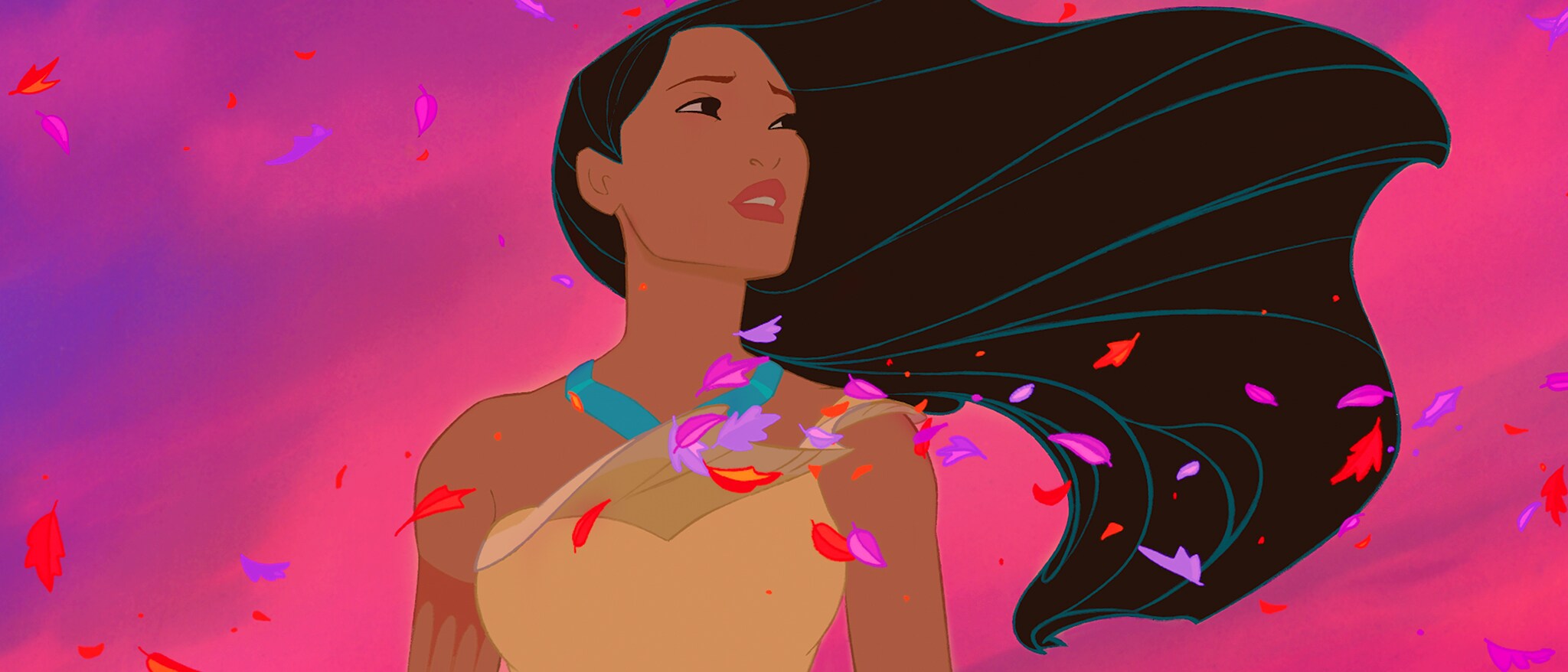
History, animation, colonial fantasy, gorgeous music, and a romance that should never have existed
Pocahontas
I cannot talk about Disney’s Pocahontas as harmless childhood nostalgia and leave the documented girl outside the room. Matoaka was a Powhatan child when the English arrived. The movie ages her into a statuesque young woman, gives her a romance with John Smith, and uses a beautiful soundtrack to make colonization feel like two stubborn sides failing to listen.
This hub keeps the animated films, fictional characters, music, production choices, historical record, Indigenous criticism, reviews, guides, and rants connected without pretending they are interchangeable. I can love the color, movement, and songs while still saying the central romance is indefensible. Fandom should be able to hold beauty and harm in the same conversation without getting lazy about either one.
The story and the problem arrive together
Disney’s 1995 film turns the founding violence surrounding Jamestown into a tragic almost-romance between an adult John Smith and an invented adult version of Pocahontas. The fictional heroine follows a compass, listens to Grandmother Willow, challenges her father, stops an execution, and asks both communities to reject fear. The emotional machinery is clear and often effective. The historical foundation underneath that machinery is not merely loose. The romance reverses the age, power, captivity, and colonial conditions that defined Matoaka’s contact with English men.
The 1998 sequel sends the fictional Pocahontas to England, introduces John Rolfe, and treats the first film’s romance as a chapter she can outgrow. The historical journey to England involved conversion, marriage, corporate promotion, court display, illness, and death before she could return home. A franchise guide has to say both sentences. One describes Disney continuity. The other describes why the continuity cannot be allowed to replace a human life.
The film road
Pocahontas and Pocahontas II: Journey to a New World now have separate full reviews. One builds the famous colonial romance. The other tries to move past that romance while borrowing selected pieces of Matoaka’s England journey. Neither movie functions as biography, and the sequel does not repair the first film simply because John Smith stops being the final boyfriend.
Full Movie Review
Pocahontas (1995) Review: The Songs Are Beautiful and the Romance Is Still a Lie
The 1995 feature through animation, songs, character decisions, colonial framing, Matoaka’s documented age and life, Indigenous criticism, Easter eggs, awards, and the farewell.
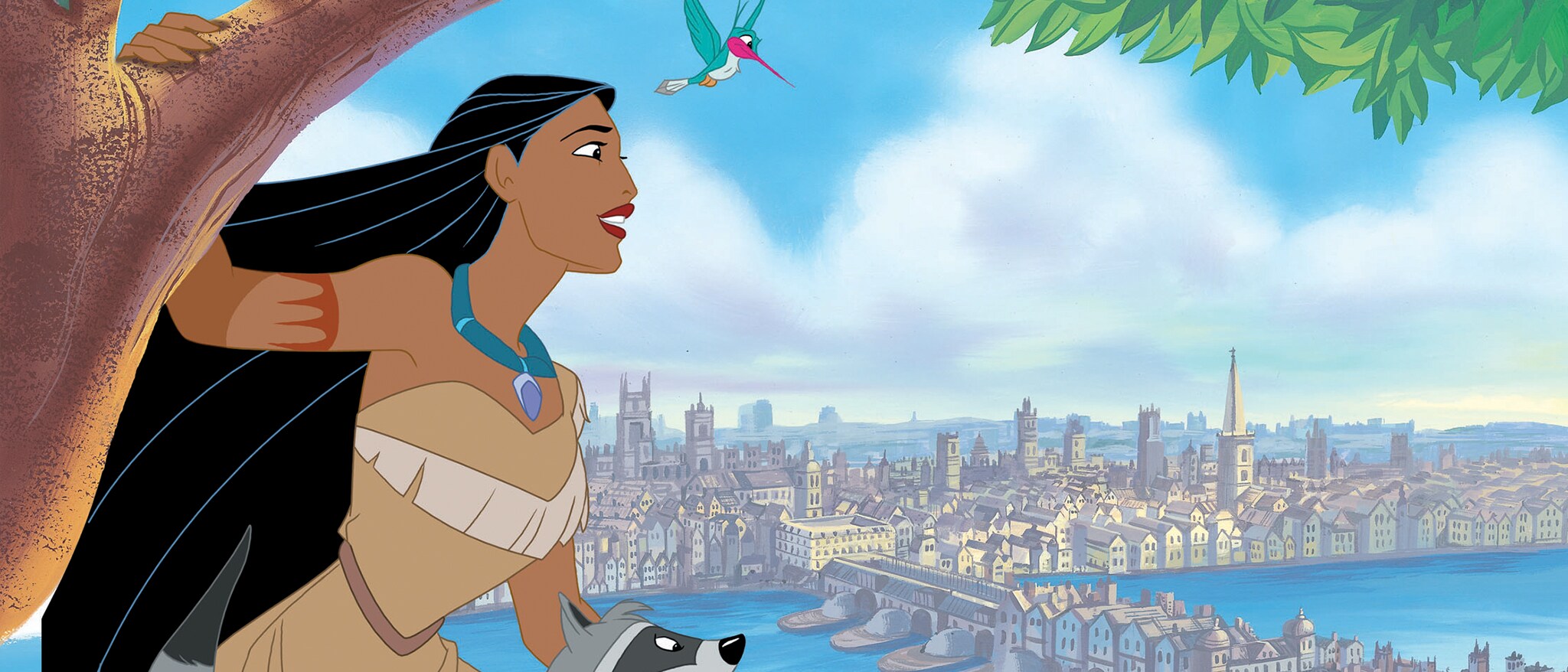
Full Movie Review
Pocahontas II Review: London Was a Display Case, Not a Makeover Adventure
The sequel through London, John Rolfe, John Smith, assimilation, propaganda, court spectacle, Matoaka’s England journey, songs, animation, and the ending Disney refused to show.
Characters
Character profiles here distinguish Disney’s inventions from documented people every single time. Fictional Pocahontas receives a full animation profile, but Matoaka is not flattened into trivia beneath that profile. Eight substantial profiles now cover the heroine, both English romantic leads, Powhatan’s family authority, Nakoma’s reasonable fear, Kocoum’s disposable tragedy, Grandmother Willow’s emotional labor, and the villain whose greed protects a larger system from judgment. Utamatomakkin and the animal ensemble remain useful future expansions rather than excuses to leave the main human relationships shallow.
![pocahontas-fictional-character-profile-original-fan-art.png Pocahontas Fictional Character Profile Original Fan Art Original CVM Sekai fan art of a fictional adult Indigenous animation heroine beside a tidal Virginia river[2]](https://cvmsekai.com/wp-content/uploads/2026/09/pocahontas-official-still-1.jpg)
Character Profile
Pocahontas Character Profile: Disney’s Heroine Is Not Matoaka
Disney’s adult fictional heroine across both films, with design, voices, songs, chronology, relationships, diplomacy, Indigenous criticism, and a firm boundary around Matoaka’s documented life.
![john-smith-fictional-character-profile-original-fan-art.png John Smith Fictional Character Profile Original Fan Art Original CVM Sekai fan art of a fictional English explorer inside an armed Jamestown expedition[2]](https://cvmsekai.com/wp-content/uploads/2026/09/pocahontas-official-still-7.jpg)
Character Profile
John Smith Character Profile: The Explorer Disney Needed Us to Forgive
The charming explorer whose personal redemption never quite answers what an honorable man is doing inside an armed colonial expedition.
![john-rolfe-fictional-character-profile-original-fan-art.png John Rolfe Fictional Character Profile Original Fan Art Original CVM Sekai fan art of a fictional English diplomat holding a royal summons beside the Thames[2]](https://cvmsekai.com/wp-content/uploads/2026/09/pocahontas2-official-still.jpg)
Character Profile
John Rolfe Character Profile: A Better Disney Boyfriend Is Still Not History
The sequel’s more attentive partner, court insider, and historically comforting rewrite of a marriage shaped by captivity.
![ratcliffe-fictional-character-profile-original-fan-art.png Ratcliffe Fictional Character Profile Original Fan Art Original CVM Sekai satirical fan art of a vain fictional colonial governor surrounded by empty gold pans and maps[2]](https://cvmsekai.com/wp-content/uploads/2026/09/ratcliffe-official-concept.jpg)
Character Profile
Governor Ratcliffe Character Profile: Disney Put the Whole Empire in One Bad Wig
Greed, propaganda, court access, comic vanity, and the convenient decision to put the whole colonial system inside one bad governor.
![powhatan-fictional-character-profile-original-fan-art.png Powhatan Fictional Character Profile Original Fan Art Original CVM Sekai fan art of a fictional Powhatan leader and father in an active riverside community[2]](https://cvmsekai.com/wp-content/uploads/2026/09/powhatan-official-still.png)
Character Profile
Powhatan Character Profile: A Father, a Leader, and a Name Disney Flattened
The father and leader Russell Means gives dignity, affection, justified fear, and a political world larger than one romance.
![nakoma-fictional-character-profile-original-fan-art.png Nakoma Fictional Character Profile Original Fan Art Original CVM Sekai fan art of a fictional adult Powhatan friend carrying a basket in her riverside community[2]](https://cvmsekai.com/wp-content/uploads/2026/09/nakoma-official-still.jpg)
Character Profile
Nakoma Character Profile: The Friend Who Was Right to Be Worried
The loyal friend who sees an armed stranger and a community near war, then gets remembered as the problem for being reasonably worried.
![kocoum-fictional-character-profile-original-fan-art.png Kocoum Fictional Character Profile Original Fan Art Original CVM Sekai fan art of a fictional adult Powhatan warrior holding an unstrung bow at rest near his community[2]](https://cvmsekai.com/wp-content/uploads/2026/09/kocoum-official.jpg)
Character Profile
Kocoum Character Profile: Disney Killed the Serious Man Before Giving Him a Life
The serious warrior whose death gives almost everybody else an arc after the screenplay barely gives him a life.
![grandmother-willow-character-profile-original-fan-art.png Grandmother Willow Character Profile Original Fan Art Original CVM Sekai fan art of an entirely original wise feminine willow tree spirit beside a river at twilight[2]](https://cvmsekai.com/wp-content/uploads/2026/09/grandmother-willow-official.jpg)
Character Profile
Grandmother Willow Character Profile: Advice, Magic, and the Tree Doing Everybody’s Emotional Labor
Linda Hunt’s magical elder, safe thinking place, comic witness, and the invented tree carrying far too much generalized spirituality.
Reviews
These are long-form editorials with scene analysis, music, visual design, production history, performance, historical alteration, Indigenous criticism, endings, and the details that become harder to ignore on another watch. Plot summaries are not being passed off as criticism. The films are too influential, too visually accomplished, and too historically damaging for shallow coverage.
Full Movie Review
Pocahontas (1995) Review: The Songs Are Beautiful and the Romance Is Still a Lie
A 10,090-word editorial that lets the film be gorgeous without letting gorgeous craft launder the impossible romance.
Full Movie Review
Pocahontas II Review: London Was a Display Case, Not a Makeover Adventure
A 10,001-word editorial about the smarter fictional romance and the history hidden underneath the London makeover adventure.
RaeRae Reacts
These scene-level reactions keep the beautiful craft in view while refusing the historical cleanup. The river choice, Colors of the Wind, and the farewell each change when fictional romance is separated from colonial power and the real Indigenous child whose name Disney used.
Choice React
Pocahontas Just Around the Riverbend React: The River Was a Question Before John Smith
Her restlessness existed before the English ship. The river carries self-determination, Kocoum, community duty, spiritual symbolism, and a future Disney narrows into romance.
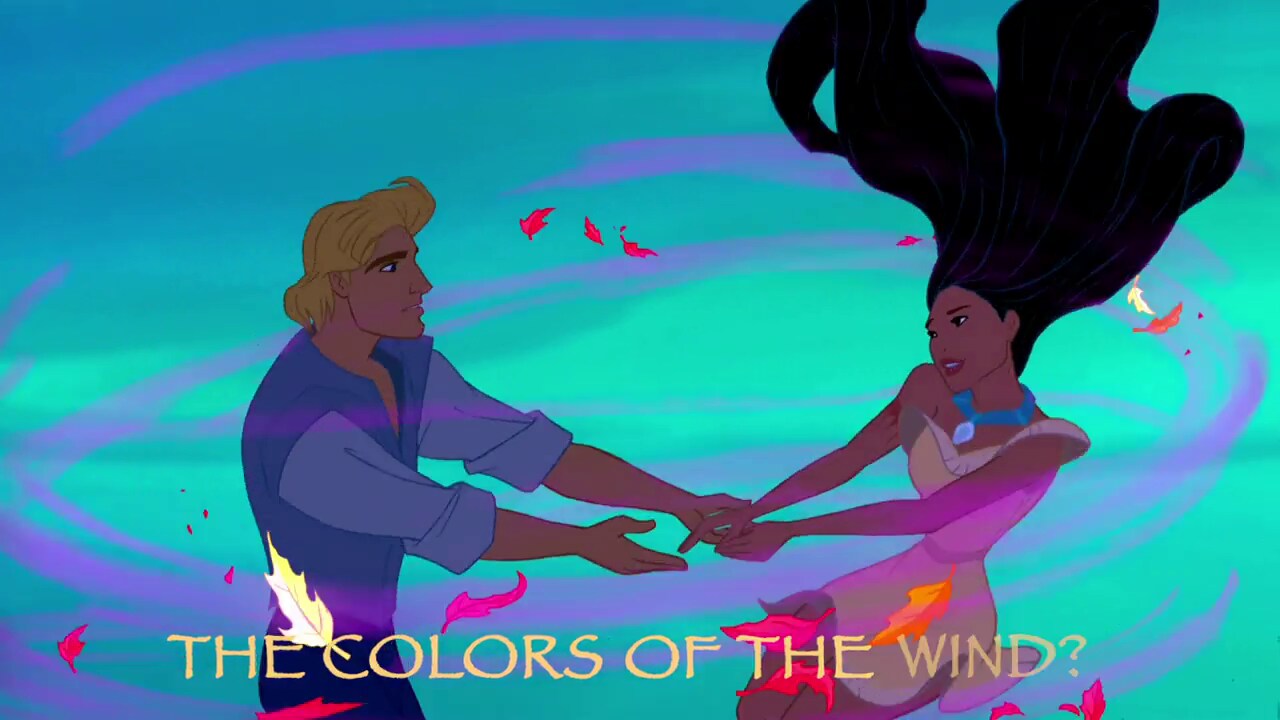
Song React
Pocahontas Colors of the Wind React: The Song Reads Colonial Arrogance for Filth
The song challenges property, extraction, and colonial arrogance while making Pocahontas perform the emotional labor of educating John.
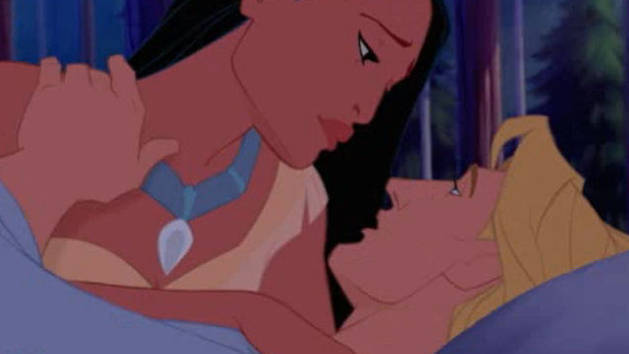
Ending React
Pocahontas Ending React: The Fictional Woman Gets a Choice History Did Not
The fictional heroine chooses home. The real Indigenous child attached to her name lived through colonial captivity, conversion, England, and an early death.
Rants
This is where I stop being polite about the romance, the branding, and Disney’s habit of treating animation as a draft for a supposedly more serious remake. The current rants establish the central receipts while the rest of the ecosystem expands around them.

RaeRae Rant
Disney Gave Pocahontas a Love Song Because the Truth Was Bad for Branding
Matoaka’s age, names, homeland, kidnapping, conversion, marriage, England display, death, and the romance Disney manufactured because the record would not sing the duet.
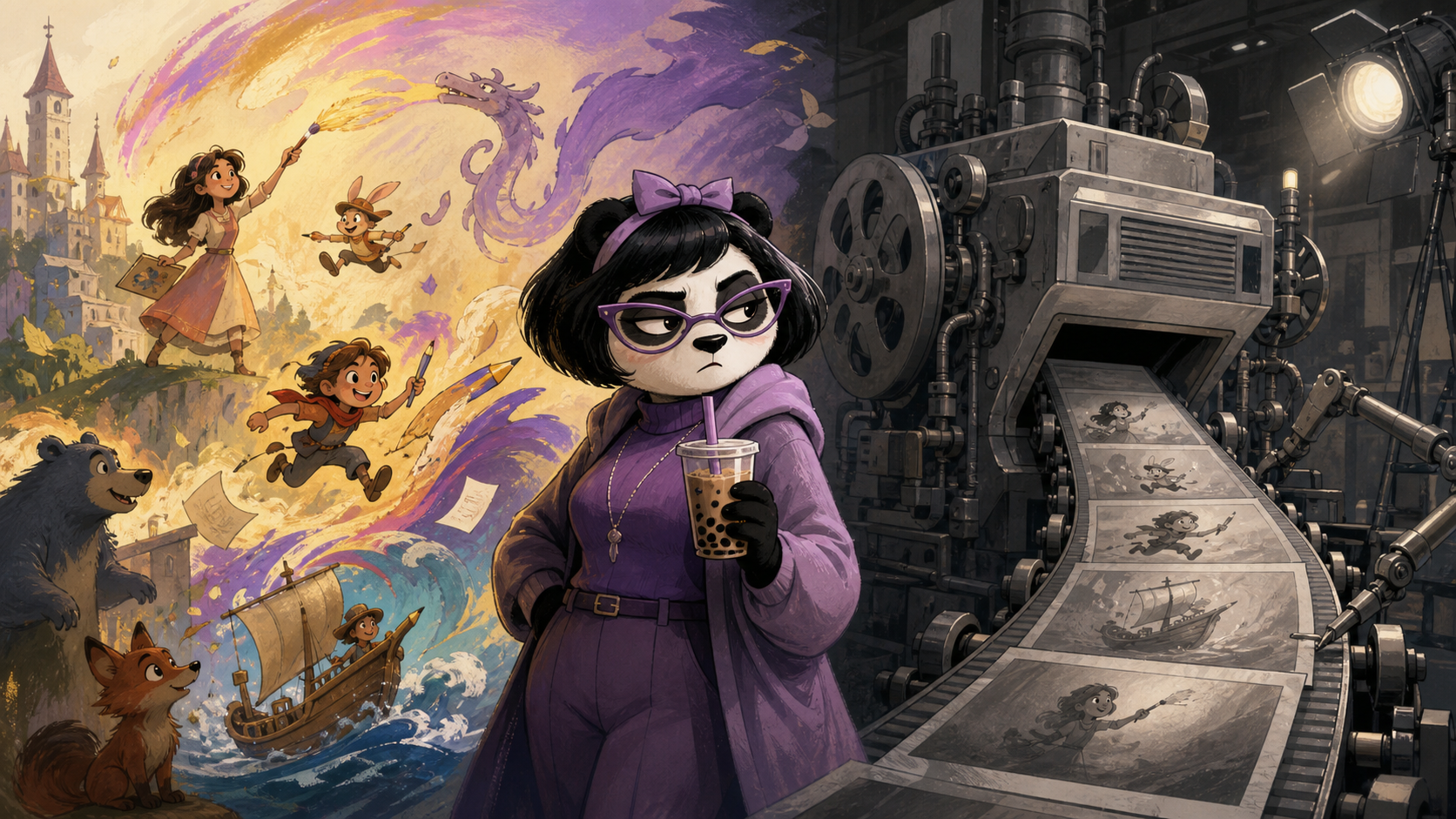
RaeRae Rant
Disney, Animation Was Already Alive
Why animation was already alive before corporate remake logic arrived to sell cultural seriousness through bodies, locations, and expensive digital spectacle.
World, history, and guides
Three substantial guides now follow Matoaka’s documented life and the limits of the surviving colonial record, Tsenacomoco and Powhatan political and community life, and the adaptation machinery that turns age, language, colonization, spirituality, villains, and endings into portable romance. The source trail uses public history, Indigenous museum work, archaeology, tribal resources, contemporary evidence, and criticism instead of recycling another entertainment wiki.
The point is not to punish anybody for remembering the songs. The point is to give fans enough context to recognize what the songs are doing. A fandom site can be welcoming without being historically empty. Frankly, a story this loaded deserves curiosity with a backbone.
![matoaka-names-record-history-guide-original-art.png Matoaka Names and Historical Record Guide Original Art Original CVM Sekai symbolic still life of Chesapeake records, an empty portrait page, collar, map and shell beads for a guide to Matoaka and the colonial archive[2]](https://cvmsekai.com/wp-content/uploads/2026/08/matoaka-names-record-history-guide-original-art.png)
Anime 101 · History
Matoaka, Amonute, Pocahontas, Rebecca: The Names and the Record
Names, approximate age, homeland, Kocoum, kidnapping, captivity, baptism, John Rolfe, Thomas, England, the van de Passe engraving, Gravesend, and the limits of colonial records.
![tsenacomoco-powhatan-world-guide-original-art.png Tsenacomoco and Powhatan World Guide Original Art Original CVM Sekai interpretive landscape of connected tidal communities, agriculture, homes and water travel in Tsenacomoco[2]](https://cvmsekai.com/wp-content/uploads/2026/08/tsenacomoco-powhatan-world-guide-original-art.png)
Anime 101 · World and Culture
Tsenacomoco Before Jamestown: The Powhatan World Disney Turns into Scenery
Tidal political geography, towns, agriculture, water travel, labor, leadership, diplomacy, Jamestown contact, disease, conflict, and living Powhatan communities.
![pocahontas-adaptation-media-literacy-guide-original-art.png Pocahontas Adaptation Media Literacy Guide Original Art Original CVM Sekai editorial art showing maps, storyboards, music, mirrored marching figures and a crossed-out romance diagram[2]](https://cvmsekai.com/wp-content/uploads/2026/08/pocahontas-adaptation-media-literacy-guide-original-art.png)
Anime 101 · Media Literacy
How Pocahontas Turns Colonial History into Romance: An Adaptation Receipt Guide
Aging, glamour, magical translation, music, nature mysticism, false symmetry, disposable characters, villain containment, sequel history, and nostalgia as editor.