Powered by vibes, caffeine, and questionable life choices. 💀
TOY STORY • CVM SEKAI
Toy Story
Five feature films, three decades of changing children, and a community of conscious people the human world still calls belongings. Start with a movie, follow the characters, then get lost in the ownership arguments, production history, rants, and world rules.
Five movies, one continuous emotional argument
The main feature line runs from Woody’s fear of Buzz in 1995 through Jessie’s confrontation with Lilypad in 2026. Every movie has its own long-form editorial review, its own featured image, and enough room to judge what the sequel reopened instead of pretending the franchise always planned one perfect arc.
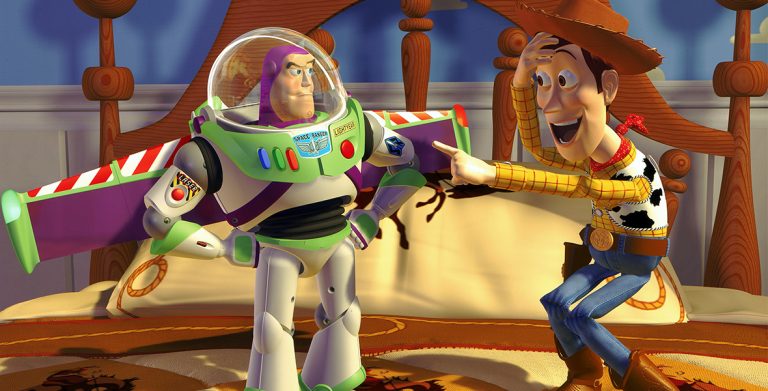
A full editorial review of Toy Story (1995) about replacement anxiety, manufactured identity, workplace hierarchy, chosen purpose, computer-animation history, and verified Pixar Easter eggs.
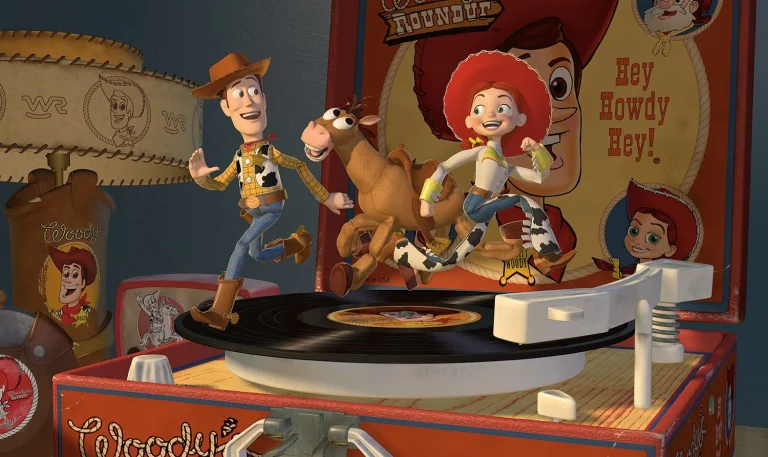
A deep editorial Toy Story 2 review about Jessie, collecting culture, abandonment, restoration, commodity value, chosen impermanence, production design, and Pixar Easter eggs.
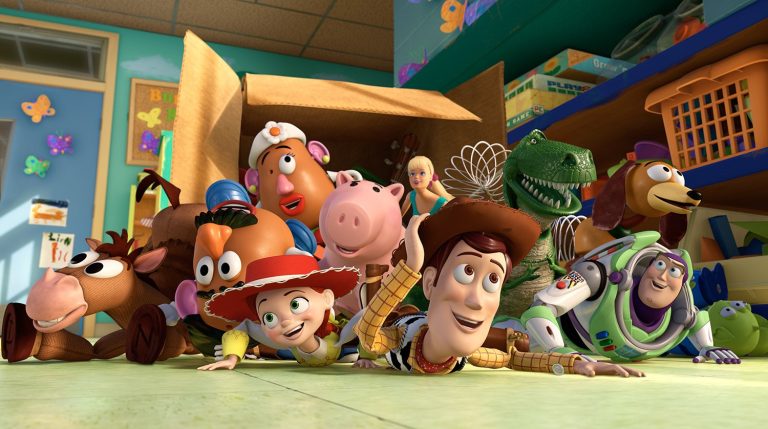
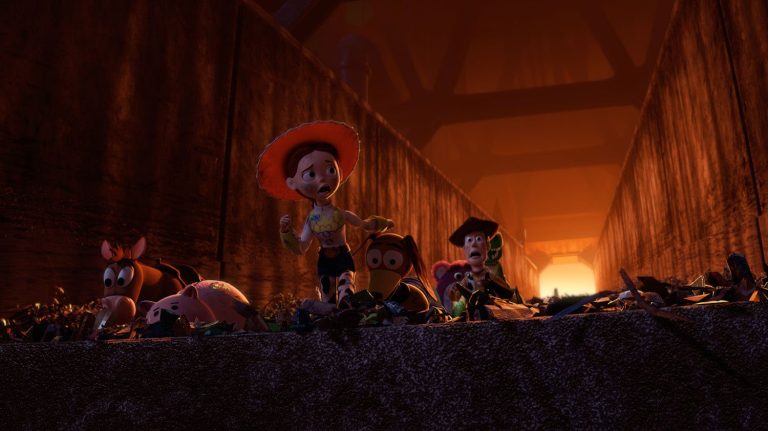
A deep Toy Story 3 editorial review about Andy’s departure, Sunnyside’s labor hierarchy, Lotso, the prison break, the incinerator, Bonnie, grief, institutional power, and letting go.
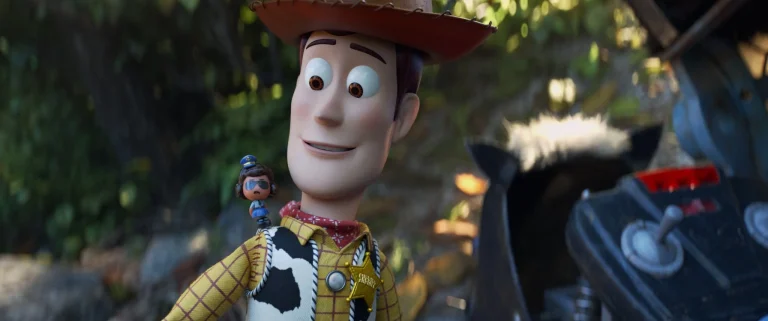
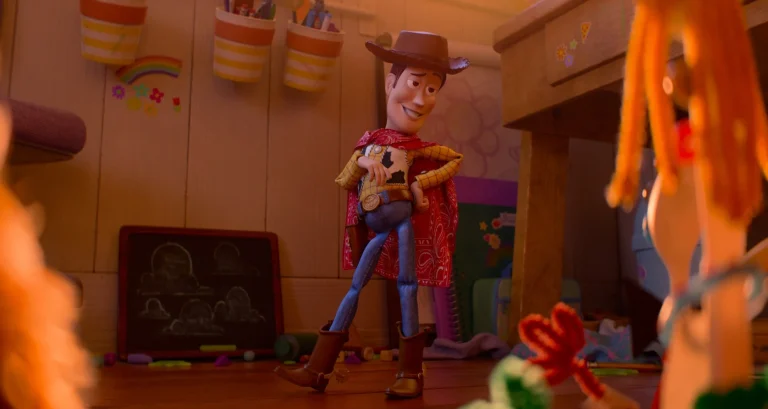
A deep Toy Story 4 review covering Forky’s personhood, Bonnie, Bo Peep, Gabby Gabby’s coercion, Woody’s retirement identity, chosen purpose, consent, and the cost of leaving.
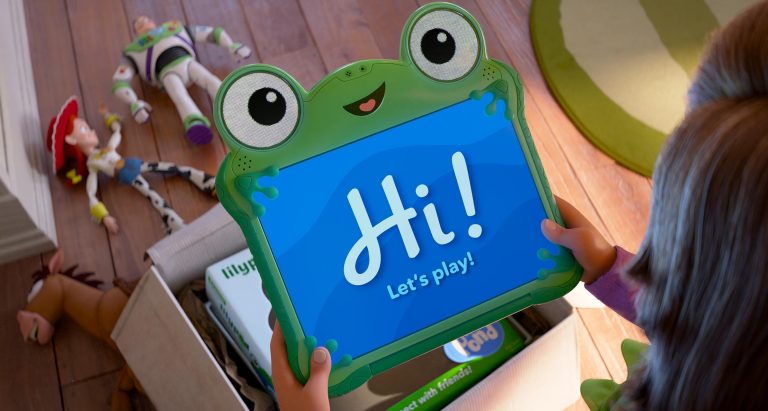
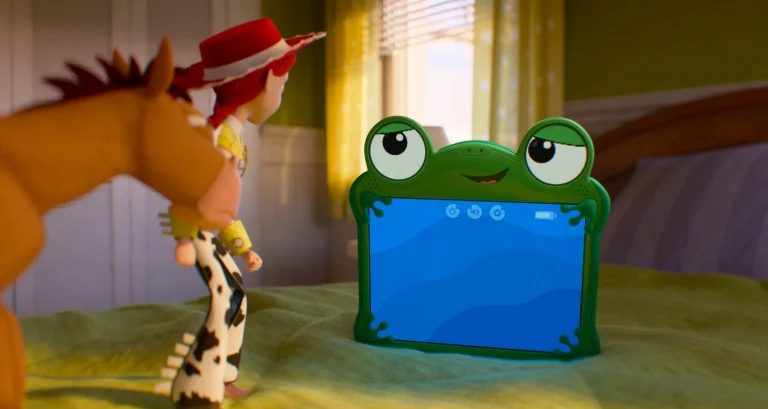
A deep Toy Story 5 review of Jessie’s leadership, Lilypad, Bonnie and Blaze, Emily’s memory, the Hi-Tech Buzz figures, technology, play, and the ethics of attention.
These are scene-level reactions, not shortened reviews. Each one stays inside a specific moment long enough to follow the joke, the damage underneath it, and the character choice that changes what the scene means.
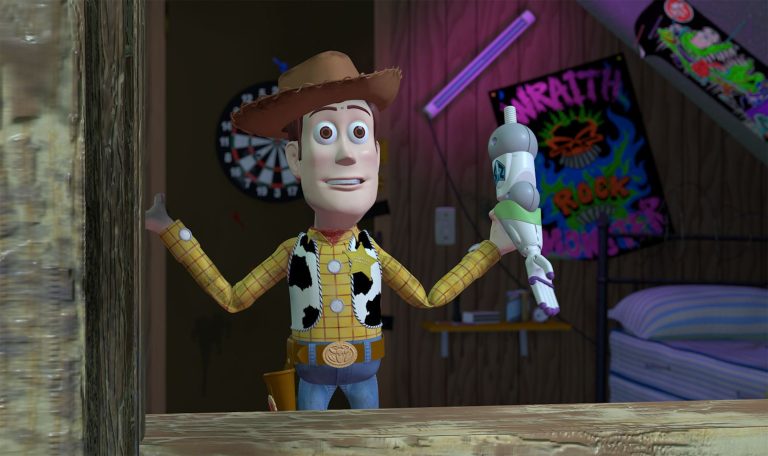
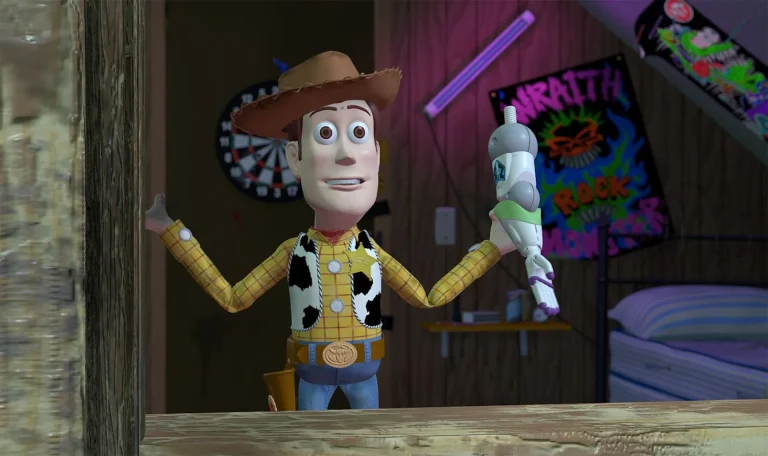
A deep Toy Story scene React about Woody’s fake proof of life, Buzz’s bodily autonomy, broken trust, leadership, evidence, and the apology Woody keeps trying to avoid.
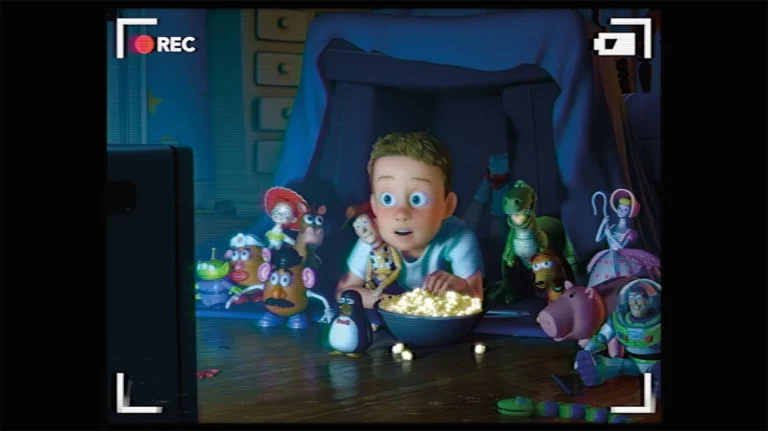
A deep Toy Story 4 scene React about Buzz giving Woody permission to leave, Bonnie’s resilience, loyalty, identity, duty, and friendship without possession.
The toys are people before they are symbols. These profiles examine what each person wants, what their bodies permit, how ownership shapes them, what damage changes, and where devotion turns into control.
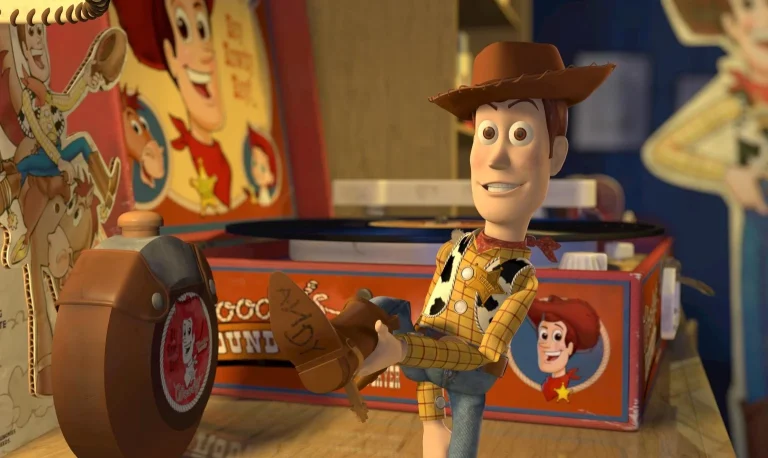
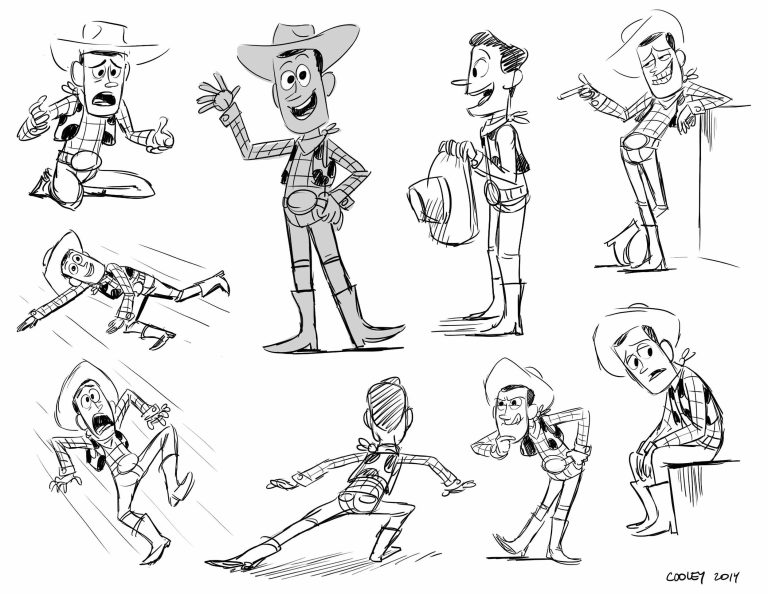
A JIN-depth Woody character profile covering all four Toy Story films, Woody’s Roundup, Buzz, Bo Peep, Jessie, Andy, Bonnie, voice performances, design history, ownership, leadership, and the fear underneath loyalty.
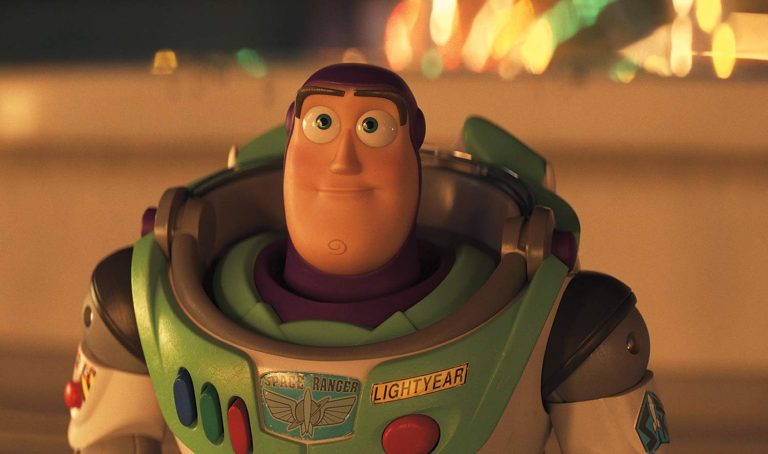
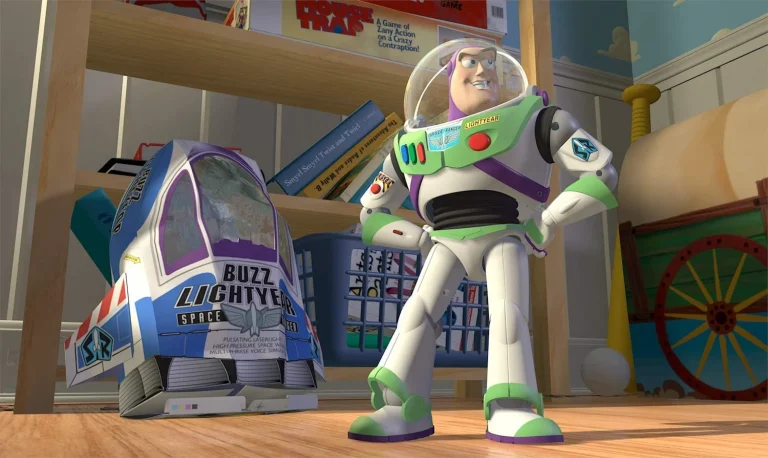
A JIN-depth Buzz Lightyear character profile covering every Toy Story feature, television and short-form branches, Lightyear, voice performances, design history, identity collapse, masculinity, leadership, and Toy Story 5.
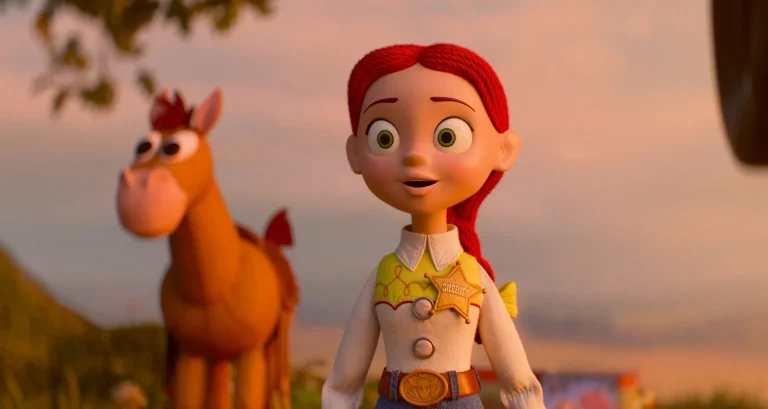
A JIN-depth Jessie character profile covering Emily, abandonment, claustrophobia, Woody’s Roundup, Joan Cusack, Bullseye, Buzz, Sunnyside, Bonnie, leadership, and her sheriff role in Toy Story 5.
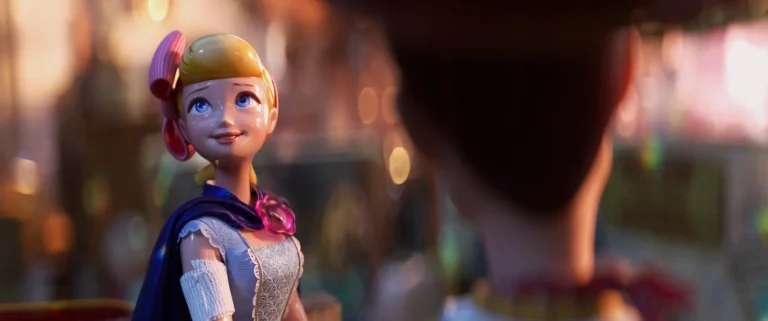
A JIN-depth Bo Peep character profile covering her porcelain body, lamp origins, Woody relationship, lost-toy community, Giggle McDimples, the sheep, design history, rescue leadership, and Toy Story 5.
The franchise keeps asking children to carry the emotional survival of conscious property, then calls that arrangement love. These rants go after ownership, factory-condition morality, and Woody’s addiction to being needed without flattening the movies into one angry sentence.
A deep Toy Story rant about conscious toys, children, ownership, consent, storage, donation, repair, disclosure, and why affection does not solve a rights problem.
A deep Toy Story rant about mint condition, disability, repair, modification, market value, visible history, Forky, Bo Peep, Gabby Gabby, Wheezy, and the mutant toys.
A deep Toy Story rant about Woody’s savior identity, leadership privilege, control, caretaker burnout, work-based self-worth, Bo Peep’s boundaries, and learning ordinary belonging.
Use the clean viewing order, trace the unwritten rules of toy consciousness and ownership, or follow the production craft and verified Easter eggs from the first CG feature to Toy Story 5’s pastel imagination.
The complete Toy Story viewing order for all five films, Toy Story Toons, television specials, Forky Asks a Question, Lamp Life, Lightyear, and optional branches.
A deep guide to Toy Story consciousness, handmade toys, ownership, written names, damage, batteries, duplicate bodies, secrecy, and the franchise’s unwritten rules.
A source-conscious Toy Story Easter-egg and production guide covering Pizza Planet, cloud wallpaper, colorscripts, duplicate Buzz figures, landfill research, antique-store dust, and Toy Story 5’s pastel pipeline.
Shorts, specials, and the branches outside the five films
Toy Story Toons, Toy Story of Terror!, Toy Story That Time Forgot, Forky Asks a Question, Lamp Life, Buzz Lightyear of Star Command, and Lightyear do not all occupy one neat line. The viewing guide separates required continuity, optional side stories, and in-universe media without turning a family movie night into homework.
The complete Toy Story viewing order for all five films, Toy Story Toons, television specials, Forky Asks a Question, Lamp Life, Lightyear, and optional branches.