
Chinese Donghua
Chinese animation is much bigger than the 3D cultivation epics that often introduce international viewers to it. Donghua includes animated series, films, shorts, children’s programming, fantasy, science fiction, comedy, romance, historical stories, experimental work, adaptations, and original productions created across a Chinese animation tradition that stretches back long before today’s streaming boom.
This is CVM Sekai’s home for exploring animation from China: what to watch, how the industry and adaptation ecosystem work, the novels and manhua behind major properties, the cultural vocabulary hiding inside the subtitles, the people making the animation, and the enormous Chinese storytelling traditions that make many of these worlds feel different from Japanese anime or Western animation.
Chinese animation is not one genre, one art style, or one giant cultivation story
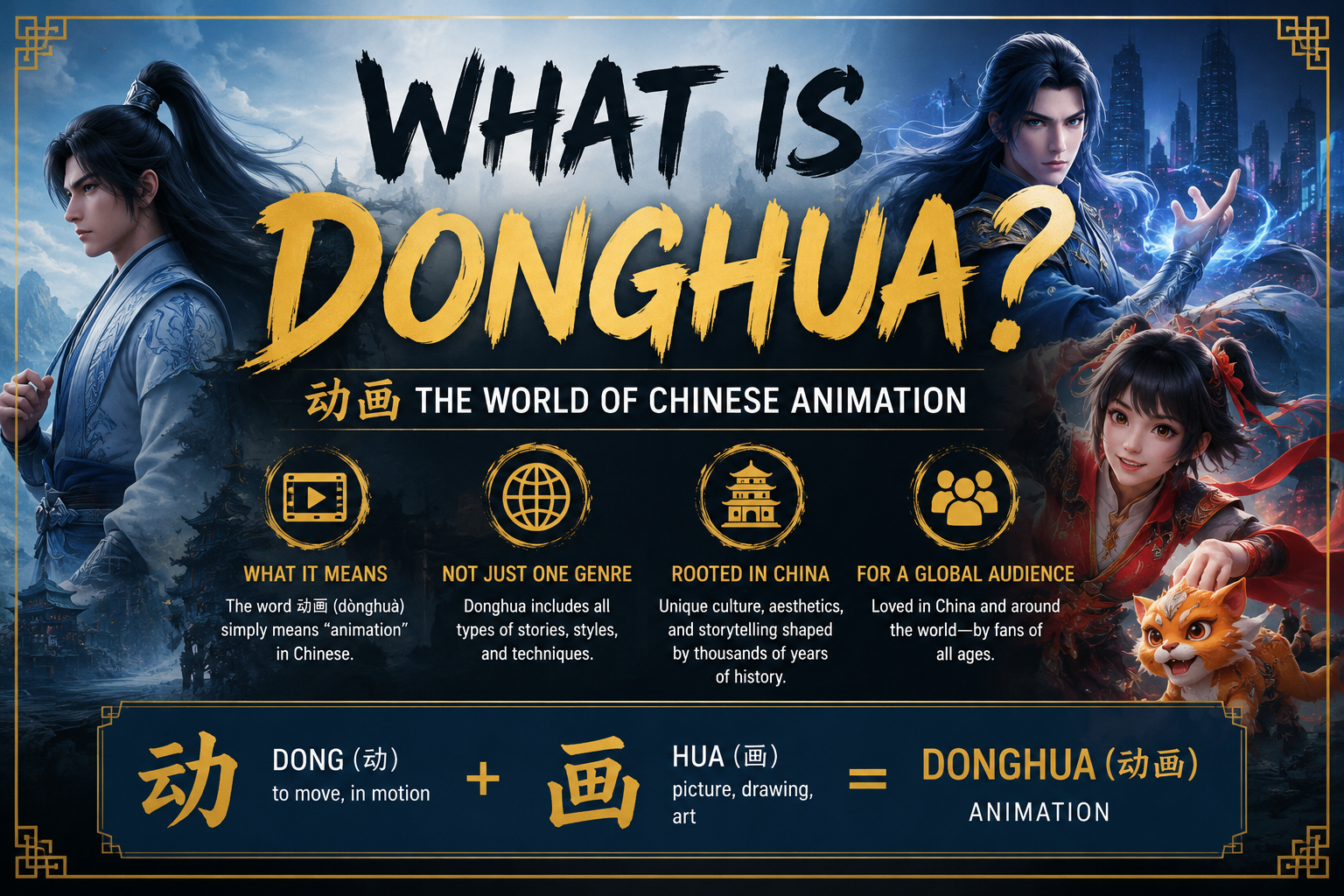
The Mandarin word donghua (动画 / 動畫, dònghuà) means animation. International fandom commonly uses it more specifically when talking about animation from China, which gives us a useful way to distinguish Chinese productions from Japanese anime, Korean animation, and other animation traditions. The word itself does not mean cultivation, fantasy, CGI, or even “Chinese-style animation.” It is the medium.
That distinction matters because the version of Chinese animation that travels most visibly through international fandom is only part of the picture. Long-running 3D adaptations of cultivation and fantasy web novels have become enormously recognizable, but China also produces 2D animation, theatrical films, comedy, science fiction, children’s work, historical stories, modern settings, experimental animation, and projects drawing from very different artistic traditions. If your first ten donghua all involved immortal sects and men standing on flying swords, your recommendation algorithm introduced you to a neighborhood and quietly labeled it the entire country.
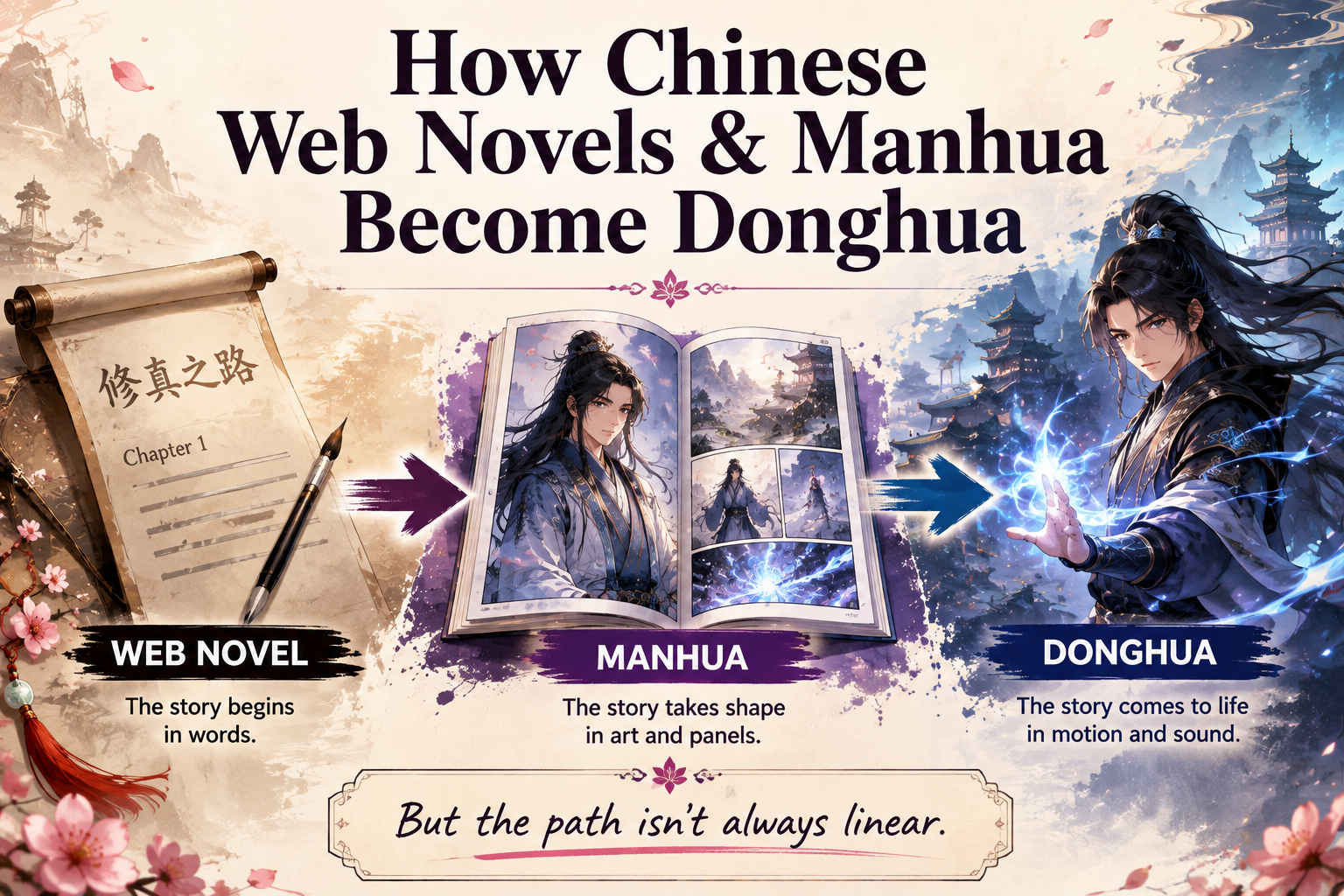
Chinese animation also sits inside a larger entertainment ecosystem. Enormous serialized web novels can become manhua, donghua, dramas, games, audio adaptations, merchandise, and other media. Sometimes the manhua is the source of the animation. Sometimes the manhua and donghua are separate adaptations of the same novel. Sometimes the project begins somewhere else entirely. Understanding that ecosystem makes it much easier to follow a franchise once the English titles start multiplying.
And then there is the cultural layer. A subtitle may casually mention Jianghu, qi, Dao, meridians, sect hierarchy, spiritual roots, heavenly tribulations, cultivation realms, immortality, karma, or reincarnation without stopping to give an international viewer a lecture. Chinese audiences may recognize ideas and storytelling conventions that have to be learned separately by someone encountering them for the first time. That is why this hub connects the animation library to CVM Sekai’s much deeper Chinese fantasy and cultivation library instead of rebuilding all of that information from scratch.
Understanding Chinese Donghua
Start with the medium, then work outward into comics, adaptation, and the Chinese fantasy terminology that international viewers encounter almost immediately.
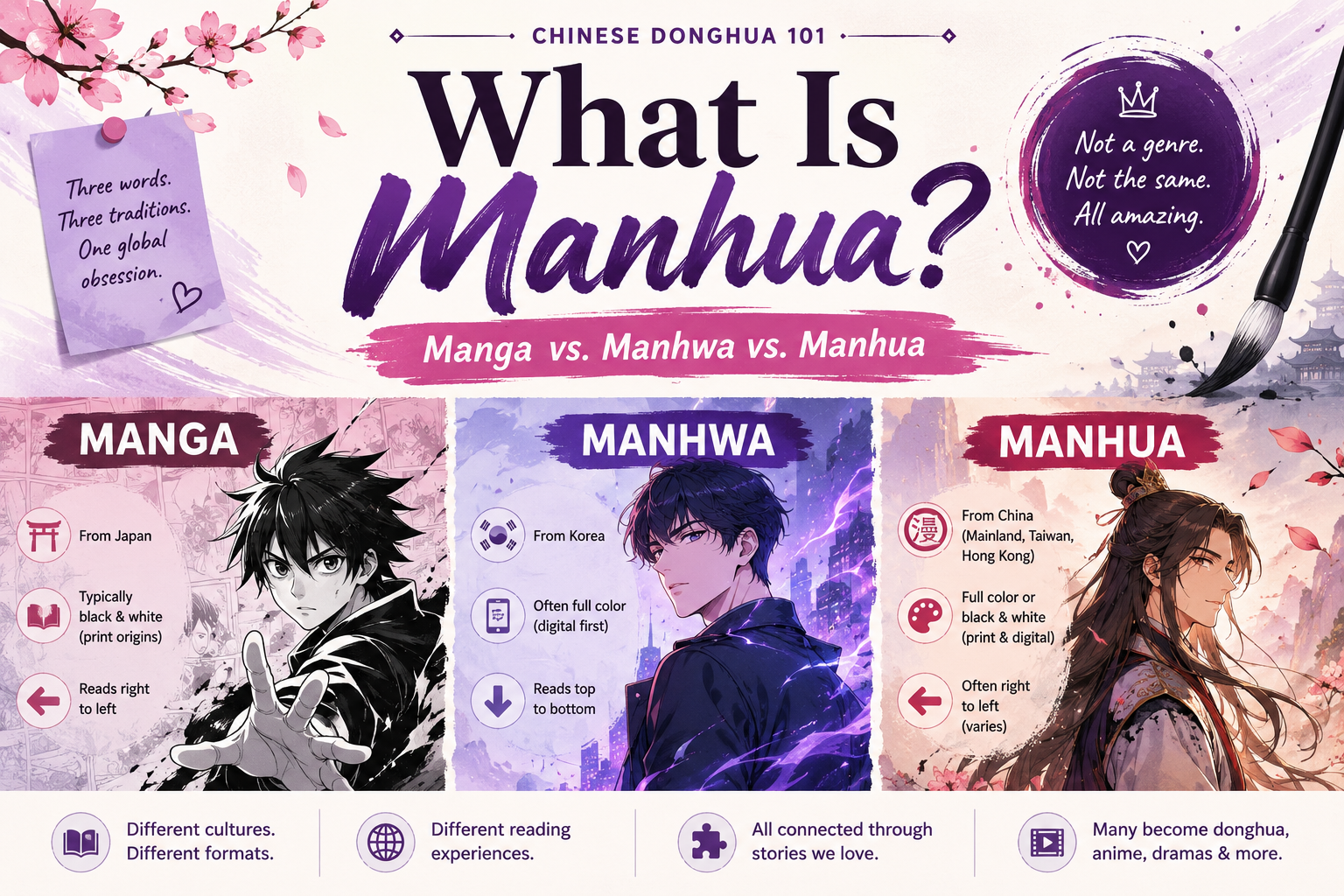
Chinese animation gets much easier to navigate once a few basic distinctions are clear. Donghua is animation. Manhua is comics. A web novel, manhua, and donghua can all tell versions of the same story without existing in one simple adaptation chain. And terms such as wuxia, xianxia, and xuanhuan describe story traditions or fantasy categories rather than animation formats.
These four guides are the orientation layer. They are deliberately broad enough to help someone who just walked into Chinese animation and realized the subtitles expect prior knowledge, but they also connect outward into the much deeper CVM Sekai Chinese fantasy and cultivation library.
Explore Chinese Donghua
Series, films, reviews and episode reactions from the Chinese side of the CVM Sekai animation library.
Chinese Donghua Series
Serialized Chinese animation across fantasy, cultivation, action, romance, science fiction, comedy, historical storytelling and everything else we eventually drag into this library.
Chinese Animated Movies
Feature-length Chinese animation deserves its own shelf rather than being buried underneath serialized donghua. This can include modern theatrical releases as well as older films as the historical library grows.
Donghua Reviews
Reviews can cover complete series, seasons, films, and larger franchise entries. Keep these separate from episode reactions so someone looking for an overall verdict does not have to dig through individual recaps.
Donghua Reactions
Episode reactions and recaps live here rather than inside the review shelf. This is where we can follow a series episode by episode, talk through major plot turns, explain confusing terminology, complain about somebody making a spectacularly bad decision, and connect individual scenes back to the larger Chinese story world when context actually matters.
Understanding the Worlds Inside Donghua
Chinese fantasy often assumes cultural and genre knowledge that subtitles do not have time to teach from scratch.
A lot of international viewers meet Chinese fantasy vocabulary through donghua rather than through Chinese novels, mythology, history, or martial storytelling. That means the animation can become the first place someone encounters Jianghu, qi, Dao, meridians, cultivation stages, sect hierarchy, spiritual medicine, heavenly mandate, reincarnation, tribulations, and immortal realms.
The subtitles may translate some terms, preserve others in pinyin, or use an English phrase that communicates only part of the idea. Nobody needs to research Chinese philosophy before watching Episode 1, but one good explanation can suddenly make several scenes, relationships, and power systems easier to follow.
This shelf uses the shared Chinese Fantasy & Cultivation reference taxonomy. CVM novel-only systems and Journey to the West-specific guides remain in their own libraries instead of being dumped here because they happen to contain similar words.
Martial Worlds & Story Traditions
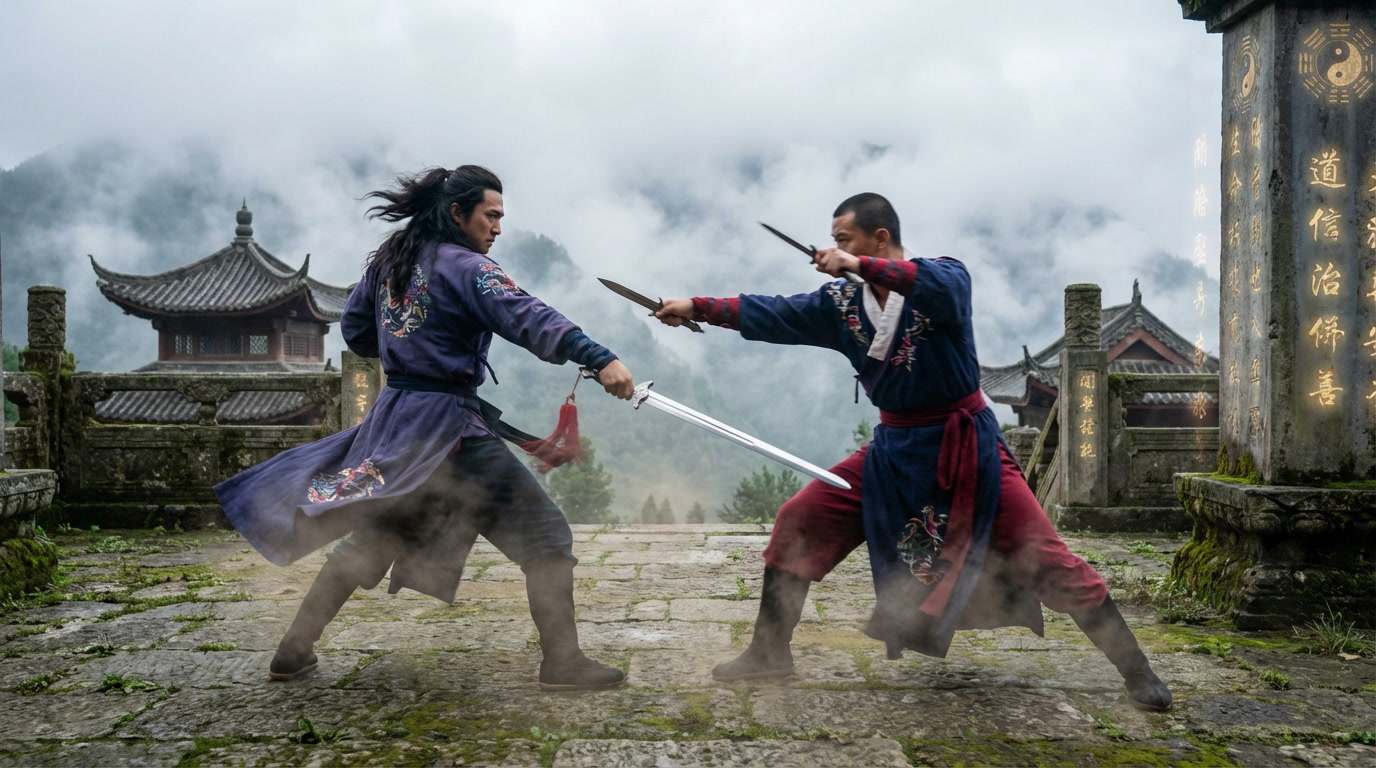
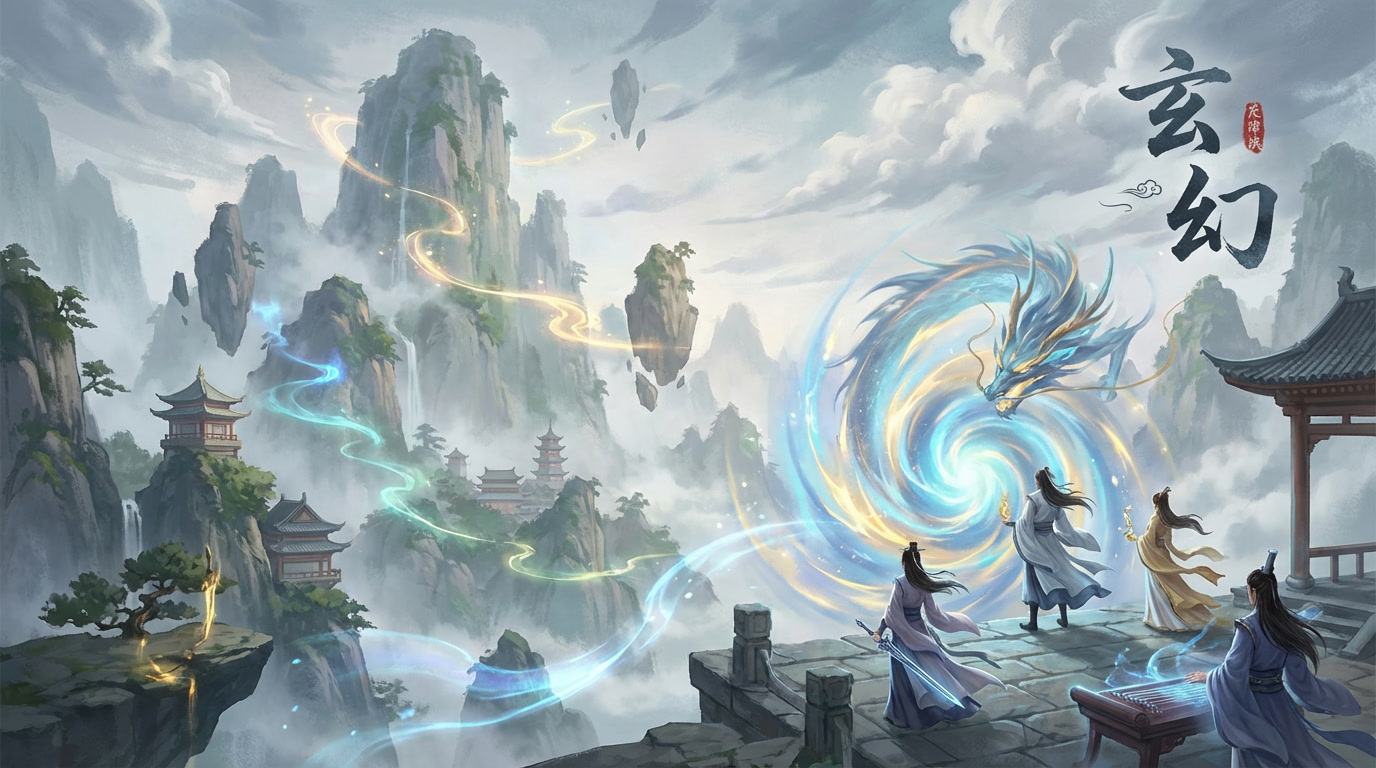
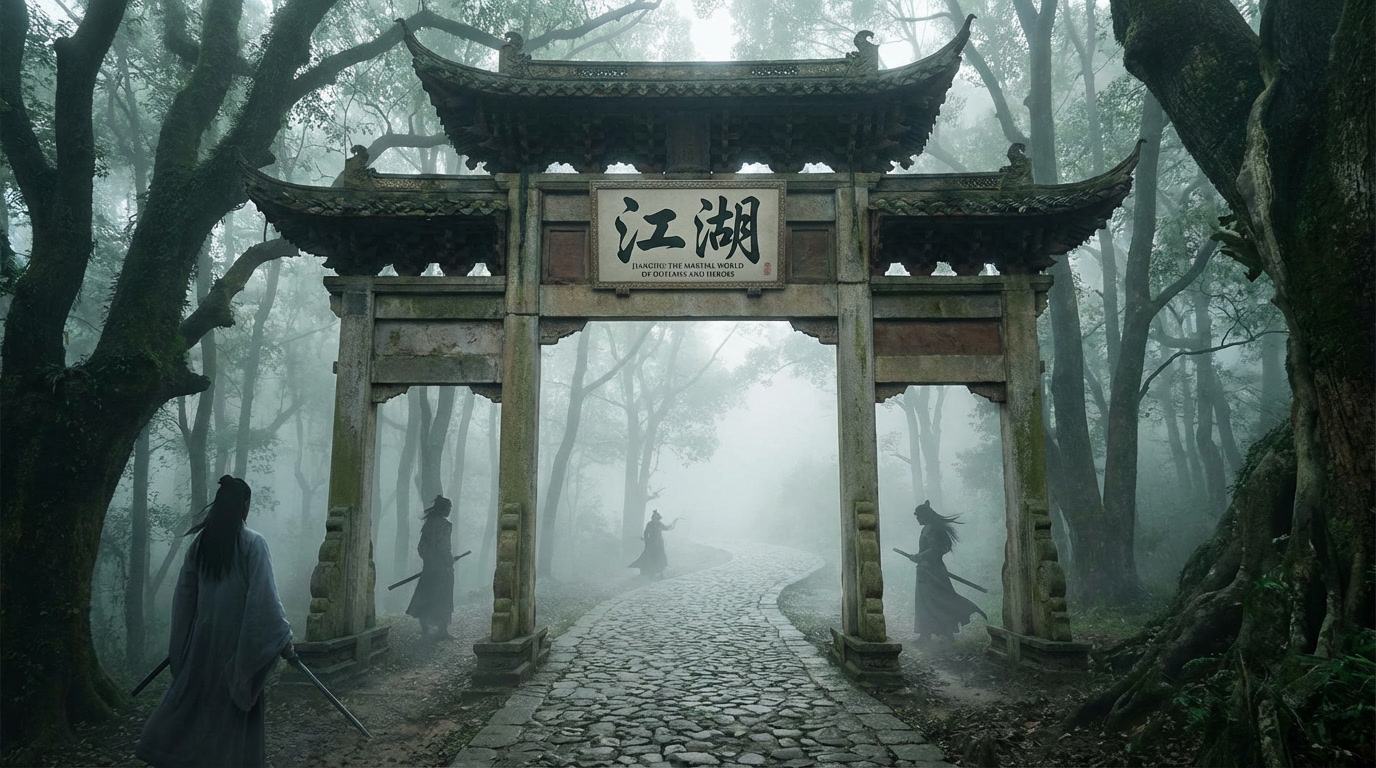
These guides separate the story traditions and social worlds that subtitles often flatten into one large category called Chinese fantasy.


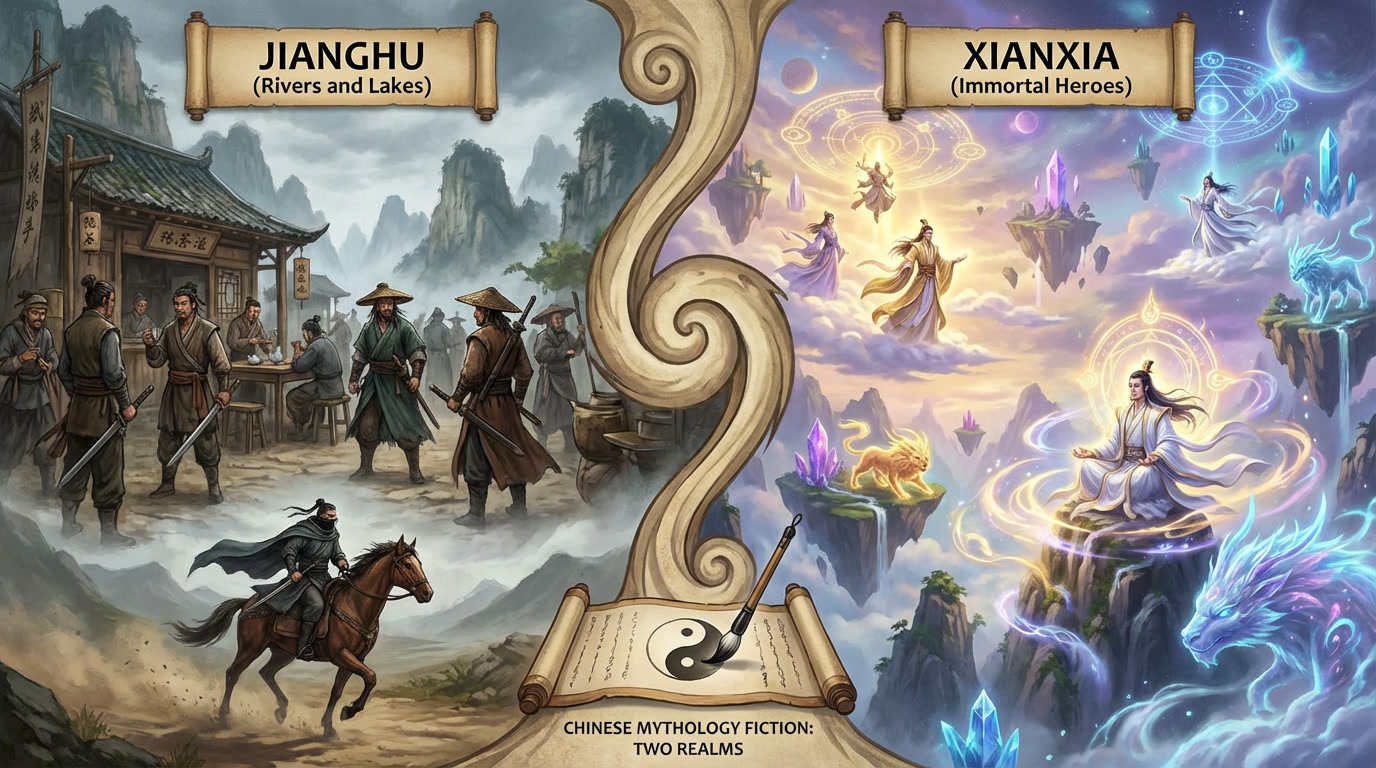
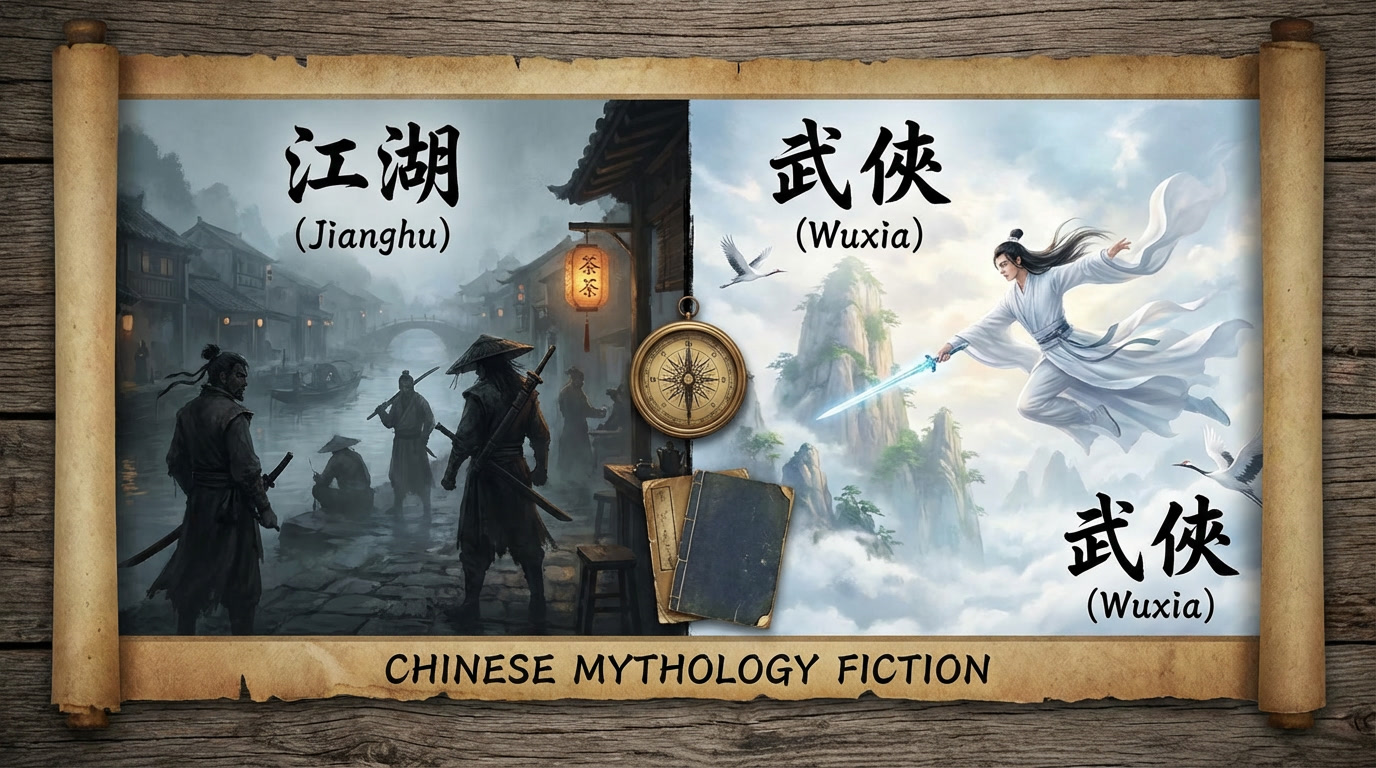
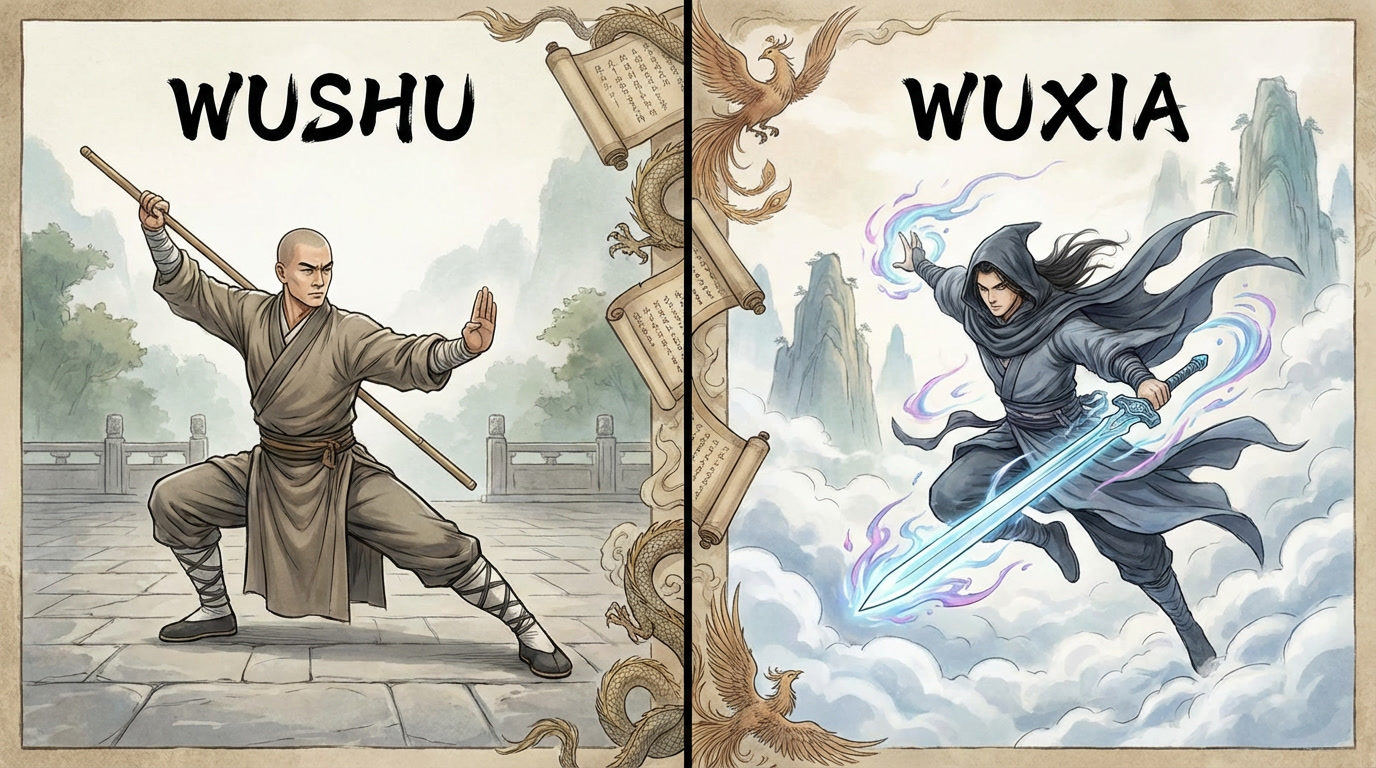
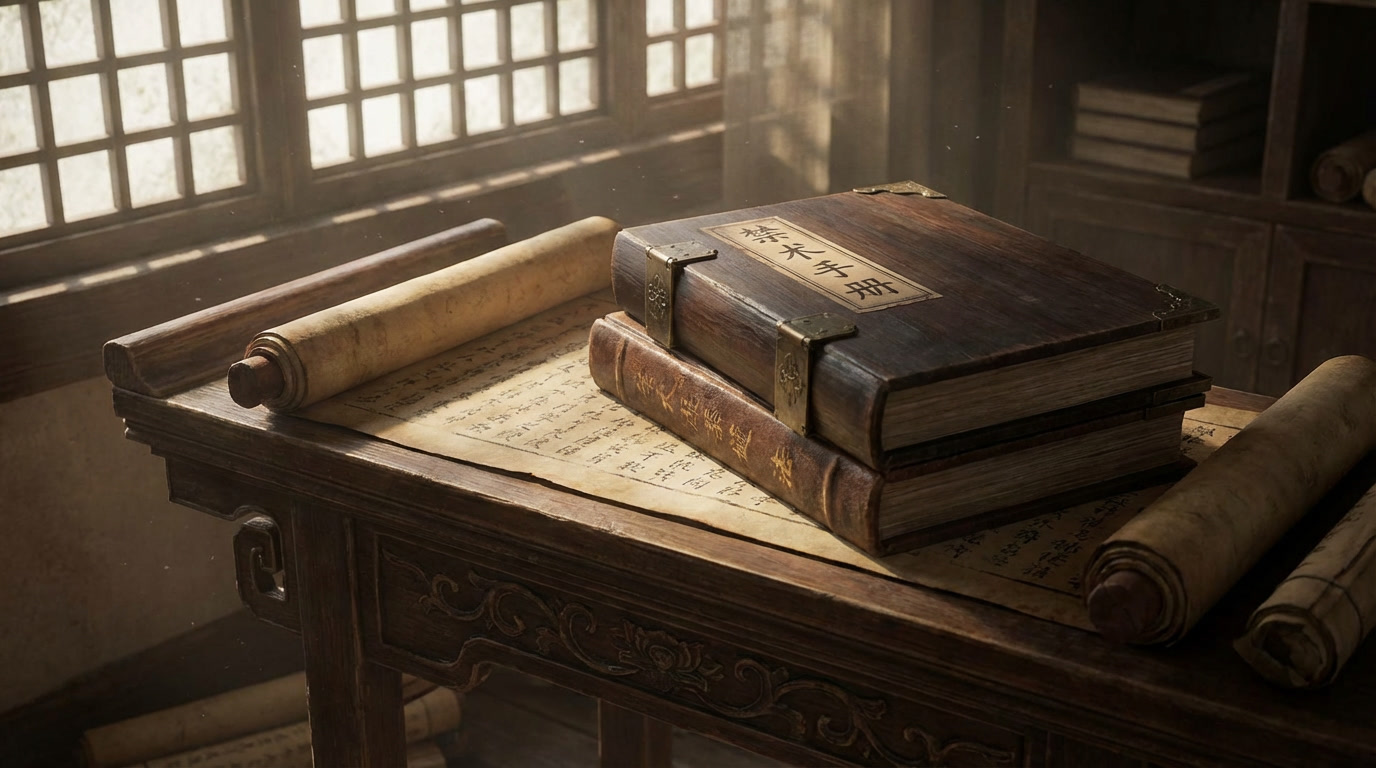
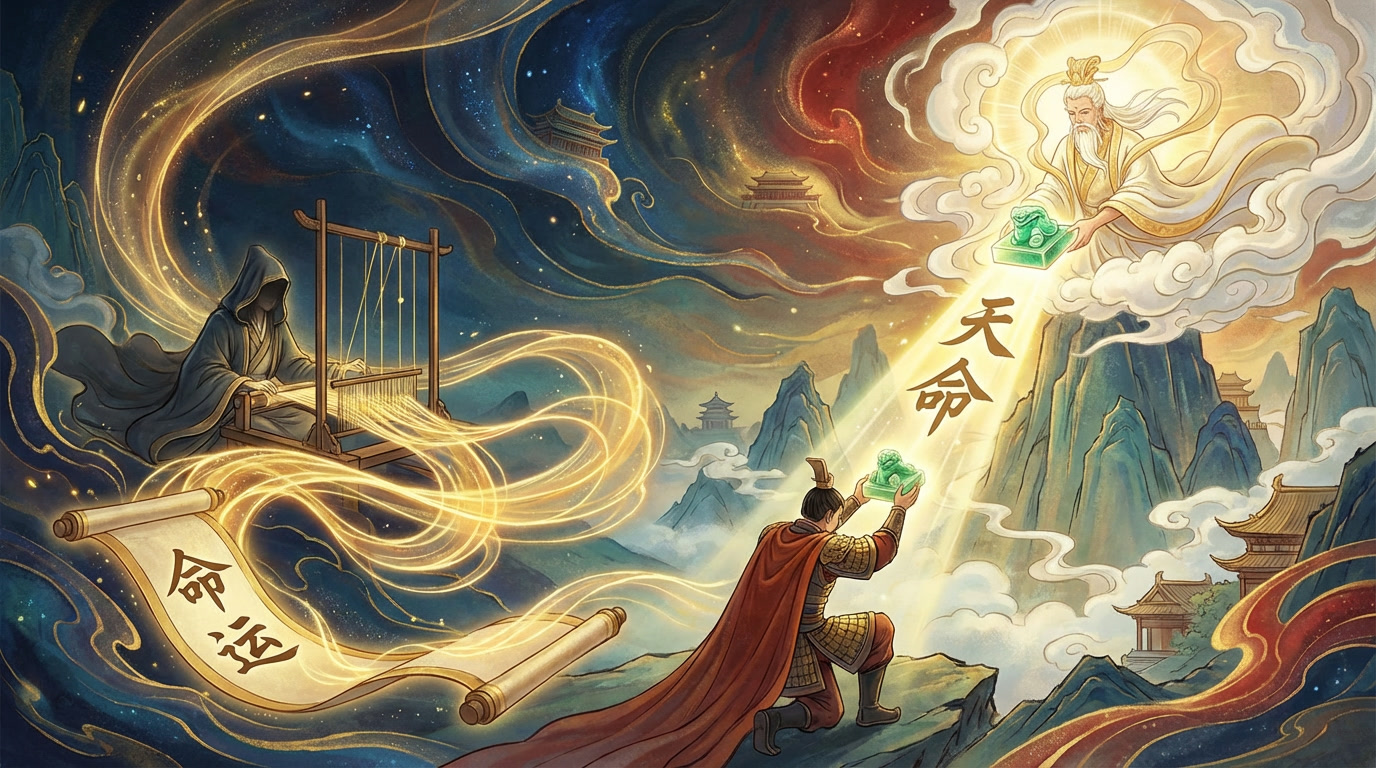
Cultivation Systems, Fate & Breakthroughs
Cultivation is not one universal ladder. These guides explain the fictional systems, practices, dangers, creatures, and cosmic rules that different stories rebuild in different ways.
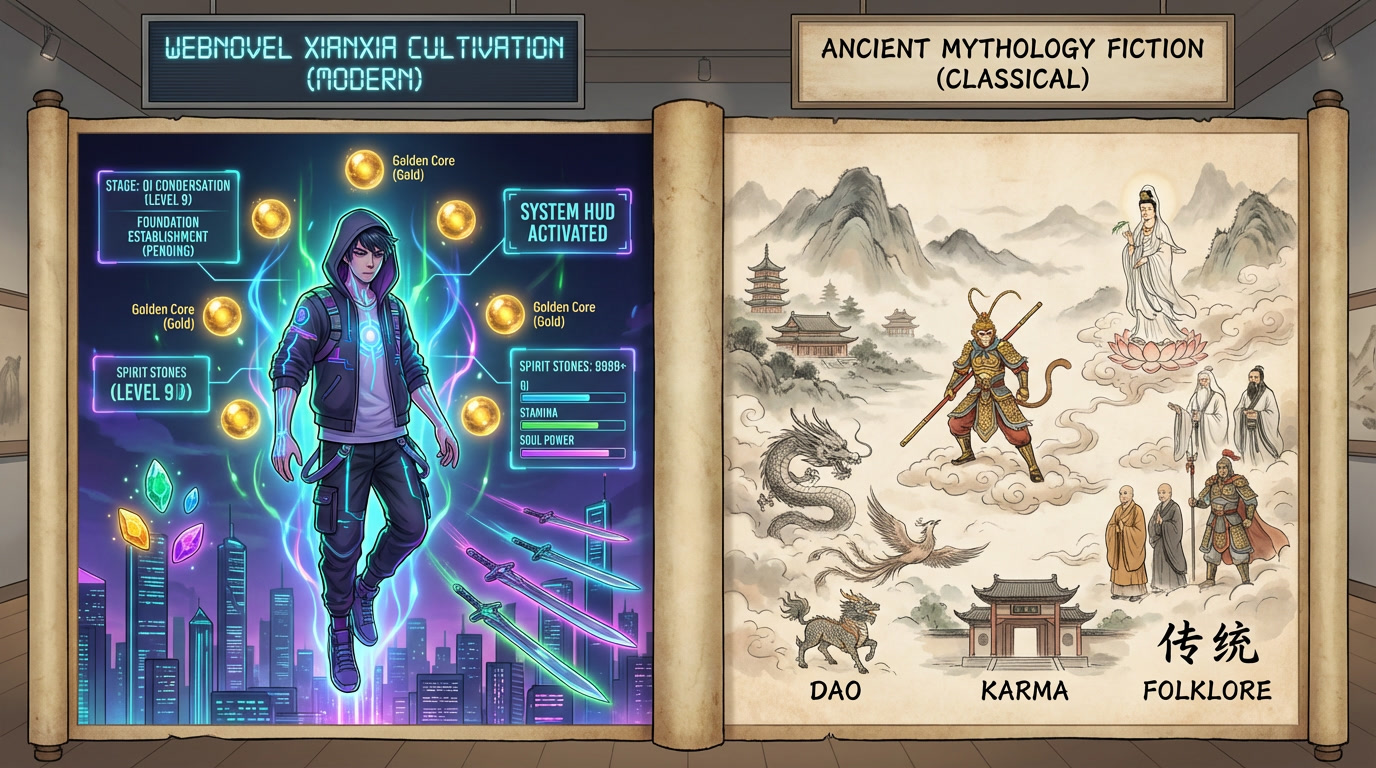


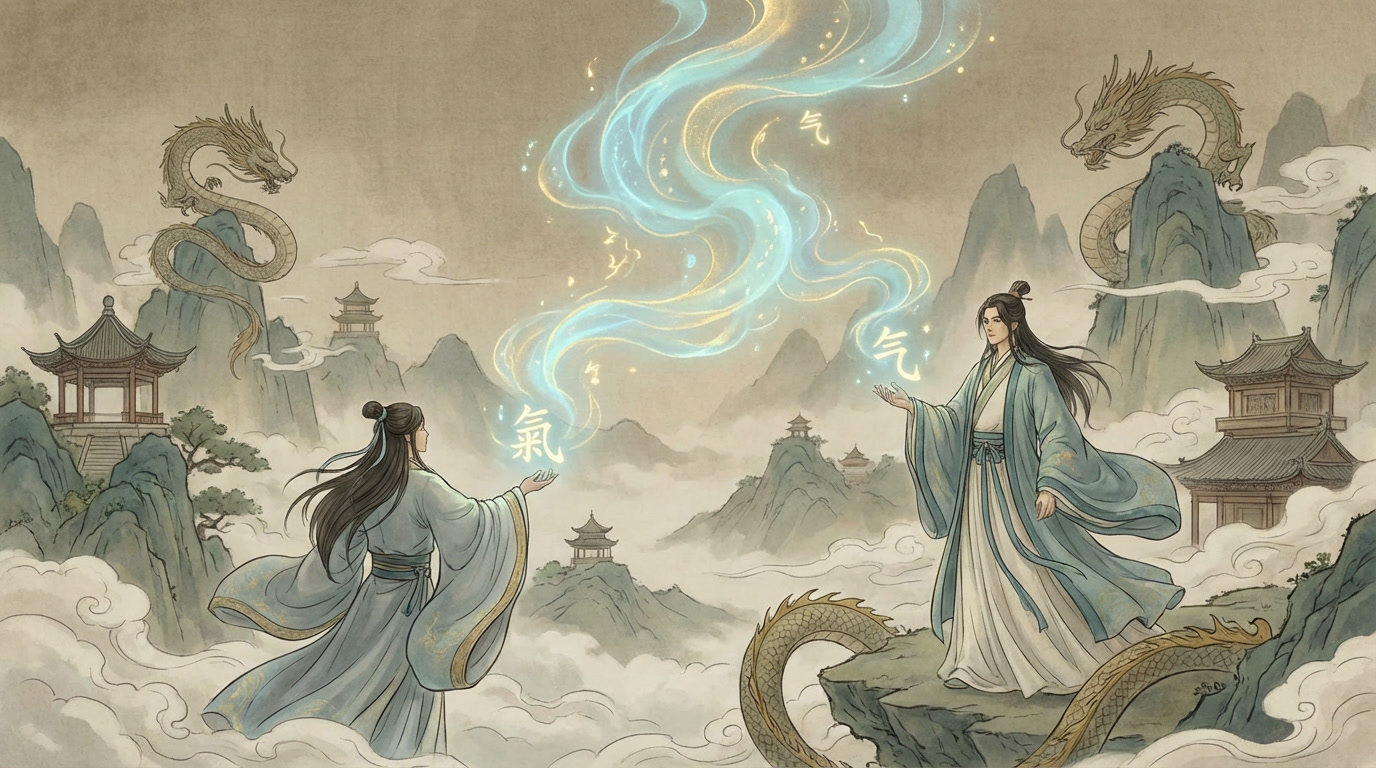
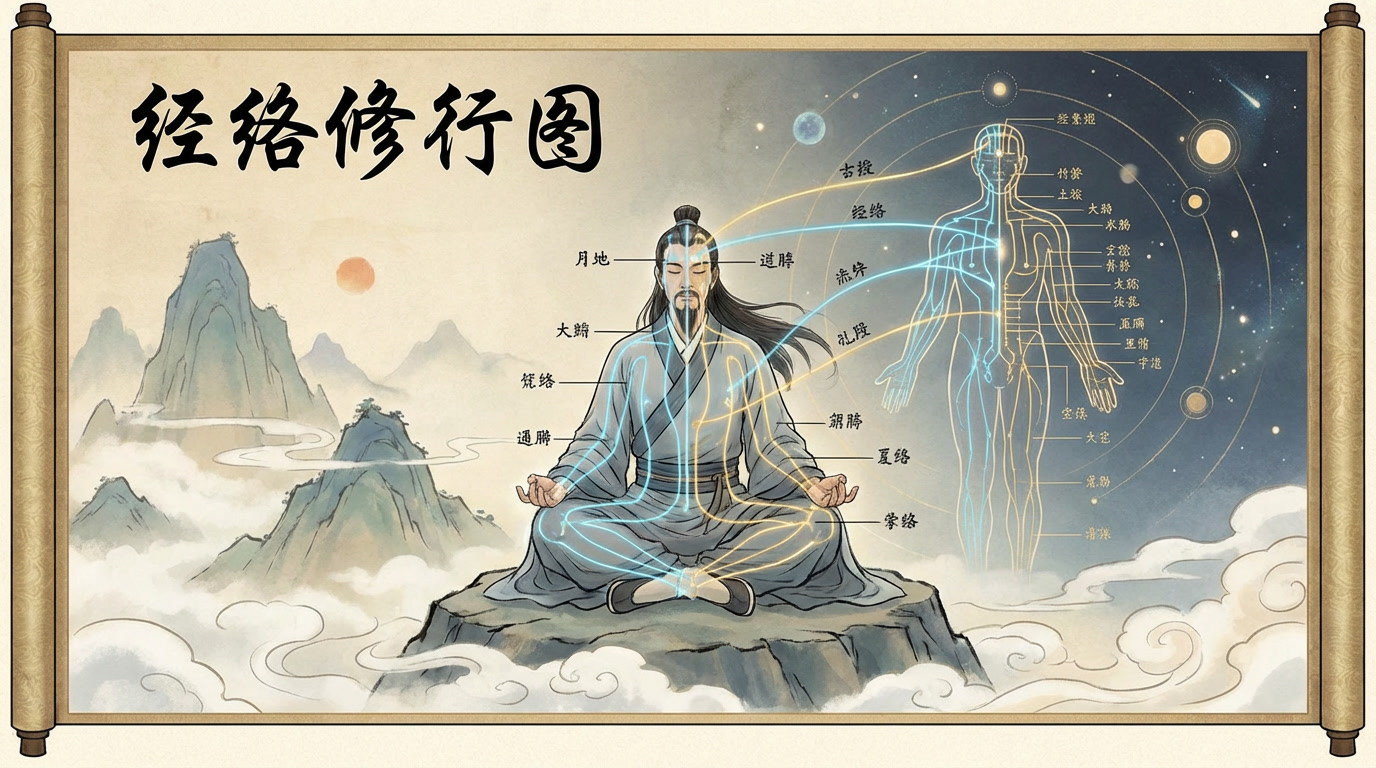
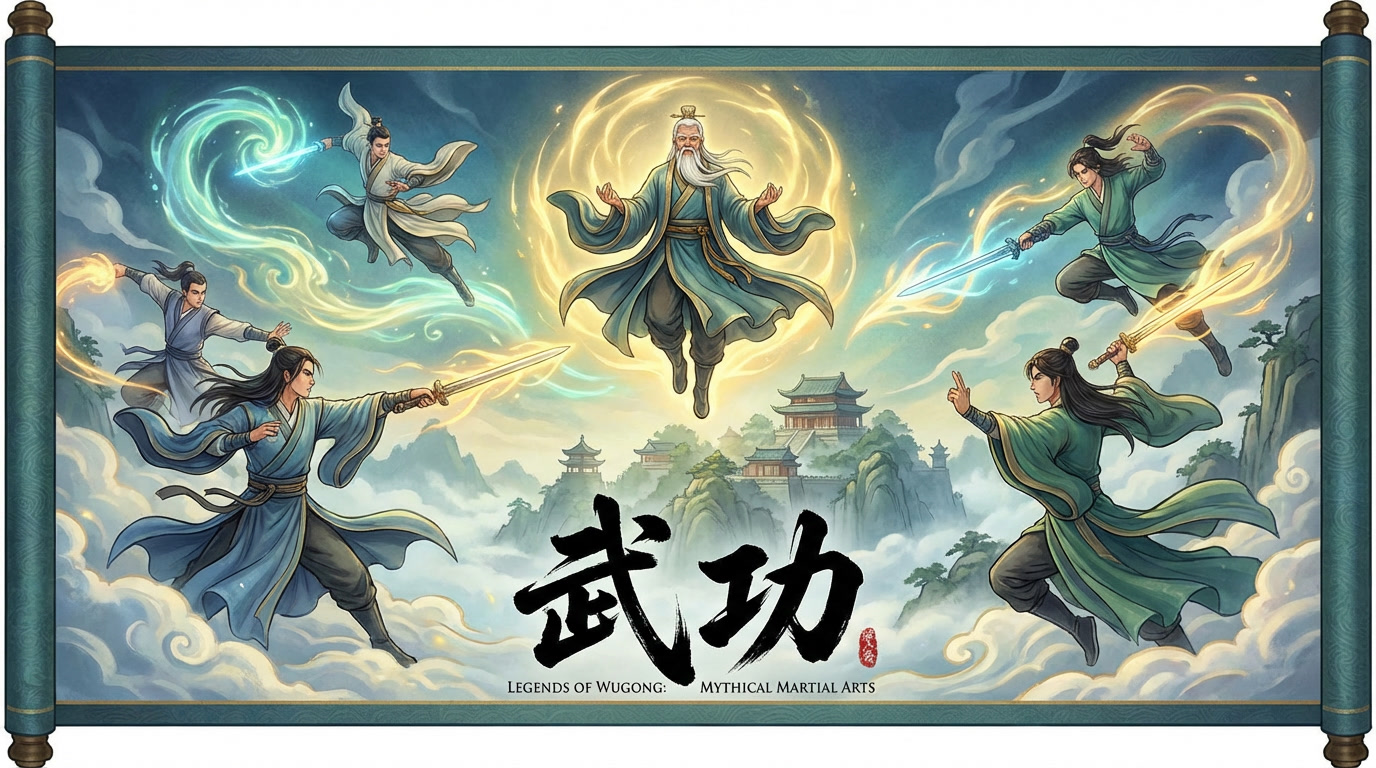
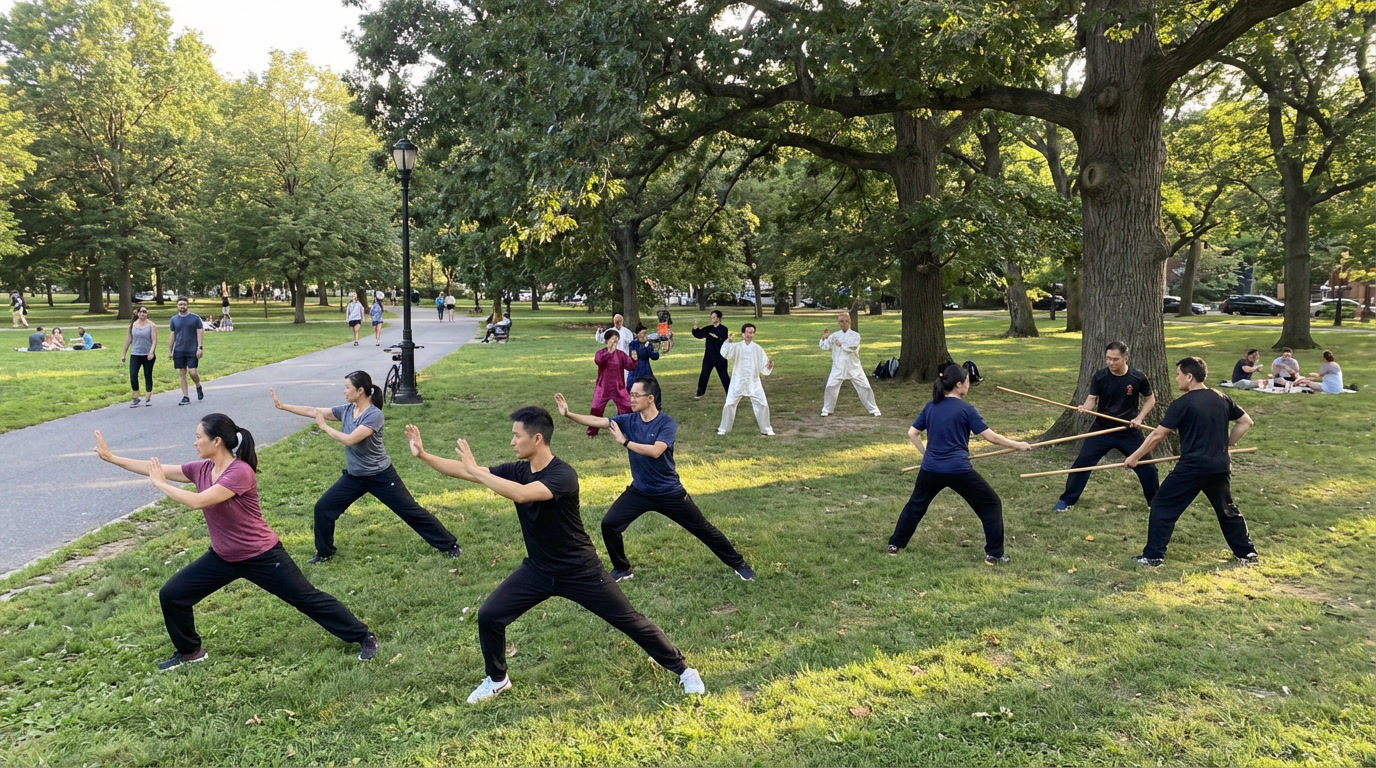
Qi, Meridians & Martial Training
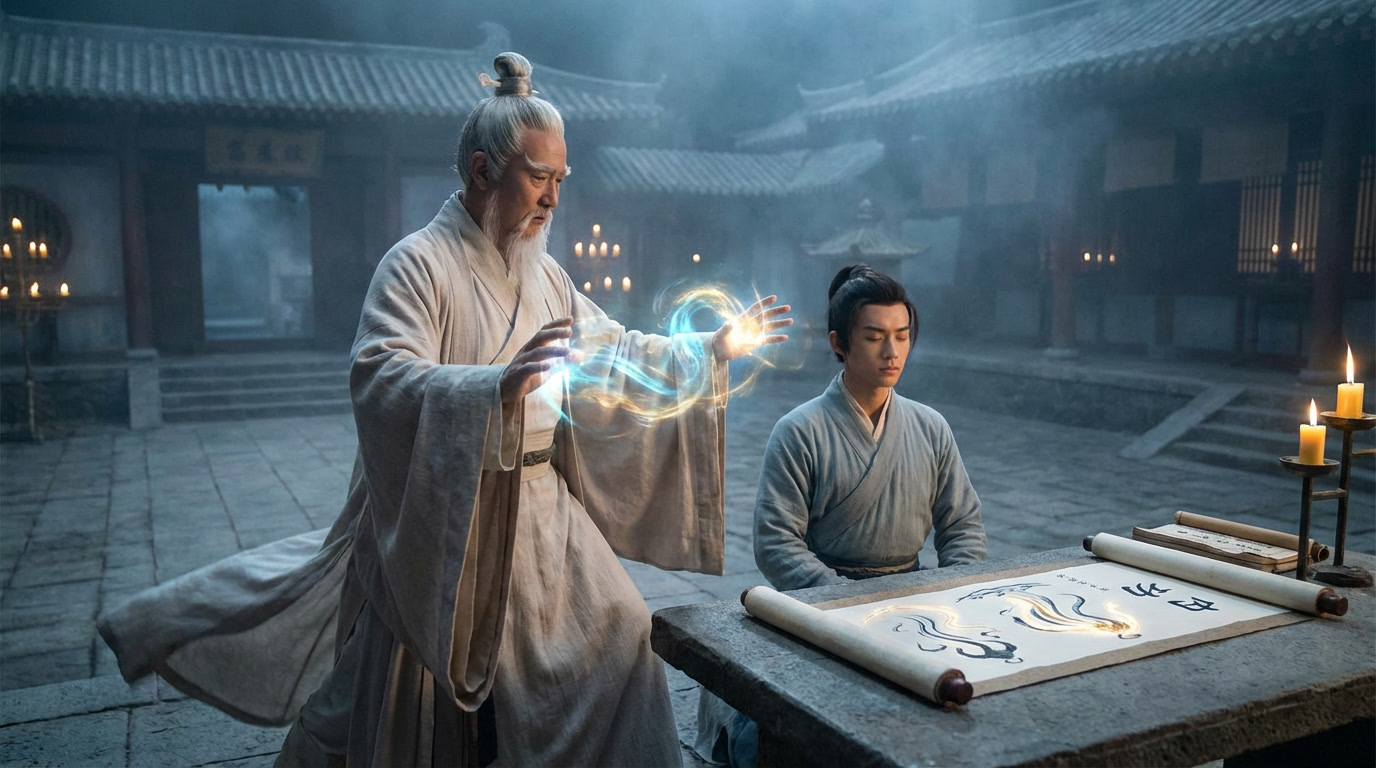
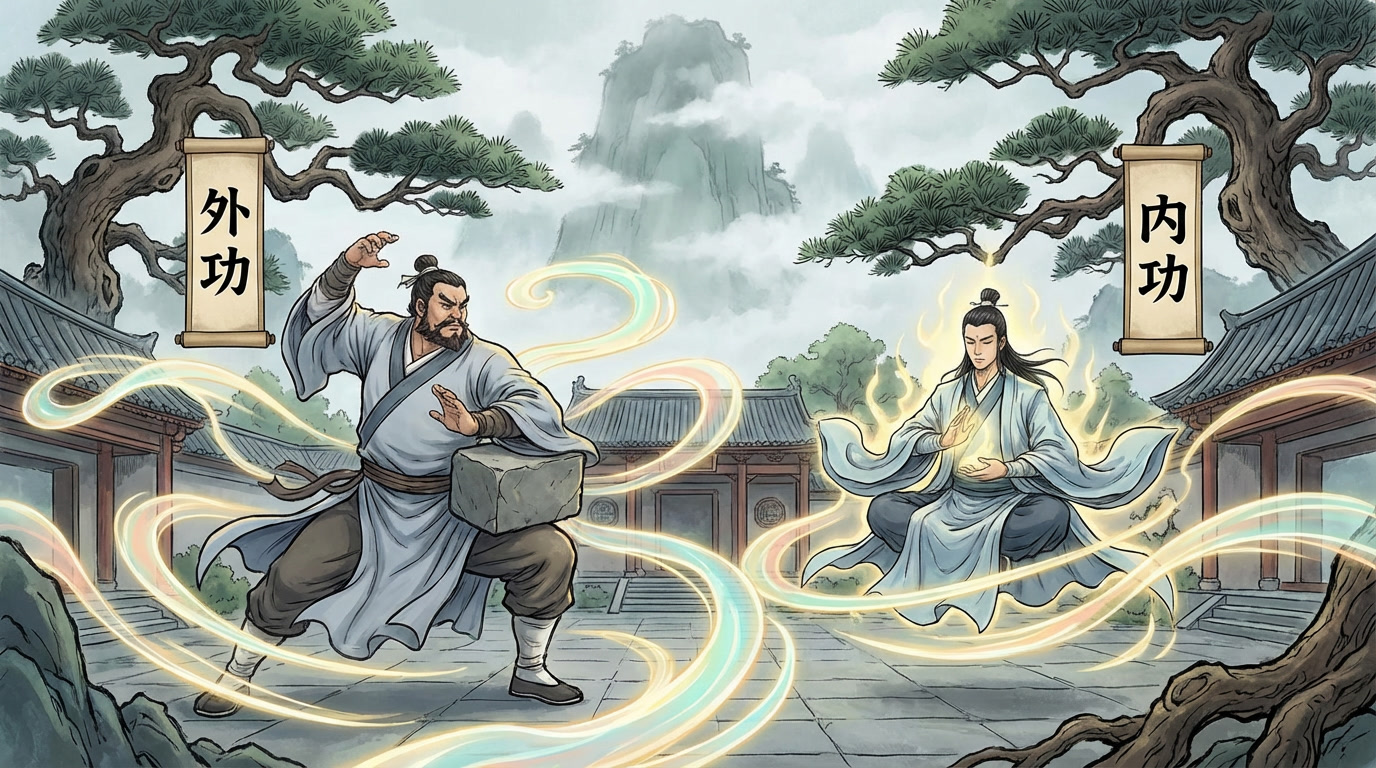
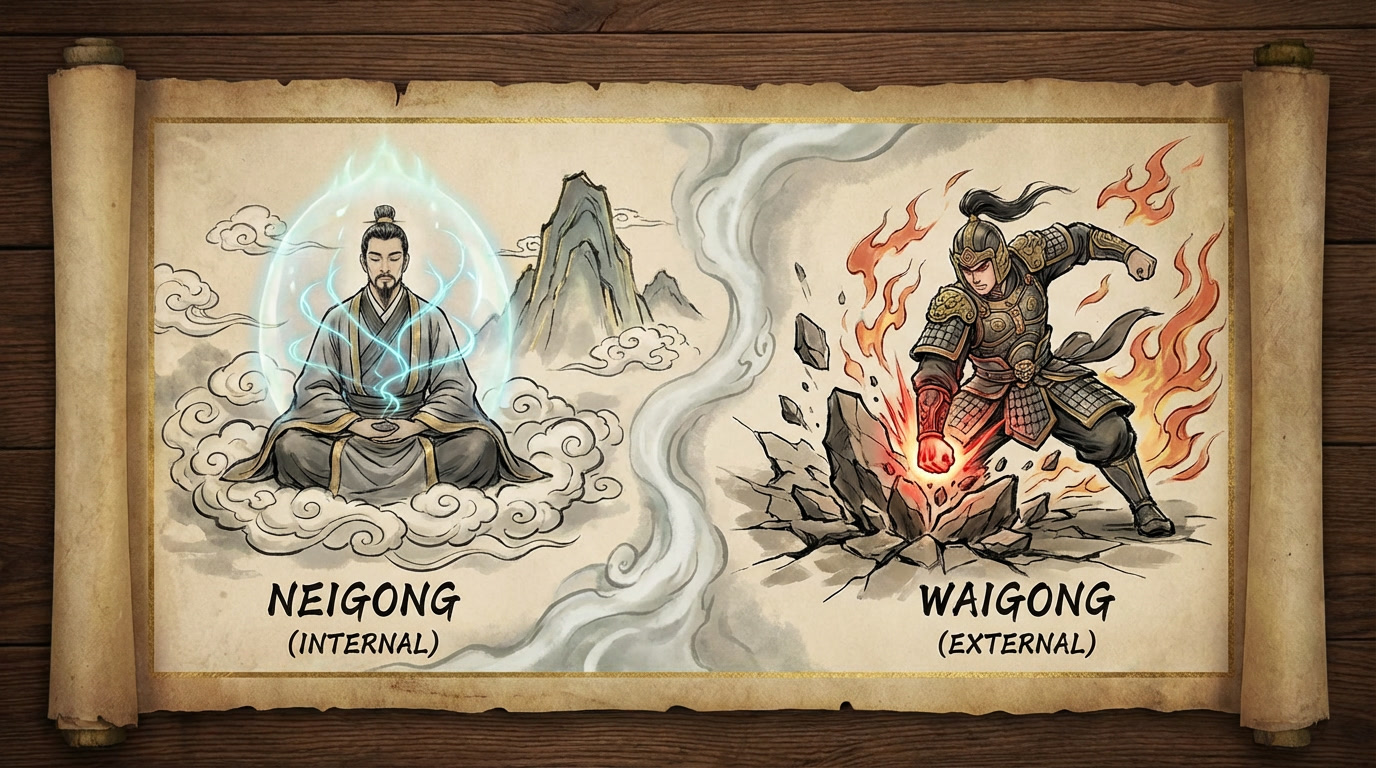
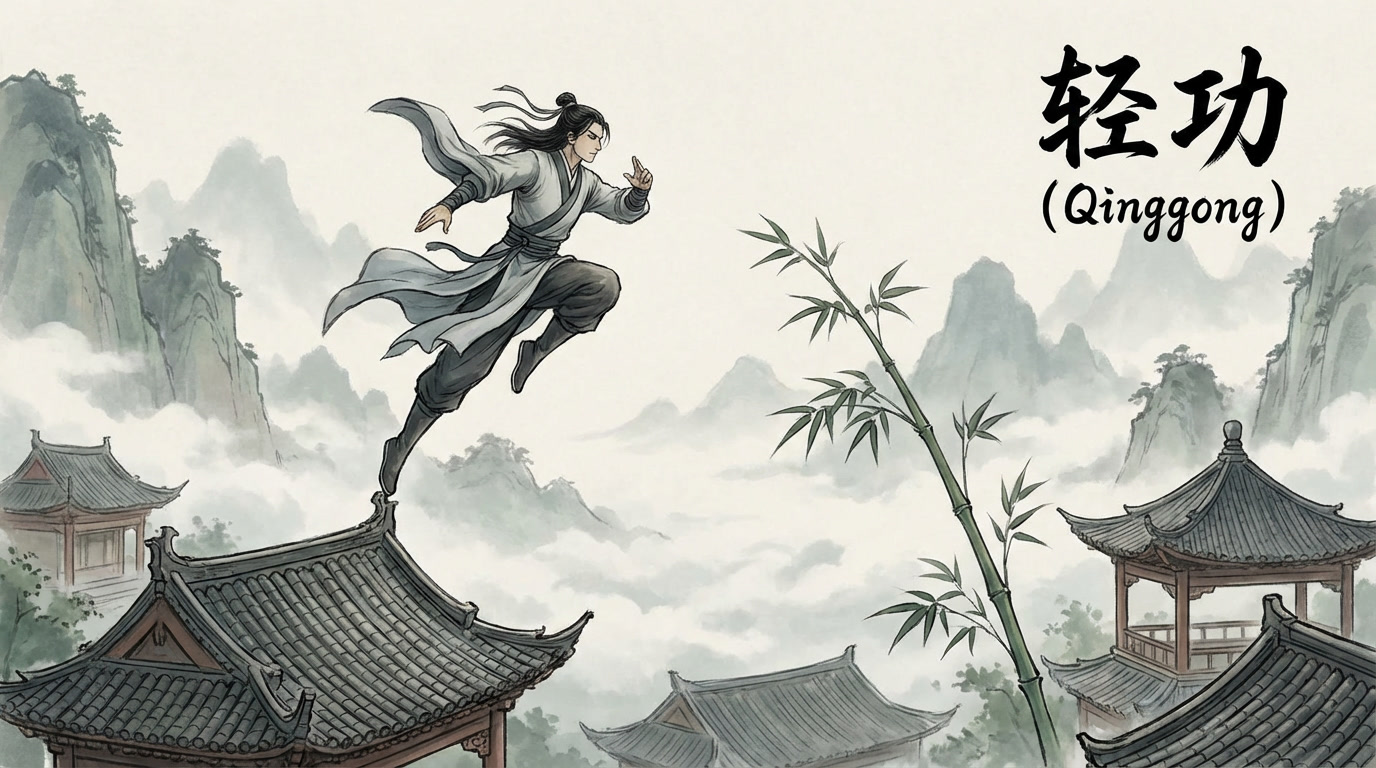
This shelf covers the body and training vocabulary behind internal energy, external conditioning, movement arts, and the combat skills that animation can show faster than subtitles can explain.
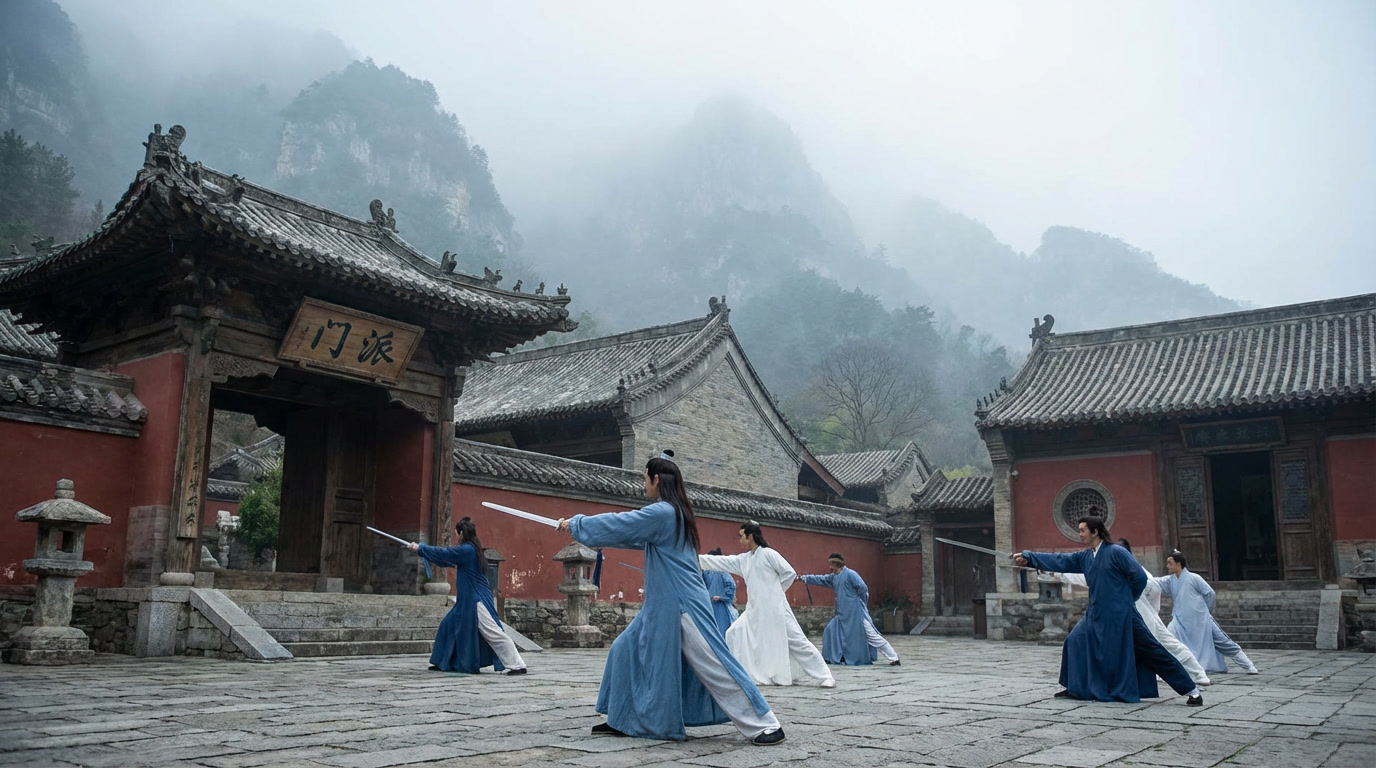
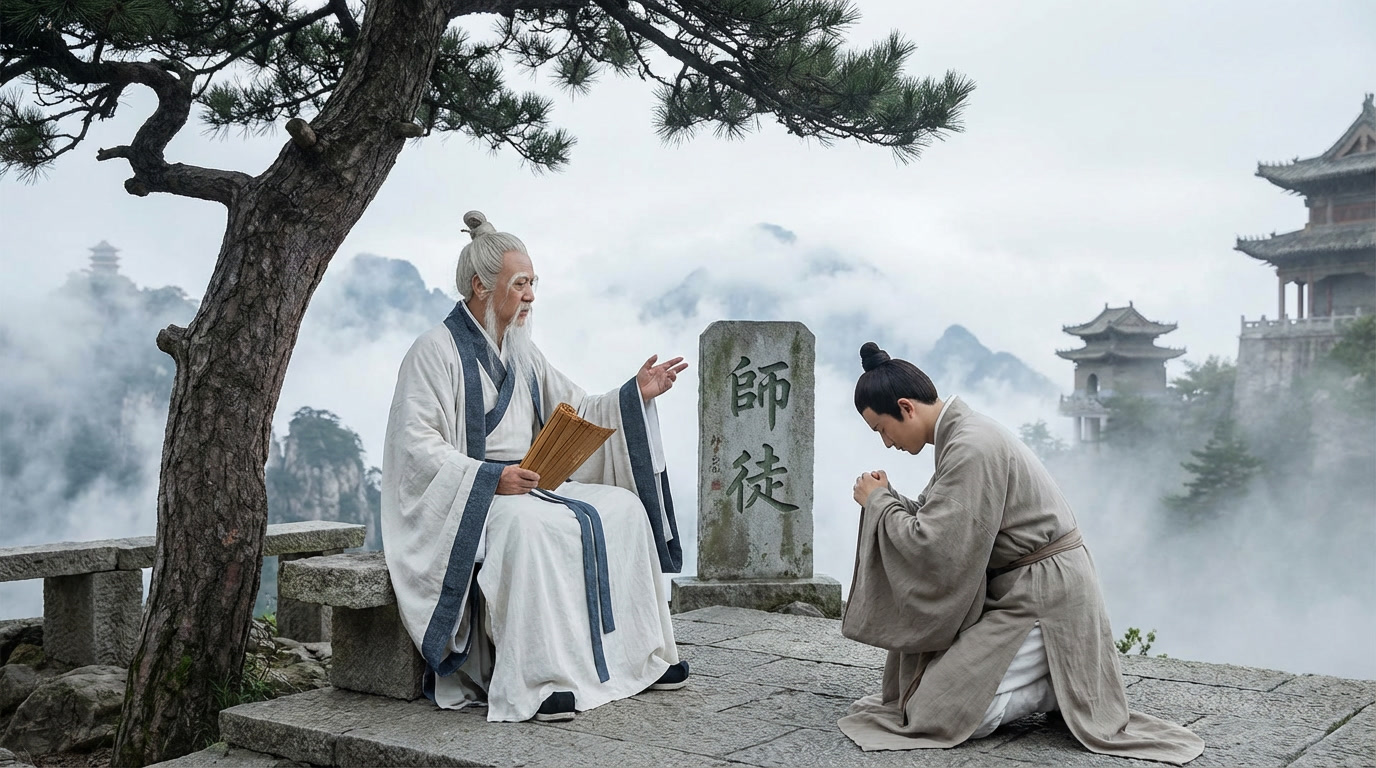
Sects, Masters & Disciples
Sects are institutions, resource networks, political powers, schools, and inherited families of obligation. The relationship titles tell viewers who owes loyalty, protection, respect, teaching, and sometimes revenge.
Dao, Medicine & Spiritual Resources
These guides cover two ideas that fantasy often turns into power mechanics: understanding the Way and controlling the medicines, pills, furnaces, herbs, and resources that make advancement possible.
Cast & Creators
Donghua is made by actual people and studios, not by a mysterious cultivation furnace labeled “Animation.”
International discussion of Chinese animation often focuses almost entirely on the fictional property. We know the protagonist, the sect, the novel author, and perhaps the platform, while the animation studio, voice performers, directors, writers, designers, and other production staff remain much less visible. As the CVM Sekai directory grows, this section should make those people easier to follow across projects.
That is especially useful when one person or studio works across multiple donghua. A voice actor can become recognizable long before an international viewer knows their name. A studio’s strengths can become obvious across several productions. Directors, designers, and animation teams can develop visual habits that connect seemingly unrelated series. Once those credits become searchable, donghua stops looking like a pile of anonymous adaptations and starts looking like an industry.
Chinese Voice Actors
Voice performance is one of the fastest ways a written or illustrated character becomes a specific person on screen. A web novel gives us dialogue and internal thought. A manhua adds a face. Donghua adds breath, timing, anger, humor, age, hesitation, arrogance, affection, and all the tiny vocal choices that can completely change how a character feels.
This shelf should eventually surface Chinese voice performers across the animation library, allowing viewers to move from one character to the actor’s other roles instead of treating every cast list as a dead end.
Donghua Studios
The studio is where adaptation plans become an actual visual production. Different studios specialize in different pipelines, visual styles, production scales, and kinds of projects. Some are strongly associated with 3D serialized fantasy. Others work in 2D, feature animation, hybrid production, children’s animation, or other parts of the Chinese industry.
A studio credit also helps separate several roles that fandom often collapses together. The company streaming a donghua is not automatically the animation studio. The owner of the original web novel is not necessarily the animation producer. A platform can finance or commission a production without physically animating it. A franchise can therefore have several company names attached to one title, each doing a different job.
Directors, Writers, Designers & Animation Staff
Adaptation choices do not happen by themselves. Someone decides which novel arcs survive, how the episodes are structured, what a character looks like, how a battle is staged, when a scene becomes quiet, and which piece of worldbuilding gets communicated visually rather than through dialogue. Those choices come from teams of people whose names deserve to be attached to the work.
As more staff profiles are added, this shelf can connect viewers to directors, screenwriters, character designers, art directors, animators, composers, and other creators across multiple productions. It also gives CVM Sekai somewhere to put the actual production history instead of leaving every interesting credit buried at the bottom of individual series pages.
Chinese animation has a much longer history than modern donghua fandom
International viewers often encounter Chinese animation through the modern streaming era, which can make donghua feel like a relatively recent development. The current wave is recent. Chinese animation itself is not. Animation developed in China through the twentieth century alongside film, political change, artistic experimentation, commercial production, children’s media, and attempts to create styles that reflected Chinese visual traditions rather than simply copying what was being made elsewhere.
Shanghai became an important center of early Chinese filmmaking and animation. The Wan brothers are among the best-known pioneers associated with that period, and their work helped establish Chinese animation decades before the internet, streaming platforms, web novels, or today’s large-scale 3D fantasy productions existed. Princess Iron Fan, released in 1941 and based on material from Journey to the West, became a major landmark in that early history.
Later Chinese animation became especially notable for experiments drawing from traditional art forms. Ink painting, paper cutting, puppetry, folk art, opera, classical literature, calligraphy, landscape painting, and other Chinese visual traditions influenced the way some animated works approached movement, composition, color, texture, and storytelling. That history is one reason “Chinese animation” should never be reduced to one contemporary 3D look.
Television, economic change, imported media, shifting studio systems, and digital technology transformed the industry again. The rise of online entertainment then connected animation much more closely with games, web novels, digital comics, streaming platforms, fan communities, and enormous multimedia properties. Modern donghua grew inside that new environment, where a successful story can move quickly across several forms of media.
Today’s streaming era is therefore better understood as another chapter in Chinese animation rather than the beginning. The production tools are different. The business models are different. The audience can now be global. The visual language may look dramatically different from older studio animation. But the history behind it did not suddenly appear because somebody discovered 3D modeling and gave an immortal cultivator perfect hair.
Chinese Animation Through the Years
Classic animation, major films, modern series, and landmark productions can eventually form a visual timeline through the library.
A history section becomes much more useful once it connects directly to things people can watch or explore. As older Chinese animation, major films, historically important series, and modern streaming productions are added to CVM Sekai, this shelf can function as a visual bridge between the classical studio era and contemporary donghua.
Latest From Chinese Animation
The newest China-filtered additions across series, films, reviews, reactions, characters, creators, and reference pages.
This shelf should stay broad. The rest of the page is organized by purpose, but the bottom of the hub should answer a much simpler question: what did CVM Sekai add recently? A new donghua series page, film review, episode reaction, voice-actor profile, studio page, cultural explainer, or character entry can all surface here as long as it belongs to the Chinese animation ecosystem.
I do not want Chinese animation reduced to “the Chinese version of anime”
“Chinese anime” is a perfectly useful phrase when somebody has never heard the word donghua and you need to explain the shelf in ten seconds. I have absolutely used shortcuts like that myself. The problem is what happens if we never move beyond the shortcut. China ends up being explained entirely through another country’s animation industry, and everything specific to Chinese media gets treated as an unusual variation instead of the actual context.
That becomes especially obvious once you start following the stories backward. A donghua can come from an enormous Chinese web novel. That novel may also have a manhua, drama, audio adaptation, game, and several titles in English. The fantasy may depend on Jianghu, cultivation, sect hierarchy, Dao, qi, reincarnation, or mythological ideas the subtitles barely explain. The animation studio and streaming platform may operate through production systems that do not match the Japanese anime model people already know.
Once all of those pieces are visible, donghua stops looking like one strange category sitting beside anime. It becomes the animated part of a much larger Chinese storytelling ecosystem.
That is what I want this hub to do. You should be able to come here because you want something new to watch, click into a series because the artwork looks cool, realize you have no idea what a cultivation sect is, wander into the culture library, discover the original web novel, recognize a voice actor from another show, find the animation studio, and eventually return with seventeen tabs open and a much better understanding of why everybody in Episode 4 panicked when one old man quietly mentioned his cultivation realm.
Chinese animation deserves its own context. This is where CVM Sekai is building it.
Keep Exploring
Start with the animation, follow the stories, and use the deeper library when the subtitles decide you already know everything.
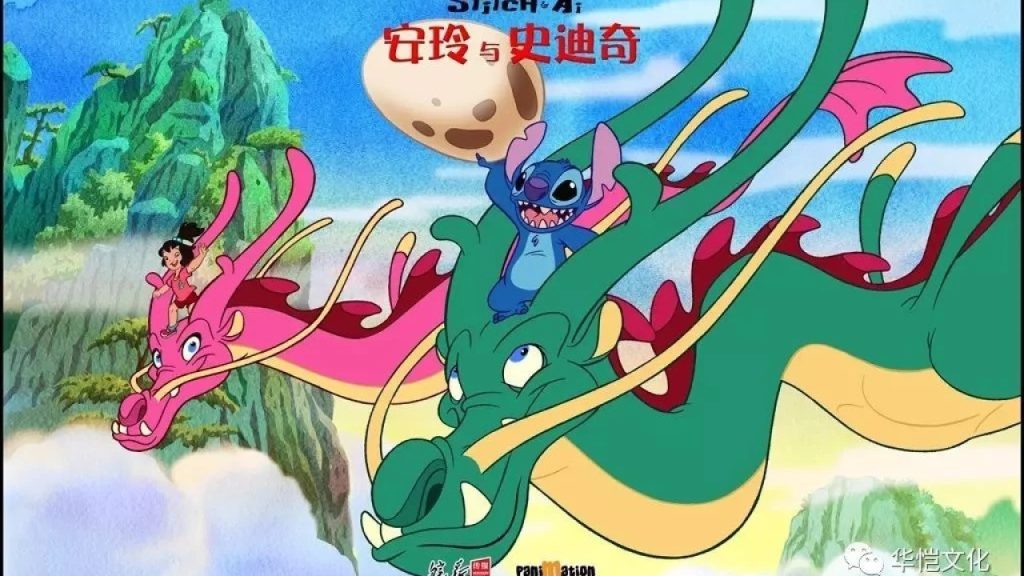
Stitch & Ai Donghua Hub
Enter Stitch & Ai through all 13 episodes, Ai Ling and the Huangshan cast, Reacts, reviews, production history, Chinese cultural guides, creatures, and franchise continuity.
Stitch & Ai World, Lore, and Guides
Three sourced Stitch & Ai guides covering Huangshan, Chinese legendary forms and performance, and the series co-production and release history.
How Stitch & Ai Was Made, Released, and Almost Lost Between Markets
A sourced guide to the Chinese co-production, thirteen-episode broadcast, missing American episode, changing titles, voice tracks, and uneven preservation of Stitch & Ai.
The Chinese Creatures in Stitch & Ai: Legend, Experiment, and What the Show Changed
A sourced guide to the long, dragon parade, fenghuang, qilin, Nian, Mo, Nuo opera, and the way Stitch & Ai translates Chinese legendary forms into Jumba’s experiment mythology.
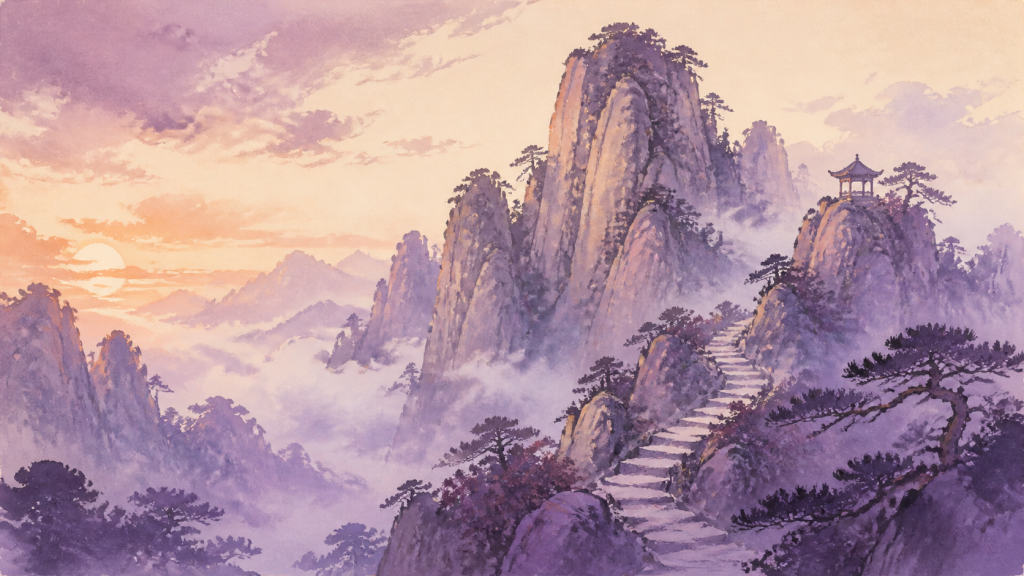
Huangshan in Stitch & Ai: Home, Landscape, Tourism, and What the Cartoon Invented
A sourced Stitch & Ai guide to real Huangshan, granite peaks, ancient pines, cloud seas, Chinese landscape art, tourism, the Wang household, city conflict, and fictional geography.
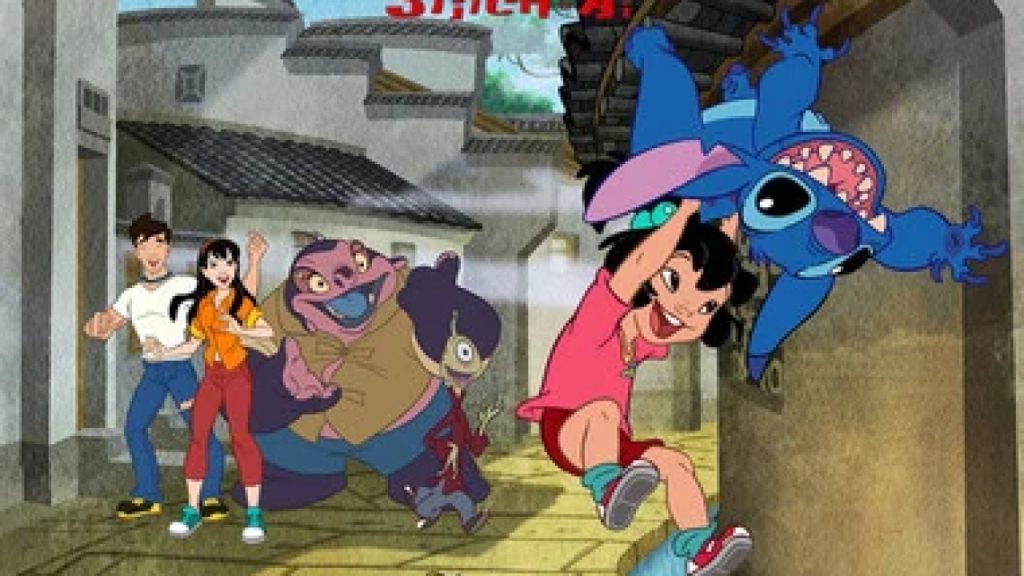
Stitch & Ai Characters
The Stitch & Ai character directory with full image-card profiles for Ai Ling, Jiejie, Daiyu, Meiying, Scratch, and Yong, plus documented expansion coverage.
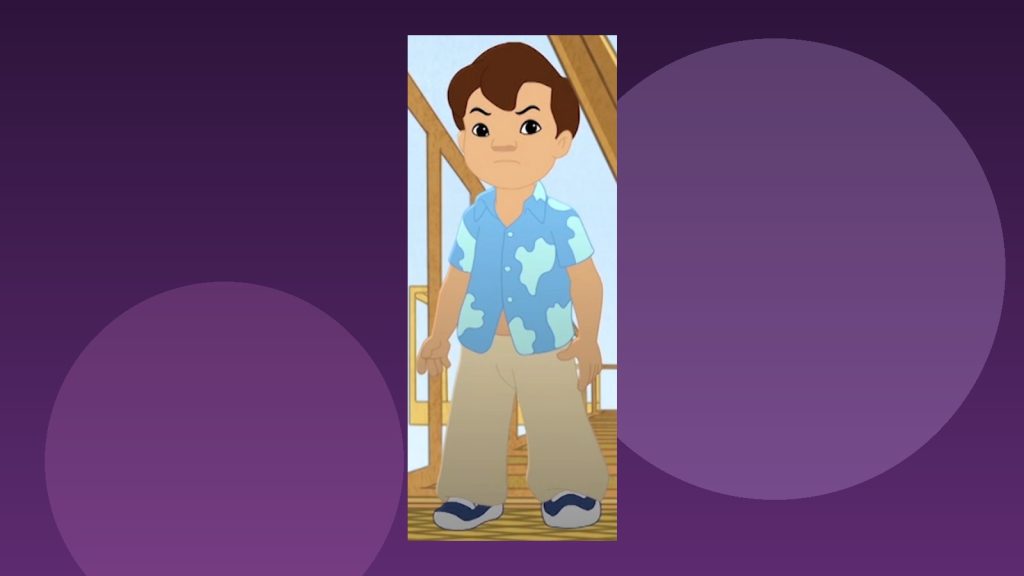
Yong Character Profile: The Fake Brother Who Started Feeling Guilty
A deep Yong profile covering the Tetra-Tab, human disguise, Ai, Meiying, Scratch, the crane obstruction, Jaboodie command, shapeshifting, guilt, and Jacob Craner’s English performance.
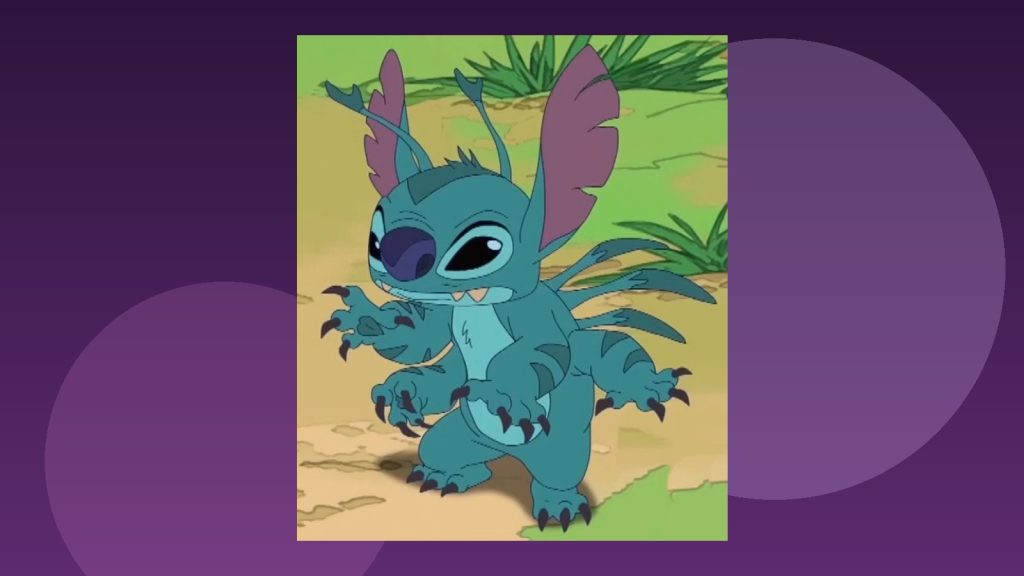
Scratch Character Profile: The Brother Stitch Wished For Was Built to Break Him
A deep Scratch profile covering the Tetra-Tab, counterfeit brotherhood, morph-creature abilities, Stitch’s metamorphosis code, Yong, design, voice-credit limits, and the two-part finale.
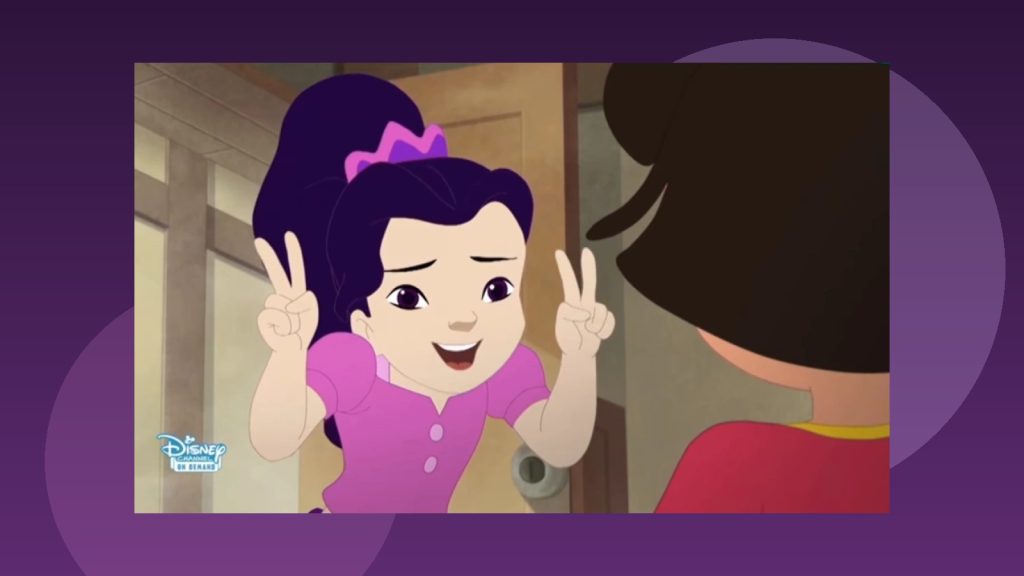
Meiying Character Profile: A Rival Is Not Automatically an Enemy
A deep Meiying profile covering drumming, rivalry with Ai, Dragon Parade, Bao, Stitch, Brothers, group play, Cherami Leigh, and Xanthe Huynh.
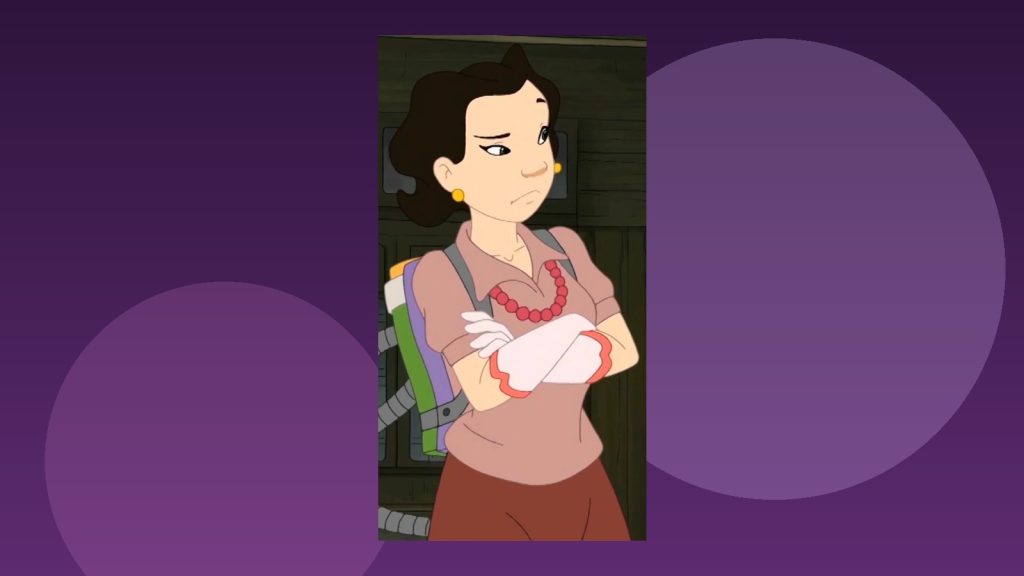
Wang Daiyu Character Profile: An Opportunity Becomes a Threat When the Child Gets No Vote
A deep Wang Daiyu profile covering the attempted relocation of Ai, family authority, class and cleanliness, Bao, Nuo Opera, Jiejie, Stitch, and Laura Post’s English performance.
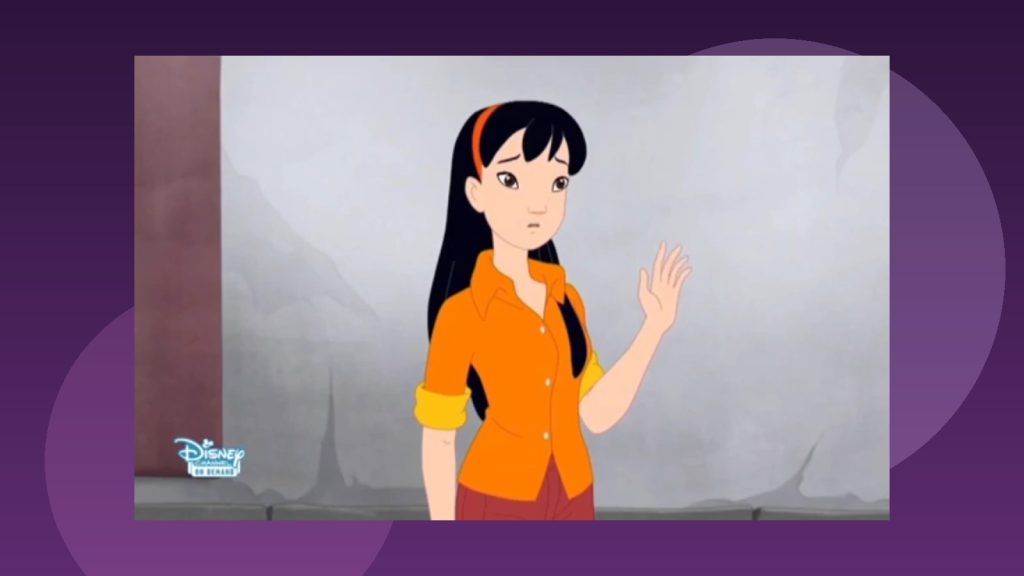
Wang Jiejie Character Profile: Loving Ai Was Never the Same as Defending Her
A deep Wang Jiejie profile covering caregiving, Ai Ling, Daiyu, parental loss, The Scroll, Dahu, Nuo Opera, Stitch, family authority, and Laura Post’s English performance.
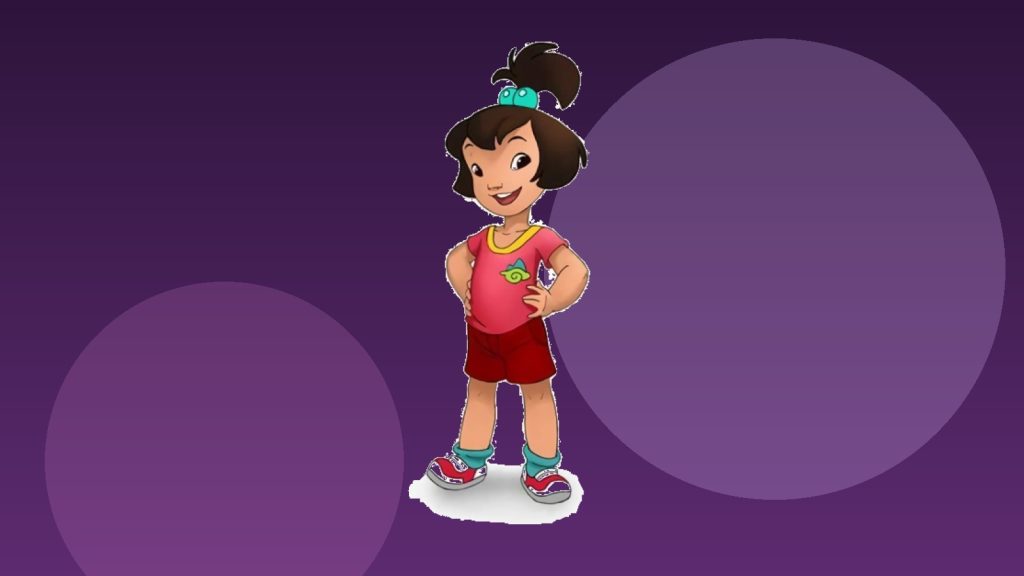
Wang Ai Ling Character Profile: The Girl Who Refused to Be Relocated Quietly
A deep Wang Ai Ling profile covering grief, Huangshan, Jiejie and Daiyu, Stitch, Meiying, drumming, Chinese legendary creatures, the finale, continuity, and her Mandarin and English voices.
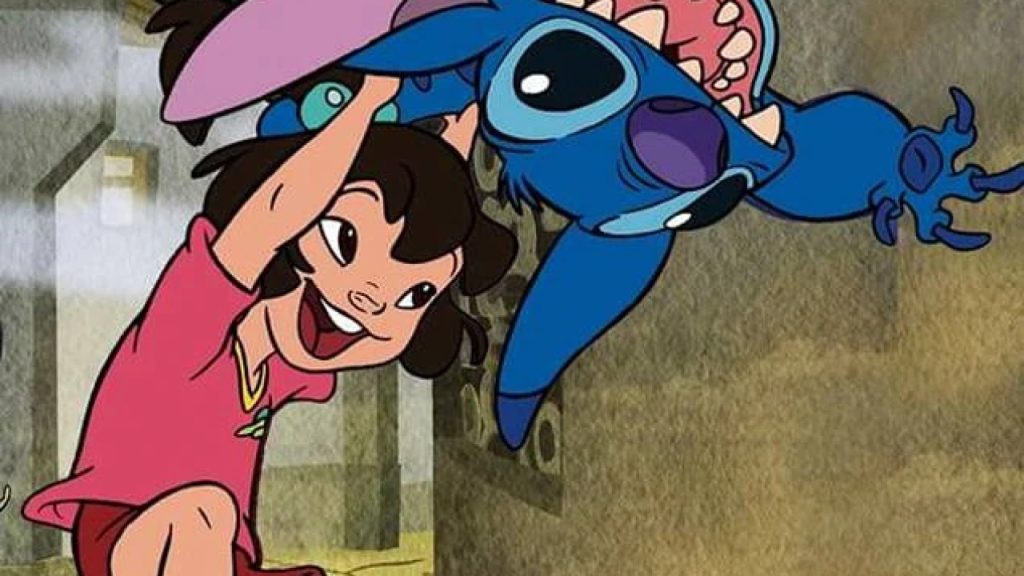
Stitch & Ai Review: Another Home Should Not Mean Erasing the First One
A long-form editorial review of all 13 Stitch & Ai episodes, including Ai Ling, Huangshan, Chinese legendary creatures, the missing U.S. episode, continuity, family, transformation, and the unresolved absence of Lilo.
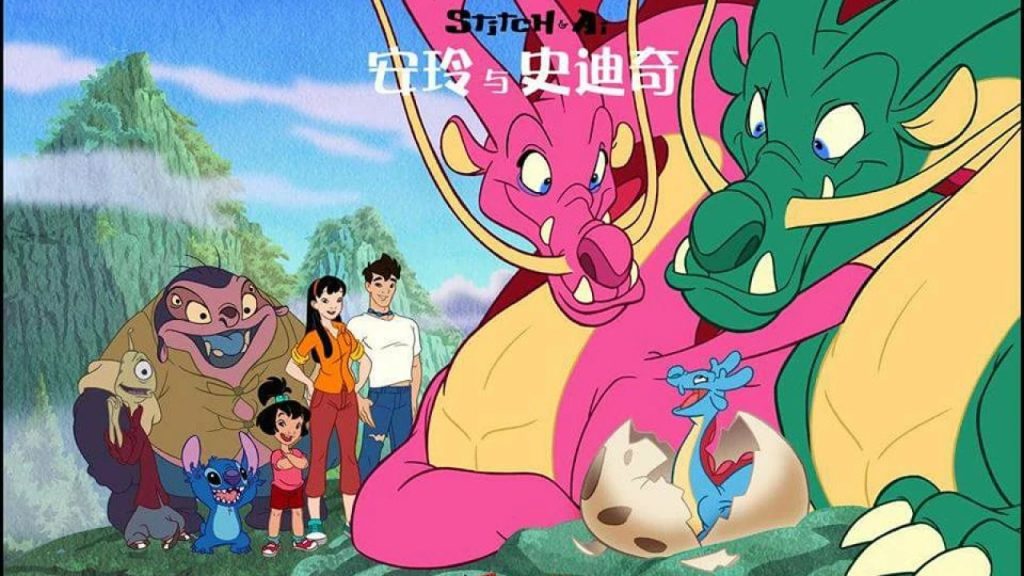
Stitch & Ai: Complete Episode Guide
The complete 13-episode Stitch & Ai directory in original Chinese broadcast order, including official local image cards, real titles, summaries, availability notes, and links to every RaeRae React.
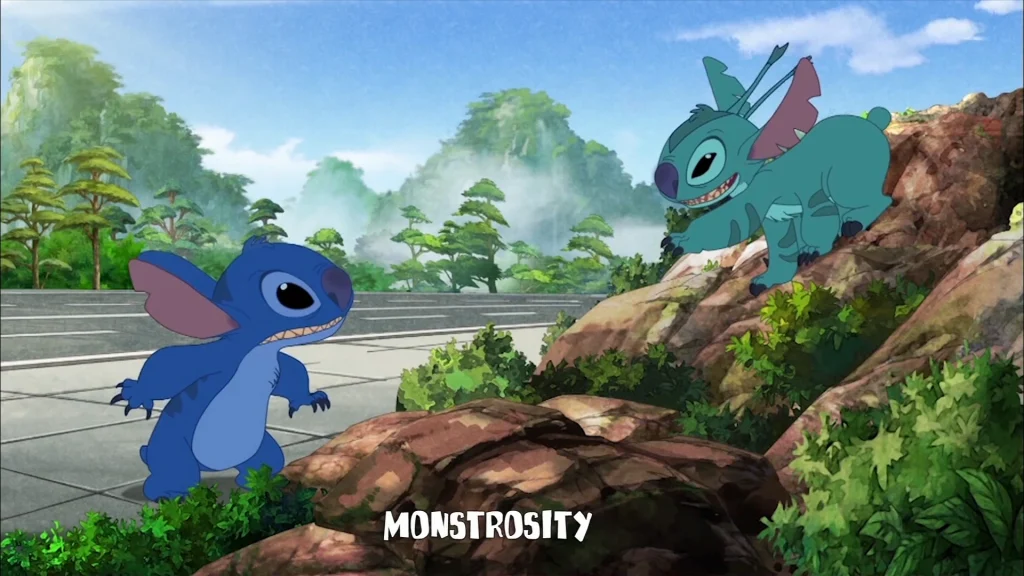
Stitch & Ai Episode 13: Monstrosity
RaeRae reacts to Stitch & Ai Episode 13, “Monstrosity,” including giant Stitch, body autonomy, the metamorphosis program, Scratch and Yong, Jaboodie weaponization, construction-site evacuation, Ai’s intervention, medical recovery, and accountability.
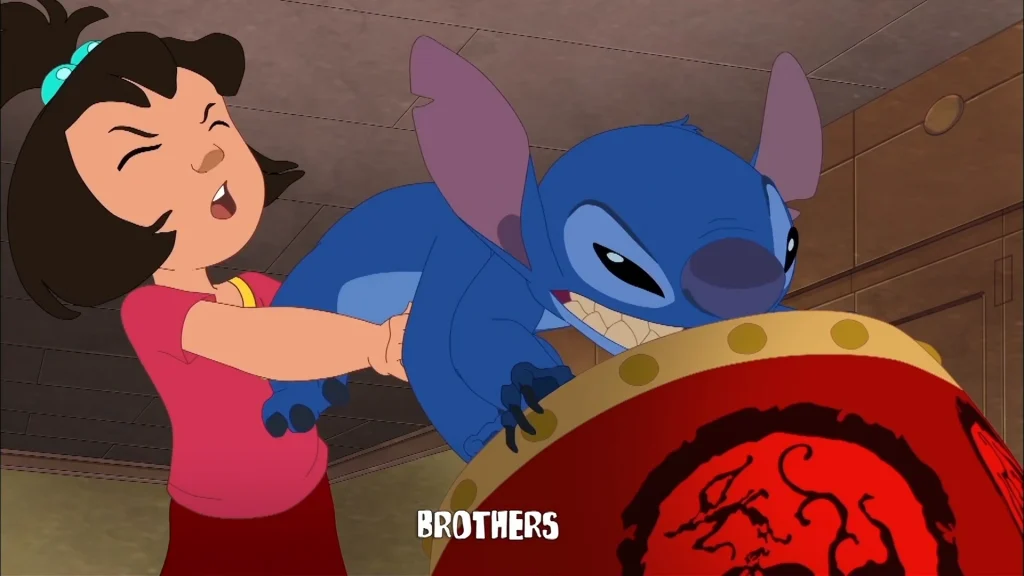
Stitch & Ai Episode 12: Brothers
RaeRae reacts to Stitch & Ai Episode 12, “Brothers,” including the mystery cube, Scratch and Yong, manufactured siblings, peer pressure, construction-site destruction, Stitch’s metamorphosis program, hidden programming, and the finale cliffhanger.
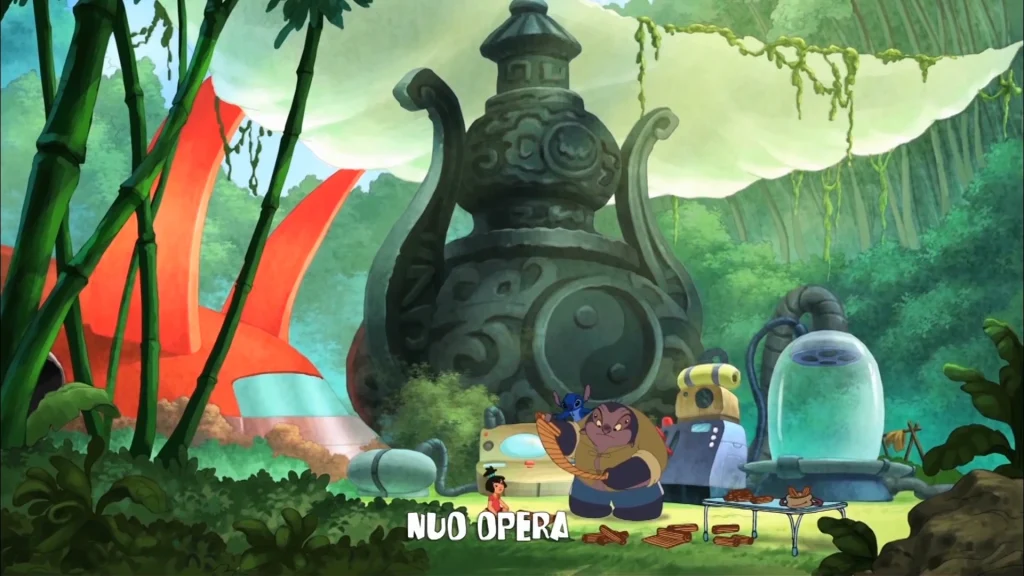
Stitch & Ai Episode 11: Nuo Opera
RaeRae reacts to Stitch & Ai Episode 11, “Nuo Opera,” including cultural specificity, performance labor, Stitch mass-producing creatures, Jumba’s negligence, Cobra Bubbles, Federation response, consent, masks, recording, and repair.
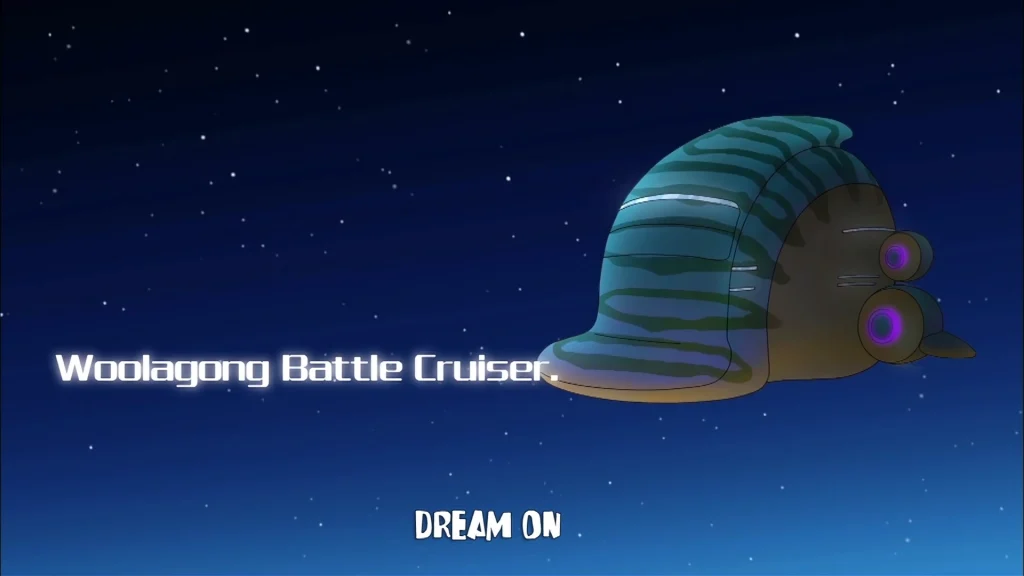
Stitch & Ai Episode 10: Dream On
RaeRae reacts to Stitch & Ai Episode 10, “Dream On,” including the dream beam, mental privacy, Cheng Fei, Ai’s giant-Stitch nightmare, missing-child response, Jumba’s mo, dream interpretation, Skippity, and trauma care.
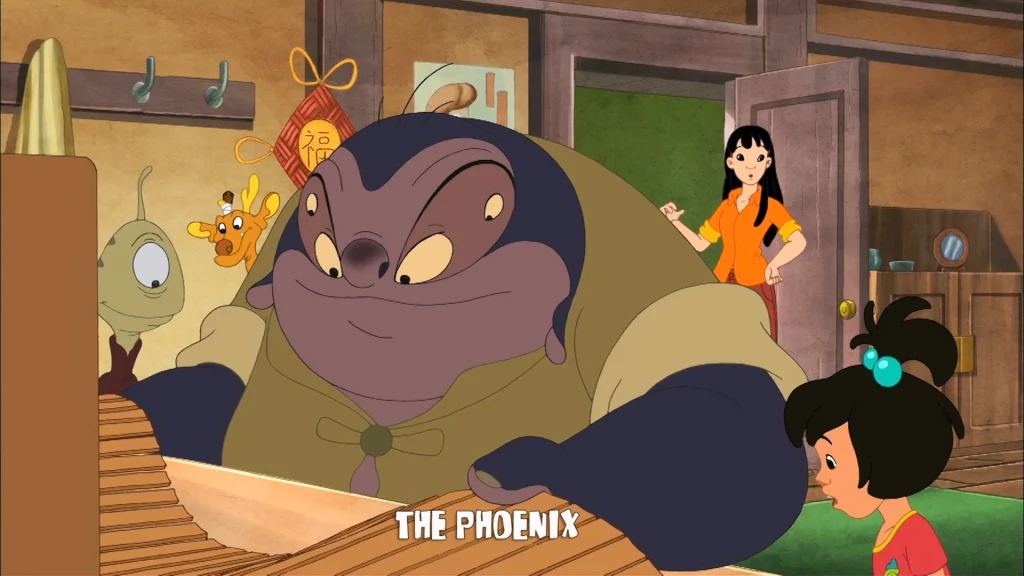
Stitch & Ai Episode 9: The Phoenix
RaeRae reacts to Stitch & Ai Episode 9, “The Phoenix,” including Bao, Daiyu’s relocation pressure, fenghuang versus phoenix, Jumba’s creation, the ruined shrine, collectors, trafficking, location security, and the omitted U.S. release.
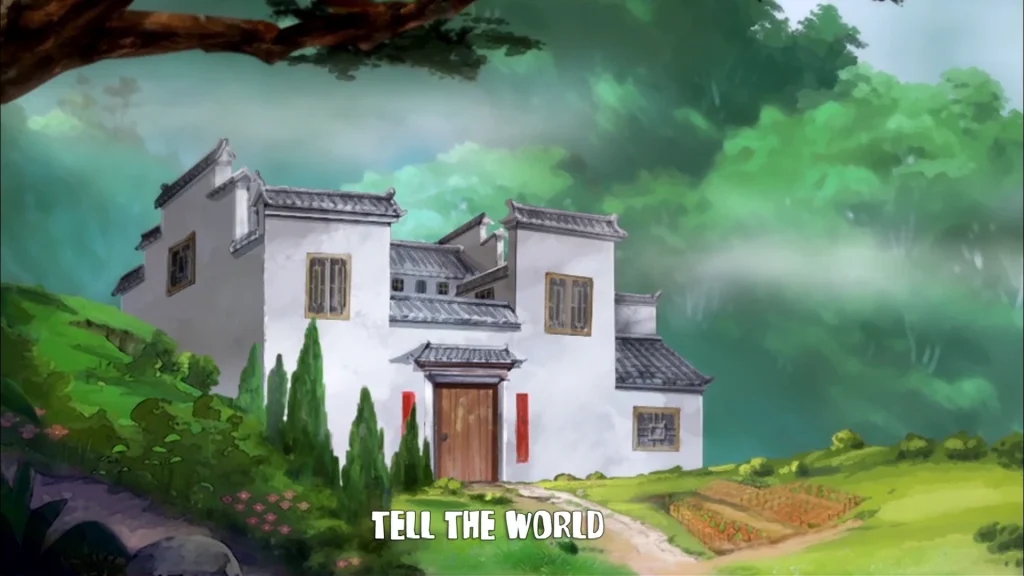
Stitch & Ai Episode 8: Tell the World
RaeRae reacts to Stitch & Ai Episode 8, “Tell the World,” including Ai’s online video, child privacy, platform consent, the nian, cultural context, kidnapping response, filmmaking deception, rescue footage, evidence, and fame exploitation.
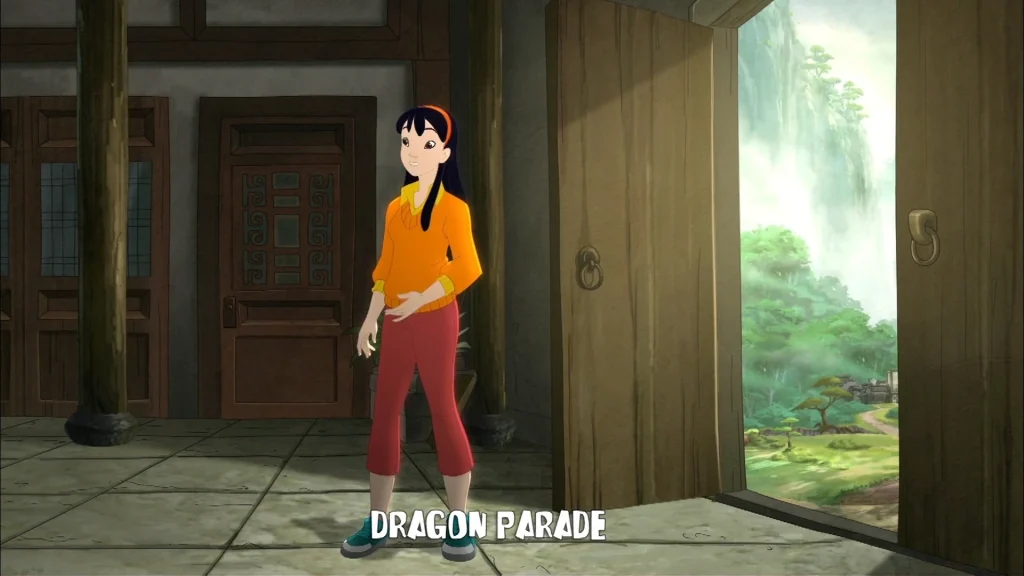
Stitch & Ai Episode 7: Dragon Parade
RaeRae reacts to Stitch & Ai Episode 7, “Dragon Parade,” including community labor, the burned puppet, Meiying’s accountability, Dim Long’s consent, living spectacle, parade safety, alien combat, privacy, and restoration.
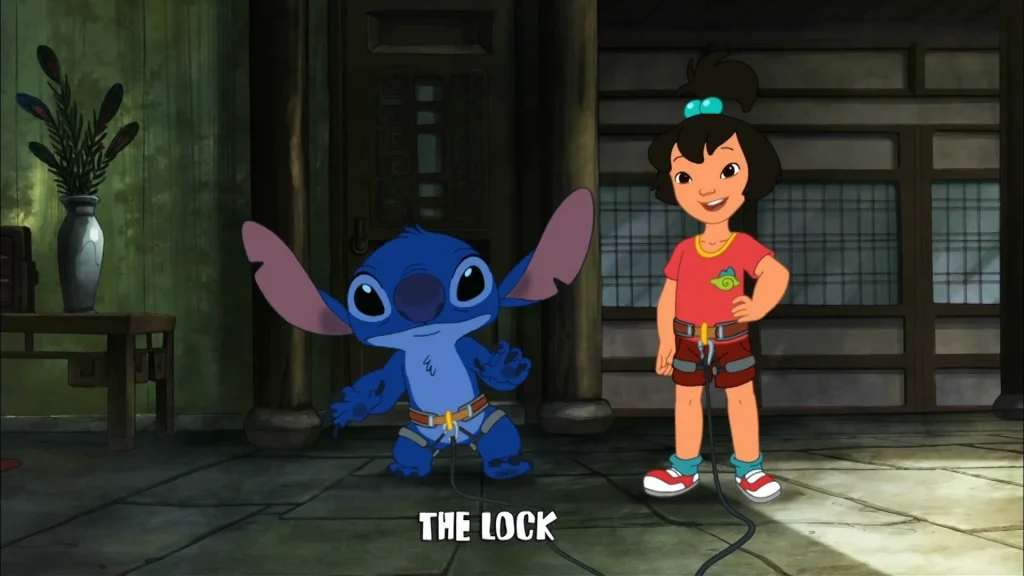
Stitch & Ai Episode 6: The Lock
RaeRae reacts to Stitch & Ai Episode 6, “The Lock,” including friendship rituals, consent, bridge safety, environmental damage, Stitch’s memory loss, fictional qi, Lilo continuity, privacy, and promises that do not require possession.
Stitch & Ai Episode 5: Spirals
RaeRae reacts to Stitch & Ai Episode 5, “Spirals,” including Jumba’s dragon, the forced-mate problem, Chinese dragon imagery, reproductive consent, the egg, Woolagong pursuit, habitat, tourism, and lifelong care.
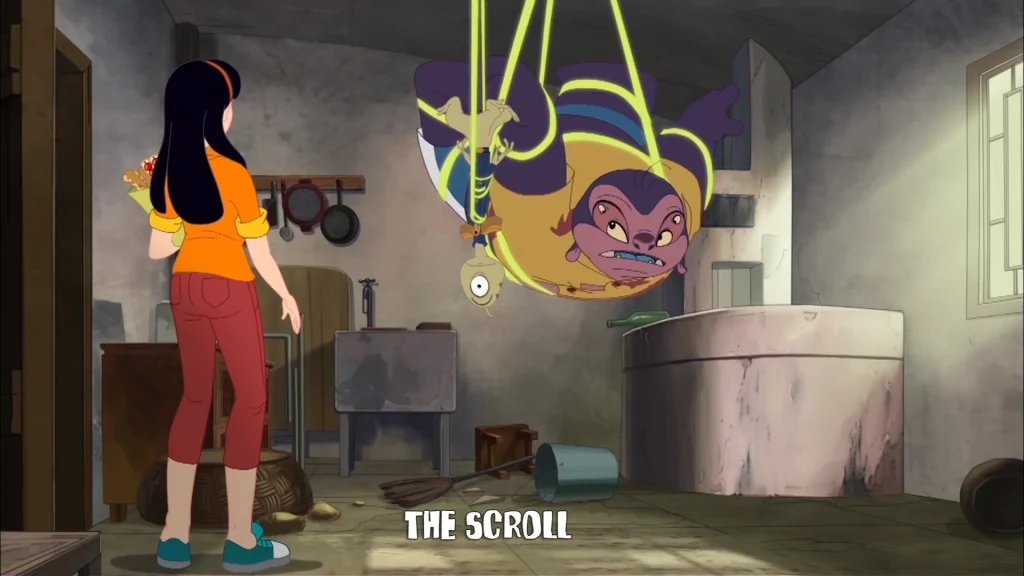
Stitch & Ai Episode 4: The Scroll
RaeRae reacts to Stitch & Ai Episode 4, “The Scroll,” including the shrine search, sacred-site access, the mysterious sage, provenance and translation, Jumba creating a qilin, cultural borrowing, drone pursuit, and responsibility for new life.
Stitch & Ai Episode 3: Gotcha!
RaeRae reacts to Stitch & Ai Episode 3, “Gotcha!,” including Jumba and Pleakley’s rescue, Stitch’s memory loss, Ai’s fear of removal, competing custody claims, Lilo’s absence, and the difference between finding someone and owning them.
Stitch & Ai Episode 2: Teacher’s Pet
RaeRae reacts to Stitch & Ai Episode 2, “Teacher’s Pet,” including Ai’s strobe-light project, Stitch ignoring her boundary, Mr. Ding’s possession, school safety, rural education, and Daiyu’s relocation argument.
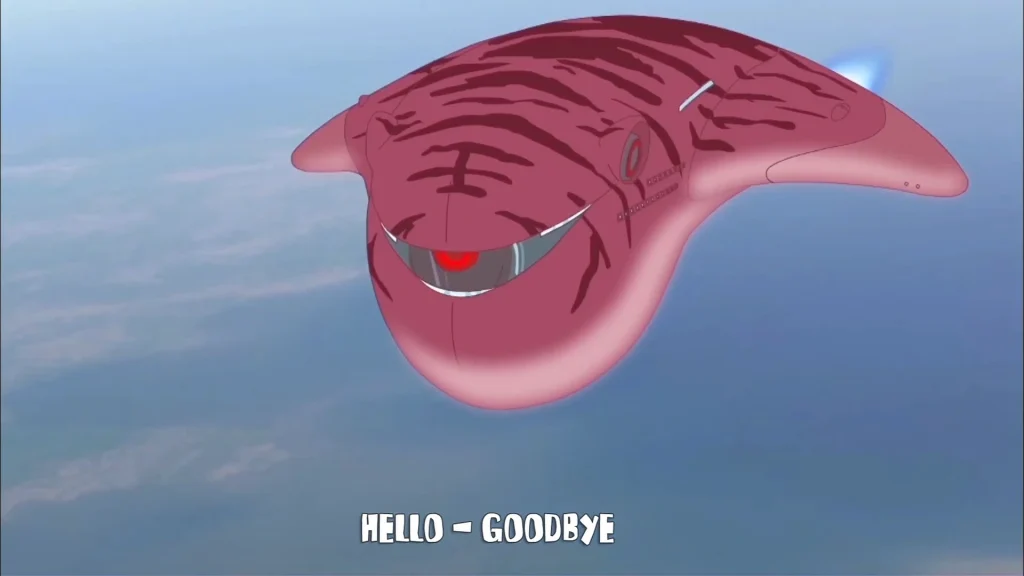
Stitch & Ai Episode 1: Hello – Goodbye
RaeRae reacts to Stitch & Ai Episode 1, “Hello – Goodbye,” including Stitch’s abduction and memory loss, Ai Ling’s threatened relocation, Huangshan, qi, continuity with Lilo, and the ethics of beginning a new family branch.
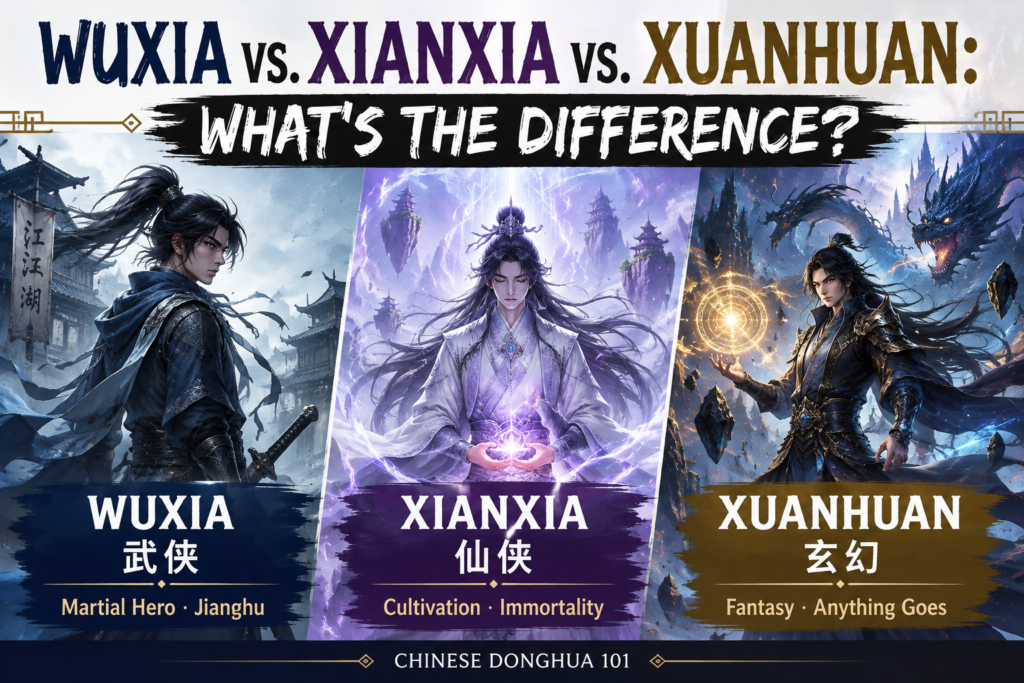
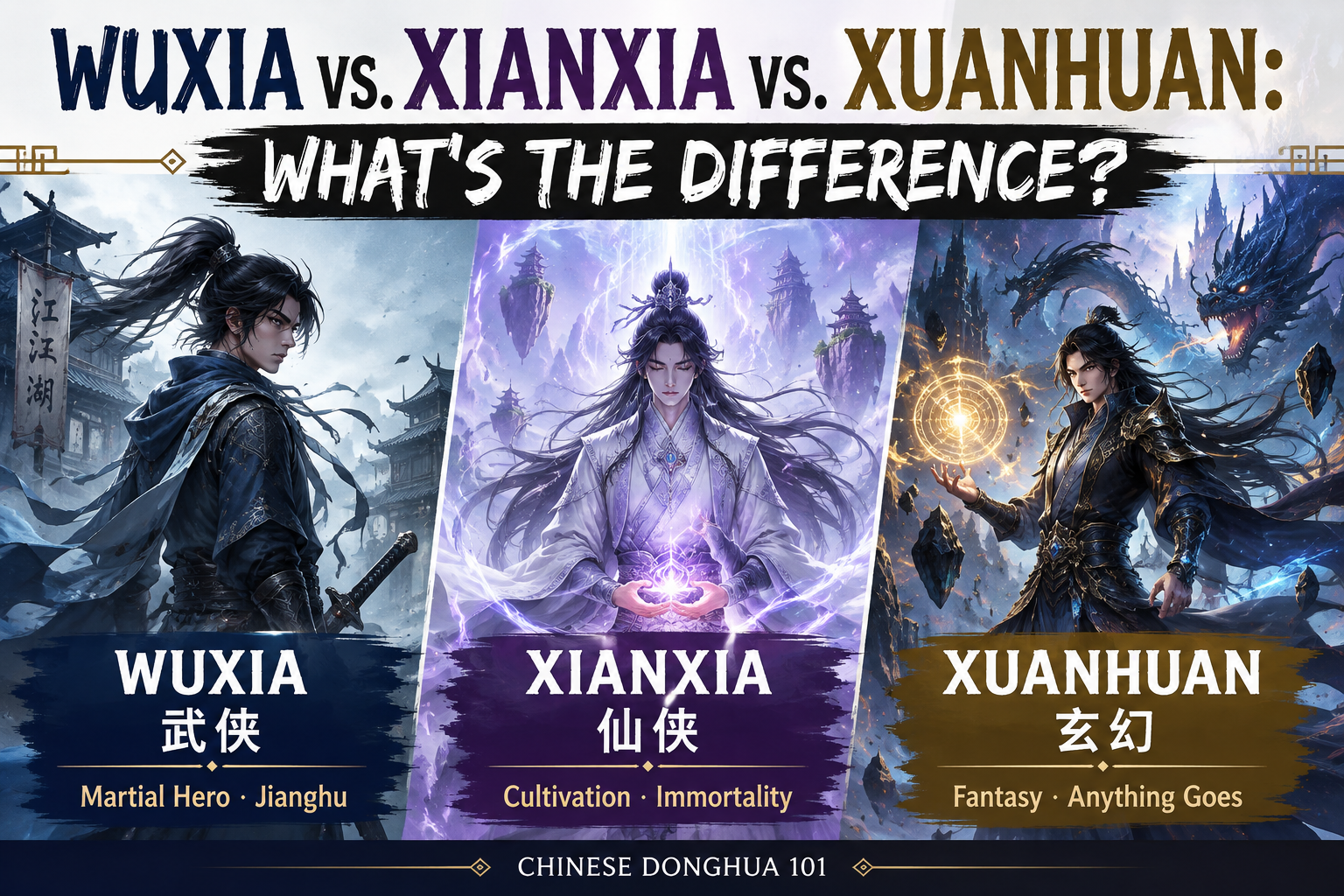
Wuxia vs. Xianxia vs. Xuanhuan: What’s the Difference?
Chinese Donghua 101 · Fantasy & Storytelling Wuxia vs. Xianxia vs. Xuanhuan: What’s the Difference? You start watching Chinese fantasy and everything seems reasonably manageable. There are swords.
How Chinese Web Novels & Manhua Become Donghua
Chinese Donghua 101 · Adaptation & Production How Chinese Web Novels & Manhua Become Donghua A Chinese story can begin as millions of words published chapter by chapter
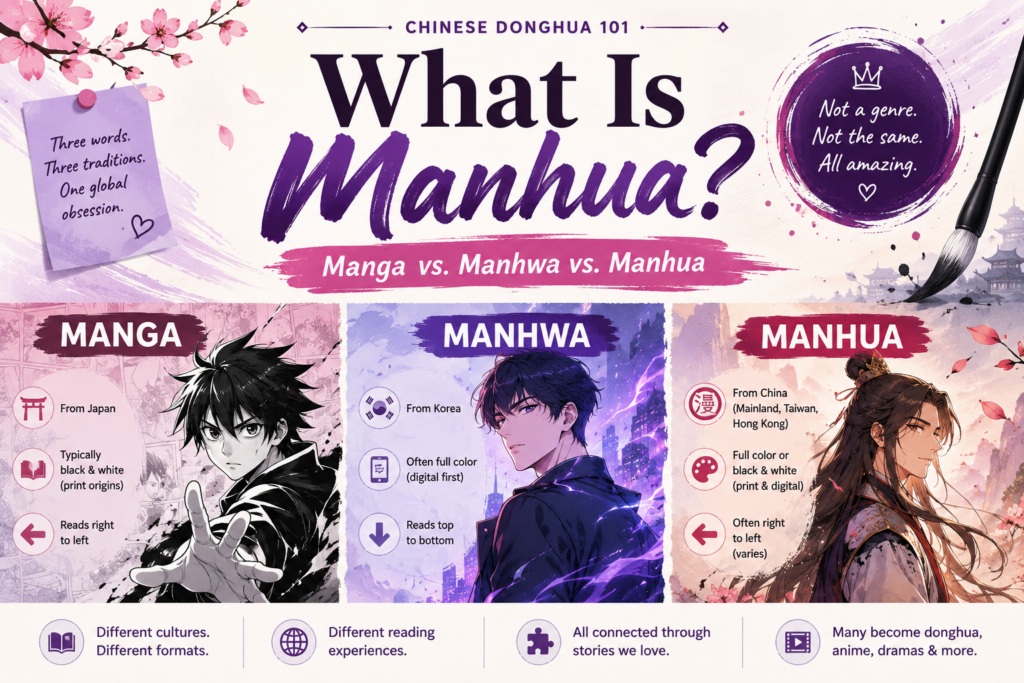
What Is Manhua? Manga vs. Manhwa vs. Manhua
Chinese Donghua 101 · Comics & Publishing What Is Manhua? Manga vs. Manhwa vs. Manhua Manga. Manhwa. Manhua. Three words that look close enough to make a new
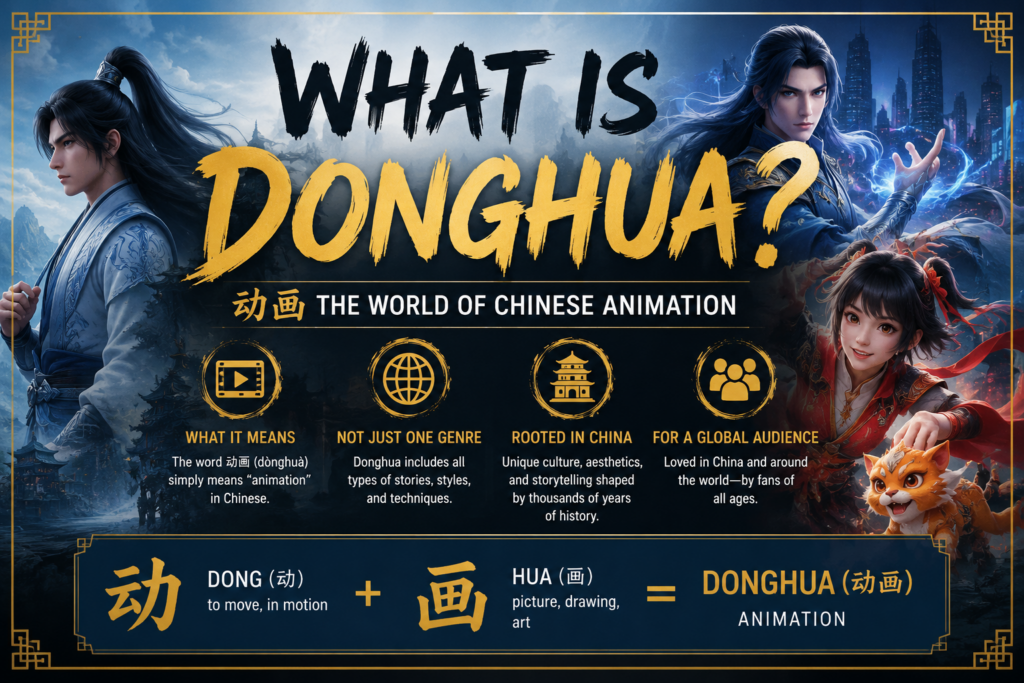
What Is Donghua?
Chinese Donghua 101 · Start Here What Is Donghua? If somebody told you donghua means “Chinese anime,” they gave you an answer that is useful for approximately thirty
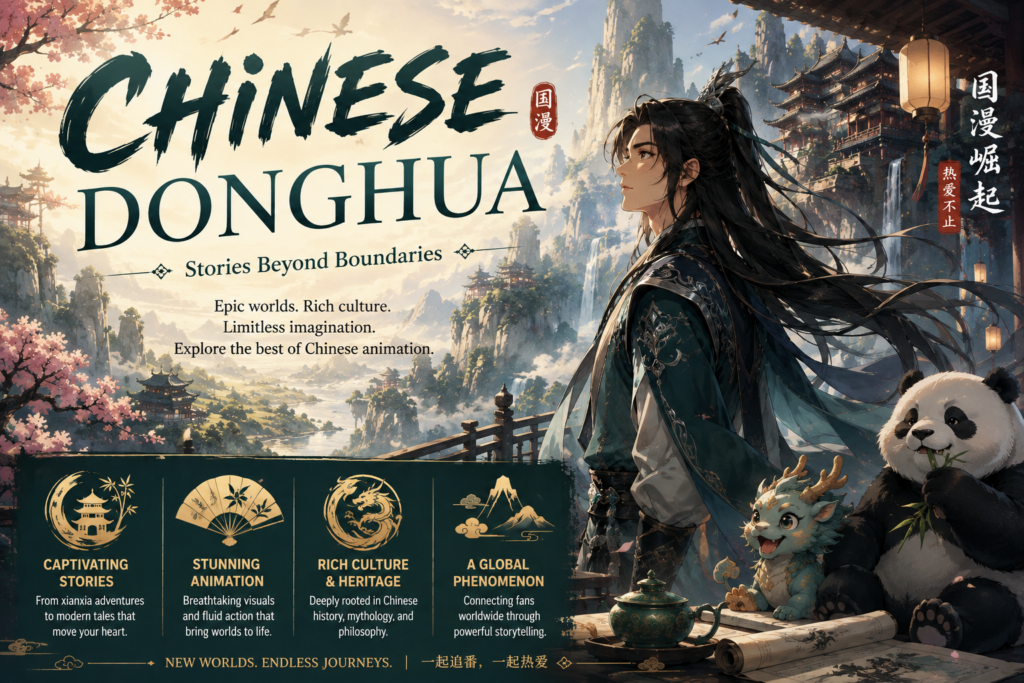
Chinese Donghua
CVM Sekai · Animation Around the World Chinese Donghua Chinese animation is much bigger than the 3D cultivation epics that often introduce international viewers to it. Donghua includes
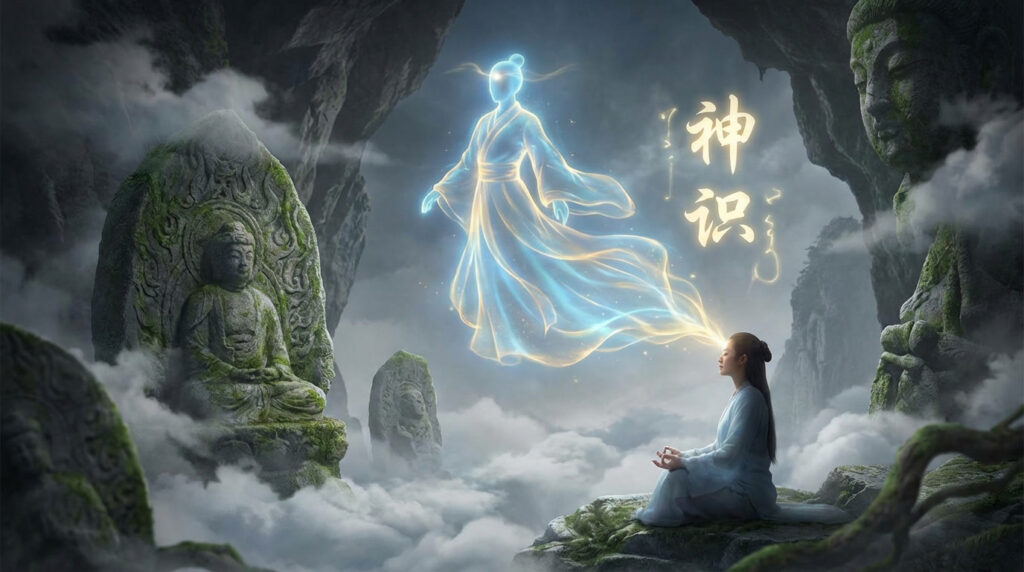
The Spirit (神识)
The Spirit (神识) Awareness, perception, and the mind behind cultivated power. NOVEL WORLD 101 · ANIME 101 · STORY WORLD 101 Shénshí (神识 / 神識) The “spiritual sense”
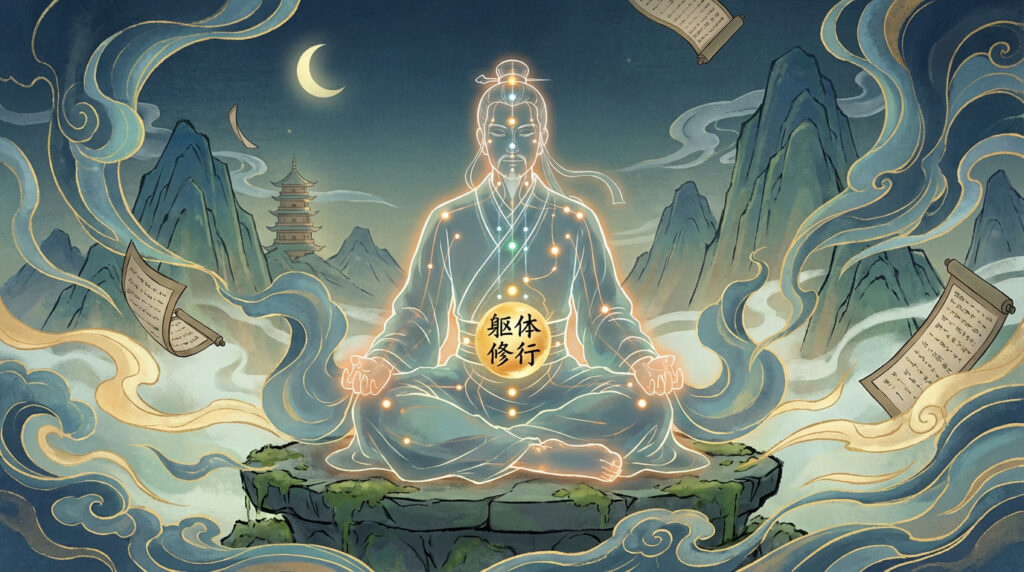
The Body (躯体)
The Body (躯体) Cultivation The physical foundation that keeps every breakthrough from becoming a medical emergency. NOVEL WORLD 101 · ANIME 101 · STORY WORLD 101 Body Cultivation
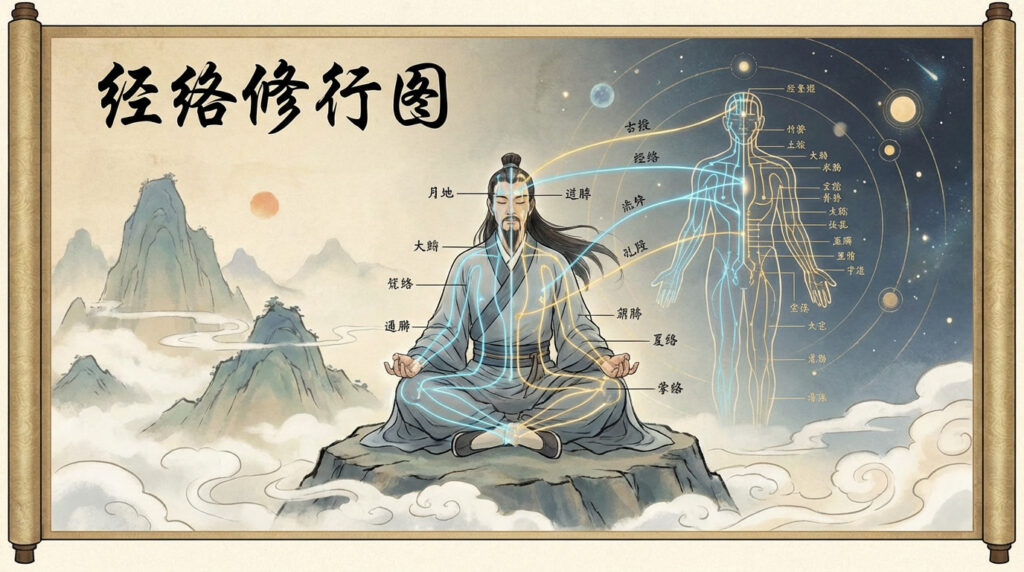
Meridians (经络)
Meridians (经络) The Highways Your Qi Uses to Power Everything NOVEL WORLD 101 · ANIME 101 · STORY WORLD 101 Meridians (经络) The body map that translators call
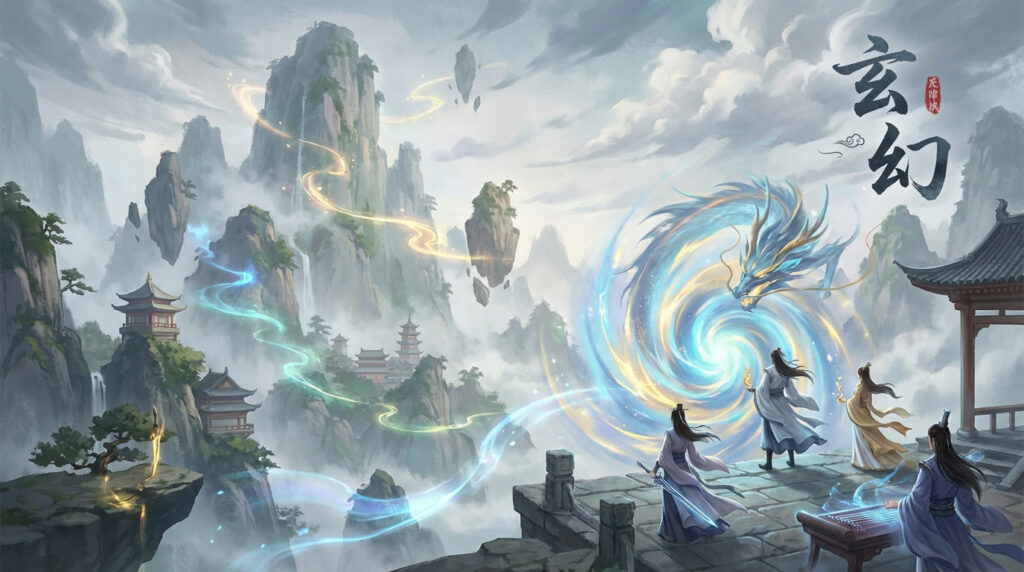
Xuanhuan (玄幻)
Xuanhuan | 玄幻 Chinese fantasy built for hybrid worlds, invented systems, and very ambitious power ladders. NOVEL WORLD 101 · ANIME 101 · STORY WORLD 101 Xuanhuan (玄幻)
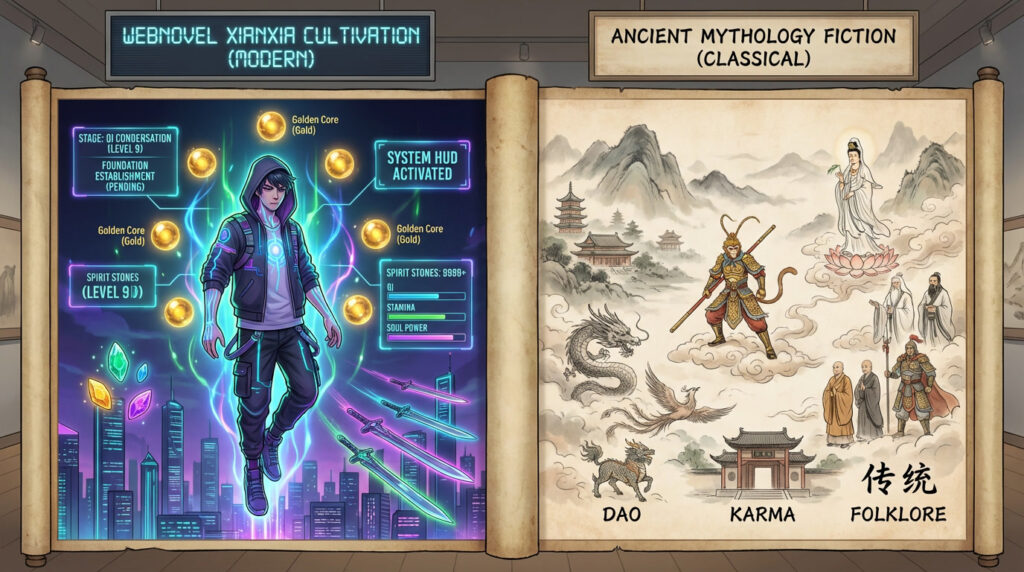
Webnovel Xianxia Cultivation (Modern) vs Ancient Chinese Mythology Fiction (Classical)
Webnovel Xianxia Cultivation (Modern) vs Ancient Chinese Mythology Fiction (Classical) AKA: Why I Don’t Write Webnovel-Style “System Slap” Cultivation (…But I Still Love It) So here’s the thing:
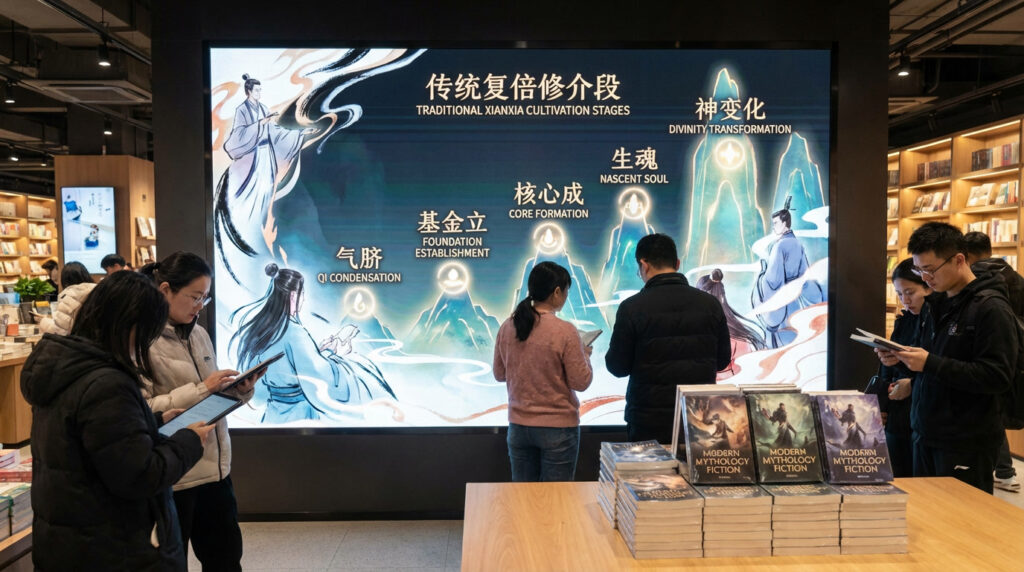
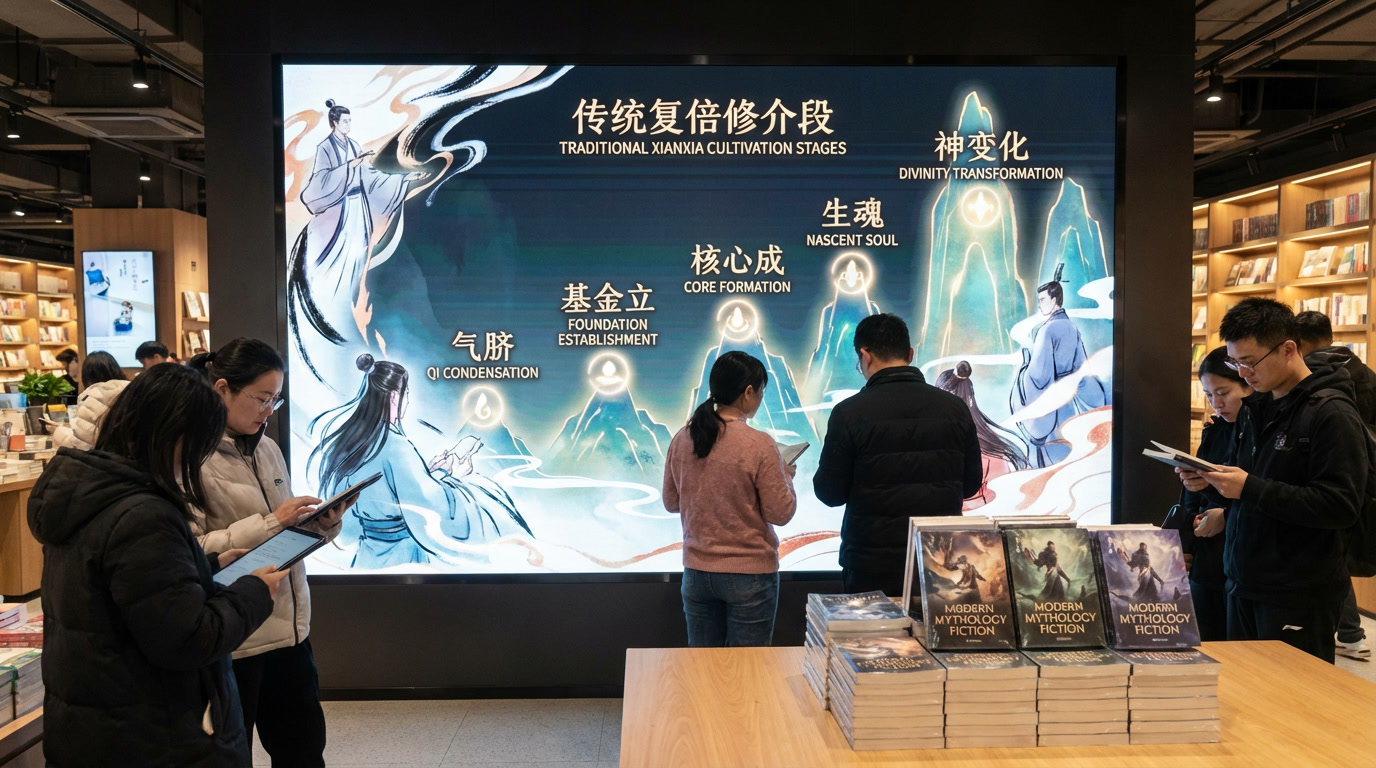
Webnovel Traditional Xianxia Cultivation Stages
Modern Xianxia Cultivation Stages The Webnovel Power System • Realms, Breakthroughs & Your Favorite OP Protagonists Before Golden Cores were cool. Before dantians exploded like lightbulbs. Before MCs
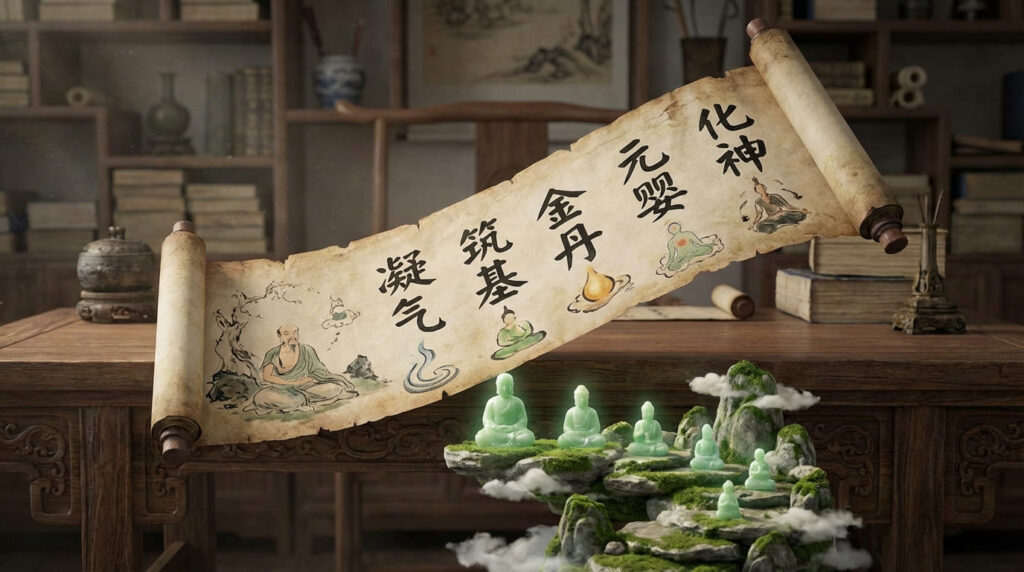
Cultivation Stages (境界 / 体系)
Cultivation Stages (境界 / 体系) The Real Daoist Path • Ancient Chinese Inner Alchemy • The Origin of All Cultivation Before webnovels. Before Golden Cores. Before modern Xianxia
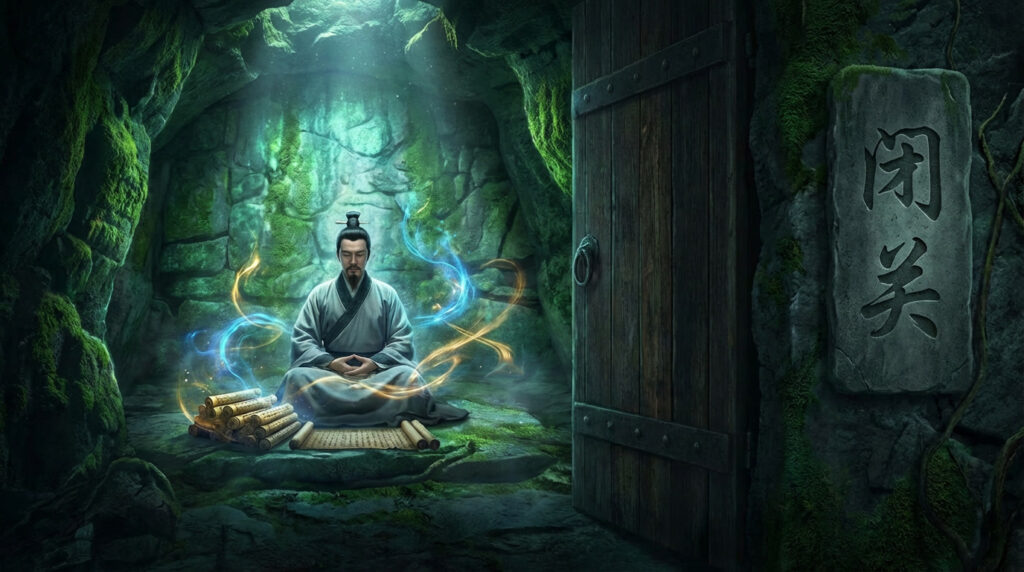
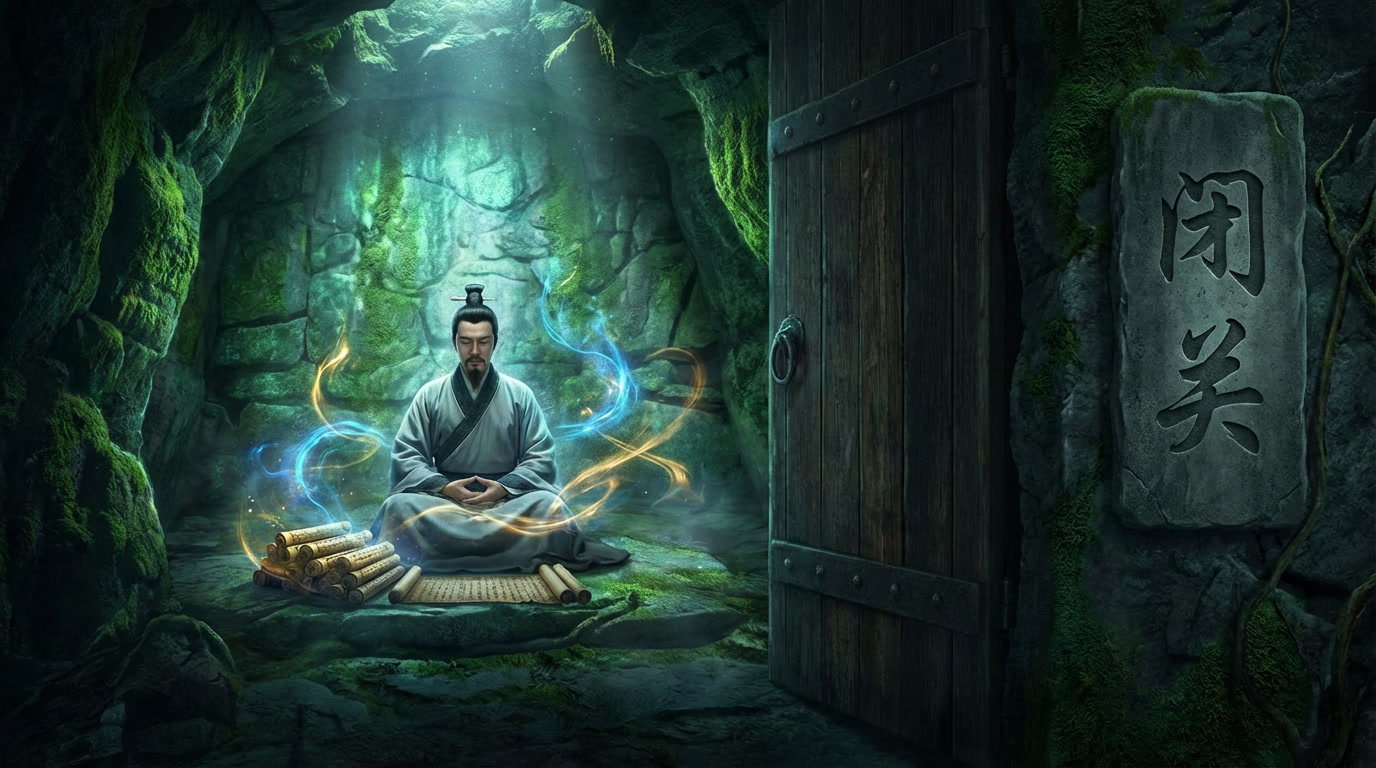
Closed-Door Cultivation (闭关)
Closed-Door Cultivation (闭关) Seclusion Training • Breakthrough Retreats • Deep Meditation in Xianxia Closed-Door Cultivation (闭关) is one of the most iconic practices in the cultivation world. It’s
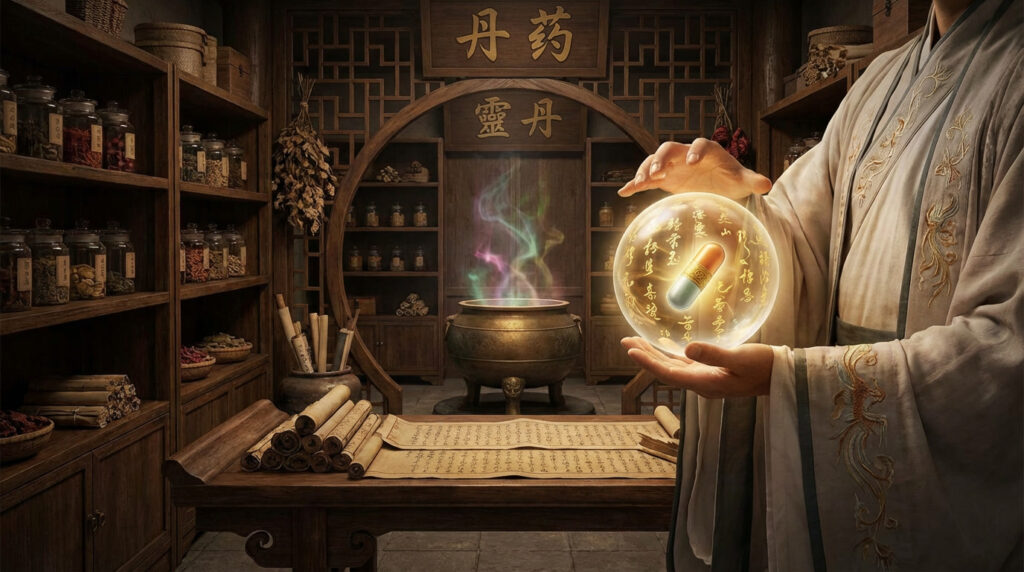
Spiritual Medicine (丹药 / 丹术)
Spiritual Medicine & Alchemy (丹药 / 丹术) Pills • Elixirs • Herbs • Alchemy Arts in the Cultivation World Spiritual Medicine (丹药) and Alchemy (丹术) are pillars of
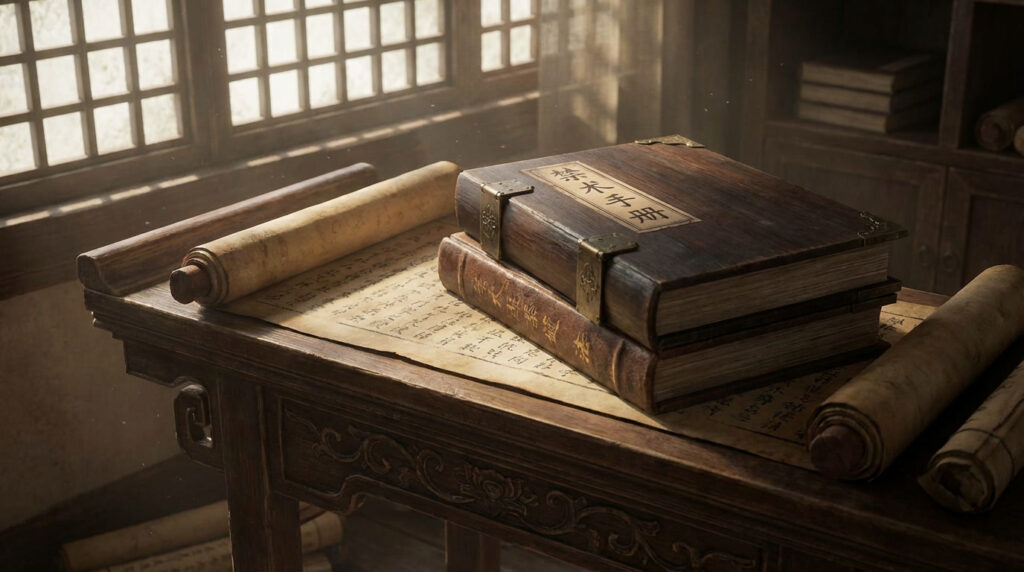
Forbidden Manuals (禁术)
Forbidden Manuals (禁术) Taboo Techniques • Dangerous Knowledge • Paths Mortals Were Not Meant to Touch Forbidden Manuals (禁术) appear everywhere in Xianxia and Wuxia — locked in
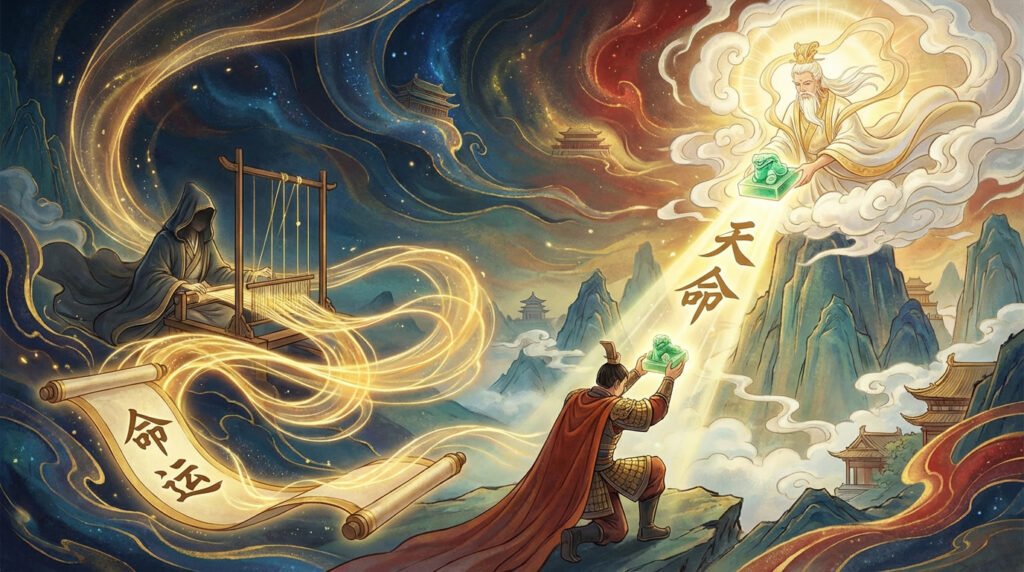
Fate & Heavenly Mandate (天命)
Fate & Heavenly Mandate (天命) Cosmic Order • Destiny Threads • The Will of Heaven in Cultivation Stories Fate & Heavenly Mandate (天命) is one of the deepest,
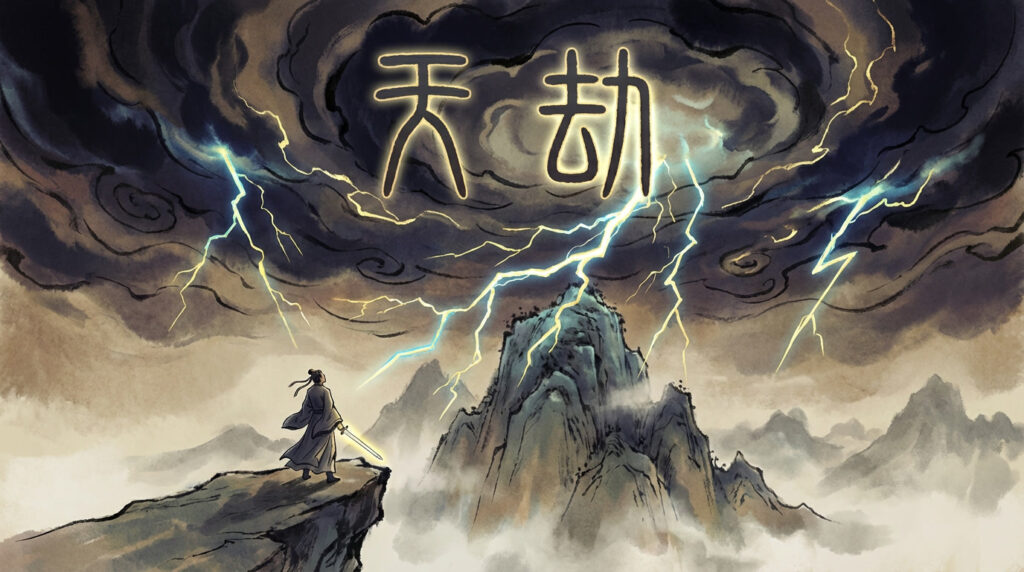
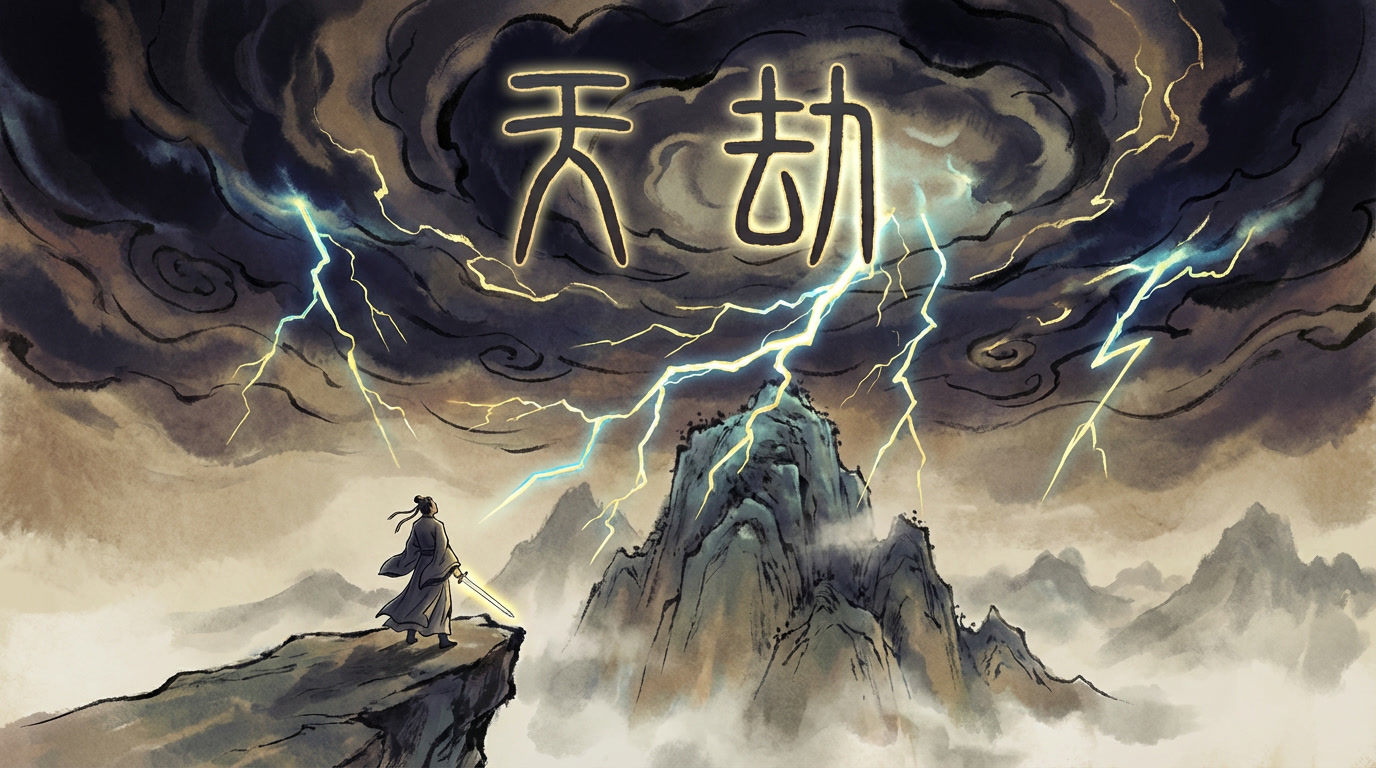
Tribulation Lightning (天劫)
Tribulation Lightning (天劫) Heavenly Trials • Breakthrough Tests • Divine Judgment in Xianxia Tribulation Lightning (天劫) is one of the most dramatic and feared moments in any cultivation
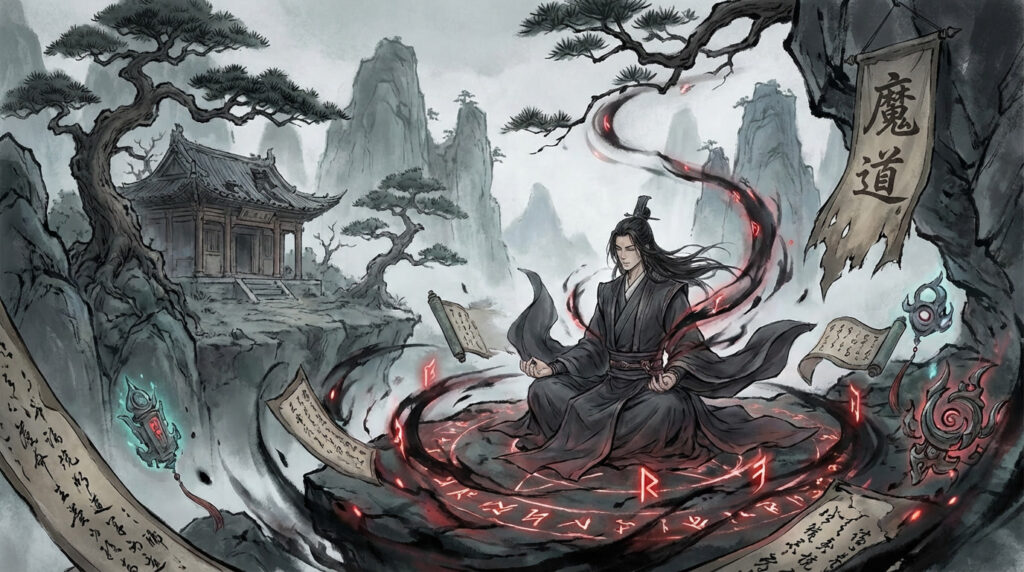
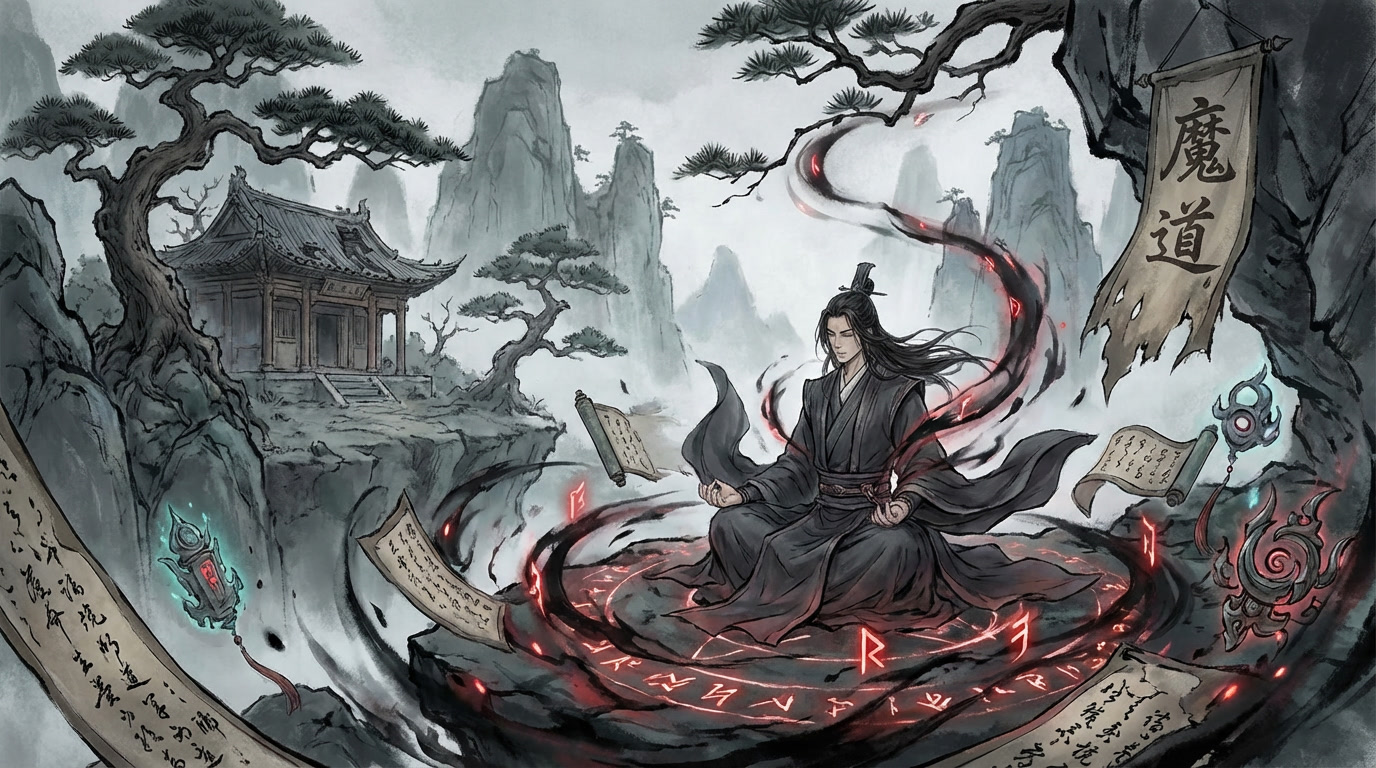
Demonic Cultivation (魔道 / 邪道)
Demonic Cultivation (魔道 / 邪道) Corrupted Power • Forbidden Methods • The Path of Desire and Chaos Demonic Cultivation (魔修) is one of the most dramatic, misunderstood concepts
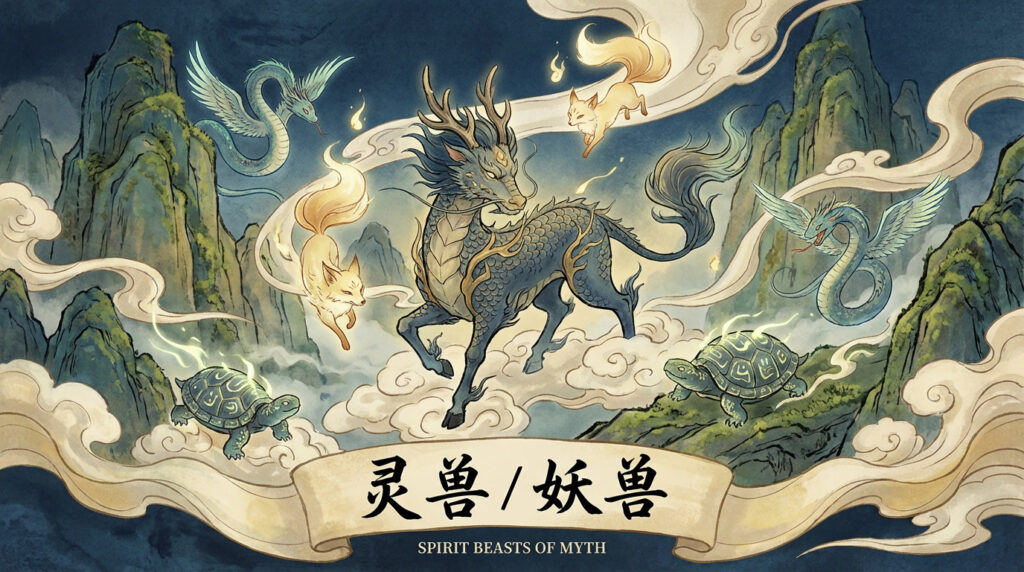
Spirit Beasts (妖兽 / 灵兽)
Spirit Beasts (妖兽 / 灵兽) Mythical Creatures • Guardians • Companions • Sacred Forces in Cultivation Worlds Spirit Beasts (灵兽) are one of the most beloved and misunderstood
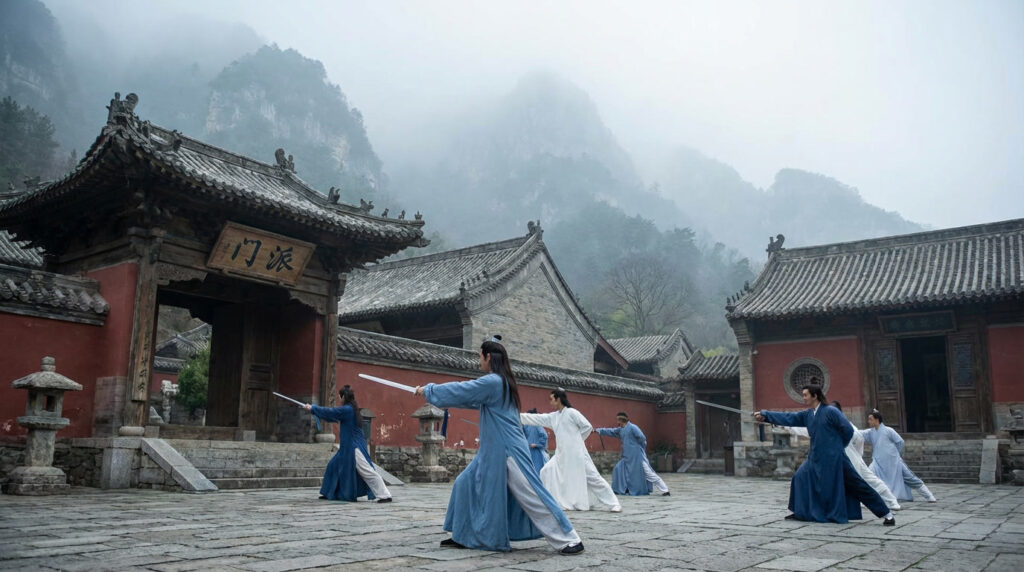
Sects (门派)
Sects (门派) Martial Schools • Lineage • Tradition • Power Structures of the Wuxia World Sects (门派) are some of the most iconic pillars of wuxia and cultivation
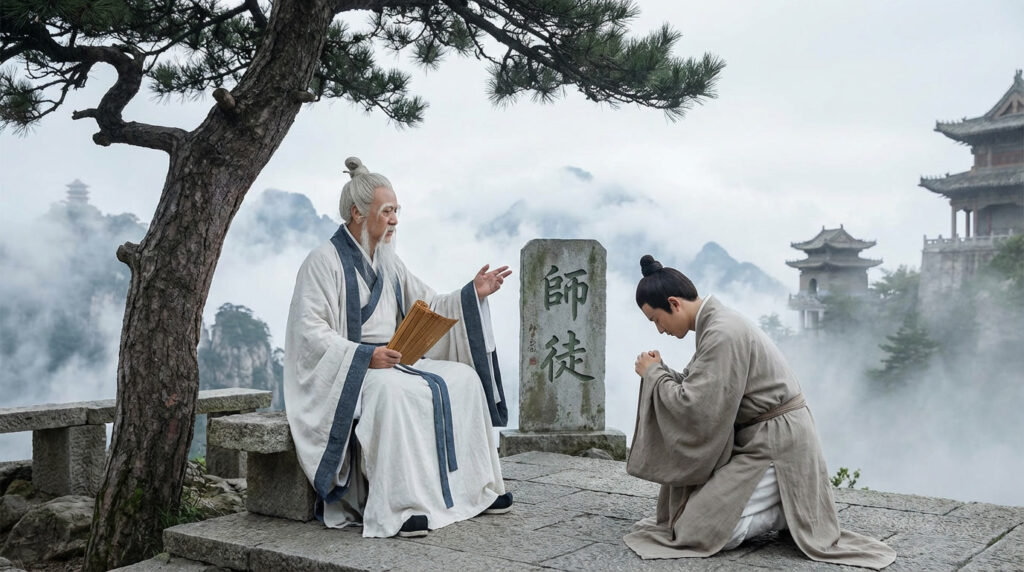
Master & Disciple Hierarchy
Master & Disciple Hierarchy Respect • Responsibility • Teaching Lineage • Martial Family Structure Shifu / Shizun / Shixiong / Shimei The Master–Disciple relationship is one of the
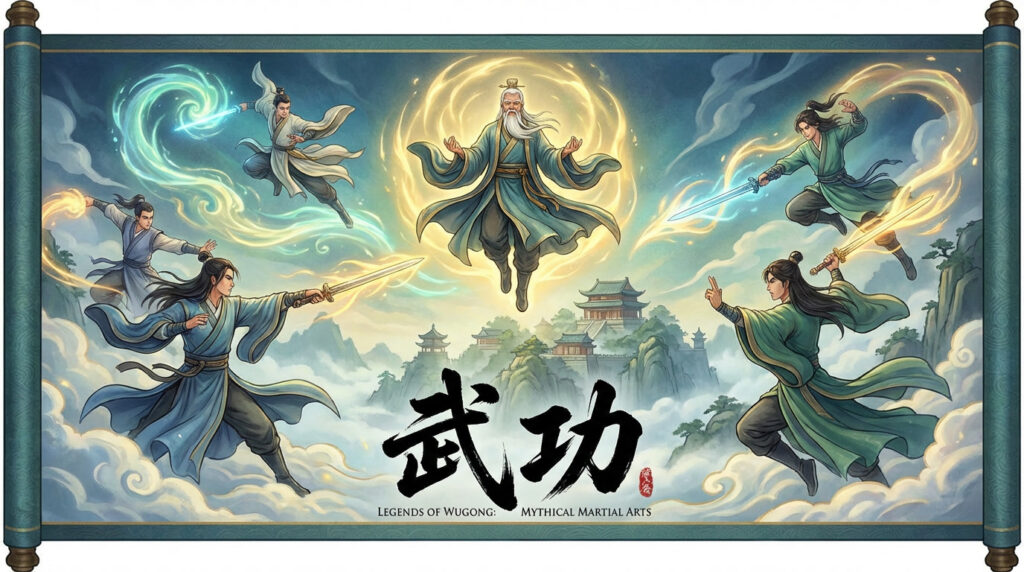
Wugong (武功)
Wugong (武功) Martial Skill • Technique • Form • Practical Combat Ability Wugong (武功) is one of those terms everyone thinks they understand… until they try to define