
Craobhan
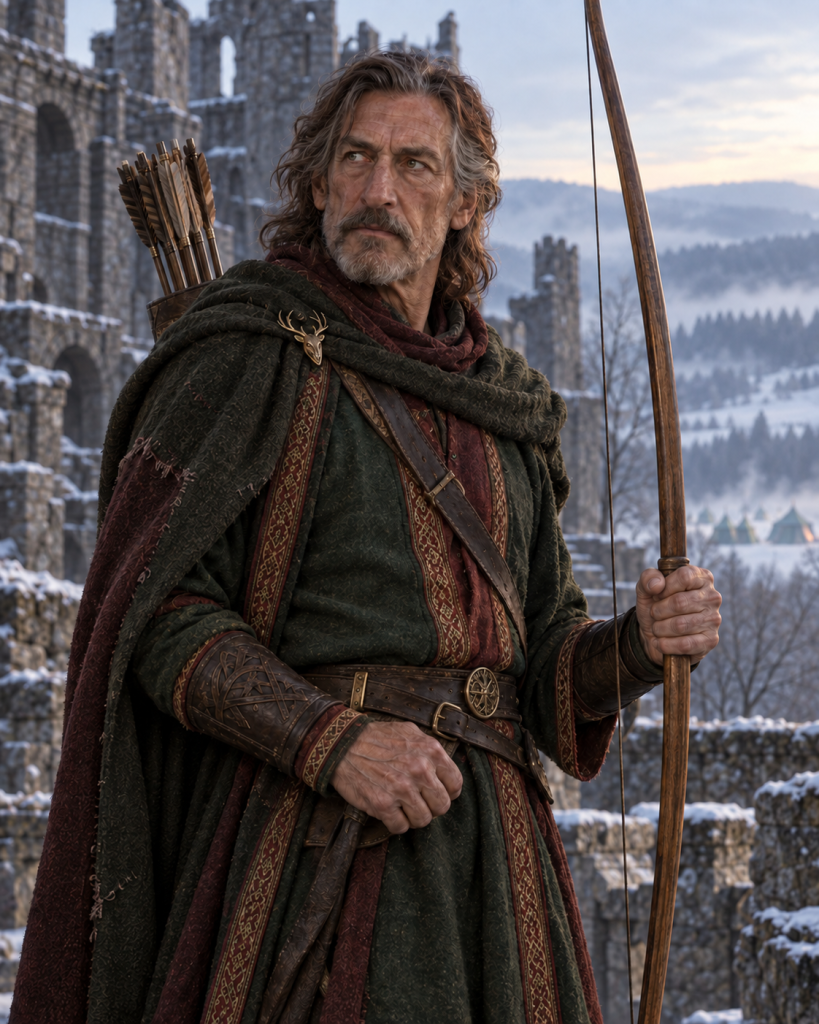
Craobhan is an elder Hernystiri archer who survives the Taig, exile beneath Grianspog, Maegwin’s revelation, and the astonishing return to Hernysadharc. He first appears ready to put an arrow through a soldier after a tavern fight. Later, he becomes one of the few older voices willing to ask what Maegwin’s certainty will cost. He cannot stop her authority from hardening into theology, but his skepticism keeps the refugees’ consent from looking effortless.
Count Stréawe
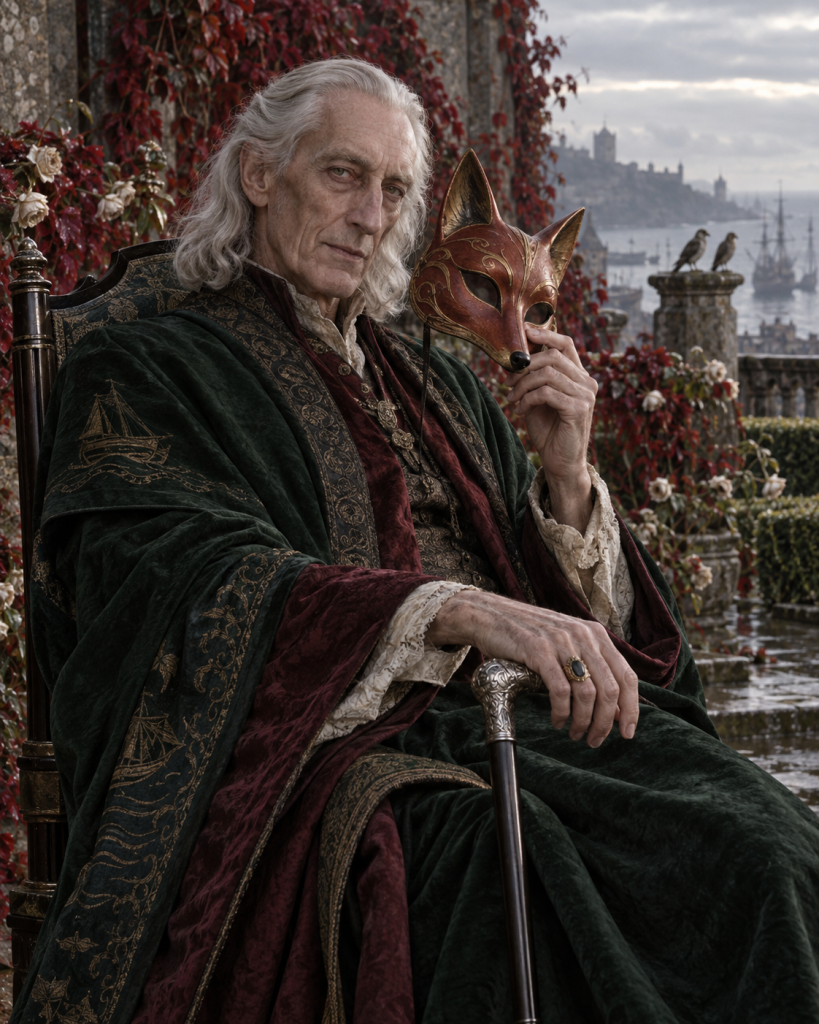
Count Stréawe rules Perdruin from crippled legs, a decaying palace, trained birds, paid eyes, hidden passages, polite debts, and the unnerving confidence of a man who knows every crisis will eventually need a dock. He is not physically imposing. That is why everyone who mistakes strength for muscle discovers him too late.
Aditu

Aditu arrives holding the beetle Simon failed to catch and immediately proves that rescue can be funny, alien, practical, and a little flirtatious at the same time. The Sitha princess becomes his guide, teacher, political messenger, battlefield ally, Dream Road investigator, and one of the saga’s sharpest translators between mortal urgency and Gardenborn grief.
Utuk’ku
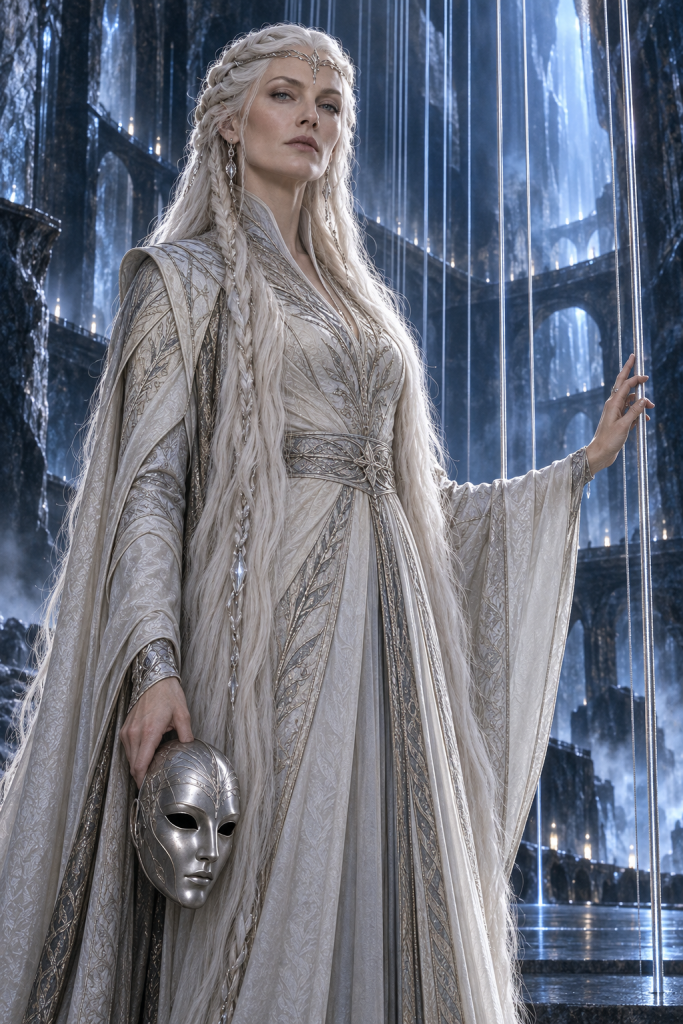
The silver mask is not hiding a ghost. Beneath it lives the oldest thinking being in Osten Ard: exhausted, brilliant, bodily, and so committed to one family wound that she turns weather, history, children, and entire peoples into funeral arrangements.
Tiamak
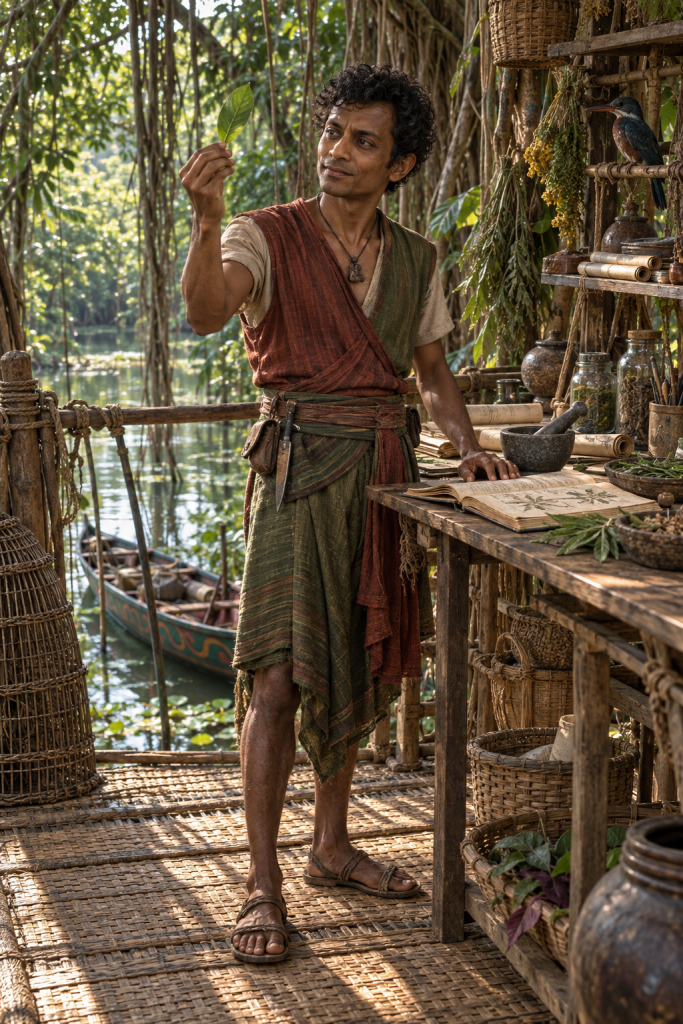
The smallest man in almost every room becomes one of the saga’s largest intellectual anchors. Tiamak is a Wrannaman healer, field naturalist, reluctant diplomat, crocodile survivor, ghant translator, Scrollbearer, and the person who keeps noticing that the visible war may be somebody else’s distraction.
Sludig
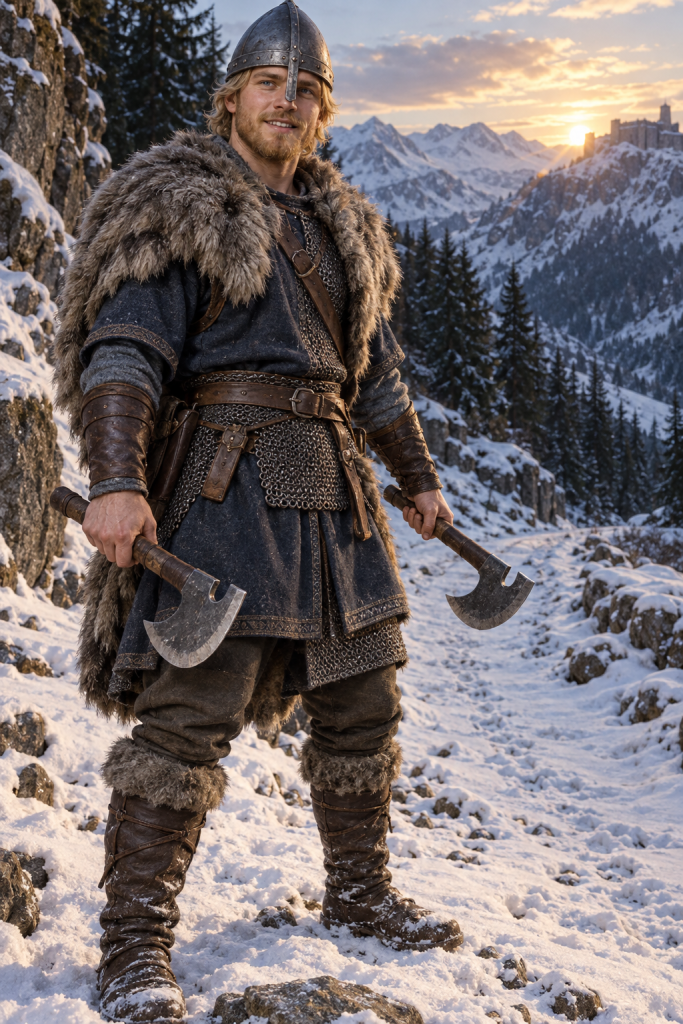
A cheerful young axeman becomes prisoner, pardoned Croohok, teacher, rescuer, foot soldier again, and one of Simon’s most honest friends. Sludig’s real battle is learning that inherited honor can survive correction.
Sisqi
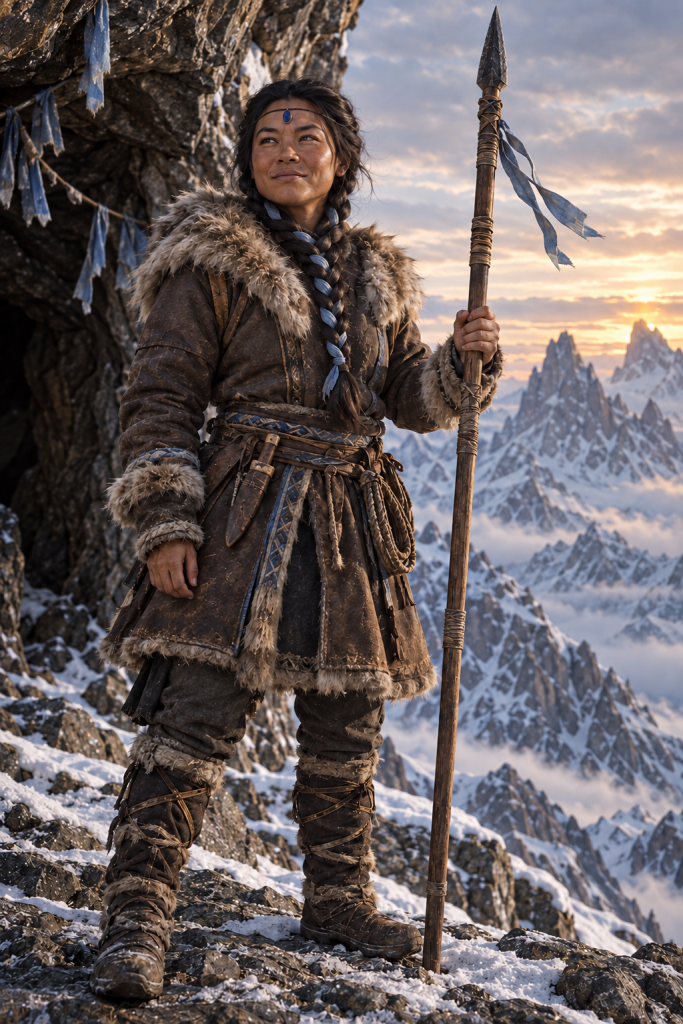
Sisqinanamook is a huntress, singer’s daughter, rescuer, translator, war leader, and Binabik’s beloved. She does not enter the saga to forgive him prettily. She makes him answer for a broken pledge, saves him twice, and decides for herself which promises become a marriage.
Shima’onari
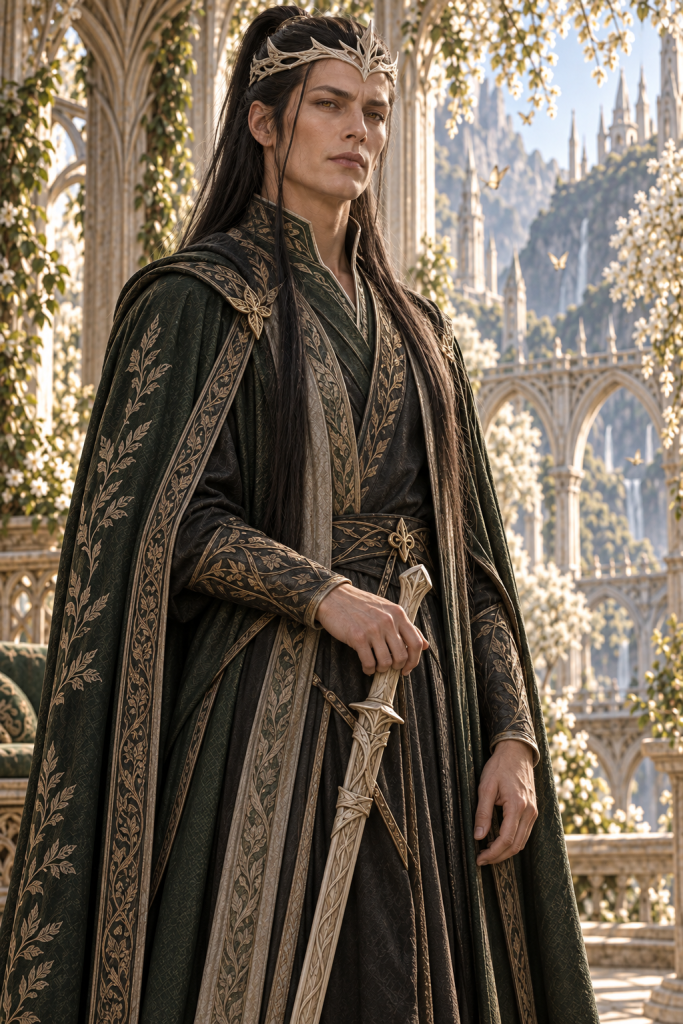
He leads survivors out of Ineluki’s Asu’a, rules a hidden people for five centuries, sentences Simon to a beautiful prison, and dies helping turn Sithi memory back into action. None of those choices is morally simple.
Qantaqa

She is not Binabik’s furry transportation system. Qantaqa chooses, warns, searches, fights, mourns, slows her stride for sick humans, and repeatedly proves the wolf understands companionship better than half the crowned people in Osten Ard.
Nisses
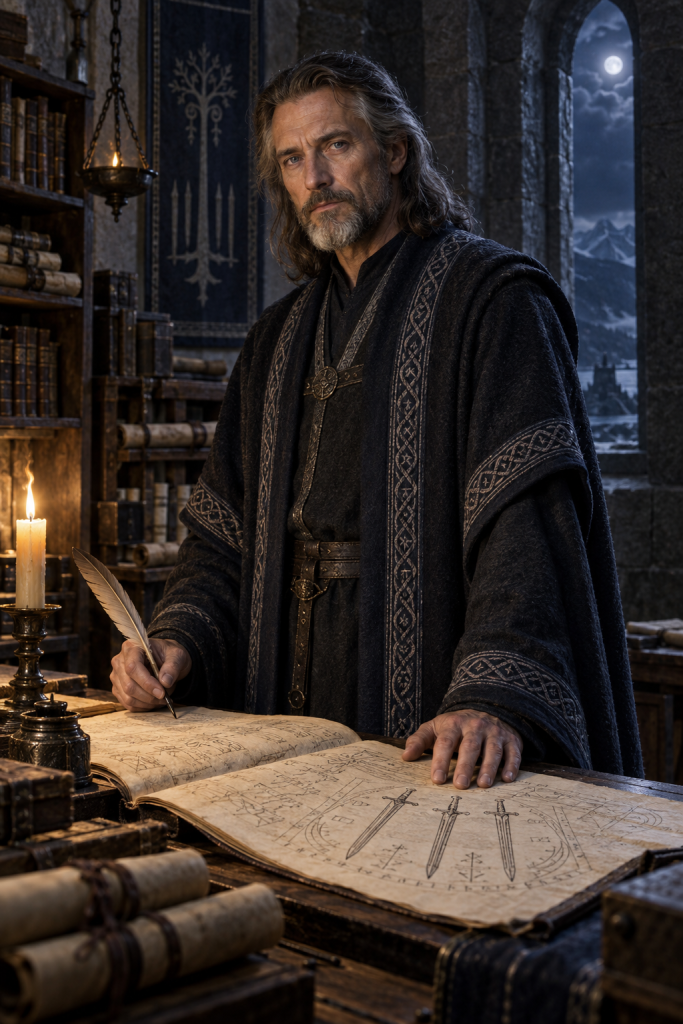
Nisses is dead before the story begins, but his missing book becomes everybody’s most dangerous group project. Priest, counselor, heretic, sword historian, and writer on speaking through the veil, he leaves fragments accurate enough to guide the quest and ambiguous enough for hope to turn warning into instructions for catastrophe.
Nessalanta
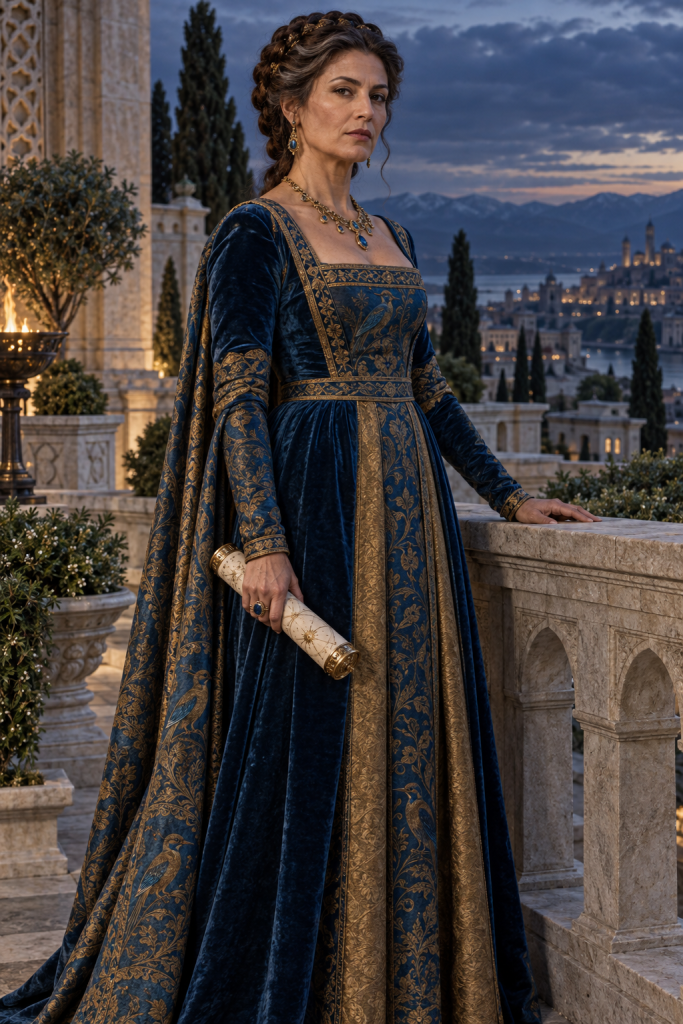
Duchess Nessalanta is stern beauty, dynastic appetite, maternal control, and political survival in one exquisitely managed room. She reads marriages as roads between crowns, backs Benigaris after Leobardis’s murder, trusts a horoscope that promises a new order, and discovers that the son built for her ambition has a will violent enough to turn on her.
Maegwin
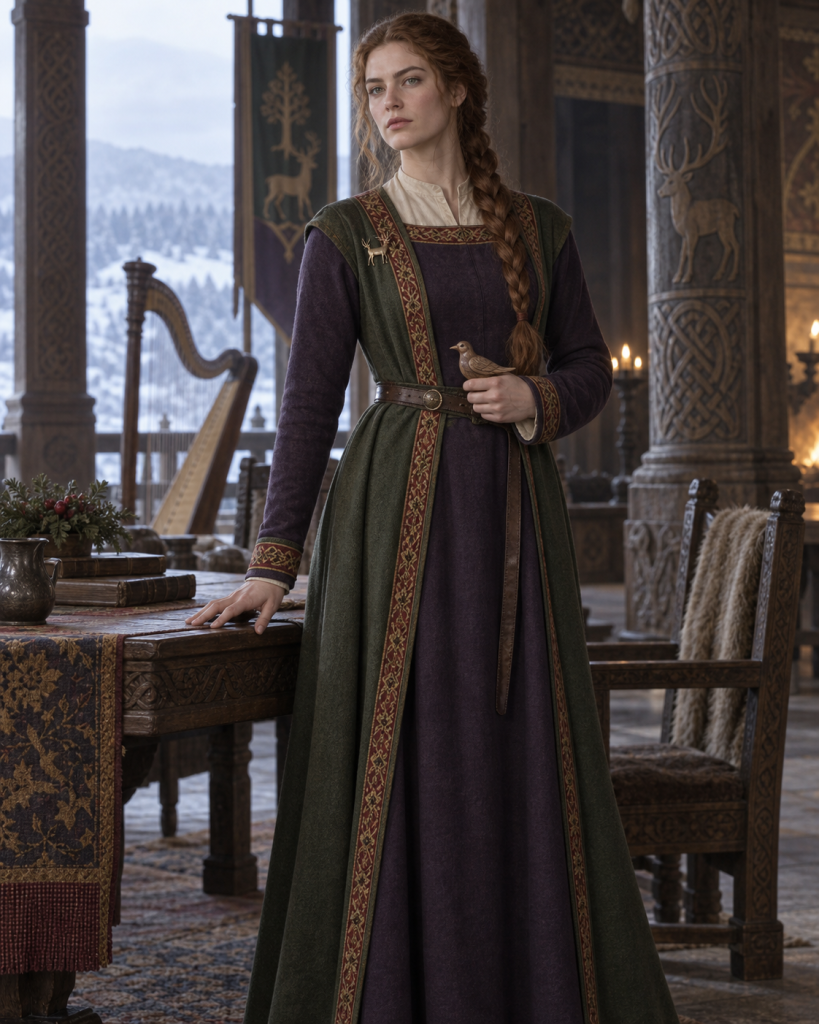
Hernystir’s too-tall princess becomes the last functioning authority of a broken royal house, finds an impossible city under the mountain, mistakes the Sithi for gods, and still makes one lucid final choice that helps save the world. Her tragedy is not that she feels too much. It is that grief, prophecy, leadership, and genuine supernatural contact become impossible to separate in time.
Lluth ubh-Llythinn
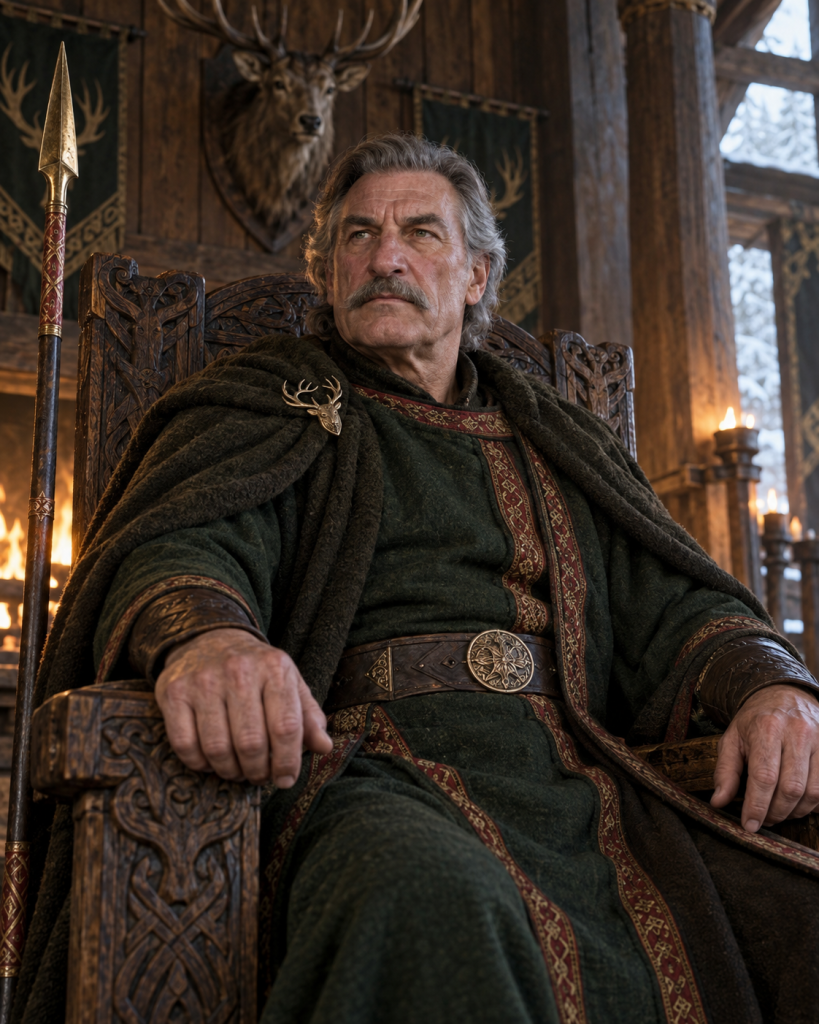
King Lluth refuses Elias’s tithe because Hernystir is already watching crops fail and cattle die. He protects the envoy who threatens his children, rides to defend a kingdom he cannot save, and returns to Grianspog without speech. His bloodline leaves Maegwin authority; his death leaves her the impossible work of turning a broken household into a people.
Likimeya
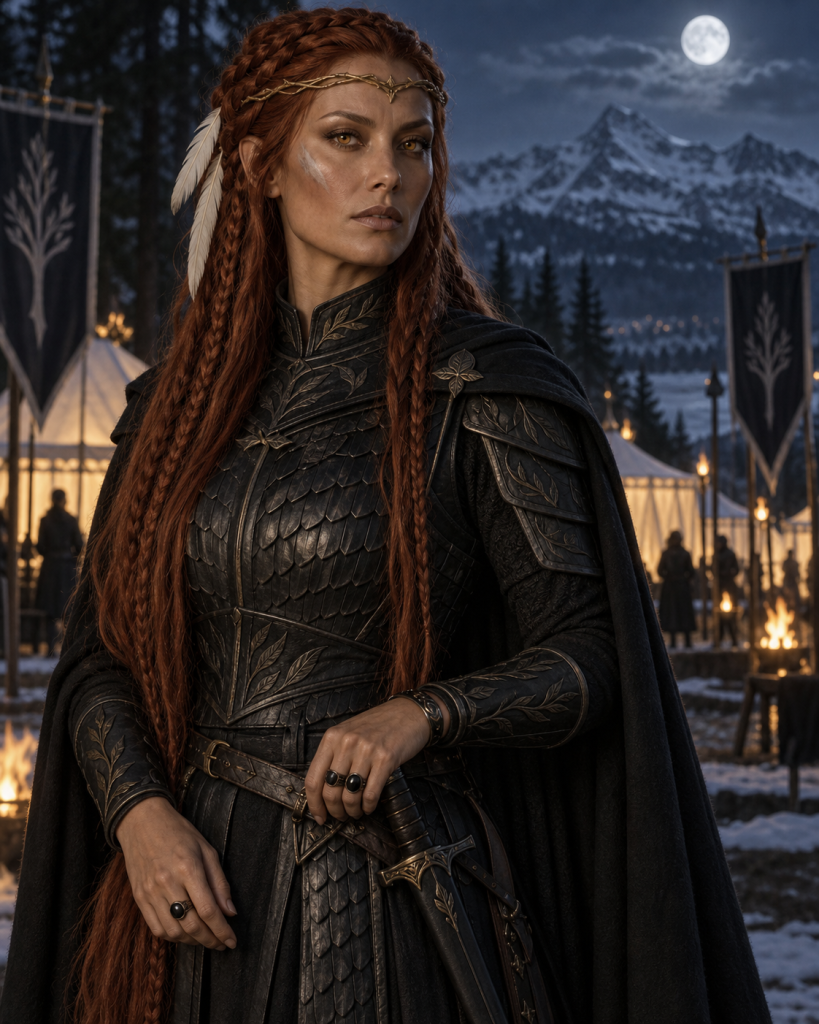
Likimeya is the Lady of Year-Dancing House, a mother carrying fresh and ancient grief, and the Sithi war leader who can level a fortification before breakfast and still insist she is a guest on mortal land. Her alliance with humanity is strategic, conditional, costly—and far more interesting because it is never sentimental.
Leobardis
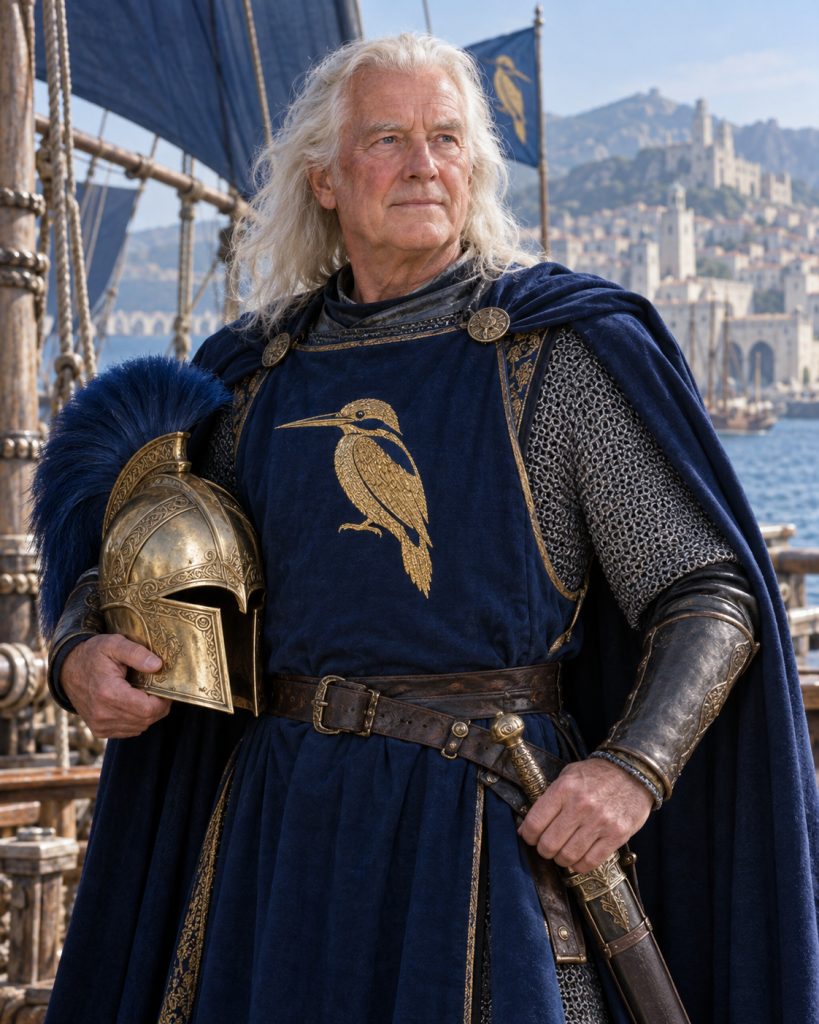
Duke Leobardis wraps Nabban’s imperial memory in seaside polish, mild blue eyes, and affable command. He resists Elias, sends help to Josua, and recognizes too late that the son whose obedience feels like reconciliation has designed his murder. His death collapses an alliance, crowns a traitor, and gives Camaris one final reason to return home.
Leleth
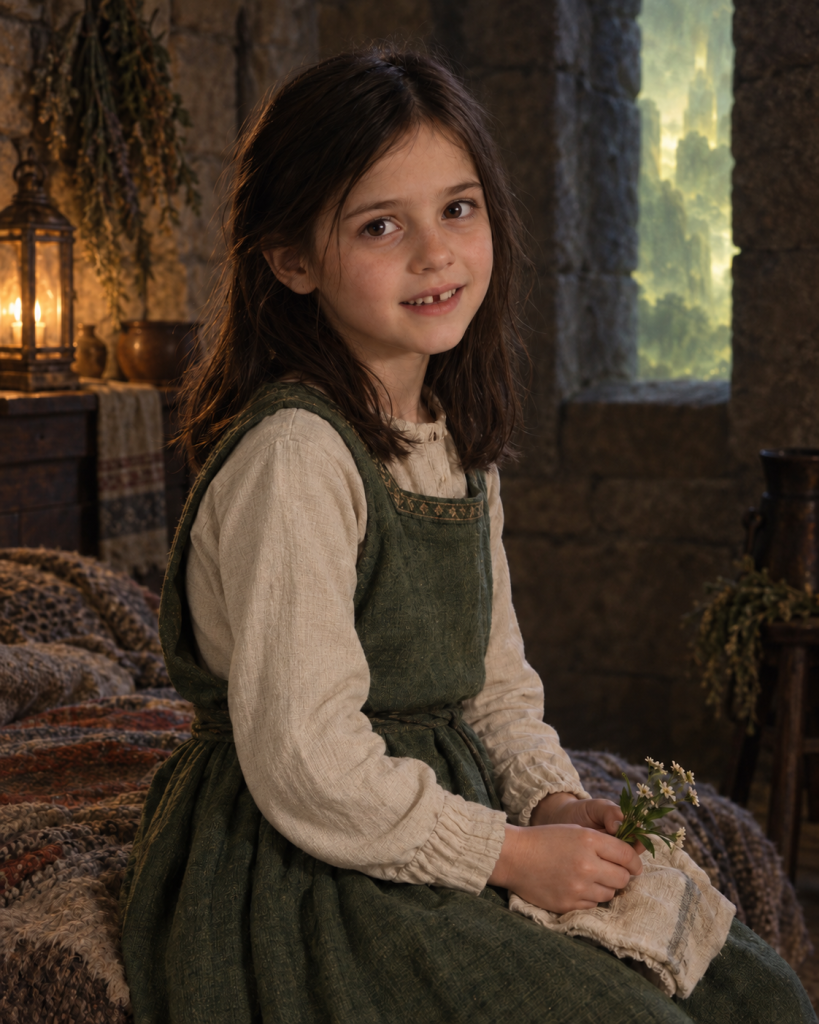
The adults keep calling her a messenger. The books keep showing the bill: a wounded child, a body left sleeping, a spirit stretched across the Road of Dreams, and one final act of love in her own voice.
Lector Ranessin
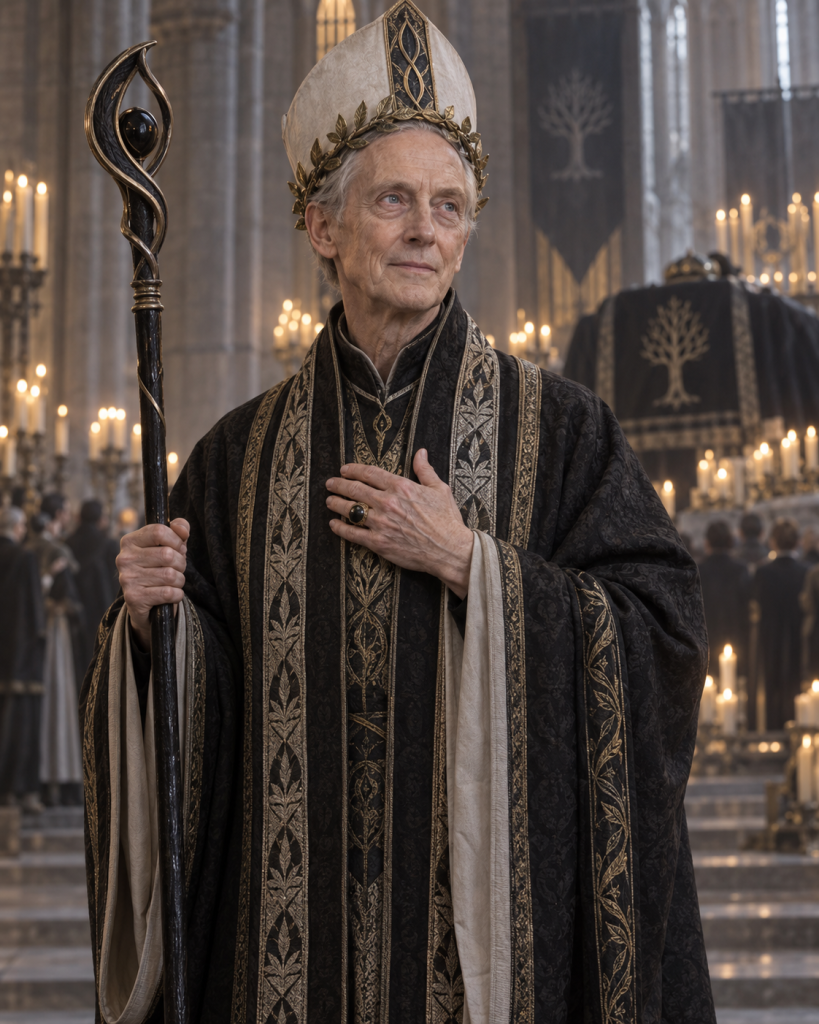
Born Oswine of Stanshire, Ranessin becomes the first Erkynlander to lead Mother Church in five centuries: a slender, handsome old man with alert eyes, a mischievous smile, and considerably more steel than his gentle manner advertises. He spends one book trying to counsel kings and the next deciding that, when diplomacy has become camouflage for evil, the Church must finally say the unforgivable thing aloud.
Khendraja’aro
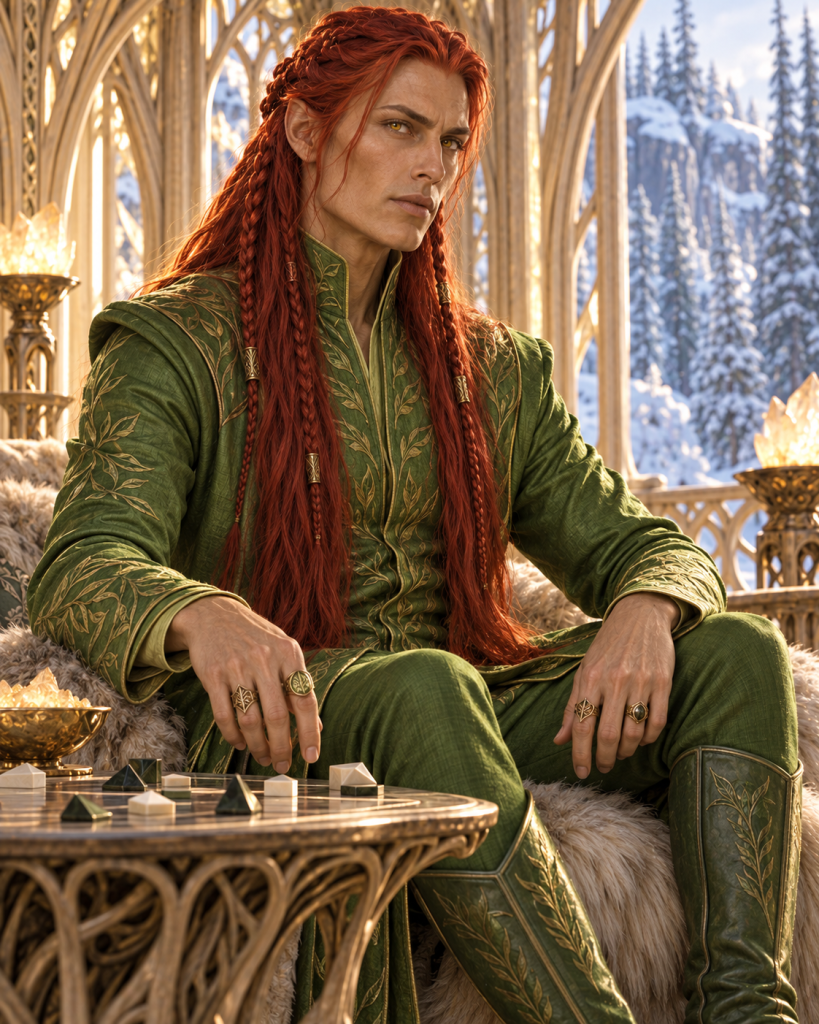
Khendraja’aro is Jiriki’s red-haired uncle: a Sitha elder whose immaculate control cannot hide five centuries of anger over Asu’a. He questions mortals at the hunting lodge, recoils from Thorn and Nakkiga, opposes Simon’s entrance into Jao é-Tinukai’i, then still rides when the Houses of Dawn answer Jiriki’s call. His suspicion is neither decorative prejudice nor the whole of him—it is memory forced to decide whether survival requires cooperation with the descendants of conquerors.
Jiriki
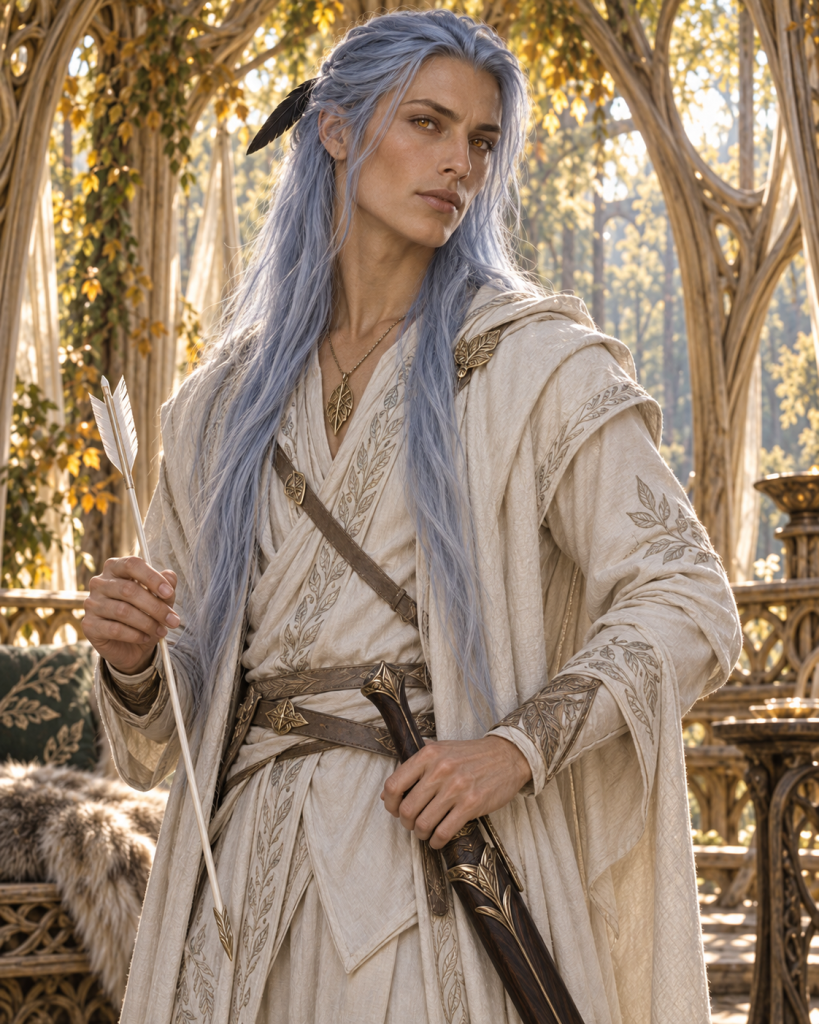
A Sithi prince gives a starving kitchen boy one white arrow and accidentally begins the healthiest political friendship in the trilogy: reciprocal, argumentative, rescue-prone, and never mistaken for ownership.
Jarnauga
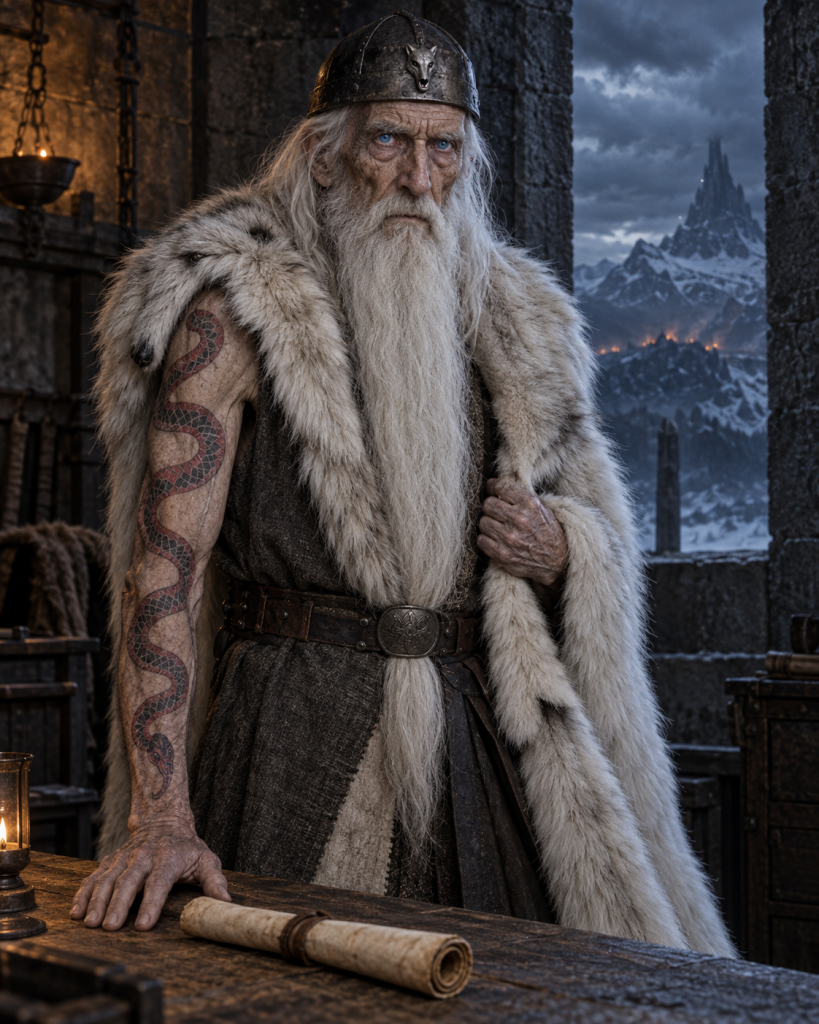
Ninety years old, white-bearded to the belt, serpent-marked, and cursed with the problem of seeing danger before powerful men find it politically convenient: Jarnauga leaves an emptied Moon Door to warn Naglimund, restores the causal history of the Storm King, and spends his last blood buying Father Strangyeard enough time to carry the record onward.
Iyu’unigato
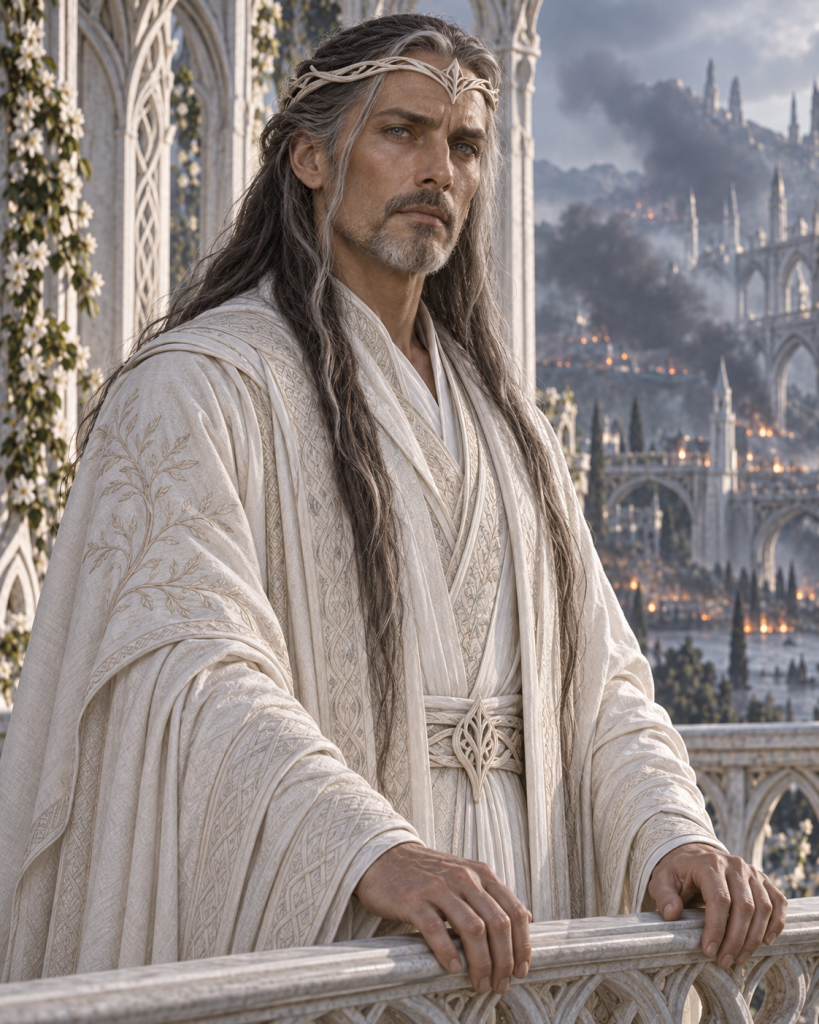
The last Erl-king of Asu’a gives mortals room, trades across old borders, watches his eldest son vanish west in agony, and finally recognizes that his younger son has forged something worse than defeat. He is the father Ineluki kills—and the ruler whose warning about Sorrow proves devastatingly exact.
Isorn
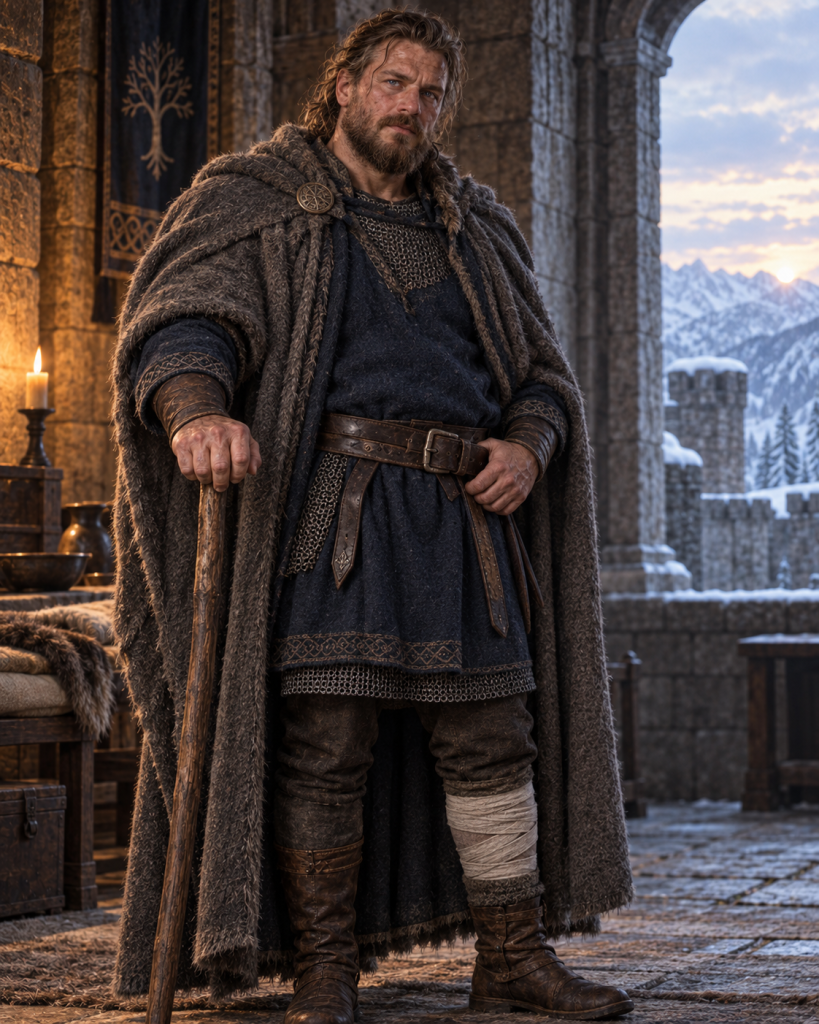
Isorn escapes captivity with youth already pulled from his face, then refuses to let pain make him ornamental. He commands beside Josua, recruits displaced Rimmersmen through remembered grief, becomes Eolair’s steady friend, impersonates Camaris in the final siege, and dies inside the trap meant to destroy everybody’s hope.
Isgrimnur
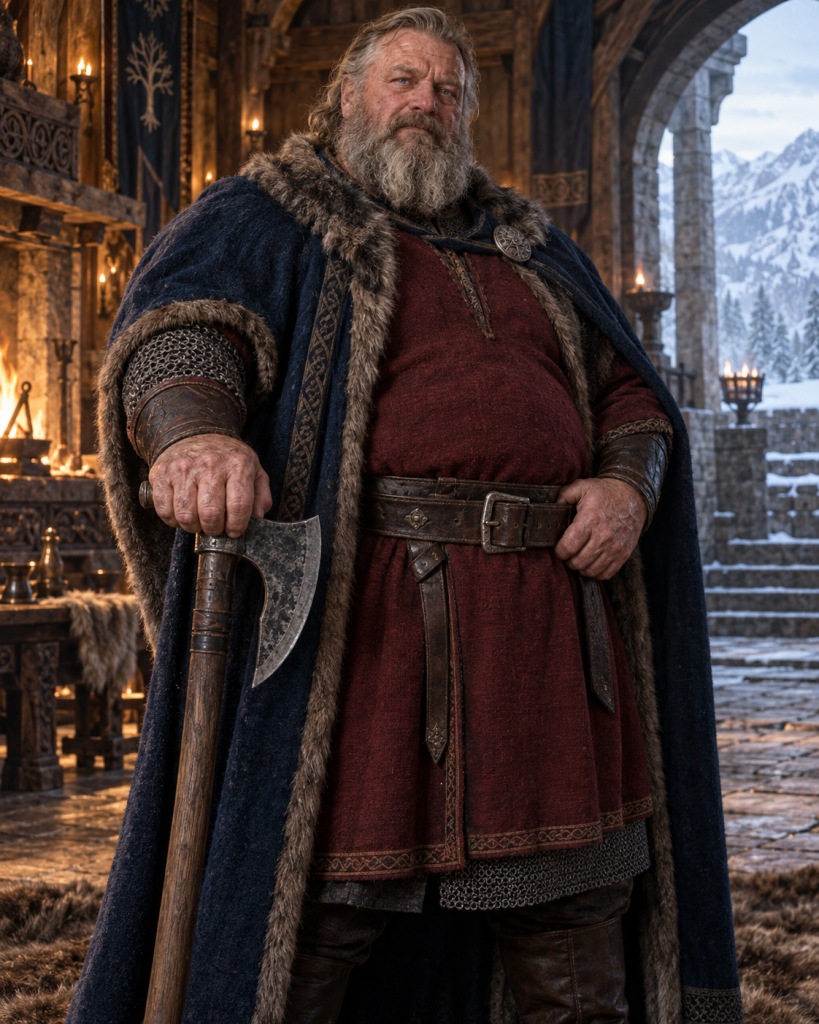
The enormous Rimmersman duke begins as Prester John’s grieving old friend and ends as one of the people deciding what survives John’s failed peace. He is loud, loyal, occasionally prejudiced, unexpectedly tender, and built like a fortress somebody taught to hug.
Ingen Jegger
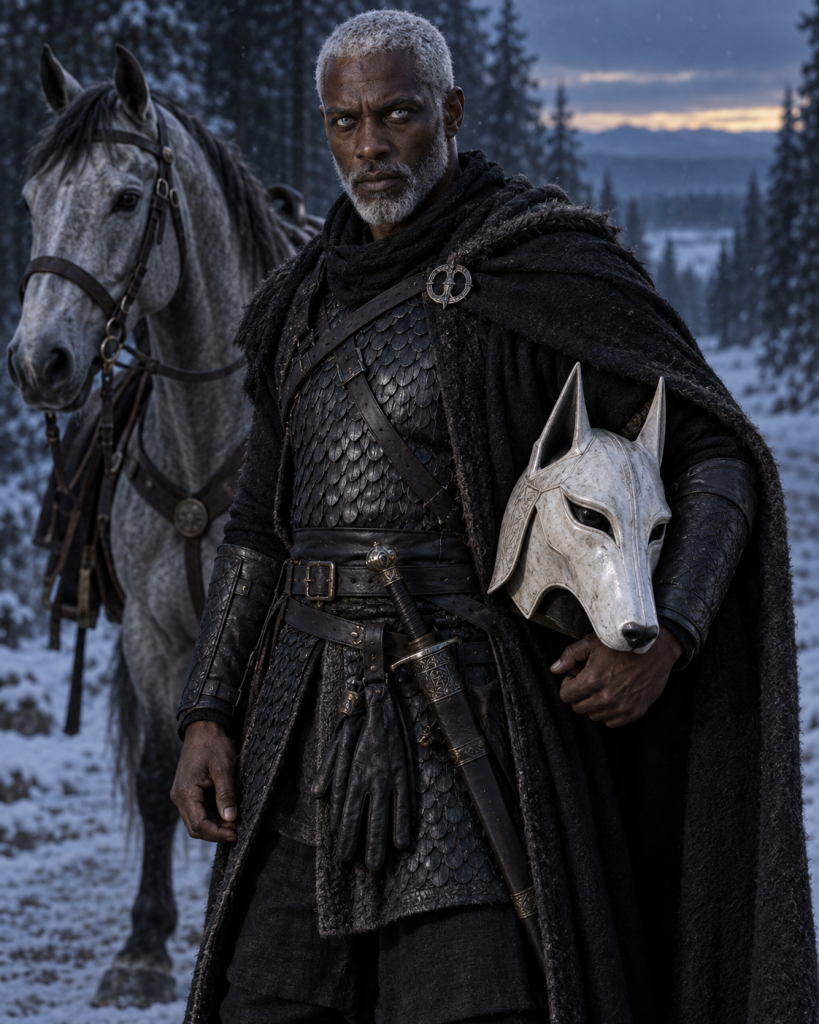
Utuk’ku gives him his name the way another ruler might hand back a knife. The Queen’s Huntsman survives broken legs, ritual remaking, and his own disposability long enough to murder Amerasu—and mistake usefulness for love the entire way.
Ineluki
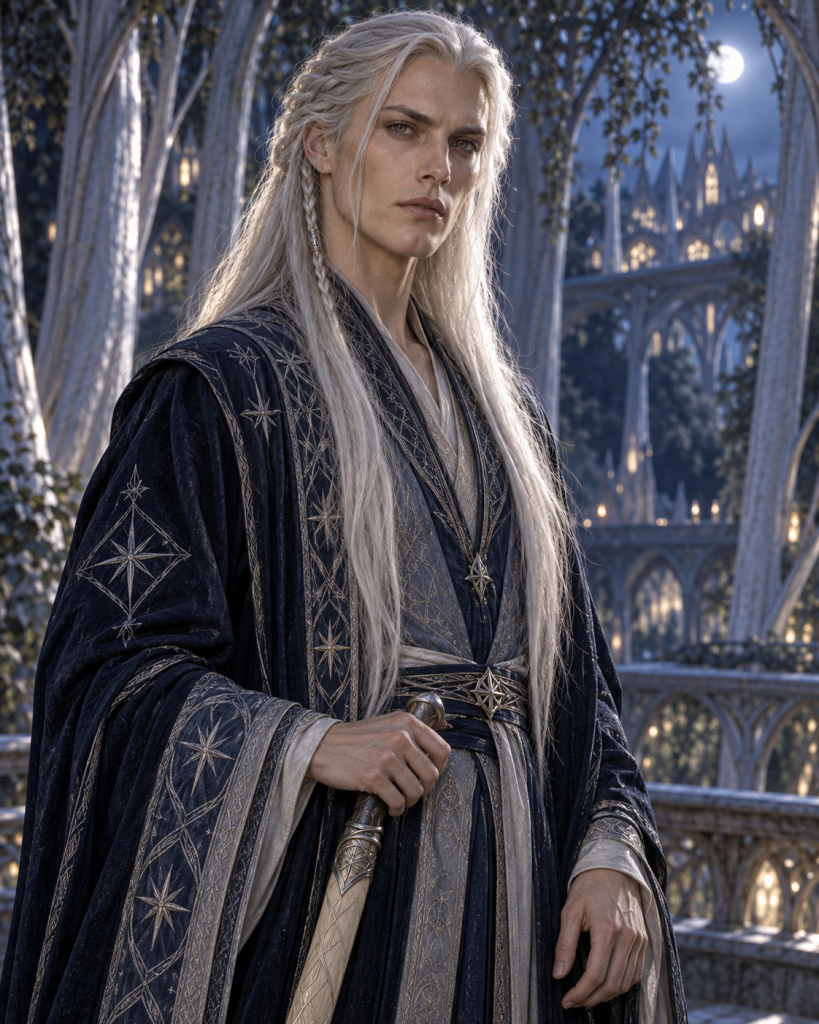
The Storm King was once a dazzling Sithi prince who loved his brother and his people. Five hundred years later, that love has been hollowed into a machine that can only preserve pain by making everybody else live inside it.
Igjarjuk
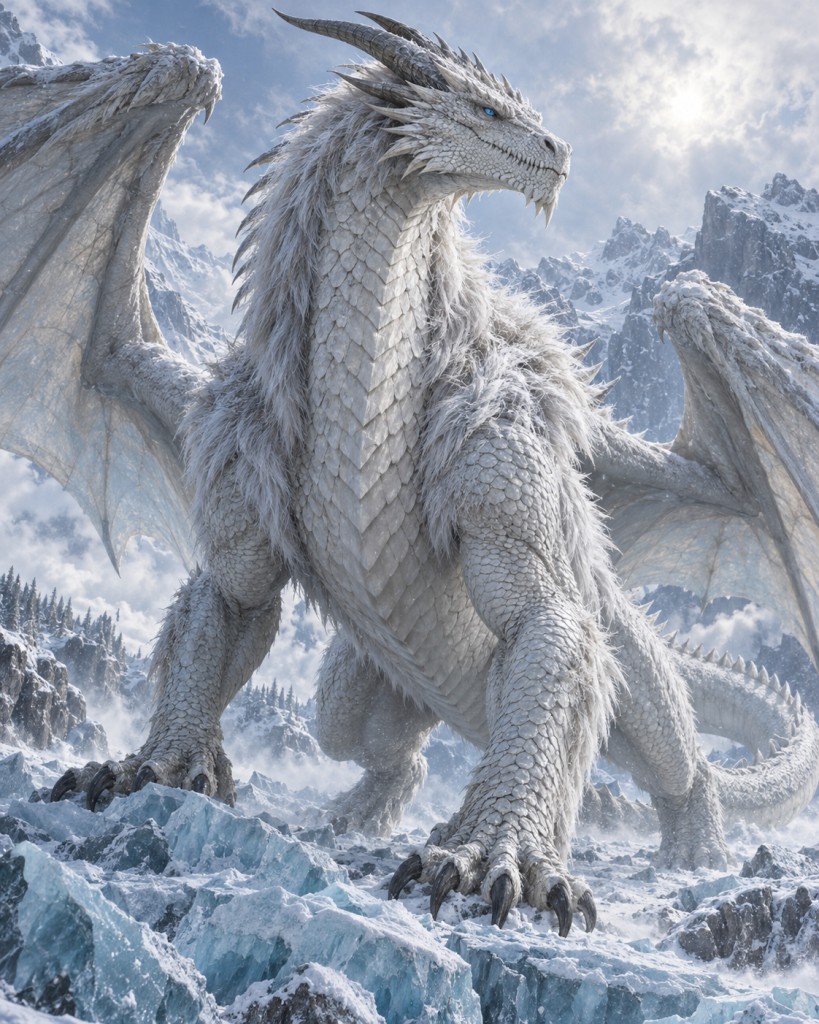
Igjarjuk is the white ice dragon beneath Urmsheim: pale-furred, black-blooded, older than Simon’s heroic vocabulary, and extremely inconvenient for the tidy nickname “Dragon Killer.” Simon strikes one eye with Thorn, falls through the dragon’s ancient life, wakes scarred and white-haired—and spends the rest of the series refusing to pretend that means he knows whether Igjarjuk died.
Hylissa
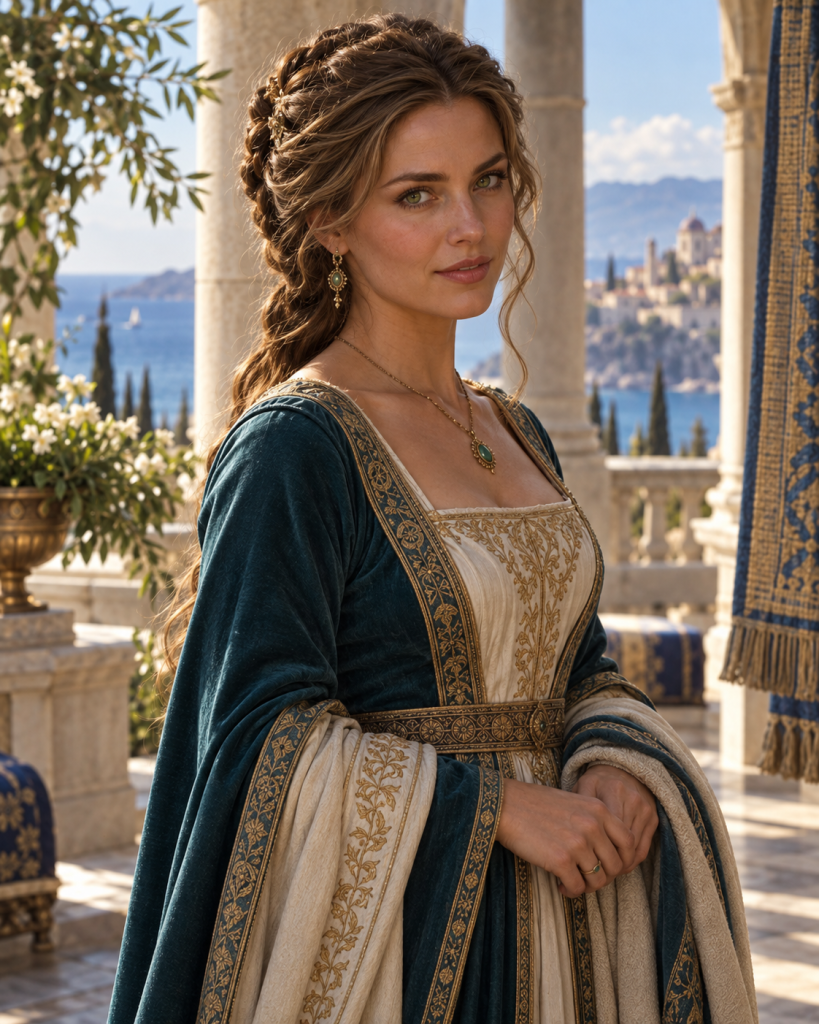
Hylissa never walks into the trilogy’s present tense. Elias’s Nabbanai wife and Miriamele’s mother survives as the woman a stray arrow took, Josua could not save, Camaris secretly loved, and Pryrates may have taught a grieving king to reach for through the Veil. Her absence is not backstory wallpaper. It is one of the hidden doors through which the entire catastrophe enters.
Hakatri
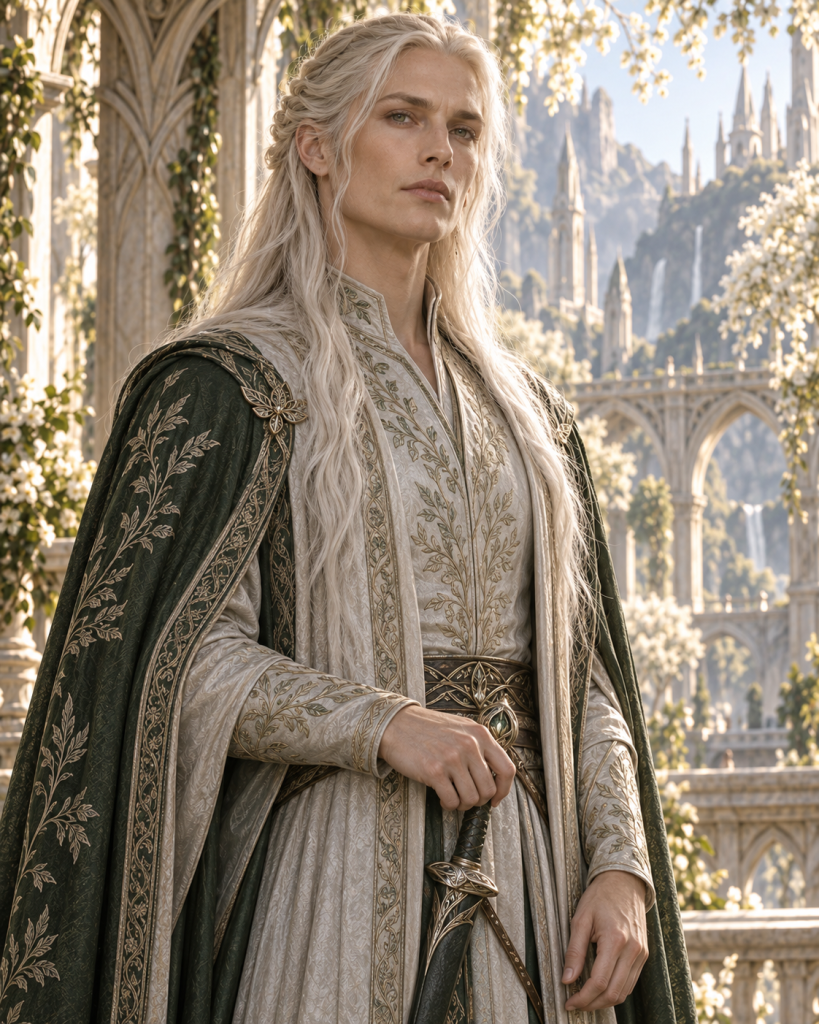
Hakatri never walks into the trilogy’s present-day rooms, yet almost every door is hanging from his absence: Ineluki’s guilt, Sorrow’s creation, Amerasu’s grief, Shima’onari’s rule, and the dragon tooth that becomes Ti-tuno.
Haestan
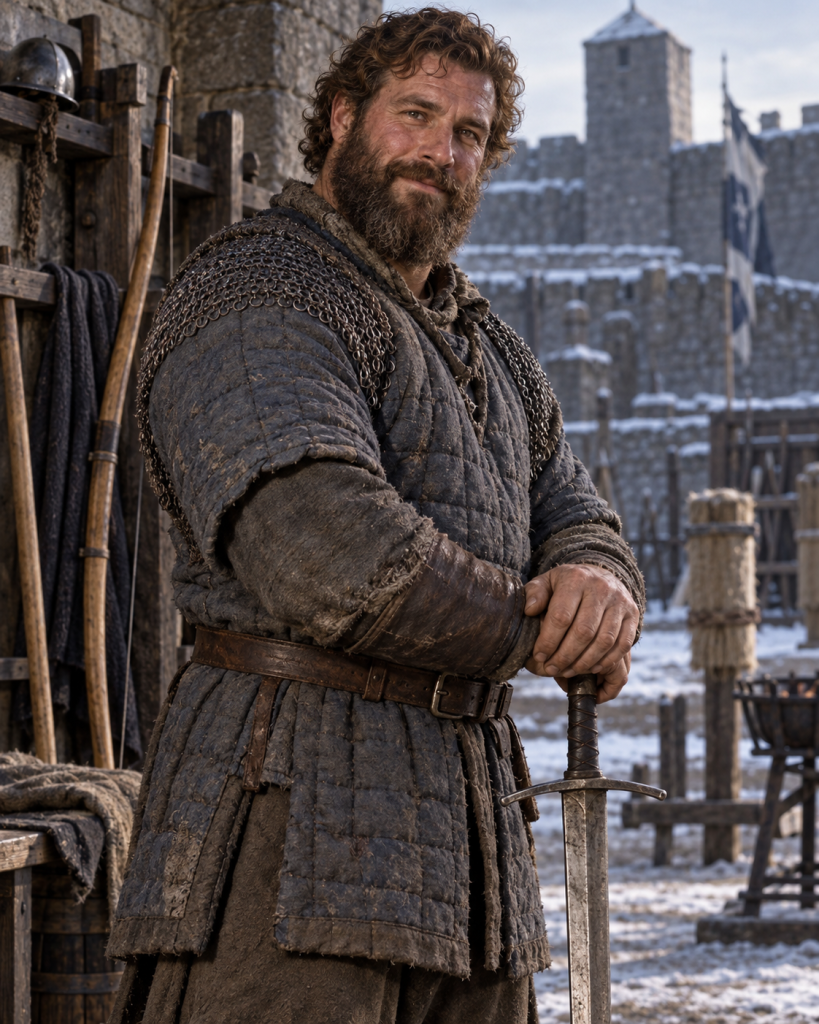
Haestan never mistakes weapons training for destiny. He gives Simon rusty tools, bruises, honest limits, and the moral discipline to reject suicidal heroics. Then, on a mountain far from the wife he hopes to see again, the burly guardsman moves Simon out of a giant’s blow and turns ordinary courage into one of the saga’s longest shadows.
Gutrun
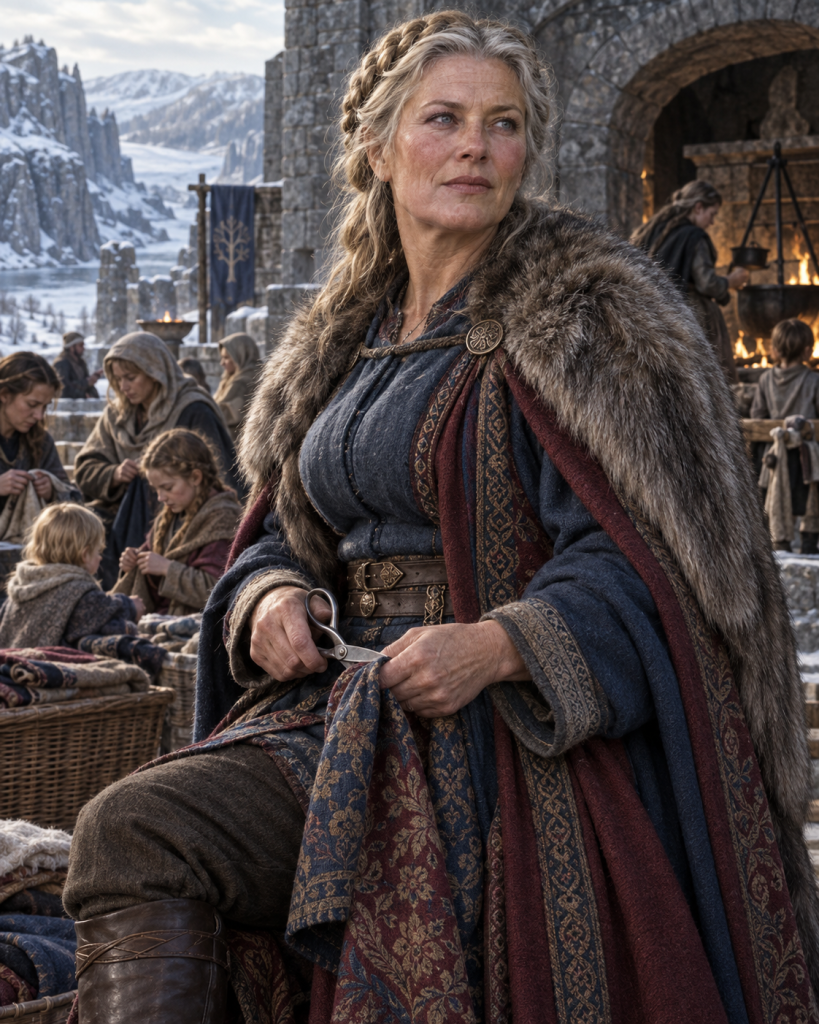
Duchess Gutrun survives the fall of a northern household by doing what epic fantasy too often edits out: moving children, cutting useful clothes from court fabric, caring for the wounded, challenging princes, restraining the reckless, delivering babies, and remembering the son victory cannot return.