
Gwelan
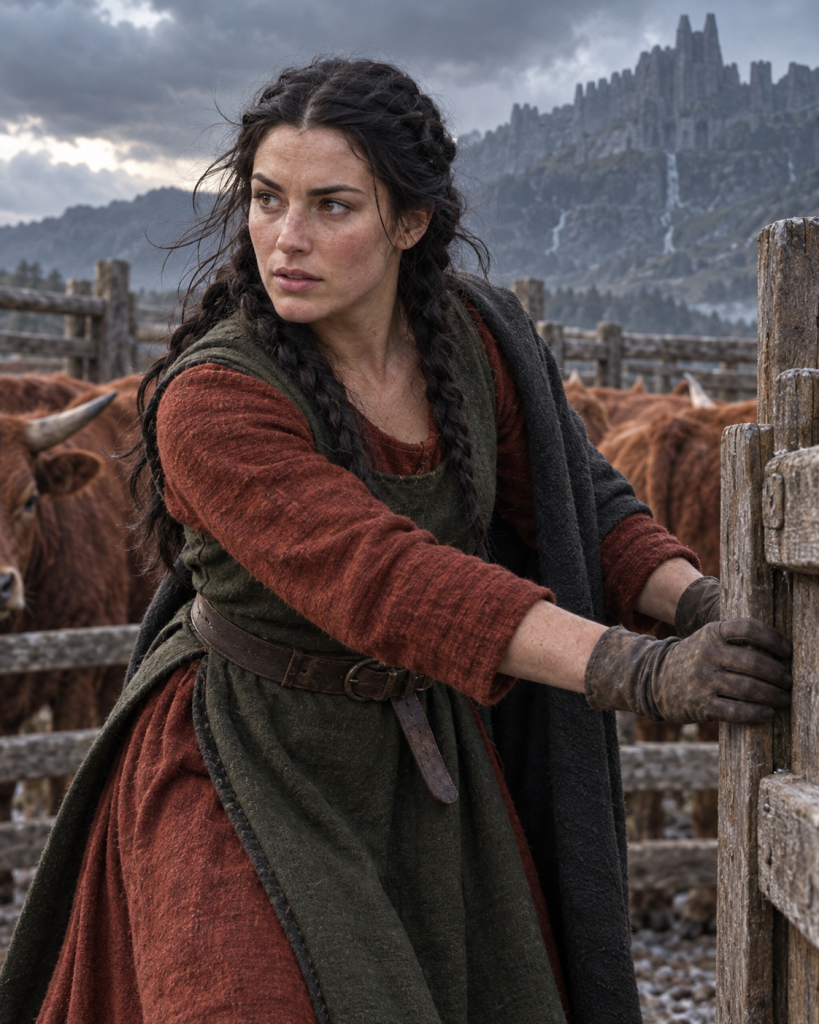
Gwelan is one of the young Hernystiri women forcing the Taig’s red cattle into a crowded paddock while the men prepare for battle. She gets no speech, no costume description, and no later confirmed sighting. What she gets is work. That matters: Maegwin’s command to learn the labor men are leaving behind is not a princess posing alone against history. Gwelan is one of the women physically making the transition real.
Godstan
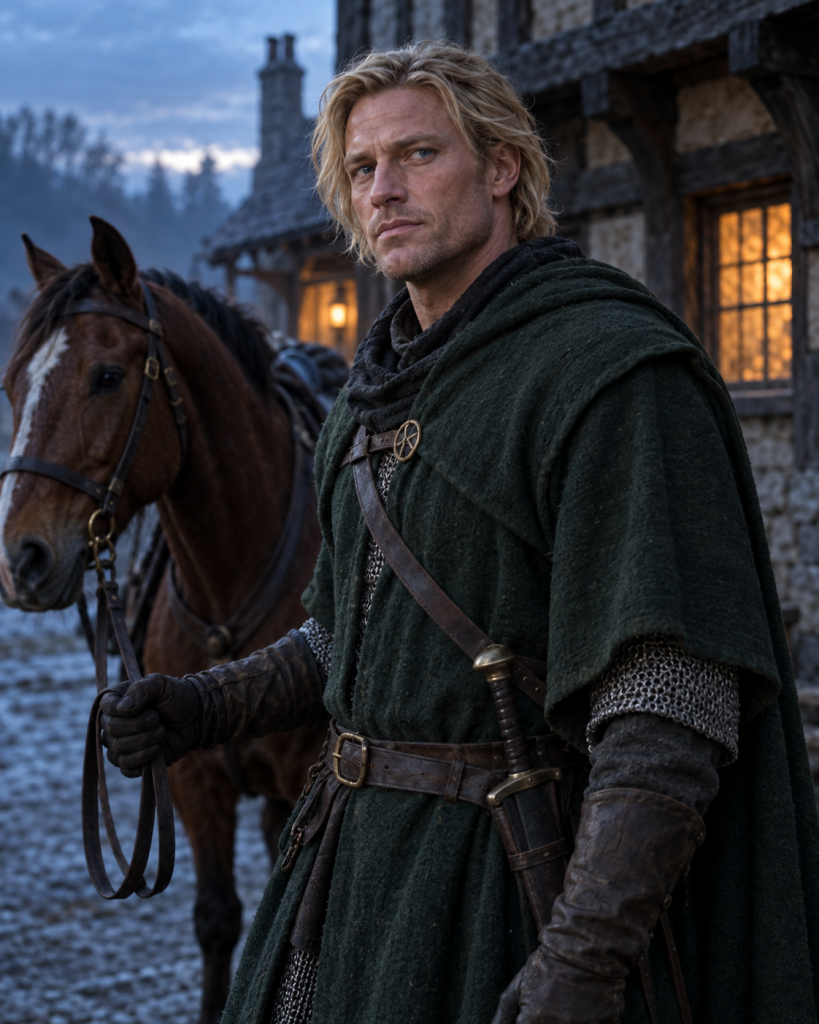
Godstan is one of two Erkynguard soldiers lodging beside the Dragon and Fisherman, known to Freawaru and expected on the road at cockcrow. When Cadrach runs and leaves Simon looking like the second half of an inn swindle, Freawaru tries to bring the boy before Godstan and Deorhelm. Simon escapes first. Godstan never speaks or sees him on-page, yet the possibility of his judgment helps send Simon into Aldheorte.
Gelles
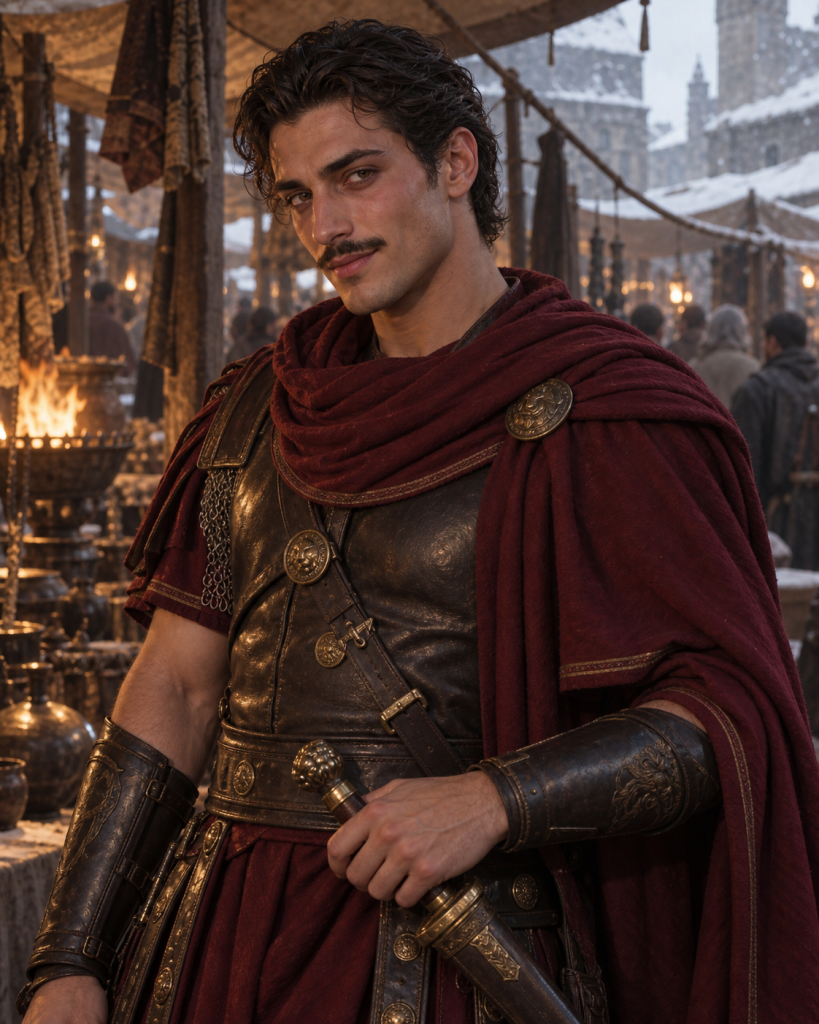
Gelles is the bright-eyed young Nabbanai legionary with a thin dark mustache who turns Simon into market-day entertainment. Drunk, polished, and protected by his group, he provokes the heavy bearded Turis into threatening a boy who cannot understand their mutual insults, then folds Simon’s fear and literal answers back into the joke. Gelles does not lose control. He makes another man’s confusion do the dirty work.
Freawaru
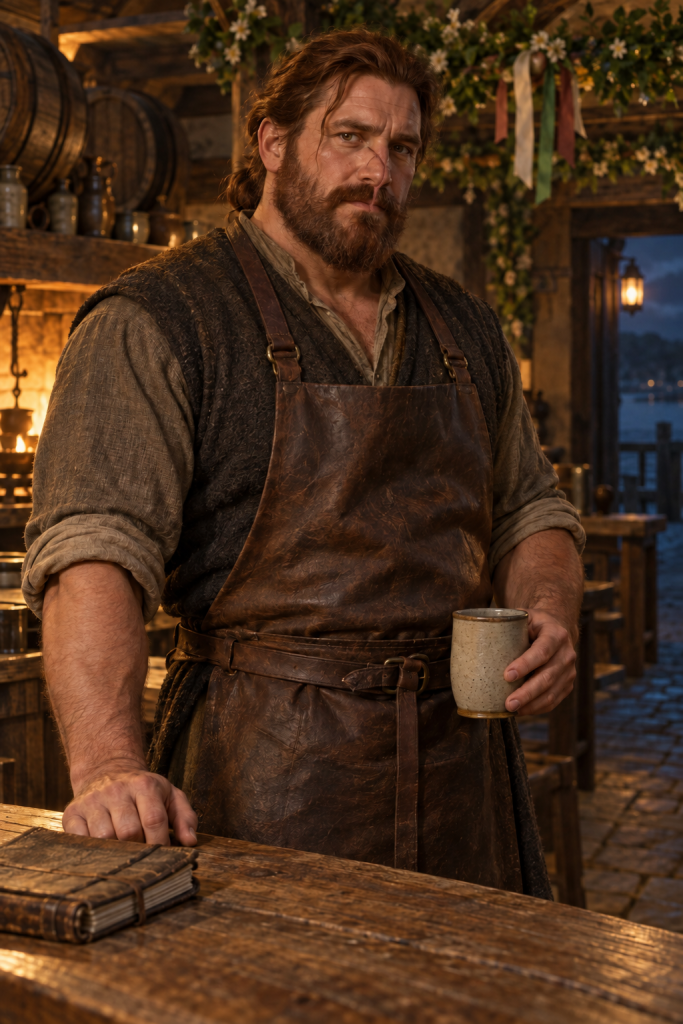
Freawaru owns the Dragon and Fisherman in the tiny village of Flett, where Cadrach eats, drinks, and tells stories on credit until Simon discovers who actually financed the meal. Barrel-chested, scarred, bearded, and strong enough to seize a desperate boy, Freawaru looks like the danger Simon feared outside. Then he says he would have hired him if Simon had simply asked. His scene is one ugly little knot of hospitality, suspicion, property, and a missed chance at ordinary help.
Firsfram of Runchester
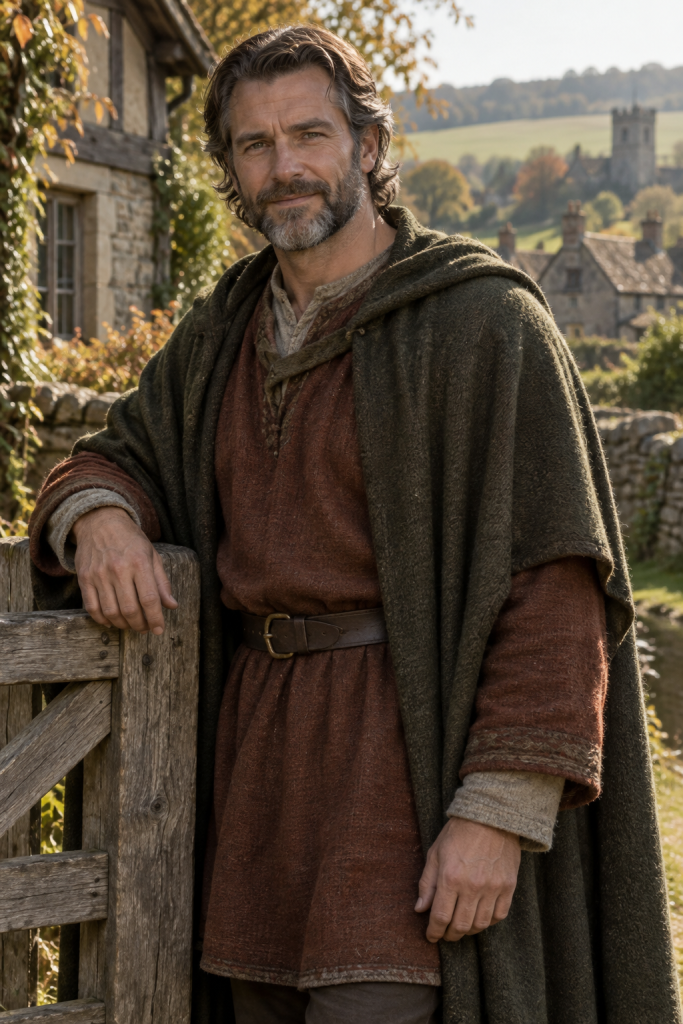
Firsfram never walks on-page. He is the father young pikeman Ostrael remembers while watching the impossible black storm descend on Naglimund—the father who vanished during the winter and left no confirmed body, explanation, or return. Firsfram’s profile is therefore an absence record. The books do not give us his face or fate. They give us the son still carrying him when the sky becomes another thing that can swallow people.
Finaju
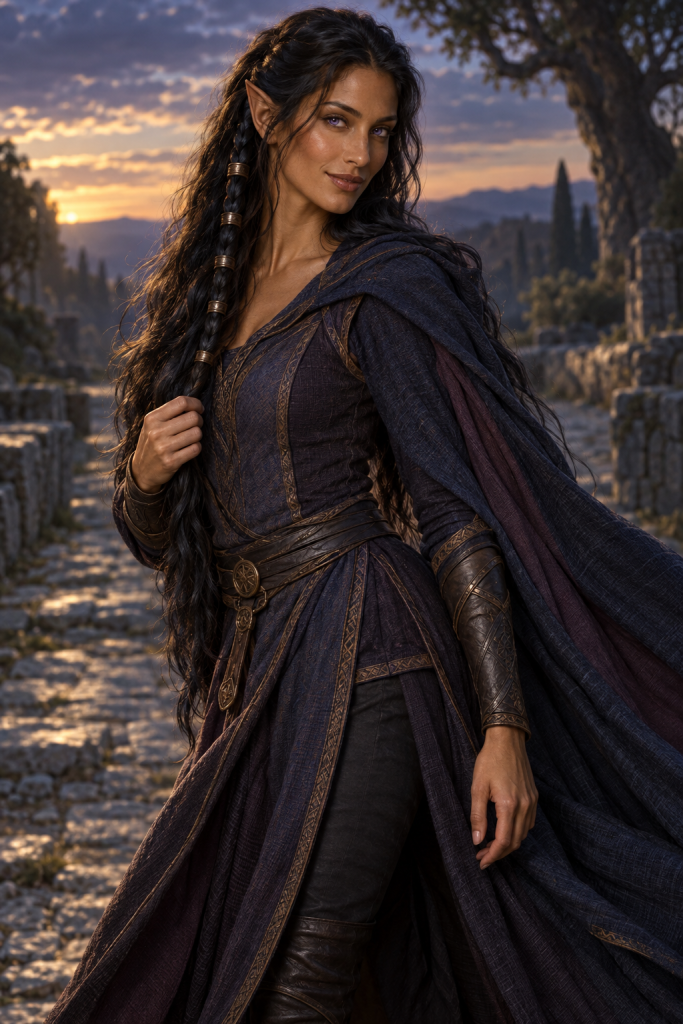
Finaju is the Sithi woman named beside Red Hathrayhinn in an adventure tale Cadrach tells at Flett. Simon laughs hard enough to spray ale over his stained shirt. That tiny receipt gives us a name, a people, a gender, a storytelling context, and one glorious audience reaction. It does not give fandom permission to manufacture her entire life.
Fiathna
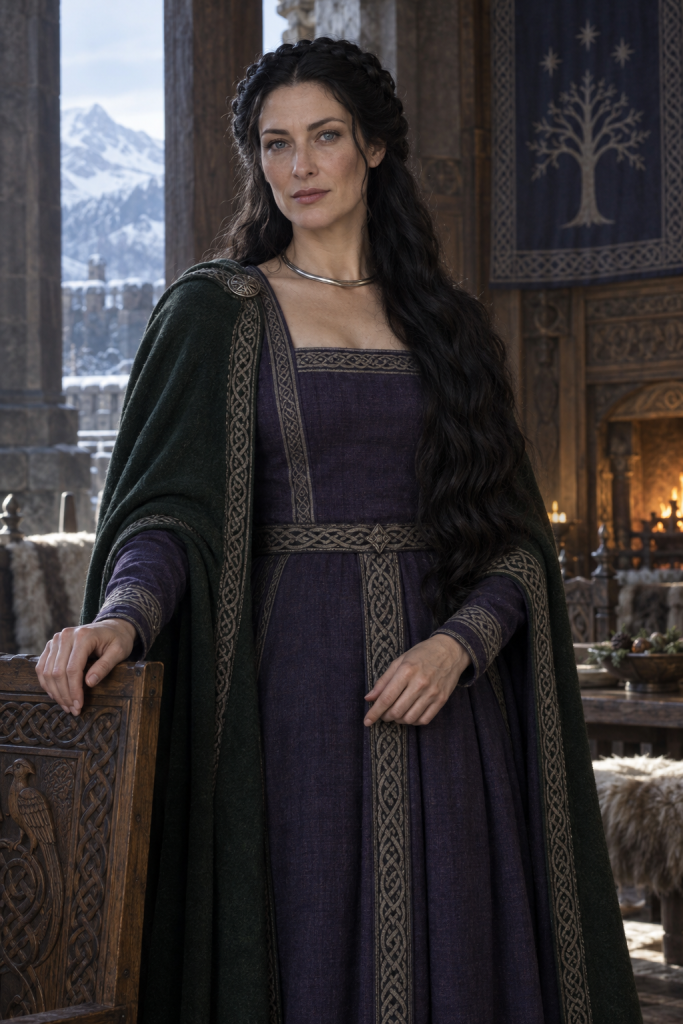
Fiathna is King Lluth’s second recorded wife and Prince Gwythinn’s mother, a woman preserved almost entirely through the order in which other women occupied the queen’s place at Hernysadharc. Her biography is spare. Her position inside the royal family is not: she stands between Penemhwye, Maegwin’s mother, and young Queen Inahwen.
Father Dreosan
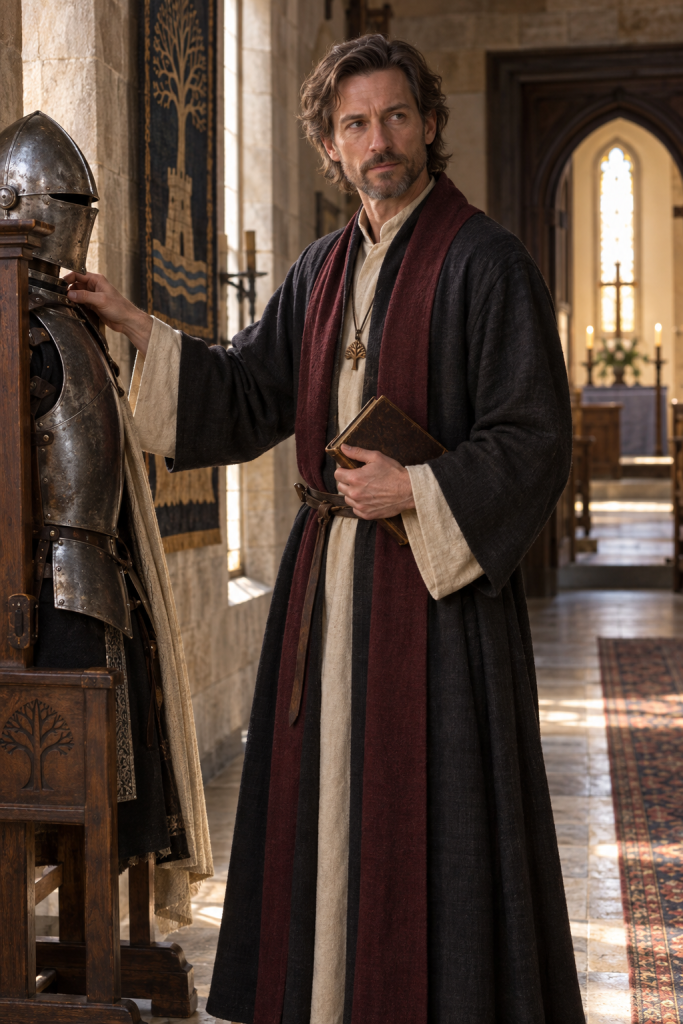
Father Dreosan is the skinny Hayholt chaplain whose walking-hall Simon barrels through, whose armor Simon knocks down, and whose revenge the boy immediately expects. He is also the preacher whose fire-and-demon imagery remains vivid enough to color Simon’s view of King John’s funeral feast. Dreosan never receives a grand political scene. He receives something more domestic: the power to make a castle boy treat an entire corridor as dangerous territory.
Ethelbearn
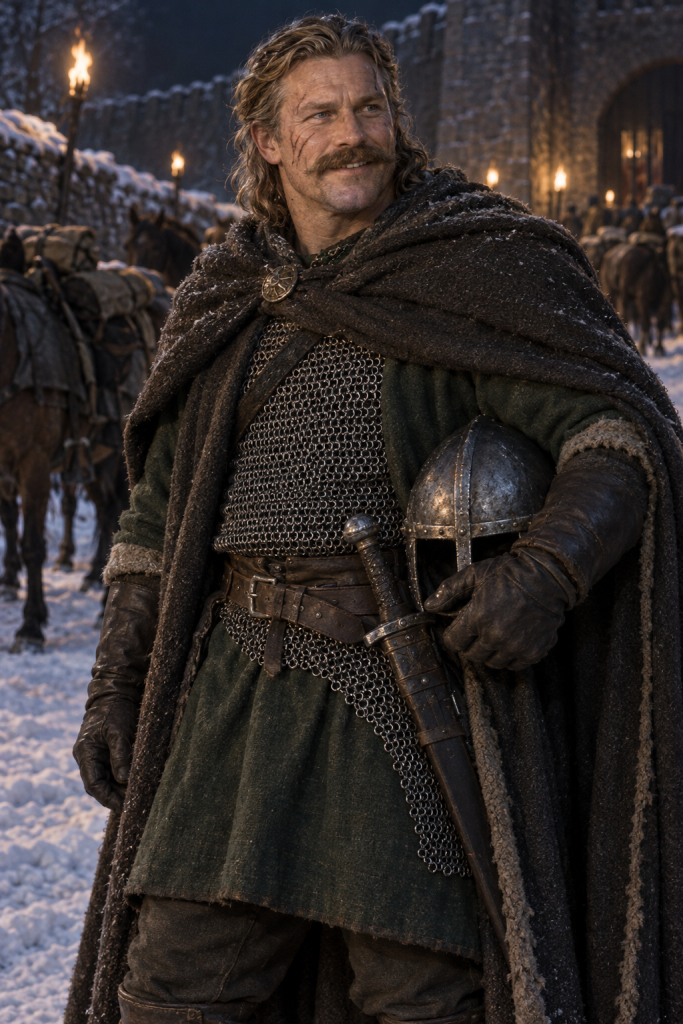
Ethelbearn is the scarred Erkynlander who volunteers for the Thorn expedition and dies before the party reaches the people who can explain Simon’s White Arrow. He receives no grand final speech. What survives is better evidence of a life: a loud laugh, a soldier’s sword in frozen ground, and a helmet another man refuses to waste.
Eoin-ec-Cluias
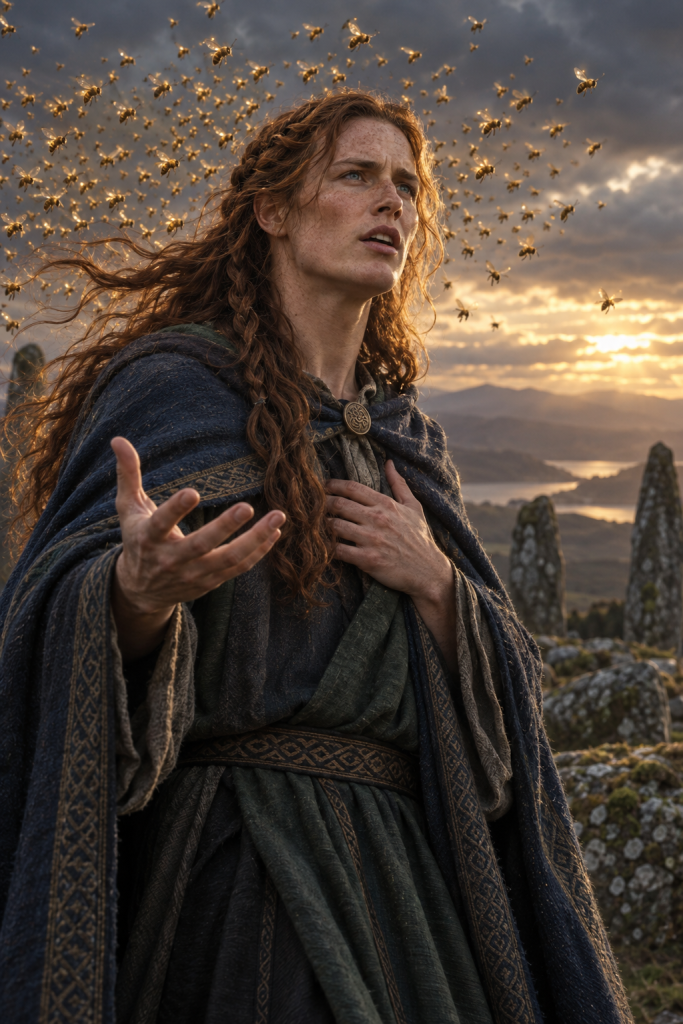
Eoin-ec-Cluias is the legendary poet Towser invokes when his own dangerous court song gets him expelled. The old story says Eoin made an anger-song so mighty that golden bees descended on the chieftain Gormhbata and stung him to death. Towser is not claiming he can summon insects. He is reminding his drinking companions what a truly lethal song looks like.
Earl Mylin-sa-Ingadaris
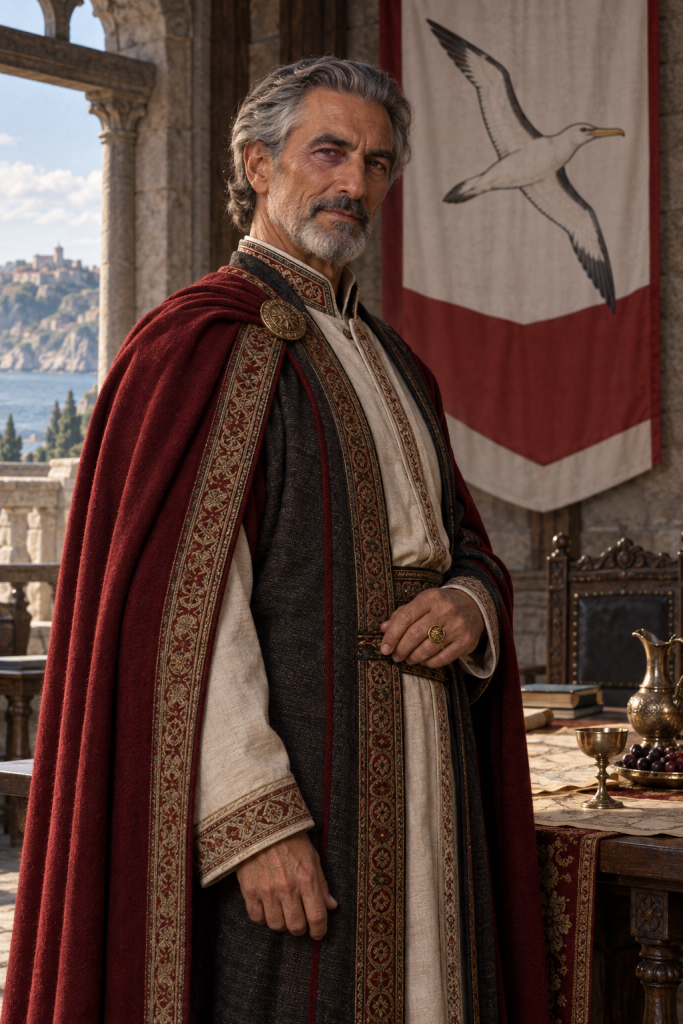
Mylin-sa-Ingadaris is the old Nabbanai earl who receives Duke Leobardis at Crannhyr beneath a white-and-red albatross banner. He is a cordial longtime enemy, which is exactly the kind of relationship epic politics needs more of: rivalry sturdy enough to survive into wine, hospitality, and a military council when the realm is burning.
Deorhelm
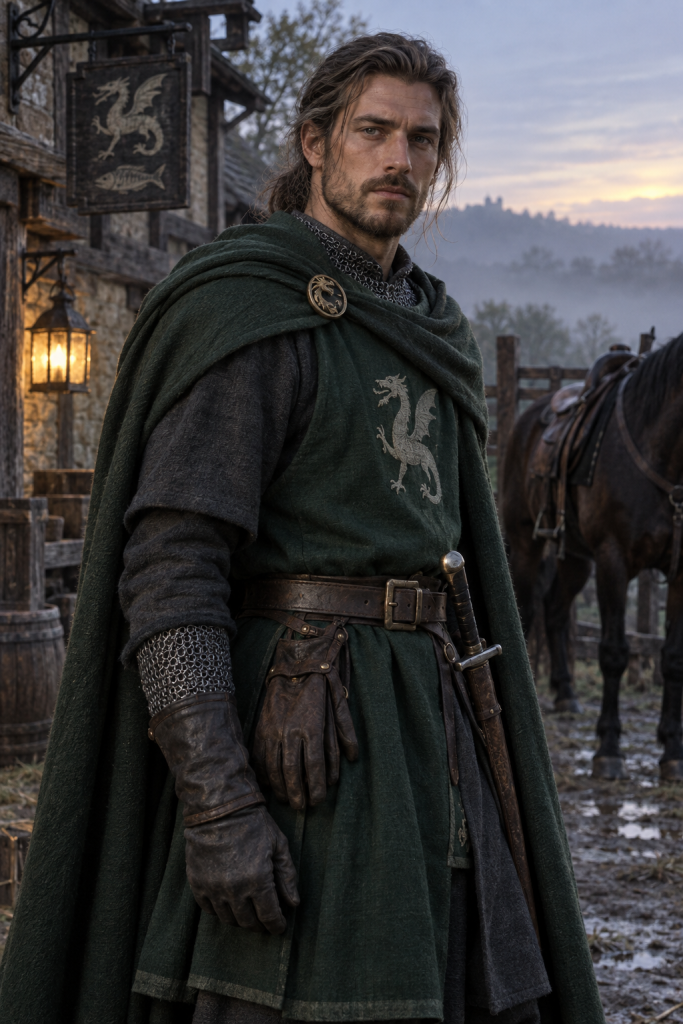
Deorhelm is an Erkynguard soldier lodging beside the Dragon and Fisherman, scheduled to take the road with Godstan at cockcrow. When Cadrach’s old purse trick leaves Simon looking like the thief’s partner, Freawaru drags the boy toward Deorhelm and Godstan for identification. Simon head-butts the innkeeper and runs before the soldiers can judge him. Deorhelm’s power in the scene lies precisely in the verdict he never gets to deliver.
Cryunnos
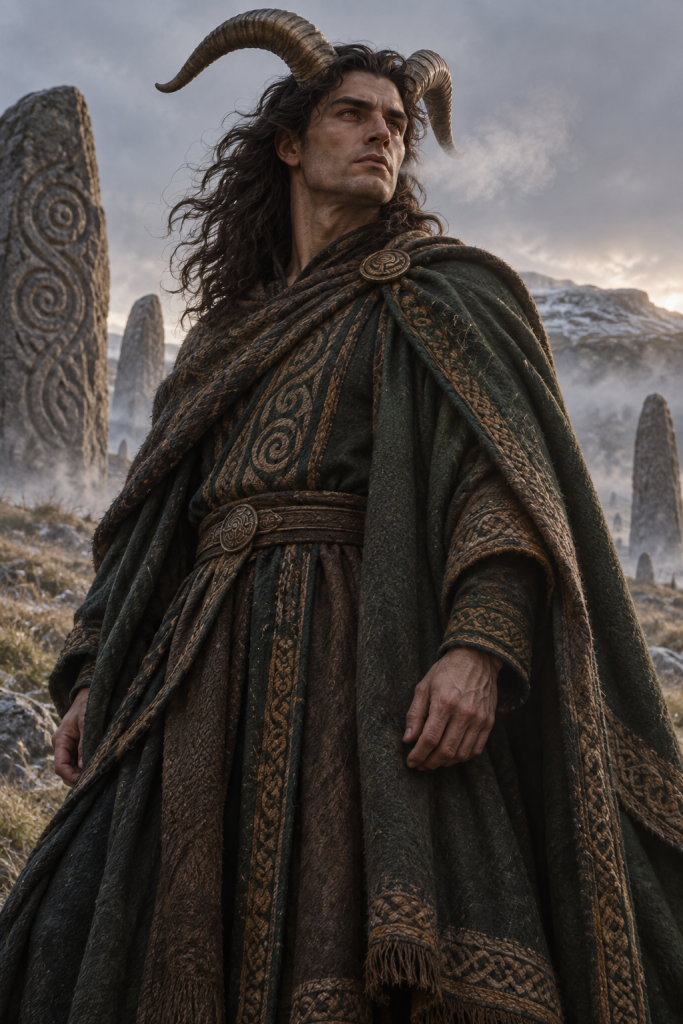
Cryunnos is a Hernystiri god whose name reaches Book 1 through Morgenes at maximum exasperation: “Horns of snorting Cryunnos.” The line tells us the deity has horns, snorts, and belongs inside a living idiom strong enough for a scholar to shout when Simon proposes something catastrophically foolish. Everything beyond that needs a receipt.
Count Arthpreas of Cuihmne
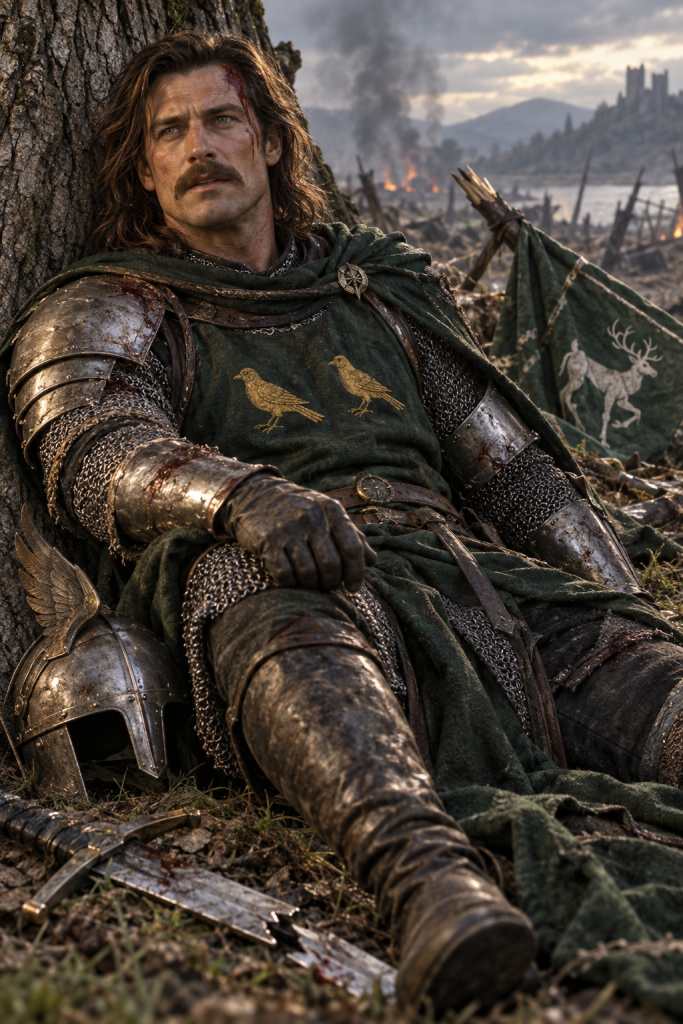
Arthpreas enters the story at the edge of death, surrounded by the wreckage of Hernystir’s defense. He still gives Miriamele what the battlefield can offer: names, allegiance, warning, and one startled recognition that tears a hole in Cadrach’s disguise.
Count Breyugar of the Westfold
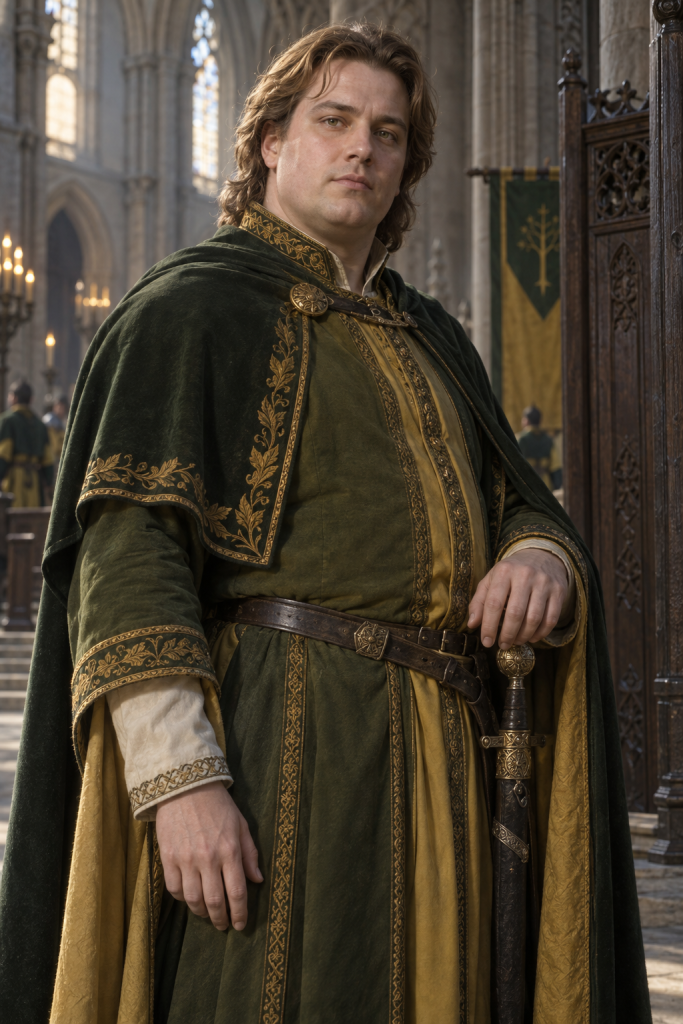
Breyugar is Elias’s Lord Constable: a jowly young court favorite with delicate features, a high voice, fine musician’s hands, and a reputation as a terrifying swordsman. He occupies Saint Sutrin’s, humiliates Simon and Jeremias, helps storm Morgenes’s rooms—and discovers at the Anger Stones that serving Pryrates’s system does not prevent the system from pricing your blood.
Cifgha
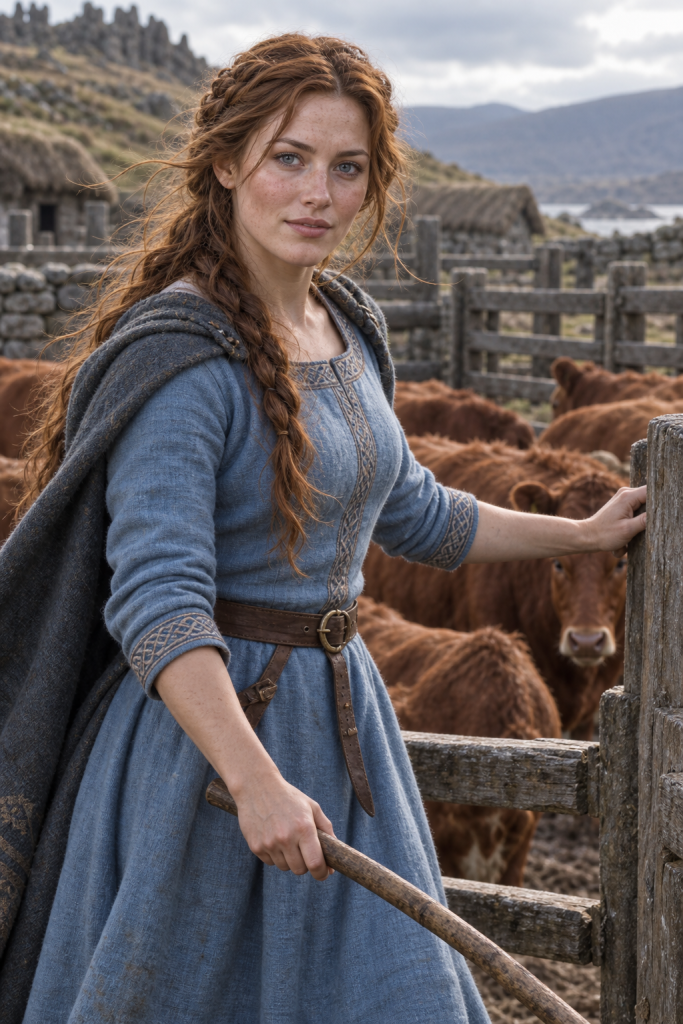
Cifgha is a young Hernystiri woman who helps Maegwin drive the Taig’s red cattle into a crowded paddock as the men prepare for battle. She calls it men’s work; Maegwin answers that whatever work remains is women’s now. Later, Skali displays a struggling hostage in Cifgha’s light-blue dress—but distance denies Maegwin, and us, the right to say with certainty that the captive is Cifgha.
Chieftain Gormhbata
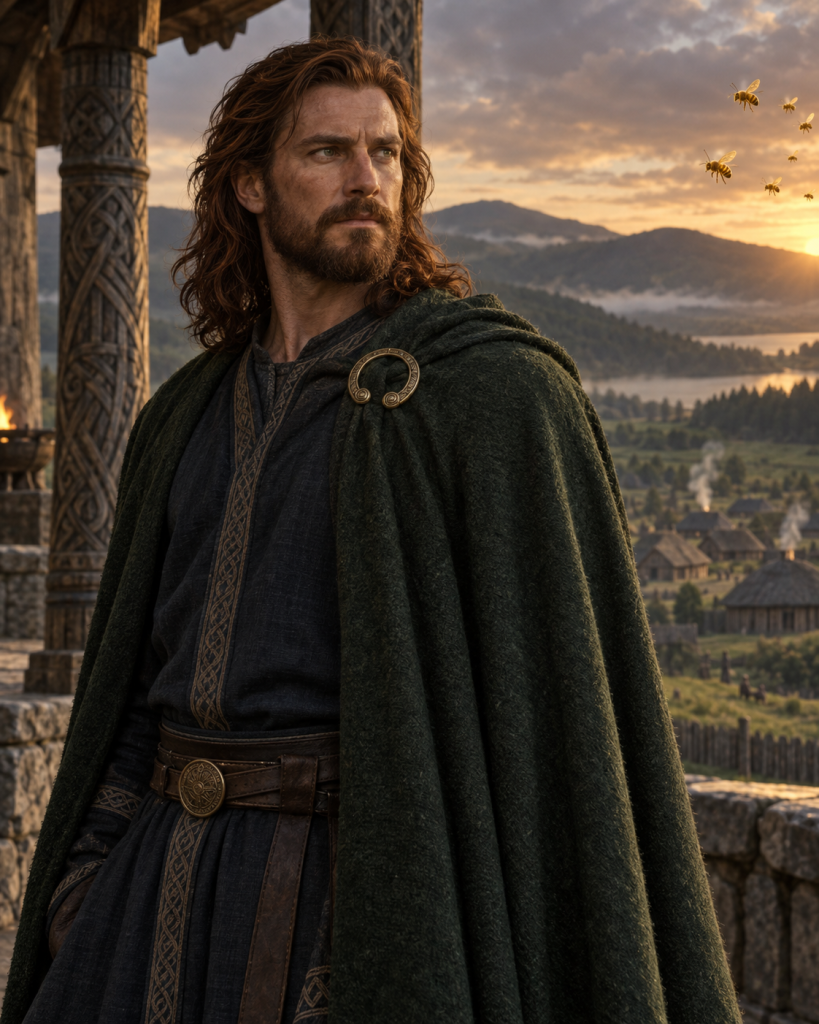
Gormhbata is the chieftain remembered as the target of Eoin-ec-Cluias’s legendary anger-song. Towser says the song was so mighty that golden bees descended and stung Gormhbata to death. The poet keeps the glory. The chieftain keeps the consequence. This profile restores the political title and the giant unanswered question: what happened before the song?
Caleb
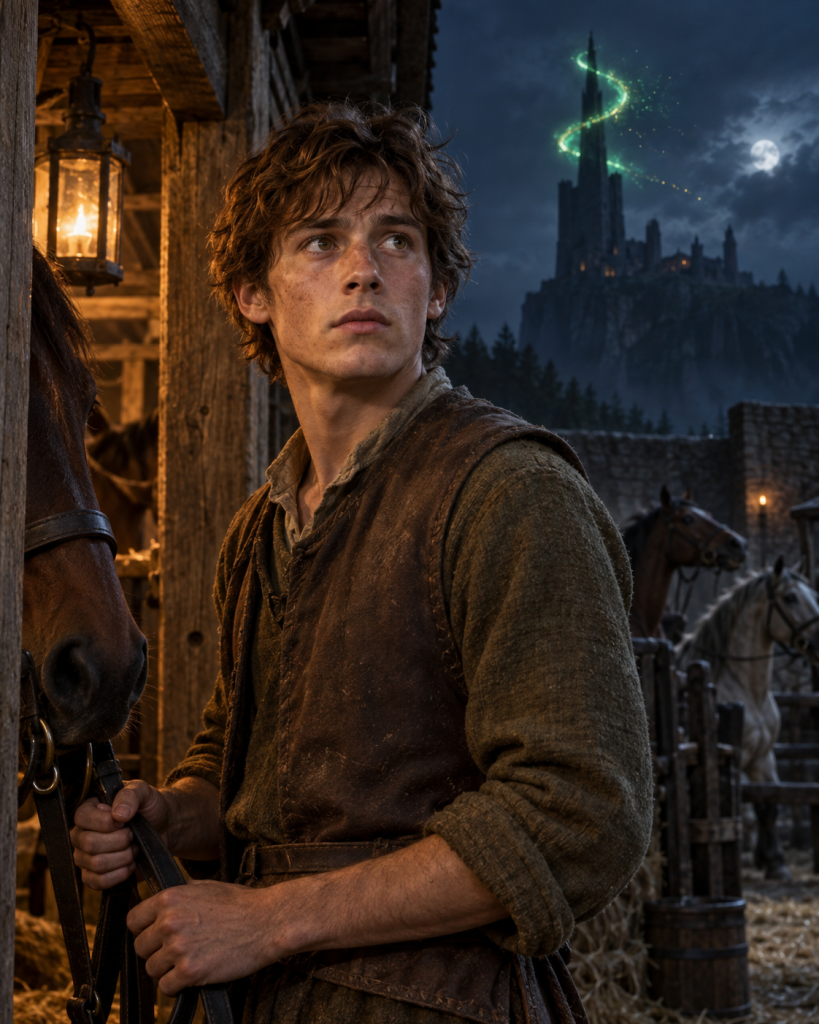
Caleb is the Hayholt horse-boy who sees what nobody respectable wants to hear. On All Fools’ night, while Green Angel Tower’s bells crash and Simon wakes from a black-ice nightmare, Caleb reports a roar, unfamiliar words, and a green serpent of fire coiling around Hjeldin’s Tower before bursting into sparks. The court answers the clearest waking testimony by laughing at the witness they already crowned King of Fools.
Brother Sceneseafa
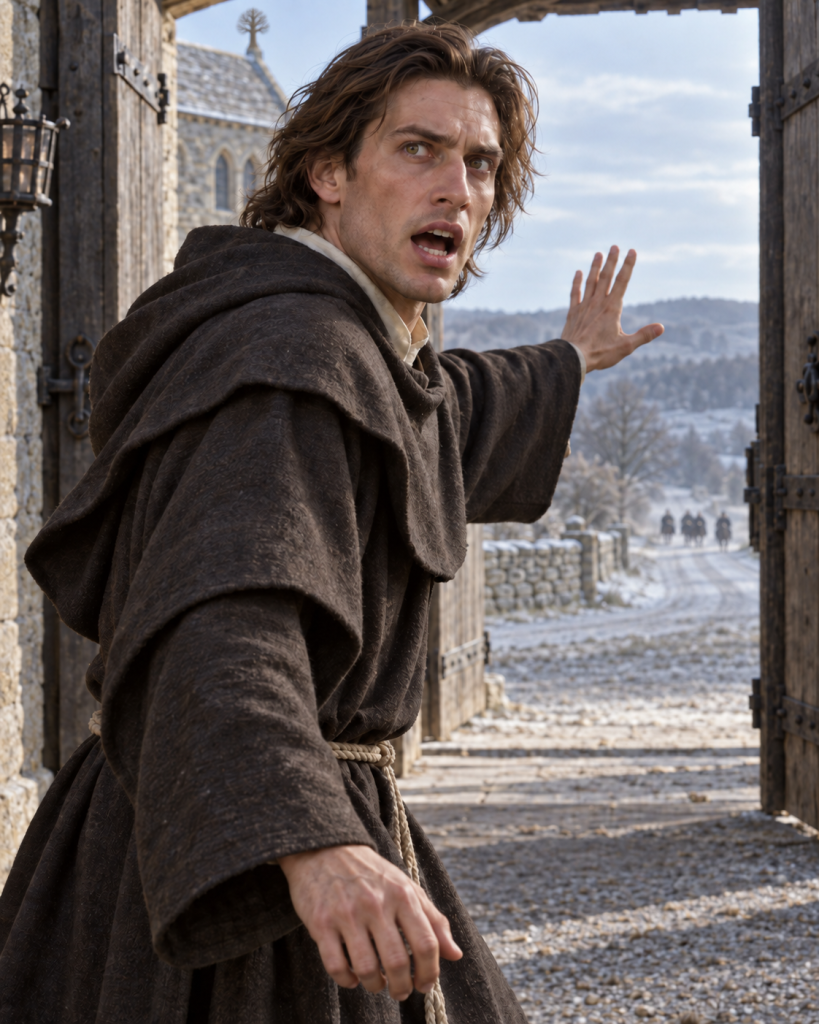
Brother Sceneseafa is the monk at Saint Hoderund’s who sees the abbey’s false hospitality collapse into slaughter and runs for the gate to warn the approaching company. He is shot in the back before the warning can become safety. One action. A complete moral choice.
Brother Eglaf
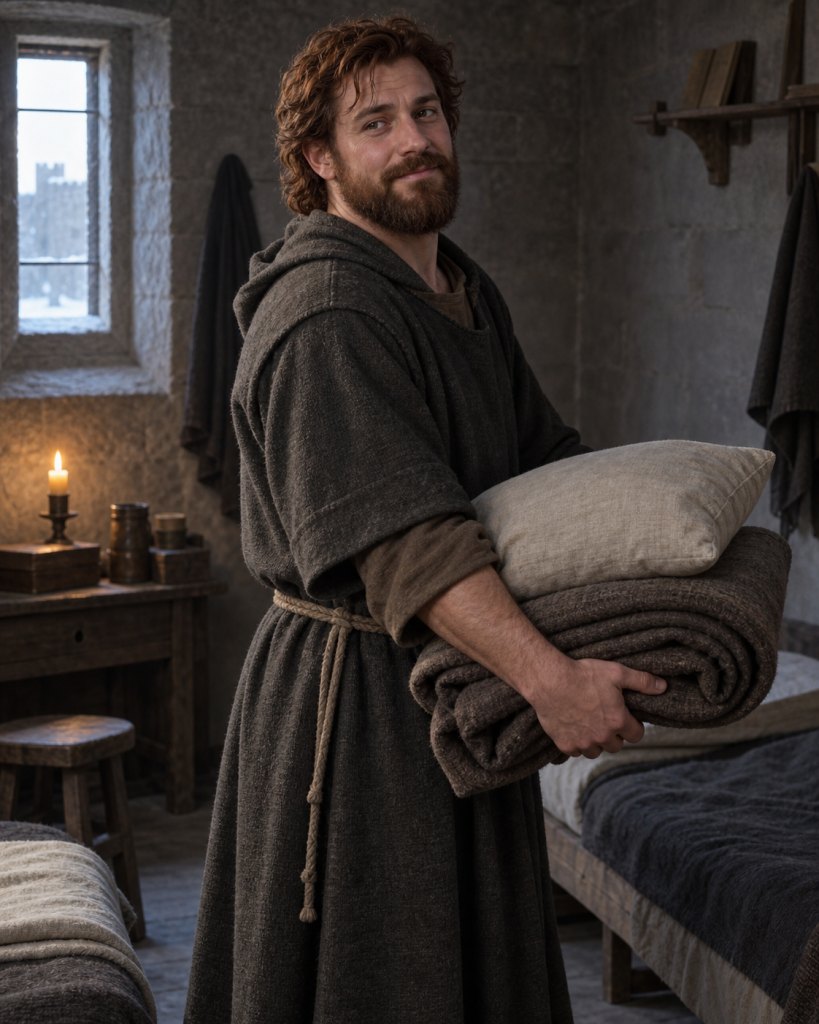
Brother Eglaf gets the kind of detail epic fantasy usually loses first: he shares his room with Father Strangyeard, and he snores loudly. Then Naglimund falls, the Red Hand melts the gate, Norns pour through with fire-tubes, and Eglaf is named among the dead. That domestic little complaint is why the death lands. Before the Harrowing makes him a casualty, the book lets him be somebody’s impossible roommate.
Brother Dochais
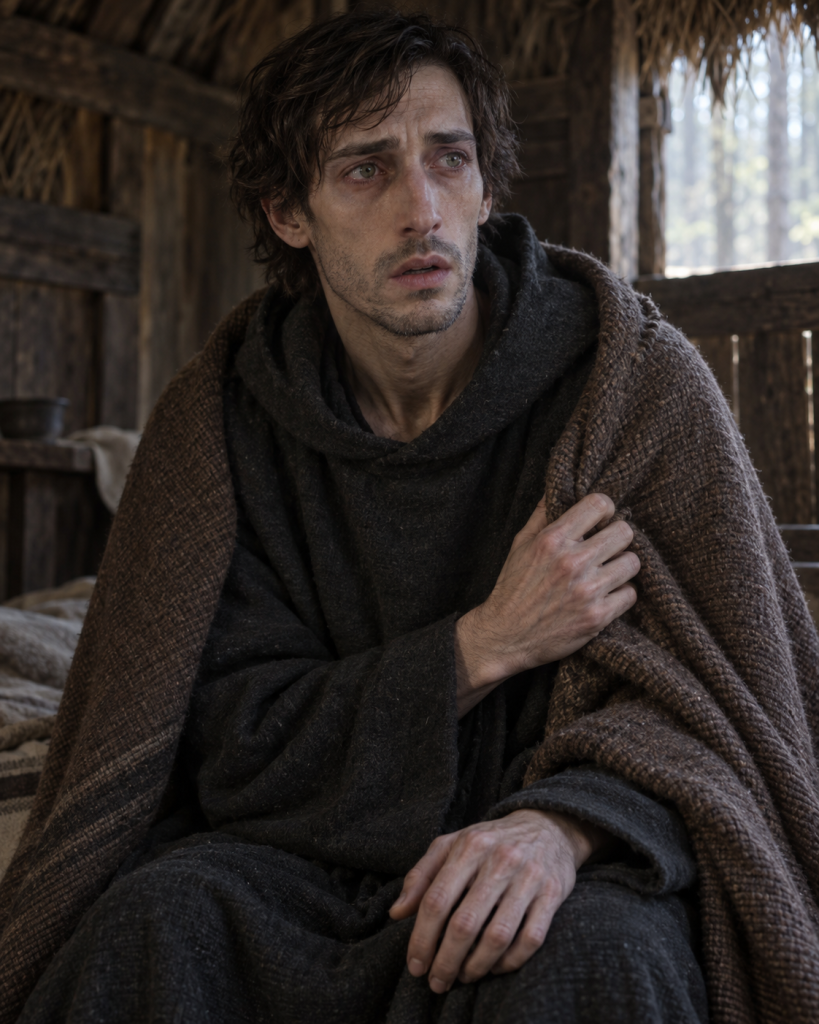
Brother Dochais survives the massacre at Saint Hoderund’s only long enough to recognize Simon as another person “marked” by the White Foxes. His fractured warning links a black wagon, frozen hearts, stolen souls, and the Storm King before anyone in the traveling party has language sturdy enough to hold the pattern.
Bishop Anodis of Naglimund
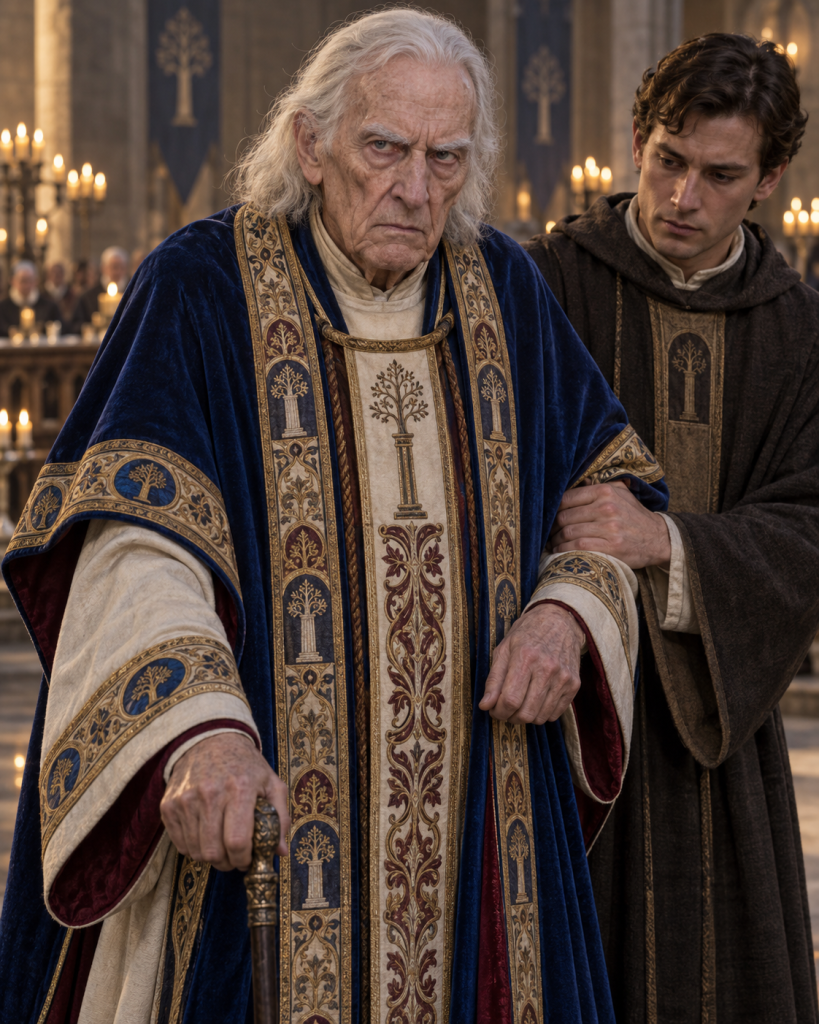
Bishop Anodis is the very old, magnificently robed churchman sent by Lector Ranessin to mediate between Elias’s sons and prevent Aedonite bloodshed. At Josua’s Raed, he offers a sour prayer, resents the gathering’s anti-Elias direction, and treats northern warning as religiously suspect. When the Harrowing begins, Bukken erupt inside Naglimund’s gardens and kill him. Anodis comes to stop Christians killing Christians and never makes room for the possibility that the rightful king has invited something far worse through the gate.
Bindesekk
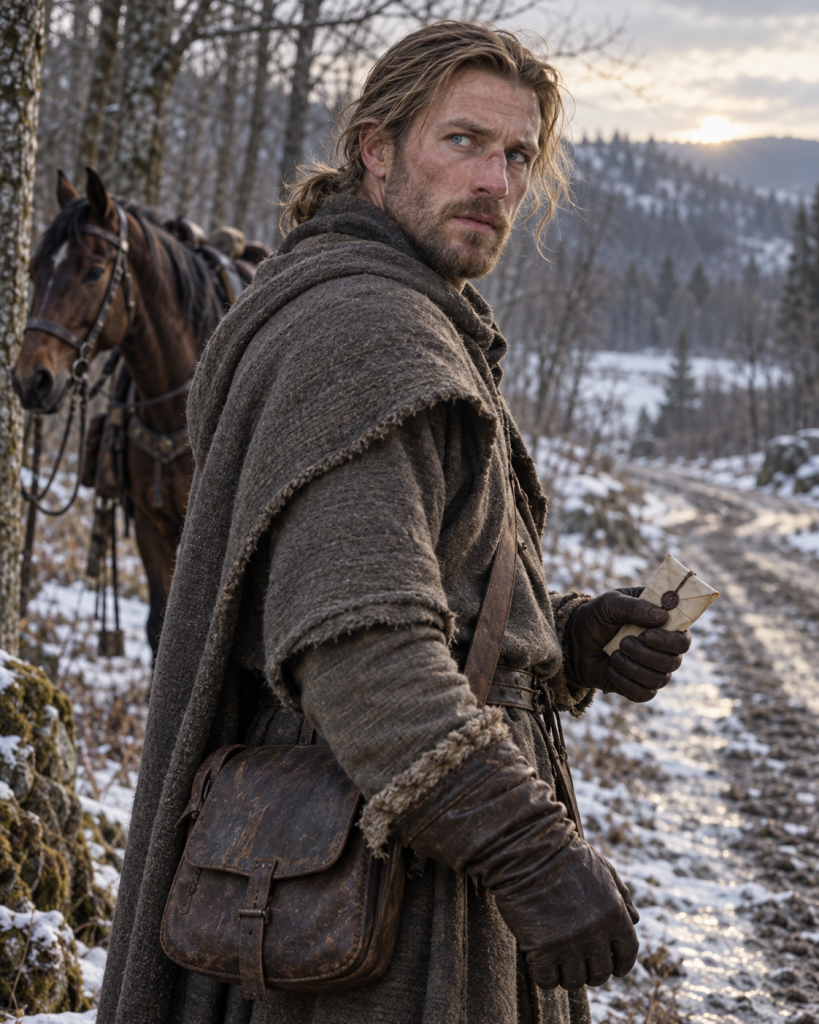
Bindesekk is Isgrimnur’s trusted messenger, sent north to watch Skali Sharp-nose and warn Isorn. Simon’s herb-gathering party finds him weeks later hidden in Kynswood, killed by an arrow whose shaft has been deliberately broken. His old crooked nose gives the anonymous corpse back its name—and turns one murdered rider into evidence that northern intelligence has been intercepted close to the Hayholt.
Baron Wuldorcene of Caldsae
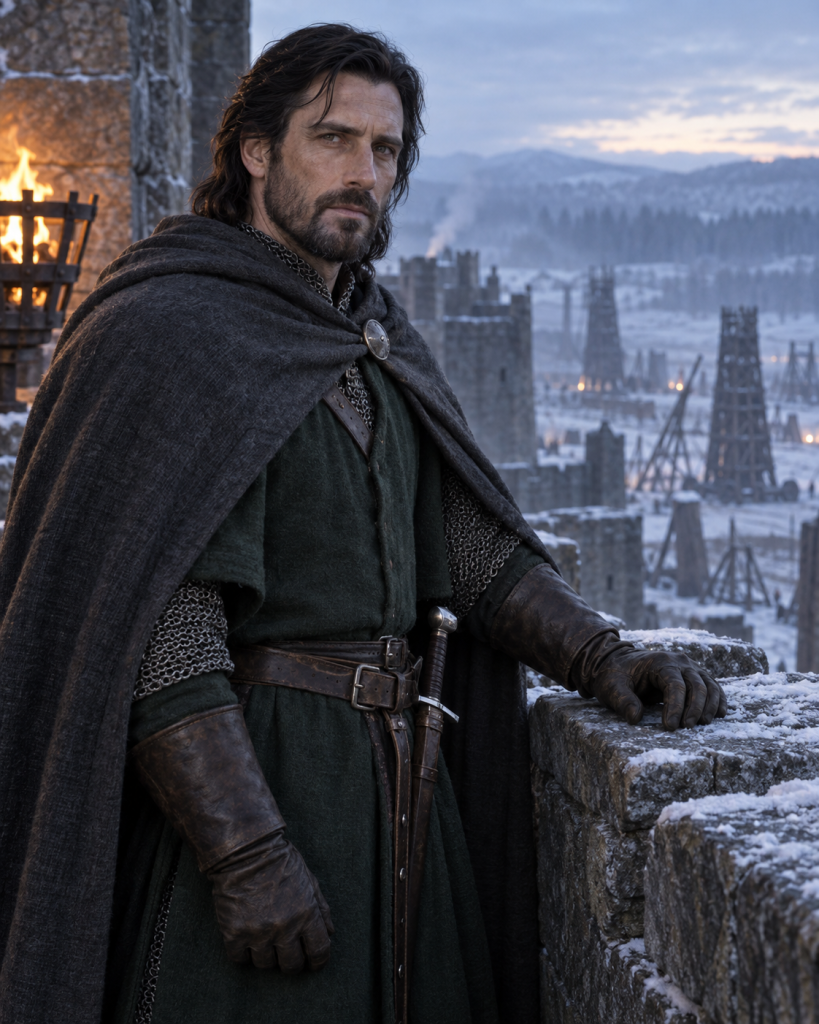
Wuldorcene is the Baron of Caldsae and one of Naglimund’s named dead after a month of siege. Josua lists him beside Baron Ordmaer, Sir Grimstede, and hundreds of yeomen while realizing Elias’s attacks have become strangely cursory. Wuldorcene’s death is not a decorative casualty: it helps expose that the High King is spending lives to keep the fortress sealed until something worse arrives.
Baron Ordmaer of Utersall
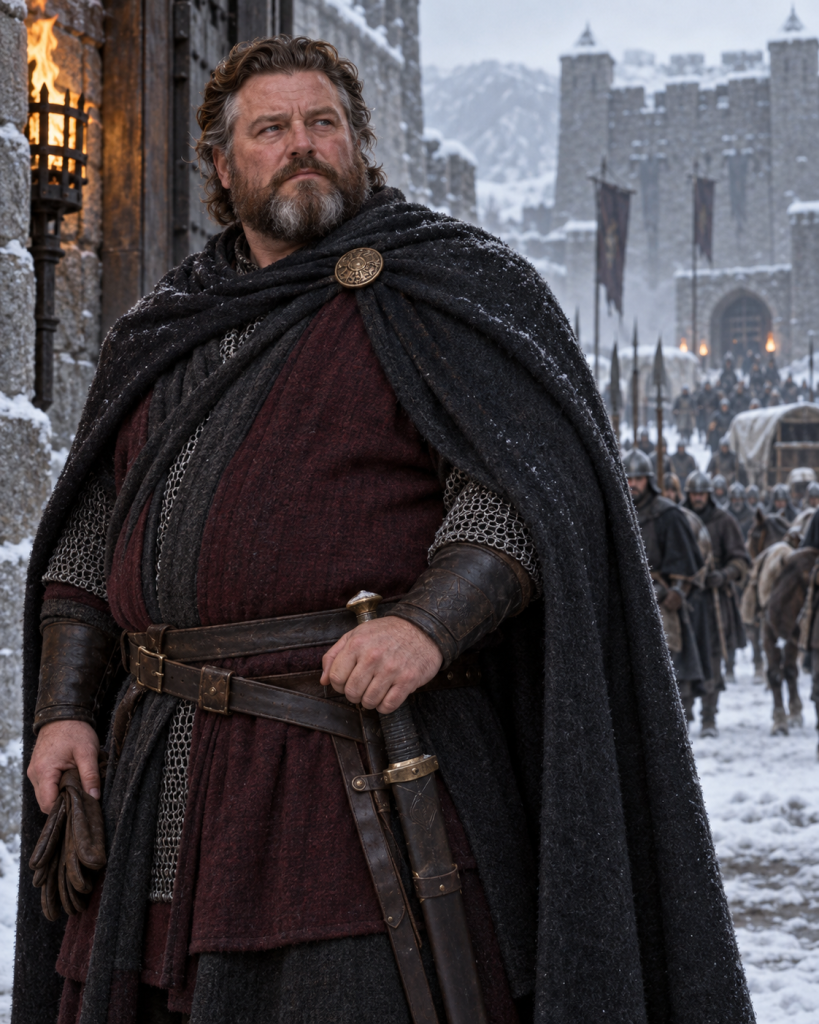
Baron Ordmaer brings one hundred Utersall men to Naglimund, joins the Raed, and recognizes Elias’s habit of replacing resistant rulers with compliant agents. When the siege reaches the walls, the fat, physically massive baron holds a breach alone for long minutes, kills four attackers, and keeps the rest back until help arrives. He dies of the wounds. Ordmaer is not brave “despite” his body. That body is the wall when the wall opens.
Baron Heahferth
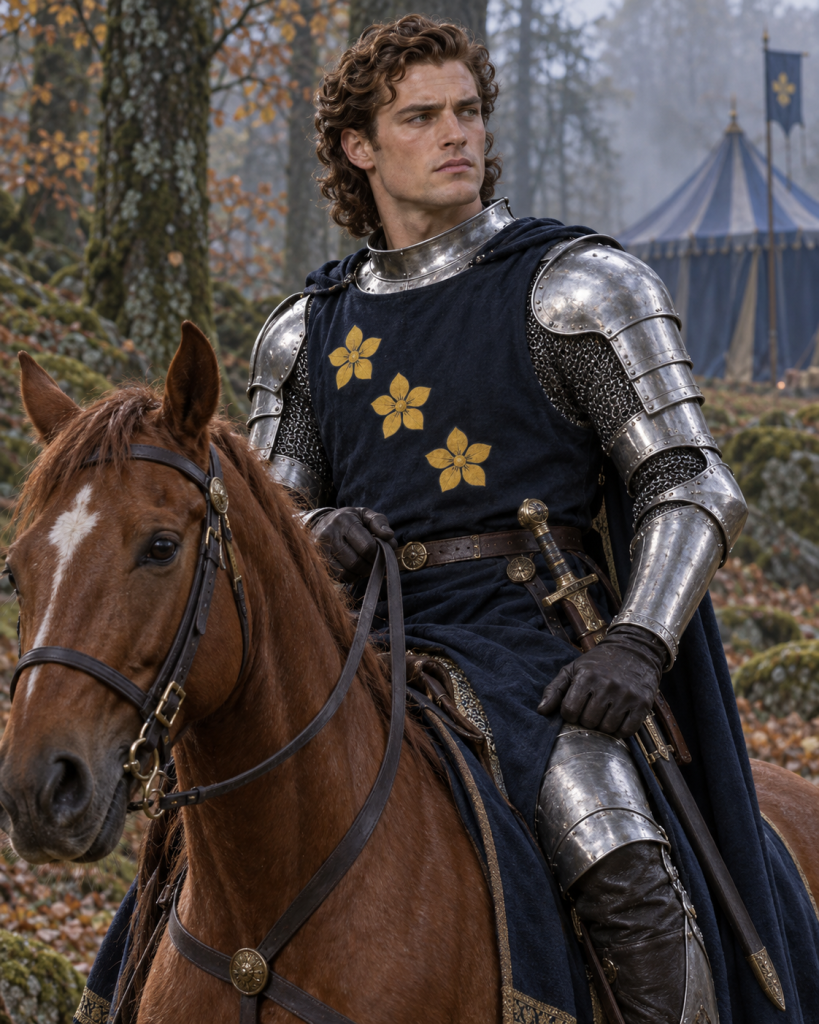
Young, chestnut-curled, and polished in silvery armor beneath three yellow flowers, Baron Heahferth looks exactly like the nobleman who expects rank to make a hunt obey him. It does not. Ingen Jegger quietly owns the hounds, the mission, and the danger. Heahferth ignores the one warning that might save him, rides onto the Gate of Stags, and falls with his horse and men when the ancient bridge folds into the Aelfwent.
Baron Devasalles
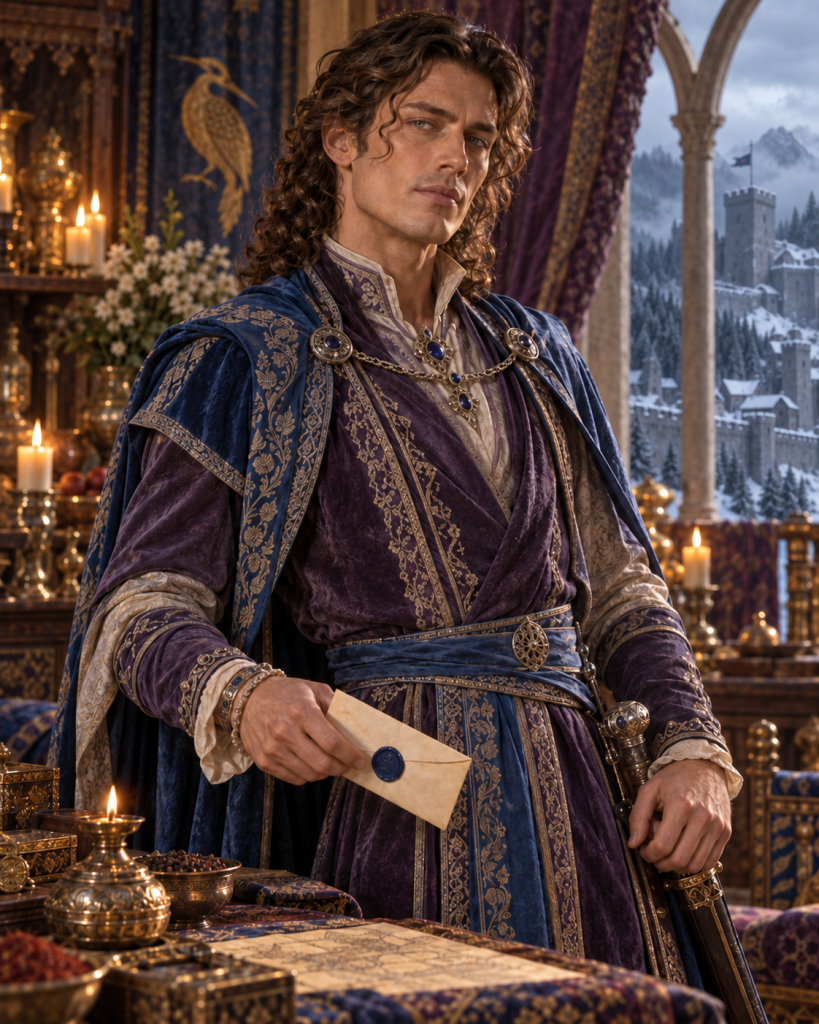
Baron Devasalles arrives at Naglimund dressed like court gossip and argues like a state prosecutor. The joke is that both performances are deliberate. Leobardis’s emissary makes Josua prove his case in public, carries Nabban’s hidden support in private, and turns ornamental polish into camouflage for one of Book 1’s sharpest diplomatic operations.
An’nai
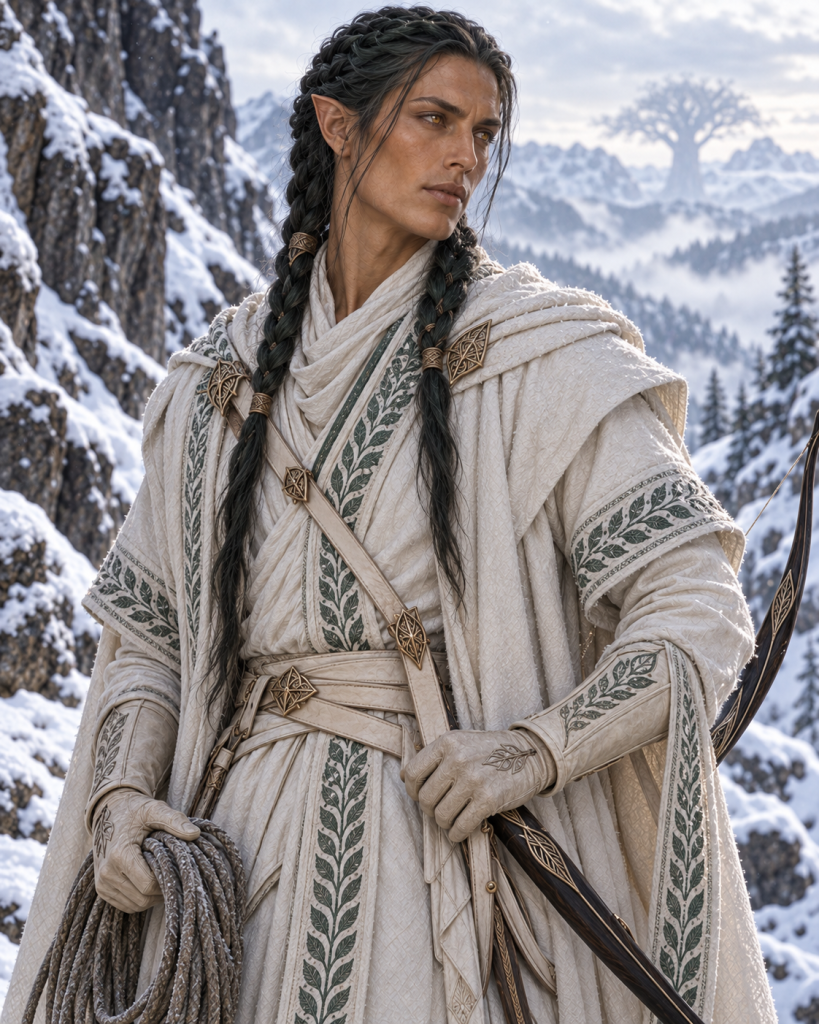
An’nai enters with a bow, a sacred rule, and the confidence that he understands both. He captures Simon’s company, misreads the White Arrow debt, accepts Jiriki’s correction, and walks north in atonement. By the Uduntree, the hunter who began as a threat has become singer, companion, and one more name Jiriki must carry home.
Abbot Quincines
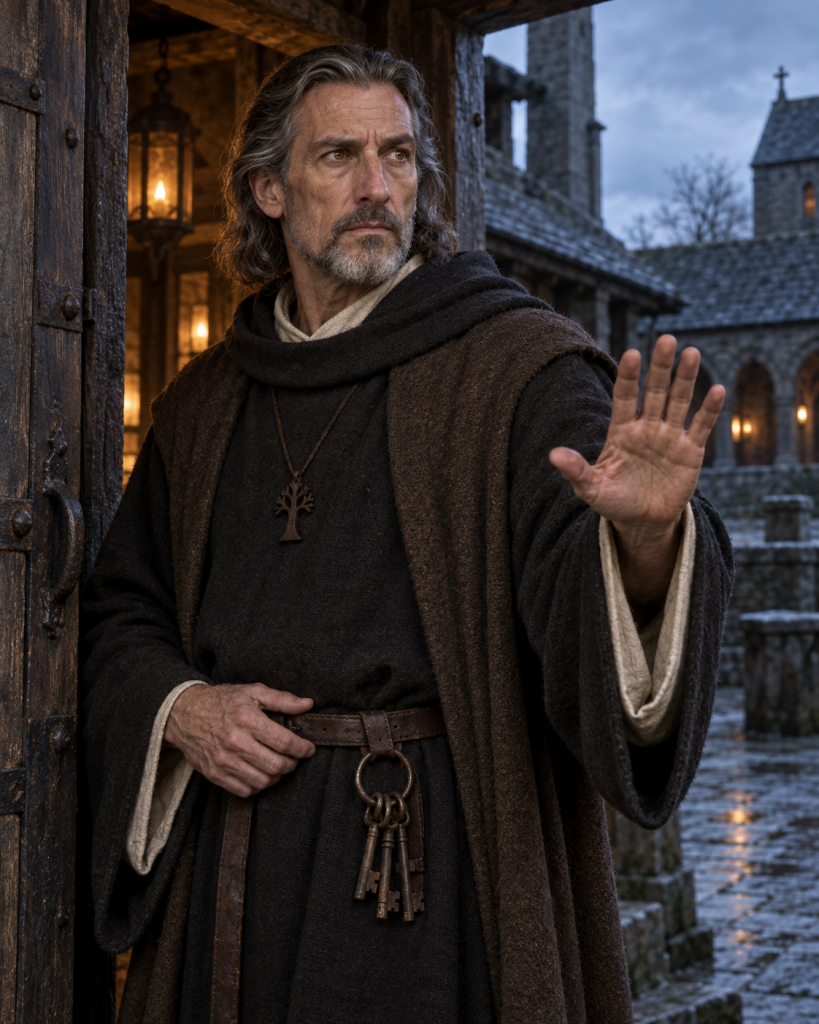
Abbot Quincines appears through the testimony of survivors because his decisive scene ends in murder. He sees armed strangers hiding steel inside a religious refuge, orders them to disarm, and becomes the first body dropped when hospitality stops protecting Saint Hoderund’s.
Yana

Yana is Sedda’s hidden daughter and Lingit’s twin, the child who chooses Moon-death—the pattern of disappearance and return—and becomes a Sithi foremother in Qanuc tradition. Her story places mortal Qanuc and immortal Gardenborn inside one sacred family, gives Jiriki language for their primeval friendship, and returns as a wind-song over the first Qanuc and Utku companions to die together in a thousand years.