
Utë
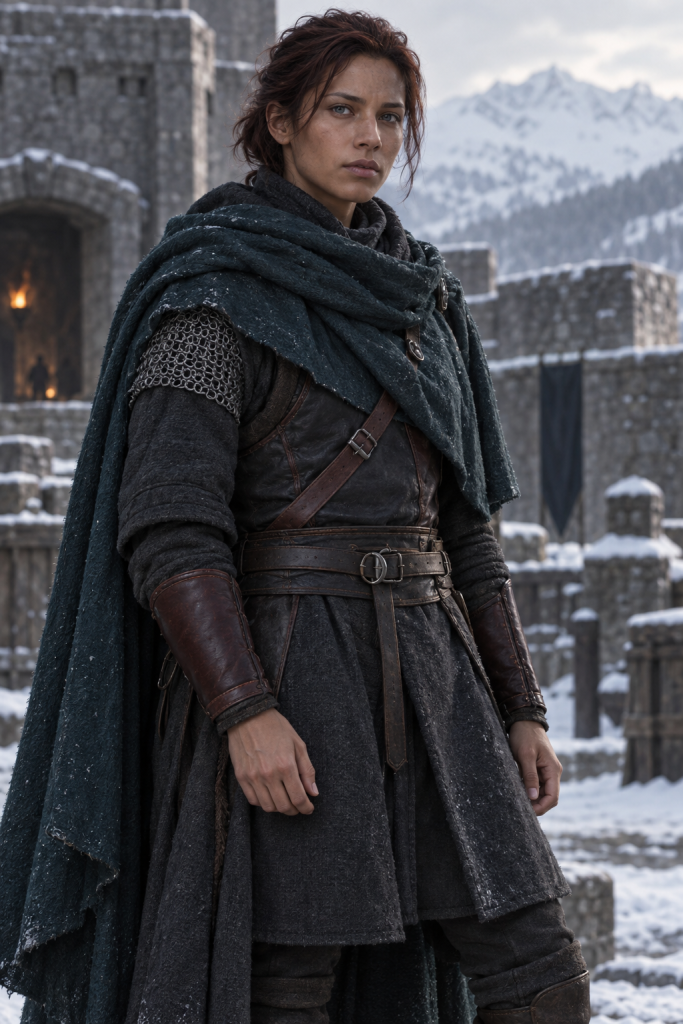
Utë is a soldier of Saegard, named with Hani and Thrinin among the dead after Bukken attack armed people on open ground. The text does not give Utë a speech, a face, or a staged final blow. It gives the northern council something harder to dismiss: another person whose death proves the creatures have abandoned their remembered limits.
Turis
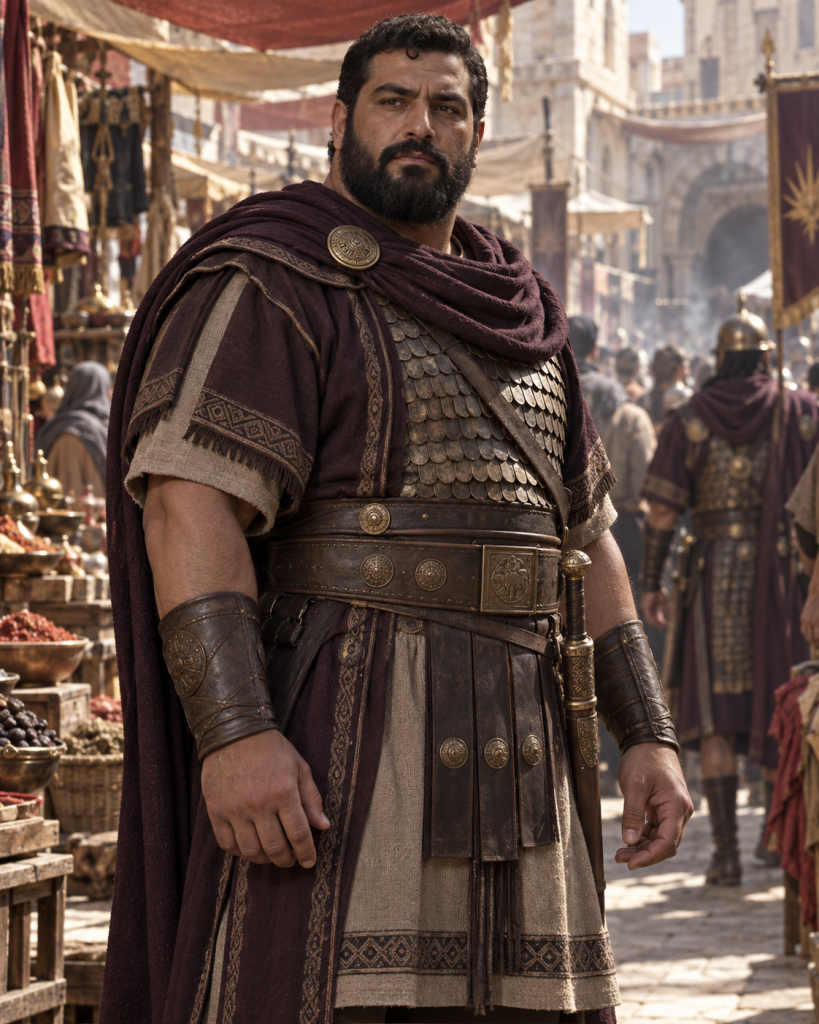
Turis is the heavy, bearded Nabbanai legionary Gelles goads into threatening Simon on Main Row. His uncertain Westerling makes the encounter more dangerous, not less: Simon cannot tell where performance ends, Turis cannot fully control the language of the exchange, and the short stabbing sword at his side makes every joke physical. Gelles directs the sport. Turis is the body the frightened boy must believe.
Tuillett
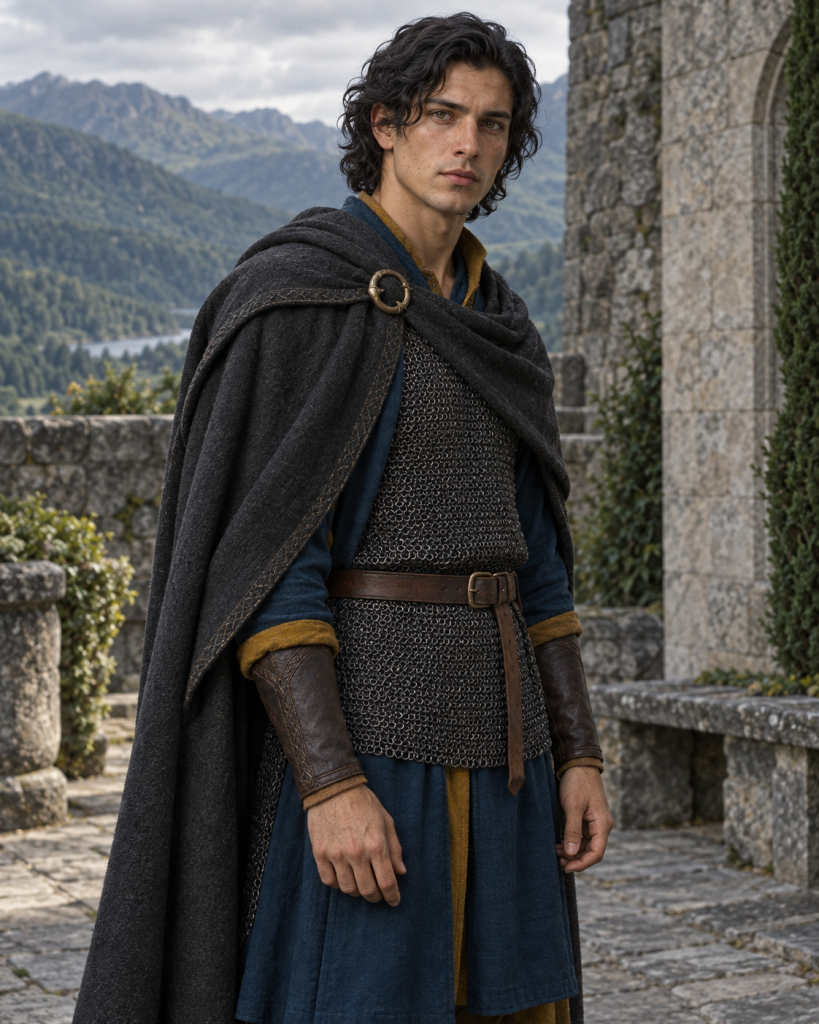
Tuillett is identified in the owned Book 1 character appendix as a young Hernystiri knight. The record gives him people, life stage, and martial rank—then stops. His canonical page keeps those facts alive without awarding him another knight’s horse, battle, romance, death, or coat of arms.
Tohuq
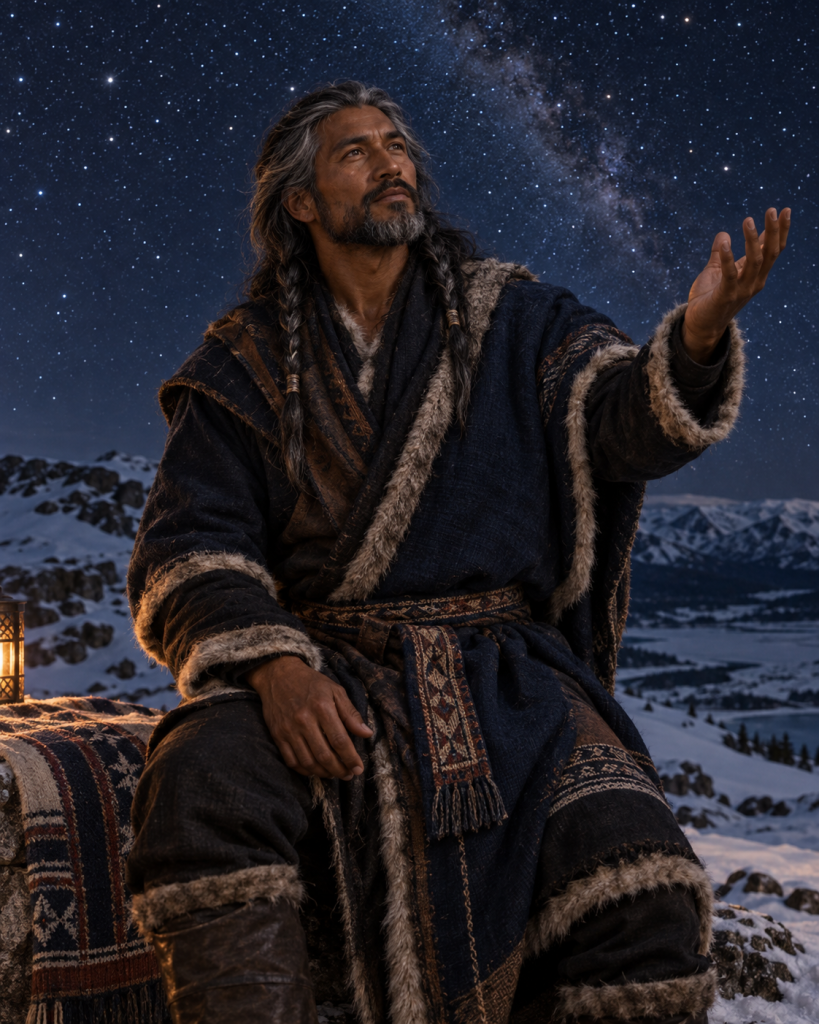
Tohuq is the Qanuc sky-lord and father of Sedda in the star-song Binabik shares beneath Sedda’s Blanket. He appears only inside sacred story, but that story carries a family bargain, nine children, two kinds of death, and the ancestral fork between Sithi and Qanuc. Small mention. Entire cosmology attached.
Tobas
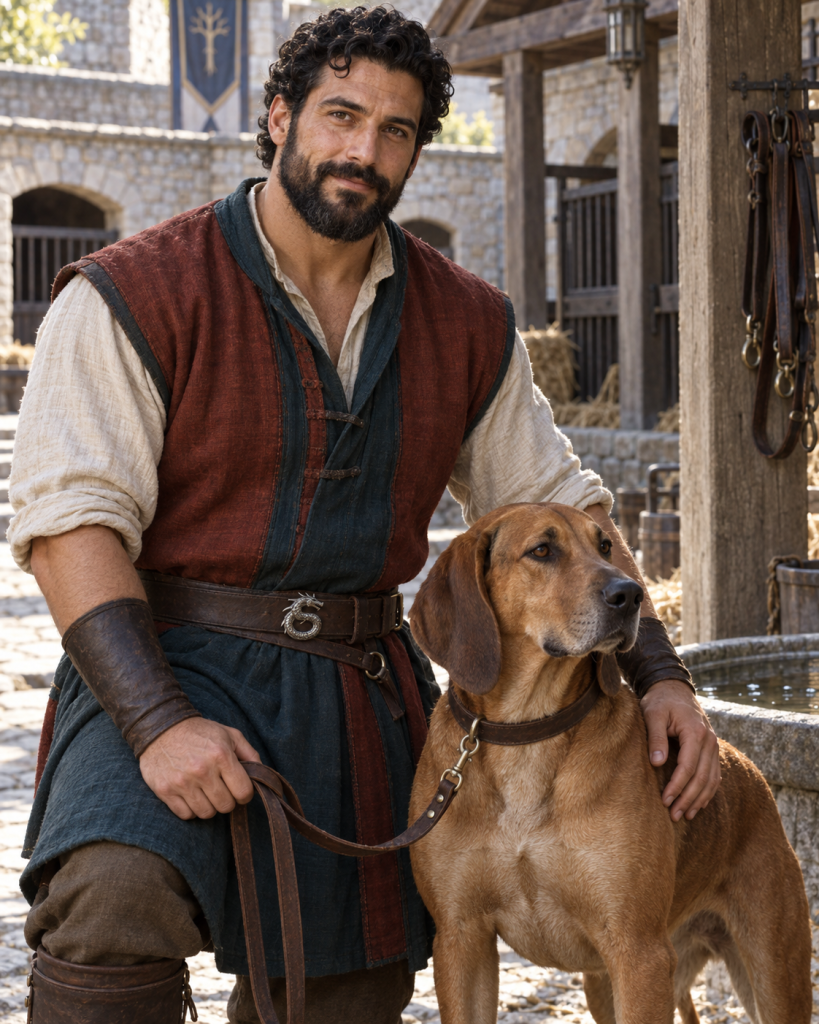
Tobas is the Hayholt houndkeeper Simon remembers from ordinary castle life. Then one dead white hound appears with the royal coiling-dragon buckle Simon knows from Tobas’s kennels—and a Stormspike brand burned into the same body. Tobas does not solve the conspiracy. His work gives Simon the receipt.
Thrinin
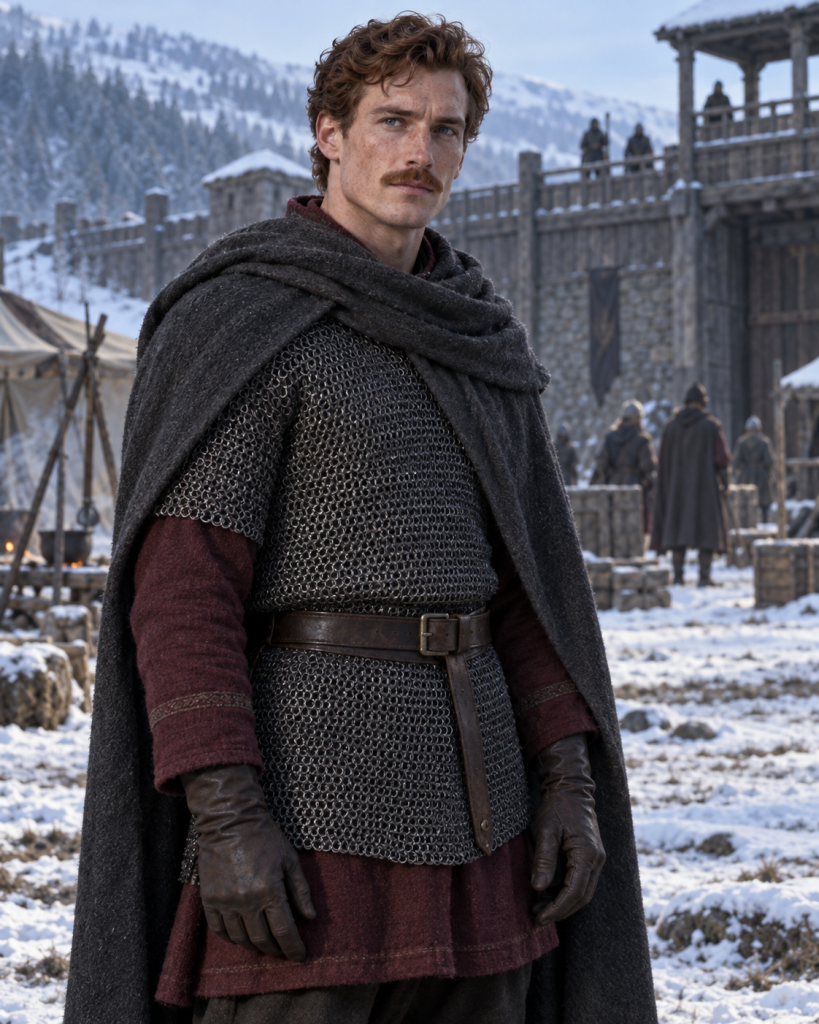
Thrinin is a Rimmersman soldier of Saegard, named with Hani and Utë among the dead when Bukken attack armed people on open ground. The series preserves no heroic last stand for him. It preserves something strategically colder: his death helps prove that the North’s remembered rules no longer work.
Thane Stortfot of Vestvennby
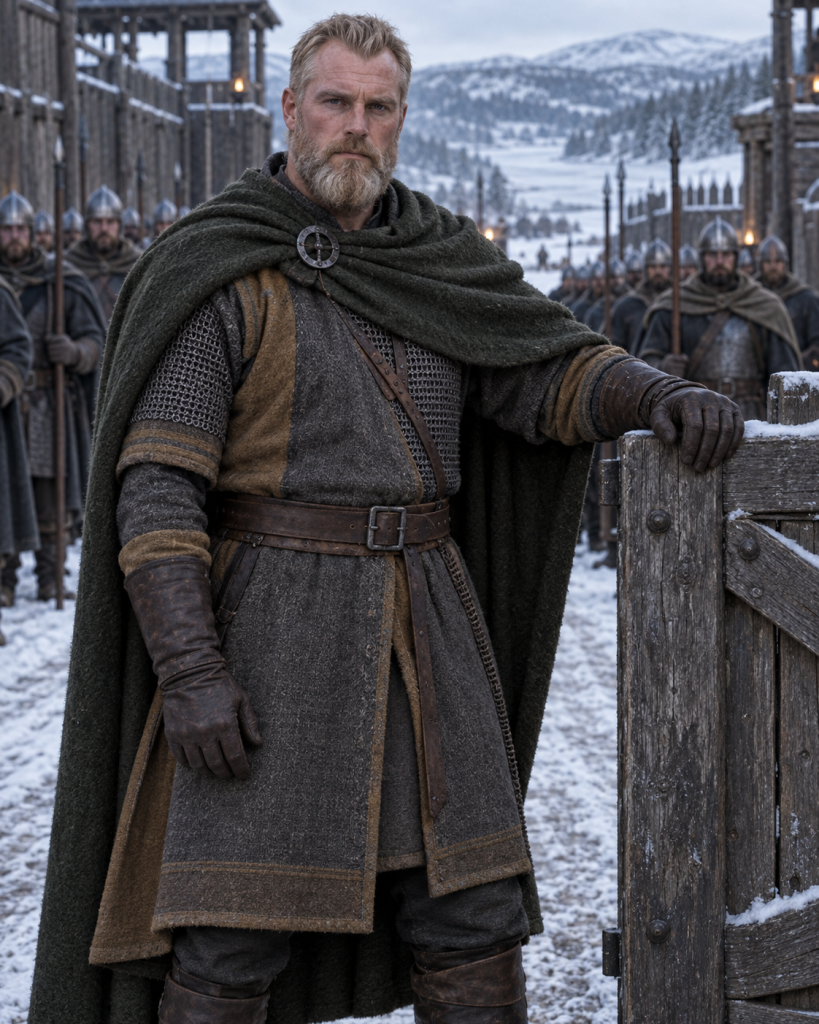
Stortfot is the thane who meets his dispossessed duke with fifty housecarls, refuses Isgrimnur passage through Vestvennby, announces that Elvritshalla now belongs to Skali, and offers to escort him into the usurper’s “mercy.” Later, Sludig wants blood. Binabik insists the mission matters more.
Tethtain the Holly King
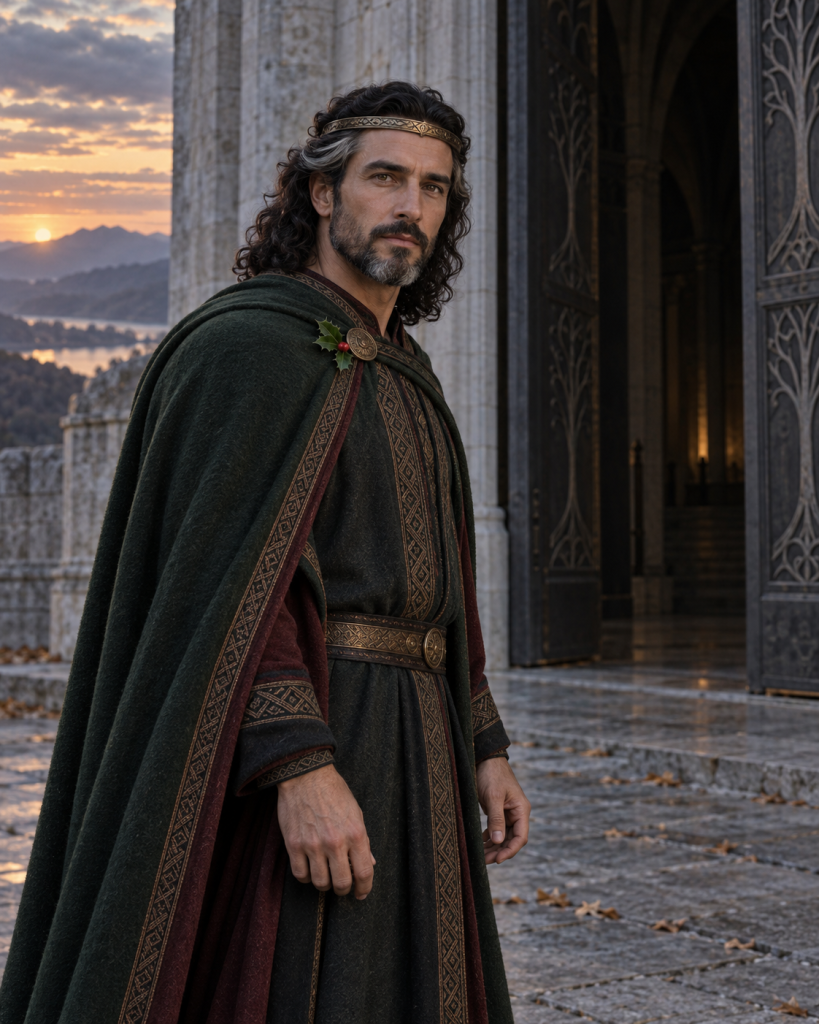
Tethtain is the Hernystiri Holly King who enters the Hayholt and never comes out. That single remembered journey gives him a place among the Six Kings, a mound above Kynslagh-bay, and one of the castle’s cleanest unsolved disappearances. The record is tiny. The implications are enormous.
Sir Grimstede
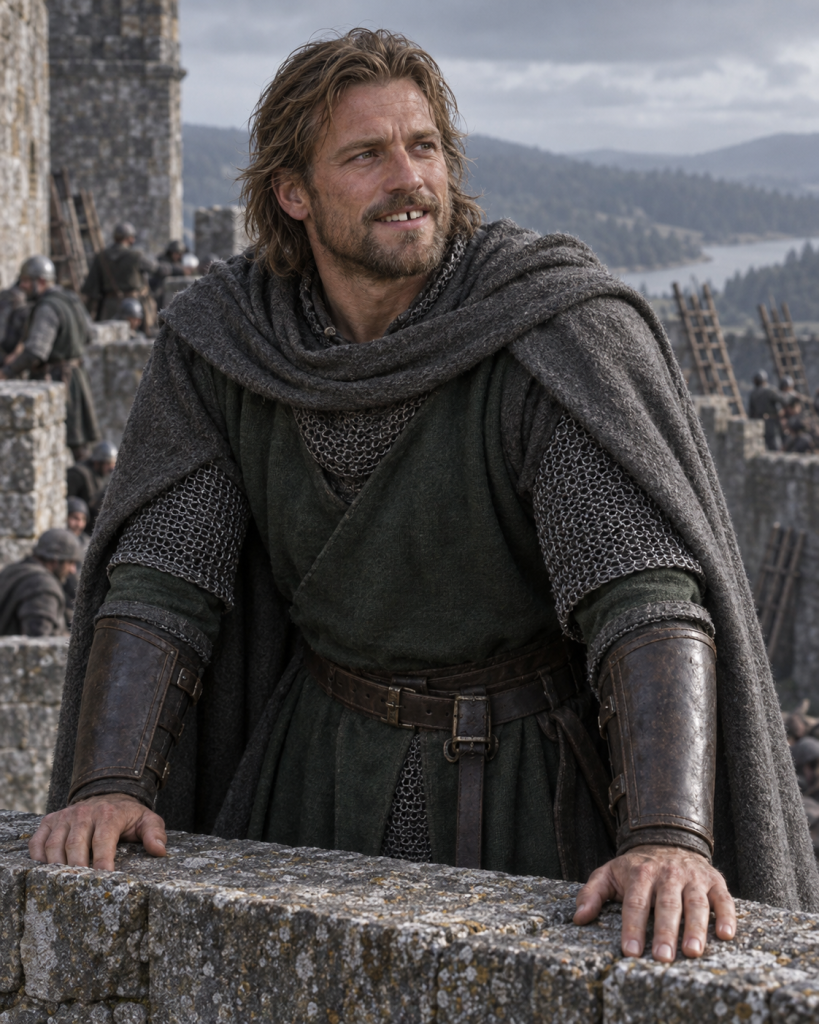
Sir Grimstede is the gap-toothed Naglimund knight commanding defenders near Dendinis’ Tower when Baron Godwig’s Cellodshiremen get onto the battlement. He sends for Deornoth, joins the counterattack, takes a ragged wound through calf and boot, and keeps enough command of the moment to count the attackers lost when the ladders go down. His scene is not polished chivalry. It is battlefield leadership with rustic speech, bad odds, and blood in the footwear.
Sir Colmund of Rodstanby
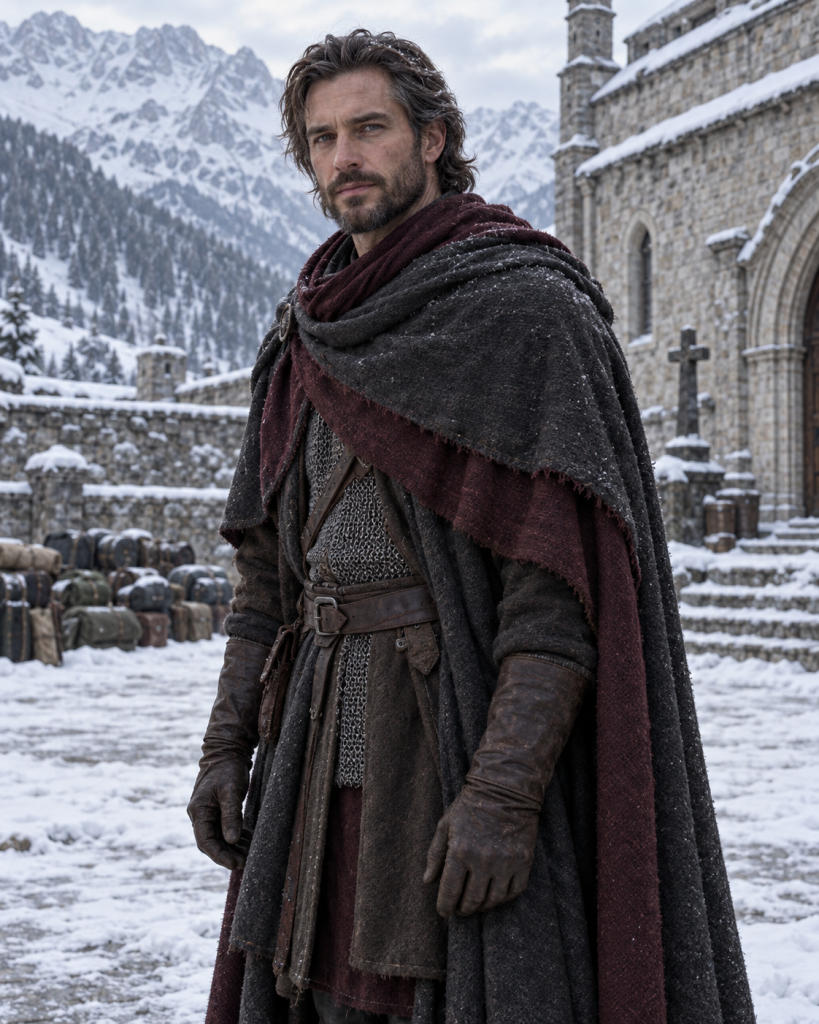
Colmund begins as Camaris’s squire, inherits the black sword Thorn when his legendary master disappears, reclaims Rodstanby, and then follows stories of Igjarjuk’s hoard into the north with thirteen people. Decades later, Simon finds the company arranged beneath the Uduntree, a kneeling skeleton holding Thorn as if the expedition’s last duty was to make the sword discoverable.
Sigmar
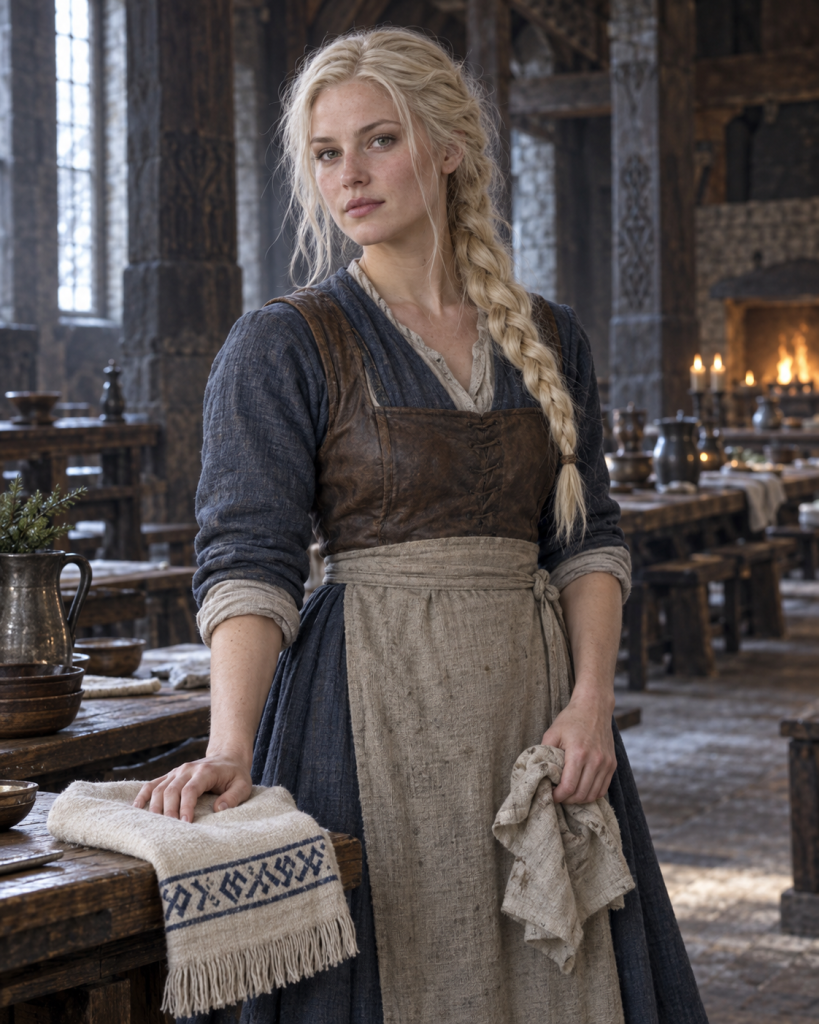
Sigmar is the young Rimmerswoman Towser loved after Prester John conquered Naarved. She cleaned the hall occupied by the victorious king, accepted Towser’s courtship without surrendering her judgment, and refused to leave her family and land for his wandering life. Decades later, her handmade scarf and the choice she would not undo become the honest answer Simon needs when heartbreak makes hindsight look easy.
Rhynn
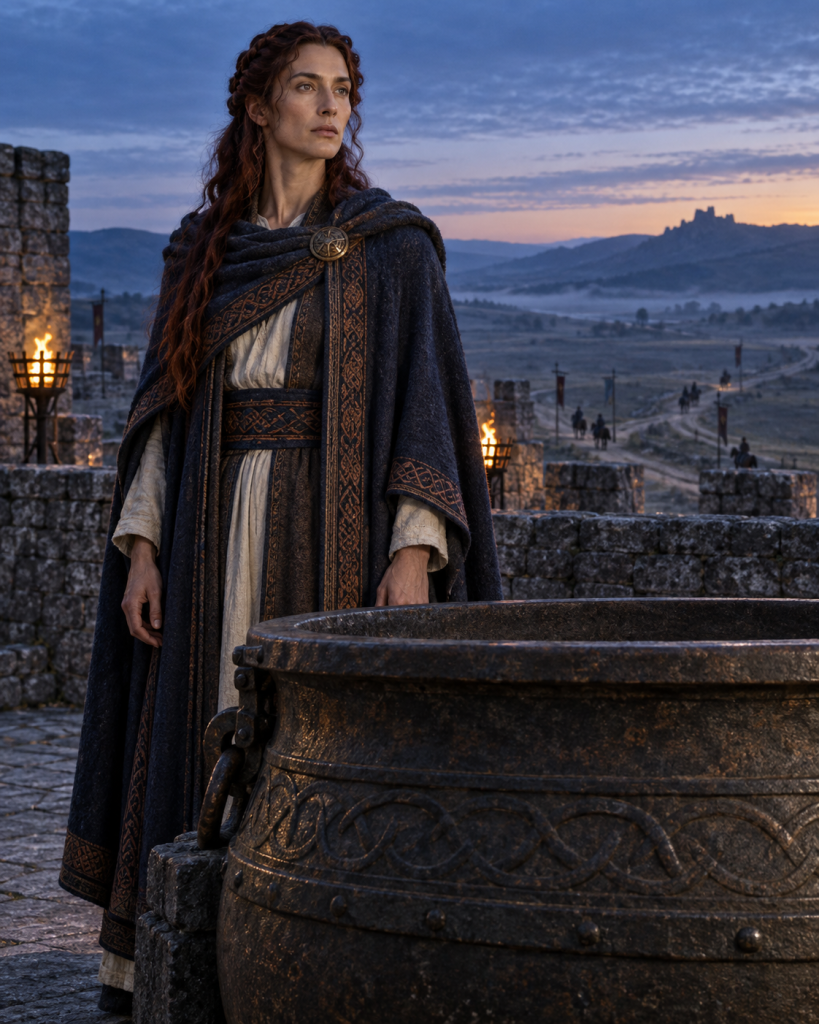
Rhynn is the Hernystiri divine or legendary namesake of Rhynn’s Cauldron, the ancient warning instrument whose deafening Summons turns the Taig’s danger into a countrywide relay. Rhynn never walks into the scene. The name still sits inside one of Hernystir’s smartest pieces of civic infrastructure.
Red Hathrayhinn
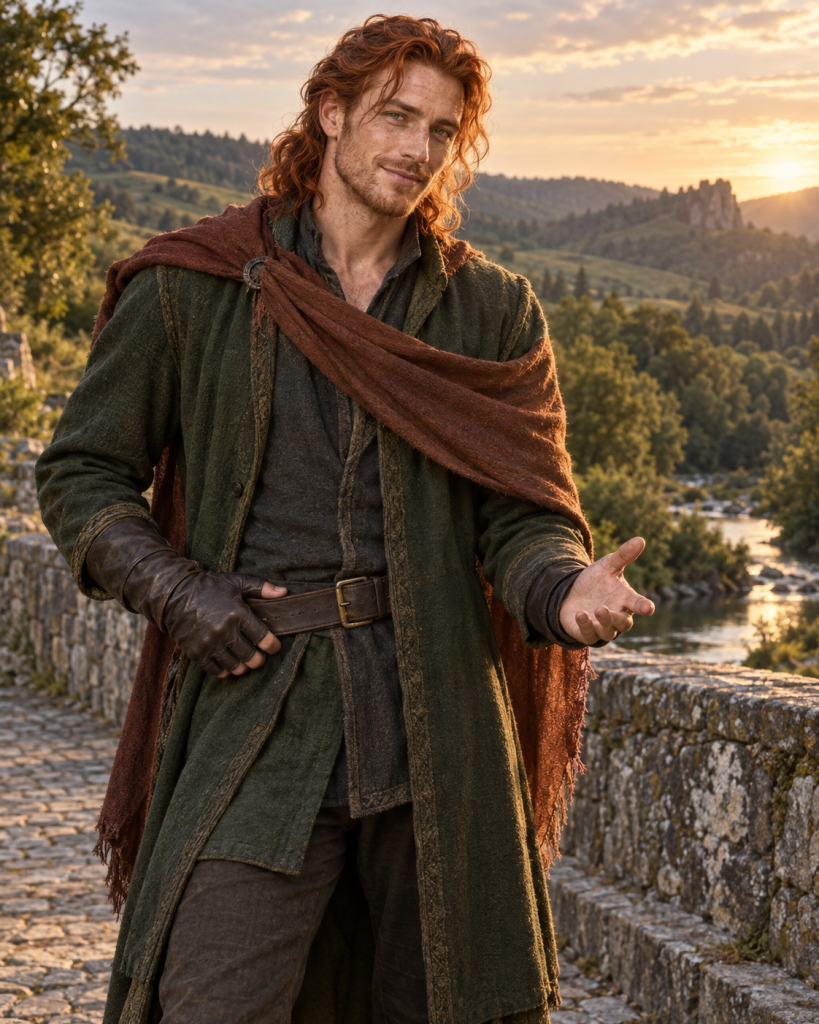
Red Hathrayhinn is a story figure whose adventures with the Sithi woman Finaju make Simon laugh hard enough to spray ale across his shirt. Cadrach tells the tale at Flett while food, drink, and familiarity lower the hunted boy’s guard. The adventure itself stays off-page. The laughter does not—and neither does Finaju’s right to be more than “the woman in his story.”
Peter Gilded-Bowl
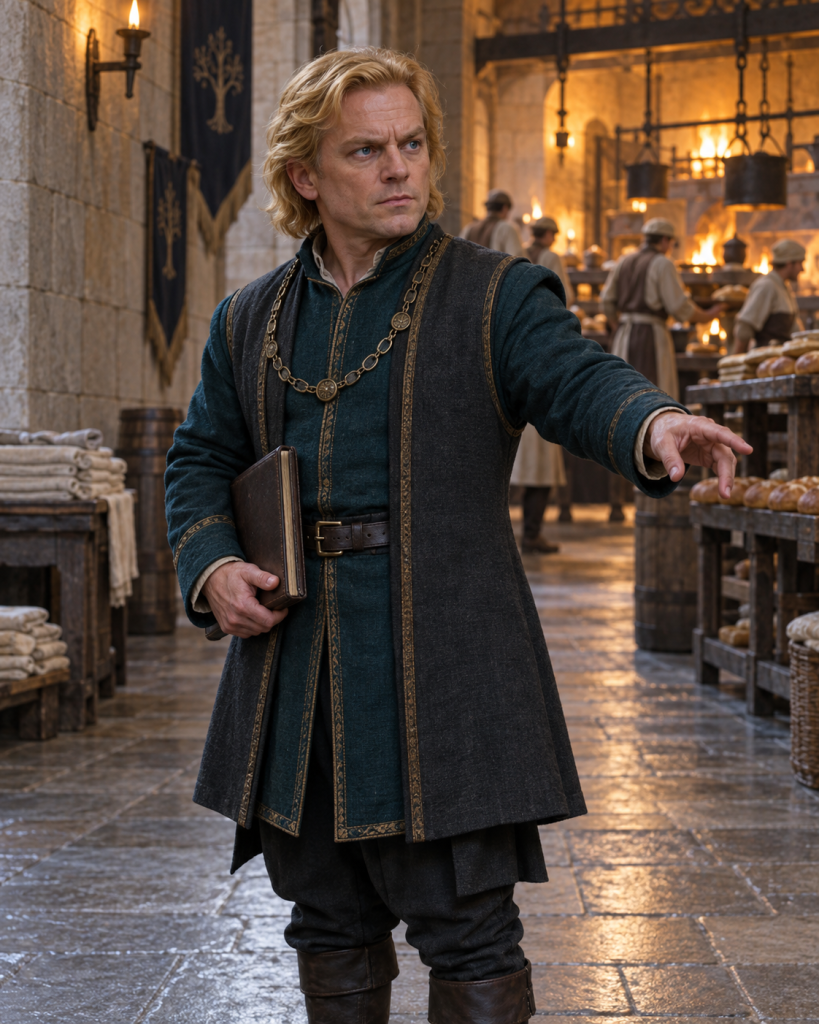
Peter Gilded-Bowl is the Hayholt seneschal who appears wherever royal ceremony threatens to collapse into kitchen smoke, dusty corners, empty cups, and exhausted servants. Small, yellow-haired, and fierce, he directs King John’s funeral preparations and later controls the wine at Elias’s midnight feast. Kings make history upstairs. Peter makes sure somebody has heated the ovens.
Noah
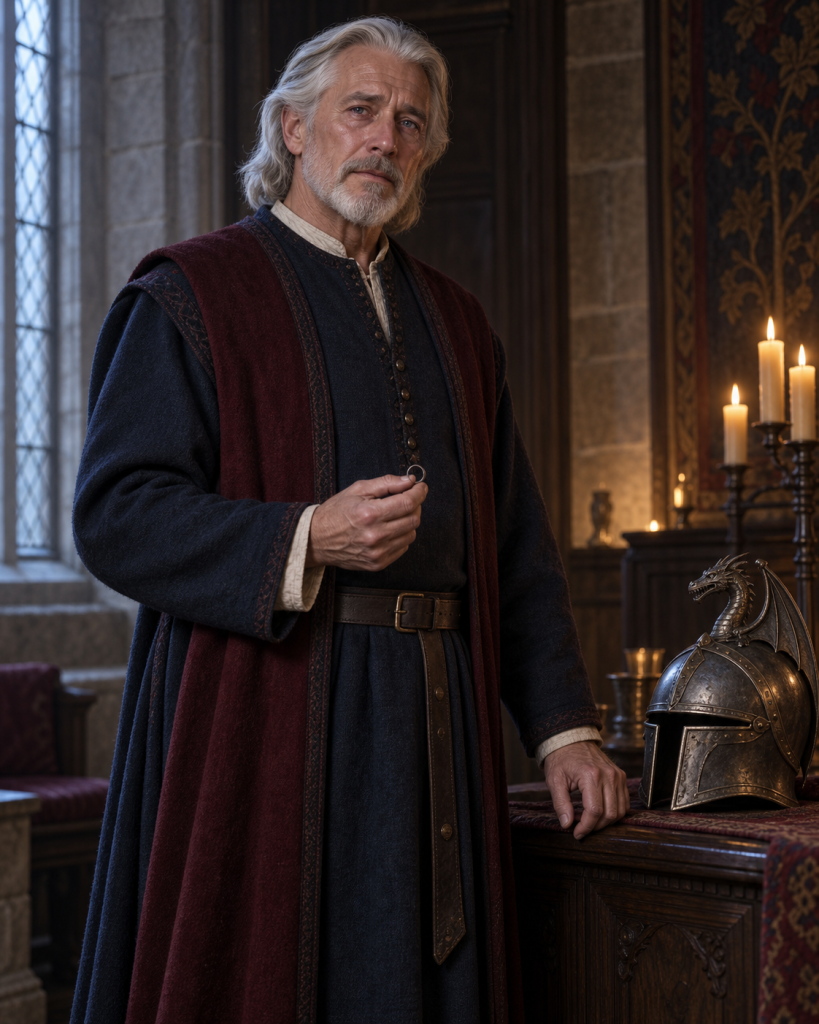
Noah is King John’s aged squire, the old retainer trusted with the last intimate objects of a dead king. He brings Fingil’s iron ring to John’s body, places it on the white finger, follows the bier carrying the dragon-crested war helmet, and sobs. His page count is small. His grief is not.
Murhagh One-Arm
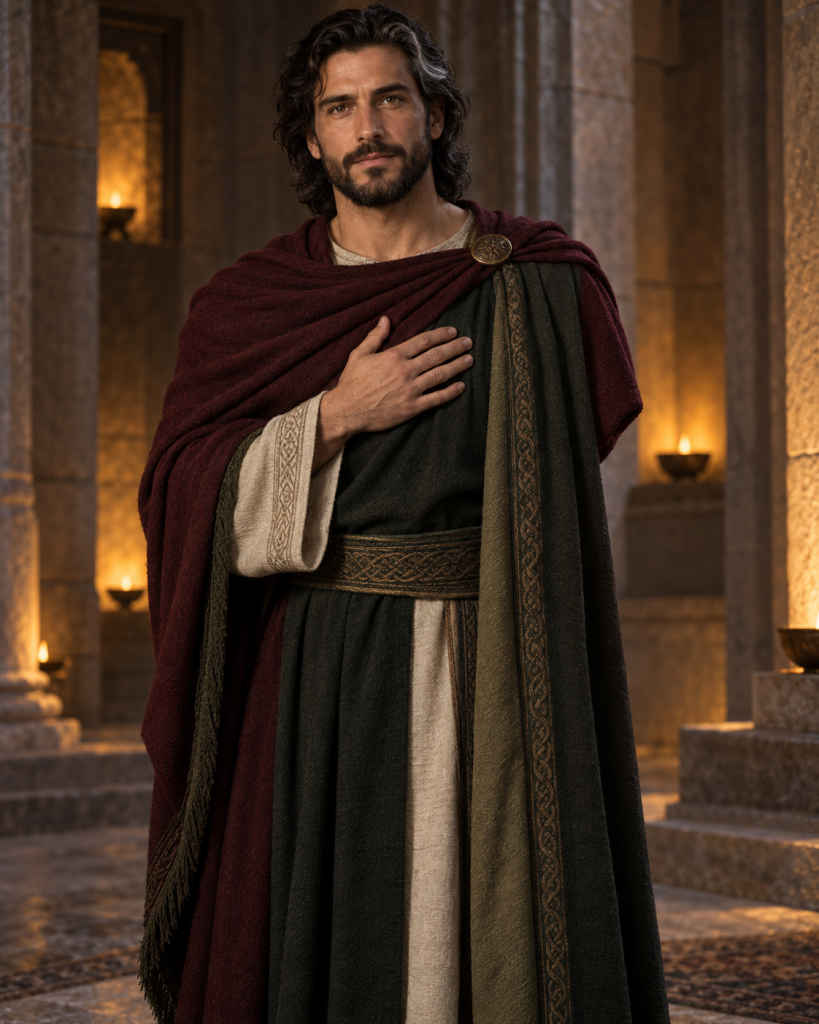
Murhagh One-Arm is the Hernystiri god King Lluth thanks beside Brynioch after Eolair’s company discovers Skali’s raiders before they reach the Taig. The invocation does not erase the scouts. It tells us how a wounded king places mortal vigilance inside a sacred language of gratitude.
Lucuman
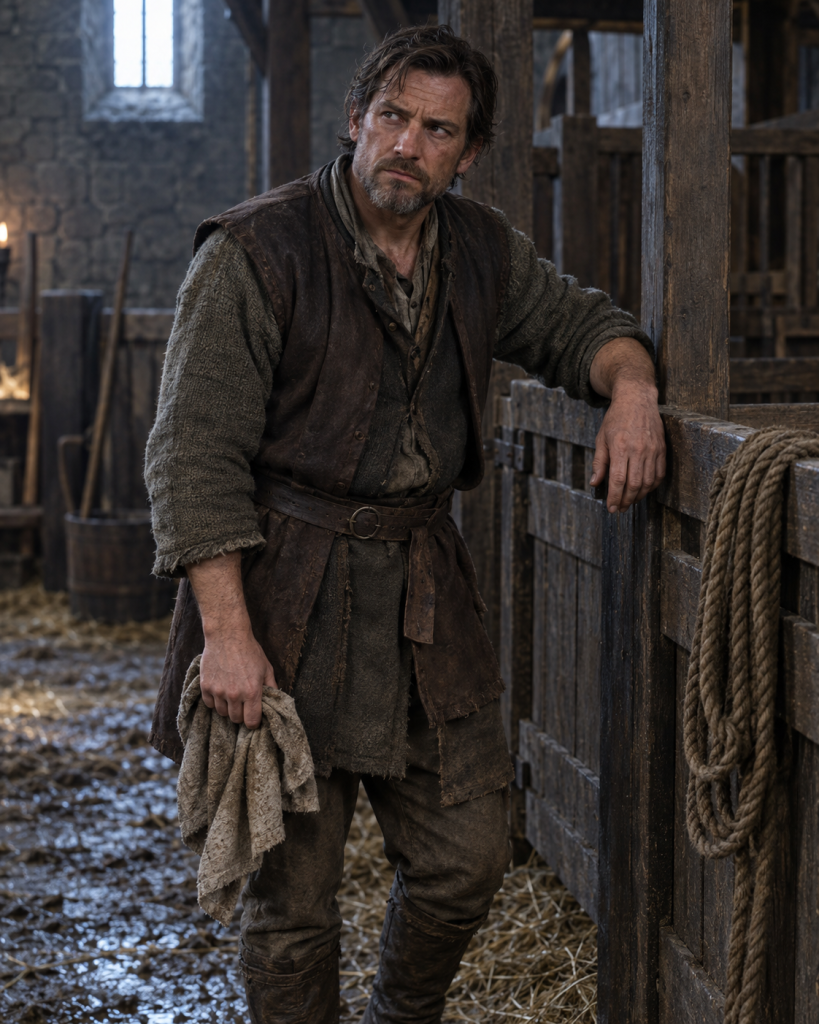
Lucuman is Naglimund’s bent, limping stablekeeper—the man who sees Qantaqa, decides “devil-beast,” ropes her by the neck, and drops her into a slaughter pit. Then Simon climbs down and demonstrates the revolutionary animal-care technique of knowing the creature before trying to kill her.
Lost Piqipeg
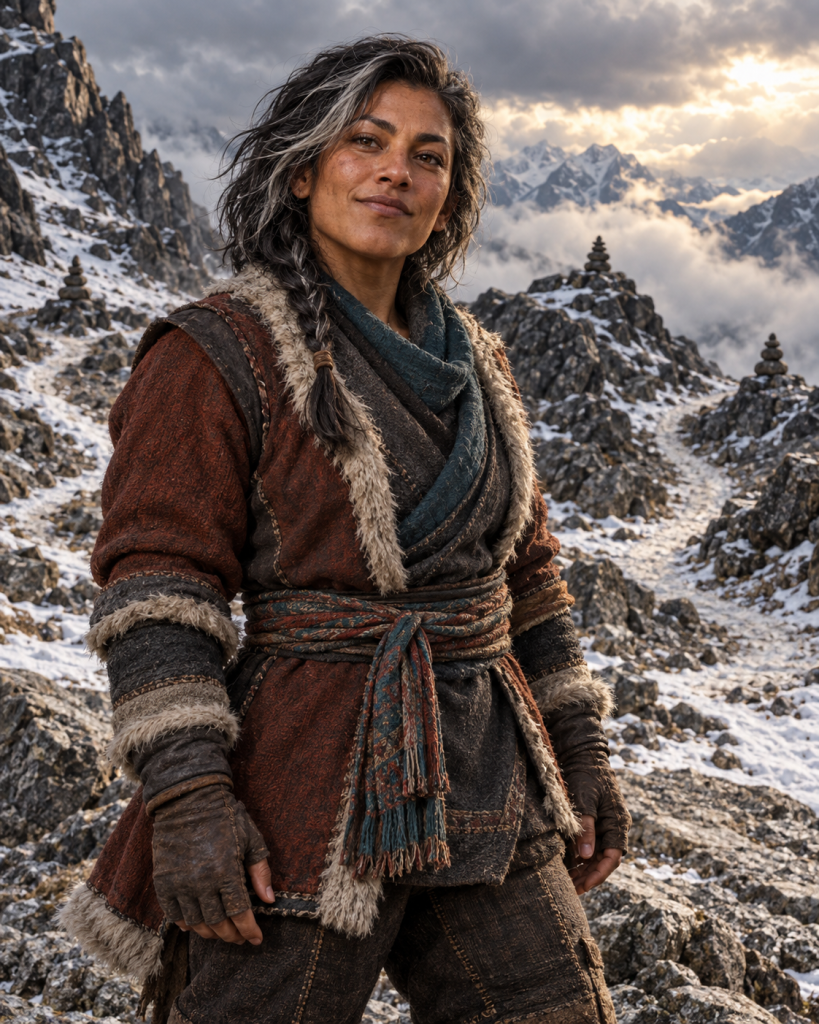
Lost Piqipeg is a legendary Qanuc troll hero whose wandering is so culturally familiar that Binabik can use it as a unit of conversational distance. We do not receive the journey. We receive the name, the heroic classification, and one perfect idiom: the companions have wandered as far from the point as Piqipeg wandered from wherever home was.
Lord Ethelferth of Tinsett
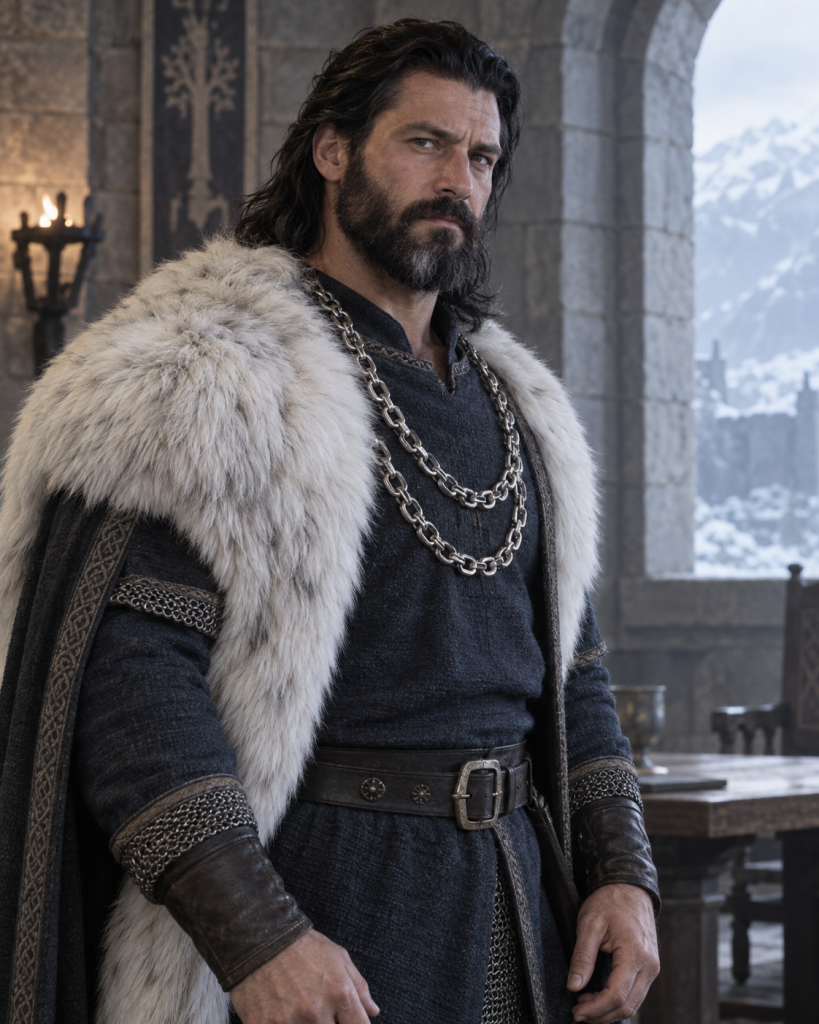
Lord Ethelferth arrives at Naglimund with two hundred men, white furs, silver chains, a muscular frame, and no natural appetite for polished council language. He supports Josua, says Elias has lost his wits, recognizes the Storm King’s divide-the-neighbors strategy, and opposes the green-tent parley after Benigaris murders Leobardis. Ethelferth’s gift is blunt pattern recognition: he may dislike court speech, but he keeps noticing when powerful men are using memory and trust as openings.
Lord Constable Eadgram
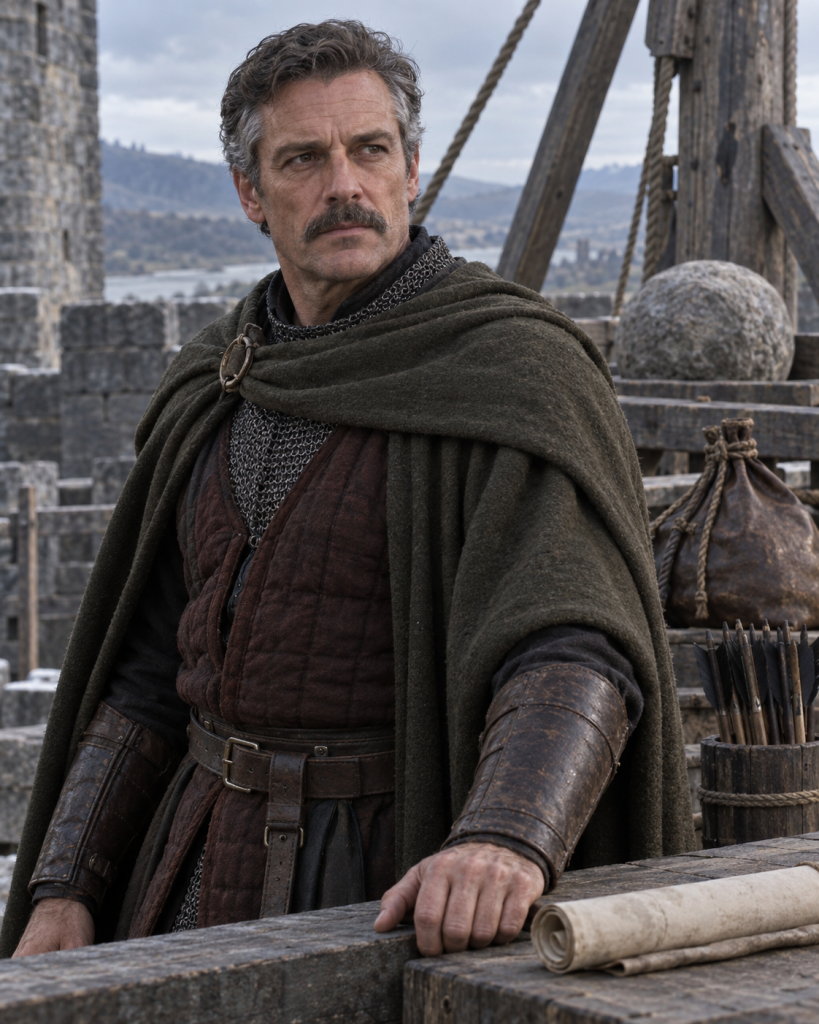
Eadgram is Naglimund’s lord constable: the defense officer Josua trusts to turn warning into readiness, keep drink away from the gatehouse, and make two small slingstones do the work of weapons the fortress does not have. His oil-filled winesacks burn four abandoned siege towers and briefly make Elias discover that even Sorrow cannot order rain. Then the Red Hand melts the gate and Eadgram dies inside the defense he prepared.
Lofsunu
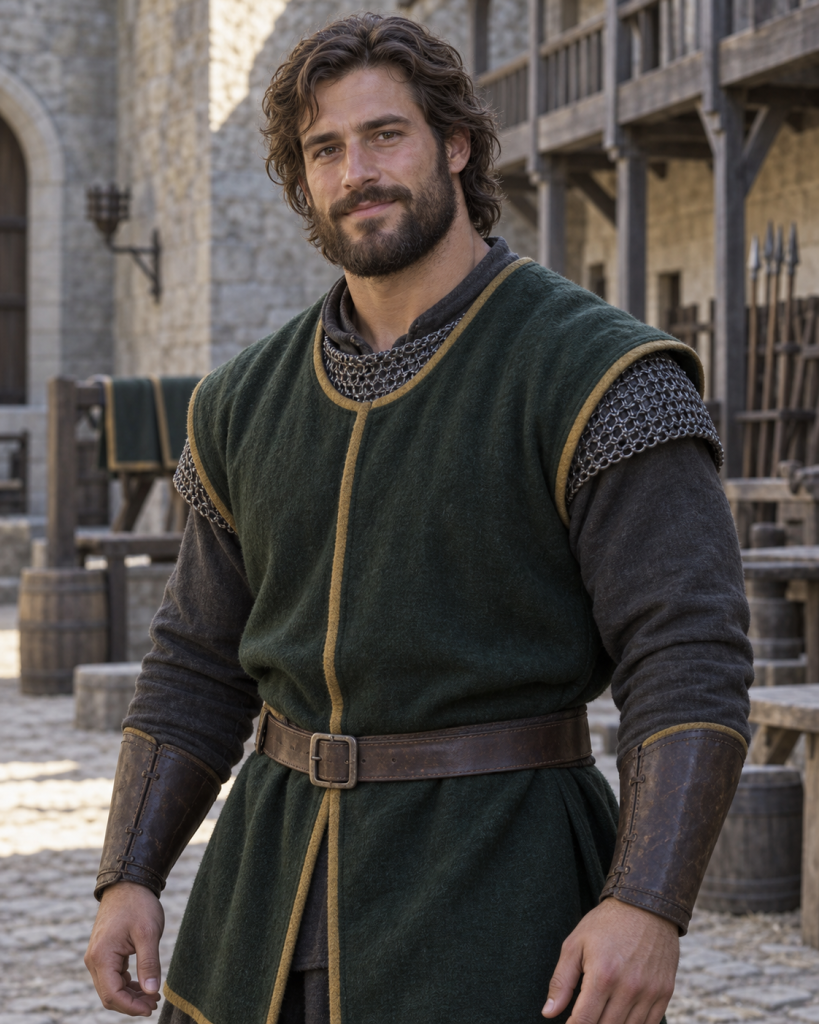
Lofsunu never appears directly. Hepzibah supplies him whole in one breath: very handsome, broad-shouldered, bearded, serving in Breyugar’s household force, following her constantly, likely to become a sergeant, and absolutely the man she intends to marry. The profile belongs to that joyful servant-network certainty while keeping one foot on the receipt: Hepzibah’s plan is real. The wedding and promotion are not confirmed.
Lady Antippa
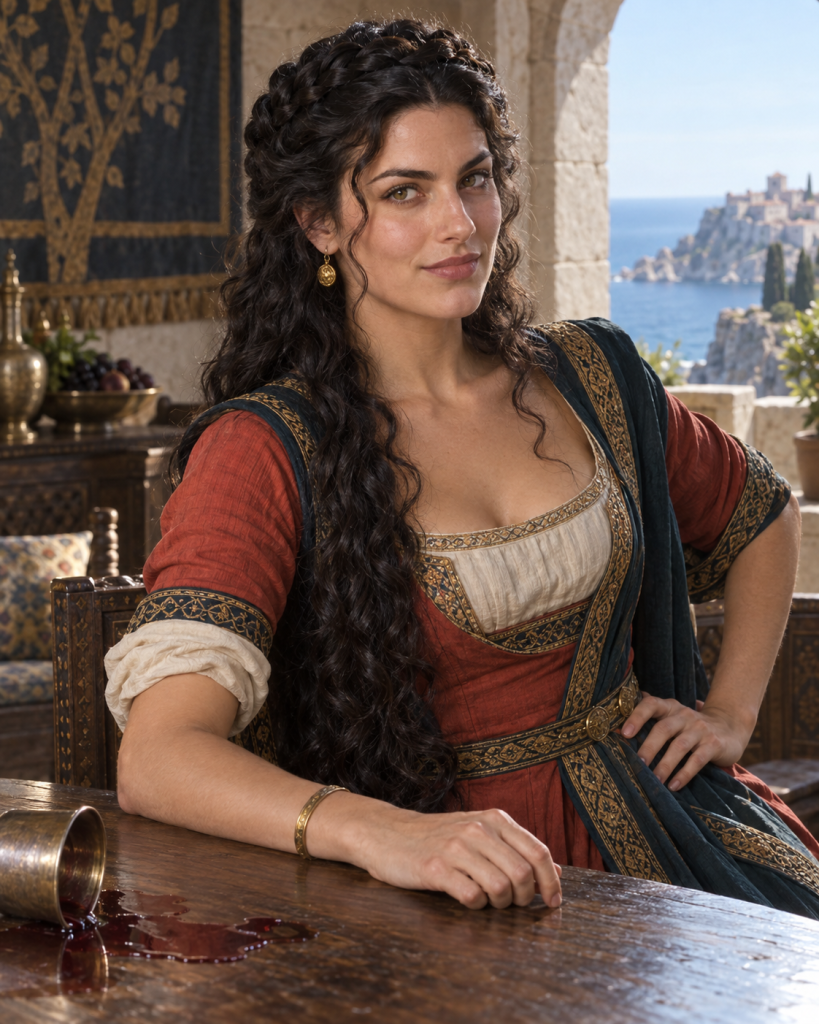
Lady Antippa gets only one direct Book 1 image: a ducal daughter arm-wrestling her brother in spilled wine while older people quietly calculate whether her marriage can bind Nabban to Erkynland. It is a tiny appearance with a whole political machine visible around it. Antippa is not an unused name on a family tree. She is the laughing, physical young woman in the room while everyone else turns daughters into treaties.
King Jormgrun
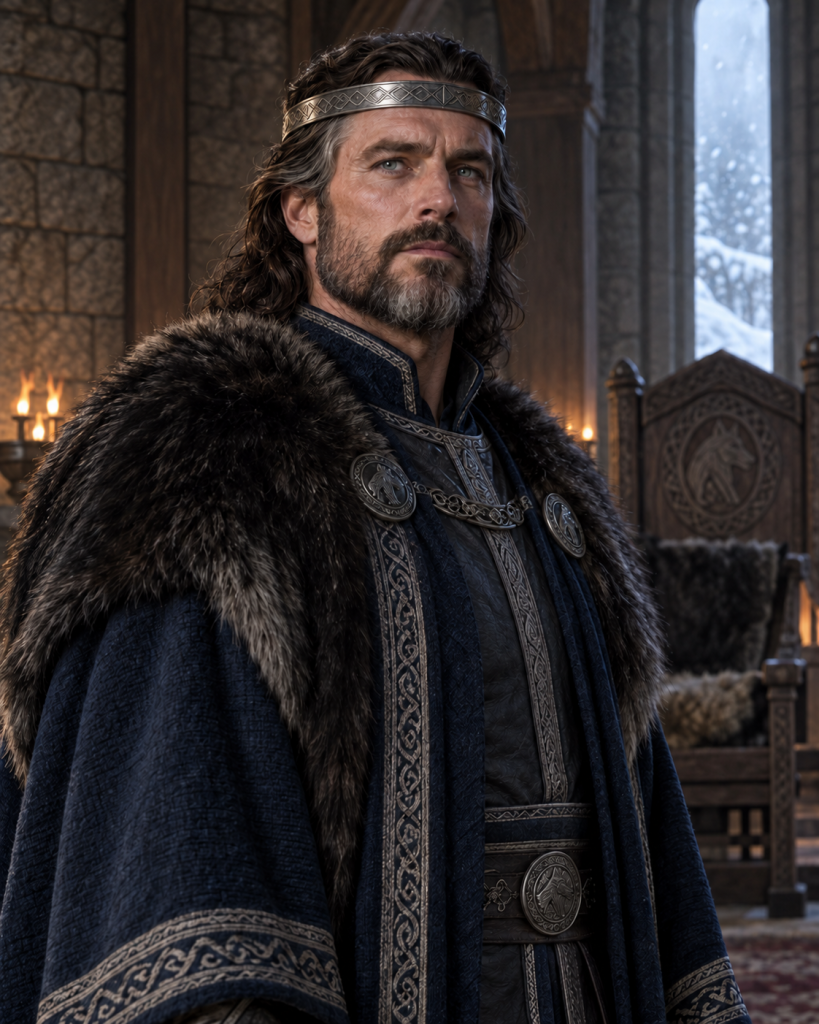
Jormgrun is the Rimmersgard king remembered through the story of his defeat: he trusted northern winter to break Prester John’s siege, met John inside Naarved after the gate fell, lost his shield beneath Bright-Nail, and died before his own altar. The conqueror’s loyal jester tells the tale. That source is part of the canon too.
Khaerukama’o the Golden
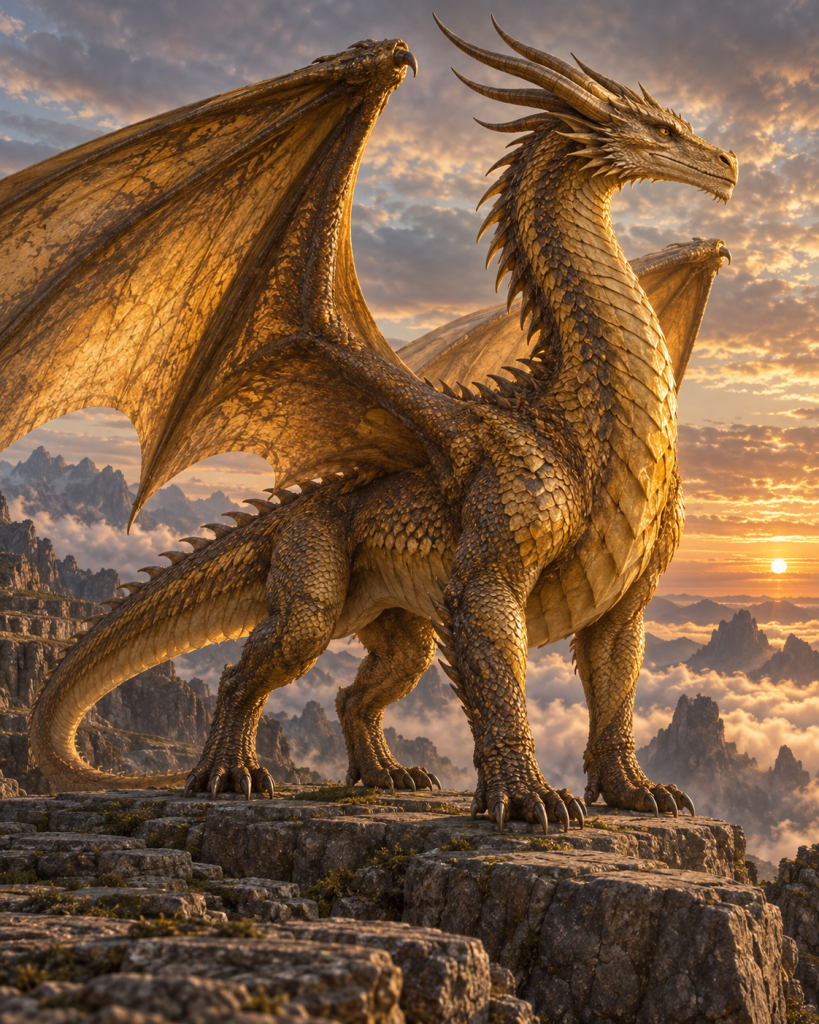
Khaerukama’o the Golden is the oldest named dragon ancestor in the Book 1 record: forebear of Hidohebhi, and through Hidohebhi part of the line descending toward Shurakai and Igjarjuk. One sentence stretches behind every dragon Simon knows—and wisely refuses to pretend the family tree is complete.
Ithineg the Harper
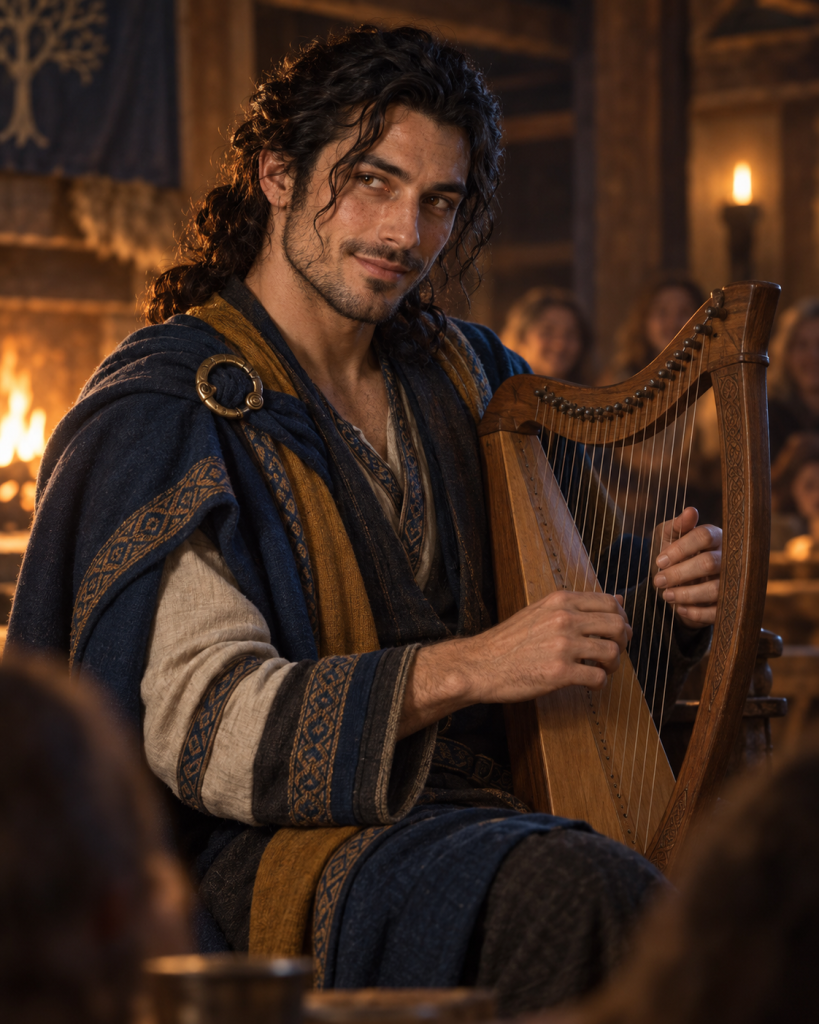
Ithineg is the harper at the center of a Hernystiri tale Cadrach tells Simon over meat and ale in Flett. The book gives the story one irresistible label—“Ithineg and his long, long night”—and Simon finds it hilarious enough to be slightly scandalized that a man of the cloth would tell it. No, the novel does not give us the missing bedroom logistics. We are not making them up.
Ikferdig the Burned King
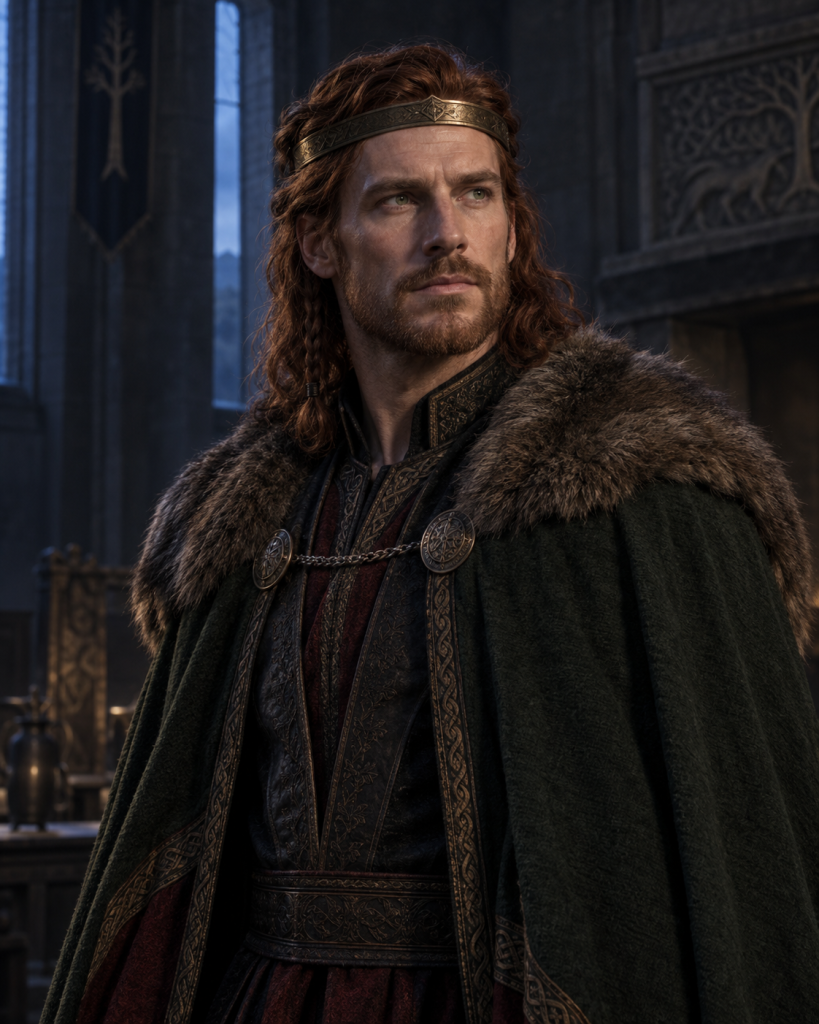
Ikferdig is the last of the Hayholt’s three remembered Rimmersman kings, the frightened stone face in the throne room, and the final known bearer of Minneyar before the sword called Memory vanishes into dragonfire and rumor. His biography is a ruin; his place in the mystery is load-bearing.
Hove
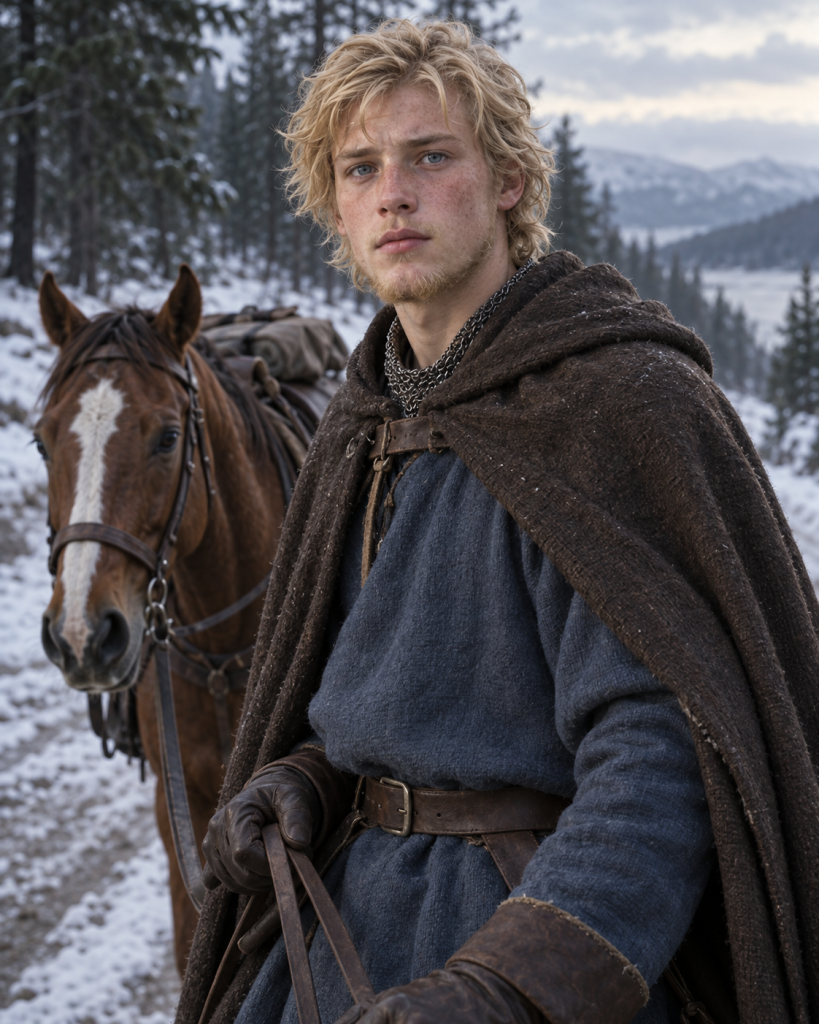
Hove is a young Rimmersman riding with Duke Isgrimnur when the road north becomes an ambush at Saint Hoderund’s. He dies in the opening charge, is carried back by Einskaldir and Sludig, and is buried beneath a cairn because northern kinship refuses to leave him to the wolves. Then his riderless horse is given to Simon. Hove’s page is brief in chronology but enormous in consequence: one young man’s death becomes another young man’s passage forward.
Hjeldin the Mad King
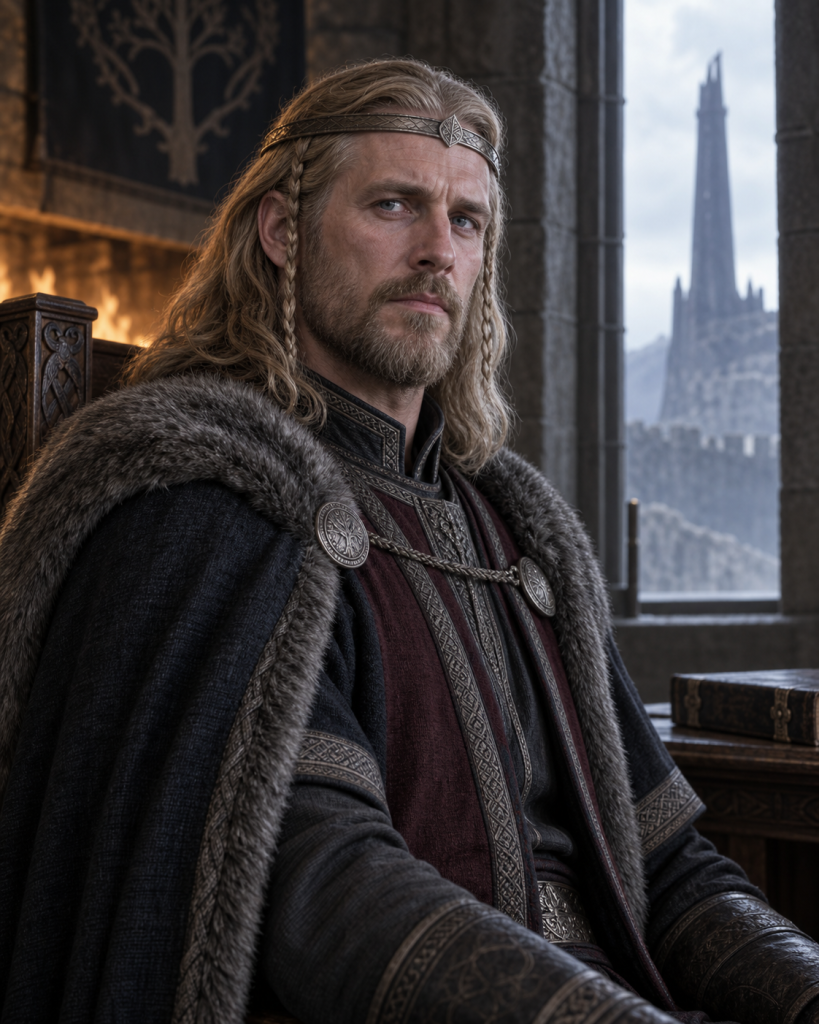
Hjeldin is one of the Hayholt’s six remembered kings: son of Fingil, heir to Minneyar, patron of the lost scholar Nisses, and the ruler who dies by leaping from the haunted spire that keeps his name. He is barely present as a living man and absolutely everywhere as an inheritance.
Heanfar
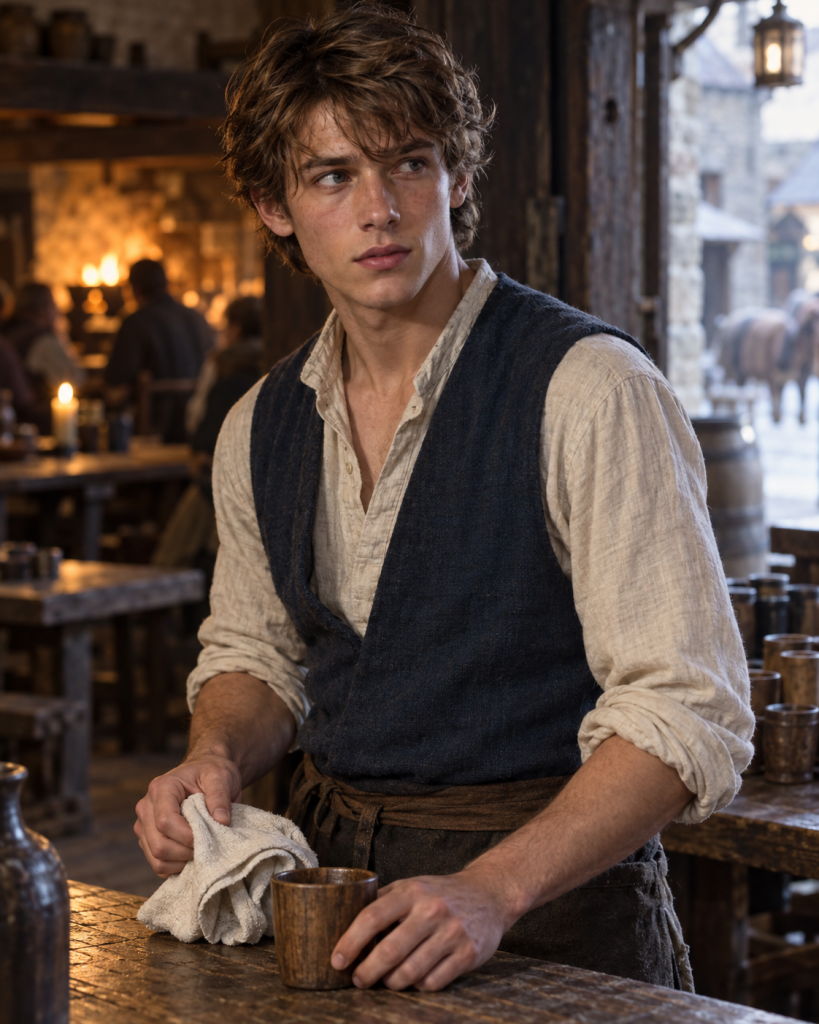
Heanfar is identified by the owned Book 1 character appendix as an innkeeper’s boy associated with the Naglimund cast. That is a narrow receipt, but it is not an invitation to erase him—or to manufacture a tavern subplot because fandom prefers named swords to named labor.
Hani
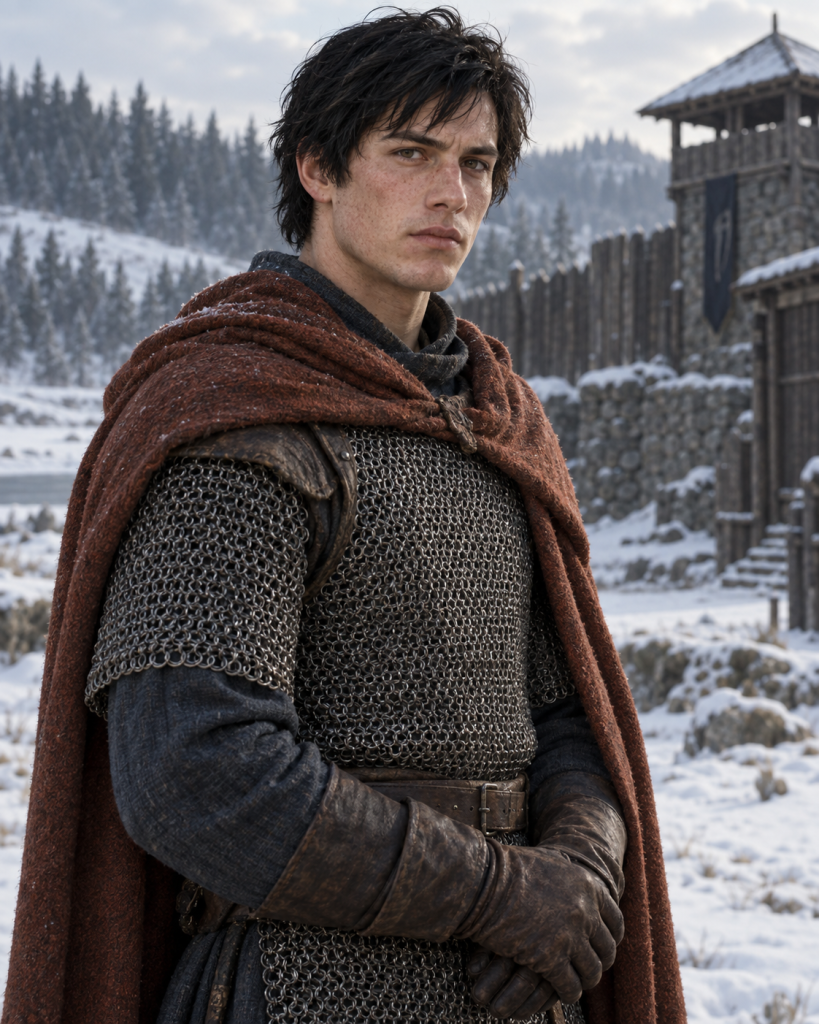
Hani is a young Rimmersman of Saegard, named among the dead after Bukken abandon their remembered pattern of hiding beneath the earth and attack armed soldiers on open ground. No duel survives. No last words. His name is one of the facts proving the North’s rules have changed.