
Vindaomeyo the Fletcher
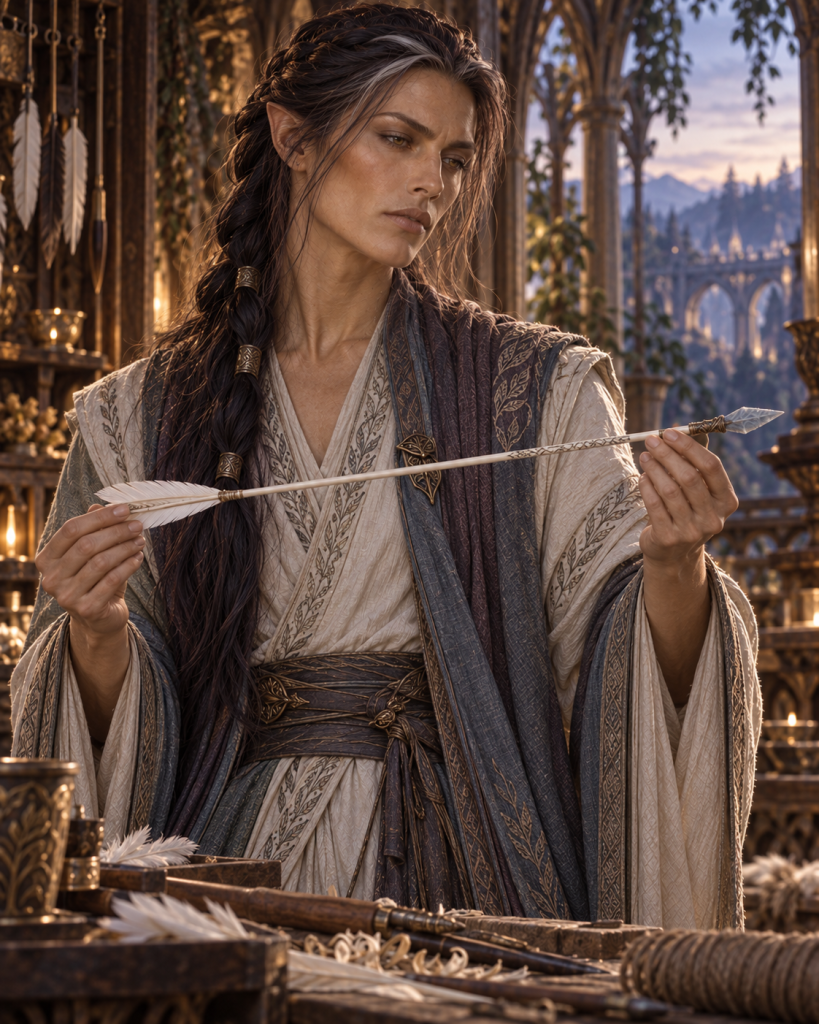
Vindaomeyo is the ancient maker who inscribed Words of Making on the Sithi White Arrow Jiriki gives Simon. Book 1 treats the arrow as a family treasure and life-debt token. Book 4 lets the dwarrows recognize the deeper receipt: Vindaomeyo shaped it for one of the Zida’ya who taught their people craft, using a blue-gray fragment of a Master Witness as its point.
Varellan
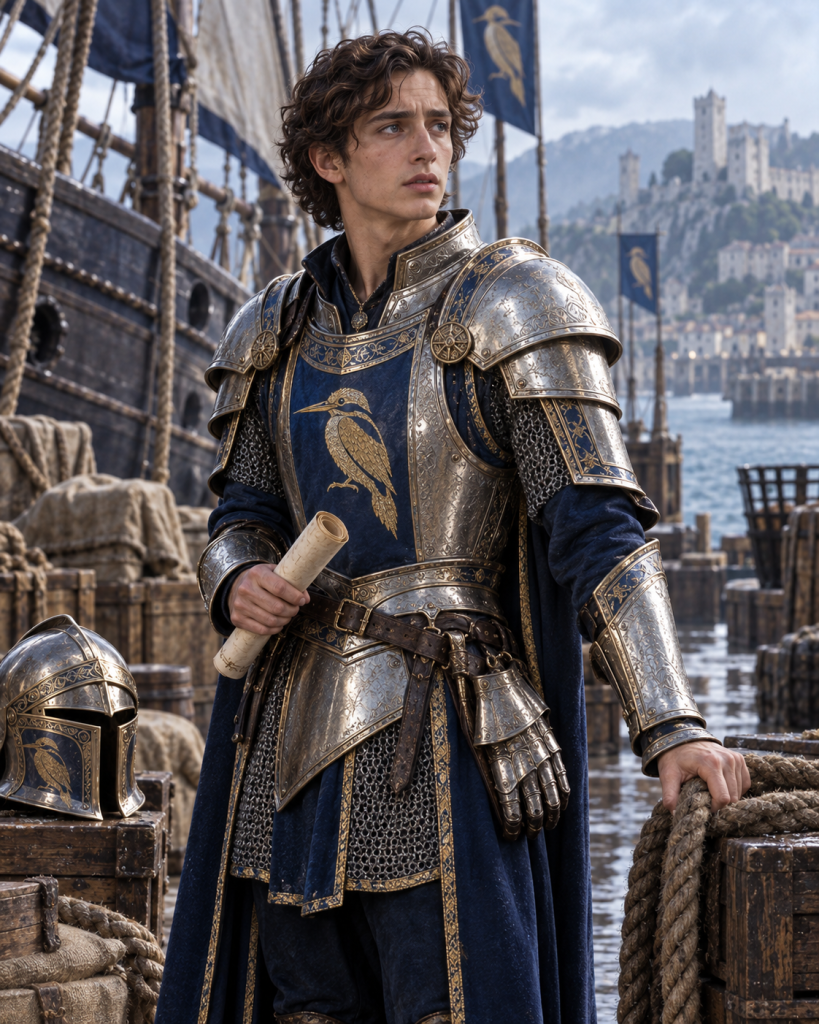
Varellan is Duke Leobardis and Duchess Nessalanta’s anxious youngest son: a slight young man once drawn toward the priesthood, pressed instead into bright armor, and eventually handed an army during Nabban’s civil fracture. His story is not that he lacks courage. It is that a family decides what courage must look like, then leaves him to bleed inside the costume.
Thane Tonnrud
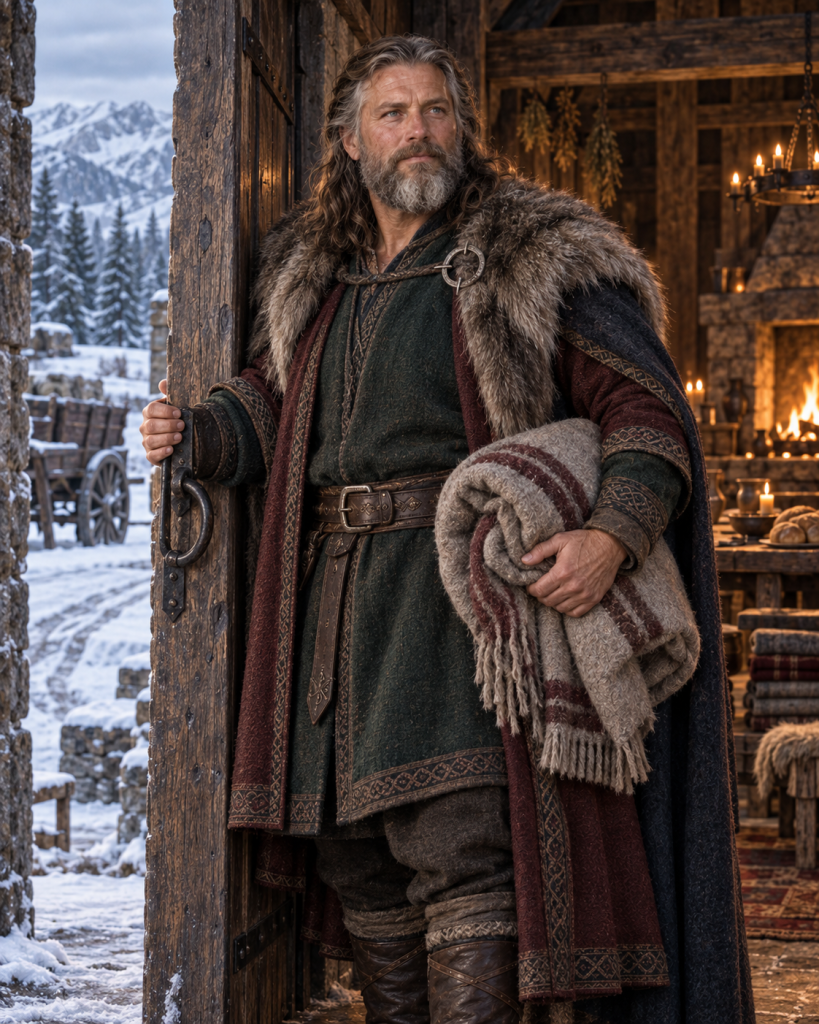
Tonnrud is Gutrun’s uncle and the thane whose household at Skoggey becomes a shelter inside Rimmersgard’s collapse. Gutrun retreats to him before leading refugees to Naglimund; later, Isgrimnur’s other son and two daughters remain in Tonnrud’s care. He never needs a battlefield entrance to matter. People survive because his door holds.
Sijandi
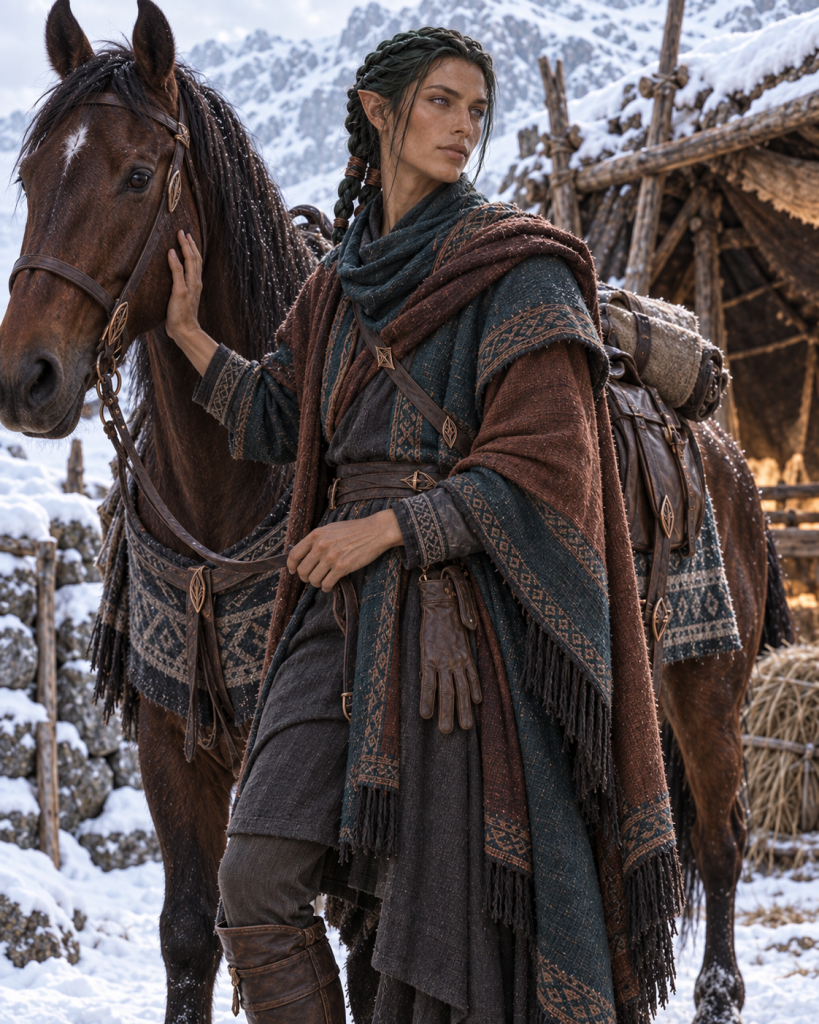
Sijandi is the Sithi expedition companion who returns the travelers’ horses and gear, rides north with Jiriki, and shares responsibility with Ki’ushapo for keeping the animals alive below Urmsheim. The climbers get prophecy, ice axes, a dragon, and Thorn. Sijandi gets the job that determines whether their story has a road back. Book 2 names Sijandi again as one of the companions sent ahead when Jiriki must answer his parents’ summons.
She Who Birthed Mankind
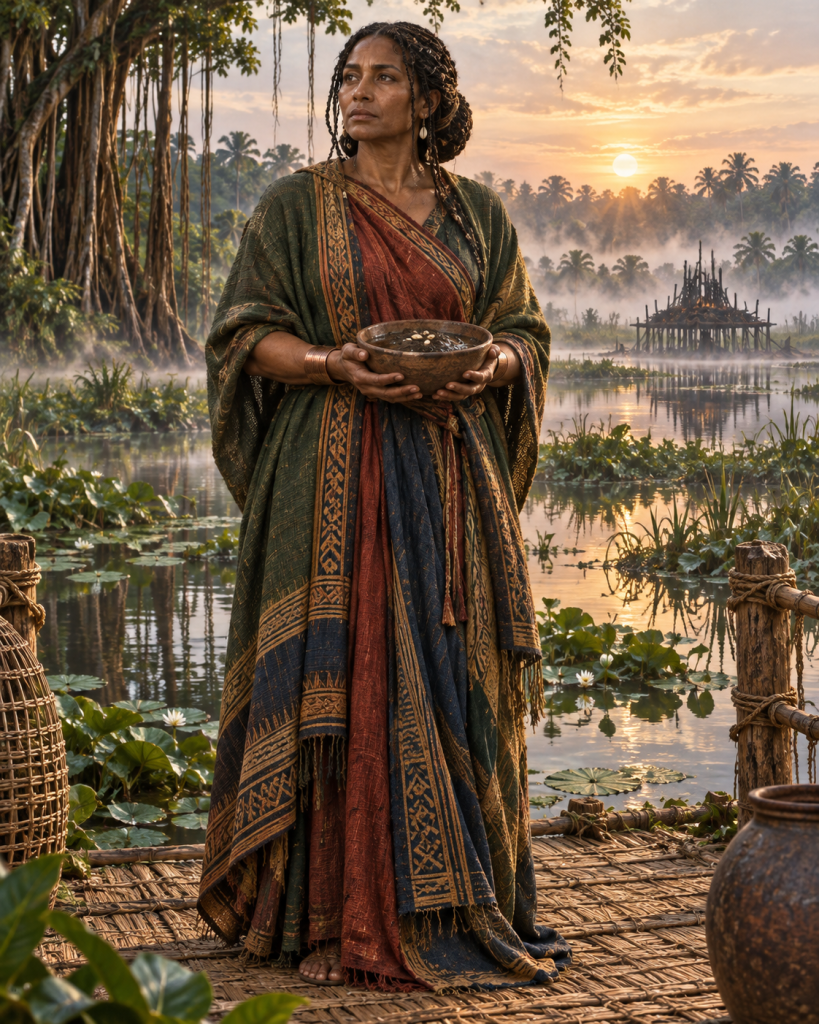
She Who Birthed Mankind is a Wran goddess named in Book 1’s devotional record and invoked by Tiamak over Younger Mogahib’s pyre in Book 3. The title places human origin inside a larger sacred cycle: birth, watchers and shapers, death, return—and one communal plea that the dead man not drift away unnamed.
Sedda
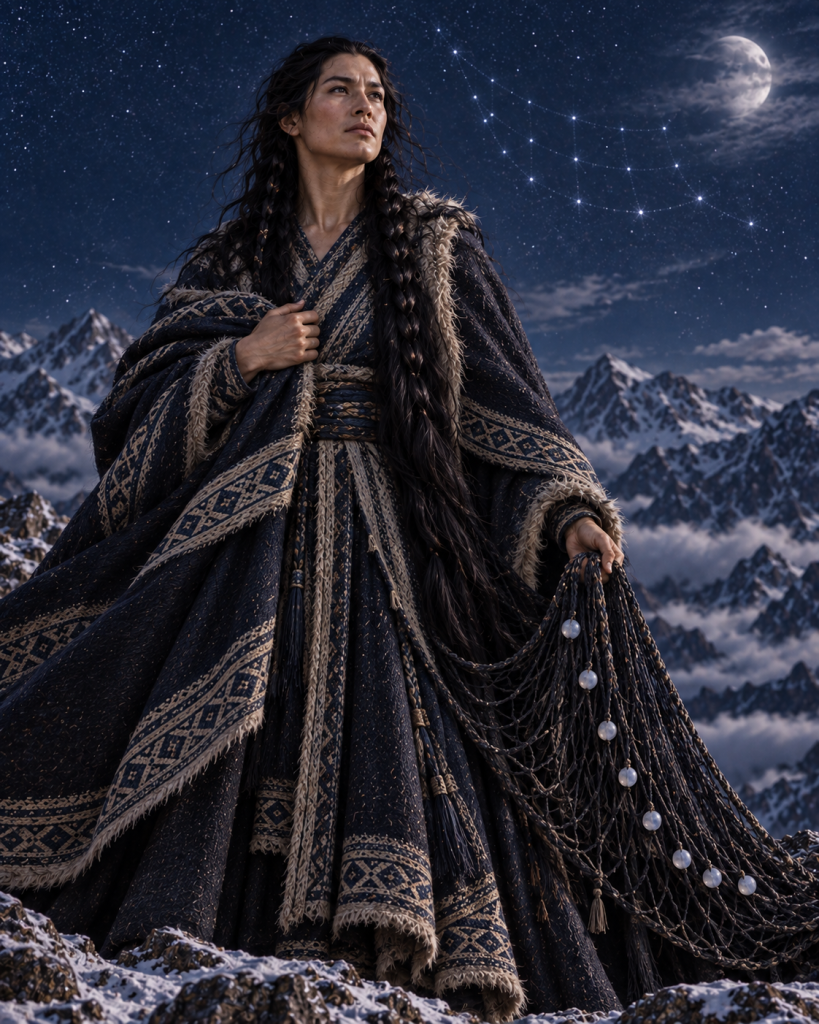
Sedda is the Qanuc Moon Woman and Dark Mother: pale, black-haired daughter of the sky-lord Tohuq, unwilling bride in the great bird-marriage cycle, mother of nine, and protector of the hidden twins Lingit and Yana. Her jeweled night-net becomes a constellation, her children’s choice explains mortal and Sithi descent, and her song travels from starlit camp to a mixed Qanuc–Aedonite funeral without becoming decorative folklore.
Ruben the Bear
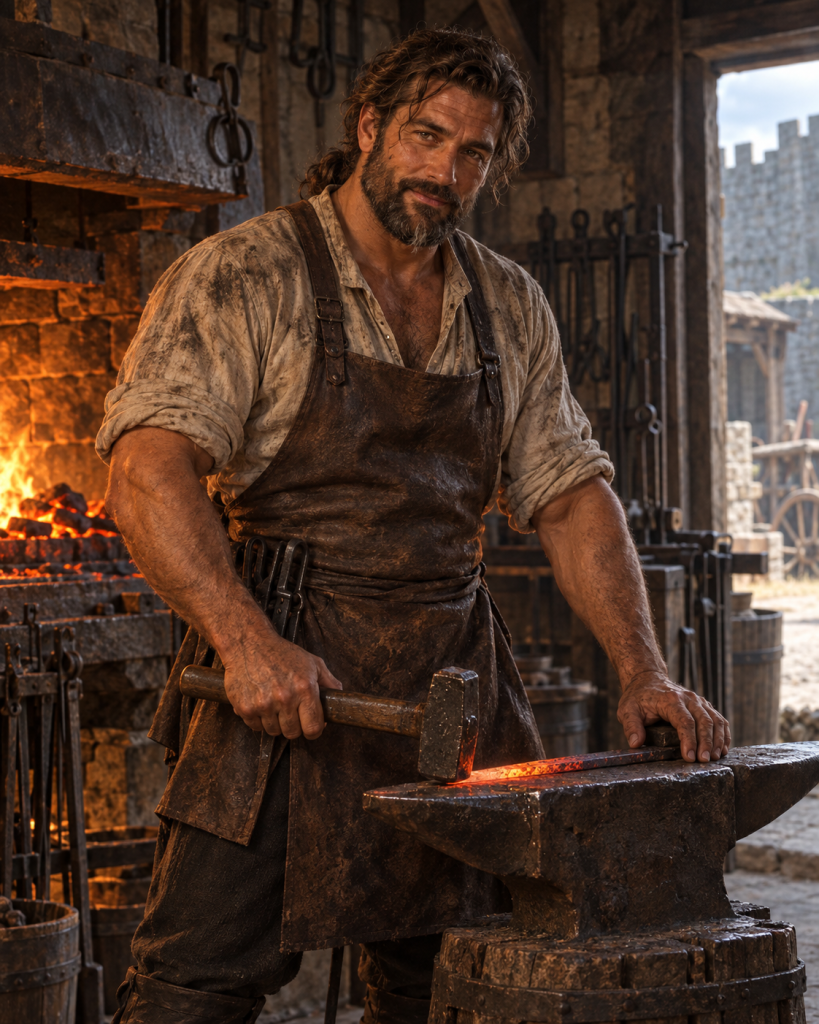
Ruben the Bear is a Hayholt blacksmith, drinking companion to Shem and Towser, and one link in the working people’s rumor chain carrying news of Guthwulf’s plague measures. Simon later remembers him among the ordinary faces that made the castle home. In Book 2, a nightmare borrows Ruben’s familiar body for an immortal, inhuman voice. The horror belongs to the dream—not to the blacksmith whose familiarity made him useful as a mask.
Queen Inahwen
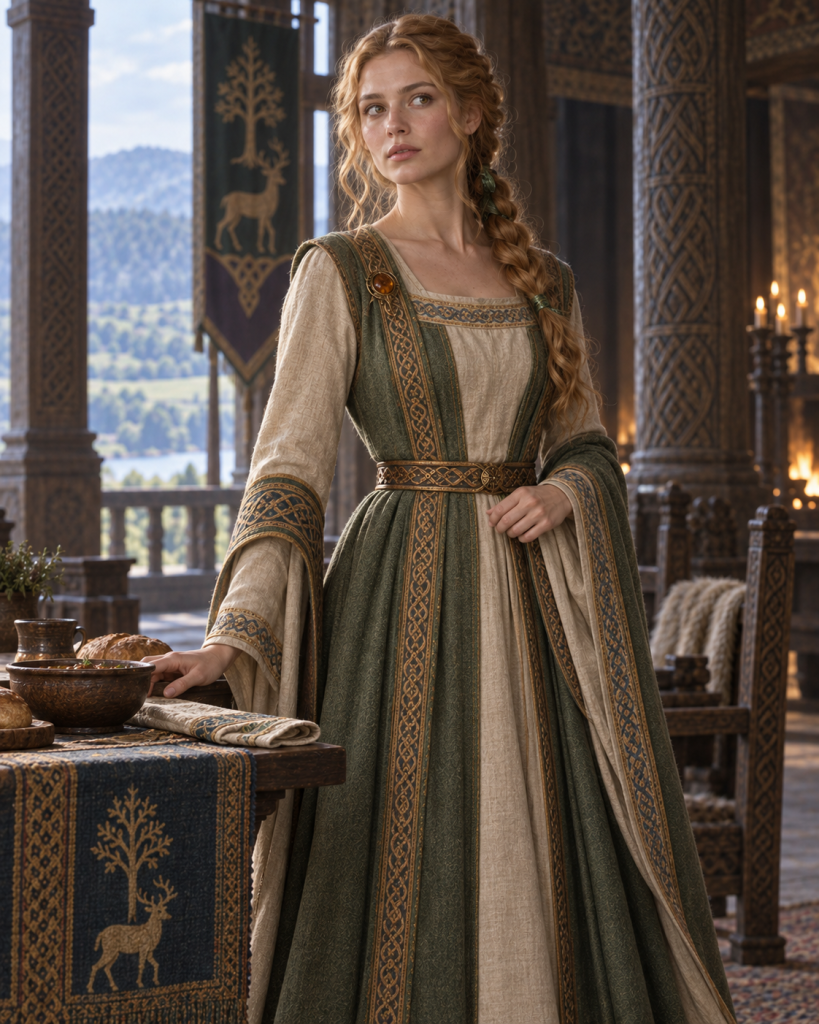
Inahwen is King Lluth’s third wife, a golden-haired young queen only one year younger than her stepdaughter Maegwin. She manages meals, fear, and bedside care while men turn the Taig into a stage for threats. After Hernystir falls, her likely objections still carry enough legitimacy that Craobhan invokes them against Maegwin’s unilateral rule. Inahwen is not the loudest person in the royal household. She is the woman whose quiet authority becomes most visible when someone else starts treating it as optional.
Penemhwy
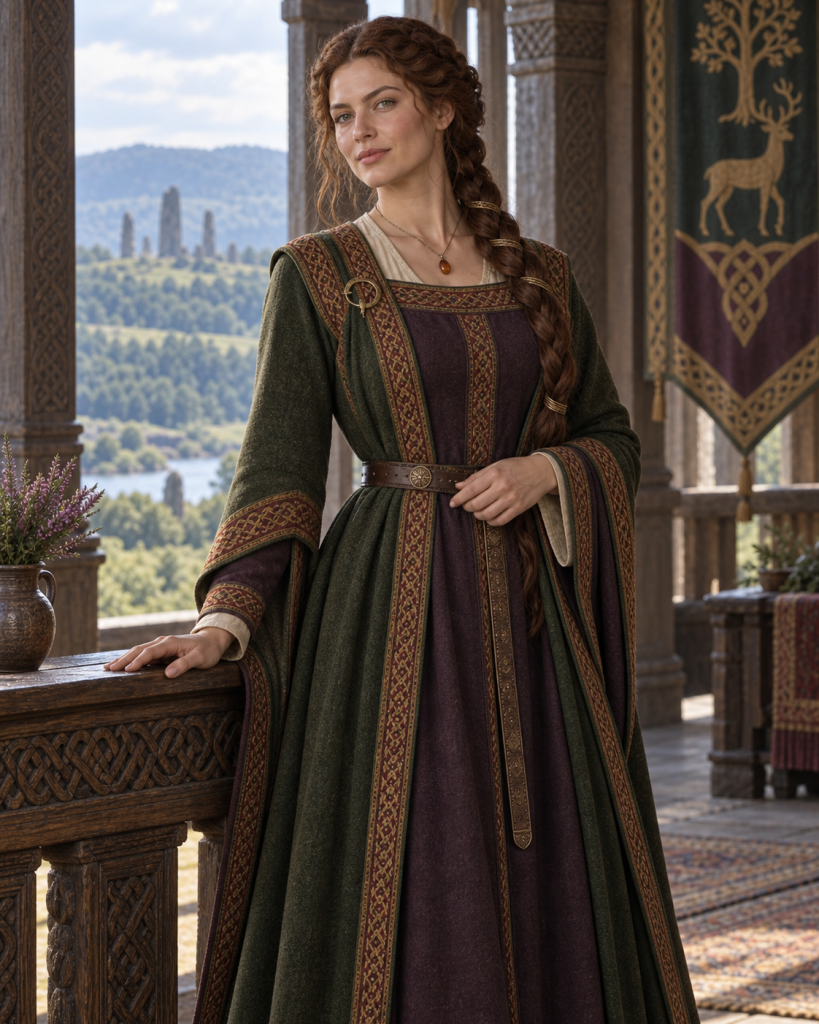
Penemhwy is Maegwin’s mother and King Lluth’s first recorded wife, dead since Maegwin was four. She never steps into a living scene, yet Book 4 makes her absence speak: when Maegwin’s imagined heaven begins to fracture, she asks why Penemhwy is not there among the beloved dead.
Ostrael, Son of Firsfram
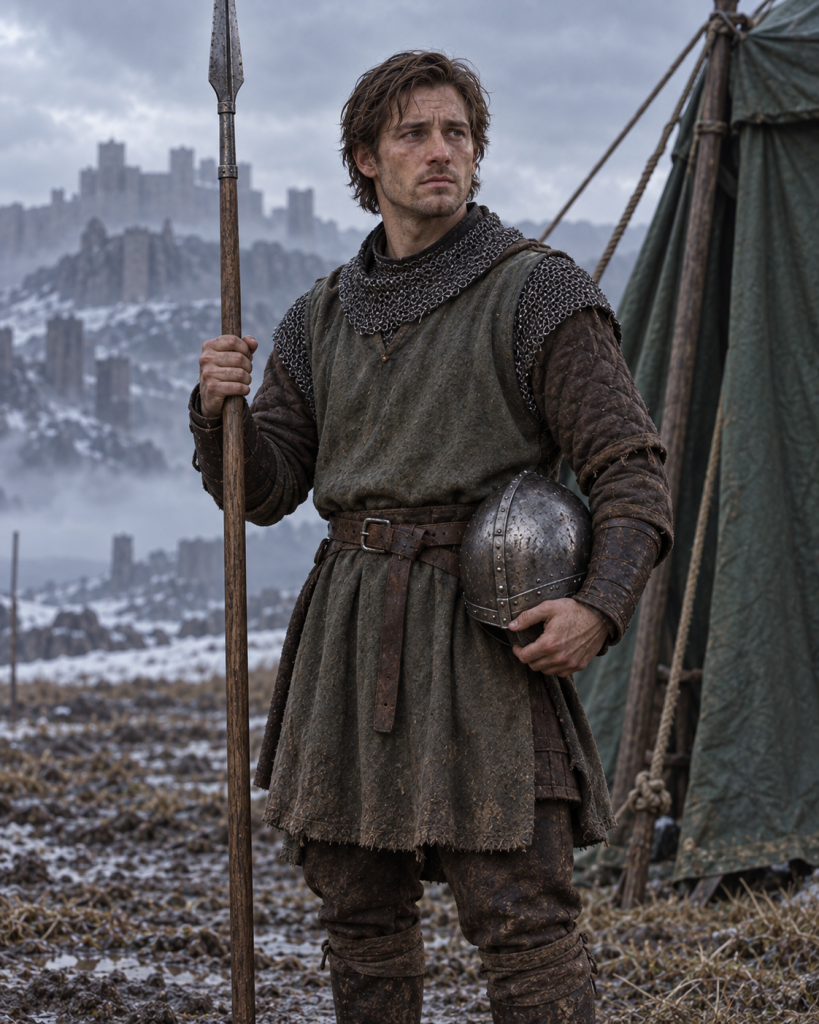
Ostrael is a frightened young pikeman from Runchester whom Josua remembers by name, chooses for the green-tent parley, and cannot save when Naglimund falls. In Book 2 his body staggers back into the refugee camp with a fatal throat wound, a bare foot burning without pain, and a Red Hand spirit waiting behind emptied eyes. The horror lands because the corpse belonged to a boy before it became a weapon.
Nin Reisu
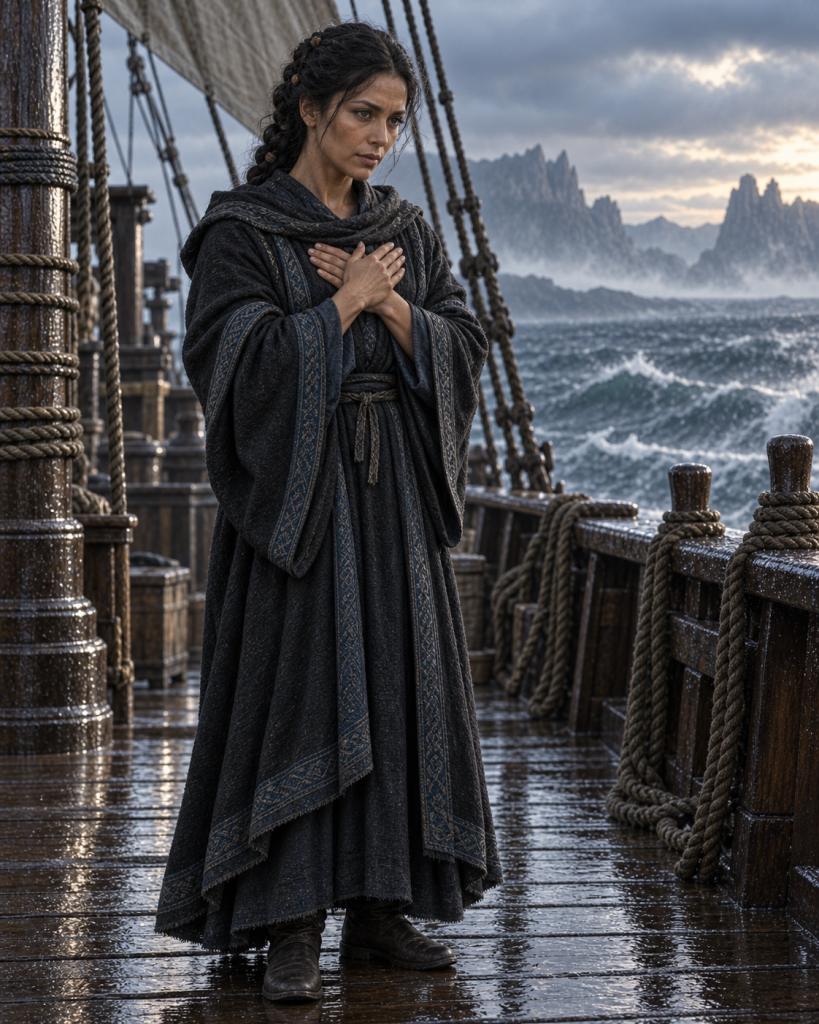
Nin Reisu is the Niskie seawatcher trusted aboard Emettin’s Jewel long before Josua’s desperate fleet needs Niskie knowledge to survive hostile water. She receives little page space and still exposes an entire hierarchy: frightened landbound officials may treat her as strange, but the duke who knows ships understands exactly whose judgment matters at sea.
Niku’a
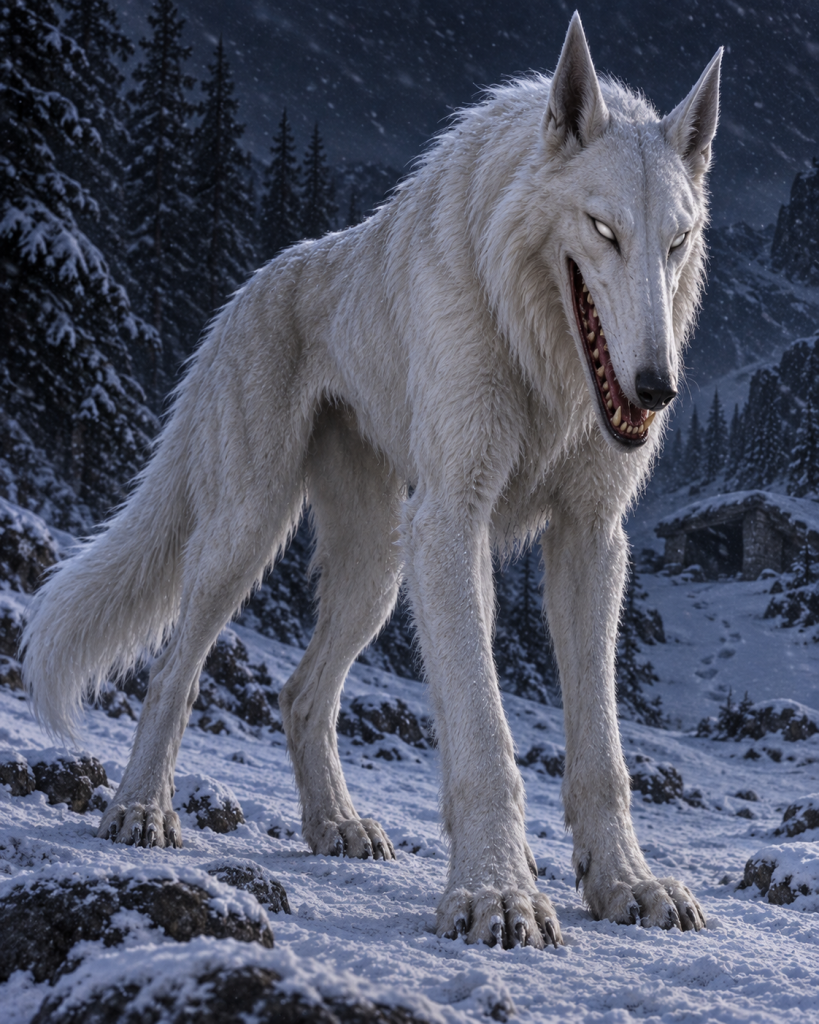
Niku’a is not a winter wolf with better branding. Utuk’ku’s giant white hound is a tracker, rescuer, pack-summoner, and living extension of the Queen’s Hunt—beautiful at a distance, anatomically wrong up close, and patient enough to carry a broken hunter back into the chase.
Mircha
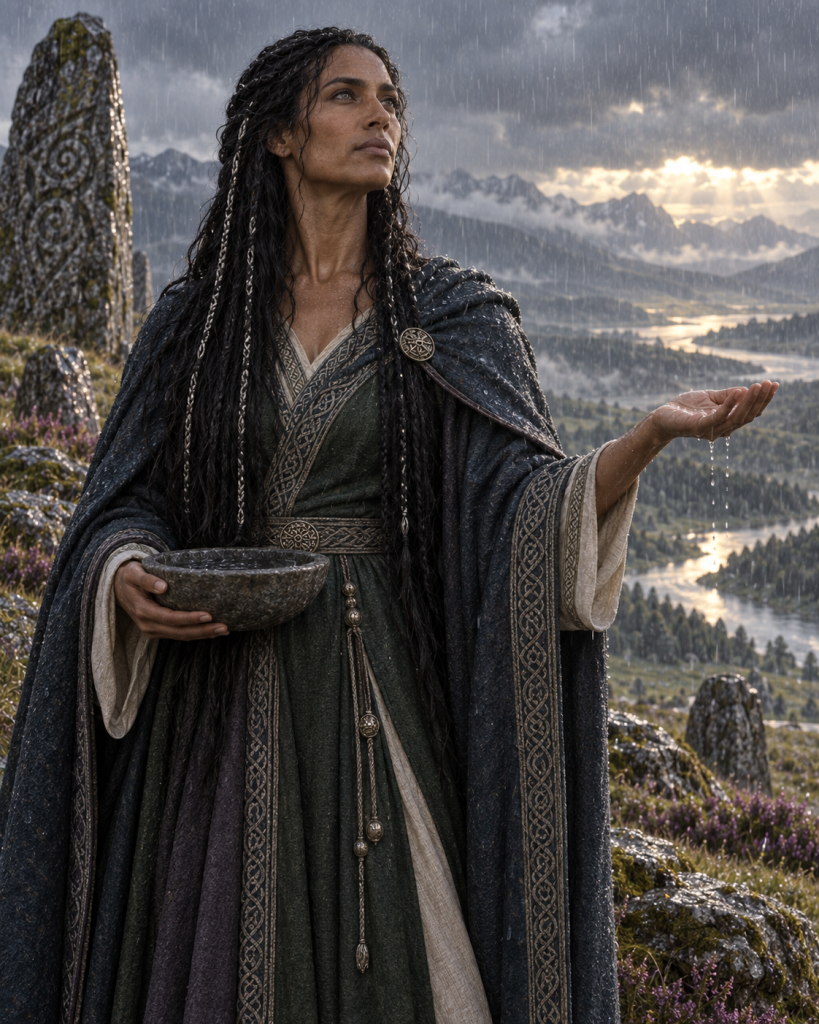
Mircha is the Hernystiri rain goddess whose surviving narrative weight arrives through Diawen, a former priestess carrying one old refusal into Maegwin’s crisis. Diawen once rejected a frightening dream request connected to Mircha. Regret helps drive her to believe Maegwin too quickly. The goddess does not visibly appear; the consequence does.
Master Jakob
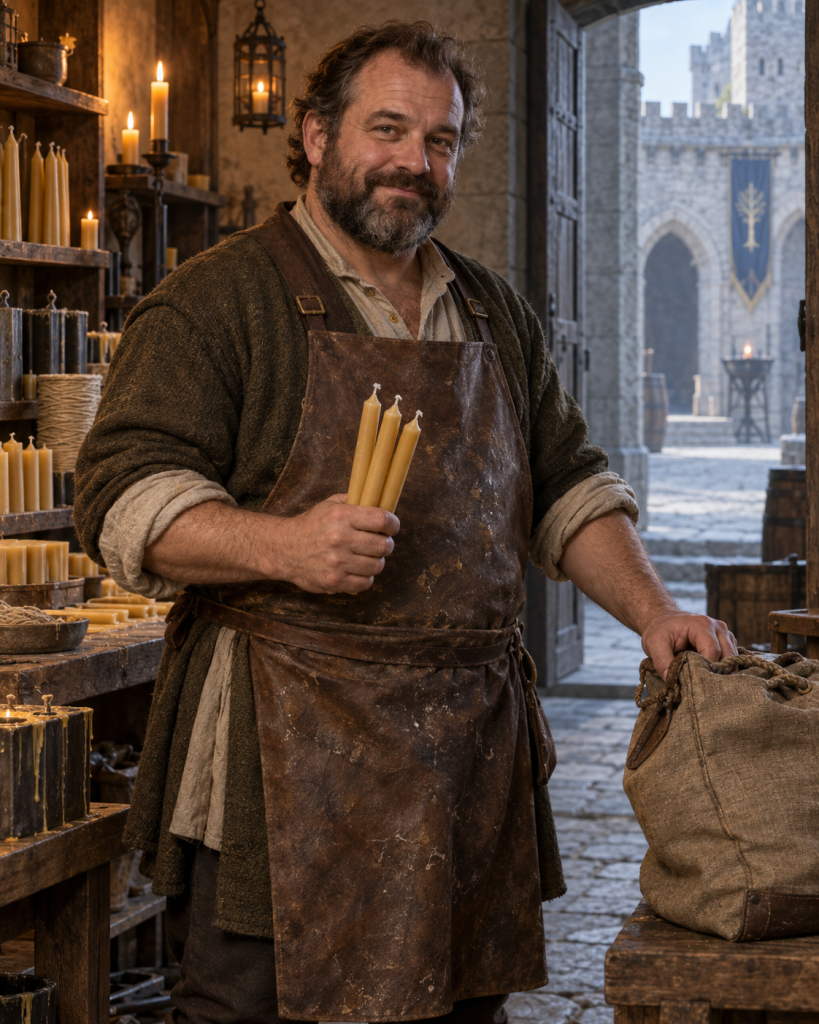
Jakob is the Hayholt’s slow, stumpy chandler, first seen crossing the Inner Bailey with his apprentice Jeremias and a heavy bag while demanding the dining-room candles. His work is ordinary enough to disappear into castle life—until the regime beats him and throws him out. Jakob’s profile is the story of a master craftsman we mostly see through what happens to his apprentice: permission once mattered, work once had rules, and then soldiers made both irrelevant.
Lingit
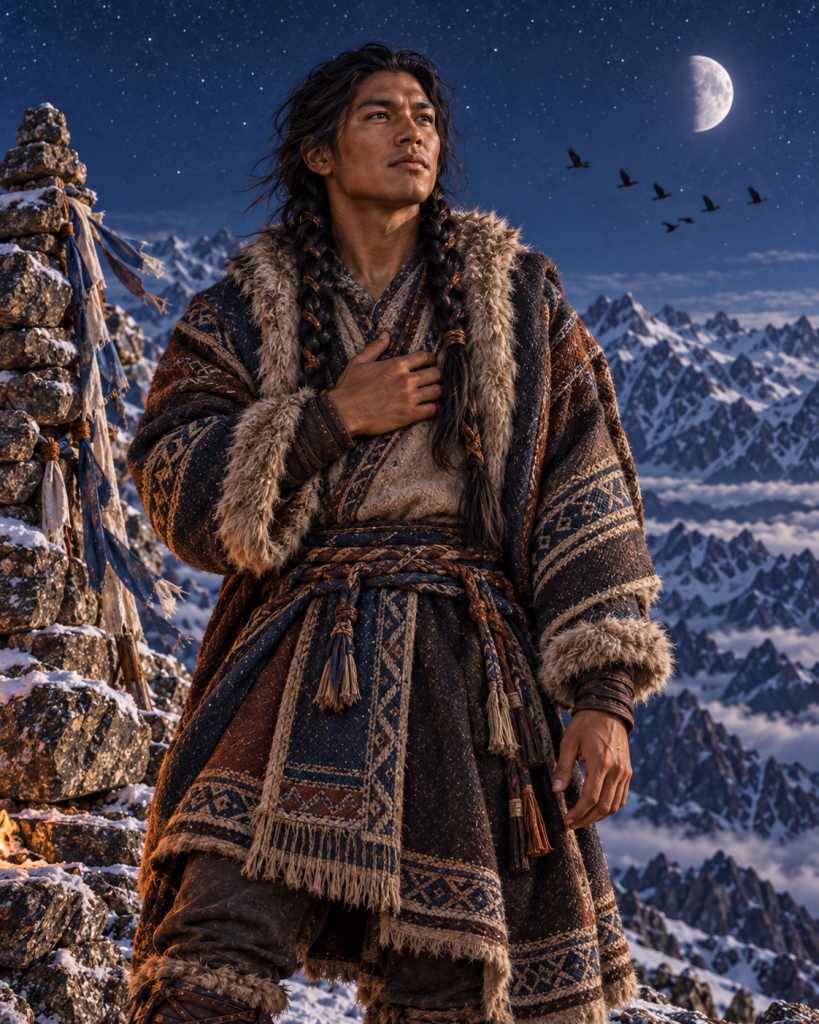
Lingit is Sedda’s hidden son and the ancestral figure through whom the Qanuc understand mortal continuity. He and his twin Yana survive the bird-lord’s taking, choose between two patterns of death, and become roots of peoples whose later friendship still remembers the Moon Woman. His name lives in Chidsik ub Lingit, in Ookequk’s final declaration that he is a Child of Lingit, and in the wind-song sung over Qanuc and Utku dead.
Ki’ushapo
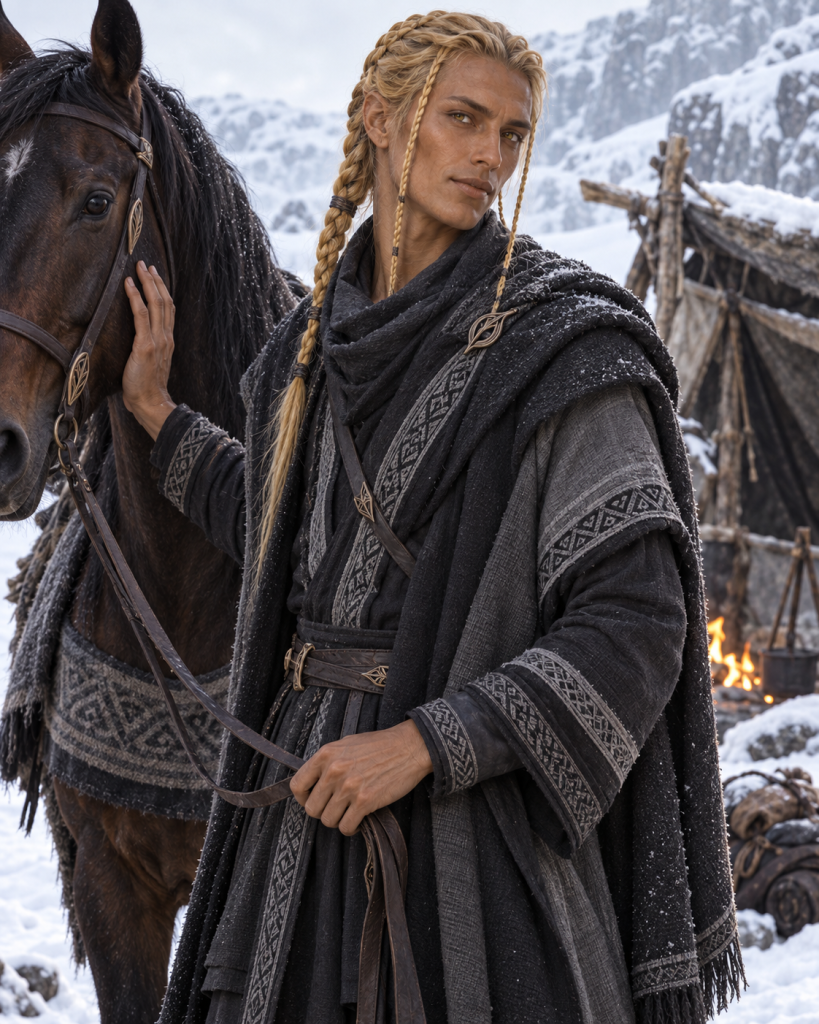
Ki’ushapo is a yellow-braided Sitha hunter in black and gray, slender enough to look almost weightless beside Haestan and strong enough to wrist-wrestle the burly guardsman without moving. He helps return the travelers’ gear, rides north with Jiriki, and tends the horses across the White Waste so the Thorn expedition has a return journey to attempt. Book 2 remembers him again as one of the companions Jiriki sends ahead. His magic trick is logistics performed so well everyone else gets to call the quest heroic.
He Who Always Steps on Sand
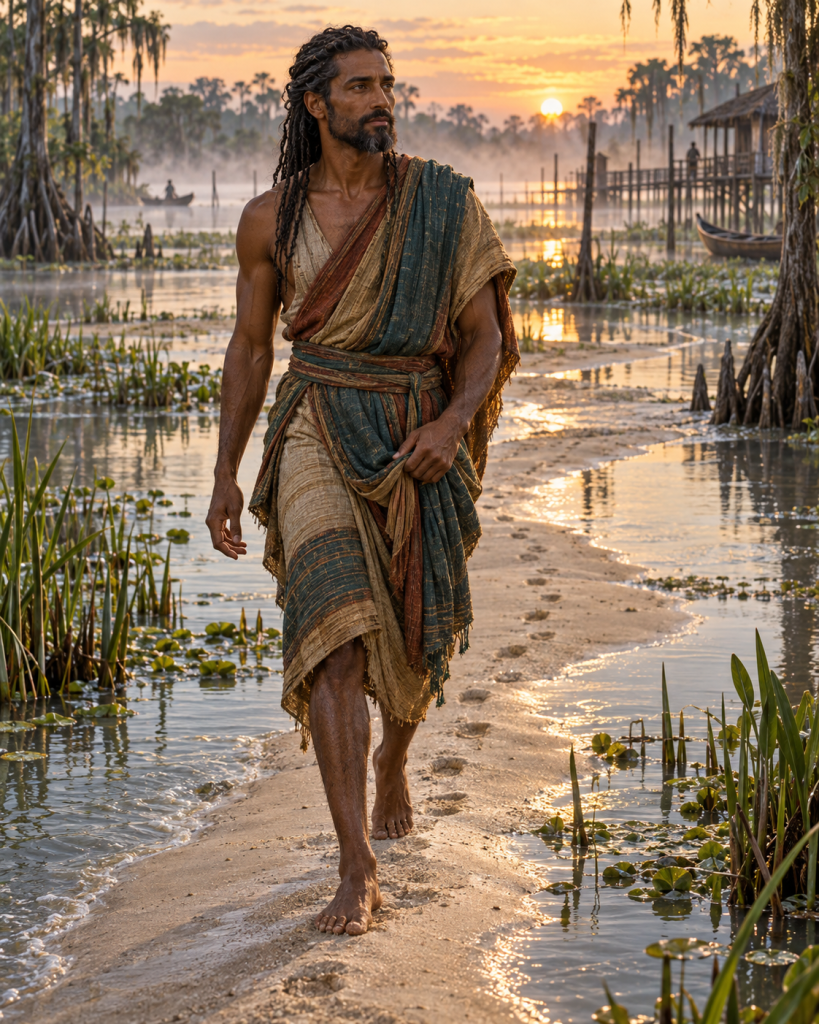
He Who Always Steps on Sand is a Wran devotional figure named in the Book 1 cultural record and invoked by Tiamak in Book 2 while he crawls, fevered and wounded, toward Kwanitupul. The prayer confirms belief and relationship. It does not confirm a literal body, intervention, or walking god.
Grimmric
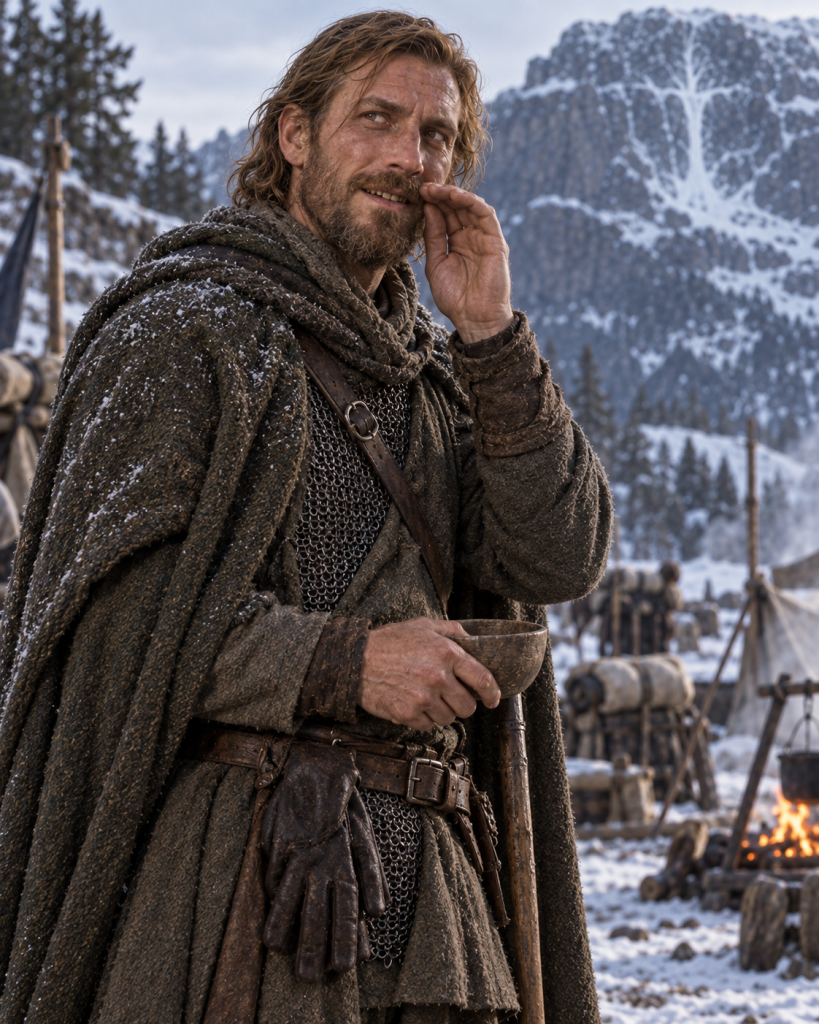
Grimmric carries no royal blood and receives no enchanted destiny. He carries Thorn, a hawkish face, bad teeth, a father’s winter song, and enough stubborn life to survive ice before a black arrow ends him. The song outlives the singer, helping the expedition find the Uduntree where mortal and Sitha are buried together.
Frekke Grayhair
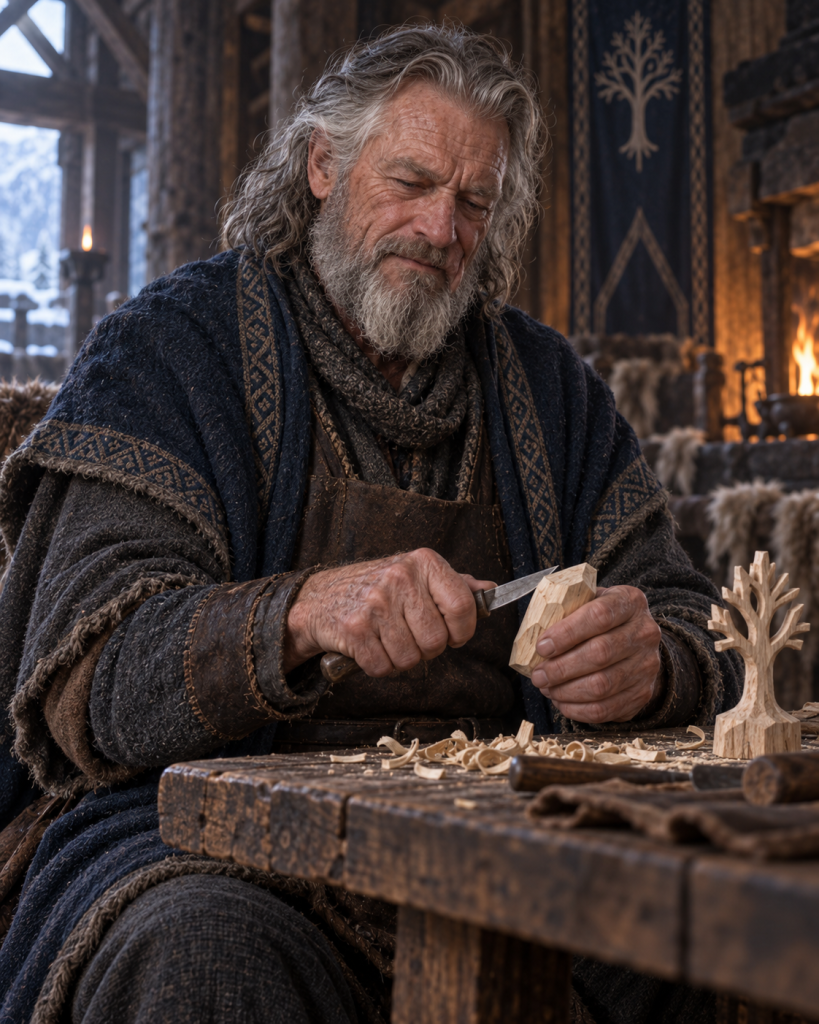
Frekke Grayhair is an old Rimmersman soldier who once served Isgrimnur’s father and now teaches an impatient duke how to look at a block of wood until the shape inside announces itself. The lesson seems almost comic when Isgrimnur burns another failed carving. Two books later, Frekke is dead at Naglimund, and the memory of his kindness helps Isorn reach the son he left behind. He is proof that gentleness can survive inside a warrior’s legacy—and become political power after the warrior is gone.
Father Helfcene
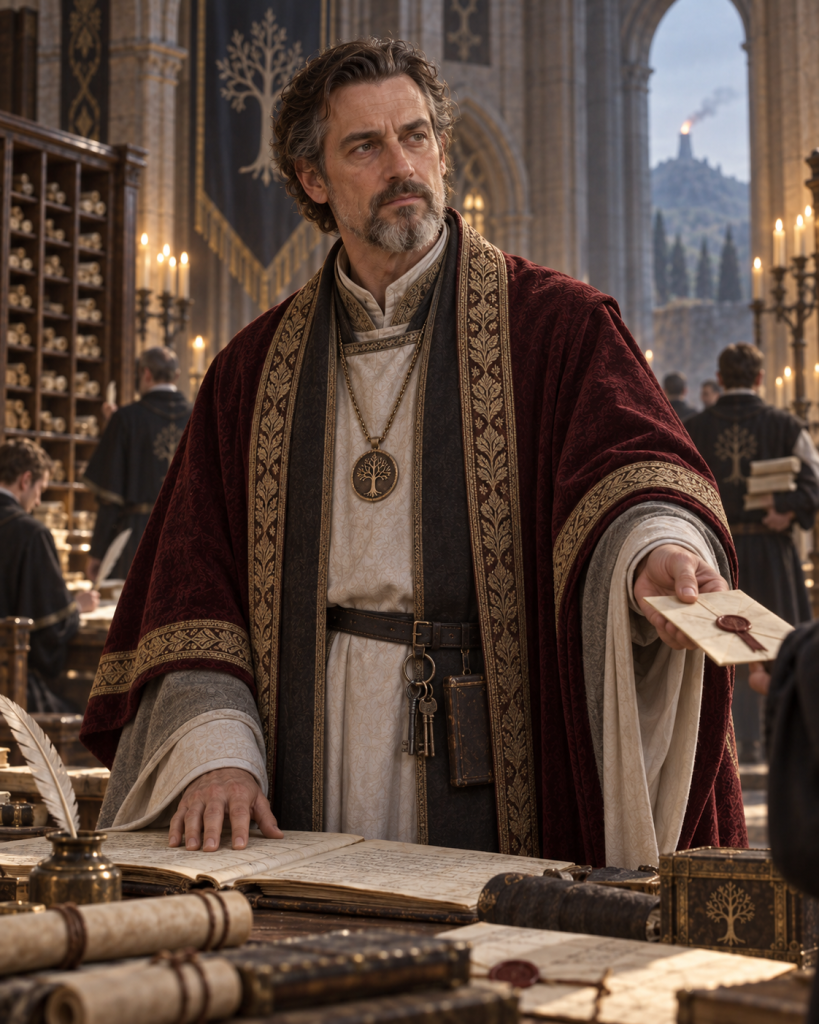
Father Helfcene is King John’s chancellor and the senior Chancelry priest who turns royal death into coordinated public ritual: messengers, records, the Hayefur beacon, and a grave cut into frozen Swertclif. Under Elias, that administrator becomes a warning. In Book 2, Helfcene’s body is one of nine hanging above Nearulagh Gate. The man who ordered the kingdom’s mourning is displayed by the next king as an instrument of fear.
Einskaldir
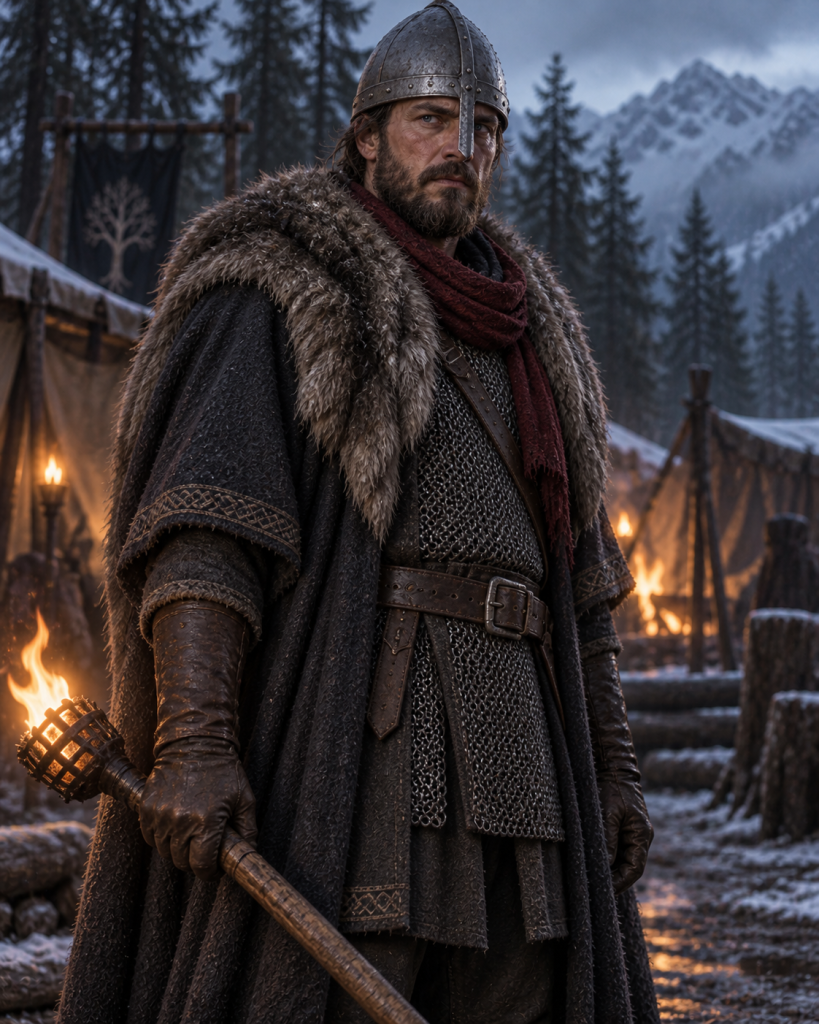
Einskaldir is Isgrimnur’s dark-bearded Rimmersman: wounded scout, suspicious interrogator, Naglimund defender, corpse-detector, order-breaking executioner, and finally the man who grabs a torch and makes himself the target. He is harsh enough to frighten a frightened boy and watchful enough to save a sleeping company from the dead thing wearing their friend.
Eahlstan Fiskerne
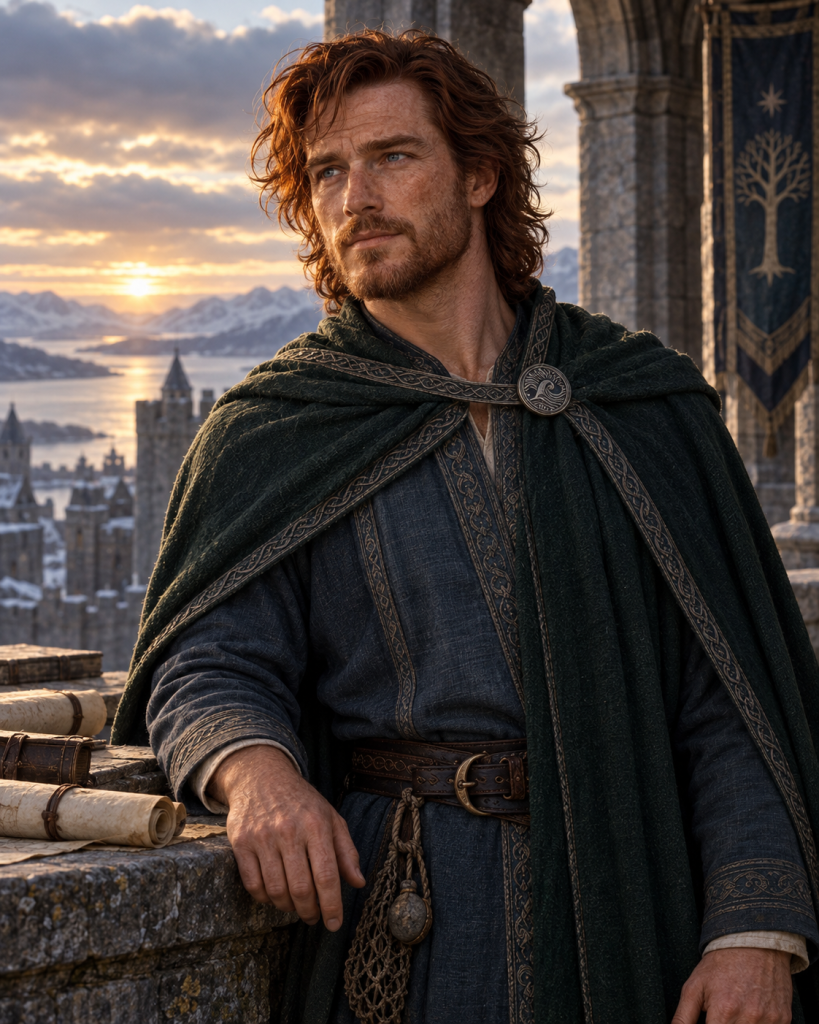
Fisherman’s son, Hayholt king, dragon-slain saint, founder of the League of the Scroll, and Simon’s hidden ancestor: Eahlstan Fiskerne spends most of the trilogy as stone, relic, ring, rhyme, and responsibility. Five centuries after his death, the secret line he protected returns to the throne—and still refuses to claim blood is character.
Chukku
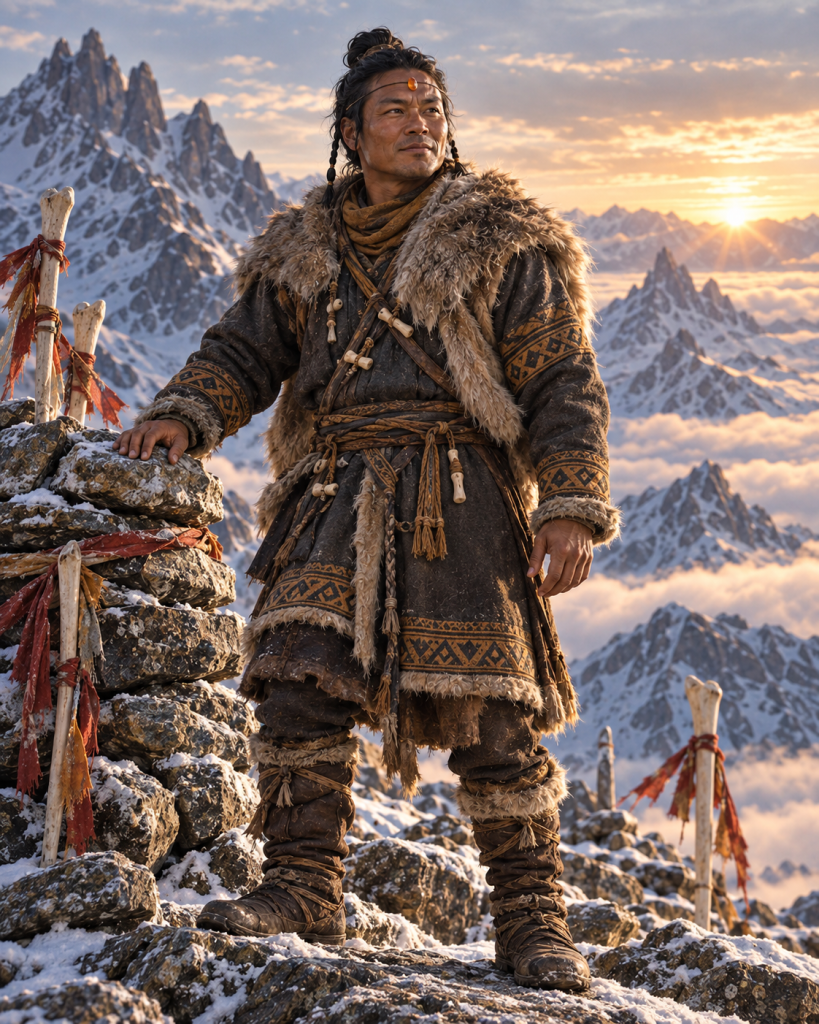
Chukku is a legendary Qanuc troll hero named in Book 1’s cultural record and invoked in Book 2 when Sludig becomes the first Croohok pardoned since Huqinka Valley. Chukku does not appear to swing the judgment. The name is called precisely because mercy is risky and the living want the high-place powers listening.
Brynioch
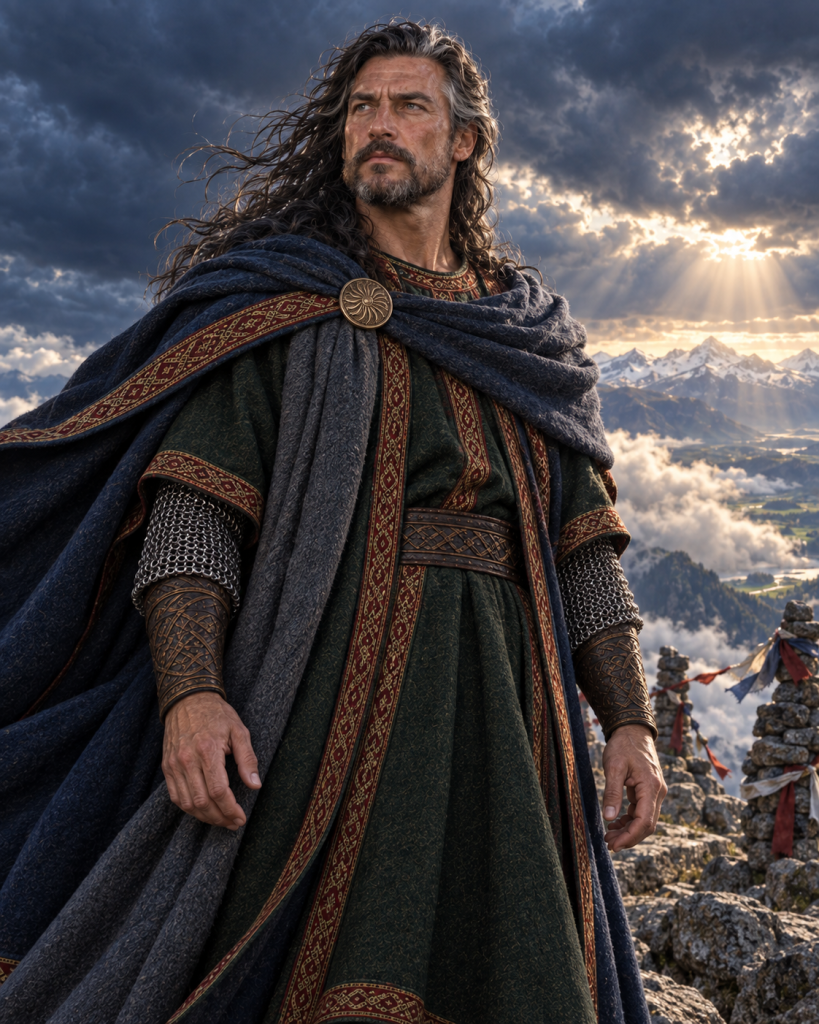
Brynioch is a Hernystiri sky god invoked in gratitude by King Lluth—and the divine identity Maegwin repeatedly assigns to Jiriki after trauma, starvation, and visionary experience fracture her ability to distinguish Sithi allies from the gods she expects to save Hernystir. The trilogy never verifies a bodily manifestation. His importance lies in devotion, political interpretation, and the dangerous distance between a sacred name and the living person forced to wear it.
Brother Langrian
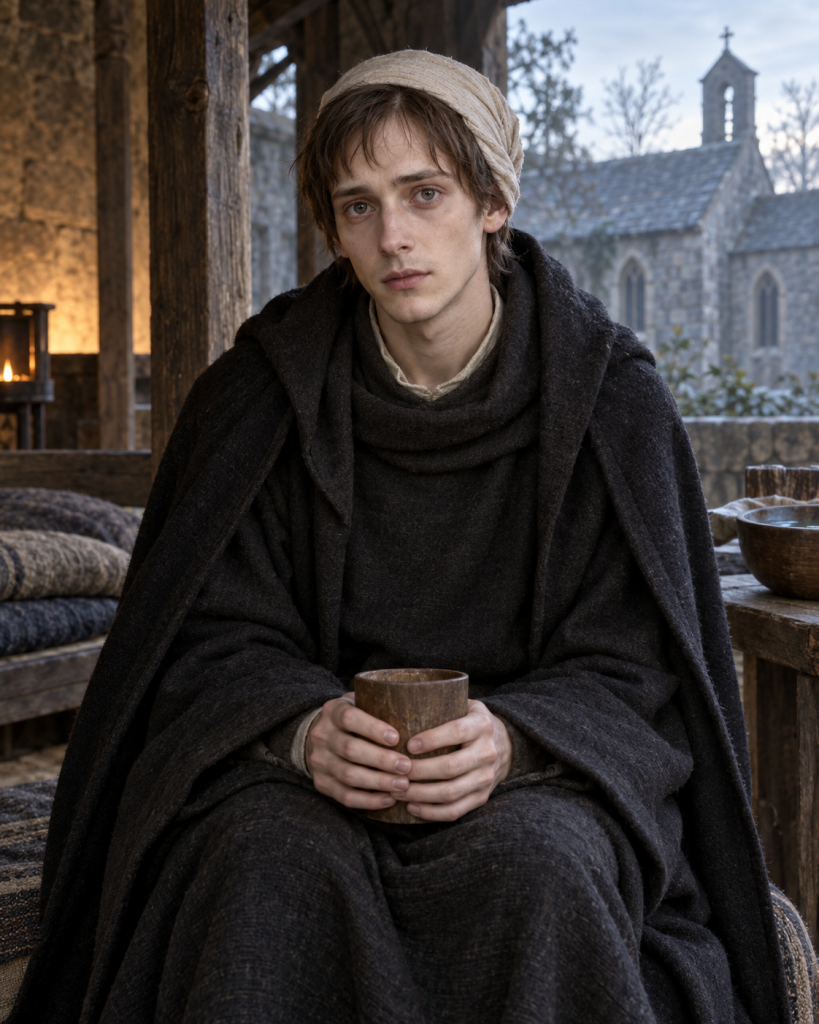
Brother Langrian is the young Hoderundian monk who survives the massacre at Saint Hoderund’s with a hidden head wound, wakes under the care of people his companion initially calls monsters, and reconstructs the attack without pretending he saw more than he did. His testimony separates two armed companies, preserves Abbot Quincines and Brother Sceneseafa’s final choices, and gives the larger war one of its earliest disciplined eyewitness records.
Bishop Domitis
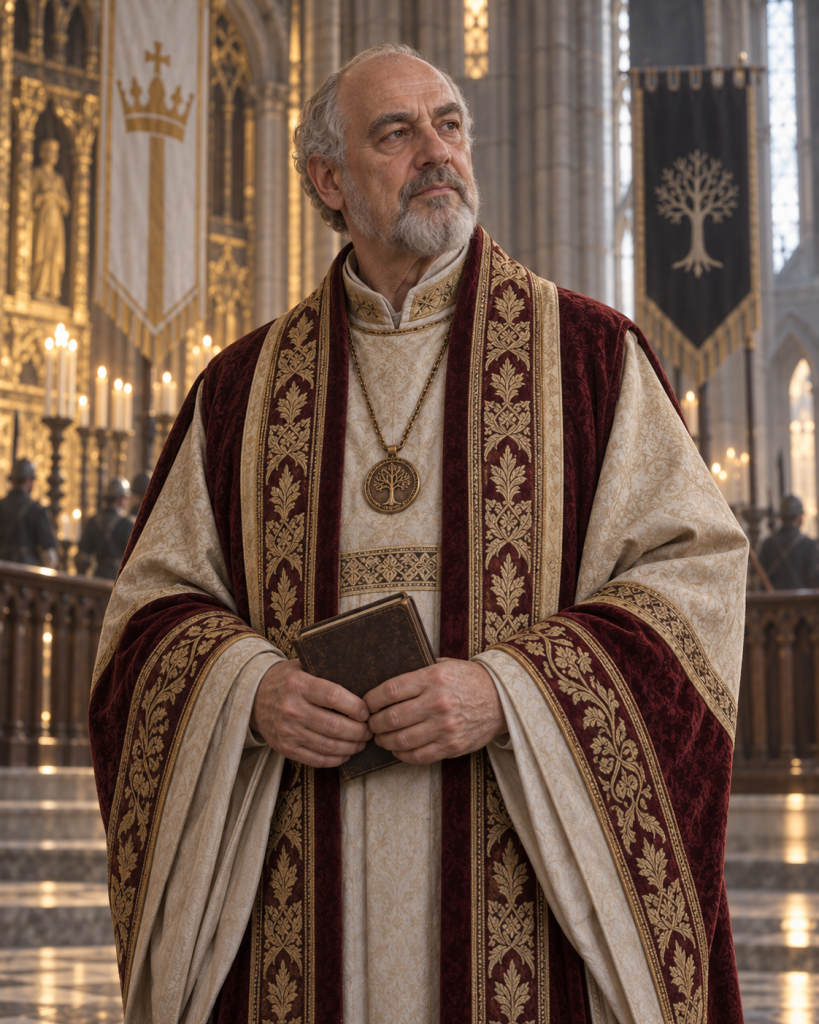
Bishop Domitis begins as the senior Erchester churchman summoned to examine dying King John’s soul. He declares the king dead, becomes one of the advisers Lector Ranessin distrusts, and presides over a cathedral physically divided against royal occupation. By Book 4, Saint Sutrin’s gold has been stripped for survival and Domitis has shrunk into a dirty-robed, forgetful old man performing the Night Mass for ravens. His story is the institutional collapse of Erchester made painfully human.
Baron Godwig
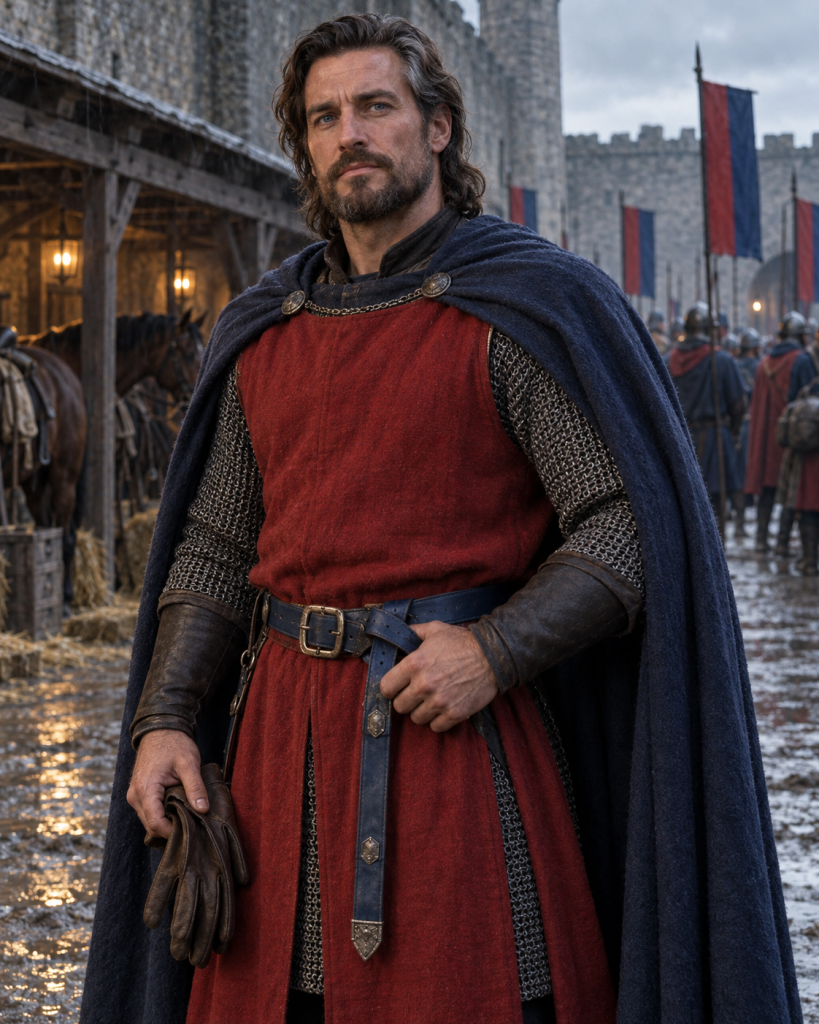
Baron Godwig of Cellodshire enters the story through other bodies. His red-and-blue Cellodshiremen gain Naglimund’s battlement at Dendinis’ Tower and are driven back at terrible cost. In Book 2, Godwig’s severed head hangs above the Hayholt’s Nearulagh Gate among nine others labeled “traitors.” The novels never give him a heroic close-up or even confirm his personal position during the assault. They give something colder: a lord’s name organizing soldiers, then a corpse reorganized into state propaganda.
Barnabas
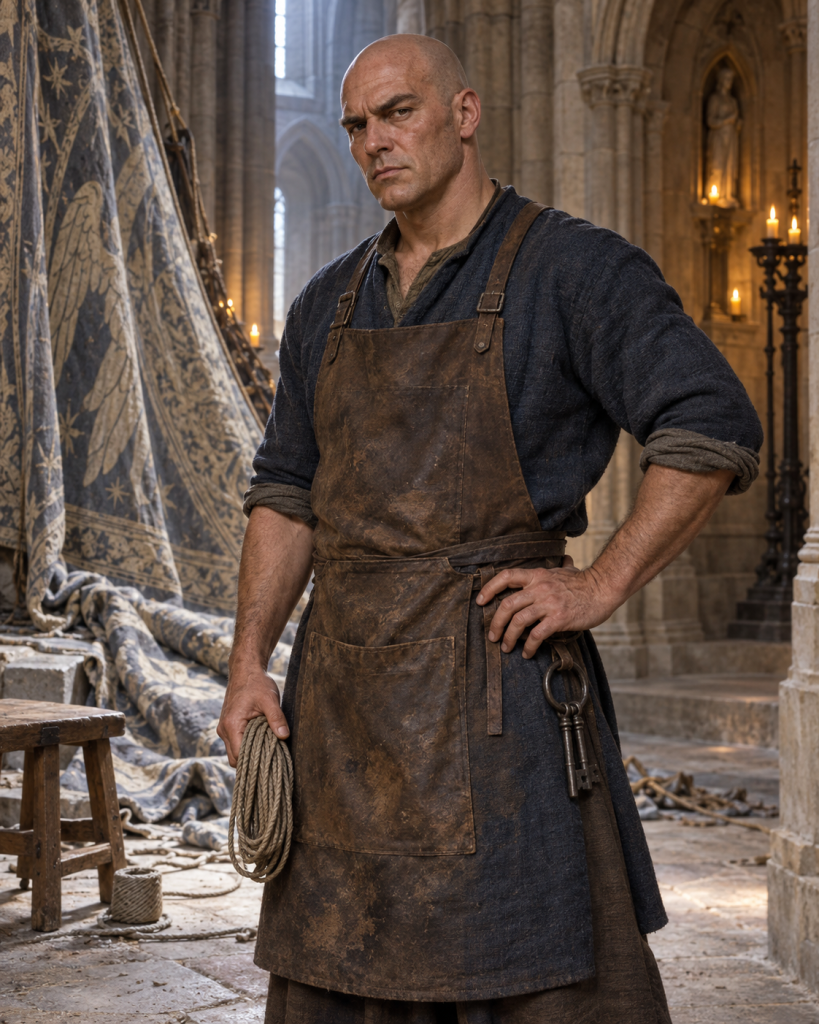
Barnabas is the Hayholt chapel sexton Simon plans routes around, fears being caught by, and finally meets at the worst possible moment: barefoot beneath a ruined tapestry after Malachias has escaped. He does not hear the spy story. He sees the damage, drums Simon on both temples with his knuckles, and walks away disgusted. In a castle filling with dynastic catastrophe, Barnabas represents the stubborn authority of doors, cloth, chores, and consequences.
Skali Sharp-nose of Kaldskryke
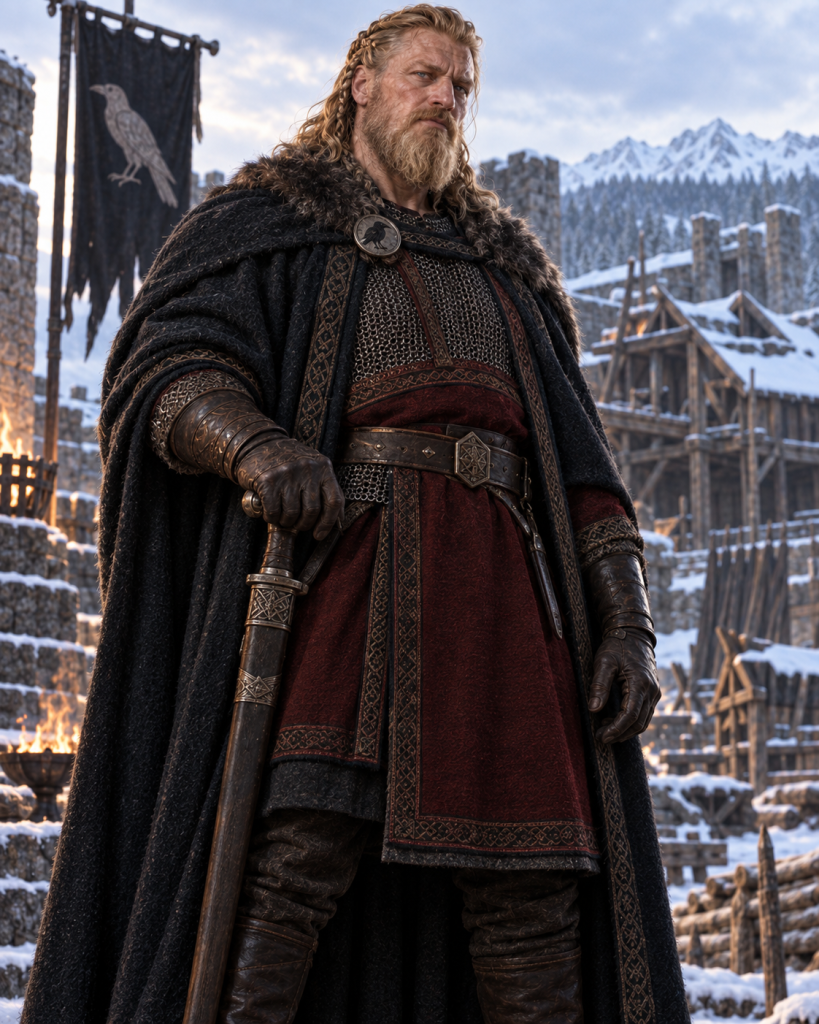
Skali is Isgrimnur’s large, hawk-faced cousin, Elias’s specially invited dinner guest, and the occupation lord who turns Hernystir from battlefield prize into stolen settlement. He tortures Gwythinn, threatens Maegwin, hunts Miriamele and Simon, clears forest for northern longhouses—and learns that a five-century Sithi debt can arrive with horses, iron-proof training, and absolutely no interest in his property plans.
Shurakai
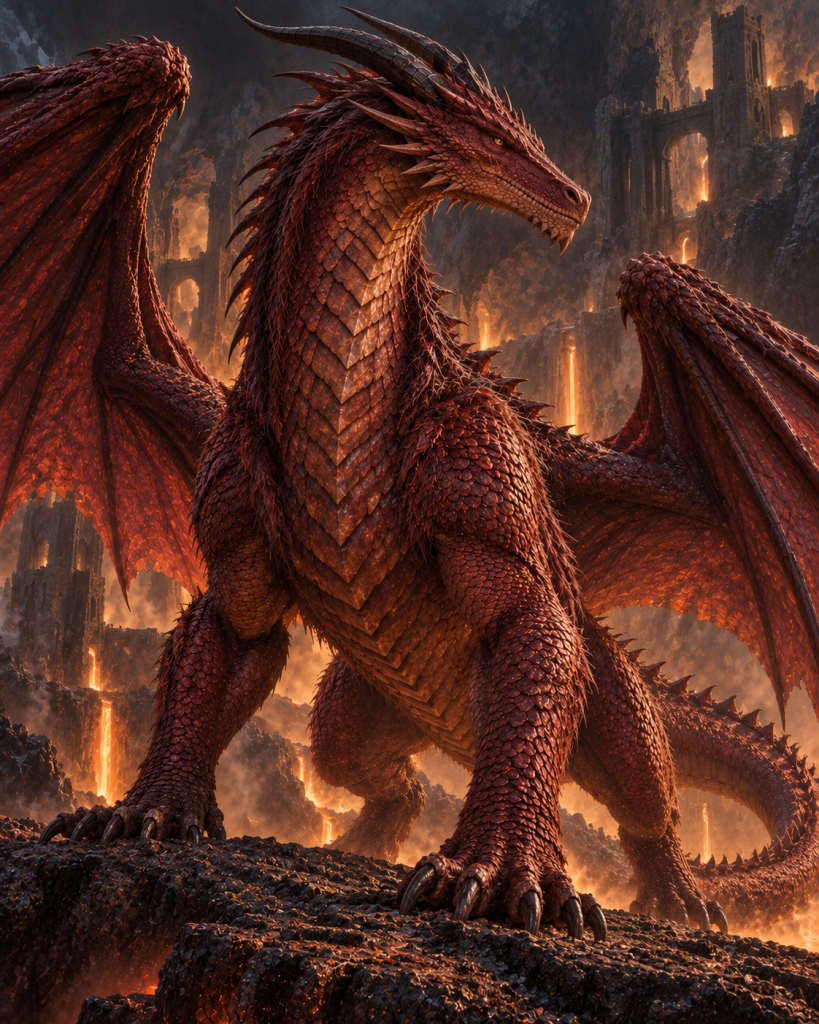
Shurakai is the Red Worm beneath the Hayholt, the dragon Prester John kills on Saint Tunath’s Day—and then turns into furniture. Her skull hangs over the Dragonbone Chair, her bones support a royal dynasty, and the story of her defeat transforms a wandering farmer’s son into a providential king. Dead dragons do not speak, which makes them extremely convenient political witnesses.