
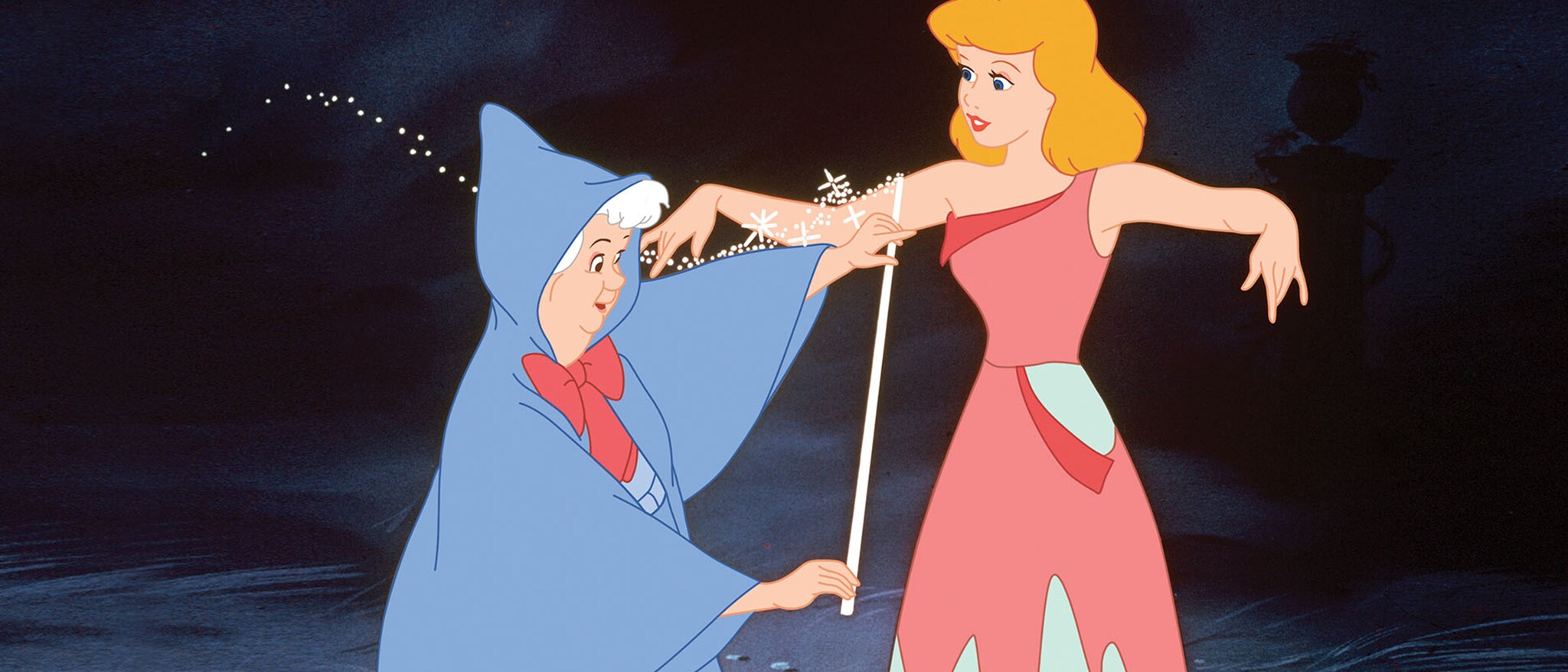
Labor, survival, mice with a better union than most humans, one iconic dress, and the question after happily ever after
Cinderella
Cinderella gets flattened into a girl who waited for a prince, which is convenient if we ignore the years of domestic labor, coercive control, grief, animal friendships, strategic patience, attempted escape, and the fact that she walks toward the ball before she knows a prince exists. The 1950 movie is sweeter than the situation and sharper about survival than the marketing summary.
This hub follows the animated classic, the anthology sequel, the time-travel sequel that had no business being that clever, and the 2015 live-action remake. Reviews, profiles, rants, fairy-tale history, dress politics, labor, magic, music, and adaptation receipts belong together. A glass slipper is not a personality, and I refuse to let one shoe do all the analysis.
The story underneath the sparkle
A young woman loses both parents and remains trapped in her own home under Lady Tremaine, Anastasia, and Drizella. She performs nearly all domestic labor while the household treats food, rest, clothing, privacy, and hope as privileges somebody else may revoke. Her kindness is not proof that abuse improved her character. Kindness is the part of herself she refuses to hand over.
The royal ball offers a public opening, the household destroys her first dress, and the Fairy Godmother turns despair into temporary access. Cinderella meets the Prince without knowing his title, leaves when the magic deadline arrives, and later uses the glass slipper as evidence against Lady Tremaine’s attempt to erase her. The rescue works because she has already kept enough selfhood alive to recognize the door when the door finally opens.
Four film branches
Cinderella (1950) establishes the animated canon through labor, animal community, Lady Tremaine’s quiet control, the Fairy Godmother, the ball, and the slipper. Cinderella II: Dreams Come True (2002) functions as three connected after-stories about palace rules, Jaq’s transformation, and Anastasia’s romance. Cinderella III: A Twist in Time (2007) lets Lady Tremaine steal the wand, rewrite the slipper, and force Cinderella and the Prince to choose each other without the original magic doing all the work.
Cinderella (2015) moves into live action and CGI with Ella, Kit, a more elaborate kingdom, visible childhood, political marriage pressure, expanded fairy magic, and the repeated command to have courage and be kind. The remake is visually generous and ideologically tidy in exactly the places a long review should inspect.
Characters
Cinderella carries the chronology, but Lady Tremaine controls the household argument. The Prince supplies an exit while remaining thinly written in the 1950 film. The Fairy Godmother changes access after ordinary effort has been destroyed. Anastasia, Drizella, Jaq, Gus, Lucifer, Bruno, the King, and the Grand Duke each expose a different part of the family or palace system. The animated sequels complicate Anastasia, palace life, memory, romance, and whether a happy ending can survive another person holding the wand.
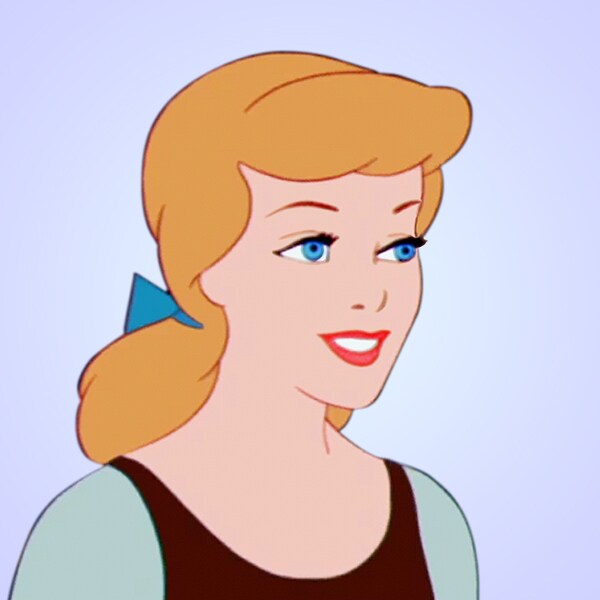
Character Profile
Cinderella Character Profile: She Did More Than Wait for a Prince
The complete four-film profile follows domestic labor, animal community, both dresses, the slipper, palace life, the altered timeline, voice performances, strengths, blind spots, symbolism, and the argument over passivity.
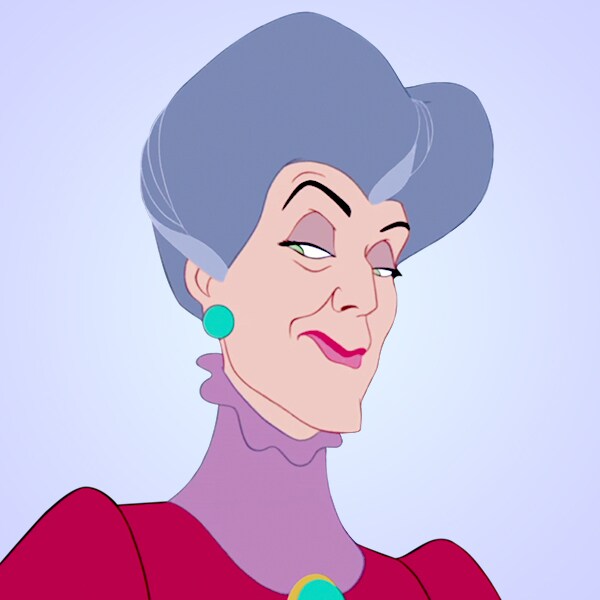
Character Profile
Lady Tremaine Character Profile: Control Was the Whole Magic Trick
The complete profile follows household coercion, marriage economics, motherhood, evidence destruction, the stolen wand, altered memory, voice performances, social strategy, and why grief never excuses her choices.
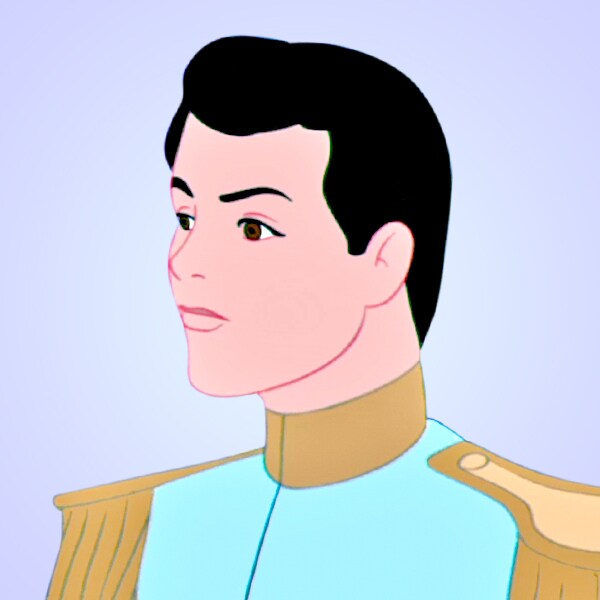
Character Profile
Prince Charming and Kit Character Profile: The Prince Finally Got a Personality
The complete profile follows the thin 1950 role, sequel personality, enchanted memory and consent, the window jump, Kit’s grief, royal apprenticeship, class privilege, performance history, strengths, and blind spots.
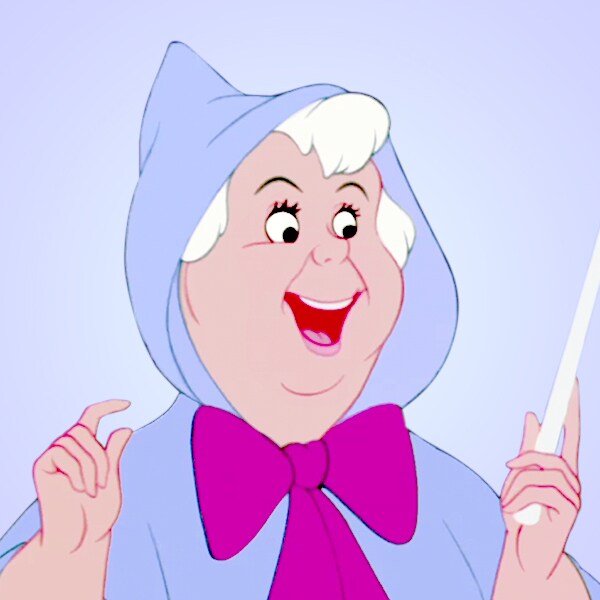
Character Profile
Fairy Godmother Character Profile: Magic Needed Better Safeguards
The complete profile follows magical access, delayed intervention, midnight, the slippers, animal consent, narration, voice performances, the stolen wand, reality security, strengths, and blind spots.
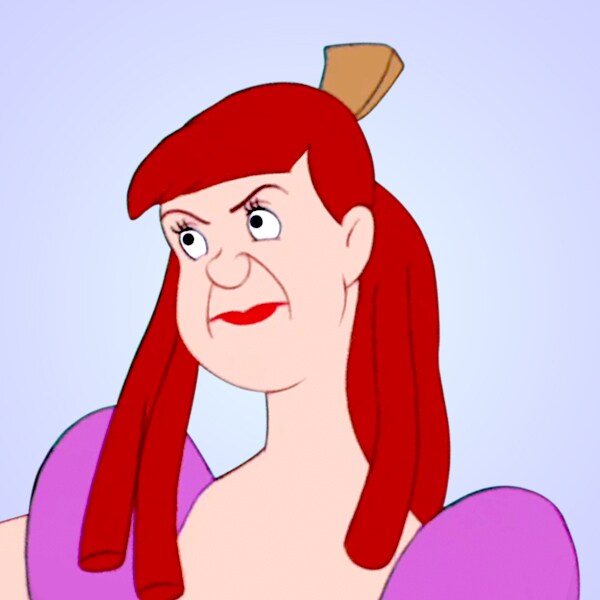
Character Profile
Anastasia Character Profile: She Chose the Baker Before She Refused the Crown
The complete profile keeps the dress attack beside the Baker romance, false engagement, coerced affection, altar refusal, voice performances, accountability limits, strengths, and failures.
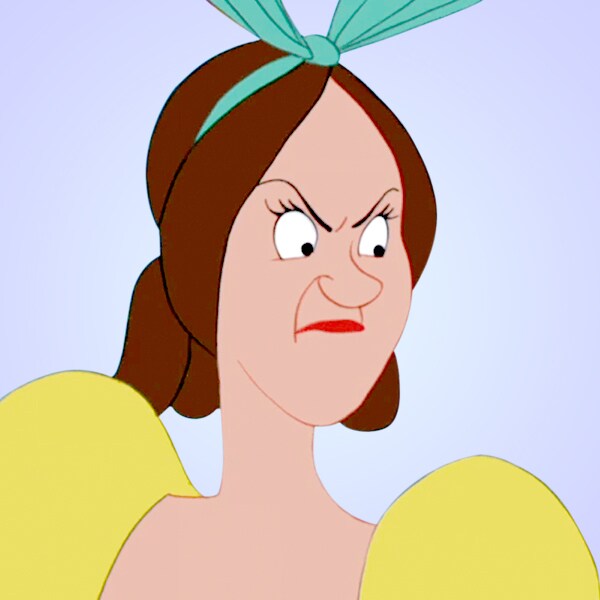
Character Profile
Drizella Character Profile: The Stepsister the Sequels Left Unresolved
The complete profile separates Drizella from the sister pair through household rank, dress destruction, marriage competition, performance history, body-image critique, responsibility, and the unresolved choice the sequels never stage.
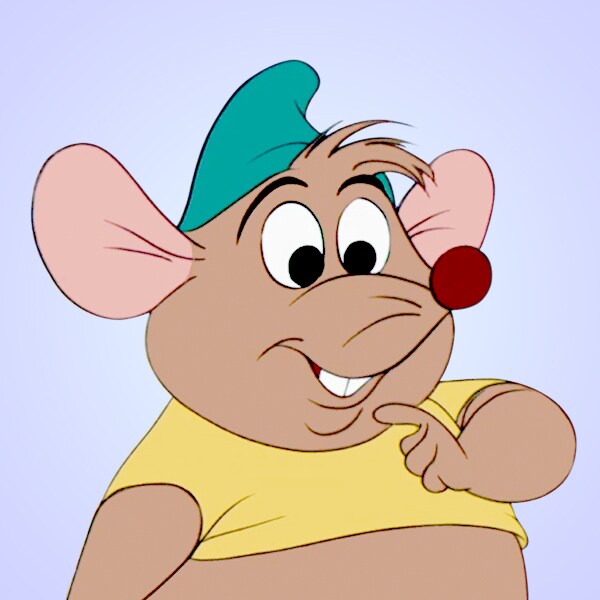
Character Profile
Jaq and Gus Character Profile: The Tiny Friends Who Carry Cinderella Home
The complete combined profile follows mouse-scale mutual aid, the dressmaking collective, Lucifer, the key rescue, food, craft, voice performances, sequel transformations, altered memory, and the tiny labor carrying the franchise.
Character Profile
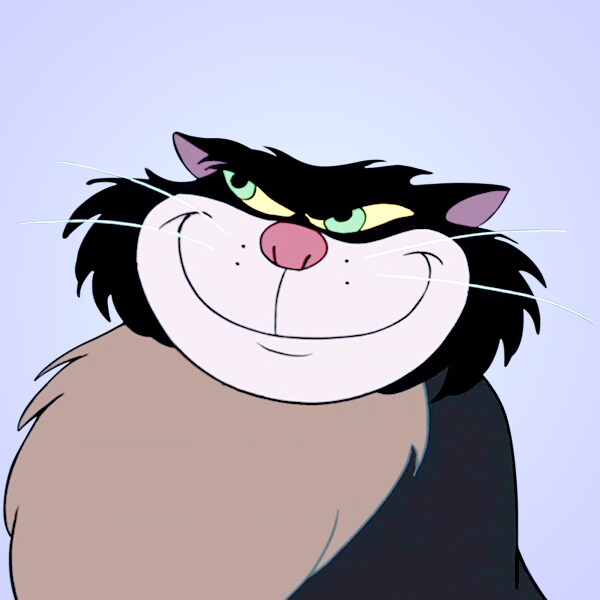
Lucifer Character Profile: The Cat Who Polices Cinderella’s Floorboards
The complete profile follows Lady Tremaine’s favored cat through food access, manufactured blame, the mice, Bruno, the key rescue, silent acting, voice performances, black-cat coding, and petty power policing the floorboards.
Character Profile
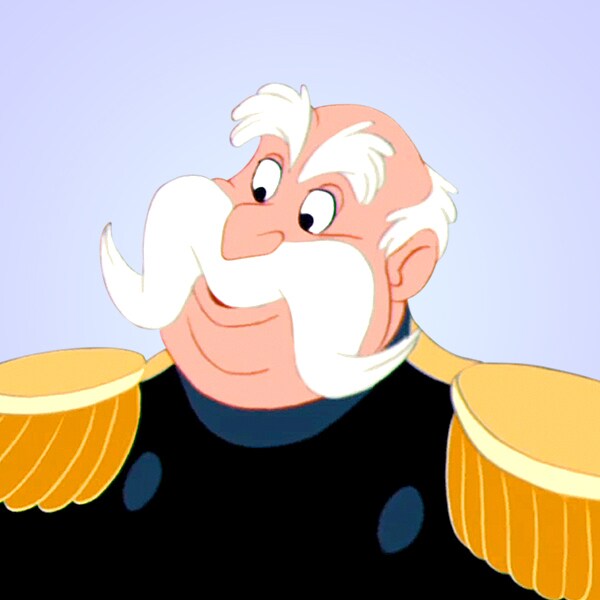
The King Character Profile: Cinderella’s Matchmaker, Father, and Succession Problem
The complete profile follows the royal ball, succession pressure, the Prince, the Grand Duke, grandchildren, palace labor, the slipper search, the late Queen, Anastasia, Kit, illness, grief, and royal parenting.
Character Profile
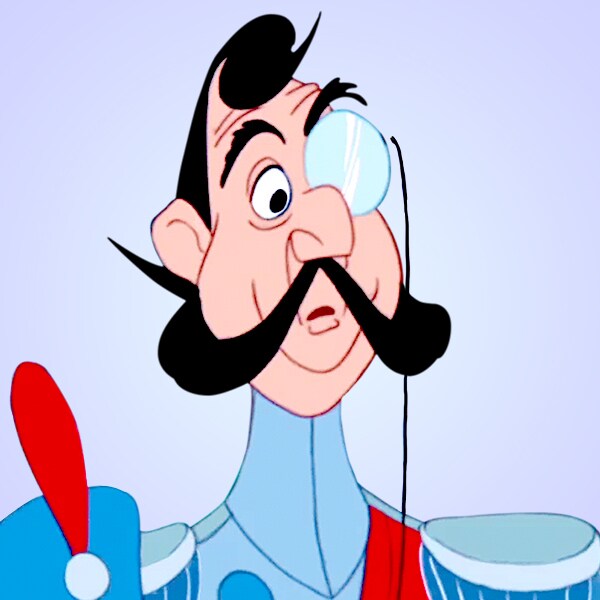
Grand Duke Character Profile: The Man Carrying Cinderella’s Impossible Assignment
The complete profile follows royal-ball logistics, the King, the Prince, the missing name, the glass-slipper search, Lady Tremaine’s obstruction, Cinderella’s second slipper, altered history, voice performances, class blindness, and impossible palace work.
Reviews
All four film branches have full editorial reviews. The 1950 review begins with domestic labor. Dreams Come True follows palace assimilation, Jaq’s transformation, and Anastasia choosing ordinary love. A Twist in Time follows altered memory, consent, and Lady Tremaine rewriting the slipper test. The 2015 review follows grief, coercive control, class, costume, remake politics, and why courage and kindness still need boundaries.
Full Movie Review
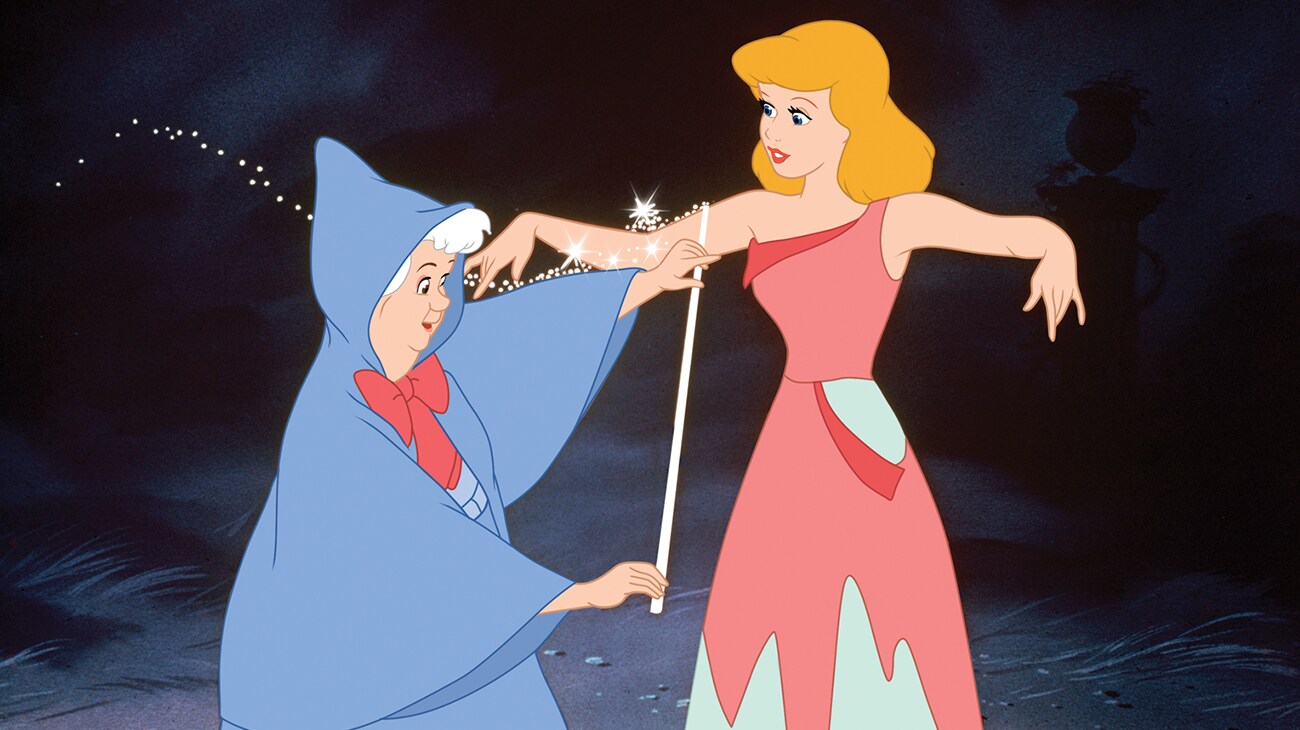
Cinderella (1950) Review: Kindness Was Resistance and the Other Slipper Was a Receipt
The movie is sweeter than the household and sharper than the passive-princess joke. Follow the bells, keys, dresses, mice, labor, magic, class, voice work, and the second slipper that survives Tremaine’s last sabotage.
Full Movie Review
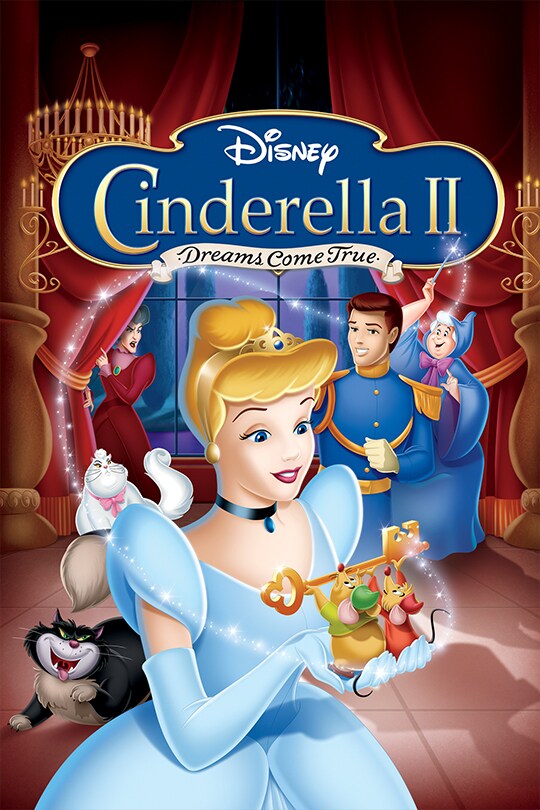
Cinderella II: Dreams Come True Review: Happily Ever After Has Chores
A 10,784-word editorial about palace assimilation, mouse-scale insecurity, Anastasia choosing ordinary love, direct-to-video craft, and the work hiding behind a dream coming true.
Full Movie Review
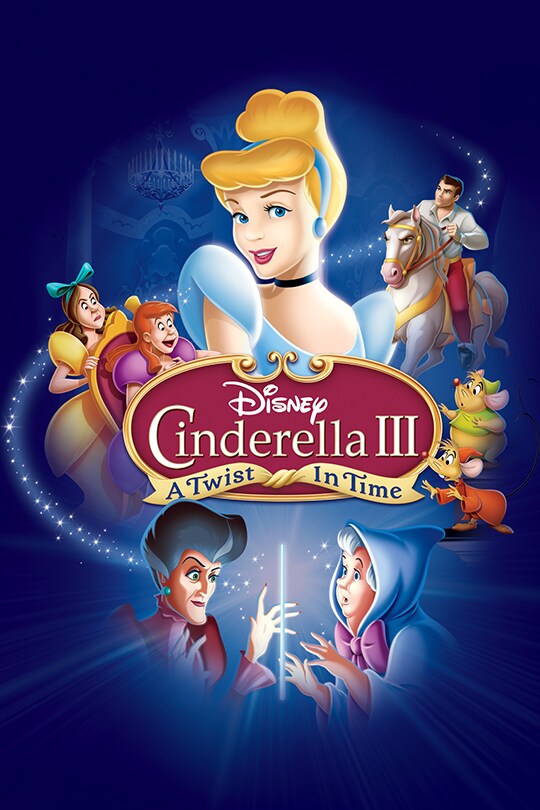
Cinderella III: A Twist in Time Review: The Glass Slipper Is Evidence, Not Destiny
A 10,916-word editorial about altered memory, consent, Anastasia refusing the crown, Cinderella investigating her stolen ending, and the slipper becoming evidence instead of destiny.
Full Movie Review
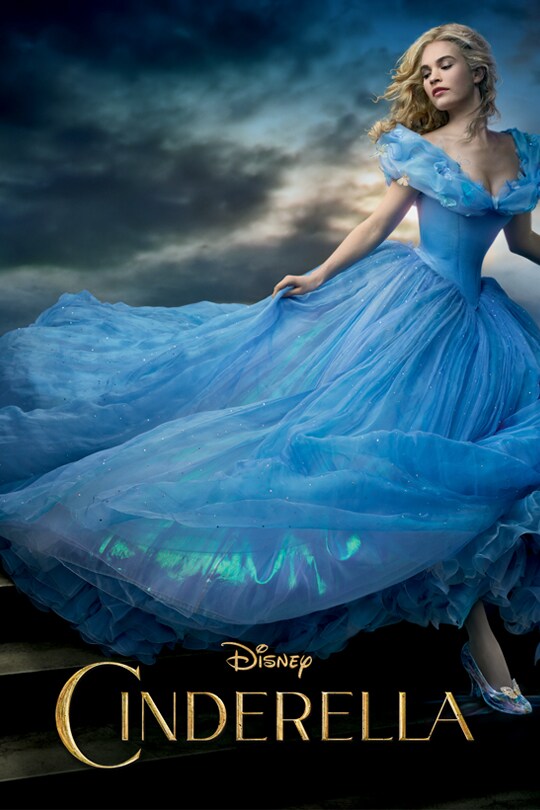
Cinderella (2015) Review: Kindness Still Needs Boundaries
A 10,568-word editorial about grief, unpaid labor, coercive control, Ella and Kit, Lady Tremaine, costume, effects, class, forgiveness, fairy-tale inheritance, and remake culture.
RaeRae Reacts
These scene reactions follow the exact moments where Cinderella’s reputation for passivity falls apart. Hope preserves a future, the handmade dress exposes deliberate sabotage, and Anastasia’s sequel choice proves a crown without consent is another form of control.
Song React
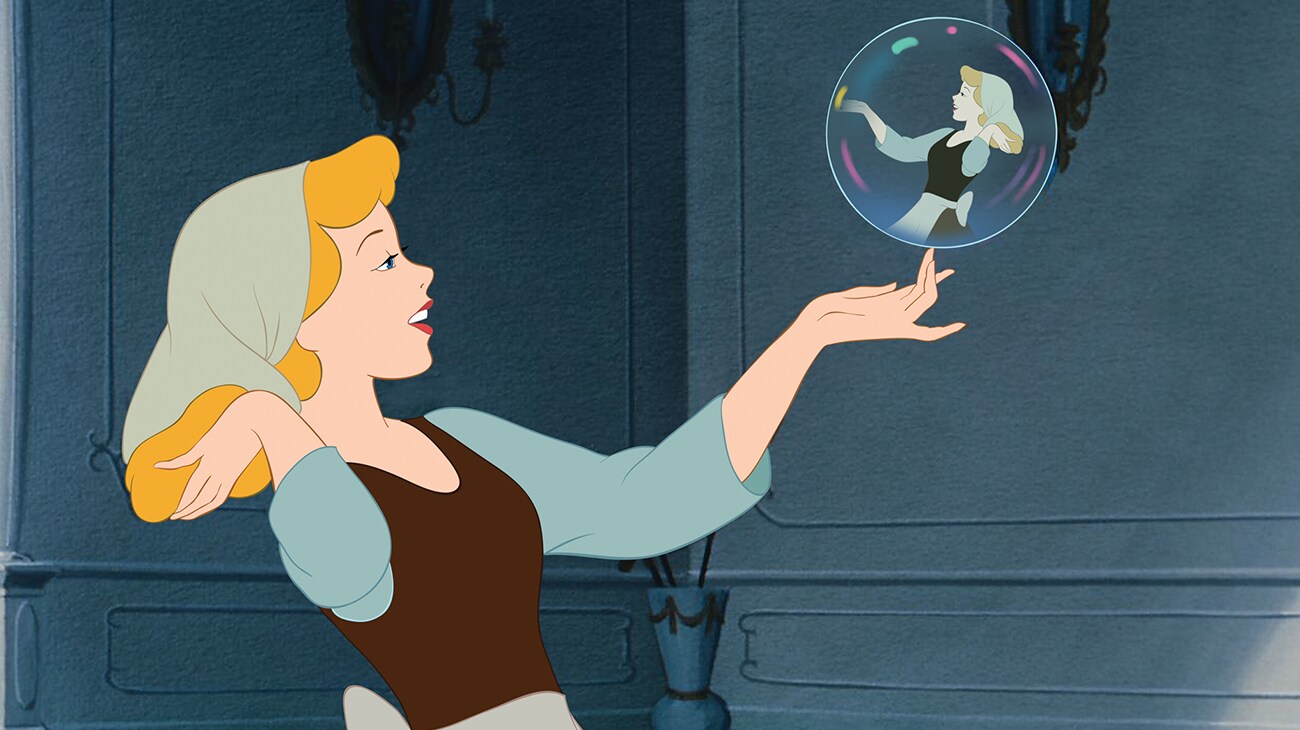
Cinderella Dream React: Hope Is Not a Rescue Plan, but It Keeps the Door Visible
Hope protects an interior future while coerced labor consumes Cinderella’s time. The dream matters beside community, opportunity, evidence, and her own action.
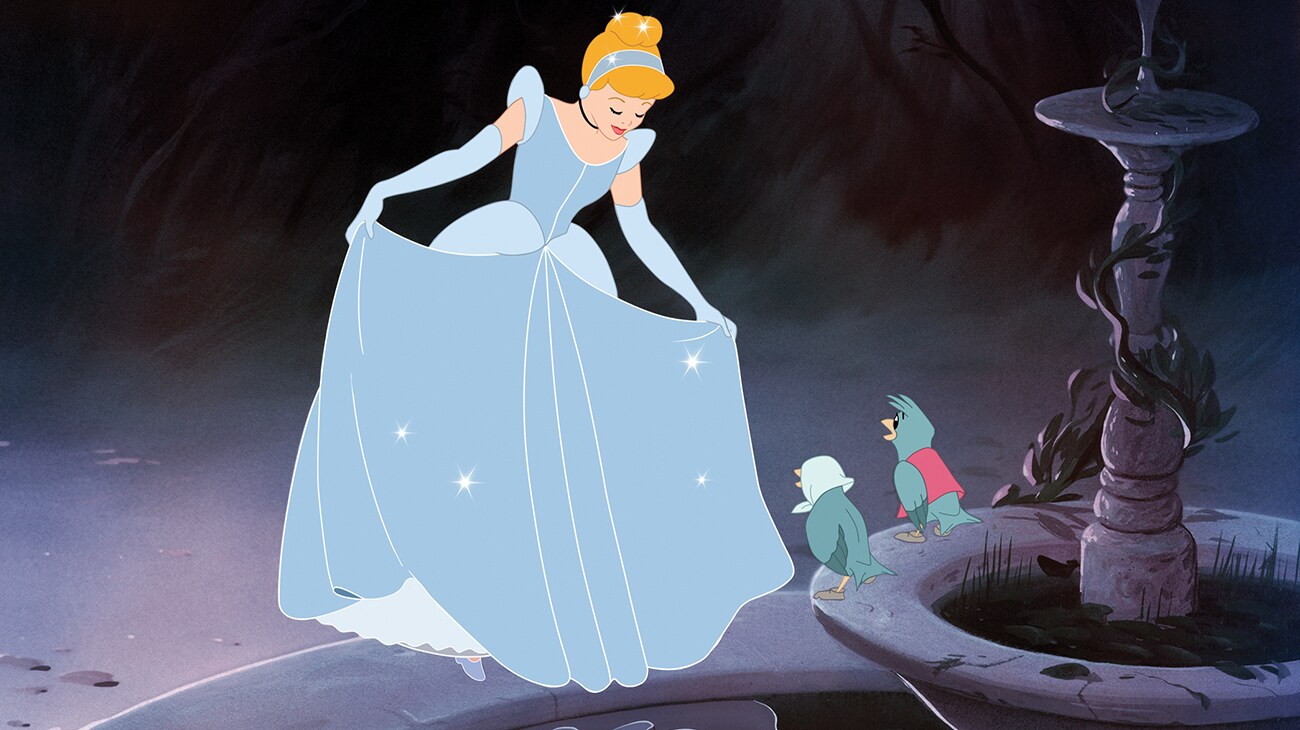
Scene React
Cinderella Dress Destruction React: The Rules Changed Because She Succeeded
The workload, conditional permission, stolen time, delegated violence, and torn handmade dress expose class enforcement hiding behind family jealousy.
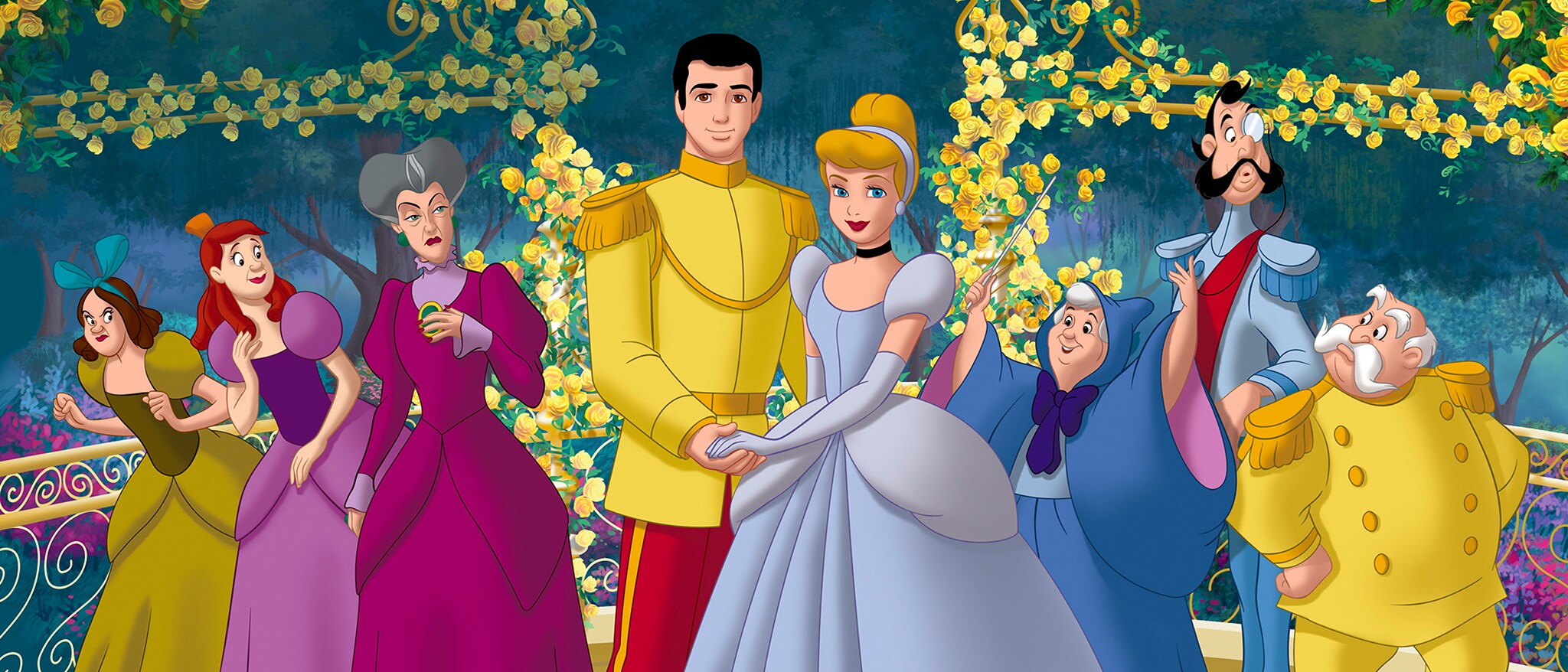
Sequel React
Cinderella III Anastasia React: She Chose Love Without the Crown
Anastasia receives the official victory and refuses it after recognizing that enchanted affection stole the prince’s choice and completed Lady Tremaine’s control.
Rants
Cinderella sits inside arguments about Disney remakes, princess blame, the idea that kindness equals passivity, and the weird cultural habit of demanding that an abused young heroine produce a modern escape plan before audiences grant her agency. The shared remake rant follows the industry choice to sell dimensional bodies, expensive fabric, and photoreal surfaces as proof that animation finally became serious.
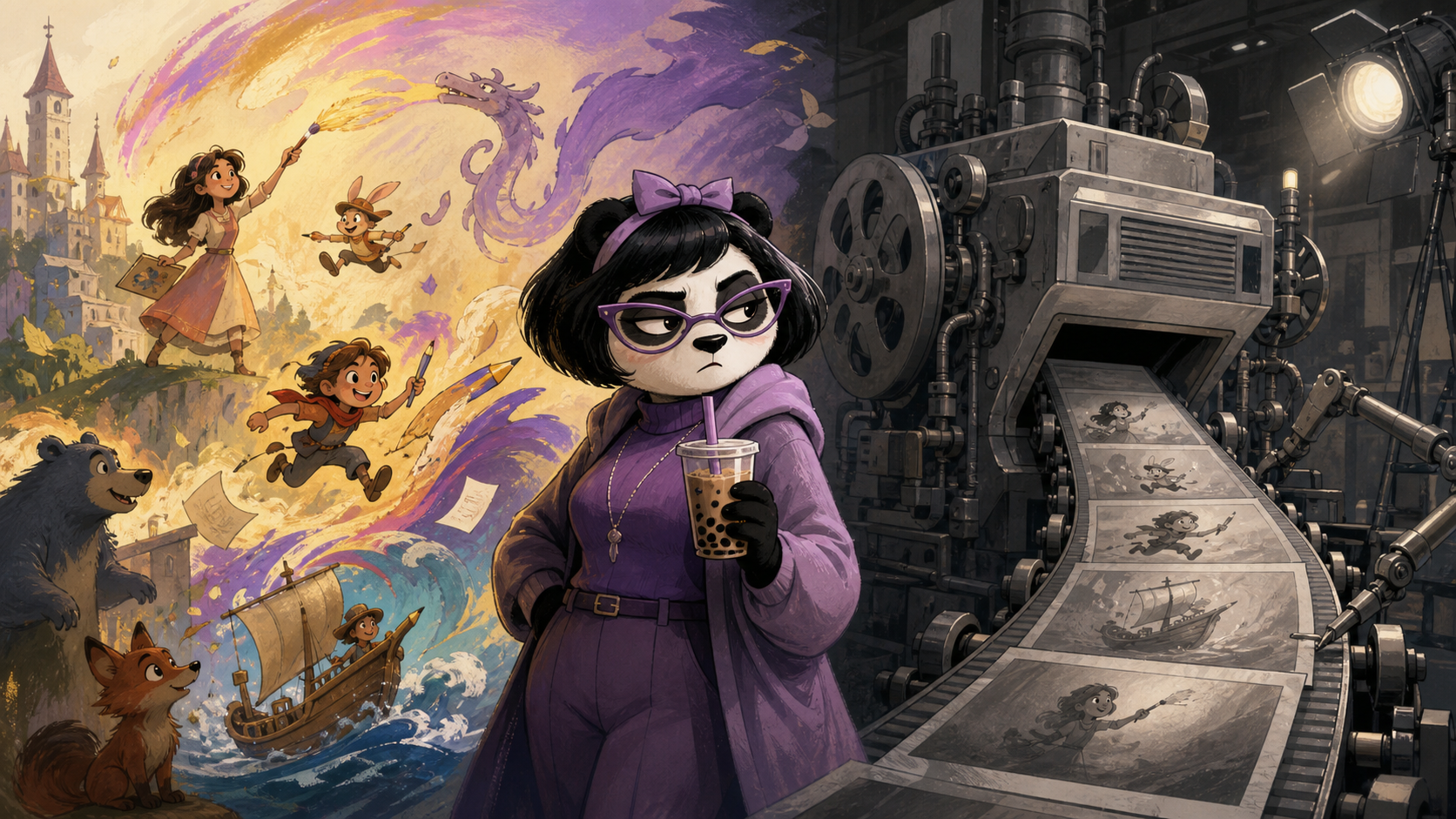
RaeRae Rant
Disney, Animation Was Already Alive
Animation was already alive. The remake machine keeps treating dimensional bodies, expensive fabric, and photoreal surfaces as proof that a story finally became serious.
![cinderella-was-not-passive-rant-original-art.png Cinderella Was Not Passive Rant Original Art Original CVM Sekai art of a fairy-tale survivor holding keys and a torn handmade dress Original CVM Sekai art for the Cinderella agency rant.[2]](https://cvmsekai.com/wp-content/uploads/2026/08/cinderella-was-not-passive-rant-original-art.png)
RaeRae Rant
Cinderella Was Not Passive. You Just Only Count Resistance When a Woman Swings a Sword.
A 3,067-word receipts-first rant about housing, labor, economic control, the ball invitation, the handmade dress, accepting help, midnight, the locked door, the mice, the second slipper, and the audience’s narrow definition of agency.
![cinderella-kindness-boundaries-rant-original-art.png Cinderella Kindness and Boundaries Rant Original Art Original CVM Sekai art of a compassionate woman holding a firm palace-door boundary Original CVM Sekai art for the Cinderella kindness and boundaries rant.[2]](https://cvmsekai.com/wp-content/uploads/2026/08/cinderella-kindness-boundaries-rant-original-art.png)
RaeRae Rant
Cinderella Can Be Kind and Still Keep the Door Closed
A 3,001-word rant separating kindness, forgiveness, reconciliation, trust, and access through the dress attack, the locked room, Perrault, Grimm, Anastasia’s change, Drizella’s unresolved choices, Lady Tremaine, and boundaries that remain compassionate.
Lore, history, and guides
The guide track covers the Cinderella tale family before modern film adaptations, Perrault and the glass slipper, Grimm, Ye Xian, global Cinderella-type stories, domestic labor and coercive control, fairy-godmother rules, dress and transformation politics, and how sequels turn happily ever after into an actual life.
![cinderella-folklore-history-guide-original-art.png Cinderella Folklore History Guide Original Art Original CVM Sekai art of a Cinderella folklore manuscript with glass and fur slippers Original CVM Sekai art for the Cinderella folklore history guide.[2]](https://cvmsekai.com/wp-content/uploads/2026/08/cinderella-folklore-history-guide-original-art.png)
Anime 101 Guide
Cinderella Before the Castle: Ye Xian, Perrault, Grimm, and the Tale Family
A 3,039-word folklore guide through ATU 510A, Rhodopis, Ye Xian, Basile, Perrault, Grimm, glass versus fur, ashes, helpers, recognition objects, labor, class, marriage, and why no studio owns Cinderella.
![cinderella-domestic-labor-guide-original-art.png Cinderella Domestic Labor Guide Original Art Original CVM Sekai art of domestic labor and coercive control in a fairy-tale manor Original CVM Sekai art for the Cinderella domestic labor guide.[2]](https://cvmsekai.com/wp-content/uploads/2026/08/cinderella-domestic-labor-guide-original-art.png)
Anime 101 Guide
Cinderella’s House Was a System: Domestic Labor, Coercive Control, and the Locked Door
A 3,025-word guide to coercive control through bells, exhaustion, impossible conditions, economic dependence, isolation, food, clothing, the torn dress, the locked room, collective rescue, and what freedom needs after escape.
![cinderella-transformation-rules-guide-original-art.png Cinderella Transformation Rules Guide Original Art Original CVM Sekai art of midnight transformation rules with carriage mice clock and slippers Original CVM Sekai art for the Cinderella transformation lore guide.[2]](https://cvmsekai.com/wp-content/uploads/2026/08/cinderella-transformation-rules-guide-original-art.png)
Anime 101 Guide
Cinderella Magic Rules: Midnight, Glass Slippers, Animal Consent, and the Stolen Wand
A 3,002-word magic-system guide through the pumpkin, transformed animals, the gown, glass slippers, midnight, consent, temporary access, class, the stolen wand, altered evidence, changed memory, and reality security.