
Igjarjuk

Igjarjuk is the white ice dragon beneath Urmsheim: pale-furred, black-blooded, older than Simon’s heroic vocabulary, and extremely inconvenient for the tidy nickname “Dragon Killer.” Simon strikes one eye with Thorn, falls through the dragon’s ancient life, wakes scarred and white-haired—and spends the rest of the series refusing to pretend that means he knows whether Igjarjuk died.
Hylissa

Hylissa never walks into the trilogy’s present tense. Elias’s Nabbanai wife and Miriamele’s mother survives as the woman a stray arrow took, Josua could not save, Camaris secretly loved, and Pryrates may have taught a grieving king to reach for through the Veil. Her absence is not backstory wallpaper. It is one of the hidden doors through which the entire catastrophe enters.
Hakatri

Hakatri never walks into the trilogy’s present-day rooms, yet almost every door is hanging from his absence: Ineluki’s guilt, Sorrow’s creation, Amerasu’s grief, Shima’onari’s rule, and the dragon tooth that becomes Ti-tuno.
Haestan

Haestan never mistakes weapons training for destiny. He gives Simon rusty tools, bruises, honest limits, and the moral discipline to reject suicidal heroics. Then, on a mountain far from the wife he hopes to see again, the burly guardsman moves Simon out of a giant’s blow and turns ordinary courage into one of the saga’s longest shadows.
Gutrun

Duchess Gutrun survives the fall of a northern household by doing what epic fantasy too often edits out: moving children, cutting useful clothes from court fabric, caring for the wounded, challenging princes, restraining the reckless, delivering babies, and remembering the son victory cannot return.
Guthwulf
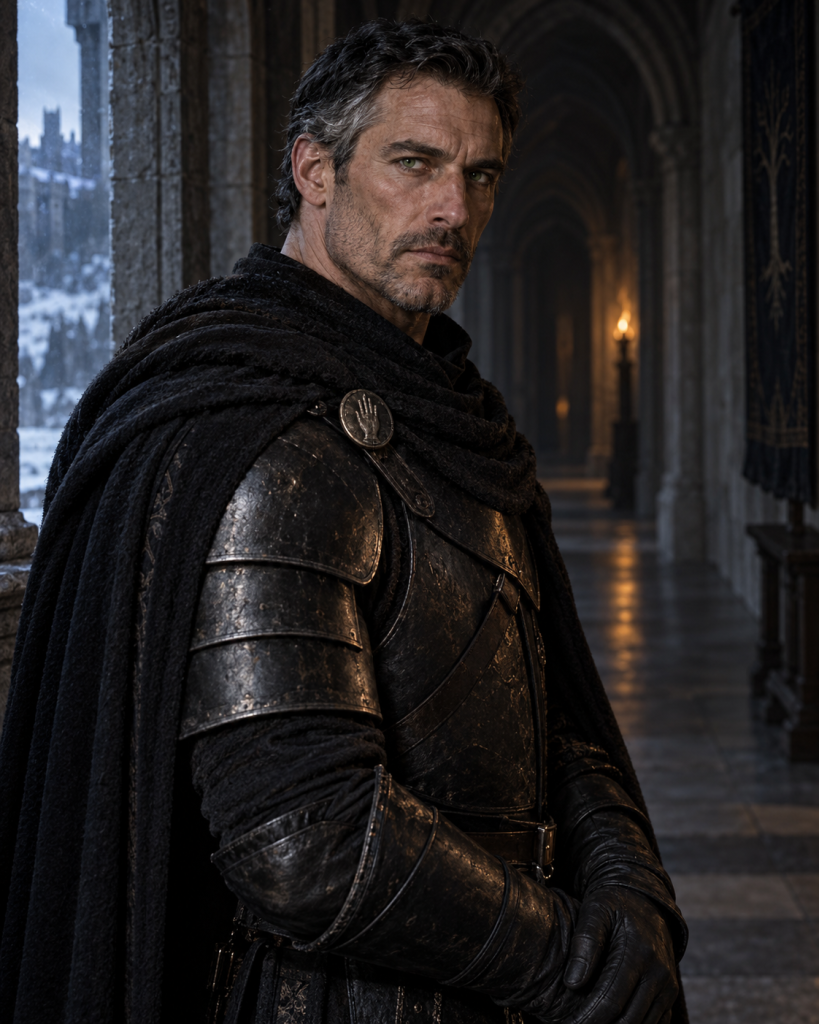
Elias’s hardest friend spends half the story enforcing a poisoned kingdom and the other half learning, blind and starving beneath it, that need is not weakness. Guthwulf does not receive a clean redemption. He receives a cat, an old woman’s food, one boy to free—and enough time to choose fellowship before he dies.
Geloë

The valada of Aldheorte does not arrive to solve the quest with witchy hand-waving. She diagnoses, translates, bluffs, bargains, turns into an owl when necessary, and keeps reminding princes that every kind of power sends a bill.
Fingil the Bloody King
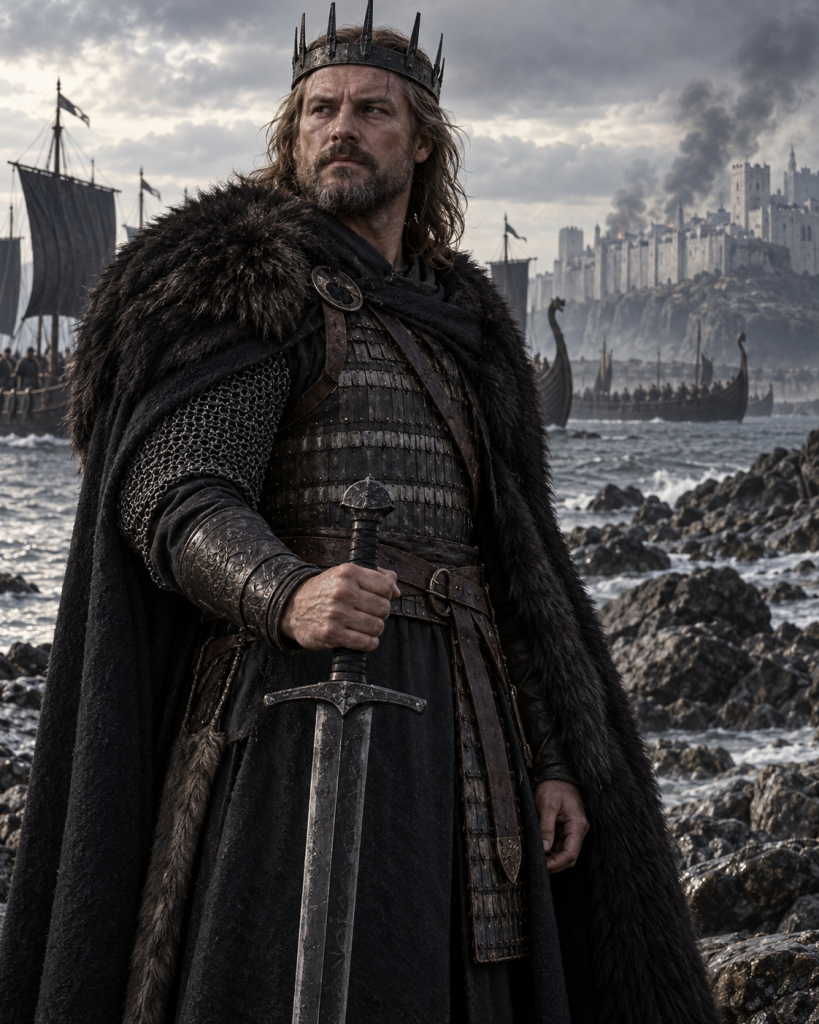
Fingil Redhand is the iron-wielding Rimmersman conqueror who names Rimmersgard, crushes the Hernystiri–Sithi alliance, besieges Asu’a for almost three years, and enters the city after Ineluki burns away his own body. Five centuries later, Fingil’s crown sits on Elias, his sword-history hides inside Bright-Nail, and every new invasion must answer the question: repetition, inheritance, or choice?
Fengbald
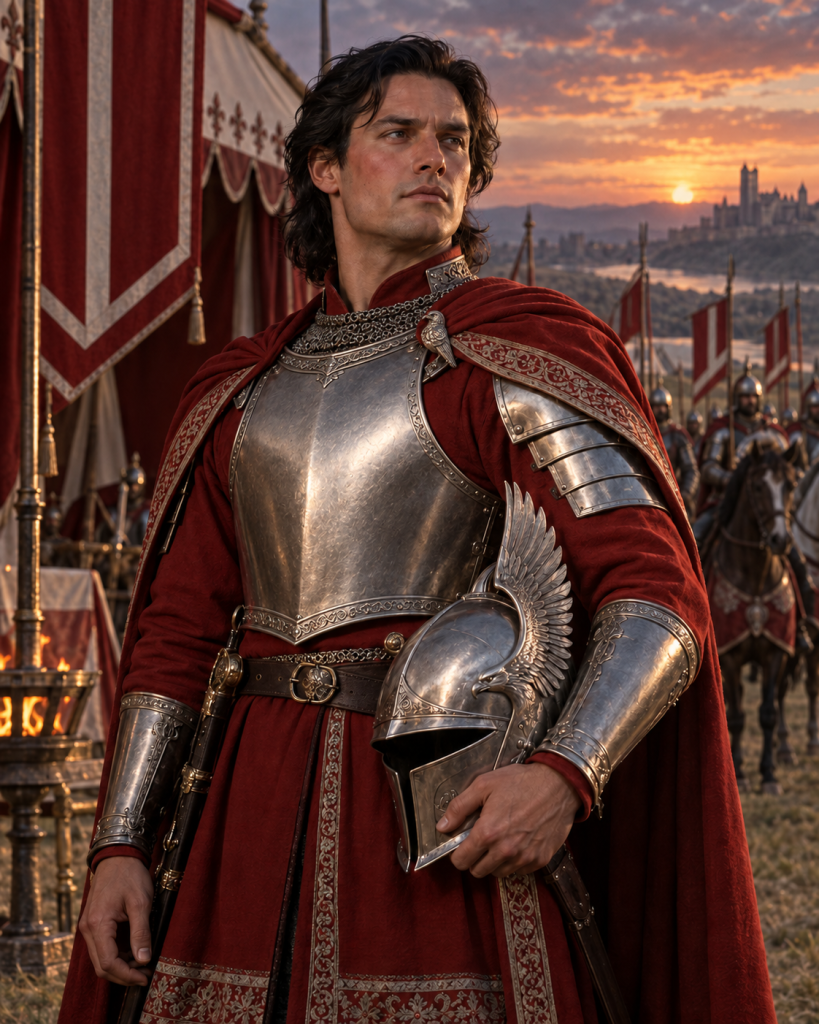
Earl Fengbald begins as the loud young favorite Miriamele refuses to marry and ends beneath black lake water, still insisting death cannot possibly apply to him. Between those points he burns Falshire, hunts the king’s enemies, learns enough caution to disrupt a clever defense, and turns a father’s love into the route of his own destruction.
Father Strangyeard

Naglimund’s anxious one-eyed archivist inherits a dead scholar’s manuscript, a doomed league, a sword mystery, and eventually the responsibility to decide what the new kingdom will remember. Strangyeard is frightened often, embarrassed beautifully, and brave in the deeply inconvenient way of a man who keeps bringing the books into places books have no business surviving.
Father Dinivan
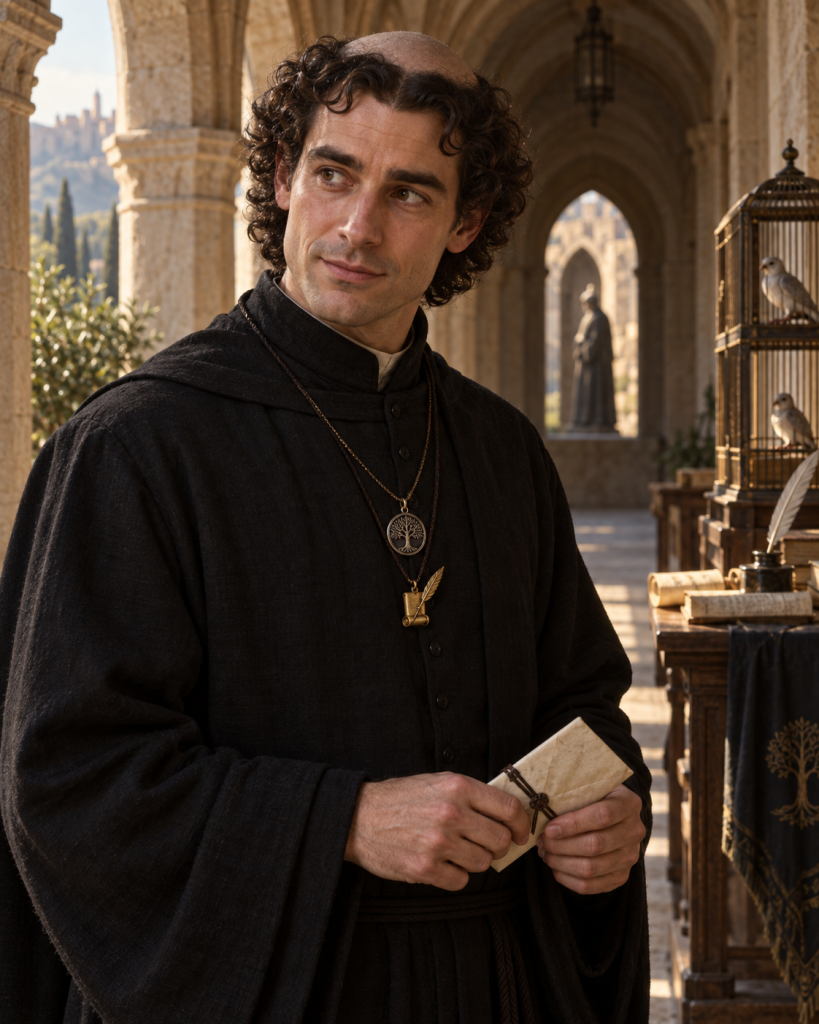
A homely young priest with a dangerous address book turns pastoral care into intelligence work, smuggles a princess through a collapsing Church, and spends his final breath making sure the message keeps moving.
Count Eolair of Nad Mullach

Hernystir’s soft-voiced diplomat spends the series translating between courts that underestimate him, histories that refuse to stay buried, and one princess whose love he recognizes catastrophically late. Eolair is elegant without being ornamental, skeptical without being closed, and brave enough to change plans when heroism starts eating the people it claims to honor.
Deornoth

Josua’s plain-sword knight witnesses a murder hidden beneath a kingfisher banner, loves his prince enough to contradict him, and dies after making a refugee army believe bare stone can become home.
Camaris
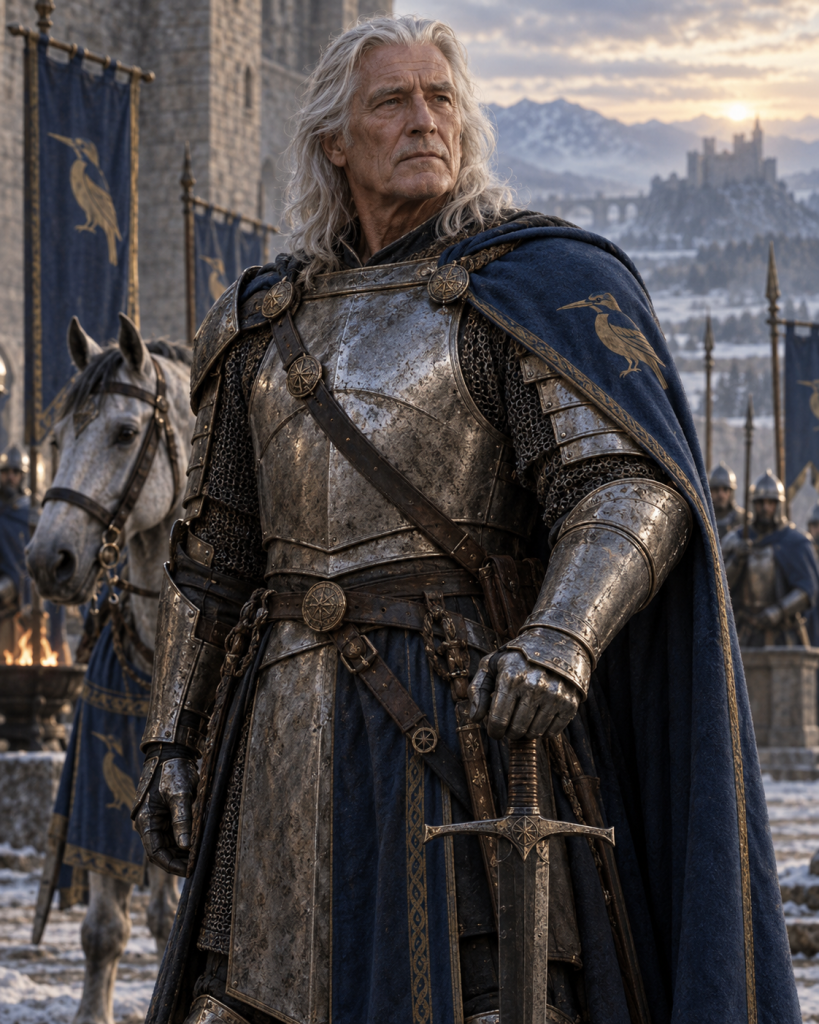
The greatest knight in Osten Ard returns without his name, finds that everybody wants the legend, and spends the final war teaching them how much discipline it takes not to love violence.
Cadrach-ec-Crannhyr

A charming friar, a gifted natural philosopher, a practiced thief, and the series’ most exhausting argument against confusing self-hatred with accountability. Cadrach keeps failing people, keeps understanding exactly what the failures cost, and finally uses everything he knows to hold open a road he cannot take himself.
Brother Hengfisk
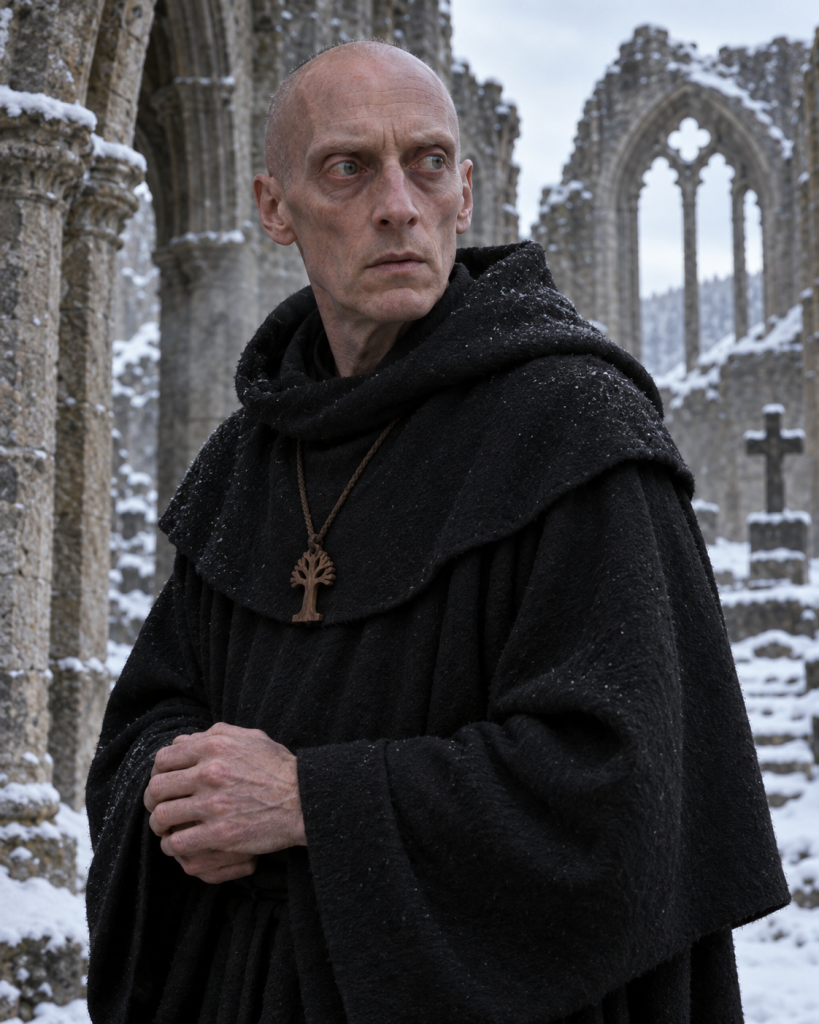
Brother Hengfisk begins as a terrified, prejudiced survivor whom the heroes help anyway. He ends as a body occupied by something patient enough to imitate service and cruel enough to leave its victim awake for flashes of his own captivity. His story is not a heel turn. It is an invasion.
Benigaris
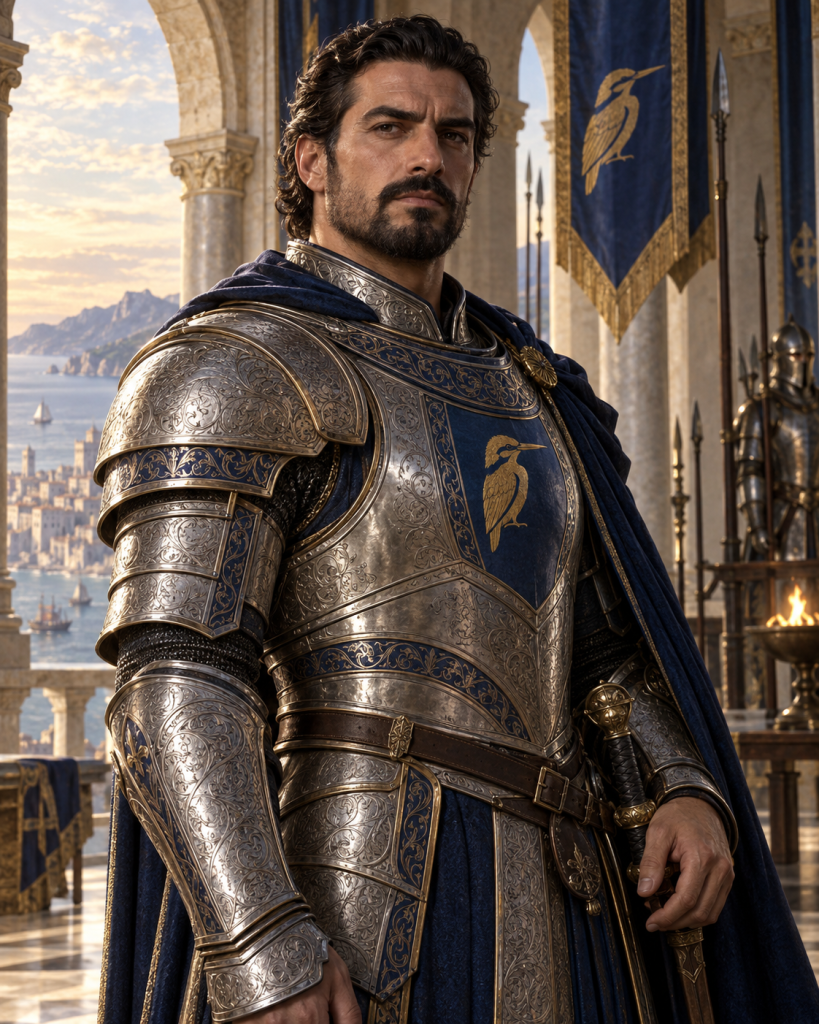
Nabban’s impatient heir gets the crown by putting a sword through his father’s neck, then discovers that a stolen banner can command an army more easily than it can make a ruler.
Aspitis Preves

Golden, courteous, politically connected, and rotten clear through: the Earl of Drina and Eadne turns protection into a locked door, intimacy into ownership, and aristocratic charm into camouflage.
Amerasu

First Grandmother remembers the Garden, the ships, the fall of Asu’a, and the son who turned grief into an extinction plan. Then a mortal kitchen boy brings her the missing evidence.
Sangfugol

Josua’s harper enters with an ashwood lute, an empty cup, and enough charm to make a castle boy forget he is serving wine at a funeral. Then the kingdom collapses, and the pretty court musician proves he can carry far more than a tune.
Binabik

The smallest traveler in Simon’s company keeps becoming the person carrying the largest piece of sense. Scholar, singer, oath-breaker, healer, menace with a blowpipe, and Qantaqa’s favorite climbing frame: Binabik is what happens when the wise guide is allowed to remain a complicated person after delivering the lesson.
Shem Horsegroom
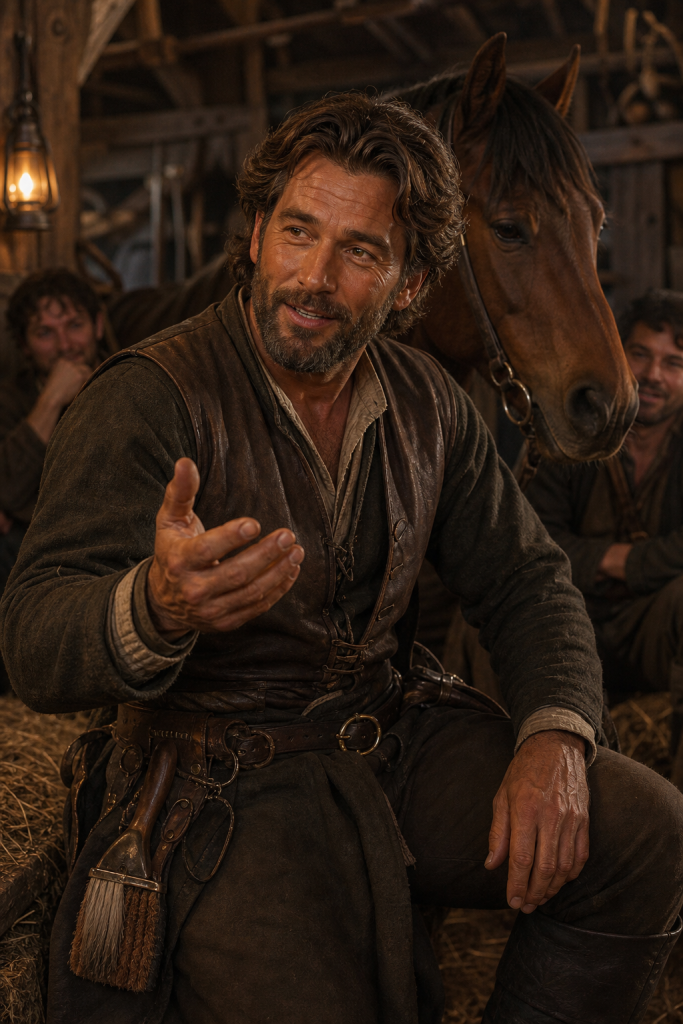
Morgenes gives Simon history. Shem gives him the songs and creatures ordinary people use to survive history. When home is gone, the boy can still carry Bold Jack Mundwode into a storm-dark valley.
Elispeth
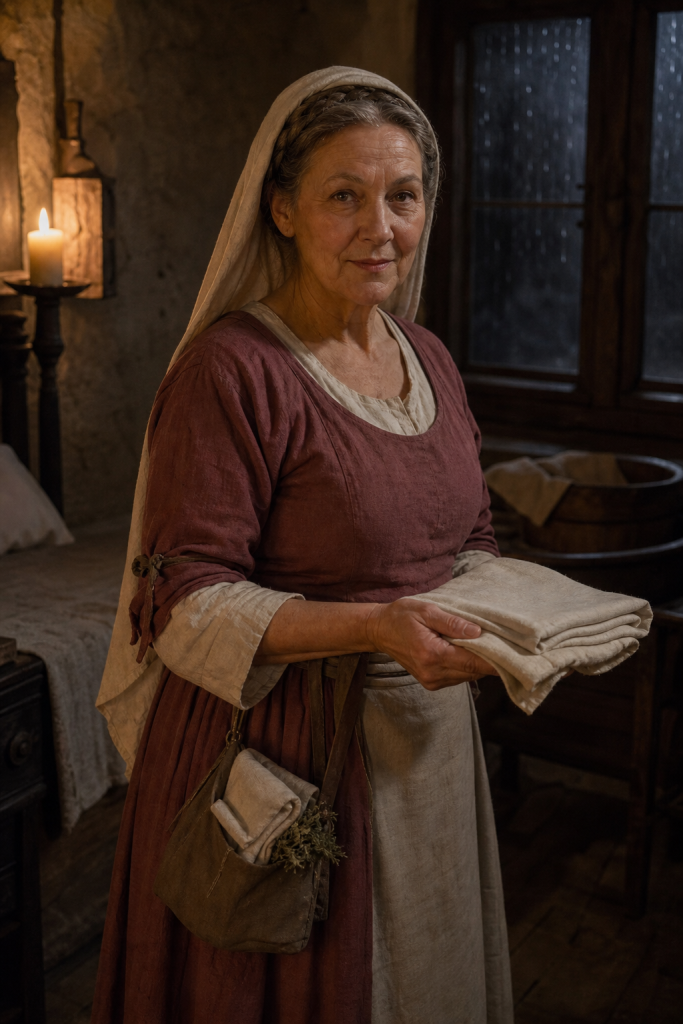
Susanna is dying, the baby has arrived too soon, Rachel is terrified, and Morgenes can offer intervention but not certainty. Elispeth’s answer is calm hands, gentle presence, and one final introduction between mother and son.
Sophrona
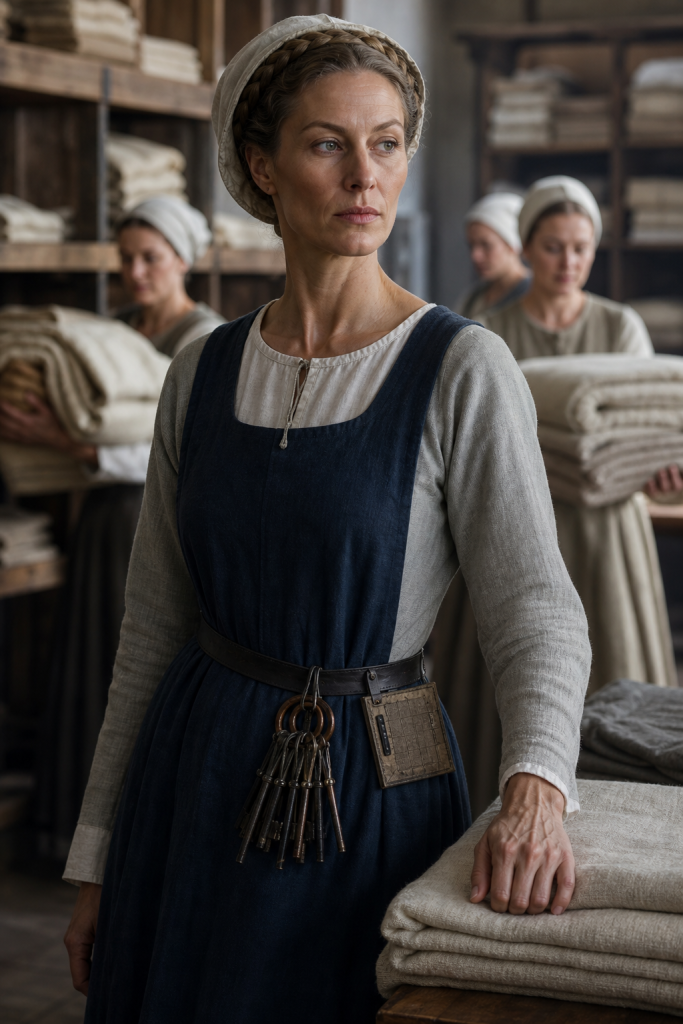
Simon sees blankets and a skinny fist blocking his route. Sophrona sees inventory, workers under load, a corridor obstruction, and exactly which higher authority will make the boy move.
Rebah
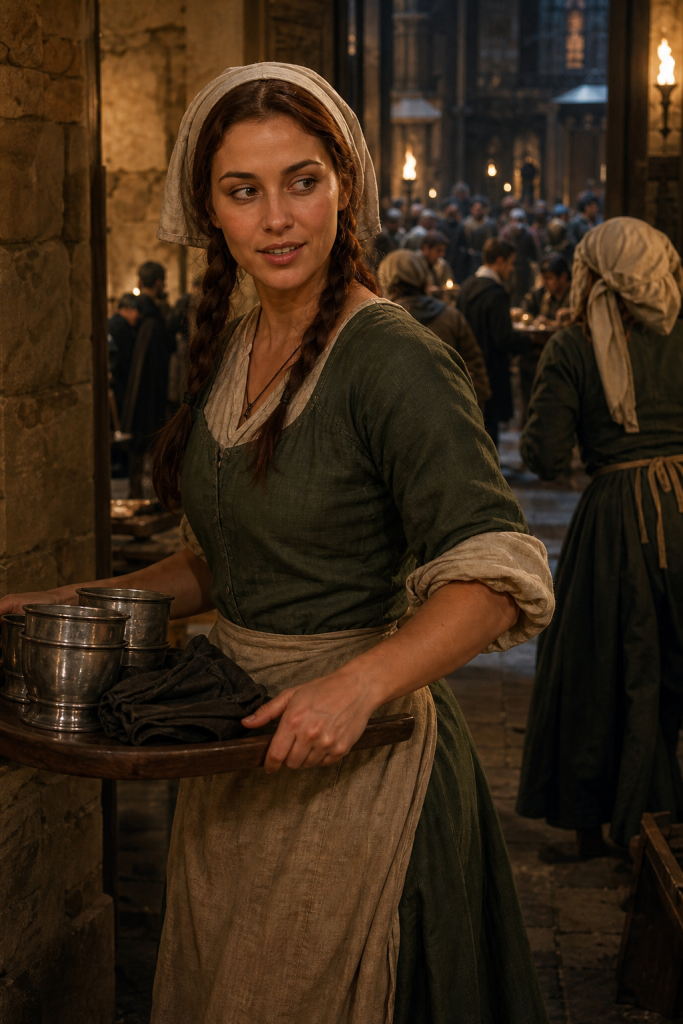
A king is buried. Princes rearrange themselves around the next throne. Rebah carries cups, mourning cloth, and conversation through the feast—because even history’s most ceremonial grief arrives with dishes somebody has to clear.
Jael
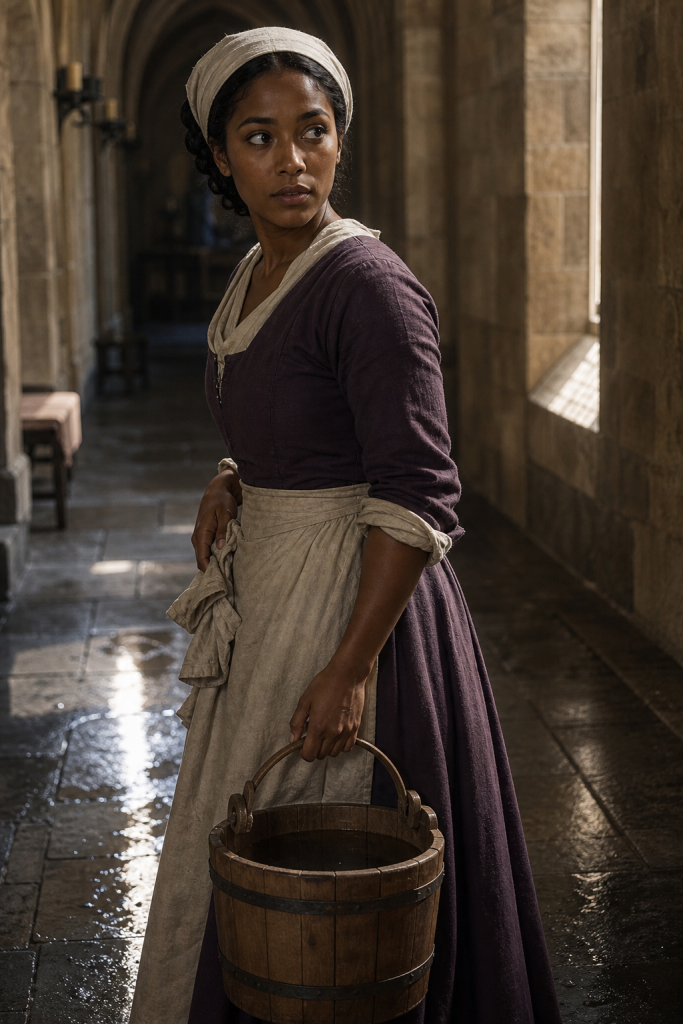
A chambermaid spills wash water. A nobleman slips. Rachel knows, before he reaches them, that somebody lower in the hierarchy will be made to pay. Jael’s scene is one accident and an entire political system.
Hepzibah

Simon thinks he is discovering a beautiful chambermaid. Hepzibah is already managing work, friendship, court news, a soldier who follows her everywhere, and the very useful fact that her life is not waiting for a scullion boy to begin.
Isaak
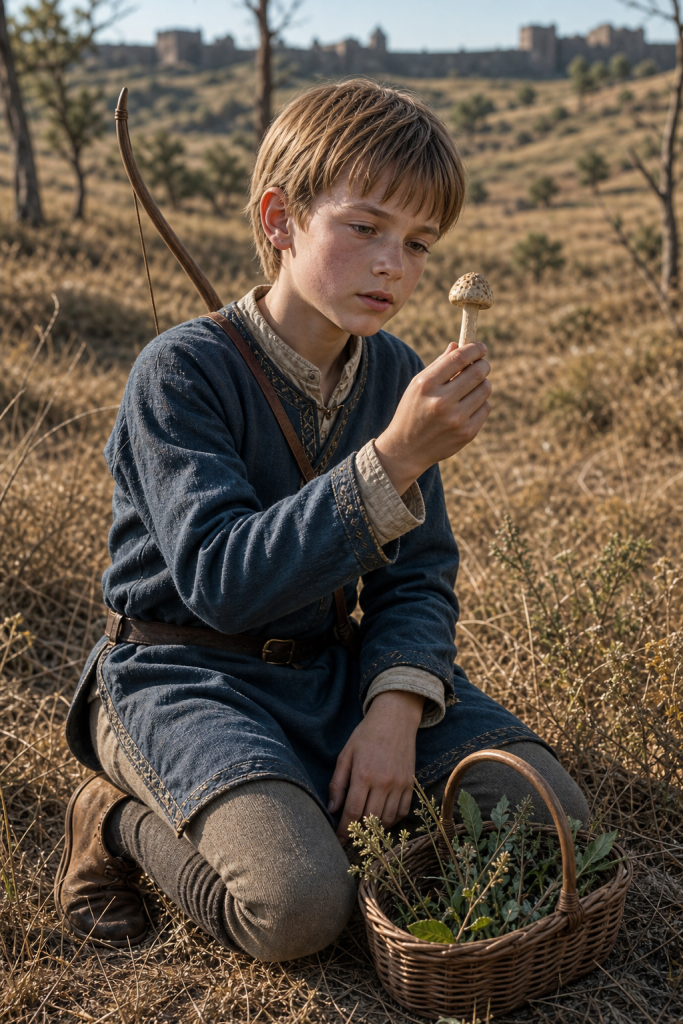
He arrives in Kynswood carrying an upstairs accent, a little bow, and the kind of gossip adults dismiss—then spends one afternoon connecting drought, plague governance, servant ambition, and a murdered man.
Jeremias

Two servant boys swing barrel staves and imagine the guard will recognize hidden greatness. Book 1 lets Jeremias keep the friendship, then makes the gatekeeper explain exactly how class survives a well-written letter.
Sarrah
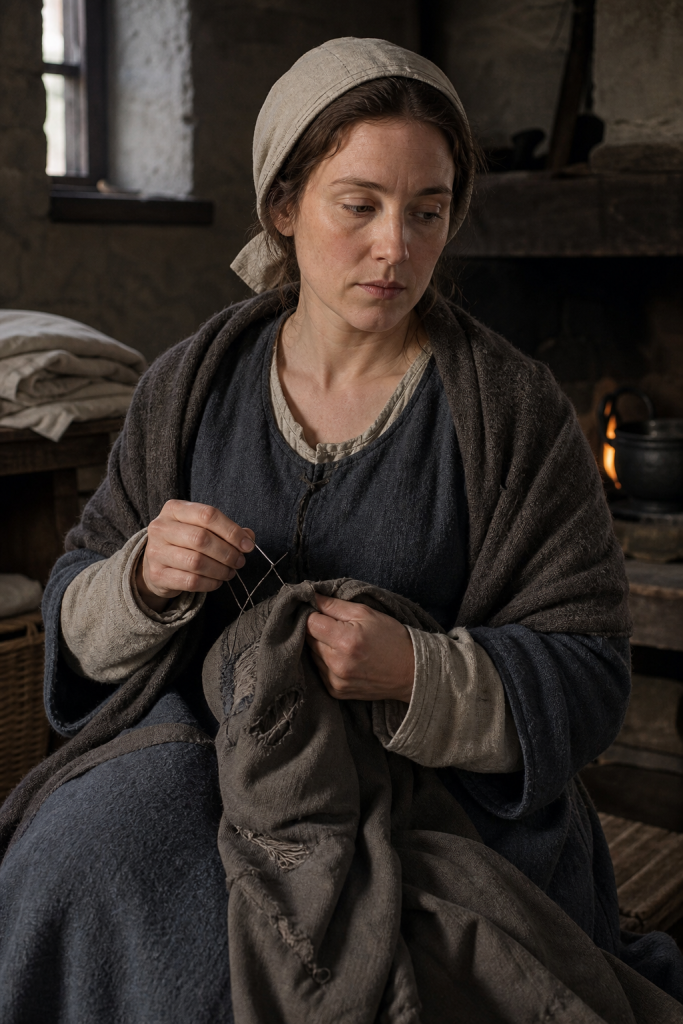
Simon tears his clothes; Sarrah repairs them downstairs. The novel gives her one quiet sentence and accidentally hands us the entire servant economy hiding underneath a boy’s ordinary morning.