
Ghost in the Shell Review
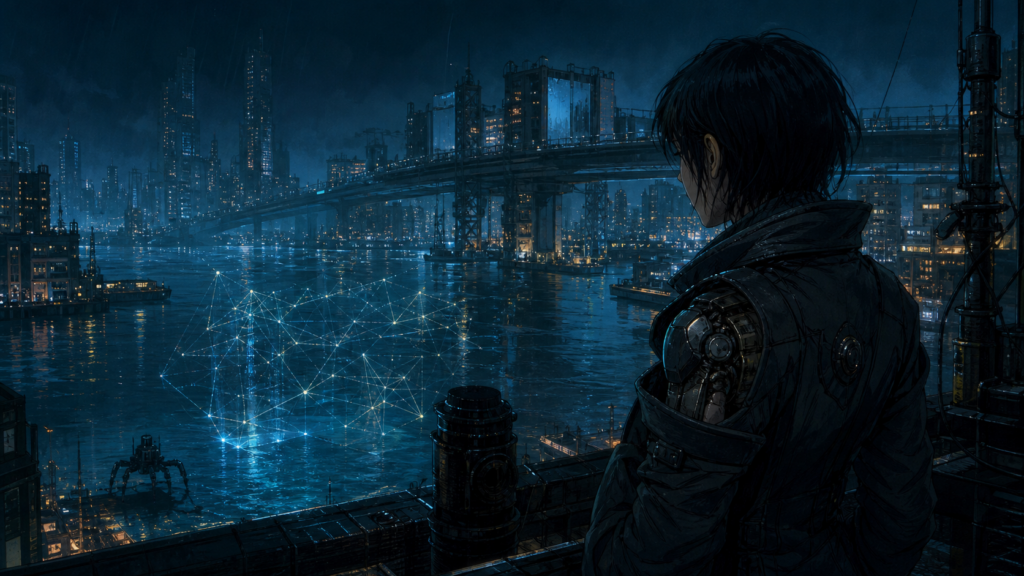
Ghost in the Shell turns cyberpunk spectacle into a sharp argument about bodies, memory, labor, state power, artificial life, and who gets recognized as a person.
Ninja Scroll Review
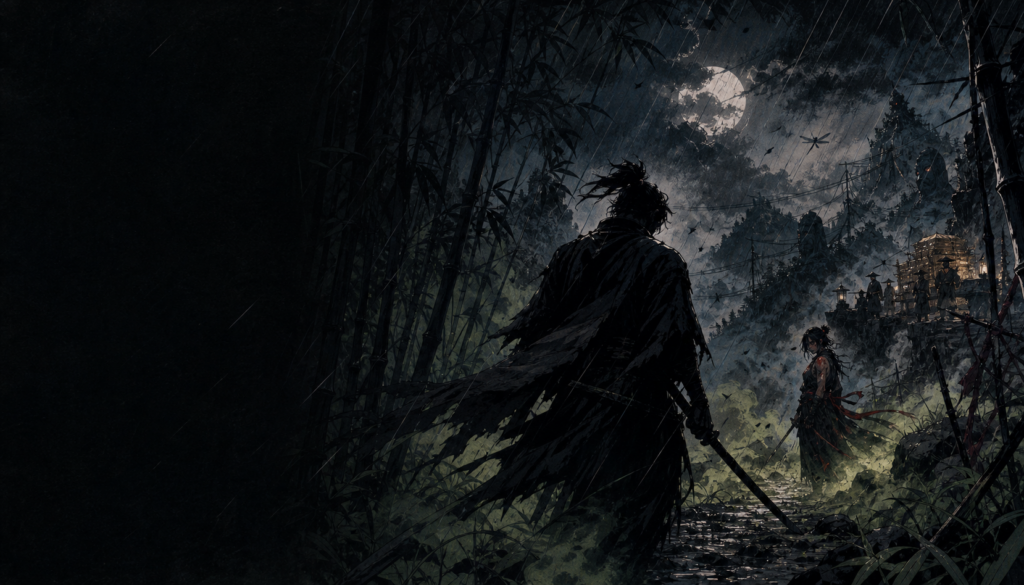
Ninja Scroll remains a landmark action film because readable combat, political violence, poisoned labor, and Kagero’s exploitation sit beneath the monster spectacle.
Spirited Away Review
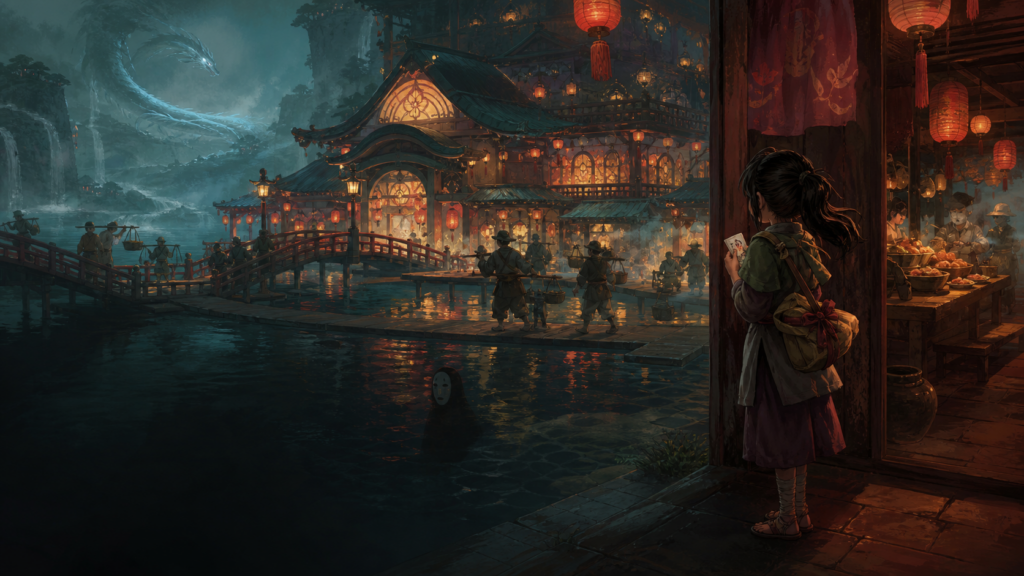
Spirited Away turns a magical bathhouse into a sharp story about names, labor, appetite, memory, pollution, No-Face, and growing up without surrendering identity.
The Chunin Exams Were a Child-Soldier Recruitment Fair
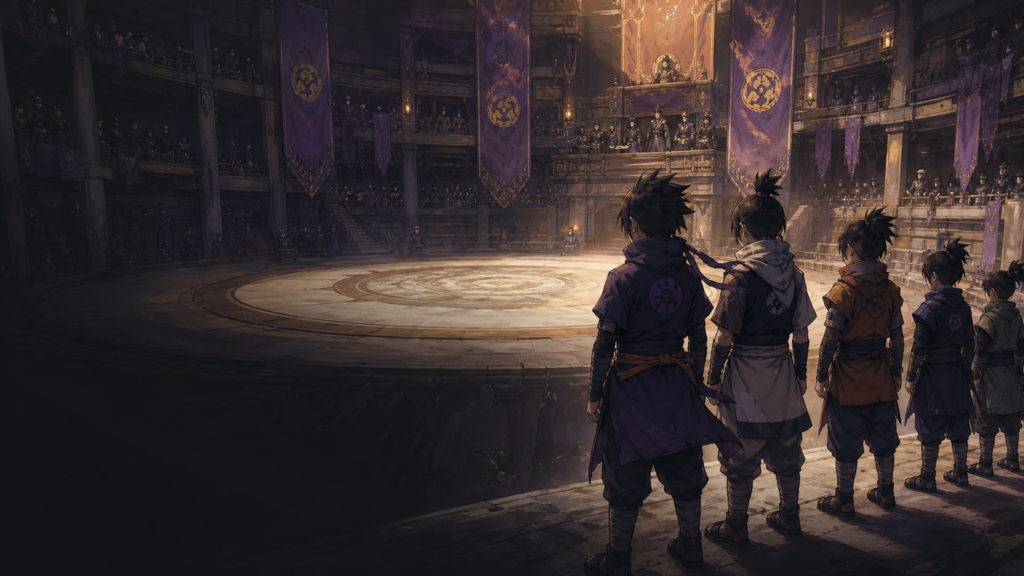
The Chunin Exams look like a promotion test, but Konoha uses children to advertise military talent, absorb political risk, and call unequal survival merit. This deep editorial asks what the arc gets right, where the village fails, and what a believable promotion system would require.
Naruto Forgave a Government That Never Apologized
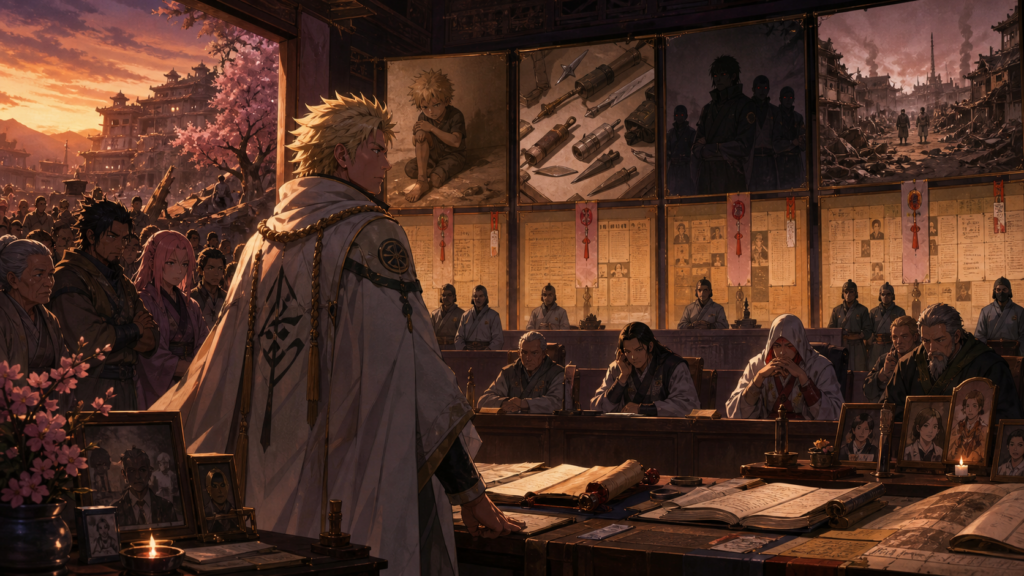
Naruto forgave a government that never apologized. RaeRae examines Konoha’s policy failures, transitional justice, public truth, material repair, and institutional reform.
Anime Schools Keep Calling Institutional Failure a Student Personality Problem
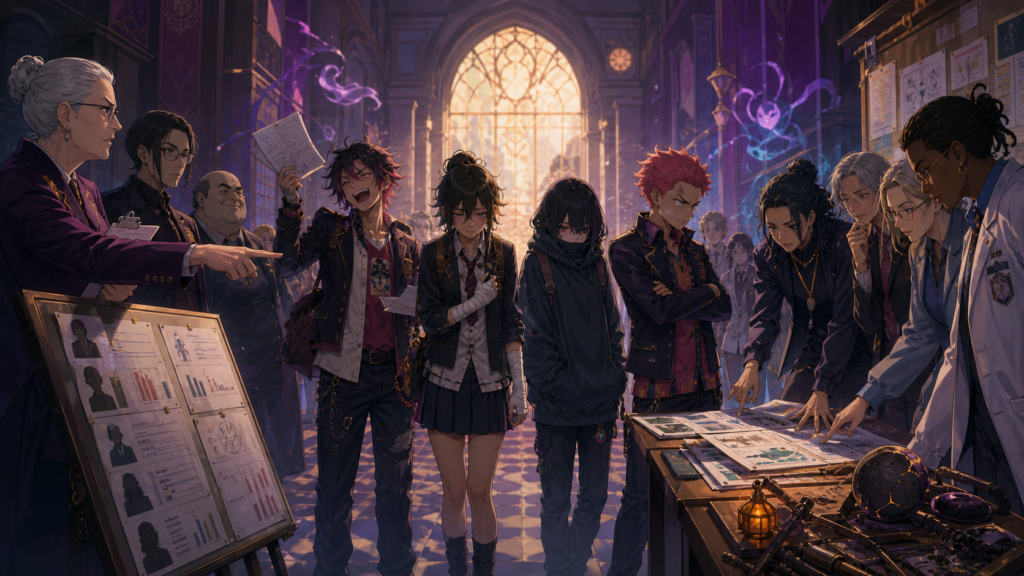
Anime schools keep treating institutional failure as a student personality problem. RaeRae examines discipline, trauma, belonging, safety, and believable reform.
The Hero Commission Raised Child Celebrities and Called Them Public Servants
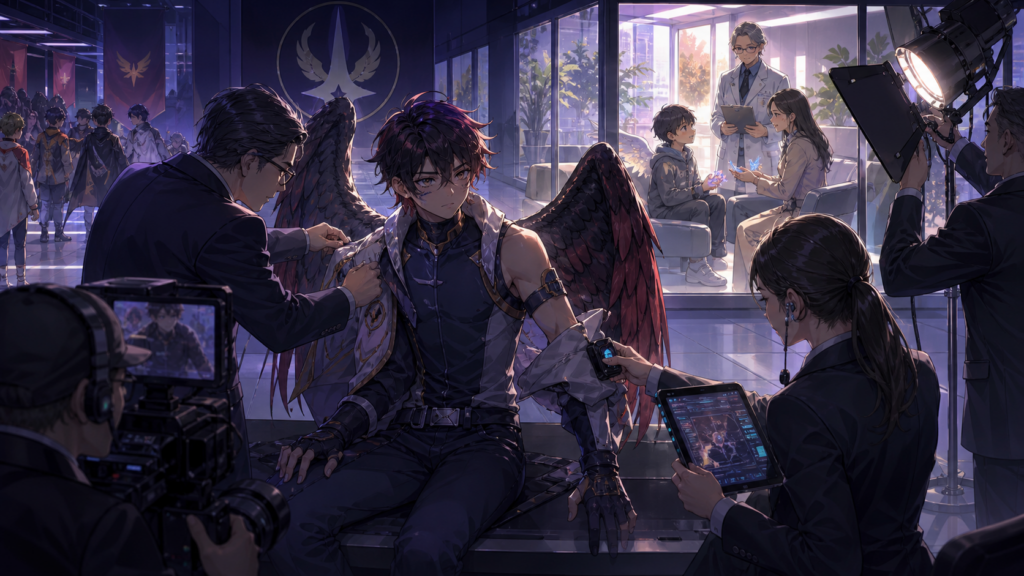
Hero society raised gifted children as public celebrities and covert assets. RaeRae examines Hawks, the Commission, child labor, branding, consent, and believable reform.
Endeavor’s Redemption Is Not His Family’s Assignment
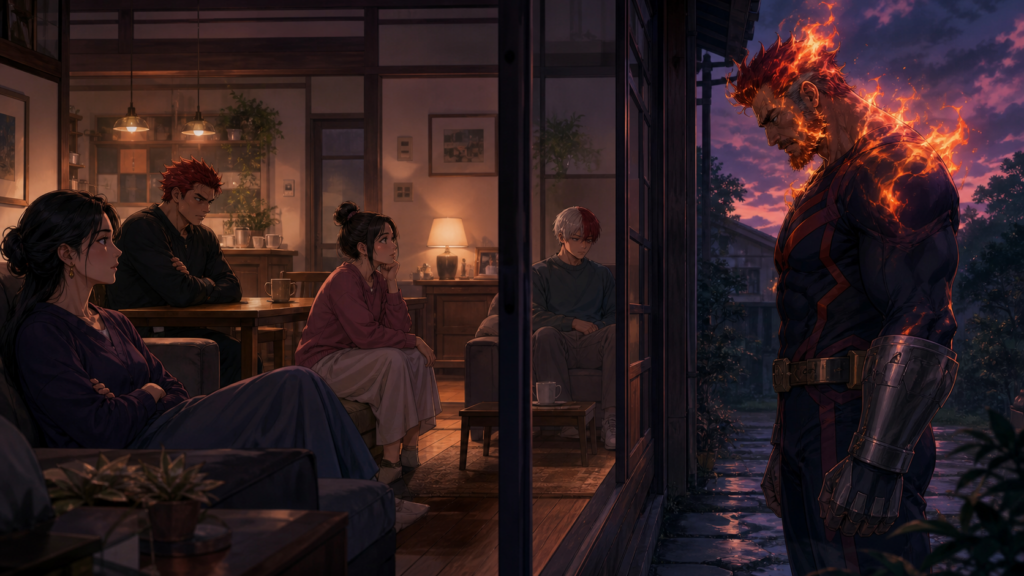
Endeavor’s redemption belongs to Endeavor. Forgiveness, trust, and contact belong to his family. RaeRae examines accountability without assigning survivors homework.
Success Does Not Prove the Training Was Worth the Damage
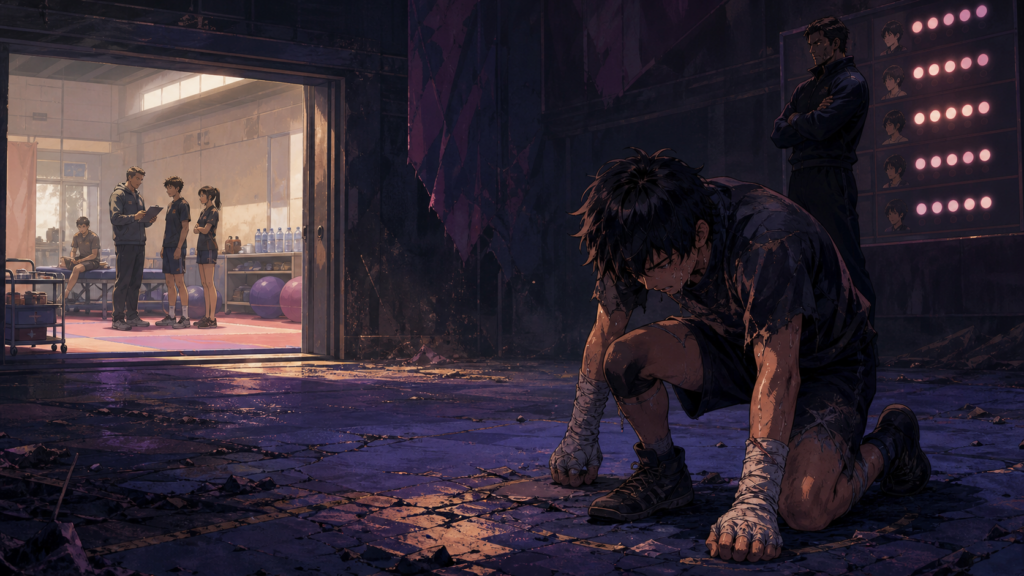
Anime loves brutal training arcs, but success does not prove the damage was necessary. RaeRae examines survivor bias, teaching power, consent, and better mentorship.
Anime Keeps Treating Child Homelessness Like Character Development
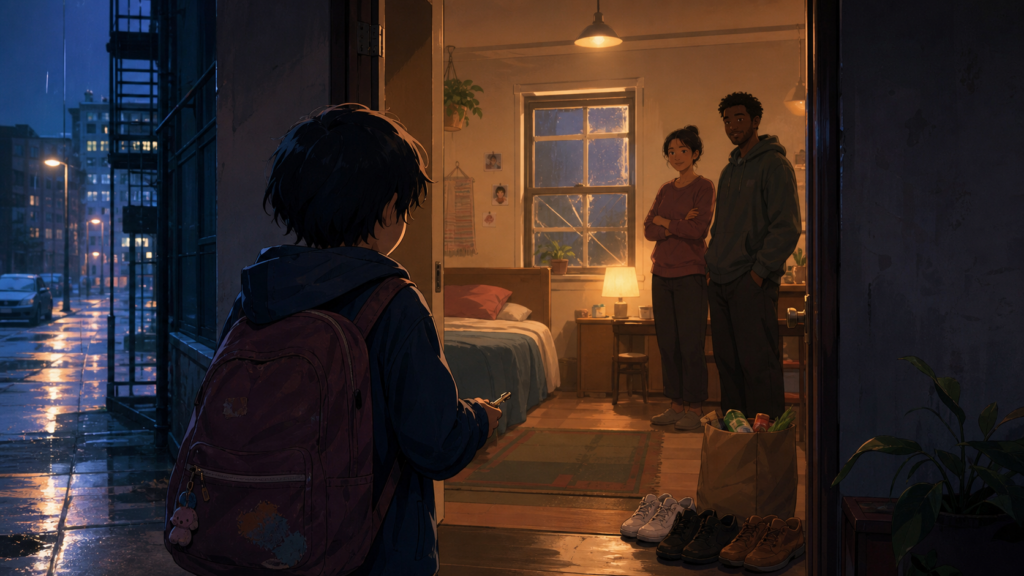
Anime keeps treating child homelessness as proof of independence. RaeRae examines the trope, the systems behind unstable housing, and what believable care should look like.
Surveillance Is Not Care Just Because an Adult Says “For Your Safety”
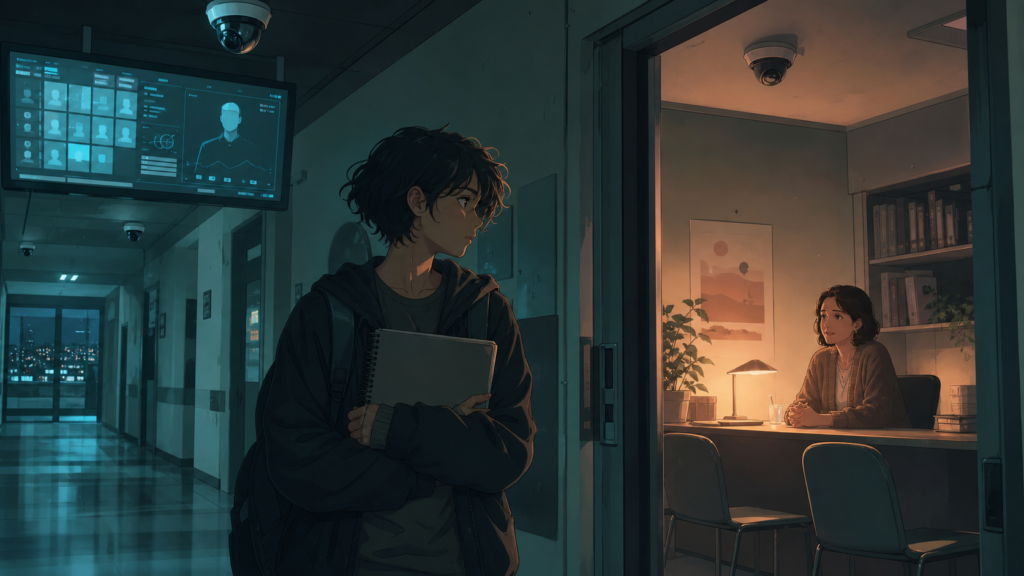
Anime surveillance stories confuse observation with care. This editorial examines what the trope gets right, where control becomes abuse, and what accountable safety should look like.
Secrecy Is Not Protection When the Child Never Gets the Truth
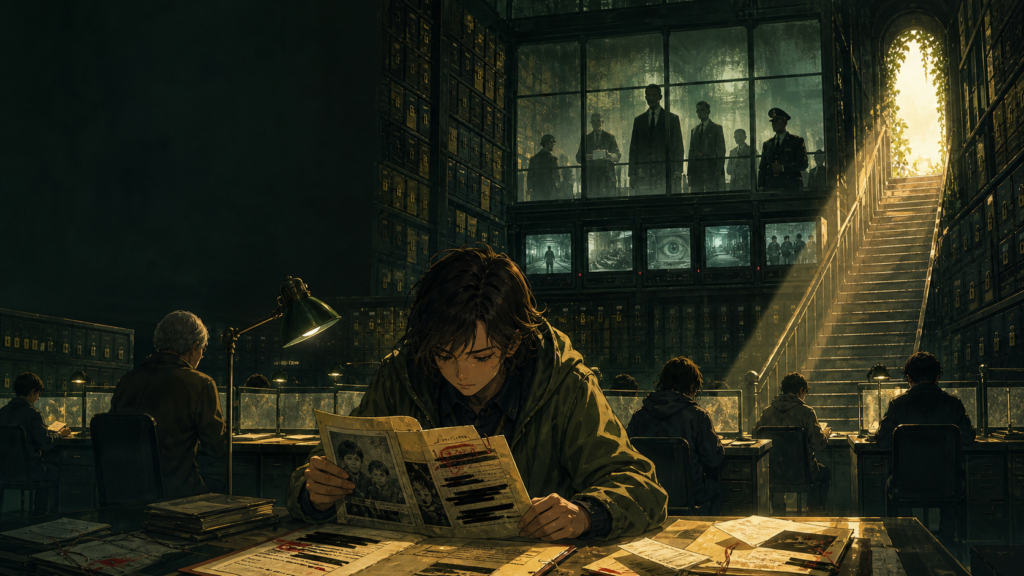
Anime governments hide parentage, massacres, experiments, bloodlines, and medical history, then call the lie protection. A real safety plan prepares a child for truth instead of erasing personal history.
Anime Prisons Keep Hiding the Society That Built the Villain
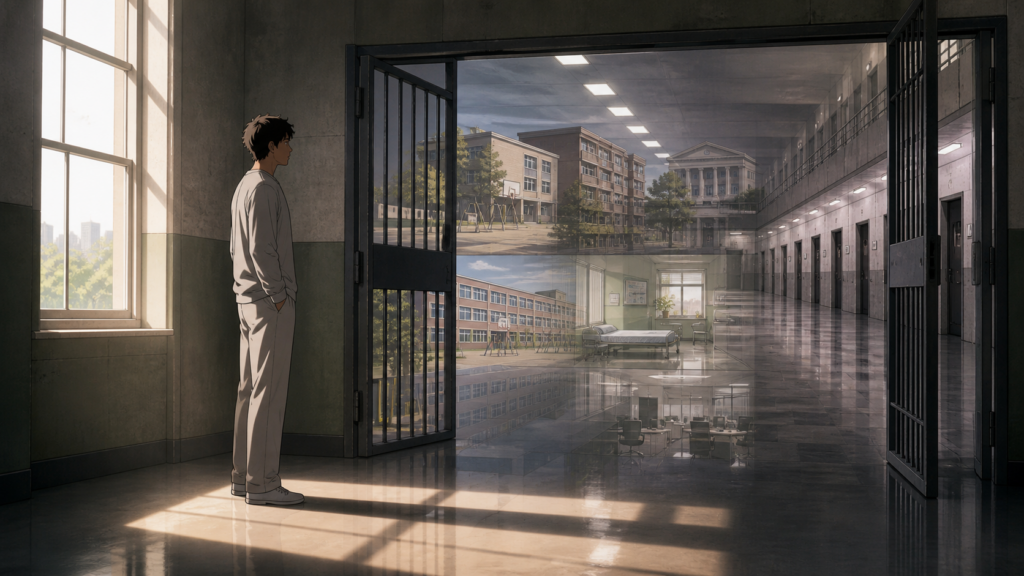
Anime prisons contain villains after the damage, then hide the abuse, discrimination, poverty, war, and government programs that helped build them. A locked door is safety, not a complete justice policy.
Friendship Is Not Unpaid Therapy
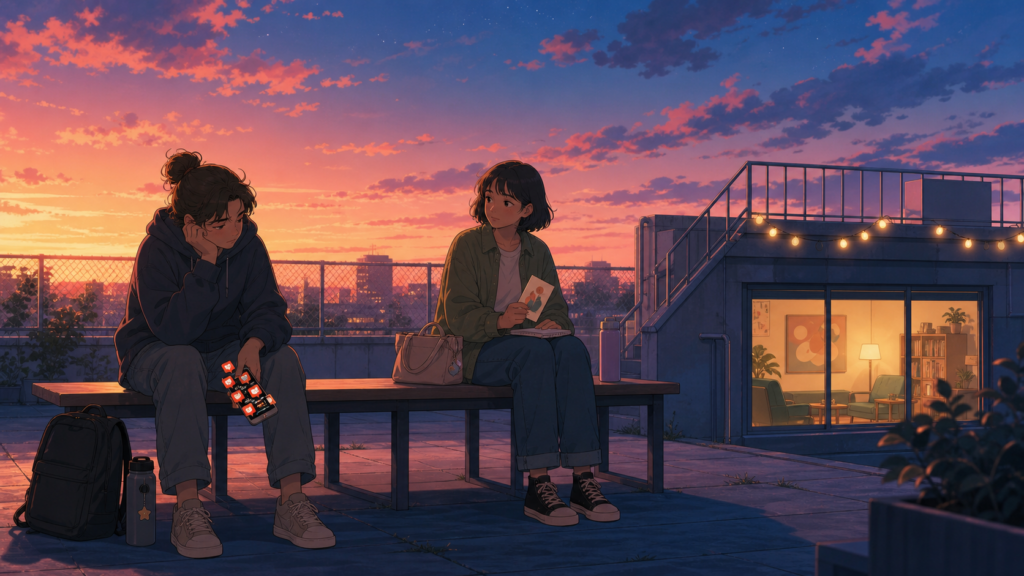
Anime keeps asking one loyal friend to become the crisis line, therapist, moral compass, and rescue plan. Friendship matters, but love cannot replace adults, boundaries, and a real care system.
Gifted Children Are Not Public Property
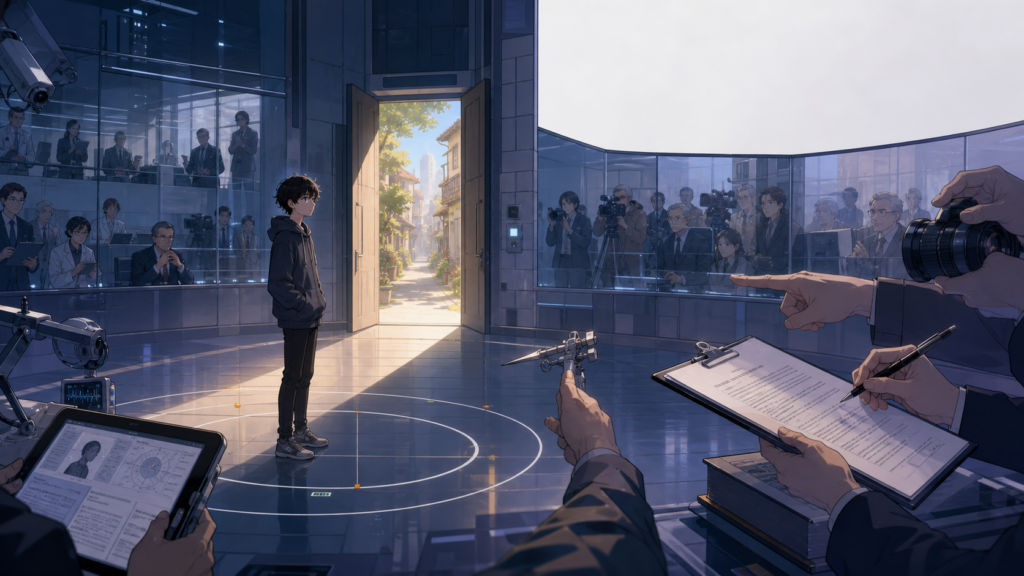
Anime loves gifted children until those children want ordinary lives. Shoto, Naruto, Neji, and other prodigies expose how families, schools, clans, and governments turn talent into ownership.
Self-Sacrifice Is Not a Public Safety Plan
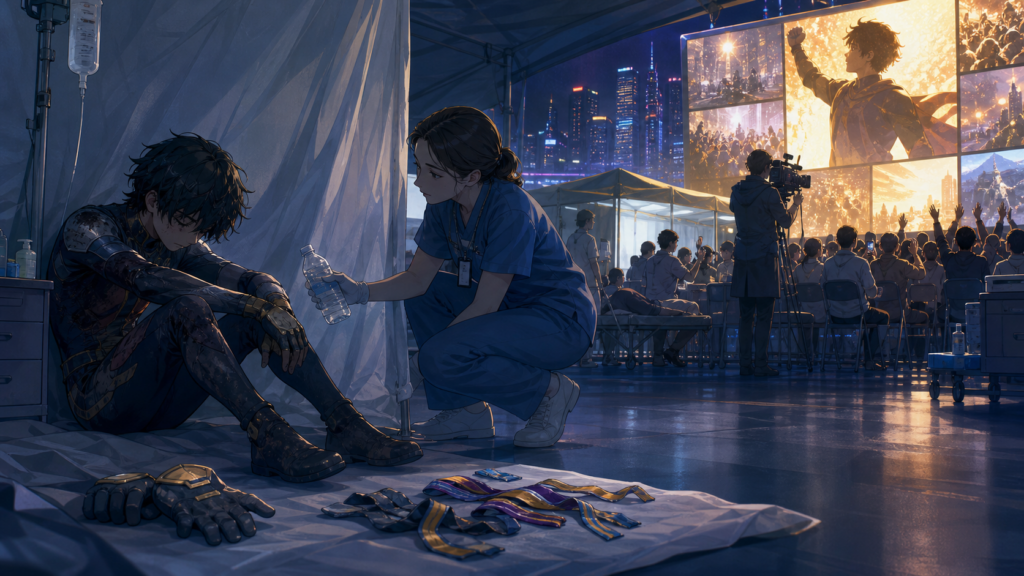
Anime keeps praising exhausted children for saving broken systems, then forgets to ask why every adult plan required a child to collapse. Heroism can answer an emergency, but repeated self-sacrifice is not public policy.
Kiki’s Delivery Service Review
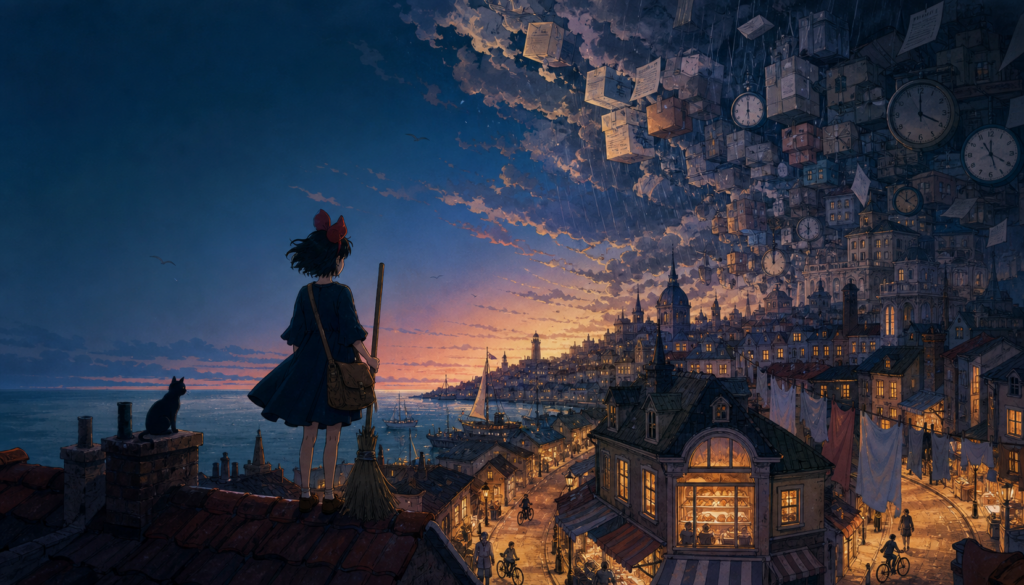
Kiki’s Delivery Service explained through work, creative burnout, independence, friendship, belonging, animation craft, cultural impact, and the ending.
My Neighbor Totoro
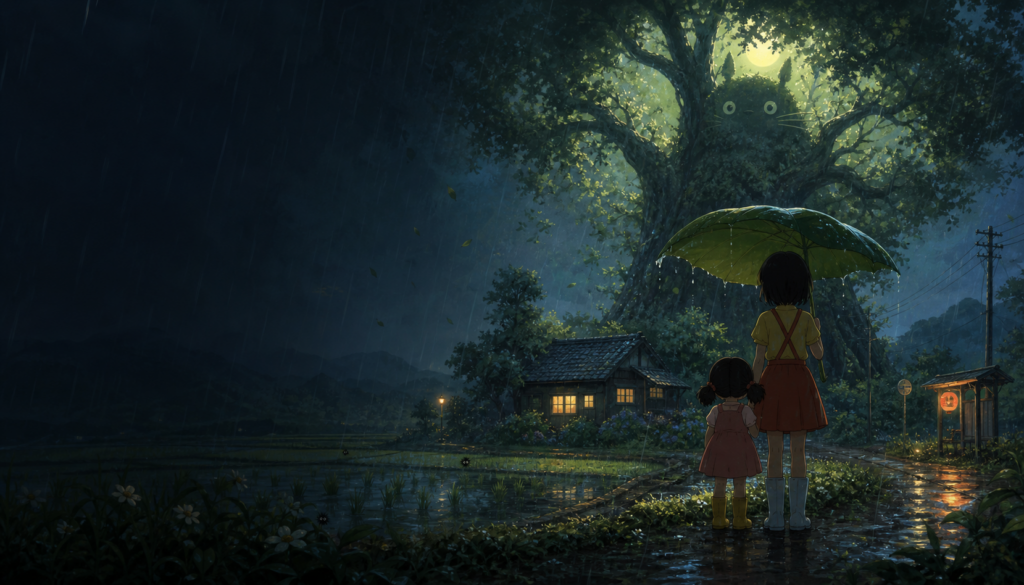
My Neighbor Totoro explained through childhood, family illness, rural community, nature, animation craft, and Hayao Miyazaki’s patient idea of comfort.
Akira
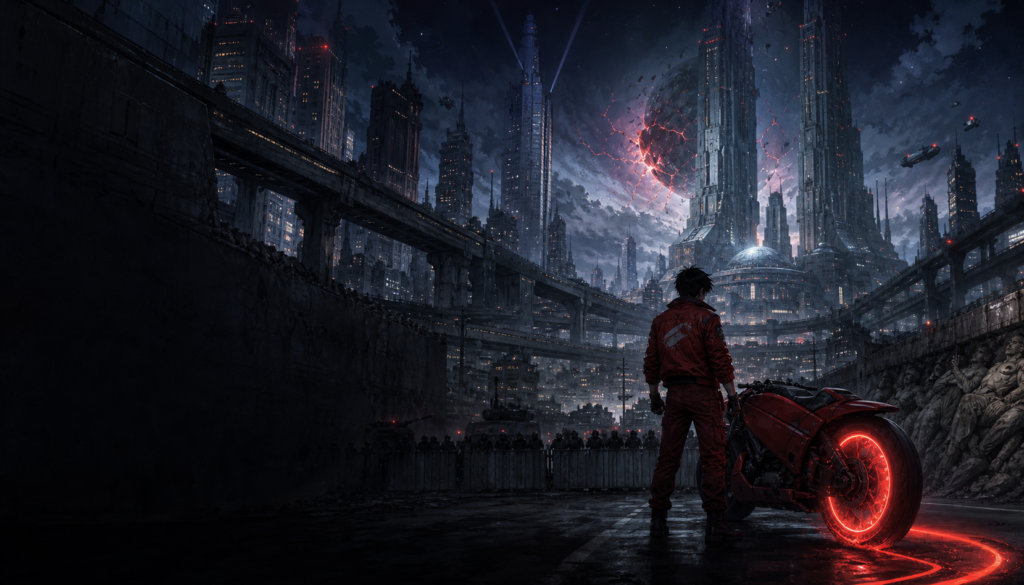
Akira explained through Neo-Tokyo, Tetsuo, body horror, animation innovation, postwar memory, the ending, and the film’s global anime legacy.
The Hunger Games Was Never New. America Was Just Late.
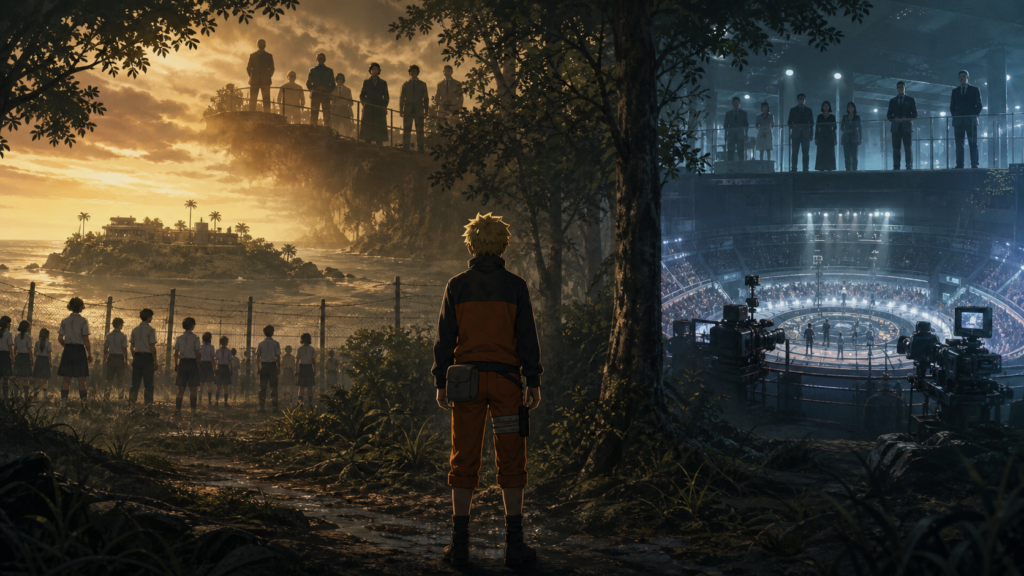
The Hunger Games did not invent the child-survival arena. Battle Royale, Naruto, warrior history, media psychology, and Western cultural memory explain why America arrived late.
Problem Children Don’t Exist. Failed Villages Do.
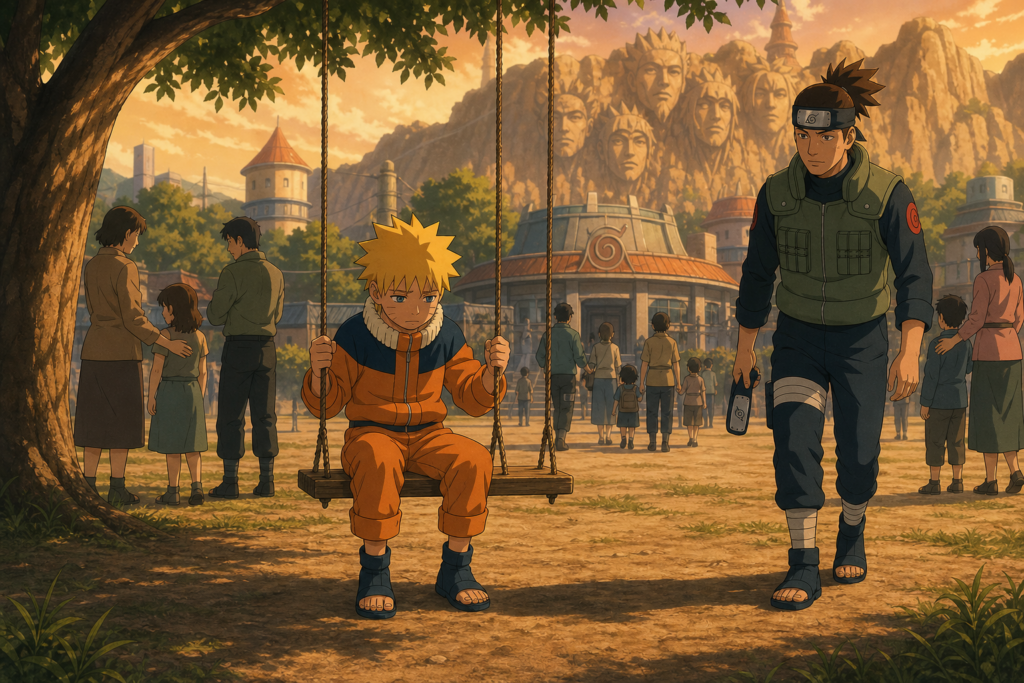
Konoha treated Naruto’s loneliness, pranks, and anger like a child’s personality problem instead of evidence that the village had abandoned its duty. His survival does not excuse the neglect that made survival necessary.
Noriaki Sugiyama: Sasuke’s Voice, Career, Roles and Performance Guide
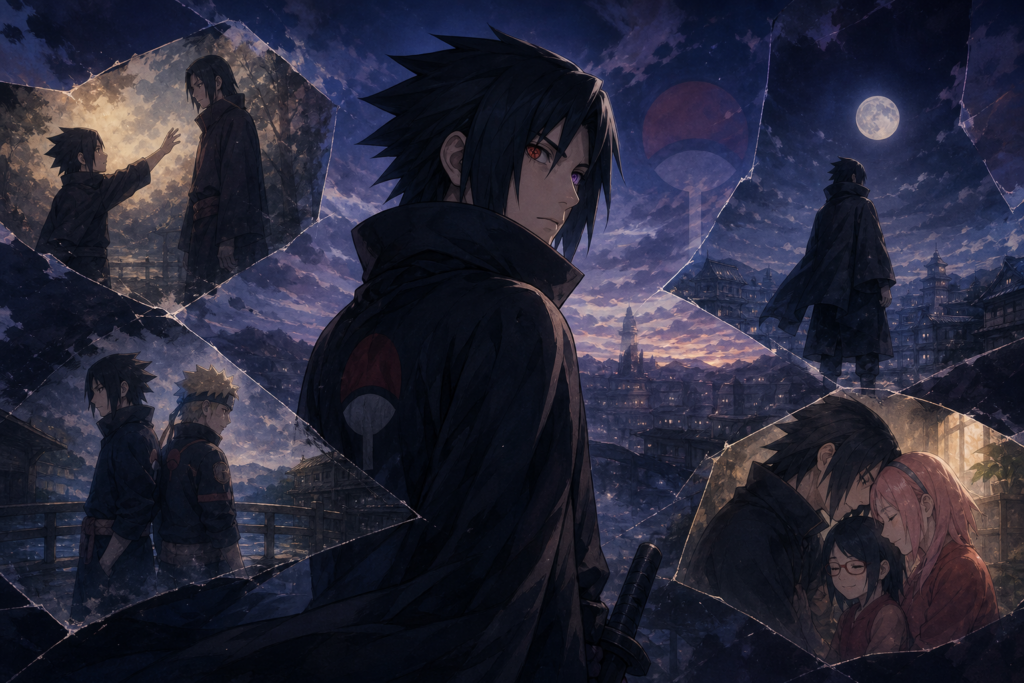
Noriaki Sugiyama’s Sasuke performance works through controlled breath, restraint, grief, rivalry, and carefully timed vulnerability across Naruto’s long character arc.
Naruto Episode 17: White Past: Hidden Ambition
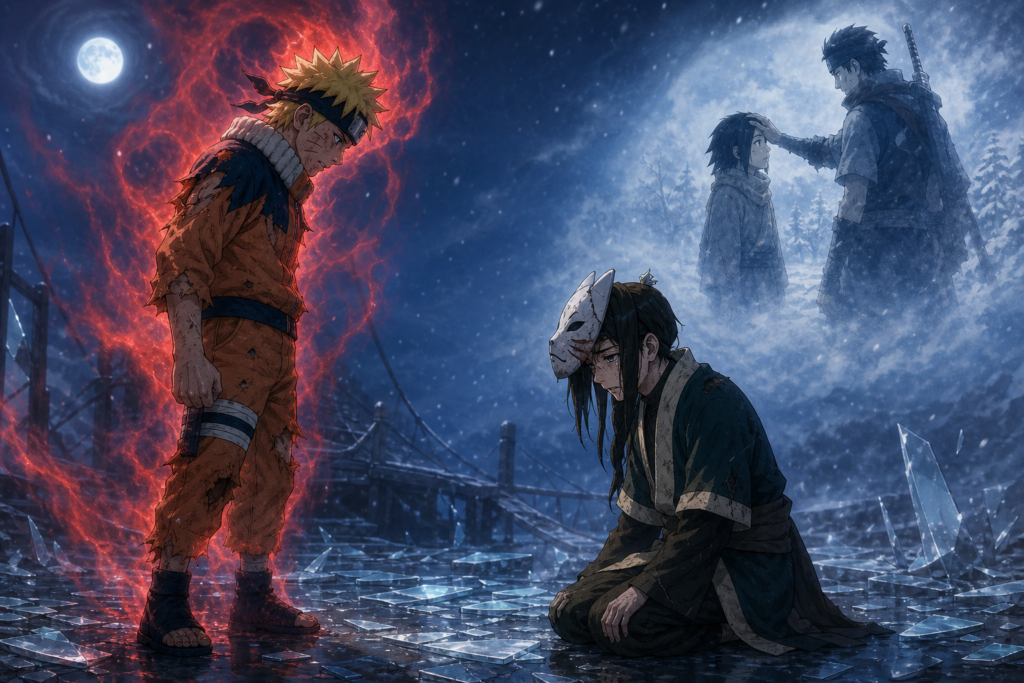
RaeRae Reacts • Naruto Episode 17 • Land of Waves What happens when a weapon can no longer be useful? Naruto breaks Haku’s mirrors and reaches the person behind the mask. The real battle begins after victory, when Haku reveals a life built on the belief that usefulness is the only price anyone will pay […]
Naruto Episode 16: The Broken Seal
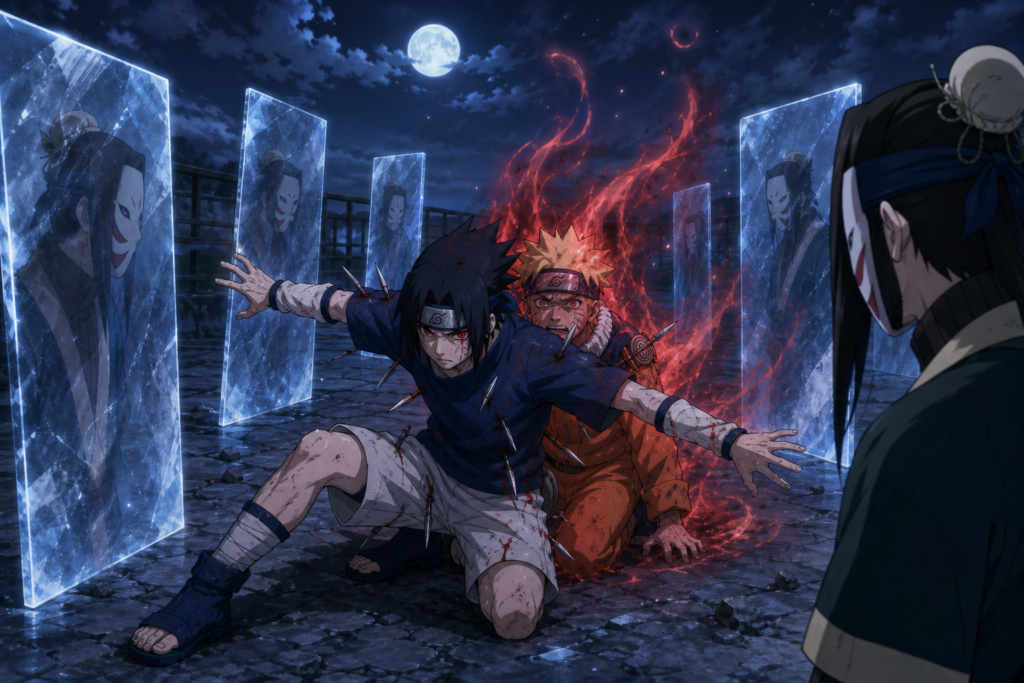
RaeRae Reacts • Naruto Episode 16 • Land of Waves Sasuke’s body admits the friendship before his mouth can. The boy who built his life around distance steps between Naruto and death. Grief answers sacrifice by cracking open the seal, and the bridge discovers that Naruto’s loneliness has always contained something enormous. Original episode 16 […]
Naruto Episode 15: Zero Visibility: The Sharingan Shatters
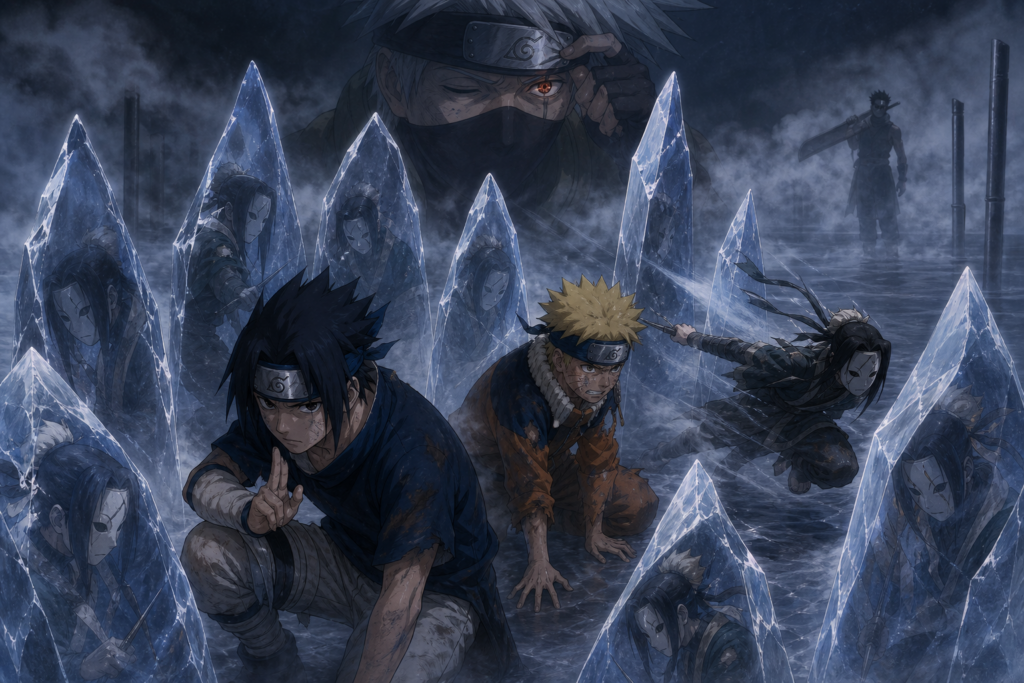
RaeRae Reacts • Naruto Episode 15 • Land of Waves Seeing everything is useless when experience knows where not to look. Sasuke’s eyes begin catching Haku’s impossible rhythm just as Zabuza learns how to erase himself from Kakashi’s sight. Episode 15 turns perception into a battlefield and asks whether talent can survive long enough to […]
Naruto Episode 14: The Number One Hyperactive, Knucklehead Ninja Joins the Fight!!
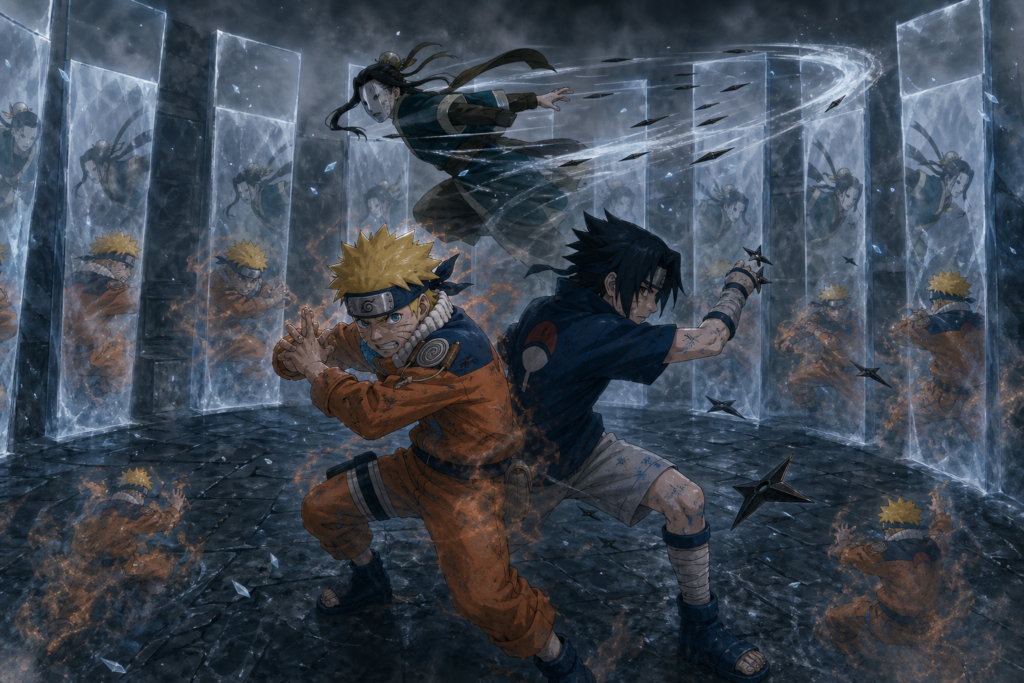
RaeRae Reacts • Naruto Episode 14 • Land of Waves The loudest boy in the room runs straight into the trap. Naruto sees Sasuke imprisoned inside Haku’s impossible hall of ice and does the most Naruto thing imaginable: he charges in. The charge is reckless, ridiculous, loyal, and far more revealing than a simple rescue […]
Naruto Episode 13: Haku’s Secret Jutsu: Crystal Ice Mirrors
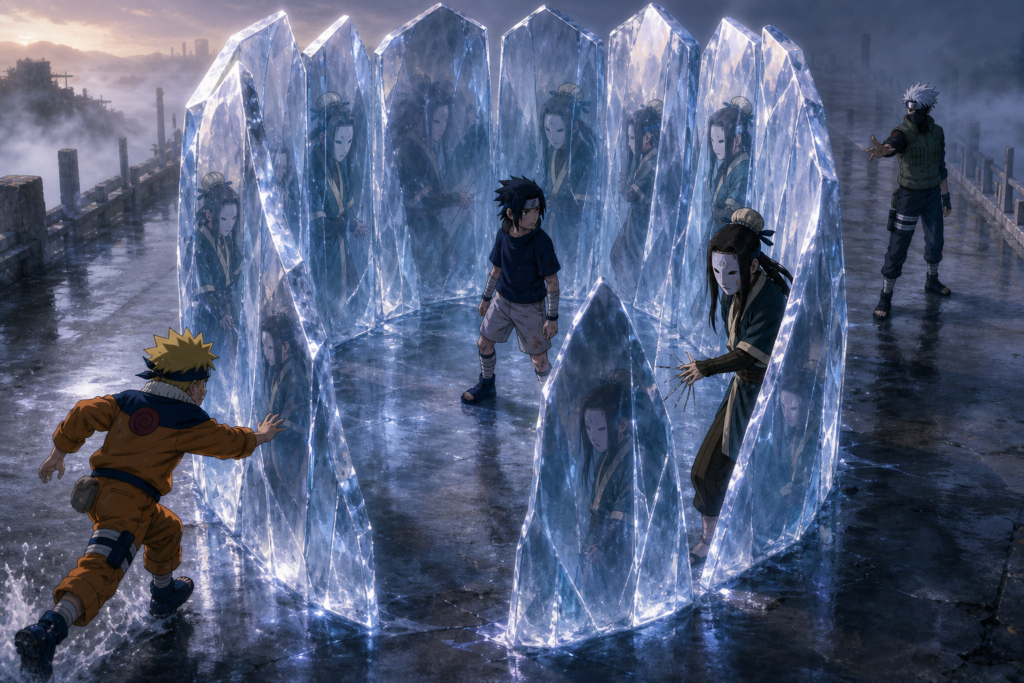
RaeRae Reacts • Naruto Episode 13 Haku’s Secret Jutsu: Crystal Ice Mirrors Sasuke enters a chamber where every reflection can attack, Naruto rushes inside instead of breaking it from without, and Haku reveals a bloodline power born from the very inheritance that once made home unsafe. Original Naruto Episode 13 Heavy spoilers Crystal Ice Mirrors […]
Naruto Episode 12: Battle on the Bridge! Zabuza Returns!!
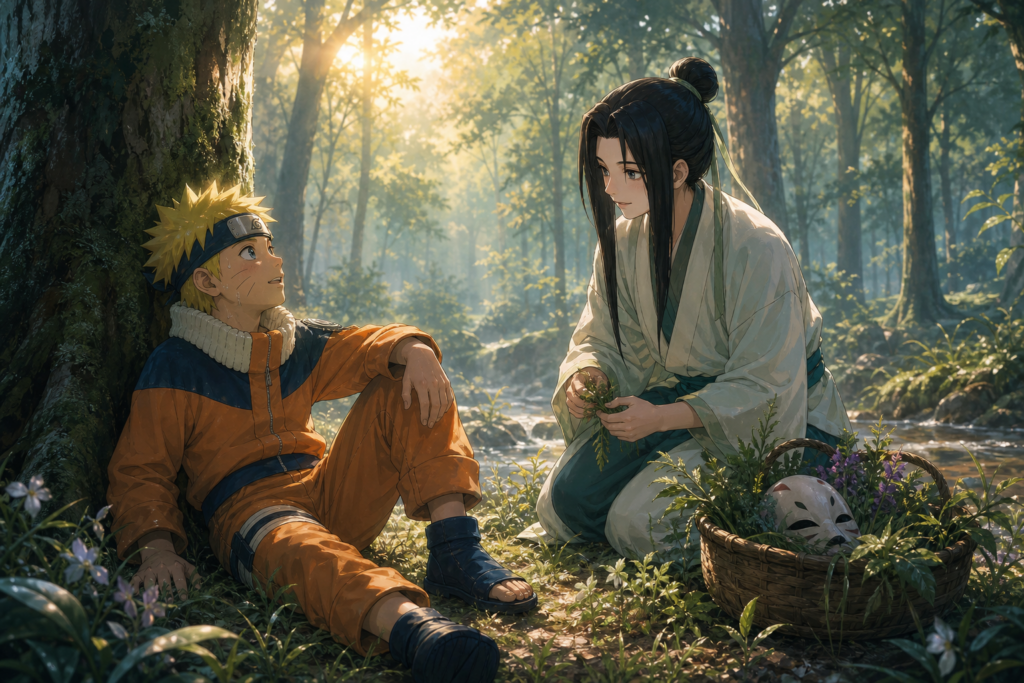
RaeRae Reacts • Naruto Episode 12 Battle on the Bridge! Zabuza Returns!! Before mist covers the bridge, Naruto meets Haku in sunlight and learns that love can make a person stronger. Neither child knows they are describing the reason they may soon have to hurt each other. Original Naruto Episode 12 Heavy spoilers Naruto meets […]
Naruto Episode 11: The Land Where a Hero Once Lived
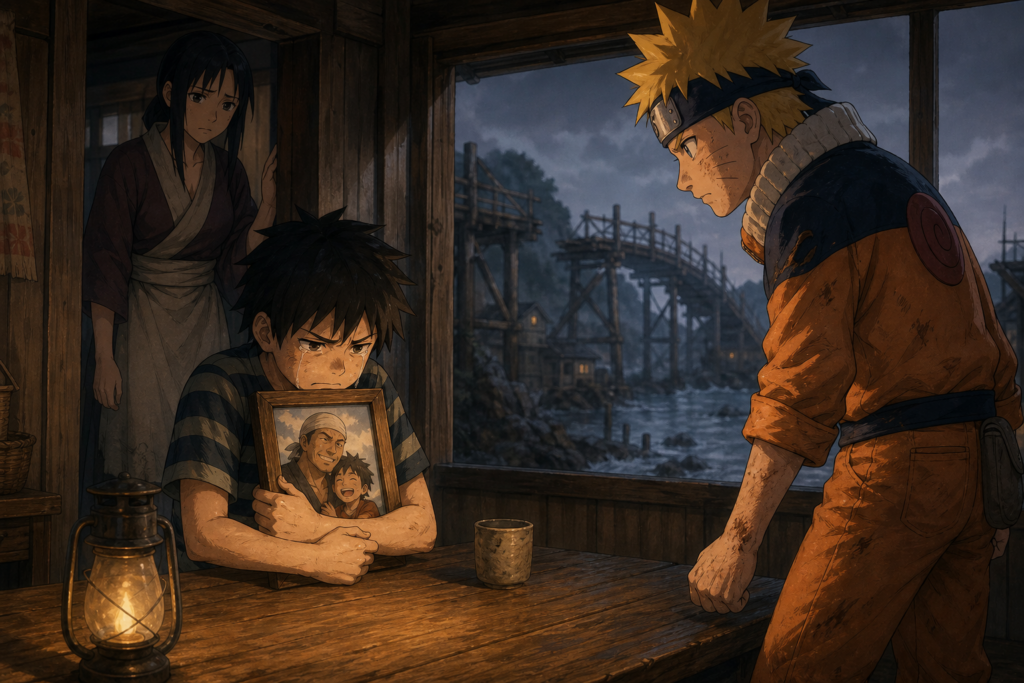
RaeRae Reacts • Naruto Episode 11 The Land Where a Hero Once Lived Sakura sees the empty shelves behind Gatō’s power, Naruto and Sasuke grind themselves against the trees, and Inari explains why the word hero now sounds like a promise made by people who will die. Original Naruto Episode 11 Heavy spoilers Inari and […]
Naruto Episode 10: The Forest of Chakra
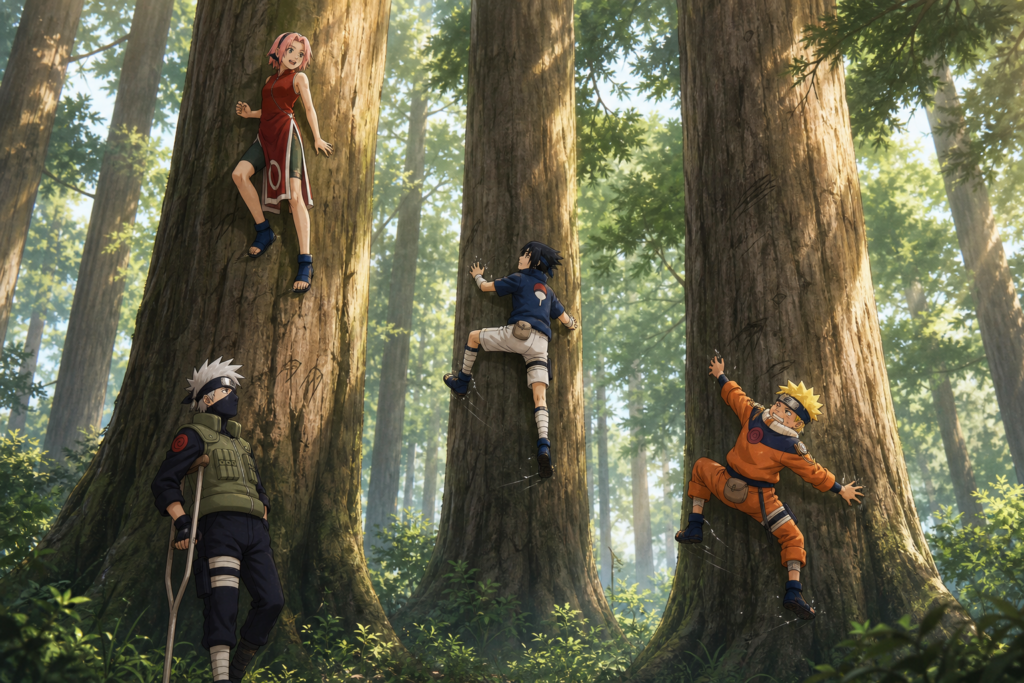
RaeRae Reacts • Naruto Episode 10 The Forest of Chakra Kakashi wakes knowing Zabuza’s death was staged, then asks three genin to run up trees without their hands. The lesson reveals that enormous power means little until intention can govern its flow. Original Naruto Episode 10 Heavy spoilers Chakra control training Quick mission briefing: Recovering […]