
Chiya
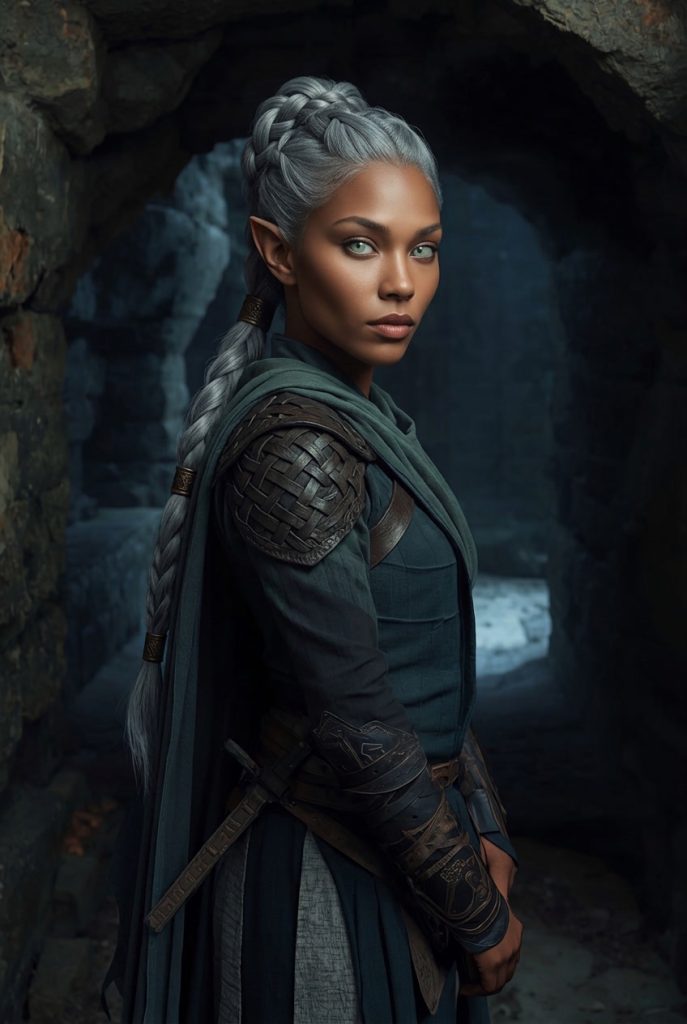
Chiya is a named Sitha member of the hidden party entering Asu’a. The surviving record gives her one decisive fact rather than a manufactured biography: when Likimeya asks others to fight outside as though no secret plan exists, Chiya accepts the danger inside.
Vindaomeyo the Fletcher
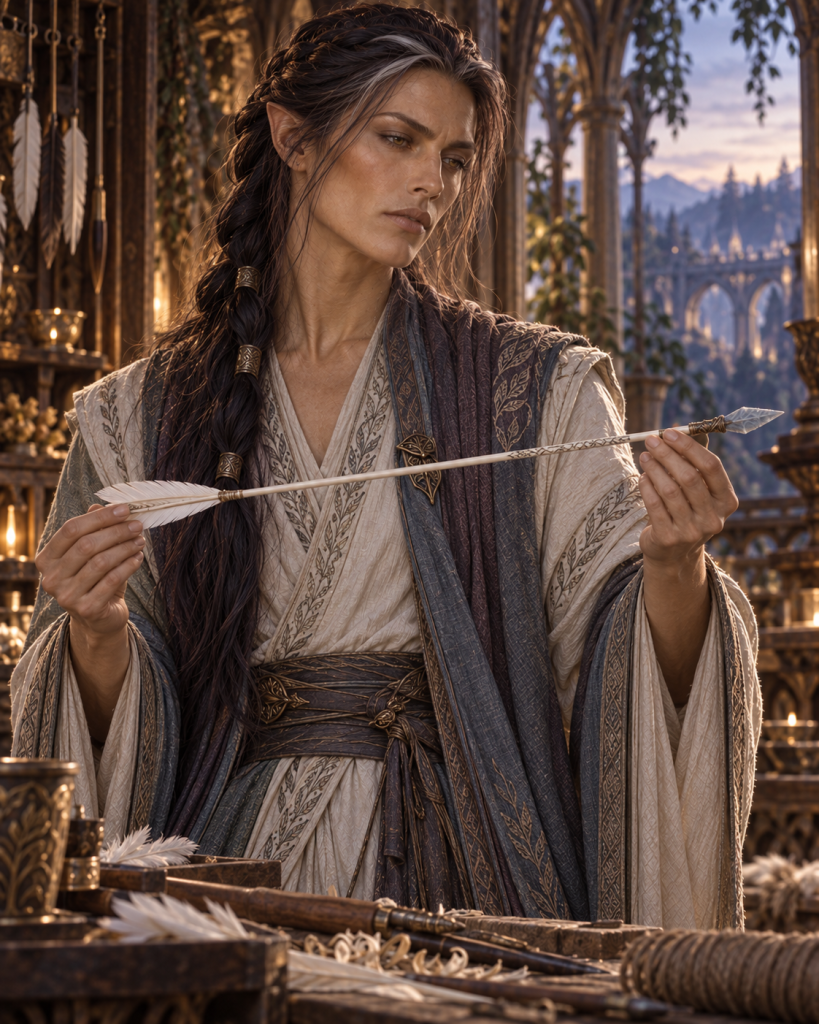
Vindaomeyo is the ancient maker who inscribed Words of Making on the Sithi White Arrow Jiriki gives Simon. Book 1 treats the arrow as a family treasure and life-debt token. Book 4 lets the dwarrows recognize the deeper receipt: Vindaomeyo shaped it for one of the Zida’ya who taught their people craft, using a blue-gray fragment of a Master Witness as its point.
Varellan
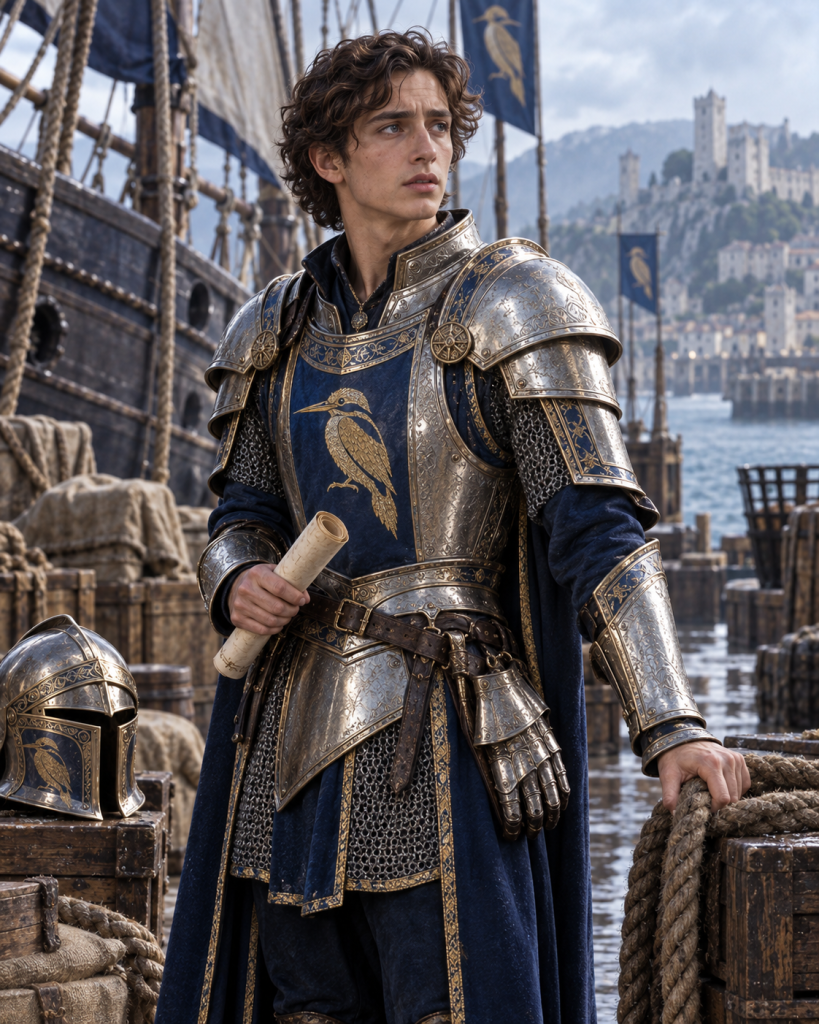
Varellan is Duke Leobardis and Duchess Nessalanta’s anxious youngest son: a slight young man once drawn toward the priesthood, pressed instead into bright armor, and eventually handed an army during Nabban’s civil fracture. His story is not that he lacks courage. It is that a family decides what courage must look like, then leaves him to bleed inside the costume.
Penemhwy
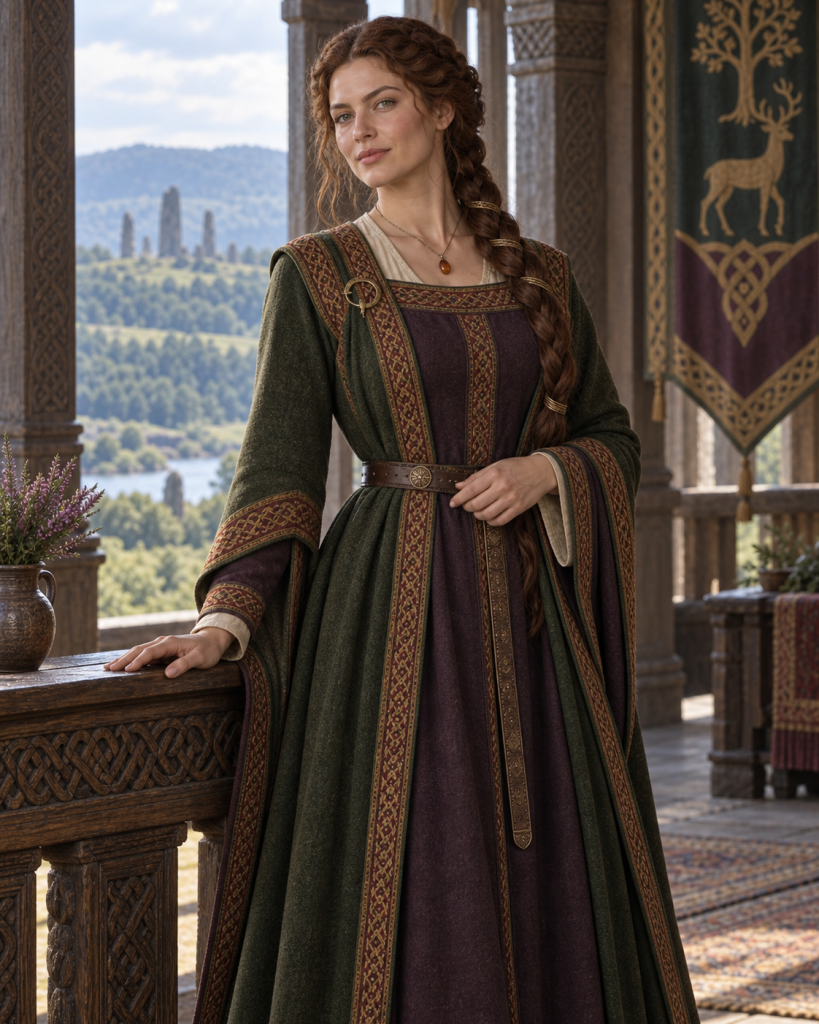
Penemhwy is Maegwin’s mother and King Lluth’s first recorded wife, dead since Maegwin was four. She never steps into a living scene, yet Book 4 makes her absence speak: when Maegwin’s imagined heaven begins to fracture, she asks why Penemhwy is not there among the beloved dead.
Nin Reisu

Nin Reisu is the Niskie seawatcher trusted aboard Emettin’s Jewel long before Josua’s desperate fleet needs Niskie knowledge to survive hostile water. She receives little page space and still exposes an entire hierarchy: frightened landbound officials may treat her as strange, but the duke who knows ships understands exactly whose judgment matters at sea.
Kuroyi
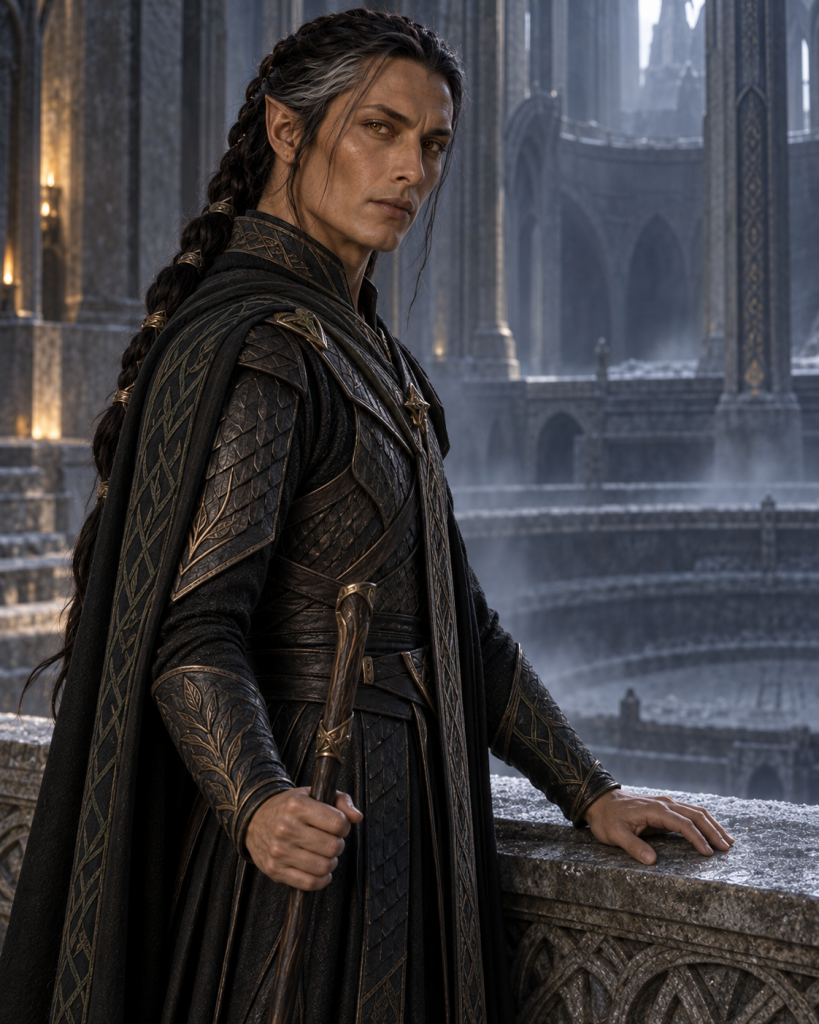
Kuroyi does not join the mortal alliance because five centuries of injury evaporate. He accepts “the enemy of my enemy” for a little while, then spends that little while recovering a fallen companion, explaining the Witnesses, entering Asu’a, finding Josua, and dying against Utuk’ku.
Kira’athu
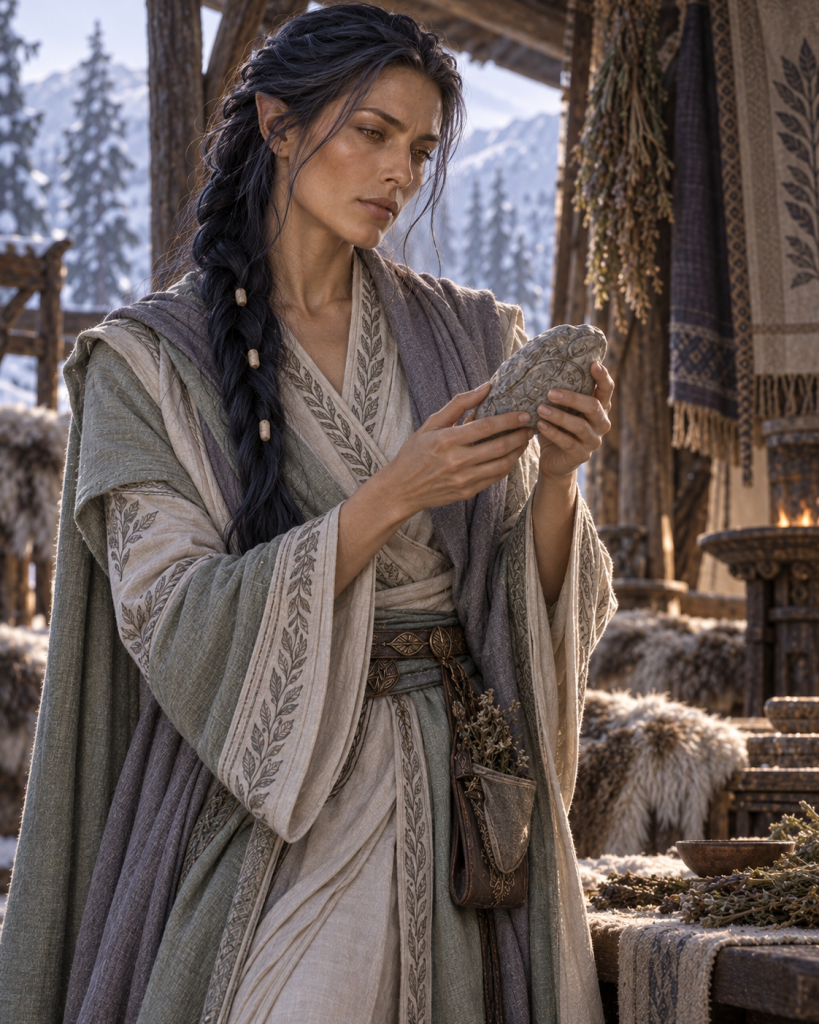
Kira’athu is the Sitha healer who refuses the most seductive lie in fantasy medicine: that knowledge makes every wound fixable. With Maegwin, she diagnoses carefully, admits where understanding ends, offers comfort instead of spectacle, and tells Eolair that kindness is still an intervention.
Freosel
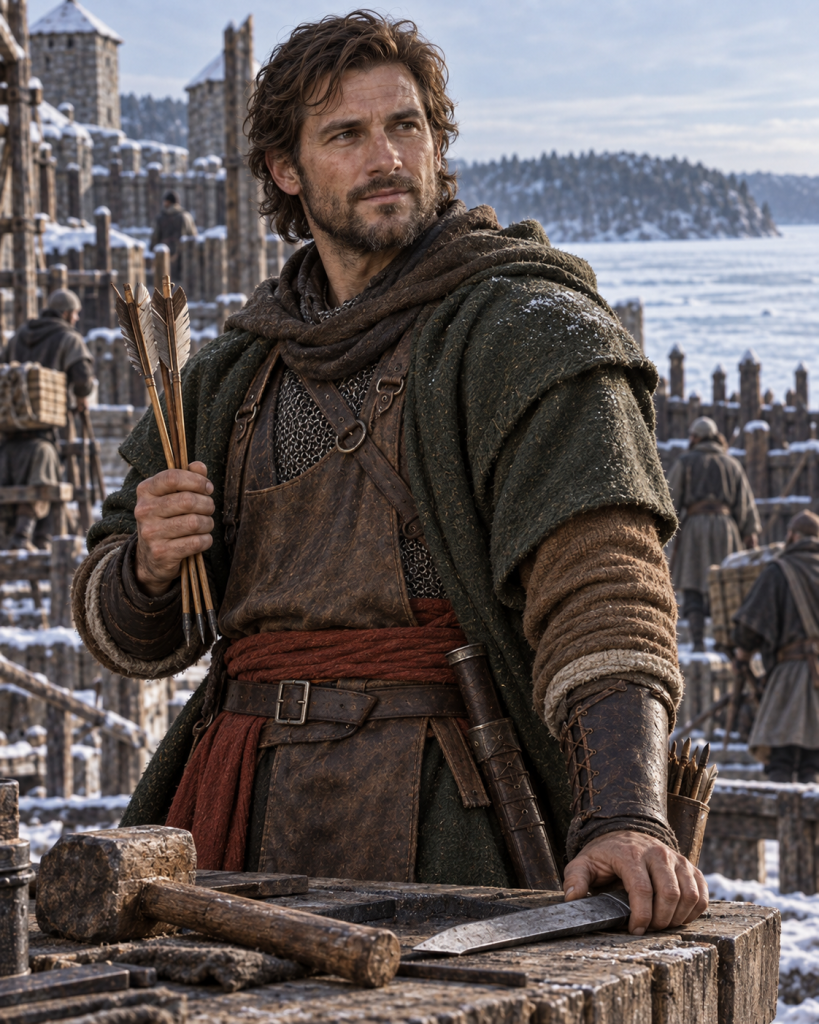
Freosel is a resistance leader whose politics can be summarized without making them simple: defend home, count the arrows, trust the people who earned it, and do not confuse a prince’s grand explanation with the work that keeps frightened families alive.
Eahlstan Fiskerne

Fisherman’s son, Hayholt king, dragon-slain saint, founder of the League of the Scroll, and Simon’s hidden ancestor: Eahlstan Fiskerne spends most of the trilogy as stone, relic, ring, rhyme, and responsibility. Five centuries after his death, the secret line he protected returns to the throne—and still refuses to claim blood is character.
Bishop Domitis
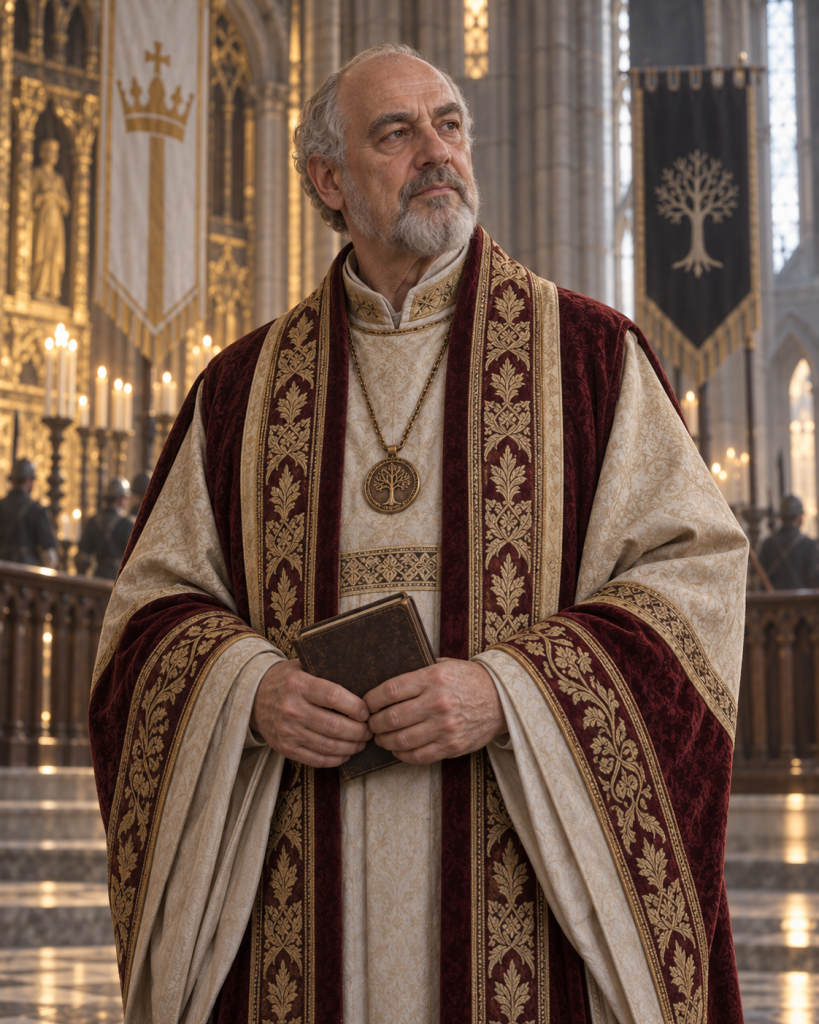
Bishop Domitis begins as the senior Erchester churchman summoned to examine dying King John’s soul. He declares the king dead, becomes one of the advisers Lector Ranessin distrusts, and presides over a cathedral physically divided against royal occupation. By Book 4, Saint Sutrin’s gold has been stripped for survival and Domitis has shrunk into a dirty-robed, forgetful old man performing the Night Mass for ravens. His story is the institutional collapse of Erchester made painfully human.
Baron Brindalles
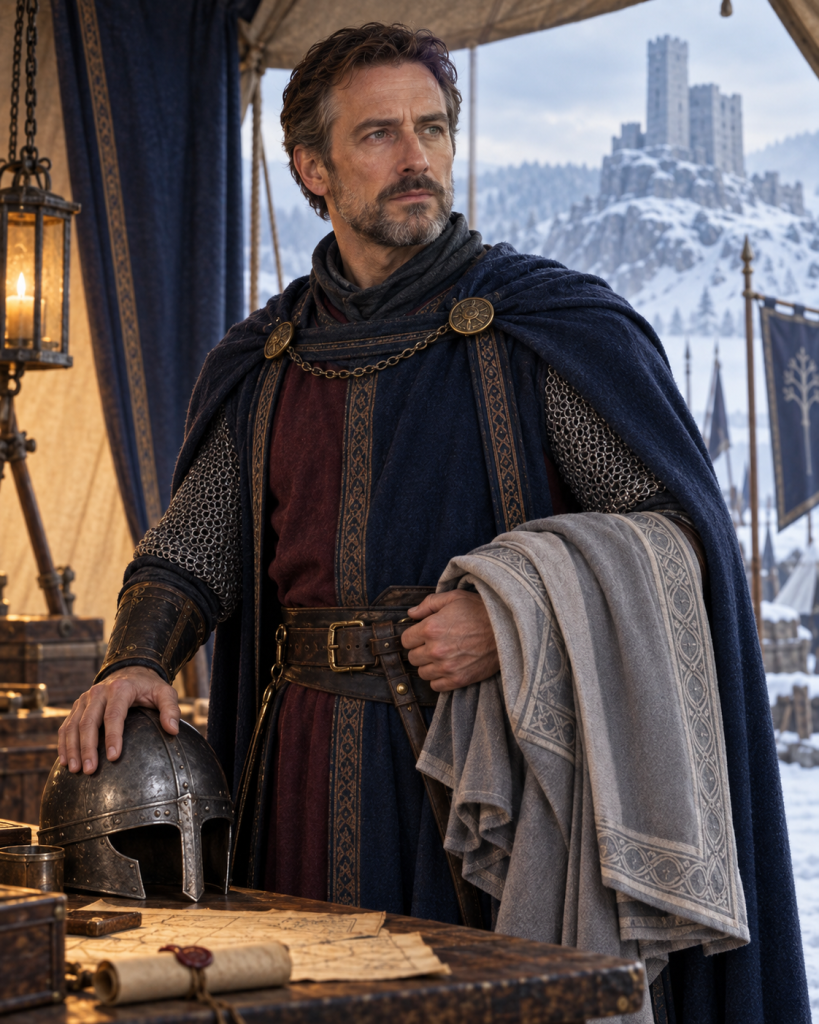
Brindalles is the Nabbanai noble who refuses to replace one convenient certainty with another. He demands evidence before condemning Benigaris, recognizes the debt Nabban owes Josua, and finally makes himself visible as the prince’s decoy while the real mission enters Asu’a.
Ookequk
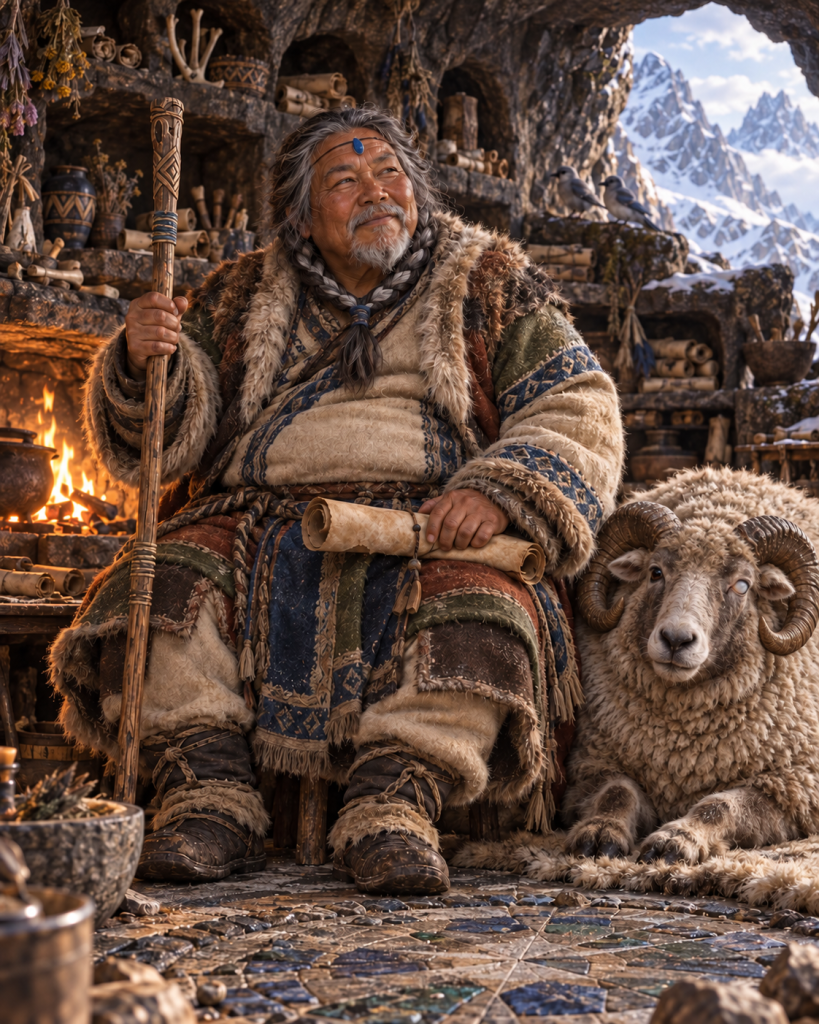
Ookequk is the great, fat Singing Man of Mintahoq who teaches Binabik that wisdom must travel: between Qanuc memory and southern letters, messenger birds and skin-scrolls, the waking world and the Road of Dreams. He dies before Simon can meet him, but his warning, archive, friendship with Morgenes, and recorded last words keep changing the living world long after his hillside grave falls silent.
Lector Velligis
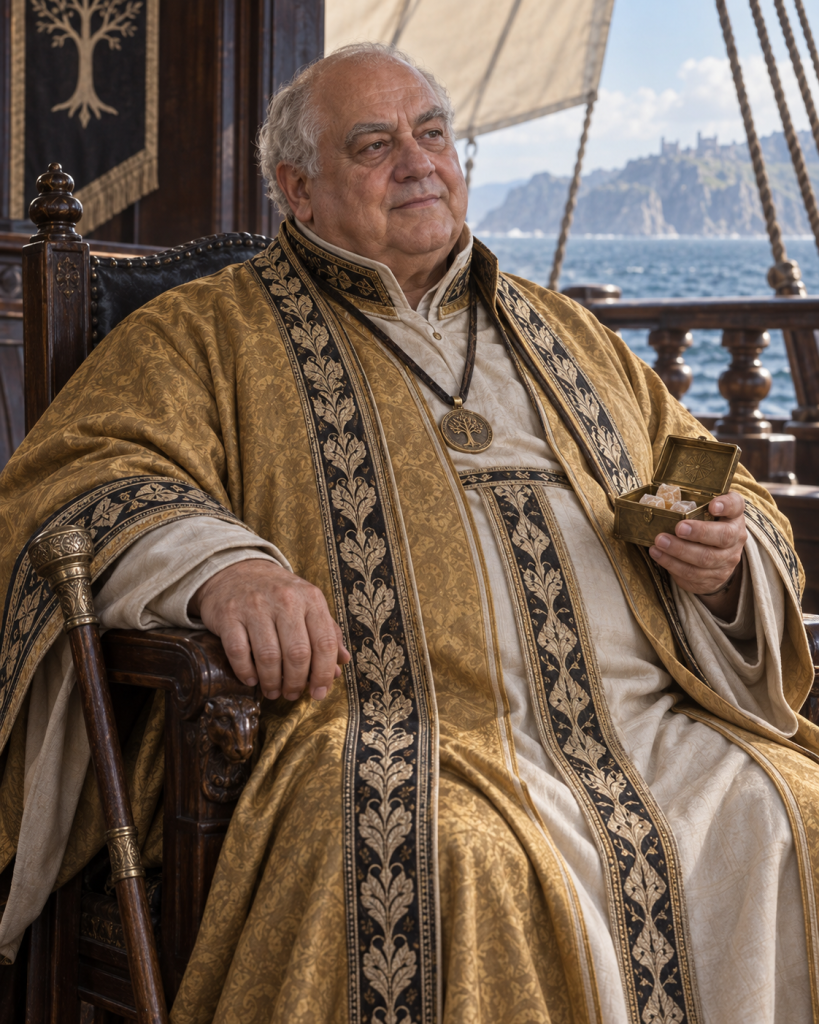
Velligis begins as a great round escritor in gold robes, carrying Ranessin’s peace mission and a brass box of sugar-sweets aboard Leobardis’s warship. He ends as Ranessin’s successor, ceremonially restoring Camaris only after victory makes recognition safe. The distance between those offices is where the Church’s caution starts looking suspiciously like appetite.
Hotvig
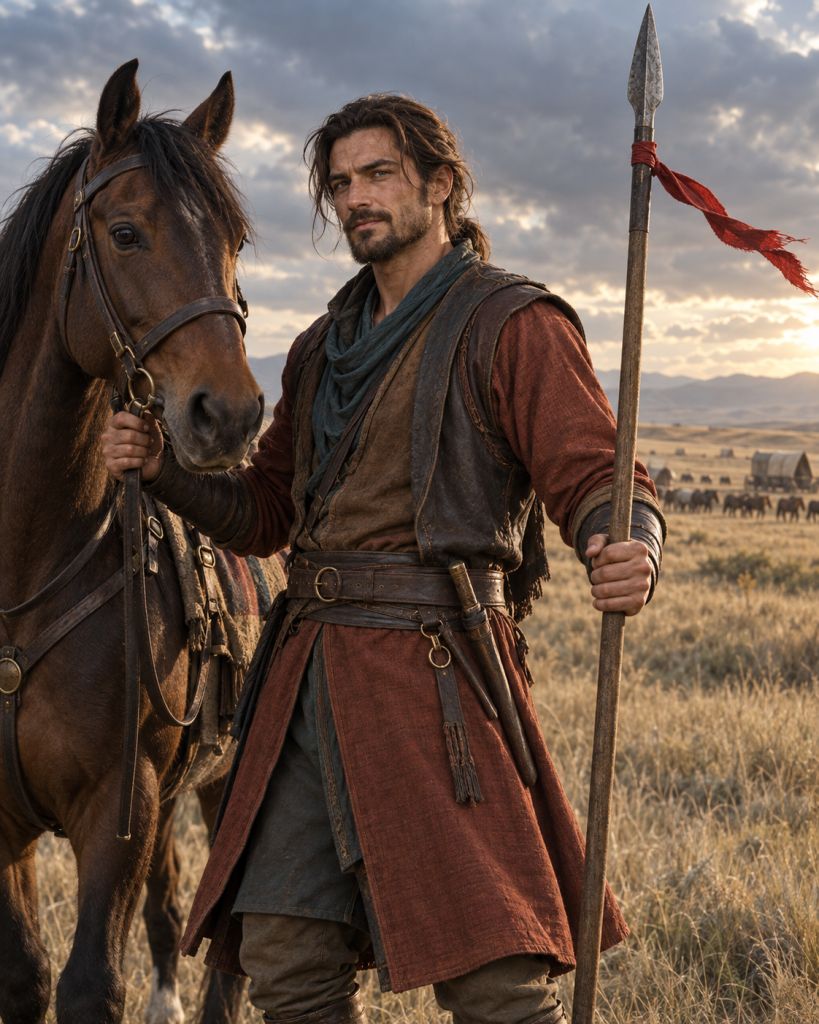
Hotvig enters as one of the horsemen surrounding Josua’s exhausted fugitives and grows into something far more dangerous to bad leadership: a man who knows the law, recognizes a loophole dressed as honor, and decides his loyalty belongs to the people keeping faith rather than the chief exploiting it.
Gwythinn
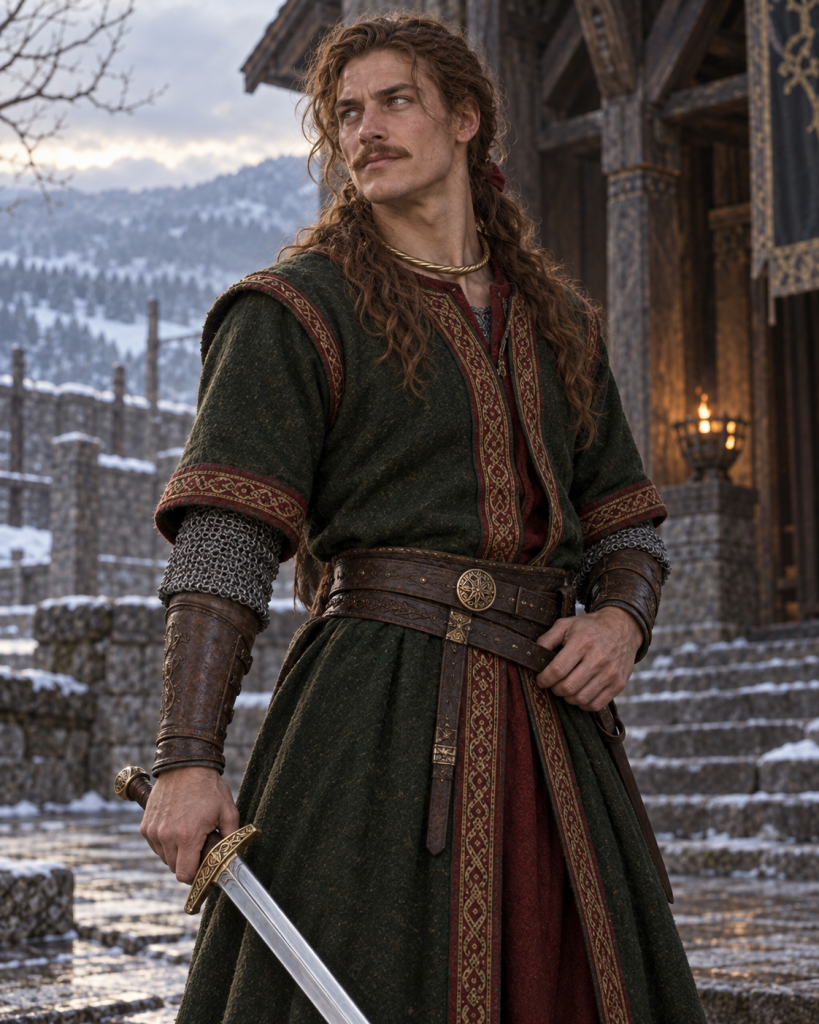
Prince Gwythinn is tall, handsome, furious, funny with his sister, and being trained for a crown while Hernystir starves. He puts steel to Guthwulf’s throat, demands war at Naglimund, races home when his father falls, and returns to Maegwin as Skali’s mutilated “gift”—a beloved heir turned into occupation theater.
Count Stréawe
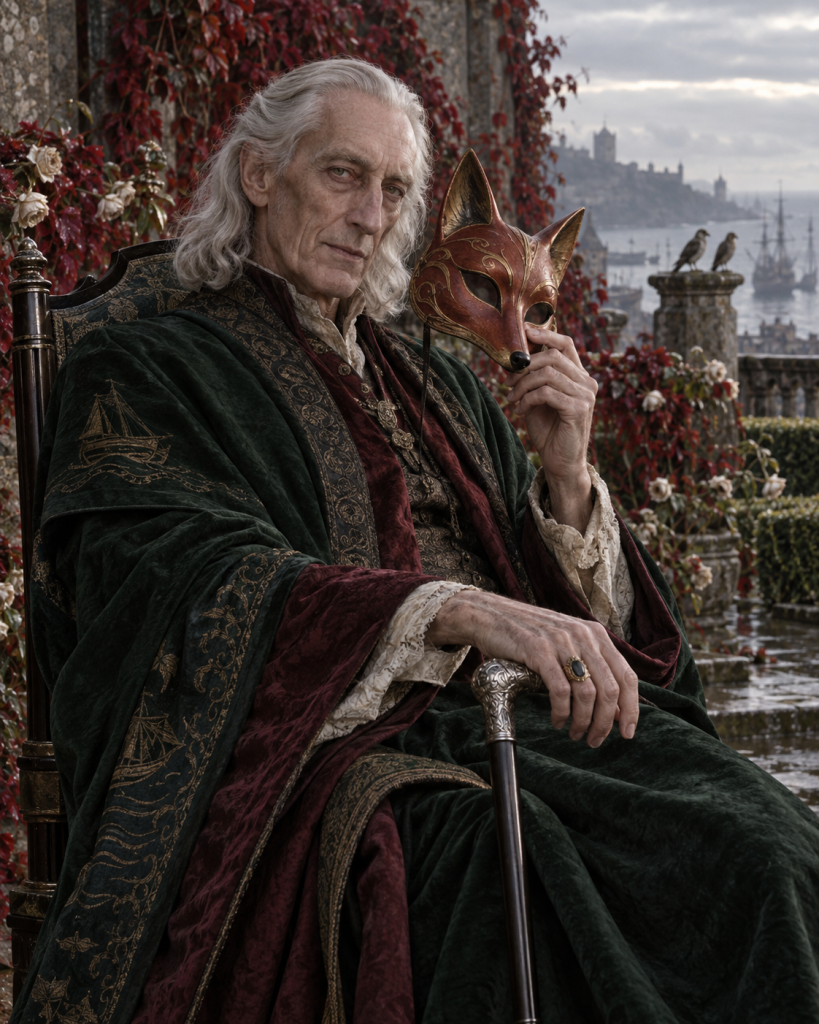
Count Stréawe rules Perdruin from crippled legs, a decaying palace, trained birds, paid eyes, hidden passages, polite debts, and the unnerving confidence of a man who knows every crisis will eventually need a dock. He is not physically imposing. That is why everyone who mistakes strength for muscle discovers him too late.
Aditu

Aditu arrives holding the beetle Simon failed to catch and immediately proves that rescue can be funny, alien, practical, and a little flirtatious at the same time. The Sitha princess becomes his guide, teacher, political messenger, battlefield ally, Dream Road investigator, and one of the saga’s sharpest translators between mortal urgency and Gardenborn grief.
Utuk’ku
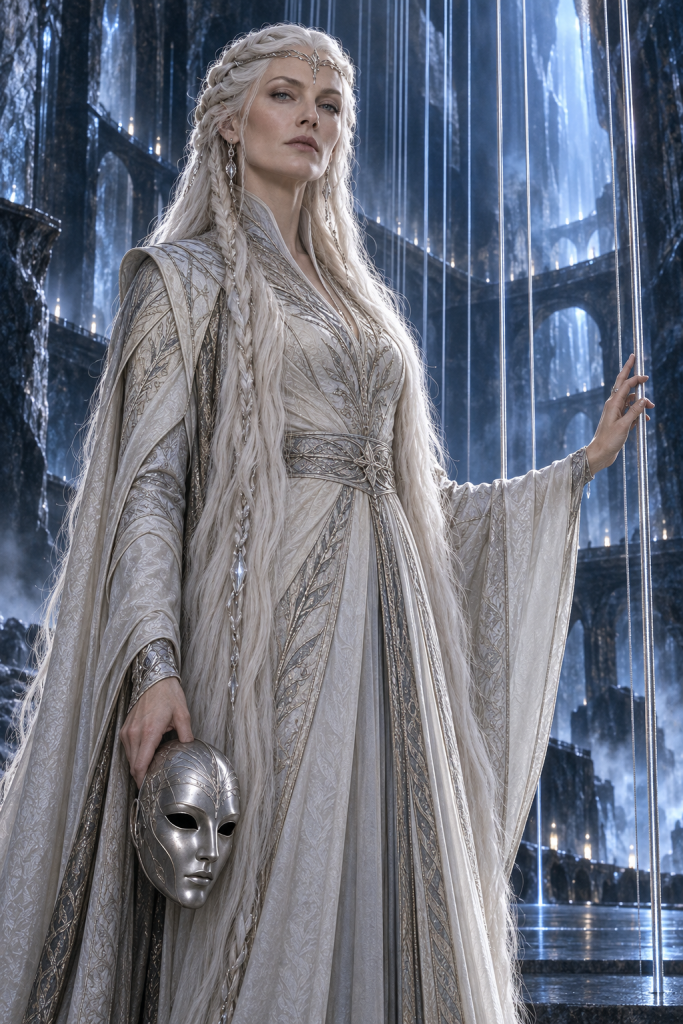
The silver mask is not hiding a ghost. Beneath it lives the oldest thinking being in Osten Ard: exhausted, brilliant, bodily, and so committed to one family wound that she turns weather, history, children, and entire peoples into funeral arrangements.
Tiamak
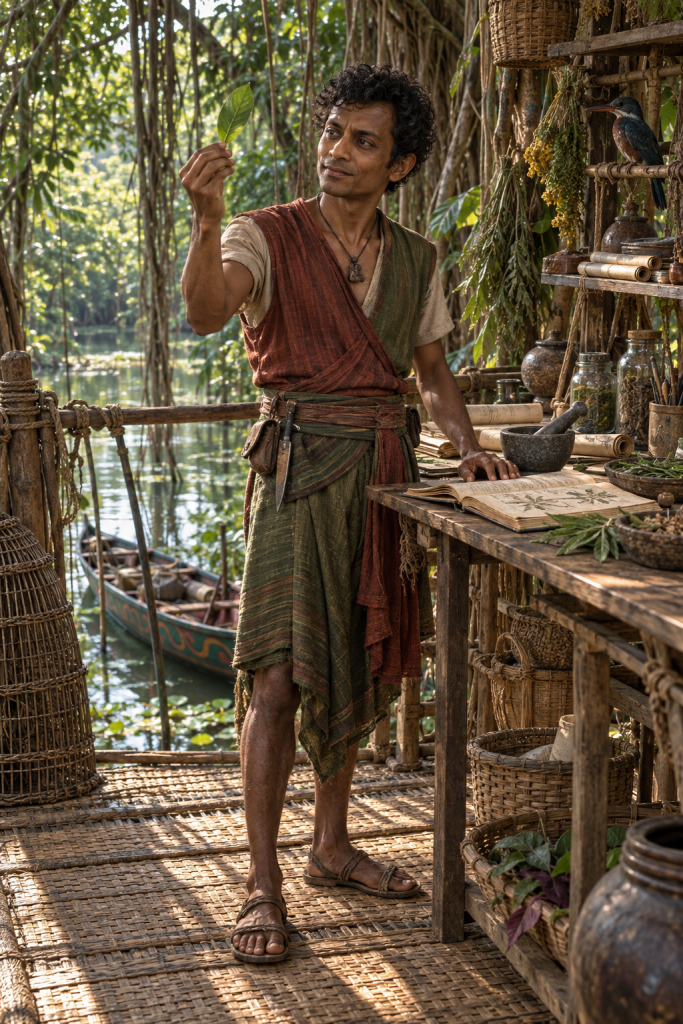
The smallest man in almost every room becomes one of the saga’s largest intellectual anchors. Tiamak is a Wrannaman healer, field naturalist, reluctant diplomat, crocodile survivor, ghant translator, Scrollbearer, and the person who keeps noticing that the visible war may be somebody else’s distraction.
Sludig

A cheerful young axeman becomes prisoner, pardoned Croohok, teacher, rescuer, foot soldier again, and one of Simon’s most honest friends. Sludig’s real battle is learning that inherited honor can survive correction.
Sisqi

Sisqinanamook is a huntress, singer’s daughter, rescuer, translator, war leader, and Binabik’s beloved. She does not enter the saga to forgive him prettily. She makes him answer for a broken pledge, saves him twice, and decides for herself which promises become a marriage.
Shima’onari
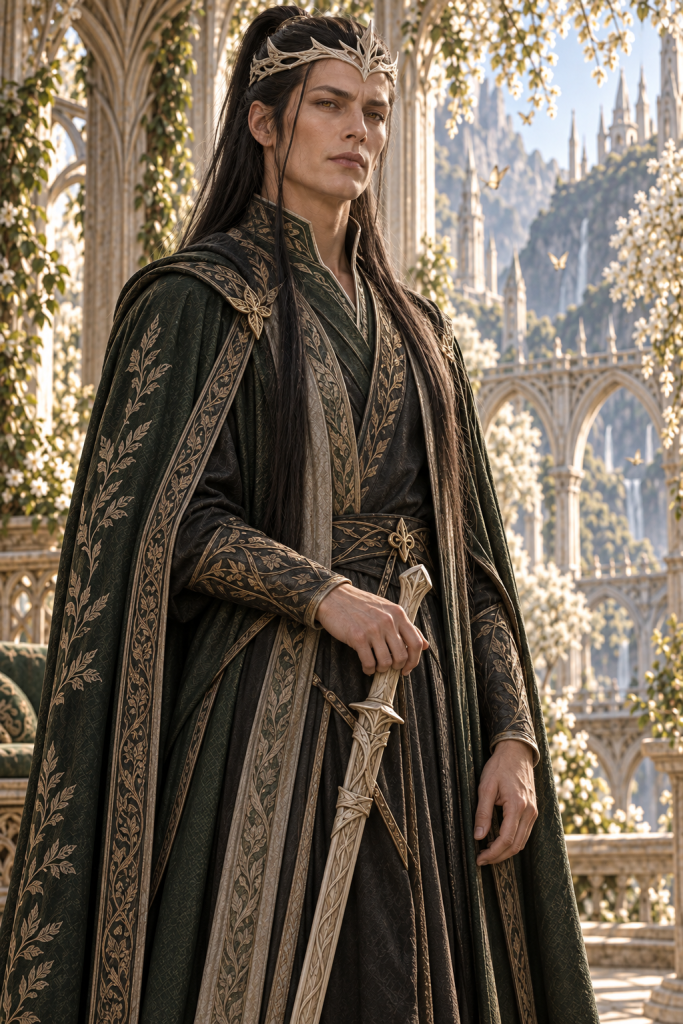
He leads survivors out of Ineluki’s Asu’a, rules a hidden people for five centuries, sentences Simon to a beautiful prison, and dies helping turn Sithi memory back into action. None of those choices is morally simple.
Qantaqa

She is not Binabik’s furry transportation system. Qantaqa chooses, warns, searches, fights, mourns, slows her stride for sick humans, and repeatedly proves the wolf understands companionship better than half the crowned people in Osten Ard.
Nisses
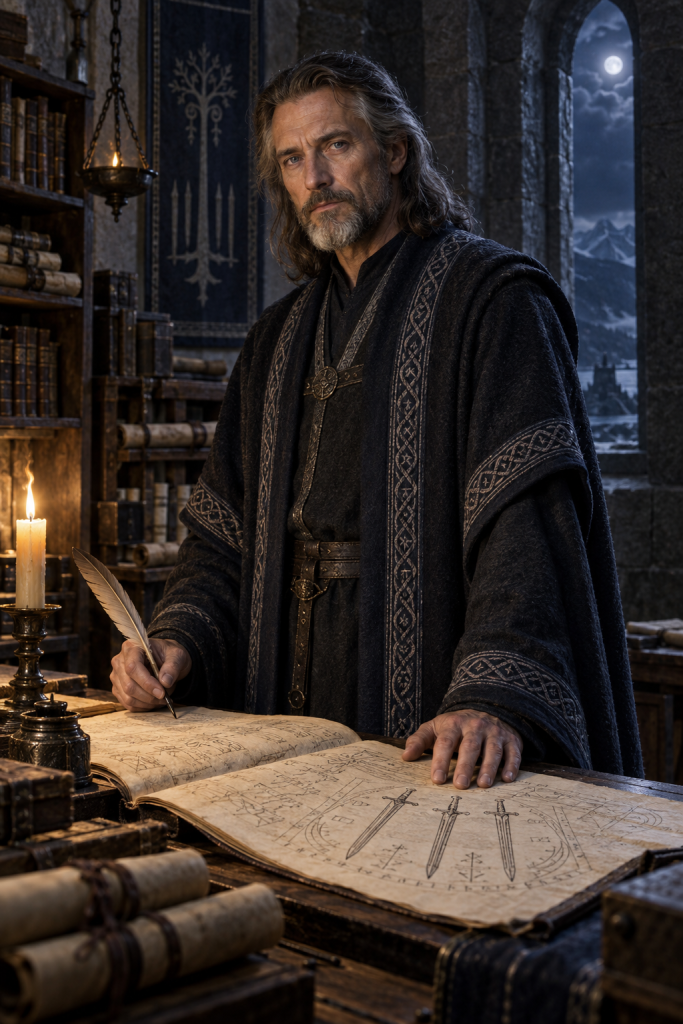
Nisses is dead before the story begins, but his missing book becomes everybody’s most dangerous group project. Priest, counselor, heretic, sword historian, and writer on speaking through the veil, he leaves fragments accurate enough to guide the quest and ambiguous enough for hope to turn warning into instructions for catastrophe.
Nessalanta
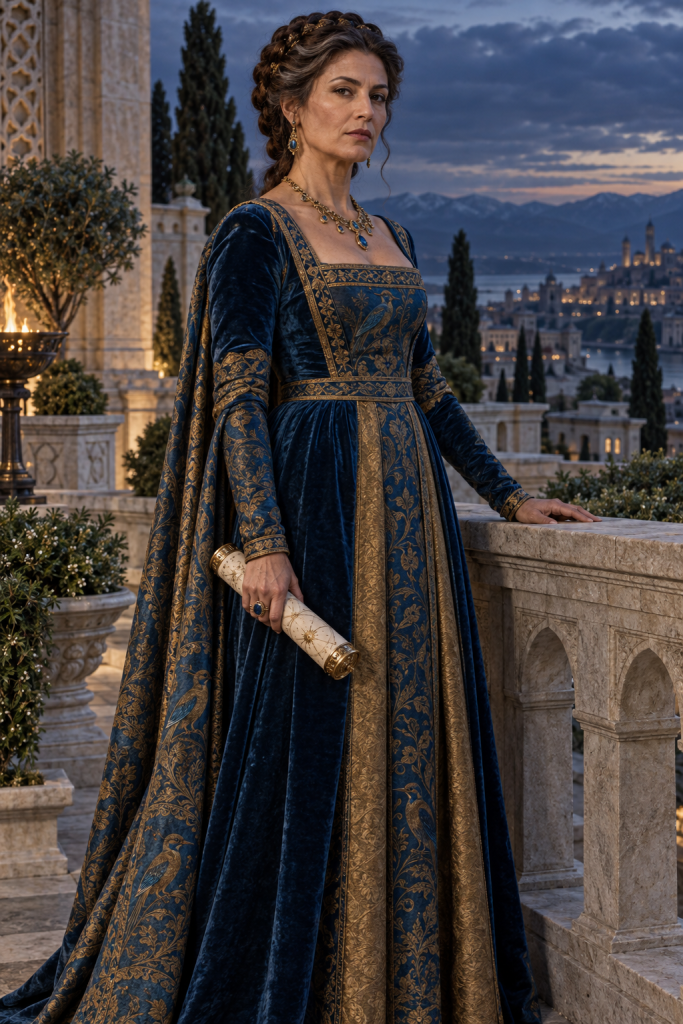
Duchess Nessalanta is stern beauty, dynastic appetite, maternal control, and political survival in one exquisitely managed room. She reads marriages as roads between crowns, backs Benigaris after Leobardis’s murder, trusts a horoscope that promises a new order, and discovers that the son built for her ambition has a will violent enough to turn on her.
Maegwin
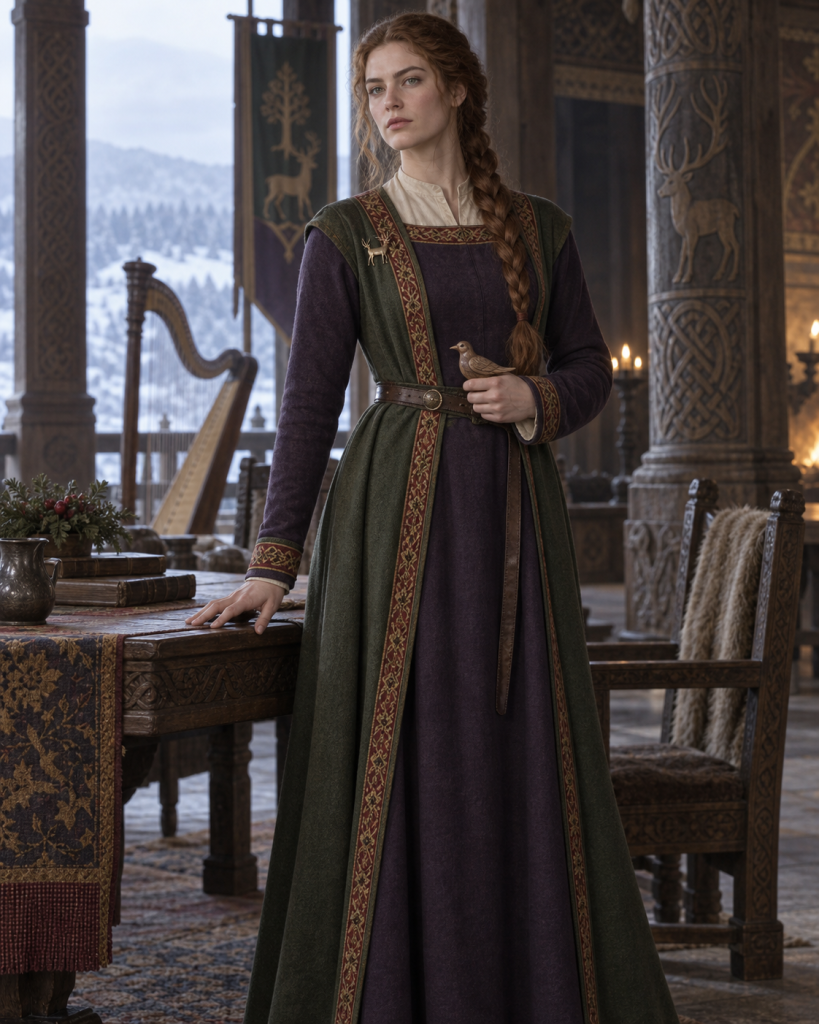
Hernystir’s too-tall princess becomes the last functioning authority of a broken royal house, finds an impossible city under the mountain, mistakes the Sithi for gods, and still makes one lucid final choice that helps save the world. Her tragedy is not that she feels too much. It is that grief, prophecy, leadership, and genuine supernatural contact become impossible to separate in time.
Lluth ubh-Llythinn
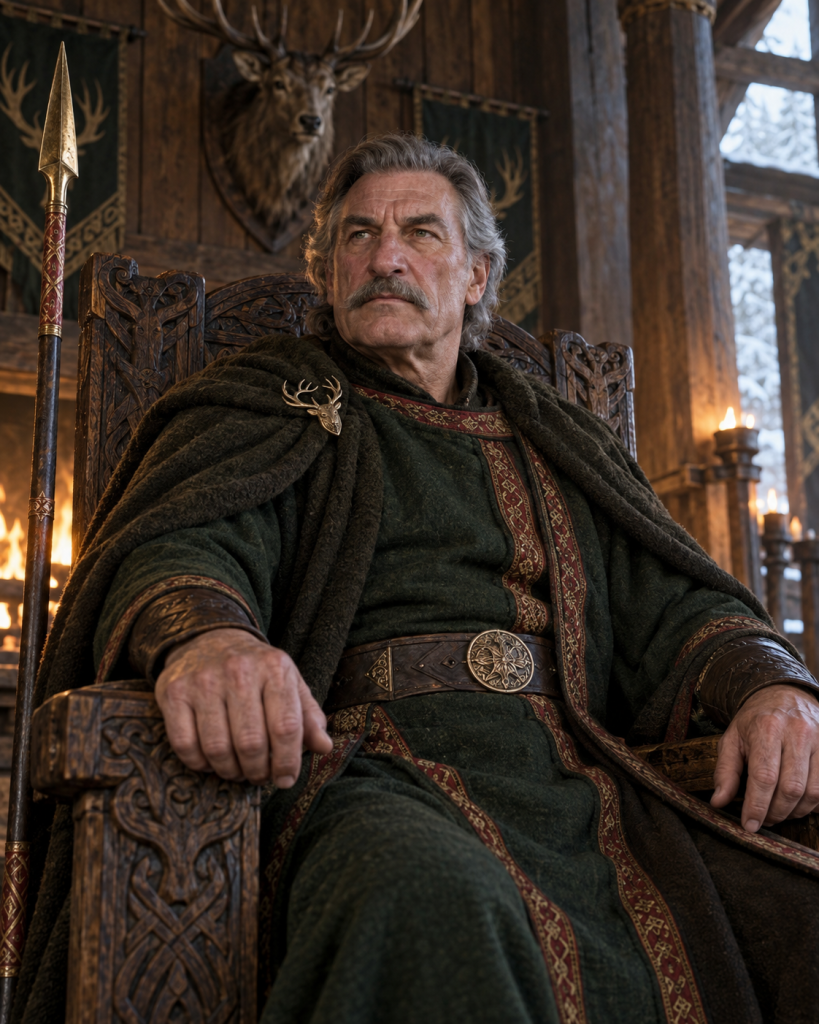
King Lluth refuses Elias’s tithe because Hernystir is already watching crops fail and cattle die. He protects the envoy who threatens his children, rides to defend a kingdom he cannot save, and returns to Grianspog without speech. His bloodline leaves Maegwin authority; his death leaves her the impossible work of turning a broken household into a people.
Likimeya

Likimeya is the Lady of Year-Dancing House, a mother carrying fresh and ancient grief, and the Sithi war leader who can level a fortification before breakfast and still insist she is a guest on mortal land. Her alliance with humanity is strategic, conditional, costly—and far more interesting because it is never sentimental.
Leobardis
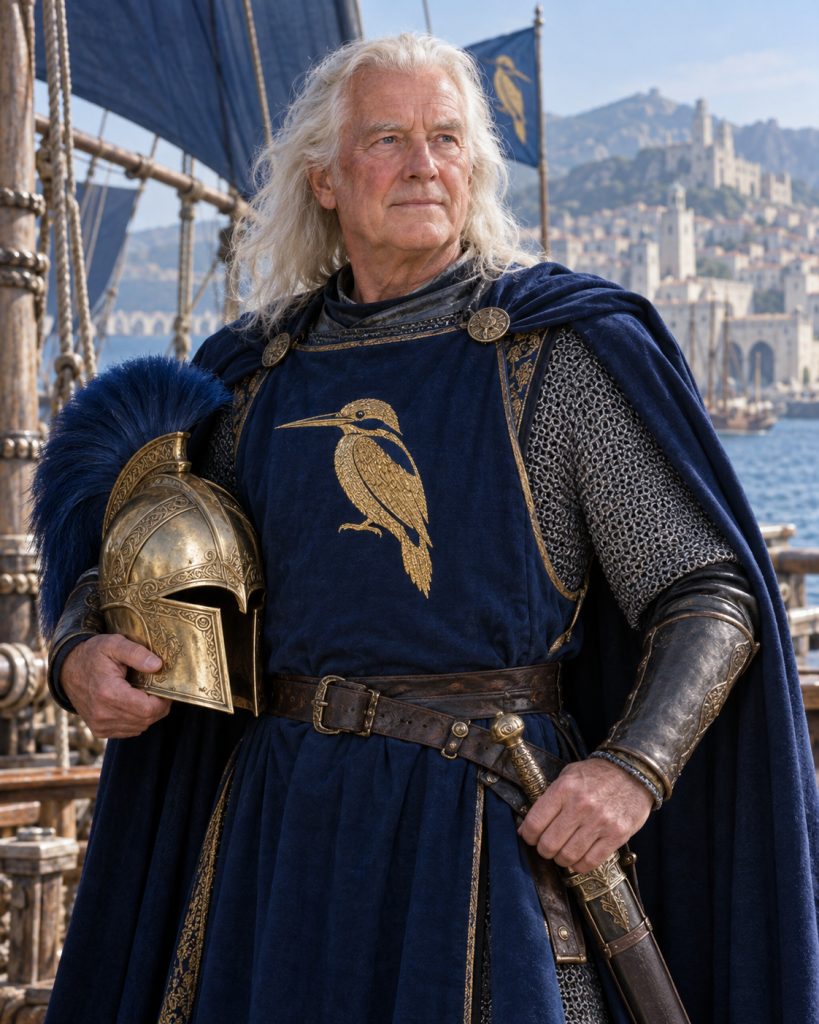
Duke Leobardis wraps Nabban’s imperial memory in seaside polish, mild blue eyes, and affable command. He resists Elias, sends help to Josua, and recognizes too late that the son whose obedience feels like reconciliation has designed his murder. His death collapses an alliance, crowns a traitor, and gives Camaris one final reason to return home.
Leleth
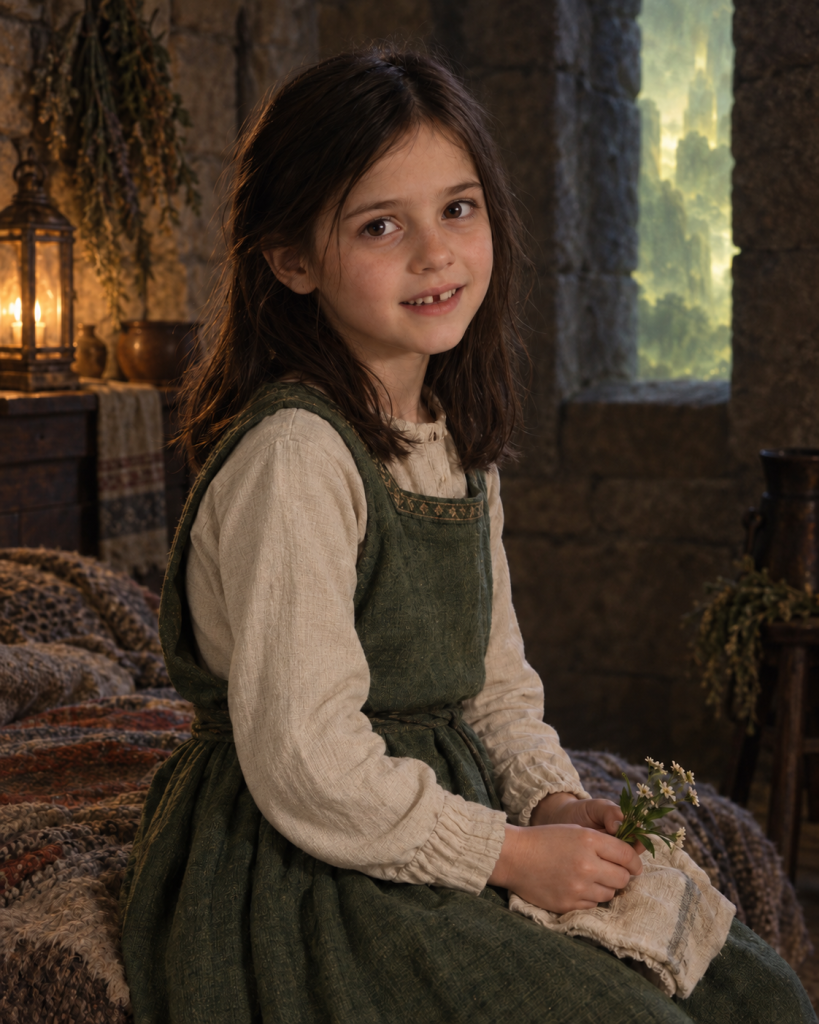
The adults keep calling her a messenger. The books keep showing the bill: a wounded child, a body left sleeping, a spirit stretched across the Road of Dreams, and one final act of love in her own voice.