
Younger Mogahib
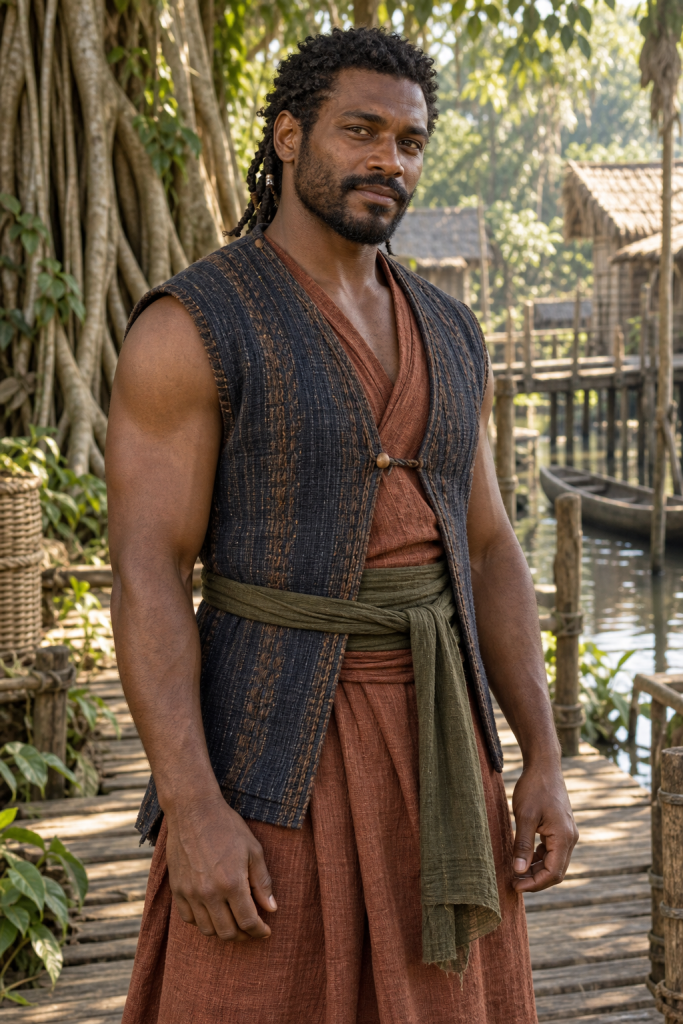
Younger Mogahib survives the ghant nest long enough to become Village Grove’s last living witness, then dies before he can explain what happened. Tiamak does not rewrite a man he disliked into a saint. He gives him the harder dignity of an honest funeral.
Old Sekob

Old Sekob is ten men of ancient crocodile occupying the place where folktale, territorial authority, and extremely practical survival advice become the same thing. Tiamak does not ask outsiders to believe in a quaint swamp god. He asks them to respect the grandfather of the Wran’s man-eaters before the grandfather notices them.
Diawen
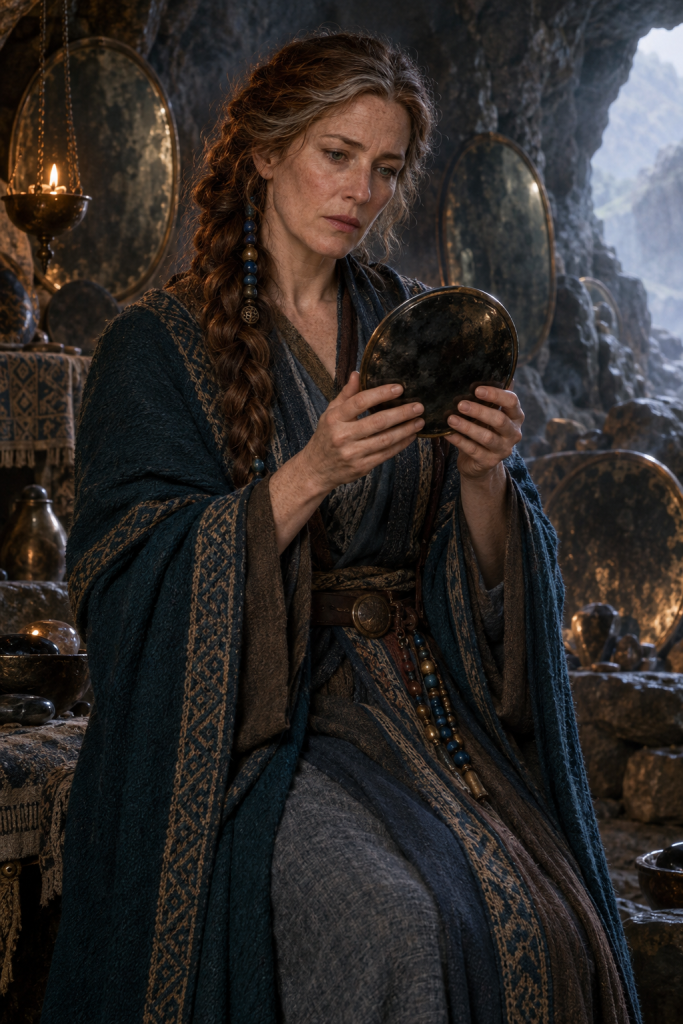
Diawen is the former Mircha priestess who begins with the most responsible sentence in divination—“I cannot translate this”—and then lets regret, compassion, and Maegwin’s certainty pull her past the evidence. Her story is not that belief is foolish. It is that validation becomes dangerous when intensity is mistaken for proof.
She Who Birthed Mankind
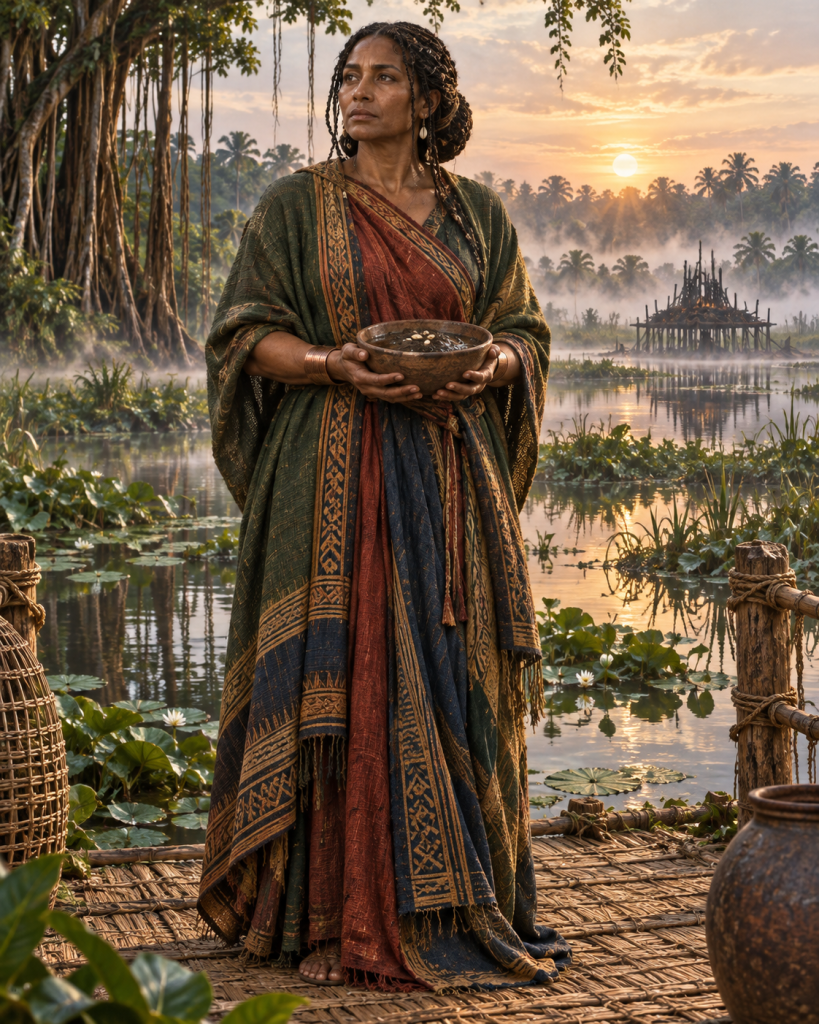
She Who Birthed Mankind is a Wran goddess named in Book 1’s devotional record and invoked by Tiamak over Younger Mogahib’s pyre in Book 3. The title places human origin inside a larger sacred cycle: birth, watchers and shapers, death, return—and one communal plea that the dead man not drift away unnamed.
Mircha

Mircha is the Hernystiri rain goddess whose surviving narrative weight arrives through Diawen, a former priestess carrying one old refusal into Maegwin’s crisis. Diawen once rejected a frightening dream request connected to Mircha. Regret helps drive her to believe Maegwin too quickly. The goddess does not visibly appear; the consequence does.
Kuroyi
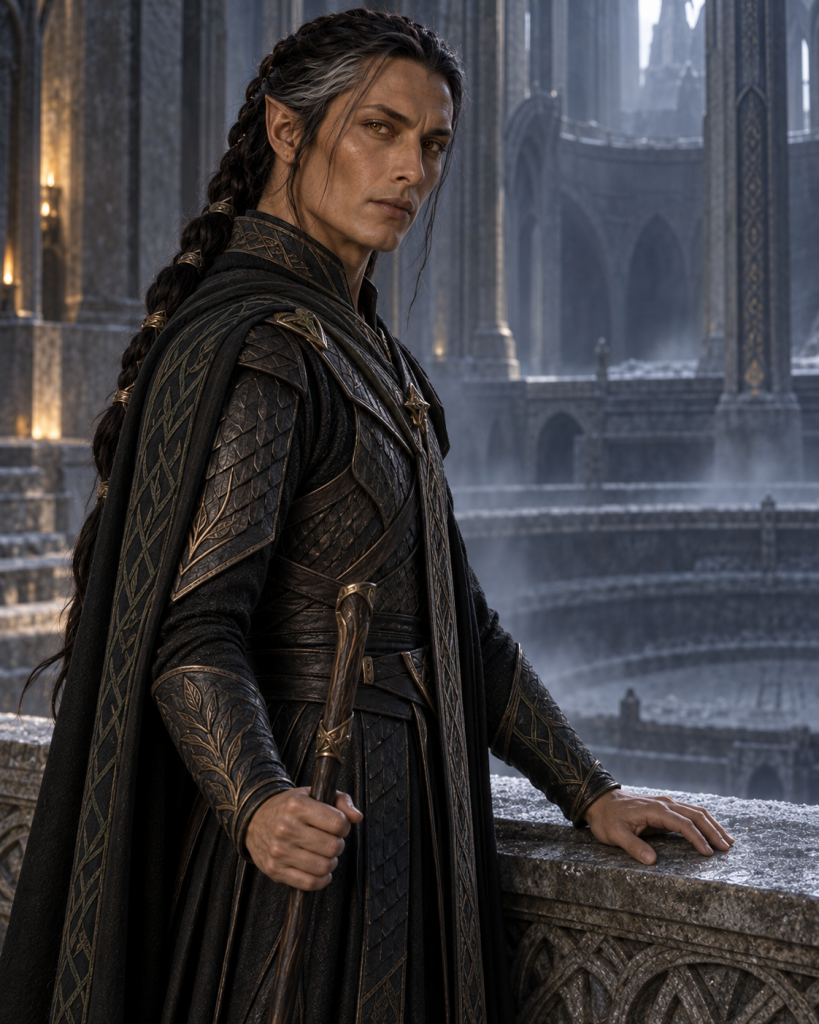
Kuroyi does not join the mortal alliance because five centuries of injury evaporate. He accepts “the enemy of my enemy” for a little while, then spends that little while recovering a fallen companion, explaining the Witnesses, entering Asu’a, finding Josua, and dying against Utuk’ku.
Kira’athu
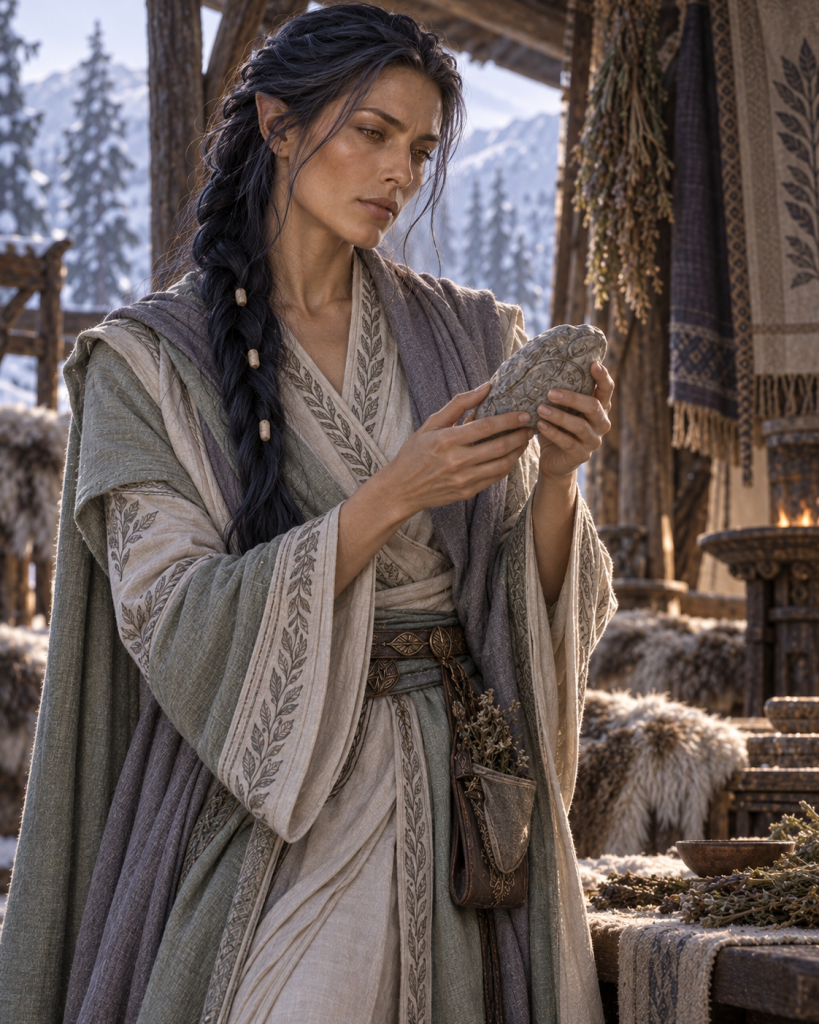
Kira’athu is the Sitha healer who refuses the most seductive lie in fantasy medicine: that knowledge makes every wound fixable. With Maegwin, she diagnoses carefully, admits where understanding ends, offers comfort instead of spectacle, and tells Eolair that kindness is still an intervention.
Gan Itai

Gan Itai is the elderly Niskie whose song keeps an entire ship alive—and whose refusal to accept that survival requires obedience turns the Eadne Cloud into a floating rebellion. She reads weather, people, hidden compartments, historical chains, and one dropped dagger with the same precise attention.
Freosel
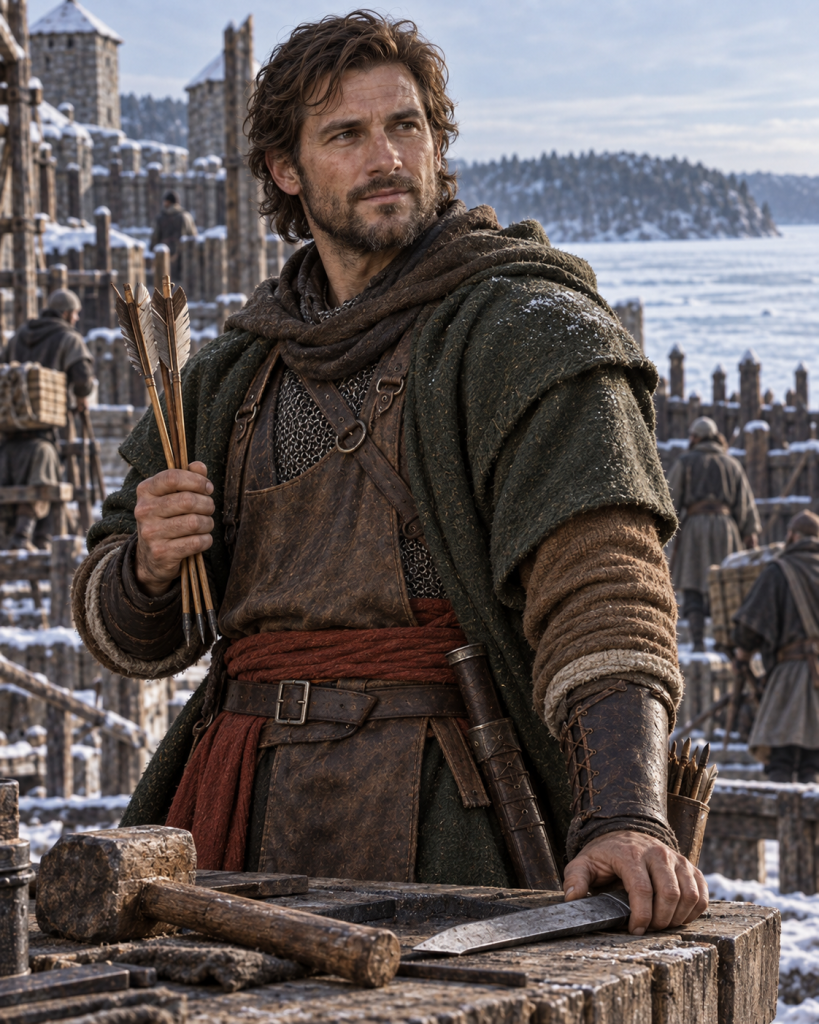
Freosel is a resistance leader whose politics can be summarized without making them simple: defend home, count the arrows, trust the people who earned it, and do not confuse a prince’s grand explanation with the work that keeps frightened families alive.
Frekke Grayhair
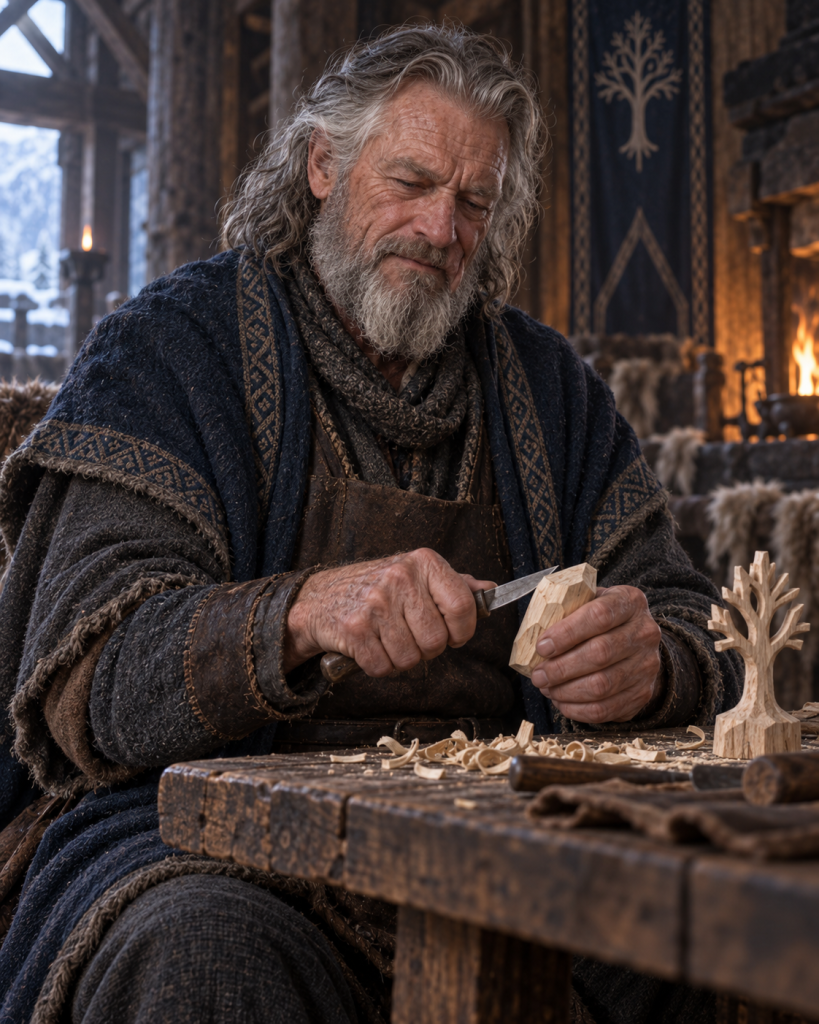
Frekke Grayhair is an old Rimmersman soldier who once served Isgrimnur’s father and now teaches an impatient duke how to look at a block of wood until the shape inside announces itself. The lesson seems almost comic when Isgrimnur burns another failed carving. Two books later, Frekke is dead at Naglimund, and the memory of his kindness helps Isorn reach the son he left behind. He is proof that gentleness can survive inside a warrior’s legacy—and become political power after the warrior is gone.
Brynioch
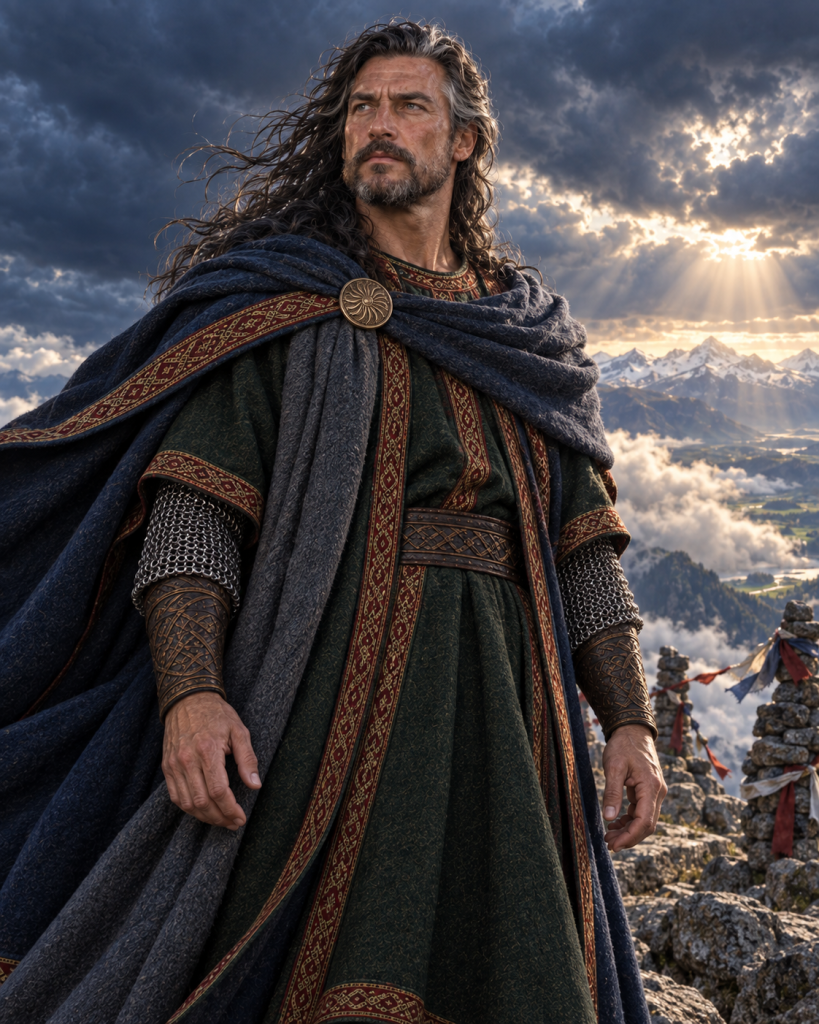
Brynioch is a Hernystiri sky god invoked in gratitude by King Lluth—and the divine identity Maegwin repeatedly assigns to Jiriki after trauma, starvation, and visionary experience fracture her ability to distinguish Sithi allies from the gods she expects to save Hernystir. The trilogy never verifies a bodily manifestation. His importance lies in devotion, political interpretation, and the dangerous distance between a sacred name and the living person forced to wear it.
Baron Brindalles

Brindalles is the Nabbanai noble who refuses to replace one convenient certainty with another. He demands evidence before condemning Benigaris, recognizes the debt Nabban owes Josua, and finally makes himself visible as the prince’s decoy while the real mission enters Asu’a.
Skali Sharp-nose of Kaldskryke
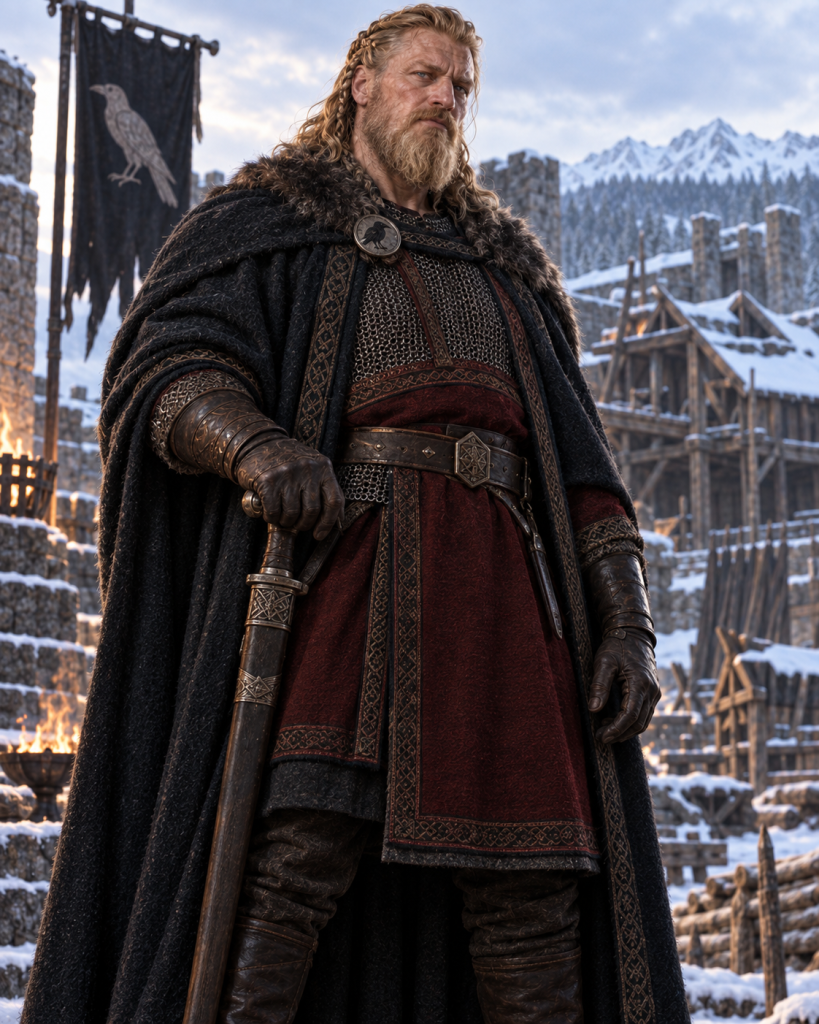
Skali is Isgrimnur’s large, hawk-faced cousin, Elias’s specially invited dinner guest, and the occupation lord who turns Hernystir from battlefield prize into stolen settlement. He tortures Gwythinn, threatens Maegwin, hunts Miriamele and Simon, clears forest for northern longhouses—and learns that a five-century Sithi debt can arrive with horses, iron-proof training, and absolutely no interest in his property plans.
Shurakai
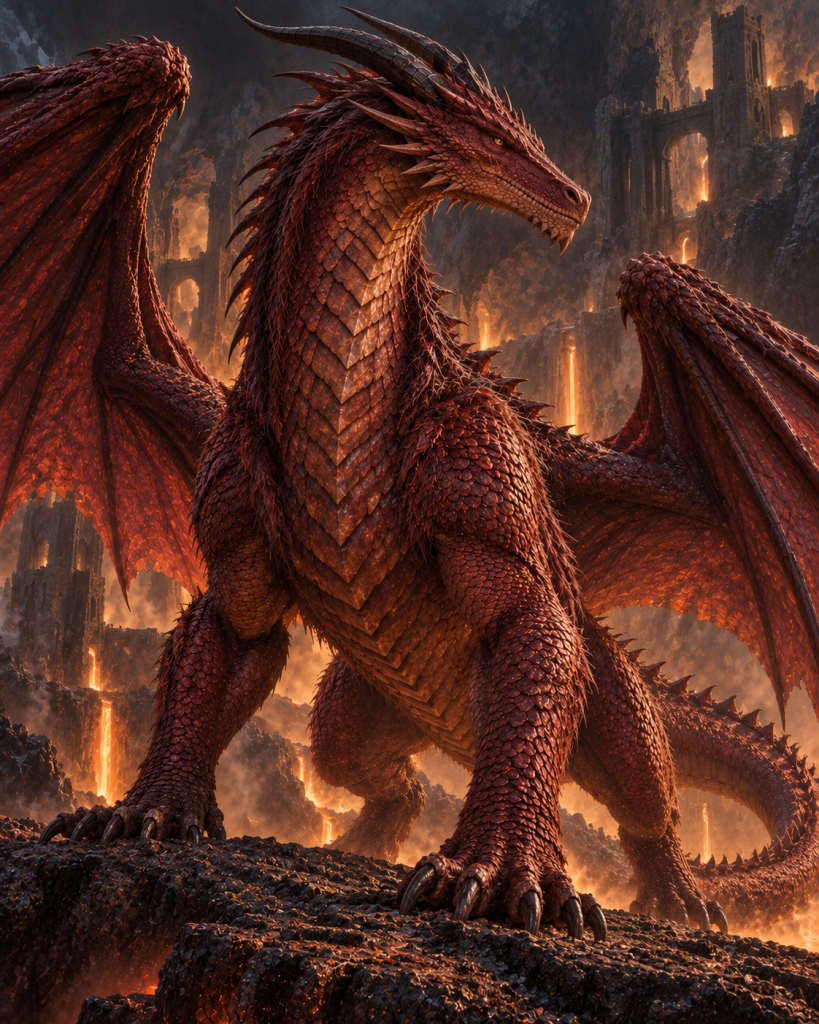
Shurakai is the Red Worm beneath the Hayholt, the dragon Prester John kills on Saint Tunath’s Day—and then turns into furniture. Her skull hangs over the Dragonbone Chair, her bones support a royal dynasty, and the story of her defeat transforms a wandering farmer’s son into a providential king. Dead dragons do not speak, which makes them extremely convenient political witnesses.
Qinkipa of the Snows

Qinkipa is the Qanuc goddess of snow and cold whose name touches three different kinds of care: Binabik’s responsibility for an orphaned wolf pup, a community’s risky pardon of Sludig, and Sisqi’s dream of children protected in Mintahoq. The goddess never visibly appears. Her protection remains culturally real even where metaphysics stays open.
Prince Sinnach
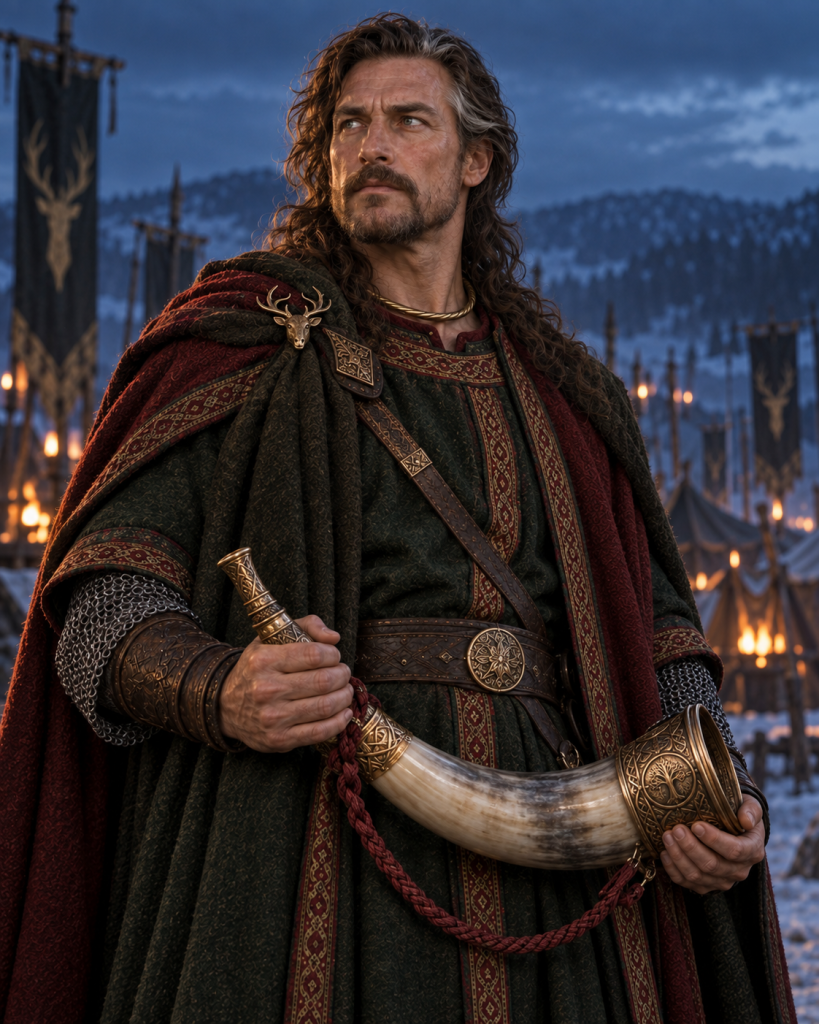
Prince Sinnach is the Hernystiri war-leader who keeps faith with the Sithi while Fingil’s conquest closes around them. He receives the dragon-tooth horn Ti-tuno, fights at the Knock, loses ten thousand countrymen at Ach Samrath after a Thrithings flank betrayal—and leaves a promise so binding that five centuries later the Fair Ones ride west to pay the debt.
Nenais’u

Nenais’u is the Sithi woman remembered with Drukhi in “The Leavetaking Stone,” mourned in An’nai’s catalogue of lost people and places, and named by Aditu at the moment the shadow fell between the Two Families. Maegwin borrows her song for survival. The tragedy refuses to become merely metaphor.
Hotvig
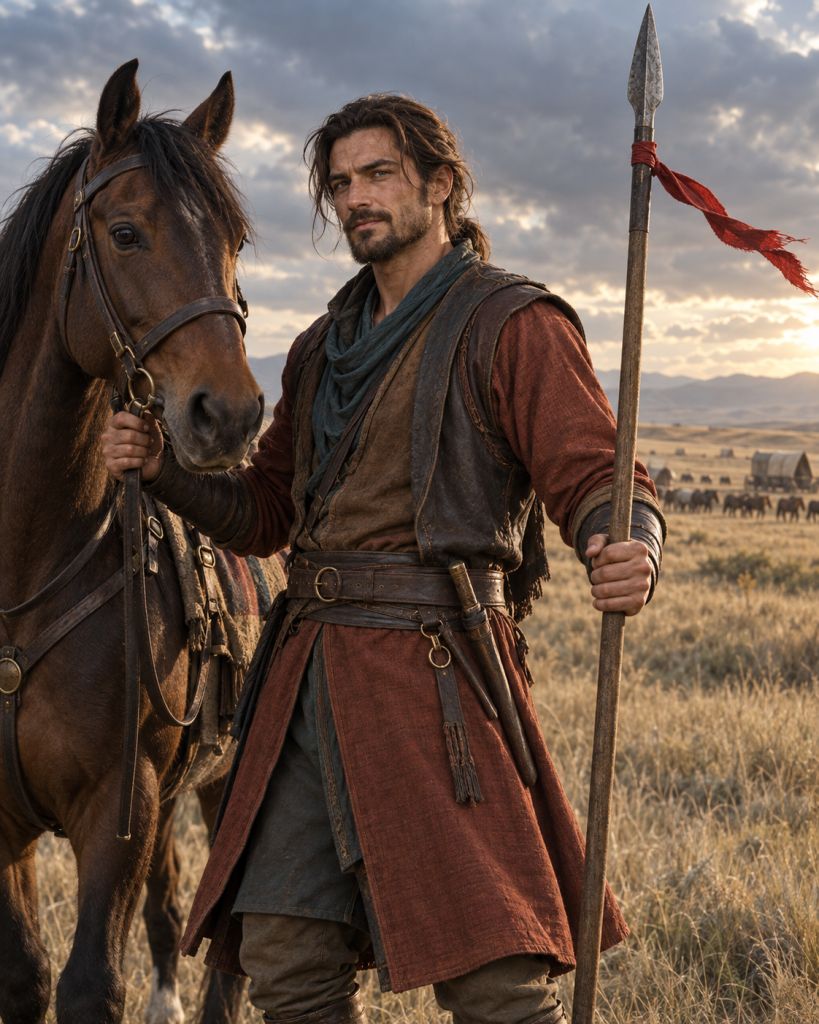
Hotvig enters as one of the horsemen surrounding Josua’s exhausted fugitives and grows into something far more dangerous to bad leadership: a man who knows the law, recognizes a loophole dressed as honor, and decides his loyalty belongs to the people keeping faith rather than the chief exploiting it.
Hidohebhi the Black
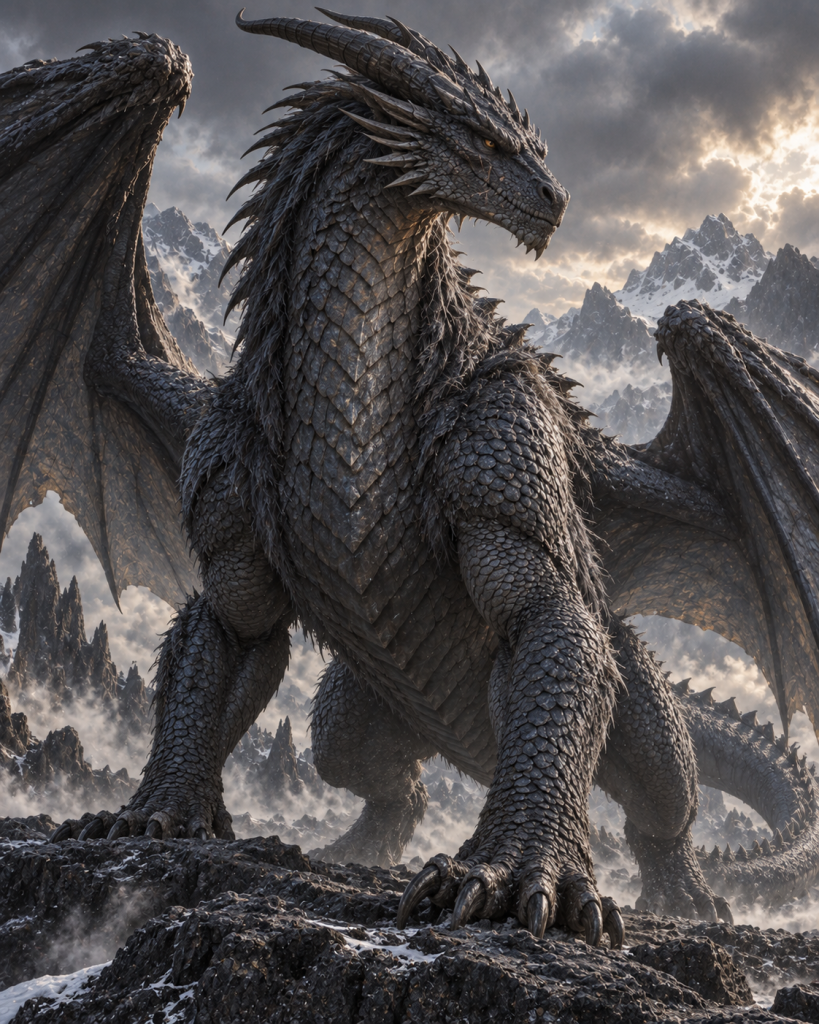
Hidohebhi is the black mother-worm whose death battle with Hakatri and Ineluki breaks the Sithi royal family long before Asu’a falls. She dies, Hakatri survives in unending pain, Ineluki inherits both the crown’s burden and the obsession that helps destroy him, and one of her teeth becomes Ti-tuno—the horn whose call crosses peoples, kingdoms, and centuries before the final war.
Craobhan
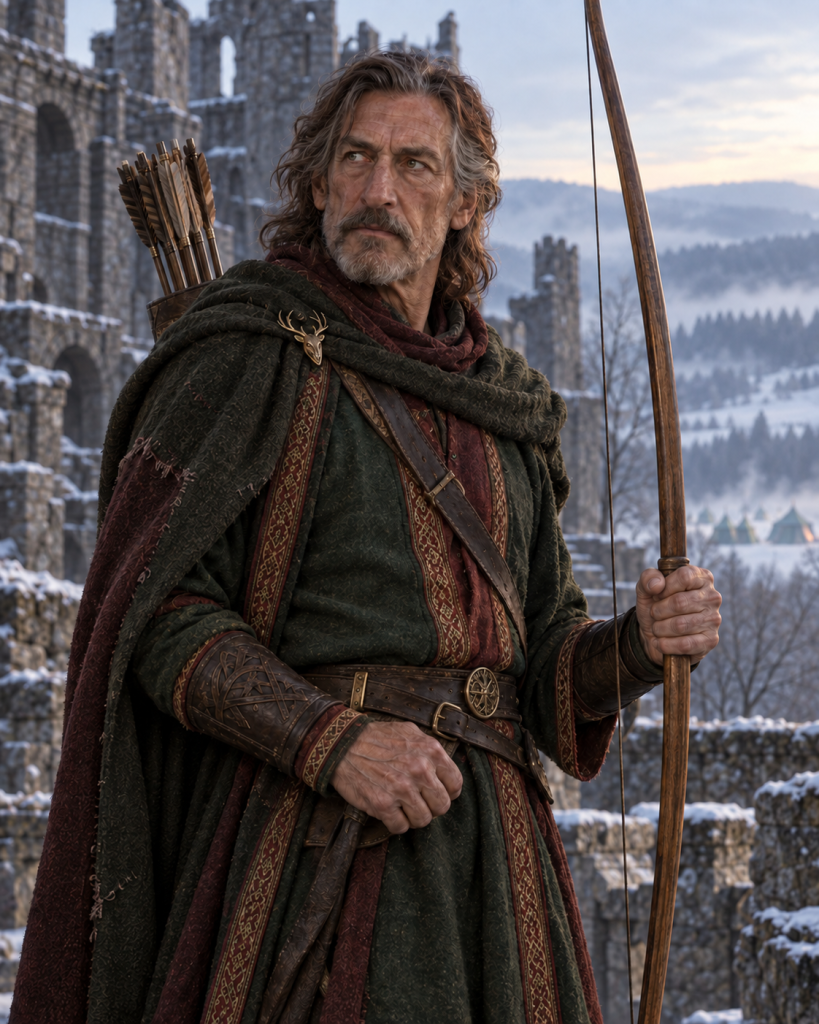
Craobhan is an elder Hernystiri archer who survives the Taig, exile beneath Grianspog, Maegwin’s revelation, and the astonishing return to Hernysadharc. He first appears ready to put an arrow through a soldier after a tavern fight. Later, he becomes one of the few older voices willing to ask what Maegwin’s certainty will cost. He cannot stop her authority from hardening into theology, but his skepticism keeps the refugees’ consent from looking effortless.
Count Stréawe
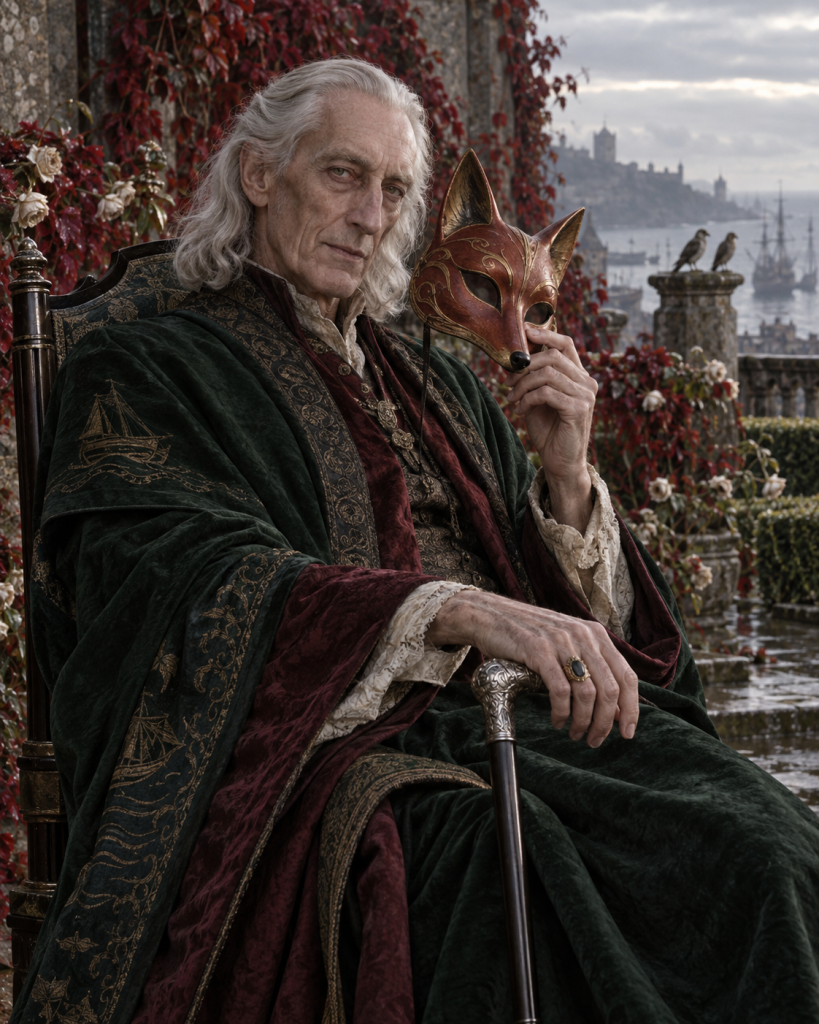
Count Stréawe rules Perdruin from crippled legs, a decaying palace, trained birds, paid eyes, hidden passages, polite debts, and the unnerving confidence of a man who knows every crisis will eventually need a dock. He is not physically imposing. That is why everyone who mistakes strength for muscle discovers him too late.
Aditu

Aditu arrives holding the beetle Simon failed to catch and immediately proves that rescue can be funny, alien, practical, and a little flirtatious at the same time. The Sitha princess becomes his guide, teacher, political messenger, battlefield ally, Dream Road investigator, and one of the saga’s sharpest translators between mortal urgency and Gardenborn grief.
Utuk’ku
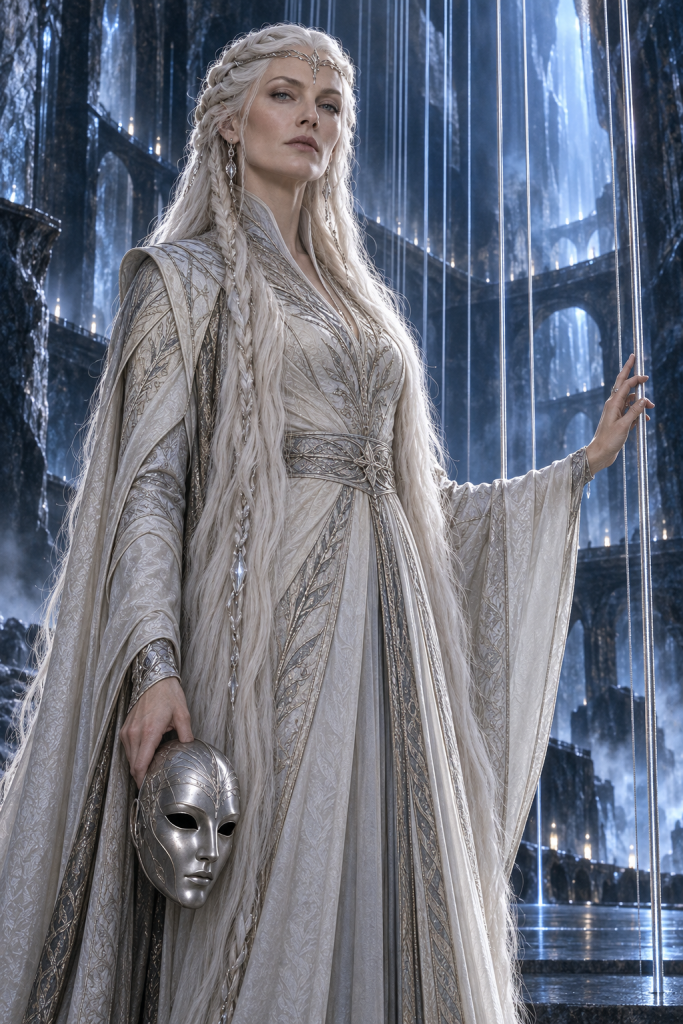
The silver mask is not hiding a ghost. Beneath it lives the oldest thinking being in Osten Ard: exhausted, brilliant, bodily, and so committed to one family wound that she turns weather, history, children, and entire peoples into funeral arrangements.
Tiamak
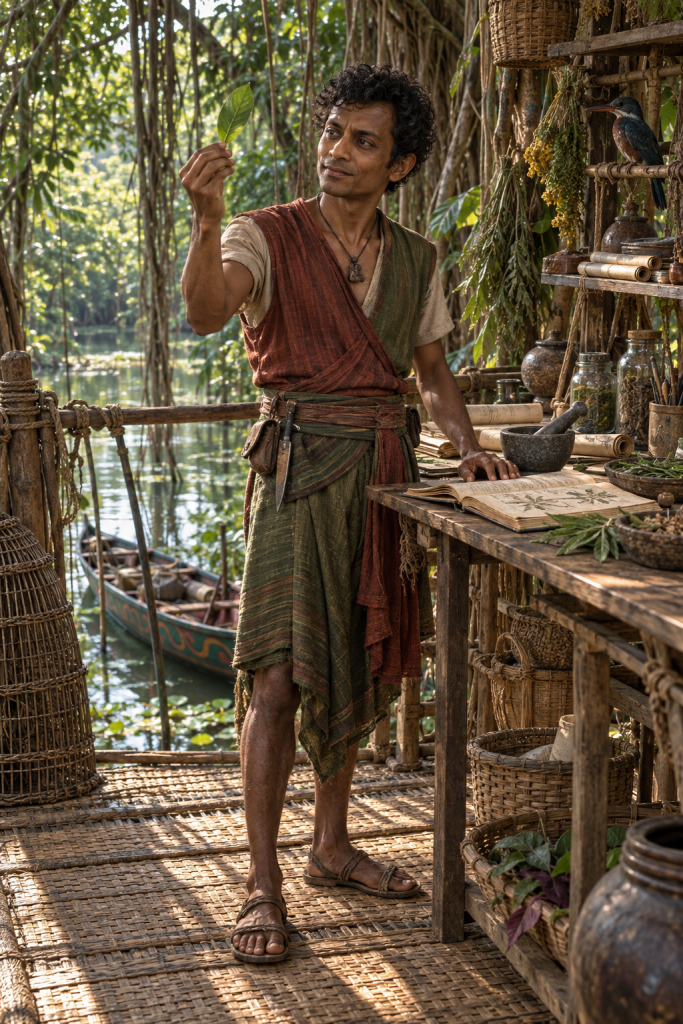
The smallest man in almost every room becomes one of the saga’s largest intellectual anchors. Tiamak is a Wrannaman healer, field naturalist, reluctant diplomat, crocodile survivor, ghant translator, Scrollbearer, and the person who keeps noticing that the visible war may be somebody else’s distraction.
Sludig

A cheerful young axeman becomes prisoner, pardoned Croohok, teacher, rescuer, foot soldier again, and one of Simon’s most honest friends. Sludig’s real battle is learning that inherited honor can survive correction.
Sisqi

Sisqinanamook is a huntress, singer’s daughter, rescuer, translator, war leader, and Binabik’s beloved. She does not enter the saga to forgive him prettily. She makes him answer for a broken pledge, saves him twice, and decides for herself which promises become a marriage.
Shima’onari
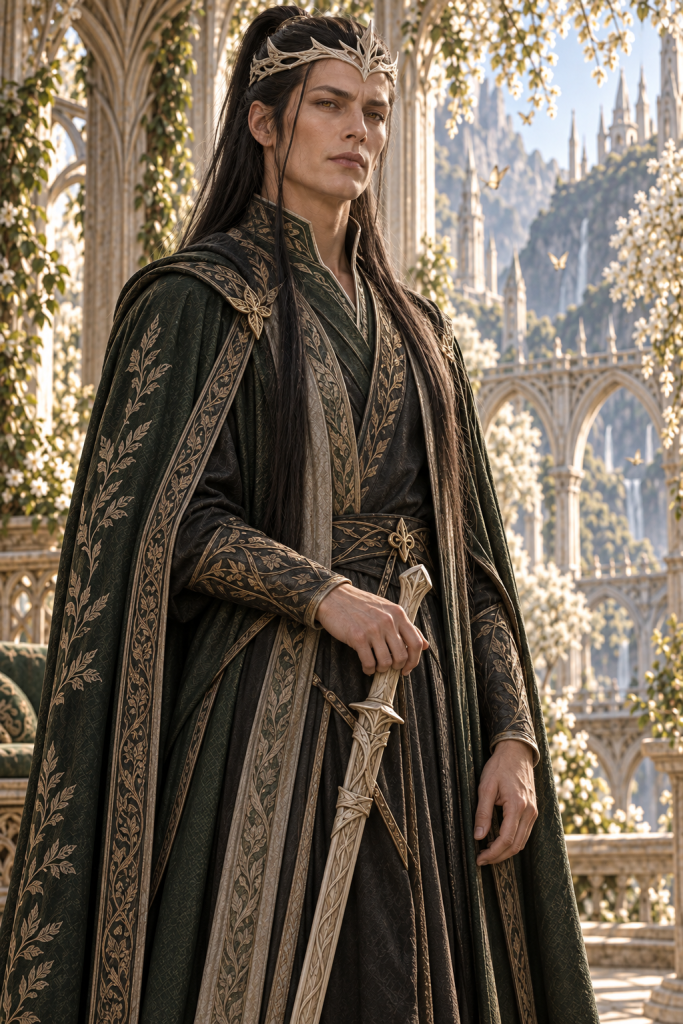
He leads survivors out of Ineluki’s Asu’a, rules a hidden people for five centuries, sentences Simon to a beautiful prison, and dies helping turn Sithi memory back into action. None of those choices is morally simple.
Qantaqa

She is not Binabik’s furry transportation system. Qantaqa chooses, warns, searches, fights, mourns, slows her stride for sick humans, and repeatedly proves the wolf understands companionship better than half the crowned people in Osten Ard.
Nisses
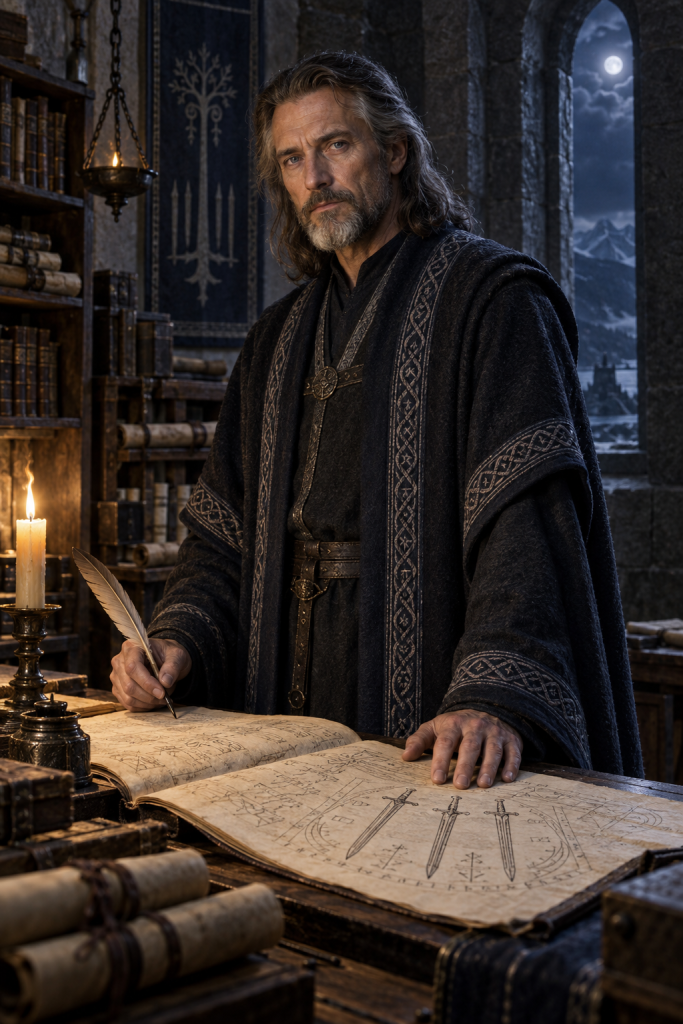
Nisses is dead before the story begins, but his missing book becomes everybody’s most dangerous group project. Priest, counselor, heretic, sword historian, and writer on speaking through the veil, he leaves fragments accurate enough to guide the quest and ambiguous enough for hope to turn warning into instructions for catastrophe.
Nessalanta
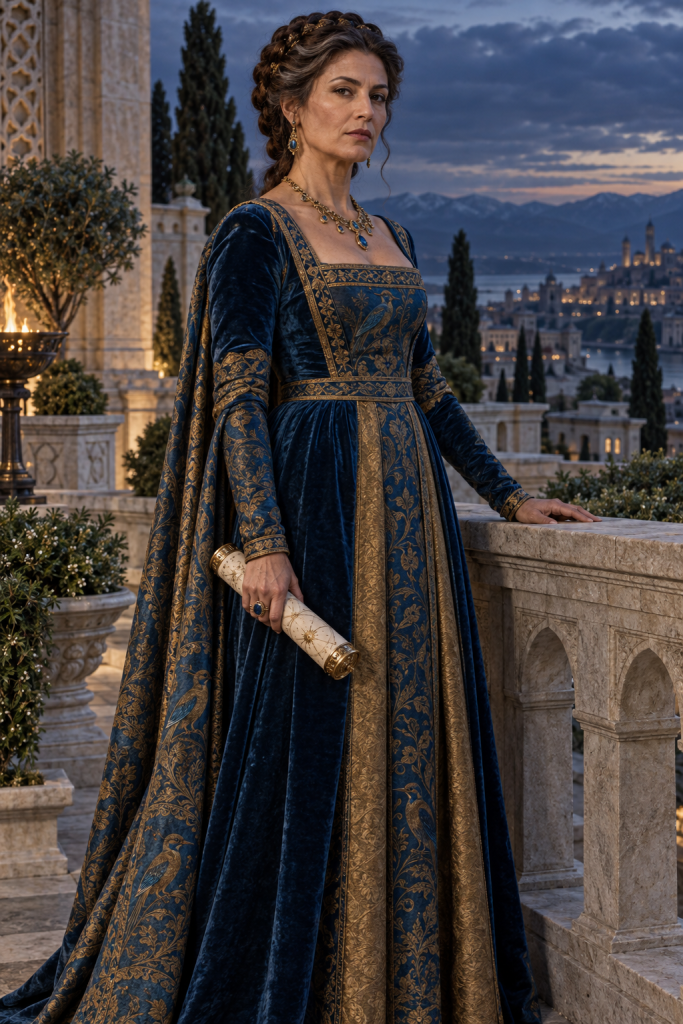
Duchess Nessalanta is stern beauty, dynastic appetite, maternal control, and political survival in one exquisitely managed room. She reads marriages as roads between crowns, backs Benigaris after Leobardis’s murder, trusts a horoscope that promises a new order, and discovers that the son built for her ambition has a will violent enough to turn on her.