
RaeRae Rants
Sometimes I finish an episode and move on with my life. Other times a studio, adaptation, fandom argument, industry decision, or spectacularly questionable piece of writing follows me around until I finally open a document.
This is where those thoughts go. Animation news, adaptation choices, representation, cultural reception, fandom behavior, industry habits, storytelling decisions, wasted potential, and whatever else made me say, “Nope. We need to talk about this.”
There will be opinions. There will also be context, receipts when receipts exist, and enough room to admit when something is complicated. Being annoyed is easy. Figuring out exactly why I am annoyed is usually much more interesting.
Hot takes · Hard facts · Side-eye included
The stuff that will not fit politely inside a review.
Reviews are about whether the whole thing worked. Reacts are me yelling while I am still watching. Rants happen when one particular subject refuses to leave me alone. Sometimes that is a bad adaptation choice. Sometimes it is an industry trend. Sometimes fandom has collectively decided to have a very strange week. And sometimes I just want to know why a perfectly good character suddenly lost every functioning brain cell because the plot needed three more episodes.
What gets dragged into the conversation?
Almost anything connected to animation can end up here if there is actually something worth saying about it. I am not manufacturing outrage every Tuesday. The internet already has plenty of volunteers for that job.
Find a Rant
Search by series, character, studio, adaptation, fandom issue, or whatever specific nonsense brought you here. The alphabet works too, because eventually this shelf is going to become a problem and I would like us to be prepared.
The Rant Shelf
News, editorials, adaptation arguments, fandom conversations, cultural discussions, and all the other thoughts that refused to stay inside my head.
Search if you know what annoyed me. Browse if you would like to discover what annoyed me. Both are valid hobbies.
-
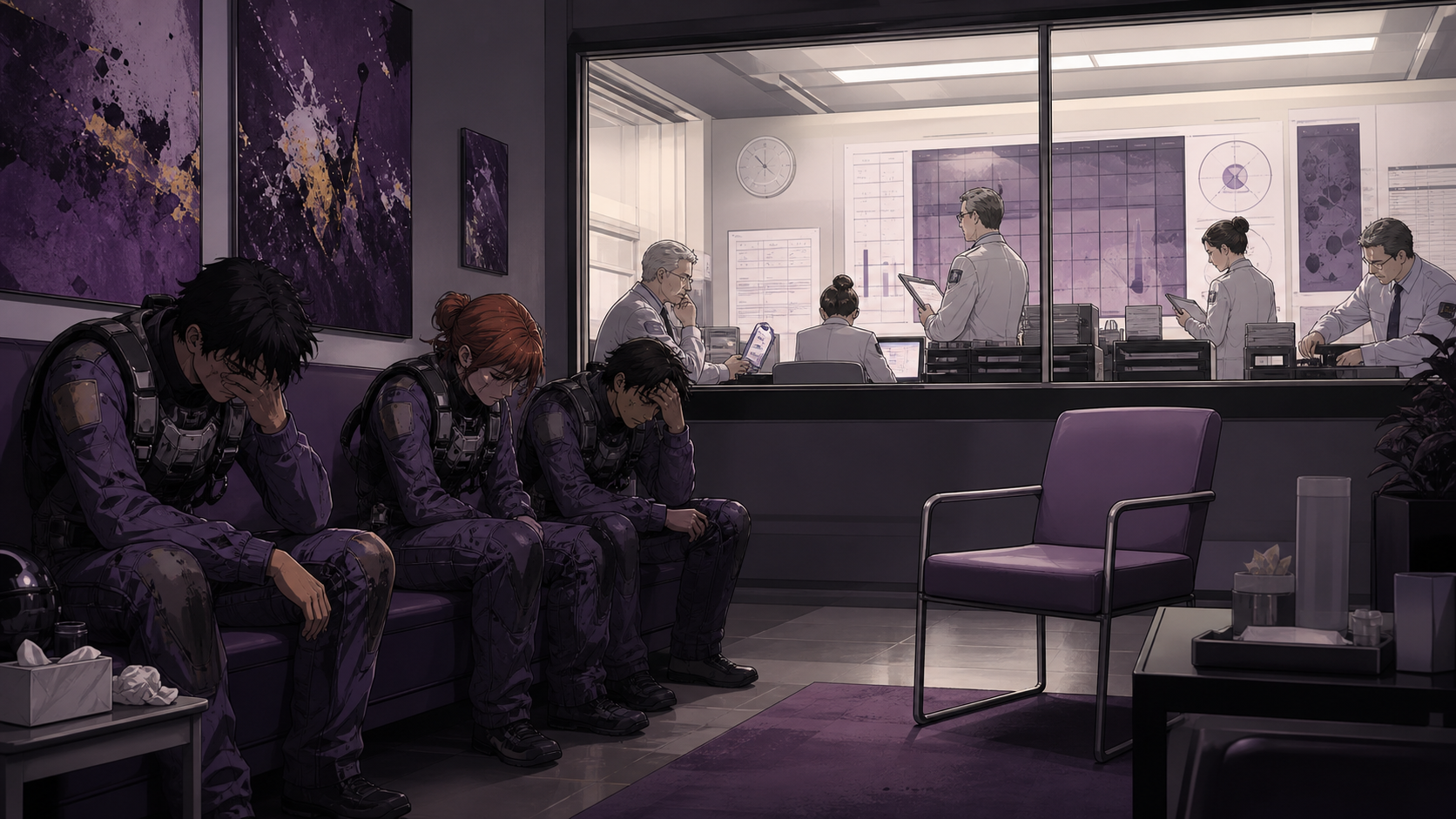
Evangelion’s Adults Keep Calling Trauma a Readiness Problem
Evangelion’s pilots are not failing readiness tests. NERV keeps measuring whether traumatized children can return to work instead of asking why the adults still need them to.
-
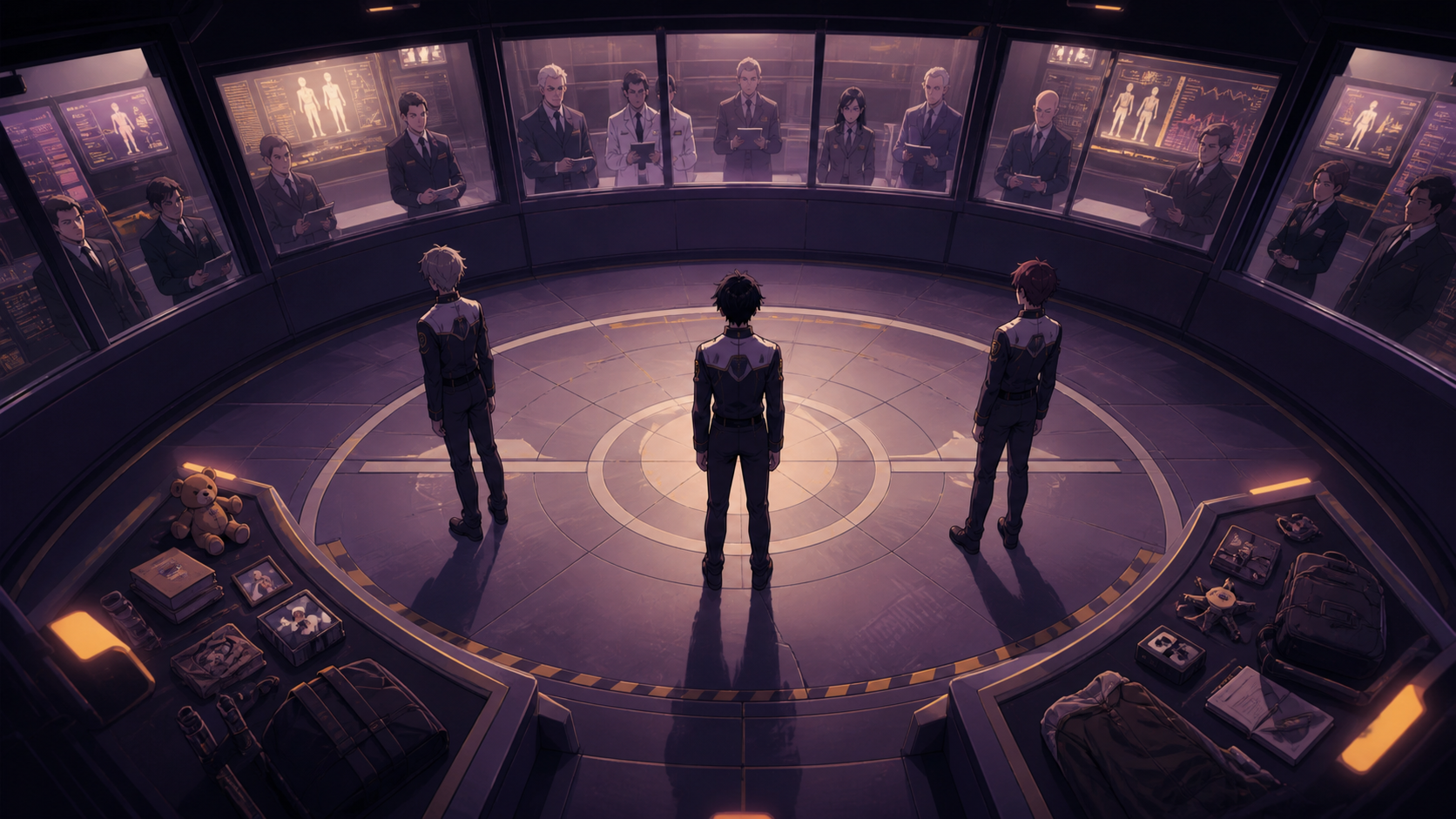
NERV Manufactures Compliance
NERV calls child deployment protection. RaeRae follows the coercion, hazardous labor, surveillance, and adult systems that make refusal almost impossible.
-
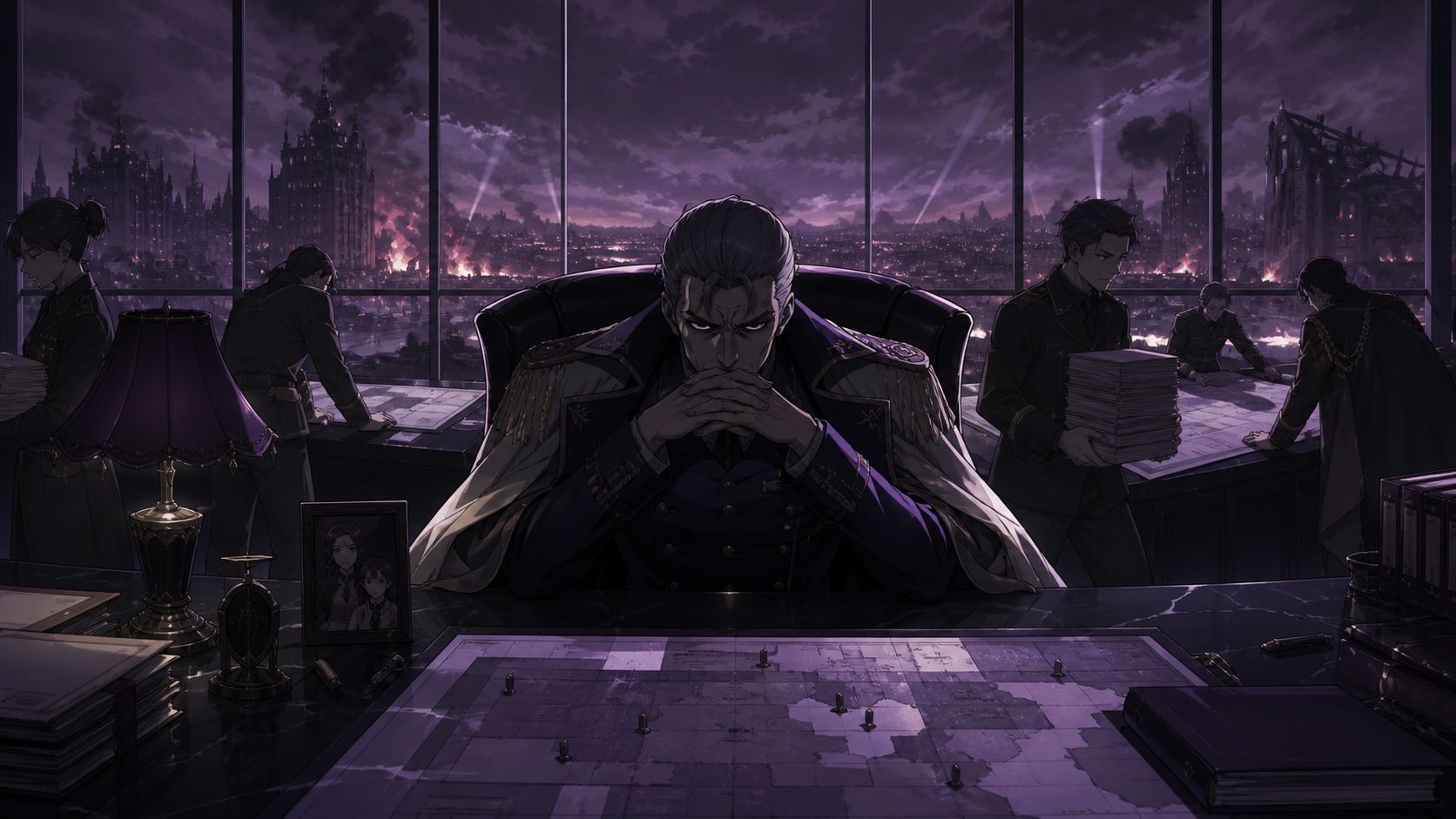
Gendo Ikari: Grief Does Not Excuse Governance
Gendo’s grief explains his obsession. His grief does not excuse using Shinji, Rei, NERV, and Instrumentality to make private pain everybody else’s government.
-
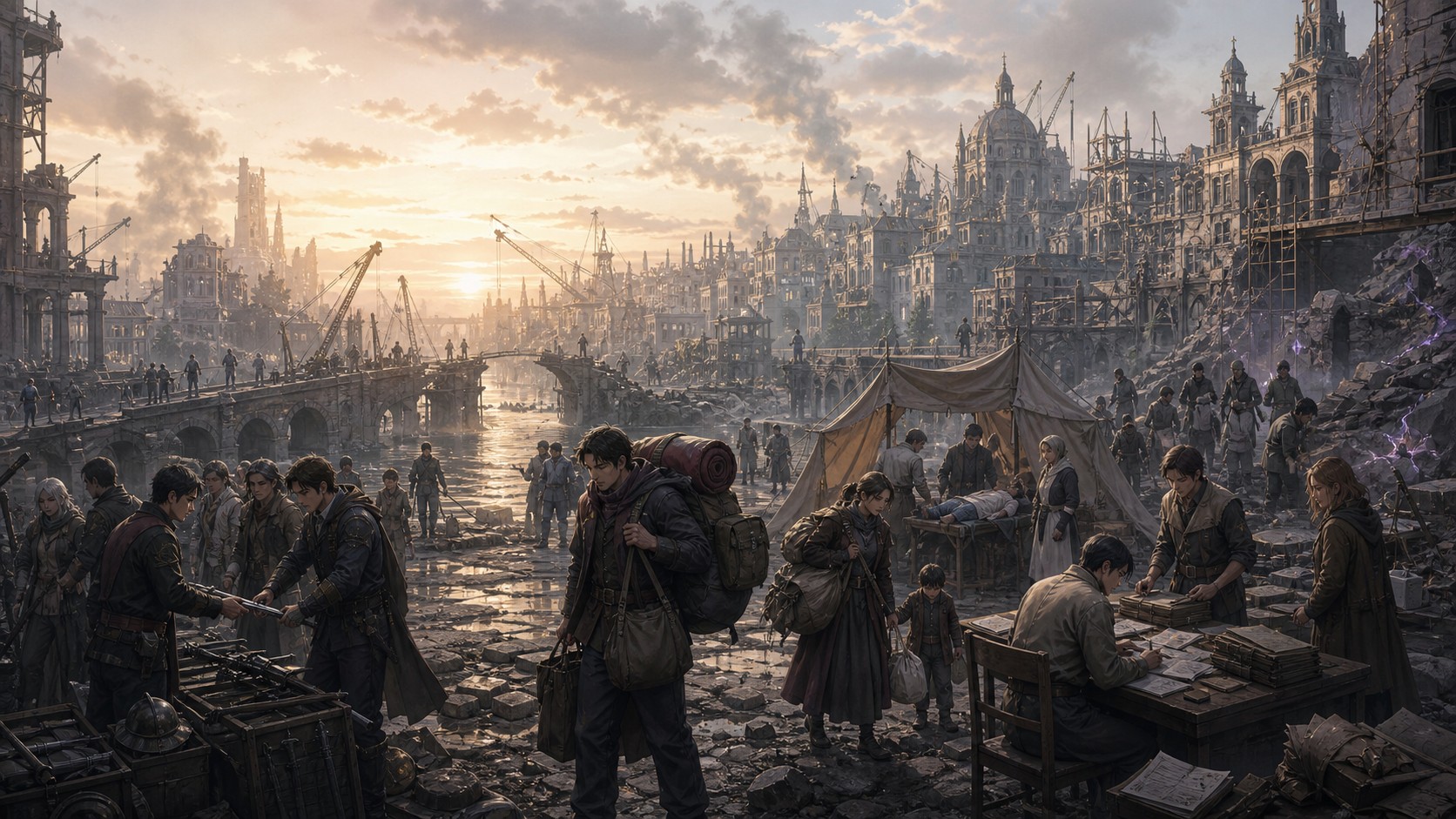
Anime Endings Keep Skipping the Reconstruction That Makes Peace Real
Anime endings love the victory shot and skip the housing, displacement, demining, veteran care, records, schools, justice, budgets, and public work that make peace real.
-
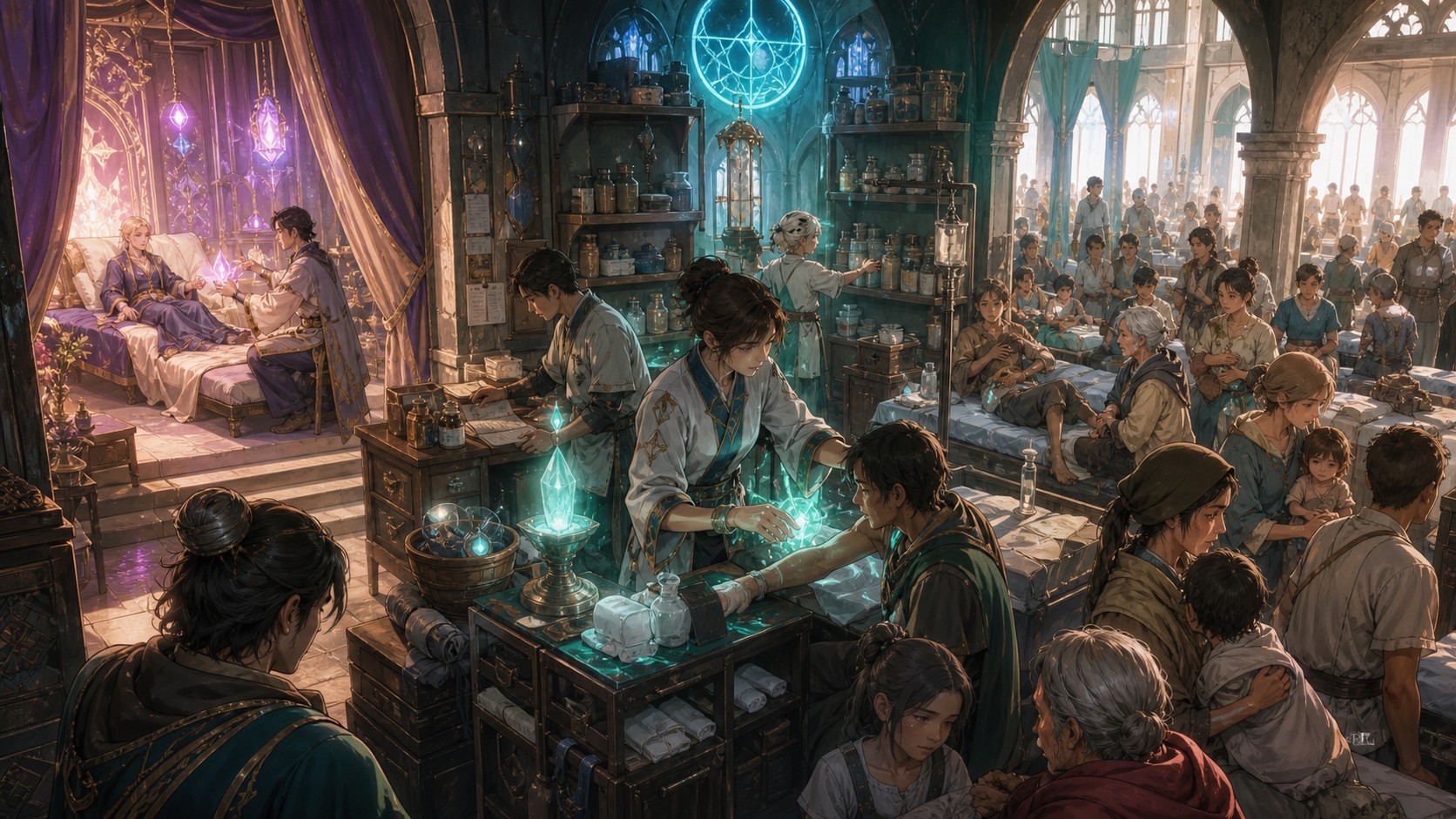
Healing Magic Breaks the Healthcare Economy When Every Cure Is Instant
Healing magic can close a wound in seconds, but instant cures still leave healer shortages, unequal access, triage, training, public health, rehabilitation, records, and payment.
-
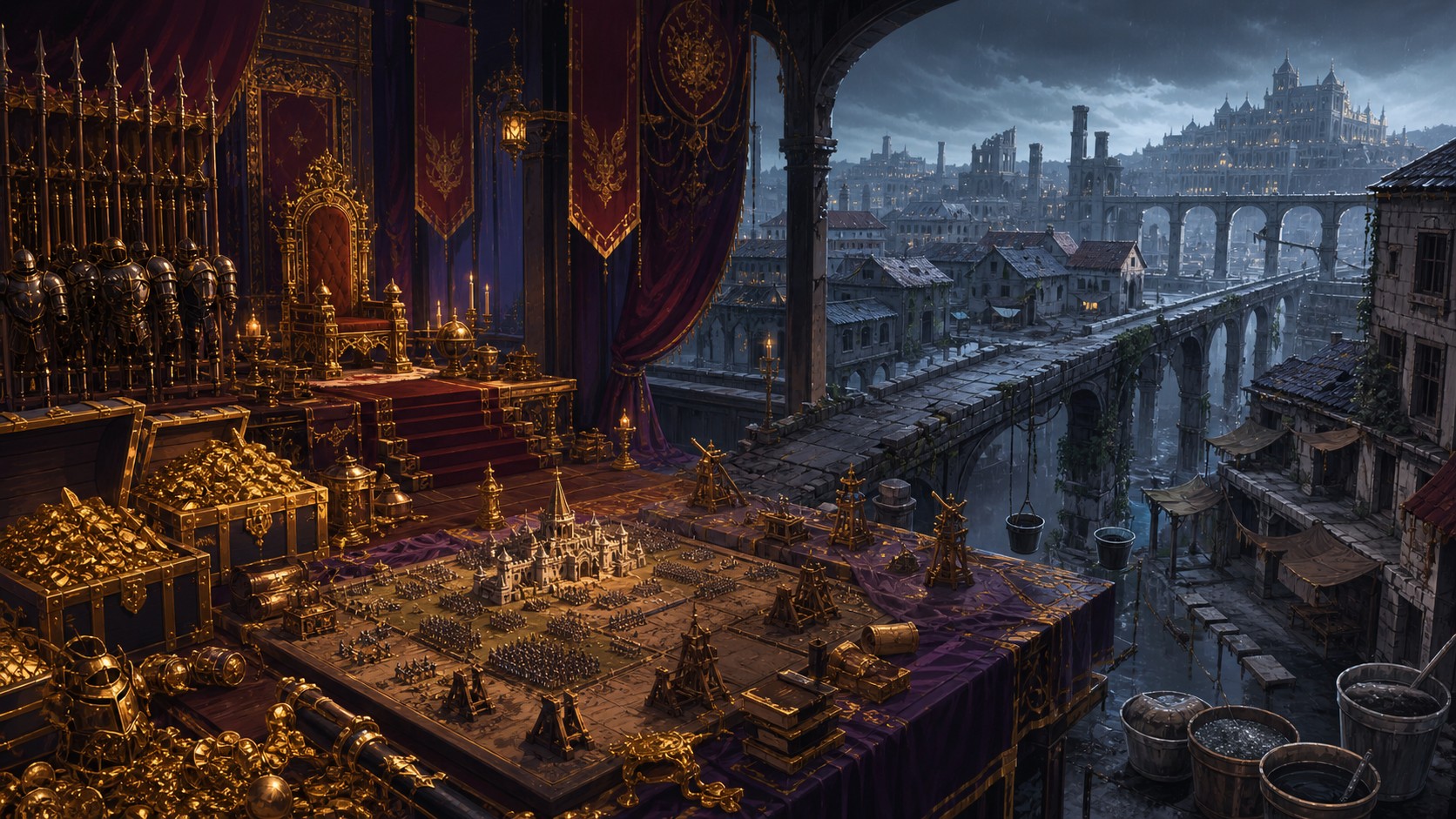
Fantasy Kingdoms Can Fund Every War Except Public Services
Fantasy kingdoms always find money for war, palaces, and magical weapons while roads, schools, clinics, water systems, maintenance, audits, and civilian recovery vanish from the budget.
-
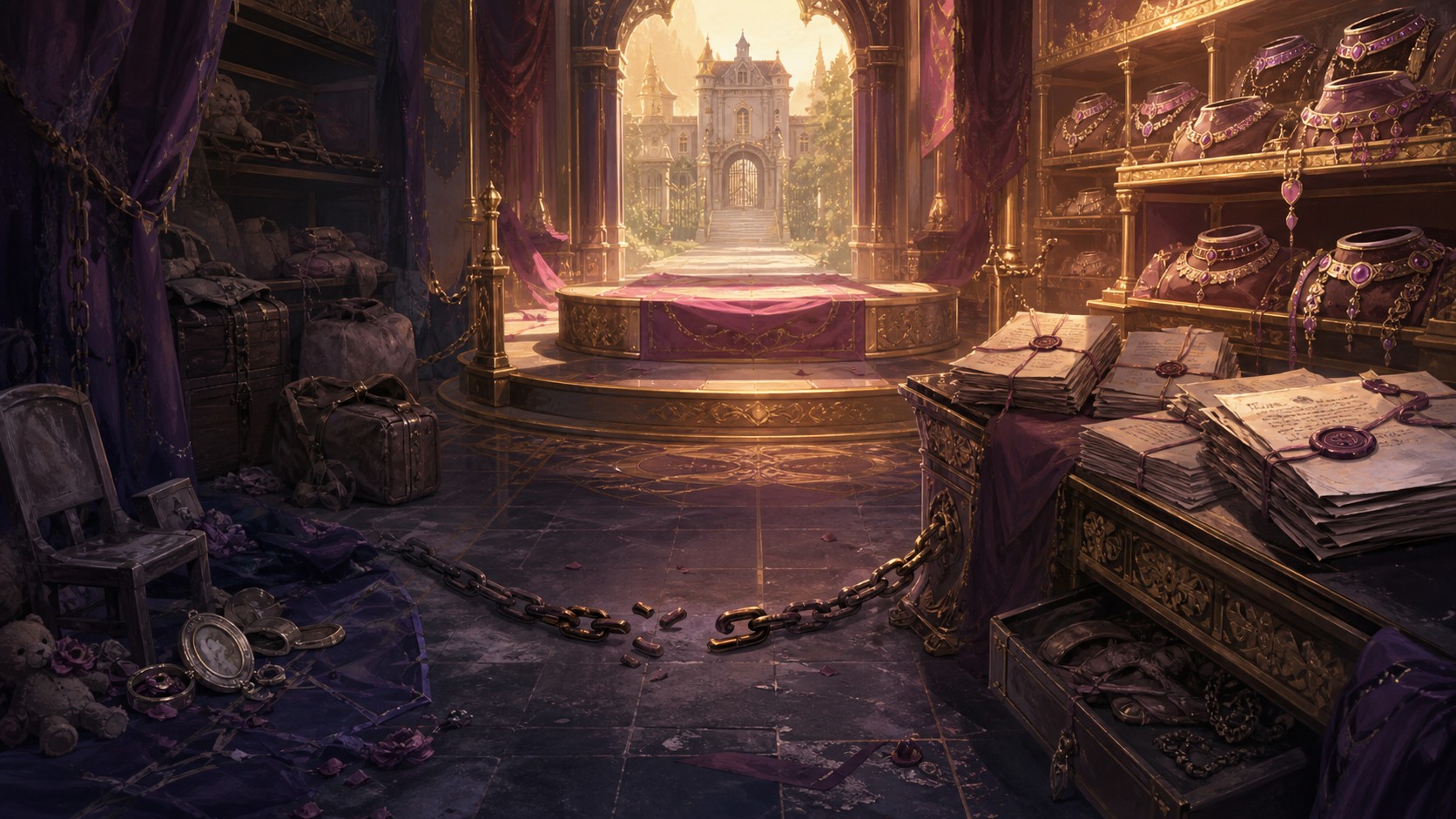
Fantasy Slavery Is Not Worldbuilding When the Story Only Wants a Loyal Companion
Fantasy slavery is not serious worldbuilding when ownership exists mainly to give a lonely hero a loyal companion who cannot refuse, leave, or build an independent future.
-
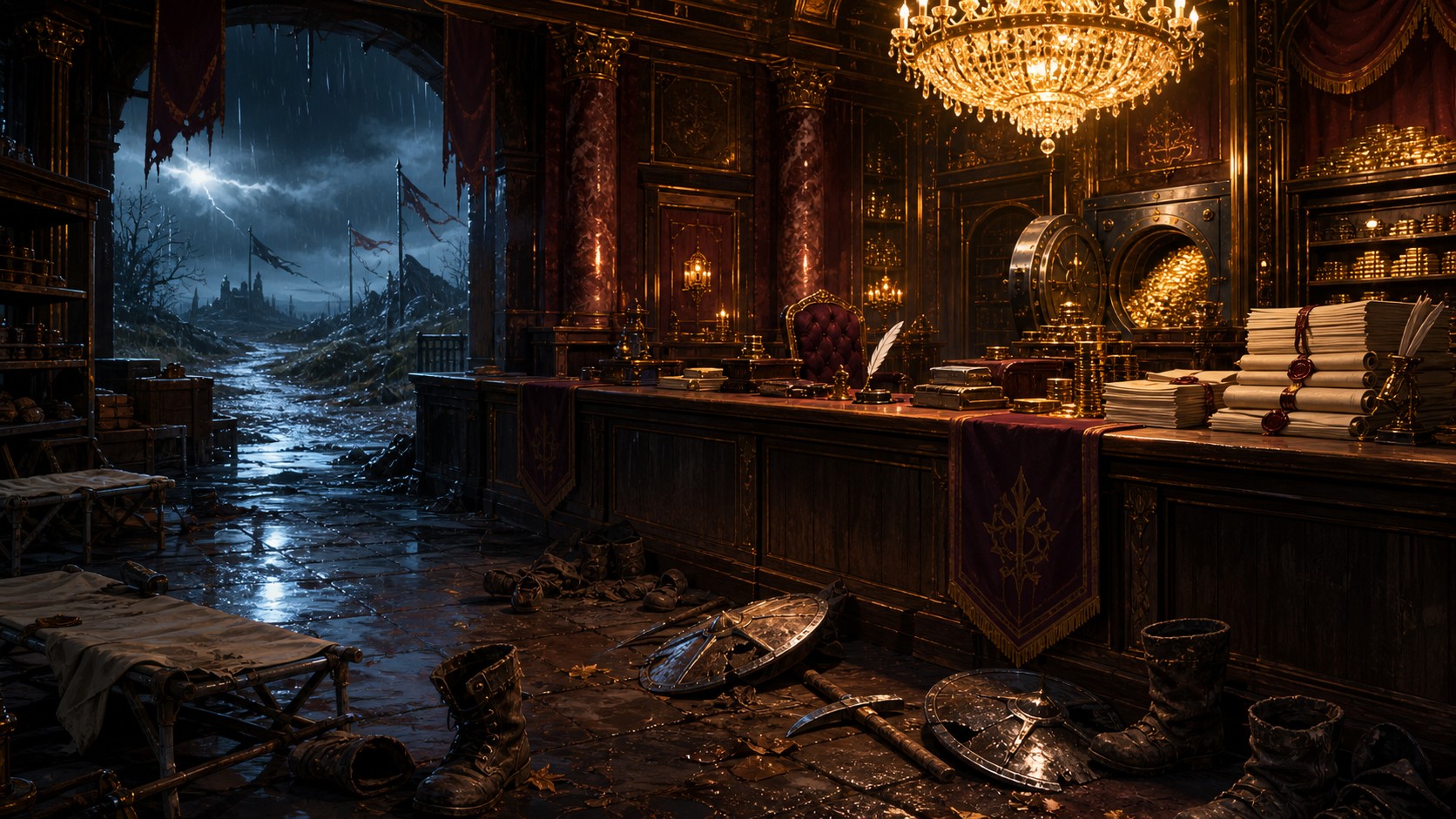
Anime Adventurer Guilds Are Labor Exploitation With Better Branding
Anime adventurer guilds control quests, ranks, pay, and reputation while shifting injury, equipment, medical, and income risks onto supposedly independent workers.
-
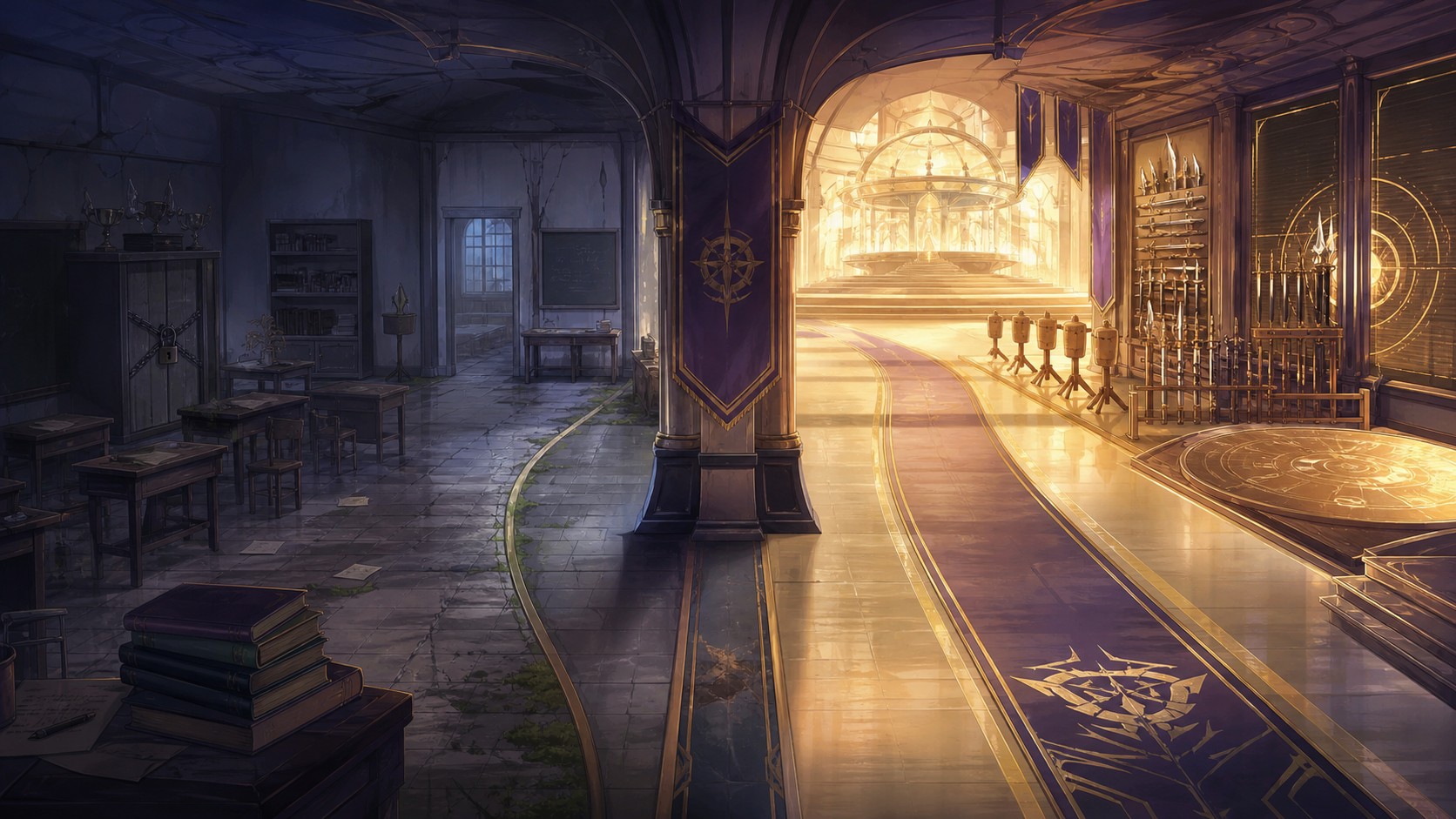
Anime Combat Schools Are Failing Their Students
Anime combat schools fund arenas, weapons, rankings, and dangerous missions while neglecting ordinary education, health care, counseling, and the adults responsible for keeping children safe.
-
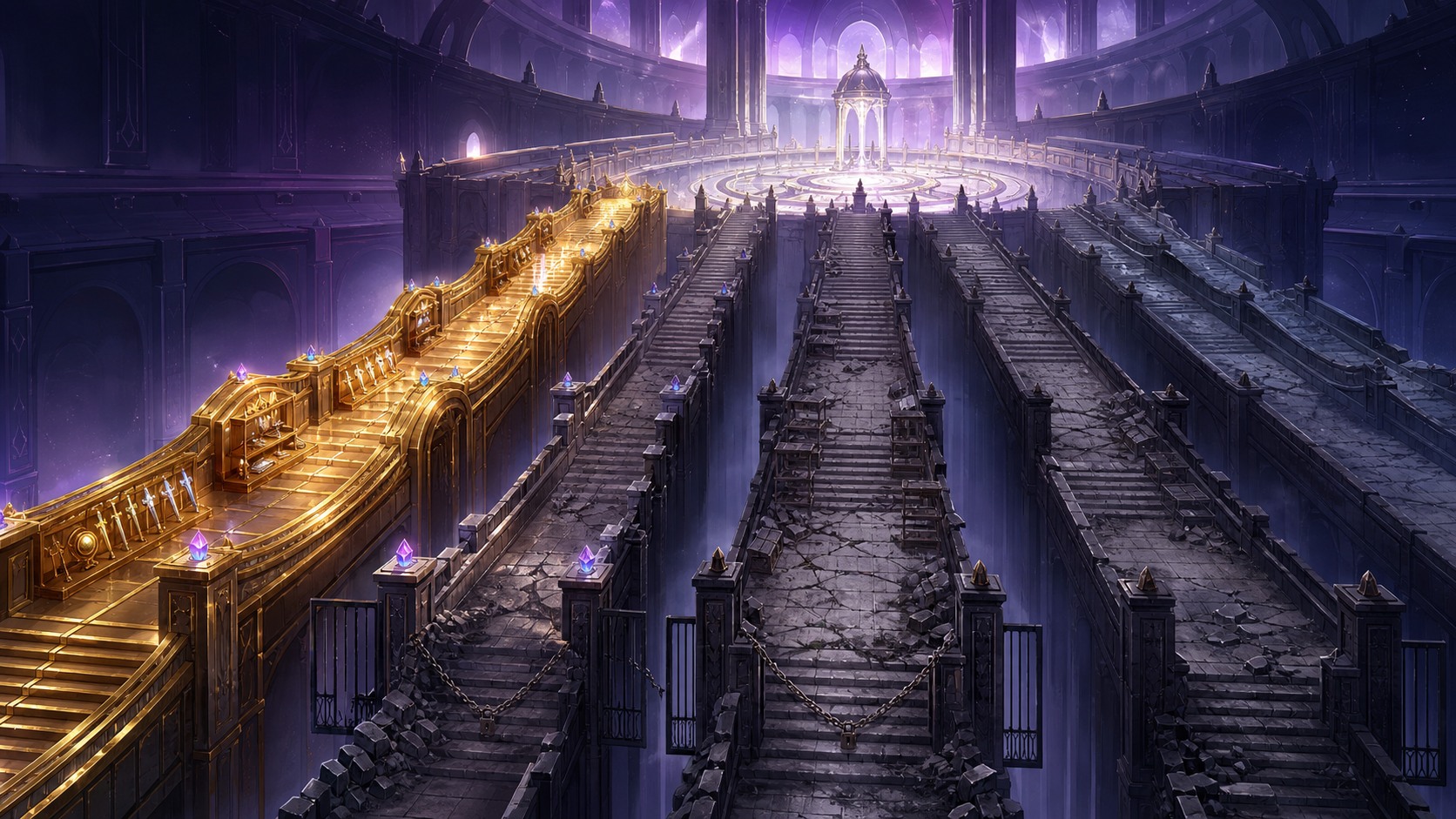
Bloodline Power Makes Anime Meritocracy a Lie
RaeRae Rants · Inherited Power and Opportunity File Bloodline Power Makes Anime Meritocracy a Lie An exam cannot measure effort fairly when one child inherits the weapon, the…
-
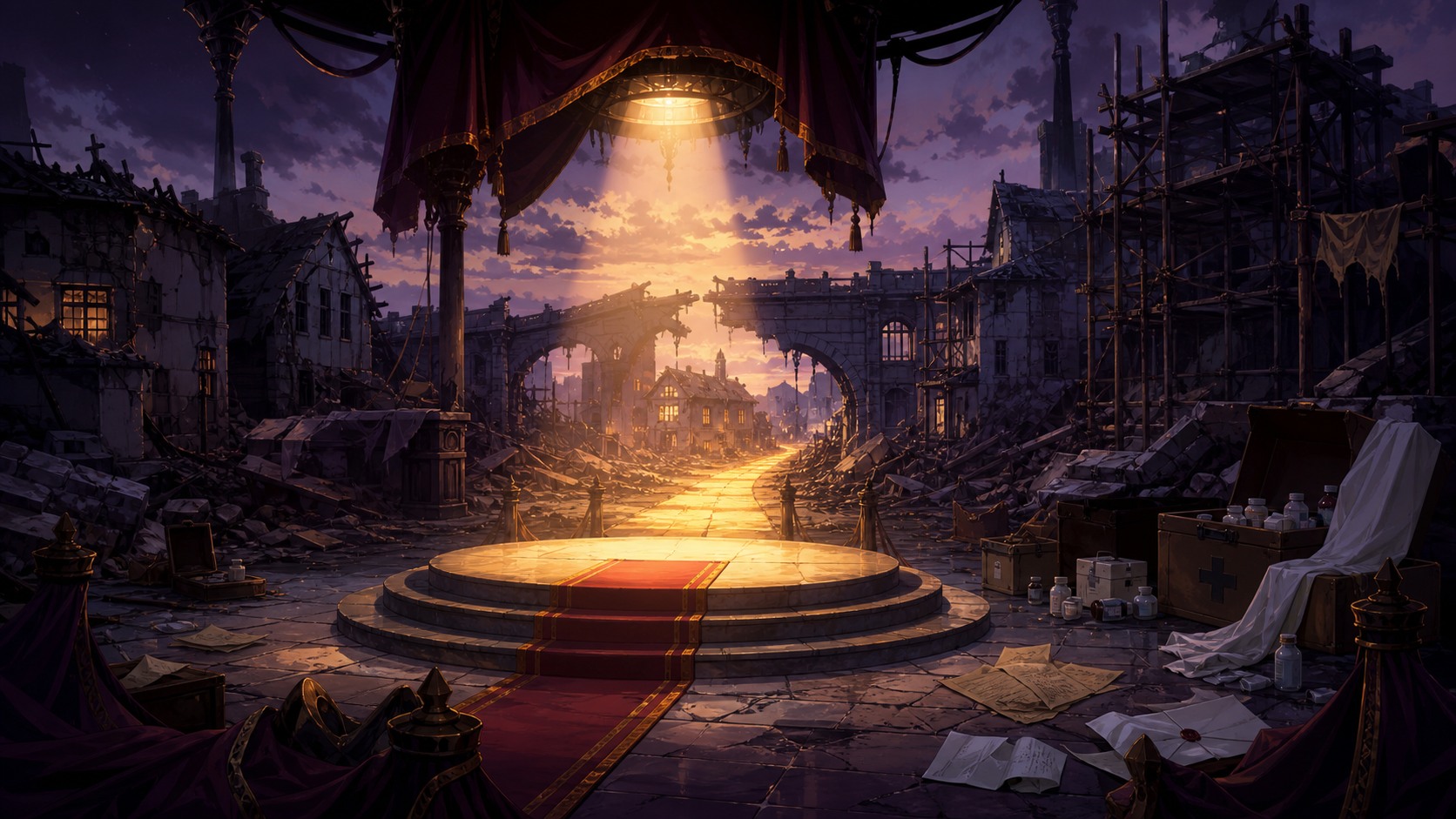
Anime Redemption Arcs Keep Skipping the Repair
Anime redemption arcs prove that a former villain can change, then skip the truth, restitution, victim choice, public accountability, and institutional repair the damage still requires.
-
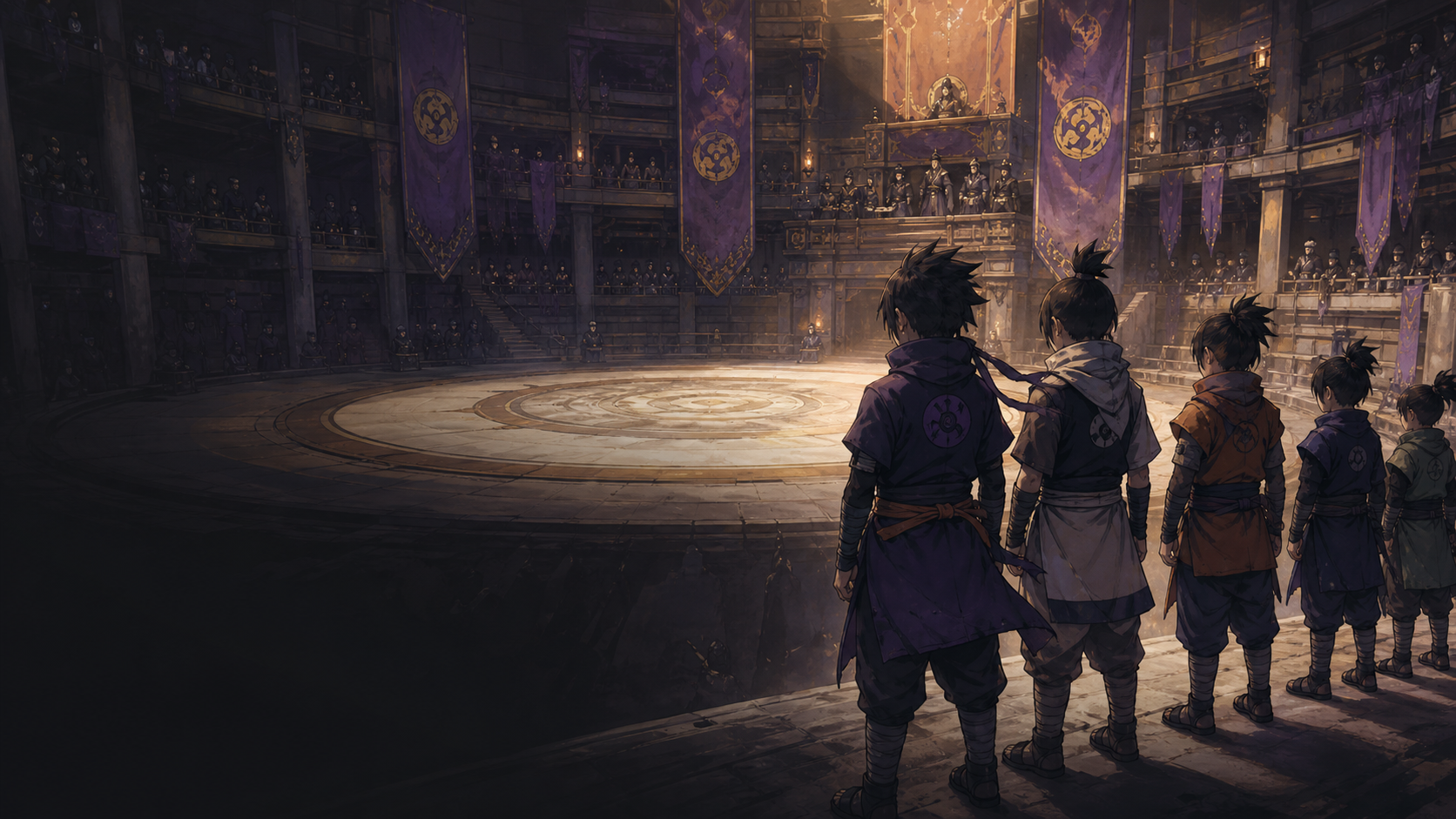
The Chunin Exams Were a Child-Soldier Recruitment Fair
The Chunin Exams look like a promotion test, but Konoha uses children to advertise military talent, absorb political risk, and call unequal survival merit. This deep editorial asks…
-
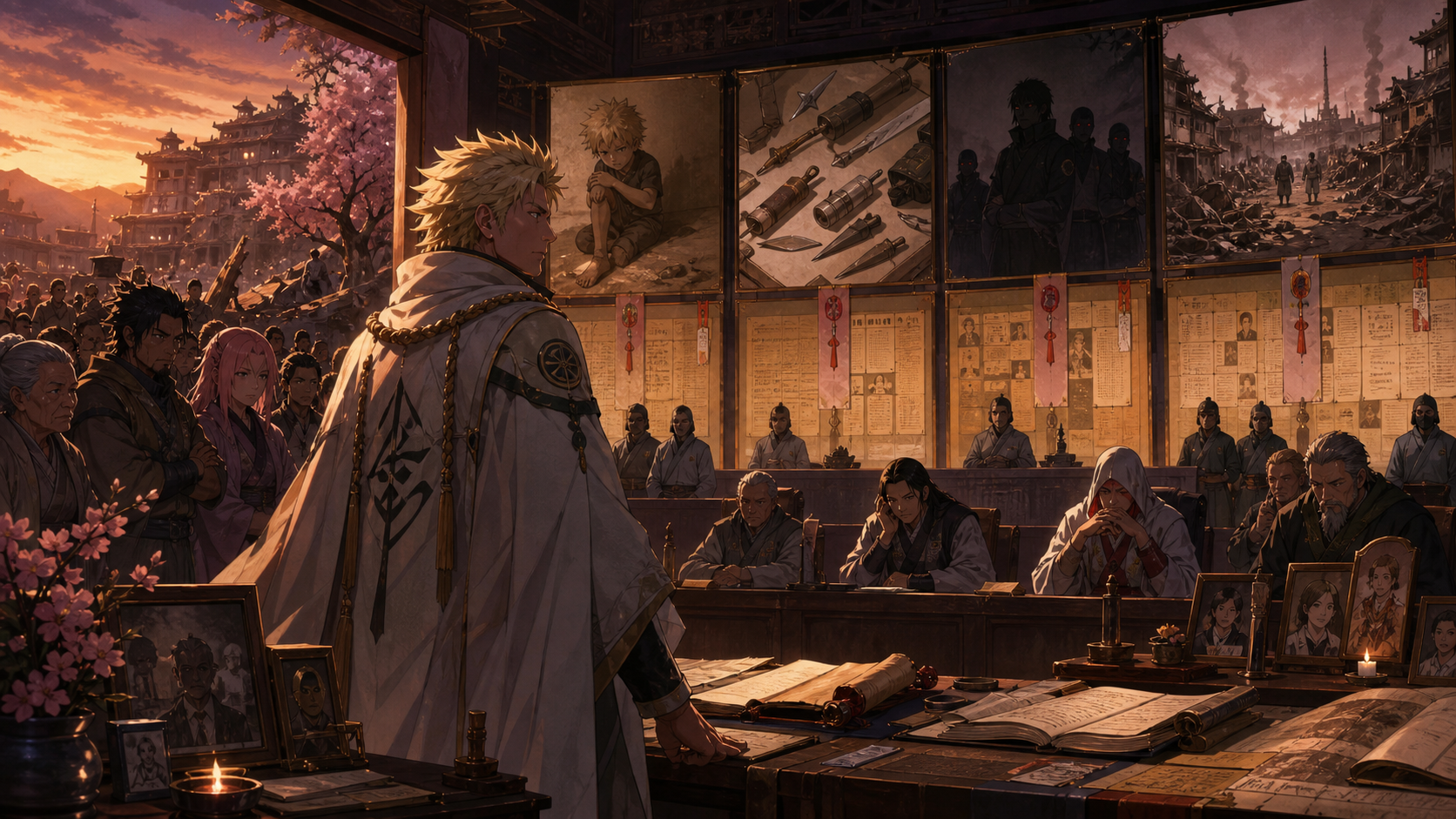
Naruto Forgave a Government That Never Apologized
Naruto forgave a government that never apologized. RaeRae examines Konoha’s policy failures, transitional justice, public truth, material repair, and institutional reform.
-
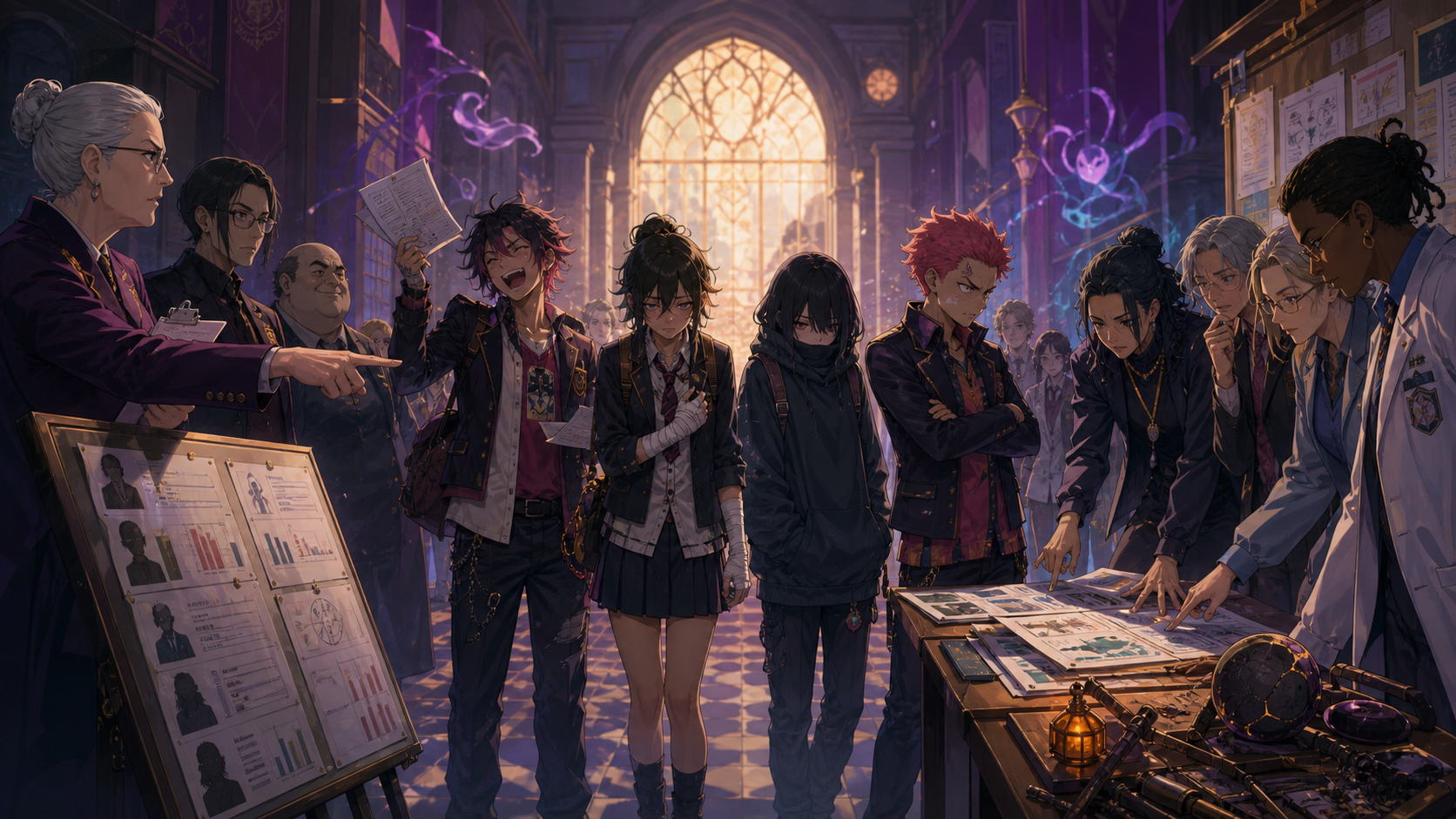
Anime Schools Keep Calling Institutional Failure a Student Personality Problem
Anime schools keep treating institutional failure as a student personality problem. RaeRae examines discipline, trauma, belonging, safety, and believable reform.
-
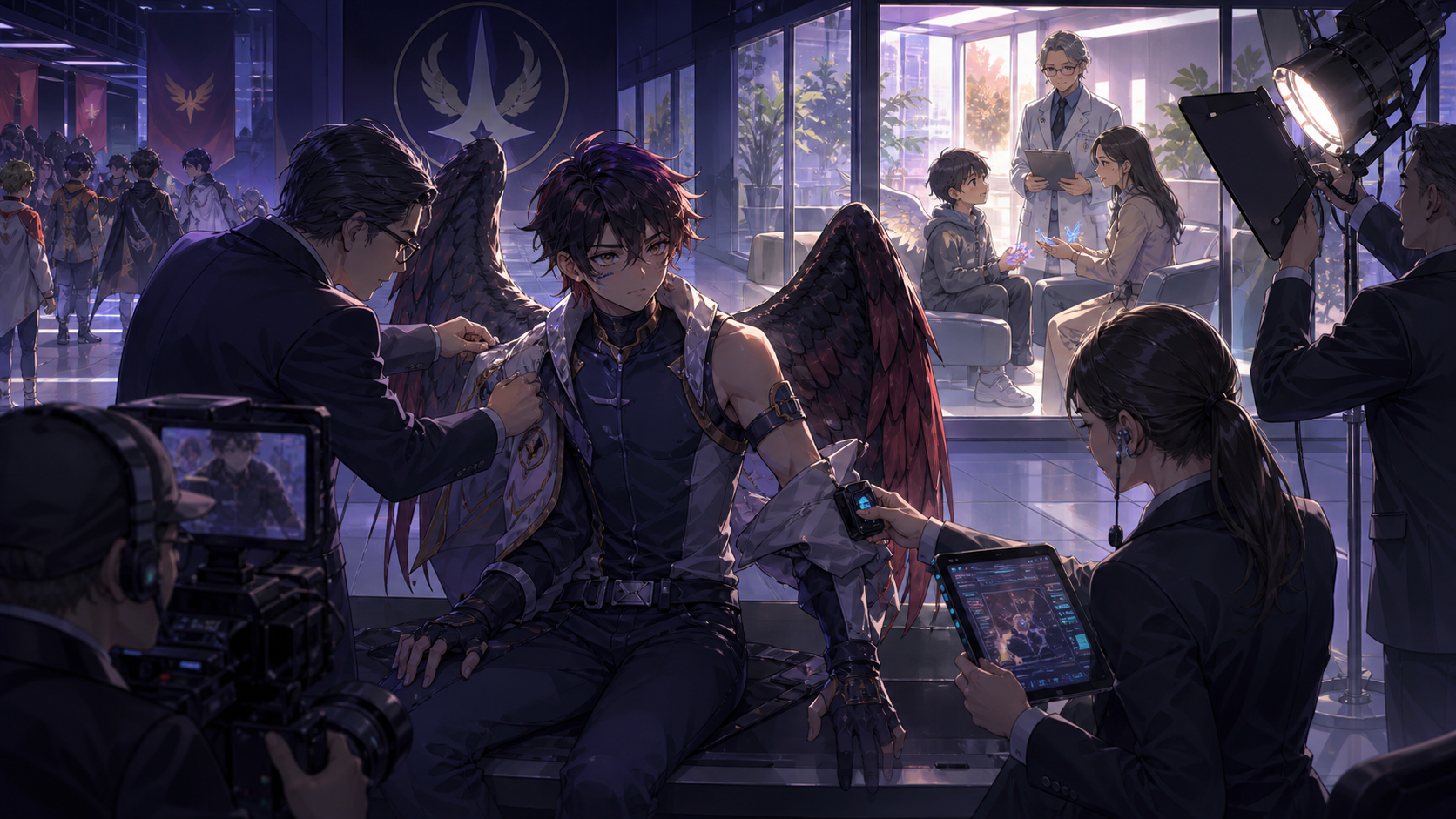
The Hero Commission Raised Child Celebrities and Called Them Public Servants
Hero society raised gifted children as public celebrities and covert assets. RaeRae examines Hawks, the Commission, child labor, branding, consent, and believable reform.
-
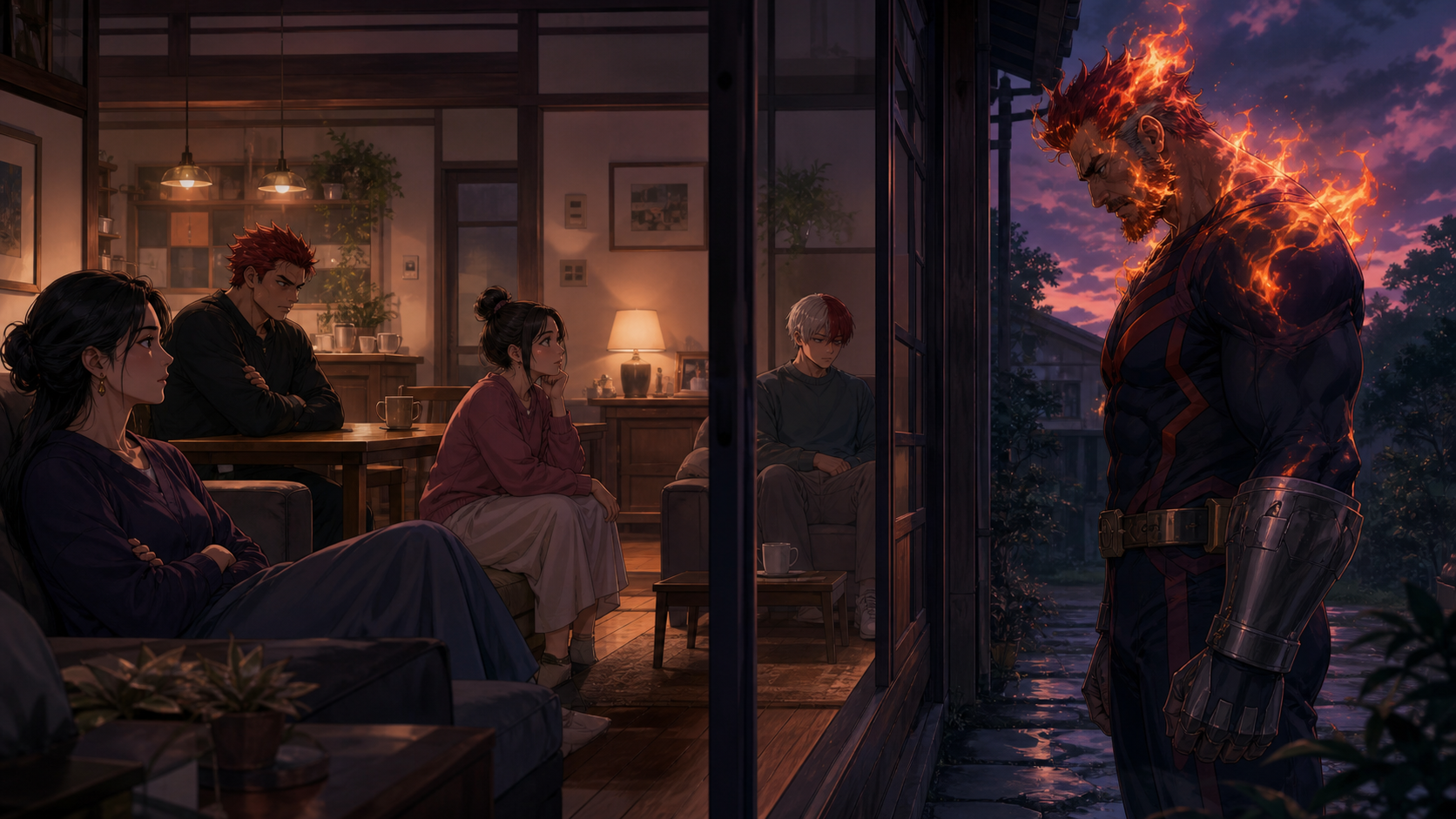
Endeavor’s Redemption Is Not His Family’s Assignment
Endeavor’s redemption belongs to Endeavor. Forgiveness, trust, and contact belong to his family. RaeRae examines accountability without assigning survivors homework.
-
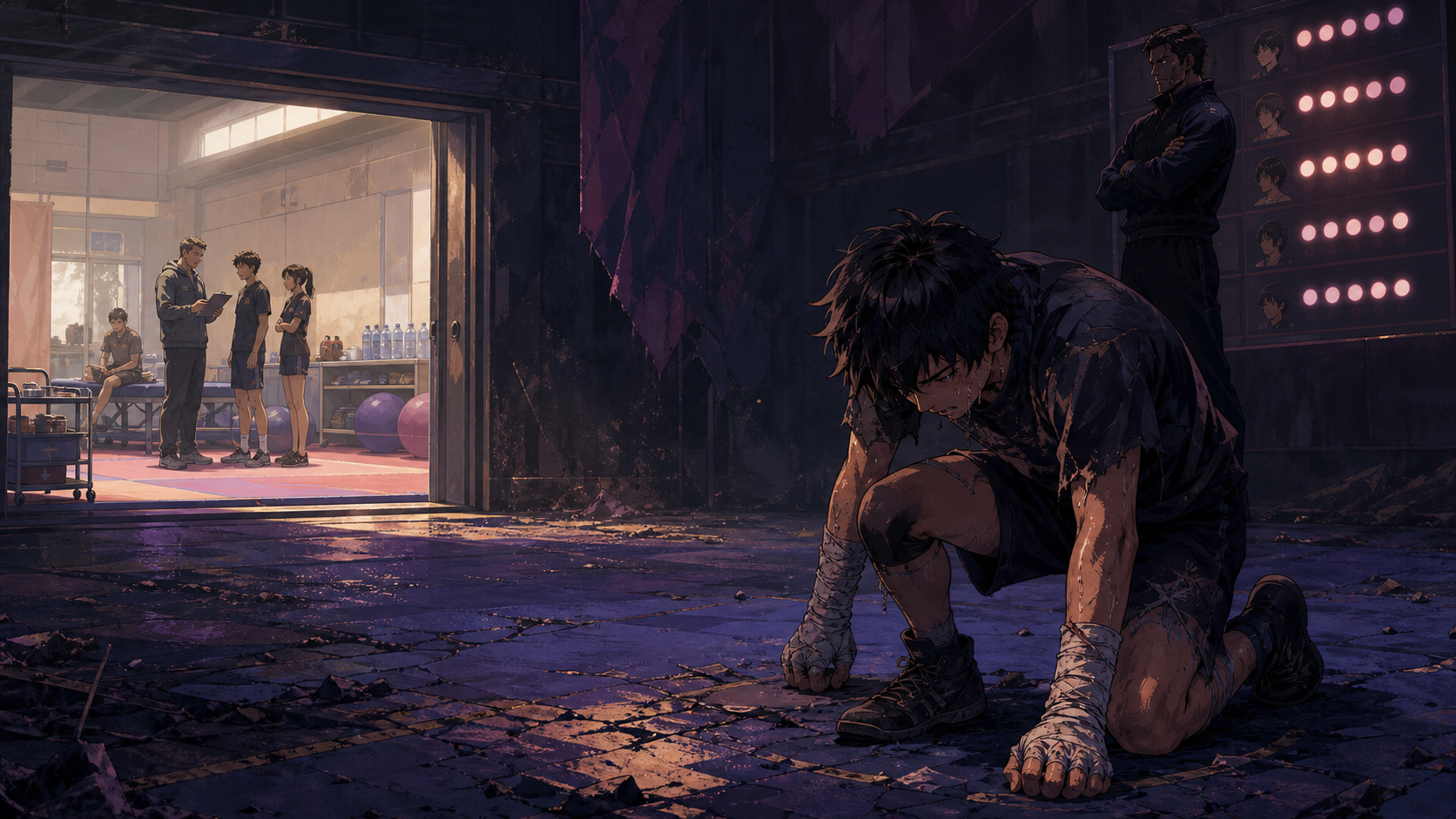
Success Does Not Prove the Training Was Worth the Damage
Anime loves brutal training arcs, but success does not prove the damage was necessary. RaeRae examines survivor bias, teaching power, consent, and better mentorship.
-
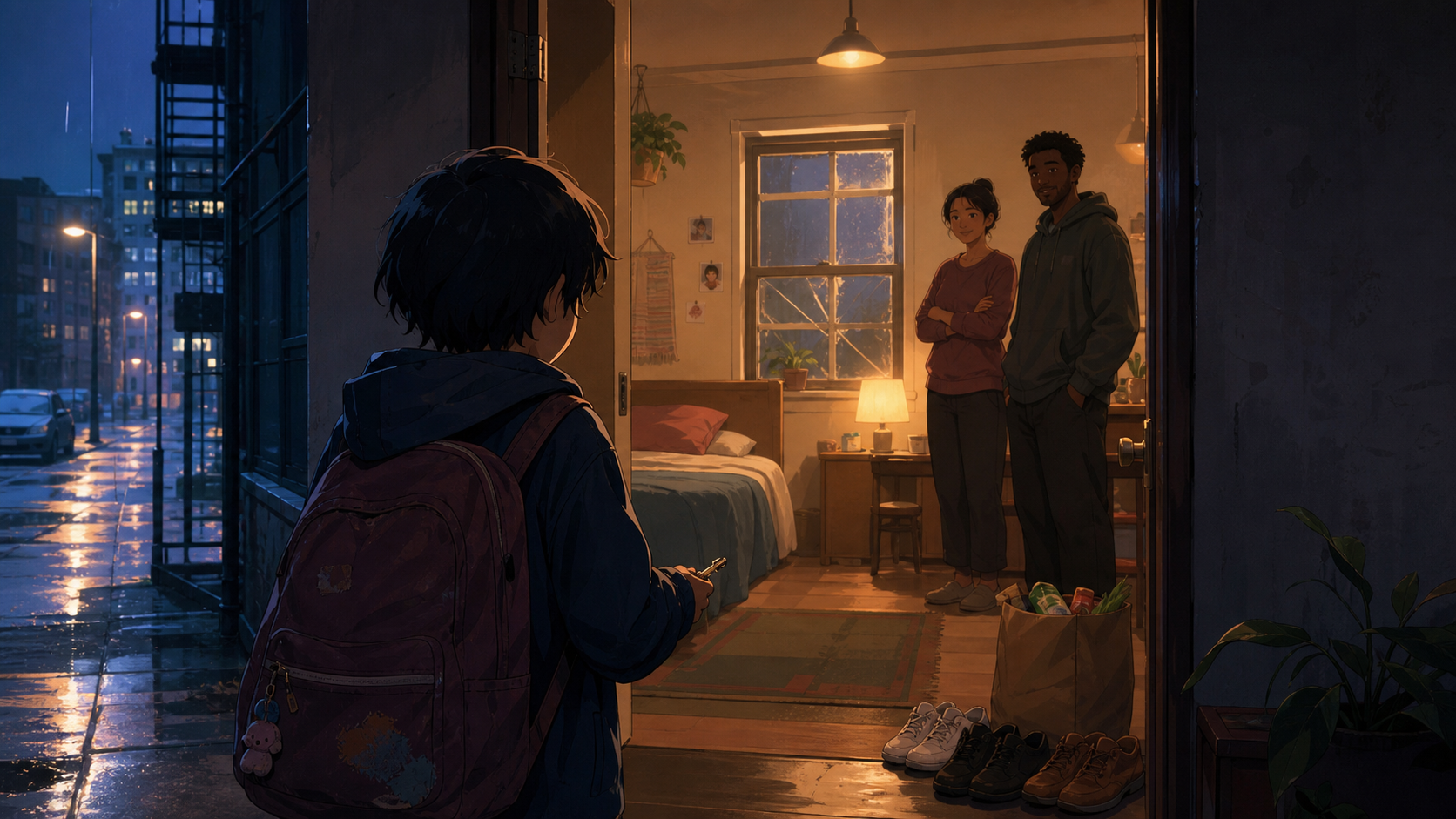
Anime Keeps Treating Child Homelessness Like Character Development
Anime keeps treating child homelessness as proof of independence. RaeRae examines the trope, the systems behind unstable housing, and what believable care should look like.
-
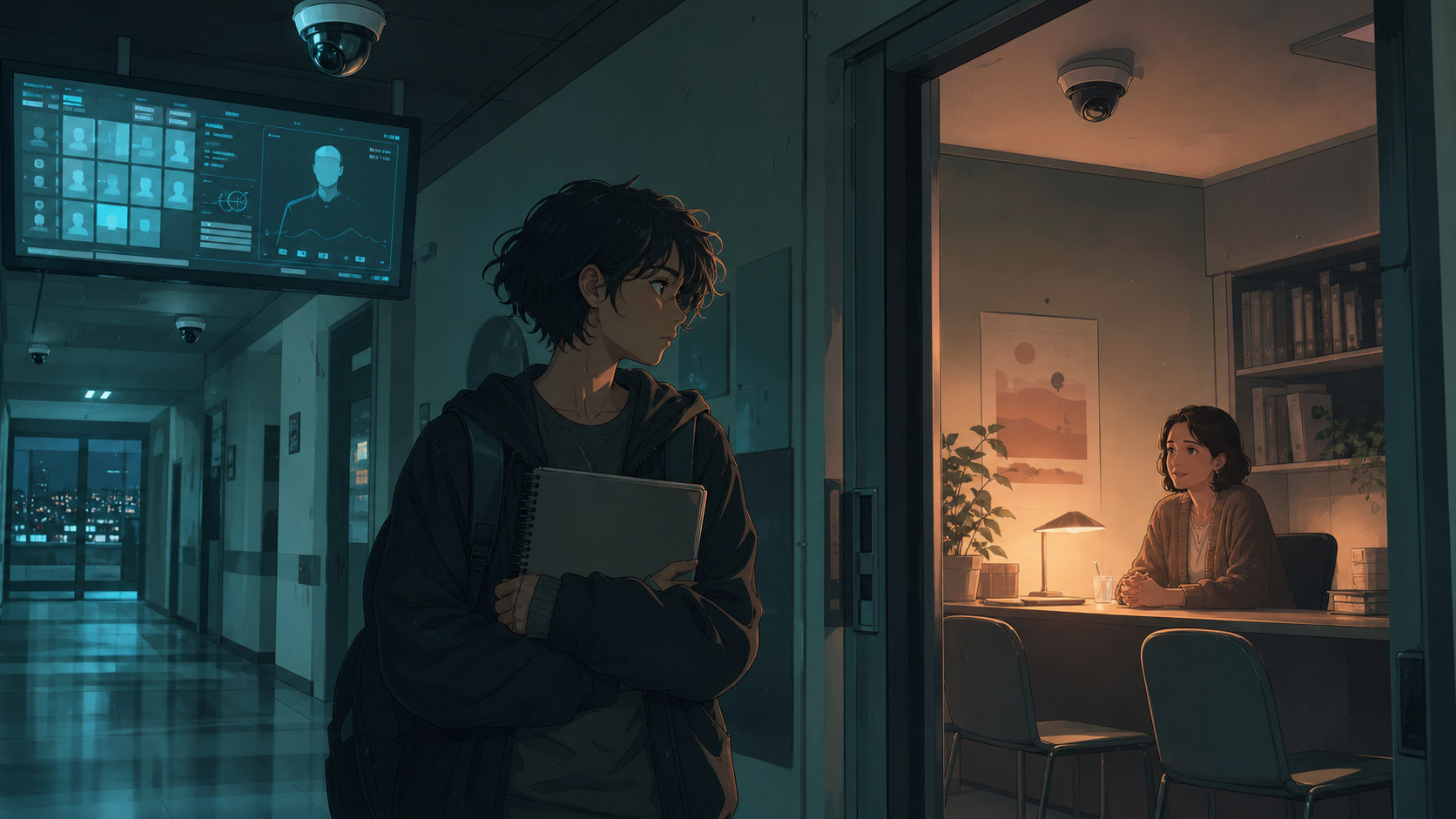
Surveillance Is Not Care Just Because an Adult Says “For Your Safety”
Anime surveillance stories confuse observation with care. This editorial examines what the trope gets right, where control becomes abuse, and what accountable safety should look like.
-
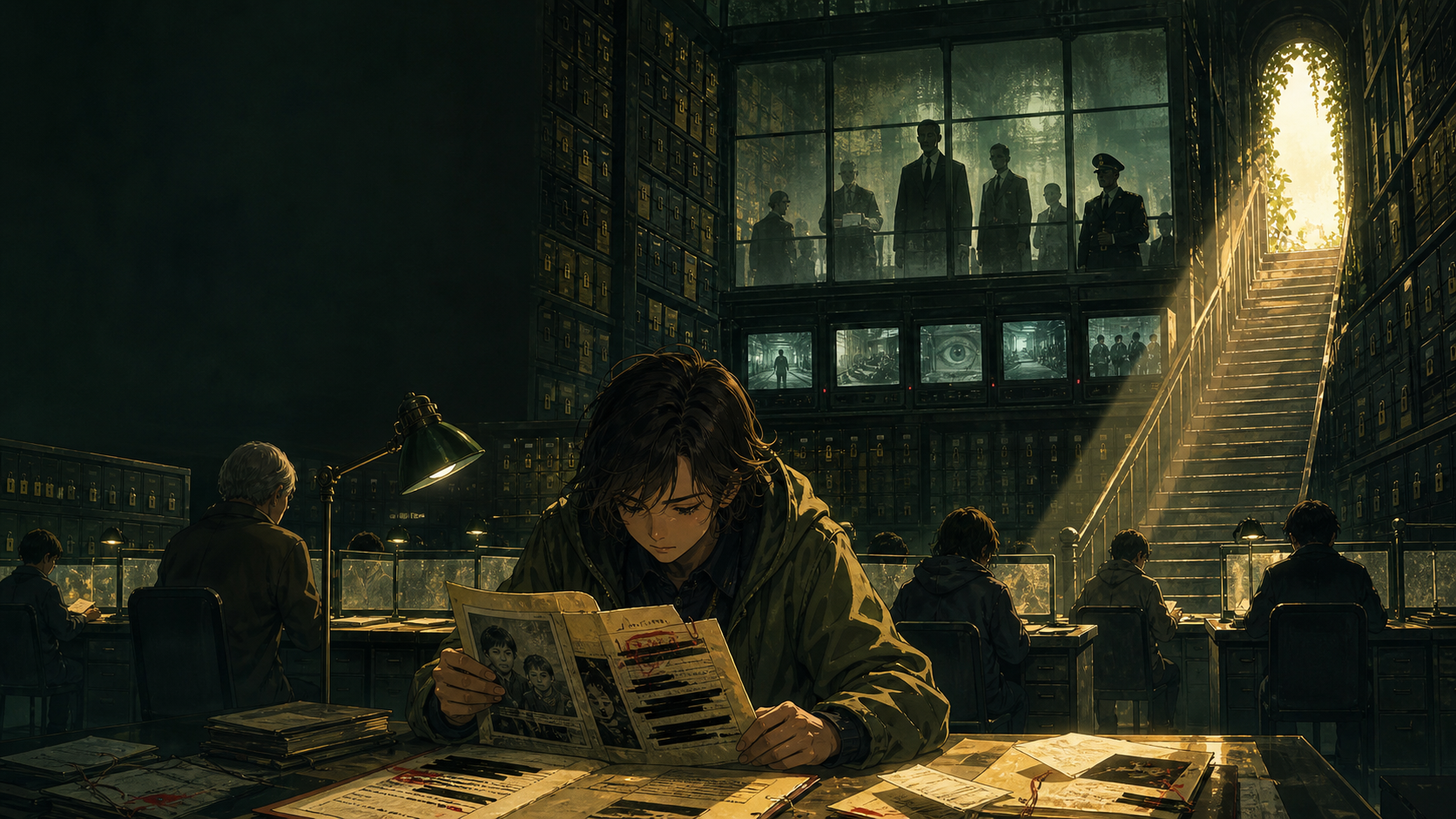
Secrecy Is Not Protection When the Child Never Gets the Truth
Anime governments hide parentage, massacres, experiments, bloodlines, and medical history, then call the lie protection. A real safety plan prepares a child for truth instead of erasing personal…
-
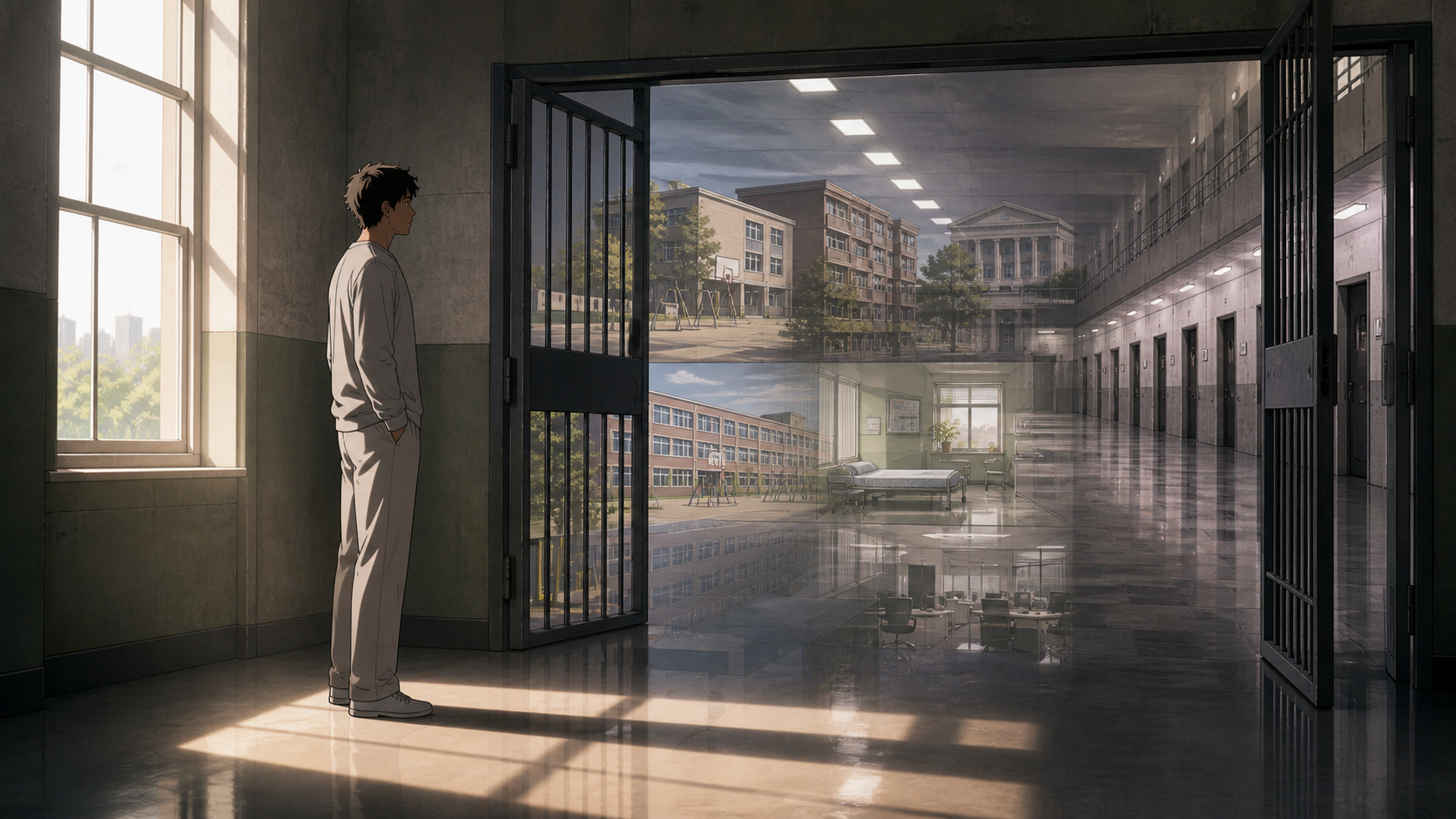
Anime Prisons Keep Hiding the Society That Built the Villain
Anime prisons contain villains after the damage, then hide the abuse, discrimination, poverty, war, and government programs that helped build them. A locked door is safety, not a…
-
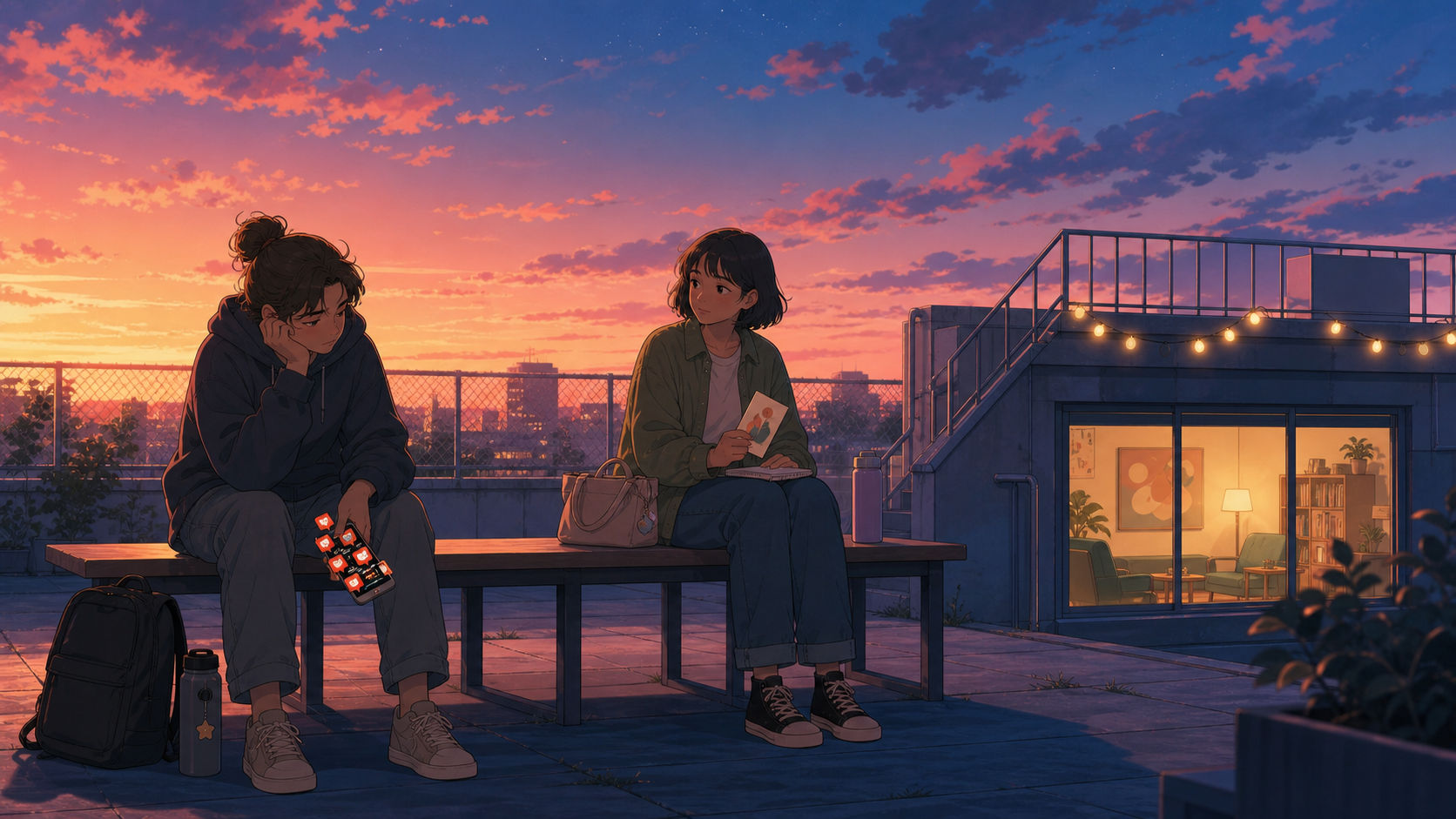
Friendship Is Not Unpaid Therapy
Anime keeps asking one loyal friend to become the crisis line, therapist, moral compass, and rescue plan. Friendship matters, but love cannot replace adults, boundaries, and a real…
-
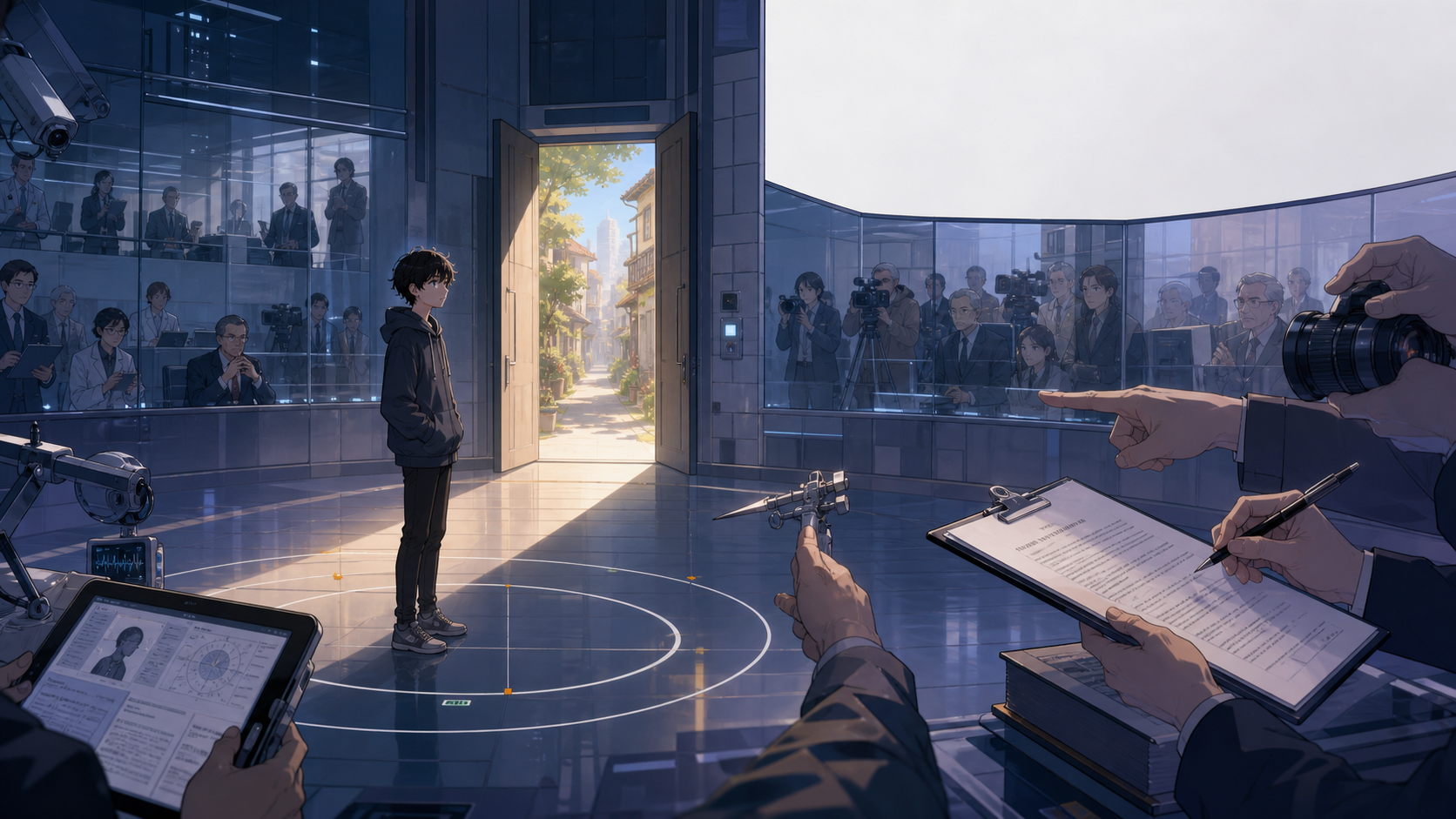
Gifted Children Are Not Public Property
Anime loves gifted children until those children want ordinary lives. Shoto, Naruto, Neji, and other prodigies expose how families, schools, clans, and governments turn talent into ownership.
-
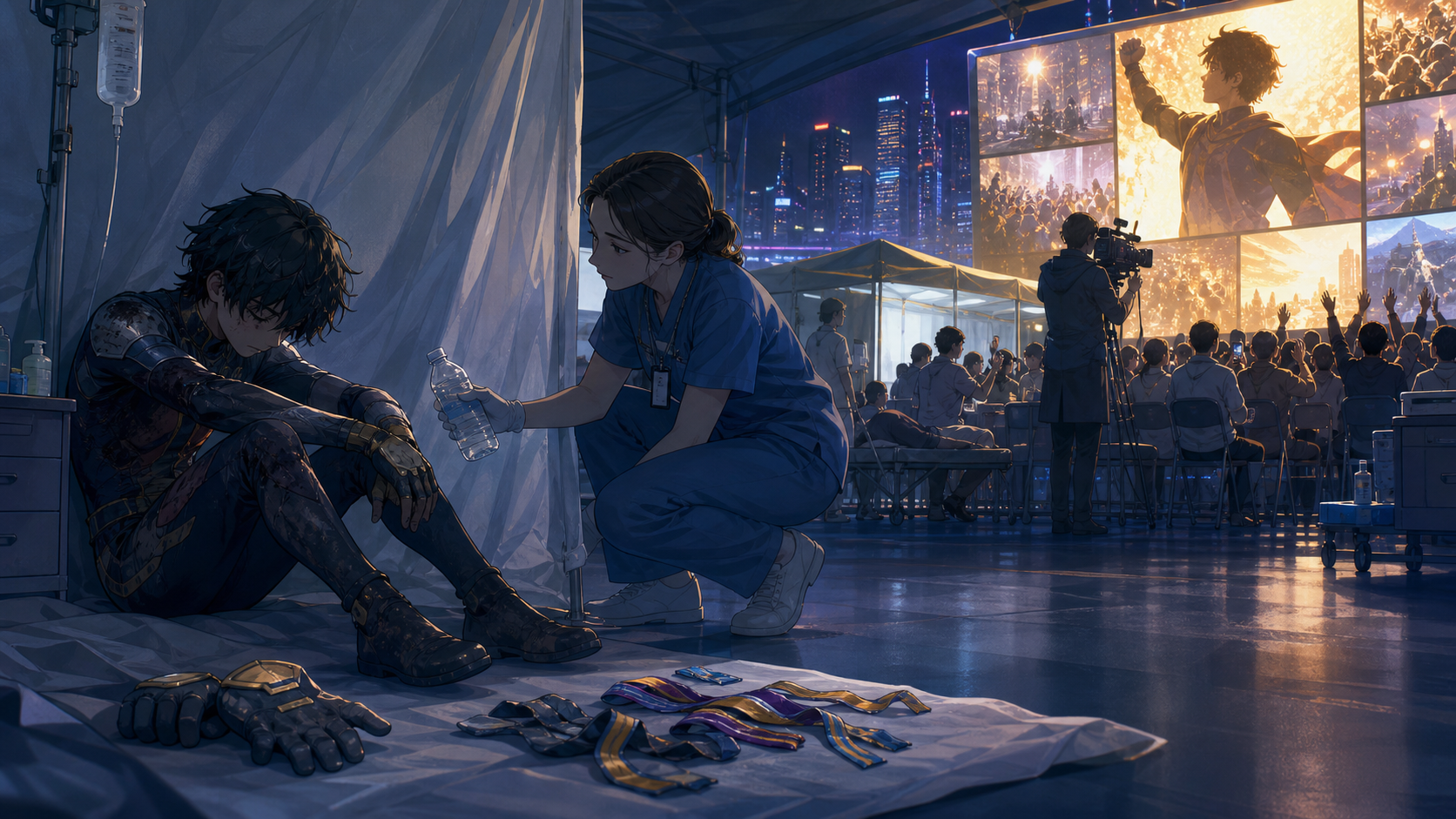
Self-Sacrifice Is Not a Public Safety Plan
Anime keeps praising exhausted children for saving broken systems, then forgets to ask why every adult plan required a child to collapse. Heroism can answer an emergency, but…
-
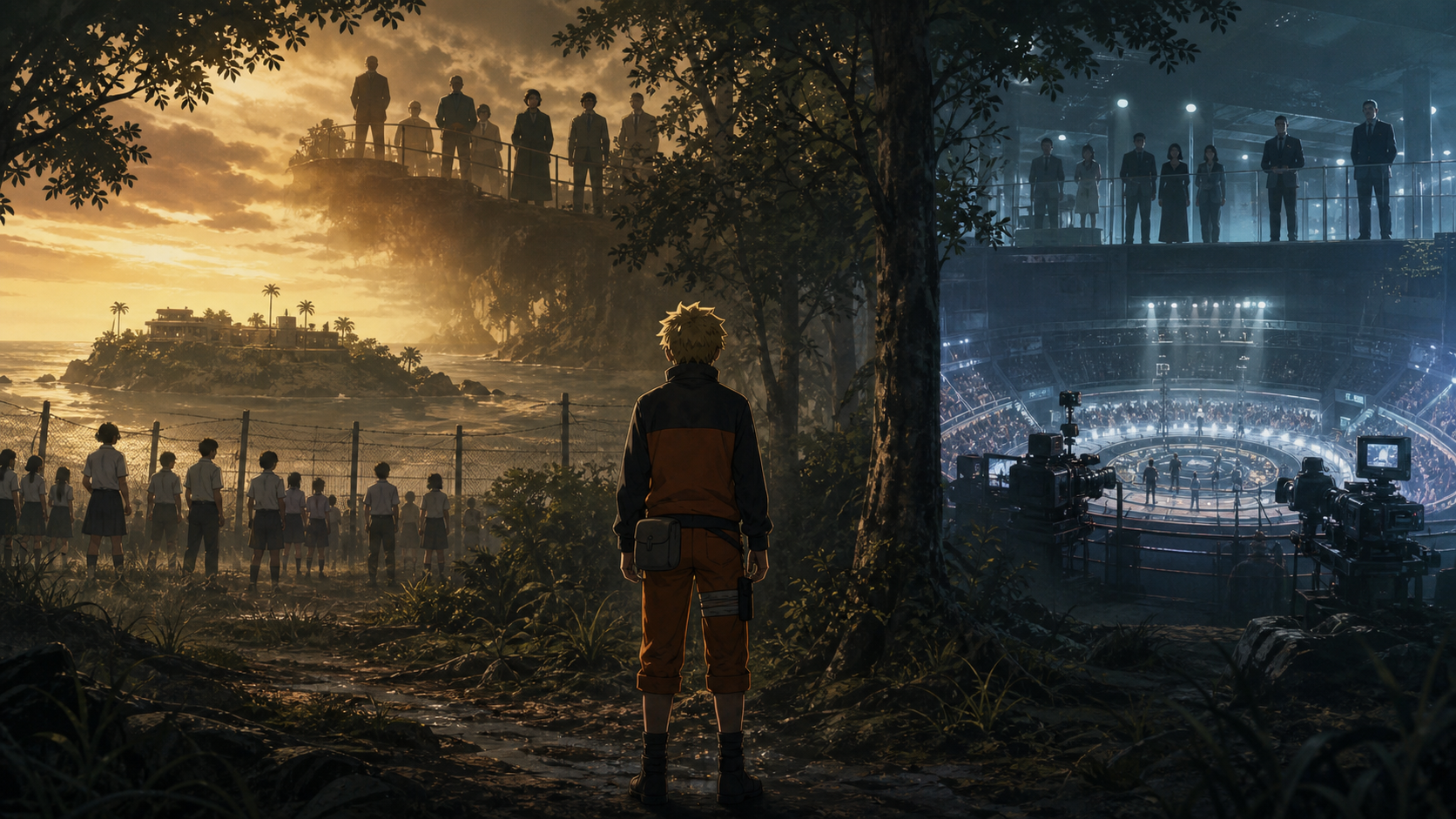
The Hunger Games Was Never New. America Was Just Late.
The Hunger Games did not invent the child-survival arena. Battle Royale, Naruto, warrior history, media psychology, and Western cultural memory explain why America arrived late.
-
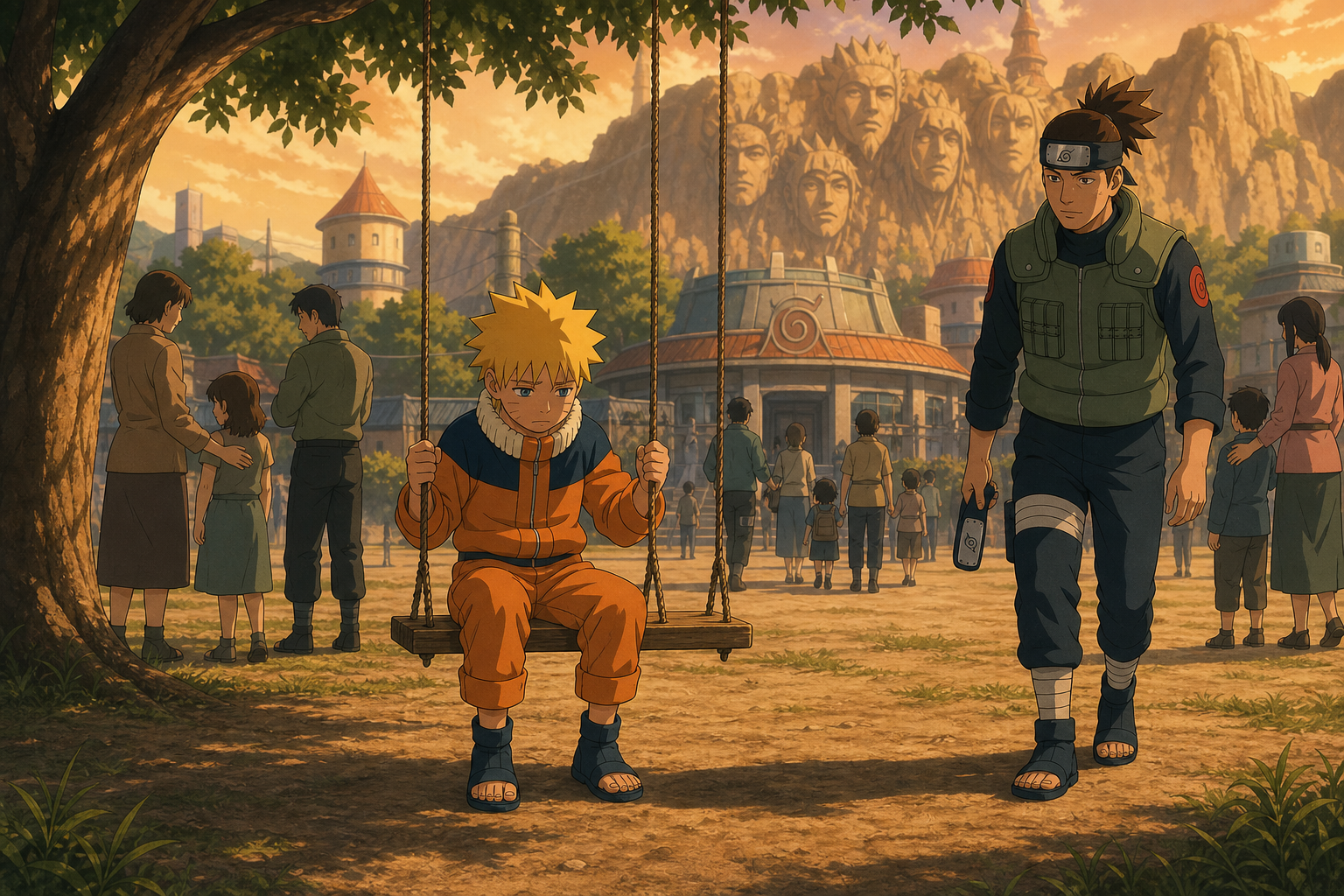
Problem Children Don’t Exist. Failed Villages Do.
Konoha treated Naruto’s loneliness, pranks, and anger like a child’s personality problem instead of evidence that the village had abandoned its duty. His survival does not excuse the…
-
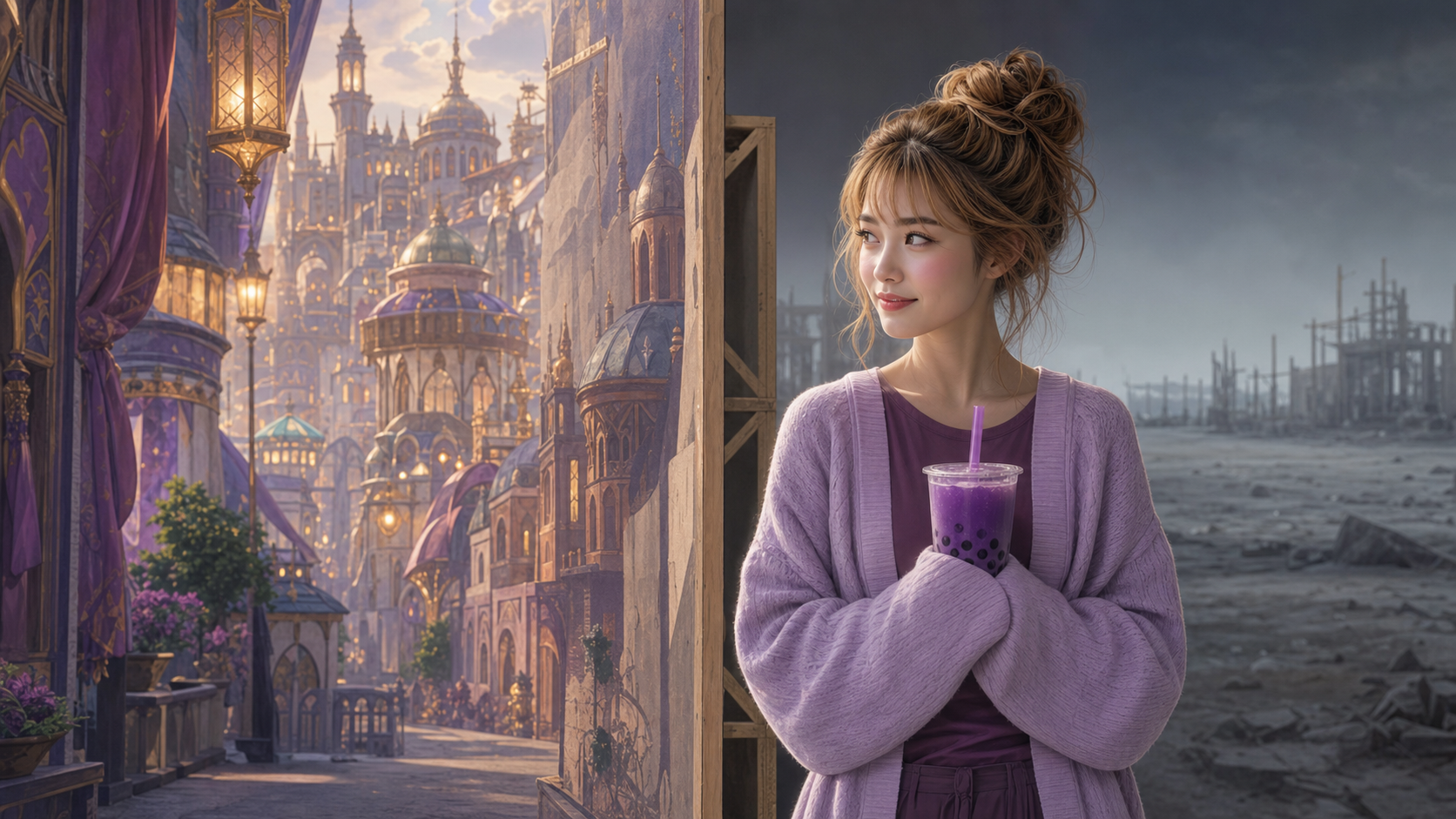
Representation Is Not a Substitute for Worldbuilding
Representation can open a door, but casting alone cannot build the society behind a fantasy kingdom. Give the world migration, trade, family, conflict, culture, and history instead of…
-

Please Make a New Animated Movie Before the Number Four Develops Feelings
Remakes, reimaginings, legacy sequels, and Part III again. RaeRae would like one blank sketchbook and a new animated story, please.
-
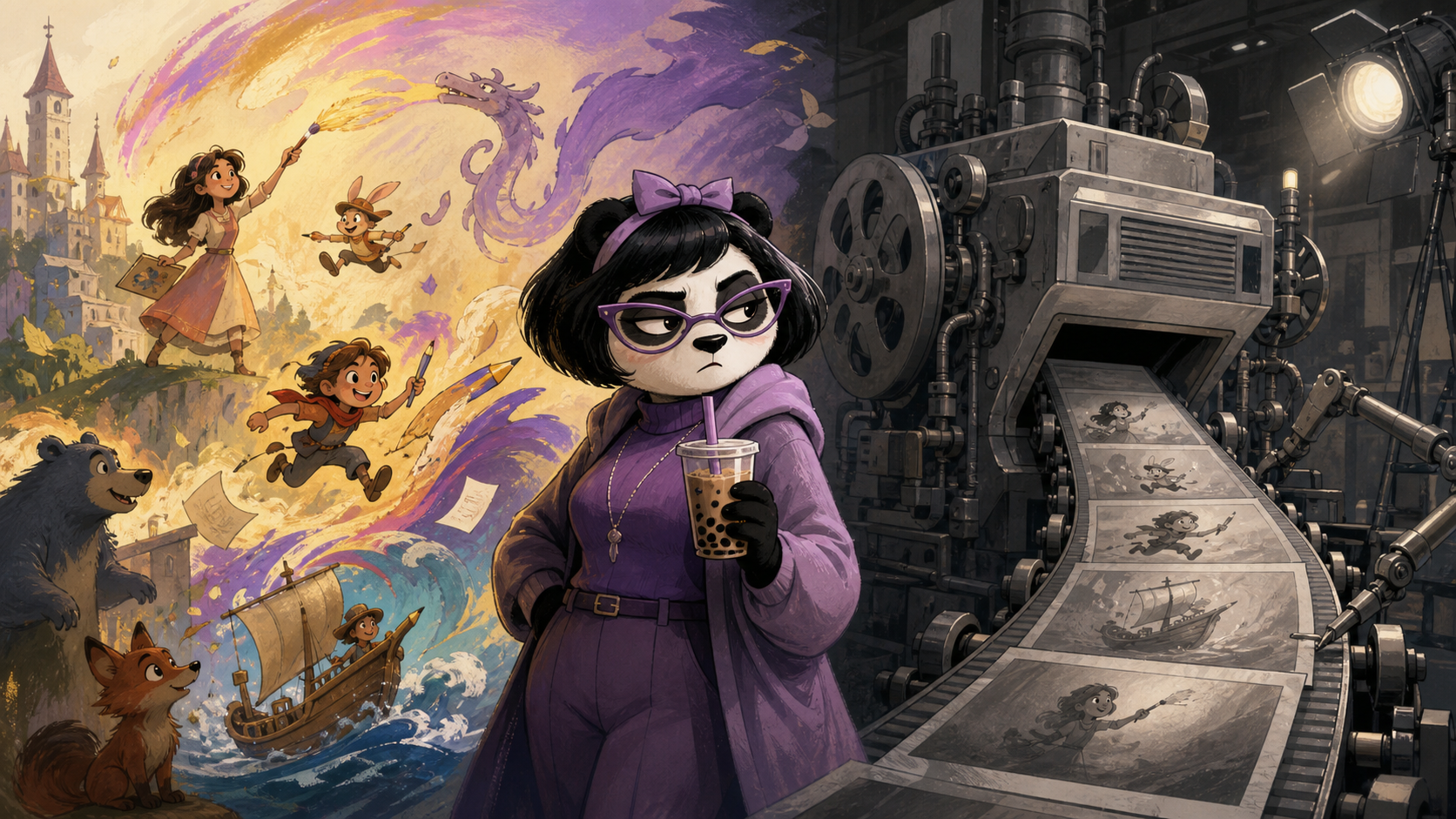
Disney, Animation Was Already Alive
Animation was already alive. RaeRae asks why Disney keeps turning living cultures into expensive remake décor instead of funding new stories with the same artists and experts.
-

Disney Gave Pocahontas a Love Song Because the Truth Was Bad for Branding
The real Pocahontas was a child, later kidnapped, converted, renamed, displayed in England, and dead around twenty-one. Disney sold children a romance. RaeRae brought the history back.
-

Disney, What Exactly Is Wrong With a Gentle Woman?
Modern fairy-tale remakes keep treating gentleness, romance, and care as weaknesses that must be replaced by combat or leadership. RaeRae asks why female strength has become another narrow…
-
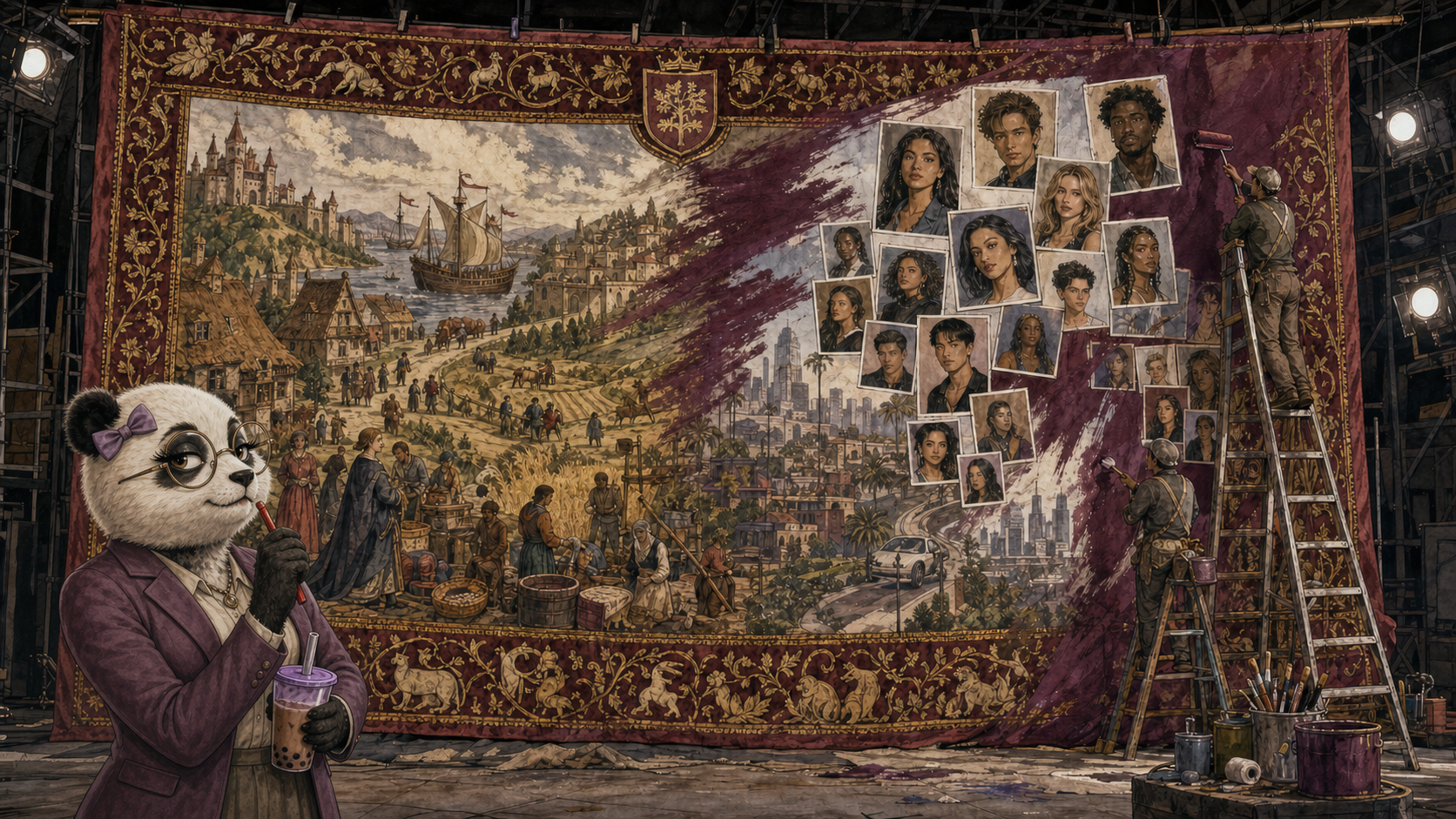
Representation Is Not a Substitute for Worldbuilding
Inclusive casting can widen fantasy, but a multicultural kingdom still needs migration, trade, family history, cultural influence, and systems of power. RaeRae wants representation with a world strong…
-
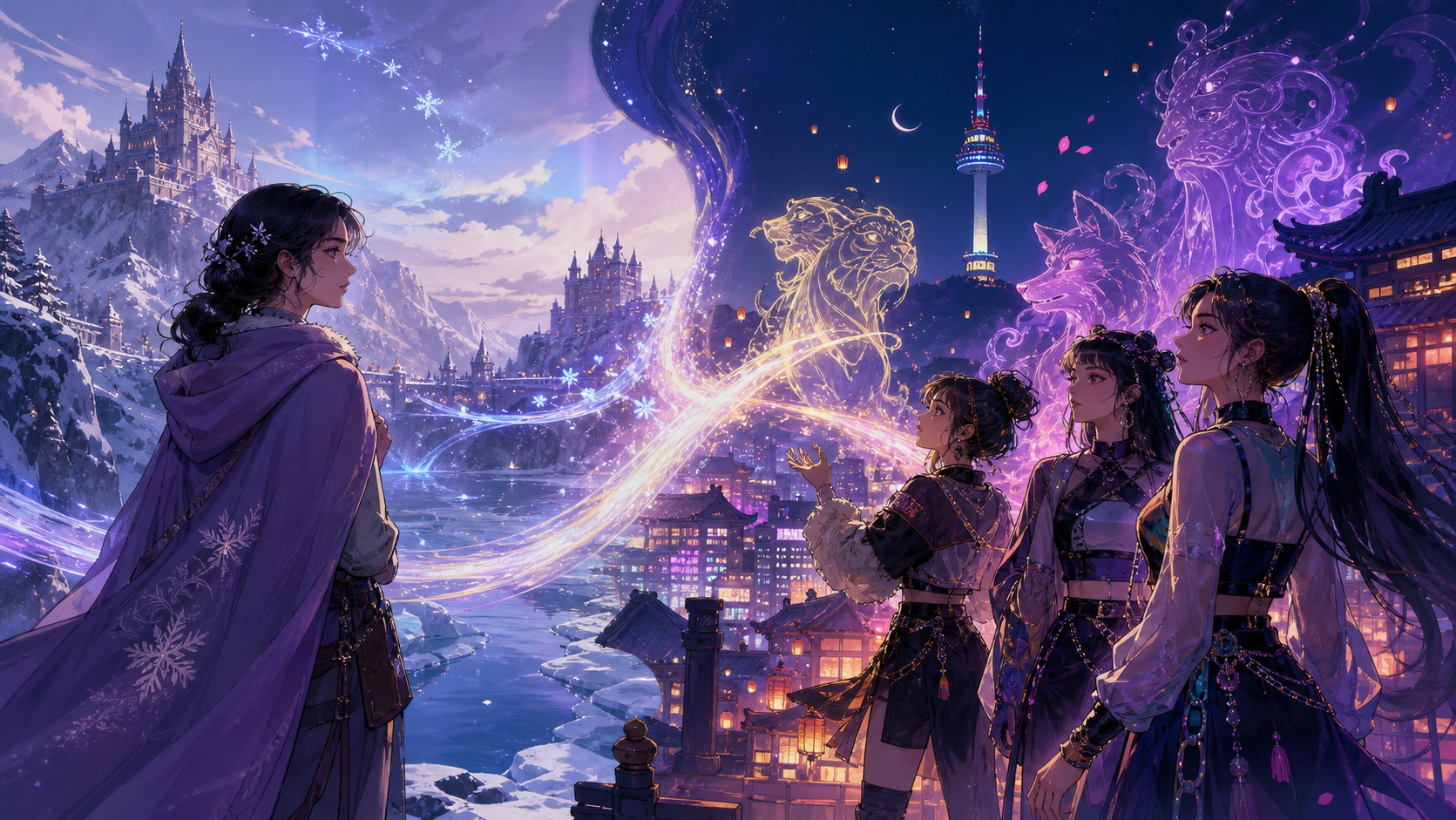
Frozen Was Universal. KPop Demon Hunters Had to Prove Korea Was.
Frozen was accepted as universal on arrival. Korean supernatural pop fantasy had to prove that cultural specificity could carry the same emotional weight. RaeRae follows the difference back…