
Benigaris
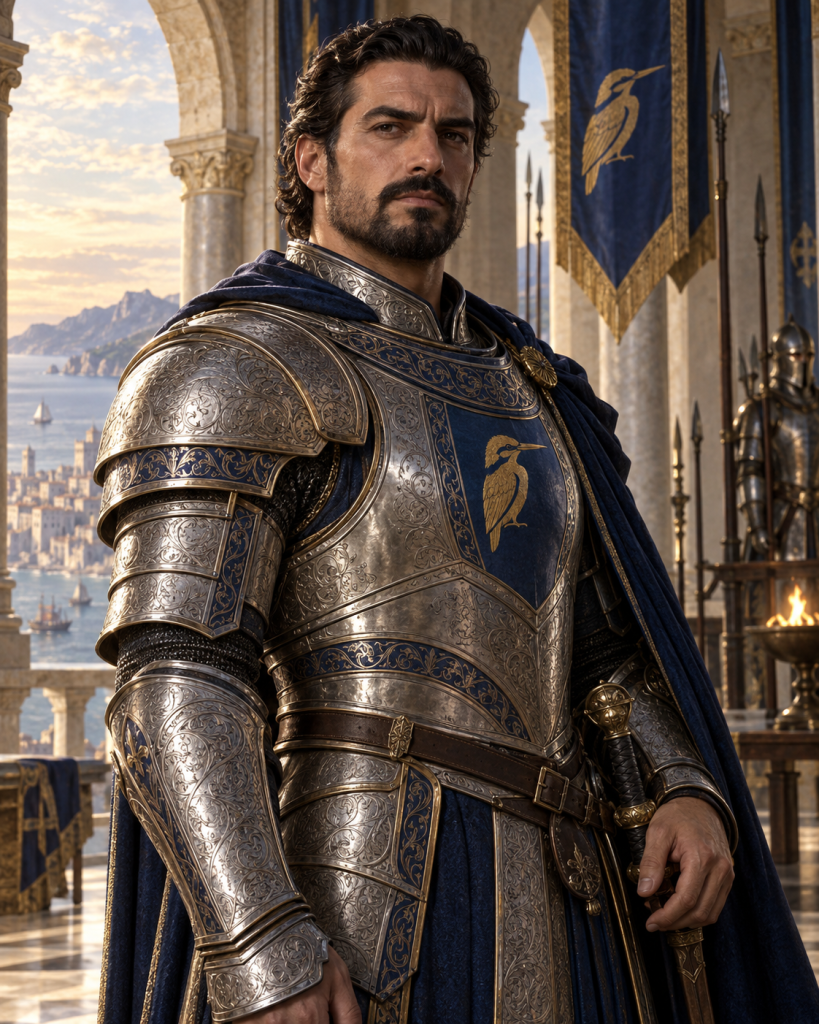
Nabban’s impatient heir gets the crown by putting a sword through his father’s neck, then discovers that a stolen banner can command an army more easily than it can make a ruler.
Aspitis Preves
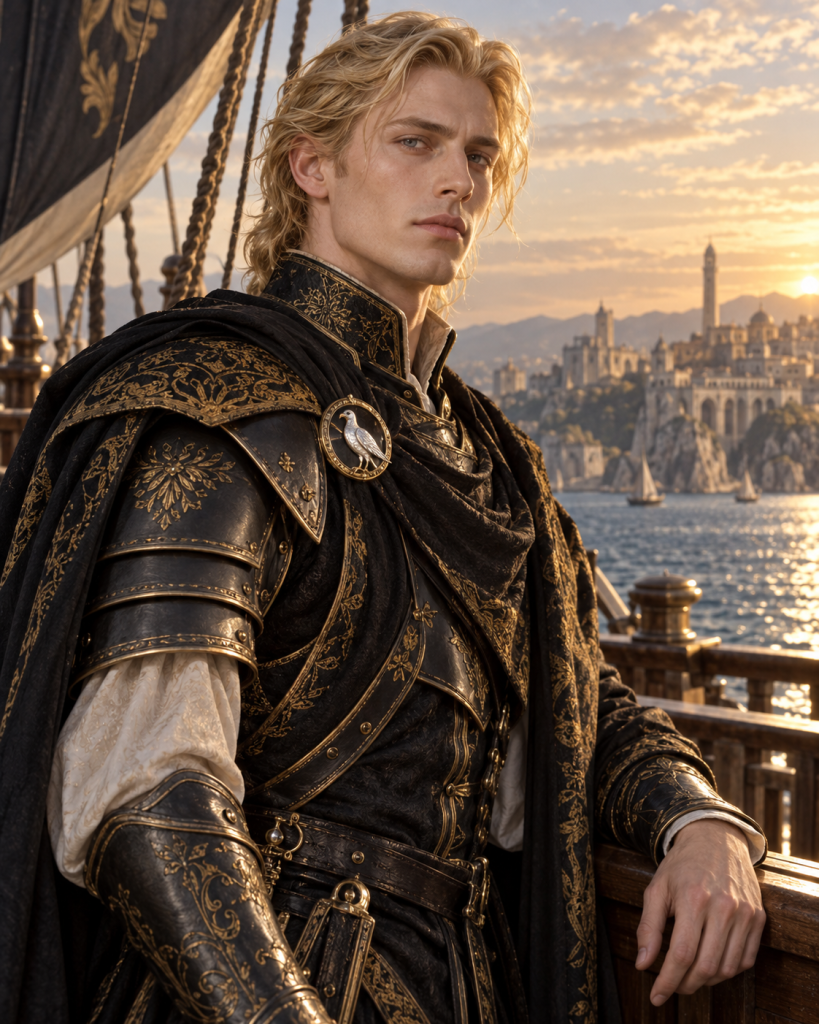
Golden, courteous, politically connected, and rotten clear through: the Earl of Drina and Eadne turns protection into a locked door, intimacy into ownership, and aristocratic charm into camouflage.
Amerasu

First Grandmother remembers the Garden, the ships, the fall of Asu’a, and the son who turned grief into an extinction plan. Then a mortal kitchen boy brings her the missing evidence.
Sangfugol
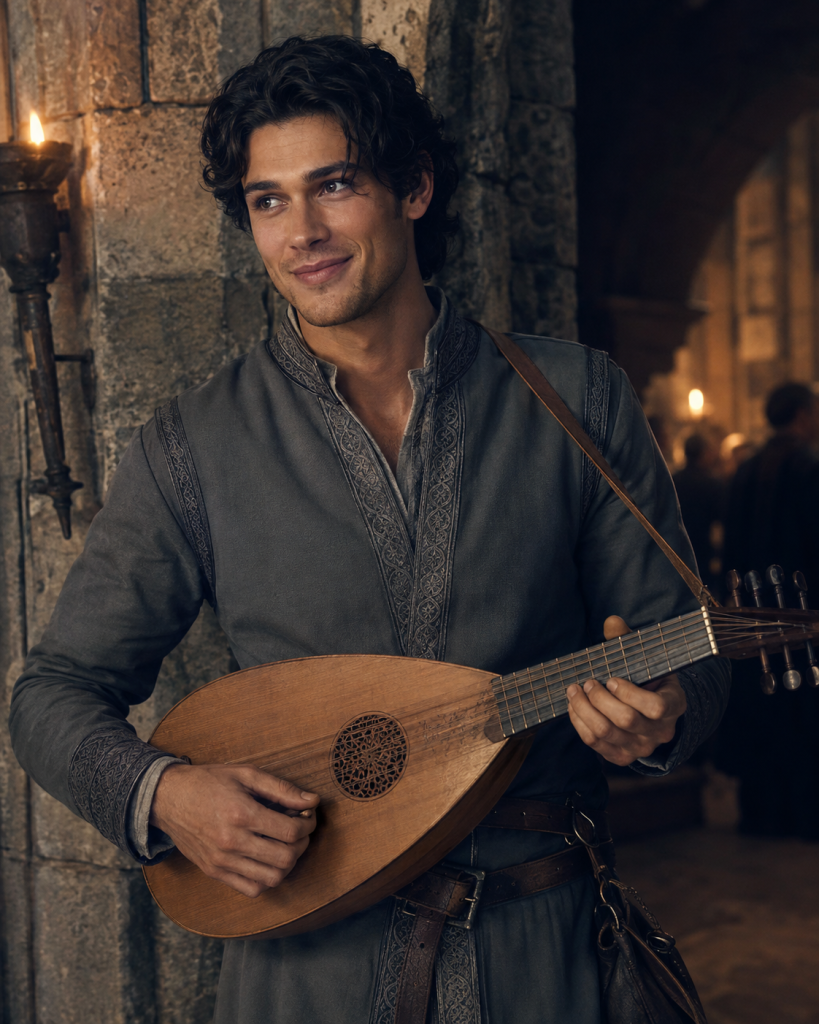
Josua’s harper enters with an ashwood lute, an empty cup, and enough charm to make a castle boy forget he is serving wine at a funeral. Then the kingdom collapses, and the pretty court musician proves he can carry far more than a tune.
Binabik

The smallest traveler in Simon’s company keeps becoming the person carrying the largest piece of sense. Scholar, singer, oath-breaker, healer, menace with a blowpipe, and Qantaqa’s favorite climbing frame: Binabik is what happens when the wise guide is allowed to remain a complicated person after delivering the lesson.
Shem Horsegroom
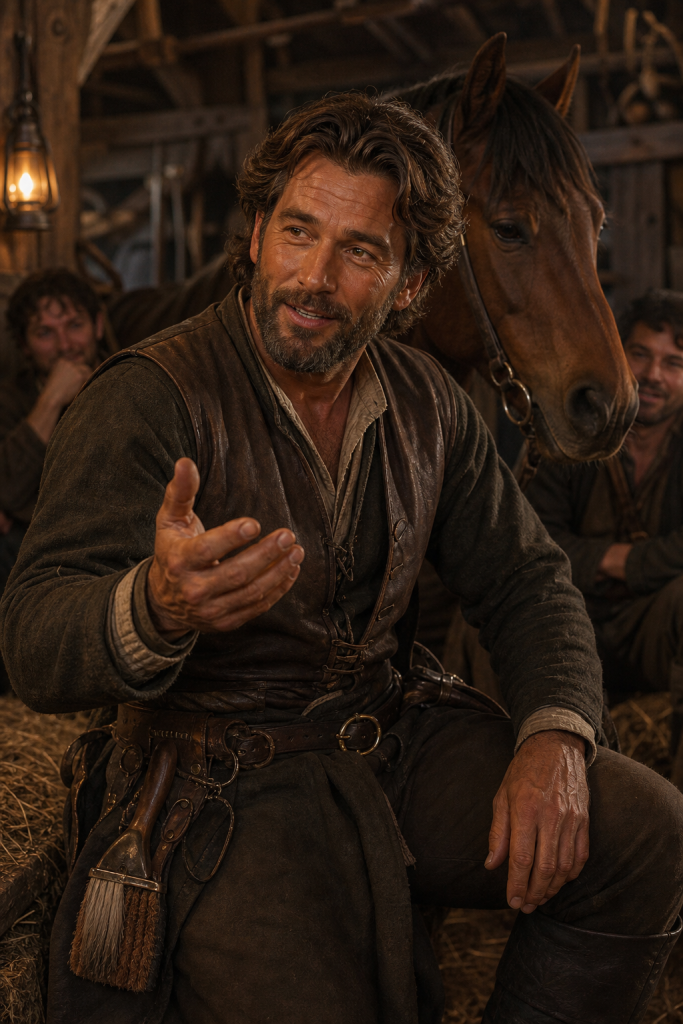
Morgenes gives Simon history. Shem gives him the songs and creatures ordinary people use to survive history. When home is gone, the boy can still carry Bold Jack Mundwode into a storm-dark valley.
Isaak
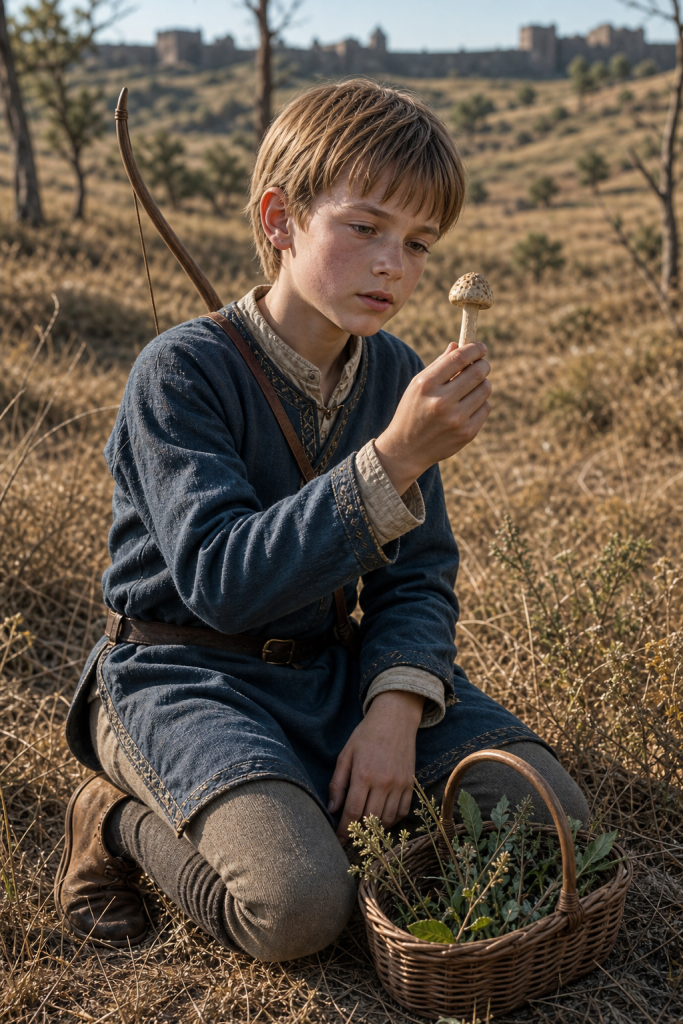
He arrives in Kynswood carrying an upstairs accent, a little bow, and the kind of gossip adults dismiss—then spends one afternoon connecting drought, plague governance, servant ambition, and a murdered man.
Jeremias
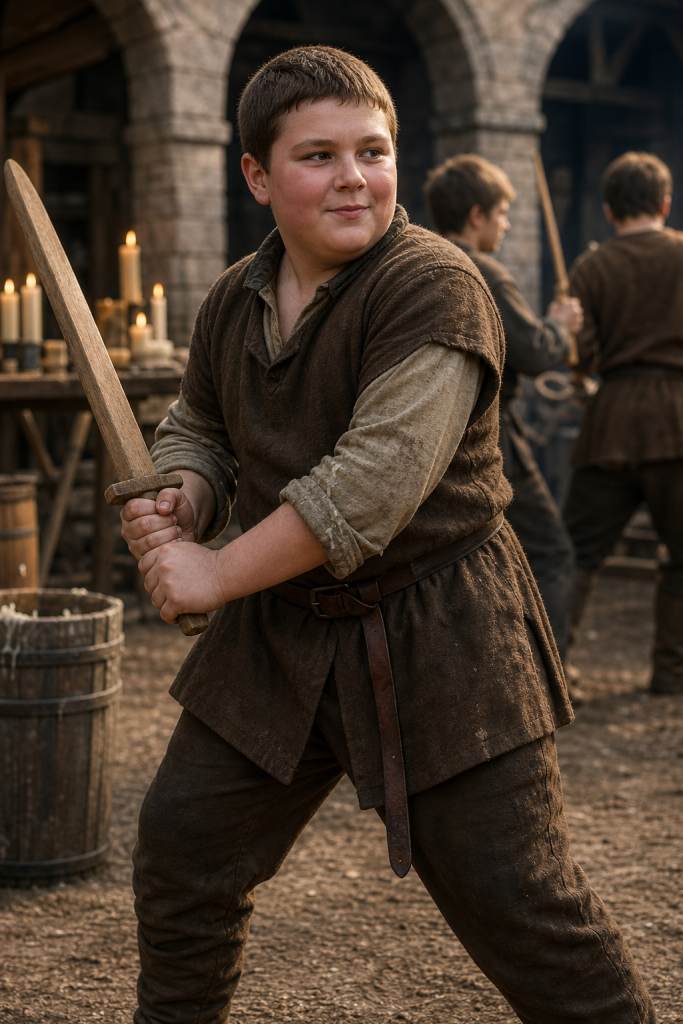
Two servant boys swing barrel staves and imagine the guard will recognize hidden greatness. Book 1 lets Jeremias keep the friendship, then makes the gatekeeper explain exactly how class survives a well-written letter.
Inch
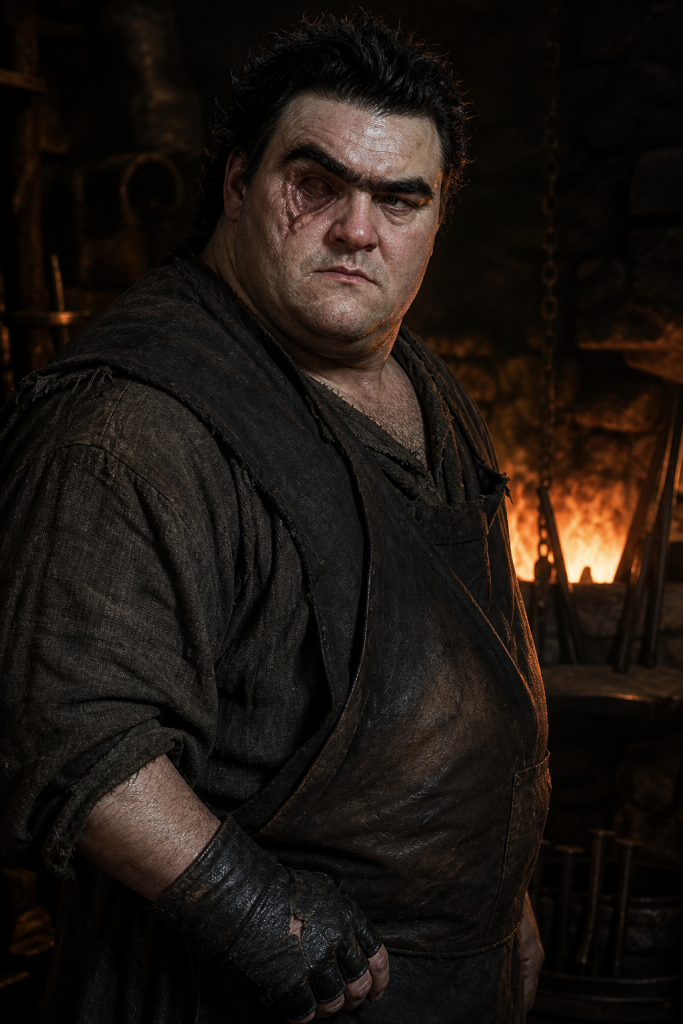
He wanted to become “Doctor Inch.” Instead, wounded ambition found a king’s warrant, armed men, and a furnace—and Inch chose the side that made resentment feel like authority.
Eahlferend
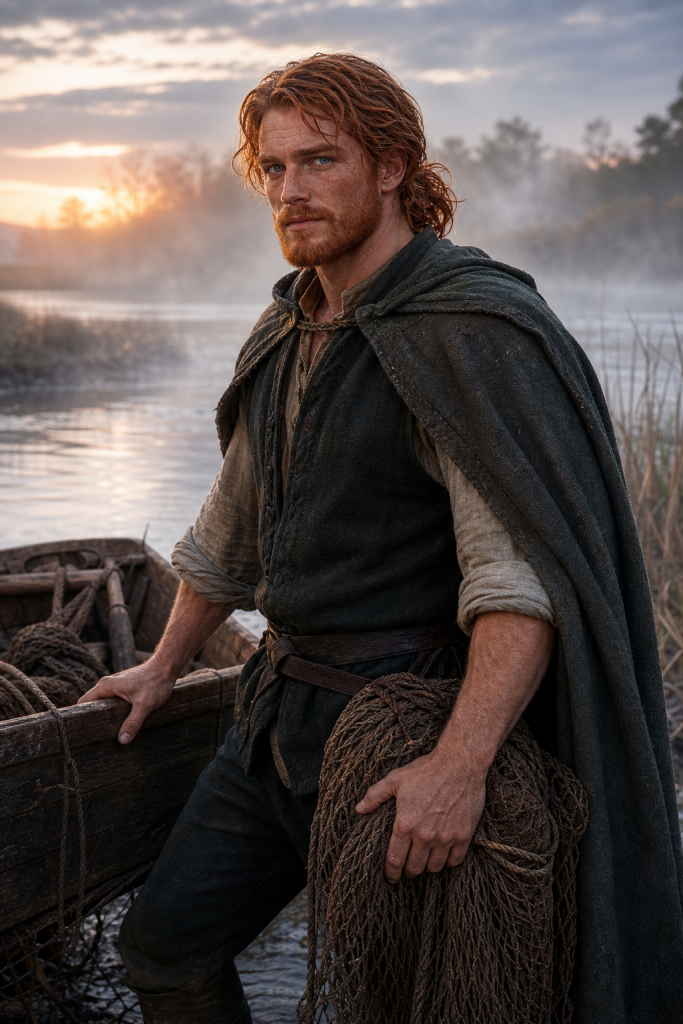
Simon spends years imagining that an unknown fisherman cannot possibly be enough of a father for a great story. Book 1 quietly builds the opposite case: the drowned working man is already tied to Morgenes, a promise, a hidden object, and questions the novel refuses to settle cheaply.
Susanna
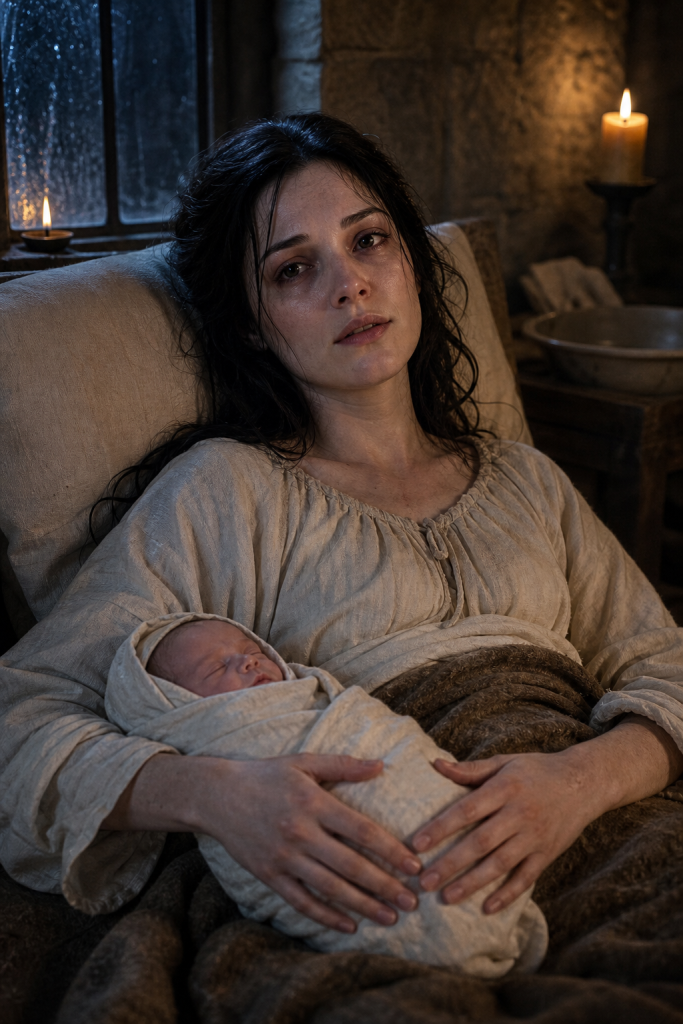
She receives one scene, loses nearly everything before it begins, and still performs the first sovereign act in Simon’s life: she looks at the premature child everyone is deciding over and names him Seoman.
Lady Vorzheva

Naglimund calls her an outsider, Josua calls the council private, and Vorzheva hears the same message twice: the woman in his bed may share the danger, but apparently not the decisions. So she makes one.
Pryrates
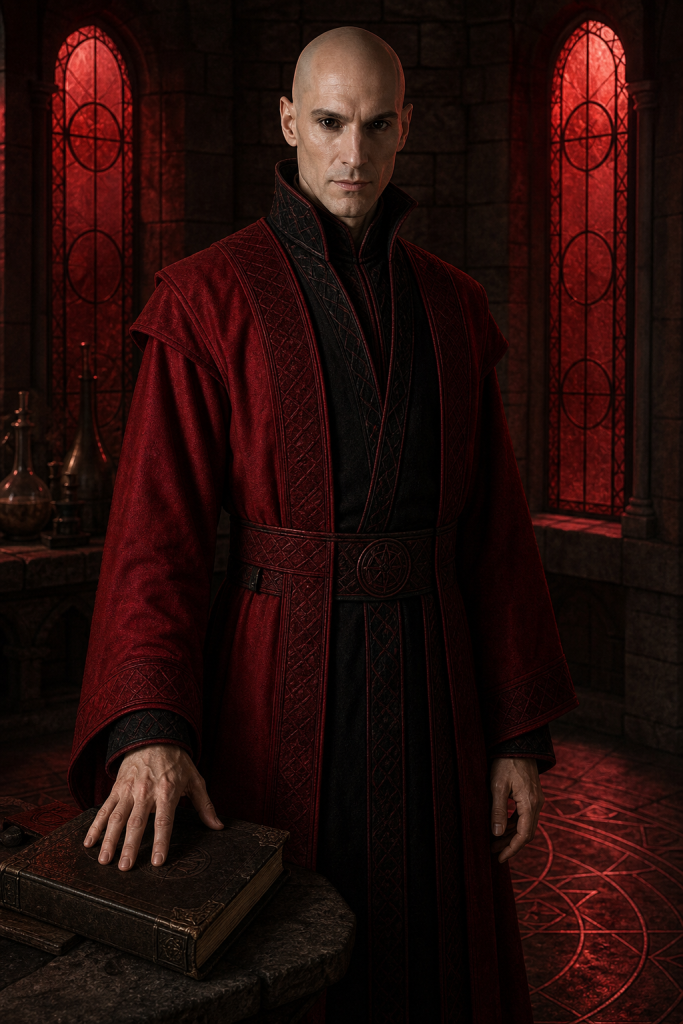
He does not seize the throne. He makes himself indispensable to the frightened man sitting on it, edits consent out of every room, and invoices the apocalypse for research access.
Prester John
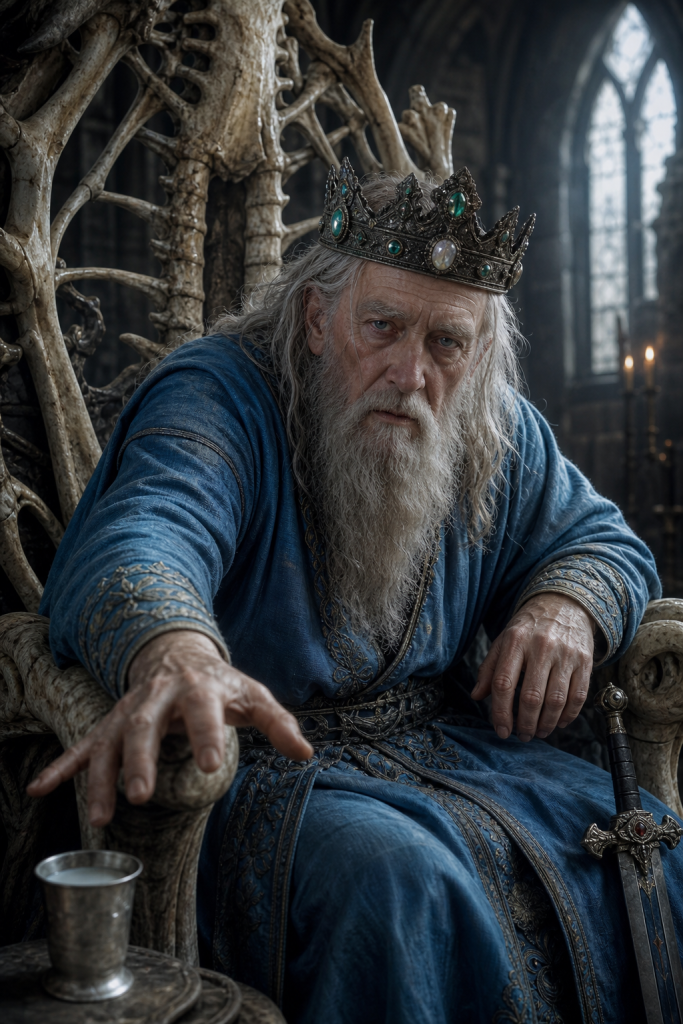
The dragon-slayer opens the trilogy unable to lift a cup. That is not the story mocking an old man. It is the story placing mortality, conquest, fatherhood, and unfinished advice on the same bone throne.
Prince Josua
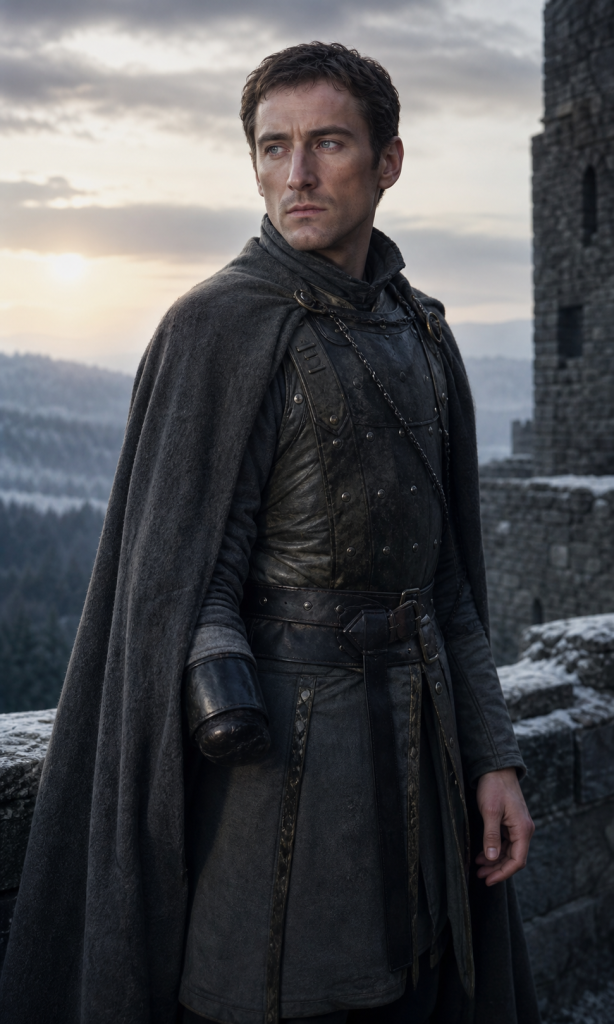
Everybody calls him weak because he lost a hand, thinks before swinging, and can imagine the cost of victory. Book 1 keeps handing that supposedly weak man impossible decisions until compassion has to become command.
King Elias
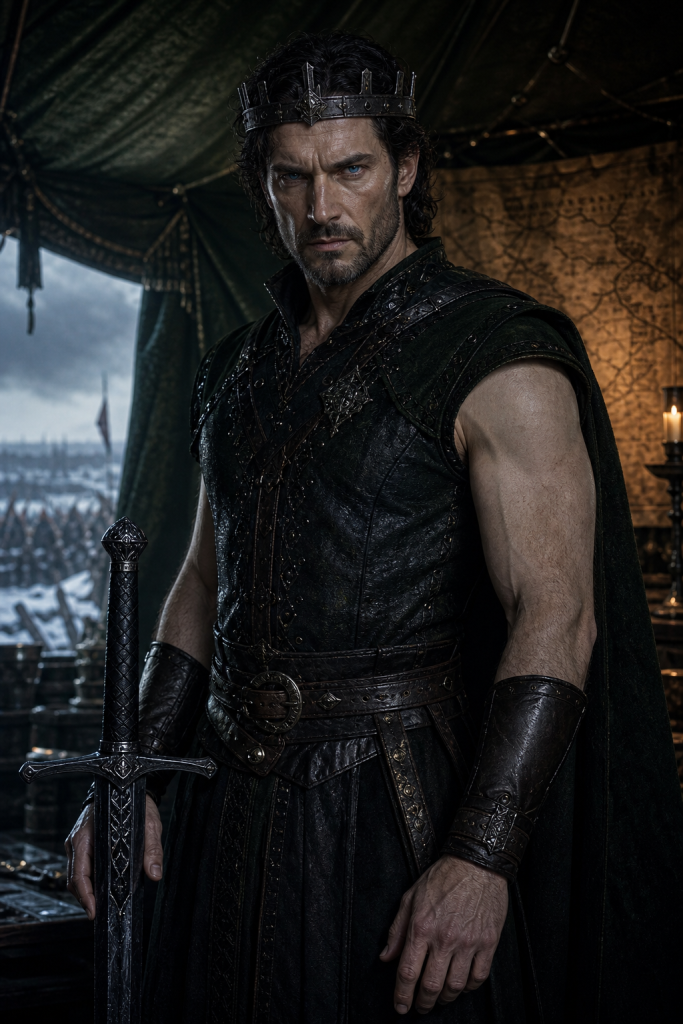
He begins as the son built to inherit a legend and ends Book 1 asking the sky to obey a sword. The scary part is not that Elias stops being human. It is how much frightened, grieving humanity remains inside every disastrous choice.
Rachel, called the Dragon
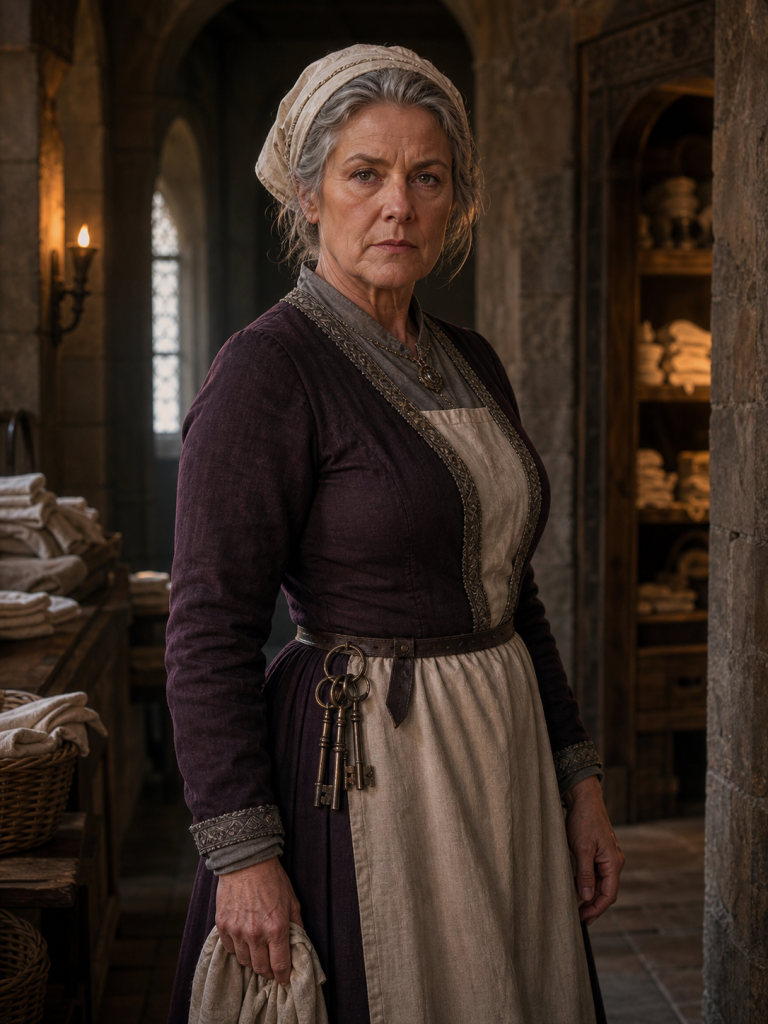
The Hayholt calls kings powerful because kings command armies. Rachel commands the people who make a castle survivable, remembers every child under her care, and can identify nonsense before the sentence finishes dressing itself.
Miriamele

A princess disappears into her own story under cropped hair, borrowed names, bad bargains, one very good bow arm, and an absolute refusal to remain somebody else’s treaty.
Simon / Seoman Snowlock
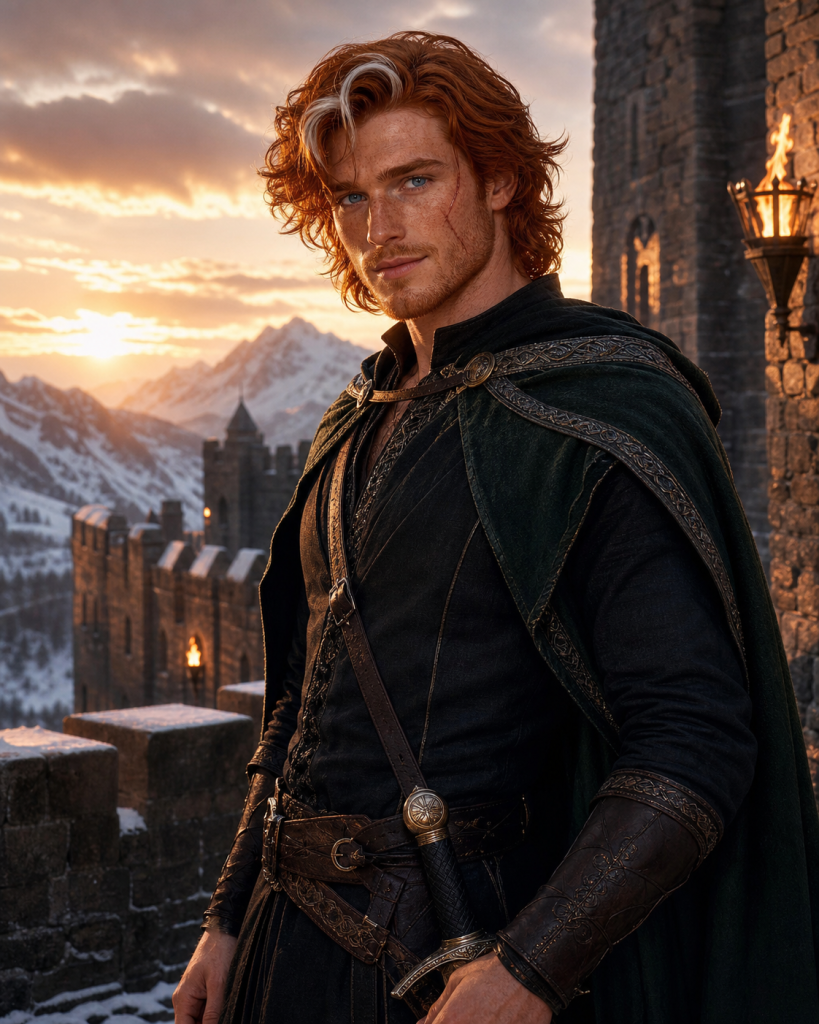
A redheaded castle mooncalf walks into history carrying a broom, comes out with dragon-white hair and a sword problem, and still wins by refusing to hate on command.