
Hanka Robotics Is Paramount Pictures
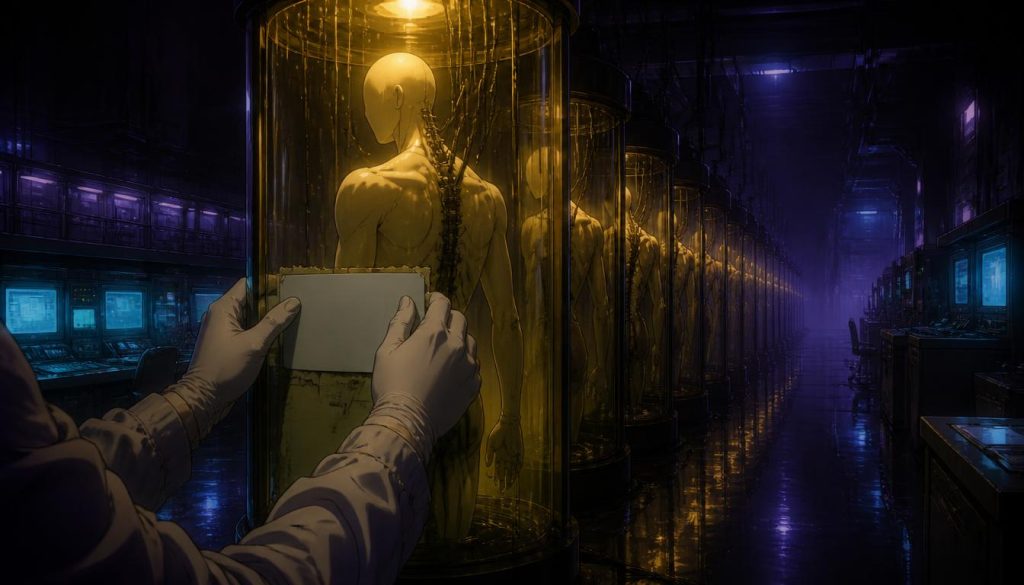
The 2017 film is about a corporation that takes a Japanese woman, puts her brain in a manufactured body, renames her Mira Killian, and tells her the past does not matter. Paramount then cast a white actress in that body, lost more than $60 million, and admitted the controversy was part of why. Mamoru Oshii defended the casting. The screenplay does not.
Why Akira Is About 1945 and 1988 at Once

Akira opens with a city erased by white light, then jumps thirty-one years to a society rebuilt on the crater by the institutions that caused it. Otomo drew that story through the peak of Japan’s bubble economy and released the film in 1988, roughly two years before the money stopped. Both halves are load-bearing.
Everything Akira Touched: The Influence Trail, Verified

Kanye West restaged the hospital sequence in a music video. The Duffer brothers named Otomo as a direct influence on Stranger Things. Kaneda’s bike appears in Ready Player One and Cyberpunk 2077 ships a copy of it. Here is the documented trail, separated from the things fans merely assume.
Akira’s 2019 and the Olympic Countdown Explained
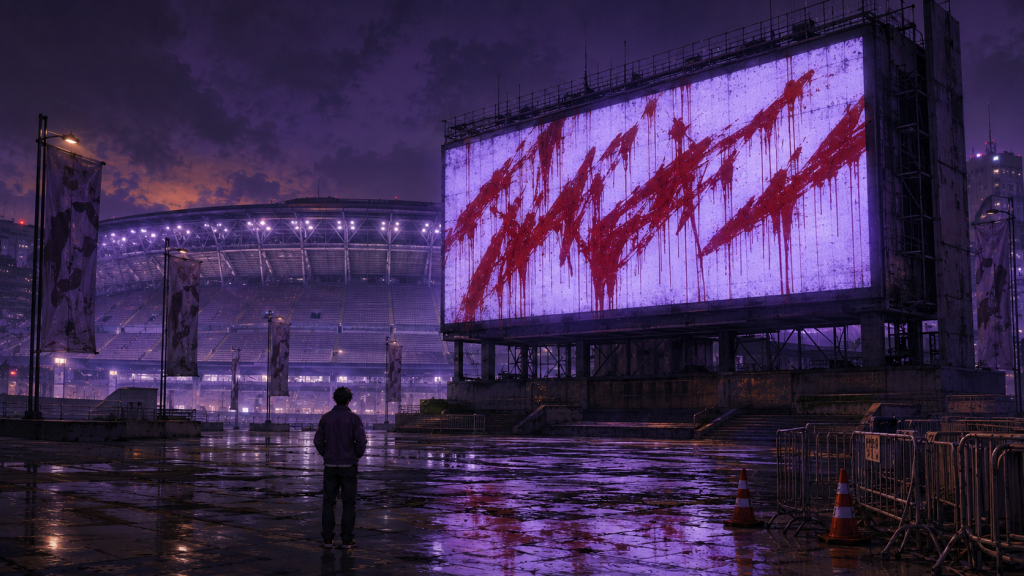
Akira is set in 2019 and puts an Olympic countdown board in the background with protest graffiti across it. Tokyo really did win 2020, the Games really were postponed, and on the exact day the film’s counter would have read 147, the graffiti trended on Japanese Twitter. Here is what actually happened and what people made up afterward.
Akira’s Bosozoku Explained: The Real Gangs Behind the Capsules

Bosozoku were real Japanese motorcycle gangs, mostly boys aged 17 to 20, who ran modified bikes through Tokyo at night in embroidered tokko-fuku coats. Katsuhiro Otomo lived where he could watch them, and then he drew them. The Capsules are documentary before they are science fiction.
Surveillance Does Not Become Safety Because the State Says So
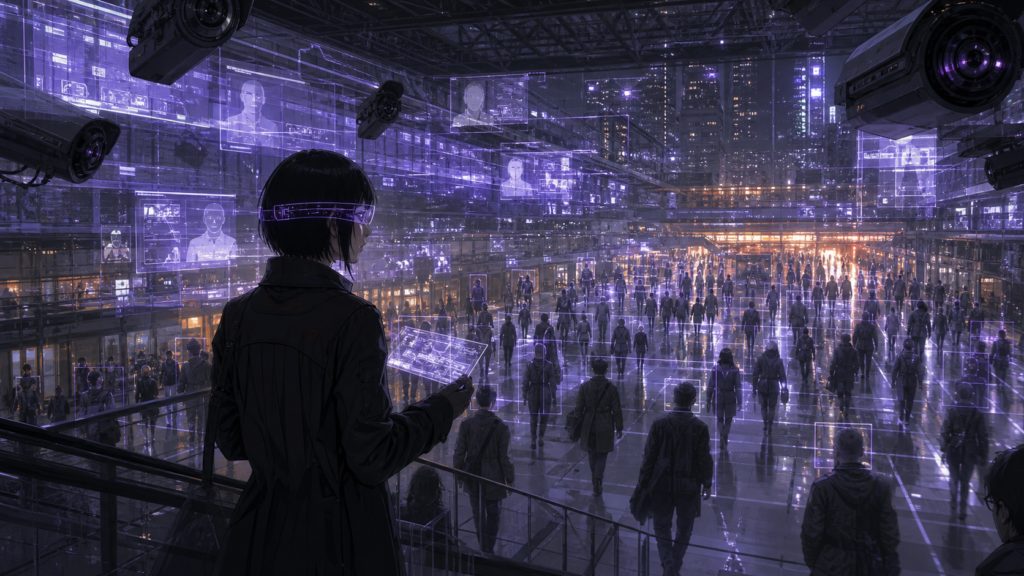
Ghost in the Shell proves surveillance can catch a threat without proving surveillance is safety. RaeRae follows Section 9 into power, privacy, and public accountability.
A New Mind Is Not Government Property
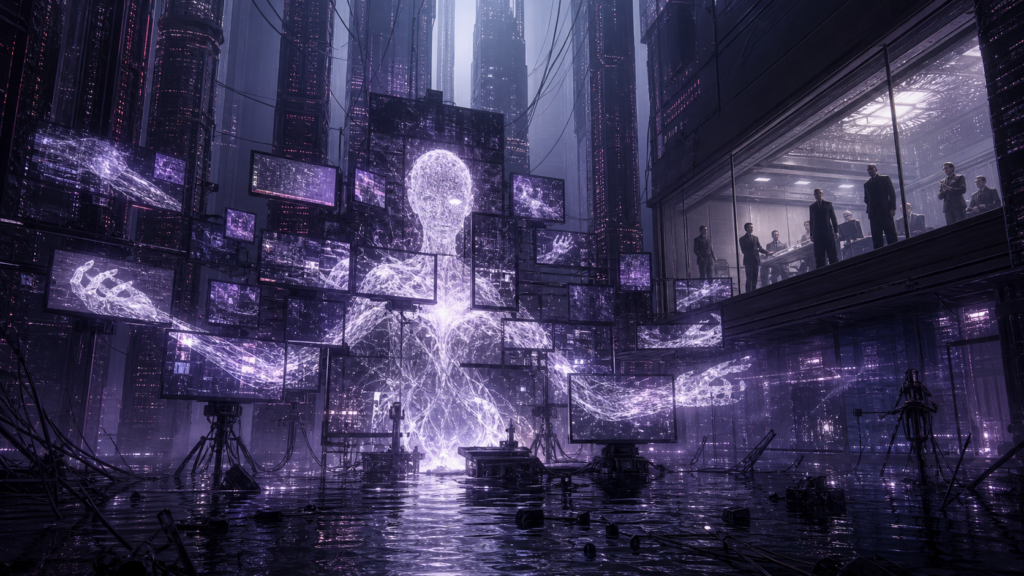
Ghost in the Shell asks whether a consciousness born inside a state project belongs to the government. RaeRae follows the Puppet Master’s demand to become a legal subject.
A Hacked Memory Cannot Give Consent
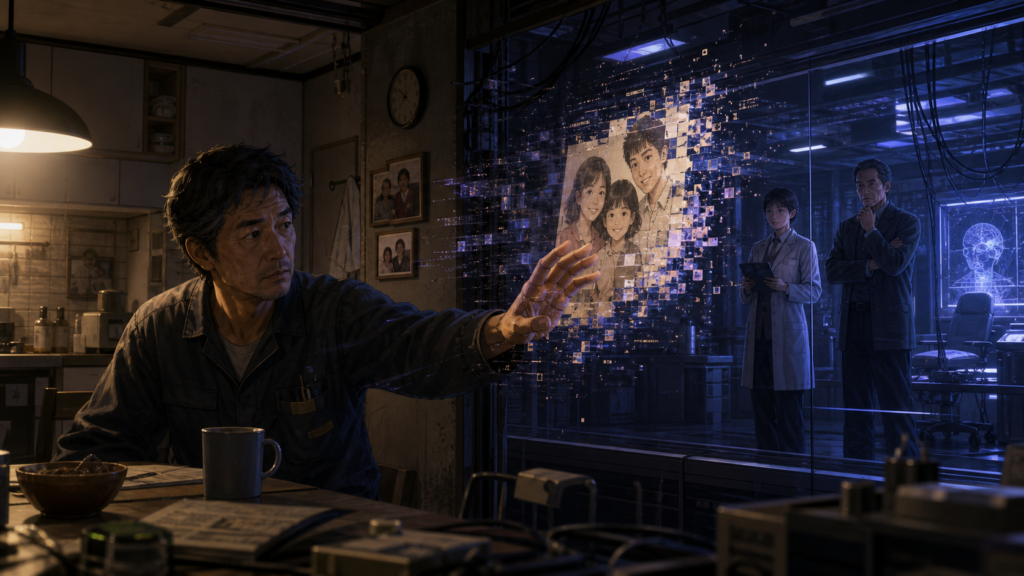
Ghost in the Shell turns a hacked memory into a consent crisis. RaeRae follows the garbage man’s counterfeit family into law, medicine, work, and surveillance.
Your Employer Should Not Own Your Body
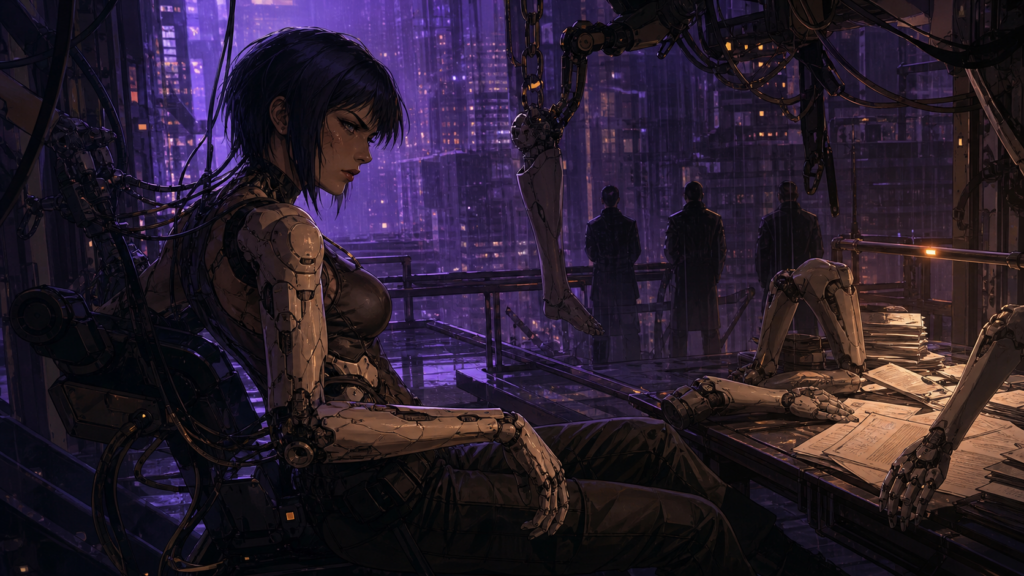
Ghost in the Shell makes the employer-owned body look sleek. RaeRae follows the contract underneath the chrome and asks whether Motoko can ever leave Section 9 freely.
Ninja Scroll World and Clan Politics
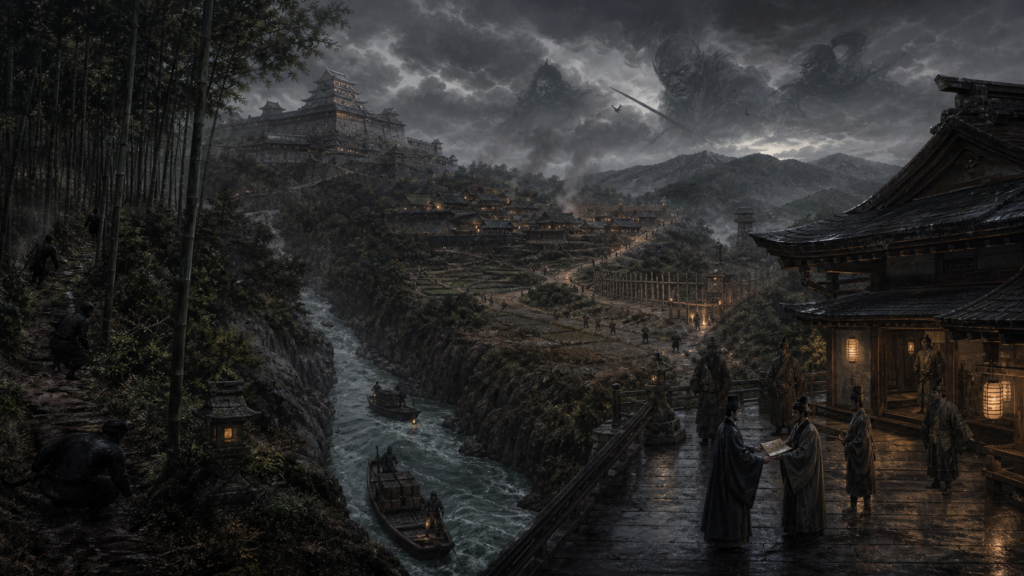
A map of the clans, government agents, mercenary networks, and regional power struggles that make the movie’s supernatural violence politically useful.
Akira Rebuilds Concrete Before Trust

Akira turns Neo-Tokyo into a warning about cities that rebuild stadiums, towers, and security systems before rebuilding public trust, youth support, and accountability.
Akira and the Friendship Boys Cannot Admit They Need

Akira turns Kaneda and Tetsuo’s friendship into a brutal argument about masculinity, hierarchy, humiliation, and the help boys are taught to refuse.
Akira and the Lie of Protecting Gifted Children
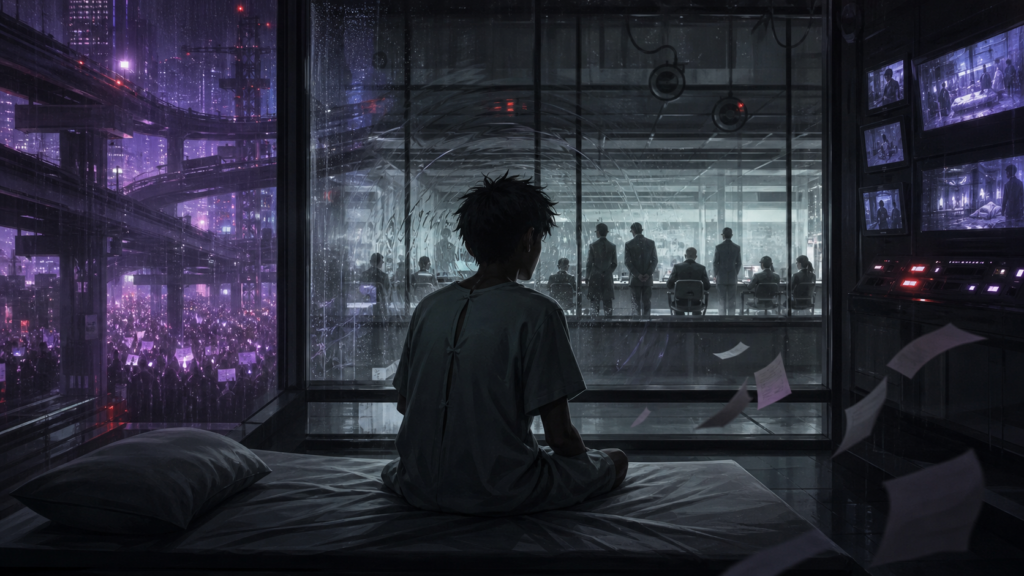
Akira exposes the lie behind protecting gifted children when governments, schools, and experts turn fear into ownership and call the cage care.
Akira Lore and Neo-Tokyo
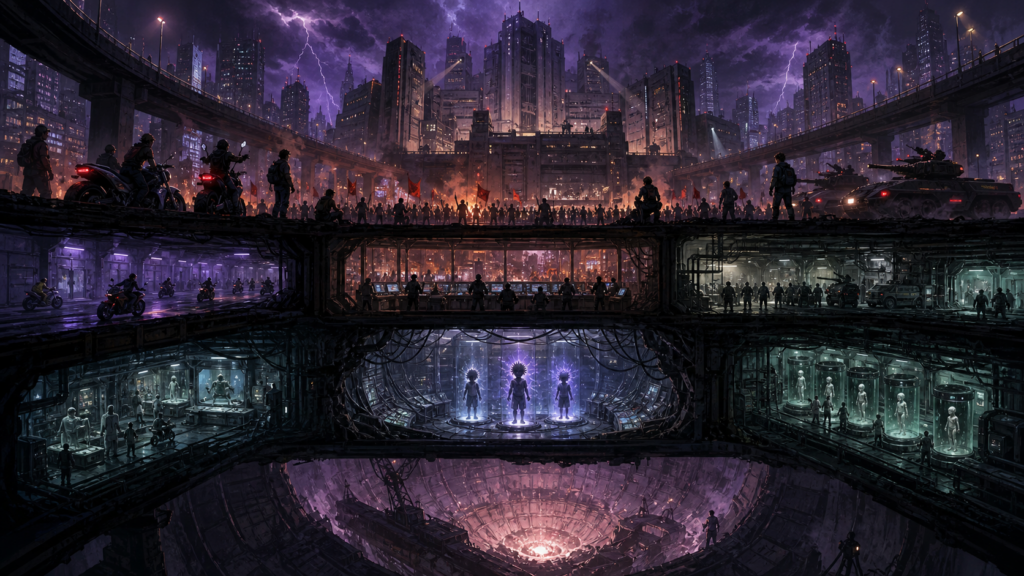
A fan-focused guide to Neo-Tokyo, psychic power, military control, youth rebellion, adaptation choices, and the buried systems that make Akira more than a cyberpunk spectacle.
Evangelion Episode 26: Take Care of Yourself
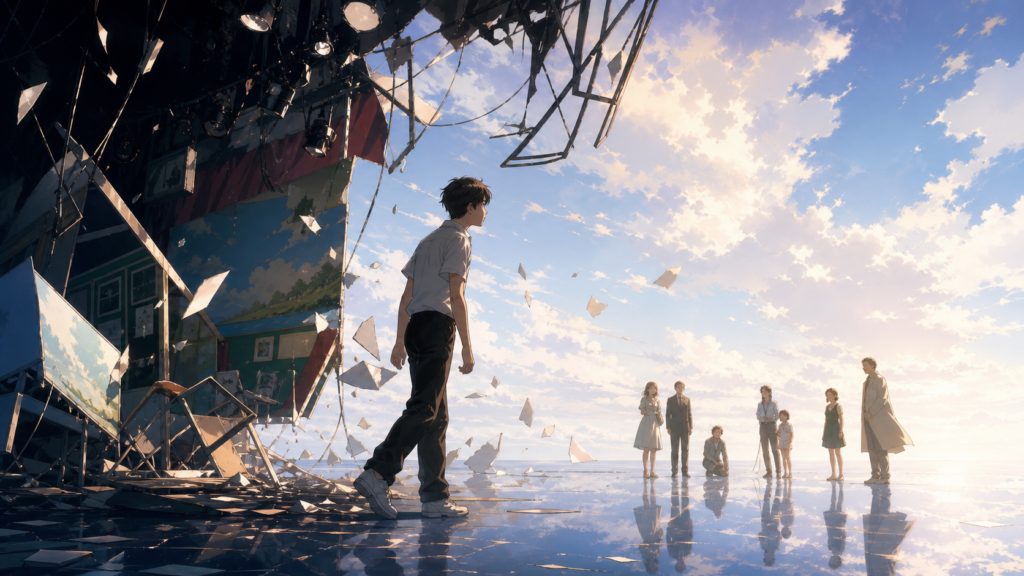
Shinji enters a world without walls, imagines another possible life, and discovers that one painful version of himself does not have to define every future.
Evangelion Episode 25: Do You Love Me?
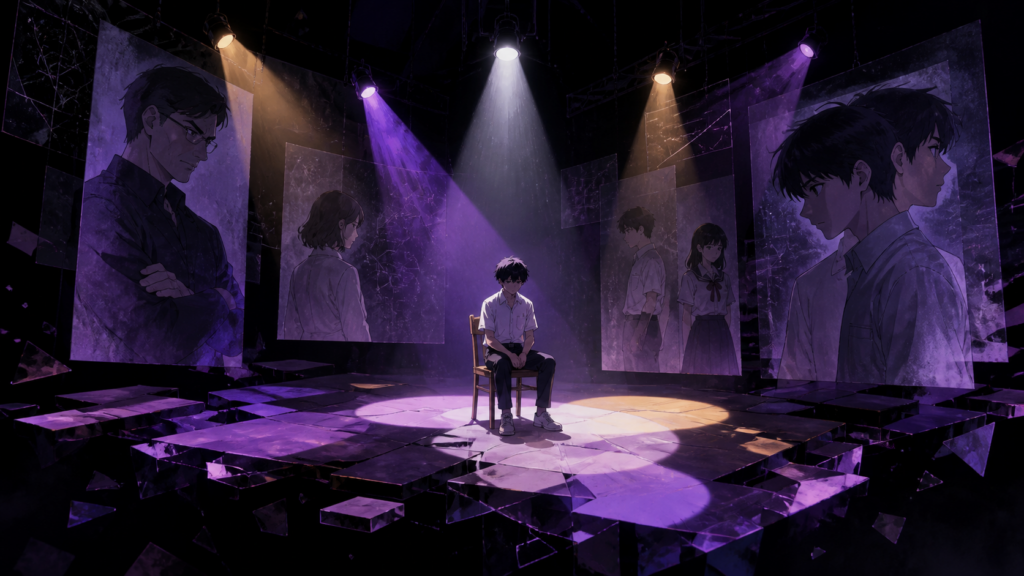
Instrumentality puts Shinji, Asuka, Misato, and Rei on an internal stage where every borrowed identity, private fear, and need for love becomes evidence.
Naruto Episode 27: The Forest of Death

Naruto Episode 27 turns the Chunin Exams into a five-day survival game where Anko’s two-scroll rules make every team somebody else’s target.
Boruto Episode 1: Boruto Uzumaki!

Boruto Episode 1 introduces modern Konoha, Denki’s family pressure, Boruto’s strange eye, a runaway train, and a hero determined to become more than Naruto’s son.
Naruto Shippuden Episode 1: Homecoming

Naruto Shippuden Episode 1 brings Naruto home to a changed Konoha, reunites him with Sakura and Kakashi, and makes Sasuke’s absence the weight inside every joke.
Evangelion Episode 24: The Final Messenger

Kaworu offers Shinji unconditional care, reveals the lie beneath NERV, and leaves a lonely child responsible for choosing humanity over the first person who made him feel loved.
Evangelion Episode 23: Rei III
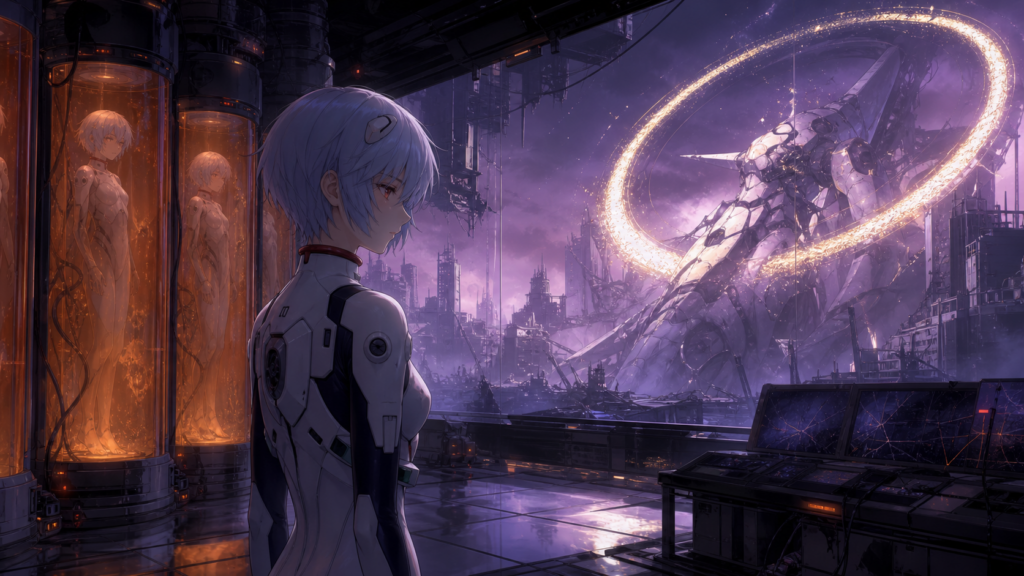
Armisael invades Rei and forces loneliness into physical form. RaeRae examines Rei II’s sacrifice, Rei III’s return, Ritsuko’s clone chamber, and the institutional cruelty hiding behind replacement.
Evangelion Episode 22: Don’t Be

Arael invades Asuka’s mind and exposes the damage NERV rewarded as ambition. RaeRae examines Episode 22, the Lance of Longinus, institutional neglect, and the cost of treating gifted children as military proof.
Evangelion Episode 21: He Was Aware That He Was Still a Child
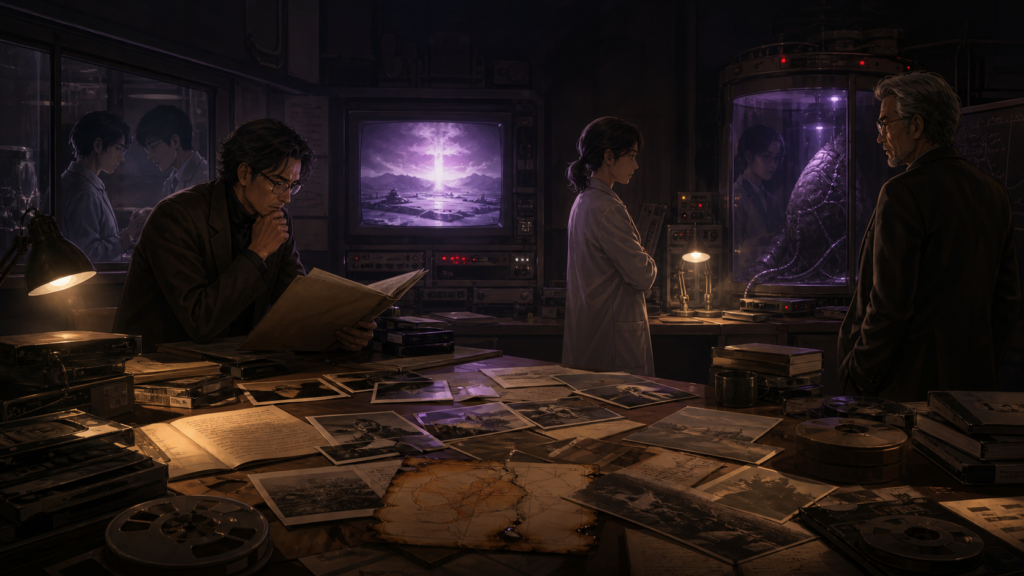
Fuyutsuki’s memories expose Yui’s disappearance, Gendo’s obsession, Naoko’s MAGI, Rei’s first death, NERV’s origins, and the final cost of Kaji’s investigation.
Evangelion Episode 20: Weaving a Story 2
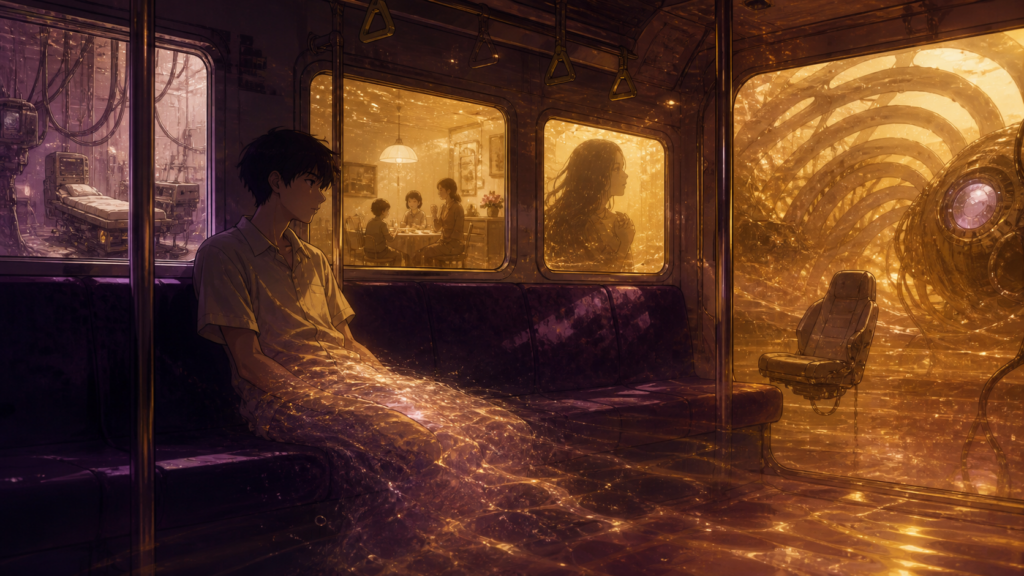
Shinji dissolves into Unit-01 after reaching four-hundred-percent synchronization. NERV attempts to reconstruct his body while he decides whether separation is worth returning to.
Evangelion Episode 19: Introjection
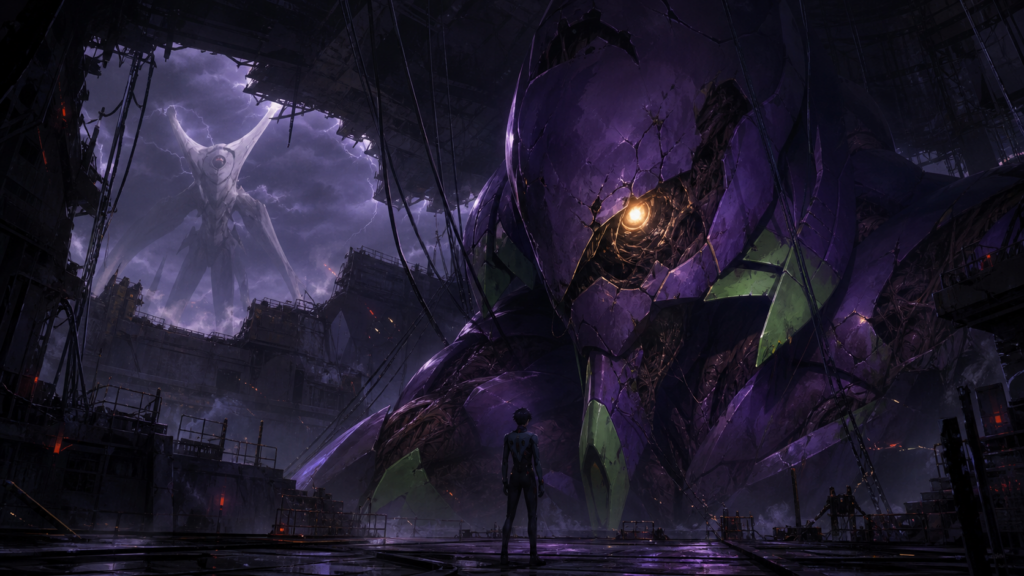
Shinji leaves NERV after the Dummy Plug attack, returns when Zeruel reaches headquarters, and watches Unit-01 awaken, regenerate, and devour an Angel.
Evangelion Episode 18: Ambivalence
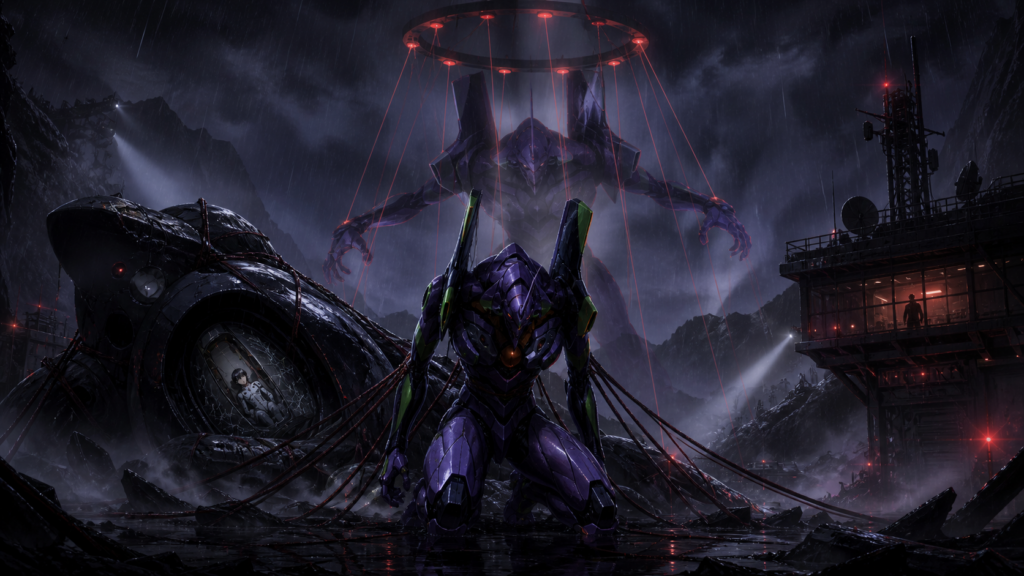
Shinji refuses to kill the pilot trapped inside Unit-03. Gendo activates the Dummy Plug, strips away his son’s control, and forces Unit-01 to destroy Toji’s Eva.
Evangelion Episode 17: Fourth Children
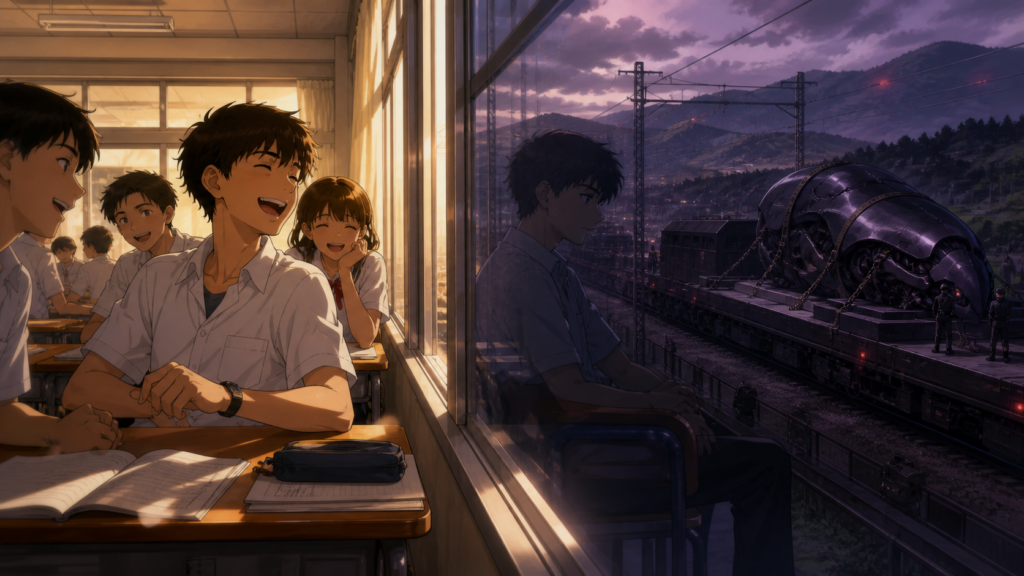
Toji becomes NERV’s Fourth Child after the organization turns his sister’s medical care into leverage. RaeRae breaks down the consent, secrecy, friendship, and institutional pressure behind Episode 17.
Evangelion Episode 16: Splitting of the Breast
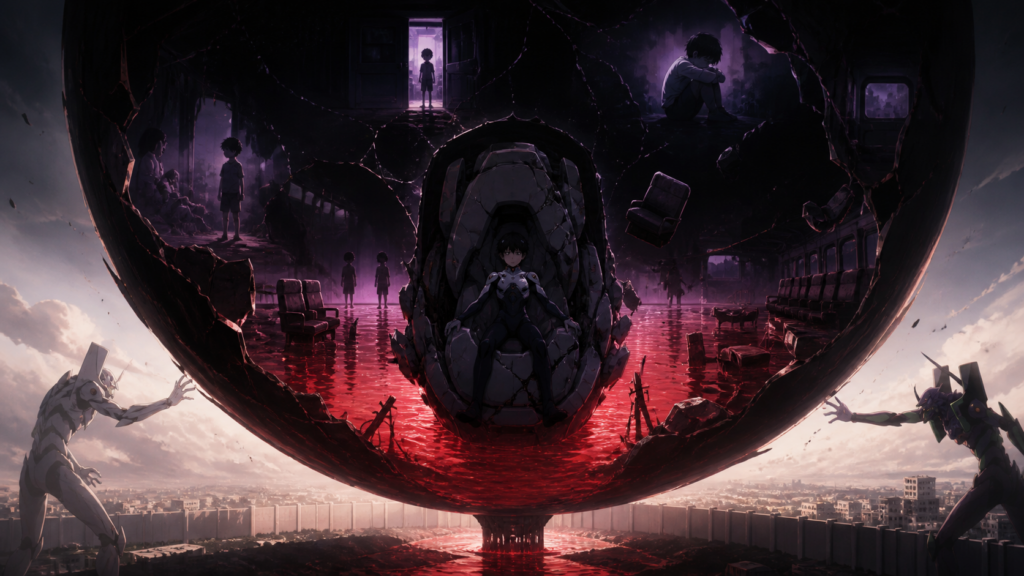
Evangelion Episode 16 traps Shinji inside Leliel, turns his need for praise into the battlefield, and reveals how Unit-01 protects the child NERV treats as a component.
Evangelion Episode 15: Lies and Silence

Evangelion Episode 15 turns a wedding, Asuka and Shinji’s kiss, Yui’s grave, and Kaji’s basement discovery into one sharp argument about love, secrecy, and power.
Evangelion Episode 14: Weaving a Story
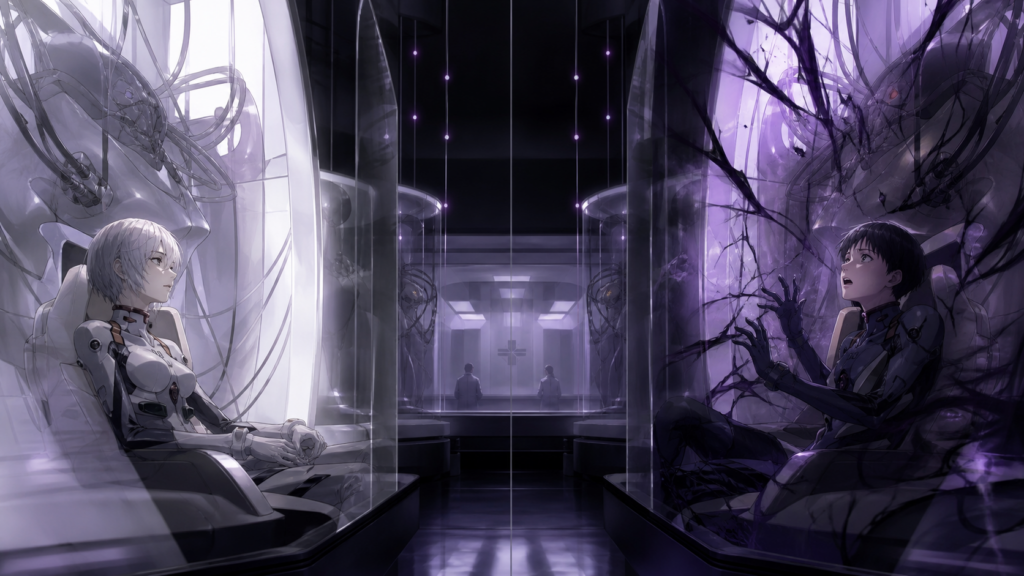
RaeRae examines how Evangelion Episode 14 turns a recap into an institutional alibi, gives Rei an interior voice, and exposes the human history inside Unit-00.