
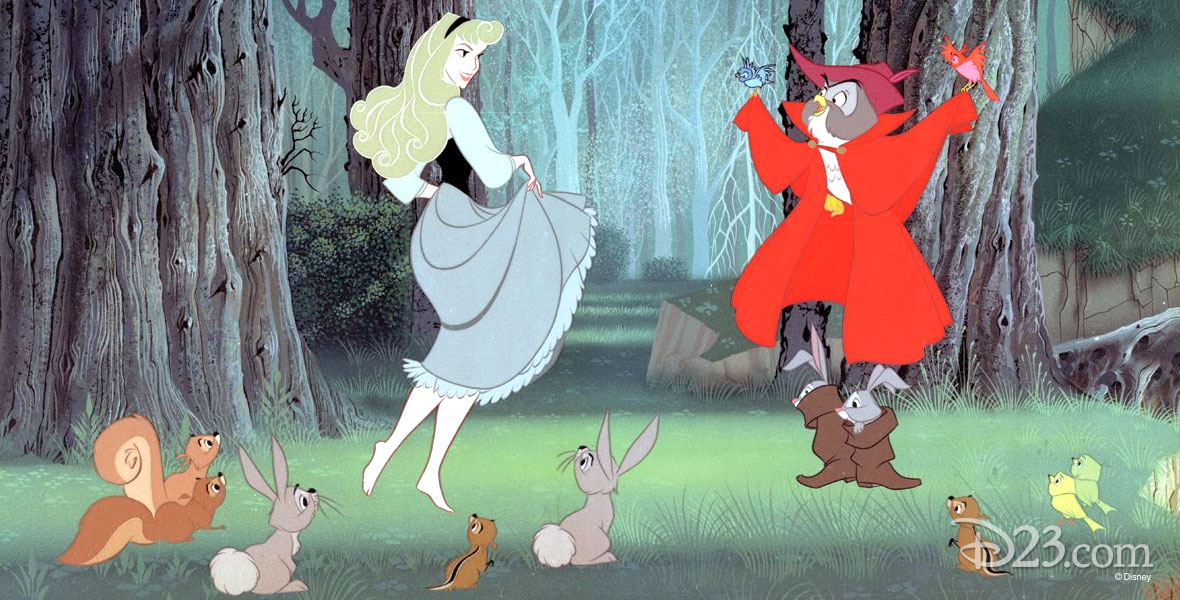
One christening. One curse. Three fairies doing all the fieldwork. A dragon. A spindle. Several adults making decisions around the girl whose name is on the movie.
Sleeping Beauty
Aurora is born into a political celebration, cursed by a fairy nobody invited, hidden under another name, raised by three women who surrender magic for sixteen years, and returned to a kingdom moments before the plan fails. The movie gives her one of animation’s most recognizable silhouettes and barely enough dialogue to explain the life everybody arranged around her.
This hub keeps the 1959 film, Maleficent, and Maleficent: Mistress of Evil in one franchise conversation. Reviews, character profiles, curse rules, fairy-tale history, production design, Tchaikovsky, consent, motherhood, villain rehabilitation, live-action effects, and every adult who decided secrecy was a complete security strategy belong together.
The story underneath the once upon a dream
King Stefan and Queen Leah celebrate Aurora’s birth while Flora and Fauna give gifts of beauty and song. Maleficent arrives after being excluded, turns social insult into a death sentence, and places the whole kingdom on a sixteen-year countdown. Merryweather softens death into enchanted sleep, but the adults still remove Aurora from her parents and raise her as Briar Rose without telling her who she is or why the woods must remain quiet.
Aurora meets Phillip before learning he is the prince she was promised to as an infant. The revelation of her identity separates them, the fairies return her to the castle, Maleficent exploits the transition, and a spindle completes the curse. Flora, Fauna, Merryweather, Phillip, Samson, and the Sword of Truth perform the rescue while Aurora sleeps. The ending is romantic, gorgeous, and built on a girl receiving almost no informed choice about the systems deciding her future.
Three film branches
Sleeping Beauty (1959) is the visual and musical foundation, built through Eyvind Earle’s stylized production design, music adapted from Tchaikovsky, widescreen composition, medieval manuscript influence, fairy comedy, and one of animation’s defining villains. Maleficent (2014) retells the curse through betrayal, violated wings, maternal attachment, magical creatures, and a kiss of true love moved away from romance.
Maleficent: Mistress of Evil (2019) expands the Dark Fey, turns marriage into a border conflict, gives Queen Ingrith a campaign of extermination, and tries to balance Aurora’s adulthood with a mythology increasingly centered on Maleficent. The live-action films use photographed actors inside animation-heavy environments, creatures, wings, transformations, and battle sequences, so the CGI branch belongs inside the animation ecosystem.
Characters
Aurora and Briar Rose need one consolidated profile across the animated and live-action branches without pretending the personalities are identical. Maleficent requires villain, survivor, protector, and Dark Fey chronology. Phillip, Flora, Fauna, Merryweather, Stefan, Leah, Hubert, Diablo, Samson, Queen Ingrith, Conall, Borra, Philip, John, Leila, Diaval, Gerda, and the sequel’s supporting cast reveal the political, magical, parental, and military systems surrounding the curse. Full profile cards remain visual and use the same local image as each post hero and featured image.
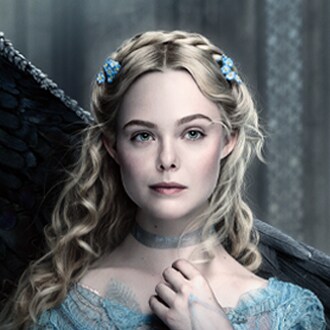
Character Profile
Aurora and Briar Rose Character Profile
Princess by birth, Briar Rose through sixteen years of actual life, cursed before she could speak, and still the person every adaptation asks to carry somebody else’s argument about innocence.
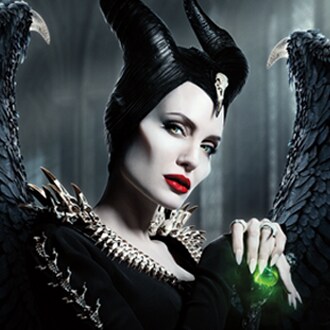
Character Profile
Maleficent Character Profile
Animated evil without apology, live-action survivor and mother, Dark Fey protector, curse-maker, ruler, phoenix, and the woman every version uses to argue about whether explanation changes judgment.
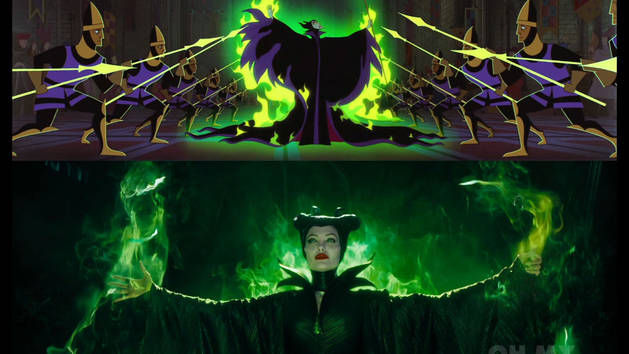
Character Profile
Prince Phillip Character Profile
The prince who chose the forest girl before knowing her rank, fought through a dragon in animation, failed the magical kiss test in live action, and still has to prove peace through government.
Character Profile
Flora, Fauna, and Merryweather Character Profile
Three older women surrendered magic, status, and sixteen years of their own lives to raise Aurora, then planned the rescue while the kingdom slept. The color argument was ridiculous. The caregiving was not.
Reviews
Each film receives a full editorial review rather than a plot recap. The 1959 review follows composition, music, animation labor, Aurora’s limited interior life, the fairies as protagonists, Phillip, Maleficent, curse logic, class, and the strange emotional power of a film whose title character spends so little time directing the story. The Maleficent reviews follow bodily autonomy, motherhood, villain rehabilitation, genocide imagery, visual effects, and sequel expansion.
![C:UsersOwner.codexgenerated_images1a04232-09ab-73c2-98b1-9ad85e2a35caexec-34810888-345e-4b7e-bf7b-1a28d9c5a76e.png sleeping-beauty-1959-review-original-fan-art.png Sleeping Beauty 1959 Review Original Fan Art Original CVM Sekai fan art of a sleeping fairy-tale princess guarded by three fairies under a thorn curse[3]](https://cvmsekai.com/wp-content/uploads/2026/09/sleeping-beauty-1959-review-official.jpg)
Full Movie Review
Sleeping Beauty (1959) Review: The Fairies Did the Work and Aurora Became the Image
A 10,035-word editorial through Eyvind Earle’s design, Tchaikovsky, Aurora, Maleficent, Phillip, the Three Good Fairies, curse rules, labor, guardianship, consent, class, animation history, and the receipts under the perfect image.
![C:UsersOwner.codexgenerated_images1a04232-09ab-73c2-98b1-9ad85e2a35caexec-4e3402f7-e6cd-4a1d-bb91-f887577ecff8.png maleficent-2014-review-original-fan-art.png Maleficent 2014 Review Original Fan Art Original CVM Sekai fan art of a betrayed winged fairy protecting a young princess between a moor and castle[3]](https://cvmsekai.com/wp-content/uploads/2026/09/maleficent-2014-review-official-scaled.jpg)
Full Movie Review
Maleficent (2014) Review: The Wings Were the Wound and Motherhood Broke the Curse
A 10,000-word editorial through the wing removal, Aurora, Stefan, motherhood, curse logic, performance, visual effects, remake politics, consent, power, and the receipts behind Disney’s villain rewrite.
![C:UsersOwner.codexgenerated_images1a04232-09ab-73c2-98b1-9ad85e2a35caexec-df85deea-a15e-4610-985d-d2c7af1f99a1.png maleficent-mistress-of-evil-review-original-fan-art.png Maleficent Mistress of Evil Review Original Fan Art Original CVM Sekai fan art of winged fairy people defending civilians during a royal border war[3]](https://cvmsekai.com/wp-content/uploads/2026/09/maleficent-mistress-review-official.jpg)
Full Movie Review
Maleficent: Mistress of Evil Review: The Wedding Was a Trap and the Church Became a Weapon
A 10,004-word editorial through marriage politics, Queen Ingrith, the Dark Fey, genocide imagery, forced assimilation, motherhood, visual effects, and the receipts under the wedding.
RaeRae Reacts
These scene reactions stay with the three moments where Sleeping Beauty reveals the machinery underneath its pretty surfaces. Aurora chooses a second meeting, loses control of her body at the spindle, and remains absent while an entire rescue team fights the dragon over the future everyone arranged around her.
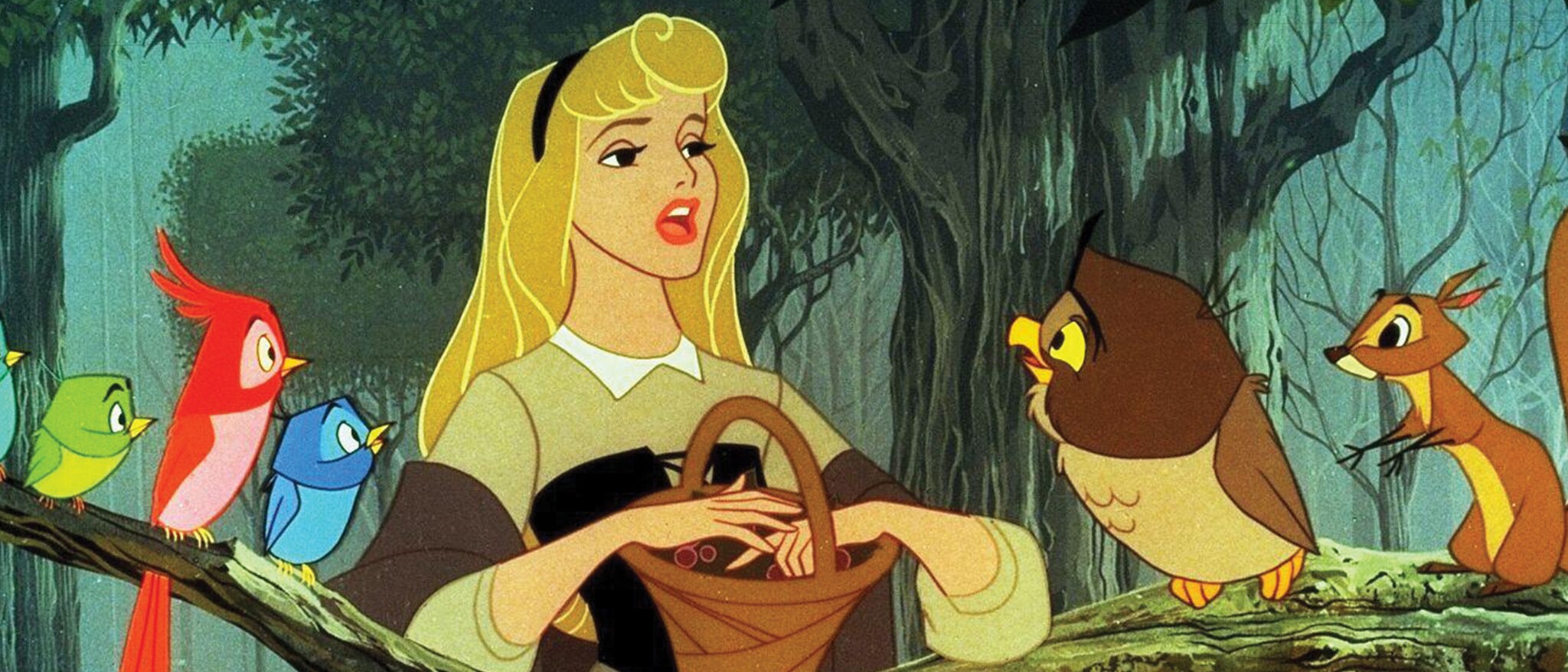
Song React
Sleeping Beauty Once Upon a Dream React: They Rejected the Arrangement and Chose Each Other
Recognition, consent, secrecy, arranged marriage, Tchaikovsky, forest freedom, and the coincidence the kingdom gets to call fate.
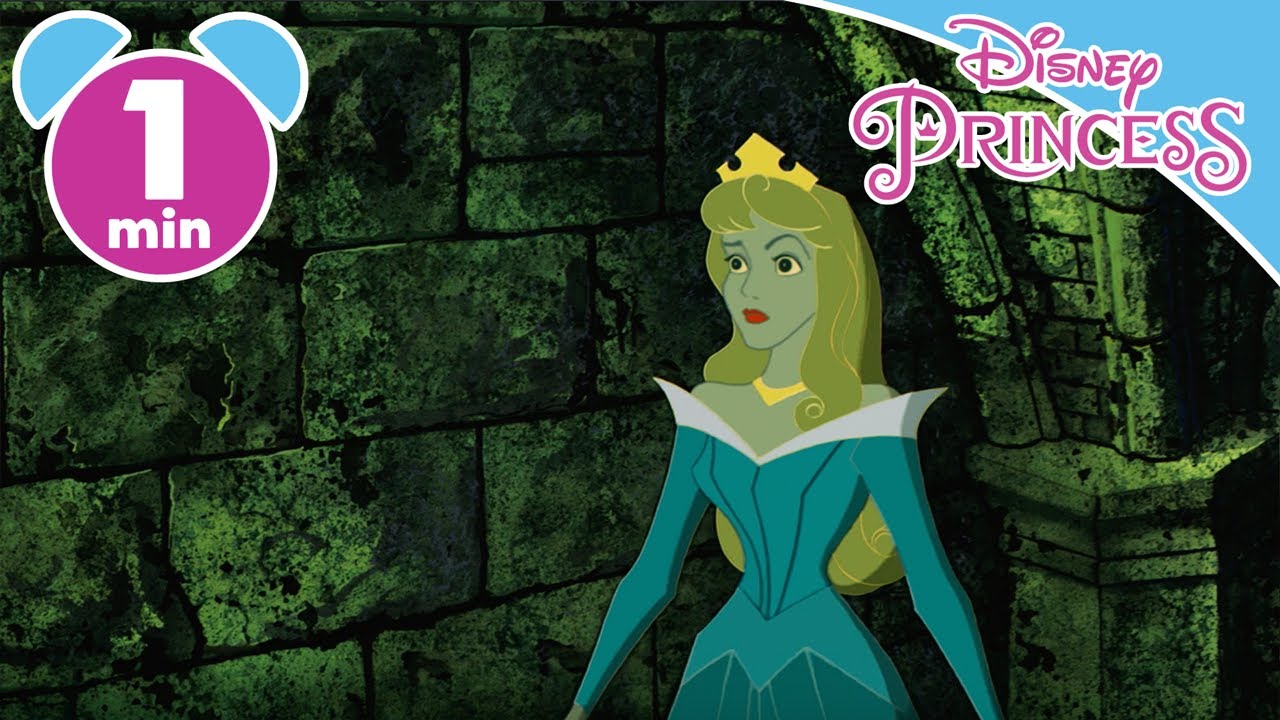
Scene React
Sleeping Beauty Spinning Wheel React: Aurora Did Not Choose the Curse
Coercion, withheld truth, domestic labor, grooming, prophecy, and every adult who left Aurora unable to identify the danger built around her.
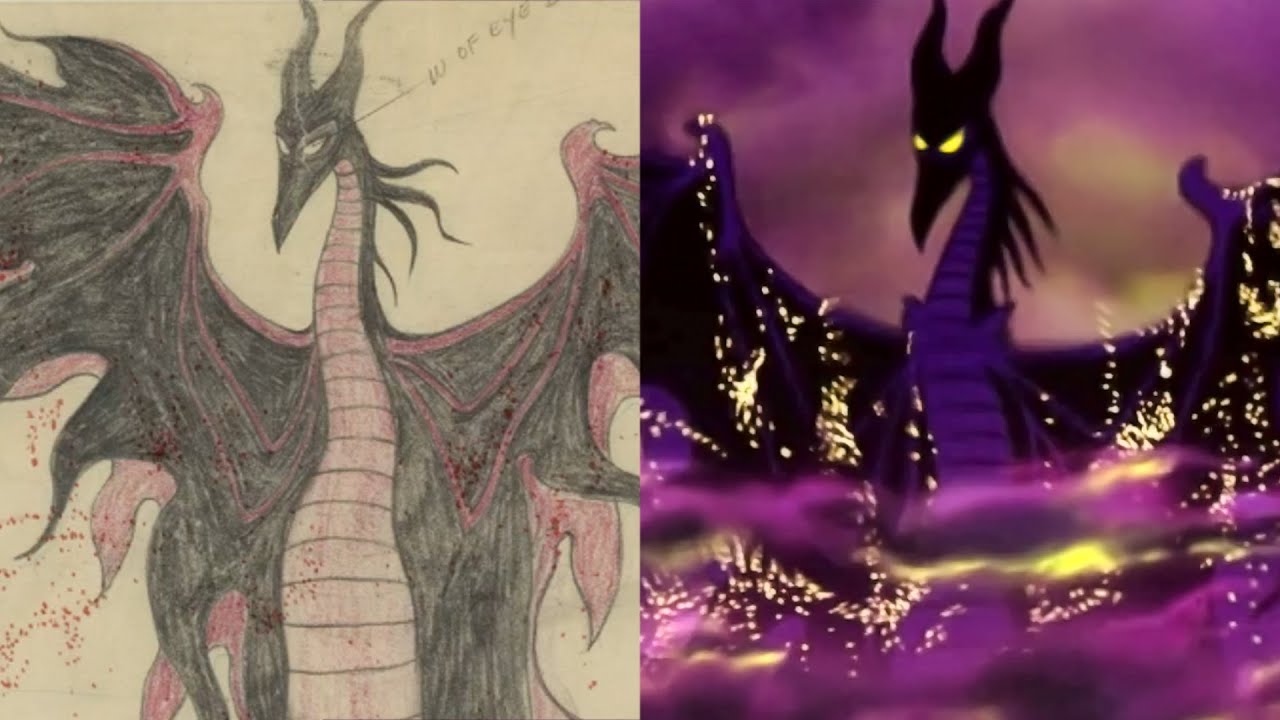
Finale React
Sleeping Beauty Maleficent Dragon React: Entitlement Finally Breathes Fire
The dragon exposes domination while the fairies, Phillip, Samson, enchanted weapons, and collective action expose who actually performs the rescue.
Rants
Sleeping Beauty keeps turning women into evidence for somebody else’s argument. Aurora carries the curse, romantic arrangement, maternal redemption, and peace treaty. Leila disappears so Maleficent can occupy the restored emotional center without competition. Mistress of Evil depicts attempted genocide inside a wedding and then rushes toward ceremony. These franchise-owned rants keep the language accurate and the receipts visible.
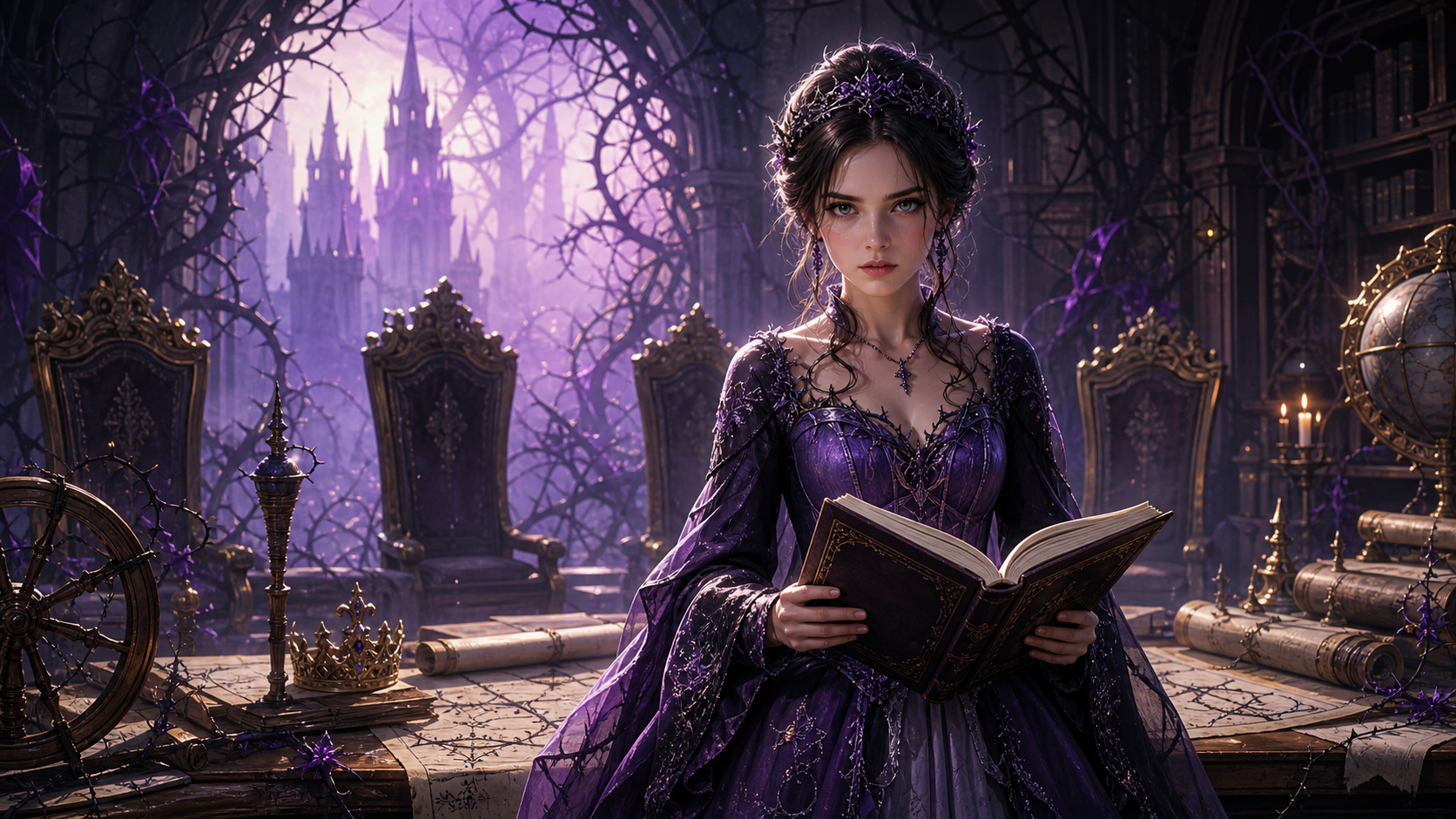
RaeRae Rant
Aurora Is Treated Like Evidence in Her Own Movie, and I Am Tired of Everybody Calling That a Personality
Aurora is cursed, hidden, renamed, betrothed, watched, used as proof of maternal redemption, and turned into a diplomatic bridge. Then audiences blame the character for the choices the screenplay denied her.
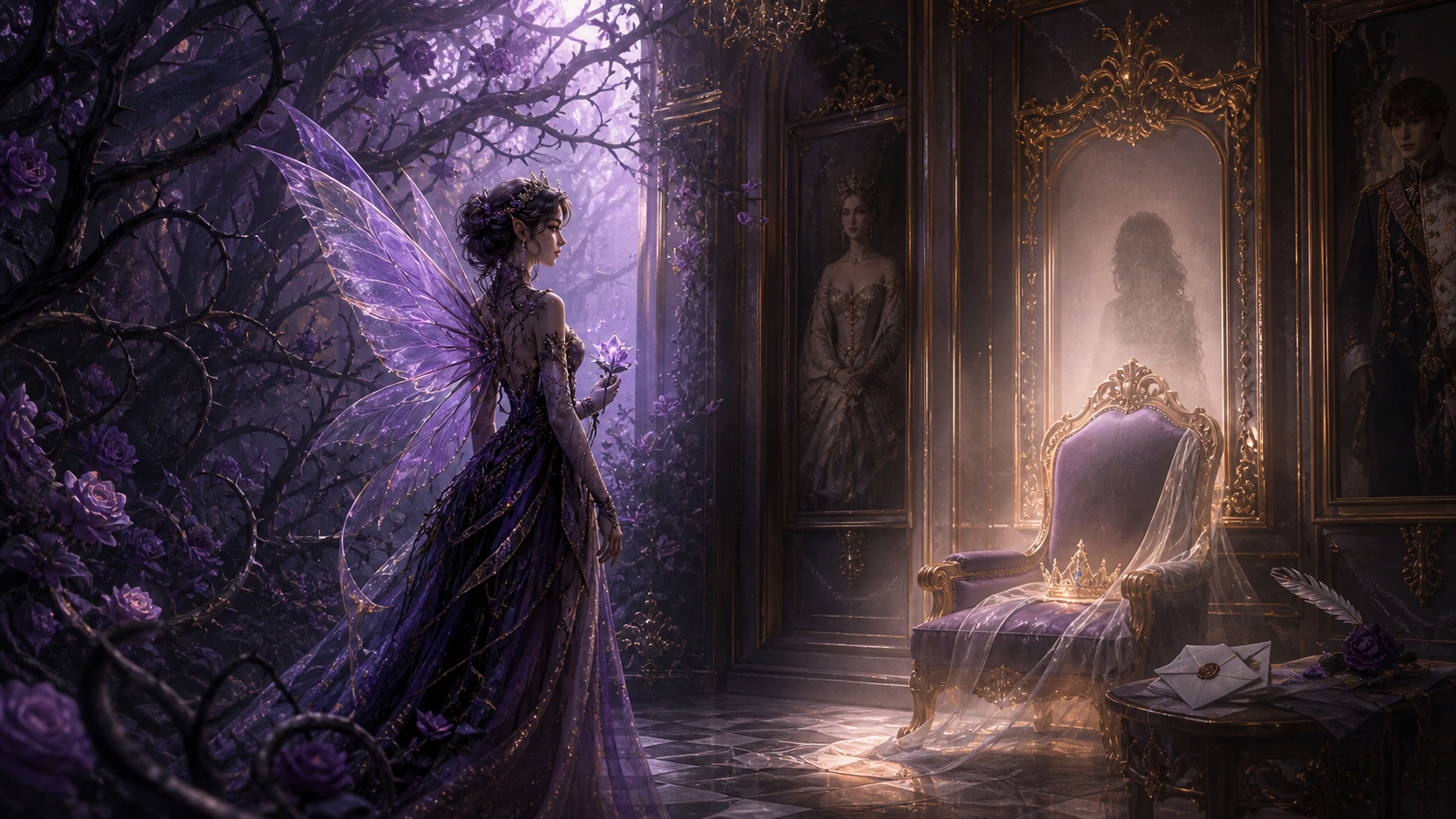
RaeRae Rant
You Cannot Repair One Silenced Woman by Erasing Another
Maleficent receives bodily history, rage, regret, power, and motherhood while Queen Leila receives a political marriage, a baby taken away, an illness, and an offscreen death. Selective feminism still leaves an empty chair.
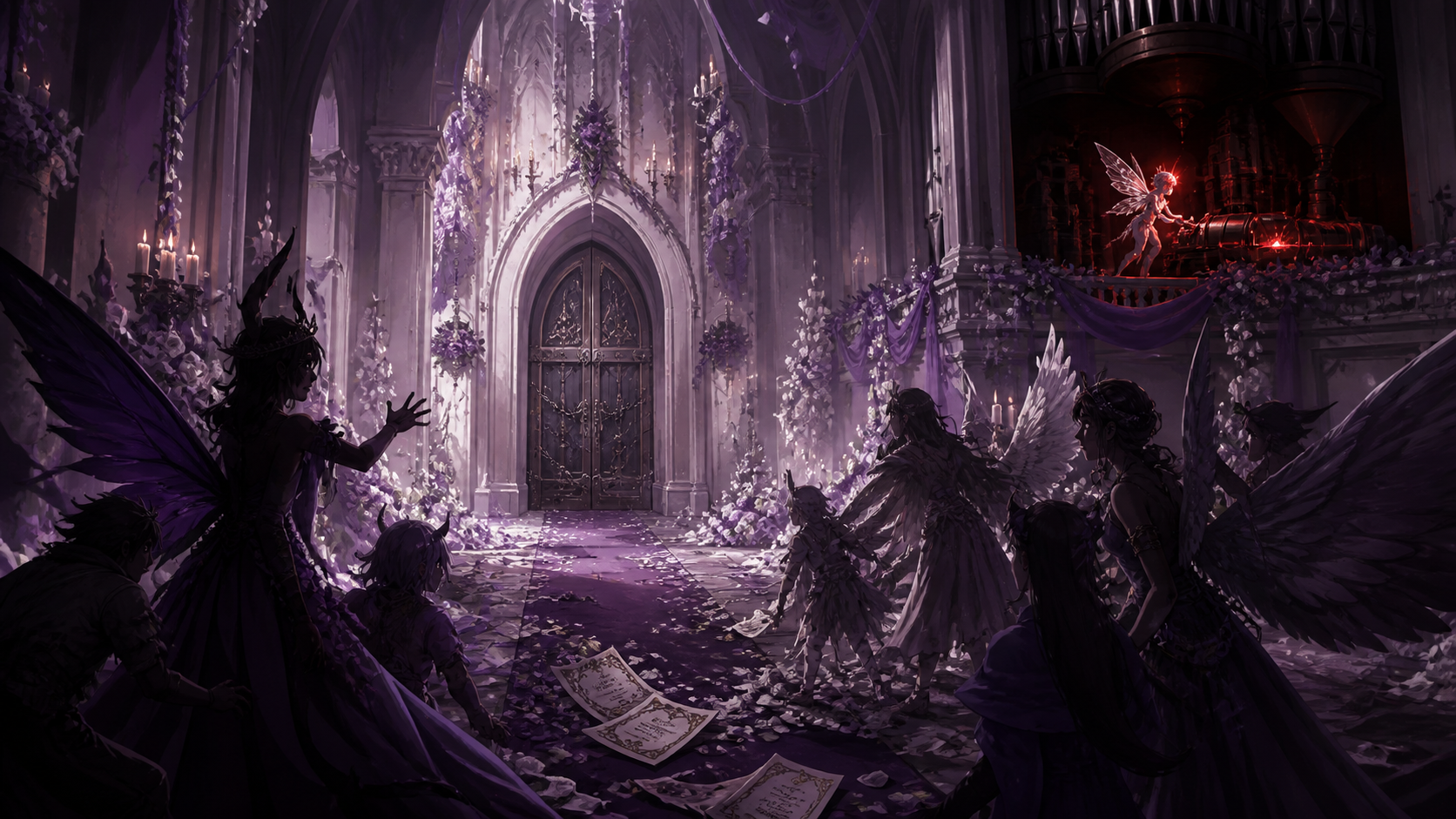
RaeRae Rant
Stop Calling Genocide a Wedding Misunderstanding
A species-specific weapon, stolen sacred flowers, locked church doors, civilian targets, and an underground refugee population are attempted genocide. A goat joke and resumed vows cannot become the entire accountability process.
Lore, history, and guides
The guides follow the machinery underneath the curse instead of handing readers three paragraphs of trivia. One tracks the rules every branch changes. One travels through Basile, Perrault, Grimm, Petipa, Tchaikovsky, Disney, and Maleficent. One stays inside the 1959 production long enough to understand why Eyvind Earle’s trees feel architectural, why color behaves like power, and how George Bruns translated a ballet score for widescreen animation.
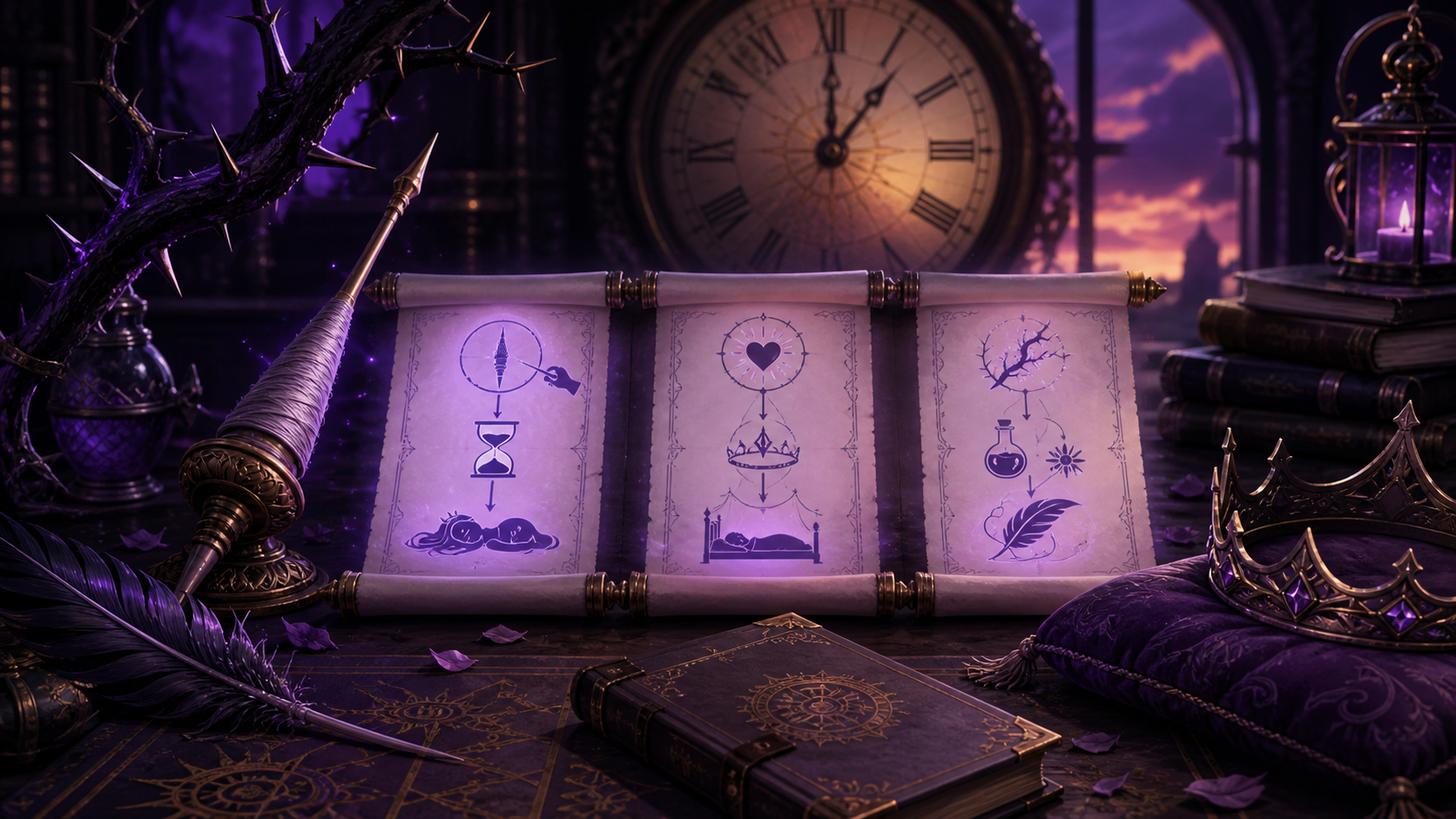
Anime 101 Guide
Sleeping Beauty Curse Rules: Spindles, Sunset Deadlines, True Love, and Why Burning Every Wheel Solved Nothing
A 3,003-word guide to the curse deadline, spindle, sleep, castle-wide enchantment, true love, fairy magic, dragon battle, and the very different rules created by Maleficent and Mistress of Evil.
Anime 101 Guide
Sleeping Beauty Before Disney: Basile, Perrault, Grimm, Tchaikovsky, and the Story Every Era Rearranged
A 3,001-word history through Basile, Perrault, Grimm, the Petipa and Tchaikovsky ballet, Disney, consent, motherhood, class, translation, and every era that rearranged the waking.
Anime 101 Guide
Sleeping Beauty Design and Music: Eyvind Earle, Tchaikovsky, Widescreen Geometry, and a Movie That Refused to Look Soft
A 3,097-word production guide to Eyvind Earle, Technirama, widescreen geometry, color language, Tchaikovsky, George Bruns, restoration, visual pressure, and the Easter eggs sitting in plain sight.