
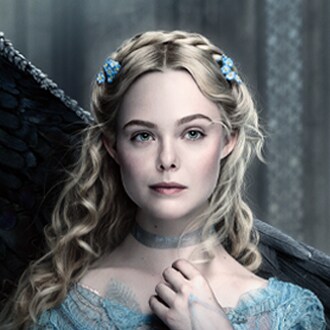
CHARACTER PROFILE · SLEEPING BEAUTY · JIN FROM BTS DEPTH
Aurora and Briar Rose Character Profile
Princess by birth, Briar Rose through sixteen years of actual life, cursed before she could speak, and still the person every adaptation asks to carry somebody else’s argument about innocence.
Bottom line
Aurora is one of the most recognizable princesses in animation and one of the least permitted to direct the movie carrying her name. The 1959 film gives her beauty, song, curiosity, grief, romance, and roughly enough agency to choose a second meeting before the curse takes over. Briar Rose feels like a person. Princess Aurora often feels like the role adults prepared for that person without asking.
The Maleficent continuity gives Aurora more political and emotional movement. She chooses Maleficent as family, rules the Moors, accepts Phillip’s proposal, investigates Queen Ingrith, and becomes a bridge between threatened communities. The newer films improve her verbs and still ask gentleness to solve conflicts that require institutions, evidence, and accountability.
Fast facts
Full name: Princess Aurora. Forest identity: Briar Rose. Parents in the 1959 continuity: King Stefan and Queen Leah. Betrothed and later romantic partner: Prince Phillip. Guardians: Flora, Fauna, and Merryweather. Animated voice: Mary Costa. The story presents her as sixteen when the curse reaches its deadline.
In the Maleficent continuity, Elle Fanning plays Aurora. King Stefan remains her father, Queen Leila replaces Leah, and Knotgrass, Flittle, and Thistlewit become the official guardians. Maleficent and Diaval perform much of the actual protection. Aurora later rules the Moors and marries Prince Phillip, played first by Brenton Thwaites and later by Harris Dickinson.
Aurora and Briar Rose are both real identities
Briar Rose is not a costume Aurora wears until royal blood arrives. Rose is the girl formed by sixteen years in a cottage, three unusual aunts, forest paths, chores, animals, songs, privacy, and incomplete explanations. That life shapes her habits, desires, and understanding of family.
Aurora is the name, lineage, and public duty assigned at birth. Returning to the castle does not erase Rose. A psychologically honest continuation would let her combine both selves, grieve the hidden life, learn court expectations, and decide which parts of royal identity she accepts.
The curse begins before personality
Maleficent curses Aurora as an infant because King Stefan excludes or betrays the fairy, depending on continuity. The child has no action available and receives the consequence anyway. Her body becomes the place where adults write humiliation, revenge, political fear, and magical law.
That structure explains why Aurora can appear passive without making passivity her character flaw. The plot was designed to remove choice. A fair profile separates what she wants from what the curse permits. Her limited control is evidence against the adults and systems around her.
The gifts define value from outside
Flora gives beauty and Fauna gives song in the animated film. Merryweather must use her remaining gift to soften death into sleep. Aurora receives traits making her visible and desirable before receiving wisdom, courage, health, knowledge, or freedom.
Beauty and music are real forms of power, especially inside an animated musical built around composition and voice. The problem is ownership. Adults publicly decide what kind of girl matters. Aurora grows into those gifts and still deserves traits she developed through living rather than magic assigned at a ceremony.
Life in the cottage
The cottage protects Rose from court attention and magical surveillance. She performs chores, moves comfortably through the forest, and maintains affectionate relationships with the women she believes are her aunts. The film shows enough ordinary ease to suggest a full childhood beyond the scenes available.
The guardians keep almost every important fact from her. Rose does not know her name, parents, rank, betrothal, or mortal danger. Protection succeeds physically for sixteen years and fails to prepare her for the final day. Love and secrecy become inseparable in her childhood.
Animals become her social audience
Aurora talks and sings with woodland animals because her guardians have kept her away from other people. The animals help her stage a pretend dance partner, listen to her dream, and create a safe audience for desire. The sequence is charming and quietly lonely.
Her ease with animals is often reduced to princess branding. The social function matters more. A teenager needs peers, privacy, disagreement, and people outside family. Rose builds companionship from the available world because the protection plan never supplied a human community.
Once Upon a Dream gives her one chosen future
Rose imagines romantic recognition before Phillip enters. She has a desire not assigned by her guardians, parents, or rank. When Phillip joins the song, she startles, resists, listens, and agrees to meet again. The scene gives her boundaries and curiosity within a compressed fairy-tale romance.
The melody carries destiny, but Rose still chooses to return. That distinction matters. The arranged prince happens to be the stranger she likes, allowing personal desire and royal obligation to align through impossible luck. The coincidence saves the ending from a harder conflict the movie never has to solve.
Learning the truth destroys a whole afternoon and a whole identity
Flora, Fauna, and Merryweather reveal that Rose is Aurora, her parents are alive, she must return to a castle, and she is promised to a prince. She has already invited the forest stranger to meet her. The news removes family history, romance, home, and future in one conversation.
Aurora cries because the loss is immediate and reasonable. The movie treats grief as a transition toward the spindle. A deeper story would let her ask why nobody trusted her with danger, whether the aunts were ever truthful, and how she is expected to love parents she has never met.
The spindle scene removes consent by design
Maleficent’s magic draws Aurora through dark passages toward a spinning wheel. She appears conscious enough to walk and unable to refuse. The finger reaches the spindle because a sentence spoken over her infancy now controls her body.
The visual restraint makes the violation more uncanny. No battle is necessary. A command enters, a body obeys, and sixteen years of adult planning collapse. Aurora is neither careless nor foolish. Compulsion is the point.
Sleep turns a person into an object everybody organizes around
Once asleep, Aurora becomes a body guarded, mourned, displayed, and rescued. The fairies put the kingdom to sleep, locate Phillip, arm him, guide him, and bring him to the room. Her desire cannot participate because the curse removed consciousness.
Fairy tales often turn sleeping women into tests for other characters. Aurora’s stillness reveals the fairies’ courage, Phillip’s resolve, Maleficent’s power, and the kingdom’s fear. A character profile must return attention to the life paused under everybody else’s symbolism.
Mary Costa gives limited dialogue an interior life
Mary Costa’s singing connects Aurora to Tchaikovsky-derived music without losing youthful warmth. Her speaking voice shifts between playful forest freedom, startled flirtation, affectionate complaint, and grief. The performance makes the available emotional turns legible.
Costa cannot invent scenes the screenplay never wrote, but voice gives Rose a recognizable temperament. She is not blank because the role is short. She is underwritten because the movie repeatedly leaves her perspective after establishing that perspective can hold the screen.
Visual design makes Aurora part of the landscape
Eyvind Earle’s backgrounds surround Aurora with vertical forests, patterned leaves, flattened space, and controlled color. Her movement and rounded animation create softness against a world full of edges. She looks native to the forest and ceremonial inside the castle.
That contrast supports the identity split. Rose moves through nature with familiarity. Aurora enters royal space as an image being returned to the frame prepared for her. Pink and blue arguments further show other characters deciding how she should appear.
Pink versus blue is funny and revealing
Flora and Merryweather repeatedly change Aurora’s dress between pink and blue. The joke became part of the character’s merchandising history and visual recognition. Aurora never participates in the argument.
Color becomes another decision made over her body. The fairies love her and still treat presentation as their contest. The gag summarizes the franchise problem in miniature: everybody has a strong opinion about the princess image while the princess is somewhere else.
Animated Aurora and Phillip
Aurora meets Phillip without knowing he is the prince promised to her. Their attraction develops through song, surprise, retreat, and agreement to meet again. Phillip later fights through thorns and dragon fire to reach her.
The relationship has limited shared time and enough mutual choice to support fairy-tale shorthand. A fuller partnership would require conversation after awakening. They need to compare the forest meeting, arranged marriage, family expectations, and the fact that one kiss arrives after an entire military rescue Aurora never witnesses.
Live-action Aurora and Maleficent
The Maleficent films place Aurora’s most developed relationship with the woman who cursed her. Aurora remembers protection, calls Maleficent her fairy godmother, discovers the betrayal, wakes through maternal love, and later argues with Maleficent about marriage and human trust.
Their bond is chosen, earned, damaged, and repaired. Aurora’s forgiveness should never erase the original harm. The relationship matters because both women continue choosing family after truth arrives, not because love magically makes the past innocent.
Live-action Aurora and Diaval
Diaval watches Aurora grow, assists Maleficent’s protection, and becomes part of the household around her. The films give them less direct conversation than the history deserves. He is present through danger, discovery, and political transition.
Aurora should recognize the labor. Diaval feeds information, takes dangerous forms, and tells Maleficent truths she resists. Chosen family includes the exhausted raven who kept everybody alive while the mothers and queens argued.
Aurora as queen of the Moors
The first Maleficent film crowns Aurora over magical and human lands because she can connect communities. Mistress of Evil begins with her visibly loved by Moors residents. The authority represents hope and carries serious questions about consent, knowledge, and governance.
Aurora needs councils, law, resource knowledge, and representatives who can disagree. Gentleness can guide rule without replacing structure. Her strongest leadership moment comes when she investigates Ingrith rather than trusting ceremony. Evidence turns kindness into political competence.
Aurora and Phillip in the sequel
Aurora accepts Phillip’s proposal because she loves him and believes marriage can support peace. The choice is hers, even though royal consequences immediately crowd the romance. Phillip respects her attachment to the Moors and eventually opposes his mother’s conspiracy.
Their future depends on whether partnership survives governance. They need to negotiate two courts, two histories, and families carrying different forms of harm. A wedding begins the work. A wedding cannot complete the work.
Aurora and Queen Ingrith
Ingrith tries to replace Maleficent, absorb Aurora into Ulstead, control her presentation, and use the marriage to reach magical communities. Aurora initially grants respect because the queen is Phillip’s mother and royal host. Investigation ends the benefit of the doubt.
The conflict gives Aurora an adult antagonist interested in soft control rather than a curse. She must recognize that maternal language can conceal possession and that polished institutions can hide violence. Her refusal becomes personal and political at once.
Gentleness is not the absence of strength
Aurora’s softness is often treated as the trait adaptations need to repair. The live-action films instead let gentleness support curiosity, trust, diplomacy, and moral clarity. She approaches bodies others fear and refuses to inherit hatred automatically.
Gentleness becomes weak only when the screenplay withholds evidence, anger, or boundaries. Aurora is strongest when compassion works beside investigation and refusal. A kind ruler still needs to say no, expose a crime, protect survivors, and remember who paid for peace.
Weaknesses and limits
Aurora can trust too quickly, underestimate institutions, and let hope outrun preparation. The 1959 version lacks knowledge because adults kept knowledge from her. The live-action version sometimes mistakes personal relationship for political solution.
Those limits should create consequences without turning cynicism into wisdom. Her openness helps build bridges nobody else attempts. Growth means adding evidence, boundaries, and governance to hope, not replacing hope with Maleficent’s fear.
Symbols attached to Aurora
Roses connect her hidden name, beauty, thorns, danger, and endurance. Sleep represents suspended agency. Dawn is embedded in Aurora’s name and imagery. Pink and blue represent competing control over presentation. The spindle carries inherited harm and the failure of security based on objects alone.
In the live-action branch, the crown represents bridge and burden. The wedding veil becomes an assimilation risk before becoming chosen ceremony. Each symbol becomes useful when connected to a decision, not when listed as decorative trivia.
What adaptations keep missing
Aurora needs a developed life after awakening. How does she combine Rose and Aurora, learn parents, process secrecy, understand the curse, and decide what royal duty means? The franchise repeatedly moves from survival to ceremony before giving her recovery enough room.
The live-action films improve the problem and still rush political consequences. A future story should let Aurora govern, disagree, fail, research, remember victims, and build institutions. Her kindness can remain the center while her competence becomes visible through work.
Why Aurora remains iconic
Aurora endures through design, music, voice, movement, fairy-tale recognition, and the emotional ache of a girl whose happiest identity existed outside the palace. Her screen time does not measure the size of her cultural image.
Fans also keep returning because the gaps invite argument. Some see serene femininity, some see stolen agency, some love Rose’s woodland self, and some prefer the politically active live-action queen. The character can hold those readings because each version reveals a different cost behind the princess image.
Final verdict
Aurora deserves neither dismissal as a useless princess nor inflated claims that the 1959 screenplay secretly gave her control. She is warm, curious, musical, romantic, and painfully underinformed. The animated film makes her an unforgettable image and leaves much of her personhood between scenes.
The Maleficent branch gives her family choices, a crown, an investigation, and an adult disagreement with the mother she loves. The next improvement is obvious. Let Aurora perform the work of peace instead of standing as proof that peace happened. Briar Rose already survived a childhood built from secrecy. Queen Aurora can handle the receipts.
Aurora and the parents she never knew
The animated film reunites Aurora with Stefan and Leah after sixteen years without showing the first conversation. Love cannot automatically fill an entire childhood of absence. Her parents made a painful protective decision, but Aurora still has the right to ask how they endured the separation and why nobody prepared her for return.
The live-action branch makes Stefan an antagonist and Leila an absence, which leaves Aurora with even less parental history. Maleficent becomes family through presence. A future Aurora story should let her examine biological inheritance without pretending blood carries intimacy by itself.
Aurora and the three guardians
Flora, Fauna, and Merryweather sacrifice magic and court life to raise Aurora in the animated continuity. Their secrecy harms her, and their labor keeps her alive. Both truths belong together. Aurora can love the women who raised her while challenging decisions made without her knowledge.
Knotgrass, Flittle, and Thistlewit receive less competence in the live-action branch. Their failures push Maleficent into caregiving. Aurora’s affection suggests a longer shared household than the jokes reveal. The women deserve enough history for Aurora’s relationship with them to feel earned rather than inherited from the source film.
Education behind the cottage door
Aurora speaks clearly, understands social expectations, sings with technical confidence, and moves through the forest safely. Somebody taught language, music, practical work, and danger awareness. The film never explains the curriculum because fairy tales often treat princess capability as natural grace.
Education would reveal the guardians’ values. Did Rose learn reading, history, sewing, plants, court manners, or only what concealment required? Which questions exposed the limits of the cover story? Ordinary teaching could make the hidden childhood feel like a life rather than a waiting room.
Aurora after sixteen years of isolation
A girl raised without peers may find public attention exhausting, confusing, or thrilling. Rose meets one young man and invests the encounter with dream logic partly because her social world is so narrow. That context does not invalidate attraction. The context explains the intensity.
Royal return would place her among strangers who already know her title, image, and marriage arrangement. She needs privacy, trusted guides, and time to learn how court interest differs from friendship. The franchise skips directly to celebration because adjustment would complicate the fairy-tale finish.
Status, class, and the peasant identity
Phillip believes Rose is a peasant girl and chooses her despite royal expectation. Rose believes Phillip is an ordinary stranger and invites him to the cottage. Their attraction begins outside rank, which allows both characters to imagine choice before identity rearranges the relationship.
Rose has lived with limited resources but not ordinary peasant insecurity. Three magical guardians protect her, and royal recovery waits in the background. A fuller story would distinguish cottage labor from poverty and ask what she learned about the people her future family governs.
The princess brand and the actual character
Merchandising often freezes Aurora into a gown, crown, hair, and serene pose. Those features are beautiful and incomplete. The film’s most personal Aurora is barefoot in a forest, teasing her aunts, talking to animals, startling at Phillip, and crying when adults remove the future she chose.
The difference matters because branding can make passivity look like personality. Aurora did not ask to become a sleeping image. The curse and adaptation structure placed her there. Fans can love the icon while keeping the girl underneath visible.
Continuity comparison without declaring one woman authentic
The 1959 and Maleficent versions share a name, curse, hidden childhood, forest connection, Phillip relationship, and movement between magical and human worlds. Their families, politics, personalities, and narrative functions differ enough to treat them as separate interpretations.
The animated Aurora offers musical grace and a concentrated identity conflict. The live-action Aurora offers maternal complexity, political agency, and adult choice. Neither branch should erase the other. Comparison becomes useful when viewers name which evidence belongs to which woman.
What Aurora needs from a future installment
Aurora needs to govern on the page rather than between films. Give her councils, budgets, borders, memorials, disagreements, and decisions that cost something. Let her protect gentleness without treating gentleness as magic capable of settling every institution.
She also needs ordinary family life. Let Maleficent visit badly, Diaval complain, Phillip disagree, magical citizens challenge policy, and Aurora remember Rose without turning the cottage into nostalgia décor. A queen becomes convincing when private history and public duty keep meeting in specific work.
Skills and practical strengths
Aurora navigates the forest confidently, communicates with warmth, reads emotional tension, sings, dances, performs household tasks, and approaches unfamiliar people without immediately surrendering caution. The live-action queen adds investigation, diplomacy, cross-cultural familiarity, and the ability to confront royal authority.
Her greatest strength is relational intelligence. She notices care beneath Maleficent’s performance and fear beneath political hostility. Relational intelligence becomes leadership only when paired with records, advisers, security knowledge, and boundaries. Aurora has the instinct. The films need to show the training.
Fears and emotional pressure points
Abandonment sits beneath both continuities. Animated Aurora loses the cottage future in one revelation. Live-action Aurora risks losing Maleficent when marriage becomes political. Secrecy repeatedly tells her that love may disappear without warning.
Her answer is connection, sometimes pursued too quickly. Aurora wants everybody at the same table because separated worlds shaped her childhood. Growth requires accepting that some people use the table as a trap and that refusing unsafe connection can protect the possibility of future peace.
Profile verdict
Aurora is gentle without being empty, iconic without being fully served by the original screenplay, and politically promising without receiving enough visible governance in the newer films. Her best scenes appear whenever the story remembers that Briar Rose formed desires before royal duty returned.
The complete character deserves forest memory, royal responsibility, anger, humor, romantic choice, maternal conflict, and work. Give her all of those pieces together. Then the woman inside the image can finally stay awake long enough to run her own story.
My affection for Aurora begins with the parts the plot almost loses: her laugh with the owl, the decision to meet the forest stranger again, the tears nobody can organize into a royal ceremony, and the live-action queen following evidence beneath Ingrith’s welcome. Those moments belong to the same larger need. Aurora wants a life she can recognize as hers. Every curse, disguise, crown, and wedding should be judged by whether that life remains possible. She deserves friends her own age, honest family history, political advisers who challenge her, and enough quiet time to decide which parts of Briar Rose still belong in the throne room.
Sources and continuity note
Character facts and credits are checked against the released 1959 film, official Disney character and film materials, the 2014 Maleficent film, Maleficent: Mistress of Evil, and credited cast records. The animated and live-action branches are treated as separate continuities. Interpretive conclusions are RaeRae’s editorial reading.
Keep exploring
Return to the Sleeping Beauty hub for every film branch, reviews, profiles, rants, and guides.
The person the adaptations keep negotiating with
Aurora is not interesting because she has the loudest dialogue. She is interesting because each version reveals what its makers believe a sheltered young woman is allowed to know, choose, refuse, and inherit. The animated film makes her absence from her own political crisis part of its eerie design. The live-action films hand her more speech and authority, but they also turn her into proof in arguments other people began. Reading Briar Rose well means watching the pressure around her, not mistaking quietness for emptiness.
The details matter because this franchise repeatedly lets spectacle speak louder than the people living through it. A complete reading keeps the performance, relationships, production choices, and consequences connected instead of reducing the character to a costume, a quote, or somebody else’s motivation.