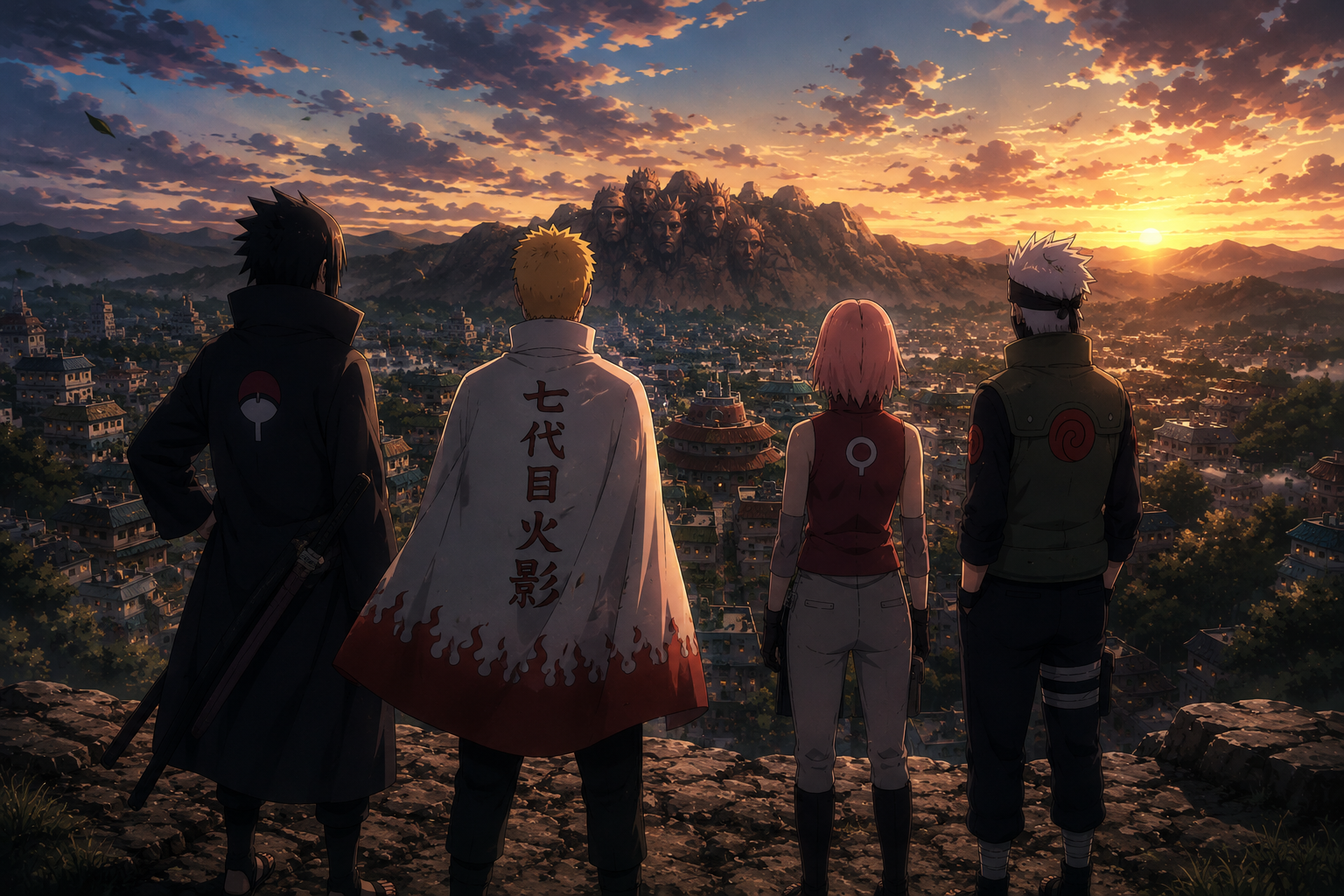
The ninja world has rules. The children inherit the bill.
Chakra, jutsu, villages, clans, ranks, missions, bloodlines, seals, language, food, folklore, and the political machinery hiding beneath the headbands, one deep file at a time.
Start with the system, then follow the consequences
Naruto is not merely a collection of techniques. Hidden villages are military institutions nested inside countries. Clans preserve specialized knowledge and political leverage. Missions turn training into labor. Ranks distribute responsibility. Jinchūriki carry weapons they never consented to host. Once those systems become visible, character choices stop looking like isolated melodrama.
Complete Naruto 101 guides
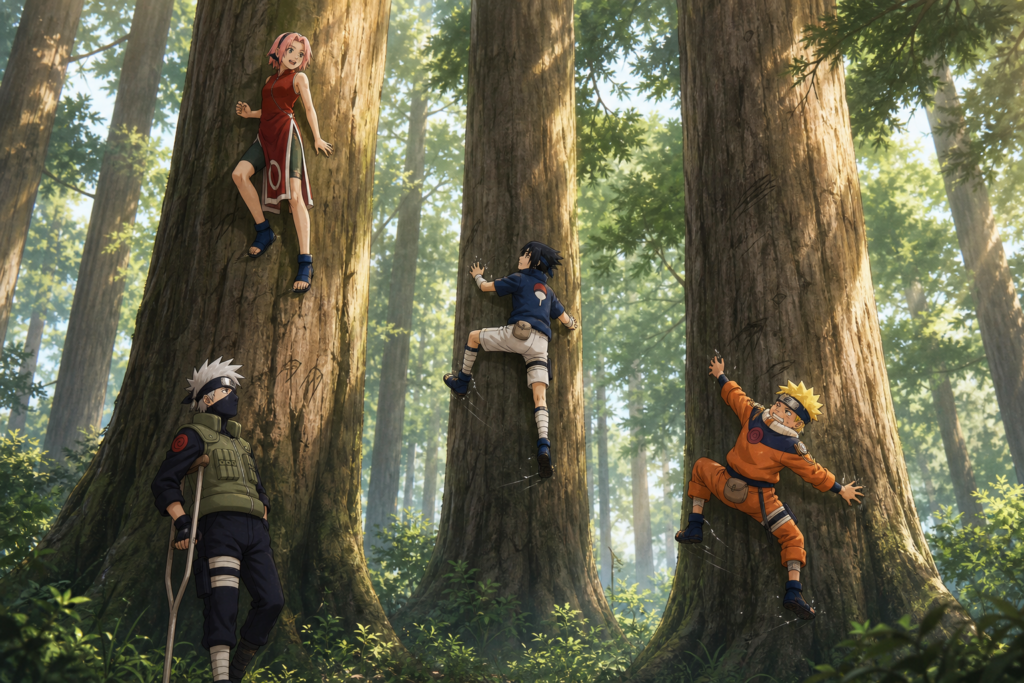
Chakra
Energy production, control versus capacity, reserves, exhaustion, elemental nature, shape, special sources, seals, and the politics of power carried inside bodies.
Read More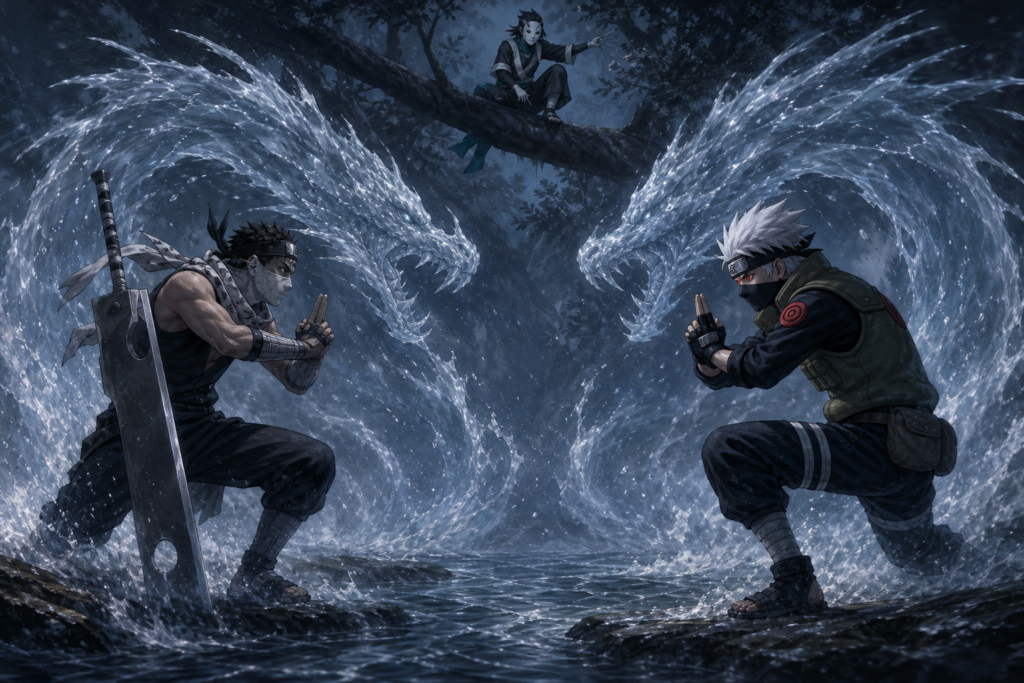
Jutsu
Ninjutsu, genjutsu, taijutsu, hand seals, execution conditions, ranks, forbidden techniques, clan knowledge, copying, teaching, and innovation.
Read MoreNinja-world systems
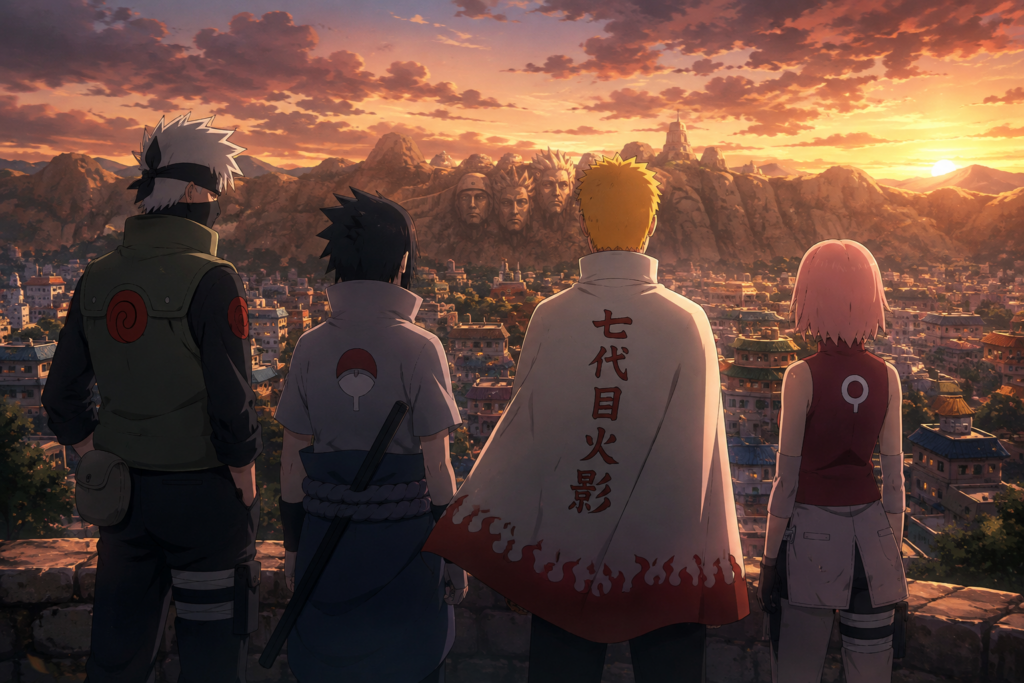
Hidden Villages
Why a hidden village is not the whole country; Kage authority, daimyō power, military labor, clients, borders, alliances, and the Five Great Shinobi Countries.
Read More
Shinobi Ranks
Academy student, genin, chūnin, special jōnin, jōnin, Kage, ANBU, missing-nin, and why rank measures responsibility more reliably than raw combat strength.
Read More
Mission Classifications
D through S ranks, expected danger, clients and payment, intelligence failure, team assignment, and why Tazuna’s lie nearly kills children.
Read More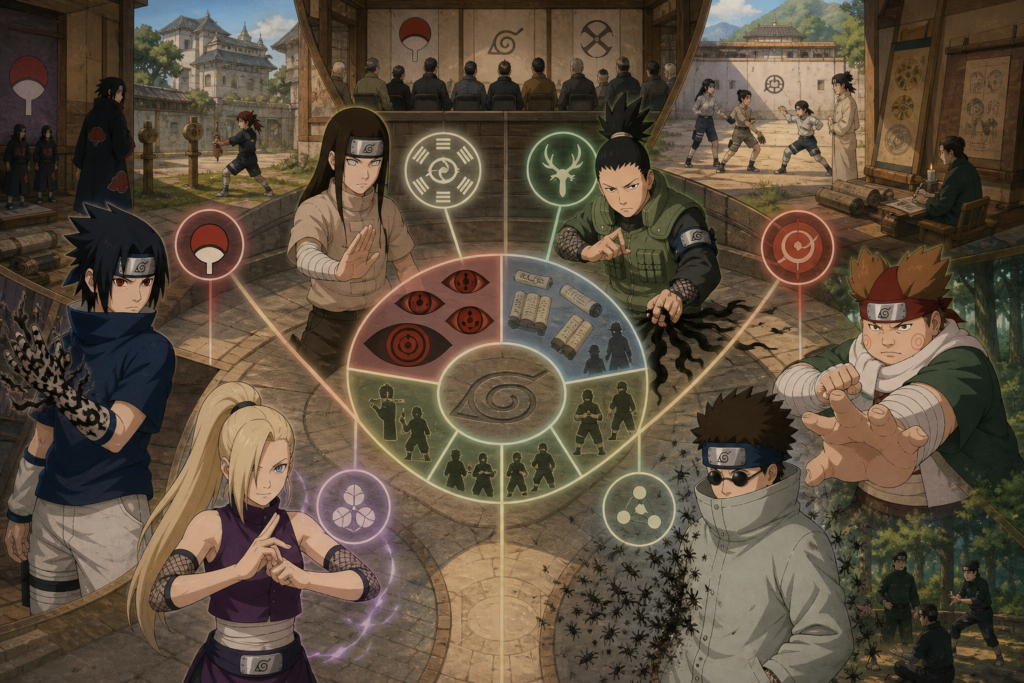 Complete file
Clans, Hiden and Kekkei Genkai
Family as knowledge archive, political bloc, biological inheritance, property system, training network, and obligation.
Read More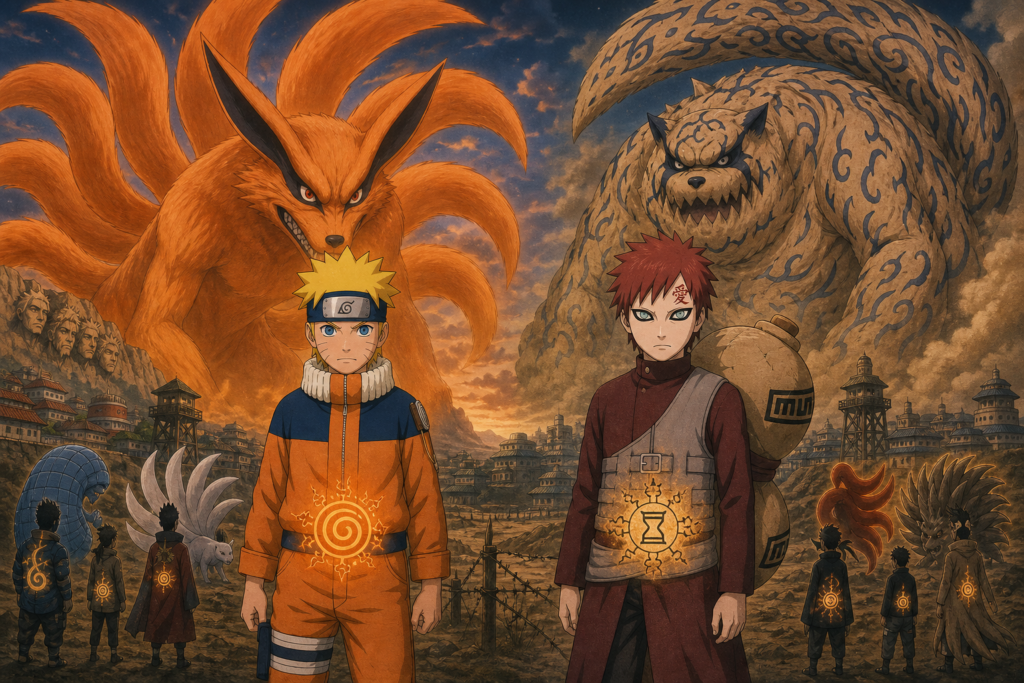 Complete file
Jinchūriki and Tailed Beasts
Containment, deterrence, childhood, stigma, bodily occupation, village strategy, consent, and the possibility of relationship.
Read More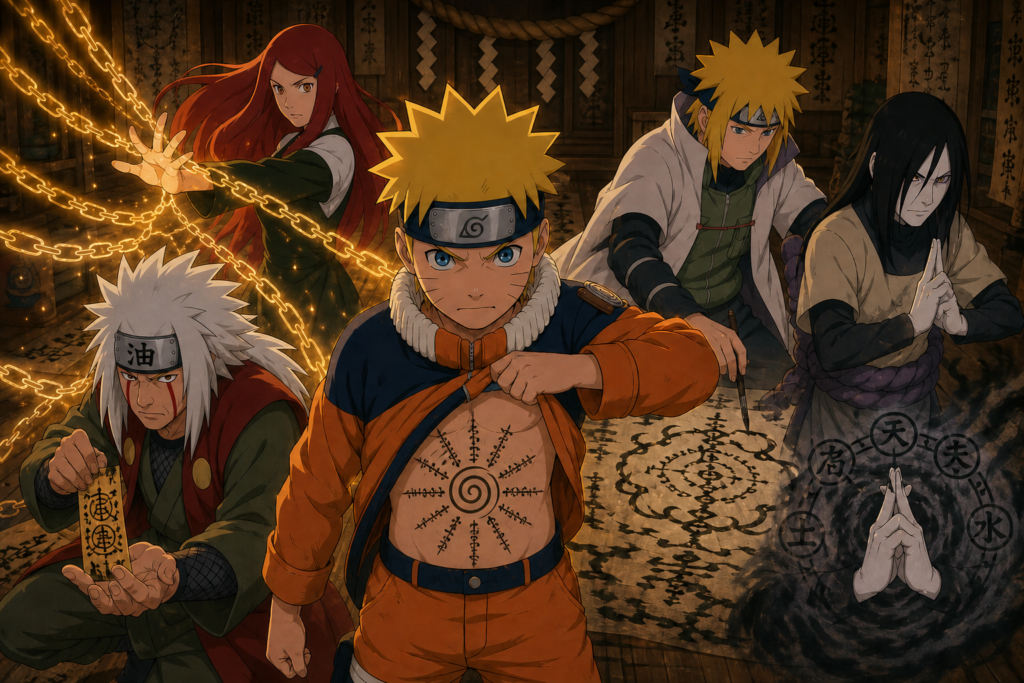 Complete file
Seals and Fūinjutsu
Storage, restriction, transfer, containment, contracts, cursed marks, and the way policy becomes anatomy.
Read MoreLanguage, culture, and worldbuilding
 Complete file
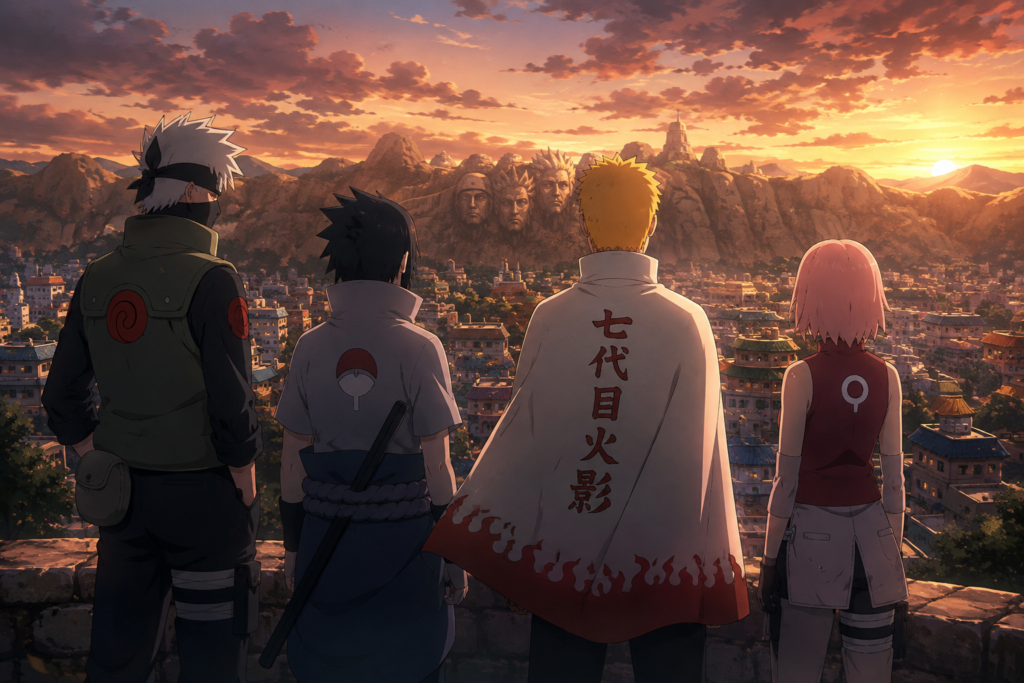
Shinobi, Kunoichi and Nindō
What the terms mean, how translation changes nuance, and why a “ninja way” becomes an existential claim when duty, loyalty and conscience separate.
Read More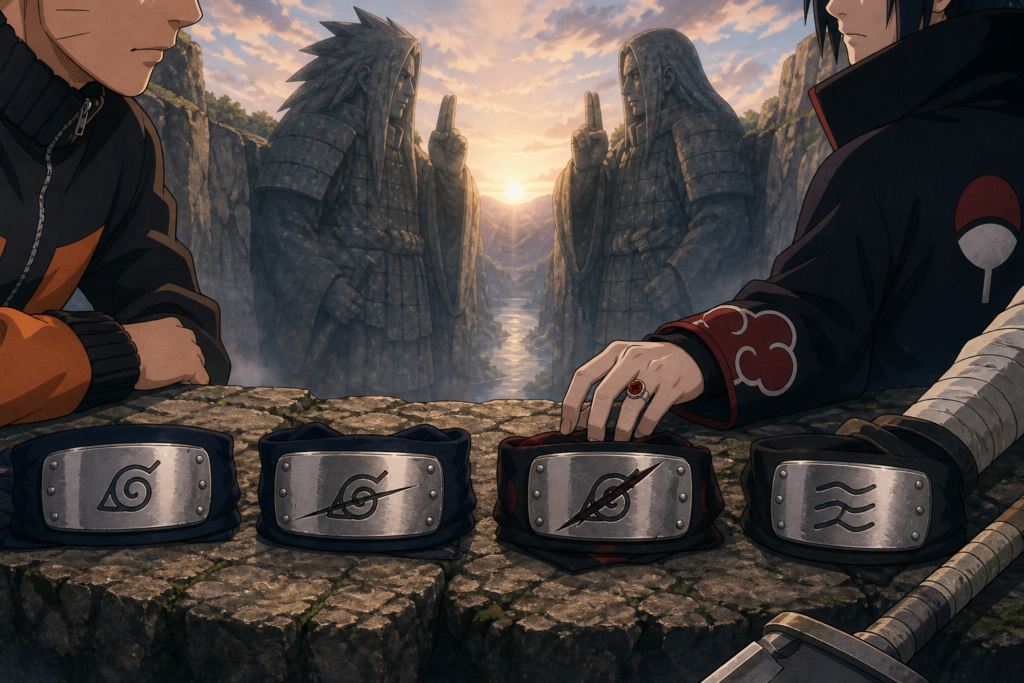 Complete file
Village Symbols and Forehead Protectors
Citizenship, allegiance, deployment, scratched symbols, defectors, uniforms, and identity made wearable.
Read More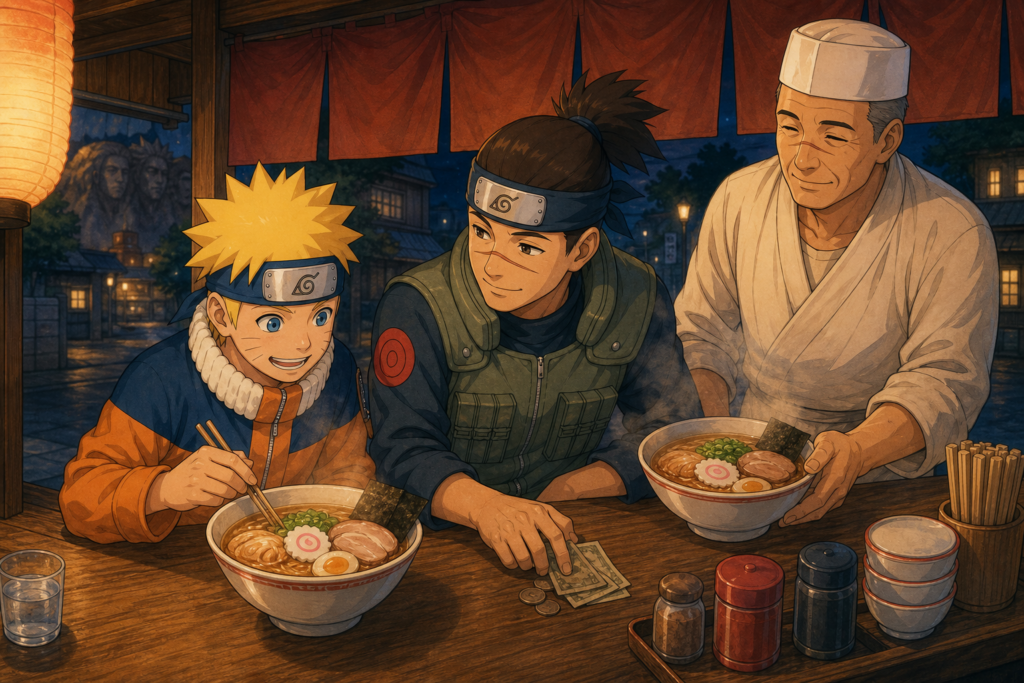 Complete file
Naruto Food File
Ramen, soldier pills, dango, barbecue, bento, rationing, hospitality, and how meals repeatedly measure belonging.
Read More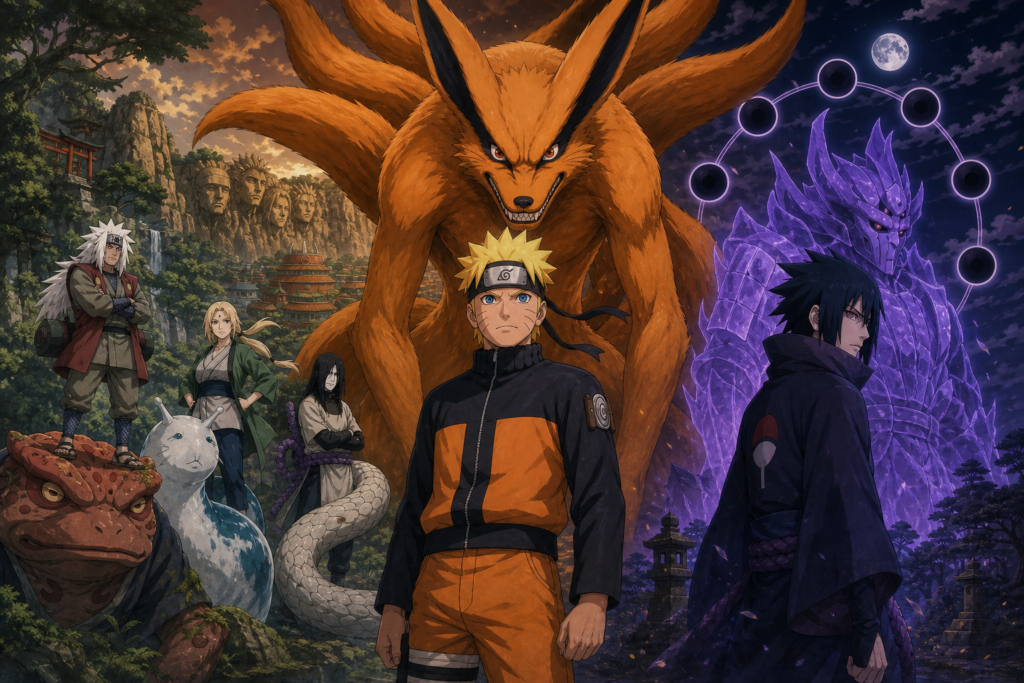 Complete file
Folklore, Buddhism and Japanese Myth
Foxes, snakes, toads, the Sannin, hand signs, the Six Paths, naming systems, and the cultural material transformed by the series.
Read MoreRead the systems inside the story
Survival Test · Land of Waves · Episode directory · General Anime 101