Powered by vibes, caffeine, and questionable life choices. 💀
BEAUTY AND THE BEAST • CVM SEKAI
Beauty and the Beast
A French literary fairy tale became Gothic cinema, Disney animation, Broadway spectacle, live action, sequels, and several arguments nobody should try to solve with one ballroom dance. Start with a version, follow the characters, then get lost in the music, labor, curse rules, and rants.
Choose a version
The 1991 animated film is the center of Disney’s branch, but it is not the origin. The Enchanted Christmas and Belle’s Magical World occupy the cursed period, the stage musical expands interior songs, and the 2017 remake explains and revises. Each review treats its version as a complete work before comparing what changed.
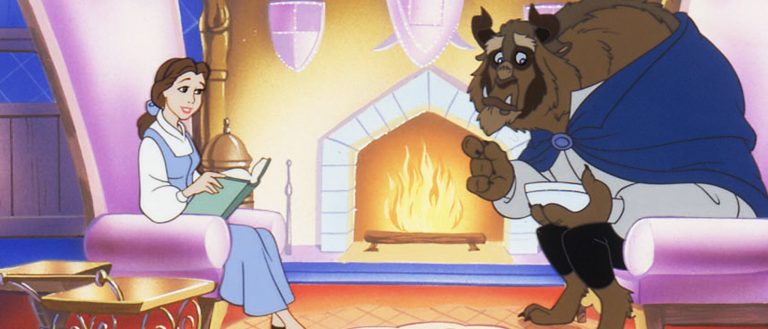
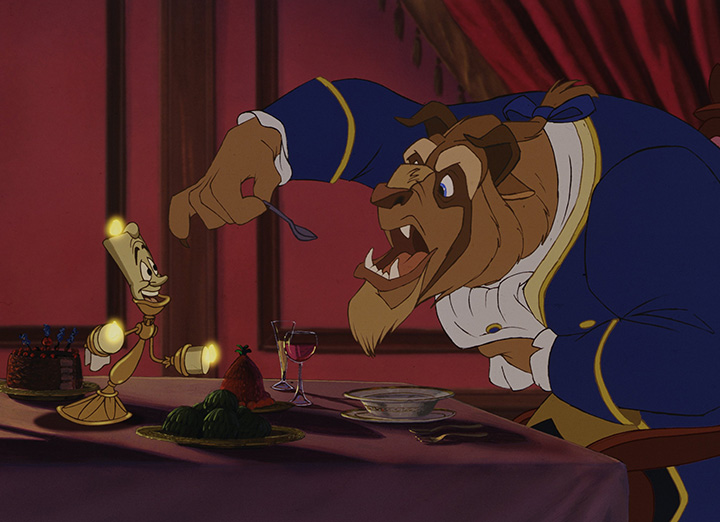
A deep Beauty and the Beast 1991 review of Belle, the Beast, Gaston, captivity, consent, class, the cursed servants, Howard Ashman’s songs, the ballroom, and transformation.
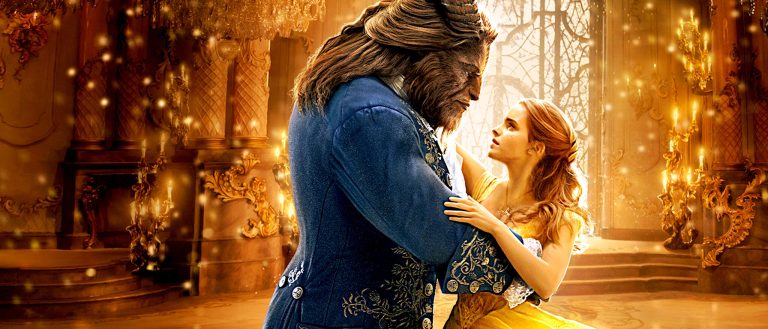
A deep Beauty and the Beast 2017 review of Belle’s invention and mother, the Beast’s education, Gaston and LeFou, the servants, new songs, CGI design, captivity, consent, and remake fidelity.
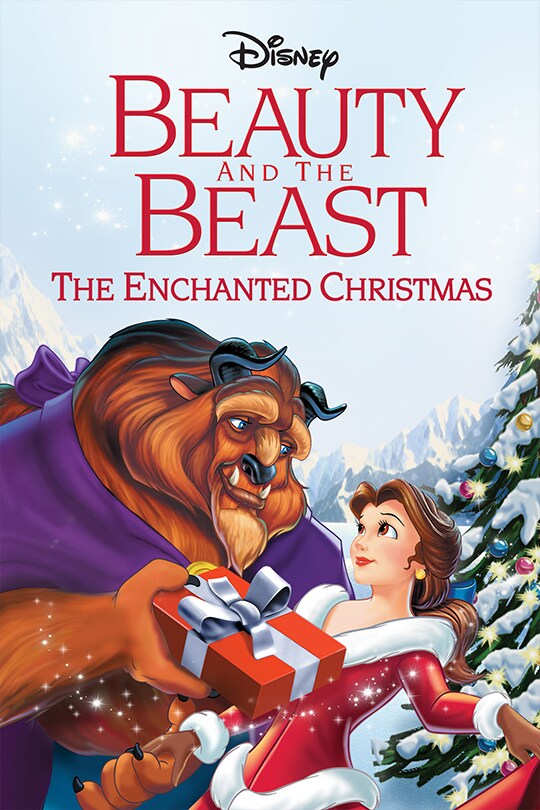
A deep editorial review of The Enchanted Christmas, including Belle’s emotional labor, the Beast’s trauma, Forte’s coercion, the servants, songs, production history, and continuity.
A deep editorial review of Belle’s Magical World, its anthology structure, false apology, Lumiere and Fifi, Mrs. Potts, the injured bird, freedom, care, and accountability.
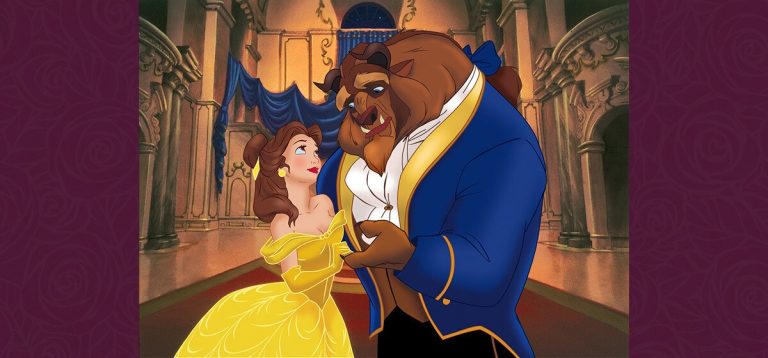
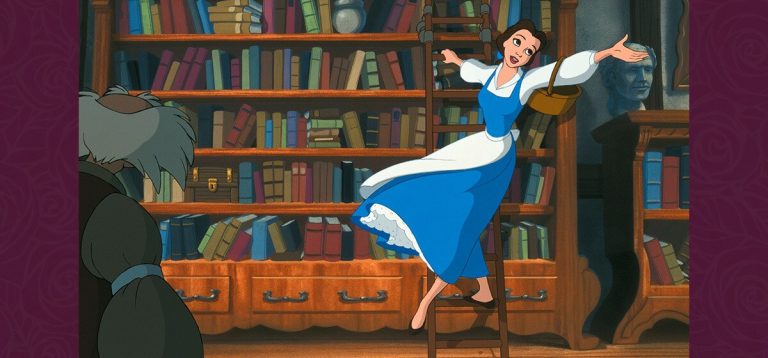
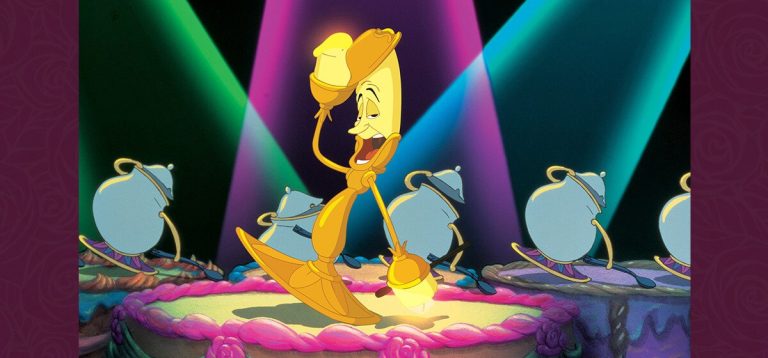
Three scenes, three receipts. The ballroom tests whether listening can become intimacy, the library asks whether recognition can exist without ownership, and Be Our Guest follows a frightened household turning care into rebellion with choreography.
A deep Beauty and the Beast ballroom React about consent, changed behavior, the cursed staff, animation technology, power, freedom, and why letting Belle leave is the real receipt.
A deep Beauty and the Beast library React about recognition, knowledge, wealth, access, captivity, Belle’s intellectual life, and why the later release makes the gift trustworthy.
A deep Be Our Guest React about hospitality, servant labor, enchanted bodies, hidden motives, consent, spectacle, and the household rebelling through care.
Belle, Beast, Gaston, Lumiere, Cogsworth, and Mrs. Potts are more than romance roles or smiling objects. These profiles follow agency, damage, class, performance, adaptation, work, family, and what every character believes love permits.
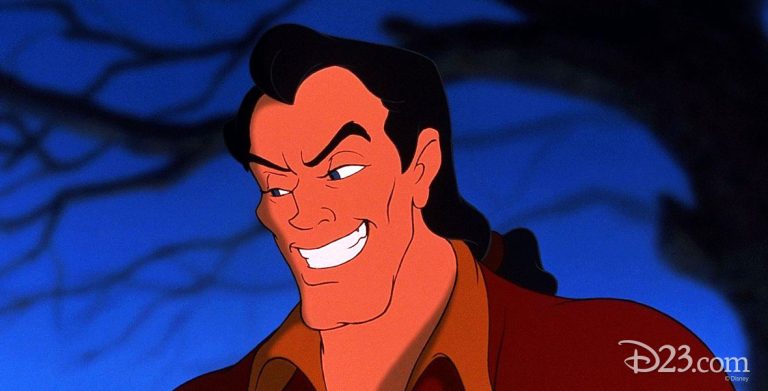
A reference-grade Gaston profile covering Belle, entitlement, Maurice, LeFou, masculinity, propaganda, the mob, performances, adaptation changes, and village power.
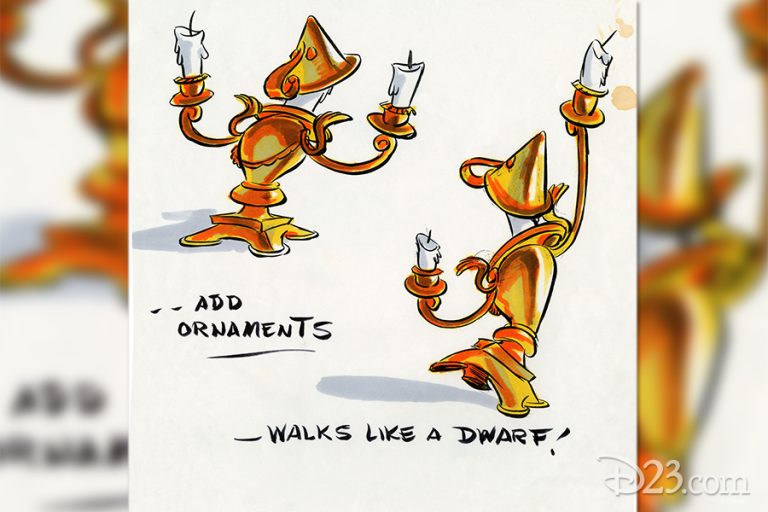
A reference-grade Lumiere profile covering his service, curse, Be Our Guest, Fifi and Plumette, performances, labor politics, leadership, resistance, and class.
The library does not erase the cell. Gaston never protected Belle. The enchantress punished workers and children for a prince’s failure. These rants keep the movie’s beauty while refusing the moral shortcuts people use to defend it.
Trace the tale from Villeneuve and Beaumont through Cocteau and Disney, identify the people inside every enchanted object, then rewatch the music, doors, mirrors, roses, production details, visual rhymes, and verified adaptation echoes.
A deep guide to every major enchanted servant, object form, ability, vulnerability, relationship, continuity change, and labor symbol in Beauty and the Beast.
A deep rewatch guide to musical reprises, doors, roses, mirrors, object animation, production details, visual rhymes, adaptation echoes, and Easter eggs.
Read the 1991 review first for the central Disney continuity. Move to The Enchanted Christmas and Belle’s Magical World for cursed-period side stories. Use the adaptation guide before Broadway, the 2014 French film, or the 2017 remake so each branch stays clear instead of becoming one invented timeline.