

K-pop bias · seven voices · one very large history file
BTS
This BTS profile follows seven men who started with school pressure and hip-hop bravado, grew into a global pop institution, survived seven solo chapters and military service, then came home carrying an album called ARIRANG. A quick profile was never going to survive this assignment.
BTS together at the 2026 FIFA World Cup final halftime show. Source: The Chosun Daily.
RaeRae take
BTS did not become huge because seven handsome men accidentally found matching jackets. The songs gave people language for pressure, loneliness, ambition, shame, burnout and self-worth. The members also let fans watch them learn in public. That created a relationship deeper than a catchy chorus, and it is why every lazy explanation that begins and ends with “ARMY streams a lot” misses the actual engine.
The fame is enormous. The work underneath it is still the interesting part.
Meet the members
Personal handles, birth files and solo-career details live on each member’s canonical profile. This group page keeps the seven-person story together.
BTS works because the members are not interchangeable. The rap line helped build the group’s writing and production spine. The vocal line expanded its emotional and melodic range. By the time the group reunited, all seven had also developed solo careers with distinct sounds. Those solo chapters did not weaken BTS. They made the reunion more complicated and more interesting.

RM
Leader · rapper · writer. The philosophical one until he loses a passport, a bicycle part or the structural integrity of an innocent object. His lyricism and bilingual interviews became crucial bridges between BTS and the wider world.

Jin
Vocalist · variety weapon · eldest member. His humor keeps grandeur from becoming self-important. His solo music often uses bright surfaces to carry homesickness, affection and the anxiety hiding under a very handsome face.

SUGA
Rapper · producer · songwriter. He can be brutally economical in conversation and painfully open in music. As Agust D, he turned rage, illness, survival and ambition into one of the group’s sharpest solo catalogs.

j-hope
Rapper · dancer · performance leader. Sunshine is part of the job description, not the whole person. He is a meticulous stage architect whose solo work moves from playful color to the rougher edges of old-school hip-hop.

Jimin
Vocalist · dancer. Contemporary dance training shows in every line of his body, but the real hook is contrast. He can look weightless while singing about insecurity, desire and the parts of the self that refuse to behave.

V
Vocalist · actor. His deep tone gave the group an unusual color from the beginning. His taste leans toward jazz, R&B and slow-burn mood, while his on-camera brain appears to be receiving instructions from a charming alternate universe.
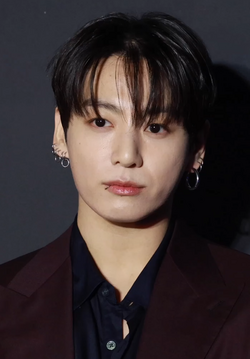
Jung Kook
Vocalist · dancer · youngest member. The “Golden Maknae” label came from being annoyingly competent at nearly everything. His clean pop instincts and physical precision make difficult performances look suspiciously casual.
BTS at a glance
What does Bangtan Sonyeondan mean? The Korean name is commonly translated as Bulletproof Boy Scouts. The original idea was protection from the bullets of social prejudice and pressure aimed at young people. “Beyond the Scene” was introduced later as the group expanded beyond its school-age concept. Fans still use Bangtan, BTS and 방탄소년단 because one international acronym apparently needed three emotional wardrobes.
The musical spine
Why BTS became BTS
The group began with hip-hop, but genre loyalty was never the point. Early albums confronted school systems, adult expectations and young ambition. The HYYH era moved into friendship, youth and the terror of realizing beautiful moments end. Wings used temptation and self-knowledge. The Love Yourself albums built a long argument about loving another person without erasing yourself. Map of the Soul borrowed language from Jungian psychology. BE sat inside pandemic fatigue instead of pretending everyone was fine.
That range matters. BTS can release “Dynamite” as pure survival glitter and still own “Black Swan,” “Spring Day,” “UGH!” and “Blue & Grey.” One group contains several arguments about what pop music is allowed to carry.
The participation file
They are involved in the work
“Self-produced” is often flattened into a purity test. Pop music is collaborative. BTS works with producers, arrangers, choreographers, directors and label staff. The meaningful point is that members have substantial writing and production credits across the catalog, especially RM, SUGA and j-hope, while the vocalists have increased their participation over time.
Their autobiographical material also keeps returning in transformed form. School frustration becomes a rookie song. Fear of losing success becomes “Black Swan.” Exhaustion becomes “Dis-ease.” Friendship becomes “Take Two.” The details are personal enough to feel lived, then edited carefully enough to travel.
The history file
2010 to 2013: before the seven
Big Hit began assembling BTS around RM in 2010, when the plan leaned more heavily toward a hip-hop crew. The project changed shape through auditions, trainee departures and a long development period before the final seven settled into place. SUGA and j-hope brought underground rap and dance foundations; Jin arrived through an acting audition; Jung Kook chose Big Hit after receiving offers from larger companies; Jimin joined last and trained under the shortest deadline. The tidy “seven destined brothers” version is emotionally satisfying. The real formation was risk, revision and a very small company trying to keep the lights on.
2013 to 2014: bulletproof rookies
BTS debuted from Big Hit Entertainment when the company did not carry the institutional weight it has now. 2 Cool 4 Skool, O!RUL8,2?, Skool Luv Affair and Dark & Wild established the rap-forward school trilogy and its rebellious posture. The styling occasionally committed crimes. The frustration in the songs was real.
2015 to 2016: youth becomes a universe
The Most Beautiful Moment in Life, usually shortened to HYYH, changed the scale of the storytelling. “I Need U,” “Run,” “Fire” and “Save Me” mixed youth, friendship, desire and collapse. Music videos and short films encouraged a sprawling narrative universe, but the songs still worked if you refused to bring a corkboard and red string. Wings followed with solo tracks for every member and the theatrical dread of “Blood Sweat & Tears.”
2017 to 2018: the world catches up
“Spring Day” became an enduring Korean chart presence. The Love Yourself series widened the audience while keeping a coherent emotional arc across infatuation, fracture and self-acceptance. BTS won Top Social Artist at the Billboard Music Awards in 2017. American media initially treated the fandom as the novelty. The group kept arriving until the novelty explanation became embarrassing.
2019 to 2020: stadiums, shadows and pandemic pop
Map of the Soul: Persona and Map of the Soul: 7 turned the lens inward. “Boy With Luv” was bright collaboration. “Black Swan” asked what happens when an artist no longer feels moved by art. “ON” was built for scale just before the pandemic removed the intended audience. Then “Dynamite” arrived in 2020, an English-language disco release that gave listeners three minutes of permission to stop doom-scrolling.
2021 to 2022: the pop summit and the pause
“Butter” and “Permission to Dance” continued the global pop run. Proof collected the group’s history and introduced new material, including “Yet to Come.” The group then shifted into solo activity and mandatory military service. The word “hiatus” caused a media panic that the members themselves had to keep correcting. They had promised another chapter. ARMY wrote that promise in permanent marker.
2023 to 2025: seven solo careers
The members did not spend the group pause in storage. Their projects covered alternative hip-hop, indie pop, R&B, dance music, jazz color, rock energy and polished global pop. Jin and j-hope returned from service first. RM, V, Jimin, Jung Kook and SUGA completed service in June 2025. By reunion day, BTS was no longer seven members waiting to resume old positions. It was seven individual artists deciding what “BTS” should mean next.
2026: ARIRANG and BTS 2.0
The fifth Korean studio album ARIRANG arrived March 20, 2026 with fourteen tracks centered on identity, growth and Korean cultural memory. The title reaches toward the folk song often treated as Korea’s unofficial national anthem. Their free comeback performance at Gwanghwamun Square placed the group in front of Gyeongbok Palace, with staging and clothing that referenced Korean heritage without turning the concert into a museum display.
The return was streamed globally on Netflix. Korean newspapers printed special editions. The members later framed the chapter as “BTS 2.0,” which sounds slightly like software until the music reminds you that the operating system contains feelings.
Landmarks without the trophy avalanche
BTS has hundreds of awards. A useful group profile needs the turning points, not every engraved object that crossed a stage.
| Year | Landmark | Why it mattered |
|---|---|---|
| 2015 | First music-show win for “I Need U” | The HYYH era turned survival into momentum. |
| 2017 | Billboard Music Award for Top Social Artist | The first major U.S. award breakthrough made the fandom impossible to dismiss as internet noise. |
| 2018 | Love Yourself: Tear reached No. 1 on the Billboard 200 | First Korean act to top the chart. |
| 2019 | Wembley Stadium and Rose Bowl | Korean-language stadium shows became lived reality, not an industry forecast. |
| 2020 | “Dynamite” debuted at No. 1 on the Billboard Hot 100 | First all-South Korean act to lead the chart. |
| 2021 | American Music Awards Artist of the Year | BTS moved from international category guest to the ceremony’s top artist prize. |
| 2021–2023 | Five Grammy nominations | No win, but repeated nominations placed a Korean group inside the main U.S. recording-industry conversation. |
| 2026 | ARIRANG and the Gwanghwamun return | The reunion centered Korean identity instead of treating it as something global success had outgrown. |
Why ARIRANG matters
A globally dominant Korean group did not return by sanding away its Korean identity. BTS came back by naming the album after a melody carried through Korean history, then staged the first major group performance in one of Seoul’s most symbolically loaded public spaces. That is not retreating from global pop. It is refusing the idea that global success requires cultural dilution.
Start with the songs
This is a route, not a ranking. Pick the door that matches your mood and accept that you may lose the rest of the afternoon.
If you want the emotional core
“Spring Day,” “Magic Shop,” “Mikrokosmos,” “We Are Bulletproof: the Eternal,” “Blue & Grey,” “Yet to Come” and “Take Two.” Keep tissues nearby. BTS has no respect for your mascara.
If you want performance teeth
“MIC Drop,” “Not Today,” “ON,” “Dionysus,” “Run BTS,” “Fire” and “IDOL.” Watch live stages after the music videos because the choreography changes the argument.
If you want the rap line angry
“Cypher Pt. 3,” “Cypher 4,” “UGH!,” “Ddaeng” and “Outro: Tear.” Translation notes help. So does a strong chair.
If you want bright pop first
“Dynamite,” “Butter,” “Boy With Luv,” “DNA,” “Permission to Dance” and “Anpanman.” Easy entry does not mean disposable entry.
BTS music
The catalog gets its own shelf. RaeRae coverage comes after it and stays sorted by what I actually wrote.
Catalog map
Albums before algorithms
2 Cool 4 Skool · Dark & Wild · The Most Beautiful Moment in Life · Wings · Love Yourself · Map of the Soul · BE · Proof · ARIRANG
RaeRae Reacts
The song and official video get reviewed together. The release-date rules still apply.

World Cup halftime show
The global relay, the free appearance, the children at the ending and the reason BTS understood the assignment better than the discourse did.
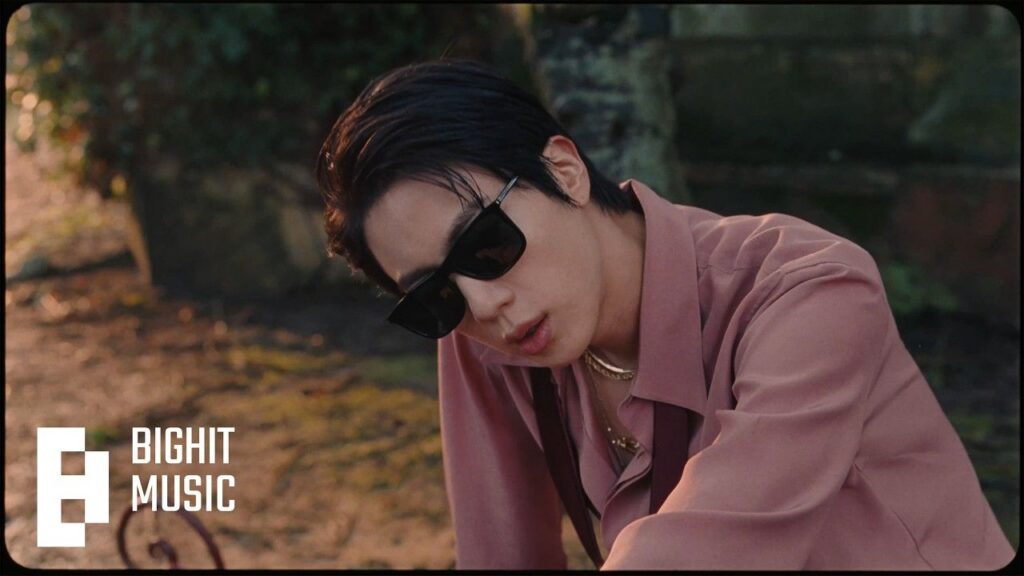
NORMAL
The album review updated for the official MV, where the party ends and the question of an ordinary life gets harder.
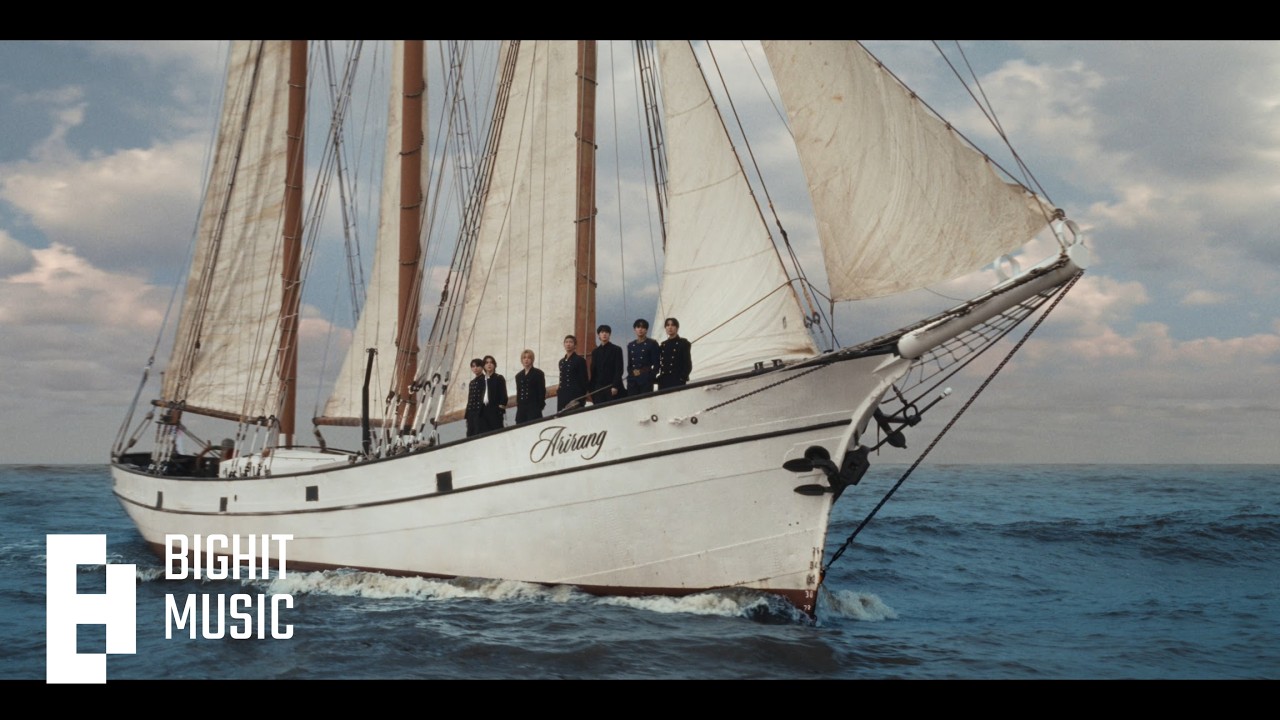
SWIM
The reunion title track, a real ship, Lili Reinhart, and seven men choosing steady movement over a comeback explosion.
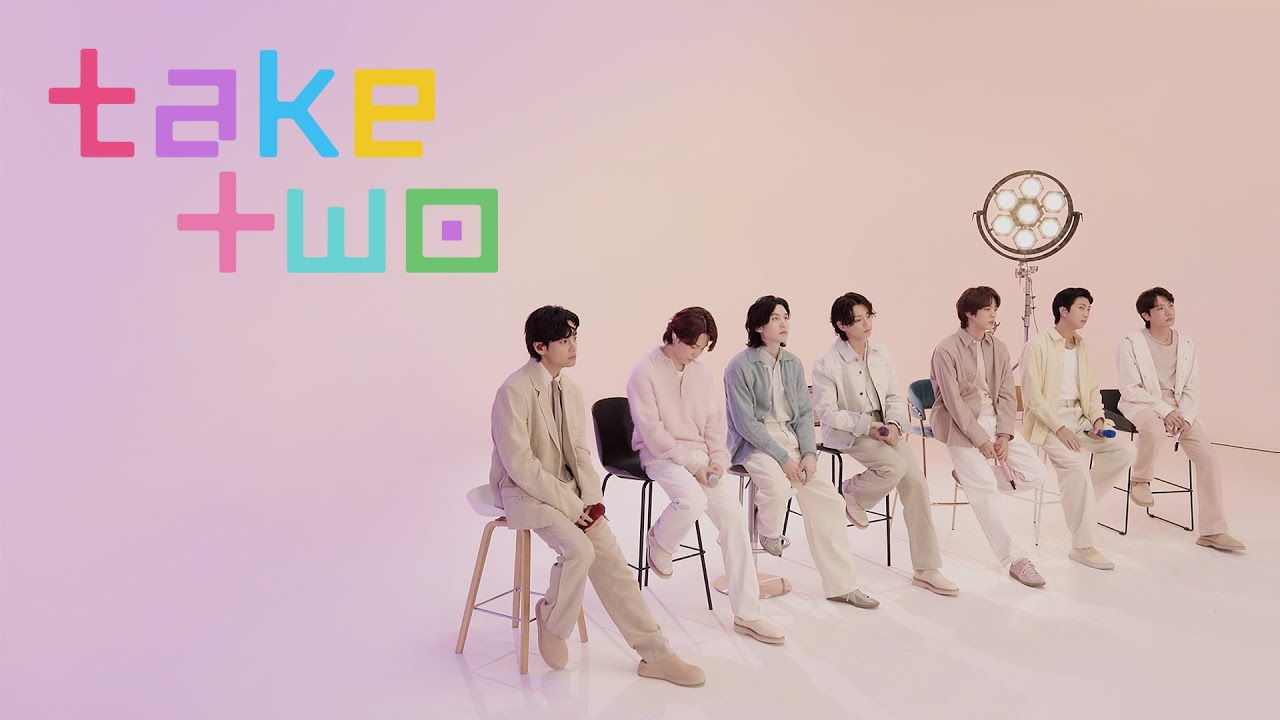
Take Two
A fandom love letter written during separation without pretending waiting is painless or certainty is guaranteed.
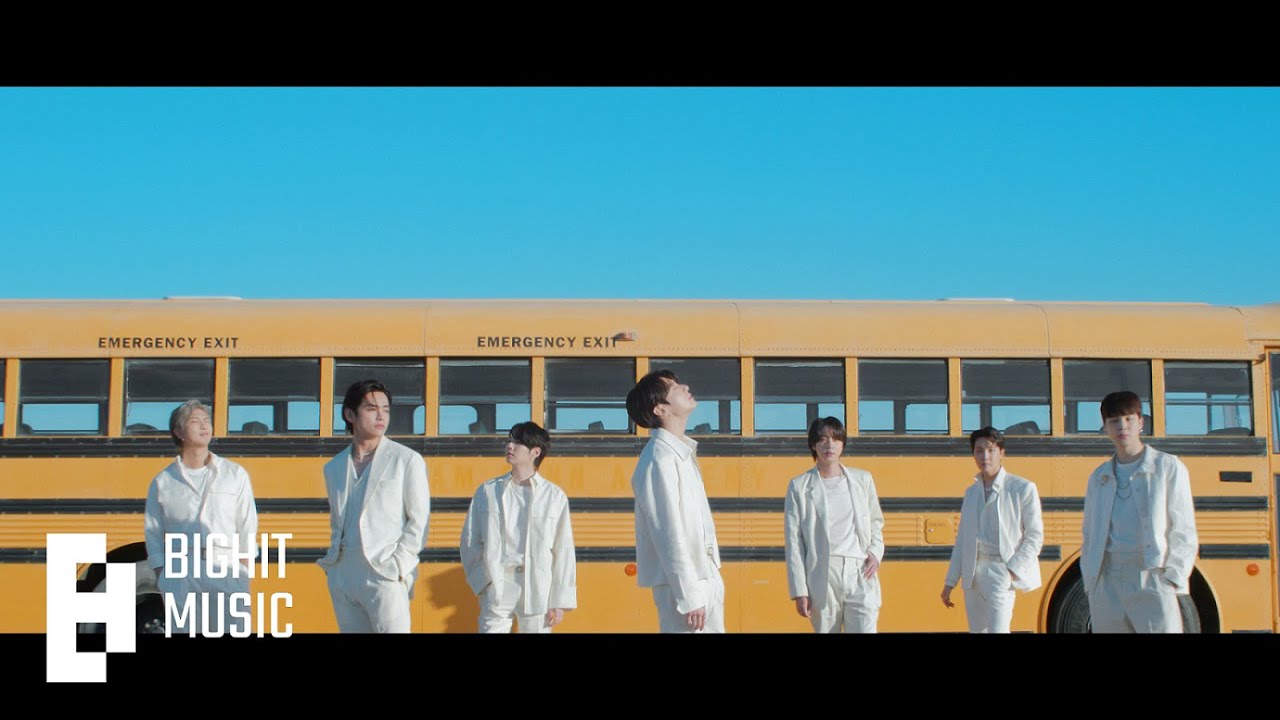
Yet to Come
A desert full of old props, an anthology release and seven men refusing to let nostalgia become their permanent address.
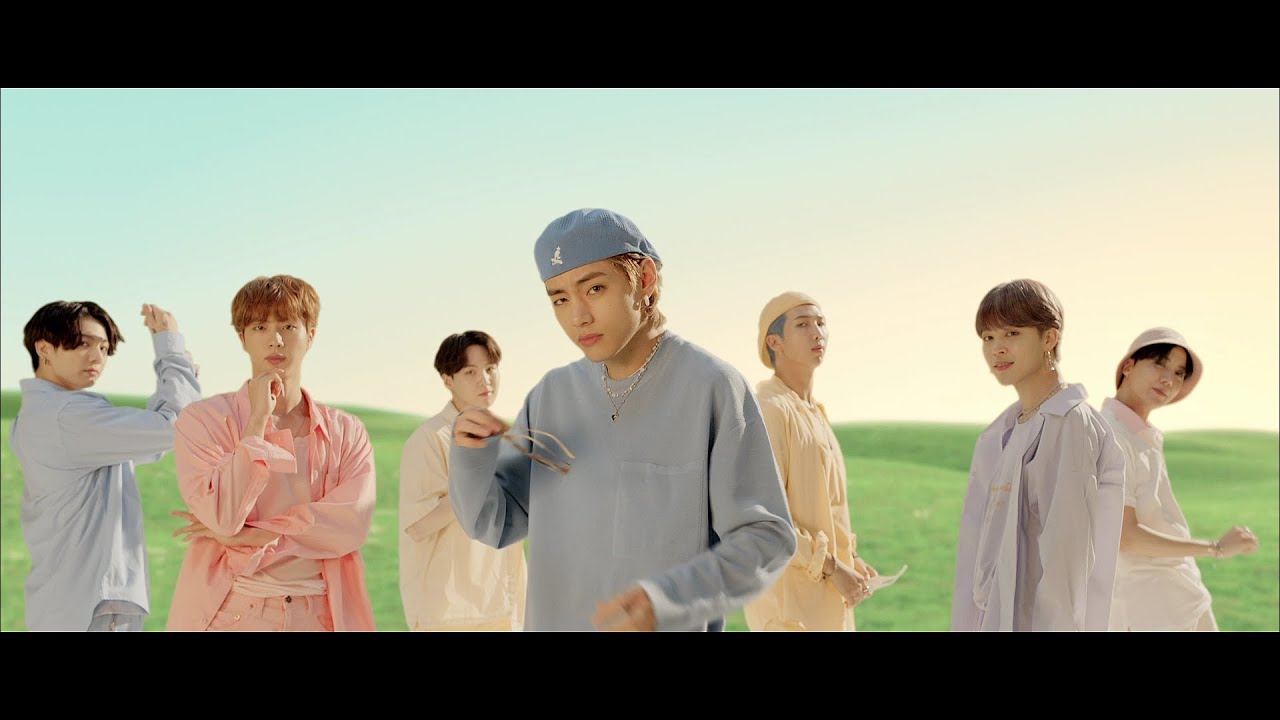
Dynamite
The pandemic disco ball, why the English mattered, and the three minutes of joy that opened a door nobody could politely close again.
The complete shelf
Open every BTS review
Newest releases first, with the song discussed before the video and enough production notes to ruin casual listening in the best way.
RaeRae Rants
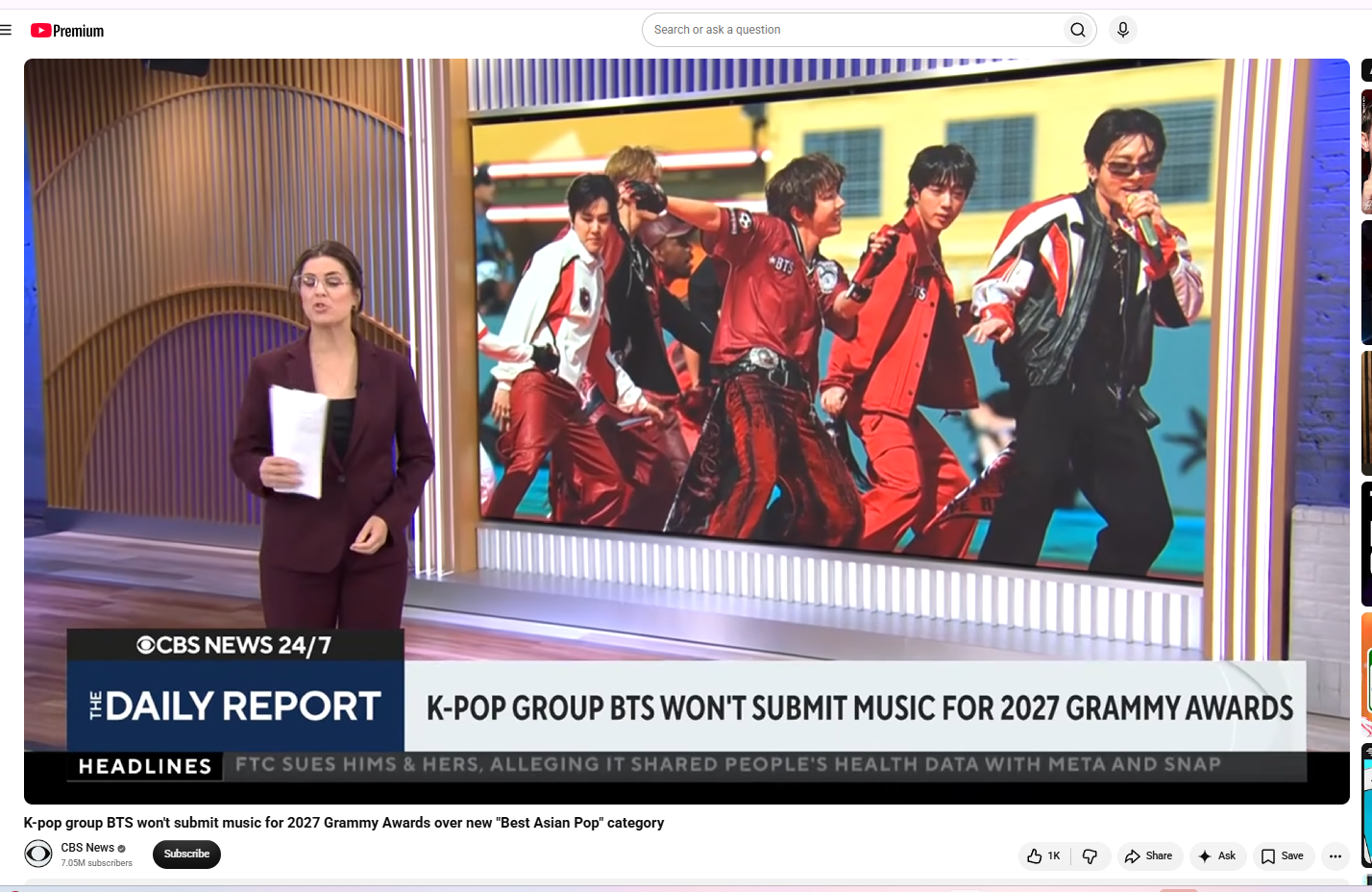
BTS said no to the 2027 Grammys
Recognition should not require accepting a segregated shelf with better branding.
Tea with receipts
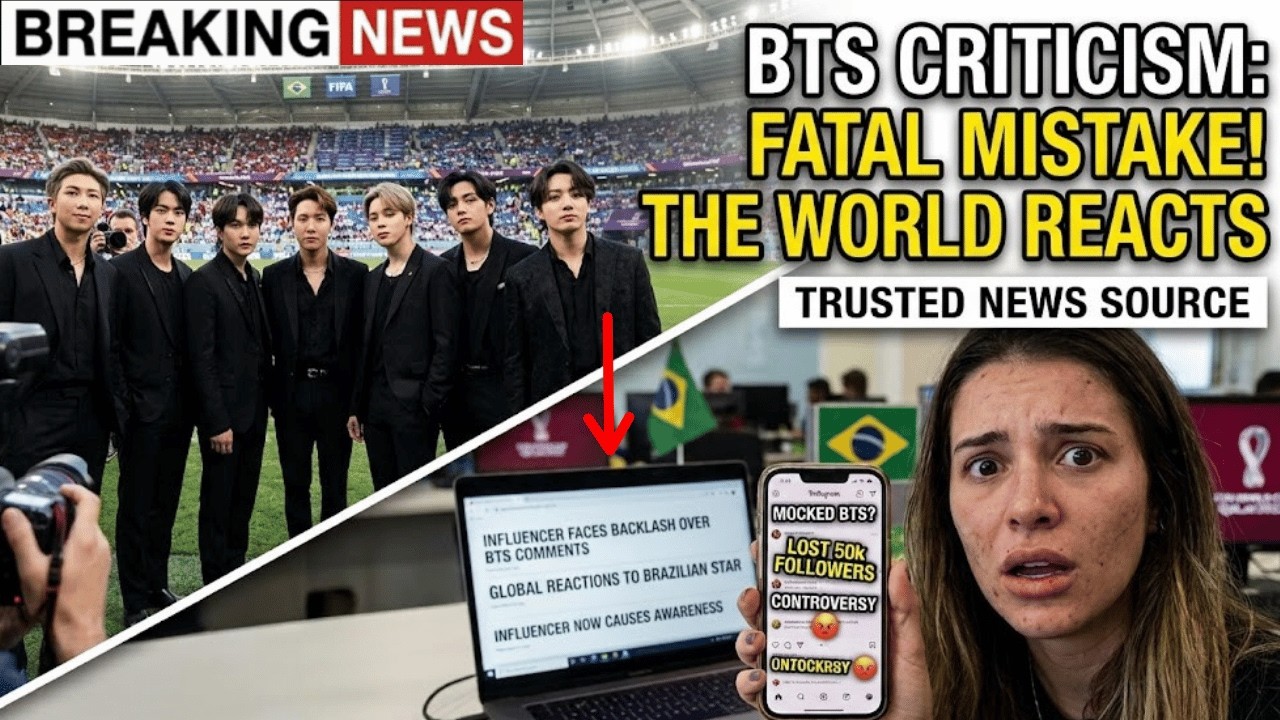
The influencer, ARMY and the receipts
A dismissive post met a fandom with screenshots, institutional memory and entirely too much time before breakfast.
ARMY is part of the history
ARMY stands for Adorable Representative M.C. for Youth, an expansion with the unmistakable energy of a 2013 naming meeting. The fandom grew into a multilingual global network that translates broadcasts, organizes streaming and purchasing projects, archives deleted material, funds charity drives and sometimes mobilizes with the terrifying efficiency of an international emergency response team.
That power deserves both respect and honesty. A huge fandom can amplify good reporting, protect artists from lazy xenophobia and fund meaningful causes. It can also overwhelm criticism, spread weak claims or punish people far beyond proportion. “ARMY did this” is rarely a complete sentence because millions of people do not share one brain. They do, however, share screenshots.
BTS and ARMY changed the performer-fan relationship by building continuity. The audience did not simply arrive for a hit. It watched the members grow, fail, recover, enlist, return and keep the promise of seven.
Fandom file
ARMY, without the orientation-week fog
ARMY is BTS’s official fandom, established July 9, 2013. The name is part of the group’s history, but nobody needs to pass a vocabulary exam before listening to the music.
BTS Weverse is the verified community and announcement home. Use it instead of a stranger’s urgent-looking form with three siren emojis and a payment request.
Paid membership
What ARMY Membership actually does
BTS Global Official Fanclub ARMY Membership can provide eligibility for selected ticket presales or raffles, membership-only tickets, broadcast applications, exclusive content and renewal gifts.
It does not guarantee a ticket. Benefits vary by event and country, applications are often separate, and the membership name may need to match a passport or other valid ID. Buy only through Weverse.
Fandom file
Words you will keep seeing
OT7: support for all seven members.
Bias: the member who chose you. Your own opinion is apparently secondary.
Bias wrecker: the member currently attacking that choice.
Borahae / I purple you: V’s phrase for enduring love and trust.
ARMY Bomb: the official light stick, synchronized at concerts into a giant field of light.
HYYH: Hwa Yang Yeon Hwa, “the most beautiful moment in life,” and an era that still owns emotional property inside the fandom.
Public impact
Beyond charts
The group’s public work includes the LOVE MYSELF campaign with UNICEF, speeches at the United Nations and advocacy against anti-Asian hate at the White House. The members and fandom have also made highly visible donations across disaster relief, education, arts and social causes.
None of that makes every commercial decision noble or every fan argument correct. It does explain why BTS is discussed as more than a successful act. Their cultural footprint includes the behavior they encouraged around the music.
The essential discography path
For the origin: 2 Cool 4 Skool, O!RUL8,2?, Skool Luv Affair and Dark & Wild.
For the emotional breakthrough: The Most Beautiful Moment in Life Pt. 1, Pt. 2 and Young Forever.
For temptation and individual color: Wings and You Never Walk Alone.
For the long self-love argument: Love Yourself: Her, Tear and Answer.
For persona, shadow and scale: Map of the Soul: Persona and Map of the Soul: 7.
For the pandemic room: BE.
For the first chapter’s archive: Proof.
For the return: ARIRANG, followed by the 2026 FESTA release “Come Over.”
Complete group release shelf
This is the album-level map: Korean releases, major Japanese albums, soundtracks and stand-alone group chapters. Remixes and member solos stay in their own files.
Korean albums and major collections
| 2013 | 2 Cool 4 Skool · O!RUL8,2? |
| 2014 | Skool Luv Affair · Dark & Wild |
| 2015 | The Most Beautiful Moment in Life Pt. 1 · Pt. 2 |
| 2016 | Young Forever · Wings |
| 2017 | You Never Walk Alone · Love Yourself: Her |
| 2018 | Love Yourself: Tear · Love Yourself: Answer |
| 2019 | Map of the Soul: Persona |
| 2020 | Map of the Soul: 7 · BE |
| 2022 | Proof |
| 2026 | ARIRANG |
Japanese album shelf
| 2014 | Wake Up |
| 2016 | Youth |
| 2018 | Face Yourself |
| 2020 | Map of the Soul: 7 – The Journey |
| 2021 | BTS, the Best |
Soundtracks, global singles and collaborations
BTS World: Original Soundtrack belongs in the group file beside “Heartbeat.” The stand-alone global chapter includes “Dynamite,” “Butter,” “Permission to Dance,” “My Universe” with Coldplay, “Bad Decisions” with Benny Blanco and Snoop Dogg, “Take Two” and the 2026 FESTA release “Come Over.” Major collaborations such as “Boy With Luv” with Halsey, “MIC Drop” with Steve Aoki and “Make It Right” with Lauv remain attached to their album eras.
Story worlds
The BTS Universe and the media shelf
The HYYH-era music videos grew into the BTS Universe, a fictional continuity using member-inspired characters, time loops, friendship, trauma and repeated attempts to change an ending. It extends through short films, notes, the Save Me webtoon and related story projects. It is optional homework. The songs do not stop working if you decline the corkboard.
Group media also includes Run BTS!, Bon Voyage, In the SOOP, concert films and documentaries including Burn the Stage, Bring the Soul, Break the Silence and Beyond the Star. These programs are part of how fans watched the group become people instead of seven rotating promotional photographs.
Official objects
Logo, ARMY Bomb and buying without regret
The current BTS symbol and ARMY’s mirrored-door symbol were introduced with the “Beyond the Scene” identity in 2017. The official light stick is the ARMY Bomb, designed to synchronize during concerts. Version support and pairing rules can change by event, so “official” does not automatically mean “works at every future show forever.”
Use BTS Weverse Shop and event notices for current merchandise, light-stick versions and venue pickup. A marketplace listing that says “official-style” is confessing before checkout.
The current status
BTS is active as a seven-member group after all members completed mandatory service. ARIRANG began the post-service chapter in March 2026. The free Gwanghwamun comeback concert, 2026 FESTA activities, Busan stadium dates and “Come Over” made one point very loudly: the reunion was not a ceremonial photo opportunity.
Official links
Follow BTS
- BTS official website — releases, profile and official discography
- BANGTANTV · @BTS — Bangtan Bombs, lives, rehearsals and the personality archive that makes BTS feel like seven people instead of a corporate logo
- HYBE LABELS · @HYBELABELS — primary official music videos and label trailers
- Instagram · @bts.bighitofficial — official group photos, reels and release promotion
- X · @bts_bighit — official BTS announcements
- X · @BTS_twt — the historic member-run account and its chaos archive
- TikTok · @bts_official_bighit — official short-form clips and challenges
- Weverse · BTS — member posts, lives, notices and membership access
- X · @BIGHIT_MUSIC — agency-wide notices and release updates
Receipts and deeper reading
- BIGHIT MUSIC official BTS profile
- BIGHIT MUSIC official discography
- Weverse notice for BTS THE COMEBACK LIVE | ARIRANG
- Weverse notice for “Come Over”
- The Korea Times: BTS chronology from breakthrough to Gwanghwamun
- The Korea Times: BTS discusses ARIRANG and “BTS 2.0”
- The Korea Times: ARIRANG and the post-hiatus phase
- Yonhap: Gwanghwamun comeback concert report
- The Korea Times: 2026 FESTA and Busan return
Official music video library
This is the BTS group-video file: primary music videos plus official alternate, remix, Japanese and choreography editions. Member solo releases, teasers, fan uploads, lyric videos and ordinary performance clips stay out so this does not become a YouTube junk drawer.
Every title opens the official upload. View totals and daily gains stay pending until a real tracking snapshot exists. No imaginary numbers in this house.
20264 videos
20222 videos
20216 videos
 2021Butter (Cooler Remix) Official MVWatch official video ↗Daily+2.7KTotal views49.4M
 2021Butter (Hotter Remix) Official MVWatch official video ↗Daily+9.3KTotal views127.8M
 2021Butter Official MVWatch official video ↗Daily+189.3KTotal views1.1B
 2021Film out Official MVWatch official video ↗Daily+16.6KTotal views243M
 2021My Universe (with Coldplay)Watch official video ↗Daily+54.2KTotal views350.1M
 2021Permission to Dance Official MVWatch official video ↗Daily+111.4KTotal views729.2M
202012 videos
 2020Black Swan Official MVWatch official video ↗Daily+130KTotal views611.1M
 2020Dynamite (Choreography Version)Watch official video ↗Daily+42.6KTotal views306.2M
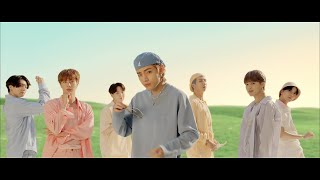 2020Dynamite Official MVWatch official video ↗Daily+517.3KTotal views2.1B
 2020Dynamite Official MV (B-side)Watch official video ↗Daily+6.6KTotal views210.5M
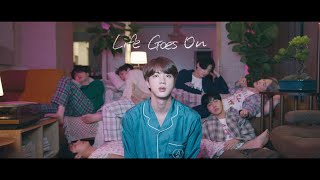 2020Life Goes On Official MVWatch official video ↗Daily+93.9KTotal views605.3M
 2020Life Goes On Official MV : in the forestWatch official video ↗Daily+36.6KTotal views189.4M
 2020Life Goes On Official MV : like an arrowWatch official video ↗Daily+329Total views14.3M
 2020Life Goes On Official MV : on my pillowWatch official video ↗Daily+867Total views43.6M
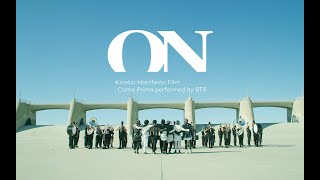 2020ON Kinetic Manifesto FilmWatch official video ↗Daily+93.1KTotal views688.3M
 2020ON Official MVWatch official video ↗Daily+26.7KTotal views354M
 2020Stay GoldWatch official video ↗Daily+25.8KTotal views276.7M
 2020We Are Bulletproof: the EternalWatch official video ↗Daily+22.1KTotal views125.3M
20196 videos
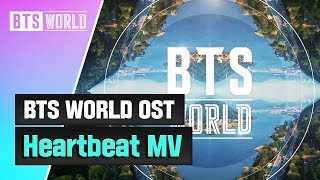 2019Heartbeat (BTS WORLD OST)Watch official video ↗Daily+10.6KTotal views101.4M
 2019LightsWatch official video ↗Daily+20.3KTotal views182.8M
 2019Make It Right (feat. Lauv) Official MVWatch official video ↗Daily+58.2KTotal views273.5M
 2019Make It Right Official MV (Vertical ver.)Watch official video ↗Daily+3.8KTotal views17.2M
 2019작은 것들을 위한 시 (Boy With Luv) (feat. Halsey) Official MVWatch official video ↗Daily+261.1KTotal views2B
 2019작은 것들을 위한 시 (Boy With Luv) (feat. Halsey) Official MV (ARMY With Luv ver.)Watch official video ↗Daily+2.9KTotal views107.2M
20185 videos
 2018Airplane pt.2 -Japanese ver.-Watch official video ↗Daily+49.3KTotal views341.7M
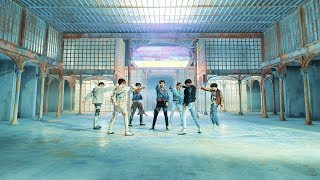 2018FAKE LOVE Official MVWatch official video ↗Daily+181.9KTotal views1.4B
 2018FAKE LOVE Official MV (Extended ver.)Watch official video ↗Daily+2.3KTotal views56.8M
 2018IDOL (Feat. Nicki Minaj) Official MVWatch official video ↗Daily+4.3KTotal views168.5M
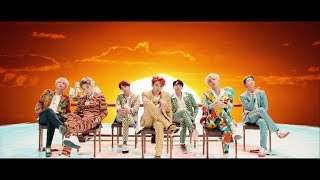 2018IDOL Official MVWatch official video ↗Daily+150.1KTotal views1.4B
201710 videos
 2017Blood Sweat & Tears (Japanese Version)Watch official video ↗Daily+1.9KTotal views56.2M
 2017Come Back HomeWatch official video ↗Daily+1.3KTotal views25.5M
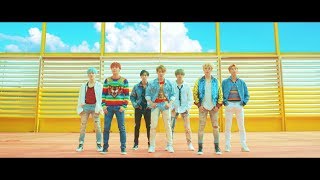 2017DNA Official MVWatch official video ↗Daily+96.6KTotal views1.7B
 2017MIC Drop (Japanese Version)Watch official video ↗Daily+3.7KTotal views36.5M
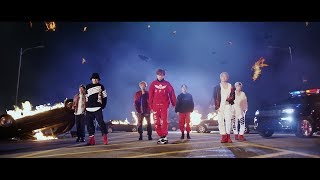 2017MIC Drop (Steve Aoki Remix) Official MVWatch official video ↗Daily+256.5KTotal views1.6B
 2017Not Today (Choreography Version)Watch official video ↗Daily+2.4KTotal views72.5M
 2017Not Today Official MVWatch official video ↗Daily+44.6KTotal views629.6M
 2017Spine BreakerWatch official video ↗Daily+196Total views441.7K
 2017With SeoulWatch official video ↗Daily+719Total views13.1M
 2017봄날 (Spring Day) Official MVWatch official video ↗Daily+61.7KTotal views576.2M
20166 videos
 2016EPILOGUE : Young Forever MVWatch official video ↗Daily+18.3KTotal views76.4M
 2016FIRE (Choreography Version)Watch official video ↗Daily+3.4KTotal views55.9M
 2016RUN (Japanese Version)Watch official video ↗Daily+1.2KTotal views34.5M
 2016Save ME Official MVWatch official video ↗Daily+101KTotal views825.4M
 2016불타오르네 (FIRE) MVWatch official video ↗Daily+81.7KTotal views474.4M
 2016피 땀 눈물 (Blood Sweat & Tears) Official MVWatch official video ↗Daily+103.1KTotal views1B
20157 videos
 2015FOR YOUWatch official video ↗Daily+10.9KTotal views108.1M
 2015FOR YOU (Dance Version)Watch official video ↗Daily+3.5KTotal views36.2M
 2015I NEED U (Japanese Version)Watch official video ↗Daily+1.7KTotal views54.5M
 2015I NEED U Official MVWatch official video ↗Daily+2.6KTotal views14.7M
 2015I NEED U Official MV (Original ver.)Watch official video ↗Daily+48.9KTotal views203.9M
 2015RUN Official MVWatch official video ↗Daily+37.4KTotal views157M
 2015쩔어 Official MVWatch official video ↗Daily+46.2KTotal views231.5M
20148 videos
 2014Boy In Luv (Japanese Version)Watch official video ↗Daily+916Total views28.2M
 2014Danger (Japanese Version)Watch official video ↗Daily+1KTotal views25.2M
 2014Danger Official MVWatch official video ↗Daily+22.9KTotal views135.2M
 2014상남자 (Boy In Luv) Official MVWatch official video ↗Daily+4.7KTotal views69.2M
 2014하루만 (Just one day) Official MVWatch official video ↗Daily+4.3KTotal views54.7M
 2014호르몬전쟁 Official MVWatch official video ↗Daily+4.1KTotal views42.8M
 2014Boy in Luv — Choreography VersionWatch official video ↗Daily+16.4KTotal views21.4M
 2014Danger (Mo-Blue-Mix) feat. Thanh — Official MVWatch official video ↗Daily+646Total views4.1M
20134 videos
 2013N.O Official MVWatch official video ↗Daily+19.6KTotal views131.6M
 2013No More Dream Official MVWatch official video ↗Daily+85.8KTotal views349.2M
 2013We Are Bulletproof Pt.2 Official MVWatch official video ↗Daily+10.2KTotal views87.4M
 2013No More Dream — Choreography VersionWatch official video ↗Daily+495Total views6.7M
YouTube video tracking history
Official videos connected to this profile. Current total views and daily gains are supplied automatically by the CVM Sekai YouTube Tracker.
 BTS official video 1BTS · official videoDaily+777.4KTotal views174.8M
 BTS official video 2BTS · official videoDaily+287.4KTotal views92M
 BTS official video 3BTS · official videoDaily+366.6KTotal views32M
 BTS official video 4BTS · official videoDaily+274.7KTotal views159.2M
 BTS official video 5BTS · official videoDaily+22.2KTotal views69.1M
 BTS official video 6BTS · official videoDaily+4.5KTotal views61.2M
 BTS official video 7BTS · official videoDaily+30.9KTotal views231MBTS official video 8BTS · official videoDaily+2.7KTotal views49.4MBTS official video 9BTS · official videoDaily+9.3KTotal views127.8MBTS official video 10BTS · official videoDaily+189.3KTotal views1.1BBTS official video 11BTS · official videoDaily+16.6KTotal views243MBTS official video 12BTS · official videoDaily+54.2KTotal views350.1MBTS official video 13BTS · official videoDaily+111.4KTotal views729.2MBTS official video 14BTS · official videoDaily+130KTotal views611.1MBTS official video 15BTS · official videoDaily+42.6KTotal views306.2MBTS official video 16BTS · official videoDaily+517.3KTotal views2.1BBTS official video 17BTS · official videoDaily+6.6KTotal views210.5MBTS official video 18BTS · official videoDaily+93.9KTotal views605.3MBTS official video 19BTS · official videoDaily+36.6KTotal views189.4MBTS official video 20BTS · official videoDaily+329Total views14.3MBTS official video 21BTS · official videoDaily+867Total views43.6MBTS official video 22BTS · official videoDaily+93.1KTotal views688.3MBTS official video 23BTS · official videoDaily+26.7KTotal views354MBTS official video 24BTS · official videoDaily+25.8KTotal views276.7MBTS official video 25BTS · official videoDaily+22.1KTotal views125.3MBTS official video 26BTS · official videoDaily+10.6KTotal views101.4MBTS official video 27BTS · official videoDaily+20.3KTotal views182.8MBTS official video 28BTS · official videoDaily+58.2KTotal views273.5MBTS official video 29BTS · official videoDaily+3.8KTotal views17.2MBTS official video 30BTS · official videoDaily+261.1KTotal views2BBTS official video 31BTS · official videoDaily+2.9KTotal views107.2MBTS official video 32BTS · official videoDaily+49.3KTotal views341.7MBTS official video 33BTS · official videoDaily+181.9KTotal views1.4BBTS official video 34BTS · official videoDaily+2.3KTotal views56.8MBTS official video 35BTS · official videoDaily+4.3KTotal views168.5MBTS official video 36BTS · official videoDaily+150.1KTotal views1.4BBTS official video 37BTS · official videoDaily+1.9KTotal views56.2MBTS official video 38BTS · official videoDaily+1.3KTotal views25.5MBTS official video 39BTS · official videoDaily+96.6KTotal views1.7BBTS official video 40BTS · official videoDaily+3.7KTotal views36.5MBTS official video 41BTS · official videoDaily+256.5KTotal views1.6BBTS official video 42BTS · official videoDaily+2.4KTotal views72.5MBTS official video 43BTS · official videoDaily+44.6KTotal views629.6MBTS official video 44BTS · official videoDaily+196Total views441.7KBTS official video 45BTS · official videoDaily+719Total views13.1MBTS official video 46BTS · official videoDaily+61.7KTotal views576.2MBTS official video 47BTS · official videoDaily+18.3KTotal views76.4MBTS official video 48BTS · official videoDaily+3.4KTotal views55.9MBTS official video 49BTS · official videoDaily+1.2KTotal views34.5MBTS official video 50BTS · official videoDaily+101KTotal views825.4MBTS official video 51BTS · official videoDaily+81.7KTotal views474.4MBTS official video 52BTS · official videoDaily+103.1KTotal views1BBTS official video 53BTS · official videoDaily+10.9KTotal views108.1MBTS official video 54BTS · official videoDaily+3.5KTotal views36.2MBTS official video 55BTS · official videoDaily+1.7KTotal views54.5MBTS official video 56BTS · official videoDaily+2.6KTotal views14.7MBTS official video 57BTS · official videoDaily+48.9KTotal views203.9MBTS official video 58BTS · official videoDaily+37.4KTotal views157MBTS official video 59BTS · official videoDaily+46.2KTotal views231.5MBTS official video 60BTS · official videoDaily+916Total views28.2MBTS official video 61BTS · official videoDaily+1KTotal views25.2MBTS official video 62BTS · official videoDaily+22.9KTotal views135.2MBTS official video 63BTS · official videoDaily+4.7KTotal views69.2MBTS official video 64BTS · official videoDaily+4.3KTotal views54.7MBTS official video 65BTS · official videoDaily+4.1KTotal views42.8MBTS official video 66BTS · official videoDaily+16.4KTotal views21.4MBTS official video 67BTS · official videoDaily+646Total views4.1MBTS official video 68BTS · official videoDaily+19.6KTotal views131.6MBTS official video 69BTS · official videoDaily+85.8KTotal views349.2MBTS official video 70BTS · official videoDaily+10.2KTotal views87.4MBTS official video 71BTS · official videoDaily+495Total views6.7M