
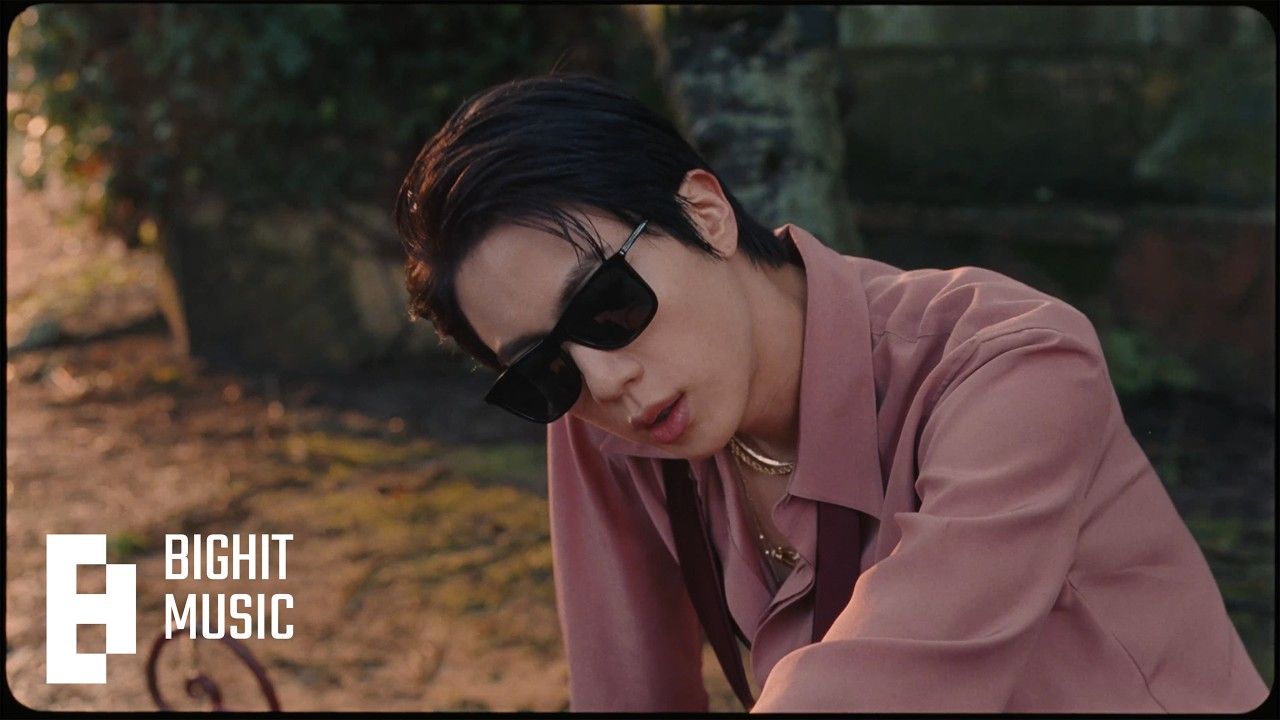
BTS NORMAL MV React: Fame, Friendship, and the Morning After
NORMAL asks what ordinary life can mean after stadiums, solo eras, military service, and a reunion watched by the world. BTS answer with friendship, fatigue, jokes, and a refusal to perform gratitude like a hostage video.
Release file
Released: July 18, 2026
Runtime: 03:26
Artist / channel: BTS / HYBE LABELS
Exact-file focus: Main official NORMAL music video. This React reviews the exact playlist upload and its seven-member reunion story.

Immediate RaeRae reaction: famous people asking to feel normal can become tone-deaf in under ten seconds. BTS avoid that trap because the song does not pretend money and stadiums disappeared. It asks a smaller, sadder question: after half your life has been watched, can an ordinary hour still feel like yours?
The July music video made that question sharper. Instead of giving us a victory lap after the group’s military-era reunion, it gives us the party after everybody is tired, damp, mildly disoriented and no longer interested in performing delight. Very glamorous. Very human. Somebody please pass Jin a towel.
What changed every time I replayed it
First intake: I heard the relief before I heard the argument. “NORMAL” opens like seven people finally shut the dressing-room door, kicked off the expensive shoes and admitted that applause does not cure loneliness. The melody feels easy, but the ease is bait. BTS make ordinary life sound like a luxury item because fame turned privacy, boredom and an unremarkable breakfast into things they have to schedule.
Second intake: The vocal handoffs became the story. Nobody fights for the biggest moment. One voice passes the thought to the next, which makes “normal” feel collective instead of private. They are not seven soloists describing seven separate problems. They sound like friends checking whether everyone survived the same storm. That choice matters after military service, solo eras and years of public guessing about whether the group still wanted the group.
Third intake: The beat started bothering me in the useful way. It stays polished enough for pop radio, yet it never gives the chorus a giant victory lap. The production holds back because the song is not about conquering fame. It is about living beside fame without letting it eat the whole person. A louder arrangement would have lied.
Later replay: The bathroom video stopped looking like a quirky set and started looking like a pressure valve. Bathrooms are where public people get five minutes without an audience, except these men bring the audience with them in mirrors, rumors, cameras and memory. The joke remains funny. The loneliness underneath it keeps getting louder.
Overall vibe: the morning after the comeback
Ryan Tedder and Sean Cook built a warm, low-key pop frame with guitar, keyboards, restrained drums and a conversational vocal shape. “NORMAL” does not arrive demanding that the stadium raise its arms. It lowers its shoulders. The melody is easy enough to feel familiar on first contact, but the emotional center is unstable: normal is both a fantasy and a word the members no longer know how to define.
The polish is deliberate. This is not a raw demo pretending the microphones happened to be on. Every entrance is controlled, Jung Kook’s background vocals widen the chorus, and Pdogg’s vocal and rap arrangement keeps seven distinct voices inside one quiet thought. The production makes normalcy sound comfortable while the lyrics keep asking whether comfort is available.
The hook vibe: not “take me back before fame.” It is “let me find something ordinary inside the life I already chose.” That is a much more honest request.
The hook: a simple word carrying an unreasonable amount of baggage
“Normal” is effective because it is almost aggressively plain. BTS have spent years inside album titles, universes, mythologies and slogans large enough to print on stadium walls. Then they build a chorus around one everyday adjective.
The repetition makes the word wobble. Is normal sleeping without a schedule? Sitting with the other members after guests leave? Speaking Korean without calculating the export market? Being seen without being consumed? The song refuses to lock the answer down, which lets the performance carry the tension.
Lyrics and meaning: onstage and offstage stopped being opposites
BIGHIT’s framing points to the members’ emotions onstage and off. That sounds tidy until you remember BTS have lived publicly since adolescence. The stage is work, but it is also where they became themselves. Offstage is private, except cameras, documentaries, livestreams and fan expectations followed them there too.
The song does not turn fame into a prison monologue. It acknowledges the privilege without pretending privilege eliminates exhaustion, loneliness or the need for an unobserved self. That balance matters. BTS are not asking listeners to feel sorry for seven enormously successful men. They are admitting success did not answer every question about identity.
The official music video: the party is over, finally
The “NORMAL” video premiered through Spotify on July 17, 2026, then reached HYBE LABELS’ YouTube channel on July 19. Ukrainian director Tanu Muino avoids the obvious comeback spectacle. The story begins where a victory video would normally end: after the celebration, when nobody needs another champagne shot.
Rooms are messy. Bodies are tired. The members drift through the aftermath instead of presenting a synchronized front. Bathrooms keep appearing because, at a crowded party, a bathroom may be the only room where a person can lock a door. Yes, the camera also understands that wet BTS members will cause a perfectly normal internet malfunction. Two things can be true.
The group scenes do the heavier emotional work. Familiarity replaces performance. Nobody has to host the mood or reassure the audience. They can occupy the same exhausted morning without explaining what it means. That is normalcy as trust, not anonymity.
The promotional trick: tabloid panic became the point
Before the wider video release, the campaign used newspaper-style images designed to look like sensational reports. Fans briefly had to decide whether they were looking at a scandal, a clue or marketing with a dramatic caffeine problem. The full video reframed those apparently compromising images as ordinary pieces of the night-after story.
That trick is not decoration. BTS live inside an attention economy that can turn one cropped frame into a global moral emergency. “NORMAL” takes the machinery of scandal and reveals the boring human context outside the crop. The campaign made fans feel the problem before the video explained it.
Easter eggs, HYYH echoes and the danger of the bathroom corkboard
What is documented
The official framing gives us the late-night party and quiet morning after. The video credits identify Tanu Muino, UnderWonder Content, cinematographer Nikita Kuzmenko, production designer Helen Gadjilova, editor Carlos Font Clos and movement director Denys Stulnikov.
What fans are reading
ARMY spotted visual echoes of “Spring Day,” HYYH-era loneliness and earlier BTS rooms, mirrors and bathtubs. Some parallels are persuasive. Some are seven men having filmed enough emotional plumbing to create accidental mythology.
I like the HYYH reading because both eras ask what youth and friendship look like when time refuses to pause. I am not labeling every tiled wall as confirmed canon without a director saying so. Fan interpretation is part of the fun; turning it into fake production notes is not.
The language fight behind the song
The Netflix documentary BTS: The Return gives “NORMAL” a backstory more interesting than a generic studio anecdote. Associated Press reporting notes that SUGA pushed back because the developing song contained too much English and needed more Korean. That moment matters because ARIRANG was marketed as a return tied to Korean identity while also being built for an enormous global market.
The eventual version family makes the argument visible. The original album cut arrived in March; the July single package included the original, a clean version, a Korean version, a Korean clean version and an instrumental. Those are not five separate songs demanding five fluffy posts. They are evidence of one song still negotiating language, audience and identity after release.
Who built it, and why the credits matter
Ryan Tedder and Sean Cook produced “NORMAL.” The credited writers and composers are Sean Foreman, Livvi Franc, Ryan Tedder, Sean Cook, RM, j-hope, SUGA, Kirsten Allyssa Spencer, Derrick Milano and Pdogg.
Tedder and Cook are credited across keyboards, drums, programming and vocal production, with Cook on guitar. Pdogg handled vocal and rap arrangement. Pdogg, Tedder and Cook recorded across Dogg Bounce, Caballeros Studios and Patriot Studios. Serban Ghenea mixed the track at MixStar Studios with Bryce Bordone engineering the mix; Jung Kook carries the background-vocal credit.
That long file explains the paradox: “NORMAL” sounds relaxed because a crowded room of professionals made relaxation exact. It also complicates any fantasy that a BTS song has to emerge untouched from seven members alone to be authentic. The meaningful question is whether the group’s ideas and voices shape the result. Here, the writing credits, documentary disagreement and alternate Korean version show that negotiation happened.
What I love
- The scale. It asks for an hour, not a tragic escape from fame.
- The video’s aftermath. The morning after says more than another triumphant stage montage.
- The tabloid setup. Context literally repairs the misleading image.
- The language receipt. We can see the group arguing with the material instead of pretending the process was frictionless.
- The seven-person quiet. Friendship is allowed to look tired.
What gets my side-eye
The production is almost too well-behaved. A less polished ending, an audible room, one imperfect breath or a vocal left slightly exposed could have made the offstage premise feel riskier. Ordinary still arrives with world-class mixing and very expensive lighting.
I also wish the campaign’s smart interrogation of tabloid framing had been explained more clearly in official materials. Fans can solve a puzzle, but clarity is not the enemy of mystery. Sometimes a receipt should not require twelve translation accounts and somebody’s cousin zooming into a newspaper ad.
Bottom line:
9.1/10. “NORMAL” is quietly devastating because it refuses the grand rescue. BTS do not ask to erase fame, history or responsibility. They ask whether something private can survive inside them. The song is gentle; the question is not.
Keep following the BTS file
BTS group profile · RM · Jin · SUGA · j-hope · Jimin · V · Jung Kook
Receipts and official listening
The featured image is stored locally in the CVM Sekai Media Library and attributed to the official HYBE LABELS video. No hotlinked image is used.RaeRae verdict
NORMAL succeeds because BTS do not pretend fame can be washed off in one quiet morning. The video lets ordinary behavior and impossible history occupy the same room, which is more honest than selling reunion as a perfect reset.