
Evangelion Episode 26: Take Care of Yourself
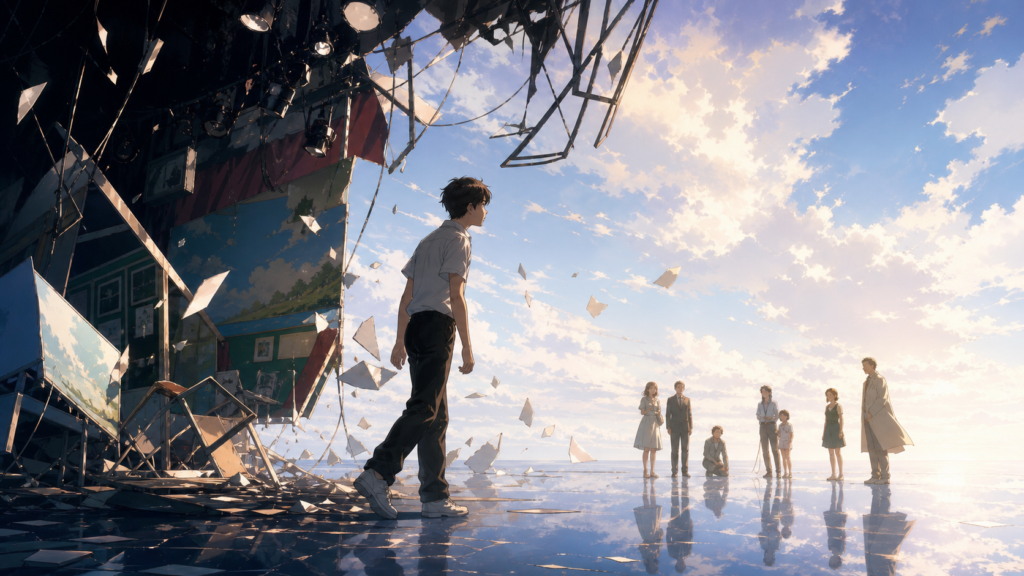
Shinji enters a world without walls, imagines another possible life, and discovers that one painful version of himself does not have to define every future.
Evangelion Episode 25: Do You Love Me?
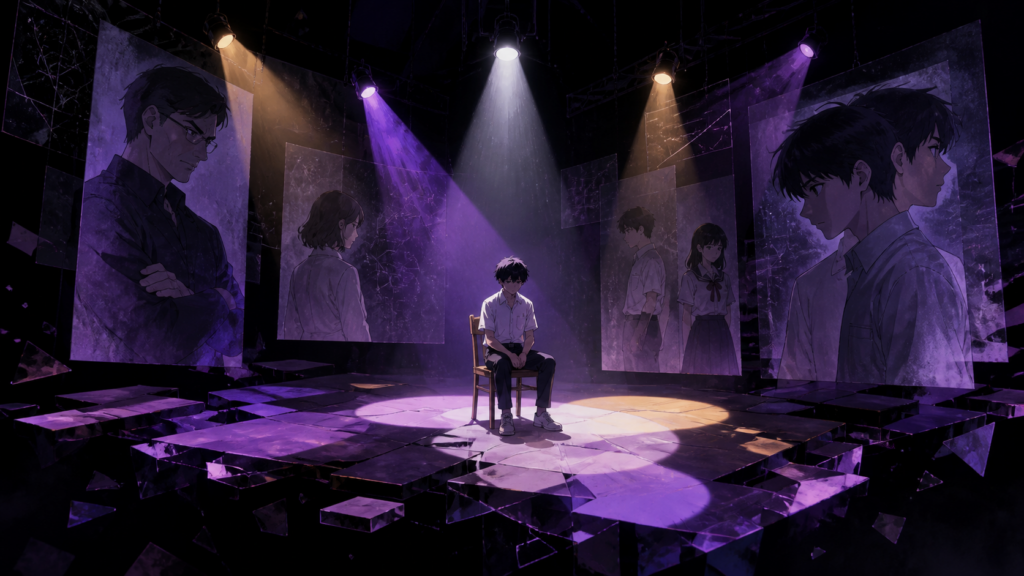
Instrumentality puts Shinji, Asuka, Misato, and Rei on an internal stage where every borrowed identity, private fear, and need for love becomes evidence.
Evangelion Episode 24: The Final Messenger

Kaworu offers Shinji unconditional care, reveals the lie beneath NERV, and leaves a lonely child responsible for choosing humanity over the first person who made him feel loved.
Naruto Forgave a Government That Never Apologized
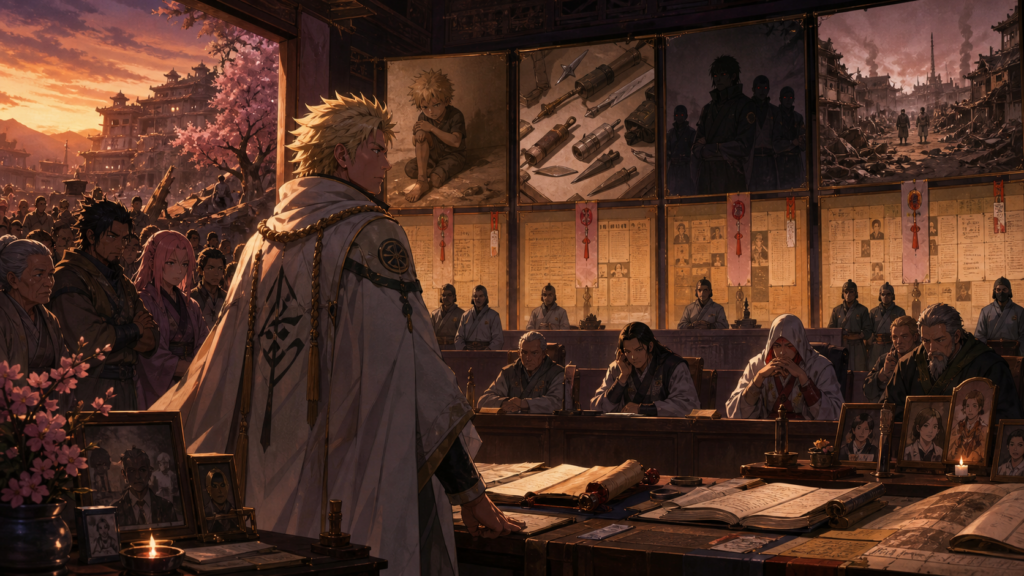
Naruto forgave a government that never apologized. RaeRae examines Konoha’s policy failures, transitional justice, public truth, material repair, and institutional reform.
Anime Schools Keep Calling Institutional Failure a Student Personality Problem
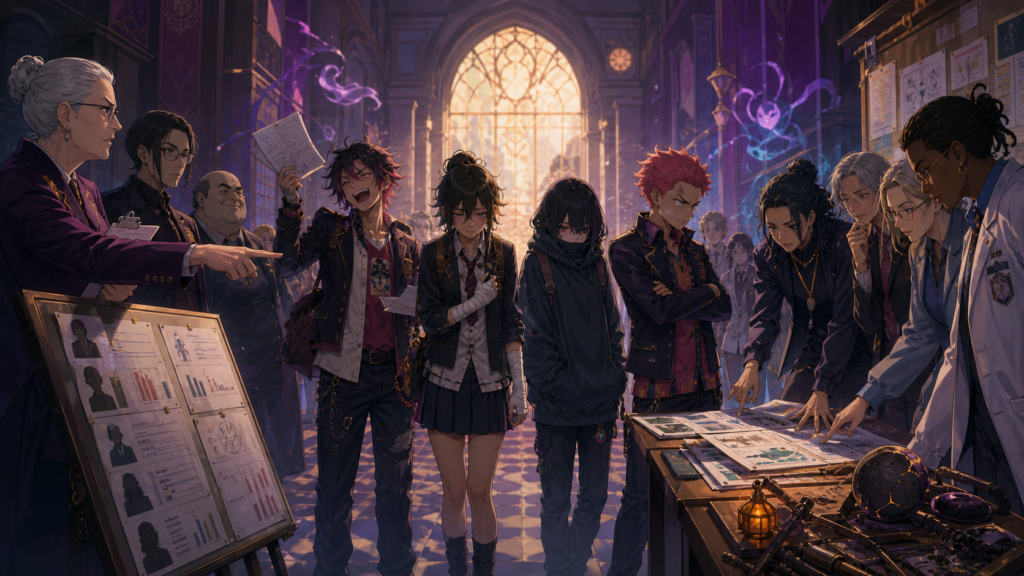
Anime schools keep treating institutional failure as a student personality problem. RaeRae examines discipline, trauma, belonging, safety, and believable reform.
The Hero Commission Raised Child Celebrities and Called Them Public Servants
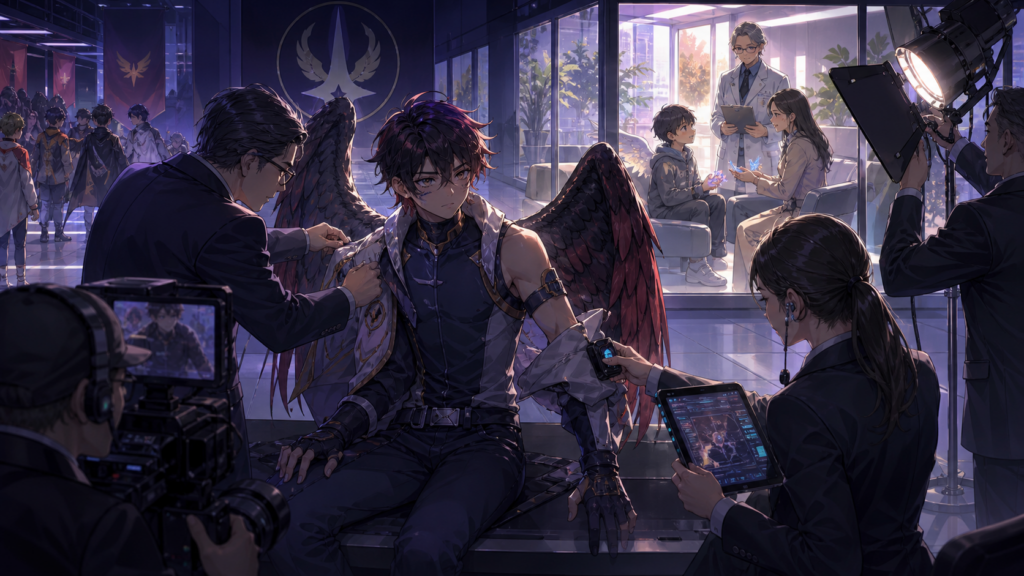
Hero society raised gifted children as public celebrities and covert assets. RaeRae examines Hawks, the Commission, child labor, branding, consent, and believable reform.
Endeavor’s Redemption Is Not His Family’s Assignment
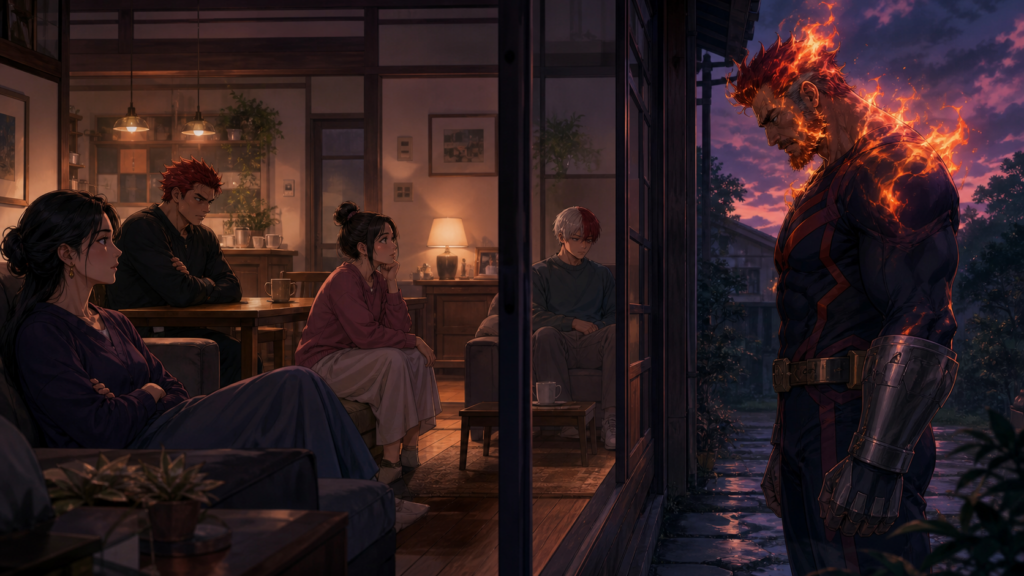
Endeavor’s redemption belongs to Endeavor. Forgiveness, trust, and contact belong to his family. RaeRae examines accountability without assigning survivors homework.
Success Does Not Prove the Training Was Worth the Damage
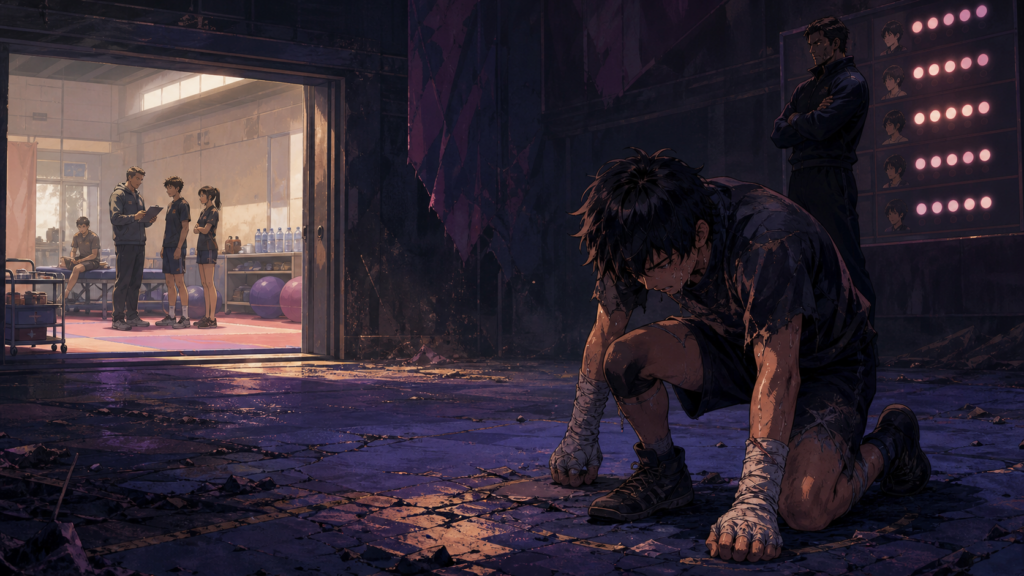
Anime loves brutal training arcs, but success does not prove the damage was necessary. RaeRae examines survivor bias, teaching power, consent, and better mentorship.
Anime Keeps Treating Child Homelessness Like Character Development
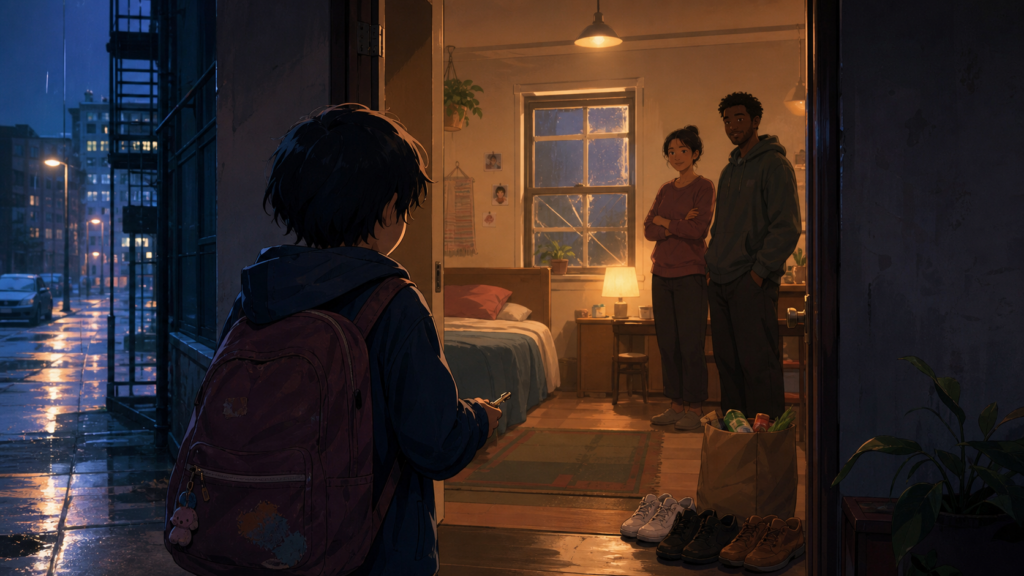
Anime keeps treating child homelessness as proof of independence. RaeRae examines the trope, the systems behind unstable housing, and what believable care should look like.
Surveillance Is Not Care Just Because an Adult Says “For Your Safety”
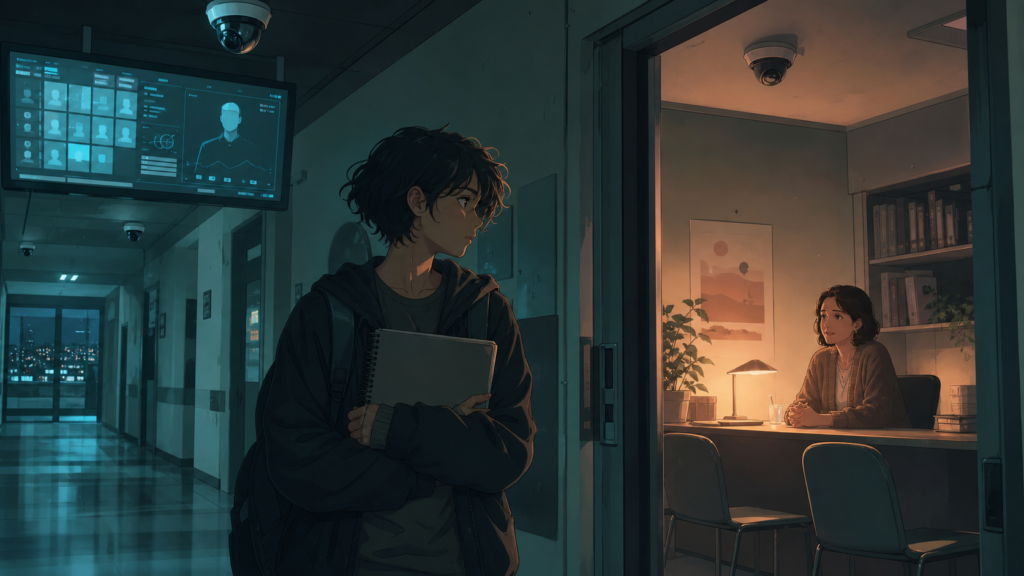
Anime surveillance stories confuse observation with care. This editorial examines what the trope gets right, where control becomes abuse, and what accountable safety should look like.
Secrecy Is Not Protection When the Child Never Gets the Truth
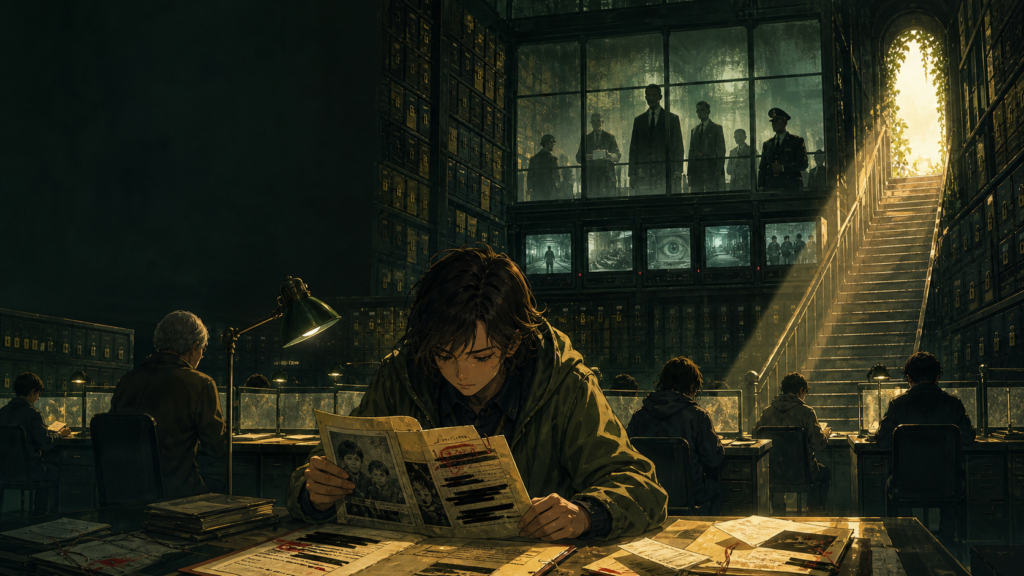
Anime governments hide parentage, massacres, experiments, bloodlines, and medical history, then call the lie protection. A real safety plan prepares a child for truth instead of erasing personal history.
Anime Prisons Keep Hiding the Society That Built the Villain
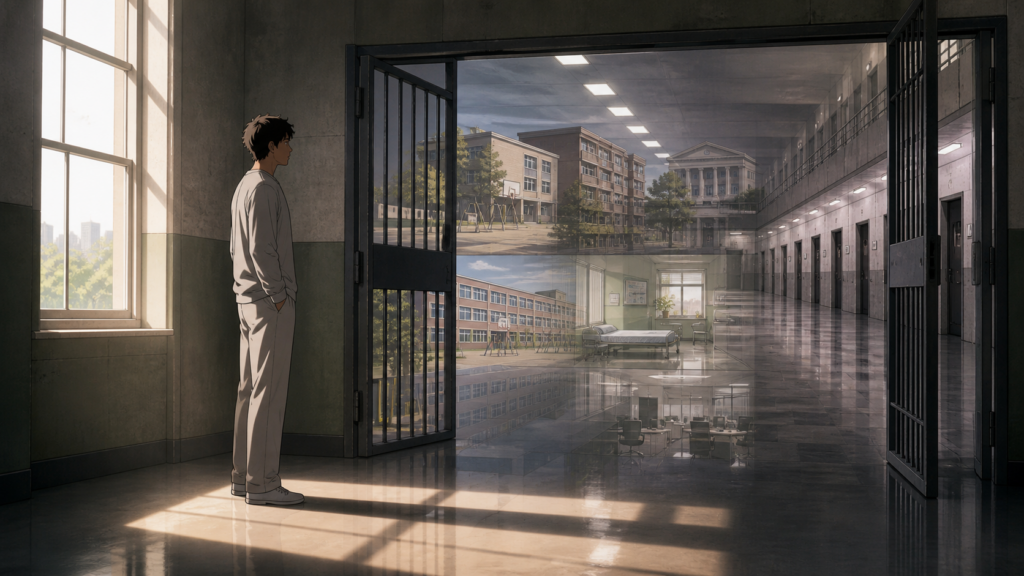
Anime prisons contain villains after the damage, then hide the abuse, discrimination, poverty, war, and government programs that helped build them. A locked door is safety, not a complete justice policy.
Friendship Is Not Unpaid Therapy
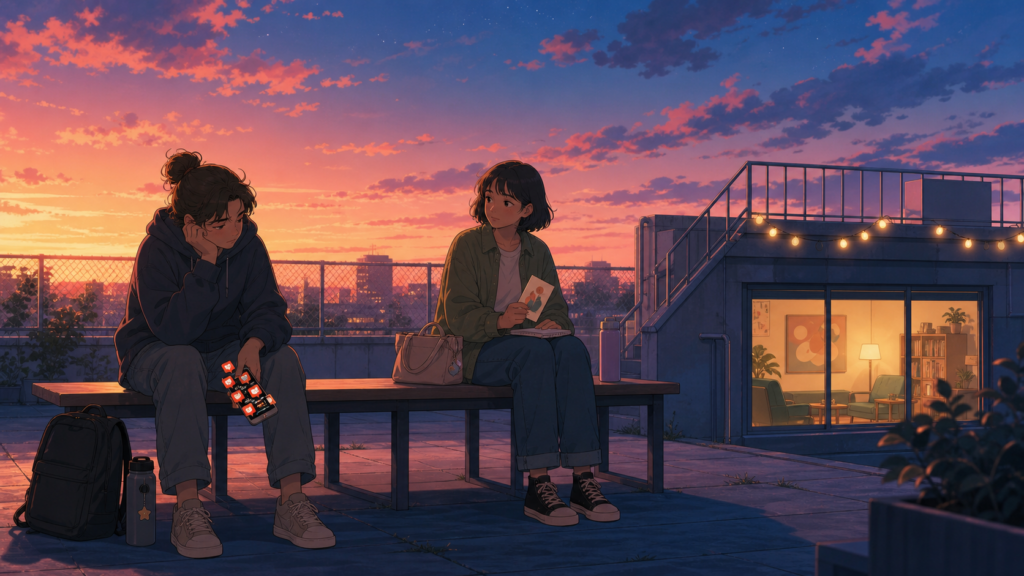
Anime keeps asking one loyal friend to become the crisis line, therapist, moral compass, and rescue plan. Friendship matters, but love cannot replace adults, boundaries, and a real care system.
Gifted Children Are Not Public Property
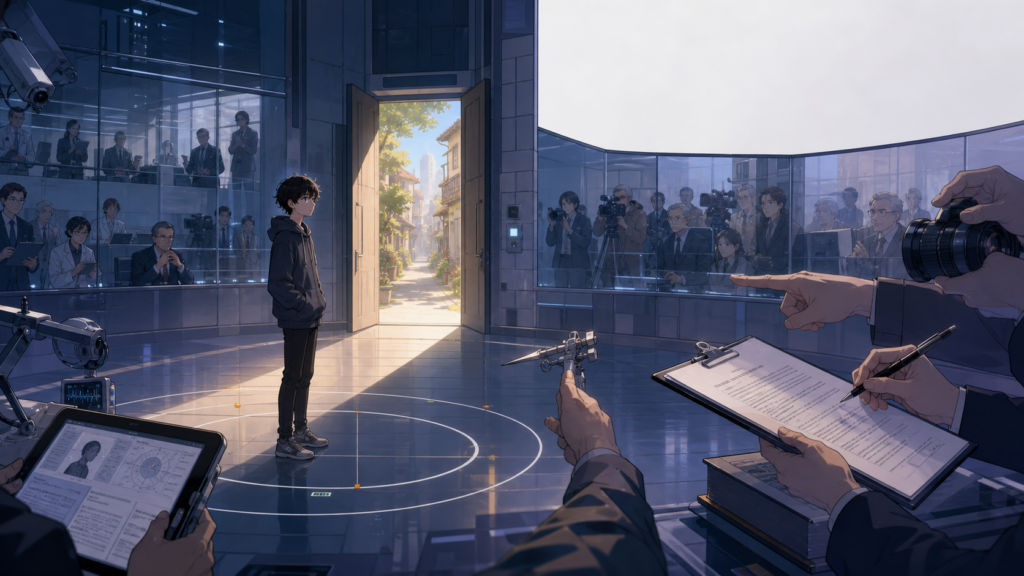
Anime loves gifted children until those children want ordinary lives. Shoto, Naruto, Neji, and other prodigies expose how families, schools, clans, and governments turn talent into ownership.
Self-Sacrifice Is Not a Public Safety Plan
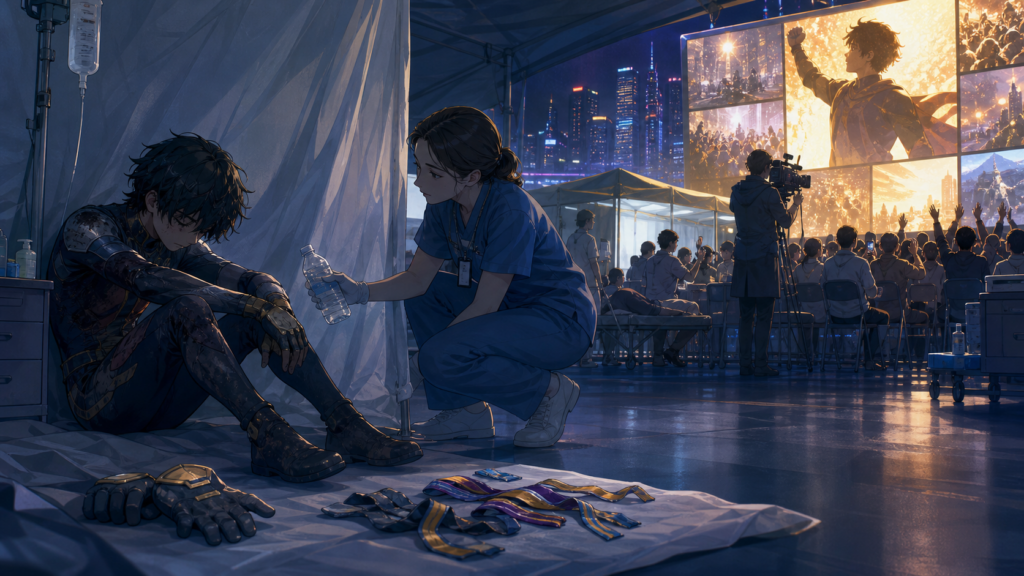
Anime keeps praising exhausted children for saving broken systems, then forgets to ask why every adult plan required a child to collapse. Heroism can answer an emergency, but repeated self-sacrifice is not public policy.
Family Restoration 101: Fix the Roof, Then Fix the Trust
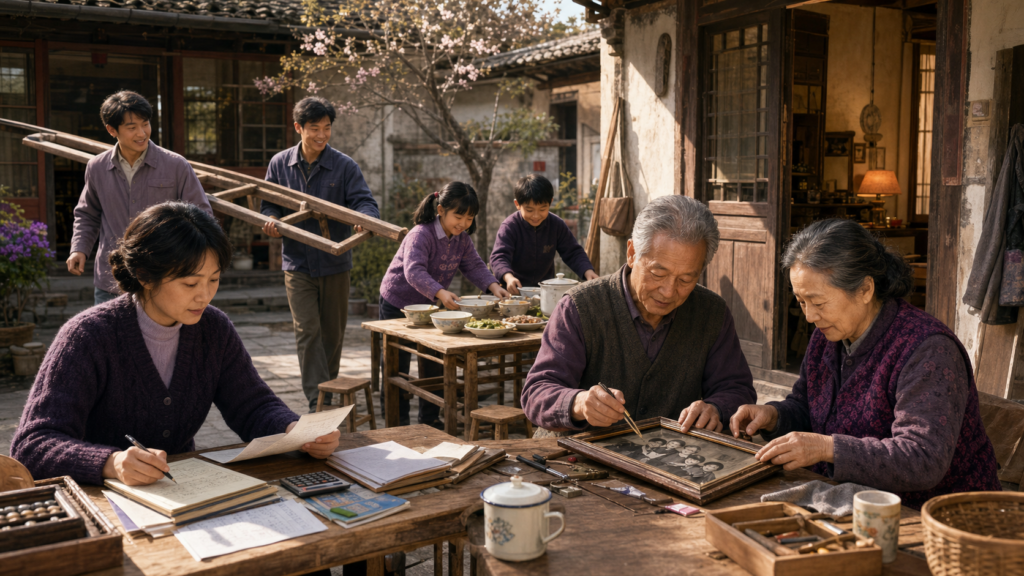
Family restoration is not one apology and a repaired roof. It is the slow work of rebuilding trust, routines, safety, and a household that learned to survive without believing anybody would stay.
Face-Slapping 101: When the Receipts Do the Hitting
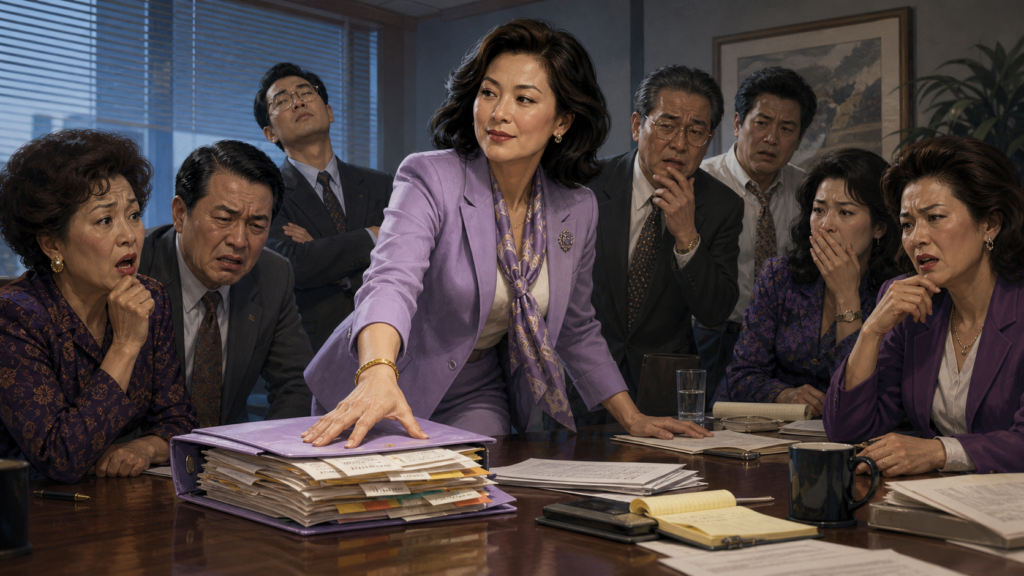
No hands required. Face-slapping is the public reversal where arrogance meets evidence, the underestimated character finally controls the room, and the receipts do all the hitting.
Rebirth 101: The Second Life Comes With Receipts

Rebirth returns a character to their own past with memory intact. The second life brings leverage, grief, unfinished relationships, and the uncomfortable question of whether knowing better means doing better.
Free: Rumi and Jinu Almost Chose Honesty Before Shame Collected Its Debt
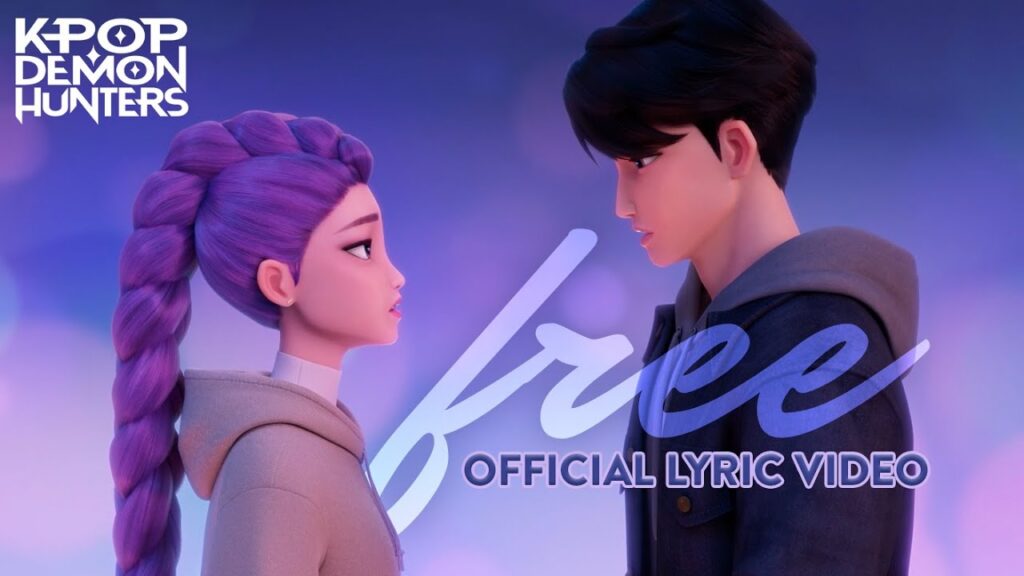
Profile trail: HUNTR/X and KPop Demon Hunters Free Rumi and Jinu floated over Seoul, confessed the ugliest things they believed about themselves, and almost convinced me this doomed demon romance had a future. Almost. “Free” is the quietest major song in KPop Demon Hunters, which is exactly why it hurts. The movie stops selling an […]
What It Sounds Like: HUNTR/X Stopped Singing for Perfection and Built Something Stronger
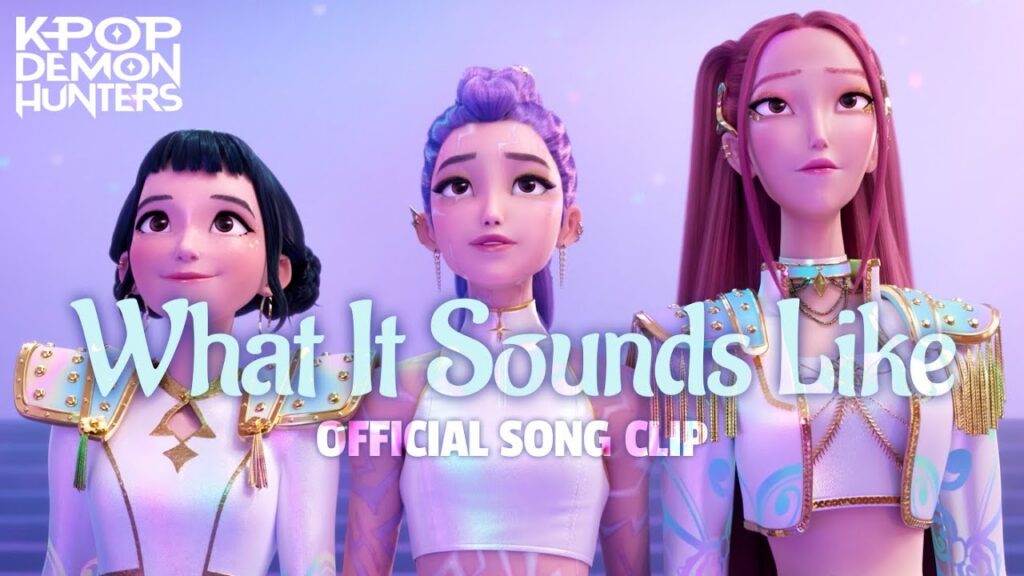
Profile trail: HUNTR/X and KPop Demon Hunters What It Sounds Like Rumi finally stopped trying to sing herself clean, admitted the broken parts were still hers, and built a better Honmoon out of the truth everybody was trained to hide. “What It Sounds Like” is the ending KPop Demon Hunters earns. It is not a […]