
NOVEL WORLD 101 · ANIME 101 · STORY WORLD 101
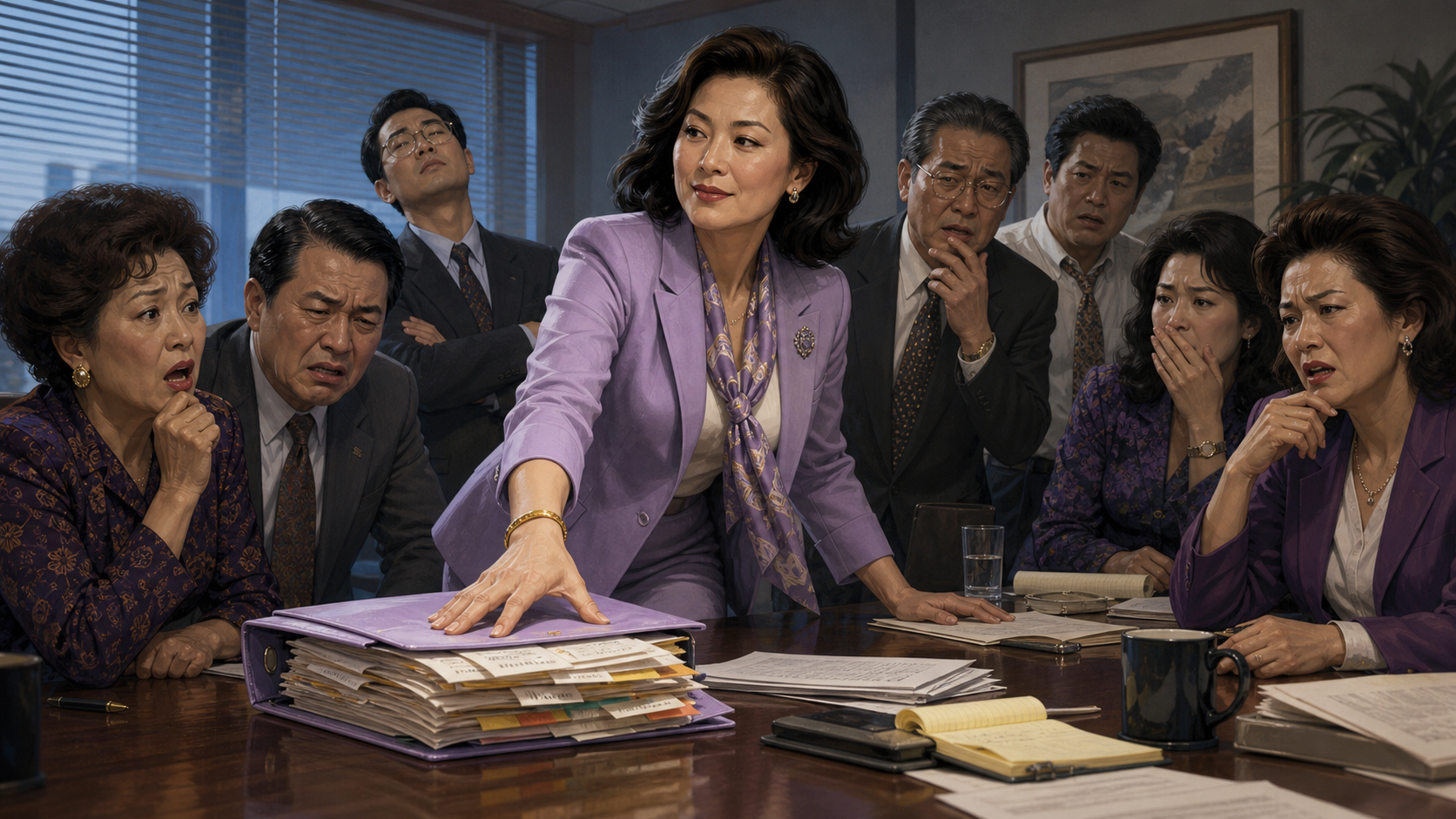
Usually. Face-slapping is the public reversal where an arrogant person is proven spectacularly wrong and has to experience the consequences with witnesses.
What the term means
Face-slapping comes from the idea of losing face. Somebody insults, dismisses, frames, or underestimates the protagonist. The protagonist then reveals evidence, skill, status, money, identity, or results that make the attacker’s earlier confidence look ridiculous.
The slap is social. It is the contract appearing. The test score being announced. The hidden marriage certificate leaving the envelope. The “poor relative” buying the building. The heroine does not need to swing a hand when the property deed is doing excellent work.
Why it feels so satisfying
Face-slapping creates delayed justice. Readers witness the insult, sit with the unfairness, and wait for the reversal. The longer the story makes us endure the bully’s confidence, the more precise the payoff needs to be.
It is especially common in rebirth and counterattack stories because the protagonist knows more than the people attacking her. She may allow them to continue talking because she already knows which receipt is about to end the conversation.
The major flavors
- Competence reveal: The “useless” heroine wins the competition, solves the case, or performs the skill.
- Identity reveal: The ordinary person is secretly the owner, heir, expert, commander, or creator.
- Evidence drop: Documents, recordings, witnesses, or timelines expose the lie.
- Status reversal: The person treated as disposable becomes the one everybody needs.
- Self-inflicted collapse: The antagonist keeps lying until the lies contradict each other in public.
When it becomes exhausting
A story cannot survive on an endless parade of disposable idiots. If every new location produces another stranger who insults the heroine’s clothes, income, face, husband, child, and vegetables within thirty seconds, the world stops feeling populated and starts feeling like a customer complaint simulator.
The reversal also needs consequences. If the same villain returns next week and repeats the same scheme, that was not a payoff. It was an intermission.
Anime and drama cousins
Anime uses tournament victories, hidden power reveals, public confessions, courtroom exposure, school rankings, and identity twists for the same emotional engine. The phrase may not appear in official genre descriptions, but the structure is easy to recognize: humiliation is staged, then reversed in front of the people whose opinion made it hurt.
How to write a good one
- Make the original insult specific.
- Let the protagonist earn or prepare the reversal.
- Use evidence the story already established.
- Keep the audience relevant to the injury.
- Allow the consequences to remain after the scene ends.
Bottom line: Face-slapping is narrative receipt culture. At its best, it is sharp, earned, and funny. At its worst, twenty foolish relatives form a line so the heroine can defeat them one chapter at a time. I enjoy justice. I do not need it processed like a deli counter.