
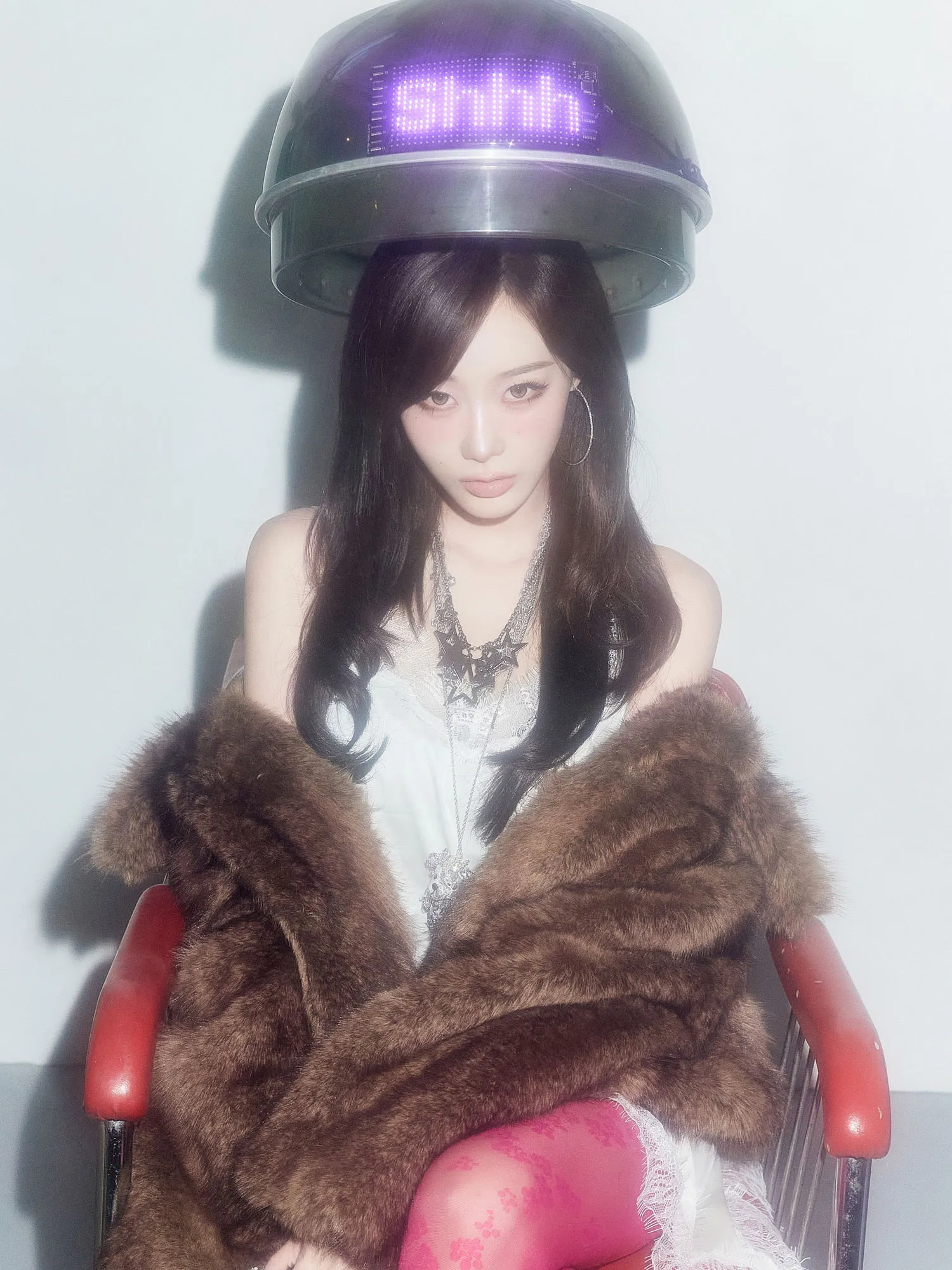
Giselle
2026 profile refresh
Giselle is documented here as aespa member and Artist. This refresh connects the current release “Speed of Summer” to the existing career file without replacing older eras or manufacturing a second biography. The canonical-page rule matters: a comeback changes the chronology, not the identity of the person or group that released it.
What changed with this release
“Speed of Summer” is now part of the official-video tracker and static React card system. The exact upload is preserved, so viewers do not land on a teaser, mirrored playlist item or unrelated performance. The profile explains the career context; the dedicated React handles the close visual and musical reading.
How to read the current era
aespa has enough history that “current” should never mean “only the newest thumbnail.” Styling, distribution, credits and live performance can shift between releases. This file keeps those changes in sequence and distinguishes confirmed credits from interpretation, because confident fan repetition is not the same thing as an official record.
Member and Artist routing
One human receives one canonical page. If Giselle has verified independent original music, this profile can appear under both member and Artist discovery without being cloned. Covers, special stages and group lines are still worth archiving, but they do not automatically create a separate solo career or a duplicate search result.
Image-card standard
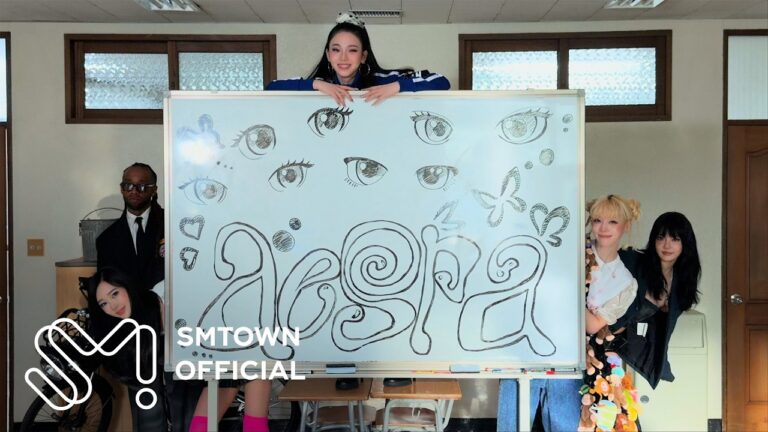
The image below is a static card, not an infinite carousel. It uses the same local WordPress attachment as the React’s featured, hero, Open Graph and Twitter image. The card may appear on multiple relevant landing pages, but that attachment is never reused as the featured image of another post.
International discovery path
Start with the official artist and company channels, then verify schedules and status through durable notices. Exact video IDs are recorded beside the work. That source-first path makes the catalog usable outside Korea, where algorithmic feeds often surface clips quickly but hide the release chronology and member context.
What the tracker includes
Official music videos, special clips and clearly labeled performance films can all appear in the tracker, but their formats stay visible. A special clip is not renamed an official MV, and a collaboration is filed under every real credited artist without pretending a game or brand is a K-pop group.
RaeRae take
The useful excitement is specific. “Speed of Summer” earned a place here because something in its beat, concept, delivery or chemistry made replay feel necessary. The profile does not flatten that reaction into generic praise; it gives the React room to argue with the details while this page protects the factual spine.
Official music video tracker
Watch the official credits, live-stage changes, member handoffs and whether the next release expands the identity or repeats its easiest signal. Future updates will attach exact uploads and verified status changes here, keeping the archive readable instead of scattering one career across disconnected pages.
WINTER Speed of Summer React image card

Exact official upload
Exact official video ID: YTeFLKMnwjg. This is the upload linked by the dedicated React.
Archive continuity note
aespa remains one continuing career file. Dates, exact uploads, lineup status and independently verified credits are added here before interpretation. That keeps the page current without deleting the route that brought listeners to “Speed of Summer” or turning a new promotional cycle into a false debut.
Archive continuity note
aespa remains one continuing career file. Dates, exact uploads, lineup status and independently verified credits are added here before interpretation. That keeps the page current without deleting the route that brought listeners to “Speed of Summer” or turning a new promotional cycle into a false debut.
Archive continuity note
aespa remains one continuing career file. Dates, exact uploads, lineup status and independently verified credits are added here before interpretation. That keeps the page current without deleting the route that brought listeners to “Speed of Summer” or turning a new promotional cycle into a false debut.
Archive continuity note
aespa remains one continuing career file. Dates, exact uploads, lineup status and independently verified credits are added here before interpretation. That keeps the page current without deleting the route that brought listeners to “Speed of Summer” or turning a new promotional cycle into a false debut.
Archive continuity note
aespa remains one continuing career file. Dates, exact uploads, lineup status and independently verified credits are added here before interpretation. That keeps the page current without deleting the route that brought listeners to “Speed of Summer” or turning a new promotional cycle into a false debut.
Archive continuity note
aespa remains one continuing career file. Dates, exact uploads, lineup status and independently verified credits are added here before interpretation. That keeps the page current without deleting the route that brought listeners to “Speed of Summer” or turning a new promotional cycle into a false debut.
Archive continuity note
aespa remains one continuing career file. Dates, exact uploads, lineup status and independently verified credits are added here before interpretation. That keeps the page current without deleting the route that brought listeners to “Speed of Summer” or turning a new promotional cycle into a false debut.
Archive continuity note
aespa remains one continuing career file. Dates, exact uploads, lineup status and independently verified credits are added here before interpretation. That keeps the page current without deleting the route that brought listeners to “Speed of Summer” or turning a new promotional cycle into a false debut.
Archive continuity note
aespa remains one continuing career file. Dates, exact uploads, lineup status and independently verified credits are added here before interpretation. That keeps the page current without deleting the route that brought listeners to “Speed of Summer” or turning a new promotional cycle into a false debut.
Archive continuity note
aespa remains one continuing career file. Dates, exact uploads, lineup status and independently verified credits are added here before interpretation. That keeps the page current without deleting the route that brought listeners to “Speed of Summer” or turning a new promotional cycle into a false debut.
Archive continuity note
aespa remains one continuing career file. Dates, exact uploads, lineup status and independently verified credits are added here before interpretation. That keeps the page current without deleting the route that brought listeners to “Speed of Summer” or turning a new promotional cycle into a false debut.
Archive continuity note
aespa remains one continuing career file. Dates, exact uploads, lineup status and independently verified credits are added here before interpretation. That keeps the page current without deleting the route that brought listeners to “Speed of Summer” or turning a new promotional cycle into a false debut.
Archive continuity note
aespa remains one continuing career file. Dates, exact uploads, lineup status and independently verified credits are added here before interpretation. That keeps the page current without deleting the route that brought listeners to “Speed of Summer” or turning a new promotional cycle into a false debut.
Giselle
Uchinaga Aeri trained for less than a year, walked into SM’s most lore-heavy girl-group debut and became the conversational counterweight inside aespa’s precision machine. She raps, sings, writes, translates, makes expensive fashion look slightly mischievous and has spent years proving that an uneven line count is not the same thing as limited ability.
Contents
Official links
Profile
| Stage name | Giselle |
|---|---|
| Birth name | Uchinaga Aeri |
| Born | October 30, 2000 |
| From | Tokyo, Japan |
| Group | aespa |
| Work | Rapper, vocalist, songwriter and solo artist |
| Current status | Active aespa member and solo artist |
Official Socials
Instagram · @aerichandesu
aespa Weverse
aespa YouTube
- Tokyo, school and choir
- Short training, enormous debut
- aespa and the distribution argument
- Writing, solo stages and collaborations
- Fashion, language and Panda side quests
- Fandom notes and RaeRae take
Tokyo, choir and a multilingual life before SM
Giselle was born in Seoul and raised in Tokyo. She attended international schools and sang in choir for several years, including alto work. That background helps explain why her group role cannot be reduced to “English rapper.” She entered SM with an ear trained for harmony and a life already spent moving between Japanese, Korean and English.
Her stage name was selected for its elegant image, while Aeri remained visible in her social handle and the way fans address her. The handle @aerichandesu is exactly the kind of multilingual joke a corporate naming meeting would never invent correctly.
Eleven months and then: welcome to KWANGYA
Giselle passed SM’s Saturday open audition and trained for roughly eleven months, the shortest period in aespa. Short does not mean easy. It means she had less time to learn the company system, improve Korean performance diction, absorb choreography and prepare for a debut whose concept required an orientation packet.
She was introduced in October 2020 and debuted with “Black Mamba” in November. Pandemic restrictions then removed the ordinary feedback loop of a rookie audience. Her first years were learned through broadcast cameras, online commentary and line-distribution arguments loud enough to become part of her public identity.
The uneven spotlight problem
Giselle’s value is texture. Her rap tone is looser and more conversational than Karina’s controlled lower register. Her English phrasing can make an SM demo feel lived-in instead of carefully pronounced. She also supports the harmony stack, a job that disappears in position lists because it does not arrive with a dance break.
Fans have repeatedly criticized brief lines, limited center time and styling choices. Some complaints exaggerate every second into sabotage; others have receipts. The more useful question is what the song loses when her rhythm and tone are missing. Tracks such as “Better Things,” “Drama,” “Flights, Not Feelings” and her solo stages show that she works best when allowed to sound relaxed rather than forced into generic “bad girl” punctuation.
Songwriting, “Dopamine” and music outside the group
Giselle’s credit file begins before “Dopamine.” She wrote the rap for her SYNK introduction material and received a lyric credit connected to the SM collaboration “ZOO,” performed with Taeyong, Jeno, Hendery and Yangyang. Later collaborations include BOL4’s “Lips” and HAON’s “Skrr,” where her presence works as an individual feature rather than an aespa group appearance. Each belongs on her artist file while the full aespa catalog remains attached to the group.
Giselle has participated in writing and has been especially useful when English lyrics need to sound like something a person would say. Her solo stage “Dopamine” moved from tour performance to official release and gave her a warmer R&B center than aespa’s industrial title tracks usually allow.
Collaborations and special projects widened the file: “Zoo” with NCT members became a performance favorite; other SM and international work let her switch between rap, melody and bilingual delivery. Later concert material continued pointing toward an artist who may prefer groove and atmosphere over maximalist lore.
What “Dopamine” actually established
“Dopamine” was first introduced through aespa’s SYNK: Parallel Line tour and received its official digital release on October 9, 2024. The credits name Giselle as lyricist and composer alongside Shintaro Yasuda, Pau Cerrilla and Paige Garabito. That is enough for CVM to classify her as an active solo artist from 2024 even though the release is packaged inside an aespa special single rather than a standalone solo album.
In March 2026, Giselle cautioned fans not to turn her many song drafts into a confirmed solo-debut schedule. The distinction matters: she is actively writing, and aespa’s 2026 tour introduced additional solo material including “BYEB4HELLO,” but unreleased concert songs and studio work are not the same thing as an announced album. This profile will update when SM publishes a release notice and final credits.
Panda side quests: fashion, internet humor and the member translating three rooms at once
Giselle’s fashion work leans toward a cooler, editorial image, but her offstage appeal is less polished: quick jokes, slightly chaotic lives and the exhausted expression of somebody who understood the group chat before everyone else. Multilingual interviews often turn her into an informal bridge, a useful job that also creates invisible labor.
She has spoken about music tastes outside the SM bubble and appears comfortable pulling references from hip-hop, R&B and global pop. That is why fans keep waiting for a larger writing file. The side quest is not “prove she can rap.” The side quest is hearing what happens when she gets enough space to build the whole room.
Fandom notes and things the fact box misses
- Aeri: her birth name remains central to fan language; Giselle is the stage file, not a replacement person.
- Moon symbol: a common representative emoji and visual shorthand.
- Short trainee period: fans use it as evidence of fast adaptation; it should not erase the choir and school experience that came before SM.
- Line distribution: a real recurring debate, but not every song needs identical seconds to use members well.
- Humor: dry, multilingual and often visible one beat before the official translation catches up.
- Voice: the relaxed tone is the point. Sanding it into precision removes the contrast aespa needs.
Official video tracking history
Official solo and collaboration videos attached to Giselle’s real-artist profile. aespa group videos remain on the group profile.
Receipts and deeper reading
- Giselle official Instagram
- aespa official Weverse
- Cross-check: biography and career file
- Cross-check: discography and public credits
YouTube video tracking history
Sources
Catalog decisions that protect this profile
Giselle is maintained as one canonical member and Artist file. A new song adds an exact upload, a dated credit and a static image card; it does not authorize a duplicate biography. Group work, individual originals, collaborations and performance clips remain distinguishable so a visitor can understand what kind of release they opened before pressing play.
Current status comes from official artist, company or broadcaster sources. Older reporting stays in the chronology when it explains a debut, lineup change or creative credit, but outdated promotional language is not allowed to overwrite the present. When sources disagree, the page keeps the uncertainty visible instead of choosing the most repeated answer.
Why the card and hero rules matter
Each post owns a unique featured attachment, and that same local file supplies its hero, social preview and landing-page card. Relevant hubs may display the card as a link, but they do not claim the attachment as their own featured image. This prevents two articles from becoming visually indistinguishable and keeps media metadata, source credit and SEO attached to the correct story.
Static cards also respect the way this site is meant to browse: a clear finite set of choices rather than an endless horizontal carousel. Contrast has to remain readable on desktop and mobile, especially when a dark purple image or overlay meets pale lavender text. If the title disappears into the art, the design has failed even when the link technically works.
RaeRae Reacts
Whiplash: aespa Made Minimal Techno Feel Like a Dress Code and a Threat — exact playlist video jWQx2f-CErU.
RaeRae Reacts
Supernova (Grimes Remix): aespa’s Cosmic Hit Entered the Other World and Lost Gravity — exact playlist upload tY2q55Sw3jA.
RaeRae Reacts
Black Mamba: aespa Debuted Inside a Digital Threat and Refused a Normal Introduction — exact playlist upload ZeerrnuLi5E.
RaeRae Reacts
Savage: aespa Took the Lore Exam and Answered in Hyperpop — exact playlist upload WPdWvnAAurg.
RaeRae Reacts
Girls: aespa Brought Swords to the Server Room and Closed the First Lore Chapter — exact playlist upload dYRITmpFbJ4.
RaeRae Reacts
Better Things Performance: aespa Let the Summer Groove Prove It Had Footwork — exact playlist upload hb73cGFLzKk.
Dark Arts PUBG launch film — 2025
Read the exact launch-film React · Watch the official launch filmDaily+26Total views222.8K. PUBG is stored as the commissioning game property; aespa and its four members remain the musical artist routes.
Dirty Work iPhone performance — 2025
Read the exact iPhone performance React · Watch the official performance filmDaily+2KTotal views22M. Four members make 4K120 slow motion document real force instead of manufacturing it.
React image card

React image card

React image card

React image card

React image card

React image card

React image card

React image card

React image card

React image card

React image card

React image card

React image card

React image card

React image card

React image card
React image card

React image card

React image card

React image card

React image card
React image card

React image card
React image card

React image card
React image card

React image card

React image card

React image card

React image card

React image card

React image card

Switchblade official-video tracker update
Giselle makes the English-language exchanges sound conversational instead of assigned, giving the collaboration a shared pulse when Ty Dolla $ign enters. Exact official video xcFbyuzd9S8: read the RaeRae React.