
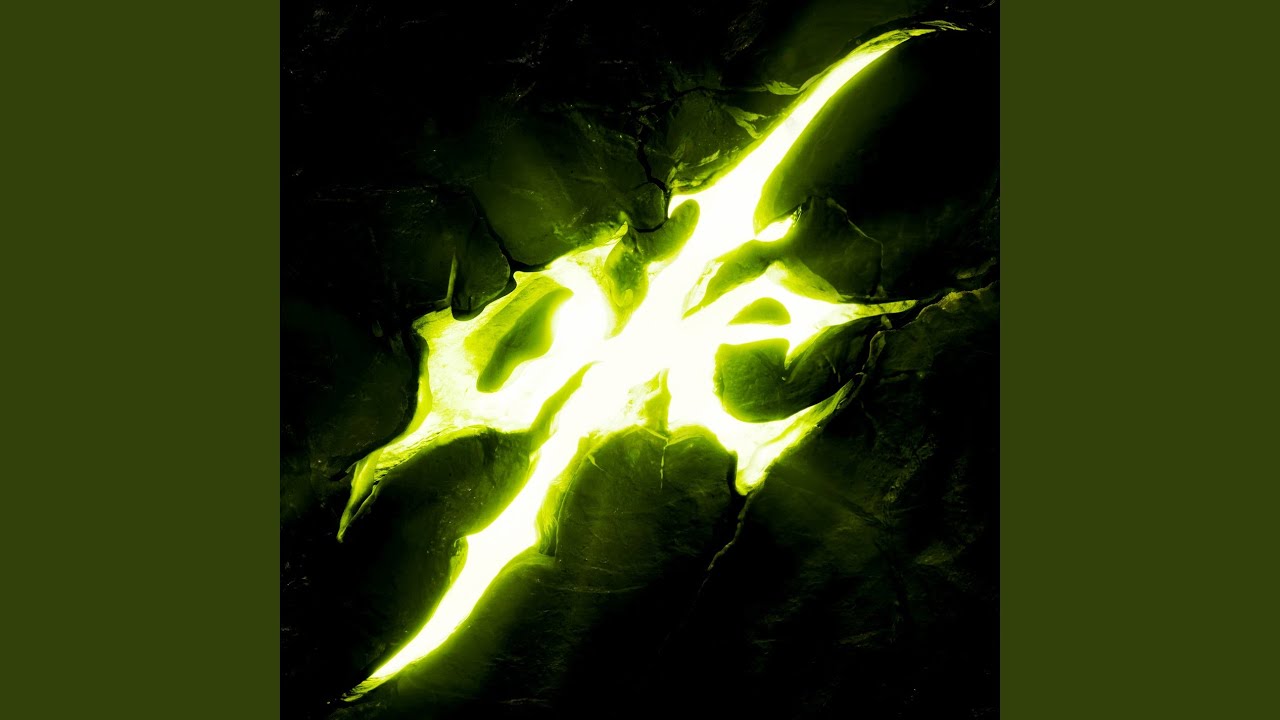
Release file: Official artist upload, exact video identity, and release context for this React.
feat. G-DRAGON
WDA
The Lemonade
May 11, 2026
The beat wears steel-toed boots. Giselle understands it immediately. The performance version improves the argument by giving aespa back the center of its own mutation story.
What changed every time I replayed it
First play: The bass arrived dressed for industrial demolition. My first question was less flattering: are aespa biting this beat or posing beside it?
Second play: Giselle’s opening settled the issue for her section. She gives the groove the bored, sharp shape it needs without performing effort for the camera.
Third play: I waited for Winter or Ningning to rip open the arrangement. The detonation never came. The song kept flexing the same muscle.
Performance replay: G-DRAGON’s verse disappeared, the four members stayed, and the record stood straighter. That edit changed my opinion more than another week of streaming the original.
Fifth play, headphones: The groove finally stopped sounding like one giant metal slab. Tiny gaps appeared around the kick, the chant, and the members’ entrances. That space explains why weak phrasing would die here. WDA gives every voice room to expose itself. Giselle uses the room. The final minute still needs somebody to wreck it.
A new animal or a premium factory model?
“Whole different animal” does not ask listeners to rank aespa slightly higher inside the same category. The phrase says comparison has stopped working. This version is harder to classify, harder to control, and finished with permission from the earlier version of the group.
That mutation claim fits aespa’s career. The group has always lived between human and avatar, body and projection, ordinary woman and manufactured icon. WDA trades the older digital vocabulary for flesh, instinct, cloning, and an industrial body shop.
The boast becomes unstable once the video shows repeated bodies and factory spaces. Are these women changing themselves, or is the system manufacturing another premium model and teaching it to call the upgrade freedom?
That question matters beyond K-pop. Modern celebrity sells self-invention while labels, platforms, beauty systems, and algorithms define which inventions become visible. A woman can choose her image and still make that choice inside a room somebody else built.
A Buddhist lens makes the animal metaphor even messier. There is no permanent self waiting to be discovered under the styling. Identity changes through conditions, habits, relationships, and attention. Mutation is normal. The danger begins when the company sells one temporary form as the final, superior truth.
Expensive menace needs somewhere to go
Dem Jointz builds the track around huge synth bass, clipped rap pockets, a descending threat, and enough negative space to expose every attitude choice. The production is controlled rather than explosive. If the groove hits the nervous system, repetition becomes hypnosis. If it does not, the listener waits for the beast to evolve.
Giselle claims the opening because she understands that boredom can be rhythmic. She does not chase the beat. She makes the beat wait. Karina brings physical command and keeps the hook from becoming a studio exercise.
Winter and Ningning get fewer full vocal releases than I wanted. That decision keeps WDA inside its hard pose, but it also wastes two voices capable of turning a controlled song into an event. One detonation would give the repetition a before and after.
G-DRAGON’s feature makes conceptual sense. His public career is full of self-invention, fashion, authorship, celebrity, and the burden of becoming a category people copy. He arrives carrying mythology before the verse starts.
That is also the problem. A guest with that much symbolic weight can bend the song around him. I should not spend an aespa track waiting for aespa to return. The collaboration is interesting. The balance is less convincing.
The production credits explain the machinery
Apple Music credits G-DRAGON, Dwayne Abernathy Jr., RYAN JHUN, Varick “Smitty” Smith, and Jvde in the writing room. RYAN JHUN and Dem Jointz handle arrangement and production. That combination explains why the track feels engineered around impact points instead of a long melodic climb. Dem Jointz likes rhythm that leaves dents. RYAN JHUN knows how to make a hook survive after the first shock wears off.
The bass does not behave like warm support. It acts like architecture. Each low hit gives the members a wall to push against, while the chant cuts the song into short commands. The arrangement keeps the middle unusually bare, so pronunciation, breath placement, and attitude become part of the percussion. Giselle sounds comfortable because she lets the beat come to her. When a line sounds overperformed, the empty space tells on it immediately.
That same design creates my biggest complaint. WDA establishes its machine early and keeps it running. The track needs one system failure. Winter or Ningning could have bent the harmony, stretched a note across the hard rhythm, or forced the production to clear a different lane. The song sells mutation while the arrangement protects its original shape. I hear a strong blueprint. I do not hear the final room catch fire.
The clone factory makes the brag suspicious
Sterile rooms, repeated bodies, industrial framing, and controlled movement turn identity into manufacturing. The members look powerful, but the space looks capable of producing another copy as soon as one model stops selling.
Clones are an obvious aespa image because the group’s lore began with digital doubles. WDA removes the friendly avatar language and makes duplication colder. A clone can extend identity, replace it, dilute it, or prove that the “unique” product has a production line.
The members move between control and evidence. Sometimes they command the frame. Sometimes the frame displays them like successful experiments. That tension is better than literal animal ears or a CGI zoo. The song says instinct. The video asks who programmed it.
Industrial spaces also make pop labor visible. K-pop often hides the machine behind fantasy sets. WDA leaves steel, repetition, and assembly in the image. The group can claim mutation while the viewer keeps seeing the apparatus around it.
The strongest artistic choice is refusing a clean answer. aespa is both author and product, woman and avatar, person and repeatable image. That contradiction has always been the group’s real concept, even when the lore buried it under terminology.
Who owns which part of the animal
Giselle
Giselle owns the opening. Her phrasing has shape, personality, and the exact amount of disinterest the steel groove requires.
Karina
Karina gives the concept physical authority. She makes formation, posture, and silence read as decisions instead of empty posing.
Winter
Winter cuts through the dense low end, but the arrangement never gives her the vocal rupture that could change the song’s temperature.
Ningning
Ningning brings needed vocal depth. I wanted the final minute to hand her the match and stop protecting the furniture.
Removing the guest changes the argument
The performance edit removes G-DRAGON’s verse and places the entire center back on aespa. This does not prove the feature failed. It proves the track can survive without the authority his name brings.
That difference matters. The original version says aespa belongs in a conversation with one of K-pop’s most durable self-inventors. The performance version says four women can make the mutation claim without a senior man certifying it.
A Confucian hierarchy can explain why the feature feels heavy. Seniority and lineage carry meaning before anybody performs. Collaboration with a respected predecessor can honor continuity, but it can also shift attention toward the senior figure. Removing him from one version does not disrespect the lineage. It creates space to see what the juniors built.
The performance file also answers my first-play question. Once the members have to carry the full structure through bodies and formations, they stop looking as if they are posing beside the beat. They own the repetition through timing, weight, and group tension.
The camera makes the hierarchy visible
The official music video uses cuts, duplicates, and industrial staging to make identity feel manufactured. The performance material removes most of that narrative camouflage. Four bodies, formation changes, and timing have to carry the idea. That is why the version without G-DRAGON’s full verse lands differently. The group no longer shares the center with a senior artist whose reputation arrives before his voice does.
The choreography works best when it treats the members like parts of one animal instead of four people taking turns. Wide shapes make the hook feel territorial. Low weight keeps the movement attached to the bass. Small pauses let a face or shoulder finish the sentence after the lyric stops. The official dance practice makes those mechanics easier to see because the camera does not rescue every transition with an edit.
I still want more individual disruption. A mutation story should let somebody break formation in a way that changes the group after she returns. WDA gives us control, precision, and command. It rarely allows ugliness. The women look expensive inside a factory, which fits aespa perfectly, but the animal metaphor promises teeth marks. The last chorus should leave one.
The details doing real work
- Clones: Individual identity faces pop’s ability to reproduce a profitable image.
- Industrial rooms: The machine that manufactures celebrity is visible instead of hidden behind fantasy.
- Animal language: Instinct and mutation replace the group’s older avatar vocabulary without abandoning the identity question.
- The missing feature: One edit turns a collaboration into a test of who owns the center.
- Negative space: The production leaves attitudes exposed. Nobody can hide a weak entrance under a wall of melody.
What worked and what I would fix
Keep it
Giselle’s opening, Karina’s physical command, clone-factory unease, steel bass, negative space, and the performance cut proving aespa can carry the animal alone.
Fix it
Give Winter and Ningning one full vocal rupture. Let the final minute mutate instead of repeating the original pose. Keep the guest from bending the center away from aespa.
Final take
WDA did not win me on the first listen. It annoyed me into a fourth, which is sometimes more interesting. The beat has physical weight, but the original arrangement occasionally treats concept and guest mythology as substitutes for escalation.
The performance cut is where the “whole different animal” claim becomes convincing. Four women carry the structure without borrowed authority, and the missing verse reveals how much of the original balance came from reputation rather than musical need.
Added, with conditions. Keep the steel boots. Let the vocal line bite something next time.
Bottom line
aespa’s “WDA” performance video proves the whole different animal is the quartet, not borrowed guest mythology. Karina, Giselle, Winter and Ningning make the structure convincing through physical weight and center ownership even when the arrangement still needs one final mutation.
Receipts and rabbit holes
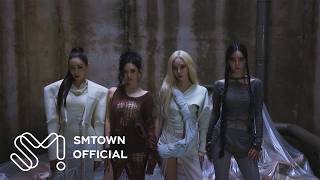 SMTOWN: official WDA music videoDaily+51.1KTotal views36M
- aespa: official WDA dance practiceDaily+5.8KTotal views3M
- aespa on Weverse: official WDA performance video
- Apple Music: WDA song credits
- Apple Music: LEMONADE album context
The production, hierarchy, clone-factory, and center-ownership arguments are RaeRae’s editorial analysis based on the credited recordings and visible official videos.