
RAERAE REACTS · AESPA · EXACT OFFICIAL MV
Regret of the Times MV React: aespa Gave a Censored Protest Song New Teeth
“Regret of the Times” does not enter aespa’s catalogue as a fashionable rock detour with anonymous vintage credentials. Seo Taiji and Boys created the original amid 1990s conflict over censorship, youth expression and institutional control. The 2024 remake adds aespa’s voices and newly written force to material whose anger already had a target. If a React ignores that history, it has reviewed the guitars and missed the song.
Release file
Released: January 15, 2024
Runtime: 03:23
Artist: aespa — Karina, Giselle, Winter and Ningning
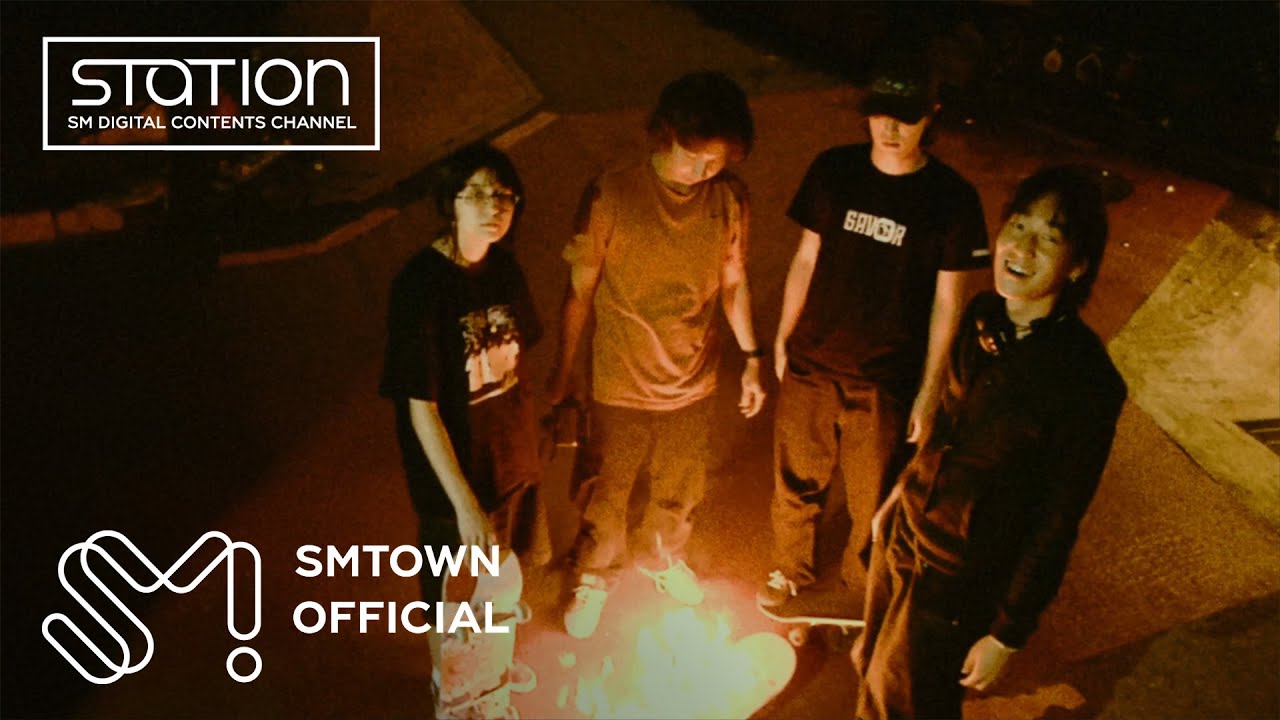
Exact-video distinction: Official SM STATION master MV xjBY3MLdvVQ, a 2024 remake of Seo Taiji and Boys’ “Regret of the Times,” separate from the remastered original, audio and stages
Sound: Alternative rock and hip-hop with distorted guitar, live-band pressure, forceful drums, chant sections, melodic vocals and newly added rap writing
Source trail: SMTOWN official master ·  exact MVDaily+281Total views2.3M
First reaction: the guitars are carrying history
Distortion supplies immediate force, but the record’s weight comes from what the original confronted.
The remake succeeds when current attack remains connected to censorship rather than becoming rebellion styling.
Lyrics: the original was not generic youth angst
Seo Taiji wrote against social hypocrisy and control during an era when Korean popular music faced formal pre-censorship.
Context changes the meaning of every polished 2024 shout.
Karina adds authorial pressure
Her participation in new rap writing matters because reinterpretation should include more than assigned vocal color.
The delivery sounds strongest when the added language pushes the existing argument forward.
Giselle understands rhythmic abrasion
Rock production can tempt rappers to over-project until every consonant becomes one volume.
She uses cadence and attitude to cut through without flattening the verse.
Winter puts melody against noise
Her bright precision creates friction with distorted guitars instead of floating safely above them.
That contrast keeps anger musically dimensional.
Ningning makes protest sound embodied
Warm power turns broad social language into something carried by a person.
She prevents historical importance from becoming a museum label.
A remake can reactivate or neutralize
Corporate remastering projects may preserve challenging art while sanding away the institutions it challenged.
This version needs explicit history so rebellion does not become another valuable catalogue aesthetic.
The video uses transmission as structure
Screens, messages and fragmented urban imagery make communication feel contested.
The world looks built to circulate anger and suppress it at the same time.
Rock styling is not automatically authenticity
Guitars, boots and grain do not prove independence from an idol system.
Authorship, credit and the specificity of the critique matter more than costume.
Choreography has to respect musical resistance
Movement works best when it feels pushed by drums rather than placed neatly on top of them.
The members let several gestures remain rough enough to preserve friction.
Generational handoff creates responsibility
New listeners may meet the title through aespa and never encounter the original conflict.
Correct source routes should make discovery travel backward as well as forward.
The ending keeps accusation public
The track does not resolve social pressure through one person’s confidence.
Collective force remains necessary because the target is larger than an individual insult.
Four performers, four kinds of pressure
Karina gives the frame architecture and command without making leadership a permanent monopoly on attention. Giselle can make a line conversational, sly or abrasive enough to puncture immaculate world-building. Winter places a bright, controlled vocal edge through dense production and makes small expressions read at speed. Ningning brings range, warmth and a willingness to let power sound emotionally inhabited rather than merely impressive.
Those tendencies are tools, not cages. Every full-group master routes the same canonical card to all four profiles because participation is factual and should not be decided by thumbnail placement, line-count arguments or whichever member a short-form edit made trend.
What changed every time I replayed it
The first replay belonged to the guitars and rap additions. The second returned with the censorship history in mind, and several images stopped reading as generic dystopian texture.
By the third listen, the crucial question was not whether aespa sounded convincing in rock. It was whether the remake kept the original accusation available.
What I kept replaying
- Karina turning added writing into pressure.
- Giselle cutting through rock density rhythmically.
- Winter making melody scrape against distortion.
- Ningning giving public anger a human body.
- Visual transmission systems that both spread and trap the message.
The larger industry question
Catalogue projects profit from historical importance, but marketing often removes the politics that made a song important because context complicates easy nostalgia.
A responsible remake can expand access while crediting origin, conflict and difference. aespa’s performance brings new energy; criticism must keep Seo Taiji and Boys and Korea’s censorship history in the same frame.
Where it could hit harder
The video could make the original censorship conflict more legible rather than relying primarily on generalized dystopian signs.
Some polish works against the song’s abrasion. A few less controlled textures would make institutional pressure feel less safely simulated.
Censorship history cannot become decorative trivia
The original conflict is not a fun fact placed after discussion of styling. South Korea’s pre-censorship system shaped what musicians could release, while Seo Taiji’s confrontation with authority became part of a larger shift in how popular artists addressed youth and institutions.
A remake benefits from that cultural charge. It therefore inherits an obligation to keep the charge named instead of using “legendary” as a shortcut that praises importance while removing the reason.
New writing creates a higher standard
When Karina and other current contributors add rap material, the remake moves beyond vocal reinterpretation. New language must answer the original rather than simply proving modern cadence fits over guitar.
The strongest additions preserve accusation and generational impatience. They sound like current performers locating themselves inside an unfinished argument, not company copy inserted to make an old track trendable.
Rock in K-pop is often granted borrowed credibility
Reviewers sometimes treat guitars as automatic evidence that idols became authentic, rebellious or musically serious. That idea insults both rock and pop. Instruments do not cancel corporate systems, and polished dance production does not lack craft by definition.
Credibility here comes from historical engagement, vocal commitment, authorship and whether the arrangement creates meaningful friction. Distortion is a tool; the argument decides what it does.
Discovery should move in two directions
A young MY may find Seo Taiji and Boys because aespa released this version. An older listener may reconsider aespa after hearing how they handle the material. Good internal linking should support both routes without ranking one audience as legitimate.
The remake is therefore a junction, not a replacement. Its value increases when listeners can hear difference across versions, learn why the original met resistance and return with more precise questions for the present.
RaeRae verdict
“Regret of the Times” gives aespa a convincing rock frame, but its real success depends on refusing historical amnesia.
The members add voice, writing and bodily force without earning permission to erase the argument they inherited.
Bottom line
aespa gave a censored protest song new teeth. “Regret of the Times” lands when distorted guitars, new writing and four current voices carry the original accusation forward instead of selling rebellion with the history removed.