
KARD: Members, Music, History and the 2026 DSP Transition

Group profile and current lineup
| Members | BM, J.Seph, Somin and Jiwoo |
|---|---|
| Company chapter | DSP Media through the announced end-of-2026 transition |
| Debut | July 19, 2017 |
| Current status | Active quartet during the NOW HERE tour; post-DSP structure unresolved |
| Fandom | HIDDEN KARD |
Status: Active quartet during the NOW HERE world tour · DSP-managed chapter scheduled to conclude at the end of 2026 · permanent disbandment is not confirmed.
KARD are BM, J.Seph, Somin and Jiwoo: the rare co-ed K-pop team whose international audience was not an afterthought but part of the reason the project survived, toured and developed a recognizable catalog. Their music moves through tropical house, dancehall, reggaeton, moombahton, hip-hop and club pop without pretending four contrasting performers should sound like one interchangeable voice.
In July 2026, DSP Media announced a concluding full album and world tour around Where To Now? (Part.2): NOWHERE. That announcement closes the group’s current agency chapter. It does not justify writing “permanently disbanded” as settled fact. The members have publicly described a desire to make music together again in a new environment, while Korean reporting has used the more cautious language of an indefinite group hiatus after DSP. This page will preserve both truths: the present tour is active, and the post-contract structure remains unresolved.
Quick file
- Debut: July 19, 2017 with Hola Hola after three pre-debut project singles
- Members: BM, J.Seph, Somin and Jiwoo
- Agency chapter: DSP Media through the announced end-of-2026 transition
- Fandom: HIDDEN KARD
- Core sound: dancehall, tropical house, reggaeton, moombahton, EDM, hip-hop and pop
- Current campaign: Where To Now? (Part.2): NOWHERE and the NOW HERE world tour
Meet the four members




Why KARD’s co-ed format matters
K-pop has no shortage of mixed-gender collaborations, project stages and temporary units. A permanent co-ed idol group is different. Every release has to solve arrangement, choreography, styling, pair chemistry and fandom marketing without relying on the familiar grammar of an all-male or all-female team. KARD made that difficulty audible. The lower male rap tones can answer, interrupt or frame the women’s melodic lines; the women are not decorative voices waiting for a chorus; and partner movement can suggest adult chemistry without forcing the members into fictional couples.
That structure also exposes lazy criticism. When a line distribution changes, listeners sometimes treat it as evidence of personal conflict rather than arrangement. When choreography uses proximity, commentary can become gossip instead of performance analysis. KARD’s best work rewards a more useful question: what does each voice or body contribute to the tension of this particular song?
The pre-debut project that found an audience first
DSP introduced KARD through “Oh NaNa” in December 2016, followed by “Don’t Recall” and “Rumor.” The sequence let the quartet establish chemistry before an official album debut. More importantly, those songs reached international listeners rapidly. KARD could tour abroad unusually early because demand was visible before domestic television systems had decided where a co-ed group belonged.
The official debut EP Hola Hola arrived in July 2017. Its title track kept the tropical-house brightness of the project era, while later releases proved the group was not limited to one summer formula. “You In Me” went darker; “Bomb Bomb” and “Dumb Litty” leaned into harder club force; “Gunshot” used a bruised emotional frame; “Ring the Alarm” returned to warm rhythm with more mature control.
A catalog built for movement
KARD’s catalog is often summarized with genre tags, but the physical logic is more consistent than any single label. Percussion has to create a path through the body. Bass gives BM and J.Seph a floor rather than simply making the mix louder. Somin supplies polish and tonal warmth, while Jiwoo can sharpen a phrase through attack, texture or movement. The quartet work when those differences remain differences.
The group’s strongest hooks also anticipate live response. Repetition is not automatically thin writing when a chorus is designed to be returned by an audience in Mexico City, Paris, São Paulo, Los Angeles or Seoul. The relevant test is whether the track changes around the repeated phrase—through texture, member exchange, dance pressure or the emotional meaning accumulated by later sections.
The solo chapter was already happening inside the group story
BM established a solo catalog through “Broken Me,” The First Statement, Element and PO:INT, with production and writing that make his individual work more than an idol side project. Jiwoo released her first EP, (EX)IST, in February 2026. Somin followed with UNVEIL and “Backseat” in April. J.Seph released Spin-off in May. Those projects mean every member now has an individual recording lane without requiring four duplicate identities in the directory.
On CVM Sekai, each person has one canonical page. BM, Somin, Jiwoo and J.Seph can appear on both the Artist and Group Member landing pages, but both cards point to the same biography. Group history and solo history remain connected because audiences do not stop carrying one context into the other.
What the 2026 announcement actually says
The safest current wording is neither denial nor funeral. DSP’s statement establishes that the agency-managed KARD journey, the full album campaign and the accompanying tour form a concluding chapter. The members’ statements establish that they do not want the relationship reduced to a clean permanent ending. Future releases, management and scheduling are not finalized enough to promise. Therefore this hub dates every status claim and refuses to convert ambiguity into clickbait certainty.
Older releases remain active history regardless of what happens next. A contract ending does not remove a member from a music video, erase a lyric credit or turn an international tour into a hallucination. Future directory updates must distinguish current roster, historical participation and agency relationship instead of using one vague “active/inactive” label for all three.
How international HIDDEN KARD can follow closely
International fans should not have to solve a scavenger hunt every time a schedule changes. Start with the official KARD site and its notice board, then confirm releases through the verified KARD YouTube channel and official streaming profiles. The notice date matters: older translated bios and distributor descriptions can remain indexed after a newer contract statement changes the context.
Use fan translations as navigation help, not invisible primary evidence. A responsible update links the original notice, states what is translated or inferred and avoids turning an ambiguous Korean phrase into a dramatic English headline. For tours, verify the promoter and venue page in addition to the group announcement. For solo work, check the member’s verified account and the official distributor upload so a fan edit does not become the canonical video by accident.
The international publicity gap is real. KARD built much of their career abroad, yet English-language schedules, subtitled notices and centralized release routes have often been less consistent than the global audience deserves. That is not a failure by fans to care closely enough. It is an infrastructure problem: attention cannot reliably convert into streams, ticket sales or informed discussion when basic official information is scattered.
Essential release path
- “Oh NaNa,” “Don’t Recall” and “Rumor” — the pre-debut project
- Hola Hola and “Hola Hola” — official debut
- “You In Me” — darker dramatic turn
- “Bomb Bomb” and “Dumb Litty” — club-force expansion
- “Gunshot” — emotional language and sharper visual framing
- “Ring the Alarm” — mature rhythmic confidence
- ICKY and Where To Now? (Part.1): Yellow Light — later-group evolution
- DRIFT — “Touch,” “Pivot” and adult co-ed performance chemistry
- Where To Now? (Part.2): NOWHERE — 2026 full album and DSP-transition campaign
RaeRae Reacts: exact uploads, not collapsed songs
One song can have a music video, performance video, full-camera stage and visualizer. Those are separate creative objects. The React archive therefore gives each official upload its own page, exact video ID and unique canonical image. The “Touch” music video, performance video and full cam are not three links pasted into one review; each asks a different question about editing, choreography and uninterrupted group work.
- “Back To Life” music video React
- “Touch” music video React
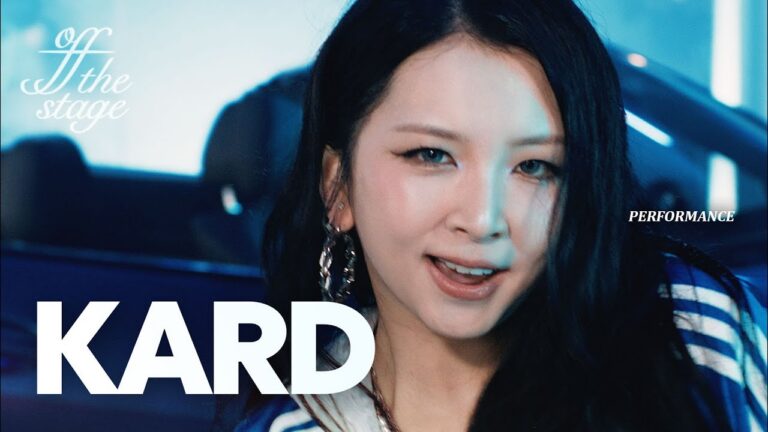
- “Touch” performance video React
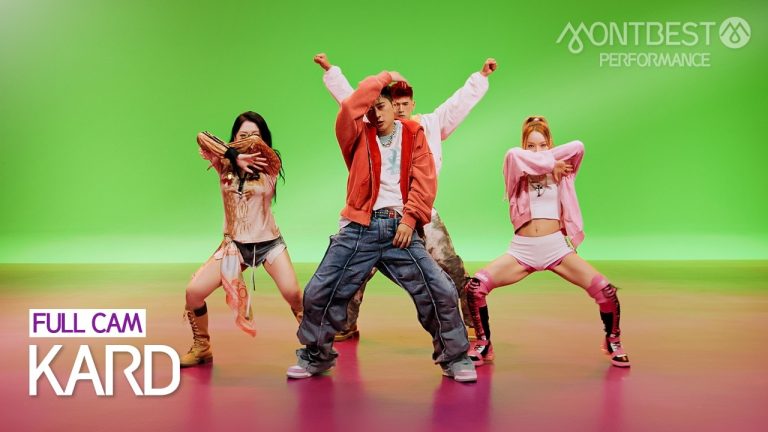
- “Touch” full-cam React
- “Pivot” performance React
- “Detox” visualizer React
- Somin “Backseat” React
- BM featuring B.I “Freak” React
- AleXa “Xtra” with BM React
Sources and receipts
- KARD official website, notices and current campaign
- KARD official YouTube channel
- DSP Media’s July 2026 KARD album, tour and contract-transition announcement
- Member statements and dated Korean reporting on the post-DSP plan
- Official release credits for KARD and the four solo EPs
KARD are not a novelty category
Calling KARD “the co-ed group” is accurate, but stopping there makes the format sound like the achievement. The achievement is sustaining an identifiable musical relationship long after novelty should have expired. Four voices learned how to trade space without flattening gender difference into a gimmick, while the catalog kept adjusting to touring scale, changing production fashion, enlistment interruption and individual creative growth.
The group should be compared with its own decisions before it is used as a referendum on whether every mixed-gender group can work. “Don’t Recall” solves a different problem from “Gunshot.” “ICKY” is not trying to recreate “Hola Hola.” “Touch” uses adult chemistry differently from a pre-debut tropical-house single. A useful history preserves those distinctions instead of awarding one permanent house sound.
BM: weight, production and direct communication
BM brings a Los Angeles musical vocabulary, low-register rap, dance looseness and increasing production responsibility. His English-language accessibility helped international interviews move without a translation wall, but that public role should not swallow his authorship. Credits across KARD and his solo catalog show an artist interested in bass, body movement, direct adult R&B and the emotional cost hidden behind an extroverted stage identity.
His solo route also demonstrates why the KARD hub needs canonical relationships. A listener arriving through “Freak” or PO:INT should reach the same BM profile that documents KARD. Creating an isolated “solo BM” biography would break the person into marketing eras and leave the tracker unable to explain collaborations cleanly.
J.Seph: restraint is a structural choice
J.Seph trained for years before KARD and once prepared for a hip-hop duo with BM that never officially debuted. That history helps explain their rap-line familiarity without inventing a separate act. His lower, more measured delivery can stabilize a track when BM pushes outward, while his quieter public rhythm makes small shifts in humor or intensity land sharply.
Military service interrupted his participation but did not alter the permanent four-member identity. Later work and the 2026 Spin-off EP expand his page from “group rapper” to a person with an individual release record. The group profile links that growth without claiming every solo decision predicts KARD’s future.
Somin: polish after repeated beginnings
Somin’s history passes through Puretty, KARA Project, APRIL and KARD before her 2026 solo EP UNVEIL. Listing those names without context makes persistence sound like trivia. Each transition required a new public introduction, new group grammar and another negotiation with an industry that likes debut stories more than long, complicated careers. “Backseat” works because control is not an abstract empowerment slogan after that history.
Her vocal tone often supplies polish and warmth, but polish should not be confused with passivity. Somin can make a phrase feel composed enough that the sharper lyric underneath arrives late. In “Touch,” that control becomes adult self-awareness; in gentler KARD material, it gives the group a melodic center that can absorb the rappers without turning them into interruptions.
Jiwoo: attack, movement and productive friction
Jiwoo joined DSP shortly before the pre-debut project and quickly became essential to KARD’s physical identity. Her lower color, rap attack and controlled dance power can roughen a smooth arrangement at exactly the right point. She is not merely the “edgy” answer to Somin. The useful contrast changes by song: sometimes it is texture, sometimes movement scale, sometimes the willingness to let a line sound impatient.
The 2026 EP (EX)IST gives that range an individual frame. As with the other members, solo work should deepen rather than sever the group record. The KARD hub routes listeners outward, then brings the resulting evidence back to the quartet’s evolving balance.
Touring is part of the music, not a footnote
KARD’s early international demand changed what kinds of songs could sustain the project. A track heard repeatedly in clubs, festival fields and concert rooms develops a different afterlife from one optimized only for a broadcast week. Choruses become crowd exchanges. Percussion has to remain legible through a venue system. Member personalities grow through direct audience feedback in regions that Korean television metrics may barely register.
That does not mean international popularity excuses weak releases. It means tour history is evidence about function. “Back To Life” can sound deliberately broad because thousands of people are meant to return it during a farewell-framed tour. A studio-only critique that ignores that design would miss the audience already written into the arrangement.
Contracts, hiatus and the language of endings
K-pop coverage often treats “left the agency,” “group activities paused,” “exclusive contract expired” and “disbanded” as synonyms. They are not. A member can leave management while retaining a group relationship; a team can become inactive without issuing a permanent ending; an agency can conclude its project while the artists discuss another structure. Exact language is not sentimental denial. It is basic record keeping.
For KARD, the available August 2026 evidence supports an active current tour, a DSP chapter scheduled to end, individual solo careers and member statements resisting a permanent-disbandment conclusion. It does not support promising a comeback date. This hub will change when official evidence changes, and it will keep the date visible so future readers know which uncertainty belonged to this moment.
A practical international-following routine
First, bookmark the KARD notice board instead of relying on a social algorithm. Second, subscribe to the verified YouTube channel and confirm the eleven-character video ID when adding a release. Third, use official streaming credits to distinguish group, solo and featured work. Fourth, verify tour dates with both the agency or group notice and the local promoter. Fifth, record the access date when a status statement might change.
For translations, retain the original link and label interpretive language. “Concluding our journey under DSP” may be reported differently from “permanent disbandment,” and the distinction can determine whether an entire profile becomes misinformation. International fans deserve plain explanations of ambiguity, not headlines that force certainty because certainty travels faster.
What this hub will maintain
Every KARD landing-page card uses the canonical image attached to the destination post. The hub’s four member cards link to one biography each. Every React uses the same local image for hero, featured, card and social preview, but no attachment is reused by a different post. Official-video tracking is exact-upload based. Taxonomy connects KARD, the relevant members, collaborators and RaeRae Reacts without turning a shared song title into an accidental identity.
That maintenance work is not decorative. It is how someone can start with a random video, understand which version they watched, reach the correct artist, learn the current status and return later without discovering that a silent page save erased the record.
The record stays open
A complete group profile is not a monument finished on publication day. Tour dates end, contracts move, solo catalogs grow and member language can clarify what an agency statement left uncertain. This hub keeps those changes dated and sourced while preserving older facts in their proper tense. That makes it possible to update KARD without rewriting the past every time the future becomes less ambiguous.
The standard is simple: official evidence first, exact wording second, interpretation labeled as interpretation, and no permanent ending invented to make a cleaner headline.
Official music video library
Every row keeps one official upload tied to its own React. Alternate performance films, member solos and collaborations stay separate because they are separate videos, not spare versions to collapse under one song title.
YouTube video tracking history
- KARD “Touch” Performance Video: The Choreography Gets the Last WordDaily+318Total views494.5K · exact official upload · read the in-depth React
- KARD “Touch” Full Cam: No Edit Can Hide the Formation WorkDaily+15Total views59K · exact official upload · read the in-depth React
- Pivot: KARD Turned One Bassline Into a Four-Person DareDaily+95Total views712.1K · exact official upload · read the in-depth React
- KARD DetoxDaily+94Total views457.4K · exact official upload · read the in-depth React
- AleXa “Xtra” with BM: Camp, Confidence and One Excellent DisruptionDaily+177Total views8.6M · exact official upload · read the in-depth React
- EASYDaily+251Total views439.6K · exact official upload · read the in-depth React
 Home Sweet HomeDaily+199Total views610.7K · exact official upload · read the in-depth React
- OohDaily+166Total views230.6K · exact official upload · read the in-depth React
- Tell My MommaDaily+366Total views6.5M · exact official upload · read the in-depth React
 NectarDaily+883Total views2.9M · exact official upload · read the in-depth React
 LowkeyDaily+241Total views1.1M · exact official upload · read the in-depth React
- ICKYDaily+1.8KTotal views24.4M · exact official upload · read the in-depth React
- Without YouDaily+219Total views9M · exact official upload · read the in-depth React
- Ring the AlarmDaily+2KTotal views43.6M · exact official upload · read the in-depth React
- LIE (Lost in Euphoria)Daily+37Total views2.3M · exact official upload · read the in-depth React
- 13IVIDaily+106Total views2.2M · exact official upload · read the in-depth React
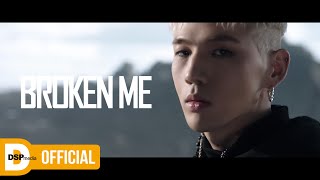 Broken MeDaily+64Total views1.5M · exact official upload · read the in-depth React
- GUNSHOTDaily+1.5KTotal views39M · exact official upload · read the in-depth React
- RED MOONDaily+1.7KTotal views24.2M · exact official upload · read the in-depth React
- Dumb LittyDaily+1.4KTotal views29.2M · exact official upload · read the in-depth React
- Bomb Bomb BM × Jiwoo SpecialDaily+1Total views481.2K · exact official upload · read the in-depth React
- Bomb Bomb J.Seph × Somin SpecialDaily+2Total views390.9K · exact official upload · read the in-depth React
- Bomb BombDaily+117Total views9M · exact official upload · read the in-depth React
- Better MyselfDaily+3Total views430.3K · exact official upload · read the in-depth React
- Ride on the WindDaily+471Total views9.4M · exact official upload · read the in-depth React
- Trust Me PrequelDaily+284Total views5.7M · exact official upload · read the in-depth React
- You In MeDaily+541Total views15.2M · exact official upload · read the in-depth React
- Hola HolaDaily+2.9KTotal views60.7M · exact official upload · read the in-depth React
- RumorDaily+265Total views21.6M · exact official upload · read the in-depth React
- Don’t Recall Hidden VersionDaily+185Total views7.6M · exact official upload · read the in-depth React
- Don’t RecallDaily+8.3KTotal views101.1M · exact official upload · read the in-depth React
- Oh NaNaDaily+2.3KTotal views47.9M · exact official upload · read the in-depth React
React image cards
Static cards route each exact official upload to its own in-depth React. Every card repeats that React’s featured and hero image so the archive stays visually traceable.
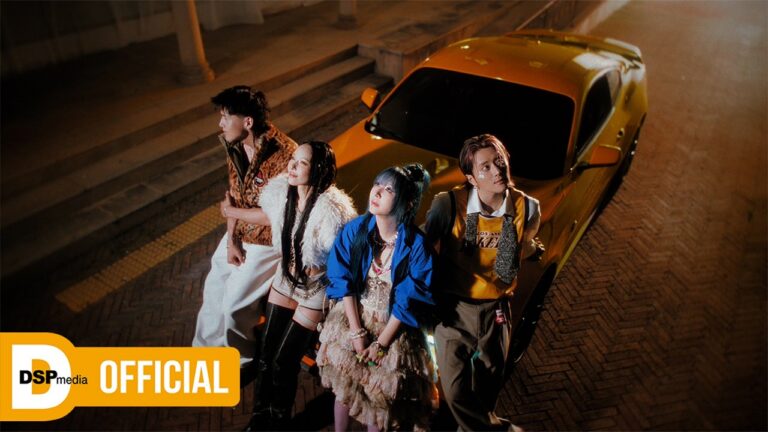


Freak: BM Checked Into a Hotel and Immediately Lost the Plot
Exact-video React · Read the full review


React image card

EASY MV React: J.Seph Made Restraint Sound Like the Most Expensive Choice
Exact official-video React · Read the deep dive
React image card

Home Sweet Home MV React: Jiwoo Built a House and Refused to Call It Safety
Exact official-video React · Read the deep dive
React image card
Ooh MV React: BM Lowered the Lights and Let the Groove Do the Bragging
Exact official-video React · Read the deep dive
React image card

Tell My Momma MV React: KARD Put Adult Flirtation in the Family Group Chat
Exact official-video React · Read the deep dive
React image card
Nectar MV React: BM and Jay Park Made Seduction a Two-Man Quality-Control Meeting
Exact official-video React · Read the deep dive
React image card
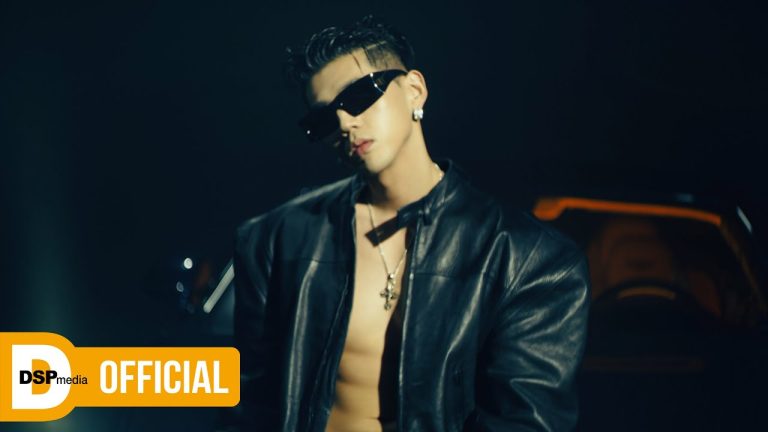
Lowkey MV React: BM Whispered the Flex and Finally Made It Believable
Exact official-video React · Read the deep dive
React image card

ICKY MV React: KARD Found the Sticky Floor and Made Everybody Dance Anyway
Exact official-video React · Read the deep dive
React image card

Without You MV React: KARD Put Spring in a Glass Box and Watched It Crack
Exact official-video React · Read the deep dive
React image card

Ring the Alarm MV React: KARD Came Back from Silence and Pulled the Fire Handle
Exact official-video React · Read the deep dive
React image card

LIE (Lost in Euphoria) MV React: BM Made Paradise Look Like the Most Dangerous Room
Exact official-video React · Read the deep dive
React image card
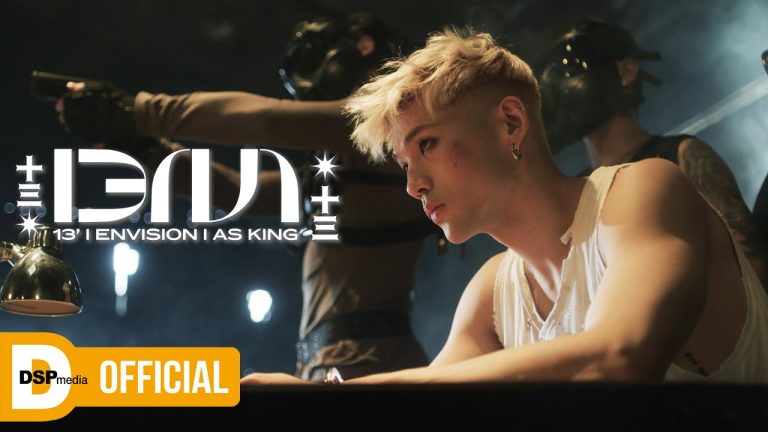
13IVI MV React: BM Built an Alter Ego and Forgot to Give It an Indoor Voice
Exact official-video React · Read the deep dive
React image card
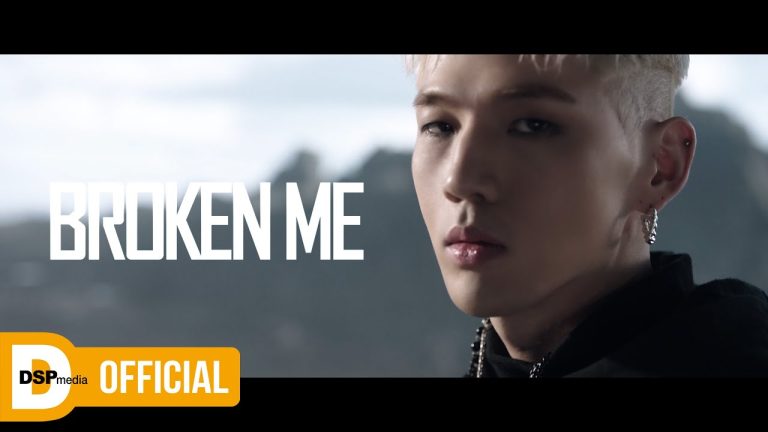
Broken Me MV React: BM Took the Armor Off and Left It in the Rain
Exact official-video React · Read the deep dive
React image card

GUNSHOT MV React: KARD Put Verbal Abuse in the Chamber and Refused to Call It Love
Exact official-video React · Read the deep dive
React image card

RED MOON MV React: KARD Turned Desire into a Lunar Emergency
Exact official-video React · Read the deep dive
React image card
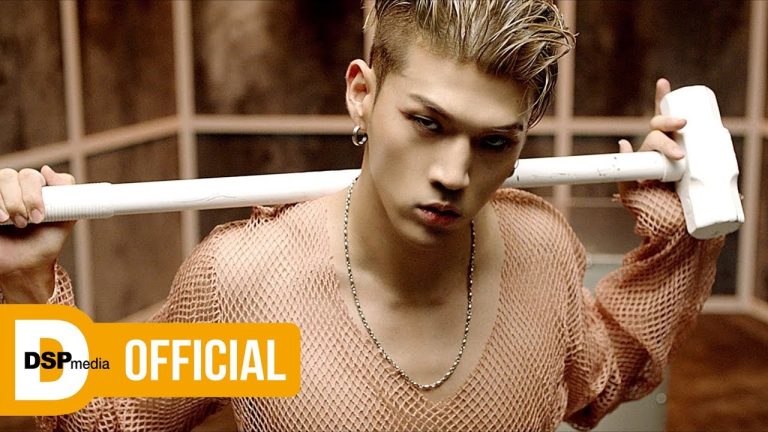
Dumb Litty MV React: KARD Raided the Myth Closet and Left Wearing Every Crown
Exact official-video React · Read the deep dive
React image card

Bomb Bomb BM × Jiwoo Special MV React: Two Jokers Turned the Same Fire into a Standoff
Exact official-video React · Read the deep dive
React image card

Bomb Bomb J.Seph × Somin Special MV React: Restraint Walked into the Fire and Won
Exact official-video React · Read the deep dive
React image card
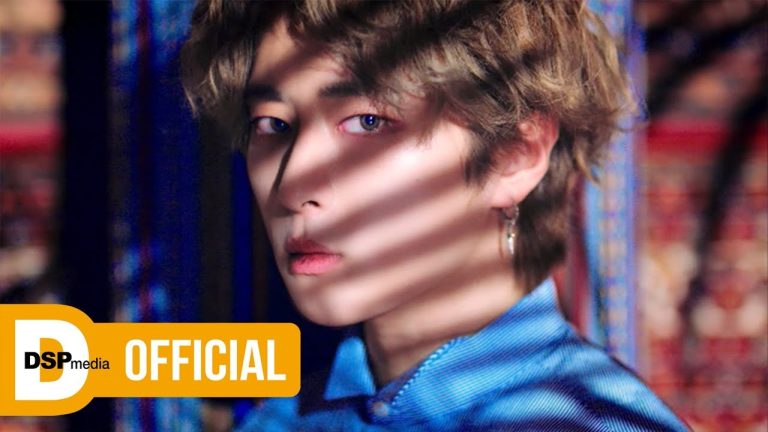
Bomb Bomb MV React: KARD Lit the Ritual Fire and Danced Past the Warning Label
Exact official-video React · Read the deep dive
React image card
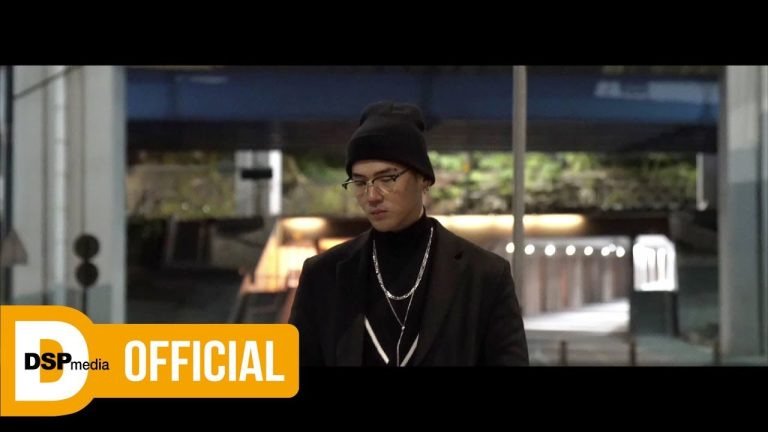
Better Myself MV React: BM Turned Self-Improvement into a Camera He Could Not Hide Behind
Exact official-video React · Read the deep dive
React image card

Ride on the Wind MV React: KARD Put Summer in a Convertible and Forgot the Map
Exact official-video React · Read the deep dive
React image card
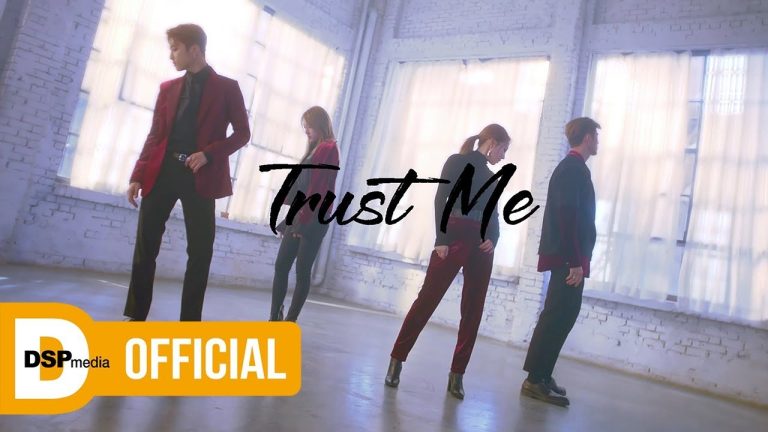
Trust Me Prequel MV React: KARD Built the Alibi Before the Crime Scene
Exact official-video React · Read the deep dive
React image card
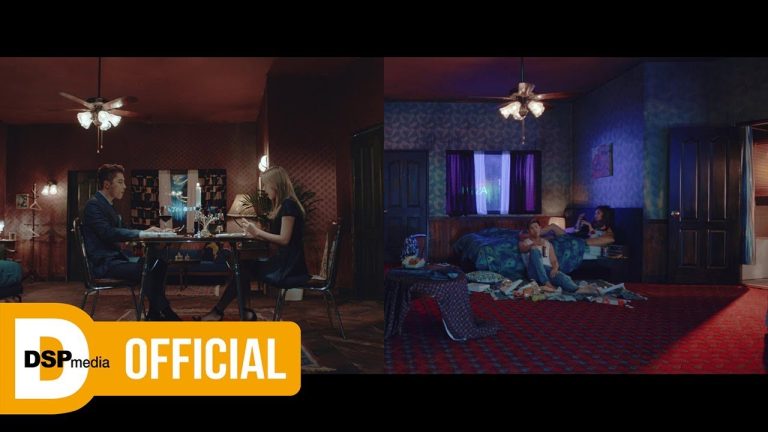
You In Me MV React: KARD Checked into a Love Story and Found the Locks Changed
Exact official-video React · Read the deep dive
React image card
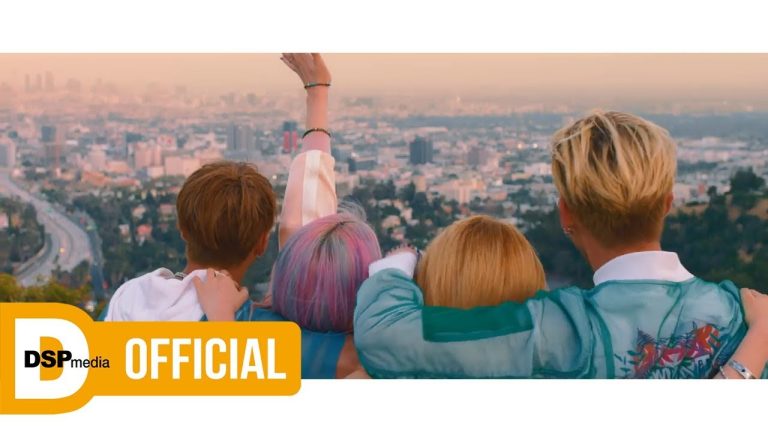
Hola Hola MV React: KARD Made Their Official Debut Look Like Summer Had Been Waiting
Exact official-video React · Read the deep dive
React image card
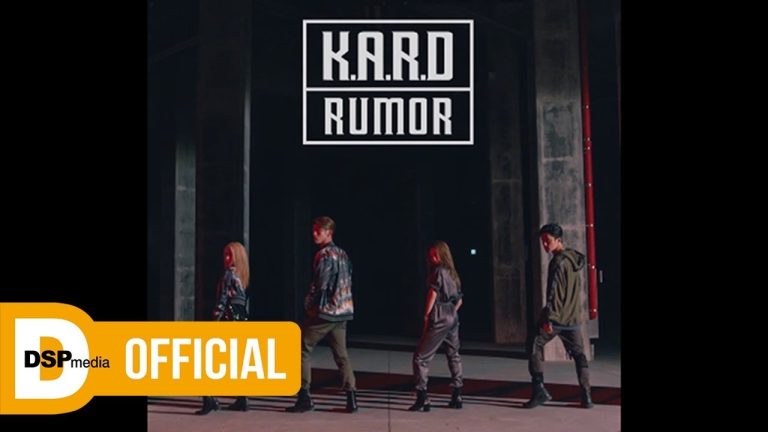
Rumor MV React: KARD Put Gossip on a Conveyor Belt and Let It Outrun the Truth
Exact official-video React · Read the deep dive
React image card
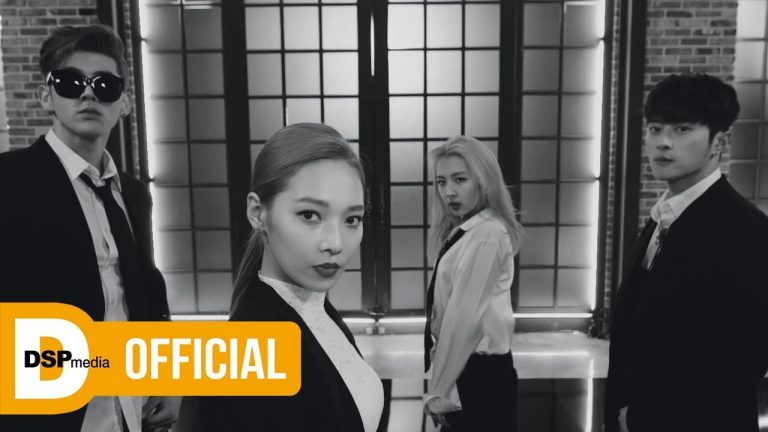
Don’t Recall Hidden Version MV React: KARD Translated the Breakup and Changed Who Could Answer
Exact official-video React · Read the deep dive
React image card
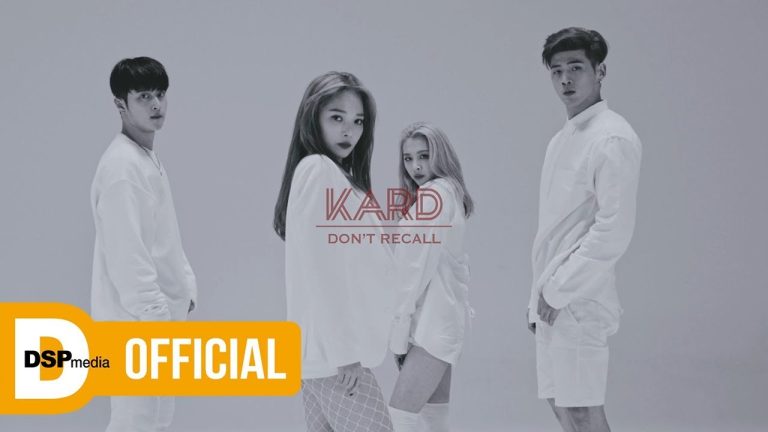
Don’t Recall MV React: KARD Closed the Door Without Pretending the Room Was Empty
Exact official-video React · Read the deep dive
React image card
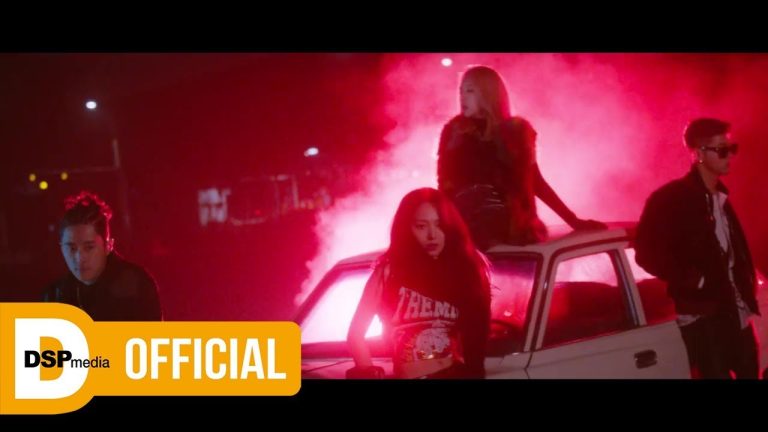
Oh NaNa MV React: KARD Opened the Project with Four Cards and One Hidden Voice
Exact official-video React · Read the deep dive
Back To Life official-video tracker update
KARD close this group chapter with sunlight and a moombahton crowd song instead of a funeral. All four members helped write the farewell, making replay the mechanism that brings the quartet back to life. Exact official video iwc3ePT4-xw: read the RaeRae React.
Freak exact-video tracker update
BM’s solo “Freak” belongs in KARD’s member-work trail without being mislabeled as a KARD group release. The production gives his physical performance room to roll rather than forcing every intention into a shout. Exact official video eq92CQE9X9g: read the RaeRae React.