
J.Seph
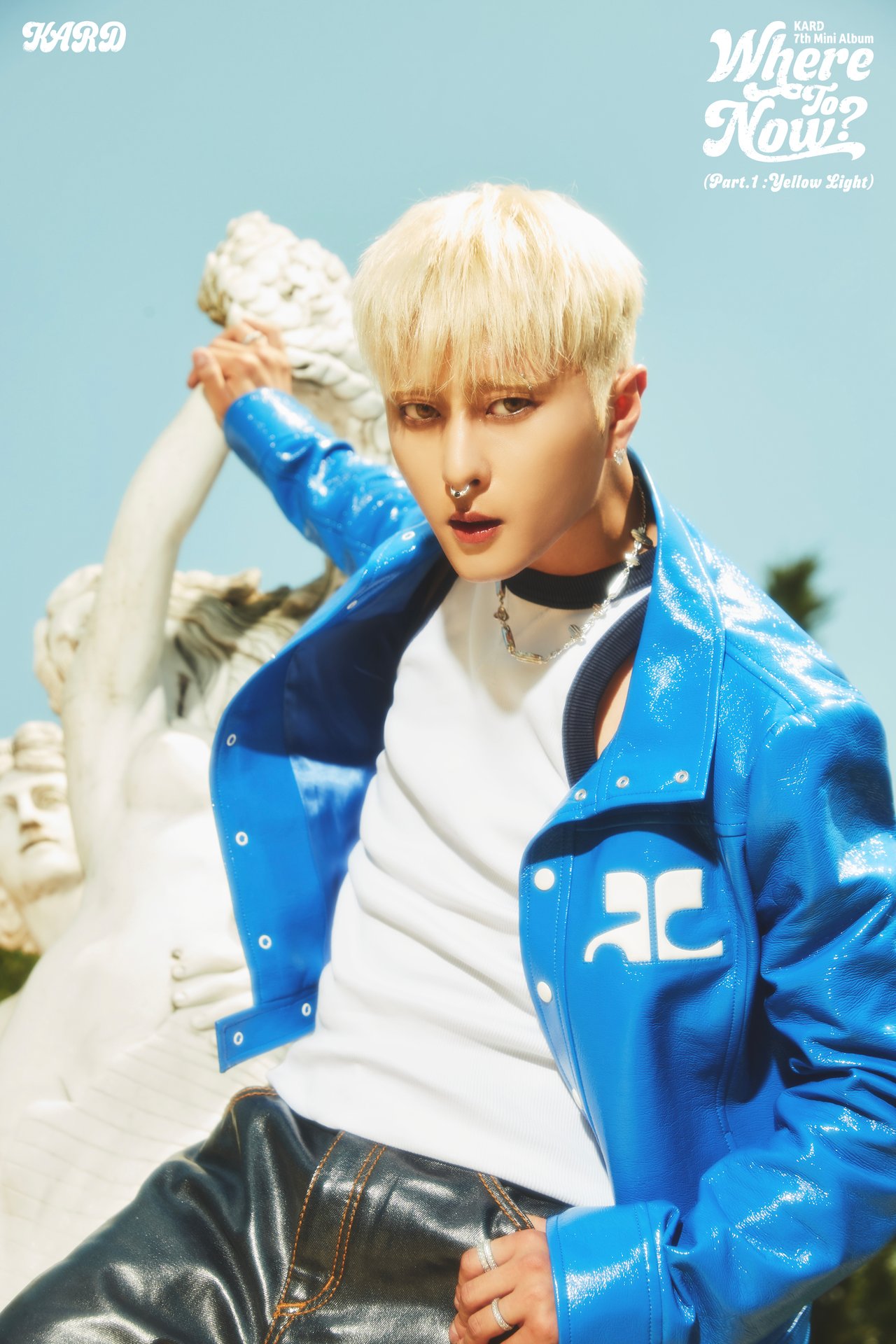
J.Seph is a current KARD member through the group’s announced 2026 concluding album and world tour. This canonical profile also tracks his solo work, including the first EP Spin-off, without creating a duplicate artist identity.
Profile
| Stage name | J.Seph |
|---|---|
| Birth name | Kim Taehyung |
| Born | June 21, 1992 |
| Group | KARD |
| Company chapter | DSP Media through the announced 2026 concluding cycle |
| Role/profile emphasis | Rap, vocals and solo work |
| Status | Current member through the announced concluding album and tour |
Quick File
J.Seph is a current KARD member through the group’s announced 2026 concluding album and world tour. This canonical profile also tracks his solo work, including the first EP Spin-off, without creating a duplicate artist identity.
Official links: Official channel and updates
Meet the Members
History
This page follows the group from debut through the lineup, contract, and touring changes that actually affect the music. Dates and major claims are checked against agency statements and Korean reporting.
Music and RaeRae Reacts
Before KARD: a long trainee road and a canceled duo
J.Seph, born Kim Tae-hyung on June 21, 1992, trained under DSP Media for roughly five years before KARD’s public launch. He was once prepared for a hip-hop duo with BM, a plan that never became an official debut. That abandoned route helps explain the musical chemistry between KARD’s two male members, but it should not be listed as a separate group in the directory. It was trainee history, not a released act.
DSP introduced KARD in late 2016 as a four-member co-ed project built around card suits and rotating “hidden card” guests. J.Seph held the Ace position and became one half of the rap line. Pre-debut singles “Oh NaNa,” “Don’t Recall,” and “Rumor” attracted an international audience before the group officially debuted. The quartet released Hola Hola on July 19, 2017 with J.Seph, BM, Somin, and Jiwoo as the permanent lineup.
A co-ed structure changed ordinary K-pop arrangement problems. Choreography, vocal range, pair work, styling, and fan marketing could not rely on the conventions used for an all-male or all-female team. J.Seph’s lower rap tone often sits between BM’s more forceful delivery and the women’s melodic lines, creating contrast without forcing every song into a battle between two halves of the lineup.
The international lane and the KARD catalog
KARD built unusually strong support in Latin America, Europe, and other overseas markets. Songs such as “You In Me,” “Ride on the Wind,” “Bomb Bomb,” “Dumb Litty,” “Red Moon,” and “Gunshot” moved between tropical house, moombahton, club percussion, darker electronic production, and pop structures designed for four distinct voices. J.Seph contributed rap writing across the catalog and learned to make dense lines readable inside choreography.
The group’s international success did not always translate into the same domestic chart scale, but a profile should not treat Korea as the only map that counts. Repeated tours and festival appearances proved there was a durable audience for a modern co-ed K-pop act. J.Seph’s steadier, drier delivery also became an important performance counterweight: BM could expand outward while J.Seph tightened the rhythm and let internal rhyme do the work.
When the music turned more serious, that restraint mattered. “Gunshot” used emotional-abuse imagery rather than a carefree party concept, while later work such as “ICKY,” “Cake,” and the Where To Now? series pushed the group back toward confident adult performance. J.Seph did not need a new fictional role for every era. The through-line was rhythmic control and an ability to shift between deadpan humor offstage and concentration once the count began.
Military service and the return to four
J.Seph enlisted for mandatory military service in October 2020. KARD’s group activity slowed rather than replacing him. BM, Somin, and Jiwoo pursued individual schedules, but there was no new permanent member and no announcement that J.Seph had left. He completed service and was discharged in April 2022.
The June 2022 mini album Re: marked KARD’s return as a four-member recording group. Its title made the point without erasing the interruption: this was a restart with the same lineup. Documenting the service gap accurately protects the member card from a common mistake. His tenure remains continuous from 2017 because military absence is not a departure.
After returning, J.Seph rebuilt tour endurance and recording rhythm through “Ring the Alarm,” later KARD releases, and international stages. The comeback also showed that the quartet’s chemistry depended on difference. His space in the rap line had not been interchangeable during the pause, and the resumed group did not behave like a new lineup.
Spin-off: J.Seph’s first solo EP
J.Seph released his first EP, Spin-off, in May 2026. KARD’s official site announced the project and its fan events, while BM participated in production. The release finally gave J.Seph a longer individual frame after years of group verses, unit material, and tour stages. It belongs on the artist shelf, but it does not require a second J.Seph page. The same person can be both a group member and solo artist.
The title “spin-off” is useful archive language. A spin-off extends an established world without declaring the original story fake. His solo material can emphasize rap construction, vocal color, and personal narrative that a four-member KARD single cannot hold, while the group catalog remains the foundation listeners use to understand his delivery.
Any future J.Seph release after the DSP contract transition should extend this section. Agency changes do not justify duplicate profiles, and a distributor credit should not be mistaken for a new identity.
2026: final DSP chapter, not a finished history yet
On July 6, 2026, DSP Media announced that KARD’s first full album, Where To Now? (Part.2): NOWHERE, and the following world tour would conclude the group’s journey under the current arrangement. The album arrived July 28. Interviews published with the release added important nuance: the members resisted treating the announcement as a permanent ban on making music together and described the end of their DSP contracts as the immediate change.
As of this profile’s August 12, 2026 checkpoint, the announced final tour is still in progress. J.Seph is therefore a current KARD member, not yet a former member. His correct directory status is Current member, 2017–present, with the narrative clearly noting that conclusion activities and a contract transition have been announced. Once the final group schedule actually ends, the card should change to Former member, 2017–2026.
This timing rule matters. Announcing an ending and completing it are different events. Publishing “former” too early would erase the very album and tour DSP asked fans to support through the end. Publishing “present” without the announcement would hide the largest current fact. The profile records both.
Current sources: KARD official notices, DSP conclusion statement report, and July 2026 member interview.
The enlistment gap did not erase his place in KARD
J.Seph enlisted as an active-duty soldier on October 5, 2020, after KARD’s Way With Words era. He was discharged on April 4, 2022. The timeline matters because KARD’s return with Re: was not a casual reunion after a short break; it restored the four-person balance that defines the group’s co-ed structure. In the first post-discharge broadcast, J.Seph spoke about returning with a more mature image and confirmed that comeback preparations were already underway.
His absence also clarified how specific his role is. BM supplies a broader, lower rap attack, while J.Seph often works through tighter rhythmic phrasing and a drier delivery. When KARD reunited, the contrast returned with him. Korea JoongAng Daily’s 2022 showcase coverage described the members staying in contact throughout his service and framed Re: as the group re-establishing its position after the interruption.
From DSP trainee to KARD’s spade
J.Seph, born Kim Tae-hyung on June 21, 1992, trained for roughly five years before KARD’s official 2017 debut. Before the final four-member configuration, he and BM had been considered for a hip-hop duo. KARD instead became one of the few durable co-ed acts in modern K-pop, pairing J.Seph and BM with Somin and Jiwoo. His representative suit is the spade, and his work spans main rap, dance, supporting vocals, and credited writing across the catalog.
The group’s 2026 transition away from DSP Media should be read as a contract ending, not proof that the four members suddenly stopped wanting to work together. In a July 2026 Korea Times interview, the members resisted treating the final DSP album and tour as the end of their musical relationship. J.Seph’s profile therefore belongs inside both the history of KARD and whatever configuration comes next.
Tea with Receipts
Profile source: Open receipt
Official video tracker
CVM Sekai tracks KARD and J.Seph official channels for group releases, his formal solo EP, performance videos, and clearly credited individual work. Because J.Seph has a released solo music catalog, this same canonical profile can appear in both Member and Artist directories without creating a duplicate page.
Official Socials
Sources
- Soompi: J.Seph’s April 2022 military discharge and KARD reunion broadcast
- Korea JoongAng Daily: KARD’s Re: showcase after J.Seph’s return
- The Korea Times: KARD’s 2026 contract transition interview
- Soompi’s 2017 pre-debut KARD interview
Current status: KARD’s DSP chapter is ending, the relationship is not erased
J.Seph remains part of KARD’s active four-person tour and 2026 album campaign. DSP Media has announced that the current agency-managed chapter concludes at the end of the year. That is a contract and management fact. It is not enough evidence to declare that BM, J.Seph, Somin and Jiwoo have permanently disbanded or will never record together again. The members have described a desire to continue making music together in a different environment, while the practical structure after DSP remains unresolved.
This profile therefore uses dated, exact language. “Current member through the 2026 transition” describes the campaign happening now. Historical KARD credits remain permanent. Solo work remains active as its own lane. A future agency announcement may change the current label, but it cannot retroactively remove J.Seph from the quartet’s catalog.
What J.Seph changes inside a four-person co-ed arrangement
J.Seph is most useful to KARD through long DSP trainee history, low-register contrast, precise phrasing and understated humor. A quartet gives every entrance structural weight. There is nowhere to hide a generic verse among ten other members, and there is no conventional single-gender template deciding in advance who answers whom. J.Seph can change a track by altering register, rhythmic pressure, physical scale or the emotional temperature of the exchange.
The best way to evaluate that contribution is comparative listening. Put the bright pre-debut songs beside the harder “Dumb Litty,” the bruised “Gunshot,” the controlled groove of “ICKY,” the adult tension of “Touch” and the reflective 2026 material. The recognizable identity is not one hairstyle or one center shot. It is the repeatable choice that survives when the production changes.
Solo work: Spin-off is not a side-note
J.Seph now has a documented solo recording lane, with Spin-off providing the clearest current anchor. The directory lists this same page under both Artists and Group Members because one human being should not acquire duplicate biographies simply because the work crosses two shelves. Solo credits need the same precision as group credits: performer, lyricist, composer, producer, choreographer and featured artist are different verbs.
A solo release can clarify qualities that a KARD arrangement shares among four people. It can also expose limits. More lines do not automatically equal a stronger song, and autonomy does not mean every creative decision belongs to the performer. This profile follows official credits and then analyzes what is actually audible or visible, without manufacturing private intention.
International audience and the information gap
KARD’s international following helped establish the group before domestic systems had an easy category for them. That history makes inconsistent global communication especially frustrating. Fans outside Korea need centralized release pages, translated notices, regional ticket links, correct time zones and direct routes to official uploads. When those pieces scatter across social platforms, discovery becomes unpaid archival labor.
To follow J.Seph closely, begin with the KARD official notice board, then use the verified group and individual social accounts, official distributor pages and exact YouTube uploads. A fan translation can help locate a notice, but major status claims should still point back to the dated original. If an older English profile conflicts with a newer Korean announcement, the date and source authority decide which statement controls.
Performance evidence, not camera mythology
A music video proves a chosen edit. It can show expression, styling and how J.Seph uses a short focal deadline, but it cannot prove uninterrupted choreography or untouched live vocals. A performance video shows more complete movement while still using selected takes. A full cam exposes formation continuity. A live stage adds breath, audience relation and venue conditions. Each format supports a different claim.
That distinction matters for KARD because chemistry is often discussed through isolated close-ups. Adult eye contact and partner movement can be part of the performance without becoming evidence about private relationships. The review should describe timing, distance, weight transfer and response—not convert choreography into gossip.
Style and body language without body policing
J.Seph can alter a frame through silhouette, posture, costume movement, facial control and the willingness to hold or release tension. Those are visible performance choices. They do not require speculation about weight, cosmetic procedures, health or private insecurity. The same rule applies when comparing eras: describe the styling system and the movement it enables instead of grading a human body.
The canonical profile image is a real official portrait stored locally with source metadata. It serves as the hero, featured image, directory card and social preview for this one page. It is not reused for another person or a React, because the image should identify the exact record the reader is opening.
Where to start with J.Seph
- KARD complete group hub
- A connected RaeRae React
- Official KARD releases and notices
- Compare the exact music video, performance upload and live stage before making claims about technique
RaeRae take
J.Seph does not need exaggerated mythology. The stronger case is specific: Ace card, rapper, vocalist, lyricist and solo artist is a job description built from repeated choices, not a decorative tag. long DSP trainee history, low-register contrast, precise phrasing and understated humor create a recognizable lane while leaving enough flexibility for the next solo or group release to complicate it.
Keep the praise attached to evidence. Keep the current status dated. Keep the group and solo catalogs connected without pretending they are interchangeable. That is how a profile remains useful after the campaign changes again.
J.Seph after the quiet entrance
J.Seph’s restraint can be misread as absence when louder personalities dominate the first pass. Replay exposes the opposite. His measured timing often provides the line against which BM’s larger physical and vocal choices become legible, and his dry humor can release tension without changing the group’s temperature. Spin-off gives that understated identity an individual frame rather than demanding a louder substitute.
The 2026 solo lane also corrects an old directory problem: he is not only a member label attached to KARD. He is a recording artist with credited work, one canonical person page and a history that continues across group and solo contexts.
React image cards
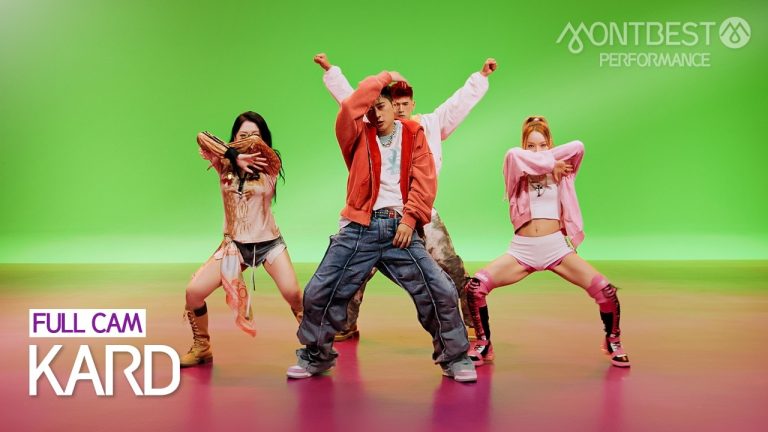
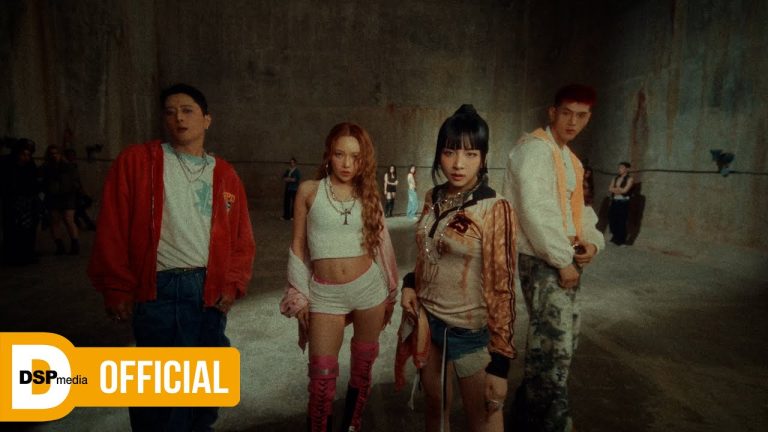
Static cards route each exact official upload to its own in-depth React. Every card repeats that React’s featured and hero image so the archive stays visually traceable.
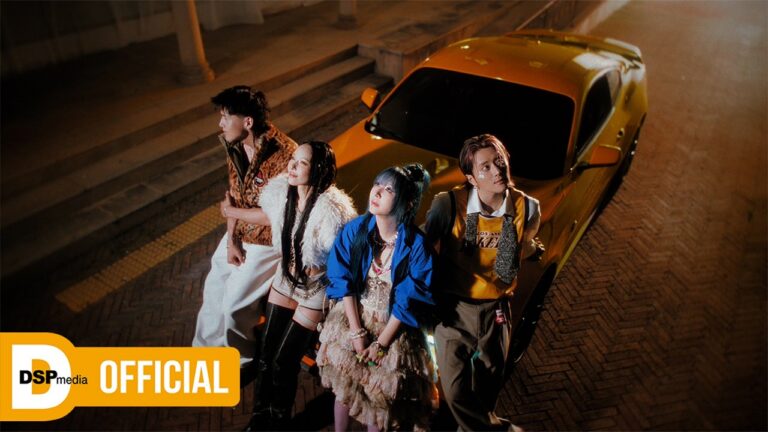


Freak: BM Checked Into a Hotel and Immediately Lost the Plot
Exact-video React · Read the full review



React image cards

EASY MV React: J.Seph Made Restraint Sound Like the Most Expensive Choice
Exact official-video React · Read the deep dive
React image card

Tell My Momma MV React: KARD Put Adult Flirtation in the Family Group Chat
Exact official-video React · Read the deep dive
React image card

ICKY MV React: KARD Found the Sticky Floor and Made Everybody Dance Anyway
Exact official-video React · Read the deep dive
React image card

Without You MV React: KARD Put Spring in a Glass Box and Watched It Crack
Exact official-video React · Read the deep dive
React image card

Ring the Alarm MV React: KARD Came Back from Silence and Pulled the Fire Handle
Exact official-video React · Read the deep dive
React image card
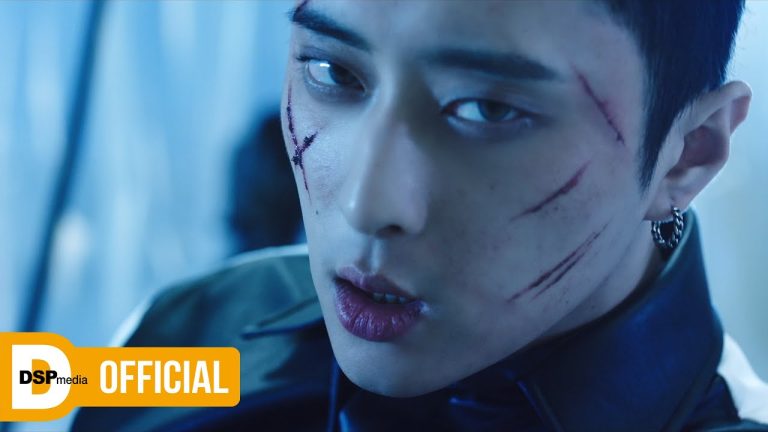
GUNSHOT MV React: KARD Put Verbal Abuse in the Chamber and Refused to Call It Love
Exact official-video React · Read the deep dive
React image card

RED MOON MV React: KARD Turned Desire into a Lunar Emergency
Exact official-video React · Read the deep dive
React image card
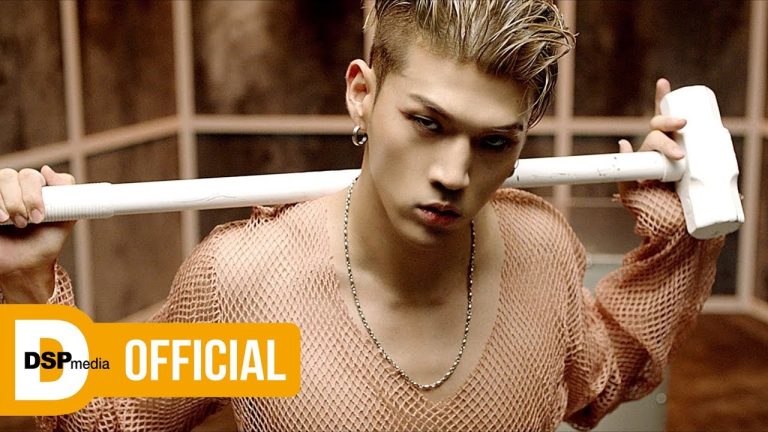
Dumb Litty MV React: KARD Raided the Myth Closet and Left Wearing Every Crown
Exact official-video React · Read the deep dive
React image card

Bomb Bomb J.Seph × Somin Special MV React: Restraint Walked into the Fire and Won
Exact official-video React · Read the deep dive
React image card

Bomb Bomb MV React: KARD Lit the Ritual Fire and Danced Past the Warning Label
Exact official-video React · Read the deep dive
React image card

Ride on the Wind MV React: KARD Put Summer in a Convertible and Forgot the Map
Exact official-video React · Read the deep dive
React image card
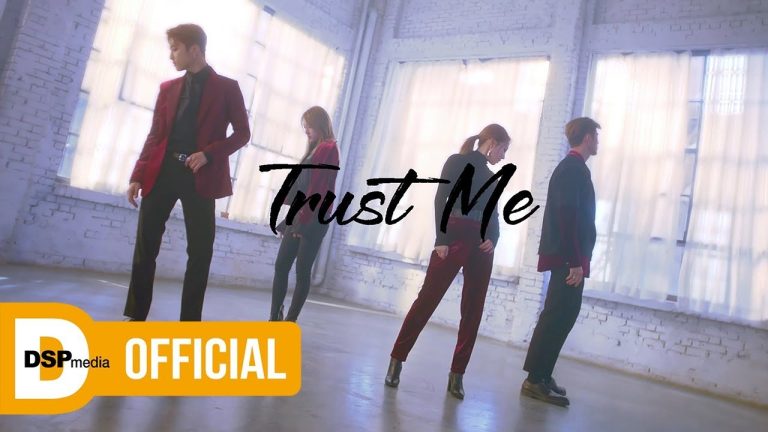
Trust Me Prequel MV React: KARD Built the Alibi Before the Crime Scene
Exact official-video React · Read the deep dive
React image card

You In Me MV React: KARD Checked into a Love Story and Found the Locks Changed
Exact official-video React · Read the deep dive
React image card
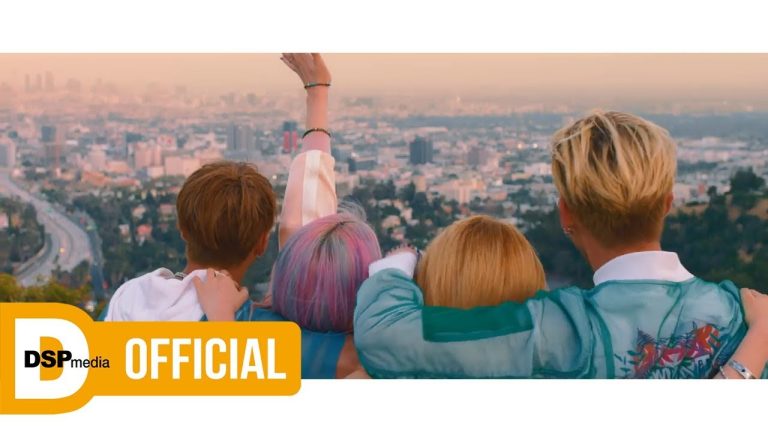
Hola Hola MV React: KARD Made Their Official Debut Look Like Summer Had Been Waiting
Exact official-video React · Read the deep dive
React image card

Rumor MV React: KARD Put Gossip on a Conveyor Belt and Let It Outrun the Truth
Exact official-video React · Read the deep dive
React image card

Don’t Recall Hidden Version MV React: KARD Translated the Breakup and Changed Who Could Answer
Exact official-video React · Read the deep dive
React image card

Don’t Recall MV React: KARD Closed the Door Without Pretending the Room Was Empty
Exact official-video React · Read the deep dive
React image card
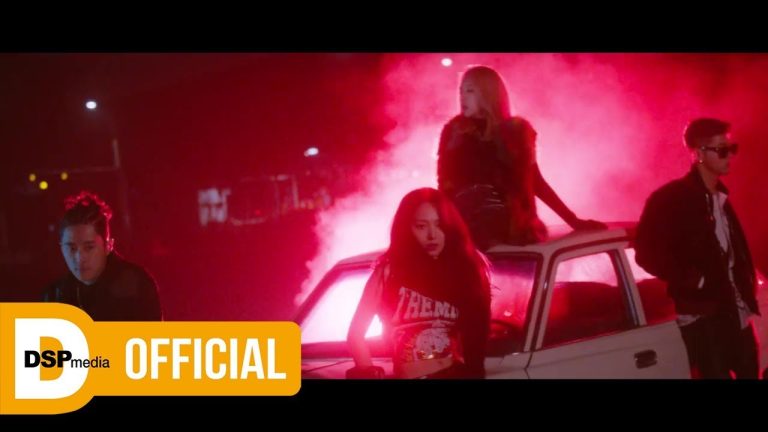
Oh NaNa MV React: KARD Opened the Project with Four Cards and One Hidden Voice
Exact official-video React · Read the deep dive
Video tracking notes
- Pivot: KARD Turned One Bassline Into a Four-Person Dare exact official videoDaily+95Total views712.1K · React complete
- Back To Life exact official videoDaily+6.3KTotal views3M · React complete
 Backseat: Somin Took the Wheel After Four Debuts and Fourteen Years of Waiting exact official videoDaily+955Total views1.1M · React complete
- KARD “Touch” Full Cam: No Edit Can Hide the Formation Work exact official videoDaily+15Total views59K · React complete
- KARD “Touch” Performance Video: The Choreography Gets the Last Word exact official videoDaily+318Total views494.5K · React complete
- Touch: KARD Let Four Adults Flirt Without a Permission Slip exact official videoDaily+762Total views2M · React complete
- KARD Detox React: Healing Without the Megaphone exact official videoDaily+94Total views457.4K · React complete
- EASY MV React: J.Seph Made Restraint Sound Like the Most Expensive Choice exact official videoDaily+251Total views439.6K · React complete
- Tell My Momma MV React: KARD Put Adult Flirtation in the Family Group Chat exact official videoDaily+366Total views6.5M · React complete
- ICKY MV React: KARD Found the Sticky Floor and Made Everybody Dance Anyway exact official videoDaily+1.8KTotal views24.4M · React complete
- Without You MV React: KARD Put Spring in a Glass Box and Watched It Crack exact official videoDaily+219Total views9M · React complete
- Ring the Alarm MV React: KARD Came Back from Silence and Pulled the Fire Handle exact official videoDaily+2KTotal views43.6M · React complete
- GUNSHOT MV React: KARD Put Verbal Abuse in the Chamber and Refused to Call It Love exact official videoDaily+1.5KTotal views39M · React complete
- RED MOON MV React: KARD Turned Desire into a Lunar Emergency exact official videoDaily+1.7KTotal views24.2M · React complete
- Dumb Litty MV React: KARD Raided the Myth Closet and Left Wearing Every Crown exact official videoDaily+1.4KTotal views29.2M · React complete
- Bomb Bomb J.Seph × Somin Special MV React: Restraint Walked into the Fire and Won exact official videoDaily+2Total views390.9K · React complete
- Bomb Bomb MV React: KARD Lit the Ritual Fire and Danced Past the Warning Label exact official videoDaily+117Total views9M · React complete
- Ride on the Wind MV React: KARD Put Summer in a Convertible and Forgot the Map exact official videoDaily+471Total views9.4M · React complete
- Trust Me Prequel MV React: KARD Built the Alibi Before the Crime Scene exact official videoDaily+284Total views5.7M · React complete
- You In Me MV React: KARD Checked into a Love Story and Found the Locks Changed exact official videoDaily+541Total views15.2M · React complete
- Hola Hola MV React: KARD Made Their Official Debut Look Like Summer Had Been Waiting exact official videoDaily+2.9KTotal views60.7M · React complete
- Rumor MV React: KARD Put Gossip on a Conveyor Belt and Let It Outrun the Truth exact official videoDaily+265Total views21.6M · React complete
- Don’t Recall Hidden Version MV React: KARD Translated the Breakup and Changed Who Could Answer exact official videoDaily+185Total views7.6M · React complete
- Don’t Recall MV React: KARD Closed the Door Without Pretending the Room Was Empty exact official videoDaily+8.3KTotal views101.1M · React complete
- Oh NaNa MV React: KARD Opened the Project with Four Cards and One Hidden Voice exact official videoDaily+2.3KTotal views47.9M · React complete