
HANA
The Japanese girl group born from No No Girls, produced by CHANMINA, and built around the radical idea that talent does not need to arrive in one approved shape.

Meet the members
HANA does not publish rigid K-pop positions. Good. The role notes below describe the work each woman is especially known for without trapping her inside one job title forever.

CHIKA
Power vocalist · emotional anchor
Her road included major audition rejection and years of being told that ability was not enough. HANA finally gives that voice somewhere to land.
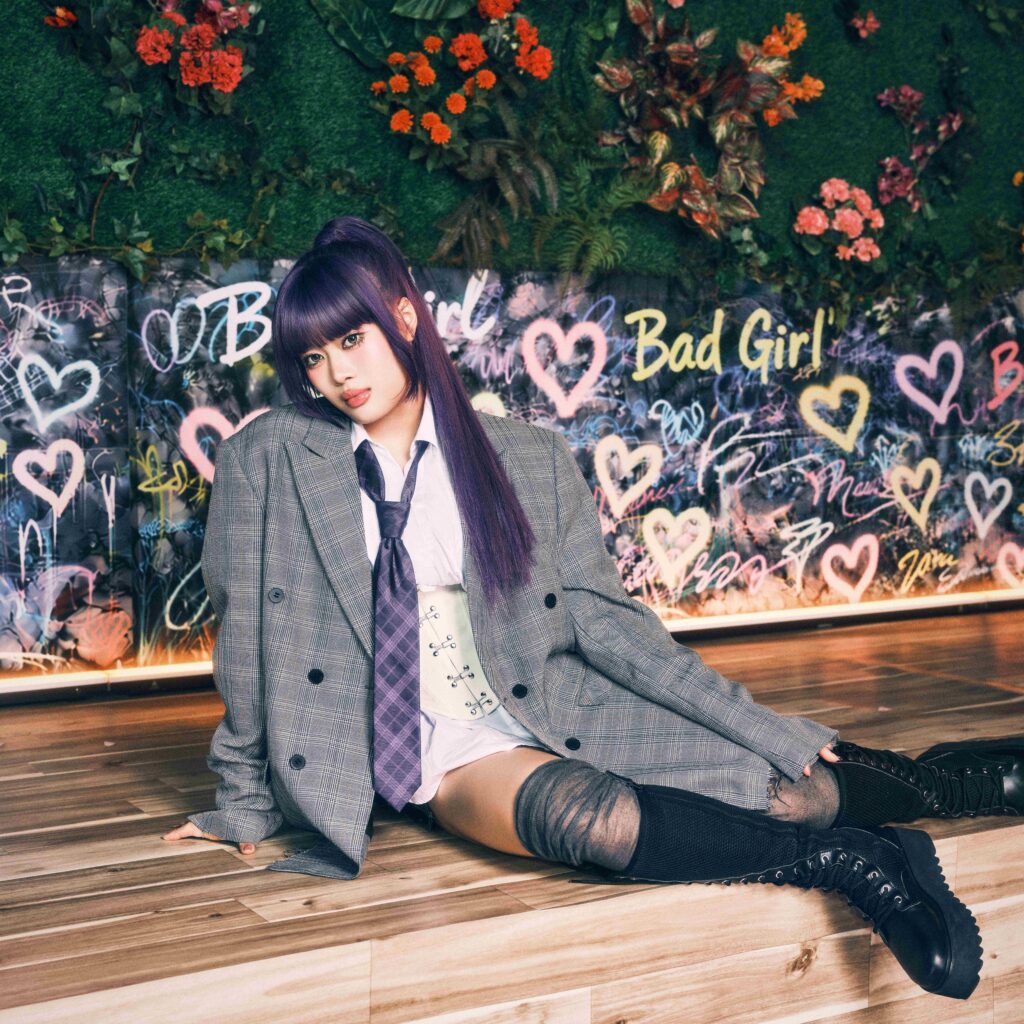
NAOKO
All-round performer · precision dancer
Osaka-trained, technically controlled and rarely caught making movement look accidental.

JISOO
Vocalist · songwriter
The Korean member brings a textured lower vocal color and the perspective of building a career in a second language.
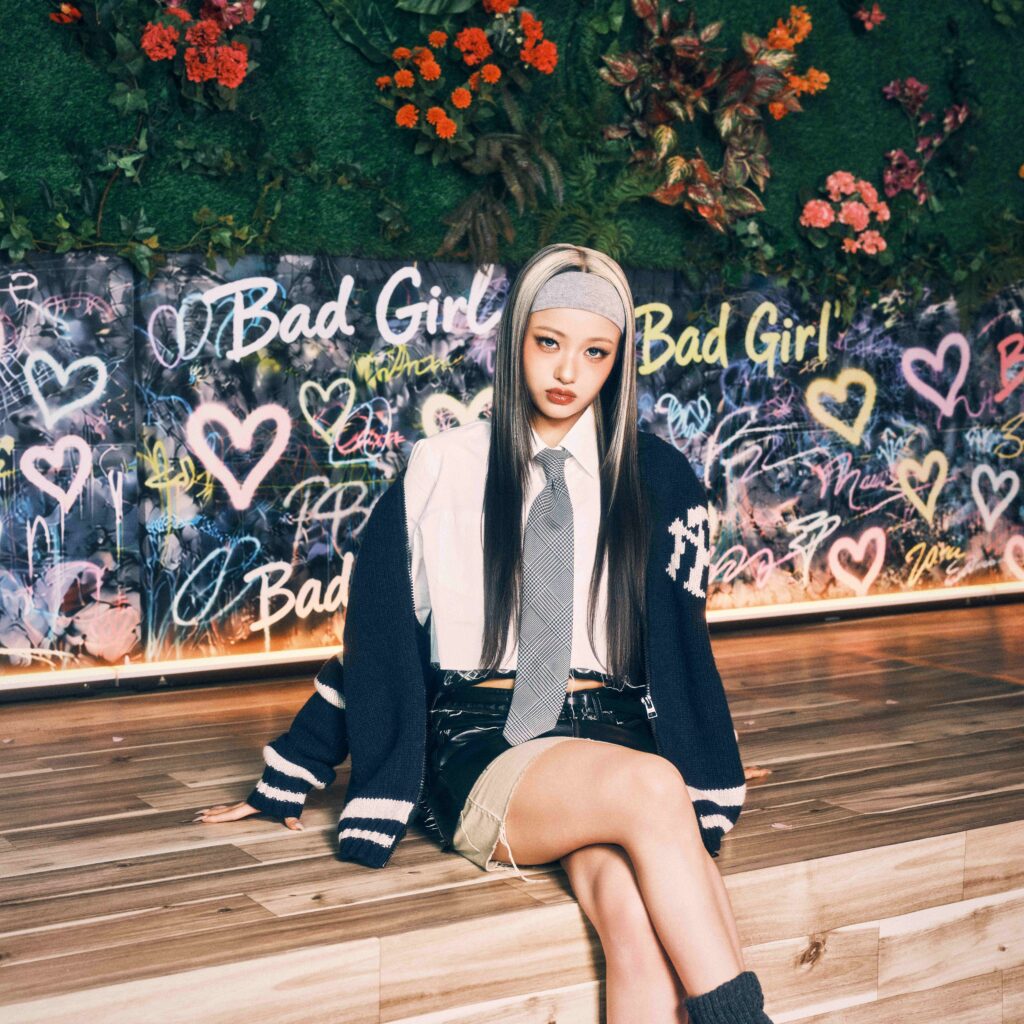
YURI
Vocalist · dancer
Clean delivery, a grounded stage presence and the ability to sharpen a formation without screaming for the center.

MOMOKA
Rapper · vocalist · songwriter
After Produce 101 Japan The Girls, she entered No No Girls with public disappointment already attached and converted it into bite.
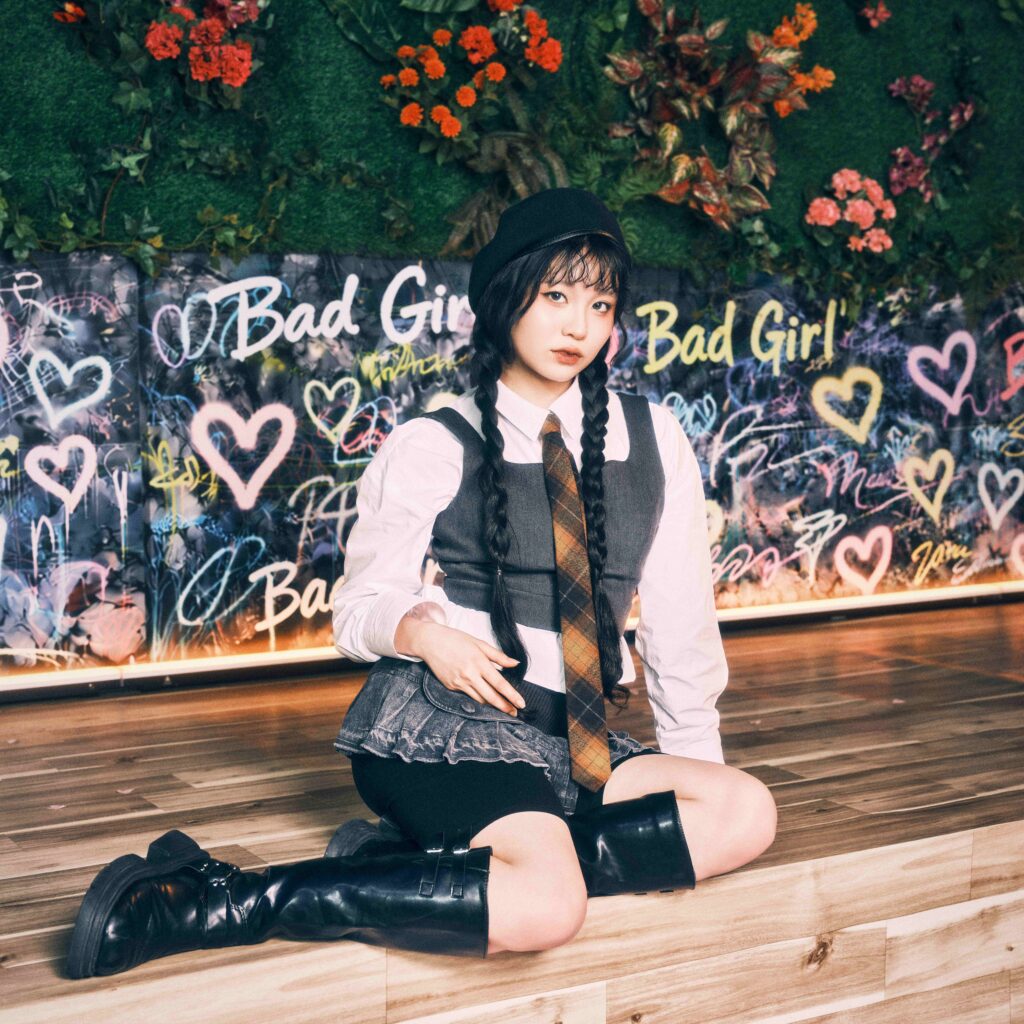
KOHARU
Dancer · vocalist · mood-maker
A movement-first performer whose humor keeps HANA from becoming seven very talented women staring intensely into middle distance.

MAHINA
Rapper · vocalist · youngest
She received an extra 3.5-round chance during the audition and used it to turn hesitation into one of the show’s clearest growth stories.
Quick file
CHIKA, NAOKO, JISOO, YURI, MOMOKA, KOHARU, MAHINA
January 2025
April 2, 2025 with “ROSE”
No No Girls
B-RAVE / BMSG
No Label Music / Sony Music
CHANMINA
HONEYs
No No Girls was not a normal beauty pageant with microphones
BMSG and CHANMINA opened No No Girls without height, weight or age requirements. The application asked women to show their voices and their lives. More than 7,000 people applied. The final at K-Arena Yokohama drew about 20,000 people, sold out its tickets in minutes and later passed 560,000 simultaneous viewers online.
The title came from rejection. CHANMINA had her own history of being told that her appearance, voice and identity did not fit the industry’s preferred mold. The show did not promise that every rejected woman would debut. It asked whether the standards doing the rejecting deserved automatic respect.
That distinction matters. HANA is not interesting because seven conventionally attractive performers declared beauty standards defeated forever. It is interesting because the audition treated scars, failed attempts, unusual tones and late development as usable artistic material rather than defects to hide before evaluation.
Why these seven
Technique was necessary, not sufficient
CHIKA and NAOKO arrived with obvious technical strength. A weaker show could have built the entire group from women who were already polished. CHANMINA also chose growth, individuality and the ability to communicate a life through performance.
Contrast became the group sound
JISOO does not sound like CHIKA. MOMOKA does not rap like MAHINA. KOHARU’s physical energy does not erase YURI’s cleaner restraint. HANA’s identity depends on hearing those seams.
Rejection histories became context
MOMOKA had already been publicly eliminated elsewhere. CHIKA had come close to major opportunities without receiving the final yes. MAHINA needed an additional test. Those histories make “ROSE” feel earned rather than focus-grouped.
They could function as people
Survival programs love dramatic individuals. Groups still have to travel, rehearse, disagree and return the next morning. The final lineup balances intensity with members who can lower the emotional temperature before everybody combusts.
From audition finale to national breakout
January 2025: CHIKA, NAOKO, JISOO, YURI, MOMOKA, KOHARU and MAHINA were announced as HANA.
April 2025: “ROSE” became the official debut. The song turned the audition’s rejection theme into a group statement without pretending pain automatically becomes pretty.
2025: “Blue Jeans,” “Burning Flower,” “BAD LOVE,” “My Body” and “NON STOP” widened the catalog. The important shift was speed. HANA stopped being discussed only as the result of a television project.
February 2026: the self-titled album HANA collected the first-year run and added material including “Bloom” and “ALL IN.” Members discussed the album as a record of discovering what they could sound like together.
March 2026: “Bad Girl” arrived during the first BORN TO BLOOM tour and became an Apple campaign song. That is a very quick jump from audition contestants to a group trusted with a national commercial.
July 2026: JISOO and MOMOKA joined ILLIT on “I Got Your Back,” crossing HANA’s stronger individual vocal textures into a brighter magical-girl pop frame.
What HANA sounds like
HANA moves through pop, hip-hop, R&B, rock edges and performance tracks without sanding seven voices into one anonymous blend. CHIKA provides force. JISOO brings grain and depth. MOMOKA can cut through a track without turning every rap into a volume contest. NAOKO is frighteningly controlled. KOHARU makes movement feel human. YURI stabilizes. MAHINA adds youth without being reduced to cute seasoning.
CHANMINA’s influence is obvious in the refusal to separate vocal technique from biography. The songs repeatedly ask who told these women they were too much, not enough, too rough, too late or shaped incorrectly. That could become motivational-poster sludge. It survives because the performers sound like they remember the “no.”
Live performance is part of the argument
No No Girls placed heavy pressure on real voices, and HANA’s appeal still depends on listeners believing the women can reproduce the emotional center of a song outside a studio. They are polished, but the polish is not supposed to erase breath, strain or personality.
This is also where HANA separates itself from a common idol shortcut. The members are not being sold only as personalities who happen to release music. Technique is part of the brand. If the live standard slips, the whole thesis weakens. So far, the group appears to understand that responsibility.
Start here
ROSE
The debut thesis. Pain is not romanticized, but it is not allowed to be the final owner of the story either.
Blue Jeans
A softer entry point that preserves individual tone and proves strength does not require permanent shouting.
BAD LOVE
A darker record with member writing participation and enough attitude to show the debut message was not their only available subject.
My Body
The title alone tells you why CHANMINA’s production philosophy and HANA’s formation story belong together.
NON STOP
Forward motion without pretending confidence arrived fully assembled.
Bad Girl
The 2026 tour-era flex. Brighter visually, cockier in posture and built to survive outside the audition narrative.
The first album is a record of becoming
HANA, released digitally on February 23 and physically on February 25, 2026, works partly as a first-year archive. That structure is normal in Japanese pop, where a debut album may collect prior singles alongside new material. Listeners coming from K-pop may look at the familiar tracks and yell “compilation.” The new sequencing instead shows how quickly the group moved from “ROSE” into a wider vocabulary.
Member participation is growing. MOMOKA and JISOO have lyric credits, while the group’s interviews around “ALL IN” and the album describe a stronger sense of ownership. The next test is whether HANA can keep increasing that authorship without turning every credit into marketing confetti.
ILLIT × HANA: the crossover that exposed the contrast
In July 2026, JISOO and MOMOKA featured on ILLIT’s Japanese single “I Got Your Back.” They also participated in the lyrics.
It works as an accidental comparison test. ILLIT specializes in light, polished fantasy pop. JISOO and MOMOKA enter with heavier vocal fingerprints. Nobody needs to “win.” The collaboration is useful because it lets two different girl-group systems occupy the same song without pretending their textures are interchangeable.
What HANA is not
HANA is Japanese, not a K-pop group simply because one member is Korean, the producer is Korean-Japanese and international fans discovered them through idol spaces. Their management, primary market, release structure and performance tradition are rooted in Japan. K-pop fans can still claim them as part of the larger Asian pop conversation without erasing the J-pop part.
They are also not proof that the beauty-standard problem is solved. HANA is proof that rejecting one narrow mold can produce commercially powerful performers. The industry will learn the lesson only when that stops feeling revolutionary.
Tea, news and the difference between them
HANA’s most consequential “tea” is currently structural rather than scandalous: CHANMINA’s hands-on producer role, BMSG’s first girl group, No Label Music’s relaunch, rapid commercial growth and a fandom fiercely protective of the show’s values. That may not satisfy people looking for a parking-lot dating photo, but it is the material actually shaping the group.
When personal rumors do appear, they need receipts and proportional language. A woman having an old photograph, friend or pre-debut life is not automatically a scandal. This site will not manufacture one just because the tea carousel looks hungry.
Official music-video rabbit hole
Start with the debut thesis, then follow HANA into softer pop and sharper performance confidence. These are official uploads and stay silent until you choose to play them.
Blue Jeans
BAD LOVE
NON STOP
Official links
Receipts and further reading
- HANA official member profiles
- Sony Music official profile
- ORICON: final lineup and member profiles
- ENCOUNT: the members discuss No No Girls and the final
- So-en long interview: from No No Girls through “Blue Jeans”
- Non-no: the first album and the group’s first year
- Apple Music: member-by-member album notes
- Sony Music: BORN TO BLOOM tour and “Bad Girl”
- Official ILLIT collaboration notice
YouTube video tracking history
Current daily change and lifetime total views for HANA’s tracked official videos.