
CHIKA (HANA): Profile, Career, Music and Facts

Bottom line: CHIKA performs like the room has already underestimated her and she has decided not to waste the correction. The power is obvious; the more interesting skill is how she can direct it, moving from full vocal pressure into written rap or a softer group blend without making either side feel borrowed.
Quick facts
| Stage name | CHIKA |
|---|---|
| Born | August 31; year not officially confirmed |
| Group | HANA |
| Roles | Vocalist, rapper and performance anchor |
| Formation route | No No Girls |
| Debut | April 2025 with “ROSE” |
| Management | B-RAVE / BMSG |
| Current status | Active HANA member |
- Stage name: CHIKA
- Birthday: August 31
- Group: HANA
- Known for: power vocalist · rapper · performance anchor
- Debut: April 2025 with “ROSE”
- Management: B-RAVE / BMSG
- Label: NO LABEL MUSIC
Before HANA
She has described dance lessons arranged by her mother and a love of karaoke as early doors into performance. During No No Girls, the third-round rap became a personal breakthrough because she wrote lines that connected ambition with the nightly cost of pursuing it. That authorship matters: the audition was not only asking whether she could execute somebody else’s instructions, but whether she could turn experience into material.
Performance identity
CHIKA identifies the powerful side of her performance as a signature, while interviews with the members describe a much softer and more anxious person offstage. That gap is useful, not contradictory. Stage authority does not require permanent emotional armor. Her arrangement contribution to the First Take version of “ROSE,” credited by YURI in a 2025 interview, is also evidence that her ear operates beyond the part assigned to her.
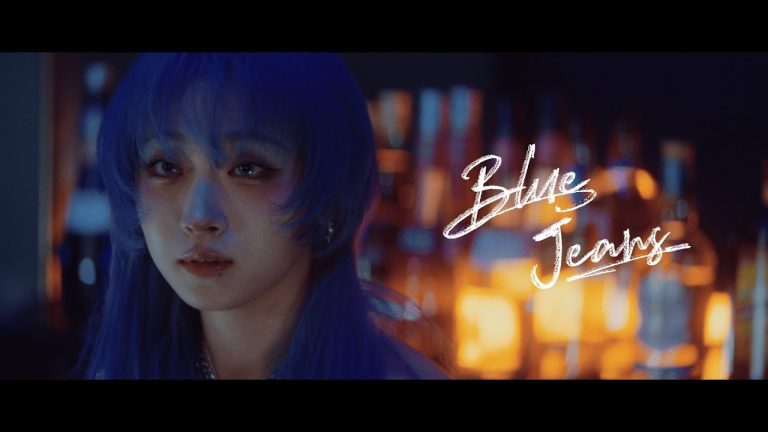
- Blue Jeans — official videoDaily+44.7KTotal views54.6M
- BAD LOVE — official videoDaily+13KTotal views22.6M
- NON STOP — official videoDaily+21.8KTotal views30.8M
- HANA official discography
Early life and origin
CHIKA’s route began with dance lessons arranged by her mother, karaoke, and years of vocal work before No No Girls. The audition made that preparation public; it did not manufacture the voice or the ambition.
Sources and receipts
- HANA official profile
- HANA official discography
- Sony Music Labels debut-member announcement
- ViVi CHIKA Q&A
- non-no HANA member interview
How to watch her development instead of freezing one audition clip
Current status: What this profile will track next
Power is the beginning of the description
CHIKA can produce the kind of vocal pressure that makes a first listen easy to summarize: big voice, strong singer, obvious anchor. None of those phrases is wrong. They are simply incomplete. Power becomes musical only after decisions about onset, vowel shape, breath, texture and release. A loud phrase that arrives without direction can impress for three seconds and leave the song exactly where it started.
Her better work uses force to alter the arrangement. A firmer entrance can pull the group out of a quieter section. A roughened edge can make anger sound lived rather than styled. Pulling back before the peak can create more tension than attacking every note. The useful question is not whether CHIKA can sing powerfully. It is whether she chooses the amount the song needs.
No No Girls did not invent her voice
The audition introduced CHIKA to a much larger audience, but it should not be treated as the moment talent suddenly appeared. She arrived with training, performance experience and a history of being evaluated before CHANMINA’s project gave that history a public narrative. The program’s value was showing how an existing instrument responded to new assignments, criticism and combinations.
That distinction prevents the producer from swallowing the artist. CHANMINA’s feedback and selection matter; CHIKA’s ability to interpret, revise and eventually contribute her own language matters separately. A profile should record the exchange rather than writing a rescue story in which one mentor creates a performer from nothing.
Authored rap changes the evidence standard
When CHIKA receives a writing credit or performs lines identified as her own work, the page should name the exact song and role. Lyrics, composition, arrangement and production are different responsibilities. “Creative” is not a substitute for the credit line, and one authored passage does not make every HANA recording self-written.
The interesting evidence is where written language meets delivery. CHIKA understands her own pressure points: which consonant can carry attack, where a phrase needs space and whether the emotional turn belongs in the word or the voice around it. Performance can suggest that connection, while the official credit confirms authorship. Both are stronger when kept distinct.
The danger of permanent emotional armor
A powerful vocalist in a group built around overcoming rejection can be trapped inside constant defiance. Every song becomes another proof of strength, every belt another refusal to disappear. CHIKA can carry that material, but an artist needs more emotional rooms than the one where she wins the argument.
“Blue Jeans” is important partly because it asks for exposure without a battle stance. Softer phrasing does not mean less technique; it reveals whether breath, pitch and emotional timing remain compelling after the armor comes off. CHIKA’s future growth should include permission to sound uncertain, funny, tender or wrong, not merely a more expensive version of invincible.
ROSE asks for force with shape
“ROSE” needs CHIKA’s pressure because the debut cannot sound apologetic. The thorn image works only if the vocal delivery suggests consequences. Her stronger phrases cut through the production and help the group chorus feel like arrival rather than a request for approval.
At the same time, the song is not a solo showcase. She has to leave room for JISOO’s lower color, MOMOKA’s grounded presence and the other members’ different attacks. The successful handoff is part of her performance. Power that makes every neighboring voice feel smaller would weaken HANA’s central argument about individuality.
Blue Jeans exposes the line endings
In “Blue Jeans,” the ends of phrases matter as much as the entrances. CHIKA cannot rely on a large attack to define every moment. She has to decide whether a line dissolves, catches, remains unfinished or points toward another member. Those endings control how longing moves through the arrangement.
The quieter camera also changes responsibility. A held expression has more time to become false. CHIKA’s effective close-ups allow the emotion to move rather than locking one serious face in place. The performance shows that intensity can live in restraint when the singer trusts the lyric enough to stop underlining it.
BAD LOVE and the difference between darkness and weight
“BAD LOVE” gives CHIKA material that can easily be performed as generic darkness. Her useful contribution is weight. A phrase can feel dangerous because it arrives with controlled breath and a deliberate edge, not because the singer lowers her chin and stares at the lens.
That approach keeps the track connected to human consequence. Bad love is not an aesthetic room full of black fabric; it is attraction, damage and the difficulty of leaving. When CHIKA lets the voice carry friction instead of polishing every surface, the concept gains emotional information.
My Body makes technique political without making it a lecture
For a group formed through an audition that challenged appearance-based rejection, “My Body” carries obvious thematic weight. CHIKA does not need to turn the performance into a speech. Ownership becomes physical through how she occupies space, begins a gesture and refuses to make strength look like an apology.
The best interpretation avoids replacing one body rule with another. Confidence should not require permanent hardness, thinness, sexiness or athletic spectacle. CHIKA’s range matters because bodily authority can include breath, softness and stillness as well as force. The song becomes more useful when it expands possibility rather than proposing a new correct pose.
NON STOP tests endurance and judgment
“NON STOP” returns to forward pressure, where a strong vocalist may be tempted to keep increasing. The technical challenge is maintaining support while the performance moves, but the artistic challenge is deciding where the song still needs somewhere to go. CHIKA has to preserve a peak rather than spending it in the first verse.
Full-stage footage is especially useful here. It reveals whether breath demands change the line, whether movement prepares the vocal entrance and how she recovers after it. The official edit can select the cleanest moments. Repeated stages establish the pattern.
An album creates room for arrangement instincts
The self-titled album gives CHIKA more than a sequence of title-track peaks. Album tracks can place her inside unusual pairings, smaller entrances and emotional transitions that would not carry an entire campaign. That is where arrangement instincts become visible: how she colors a supporting line, builds around another member and protects sequence rather than winning one track.
Future updates should follow the album’s exact credits and performances instead of assuming the strongest singer automatically directs the vocal arrangement. If CHIKA is credited for lyrics, composition or arrangement, the role will be named. If the evidence is only interpretive, the page will describe what can be heard without converting analysis into authorship.
How to evaluate her next release
The next CHIKA audit should compare pressure settings. Does she open at full force or let the song earn it? Does a quieter verse preserve identity? Does an authored section use language differently from assigned material? Does the live performance maintain intent after choreography adds breath and travel demands?
Those questions make growth visible without turning every comeback into a vocal ranking. HANA already contain several strong colors. CHIKA’s value is not that she defeats them. It is that her force, judgment and creative participation give the group one necessary edge while leaving the other six intact.
Group member and artist can live on one page
CHIKA’s canonical profile should hold both group participation and individually credited creative work. A separate duplicate page is unnecessary if later solo, collaboration or writing activity appears. The billing and credit can expand this record while the HANA timeline remains attached.
The video tracker follows the same rule. HANA releases link through participation; audition stages are labeled as audition stages; individually billed work appears as individual work. A group total is not presented as a solo catalog, and an authored line is not hidden merely because the finished recording belongs to seven members.
Pressure and grain are different tools
Vocal pressure describes how firmly a sound enters and travels; grain describes texture. CHIKA can use both, but they should not be praised as one permanent “power” effect. A clean, supported entrance may need no roughness. A damaged lyric may benefit from an edge that makes the breath audible. The decision becomes expressive when the texture changes with the sentence instead of appearing because listeners expect her signature.
That distinction matters live. Fatigue, choreography and room acoustics can create accidental roughness that sounds dramatic in a clip but is not necessarily the intended color. Repeated performances help separate a controlled choice from one difficult night. The profile will use patterns, not a single heroic crack, as evidence.
Arrangement work lives in relationships
YURI’s interview attribution that CHIKA contributed to the First Take arrangement of “ROSE” is useful because it describes work beyond her assigned line. Arrangement is relational: deciding how voices enter, overlap, support and leave space. The contribution should remain attached to that documented performance rather than being generalized into control over every HANA vocal plan.
It also offers a better way to watch CHIKA inside the group. Listen for how she supports another member’s peak, whether her harmony thickens or distracts, and how a powerful voice changes size inside a shared chord. The ability to reduce is as important as the ability to lead.
Mentorship should remain an exchange
CHANMINA’s experience and feedback are central to HANA, but producer and member are not interchangeable authors. CHIKA can absorb a note, reject an unhelpful habit and turn personal history into a line that the mentor did not live. The audition footage is valuable when it shows that exchange in motion: instruction, attempt, revision and a result that still belongs to the performer.
Future coverage should resist two extremes. It should not erase CHANMINA from material she shaped, and it should not describe every strong choice as evidence that the member became a smaller version of her producer. HANA become more interesting as the seven women develop recognizable decisions of their own.
How CHIKA changes the members around her
CHIKA’s strongest group function may be contrast. JISOO’s lower texture sounds different beside her pressure. NAOKO’s precision can make CHIKA’s edge feel more volatile. YURI’s stillness gives a forceful entrance somewhere to break from, while MOMOKA’s grounded rap color prevents authority from belonging to one voice. Those relationships are arrangement evidence, not fandom pairings.
A profile focused only on CHIKA’s loudest moments would miss that she is heard through the frame the other six create. The next release should be checked for pairings as carefully as solos: who answers her, who softens the section after her and whether the song gives the contrast enough time to register.
Criticism does not deny the instrument
A big voice can encourage producers to write a climax into every track, even when the song has not earned one. If a future HANA release uses CHIKA as an automatic final-chorus lever, the page should say so. Repetition can turn a distinctive strength into predictable architecture. The criticism belongs to the arrangement as well as the singer’s choices.
Conversely, restraint should not be praised merely because it is unexpected. A quieter line still needs pitch, phrasing and emotional direction. The goal is not to make CHIKA smaller. It is to give the instrument enough different work that power remains a choice with consequences.
A practical replay method
Choose one audition stage, “ROSE,” “Blue Jeans,” “BAD LOVE” and a full-stage performance of “NON STOP.” For each, mark the first entrance, the softest phrase, the largest peak and the handoff after it. The comparison shows whether pressure, grain and release change with the material. It also prevents one viral belt from becoming the entire biography.
Then compare the official edit with a live or fixed-camera version. The edited video explains intended character; the stage reveals breath recovery, movement preparation and consistency. Neither surface is more “real” in every case. Together they provide enough evidence to describe technique without pretending to have stood inside the recording booth.
CHIKA’s future credits also need careful version labels. A First Take arrangement, studio recording, live rearrangement and audition-stage rewrite are separate artifacts even when they share a song title. The tracker will attach each claim to the exact performance and source. If a later solo, collaboration or writing credit appears, it belongs on this same canonical profile with its own billing. That approach keeps her individual creative history visible without claiming the full HANA catalog as solo work or forcing the user to search across duplicate CHIKA pages.
The final maintenance check is simple: new praise must point to a line, credit, performance or documented decision. “Main character energy” and “mother” may be affectionate fandom shorthand, but neither explains her musicianship. The profile will keep the warmth and lose the empty pedestal.
Read the exact official-video React
React image cards
Official video tracker
- Blue Jeans React: HANA Let First Love Scuff the Sneakers exact official videoDaily+44.7KTotal views54.6M · React complete
Official Socials
HANA official website · Official YouTube · Official Instagram · Official X