
Yukino Agria Profile
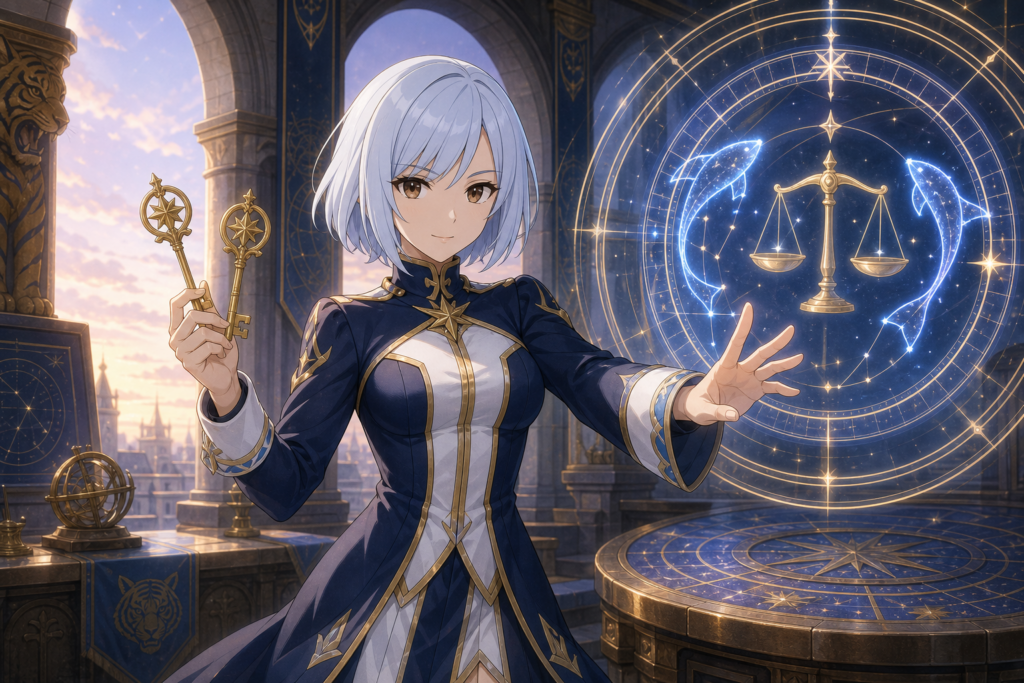
CVM Sekai character profile
Bottom line
Yukino Agria loses one Grand Magic Games match. Sabertooth responds by turning that loss into public punishment, forcing her to carry leadership’s cruelty as if it were her personal failure.
That is the character’s real introduction.
Yes, Yukino is a skilled Celestial Spirit Mage. Yes, she holds rare keys, works with Lucy during the Eclipse crisis and later returns to a rebuilt Sabertooth. But her story falls apart if we treat expulsion like sad backstory seasoning. Jiemma creates a guild where belonging depends on winning. The other members learn to watch. Yukino gets punished not because she lacks power, but because an abusive institution needs a visible example.
Her return matters because it is her decision. Sting can apologize. The guild can change leaders. Natsu can be furious on her behalf. None of them get to declare her healed or enrolled.
Yukino’s quiet strength is not how politely she survives humiliation. It is how she keeps her judgment, her contracts and her right to choose after powerful people try to take all three.
Fast facts and canon boundaries
Yukino enters the Grand Magic Games as a Sabertooth representative. That status tells us she is not weak. Jiemma’s guild does not select people for the country’s largest magic tournament as charity.
Kodansha’s official K MANGA record identifies Chapter 268 as The Secret Weapon, Team B, her manga debut. The anime brings the Sabertooth tournament team into the arena in Episode 157, New Guild, broadcast by TV Tokyo on November 17, 2012. Those are the debut markers. Episode 164, Kagura vs. Yukino, is her first full character spotlight, not her first appearance.
That fact has to sit next to her loss. A capable mage can lose. A rare key can fail to decide a match. A contract can have limits. Sabertooth’s old culture cannot tolerate those ordinary truths because its whole brand depends on pretending strength is permanent and failure belongs to bad people.
Design: dignity without turning pain into glamour
Yukino is recognized by her short pale hair, composed expression and Celestial Spirit keys. Her clothing changes across appearances, but the design often places softness beside formal control. She can look gentle without being passive.
Her Grand Magic Games design uses a pale blue-and-white palette, a short bob, a dark flower ornament and a formal cape-and-dress silhouette. After Sabertooth expels her, the clothing becomes simpler. During her work with the kingdom, the silhouette shifts again into a more structured blue, white and gold uniform. Later Sabertooth appearances reconnect her to the guild without erasing those intervening roles.
The useful through-line is not one hemline. It is the pale bob, brown eyes, flower ornament, keys and contained posture. When the story changes her clothes, it changes the institution around her too: tournament representative, expelled mage, royal collaborator, returning guild member.
That distinction matters because the Grand Magic Games expulsion includes gendered humiliation. We do not need to reproduce the spectacle to prove it happened. The fact is institutional abuse. The camera and adaptation framing deserve analysis, especially where a scene risks converting Yukino’s loss of control over her body into viewer service.
Her strongest visual identity centers her as a working mage: closed clothing, keys in hand and a gate opening by her choice. Jiemma’s punishment is an event in her story, not the permanent image attached to her name.
Kagura, the wager and a loss that becomes somebody else's weapon
Yukino faces Kagura Mikazuchi during the Grand Magic Games. The match includes a wager with consequences beyond ordinary tournament points, and Yukino commits powerful Celestial Spirit resources to the fight. Kagura wins.
That loss belongs to the competition. What follows belongs to Jiemma.
He treats the result as contamination. Yukino is forced through a public act of humiliation, stripped of guild membership and expelled. The cruelty is designed for two audiences. It disciplines Yukino, and it teaches every person watching what failure will cost them.
This is management by terror, not high standards.
Sabertooth’s other members do not all hold equal power under Jiemma. Minerva is also his abused daughter. Sting and Rogue are young fighters packaged as symbols. That context explains the culture. It does not make the room innocent. Institutions survive because many people learn when not to speak.
Yukino’s courtesy afterward cannot be rewritten as consent. A person may bow, apologize or accept blame because the available power leaves no safe alternative. Humility is a virtue only when freely chosen. Forced abasement is control wearing ceremonial clothes.
Natsu's anger is useful, but Yukino is not his rescue trophy
Natsu reacts to Yukino’s treatment with exactly the kind of fury Fairy Tail viewers expect. He challenges Sabertooth’s leadership and refuses the premise that losing a match makes a guild member disposable.
Good. Jiemma needed somebody to say it loudly.
But Natsu’s protest is not the end of Yukino’s story. A male hero condemning abuse does not automatically restore the harmed woman’s agency. He can expose the institution. He cannot decide where she belongs next, what forgiveness costs or whether returning is wise.
The strongest reading keeps both truths. Natsu’s conduct provides a moral contrast to Sabertooth. Yukino remains the person who has to live after the confrontation is over.
Fairy Tail’s family ethic is most useful here when it becomes practice. Membership should not disappear the moment a person fails. Protection should not demand gratitude. Anger should create safer conditions, not merely a satisfying scene for the protector.
Lucy: peer, collaborator and no, not key-count competition
Lucy Heartfilia and Yukino are both Celestial Spirit Mages. Fandom power scaling can turn that shared discipline into an inventory contest: who has which Gold Keys, who summons the rarer Spirit, who counts as the better contractor.
That misses the magic system.
Celestial Spirit Magic is relational. Keys open gates, but contracts govern access. Spirits have personalities, loyalties and choices. Magical endurance limits what a mage can sustain. A spectacular summon does not erase tactics, compatibility or cost.
Yukino’s Libra, Pisces and Ophiuchus make her technically distinctive. Ophiuchus carries exceptional status, but rarity does not guarantee a win. Kagura proves that in the tournament.
Lucy and Yukino later work together during the Eclipse crisis. Their cooperation matters more than rivalry bait. The royal plan depends on Celestial Spirit knowledge and keys, then places the mages carrying that access in danger. When their keys are confiscated, both women lose their normal route to their partners. TV Tokyo’s episode archive explicitly describes how that prevents them from fighting effectively until the keys are recovered.
The limitation is physical and contractual, not emotional. The Spirits do not become property because a guard can take the key ring.
Eclipse: the kingdom needs their power and still controls the room
The Eclipse plan uses the Zodiac keys and the knowledge of Celestial Spirit Mages to open a door tied to time. Hisui and Arcadios act under a claimed need to protect Fiore, but secrecy and command structure push risk onto Lucy and Yukino.
That pattern should look familiar by now. Powerful institutions describe a crisis, decide who must cooperate and control the information those people receive.
Yukino participates in the palace conflict beside Lucy. They are detained, separated from their keys and forced to fight through the consequences of a royal plan they did not design. After Loke helps restore access, they can summon again and join the counterattack.
When the gate opens and dragons emerge, the cost becomes public. Lucy and Yukino’s role in closing Eclipse is not a decorative women-with-keys moment. Their technical knowledge and access are central to shutting down the mechanism.
The story also preserves Hisui’s accountability afterward. Taking responsibility cannot undo casualties or danger, but it distinguishes repair from a clean royal reset.
Yukino’s presence ties her personal arc to a larger power pattern. Jiemma controls guild membership. The palace controls information and keys. In both cases, an institution wants her magic while limiting her authority over what happens around it.
Returning to Sabertooth: welcome is an offer, not a verdict
After the tournament and dragon crisis, Yukino meets members of Sabertooth again. TV Tokyo’s official summary for episode 199 notes the awkwardness and her initial impulse to leave. That response makes sense. The people in front of her belonged to the place that watched her expulsion.
Sting later leads a rebuilt Sabertooth and welcomes Yukino back. The new guild also includes changed relationships among Sting, Rogue, Minerva and the others.
Here is the accountability test: do not write that Sabertooth “takes her back” as though the guild is the generous party.
Yukino was wronged. The institution has to ask. She decides.
An apology matters. Removing Jiemma matters. Ending expulsion culture matters. None of those actions purchases access to her. Repair is credible when the conditions change and the harmed person retains the right to say no.
Her return can therefore be meaningful without becoming a tidy inspirational ending. She chooses a community connected to real harm because she also has relationships and a future there. That is more complicated than either blind forgiveness or permanent exile. Adults make choices inside histories that do not vanish.
Sorano: reunion without pretending blood cleans the record
Yukino’s older sister is Sorano Agria, known earlier through her role as Angel of Oración Seis. Their childhood separation shapes both lives. Sorano’s path includes exploitation, crime and later movement toward a different allegiance. Yukino’s path moves through Sabertooth, expulsion and return.
Their reunion is emotionally important because neither sister remained frozen at the age they were separated.
Blood explains the longing. It does not settle accountability.
Sorano’s crimes do not disappear because Yukino loves her. Yukino is not a reward handed to Sorano after sufficient character development. She is a person with her own relationships, judgment and boundaries.
The reunion works when the story lets recognition coexist with the years between them. Family can be recovered, but it cannot be rewound like Eclipse.
This is also where Fairy Tail’s chosen-family theme becomes richer. Yukino may reconnect with Sorano and still choose Sabertooth. One bond does not cancel the other. Home can be plural without becoming consequence-free.
Relationship atlas
Sorano Agria
Older sister separated during childhood. Their reunion carries grief, recognition and the need to face what Sorano did while they were apart.
Lucy Heartfilia
Fellow Celestial Spirit Mage, technical peer and Eclipse collaborator. Their different keys create complementary knowledge, not an automatic rivalry.
Sting Eucliffe
New Sabertooth master who helps change the guild and invites Yukino back. The repair succeeds only because Yukino chooses it.
Rogue Cheney
Teammate shaped by the same strength hierarchy. His quietness during the old culture and conduct in the rebuilt guild both belong in the record.
Jiemma
Abusive guild master who turns a match loss into public discipline and expulsion. His definition of strength is the central institutional harm in Yukino’s arc.
Minerva Orland
Jiemma’s daughter and powerful Sabertooth member. Her own abuse history explains pressure without erasing what she does to others or what she permits.
Kagura Mikazuchi
Grand Magic Games opponent whose legitimate victory is weaponized by Jiemma against Yukino. Kagura is responsible for the match, not Sabertooth’s punishment.
Natsu Dragneel
Outsider who loudly rejects Jiemma’s cruelty. His protest matters, but Yukino remains the subject of her recovery.
Hisui and Arcadios
Royal decision-makers whose Eclipse plan needs Celestial Spirit Mages while placing them under state control and danger.
Celestial Spirit Magic and its limits
Yukino uses gate keys to summon contracted Celestial Spirits. Her known Zodiac relationships include Libra, Pisces and Ophiuchus. Libra manipulates gravity. Pisces enters as a paired Spirit and can take humanoid forms. Ophiuchus is the exceptional thirteenth Zodiac key, but rarity does not override battle context: Yukino brings it out against Kagura and still loses the encounter.
Yukino’s tournament loss is the cleanest warning against collectible-card logic. Possessing a rare key does not guarantee control over the entire encounter.
Her magic also depends on access. When the palace guards hold the keys, Yukino cannot simply summon through intention. Magical energy, contract conditions and the number of gates a mage can sustain also impose limits where the text shows them.
The Spirits remain people within the story’s moral framework. A good technical section names what Yukino can do without calling sentient partners equipment.
Tartaros, Alvarez and later scope
Yukino remains connected to Sabertooth through later crises, but the official Tartaros episode archive does not give her a named decisive battle. That boundary matters. She does not receive a résumé assembled from dangers that Sabertooth survives collectively.
During the Alvarez war, TV Tokyo’s official episode archive places Yukino and Kagura in Larcade’s attack zone. That confirms active battlefield risk without pretending Yukino carries the encounter. Sorano’s presence brings the sisters into the same wider defense of Fiore, but proximity is not instant repair and the archive does not support inventing a private reconciliation speech.
Proportionality matters. Yukino is not the central combat engine of every war. Her importance often sits in relationships, magical access and the moral measure she provides for Sabertooth’s reform.
Adaptation and Japanese performance
Fuyuka Ōura voices Yukino in Japanese. TV Tokyo’s official cast page confirms the credit.
The official credit establishes Ōura as Yukino’s Japanese performer. A cast listing cannot prove specific choices in volume, breath, pauses or formality, so I am not pretending I heard a performance receipt that I did not directly observe.
The anime does provide a production trail. Episode 181 credits Fumihiko Shimo for script, Shinji Ishihira for storyboard, Tomoaki Nakano for direction and Shingo Fujisaki for animation direction. Episode 182 credits Masashi Sogo, Ishihira, Mitsuto Yamaji, KAZZ-T and Etsushi Mori. Their official synopses make the causal chain unusually clear: the stolen keys remove Lucy and Yukino’s normal access to their magic, Arcadios tells them to judge the royal plan for themselves, and recovering the keys restores their ability to counterattack.
Episode 199 supplies the reintegration shelf and another staff receipt: Masahiro Yonemura wrote it, Tokuyoshi Sasaki storyboarded it, Hiroshi Kimura directed it, and Masahiko Matsuo and Natsuko Suzuki handled animation direction. Its synopsis says Yukino meets her former Sabertooth guildmates, feels the room turn awkward and tries to leave. That establishes whose comfort is at stake. The official archive does not describe the camera or vocal delivery, so this profile does not assign either one an interpretation it cannot support.
Adaptation analysis is especially important in the expulsion scene. Direction can center Yukino’s terror and loss of control, or it can turn humiliation into spectacle. Shot choice, duration, reaction cuts and censorship all affect the moral frame.
The anime-original Eclipse Celestial Spirits arc also gives Yukino additional collaboration with Lucy. TV Tokyo summaries show her bringing an old text and participating in the investigation. That belongs on the adaptation shelf with a clear label, not silently inside manga chronology.
No separate film or OVA role is claimed here without an official animated roster and a meaningful on-screen contribution. Game-, manga- and light-novel-only material sits outside this anime directory.
100 Years Quest boundary
The official Fairy Tail: 100 Years Quest anime character directory does not present Yukino as a central member of the quest cast. Shared franchise presence is not proof of a Dragon God storyline, and I am not importing manga-only sequel material to make her look more important.
Final verdict
Yukino Agria is the person Sabertooth uses to teach everybody else what failure costs.
She survives that lesson without accepting its premise.
Her magic depends on contracts rather than domination. Her best relationships require consent rather than possession. Her return to Sabertooth is powerful because a changed leader can offer repair and she can still decide whether to accept it.
That is the line connecting the keys, the expulsion, Eclipse and Sorano. Powerful people keep trying to decide what Yukino’s access, loyalty and body mean. Her growth is not becoming loud enough to imitate Natsu. It is retaining authority over herself.
Sabertooth did not give Yukino dignity when it welcomed her home.
It finally stopped pretending it had the right to take dignity away.
Source shelf and canon boundaries
- TV Tokyo official 2014 staff/cast page: Fuyuka Ōura as Yukino.
- Kodansha’s official K MANGA record for Chapter 268, The Secret Weapon, Team B.
- TV Tokyo’s official November 17, 2012 record for Episode 157, New Guild.
- TV Tokyo official Grand Magic Games and Eclipse archive: key confiscation, Lucy/Yukino cooperation, palace fights and gate consequences.
- TV Tokyo episodes 199 and 202: post-expulsion meeting, rebuilt Sabertooth and Frosch search.
- TV Tokyo episodes 204 through 207: anime-original Celestial Spirits collaboration and old-text investigation.
- Final Series official Episode 311 synopsis: Yukino and Kagura’s group in Larcade’s attack zone during Alvarez. https://www.fairytail-tv.com/story/detail.php?id=1000584
- Official anime Episodes 181 and 182 pages: key confiscation/recovery, Arcadios’s decision language and episode staff. https://fairytail-tv.com/before/news2/detail.php?id=1000054 and https://fairytail-tv.com/before/news2/detail.php?id=1000067
- Official anime Episode 199 page: former-member encounter with Sabertooth and episode staff. https://fairytail-tv.com/before/news2/detail.php?id=1000193
- Official Fairy Tail: 100 Years Quest anime character directory: sequel-cast boundary.
Canon boundaries: no unsourced age, height or birthday; no humiliation framed for titillation; no Natsu-centered rescue narrative; no Lucy rivalry bait; no key rarity treated as guaranteed strength; no Spirit reduced to property; no return treated as automatic absolution; no English-dub performer; and no anime-original, film, OVA, game, spinoff or sequel claim without a continuity label and receipt.