
JAPANESE ANIME BRANCH · THREE SEASONS · TELEVISION SPECIALS
Stitch! Anime Hub
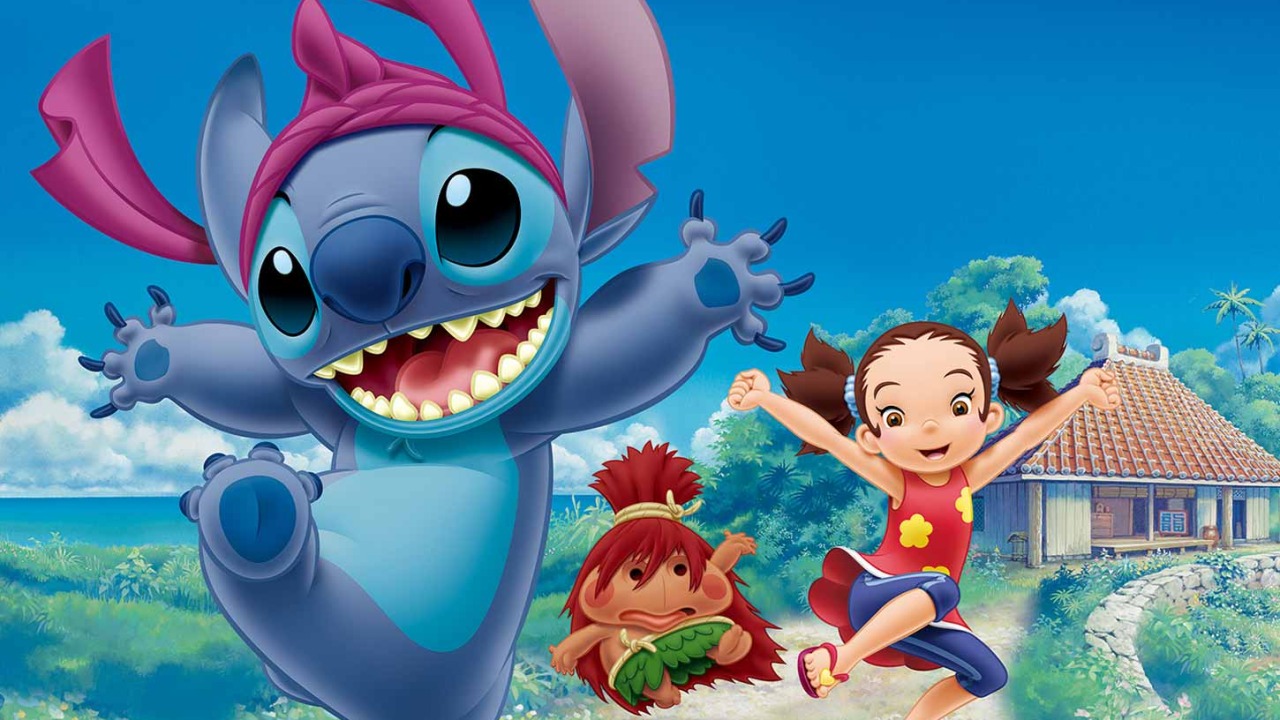
Stitch lands on Izayoi Island, meets Yuna Kamihara, starts counting good deeds, and walks into a Japanese production history that deserves more than being called the series where Lilo disappeared.
A new island is not a replacement family
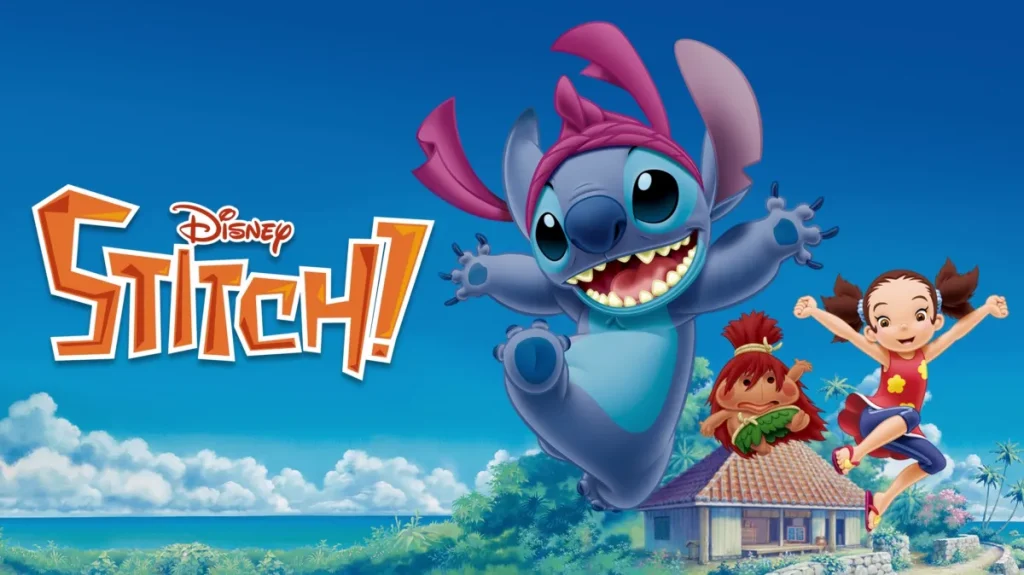
The Japanese Stitch! anime moves the story from Hawaiʻi to the fictional Izayoi Island in Japan’s southern Ryukyu region. Stitch meets Yuna Kamihara after a space storm separates him from the life viewers knew. The premise borrows the shape of the original friendship while building a different local community around martial arts, island festivals, spirits, school life, and Yuna’s relationship with her grandmother.
That change needs to be discussed honestly. Yuna is not Lilo with a new name, and Izayoi is not Kauaʻi with different scenery. The anime has its own Japanese production teams, cultural references, episode structures, and voice performances. It also makes continuity choices about Lilo that remain emotionally controversial. CVM Sekai keeps those questions visible instead of smoothing them into a clean franchise timeline.
This hub separates the three television seasons, later specials, reviews, character work, and episode Reacts. Japanese credits are used for performer coverage because this is the Japanese branch. International edits and Disney+ ordering are recorded when they change titles, split specials, combine segments, or move episodes.
Choose the season before the numbering starts fighting you
Season 1: Stitch!
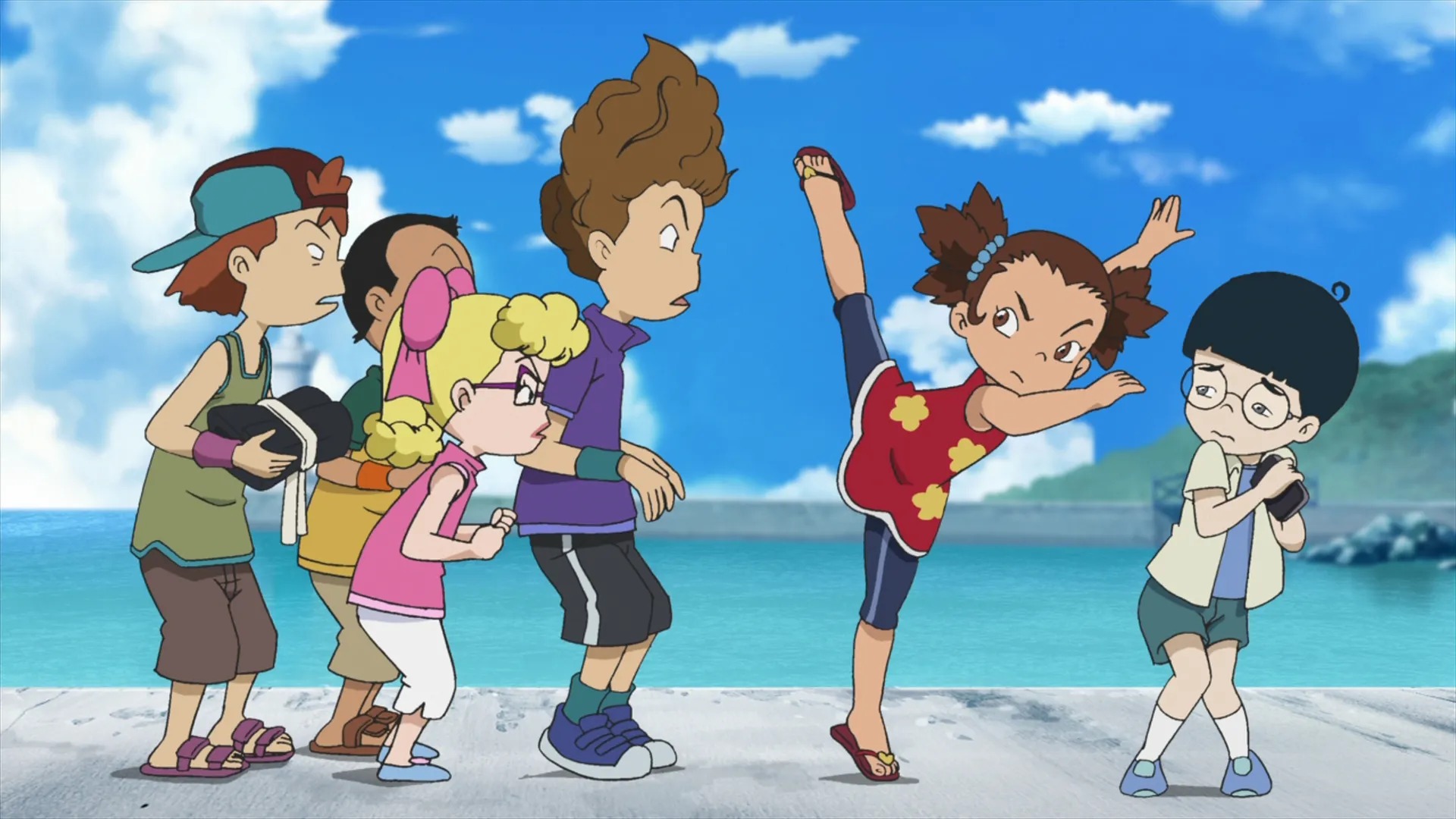
Madhouse introduces Izayoi Island, Yuna, Obaa, Kijimunaa, and the Chitama Stone across twenty-six entries. Stitch must complete forty-three good deeds if he wants the stone to grant his wish for the greatest power in the universe.
Japanese run: 2008–2009. Episode 26 was produced for home video rather than the original terrestrial sequence.
Season 2: The Mischievous Alien’s Great Adventure
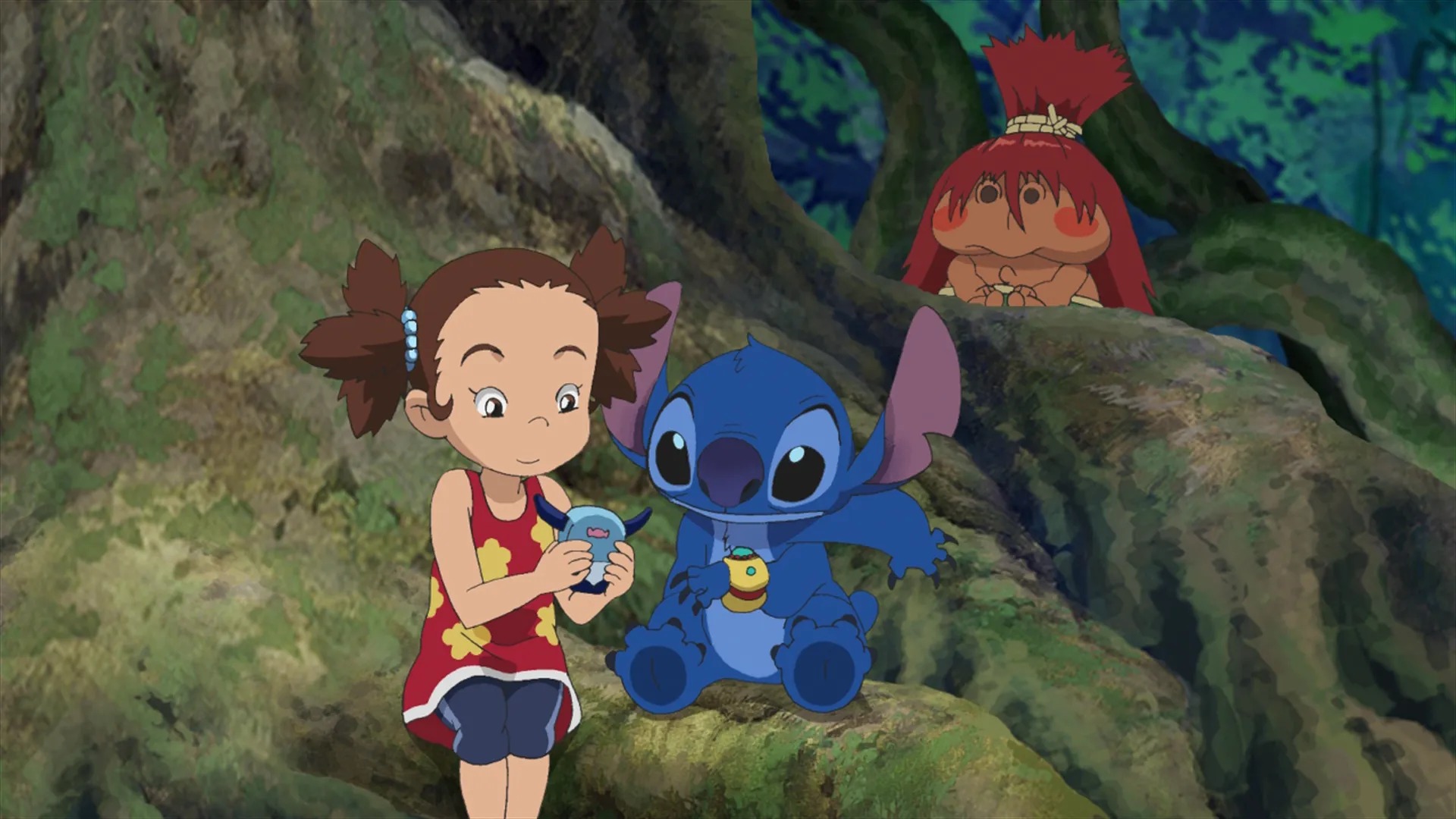
Thirty entries expand experiment returns, Hämsterviel’s schemes, Yuna’s family questions, and the island’s supernatural life. Familiar cousins arrive through a different cultural and production lens.
Japanese run: 2009–2010. International editions can combine, shorten, rename, or move stories.
Season 3: Best Friends Forever
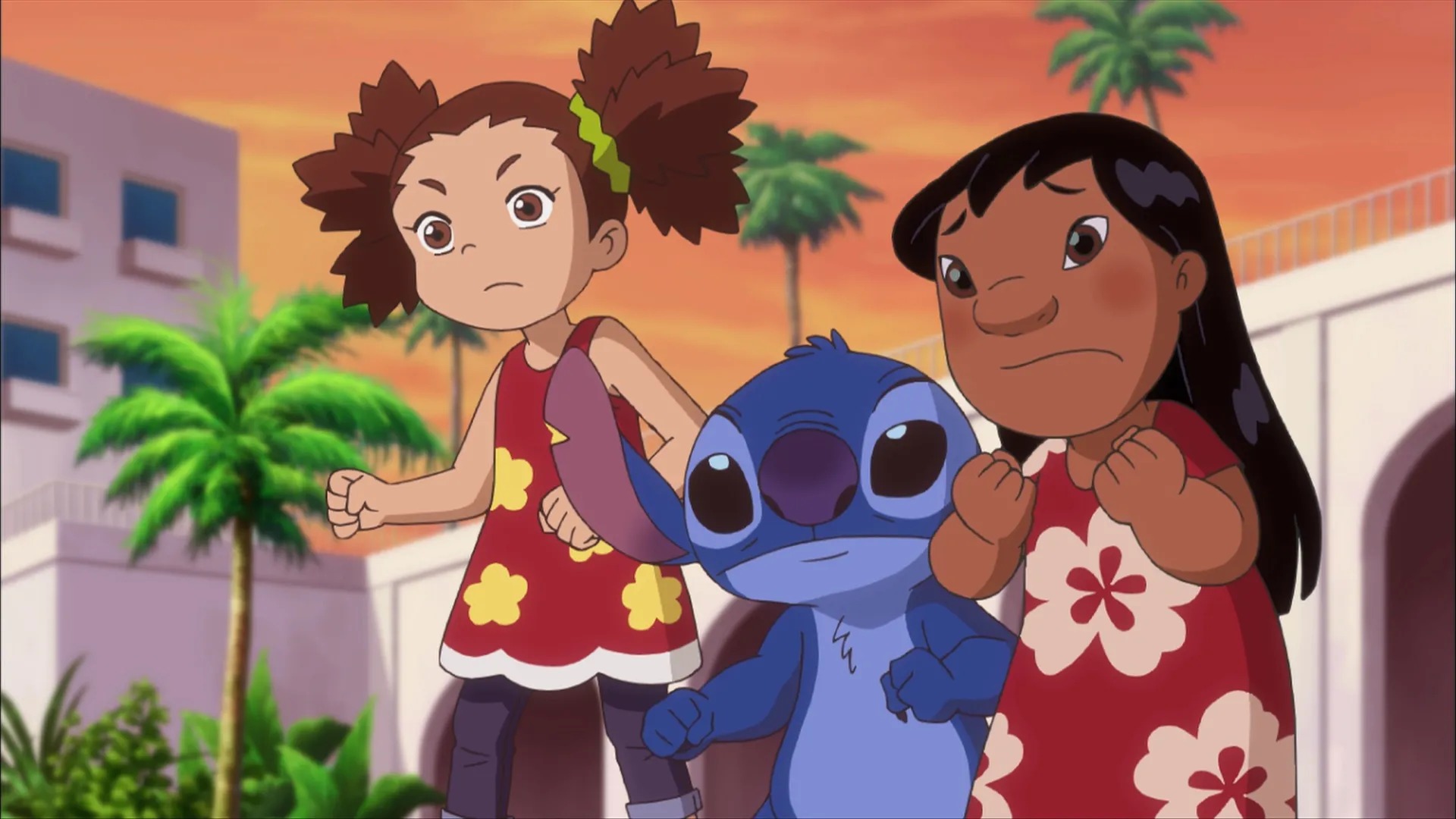
Shin-Ei Animation moves Yuna into New Town across thirty entries and includes the adult-Lilo reunion, one of the franchise’s most argued emotional decisions.
Japanese run: 2010–2011, followed by two later television specials that platforms may split into additional entries.
World, Lore, and Guides
Separate fictional Izayoi from Okinawan and Ryukyuan context, test the forty-three-good-deed counter against consent and repair, and untangle eighty-six numbered episodes from five specials and changing platform order.
Season 1: forty-three good deeds and one very conditional wish
The Chitama Stone gives Stitch a measurable goal: complete forty-three good deeds and receive a wish. That structure looks simple and immediately raises a moral problem. If Stitch helps only because a supernatural counter promises power, the action may benefit somebody while doing very little to change how he understands care. Yuna becomes the person who keeps forcing the difference between performing goodness and becoming accountable to another life.
Izayoi Island also places Stitch beside Kijimunaa and other beings drawn from Japanese and Okinawan folklore. Those episodes need cultural notes that distinguish local traditions from inventions created for the show. CVM Sekai will not label every magical creature “Japanese mythology” and move on. The guides track names, regional context, production choices, and the difference between adaptation and documentation.
Season 2: returning experiments inside a different moral system
The second season brings back cousins that viewers met in Hawaiʻi, but their roles are not simple continuations of Lilo’s placements. Some international edits compress stories, alter titles, or package short segments together. The React directory therefore treats the Japanese broadcast unit as the primary record and notes the Disney+ or English presentation beside it.
Yuna’s absent mother and her relationship with her father add another grief structure to a franchise already shaped by loss. Episodes such as the Remmy story should be read on their own terms. Reusing an experiment does not make Yuna’s dream a copy of Lilo’s anniversary episode. The person whose memory is being invaded changes the ethical and emotional center.
Season 3: New Town, adult Lilo, and the friendship argument
Moving Yuna to New Town changes the social environment, school relationships, and the balance between island folklore and urban adventure. It also changes animation production from Madhouse to Shin-Ei Animation. Visual rhythm, supporting cast, and story priorities shift with that handoff, so the season review treats production history as part of the text rather than a footnote.
The episode titled “Lilo” reveals an adult Lilo and attempts to explain the separation that sent Stitch into Yuna’s life. Fans have argued about the explanation because the original franchise made staying, memory, and chosen family central promises. The React will examine the episode itself, the version differences, and the emotional logic without treating either girl as competition for ownership of Stitch.
The people who make this branch its own story
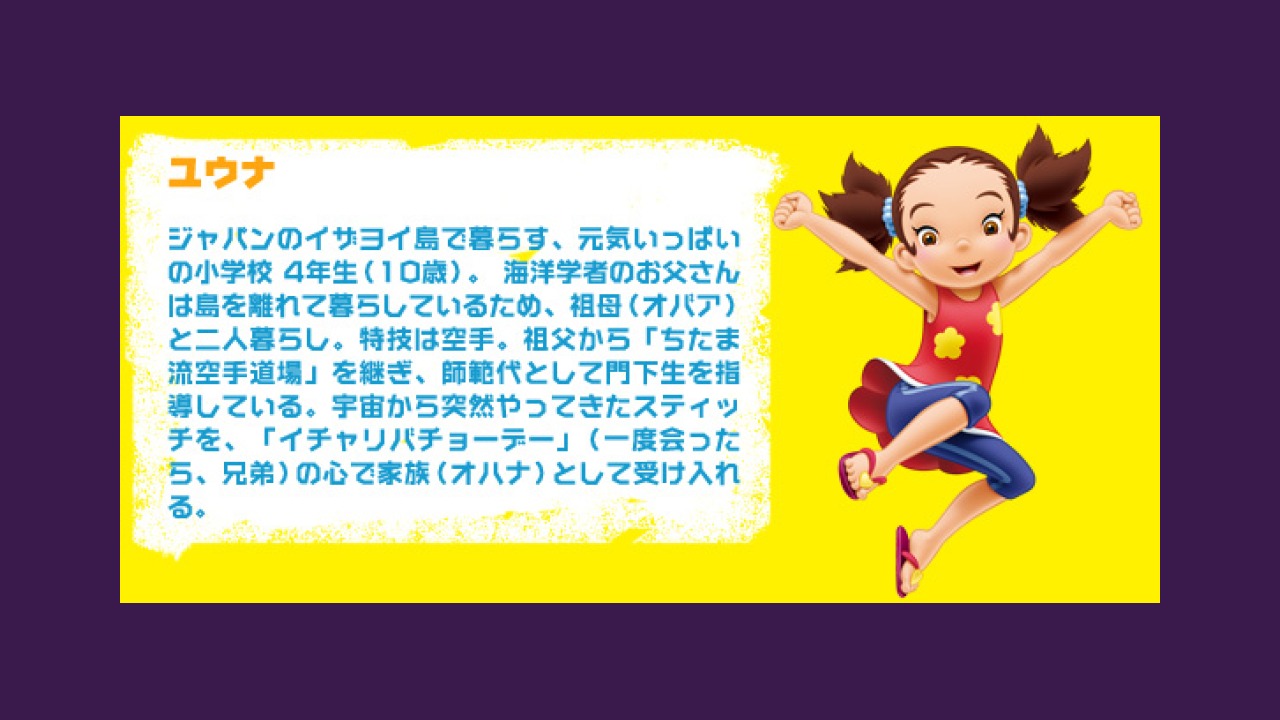
Yuna Kamihara is an active martial artist, granddaughter, student, and island child whose bond with Stitch develops through different needs than Lilo’s. Her profile will cover agency, family separation, anger, discipline, and how often she is asked to stabilize an alien with more power than supervision.
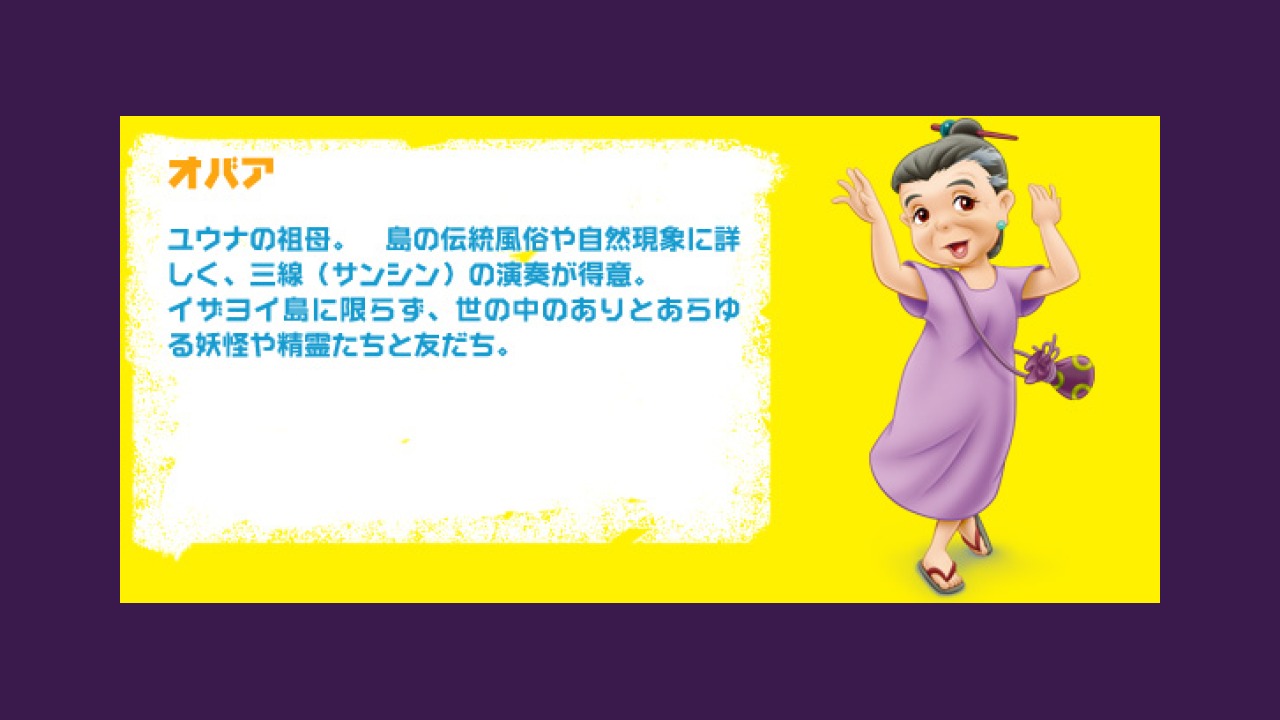
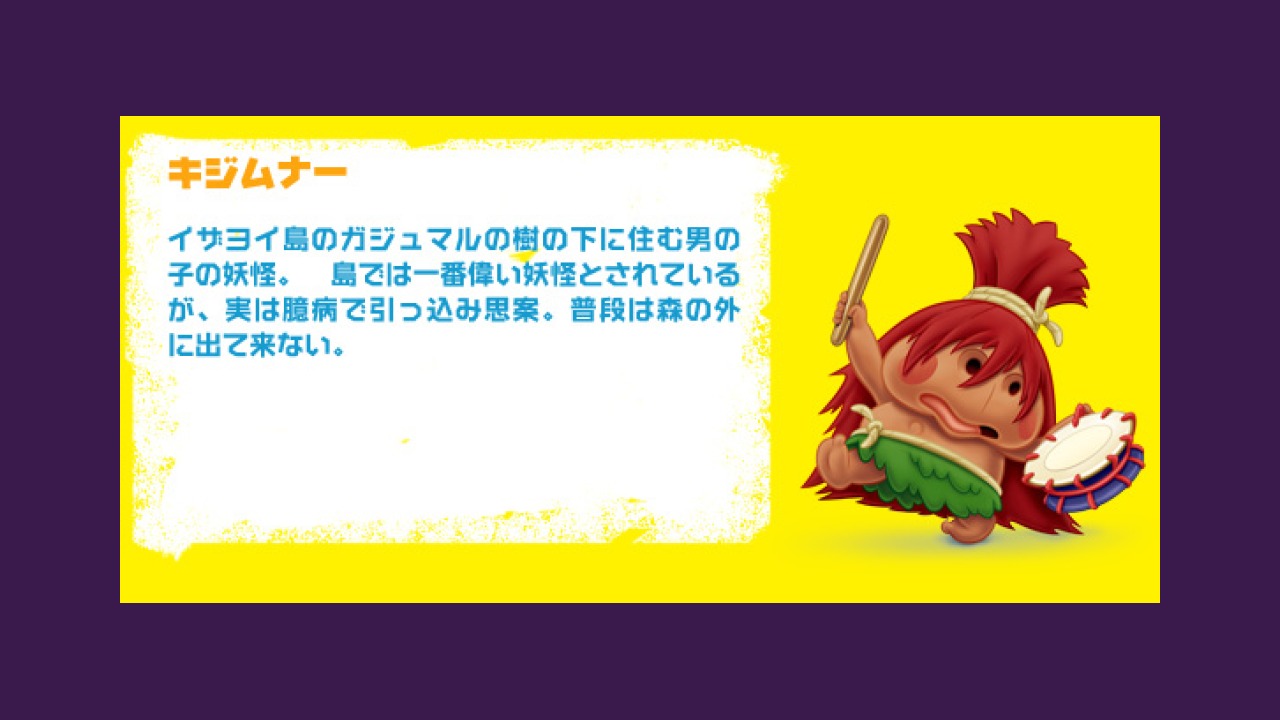
Obaa carries family memory and household authority without becoming a copy of Nani. Kijimunaa brings local spirit tradition into the ensemble. Jumba, Pleakley, Angel, Reuben, Gantu, and Hämsterviel return with histories that the anime sometimes preserves, revises, or ignores. Their profiles will name the Japanese performers and specify changes by era.
Yuna Kamihara
A deep Yuna Kamihara profile covering karate, Izayoi, Obaa, Kijimunaa, parental absence, the forty-three-good-deed system, New Town, adult Lilo, and Motoko Kumai’s Japanese performance.
Japanese voice cast
The primary Japanese cast begins with Kōichi Yamadera as Stitch, Motoko Kumai as Yuna, Shōzō Iizuka as Jumba, Yūji Mitsuya as Pleakley, Hisako Kyōda as Obaa, and Kappei Yamaguchi as Kijimunaa. These credits are anchored to TV Tokyo and Madhouse production records. Later additions and replacements will be recorded on the relevant season or character page rather than blended into one timeless list.
Reviews, Reacts, and the receipts
The branch receives one overall series review, separate season reviews where the production and setting changes warrant them, and episode Reacts tied to the original Japanese order. Reviews judge completed arcs. Reacts stay inside what the episode has revealed at that point. Rants handle continuity, cultural flattening, coercive good-deed systems, and the franchise habit of making children responsible for keeping destructive adults and aliens emotionally regulated.
The episode directory will use official Disney stills, searchable titles, season filters, episode numbers, short summaries, current viewing routes, and direct links to each React. It will not become an endless wall of cards. The Japanese order remains visible even when Disney+ uses an international title or splits a later special into multiple entries.
Stitch! Anime Episodes
Search the Japanese production order by season, episode, title, or subject. Every completed React appears with its local image, summary, viewing route, and production status.

Stitch! Anime Series Review
The full editorial review follows the anime’s relocation of home, its good-deed economy, Yuna’s labor, Lilo’s absence, and the cultural responsibilities created by moving Stitch to Okinawa.

Stitch! Anime Series Review
A full editorial review of all three Japanese Stitch anime runs, the forty-three-good-deed bargain, Yuna and Izayoi, New Town, adult Lilo, production changes, returning experiments, and the problem of building a second home without…
World, lore, and production guides
The first guide group covers the Chitama Stone and the forty-three-good-deed system, Izayoi Island and the Ryukyu framing, and the anime’s yokai references. A second group follows the Madhouse-to-Shin-Ei production change, international edit differences, and the relationship among the three seasons and later specials. A continuity guide will place the adult-Lilo episode beside the Hawaiian ending without declaring that every contradiction has one official solution.
These guides exist so reviews do not spend half their length re-explaining episode order. They also prevent cultural context from being reduced to decoration. If a reference is uncertain, the page will say so. If English and Japanese versions materially change a scene, both versions will be named.
Where to watch
The complete Japanese production is available through Disney+ in supported regions. Regional availability, subtitles, titles, and episode packaging vary. CVM Sekai links legal current routes and does not direct readers to unauthorized episode copies.