
STITCH! · SEASON 2 · EPISODE 28 · REACT
Stitch! Season 2 Episode 28: Save Izayoi Island
Ploot made the garbage visible. He did not create the lie that throwing something away means it disappears.
The episode record before the sea turns into evidence
Episode: Broadcast Season 2, Episode 28
Japanese title: イザヨイ島を救え!
English card title: Save Izayoi Island
First Japanese broadcast: June 29, 2010
Runtime: 22 minutes
Series branch: Stitch! Itazura Alien no Daibōken
Japanese voices central here: Kōichi Yamadera as Stitch and Motoko Kumai as Yuna Kamihara
Where to watch: Apple TV Japan carries the official episode record. Availability changes by region.
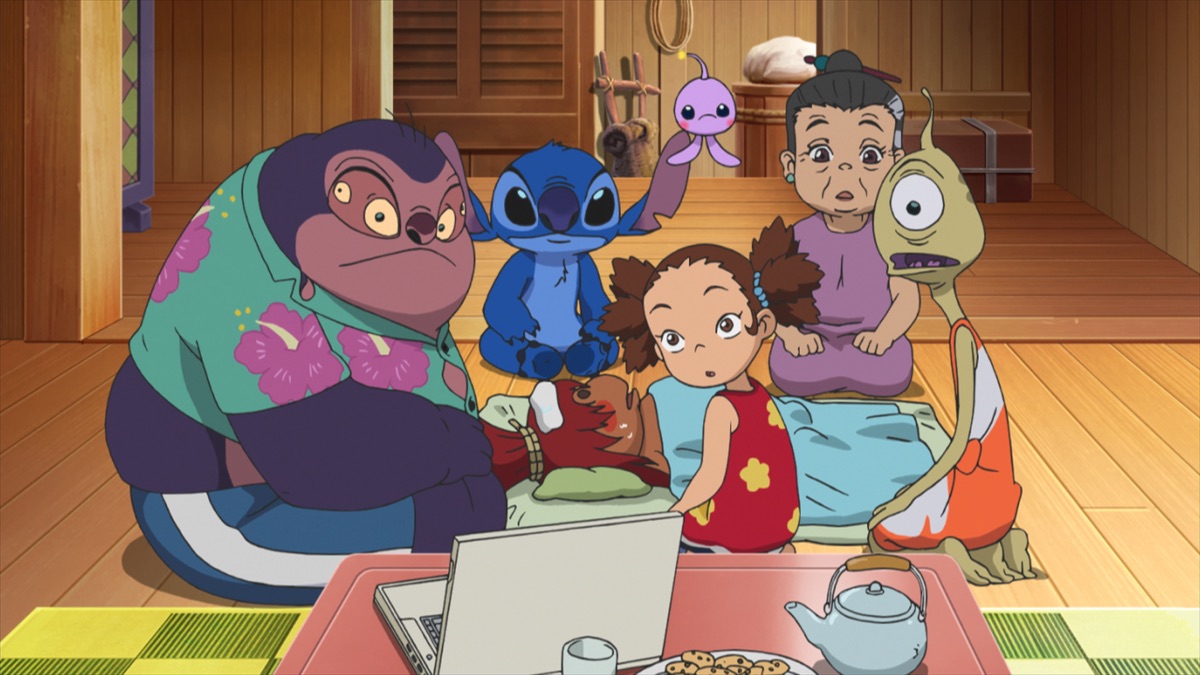
Izayoi Island prepares for its sea festival while Yuna and Sae enjoy the water. Stitch cannot swim and feels ignored. Then heavy sludge spreads through the sea with a powerful odor. Experiment 505, Ploot, consumes garbage and expels pollutant waste. The contamination expands beyond the festival and threatens the planet as Ploot grows, forcing Stitch to confront the experiment while the Chitama Stone and the island reveal deeper secrets.
My first reaction: Ploot did not manufacture the garbage everybody fed him
The episode gives pollution a body large enough for Stitch to fight. That works visually, but the island already had a waste stream before Ploot arrived. Somebody produced the garbage, stored it badly, transported it, and allowed it to reach the sea. Experiment 505 accelerates the consequence. He does not invent the system that supplies him.
If the ending defeats Ploot and leaves the same disposal practices intact, another tide will carry the evidence back. Saving the island requires stopping the immediate sludge and changing the chain that made unlimited feed available.
The sea festival should have begun with a shoreline and water check
A community event centered on swimming needs current information about water quality, weather, currents, harmful blooms, sewage, debris, and emergency access. Organizers should establish who can close the beach and how visitors will hear the warning.
The strong odor and visible sludge demand immediate closure. Nobody should enter for belongings, photographs, or curiosity until testing identifies biological, chemical, and alien hazards.
Stitch being excluded because he cannot swim matters before the disaster
Yuna and Sae are excited, and Stitch sulks because the main activity leaves him outside it. He could have joined food preparation, music, games on shore, decorating, boating with proper safety gear, or a supervised water lesson. Instead, the festival treats swimming as the only meaningful entrance.
His hurt does not excuse refusing to help when contamination appears. It explains why the community should design belonging before it needs his strength. Inclusion cannot begin only when the excluded person becomes useful.
Learning to swim is not the same as throwing Stitch into water
Stitch’s dense body and alien physiology may change buoyancy, breathing, and fatigue. A standard child flotation device may not support his weight or shape. Jumba should assess him before any lesson.
Instruction needs shallow water, a trained adult, fitted equipment, gradual exposure, and Stitch’s agreement. The goal is confidence and safety, not proving he deserves future festivals.
The first response is public health, not combat
Residents exposed to odor or sludge may experience breathing problems, skin irritation, nausea, or unknown alien effects. Medical staff need a symptom log, decontamination area, clean water, and instructions to remove affected clothing without spreading residue.
Stitch should not attack Ploot in the middle of swimmers and responders. Evacuation, accounting for missing people, and restricting the shoreline come first.
The island needs samples before cleanup destroys the evidence
Jumba and environmental responders should collect water, sludge, sediment, air, and affected wildlife samples from multiple locations. Timing and location matter because currents can spread contamination while concentrations change.
The team also needs an uncontaminated comparison sample. Without one, nobody can measure the scale of harm or know when the water is safe again.
Ploot is performing his design inside an environment that cannot absorb it
Experiment 505 eats garbage and releases sludge. That function may have been useful in a controlled waste system with capture and treatment. In open water, the output becomes ecological damage.
The ethical failure includes whoever created, deployed, or abandoned him without containment. Calling Ploot evil confuses predictable function with intent.
Growing larger may signal overload rather than aggression
Ploot’s enlargement could reflect the amount or composition of material consumed. If so, more garbage increases both his body and the volume of waste he produces. Attacking him may trigger defensive feeding or rupture stored contaminants.
Jumba should identify what stops intake, whether clean material can dilute the process, and how to reduce size safely. The plan should avoid forcing Ploot to absorb the very sludge responders need removed.
Waste records would identify the source faster than guessing
Collection schedules, vehicle routes, storage logs, festival vendors, laboratory disposal, and reports of illegal dumping can show how garbage entered the sea. Residents should preserve photographs and packaging without handling contaminated items.
Accountability must distinguish an accident from repeated negligence or deliberate release. The cleanup bill should not fall entirely on residents if an institution created the source.
Jumba’s laboratory waste deserves special scrutiny
Alien devices, chemicals, food, and biological material cannot share an ordinary trash stream. Even harmless-looking scraps may activate experiments or react with seawater. Jumba needs labeled separation, secure storage, and a disposal method designed for his materials.
If his waste contributed, he should disclose it immediately. Protecting his reputation would delay treatment and expose responders to unknown hazards.
The ocean carries the island’s mistake beyond the island
Currents move sludge, toxins, plastics, and organisms across jurisdictional lines. Fishing grounds, reefs, neighboring shores, and migrating species may be affected before Izayoi Island sees the full spread.
Regional authorities need notification with maps, sampling data, and predicted movement. The island should not hide contamination to protect the festival or tourism.
Fishers and coastal workers need a seat in the response
People who work the water know currents, species behavior, access points, and unusual changes. They also face income loss when closures begin. Their knowledge should guide sampling and containment without placing them in unsafe exposure.
Recovery funds need to address lost catches, damaged equipment, and the time required for ecosystems to reopen. Environmental repair cannot treat livelihoods as collateral.
Wildlife rescue requires species-specific care
Animals coated in alien sludge should not be washed by untrained volunteers. Handling can spread contamination, stress wildlife, and destroy protective oils. Specialists need protective equipment, clean holding areas, and veterinary guidance.
Responders should record dead and injured species to measure impact. Absence of dramatic casualties on screen does not prove the ecosystem recovered.
Stitch needs protective equipment before confronting Ploot
His strength does not make him immune to inhalation, skin exposure, infection, or chemical burns. Jumba should provide a sealed suit, breathing protection, communication, and decontamination procedures compatible with Stitch’s body.
A tether or flotation system also matters because Stitch cannot swim. Sending him into polluted water without one converts exclusion into exploitation.
The fight should aim for containment rather than punishment
The goal is to stop Ploot from consuming more garbage and releasing more sludge. Stitch should guide him toward a lined containment area, block access to waste, or use a reversible restraint designed by Jumba.
Punching until Ploot stops moving may spread contaminants and injure an experiment following his design. Force is justified only to prevent immediate harm and should remain proportional.
Ploot needs a placement where his ability has a managed output
After stabilization, he cannot return to an open dump or ocean. A controlled facility could feed approved waste in measured amounts while capturing and treating the sludge. Independent monitoring is necessary so usefulness does not become forced labor.
Ploot should have rest, enrichment, medical care, and a way to communicate discomfort. A safe purpose is different from permanent confinement for everybody else’s convenience.
The Chitama Stone reveal should not erase the material cleanup
The island’s mystical secret may explain protection, power, or why this place matters. A revelation cannot filter contaminated water, restore habitat, or compensate workers. Wonder and infrastructure must coexist.
If the stone helps stop the planetary threat, responders still need to test residue and monitor long-term effects. Magic is an intervention, not an environmental report.
The festival should not reopen because the water looks blue again
Visible clarity and a pleasant smell are weak safety indicators. Testing should confirm acceptable levels across water, sediment, seafood, and air. Results need independent review and public release.
A phased reopening can begin with shore activities before swimming or fishing. Organizers should explain what remains restricted and when new samples will be taken.
Cleanup volunteers need protection from good intentions
Residents will want to help their island. Organizers should assign low-risk tasks, provide gloves and protective clothing, track exposure, and keep children away from contaminated material.
Nobody should collect sludge in household containers or take samples home. Community energy becomes useful when professional safety gives it structure.
Stitch deserves recognition without becoming the island’s unpaid disaster plan
He may be the only person strong enough to confront an enlarged Ploot, but that should remain an emergency exception. The island cannot maintain unsafe systems because Stitch will rescue everyone later.
Recognition should include care for any injuries, rest, and a voice in the debrief. It should also include an apology for excluding him from the festival before needing him.
The debrief must name both individual and systemic responsibility
Ploot caused direct contamination through his ability. Whoever released waste, failed storage, or ignored disposal rules created the conditions. Jumba bears responsibility for experiment knowledge and any laboratory contribution. Officials own preparedness and communication gaps.
Naming layers prevents the simple ending where one captured creature carries every receipt. It also produces changes that reduce recurrence.
Food and drinking-water systems need separate testing
A sea festival may serve seafood caught locally, use ice made from local water, and store food near the contaminated shore. Organizers should isolate supplies, record where ingredients came from, and discard anything exposed to sludge or unsafe air rather than relying on smell.
The island’s drinking water may use separate sources, but responders should verify that intakes, wells, and storage tanks remain protected. Clear notices can prevent panic buying while telling residents exactly which uses are safe.
Children need an explanation that does not turn Ploot into a pollution myth
Young residents may conclude that one alien made the ocean dirty and capture made it clean. Adults should explain that garbage reached the water, Ploot transformed it, and cleanup requires preventing future waste too. The explanation can remain age-appropriate without becoming false.
Children should also hear that they did not cause the disaster by attending the festival. They can participate later through supervised shoreline care and waste reduction, but adults and institutions retain responsibility for the systems involved.
Long-term monitoring needs dates, owners, and public results
Promises to keep watching the sea mean little without a schedule. The recovery plan should name sampling locations, responsible laboratories, target contaminants, wildlife indicators, and dates for publishing results. Monitoring should continue across weather changes and breeding seasons.
Residents need a place to report new odor, dead wildlife, health symptoms, or returning sludge. A public record can show improvement and reveal delayed harm before officials declare the event finished.
The island should reduce waste before asking Ploot to process it
A controlled facility could use Ploot’s ability, but unlimited garbage consumption is not a sustainable plan. The community should reduce single-use materials, separate hazardous waste, repair and reuse goods, compost suitable organics, and require festival vendors to manage what they sell.
Ploot should handle only material proven safe for him and the treatment system. Turning him into the island’s excuse to keep producing trash would repeat the same exploitation under an environmental label.
What the episode gets right
The story takes Stitch’s personal exclusion and connects it to an island-wide crisis. He has to choose whether belonging means helping people who failed to include him. That choice can be generous without pretending his hurt never mattered.
Ploot also makes pollution physically undeniable. Garbage does not disappear because it leaves the household. It returns transformed, larger, and harder to ignore.
What I wanted pushed further
I wanted the source of the garbage traced and named. Ploot is memorable, but a waste crisis without an upstream culprit lets every ordinary institution walk away clean.
I also wanted the festival redesigned so Stitch could participate next year without needing to save the planet first.
The receipt I am keeping
The receipt is an island feeding garbage into the sea and then acting shocked when an experiment built around garbage turns it into sludge. Ploot made disposal visible. He did not create the belief that away is a place.
My second receipt is Stitch being ignored because he cannot swim until polluted water requires exactly the person everybody left on shore. Inclusion should never depend on emergency usefulness.
Final verdict
“Save Izayoi Island” earns its scale when Ploot becomes more than a monster in dirty water. He is a waste system without containment, surrounded by people who want the output gone without examining the inputs.
The responsible ending contains Ploot, treats exposed residents, traces the garbage, restores habitat, supports workers, publishes testing, and redesigns the festival. Saving the island over time is slower than winning the fight.
Keep watching
Return to Season 2 Episode 27 or open the complete Stitch! episode directory.