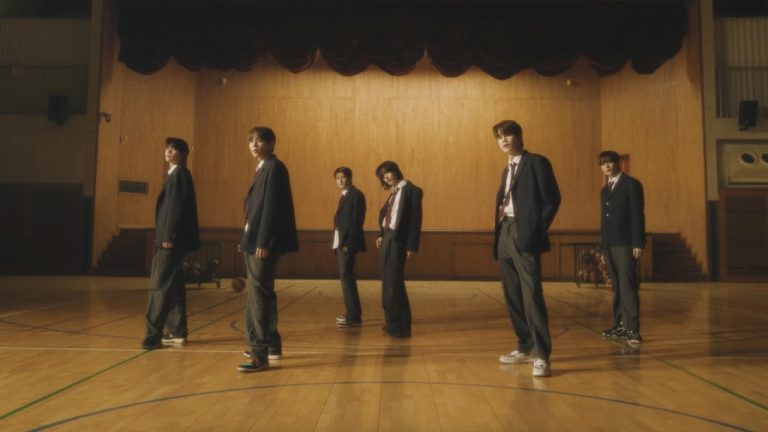
RIIZE Profile: Members, History, Music and Official Videos

Active six-member boy group · SM Entertainment · 2023–present
RIIZE group profile and current lineup
| Current members | Shotaro, Eunseok, Sungchan, Wonbin, Sohee and Anton |
|---|---|
| Company | SM Entertainment |
| Debut | September 4, 2023, with “Get A Guitar” |
| Sound identity | Emotional pop |
| Fandom | BRIIZE |
| Current status | Active six-member group |
| Official channel | RIIZE on YouTube |
RIIZE built a career out of turning growing pains into motion. Shotaro, Eunseok, Sungchan, Wonbin, Sohee and Anton can sell a hard performance, but the reason the songs stick is less macho: first love, memory, friendship, uncertainty and the nerve required to move anyway. SM calls it “emotional pop.” When the label fits, it really fits.
Bottom line
The best RIIZE songs make choreography sound audible. “Get A Guitar” grooves because a group is learning how to move together. “Love 119” panics like first love found an emergency siren. “Impossible” treats house music as permission. “Sunburst” carries that house pulse into a Japanese summer release and asks the six members to make one fleeting day feel worth chasing.
Meet the current members
Each card opens one canonical combined member-and-artist profile. A future solo or OST goes on that same page; it does not create a duplicate person just because the billing changes.






How RIIZE began
SM introduced RIIZE in 2023 around the idea of “Rise & Realize”: members growing together while turning experience into music. Shotaro and Sungchan arrived after debuting in NCT; Eunseok had been introduced through SMROOKIES; Wonbin, Sohee and Anton reached the public through the new team. “Memories” came first as a prologue single, and “Get A Guitar” made the official debut on September 4.
The original lineup had seven members. Seunghan paused activities in November 2023. In October 2024, Wizard Production first announced a return, then announced his permanent departure two days later after he said leaving was best for the members and fans. It was a painful, highly public sequence. The accurate current profile is six members; the debut history remains seven.
What “emotional pop” actually means
The phrase can sound like label fog until the catalog explains it. RIIZE does not stick to one production genre. Funk-pop, synth-pop, house, bass-heavy dance music and Japanese pop can all fit. The consistent part is the subject: memories becoming identity, attraction arriving before language, teamwork becoming confidence, youth feeling temporary while you are still inside it.
That emotional frame also gives their dancing a job. Shotaro’s precision, Sungchan’s timing, Wonbin’s attack, Eunseok’s restraint, Sohee’s vocal lift and Anton’s warmth are not six separate advertisements. In a strong RIIZE performance, those differences become stages of the same feeling.
The eras, without the press-release fog
2023: “Memories,” “Get A Guitar” and “Talk Saxy” introduced groove, nostalgia and sharper confidence. 2024: “Love 119” delivered the first-love breakthrough; “Impossible” and “Boom Boom Bass” proved the group could make house and funk feel like adjacent rooms. 2025: the group expanded its album and touring story. 2026: second mini album II and “Do your dance” pushed forward before the Japanese single “Sunburst” returned to bright house momentum.
II became RIIZE’s fourth album to pass one million first-week sales. Numbers do not explain whether a song works, but they do correct one lazy assumption: RIIZE is not a new group waiting for a first audience. “Sunburst” belongs to a catalog already carrying several distinct hit eras.
The Japanese chapter and “Sunburst”
“Sunburst” was released August 26, 2026 as RIIZE’s third Japanese single, backed by “Rise Over” and “KILL SHOT.” The official site describes a refreshing house summer tune about exhilaration and the once-only sparkle of youth. That sounds like normal seasonal copy, but the track earns it: the kick stays urgent while the vocals keep the surface open and warm.
Read the full “Sunburst” React for the beat, video, member performance and replay verdict. The song also reveals why “Impossible” was not a one-off experiment. House rhythm is one of RIIZE’s cleanest ways to make emotional movement literal.
Official video tracker
Official artist-channel music videos and clearly labeled performance films are tracked here. The list stays chronological enough to follow the musical change without turning every short-form challenge into a “release.”
2026 · Sunburst — Official MVDaily+8.7KTotal views4.6M
2026 · Do your dance — Official MVDaily+15.8KTotal views19M
2024 · Boom Boom Bass — Official MVDaily+9.1KTotal views36.2M
2024 · Impossible — Official MVDaily+5.9KTotal views33.5M
2024 · Love 119 — Official MVDaily+5.2KTotal views33M
2023 · Talk Saxy — Official MVDaily+7.3KTotal views45.8M
2023 · Get A Guitar — Official MVDaily+11.4KTotal views59.9M
2023 · Memories — Official MVDaily+3.3KTotal views25.8M
The members are the map
Shotaro and Sungchan carry earlier debut experience, but in different performance lanes. Eunseok’s restraint and Wonbin’s attack create a useful visual contrast. Sohee supplies much of the bright vocal lift, while Anton’s lower warmth prevents every arrangement from living at the same altitude. None of those sentences needs to become a rigid position chart. They describe why the current records sound balanced.
The group is most convincing when a song lets those qualities converse. A Shotaro detail can sharpen the rhythm before Sohee opens the chorus; Anton can draw the listener closer before Sungchan adds scale; Wonbin can intensify a section while Eunseok steadies the next frame. RIIZE works as a relay, not a collection of solo trailers.
Why the Seunghan history needs accuracy
The October 2024 reversal—from a planned return to a permanent departure two days later—hurt fans and remains part of the group’s documented history. It should be stated with dates and sourced announcements, not mined for invented motives. Seunghan wrote that he believed leaving was the best path for the members and fans. Anything beyond the available statements becomes speculation.
Accuracy also means not freezing RIIZE at the moment of rupture. The six-member lineup continued releasing and touring. A current hub must let readers understand both the original seven-member debut and the active six-member catalog without forcing them to choose between memory and present tense.
House music became more than a detour
“Impossible” showed how naturally RIIZE can inhabit house rhythm: the beat externalizes confidence, and the choreography makes release visible. “Sunburst” returns to that language with a different emotional destination. Instead of insisting that a dream is possible, it captures the exhilaration of knowing a specific youthful moment cannot be repeated.
That distinction matters for catalog growth. Reusing a genre is not creative failure if the group changes its emotional function, melodic shape and visual story. RIIZE now has enough house-adjacent material for listeners to recognize a strength rather than a one-song costume.
Where the tracker draws the line
The official-video tracker prioritizes full music videos and official performance films tied to releases. It does not count every challenge, behind-the-scenes clip or television re-upload as a separate song. That keeps the list usable for somebody discovering the catalog and prevents inflated “coverage” numbers that hide missing primary releases.
The existing audit still identifies “Love 119” performance content without a corresponding CVM Sekai React. That remains a real backlog item; publishing the “Sunburst” React does not silently convert another song into complete coverage. The tracker records what exists, while the audit records what still needs editorial work.
A practical first-listen route
For a new listener, chronology is less useful than contrast. Start with “Get A Guitar” to hear the original shared groove, then jump to “Love 119” for melodic urgency. Play “Impossible” next because its house rhythm explains why RIIZE choreography can feel like part of the composition. “Boom Boom Bass” shows the group handling a heavier funk frame, while “Do your dance” and “Sunburst” reveal the 2026 version of their confidence.
After that route, return to “Memories.” The prologue lands differently once the group has accumulated actual history. What first sounded like a promise becomes a record of people who have already changed lineup, scale and musical surface while keeping growth as the central subject. That is the RIIZE catalog in miniature: movement first, meaning catching up behind it.
The catalog, song by song instead of slogan by slogan
“Memories” introduced RIIZE with nostalgia already baked into the frame. That was a smart opening move. Most debuts pretend the group arrived fully formed; this one treated the beginning as something the members would understand later. “Get A Guitar” then gave the idea a physical language. The guitar loop, handoffs and easy-looking formation work made togetherness audible without forcing a friendship documentary into three minutes.
“Talk Saxy” tightened the attitude and let the group sound less tentative. “Love 119” went the other direction: first attraction arrived like an emergency, with a familiar melodic pull under the panic. It became a breakthrough because the song knew exactly how dramatic young emotion feels from inside it. The record did not mock that intensity, and the members did not perform it like adults remembering adolescence from a safe distance.
“Impossible” remains one of the cleanest explanations of RIIZE. The house pulse says movement is non-negotiable, while the lyric and performance frame movement as belief rather than escape. “Boom Boom Bass” returned to groove with more weight and a larger stage picture. These songs do not share one genre, but they share a practical rule: the beat must give the members a reason to interact. A RIIZE track weakens when six performances merely occupy the same set.
The later catalog expands that rule instead of abandoning it. Japanese releases test whether the emotional-pop identity travels when the language, promotional rhythm and melodic expectations shift. “Sunburst” passes because it does not paste a summer filter over a random leftover. It reconnects the group to house music, then changes the emotional target from freedom to the ache of a good day ending. That is continuity with an actual new thought inside it.
How the six voices divide the work
RIIZE does not need a fake fixed-position chart to explain the sound. Sohee often supplies the bright vocal lift that lets a chorus clear dense production. Anton’s lower, softer color gives verses and transitions somewhere to settle. Eunseok can steady a section without draining it of feeling. Wonbin brings an edge that registers in both vocal texture and movement. Sungchan makes short rhythmic passages land without turning every song into a mandatory rap break. Shotaro can make percussion visible before a lyric even begins.
The useful detail is how those colors hand the song to one another. A lower phrase can pull the listener closer before the chorus opens; a clipped rhythmic line can reset the momentum without announcing a genre change; a sharper visual center can raise the temperature before the formation relaxes again. Line distribution arguments count seconds. Group analysis asks what each handoff changes. RIIZE is strongest when the answer is obvious even before anyone opens a color-coded lyric video.
That also explains why this hub links to one canonical page for each member. A member profile should document the same person across group releases, acting, hosting, writing credits, OSTs, collaborations and any eventual solo catalog. Splitting a human into “member” and “artist” pages only makes the history harder to follow. The page grows when the career grows.
Performance chemistry: difficult is not the same as good
RIIZE can execute difficult choreography, but athletic difficulty is not the point of the group. The best stages make a musical relationship visible. Shotaro’s control can sharpen the whole formation; Sungchan’s scale can widen it; Wonbin can attack a phrase; Eunseok can keep the next beat from feeling overplayed; Sohee can make the chorus lift; Anton can lower the temperature before the cycle starts again. The contrast creates the picture.
A weaker performance would treat every eight-count like an audition clip and every close-up like proof of individual popularity. RIIZE works better when the camera catches reactions, shared momentum and small transfers of attention. “Get A Guitar” needs the pleasure of finding a groove together. “Love 119” needs collective panic. “Impossible” needs the group to look as though movement has broken a lock. “Sunburst” needs six people who understand that the light is temporary.
This is why dance-practice, performance-film and stage versions can matter to the tracker without every upload becoming a separate React. A primary music video establishes the song’s canonical visual argument. A genuinely distinct performance version can reveal formation logic or live arrangement choices. A challenge clip, teaser or re-upload does not become a new work because the thumbnail changed. The directory stays useful by drawing that line.
The lineup history without fandom manipulation
RIIZE debuted as seven. Seunghan paused activities in November 2023, and October 2024 brought a brutal reversal: a return was announced, then his permanent departure followed two days later. Those facts belong on the hub because pretending the original lineup never existed would be dishonest. Inventing motives, assigning secret villains or turning every six-member update into a referendum would be dishonest too.
The current group is Shotaro, Eunseok, Sungchan, Wonbin, Sohee and Anton. That sentence does not erase the debut chapter. It describes the people doing the present work. Fans can remain angry or hurt about how the transition unfolded while still evaluating the music the six-member team releases. A useful profile keeps chronology clear enough that emotion does not have to carry the burden of basic fact.
It also avoids the opposite mistake: treating the active lineup as a damaged placeholder. The six have continued recording, touring and building performance language together. Enough time and material now exist to discuss that formation on its own terms. History matters, but it cannot be the only lens through which every current member is allowed to appear.
A listener’s route through the eras
Start with “Get A Guitar” if you want the original promise: groove, exchange and the sense of a team learning its shape in public. Move to “Love 119” for the melodic breakthrough and emotional urgency. Then play “Impossible,” because its house rhythm turns the group’s movement-first identity into the song itself. “Boom Boom Bass” shows how much heavier the groove can become without losing the relay between members.
After that, use “Memories” as a reset. The prologue sounds different once the group has accumulated real history. Finish with “Sunburst” to hear a later lineup and a Japanese release return to house music without copying the emotional job of “Impossible.” That route is more revealing than a strict chronology because each stop answers a different question about what RIIZE can do.
New listeners should still follow the official tracker below rather than treating five gateway songs as the entire catalog. The tracker is chronological, ties each release to the correct primary video and links a CVM Sekai React only when that exact upload has one. It will not quietly label a performance clip as coverage for a missing music video.
What this hub will update next
A useful group hub is not a frozen debut card. Future updates belong here when the lineup changes, an official release adds a new musical lane, a verified credit changes what we know about a member’s work, or a primary video needs a new React relationship. Promotional adjectives, teaser-photo color changes and recycled biography copy do not justify pretending the group has entered a new historical era.
The same rule protects member pages. An official solo, OST, collaboration, acting role or production credit should update the person’s canonical record and the relevant tracker. Rumor accounts and fan-edited “positions” should not. Receipts sit on the page so readers can separate confirmed career facts from RaeRae’s blunt performance analysis. Both belong here, but they are not the same kind of statement.
RIIZE has already proved that “emotional pop” can be more than a branding phrase. The next test is whether the catalog keeps finding new emotions for motion to carry. Another house track can work; another guitar groove can work; a completely different genre can work. The production choice matters less than whether the members sound and look as though the song requires this specific group.
RaeRae’s verdict
RIIZE is not interesting because SM found six handsome people who can survive synchronized choreography. The group is interesting because its best records make growth feel physical: awkwardness becomes a handoff, confidence becomes footwork, memory becomes a groove, and a summer day becomes a beat running out of sunlight. When the music, camera and members agree on that emotional job, the concept stops being copy and becomes identity.
The misses will come when the machinery gets louder than the people—when a track collects fashionable sounds but gives the lineup nothing to exchange, or when a video mistakes expensive surfaces for a shared story. The catalog has enough strong examples to make that standard fair. RIIZE should be judged by “Get A Guitar,” “Love 119,” “Impossible” and “Sunburst” at their best, not by how many branded nouns fit in a press release.
Official accounts and receipts
RaeRae Reacts
Love 119 Performance Video: RIIZE Let the Choreography Answer the Emergency Call — exact playlist upload kmD6JcAV_Rc.
React image cards
Static cards route each exact official upload to its own in-depth React. Every card repeats that React’s featured and hero image so the archive stays visually traceable.